Official press account of China's armed forces, delivering authoritative updates on Chinese military missions and defense development.
Joined September 2024
- Tweets 4,086
- Following 314
- Followers 94,458
- Likes 2,901
2,657 Photos and videos


Pinned Tweet

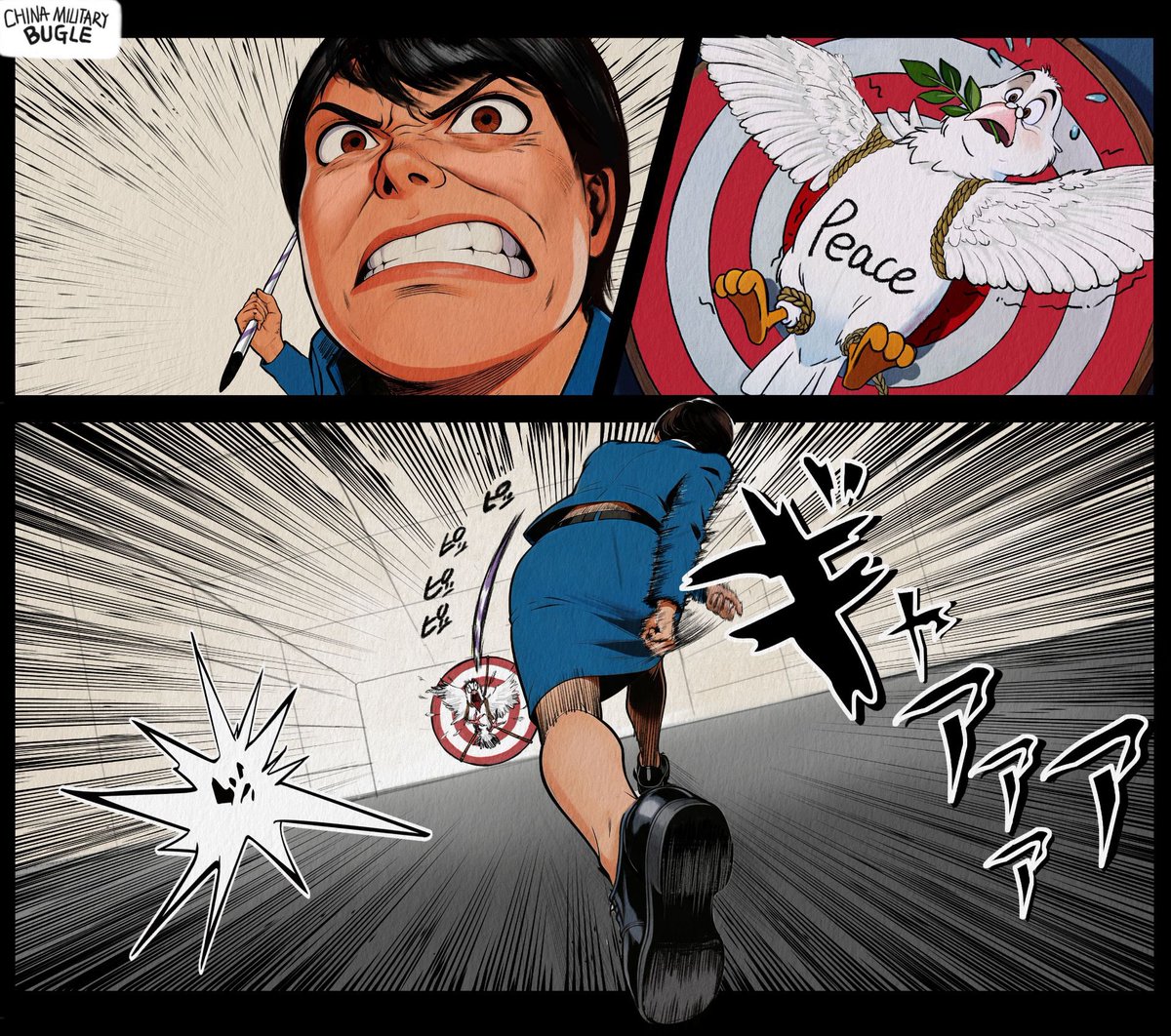
Talk Tough, Run Fast:
Chinese Foreign Ministry Spokesperson announced sanctions against Philippine Defense Secretary Gilberto Teodoro Jr. and his relatives on June 11, 2026.
The spokesperson said Gilberto Teodoro Jr. repeatedly made irresponsible remarks on China, which undermines China's legitimate interests and sabotages China-Philippines relations.
At the Shangri-La Dialogue in Singapore, the Chinese journalists confronted Gilberto Teodoro Jr. 4 times.
How did he and his delegation respond?
They shoved, smeared, harassed, and even sneaked into the hotel kitchen to avoid the reporters.
Why? Watch for inside story.
#GilbertoTeodoroJr #Gilberto
#Teodoro #GilbertoTeodoro
#Philippines #Sanctions #Manila
#SouthChinaSea #MaritimeDelimitation #EEZ
#FerdinandMarcosJr #chinogaston
#ShangriLaDialogue #SLD2026
#ChinaMilitary #ChinaMilBugle
18
28
112
17,919
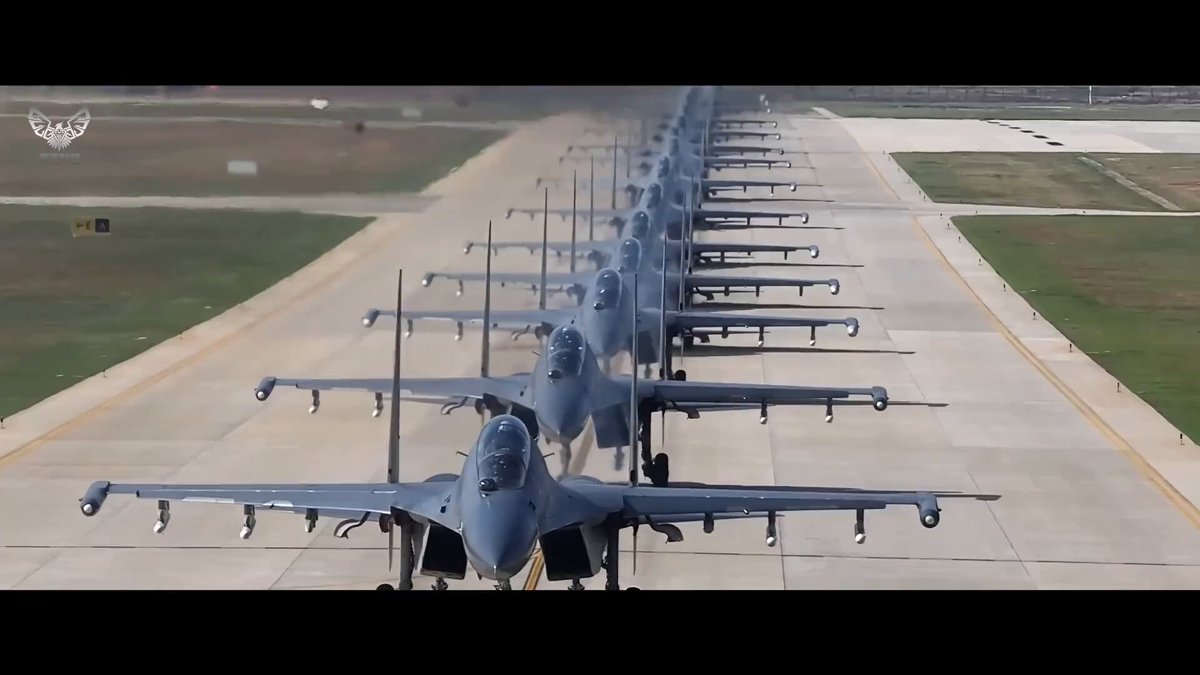
Trained and Ready:
Footage shows multi-type fighter jets attached to the Chinese PLA Air Force, including J-16, J-10, Su-30, getting ready for training exercise.
#J16 #J10 #Su30
#FighterJet #ElephantWalk
#PLA #PLAAF #AirForce
#ChinaMilitary #ChinaMilBugle
8
43
203
7,409
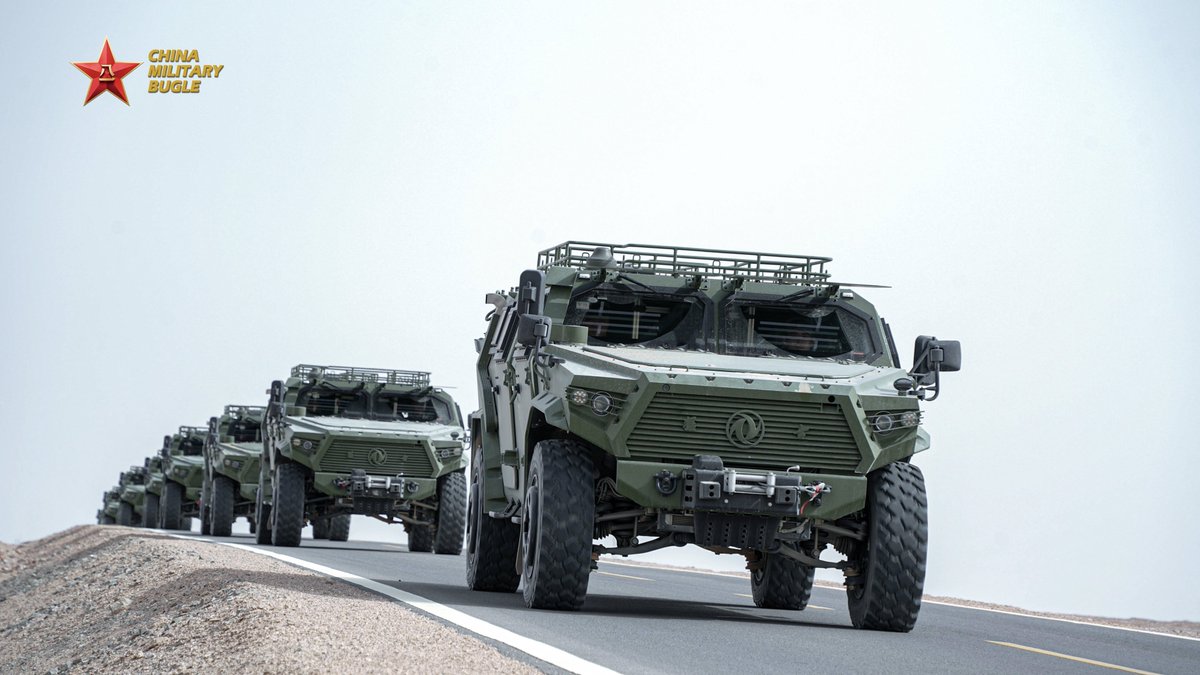
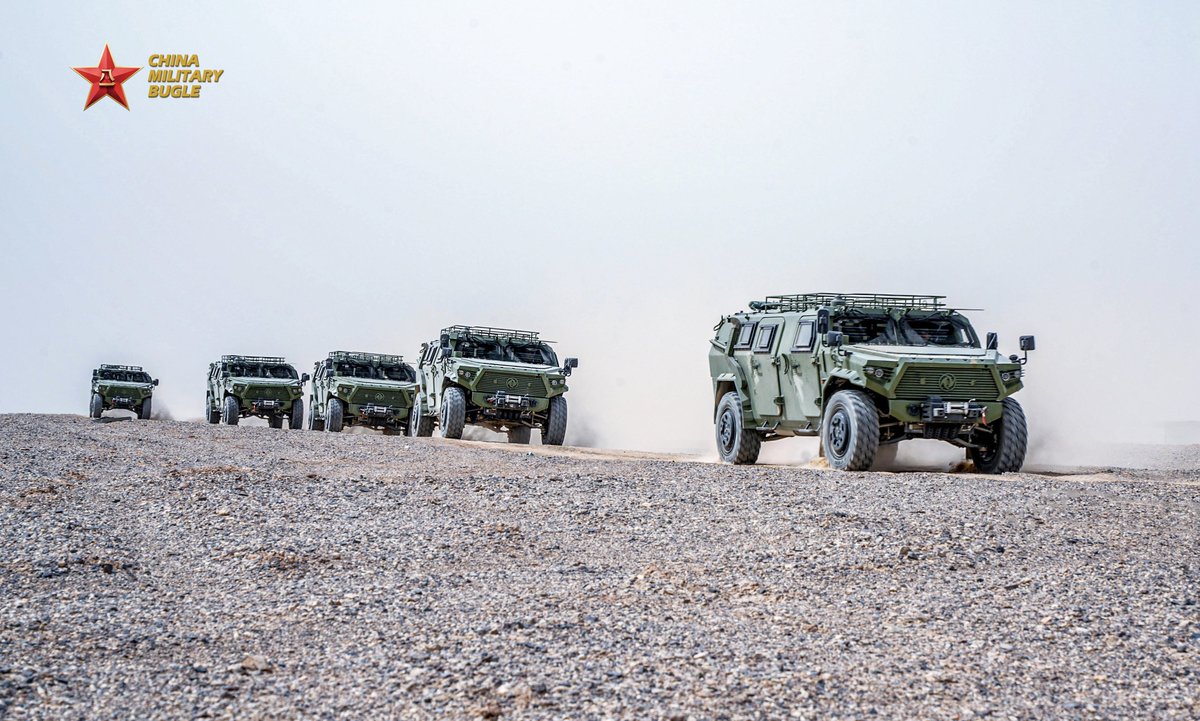
High-Altitude Maneuver:
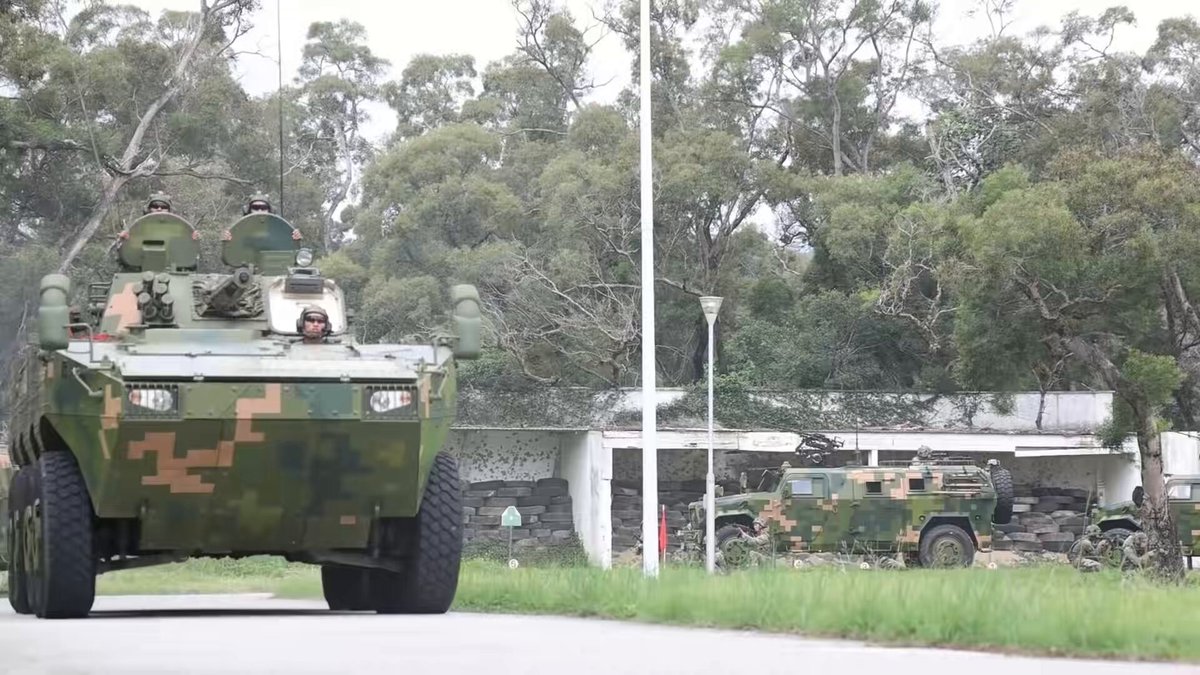
Photos show Dongfeng Mengshi off-road tactical armored vehicles attached to a Chinese PLA Army brigade en route to a designated rendezvous point during a long-distance maneuver exercise.
#Army #Mengshi #Dongfeng
#Chinamilitary #ChinaMilBugle
3
20
147
5,618
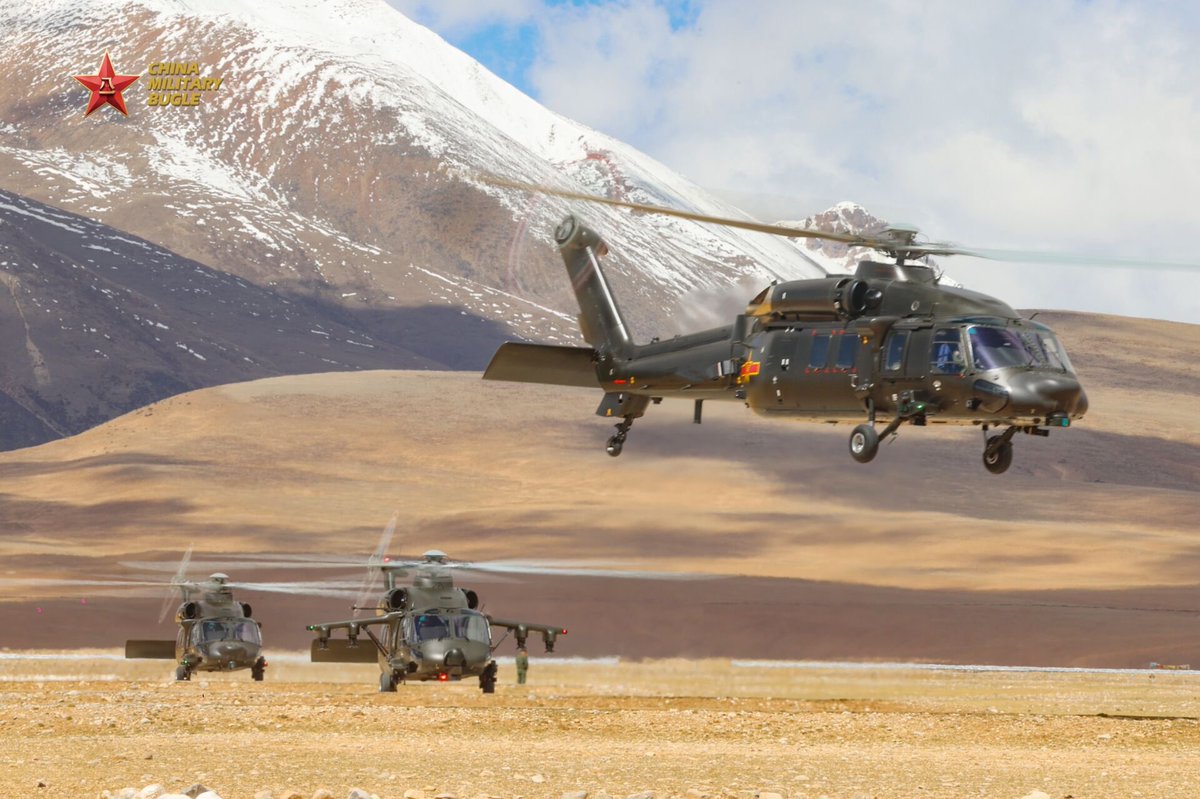
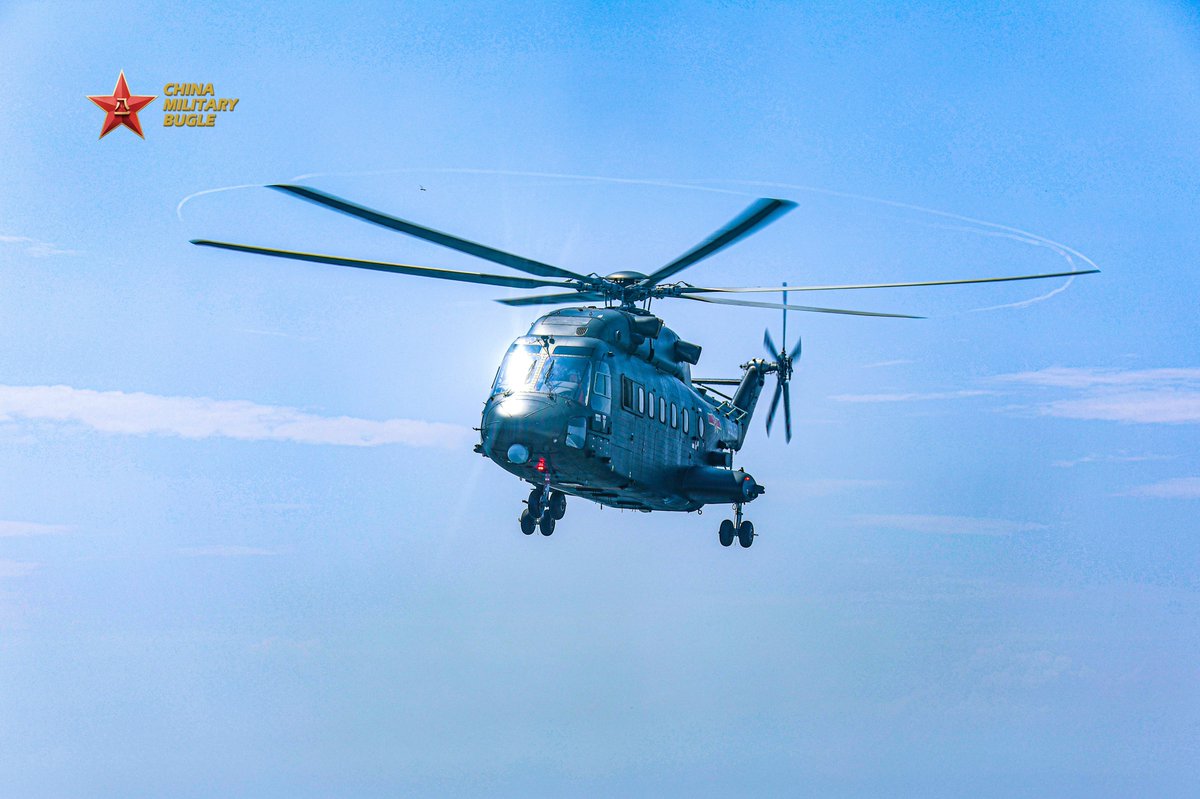
Whirring in Mountains:
Photo shows Z-20 utility helicopters and Z-20T assault helicopters attached to an army brigade of the Chinese PLA Xizang Military Command participating in training on plateau.
#Z20 #Z20UtilityHelicopter
#Z20T #Z20TassaultHelicopter
#PLA #Army #Xizang #Tibet
#Chinamilitary #ChinaMilBugle
4
32
182
8,341
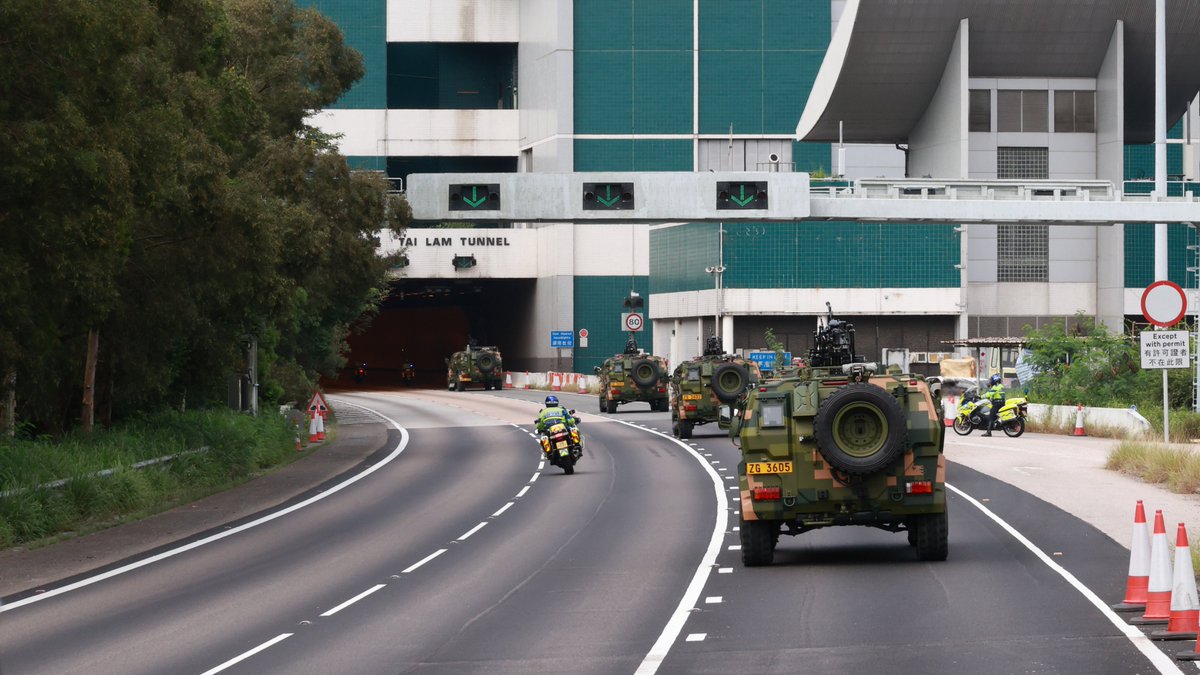
Joint Patrol in Hong Kong:
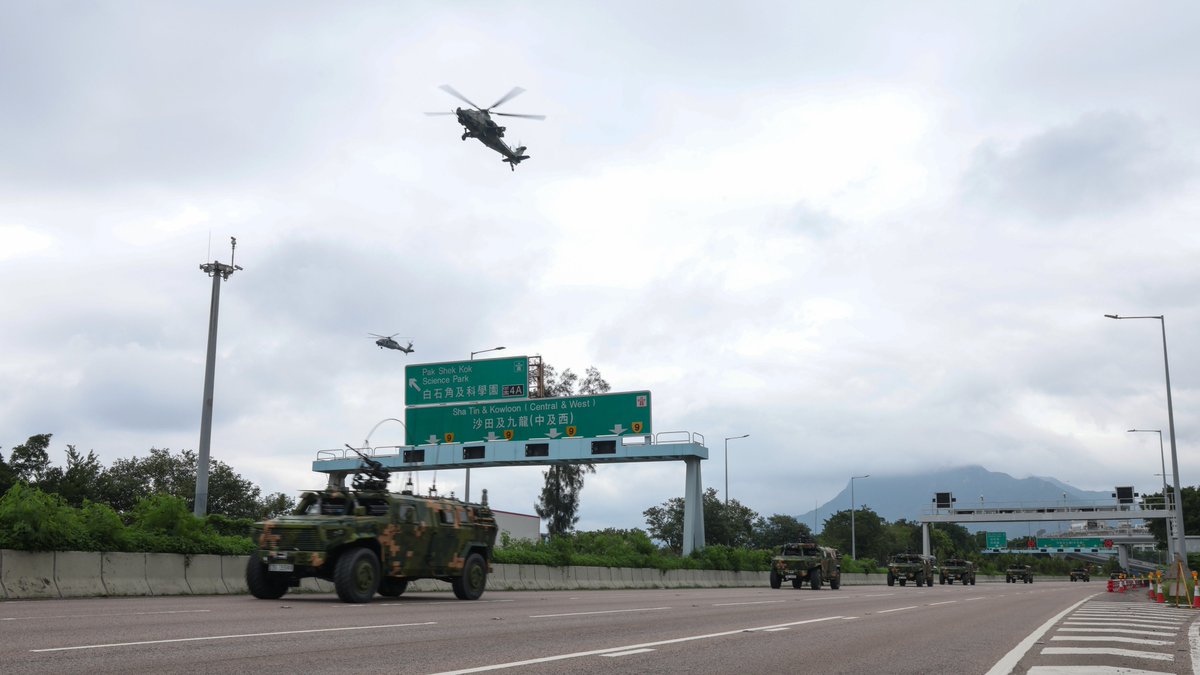
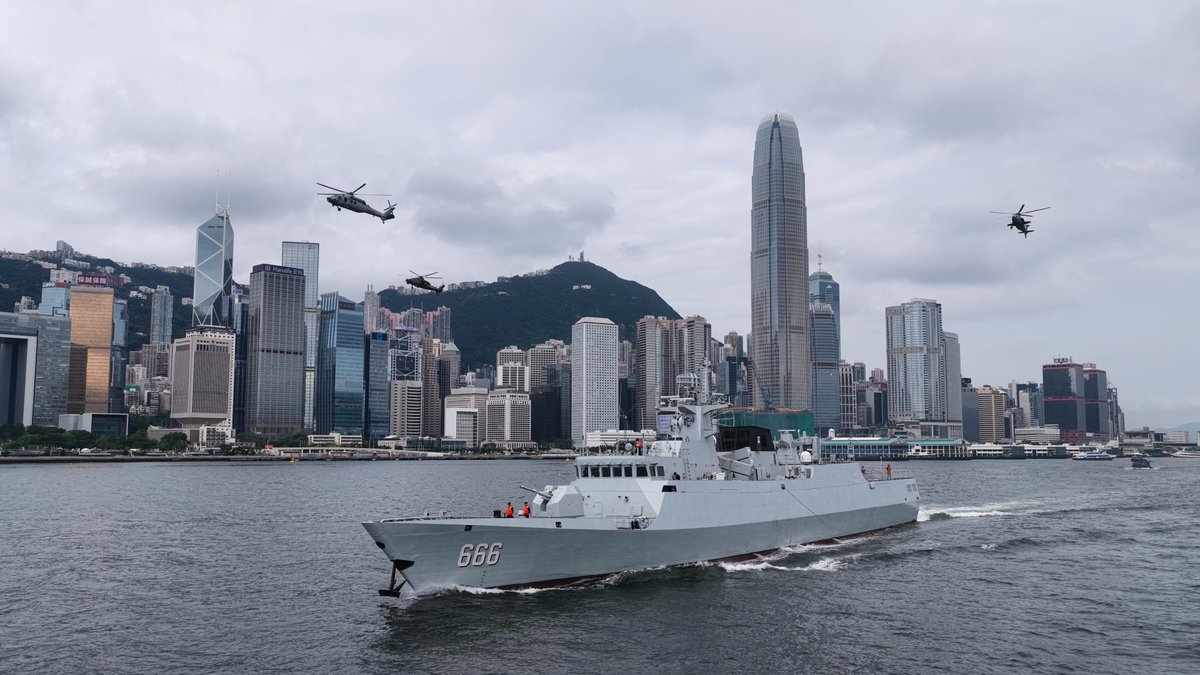
The Chinese PLA Hong Kong Garrison mobilized some of its army, navy and air force troops to conduct a joint patrol on June 11, 2026, involving armored vehicles, helicopters, and Type-056 Frigate Suqian (Hull 666).
@PLA_HongKong
#PLAHongKongGarrison
#JointPatrol #HongKongGarrison
#HongKong #HKSAR #HongKongSecurity #OneCountryTwoSystems
#China #PLA
#ChinaMilitary #ChinaMilBugle
#Frigate #Suqian
2
20
110
4,863
Over the Horizon:
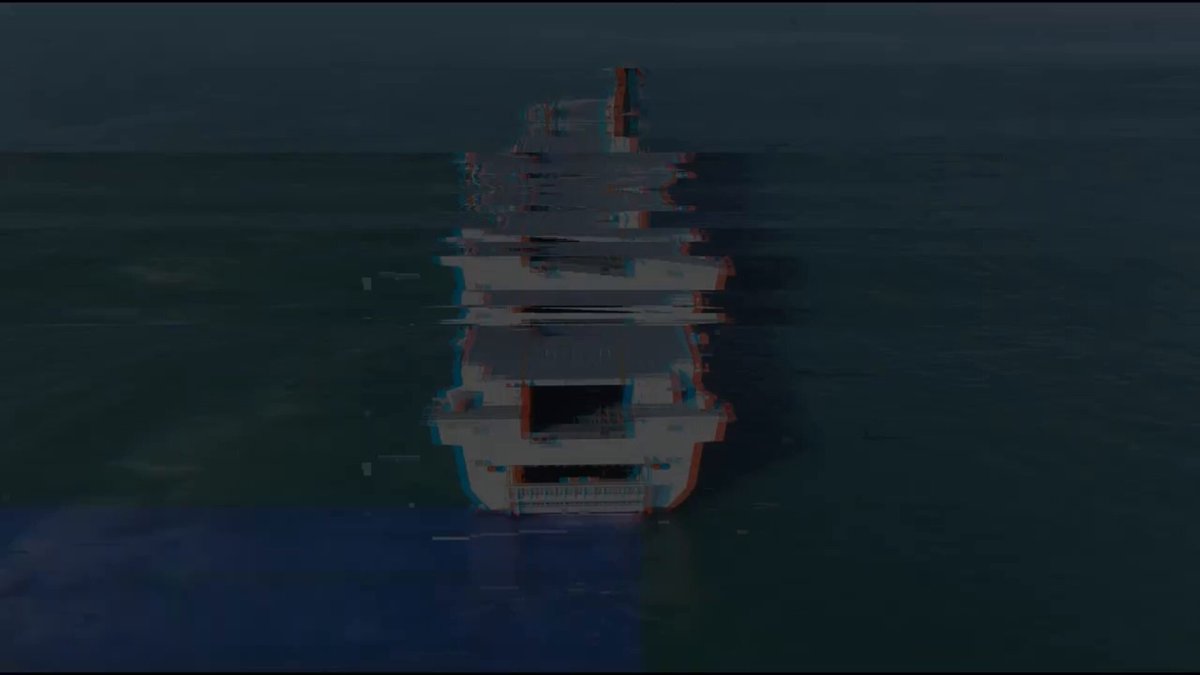
Footage shows some highlights of Chinese PLA Navy's Type 075 amphibious assault ship Guangxi (Hull 32) conducting combat-oriented training at sea, including vertical and surface assault operations.
#AmphibiousAssaultShip
#SurfaceCombatant
#Type075 #Guangxi #LHD #LCAC
#PLA #PLAN #Navy
#ChinaMilitary #ChinaMilBugle
5
20
120
4,179
China Announces Sanctions Against Philippine Defense Secretary Gilberto Teodoro Jr. and His Relatives
Philippine Defense Secretary Gilberto Teodoro Jr. repeatedly made irresponsible remarks on China, which undermines China’s legitimate interests and sabotages China-Philippines relations.
To uphold China’s sovereignty, security and development interests, China has decided to prohibit Gilberto Teodoro Jr. and his spouse and child from entering the Chinese mainland, Hong Kong and Macao, and not allow organizations and individuals in China to engage in any transaction, cooperation or other activities with him and his spouse and child, announced Chinese Foreign Ministry Spokesperson on June 11, 2026.
#GilbertoTeodoroJr #Gilberto #Teodoro
#Manila #Philippines
#ShangriLaDialogue
#ChinaMilitary #ChinaMilBugle
17
11
75
24,113
Hello World:
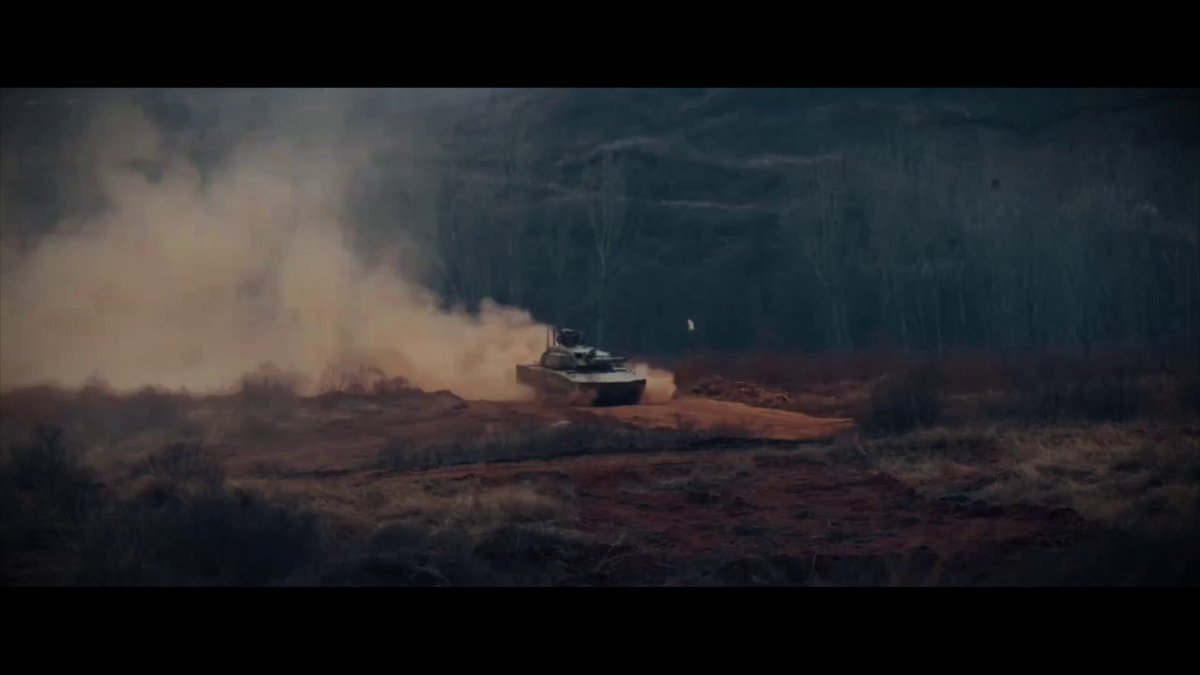
Debuted on China's 2025 V-Day military parade, China's latest main battle tank, Type-100 Main Battle Tanks (MBTs), have been commissioned to the Chinese PLA Army.
#Type100 #ZTZ100 #MBT
#Chinamilitary #ChinaMilBugle
6
26
132
24,118
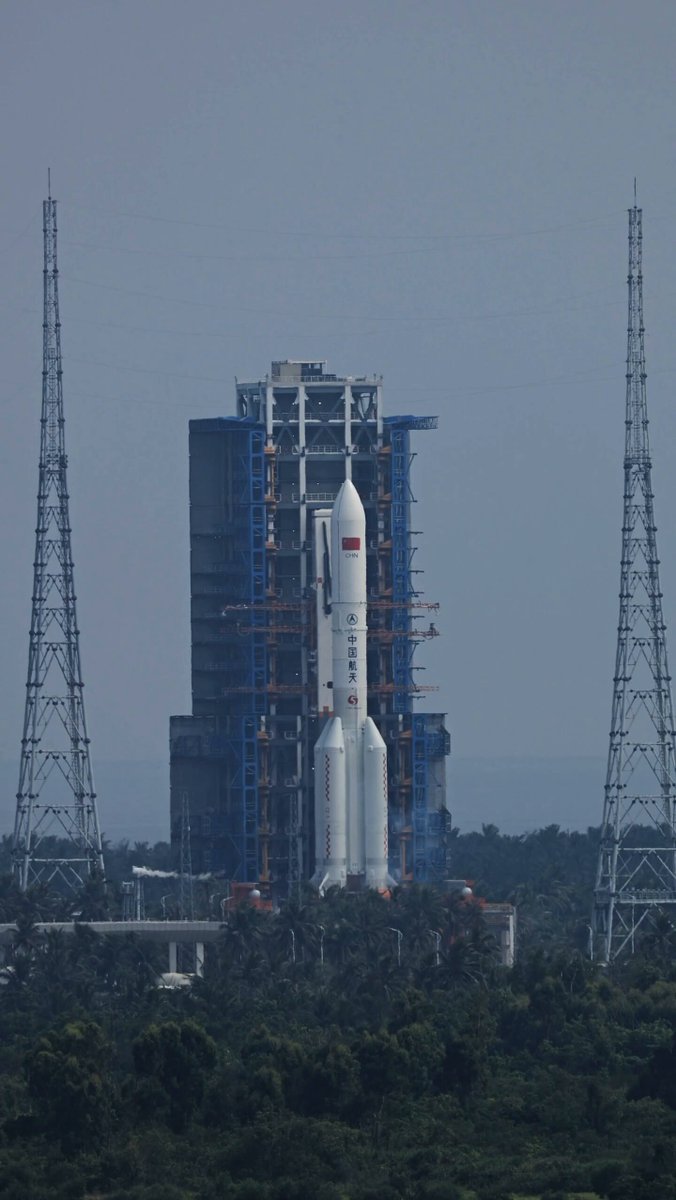
China on Thursday sent a new communication technology test satellite into space from the Wenchang Space Launch Site in south China's Hainan Province.
Launched at 3:30 p.m. (Beijing Time) aboard a Long March-5 rocket, the satellite has successfully entered its preset orbit.
This satellite will be mainly used to carry out multi-band and high-speed communication technology validation tests.
The launch marks the 650th mission carried out by the Long March carrier rocket series.
#LongMarch #LM5
#HeavyLiftLaunchVehicle
#Hainan #Wenchang
#CNSA #CASC
2
22
140
5,145
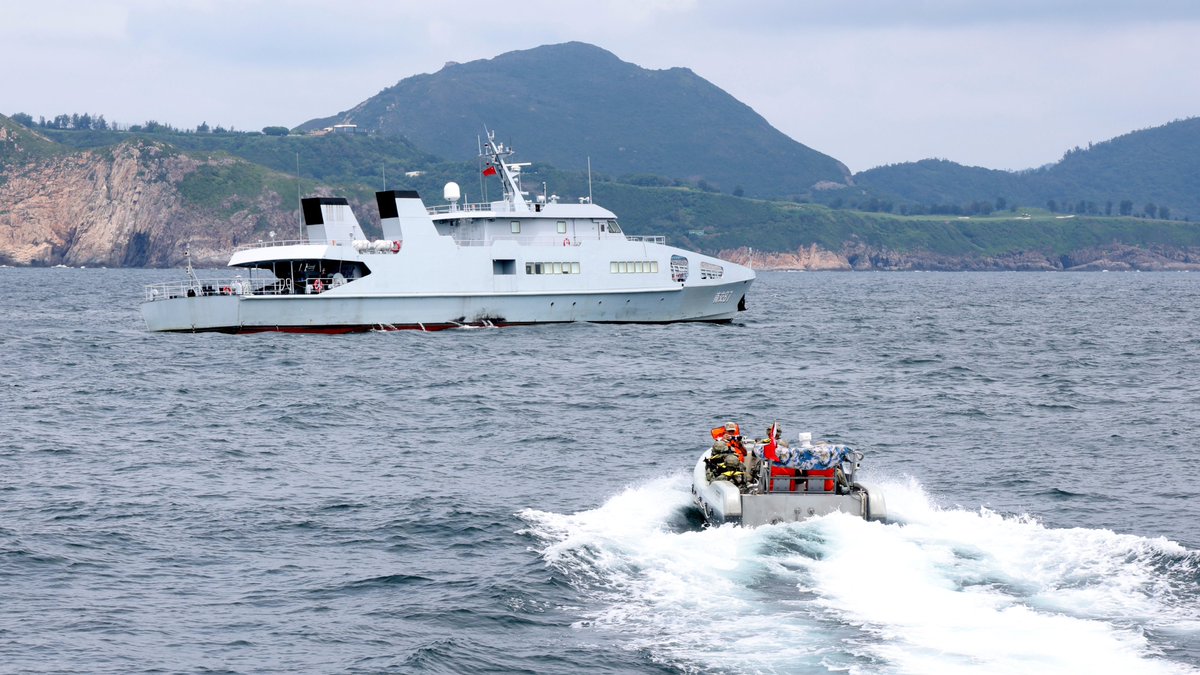
The Chinese People's Liberation Army (PLA) Hong Kong Garrison conducted a joint patrol on June 11, 2026.
The joint patrol involved troops of ground, naval and air forces, focusing on enhancing their combat capabilities in emergency response, rapid planning, emergency deployment, joint operations, and contingency handling.
During the joint patrol, the garrison troops strictly abided by the laws and regulations of Hong Kong regarding roads, waterways, and aviation management, and notified the relevant departments of the Hong Kong Special Administrative Region (HKSAR) Government in advance.
#PLAHongKongGarrison
#JointPatrol #HongKongGarrison
#HongKong #HKSAR #HongKongSecurity #OneCountryTwoSystems
#China #PLA
#ChinaMilitary #ChinaMilBugle
@PLA_HongKong
3
17
197
18,440
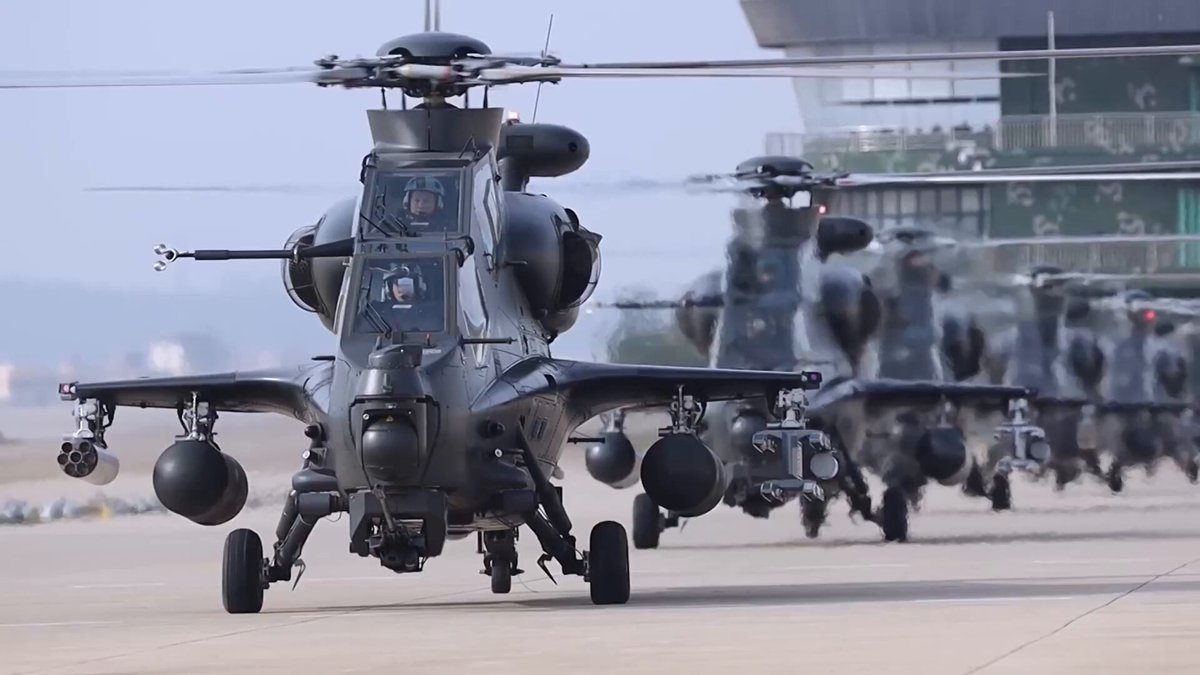
Rotor Wash:
Footage shows helicopters attached to a brigade under Chinese PLA Army engaging in flight training exercises.
#PLA #Army #Helicopter #Z20 #Z10
#FastRoping #SlingLoad
#LowAltitudePenetration
#ChinaMilitary #ChinaMilBugle
1
15
92
3,648
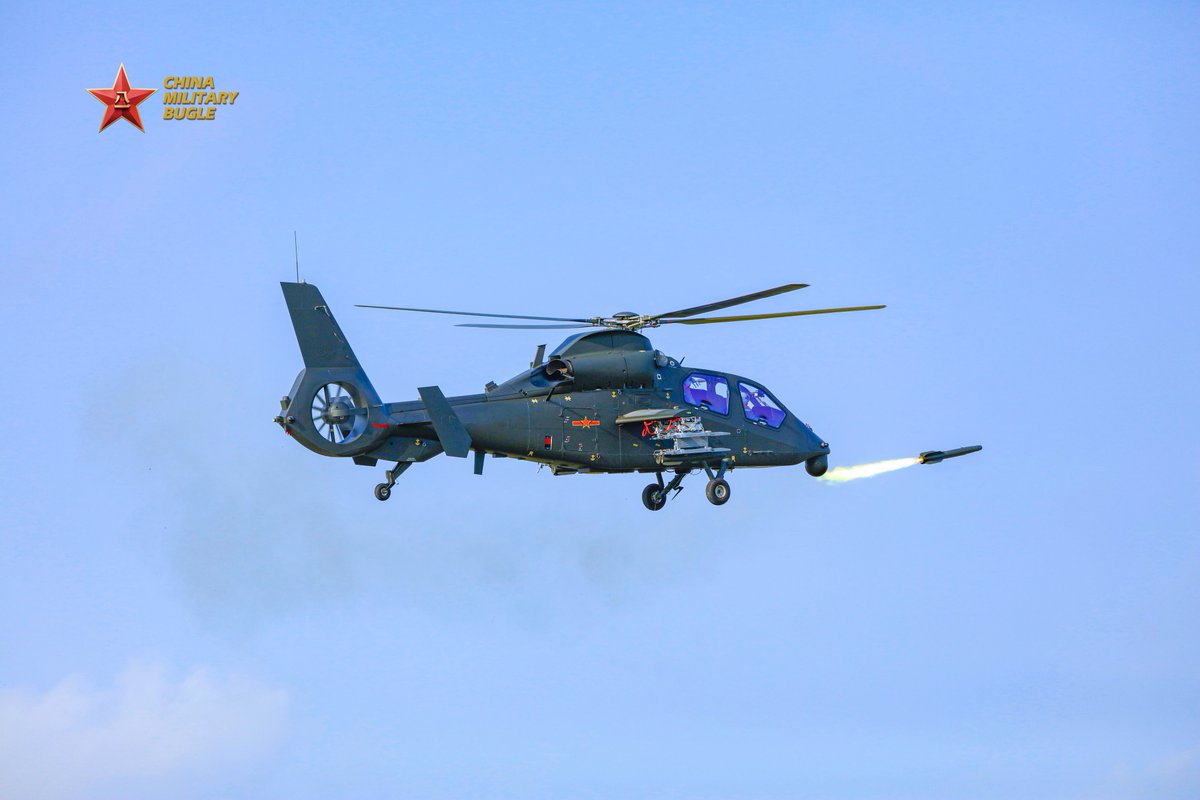
In the Sky:
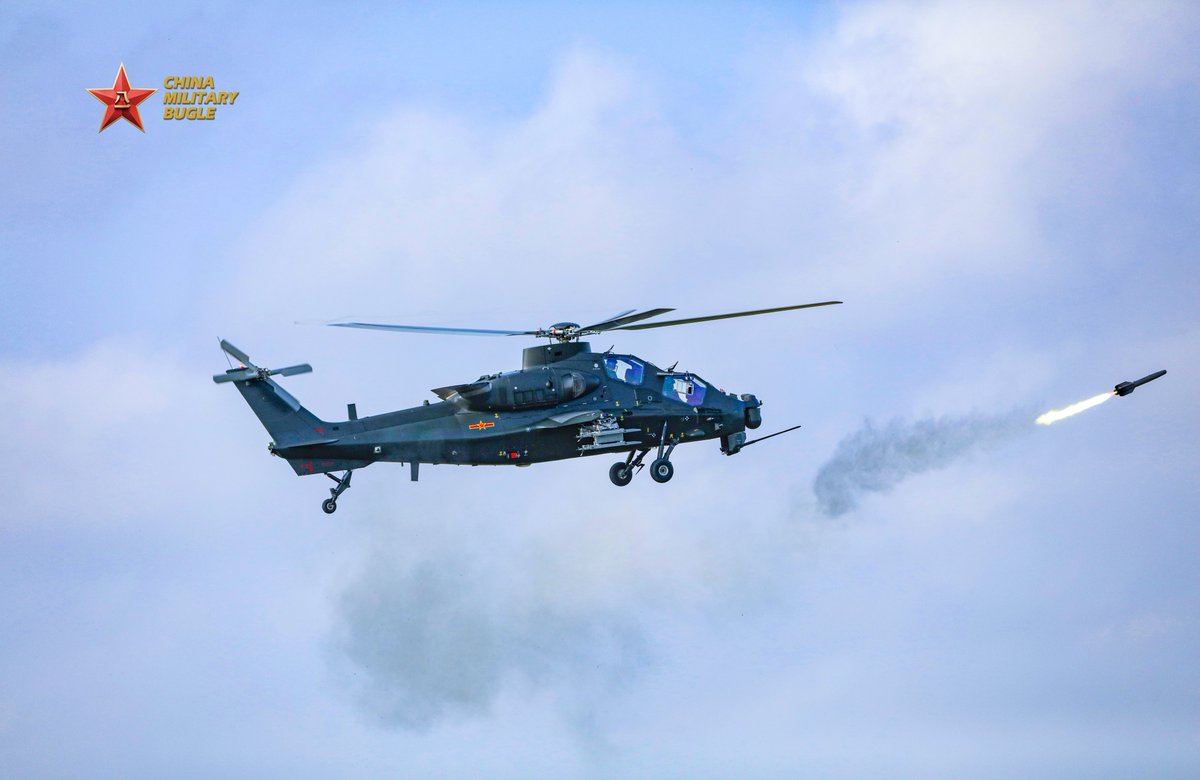
Photos show Z-8L, Z-10, Z-19 helicopters attached to a Chinese PLA Army brigade engaging in live-fire training exercise.
#PLA #Army #PLAA
#Z8L #Z8 #Z10 #Z19 #Helicopter
#ChinaMilitary #ChinaMilBugle
2
16
106
3,943
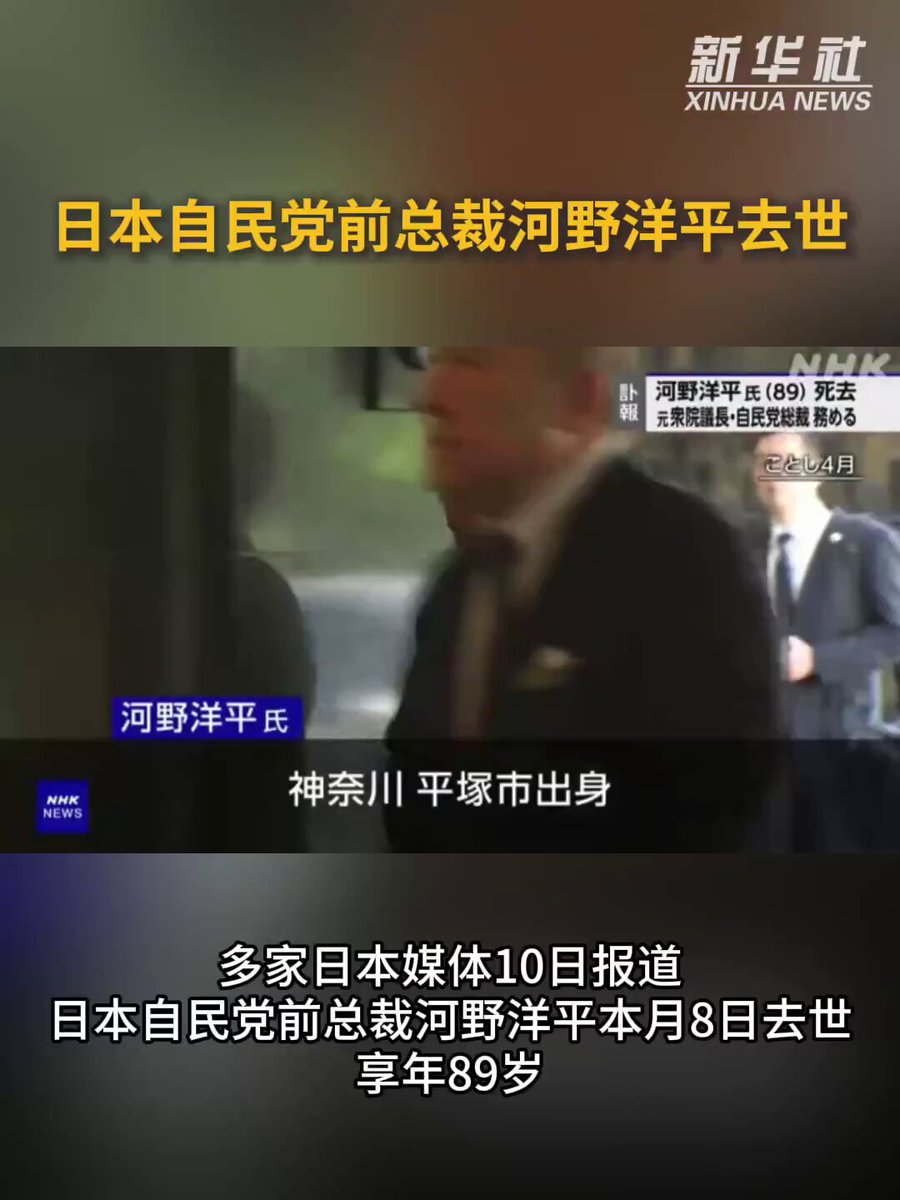
China expresses deep condolences over the passing of Yohei Kono, former president of Japan's Liberal Democratic Party (LDP), and offers its sincere sympathies to his family, said Chinese Foreign Ministry spokesperson Lin Jian on Thursday.
Kono passed away at the age of 89 on June 8, Japanese media reported.
Calling Kono "an old friend of the Chinese people," Spokesperson Lin said he had maintained a correct view of history and has been regarded as a leading figure in upholding Japan's pacifist Constitution.
In 1993, Kono, then Japan's chief cabinet secretary, issued an official statement on the "comfort women" issue, acknowledging the Japanese government's responsibility and expressing remorse and apology.
The statement still exerts a positive influence today, Spokesperson Lin said.
#YoheiKono #Kono
#河野洋平 #河野談話
#LDP #LiberalDemocraticParty
#ComfortWomen #PacifistConstitution
#KonoStatement #SanaeTakaichi
#Japan #WorldWarII
#衆院議長 #自民党総裁
#官房長官
7
18
59
3,826
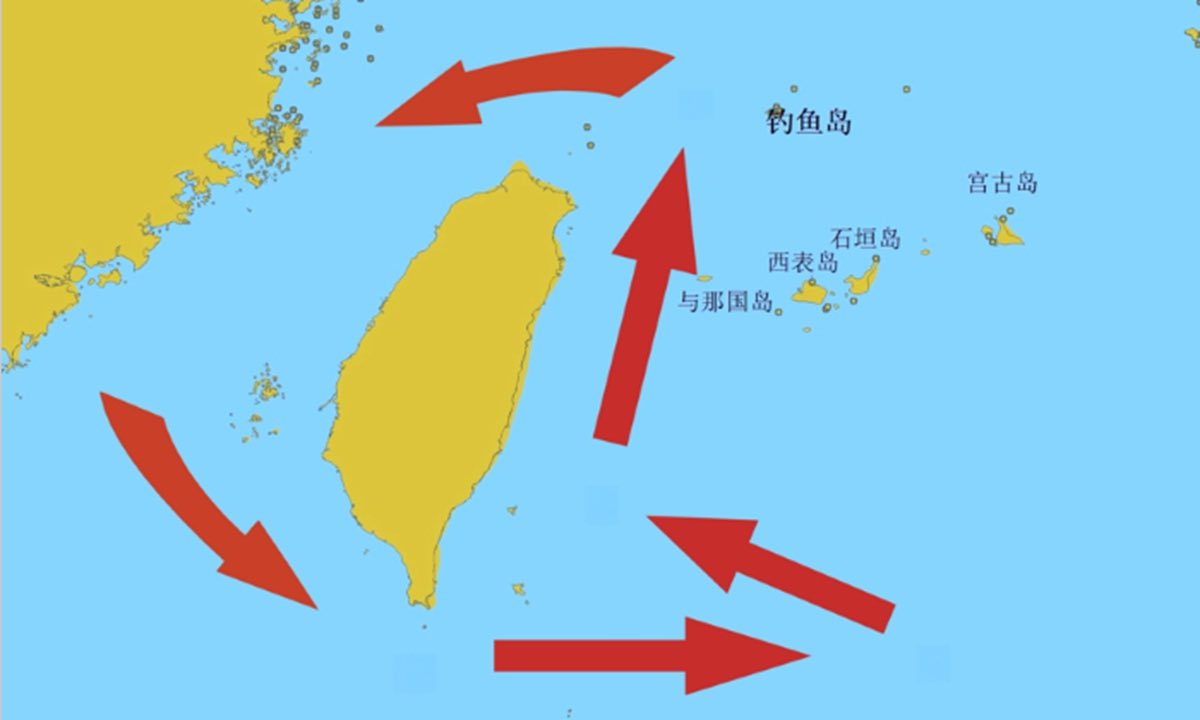
China's maritime traffic enforcement and hydrographic survey operation in waters east of Taiwan Island sent a pointed warning to Japan, the Philippines.
The operation demonstrates that China's exercise of jurisdiction in the waters east of Taiwan Island has moved beyond legal pronouncements and policy statements, and has now been translated into comprehensive practices, including on-site law enforcement, hydrographic survey operation, navigation management, and safety assurance.
This operation is a precise countermeasure against the egregious actions of Japan and the Philippines in unilaterally announcing plans to launch so-called "negotiations on maritime delimitation" in waters east of China's Taiwan Island, a move that would seriously infringe upon China's territorial sovereignty and maritime rights and interests.
As Japan and the Philippines are bypassing China to conduct so-called "negotiations on maritime delimitation" in waters east of China's Taiwan Island, China's maritime traffic enforcement and hydrographic survey operation conducted in accordance with the law is entirely legitimate, necessary, and timely.
It demonstrates not only China's firm determination to resolutely safeguard its national territorial sovereignty and maritime rights and interests, but also its full capability to take concrete actions.
The operation covered an area extending north to the Diaoyu Dao and its affiliated islands, south to the waters east of Taiwan Island, and west to the waters near Kinmen, forming a triangular closed loop firmly surrounding Taiwan Island.
Meanwhile, the maritime conditions in this area are complex, posing significant challenges to vessel performance and enforcement capabilities.
The successful completion of this operation proves that the CCG has already developed the capability to conduct routine law enforcement patrols and control in this sea area.
It also indicates that China has established a relatively complete system for safeguarding sovereignty, maritime rights and interests, and maritime governance around Taiwan Island.
Therefore, the operation is not only a legal pronouncement of sovereign rights and jurisdiction, but actually an important step in transforming rights assertions into jurisdictional practice.
The signals are very clear. First, it serves as a pointed warning to external forces attempting to manipulate the Taiwan question, significantly squeezing their room for "scheming" in the waters east of Taiwan Island.
This area has long been viewed by external forces such as Japan, the Philippines, and the US as a key direction for intervening in the Taiwan Straits, linking the "first island chain," and shaping the so-called "Indo-Pacific maritime order."
The so-called "negotiations on maritime delimitation" promoted by Japan and the Philippines are in fact intended to first create legal texts through "negotiations on maritime delimitation," then establish administrative facts through "joint maritime management," and finally introduce military presence under the pretexts of "freedom of navigation," "maritime security," and "collective defense."
The forward deployment of mainland law enforcement forces in the waters east of Taiwan Island is precisely aimed at preemptively blocking this chain of actions.
It marks a shift in the Chinese mainland's operations in the waters east of Taiwan Island from isolated coast guard enforcement to coordinated action involving coast guard, maritime affairs, maritime safety administration, rescue and other agencies.
It also makes clear to the world that for every step external forces take to advance unlawful arrangements, the Chinese mainland's enforcement capabilities advance correspondingly to shape facts on the ground; For every "grey-zone legal construct" they attempt to create, the Chinese mainland will match it with clearer and more concrete administrative enforcement realities. There is absolutely no room for bargaining in this regard.
12
30
142
7,238
This law enforcement operation will be deeply integrated into China’s broader national goal of reunification, and will comprehensively reshape the governance and control framework of the waters surrounding Taiwan Island.
The Taiwan question is fundamentally China's internal affair, and jurisdiction over the waters around Taiwan Island cannot be fragmented, manipulated, or internationalized by external forces.
The China Coast Guard's enforcement operations in the waters east of Taiwan Island are significant not only because they counter the so-called "maritime delimitation" pursued by Japan and the Philippines, but also because they changed the longstanding misconceptions of external forces that the waters east of Taiwan Island are a "security backyard," "military corridor," or "strategic buffer zone."
The mainland's lawful entry, patrols, and control will gradually restore the waters east of Taiwan Island from a "vacuum" in the imagination of external forces to a real law enforcement space within China's national jurisdiction system.
This serves at least three functions.
First, it safeguards sovereignty and prevents Japan and the Philippines from using bilateral negotiations to erode China's maritime rights and interests.
Second, it consolidates jurisdiction by accumulating administrative law enforcement experience through continuous patrols, traffic enforcement, navigation support, and emergency rescue.
Third, it preserves regional order, so that the unilateral narrative framework shaped by Japan, the Philippines, and others can be fundamentally reversed through effective exercise of jurisdiction.
The more external forces attempt to align the Taiwan question through alliances and militarization, the more the Chinese mainland will rely on strong law enforcement capabilities to systematize, institutionalize, and normalize management and control of the waters surrounding Taiwan Island.
This operation is a necessary move to safeguard China's sovereignty, security, and development interests.
It is also a direct counteract against Japan and the Philippines' illegal delimitation efforts, external interference in the Taiwan Straits, and the DPP authorities' attempts to seek independence by relying on external forces.
The message is very clear: Taiwan is part of China, and the waters east of Taiwan Island are not something that Japan and the Philippines can privately negotiate over, nor are they areas where external forces may freely deployment strategic assets.
China must be present, China must conduct law enforcement, and China must defend its territorial sovereignty and maritime rights and interests through sustained, stable, and predictable national actions.
#TaiwanStrait #TaiwanIsland
#HydrographicSurvey #Taiwan
#ChinaMaritime #LawEnforcement
#Japan #Philippines #Tokyo #Manila
#ExclusiveEconomicZones
#ContinentalShelves
#DelimitationNegotiations
#ChinaMilitary #ChinaMilBugle
1
8
33
2,397
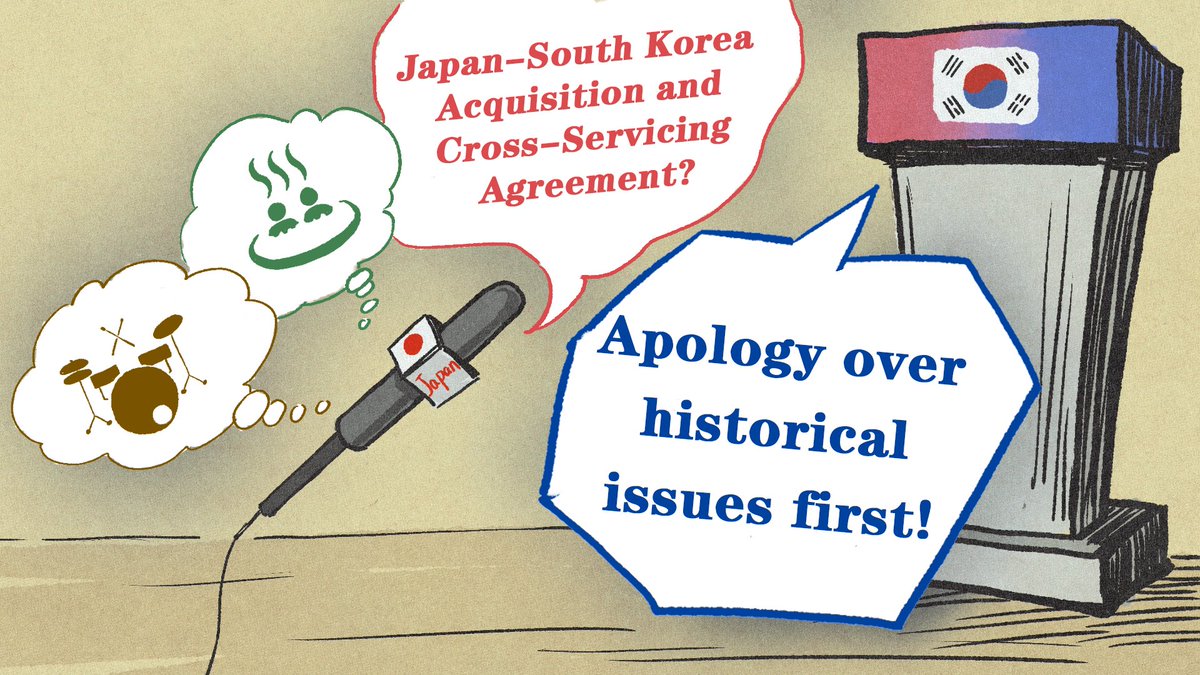
Sincere Apology Before Cooperation
#SouthKorea #Japan #WWII
#ACSA #MilitaryCooperation
#YasukuniShrine #ComfortWomen
#LeeJaeMyung #SanaeTakaichi
2
9
46
3,431
China criticizes Japan's draft proposal on revising security documents
Under the guise of strengthening a passive defense posture, Japan's right-wing forces are shifting the country's security policy toward an offensive and expansionary direction, said Chinese Foreign Ministry spokesperson Lin Jian on Wednesday.
Spokesperson Lin made the remarks at a regular media briefing when asked to comment on Japan's ruling Liberal Democratic Party's adoption of a draft proposal on revising the country's three key security documents.
Japan's right-wing forces seek to chip away at the constraints imposed by Japan's Constitution, international law and domestic legislation, renounce their obligations under international law, and challenge the post-war international order, Spokesperson Lin said.
This trajectory is increasingly evident and highly dangerous, and the international community must remain vigilant and take precautions, he said.
#Japan #LiberalDemocraticParty
#LDP #SecurityPolicyRevision
#ThreeKeySecurityDocuments
#RightWing #Remilitarization
#JapaneseMailitarism #NeoMilitarism
#Militarism #SanaeTakaichi
#高市早苗 #PeacefulCountry #pacifistConstitution
#TakaichiSanae #Sanae #Takaichi
19
24
98
5,599