
SPIC is one of China's top five power generators and a Fortune Global 500 company.
Joined December 2016
- Tweets 1,856
- Following 1,099
- Followers 103,101
- Likes 426
1,641 Photos and videos



16h
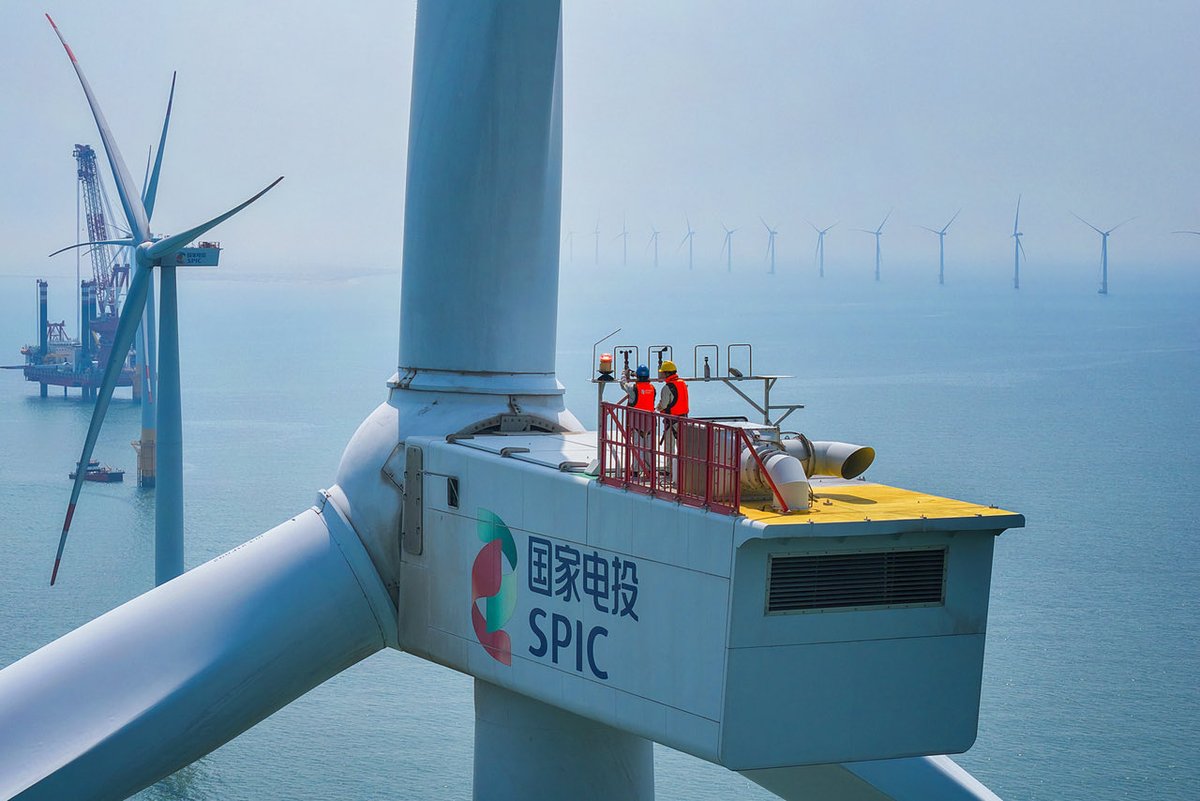
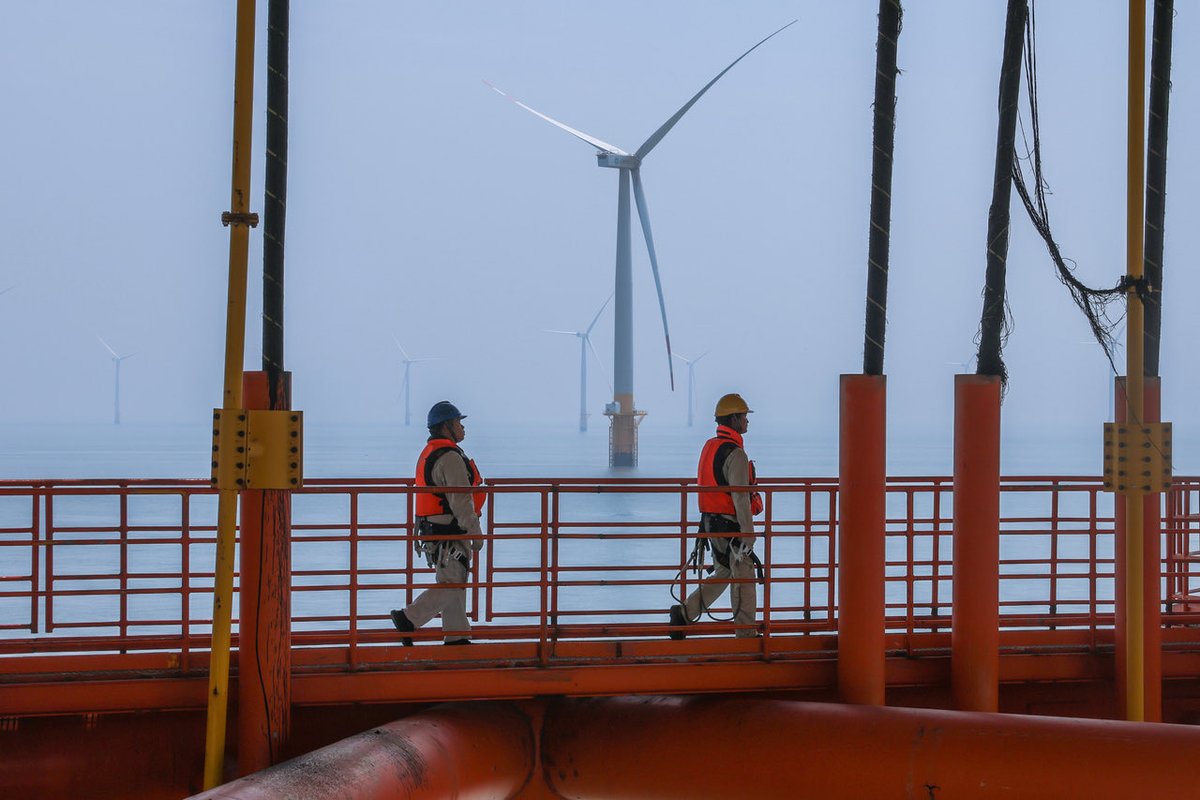
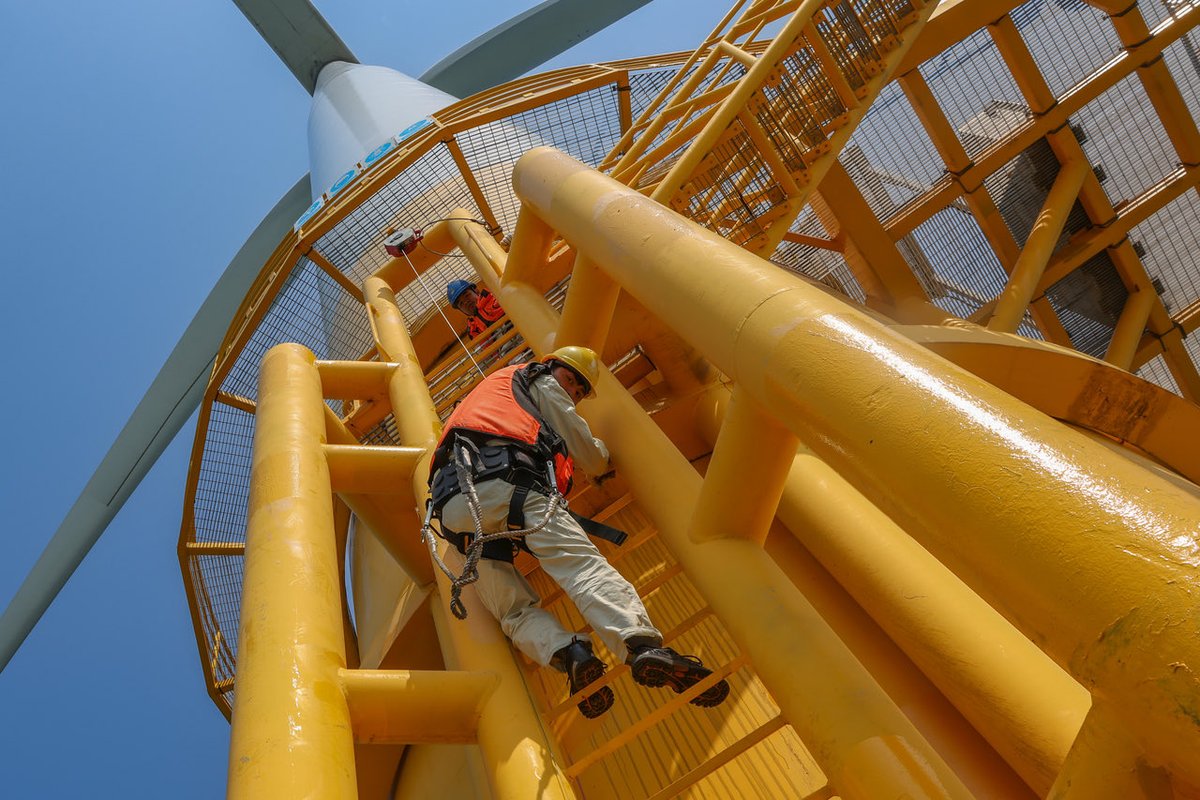
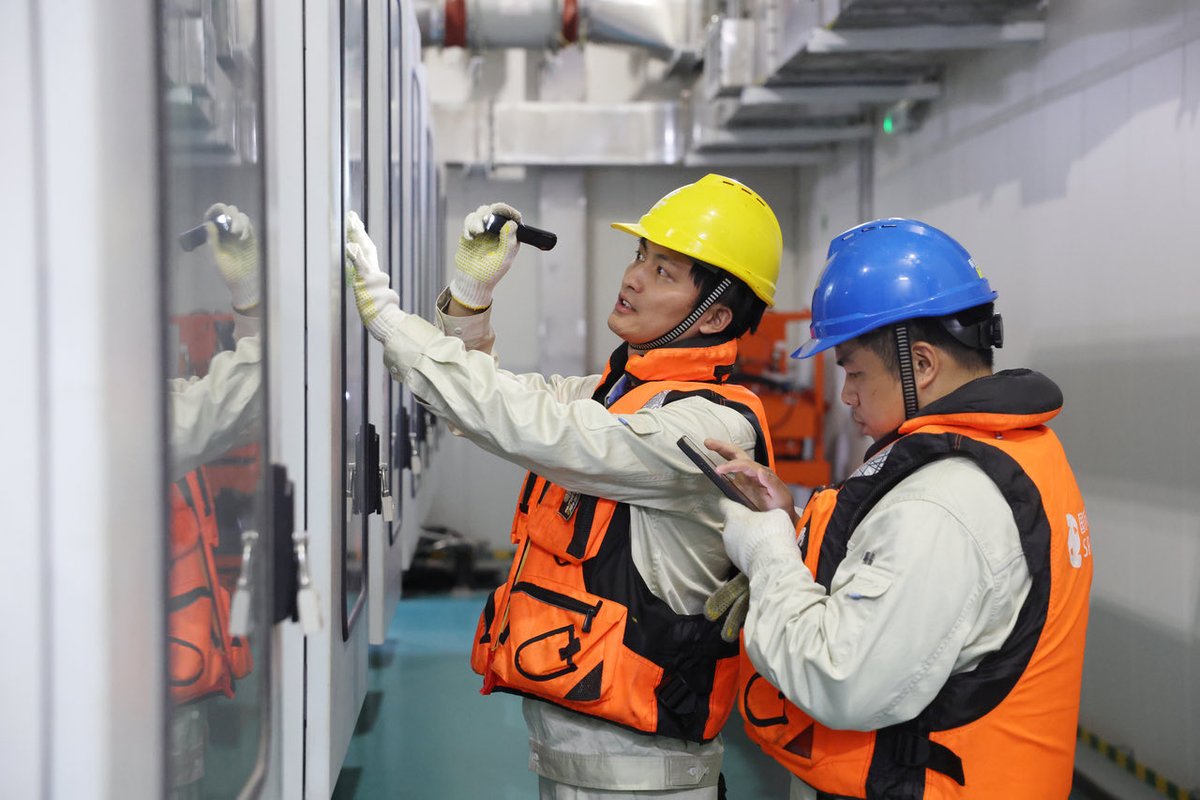
Off the coast of Rudong, Nantong, along the Yellow Sea, thousands of towering wind turbines Rise from the sea, continuously delivering clean electricity to the grid. More than 30 kilometers offshore, a team of dedicated energy guardians works year-round at the offshore substation, quietly protecting this vast “forest of wind turbines.”
In recent days, operation and maintenance personnel at the Rudong H4 and H7 Offshore Wind Farms of SPIC Nantong New Energy Co., Ltd. have been carrying out routine maintenance, targeted inspections, and emergency repairs to ensure a safe and stable power supply during periods of high temperatures. Since entering operation in December 2021, the project has generated more than 10 billion kilowatt-hours of electricity.
2
2
69
19h
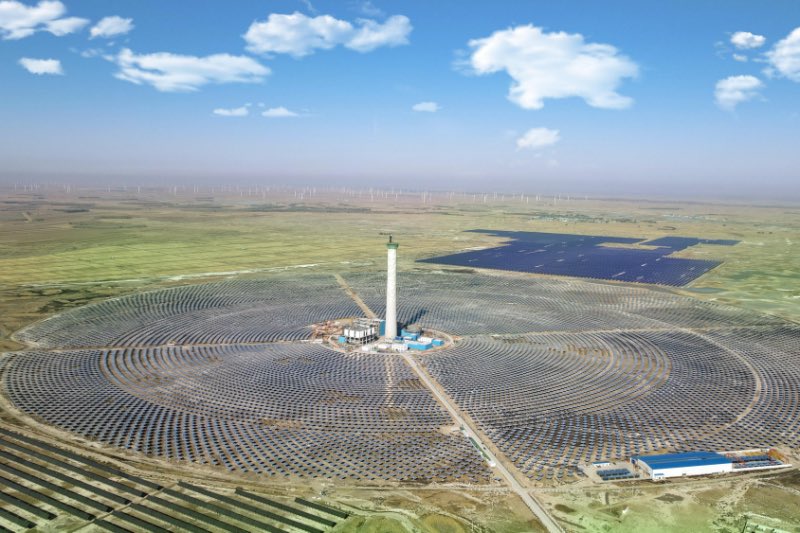
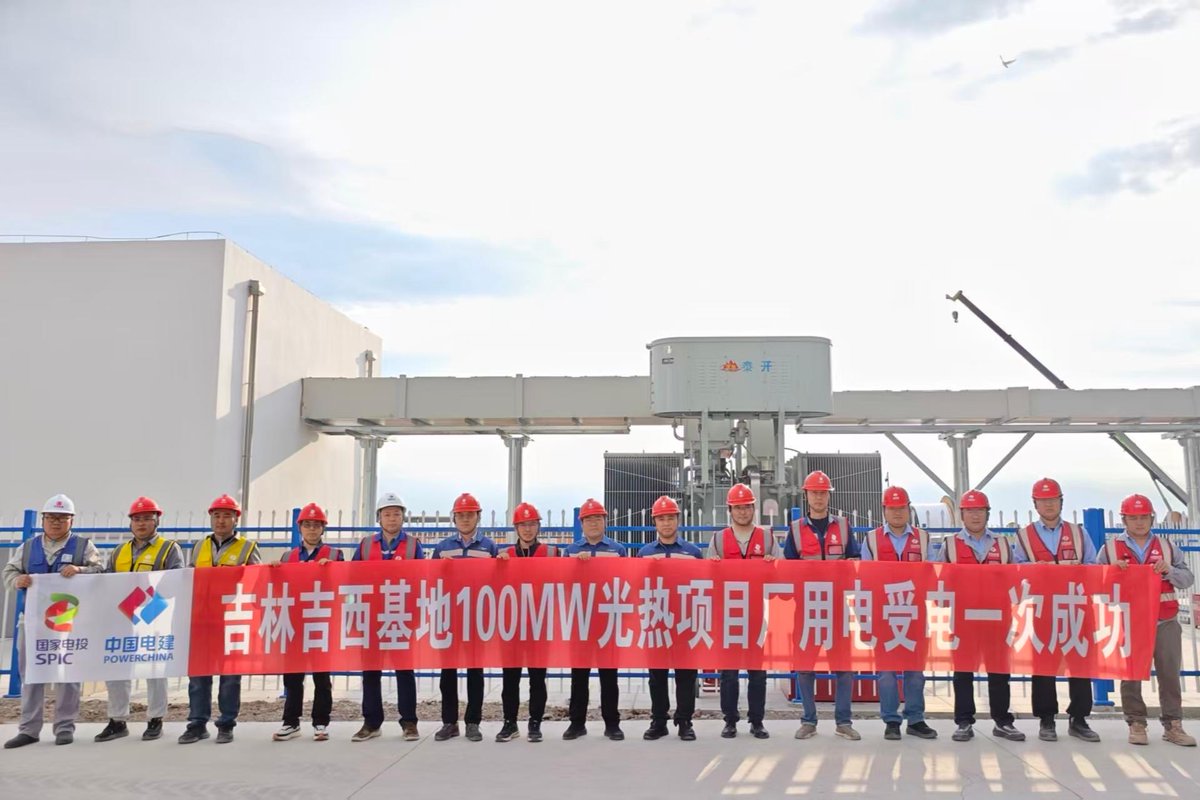
Recently, the 100 MW CSP (concentrated solar power) project of Tongyu Jidian Green Energy under State Power Investment Corporation (SPIC) achieved two major milestones in succession: turbine casing closure and the successful reverse energization of the plant auxiliary power system.
As an important component of the 1.4 million kW power export project of the Jixi Base Lugu DC transmission project, it is part of China’s first batch of large-scale renewable energy base projects in desert, Gobi, and barren land areas. As a world-class pioneering project constructing a tower-type CSP plant in a cold region above 45° north latitude, it has accumulated valuable engineering experience for expanding CSP technology into higher-latitude and colder regions in China and around the world.
Upon completion, the project is expected to generate approximately 167 million kWh of electricity annually and reduce carbon dioxide emissions by 140,000 tonnes each year.
59
Jun 12
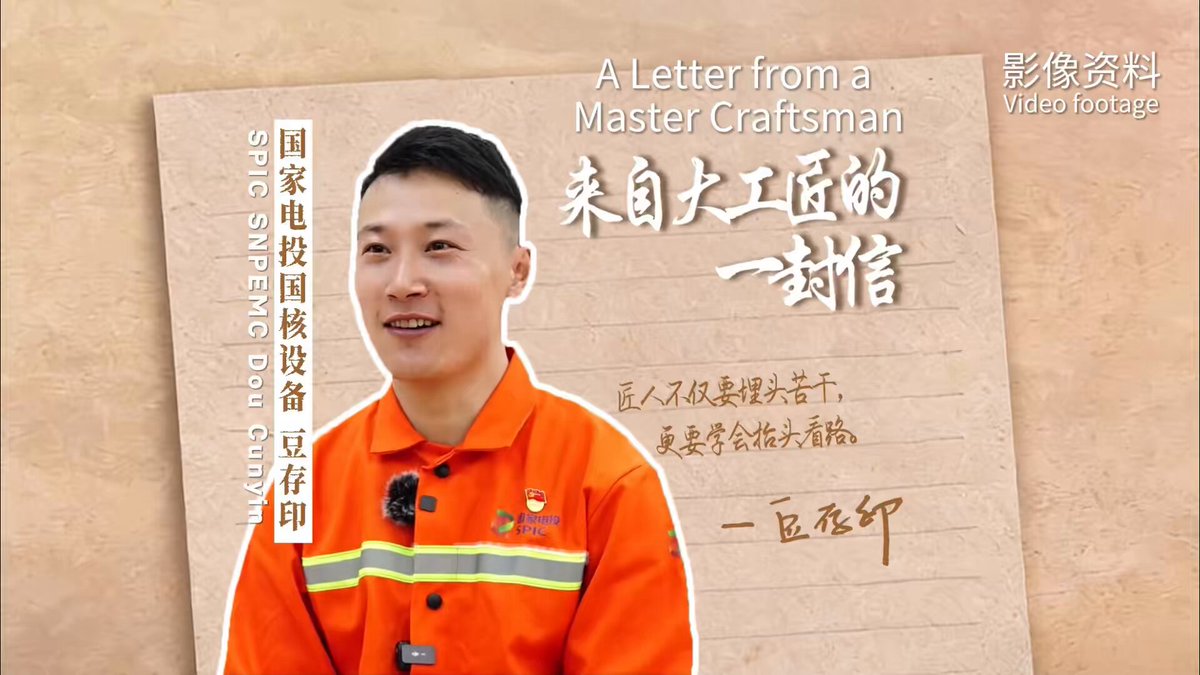
A Letter from a Master Craftsman From a 19-year-old apprentice to an SPIC Master Craftsman, Dou Cunyin of SPIC Nuclear Equipment has spent 17 years with a welding torch in hand, forging his skills and embodying the mission of a nuclear power professional.
Watch Episode 2 of “A Letter from a Master Craftsman” and discover the dedication, perseverance, and passion behind the craft.
60
Jun 10
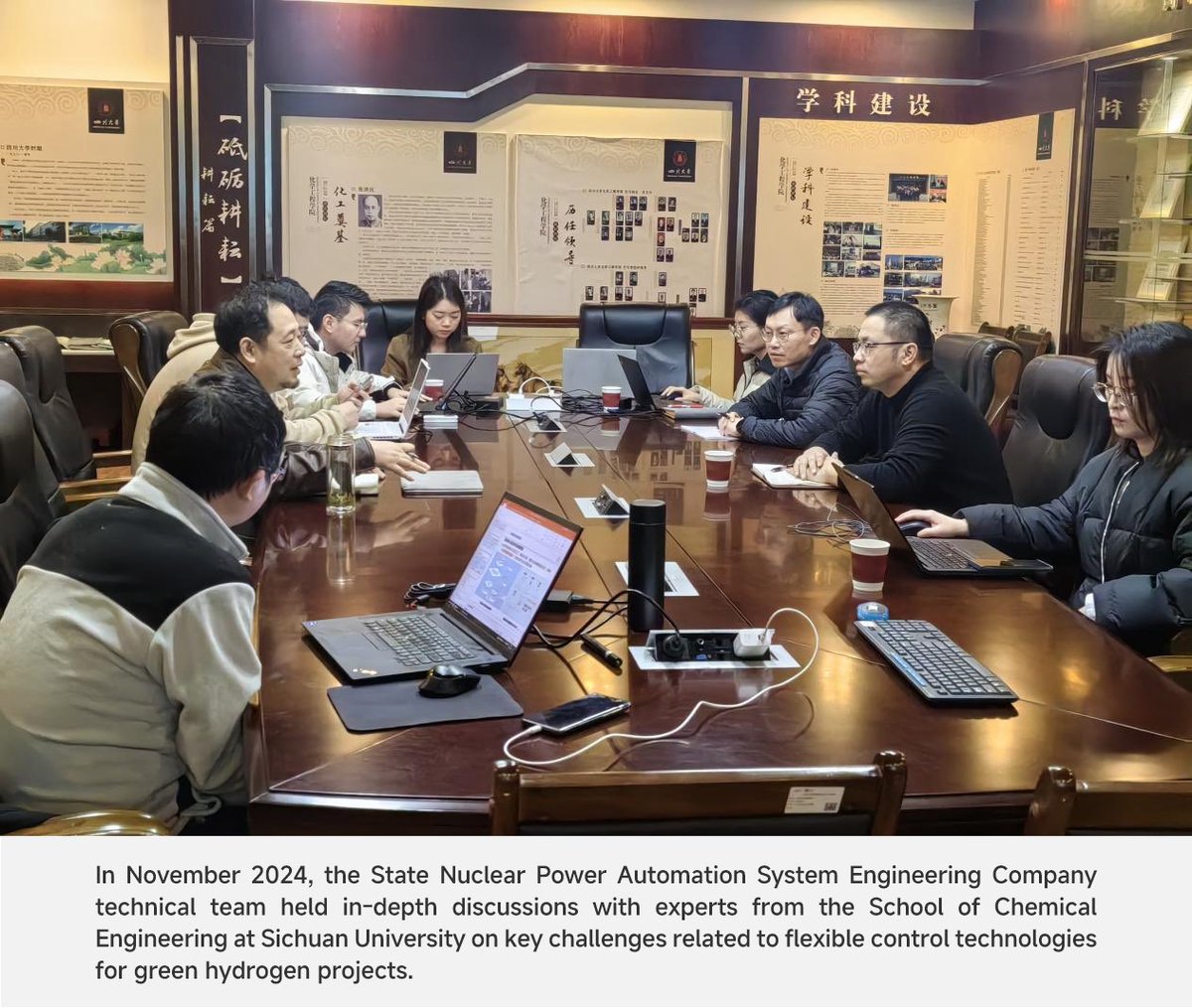
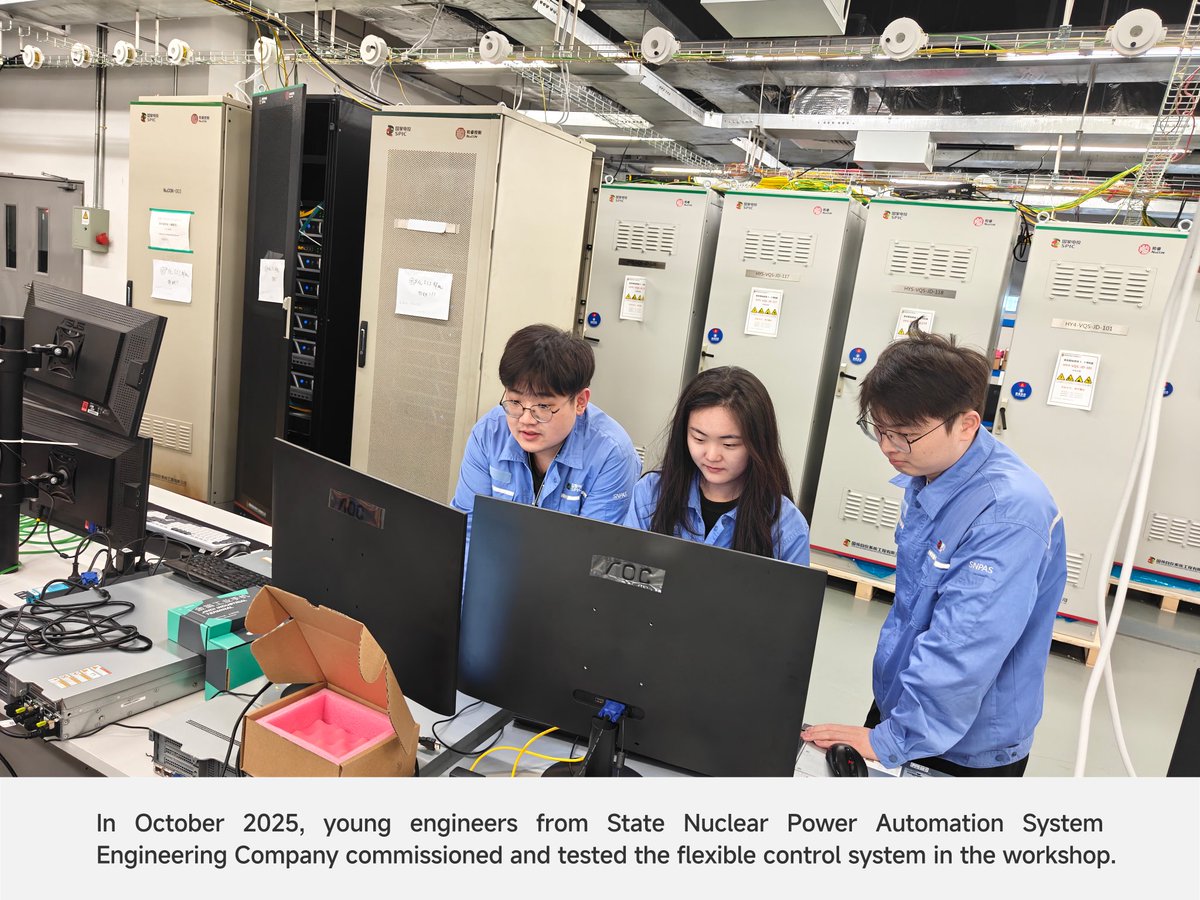
The Green Hydrogen-Based Energy Flexible Management and Control Platform Team of SPIC State Nuclear Power Automation System Engineering Company, with an average age of just 30, has overcome key technical challenges in renewable power forecasting, hydrogen storage coordination, and intelligent control through its innovative “four-track collaborative” R&D approach.
The team’s self-developed flexible management and control system has achieved fully automated operation across the entire energy production process, delivering remarkable results in safety, efficiency, and environmental performance. It has played a key role in establishing the project as a leading demonstration benchmark for green hydrogen-based energy development in China.
1
2
81
Jun 9
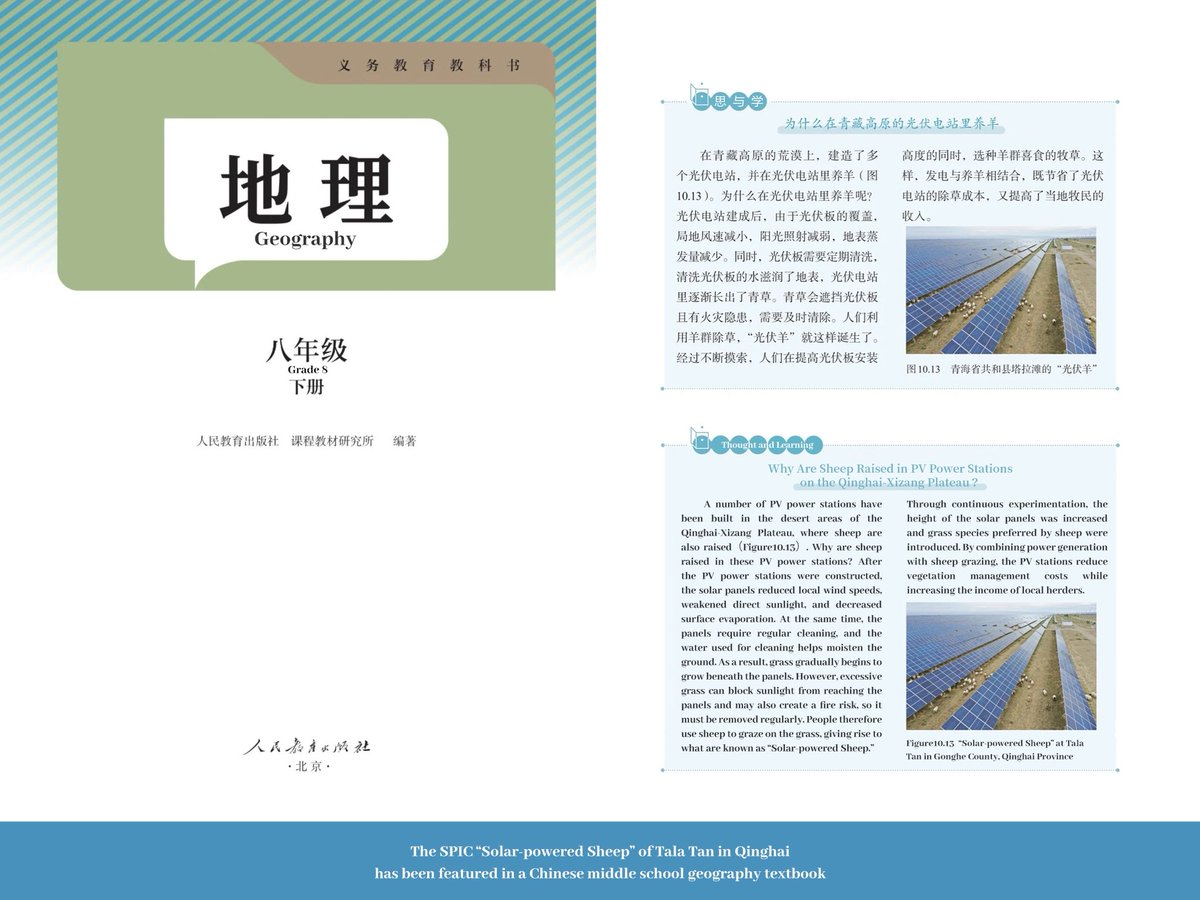
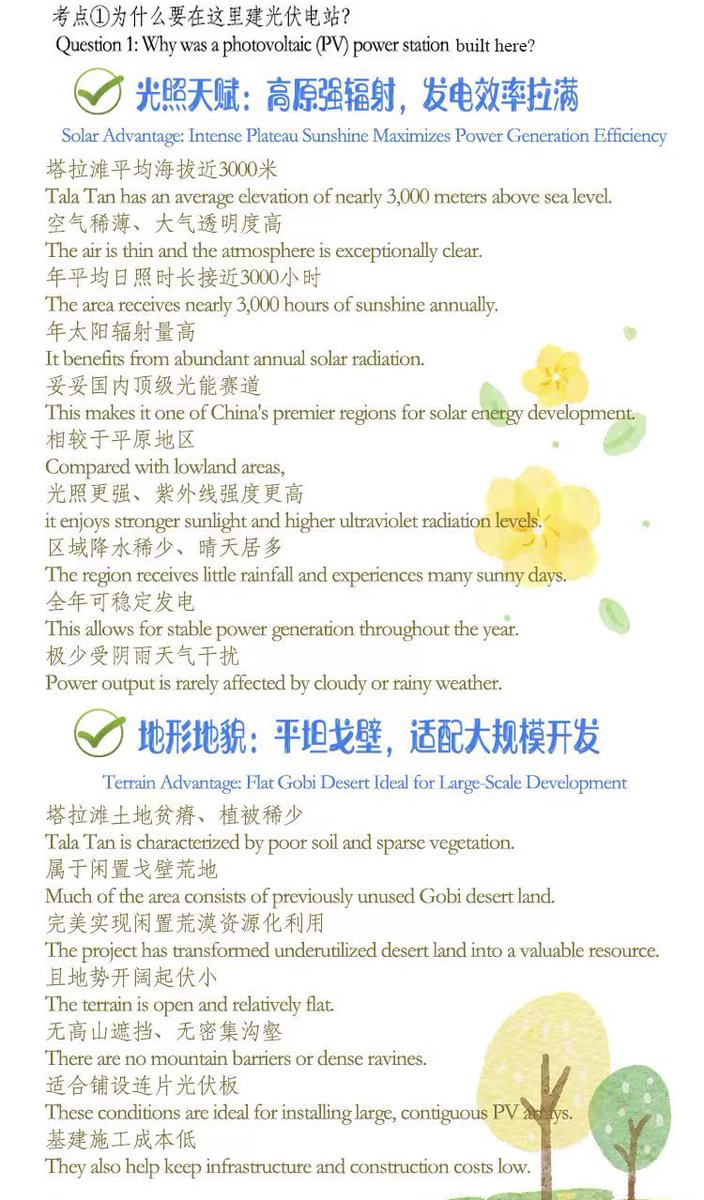
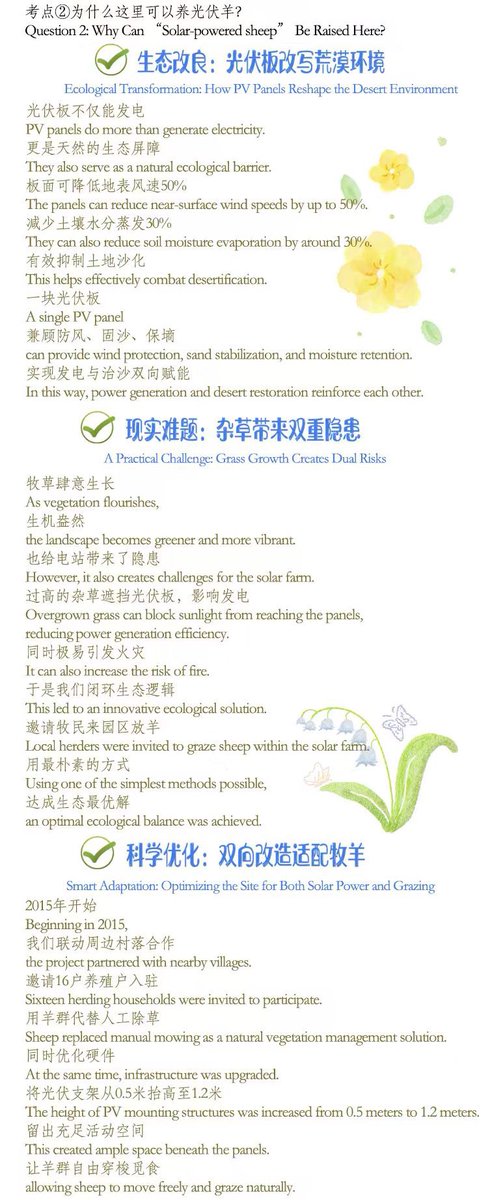
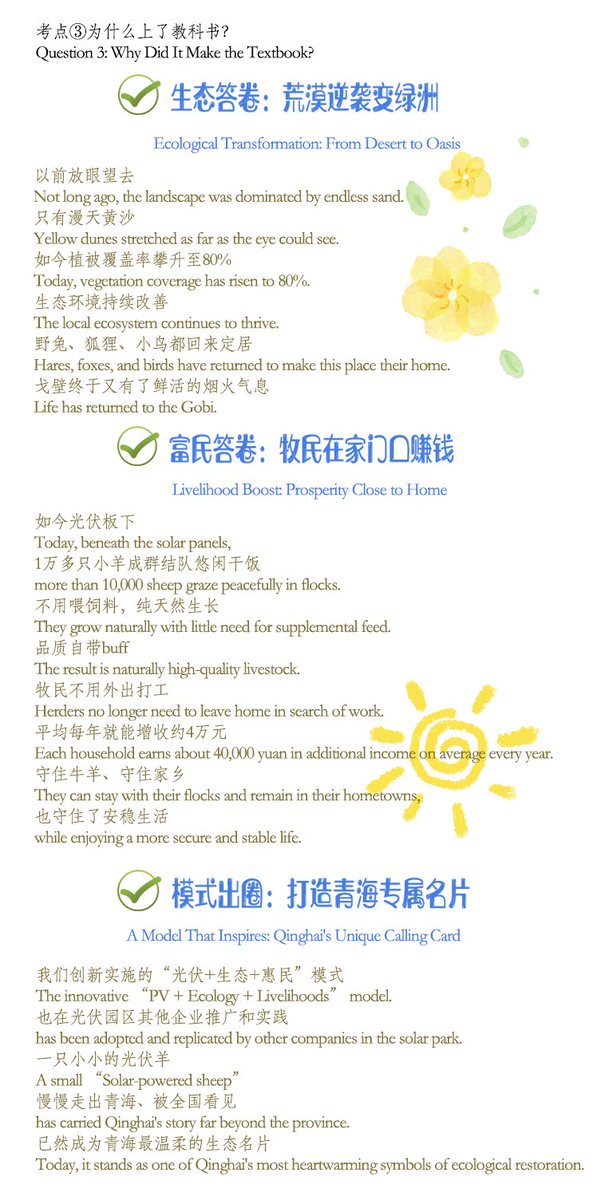
Featured in a Chinese middle school geography textbook, the SPIC “Solar-powered sheep” of Tala Tan in Qinghai has become a fascinating example of how renewable energy and ecological restoration can go hand in hand. How many lessons are hidden behind this unique story? Join us and find out!
59
Jun 5
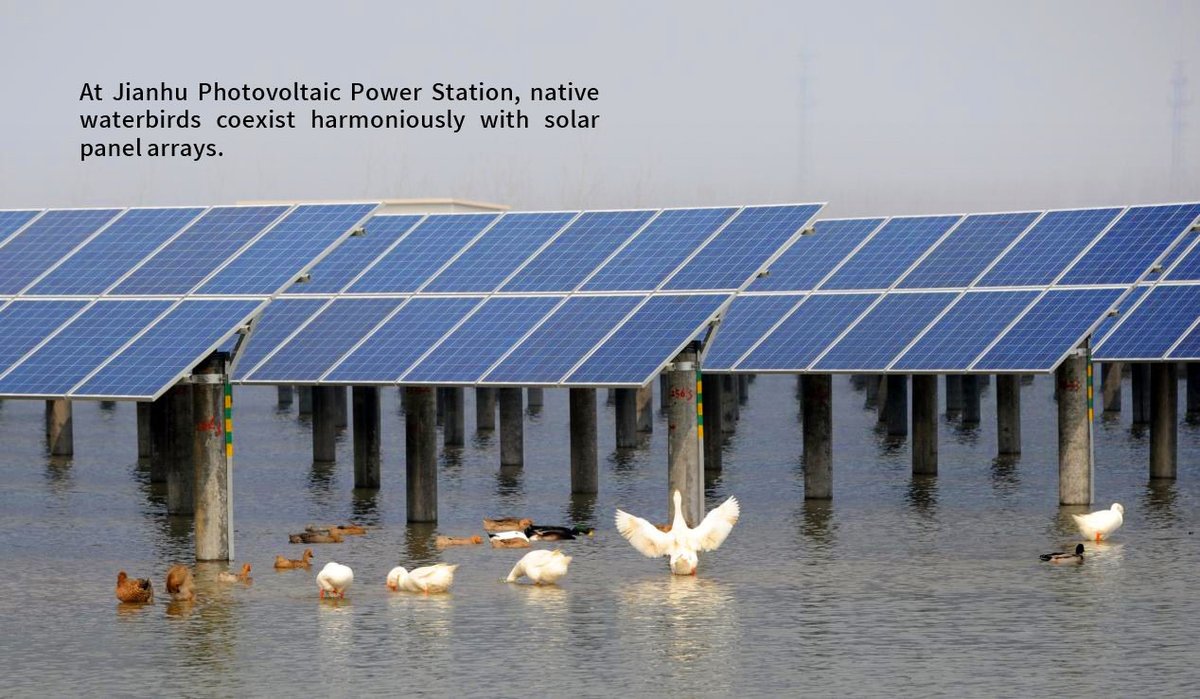
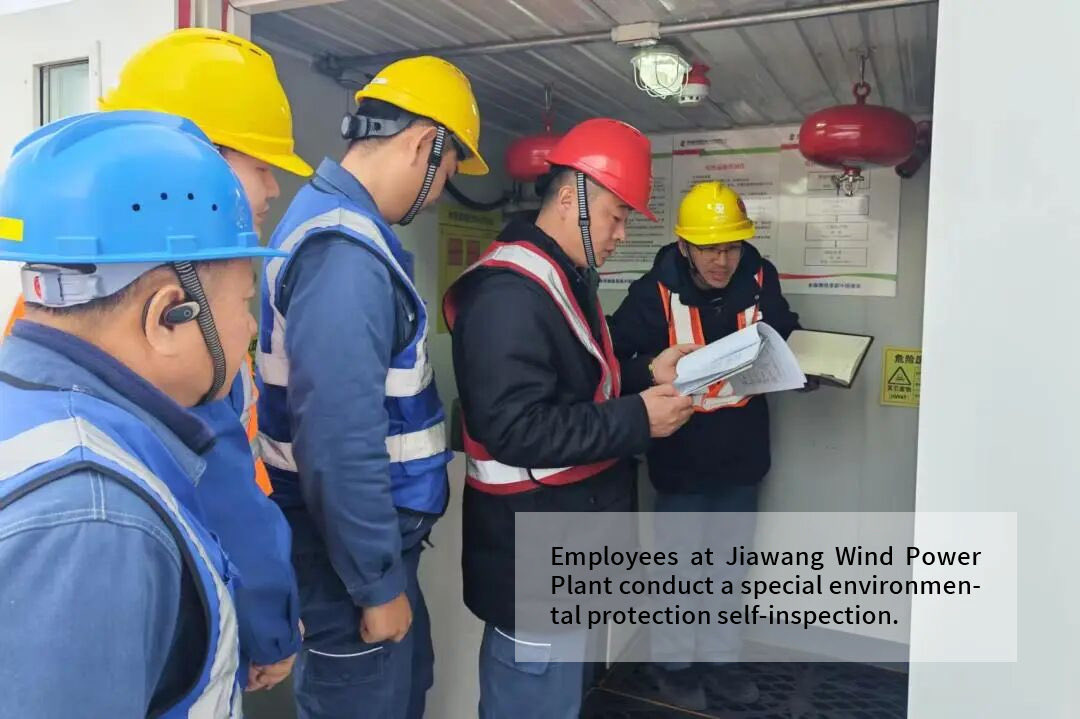
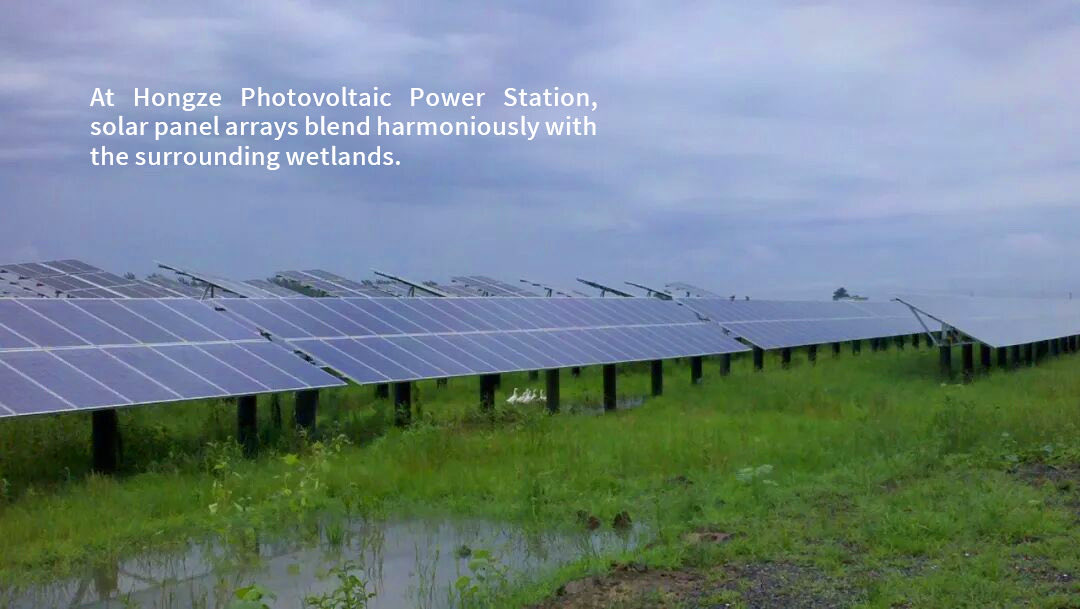
Over the past 13 years, SPIC Jiangsu New Energy Co.,Ltd. has pioneered a path toward the coexistence of clean energy and ecological conservation—solving addressing governance challenges through hands-on action, protecting wetland wildlife through multi-stakeholder collaboration, and enhancing environmental protection effectiveness through meticulous management. On the shores of the Yellow Sea, spinning wind turbine blades harmonize with the graceful flight of rare birds, while arrays of solar panels blend seamlessly with the lush wetlands, creating a landscape where clean energy and nature coexist in harmony. Protecting migratory birds means protecting our future. World Environment Day, let’s take action together.
1
1
1
333
Jun 5
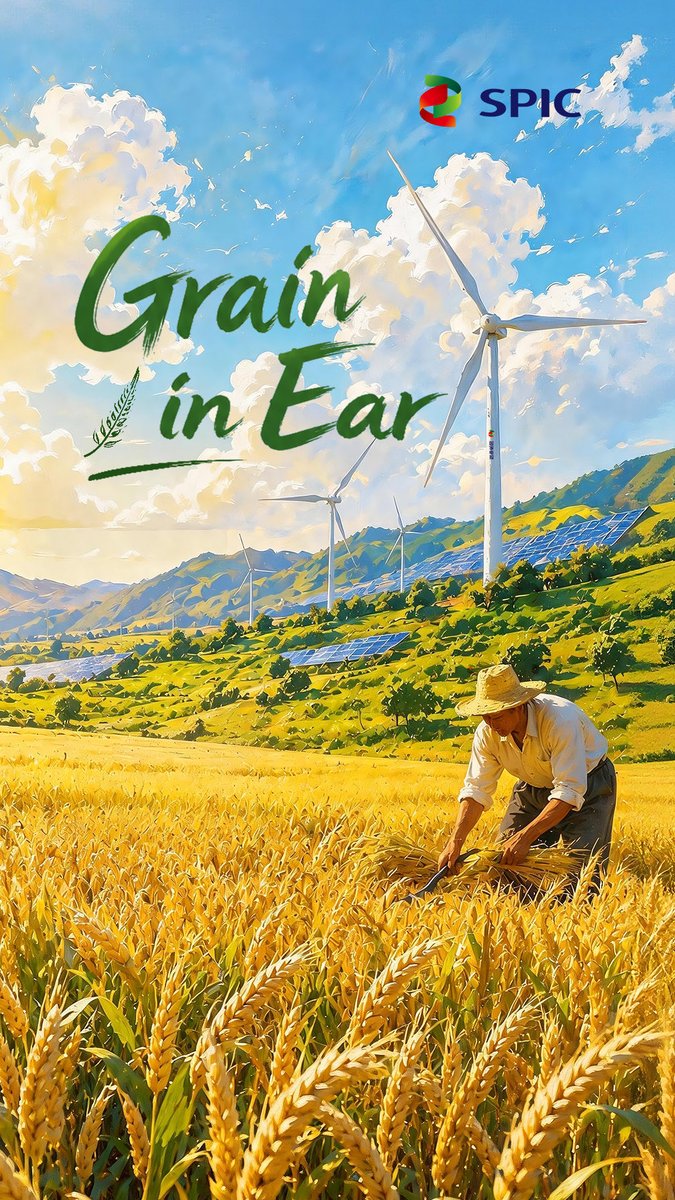
#GrainInEar Grain in Ear marks a season of sowing hope and reaping radiance. With clean energy, SPIC empowers every endeavor in the fields, lighting up the land and powering a greener future.
57
Jun 3
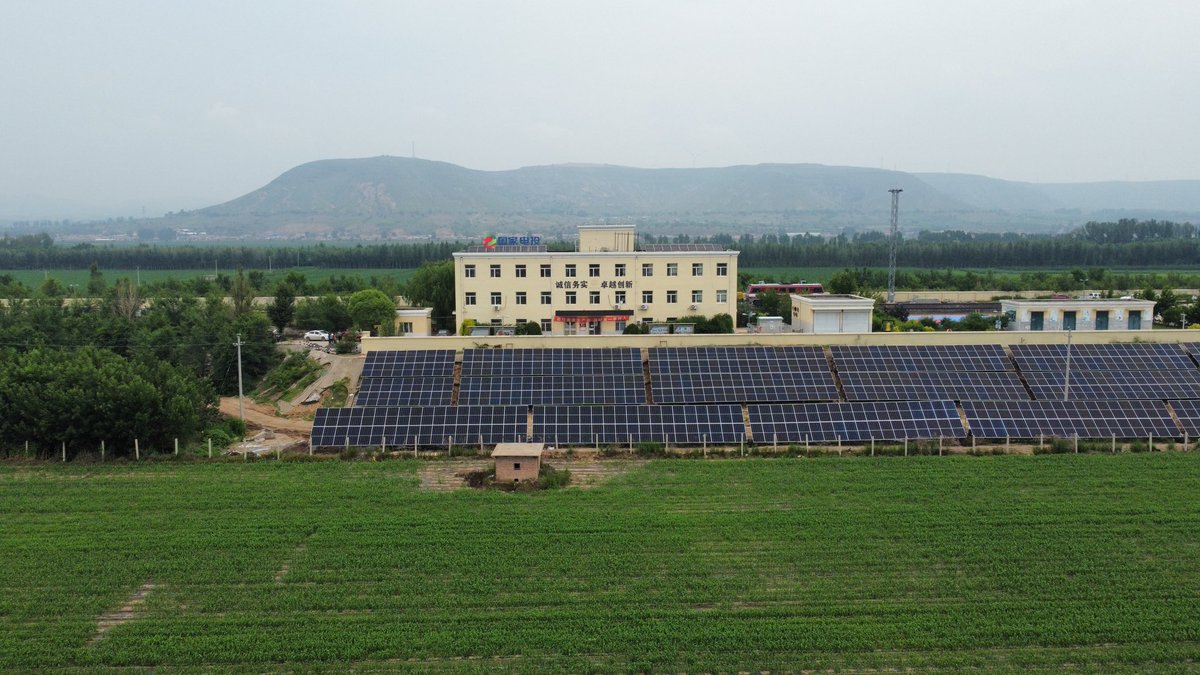
SPIC’s 8.56 MW Green Power Replacement Integrated Smart Energy Project, built along the Jinhua Railway in Chifeng, Inner Mongolia, has generated more than 40 million kWh of electricity to date and has been selected as a model case for distributed renewable energy applications in the transportation sector.
As China’s first railway green power replacement project, it adopts a “self-generation for self-consumption with surplus power fed into the grid” model, effectively enhancing the local consumption of renewable energy.
101
Jun 1
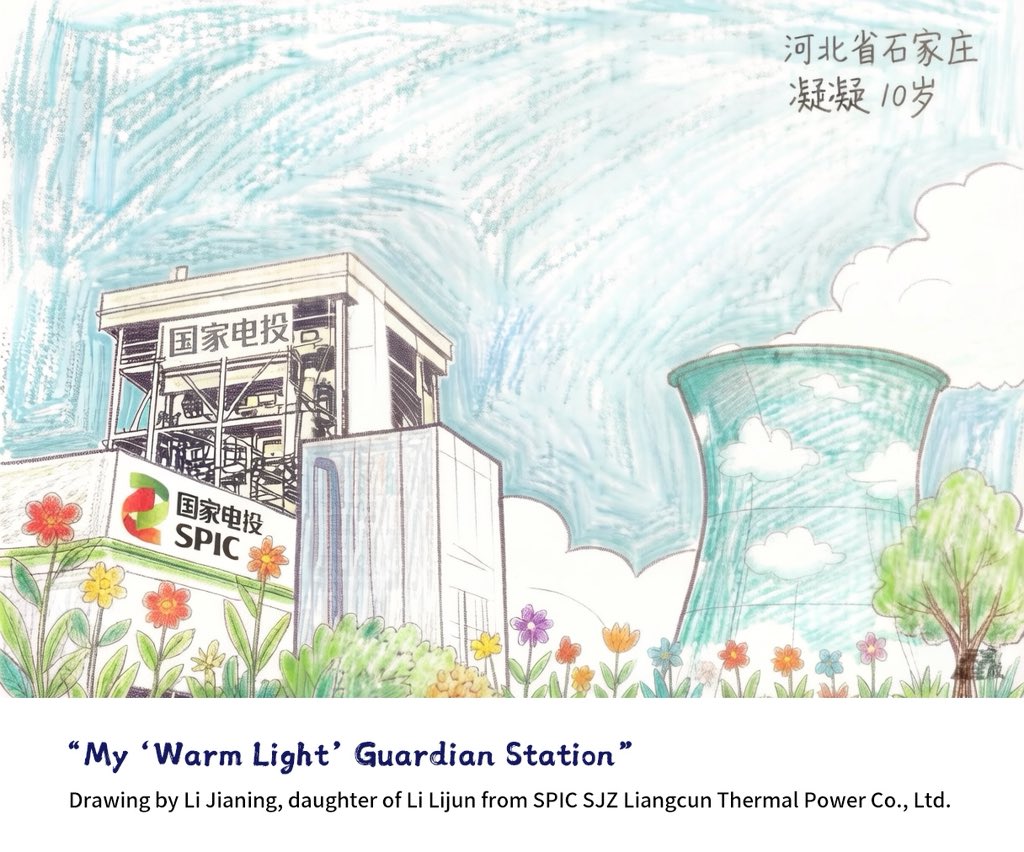
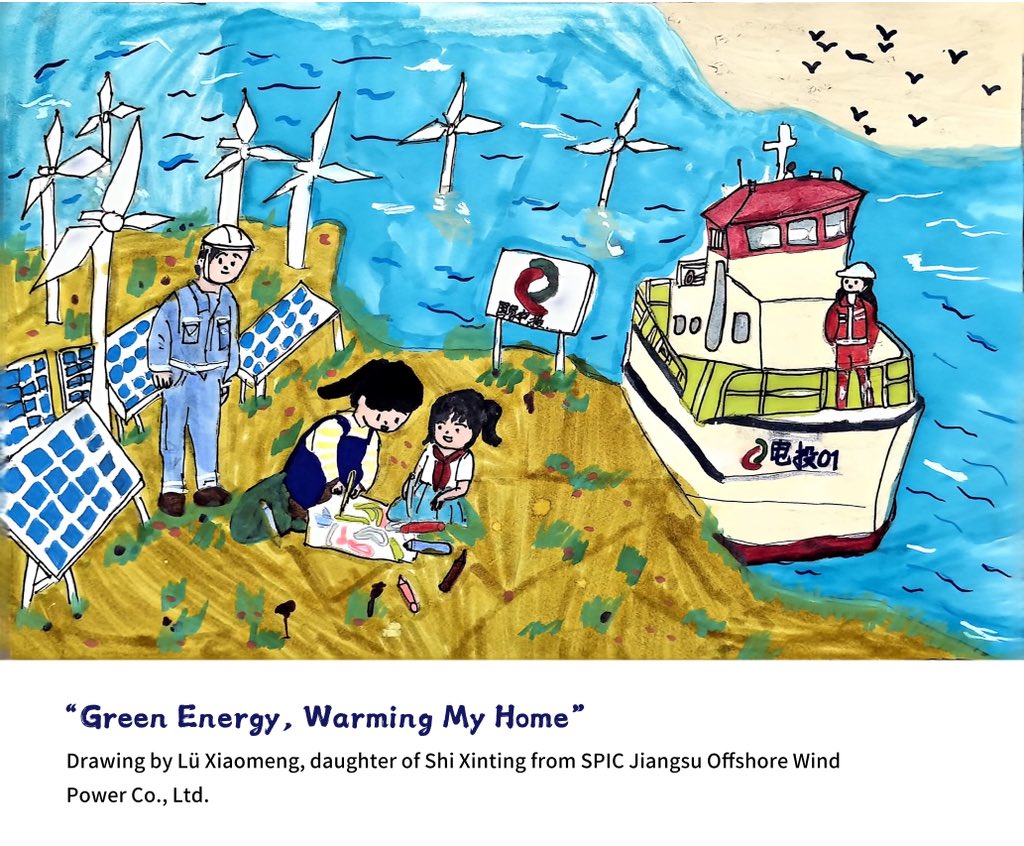
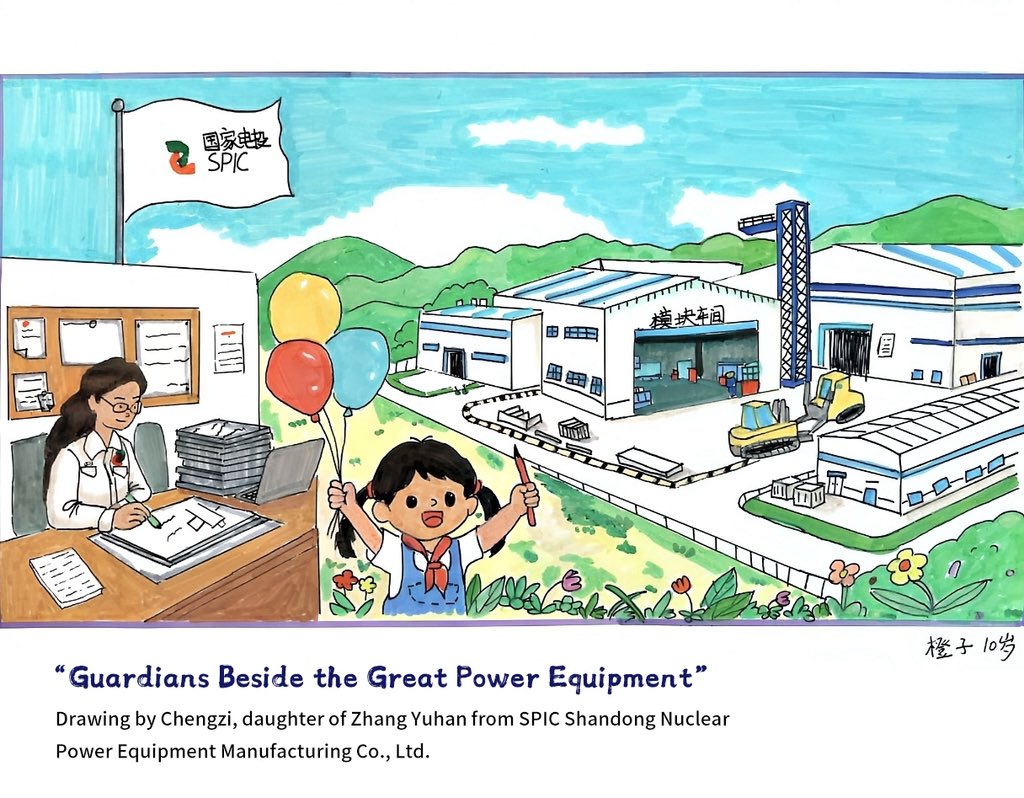
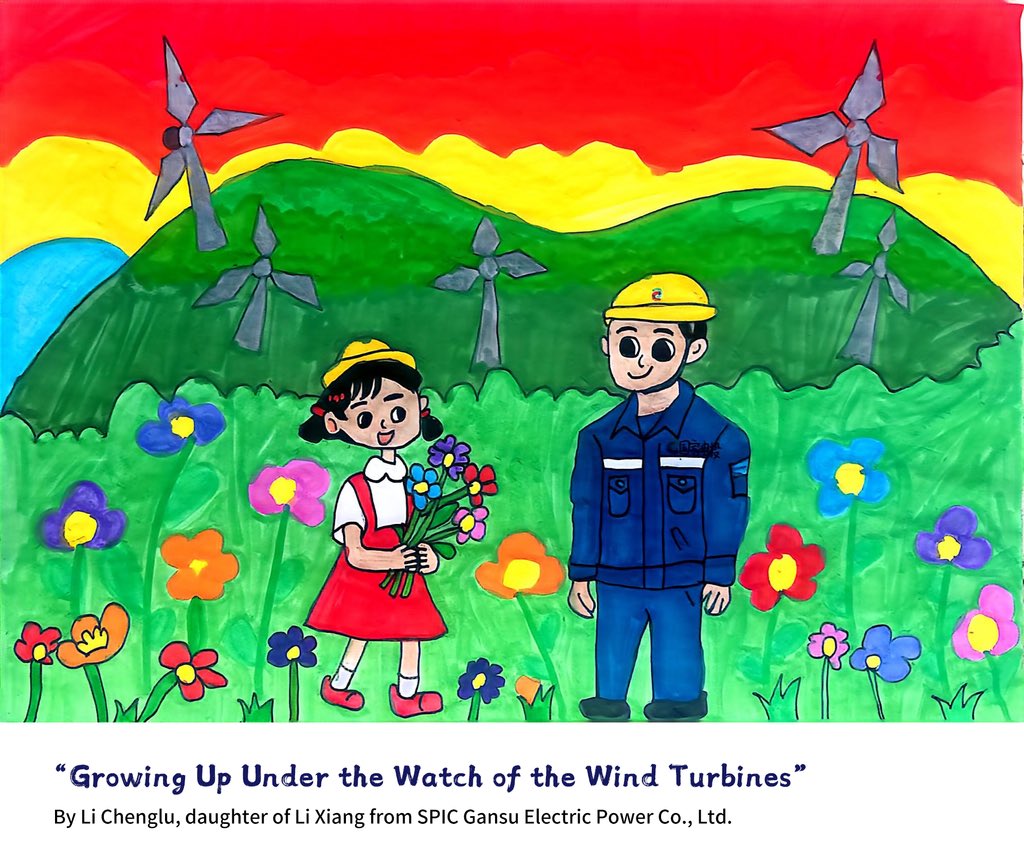
With crayons and imagination, children paint the world where their parents work.
In their eyes, SPIC is a green dream, a bright light, and a source of steady protection.
Happy Children’s Day to all the little ones in the SPIC family!
1
78
May 29
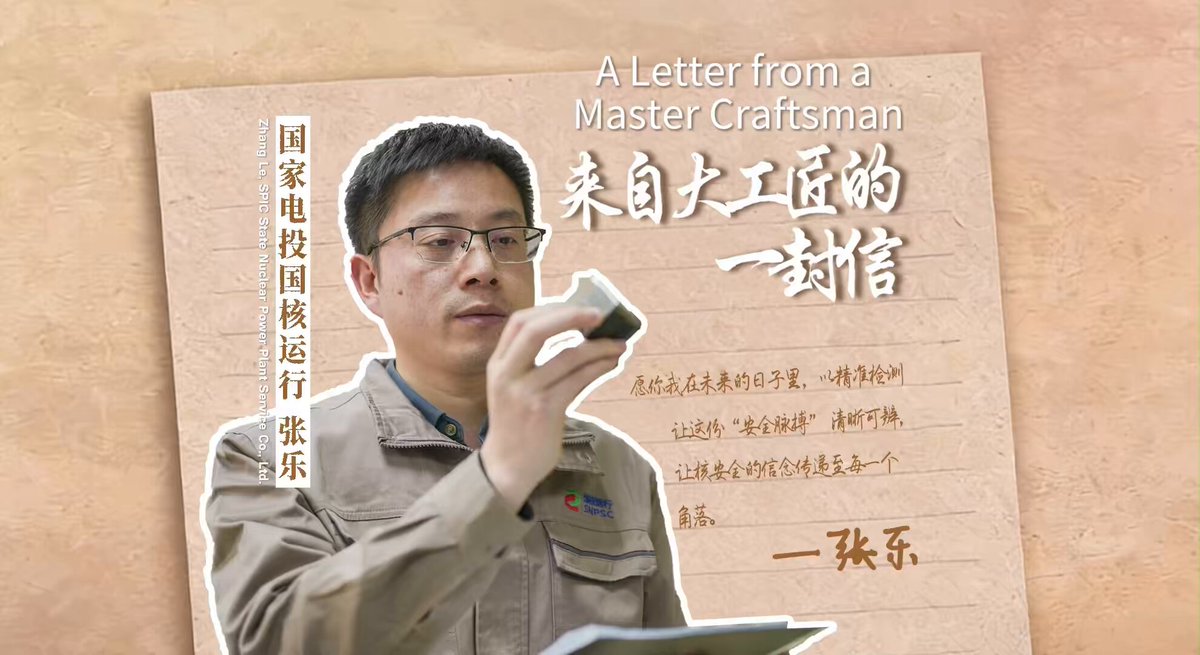
A Letter from a Master Craftsman. This is no ordinary letter — it comes from Zhang Le, an SPIC Master Craftsman from SPIC State Nuclear Power Plant Service Co., Ltd. When technical precision meets unwavering dedication, what kind of story unfolds? Click to watch the full video and hear the voice behind the craftsmanship.
1
141
May 27
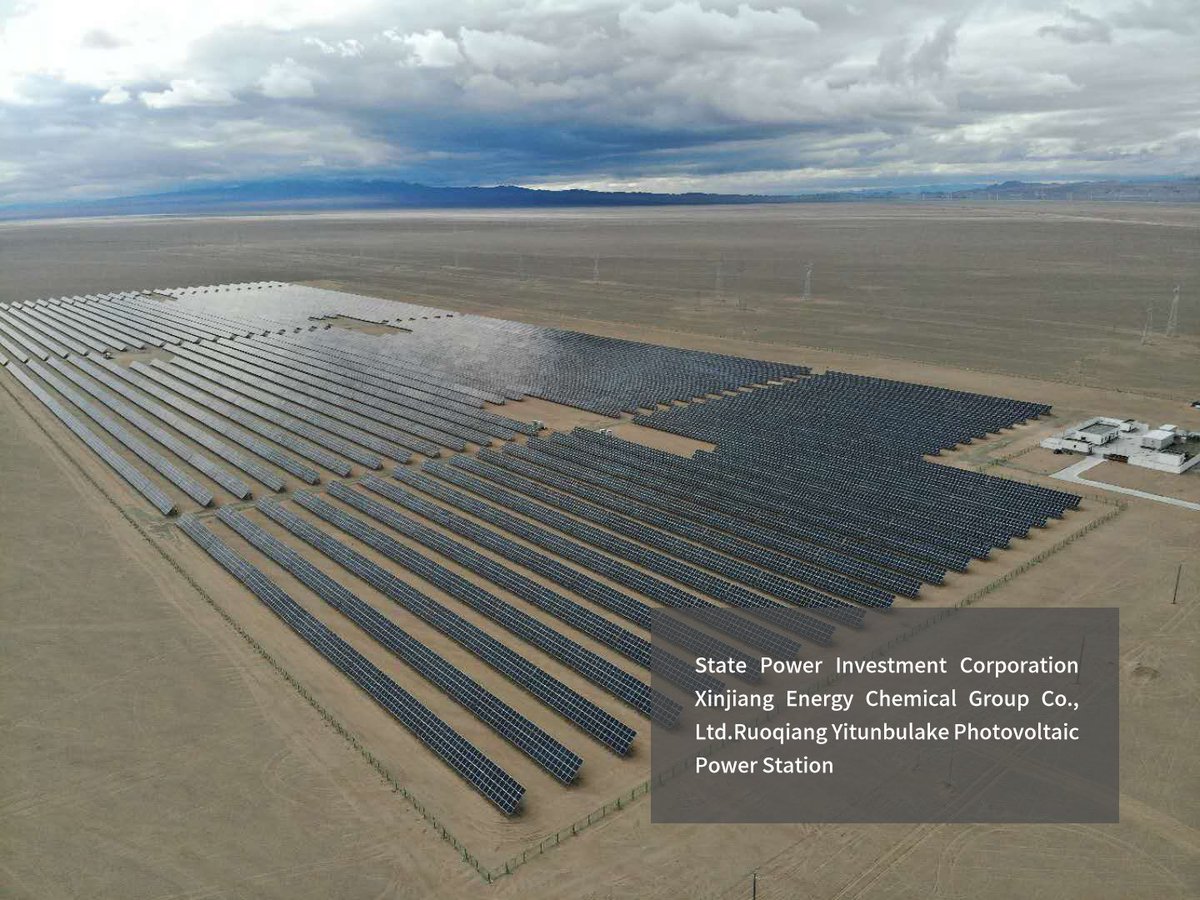
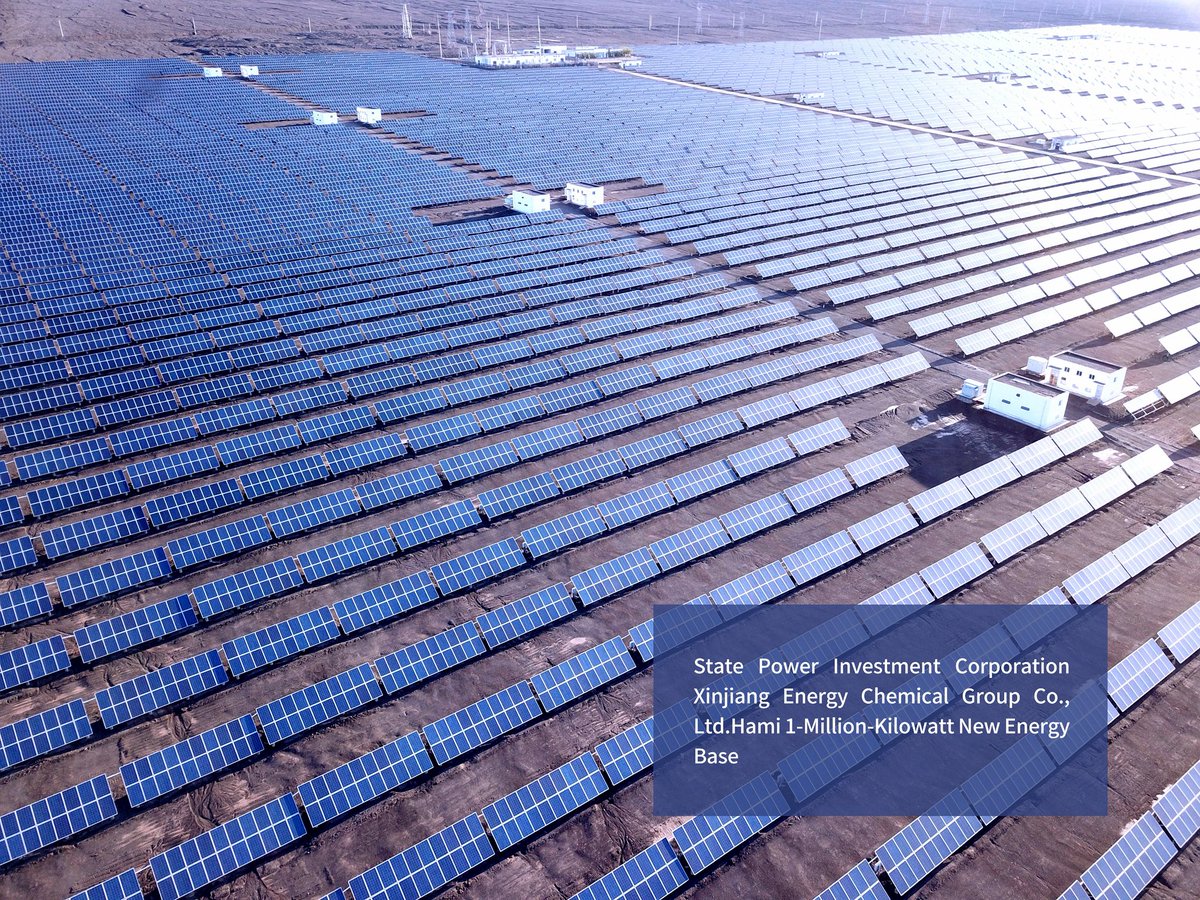
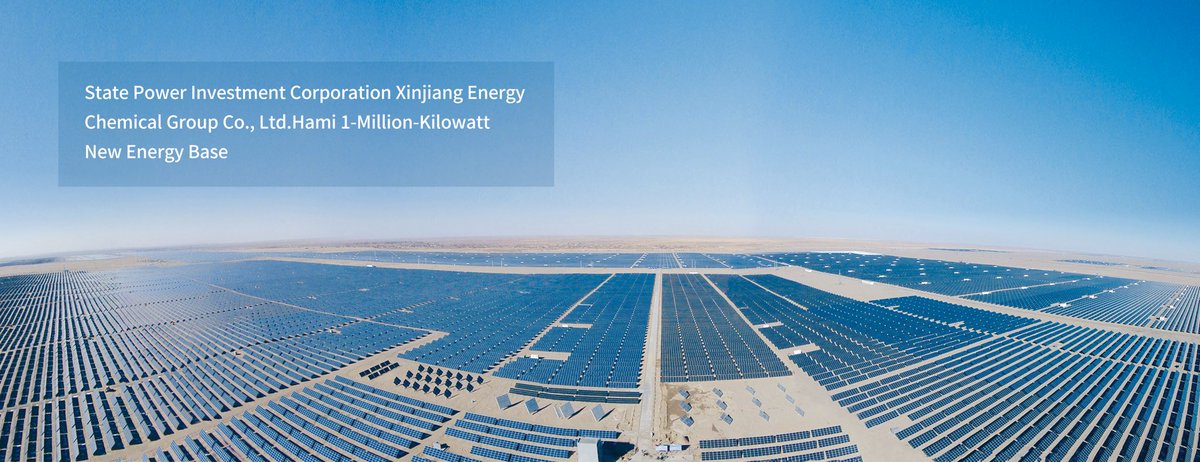
What would happen to the ecosystem if the entire desert in Xinjiang were covered with solar panels? SPIC’s practices show that with scientific planning, even deserts can turn into thriving green lands; however, covering them entirely may pose risks. First, let’s look at the results of proper planning: at SPIC’s Shichengzi Photovoltaic Power Station, 750,000 solar panels hold back shifting sands, acting as a natural wind and sand barrier; In Shanshan County, Turpan, a 900 MW “solar thermal photovoltaic” project reduces carbon dioxide emissions by 1.619 million tons annually. Drought-resistant plants are cultivated beneath the panels, creating a virtuous cycle of “power generation above, sand stabilization below”; on the Altun Mountains at an altitude of 4,200 meters, off-grid photovoltaic systems combined with energy storage have resolved heating and water supply needs, allowing vegetation to thrive once again. Currently, clean energy accounts for over 90% of SPIC’s operations in Xinjiang, with cumulative carbon reductions exceeding 1.4 billion tons. However, “blanketing the entire area” would pose three major risks: first, dark solar panels alter surface albedo, potentially affecting precipitation; second, they squeeze the living space of desert species such as sand lizards and jerboas; third, the massive water consumption required for panel cleaning poses hard-to-control pollution risks. Therefore, SPIC’s approach involves: scientific site selection, decentralized layout,leaving pathways for wildlife, and planting grass beneath the panels—power generation can transform barren wastelands without disrupting the ecological balance.
1
119
May 25
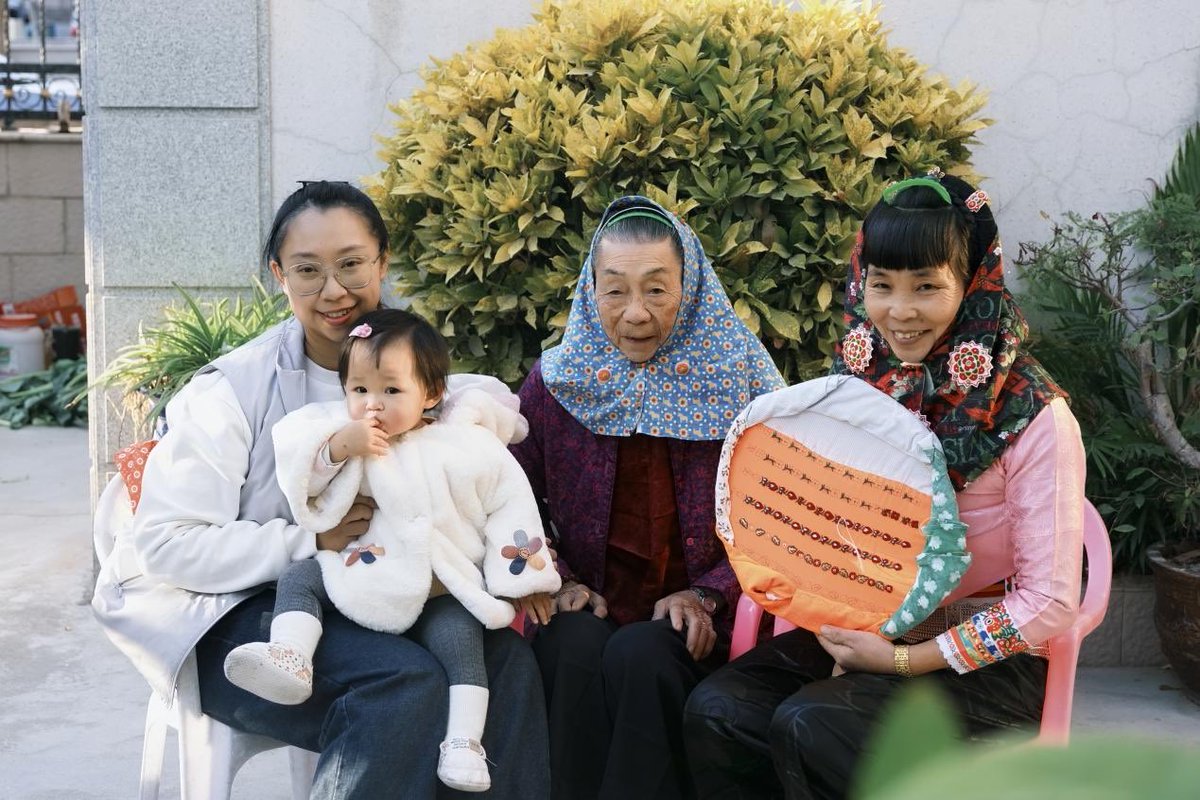
In the story of Chen Manli’s family at SPIC Fujian—recognized as a “Most Beautiful Family”—love and cherished traditions form the heart of their home.
The family’s 90-year-old matriarch, Zhang Xishou, carries both the serenity of age and the glow of being lovingly cared for. Through years of quiet companionship, her daughter-in-law Chen Shuhua embodies the virtue of filial piety. Inspired by her mother-in-law, Chen Manli continues this legacy in her own way—by preparing nourishing meals, learning Hui’an embroidery, and treasuring the family stories passed down through generations. In return, when work keeps Chen Manli busy, her mother-in-law quietly shoulders childcare and household duties, allowing her to focus on her career without worry. With four generations under one roof, the youngest child blossoms surrounded by affection.
They believe that a happy family is built with devotion, and that love is the force that passes warmth and strength from one generation to the next.
1
3
127
May 22
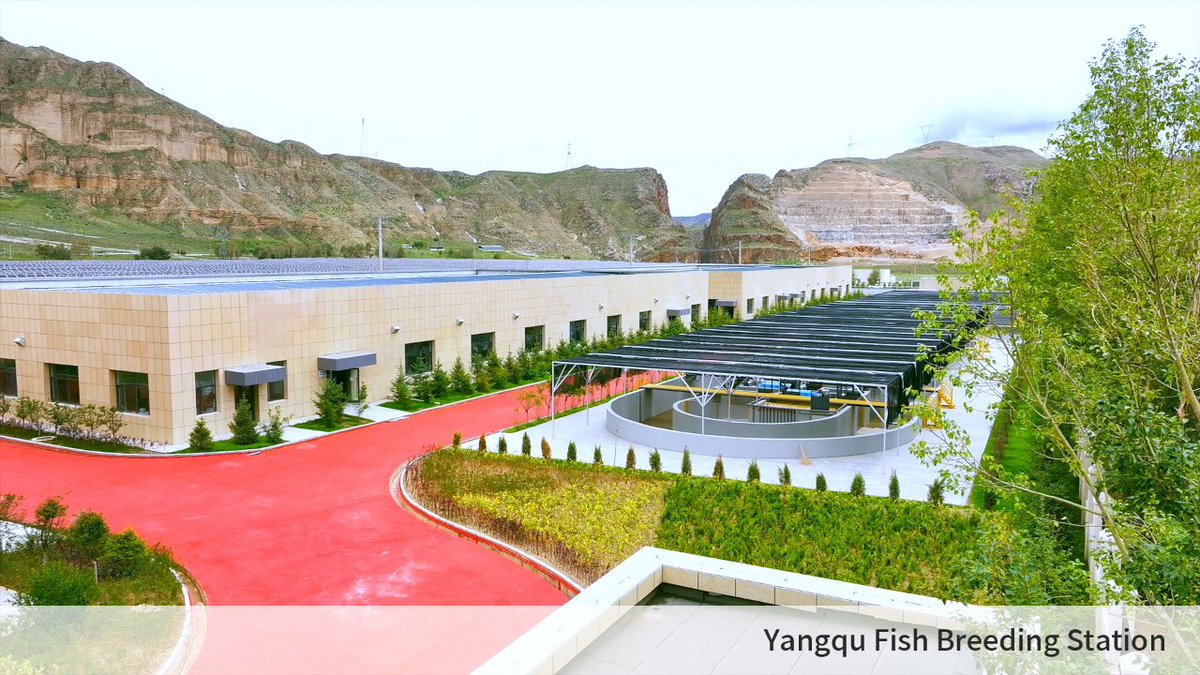
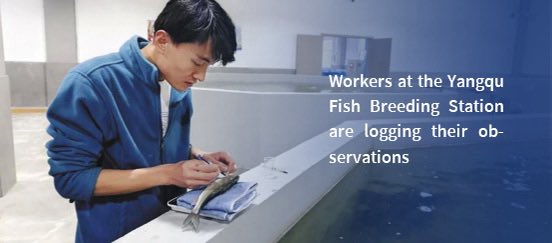
Deep in the Yellow River gorge on the Qinghai-Tibet Plateau, the Yangqu Fish Breeding Station of SPIC Huanghe Hydropower Development Co., Ltd. is quietly carrying out a heartwarming “relay of life.” The station has not only cracked the code for artificially breeding six rare native fish species, but also deployed an innovative intelligent fish lift, guiding 6,637 rare fish through their migration journey.
In 2025, the station released 370,000 native fish fry, leveraging technology to safeguard biodiversity in the upper Yellow River and fostering a harmonious coexistence between clean energy and aquatic life.
1
1
168
May 21
During the solar term of Grain Buds, nature teaches us the beauty of “almost full”. Just as crops gather strength before the harvest, SPIC continues to cultivate green energy solutions, growing steadily towards a sustainable future.
2
108
May 20
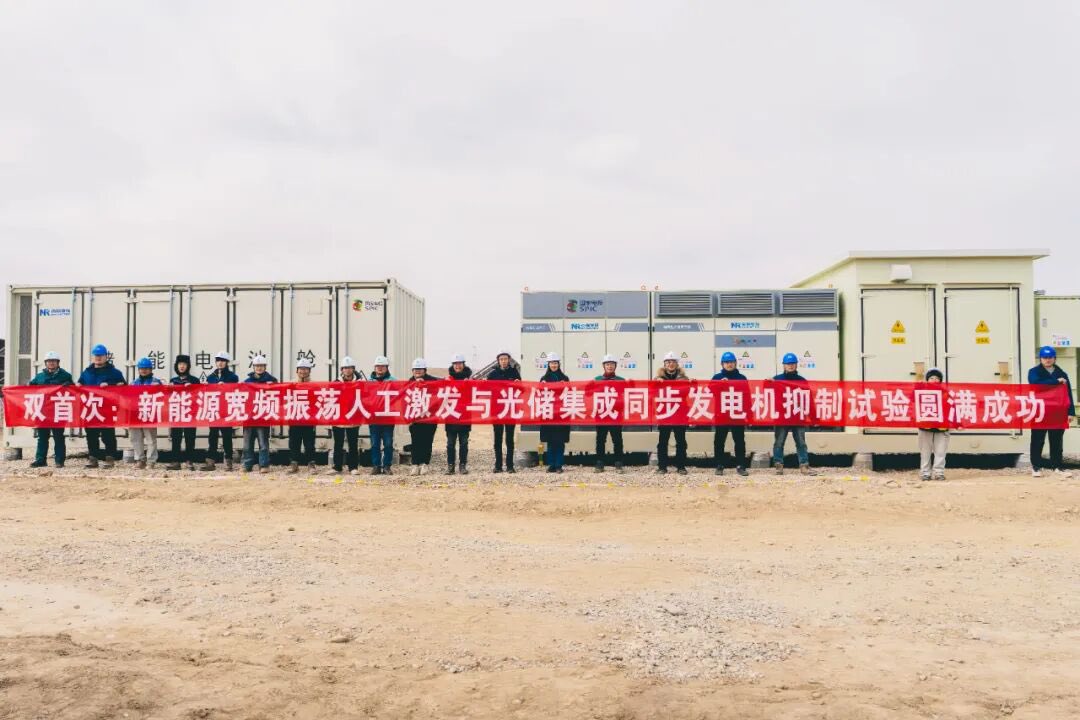
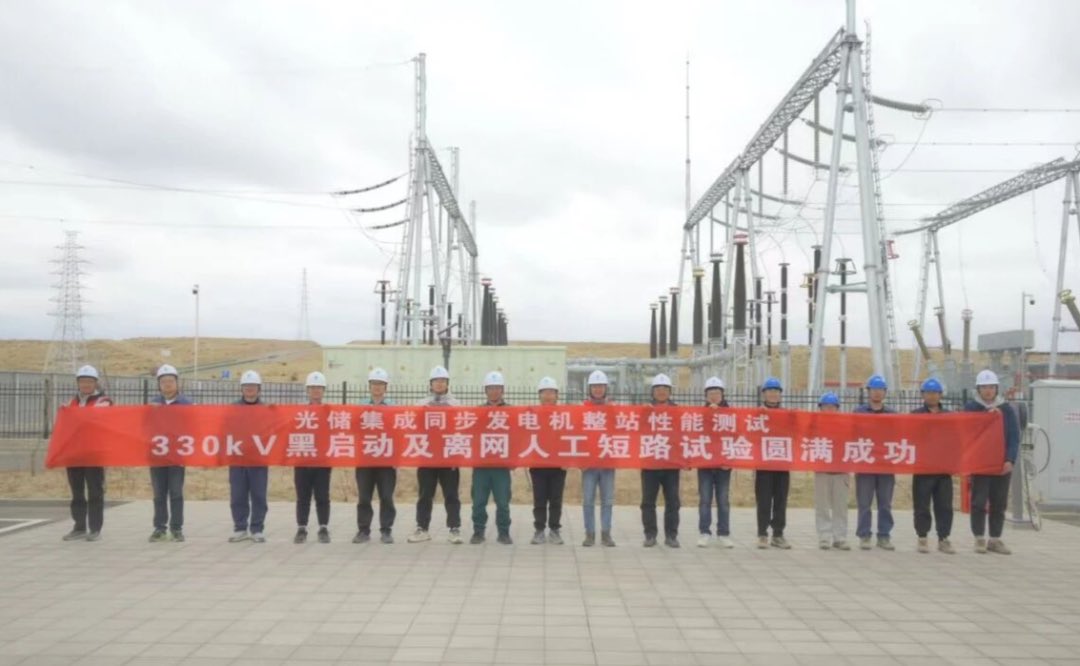
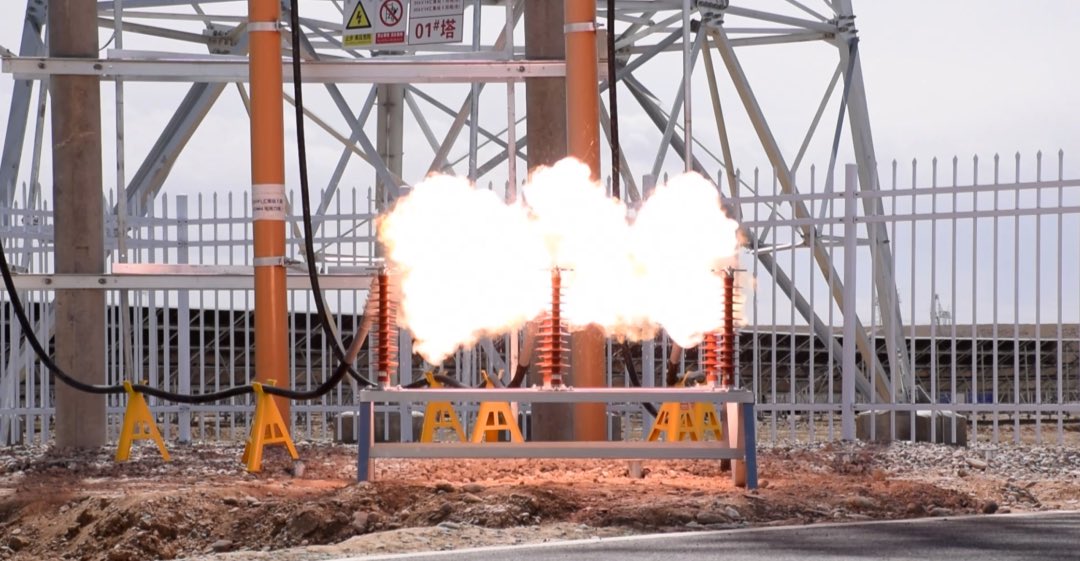
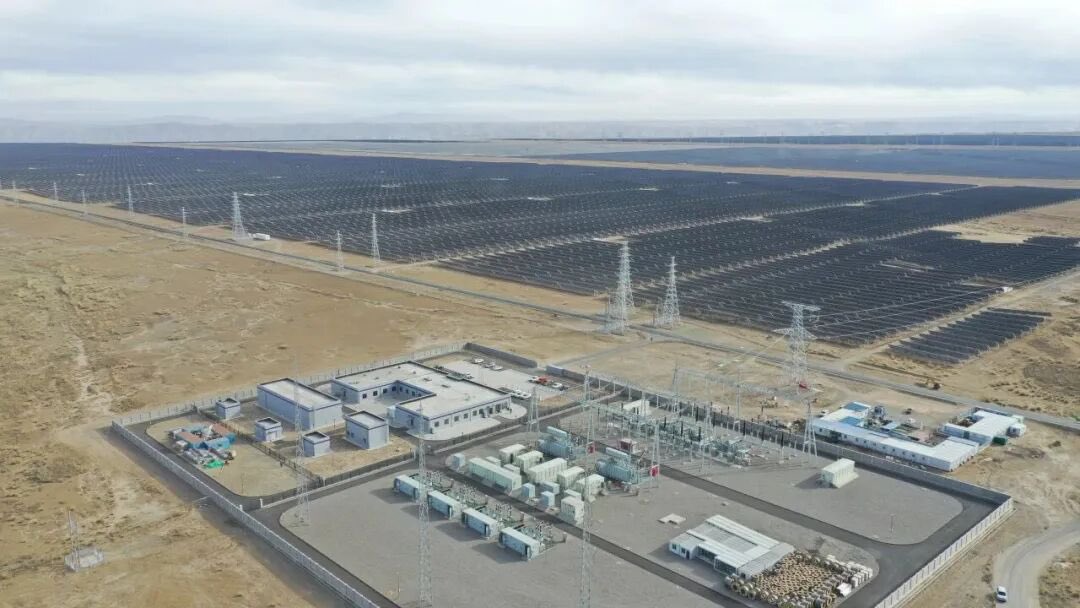
Recently, SPIC Huanghe Hydropower Development Co., Ltd., at the Dingyao PV-Storage Power Station at the Hainan Prefecture PV-Storage Integrated Demonstration Base, successfully completed China’s first full-range full-station performance tests on a 50 MW PV-storage integrated synchronous generator, including black start on a 330 kV grid line and a 35 kV three-phase artificial short-circuit test under off-grid condition. This marks another major milestone for the company in the field of grid-forming photovoltaic-storage technology verification, following the world’s first on-site tests completed in February this year for artificial wide-frequency oscillation excitation in renewable energy systems and suppressing them using grid-forming photovoltaic-storage synchronous generators.
1
1
139
May 18
SPIC Nei Mongol Energy Co., Ltd. Dalate Solar Power Plant was featured on CCTV-9’s “Warm and Cold We Share Together” (Season 2), showcasing a synergistic model in which clean electricity is generated above the panels while an ecological barrier is strengthened below them.
Source: CCTV-9 Documentary Channel.
167
May 15
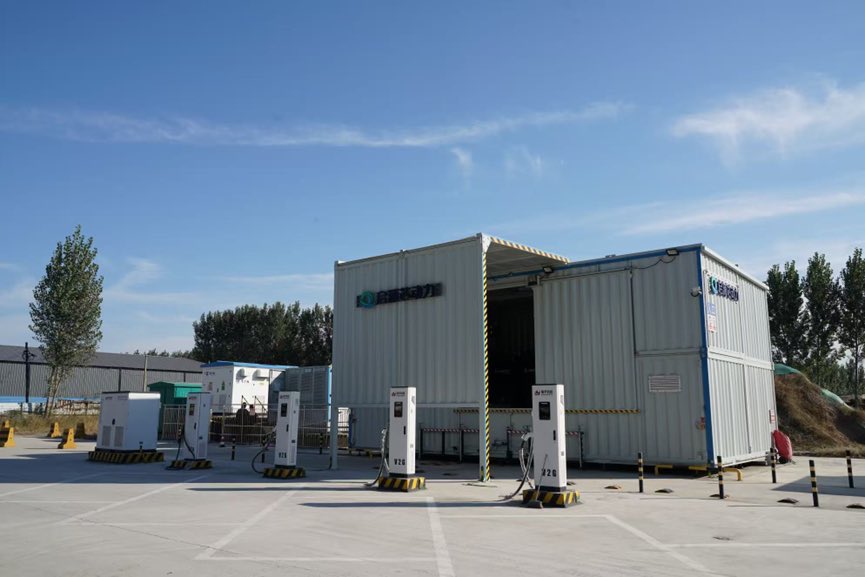
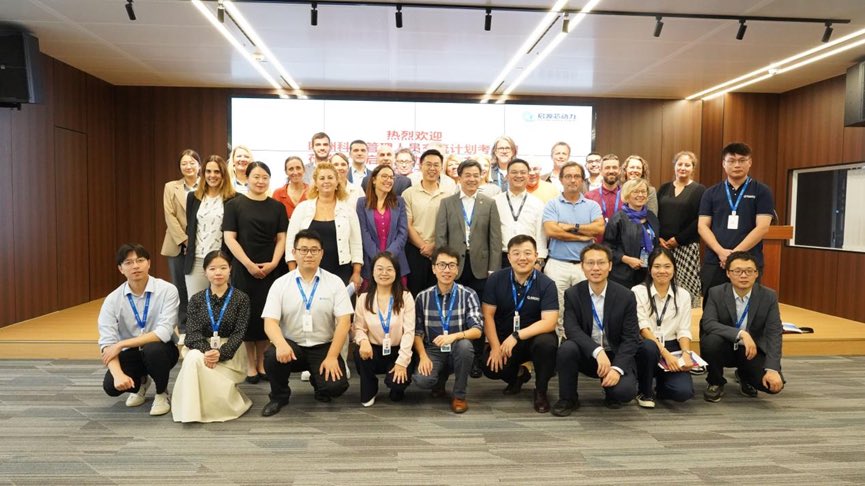
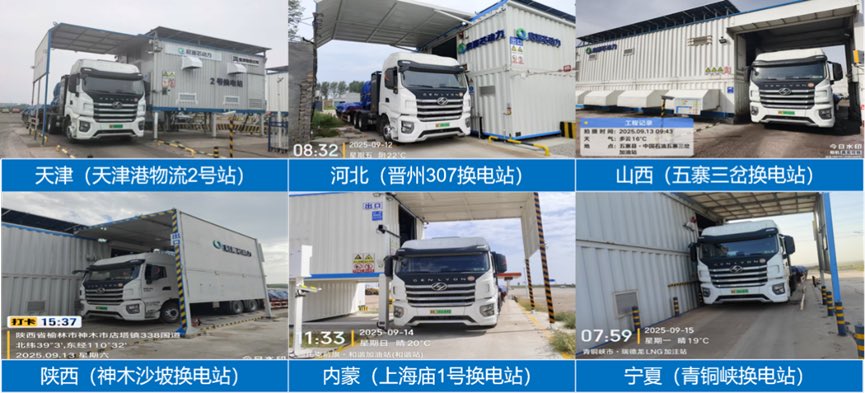
Recently, a National Key R&D Program project undertaken by Qiyuan Xindongli, a subsidiary of SPIC Capital Holdings (Asset Management Company), successfully passed final acceptance by the International Science and Technology Cooperation Center of China’s Ministry of Science and Technology. The project, titled “Research and Demonstration Application of Integrated Ultra-Fast Charging and Battery Swapping Systems for Electric Heavy-Duty Trucks and Key Technologies for Station-Grid Interaction,” has achieved large-scale nationwide deployment.
To date, more than 1,600 charging and battery-swapping stations for heavy-duty trucks have been put into operation, forming a trunk network spanning over 50,000 kilometers and serving more than 90,000 commercial vehicles, with over 18 million charging and battery-swapping services completed cumulatively. Its industrial scale and service capability continue to rank among the industry’s leaders. In addition, three overseas demonstration projects have been launched in Indonesia and Mongolia, while the project’s technological achievements have also supported the initiation of an ISO international standard.
1
128
May 13
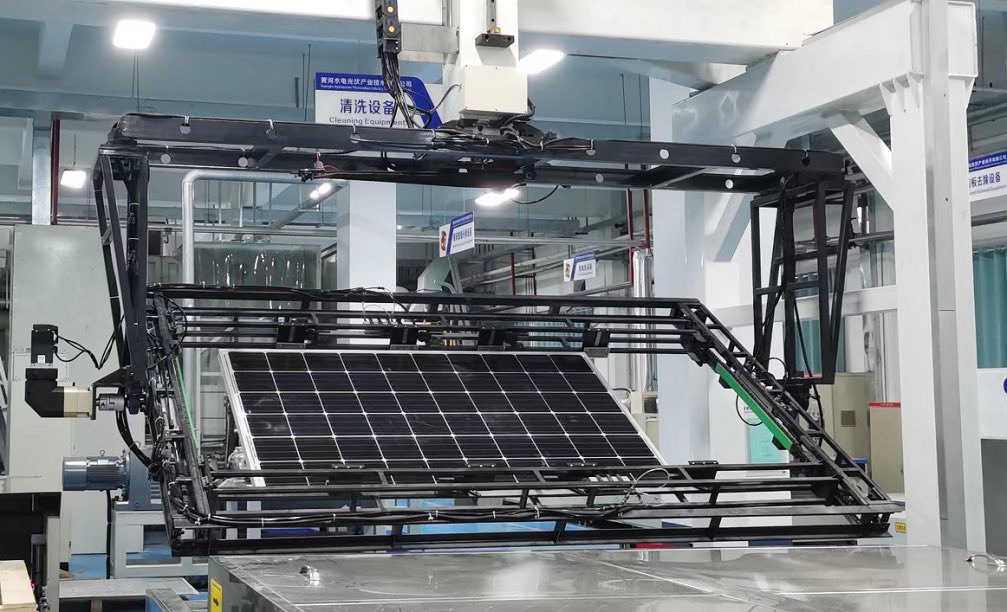
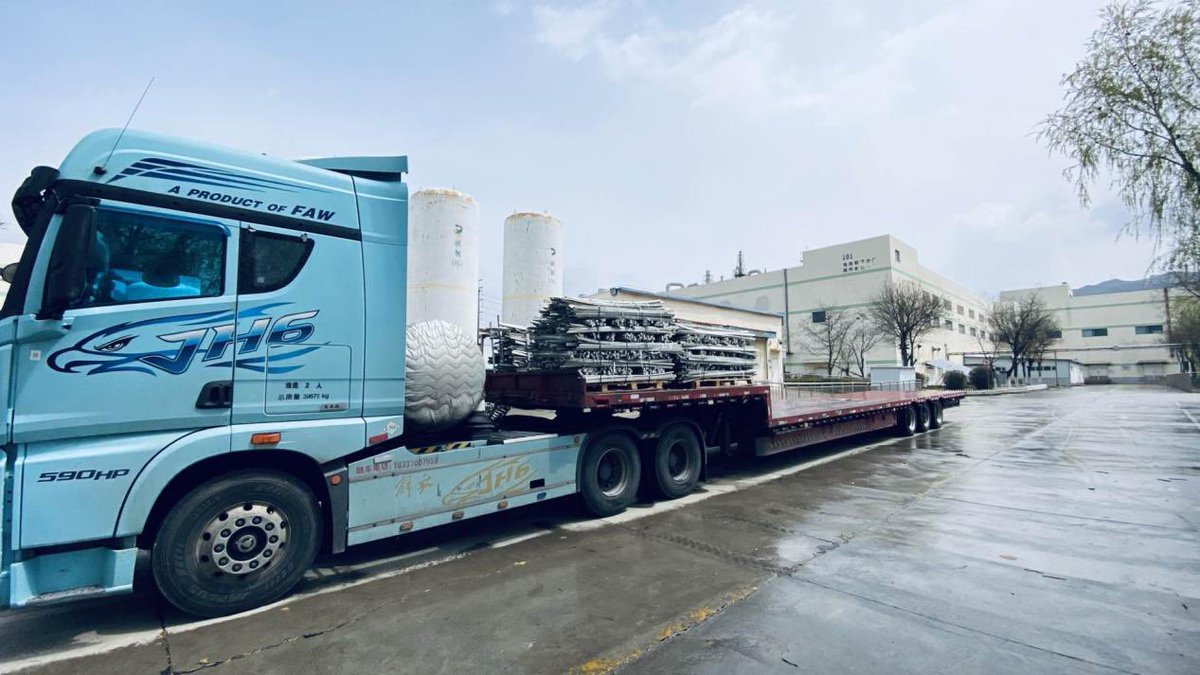
Giving Retired PV Modules a Second Life! SPIC Huanghe Hydropower Development Co., LTD. has completed the first large-scale commercial sale of its recycled PV module products. More than 120 tons of recycled materials—including silicon solar cells, aluminum frames, recycled PV glass, and recovered junction boxes—have been successfully shipped. The milestone marks the full integration of the company’s closed-loop industrial chain covering “recycling, dismantling, sales, and reuse,” moving retired PV module recycling from pilot demonstration to regular commercial operation.
1
6
224
May 11
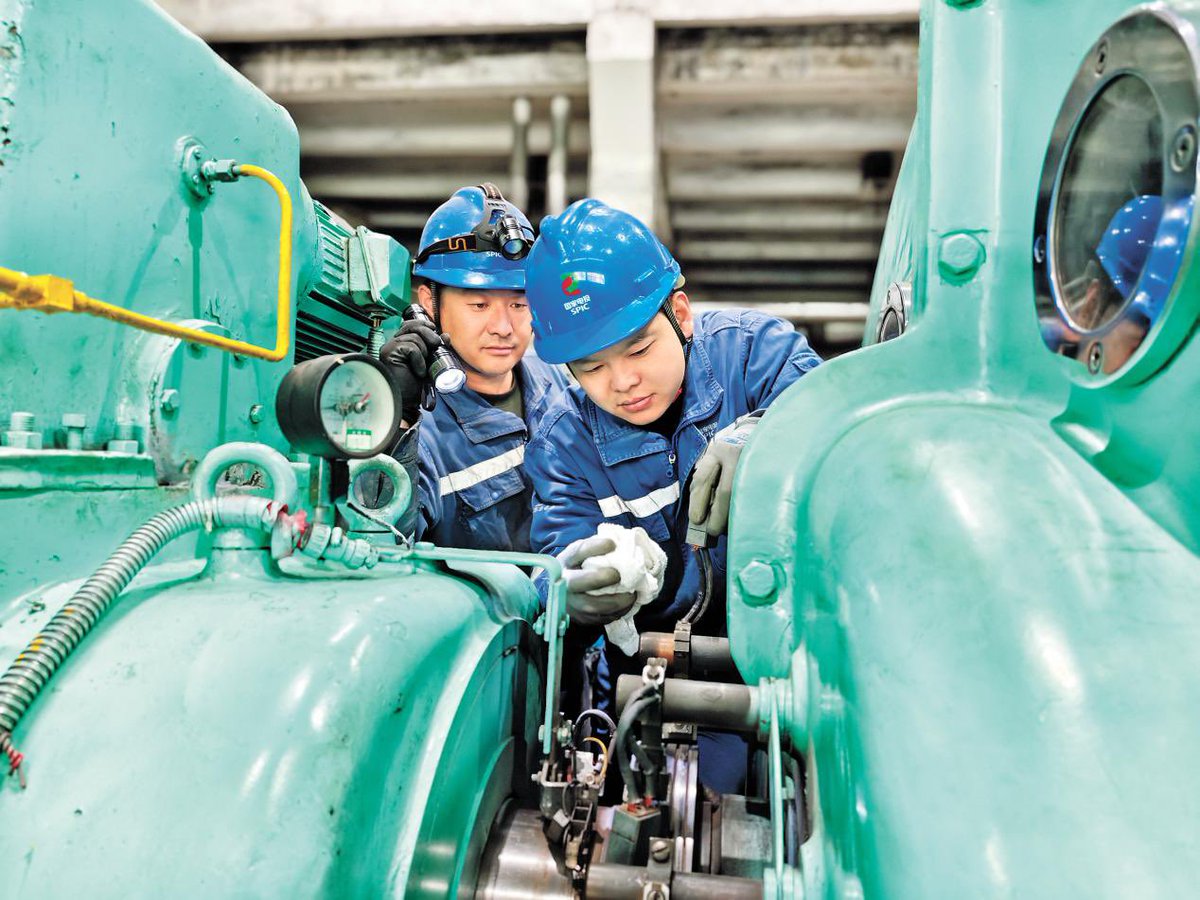
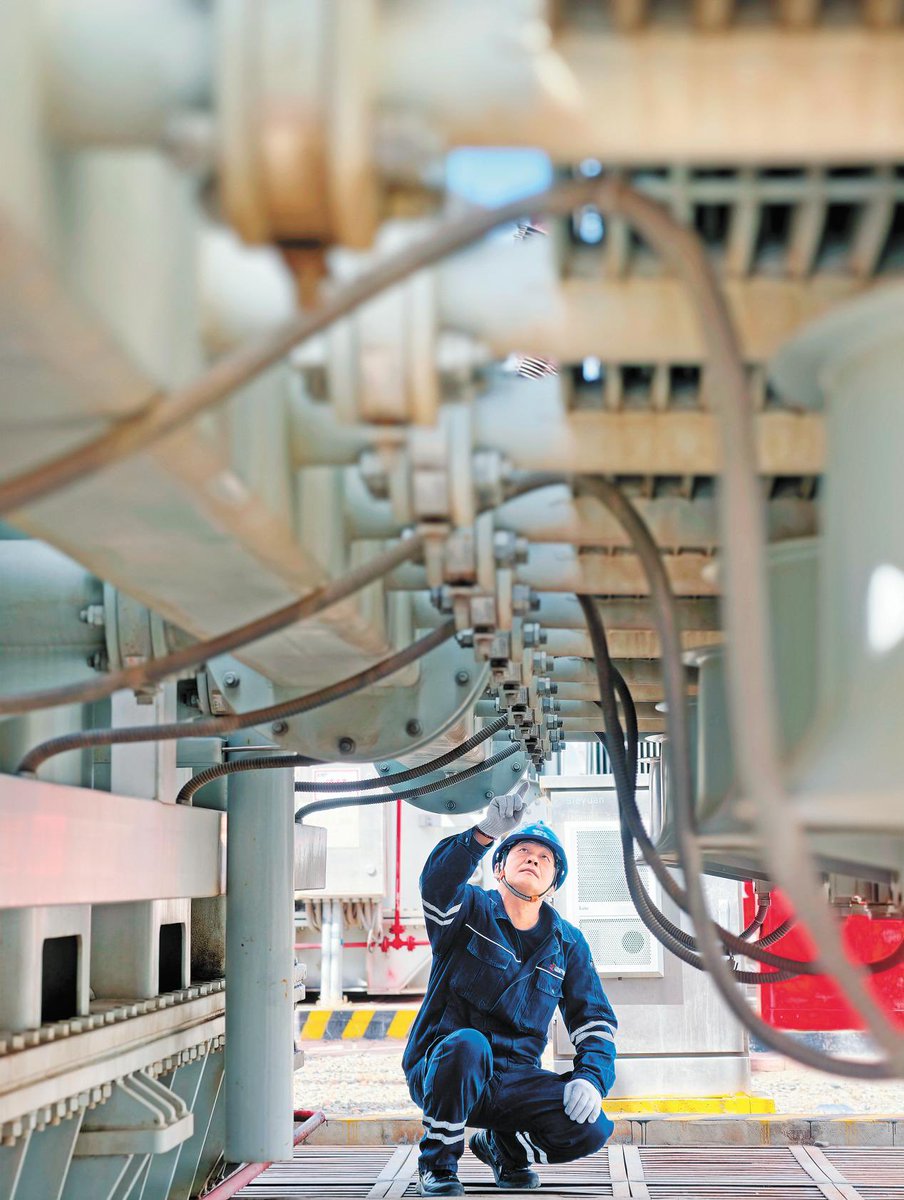
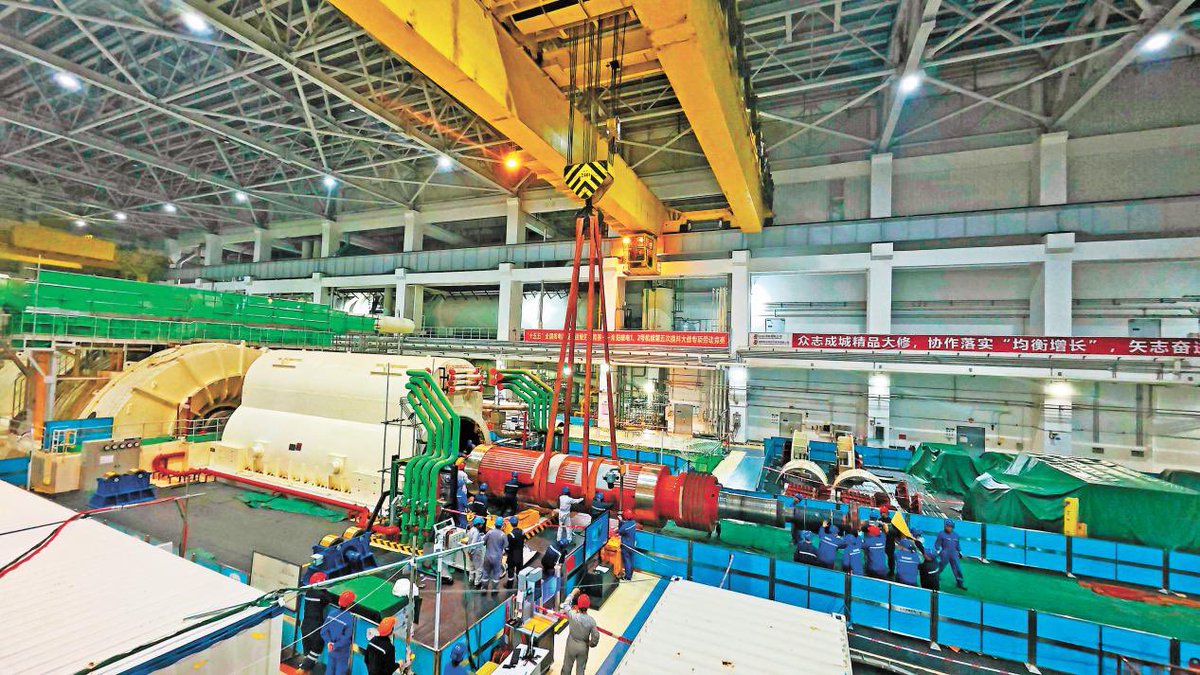
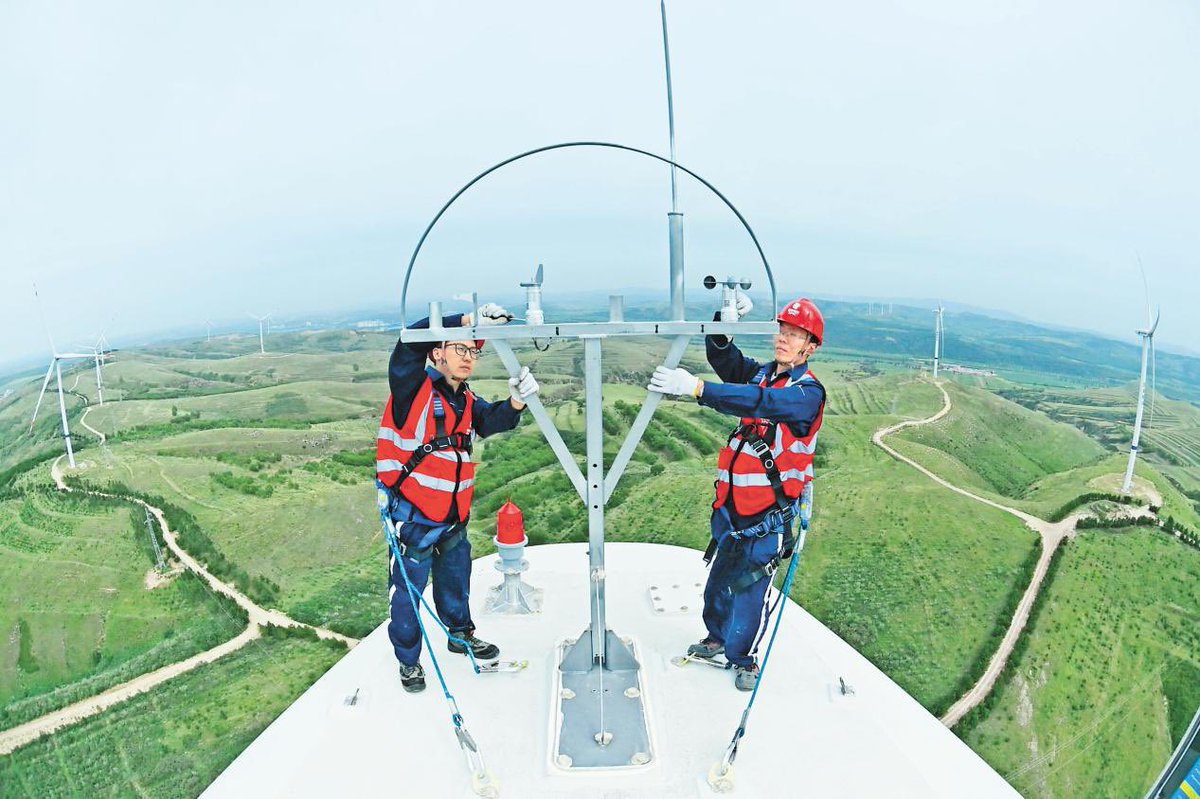
Capturing spring maintenance in action, a salute to our dedicated frontline teams. Check out how SPIC employees document the action through their lenses!
1
100
May 10
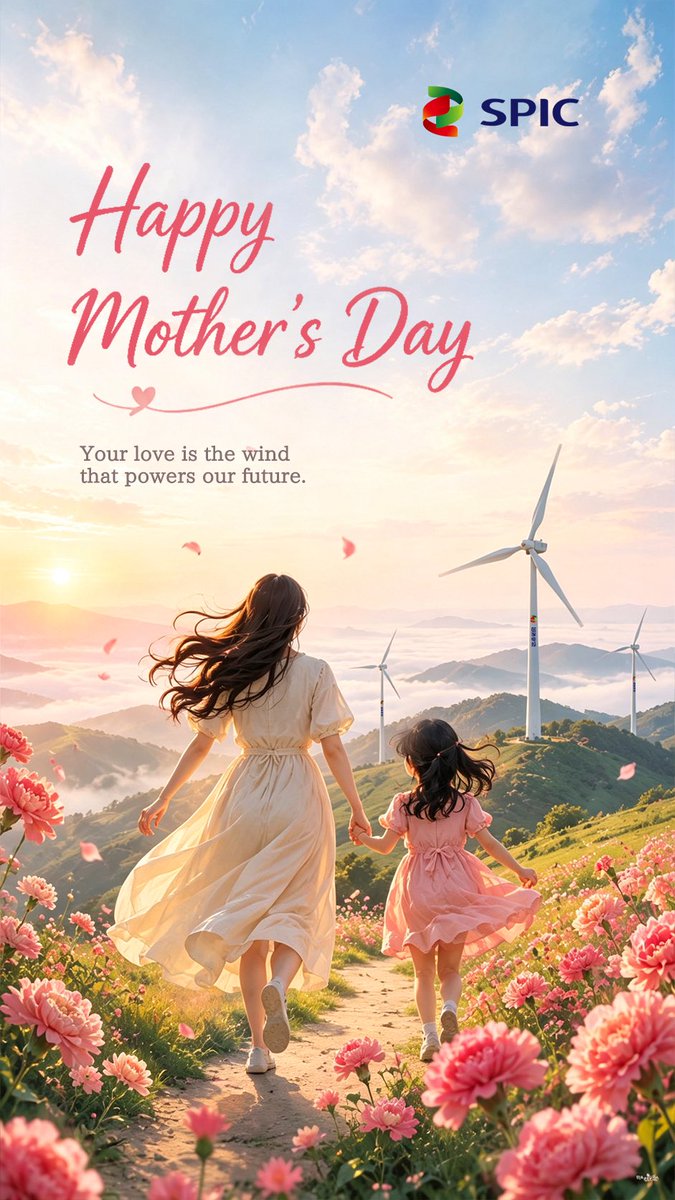
Love in the everyday makes life extraordinary. SPIC pays tribute to every ordinary yet extraordinary mother with clean energy.
1
77