
Founding Member @clickup. Scaling Clickup in public and sharing how I'm securing raving fans via influencer marketing, community, and brand strategy.
Joined November 2010
- Tweets 14,696
- Following 1,816
- Followers 47,049
- Likes 28,748
419 Photos and videos


Pinned Tweet

15 May 2023
Kids are making $25K/month with digital products.
But most people don't know how.
So I built 170 Digital Product ChatGPT prompts to help you make money too.
Normally $39, but next 24 hrs, it's FREE!
To get it:
1. Follow me (so I can DM you)
2. RT this tweet
3. Reply "SEND"
7,065
4,895
3,838
5,445,030
Chris Cunningham retweeted

Jun 2
Having the best time @ Reserve
NY Tech Week
@ChrisClickUp @MichaelAxman

1
17
1,924
Chris Cunningham retweeted

ClickUp is working on a Cowork feature 👀
> Cowork can help users build, edit, and take action alongside them, and other agents at the same time
> Sessions are persistent, so context carries across the entire workday
> Multiple users can collaborate in the same Brain session simultaneously
Brain Cowork can proactively work in the channel just like a human teammate, drafting docs and setting reminders in the same thread where the team is actively working.
12
8
126
24,339

Chris Cunningham retweeted

May 21
1
1
1
462
Chris Cunningham retweeted
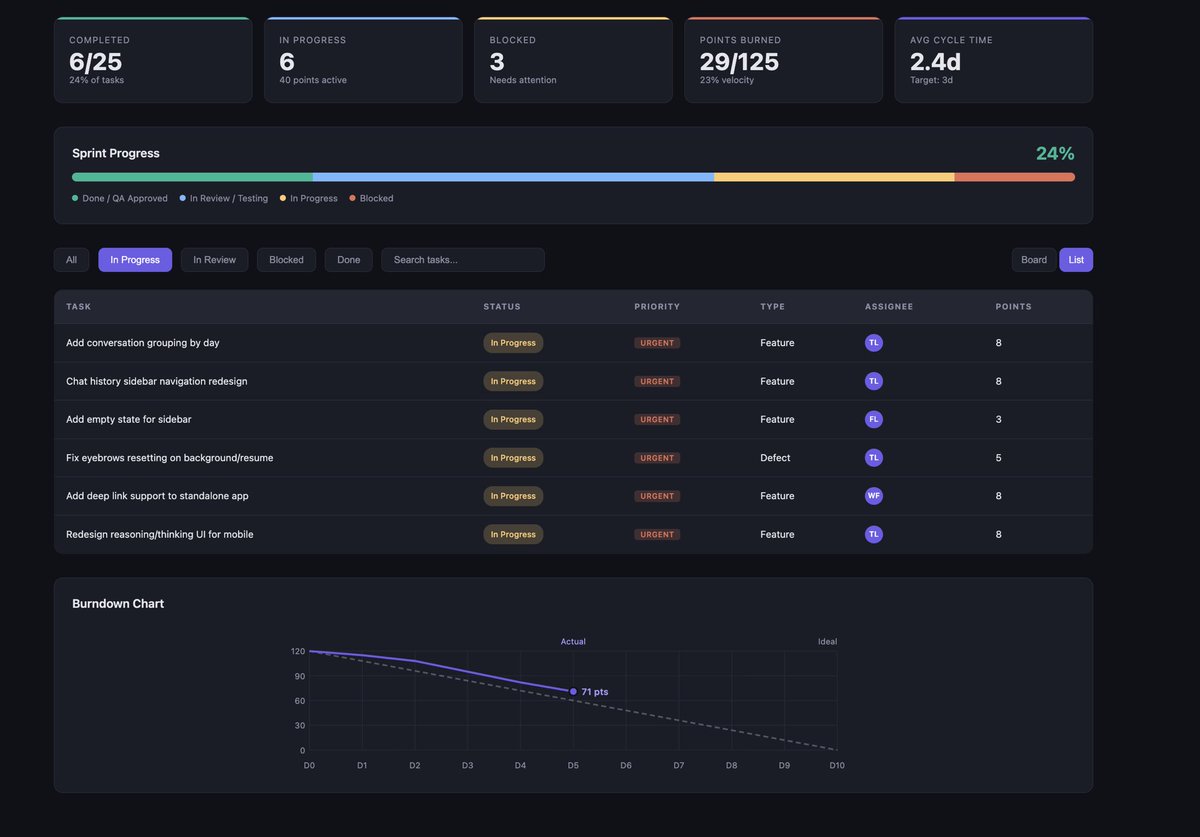
ClickUp's AI Brain will soon be able to build fully interactive apps from a single prompt, with live data integrations.
Some examples 👀
> Sprint tracker - to reshape your team operations into an analytics dashboard for stakeholders.
> CRM tool - to have a custom dashboard with customizable controls on top of your existing data.
> Live OKR dashboard - to have a dynamic view that can pull the latest updates automatically
7
7
69
44,579
Chris Cunningham retweeted

Can your business run without you?
If the answer is no, you don't have a business. You have a high-paying prison.
🧵 Here's the systems audit every operator needs to run this weekend:
1/ The Content Revenue System
One Space. One transcript. 14 pieces of content. Buffer queue.
I've run it every weekday since October. It compounds.
If your content stops the second you stop showing up — that's a gap. I personally use @clickup to help my team & I stay organized it is now integrated with @claudeai (video coming soon....)
2/ The 5-Minute Rule
Inbound DM hits → respond within 5 minutes → est. 80% higher close rate.
Most operators have notifications off and check messages "when they get to it."
That's how warm leads die.
3/ The 97/3 Rule
Only 3% of your audience is ready to buy right now.
Your job is to find them. Scour LinkedIn. Scour X. Search for "looking for a fractional CMO" — they're publicly telling you.
Stop spraying. Start hunting.
4/ Every business has gaps. Even Hormozi's.
Two reps from acquisition.com called me months apart with zero CRM continuity. No notes. No context. Restart from zero.
8-figure operation. Still leaks.
Audit. Yours. Weekly.
5/ The Freedom Machine (Hat tip @JudasPhiGates8 )
Build a system that delivers value, social impact, AND high-quality inbound — without your hands on every lever.
Not no humans. Smarter humans smarter systems.
That's the path.
⚔️ DISCIPLINE → daily systems
📊 DATA → tracked signals
🎯 RESULTS → predictable revenue
What's the ONE manual task you're killing this week?
At the end of our lives, we will ask ourselves 4 simple questions: Did I live? Did I love? Did I matter? Did I make a difference? Keep making a difference. Build that mind. Build that body. Build that business. Build that bank account. But most importantly — build that legacy. Stay healthy. Stay hungry. Stay humble. We'll see you at the top!
🥷 The Revenue Ronin / ⚔️ Discipline. 📊 Data. 🎯 Results. / therevenueronin.beehiiv.com/
Thank you again to @clickup @ClickUpCrew @ChrisClickUp for sponsoring the space! 🫡🥷
1
1
4
296
Chris Cunningham retweeted
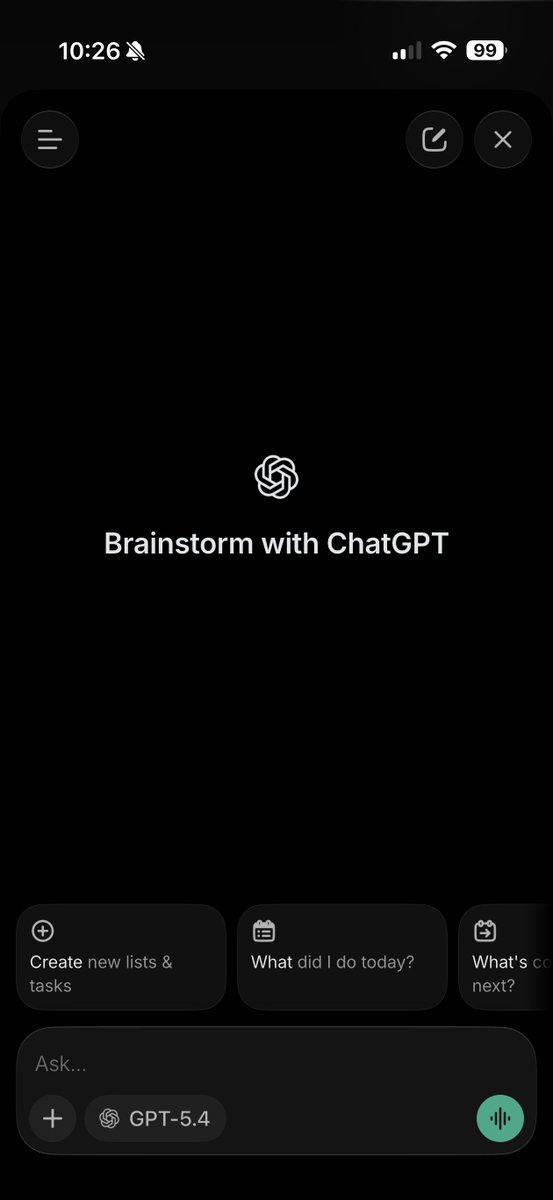
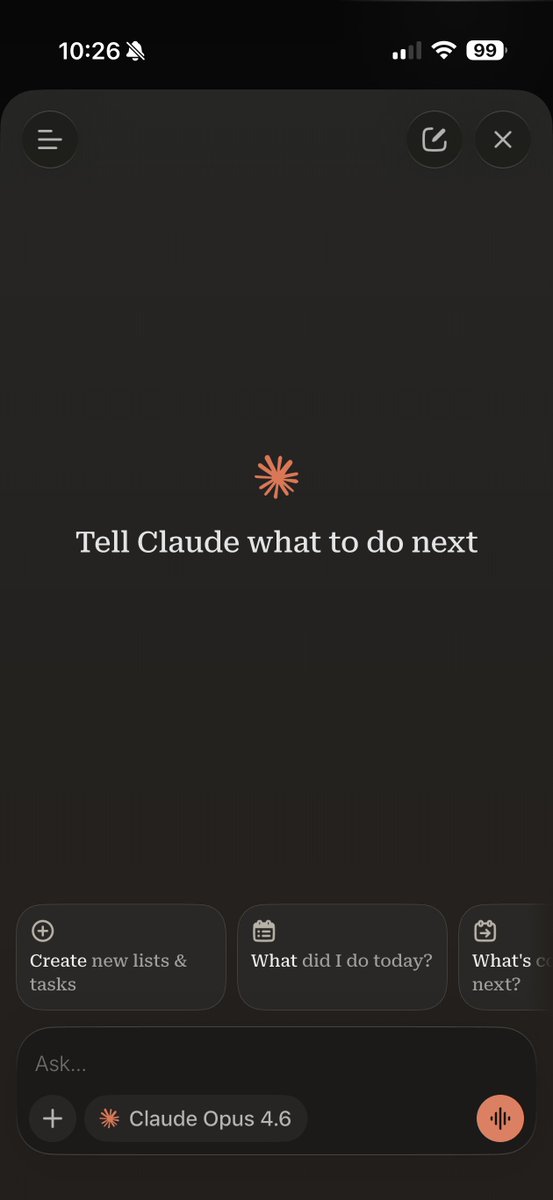
ClickUp is reshaping its Brain platform UI based on which model you pick.
> With Claude Opus 4.7, the interface reads "Tell Claude what to do next."
> With Gemini 3.1 Pro, it becomes "Let's ask Gemini."
> With GPT 5.5, it says, “Let's ask ChatGPT.”
The confirmed models are Claude Opus 4.6, Claude Opus 4.7, GPT-5.4, GPT-5.5, and Gemini 3.1 Pro, all selectable from a single dropdown on both desktop and mobile.
15
8
215
19,788
Founders from all over Miami gathered for an afternoon of competition, conversation, and tons of talk about AI.
We teamed up with our good friends at Nucleus Network to bring founders together so they could swap stories about what they're building and play padel, all with the Miami skyline in the background.
Sometimes the best connections happen between sets.
Thanks to everyone who came out. What networking event should we throw next?
1
1
7
2,010
Chris Cunningham retweeted

May 8
plz welcome: masscontent operator
sh*ts on openclaw
sh*ts on claude code
sh*ts on higgsfield
im pretty positive that this is the most powerful mass marketing agent on earth.
just a short list of what he can do:
- full phone farm integration (~$4 per account)
- second brain on u and your competitors
- 500 marketing .skills pre-loaded
- call 64 ai content models (50% of the cost)
- build full ai vids/slides workflows in bulk (30 at once)
- create consistent influencers and map them to accs
- run ai theme pages by itself
- auto-post everywhere via our phone farm
- setup up lead mag auto-dm’s for every post
- spin ai inbox agent to manage every dm and follow up
- social intelligence scraping on every platform
- clone viral posts with your brand brain
- fully edit every video
- highly realistic Seedance 2.0 ugc
- render mocked iOS app screen recs w/ your real ui
- write tweets & post any render media
- create saas mini-launch vids with every tweet (real ui)
- scrape top ai influencer pages and clone them
- use our credits or connect your anthropic key for unlimited
- track posts work & edit all workflows to double down
- all analytics mapped in his brain wiki
- track every click and conversion event
- create & post 1,000 vids/day
i’m not sure how i got here, but 2.1 million lines of code later…
we are locked in.
like, rt comment “OPERATOR” and i’ll dm it to you. (must follow for dm)
549
282
724
55,362
Chris Cunningham retweeted

May 8
Beats ChatGPT and Claude in nearly every head to head test - even when using those models

ClickUp has launched Brain², which automatically wires in your company's projects, org setup, and decisions as context for any frontier model you choose.
It allows you to pick models like Claude 4.7, GPT 5.5, or Gemini 3.1, and Brain compresses everything your team knows before the model ever sees a prompt.
> Preferences Memory - Brain retains your role in the org, team, and format preferences across every session
> MCP live - connects Gmail, GitHub, Figma, and Slack natively, no middleware needed
> Brain Slides - polished decks from one prompt, built on designer-authored templates
4
4
39
21,278
Chris Cunningham retweeted
ClickUp has launched Brain², which automatically wires in your company's projects, org setup, and decisions as context for any frontier model you choose.
It allows you to pick models like Claude 4.7, GPT 5.5, or Gemini 3.1, and Brain compresses everything your team knows before the model ever sees a prompt.
> Preferences Memory - Brain retains your role in the org, team, and format preferences across every session
> MCP live - connects Gmail, GitHub, Figma, and Slack natively, no middleware needed
> Brain Slides - polished decks from one prompt, built on designer-authored templates
16
9
155
37,529
Apr 30
If I had to grow a B2B SaaS to 1,000 customers without spending a dollar on ads, here's exactly what I'd do:
Month 1-2: Foundation
- Build the founder's personal LinkedIn and X presence. Post 5x per week about the problem the product solves. Not the product. The problem. Share observations, frameworks, and opinions. Build an audience of people who care about the problem before you ever mention the solution.
- Launch on Product Hunt and relevant community launch platforms. Not for the traffic. For the backlinks and the credibility.
- Identify 20 communities where your ideal customer hangs out. Reddit, Discord, industry forums, LinkedIn groups. Join them. Answer questions. Be helpful. Don't pitch.
Month 3-4: Content engine
- Start publishing one long-form piece per week. Blog post or LinkedIn article. Target specific, intent-rich keywords your ideal customer searches when they have the problem you solve.
- Repurpose every piece into 5-8 social posts, one email to your growing list, and one community post.
- Start an email newsletter. Weekly. Short. Useful. Not a product update. A genuine value-add for people in your space.
Month 5-6: Amplification
- Reach out to 10 podcasts in your space. Offer to share a specific story or framework, not "promote my product." Podcast appearances are the most underrated B2B growth channel because they build trust over 30-60 minutes.
- Launch a referral program for existing customers. Not "get $10 credit." Instead: "Get a free month for every customer you refer." Make it meaningful.
- Create one free tool, template, or calculator that solves a specific problem. Gate it with an email. This becomes your lead magnet.
Month 7-12: Compounding
- By now your content is ranking, your founder has an audience, your email list is growing, and word of mouth is building. Double down on what's working. Kill what isn't.
- Start partnerships. Co-create content with complementary products. Webinars, guides, joint research.
- Turn your best customers into case studies and ask them to share on their own channels.
This is slower than paid ads. But the customers you get this way have higher LTV, lower churn, and become advocates. Paid gets you renters. Organic gets you owners.
4
4
394
Apr 29
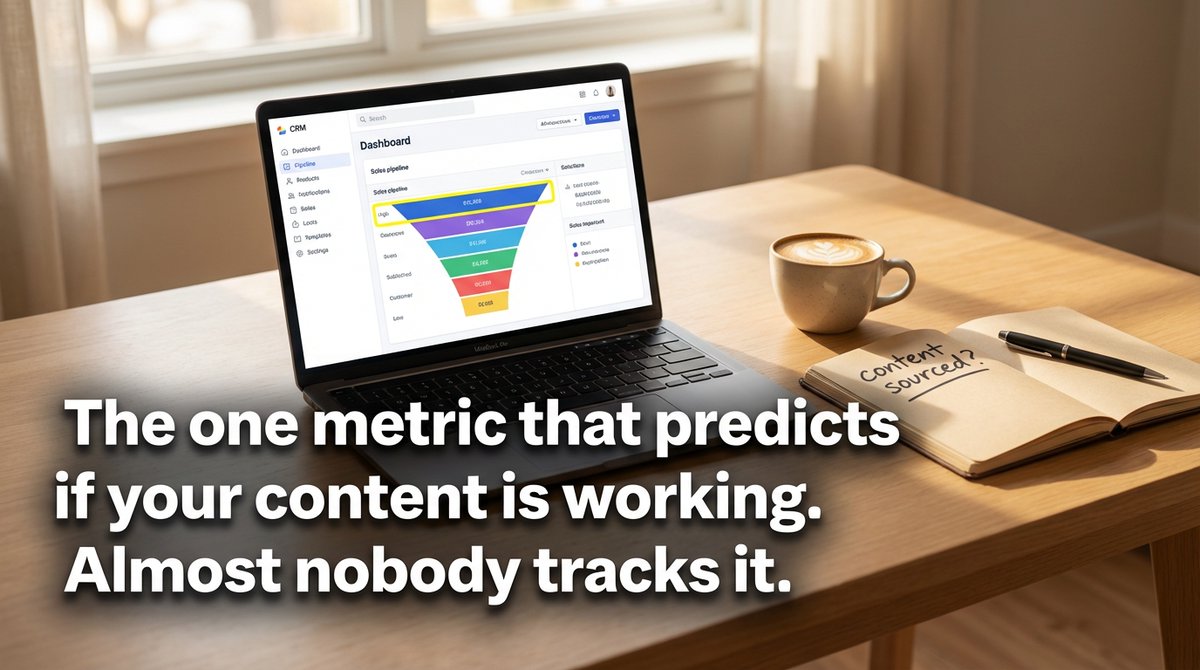
Marketing teams track dozens of metrics. Most of them are vanity. Here's the one that actually tells you if your content strategy is working. And almost nobody tracks it.
It's called "content-sourced pipeline."
Not "content-influenced." Not "content-assisted." Content-SOURCED. Meaning: the prospect's first meaningful interaction with your company was a piece of content. Not an ad. Not a cold email. Not a referral. They found you through something you published.
Here's why this matters more than impressions, traffic, or engagement:
- A blog post with 500 views that sources 3 qualified leads is infinitely more valuable than a post with 50K views that sources zero
- Content-sourced leads typically close at 2-3x the rate of outbound leads because the prospect already trusts you before the first sales call
- Tracking this metric forces your content team to think about who they're writing for, not how many people they're reaching
How to actually track it:
1. Add "how did you hear about us?" to your demo form. Open text, not dropdown. People will tell you the exact blog post, podcast, or tweet.
2. Set up first-touch attribution in your CRM. Not last-touch (which credits the demo page). First-touch (which credits the content that brought them in).
3. Ask sales to note it in discovery calls. "What made you reach out?" is the most underrated question in B2B sales.
4. Review content-sourced pipeline monthly with your team. Kill what doesn't source pipeline. Double down on what does.
When I started measuring this at ClickUp, it completely changed how we thought about content. We stopped chasing traffic and started chasing the topics and formats that actually brought in buyers. Our output went down. Our pipeline went up.
If you only track one content metric, make it this one.
4
3
264
Apr 28
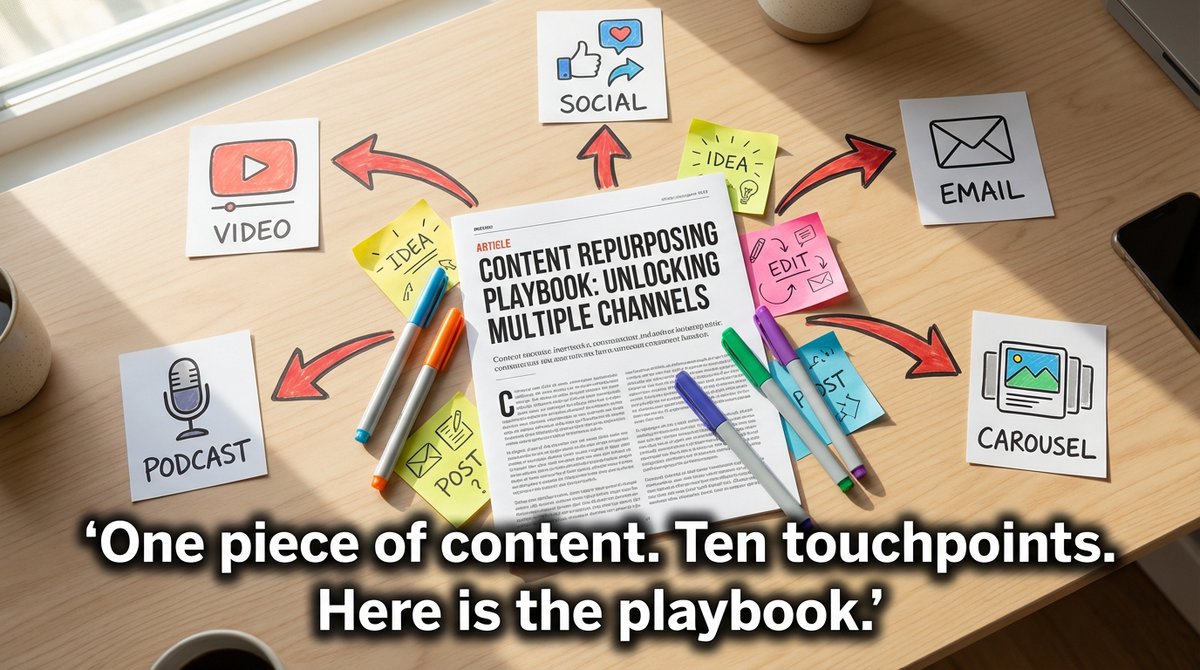
Creating content is 40% of the job. Distribution is the other 60%. Here's the exact playbook I use to turn one piece of content into 10 touchpoints.
Start with one "anchor" piece. This is your longest, most thorough content asset for the week. A blog post, a podcast episode, a long video, or a detailed thread. Everything else derives from this.
Then break it down:
1. Pull 5-8 standalone insights from the anchor piece. Each one becomes its own social post. Not "check out our new blog post" with a link. A complete, valuable post that stands on its own. The post should be worth reading even if nobody clicks through.
2. Turn the best insight into a short video. 60-90 seconds. You talking to camera or a screen recording with voiceover. This goes on TikTok, Reels, YouTube Shorts, and LinkedIn. One recording, four platforms.
3. Create one carousel or infographic from the data. If your anchor piece has stats, frameworks, or step-by-step processes, visualize them. Carousels are the highest-saved content type on LinkedIn and Instagram. Saved content gets shown to more people.
4. Send the best 2-3 insights to your email list. Not the whole blog post. The insights, with a link for people who want more. Your email should deliver value in the email itself, not just drive clicks.
5. Post the anchor piece in 2-3 communities where your audience hangs out. Reddit, relevant Discord servers, industry forums. Don't drop a link and leave. Add context. "We researched X and found Y. Here's the full breakdown if you're interested." Give before you ask.
6. Repurpose the anchor piece into a different format 30 days later. A blog post becomes a webinar. A podcast episode becomes a blog post. A thread becomes a short video. Different people consume content in different formats. The same insight reaches a new audience every time you repackage it.
One anchor piece per week. 10 distribution touchpoints from each one. That's how you build a content engine that compounds without burning out your team.
2
4
241
Apr 27
The Super Mario Bros Movie did $575M in 2023. The sequel just opened in April 2026 to massive numbers. Nintendo built one of the biggest film franchises of the decade from a video game character.
Here are 5 things every marketer should study about how they did it:
1. They said no for 30 years. After the 1993 Super Mario Bros disaster, Nintendo refused every Hollywood pitch for three decades. They waited until they could control the creative. Most brands would have rushed back in. Nintendo understood that protecting the IP was more important than short-term revenue.
2. They chose partners who respected the source material. Illumination (Despicable Me, Minions) understood family entertainment. Shigeru Miyamoto (Mario's creator) was involved in every major creative decision. The movie felt like Mario because the people who made Mario were in the room.
3. They marketed the IP, not the movie. Nintendo didn't sell "a new animated movie." They sold Mario. The marketing leveraged 40 years of nostalgia across generations. Parents who grew up with NES took their kids. That's a built-in audience no ad spend can manufacture.
4. They made it for fans first, critics second. The first movie got mediocre reviews but audiences loved it. Nintendo understood something most brands forget: your core audience's opinion matters more than the industry's opinion. The critics said it was average. The fans said it was exactly what they wanted. Guess which group buys tickets.
5. They used the movie as a marketing channel, not the other way around. Every Mario movie sells consoles, games, and merchandise. The film isn't the product. It's the largest, most expensive ad Nintendo has ever run. And it prints money because the ecosystem behind it is massive.
The lesson for every brand: your IP is your most valuable asset. Protect it obsessively. Choose partners who respect it. And think long-term. Nintendo waited 30 years. That patience is why this franchise will do billions.
1
2
317
Apr 26
The biggest mistake marketing leaders make is building a content operation that depends on them personally. Here's how to build one that runs whether you're in the room or not.
1. Create a topic bank, not a content calendar. Most teams plan content week by week. That's reactive. Instead, build a bank of 50-100 validated topics organized by funnel stage. When it's time to create, your team pulls from the bank instead of starting from scratch every Monday. How to validate topics: check if people are already searching for it, asking about it in communities, or if your sales team hears the question on calls.
2. Build templates for every content type. Your blog posts, social posts, emails, and videos should all have documented structures. Not rigid scripts. Frameworks. "Here's how a teardown post works. Here's how a customer story post works. Here's how a hot take works." When a new team member joins, they should be able to produce quality content in week one because the structure already exists.
3. Separate creation from distribution. Most teams treat these as the same job. They're not. One person (or team) should focus entirely on making great content. Another should focus entirely on getting it in front of people. When one person does both, distribution always loses because creating feels more productive than promoting.
4. Batch production ruthlessly. Record 4 podcast episodes in one day. Shoot 8 short videos in one session. Write 10 social posts in one sitting. Context switching between "create mode" and "everything else mode" destroys output quality. The best content teams I've seen block entire days for creation and protect that time like it's sacred.
5. Document your process, not just your output. Write down how you research, how you brief, how you edit, how you publish, and how you measure. When someone leaves or you hire someone new, the knowledge lives in the system, not in someone's head.
6. Set up a weekly 30-minute review. Not a brainstorm. A review. What performed? What didn't? What do we double down on? What do we kill? Most teams never look back at what they published. The ones that do improve 2x faster than the ones that don't.
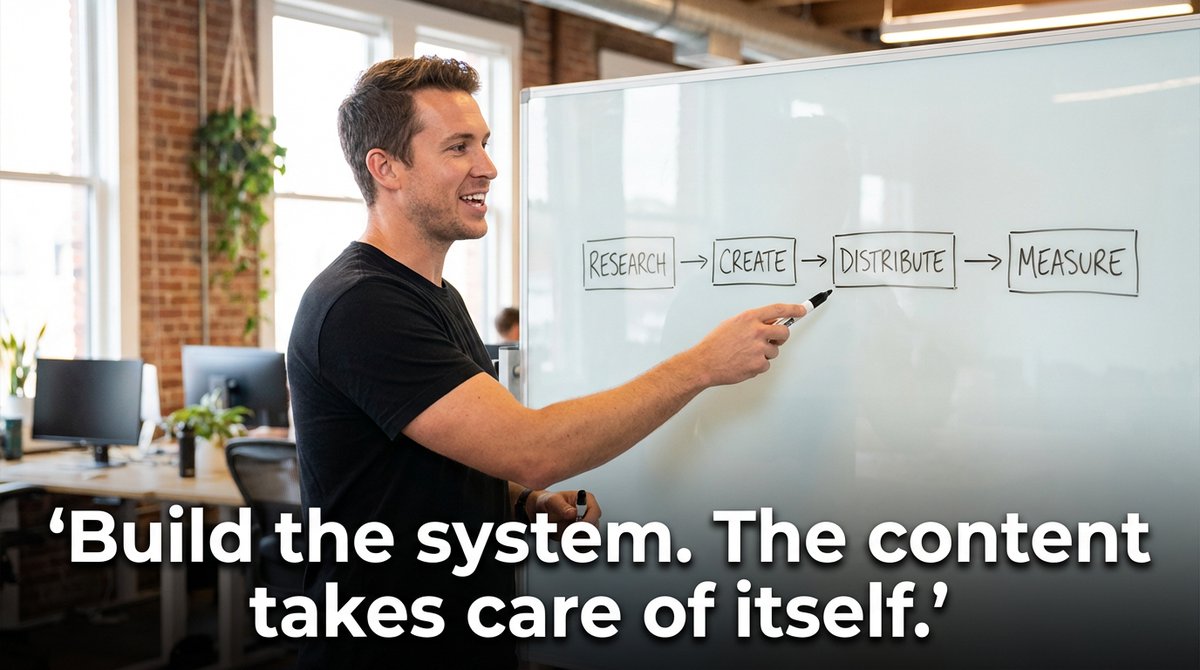
A content engine isn't a person. It's a system. Build the system and the people inside it will do their best work.
1
260
Apr 26
The most valuable marketers I know in 2026 don't just understand marketing. They understand the product deeply enough to influence what gets built.
Here's why this shift is happening and what it means for your career:
1. Marketing is moving upstream. It used to be: product team builds something, hands it to marketing, marketing figures out how to sell it. That's broken now. The best companies involve marketing before the product is built. "Who is this for? What problem does it solve? How will we position it? What's the story?" These questions should be answered before a single line of code is written, not after.
2. The best positioning comes from product insight. You can't write compelling copy about something you don't deeply understand. The marketers who sit in product reviews, read customer support tickets, and understand the technical architecture create messaging that resonates because it's true. Not manufactured. True.
3. Product-led growth requires marketing-minded product people. When your product is your primary acquisition channel (free trials, freemium, product virality), the line between product and marketing disappears. The onboarding flow is marketing. The empty state is marketing. The share button is marketing. If your marketer doesn't understand these product surfaces, you're leaving growth on the table.
4. AI is automating execution. The tactical work of marketing (writing copy, scheduling posts, running reports, building emails) is increasingly automated. What's left is strategy: understanding the customer deeply enough to know what to build, how to position it, and why it matters. That's product thinking applied to marketing.
5. The career upside is enormous. Marketing leaders who understand product get invited to different rooms. They sit in leadership meetings. They influence roadmaps. They become CMOs and CPOs and eventually CEOs. The ones who stay in the "make the thing look pretty" lane get automated.
If you're a marketer reading this, my advice: spend 20% of your time understanding the product as deeply as the people building it. Read the support tickets. Join the product reviews. Talk to customers about their workflows, not just their feelings about your brand. That 20% investment will define the next decade of your career.
1
243
Apr 25
The biggest waste in B2B marketing isn't bad content. It's good content that sales never uses. Here's how to fix it:
1. Ask sales what questions they hear on every call. Not what topics they think would be good for a blog. The actual questions prospects ask on calls. "How long does implementation take?" "What happens when we outgrow the current plan?" "How does this work with our existing tools?" Turn each question into a one-page asset. Now sales has a link to send after every call that directly answers the prospect's concern.
2. Create a shared folder organized by objection, not by content type. Sales doesn't search for "blog posts" or "case studies." They search for "the prospect is worried about migration." Organize your content library by the problem it solves: pricing objections, implementation concerns, ROI justification. Make it searchable in 10 seconds.
3. Build 3-minute video walkthroughs for your top 5 features. Not polished product videos. Quick, casual screen recordings that a sales rep can text to a prospect and say "here's exactly what I was talking about." The more it feels like a personal message, the better it converts.
4. Send sales a weekly "content drop" email. Every Monday. Three links. "Here's what we published this week and how you can use it." Include a one-sentence summary for each and a suggested use case: "Send this to prospects who asked about onboarding time."
5. Include sales in content planning. Invite one sales rep to your monthly content meeting. Not to approve anything. To share what they're hearing from prospects. The gap between "what marketing thinks buyers want" and "what buyers actually ask about" is where the best content ideas live.
Marketing that sales doesn't use is marketing that doesn't exist. Make it easy, make it organized, and make it about solving the same problems sales faces every day.
254
Apr 25
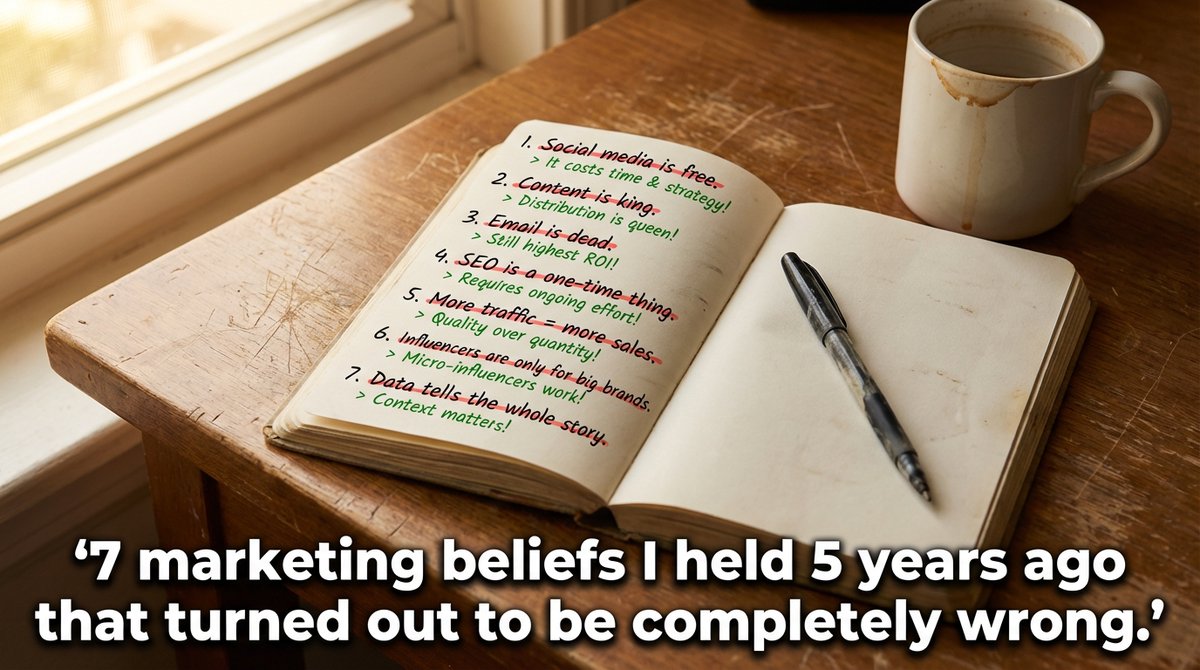
Marketing changes fast. Here are 7 things I believed strongly 5 years ago that I now think are wrong:
1. "Post every day or the algorithm forgets you." I used to think consistency meant frequency. Post daily or lose reach. Now I know that consistency means reliability. Showing up with something worth reading matters more than showing up every day with filler. The algorithm rewards engagement, not volume. One great post gets more reach than 7 forgettable ones.
2. "You need to be on every platform." I used to stress about being on Twitter, LinkedIn, Instagram, TikTok, YouTube, Facebook, and whatever launched that week. Now I believe you should dominate 1-2 platforms before even thinking about a third. Most brands are mediocre on 6 platforms when they could be great on 2.
3. "Long content doesn't work on social." I used to trim everything to fit short attention spans. Turns out, people will read 500 words on LinkedIn or a 20-tweet thread if every line is worth reading. Length isn't the problem. Boring is the problem. Some of my best-performing posts are the longest ones I've written.
4. "Paid ads are the fastest path to growth." They can be. But I've seen companies burn through $500K in ad spend with nothing to show for it because they didn't have product-market fit yet. Paid amplifies what's already working. It doesn't fix what's broken. If your organic content doesn't convert, your paid content won't either.
5. "You need a big team to do marketing well." I've seen 2-person marketing teams outperform 30-person departments. The difference is focus. Small teams can't afford to do everything, so they're forced to do the right things. Big teams spread resources across every channel and initiative and end up doing nothing exceptionally well.
6. "Brand and performance marketing are separate disciplines." They're not. Every brand post should move people closer to a purchase. Every performance ad should reinforce your brand. The companies that treat these as separate teams with separate goals end up with a brand that doesn't convert and ads that don't build trust.
7. "Marketing is about telling people how great your product is." Marketing is about helping people solve their problems. The product is the solution, not the story. Lead with the problem. Show empathy for the struggle. Then introduce the product as the answer. People don't care about your features. They care about their outcomes.
I'll probably look back at this list in 5 years and disagree with half of it. That's the point. The best marketers update their beliefs constantly based on what they're seeing, not what they learned years ago.
1
1
203