
Find me on the widely known alternative site
Joined September 2012
- Tweets 178
- Following 477
- Followers 304
- Likes 877
15 Photos and videos


Pinned Tweet
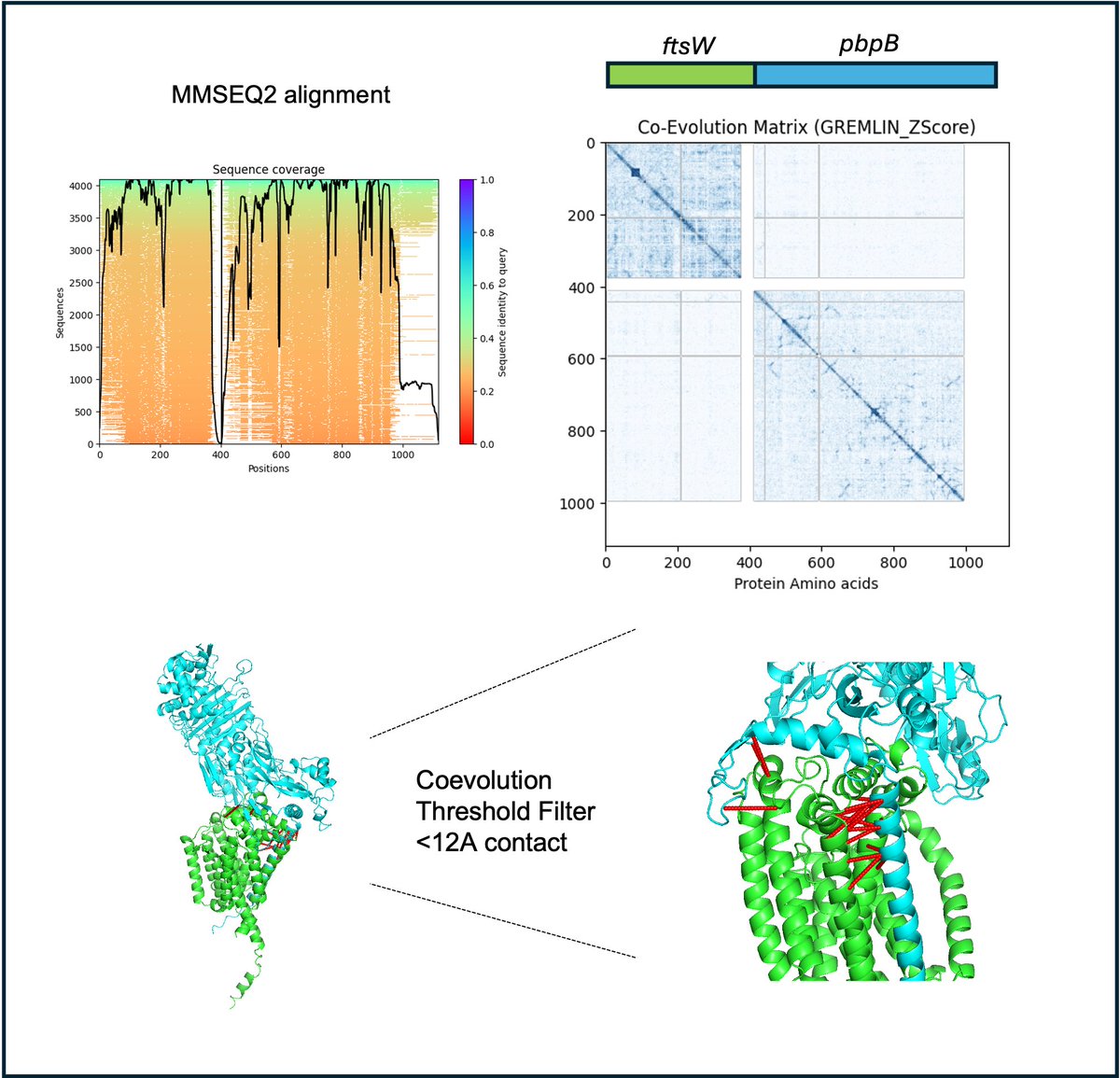
We finally released a little coevolution pipeline, so you can add coevolution to predicted structures. With this you can understand more how proteins may genetically interact, as heteromers, homomers or hypothetical networks (or perhaps not) doi.org/10.64898/2026.01.26.…
1
8
24
1,618
Chris LB Graham retweeted

Jan 28
"we utilise coevolution to determine the likelihood of protein-protein interactions within proteins acting within the same biological pathway."
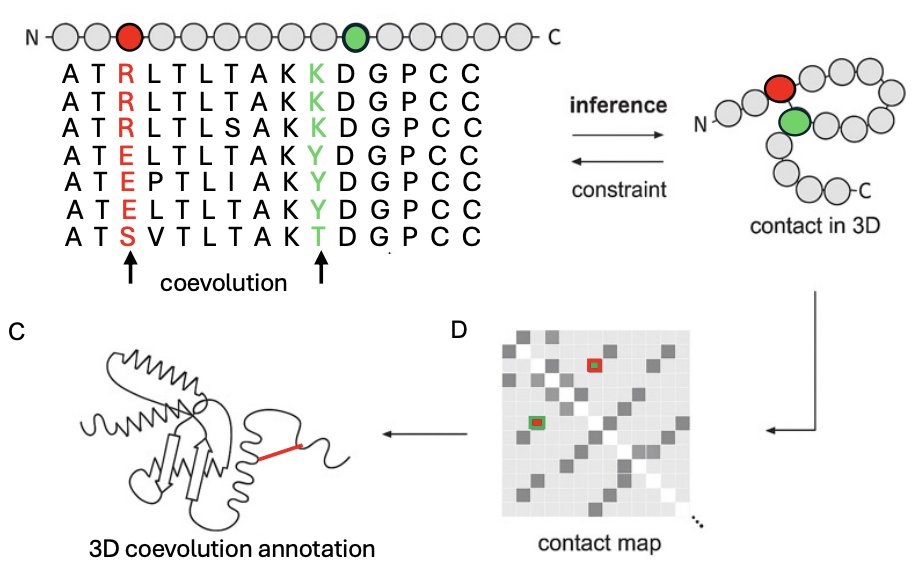

CoEVFold suite: user friendly pipelines to visually represent protein coevolution biorxiv.org/content/10.64898… #biorxiv_micrbio
3
30
215
29,686
Chris LB Graham retweeted

Jan 27
Check out these tools to detect co-evolution in protein-protein interactions developed by postdoc @ChrisLBGraham
Very useful as a hypothesis generator, complementing protein interaction prediction from Alphafold.
biorxiv.org/content/10.64898…
2
7
384

13 Nov 2025
ConservFold was down, due to weblogo dependency issues... so ive replaced weblogo with ggseqlogo for now. Its back up again. thanks @omarwagih for the existence of your package.
colab.research.google.com/dr…
77
3 Jun 2025
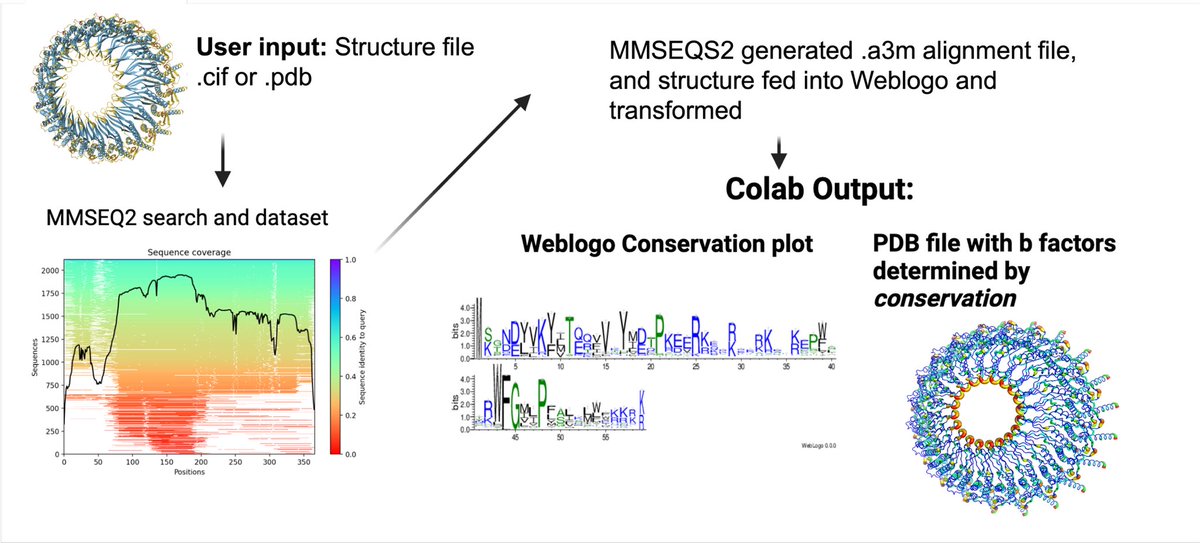
We have updated ConservFold. Now it can plot conservation onto whole protein complexes and you can set the cutoffs you’d like! Thought it might be useful for people! colab.research.google.com/dr… @CRodriguesLab
1
6
349
Chris LB Graham retweeted
6 May 2025
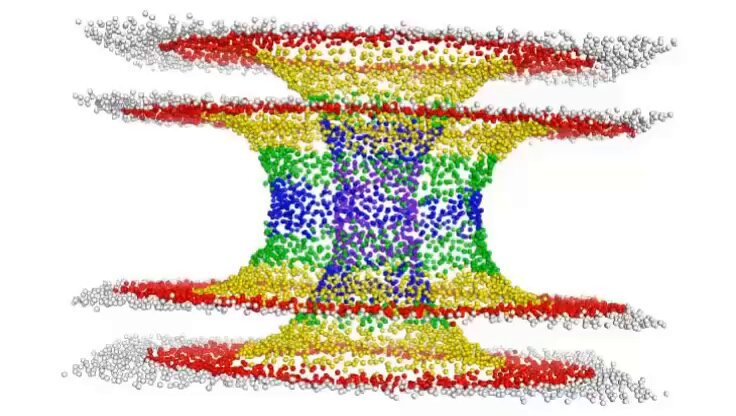
Checkout out our computational framework, MemTorMD, for studying toroidal membranes of biological dimensions, present at division and fission sites. We studied lipid behaviour at these sites but also simulated membrane fission. Collaboration with @ChrisLBGraham and @pstansfeld
3 May 2025

Just released a pre-print: biorxiv.org/content/10.1101/… We simulate lipid membrane toroids of bacteria, which represent the point just before one cell splits into two. We see they’re stable and then look at how a key protein might behave at them @pstansfeld @CRodriguesLab
2
3
10
988
3 May 2025
Just released a pre-print: biorxiv.org/content/10.1101/… We simulate lipid membrane toroids of bacteria, which represent the point just before one cell splits into two. We see they’re stable and then look at how a key protein might behave at them @pstansfeld @CRodriguesLab
1
3
1,194
Chris LB Graham retweeted

9 Oct 2024
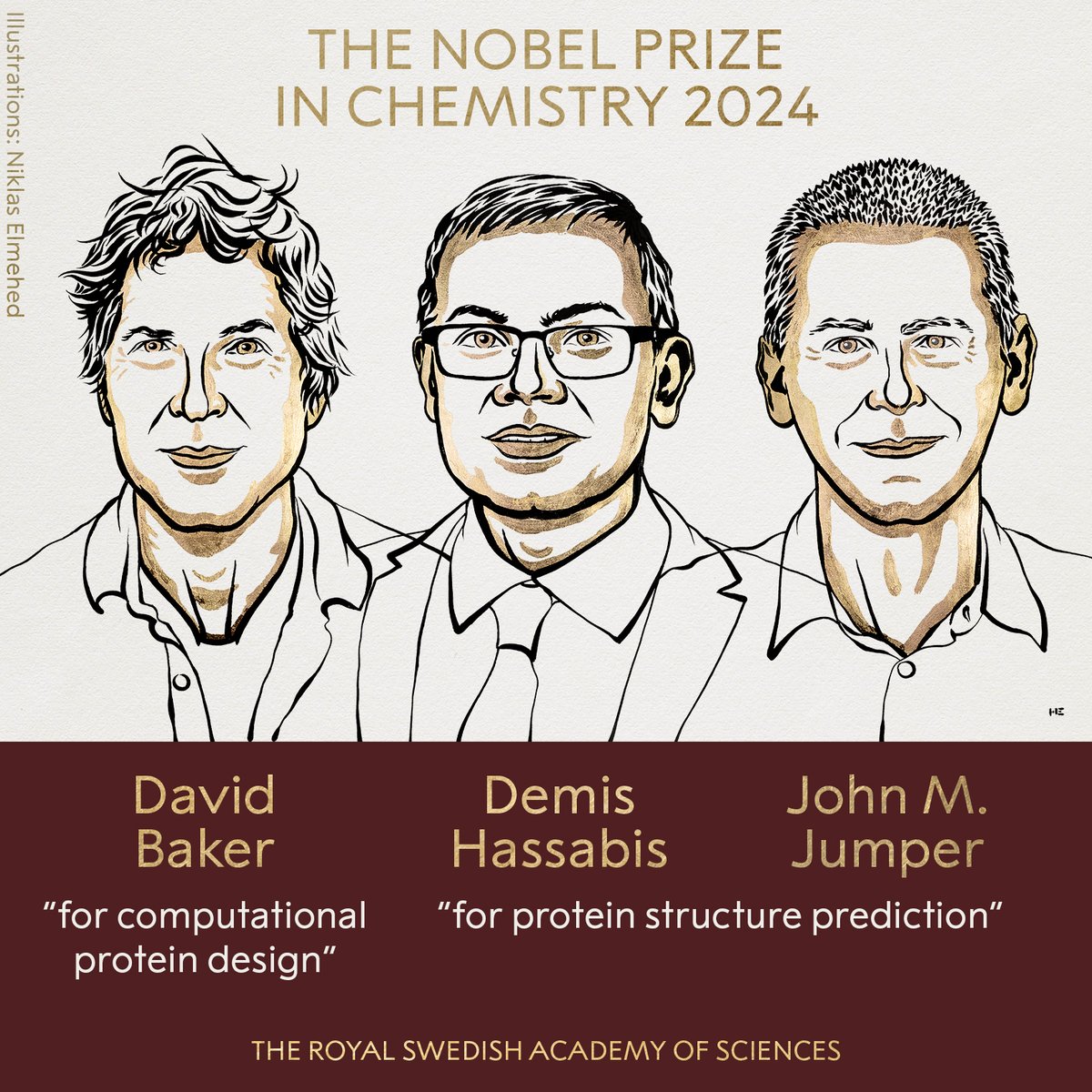
🤯 Congratulations David Baker @UWproteindesign , @demishassabis and John Jumper!!
9 Oct 2024

BREAKING NEWS
The Royal Swedish Academy of Sciences has decided to award the 2024 #NobelPrize in Chemistry with one half to David Baker “for computational protein design” and the other half jointly to Demis Hassabis and John M. Jumper “for protein structure prediction.”
5
35
343
10,439
Chris LB Graham retweeted
2 Oct 2024
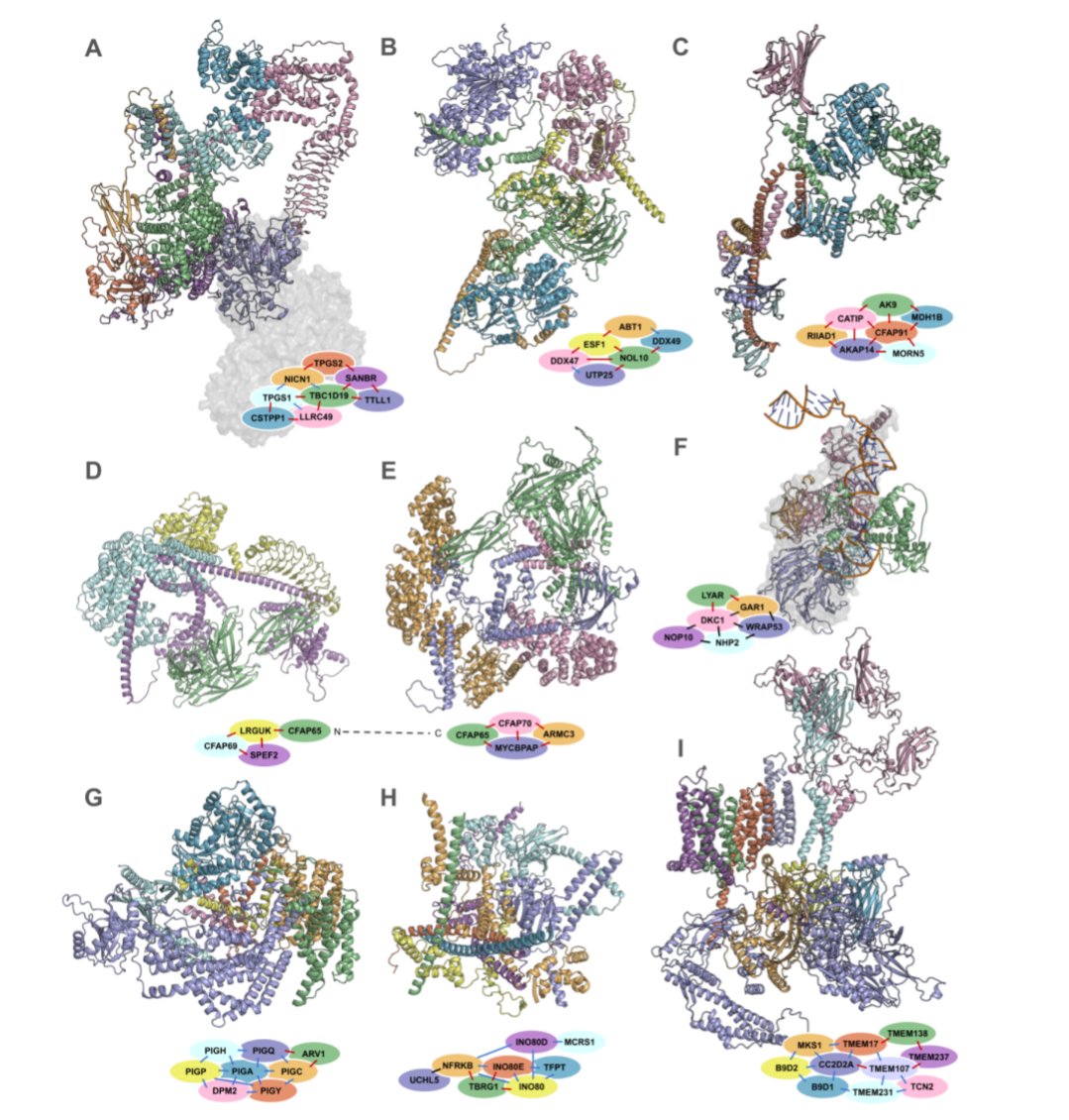
Exciting new work from Qian Cong's group on predicting human protein interactome. Leveraging new eukaryotic genomes, new RoseTTAFold2 trained on /- pairs of PPI and large distilled dataset of domain-domain interactions! 🤩
biorxiv.org/content/10.1101/…
8
76
361
27,086
Chris LB Graham retweeted

2 Jun 2024
The lowest cost of laboratory space in San Francisco starts at $1750/mo. What would happen if we dropped that cost by 10x? How many more ideas and experiments would take place?
Introducing Cellsius (cellsius.org/)
7
28
125
15,685
Chris LB Graham retweeted

28 May 2024
🚨 job alert 🚨 Research technician role available working at University of Bristol with @ICadby !!! Ian is a fantastic scientist working on some very cool bacteria. Deadline is 11/06/2024 jobs.ac.uk/job/DHU247/resear…
1
7
10
3,171
Chris LB Graham retweeted

9 Apr 2024
Dear Twitter sphere
Does anyone have a few mgs of durlobactam they could spare me please or know of a UK supplier?
2
2
3
1,243
Chris LB Graham retweeted

21 Feb 2024
Our work on the trajectories of scientists in the knowledge space has been published in EPJ Data Science @epj_ds! We show that tools for studying human mobility can be applied to the mobility within scientific knowledge.🧵
doi.org/10.1140/epjds/s13688…
2
12
56
8,104
Chris LB Graham retweeted
15 Feb 2024
Check out the beautiful Cryo tomography of B. subtilis spores by Cecile Morlot @IBS and collaborators. A pleasure to have participated in this work.
nature.com/articles/s41467-0…
3
17
54
6,408
Chris LB Graham retweeted

19 Jan 2024
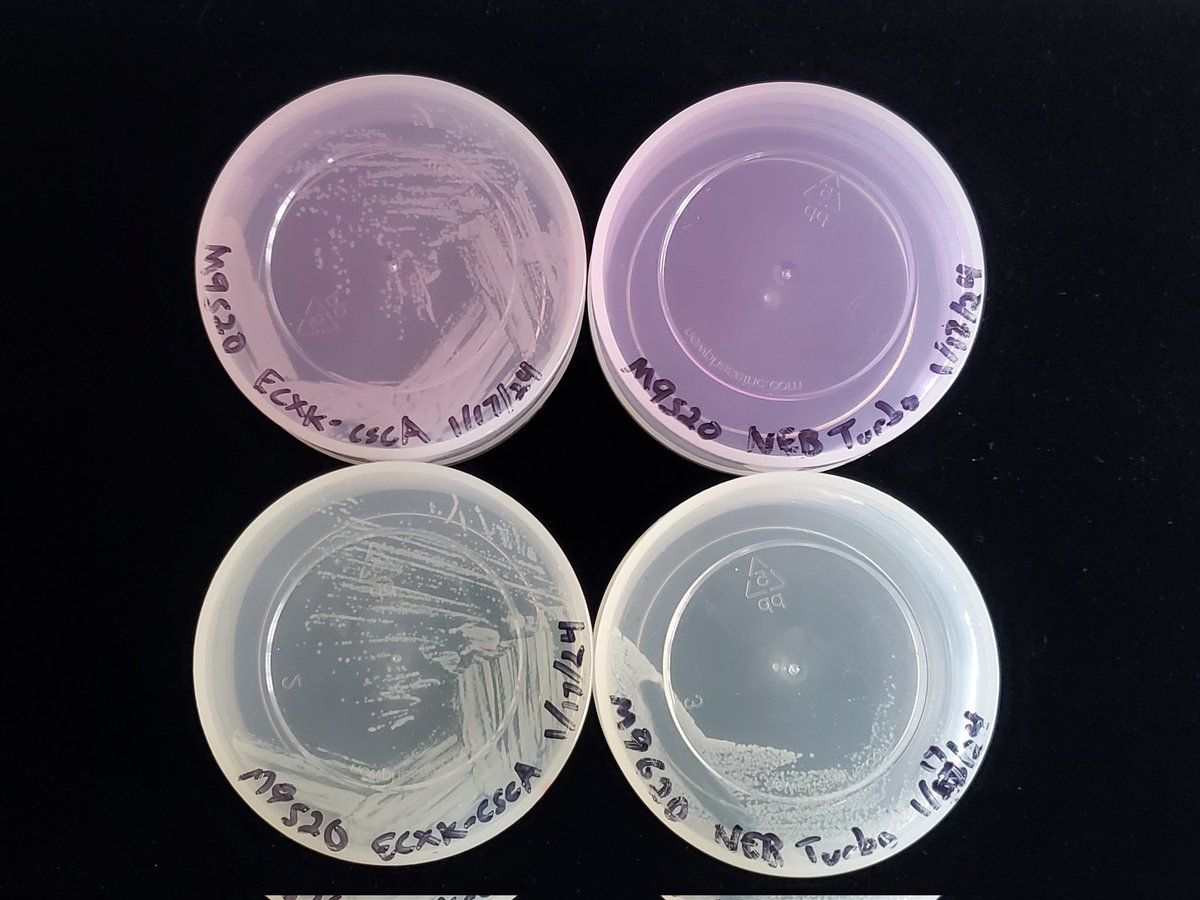
Definitive proof that this sucrose selection system works.
Top Left: cells plasmid on sucrose
Top Right: cells on sucrose
Bottom Left: cells plasmid on glucose
Bottom Right: cells on glucose
8
4
115
9,142
Chris LB Graham retweeted
4 Dec 2023
Something my friend Jeremy Tame @jeremytame1 wrote recently in Nature Chemistry about "Using symmetry to drive new protein assemblies"
nature.com/articles/s41557-0…
1
4
584
Chris LB Graham retweeted

22 Nov 2023
A new version of AlphaPulldown by @dingquan_yu. Includes experimental support for multimeric templates in AlphaFold by @DmitryMolo90428 and interface to crosslink-based modeling AlphaLink2 of @RappsilberLab
github.com/KosinskiLab/Alpha…
5
54
175
25,329
21 Nov 2023
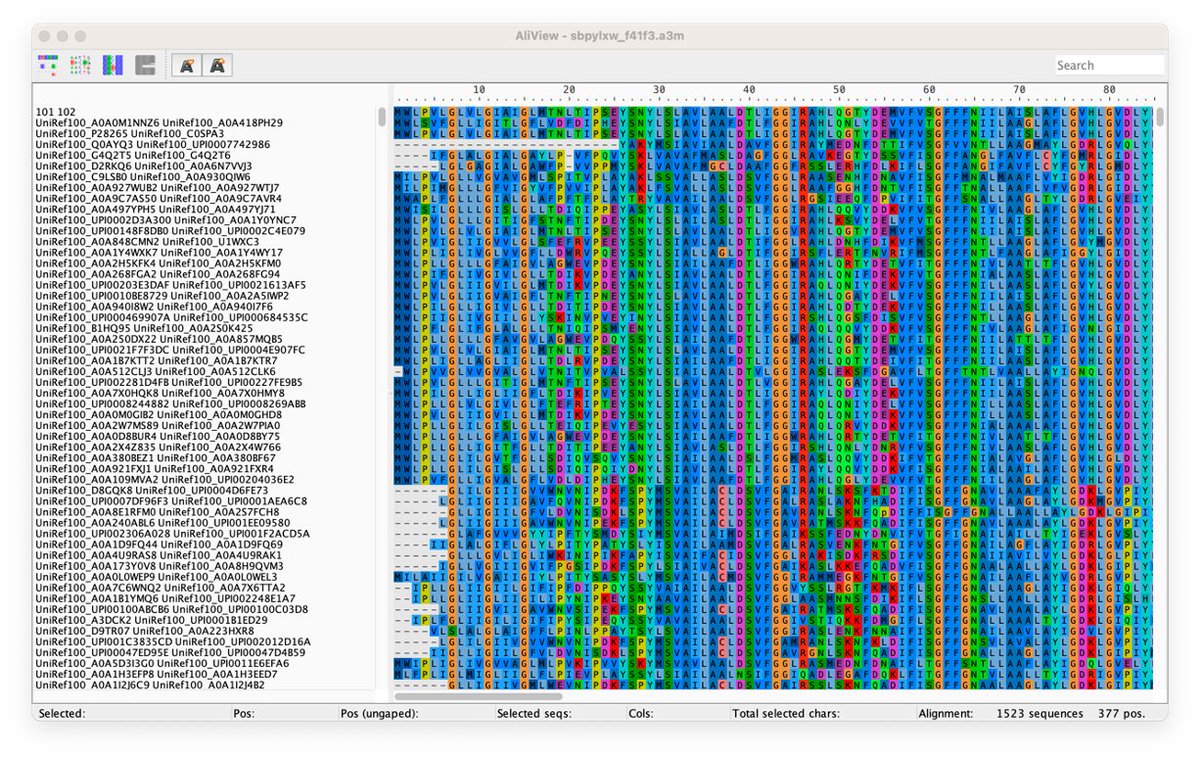
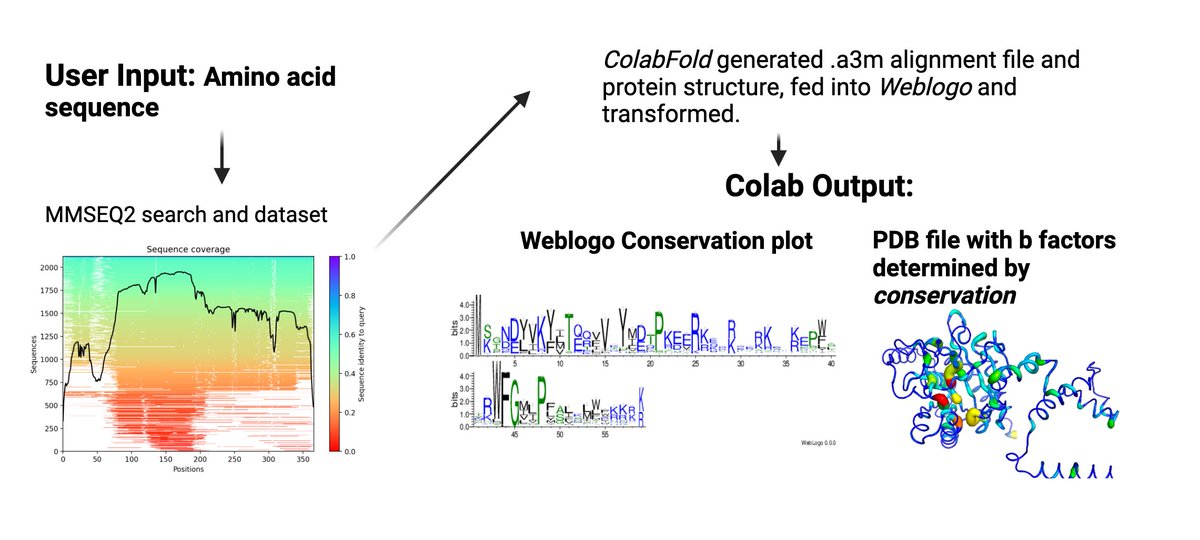
We made a little conservation of amino acids tool, combining Weblogo and ColabFold, which you can run in the browser with a single sequence. Since some major conservation servers are down. Hope it's useful! rodrigueslab.com/resources @CRodriguesLab @pstansfeld @sokrypton
8
77
315
75,247
21 Nov 2023
I cant understate how this is just attaching two existing tools together so thanks to the authors of weblogo, ColabFold and the MMSEQ2 server curators, but I've found it very useful myself so far.
1
8
1,669
Chris LB Graham retweeted

20 Nov 2023
PhD project with @HenrikStrahl @thecopperdoctor and us. Please apply! findaphd.com/phds/project/bb…
11
23
3,330