Asst Professor of Ecology (Ecosystems & Animals) @UFBiology | Postdoc @UF Biology/Anthropology | PhD @yale_eeb
Joined May 2018
- Tweets 2,431
- Following 2,807
- Followers 1,889
- Likes 4,770
469 Photos and videos

Pinned Tweet

6 Dec 2021
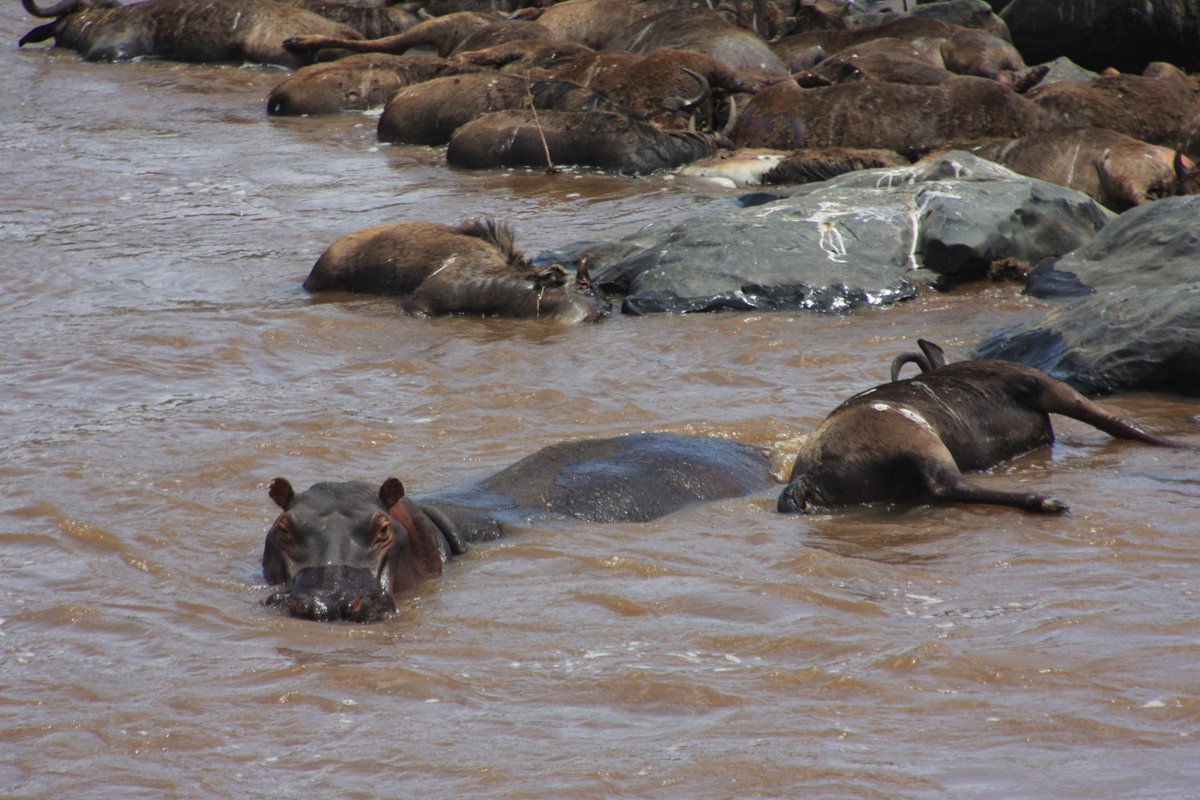
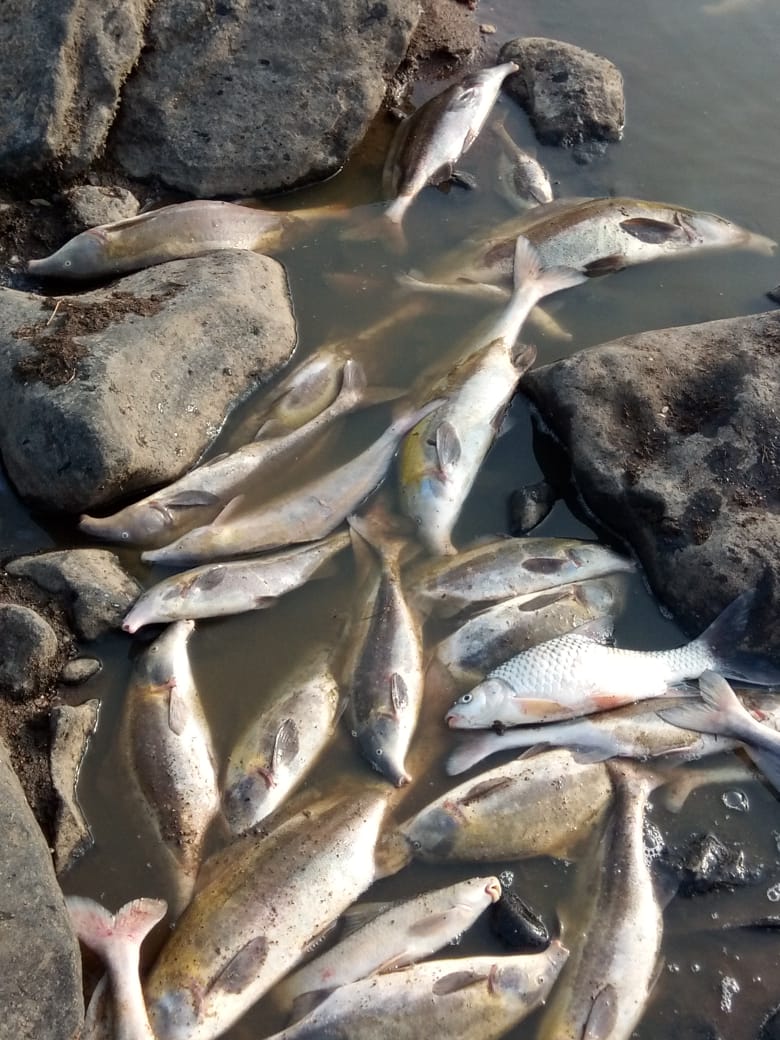
What in the world just happened? Why were all the fish dead? Here’s a short thread as to how our latest paper, the last of my PhD at @yale_eeb, came to be by starting at the beginning.
50
422
1,355
I'm a Dutton. The other half of my family is Franklin, as in Ben. @paramountplus drops three hit shows about my "dynasty" and suddenly Google emails me every 20 minutes about suspicious logins. Friends, I run a microbiome lab @UF. There is no ranch. 😁 @UF_CLAS @UFBiology
2
140
Christopher L Dutton retweeted

May 30
For years you needed UMIs and similar dark molecular biology magic to get perfect amplicon sequences from @nanopore . With recent accuracy improvements really clever algorithms that is now changed. Savont unlocks ASVs from low coverage amplicons 🤯🤯🤯
biorxiv.org/content/10.64898…
9
19
2,049
Christopher L Dutton retweeted

May 21
Two (!) Assistant Professor positions now open at @lunduniversity in #Sweden!
If you are a quantitative-minded and computationally interested biologist, consider to join me and my colleagues at the Department of Biology.
Note: short deadline: May 25!
lu.varbi.com/en/what:job/job…
16
40
4,322
Christopher L Dutton retweeted

After 7 years at Cambridge, EMBL, & ETHZ building applying computational tools for microbiome science, I'm pivoting to industry. Available Oct 2026 for senior comp-bio roles in Switzerland 🇨🇭 Open to agtech, microbial biotech, AI-for-biology.
Portfolio👉franciscozorrilla.github.io
1
2
10
795
Christopher L Dutton retweeted

Excited that our paper analyzing microbiomes and physical fitness has been published in @PhysiologicalG. Led by @GarryLewis1111 alongside @Doc_Cook_Phd @judy_malas @saadejumo and others. journals.physiology.org/doi/…
1
5
164
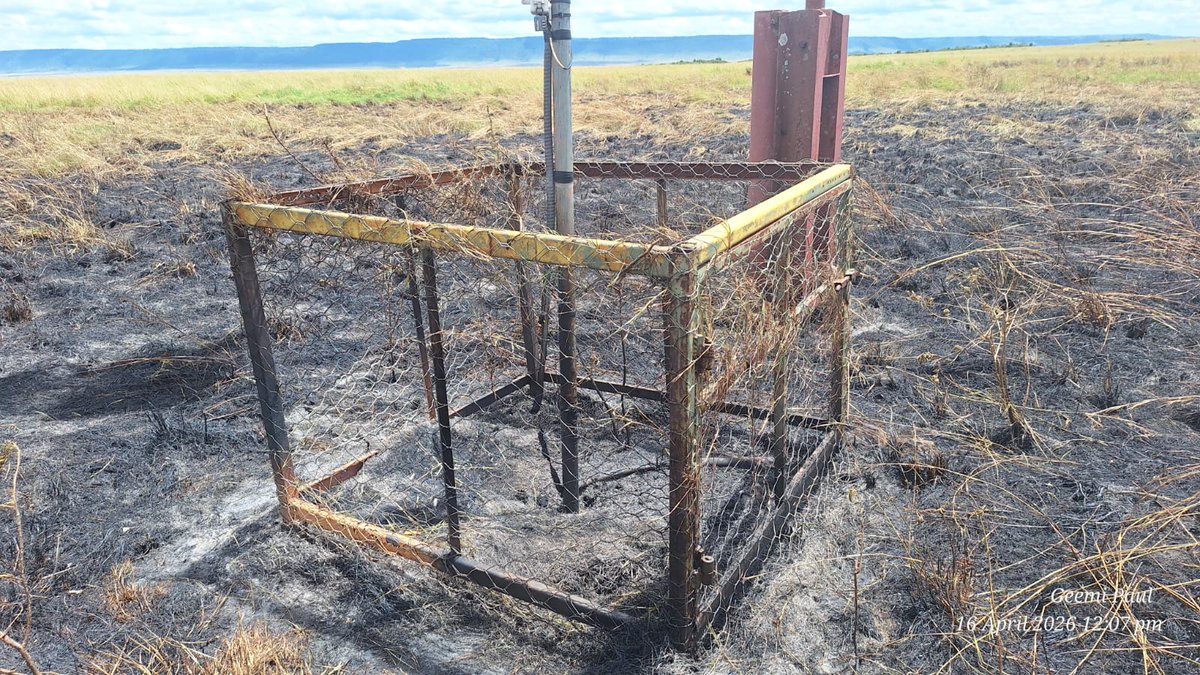
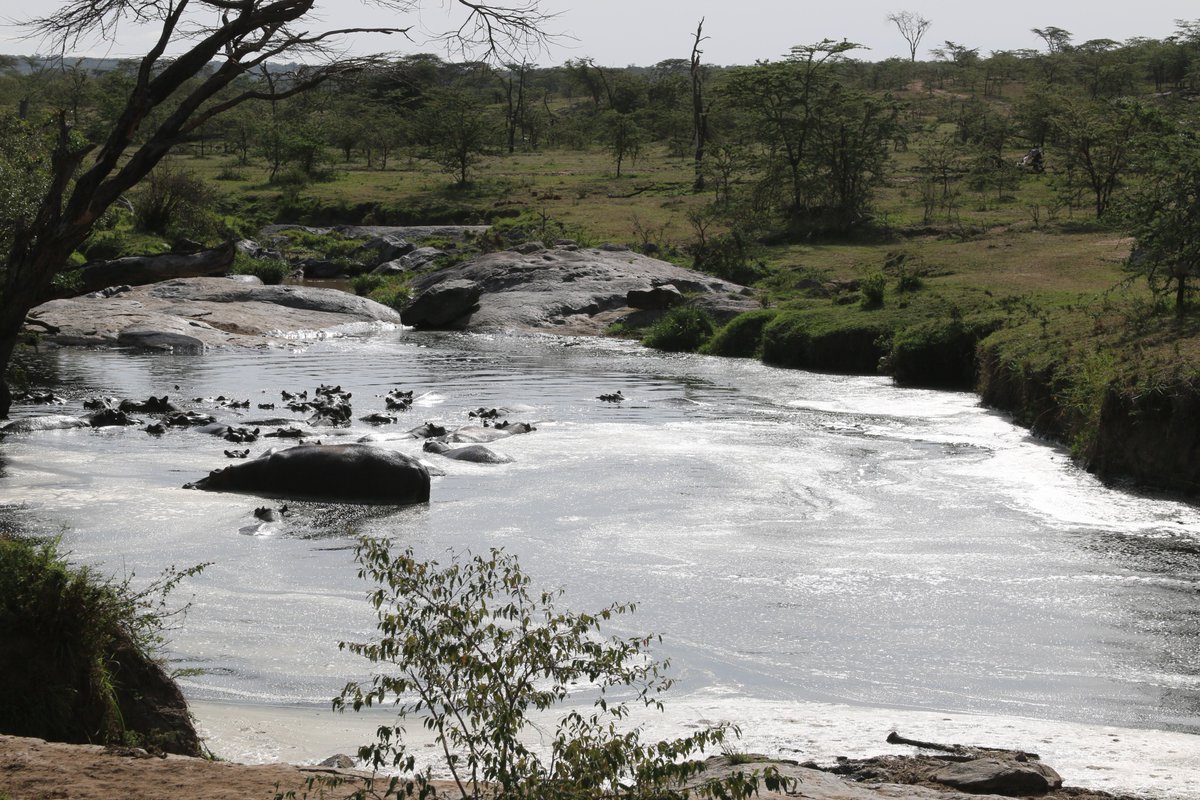
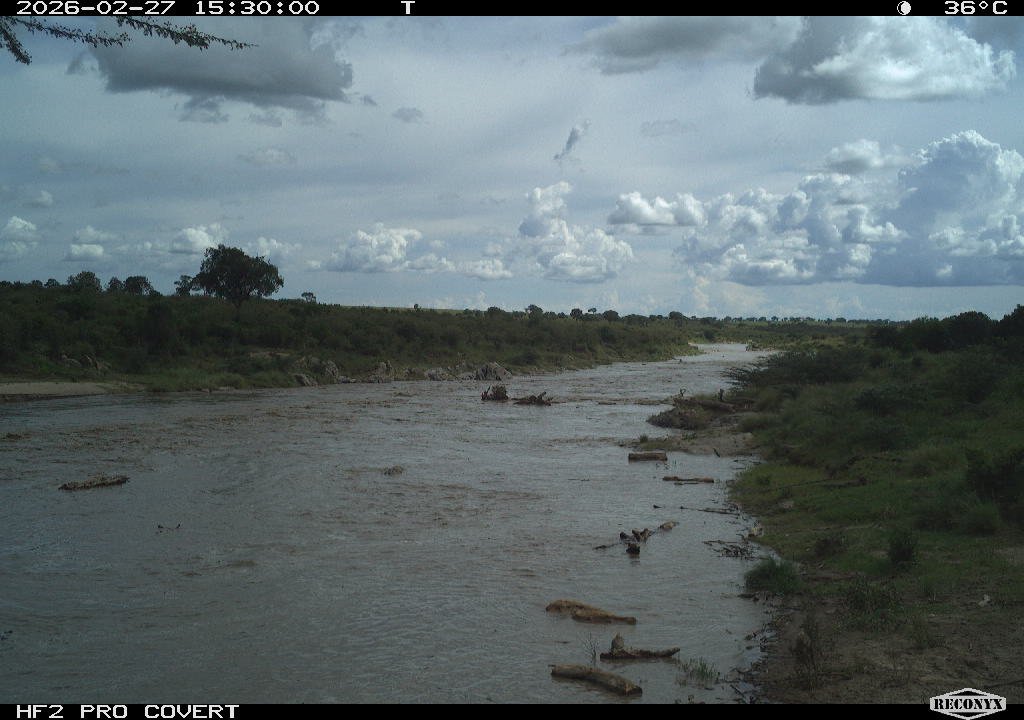
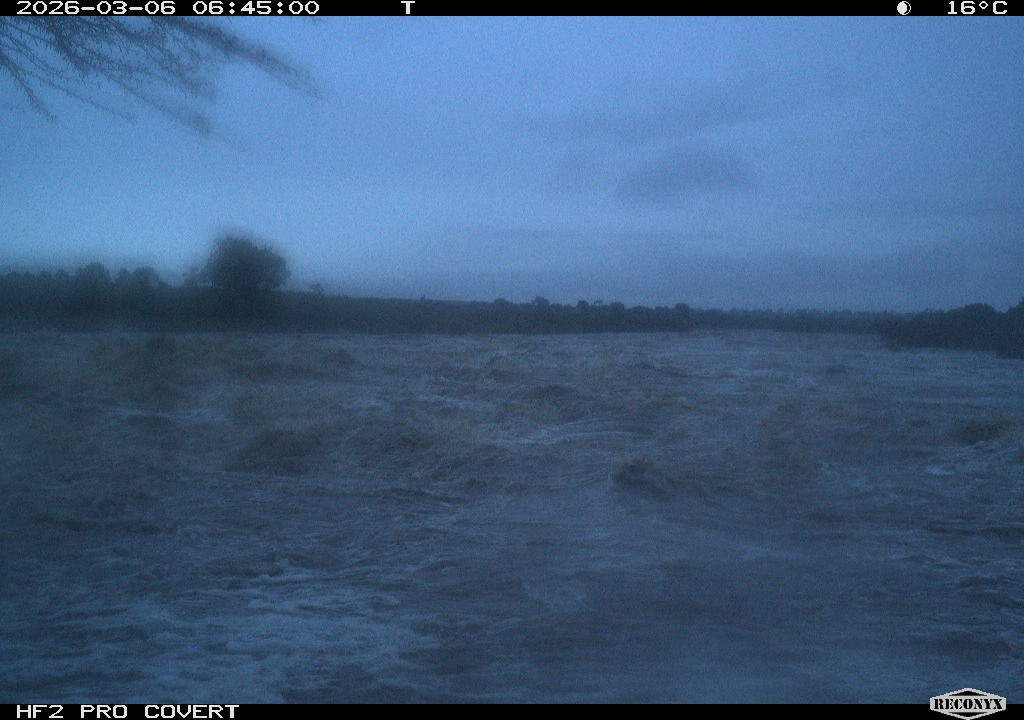
Our weather station was taken out by a controlled burn, right after a flood destroyed our water quality meter. The Mara River ecosystem in Kenya is studying us now. Pic by @1geemipaul
ALT our crispy weather station from a controlled burn
2
90
Christopher L Dutton retweeted

Apr 11
Officially out - very excited to share! “Emergent simplicity” in microbial ecosystems has long been an appealing idea—but meant different things to different people. As a result, the field hasn't agreed: is it real? surprising? useful? 1/3 doi.org/10.1126/science.adr1…
3
25
80
6,739
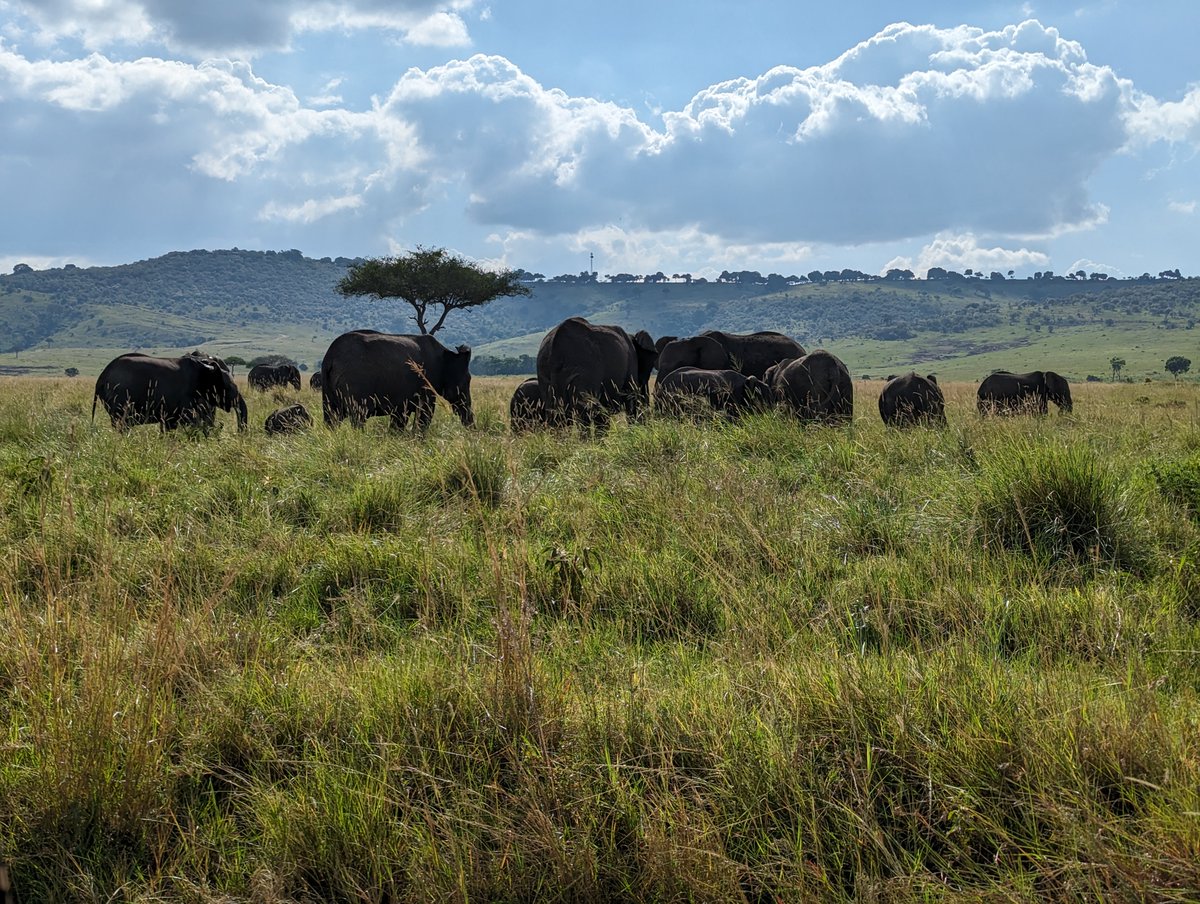
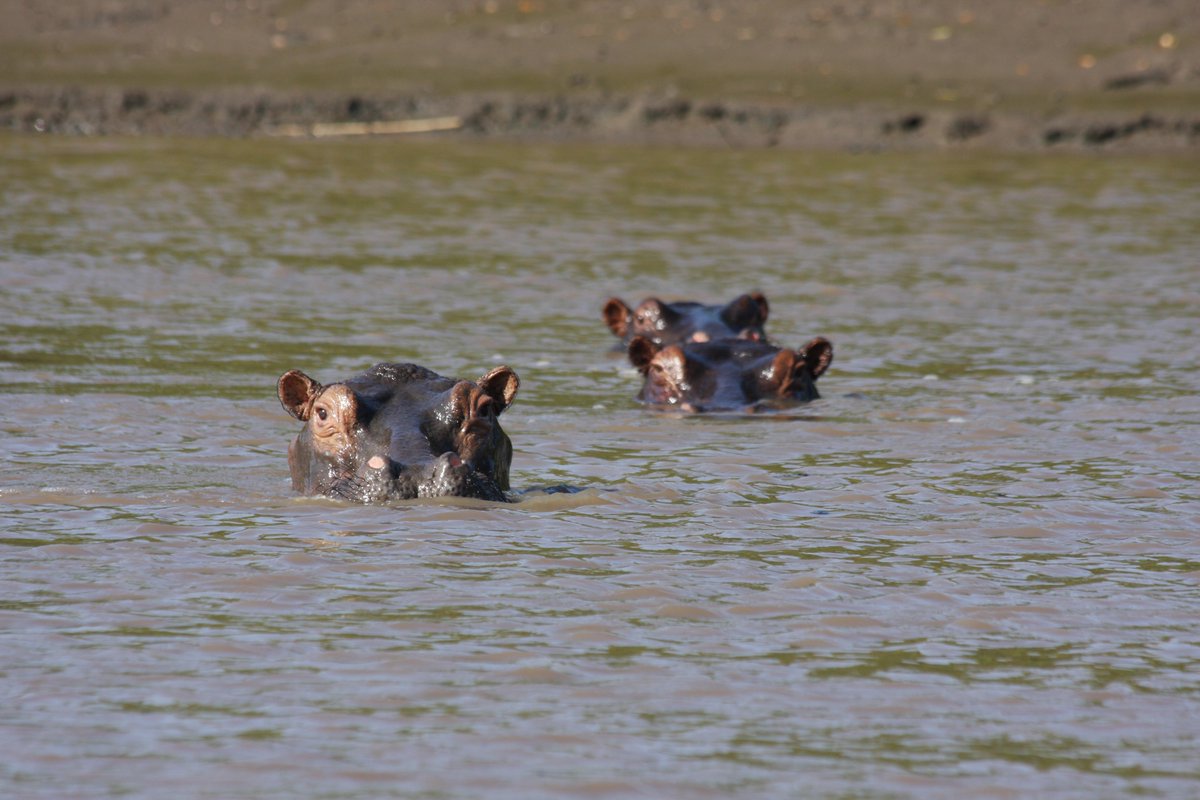
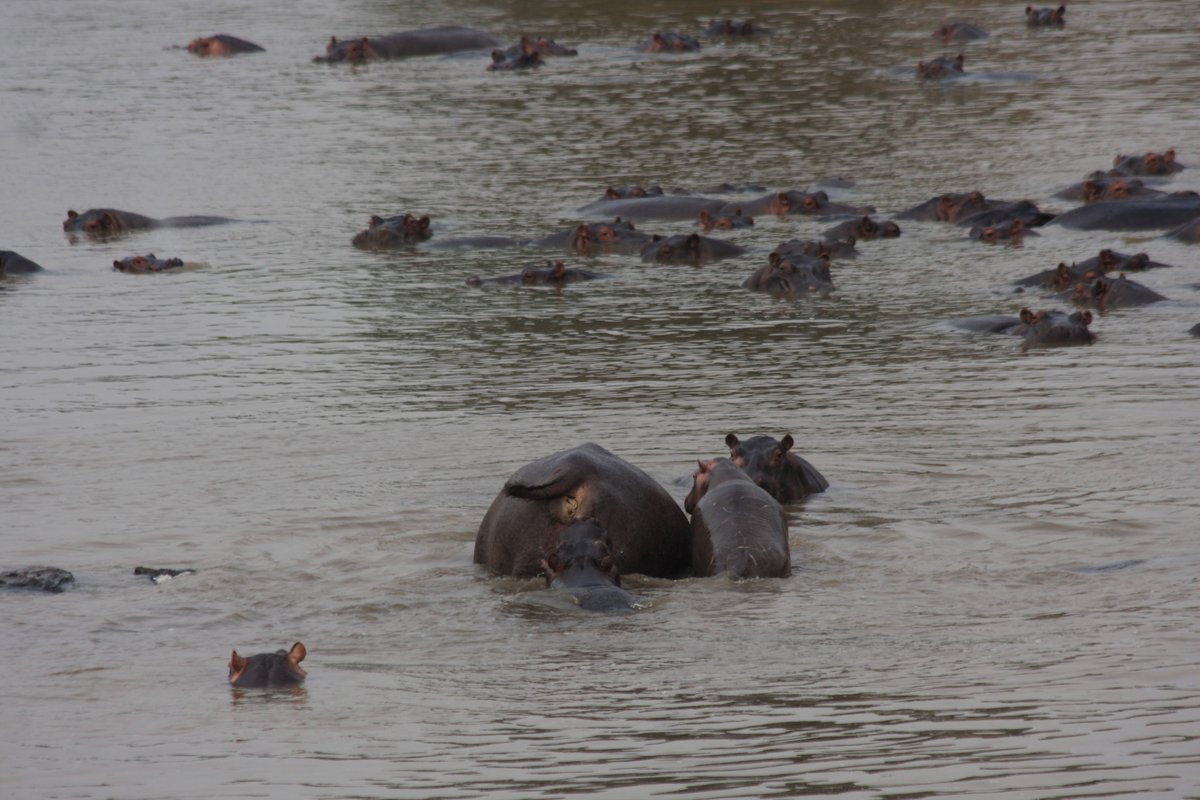
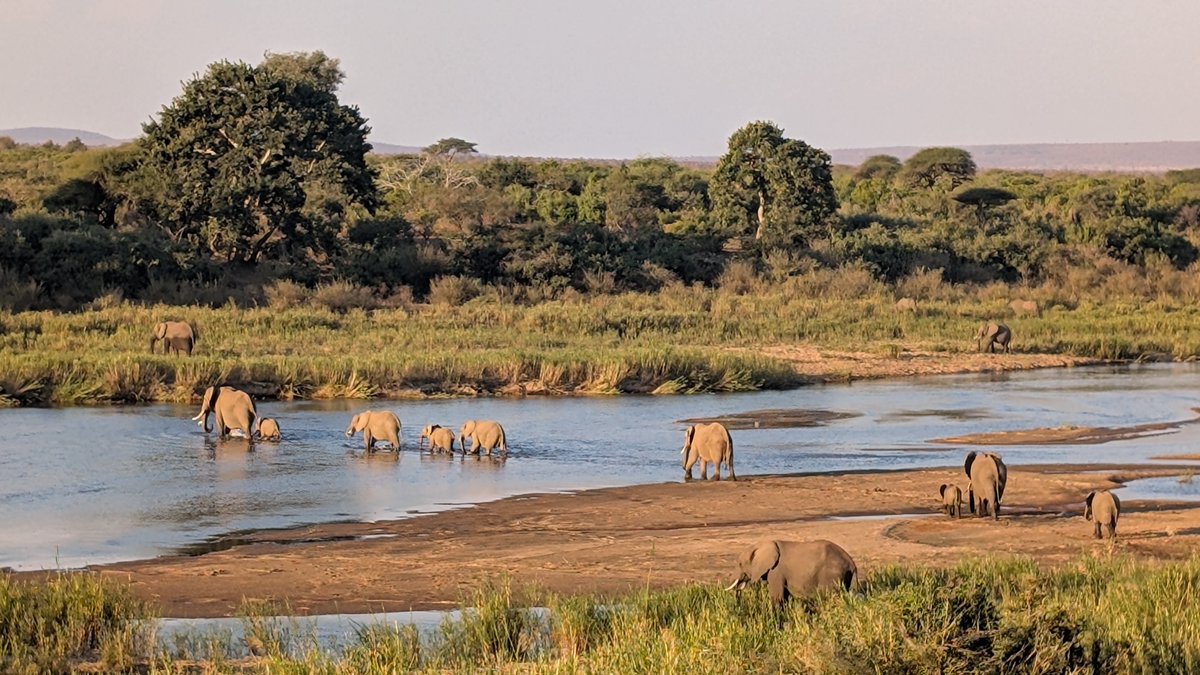
Two new papers from our group this month! A collaboration across the @ChrisLDutton & @AmandaSubalusky labs at @UF, Frauendorf lab @colgateuniv, Grupstra lab @FloridaAtlantic, and Post lab @Yale ...on how large wildlife reshape ecosystems 🦛🌊🧵 @UF_CLAS @UFBiology @africa_uf
1
4
201
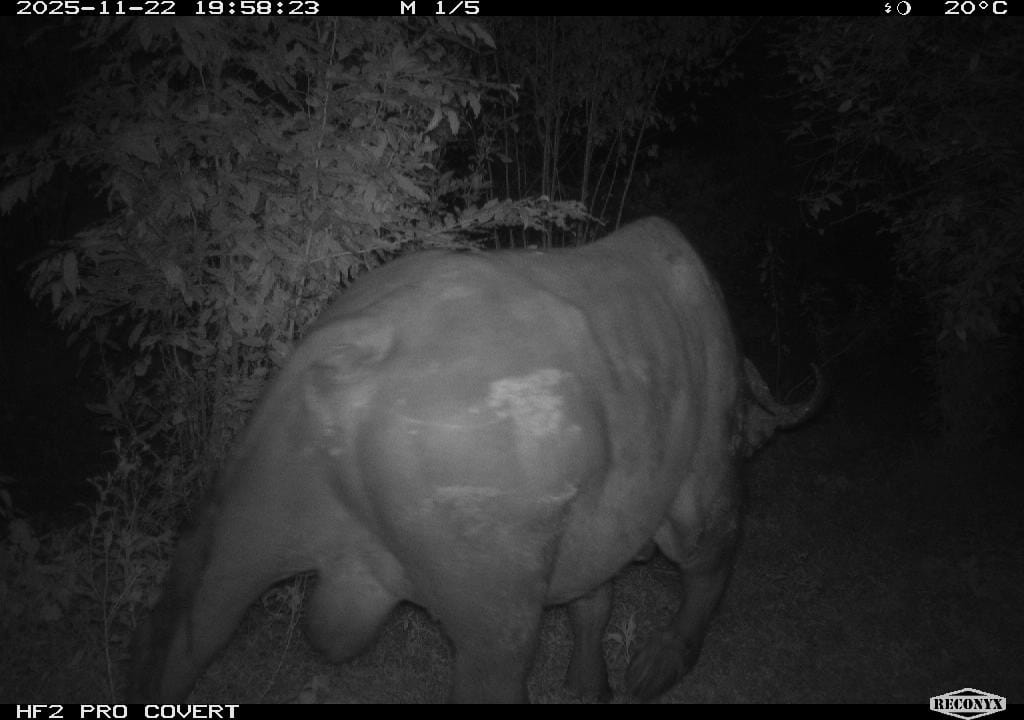
Big picture: large animals don't just move nutrients... they move microbes and restructure food webs from the bottom up. As megafauna decline, we're losing ecosystem functions we've barely begun to describe.
1
1
31
Huge thanks to all the co-authors of these two monumental efforts! Funded by @NSF
2
36
Christopher L Dutton retweeted

Have you ever wondered why children starting nursery pick up so many germs? I certainly did, and with a crack team of parent-scientists/clinicians, we set out to answer that question. Is childcare a germ factory or an immune bootcamp? journals.asm.org/doi/10.1128…
6
22
47
9,865
Christopher L Dutton retweeted

Mar 11
Mar 11

Simulated lab worlds straight from pixels.
We scan the lab scene with depth cameras and reconstruct the environment.
Each object already has a high-quality mesh in our object library from our mesh scanning system. A localization pipeline places those meshes into a shared coordinate frame, creating a digital version of the lab.
This works well for science automation because the environment is constrained: the set of objects is limited, we have accurate models of them, and we don’t need to solve the full open-world perception problem.
With this digital lab in place we can:
• Drive safe motion planning around real geometry
• Track state changes by re-localizing mesh parts (e.g. a lid opening)
• Attach objects to the robot when picked so the planner accounts for them and avoids collisions
built by @BastotdeHeijden @BlerimAbdullai @TahirMello
1
5
717