Jesus before anything else || Duke University Alumni || WME Sports || WHO DAT ⚜️⚜️⚜️ || twitch.tv/chrisr96
Joined December 2015
- Tweets 2,708
- Following 717
- Followers 4,284
- Likes 3,330
102 Photos and videos










May 21
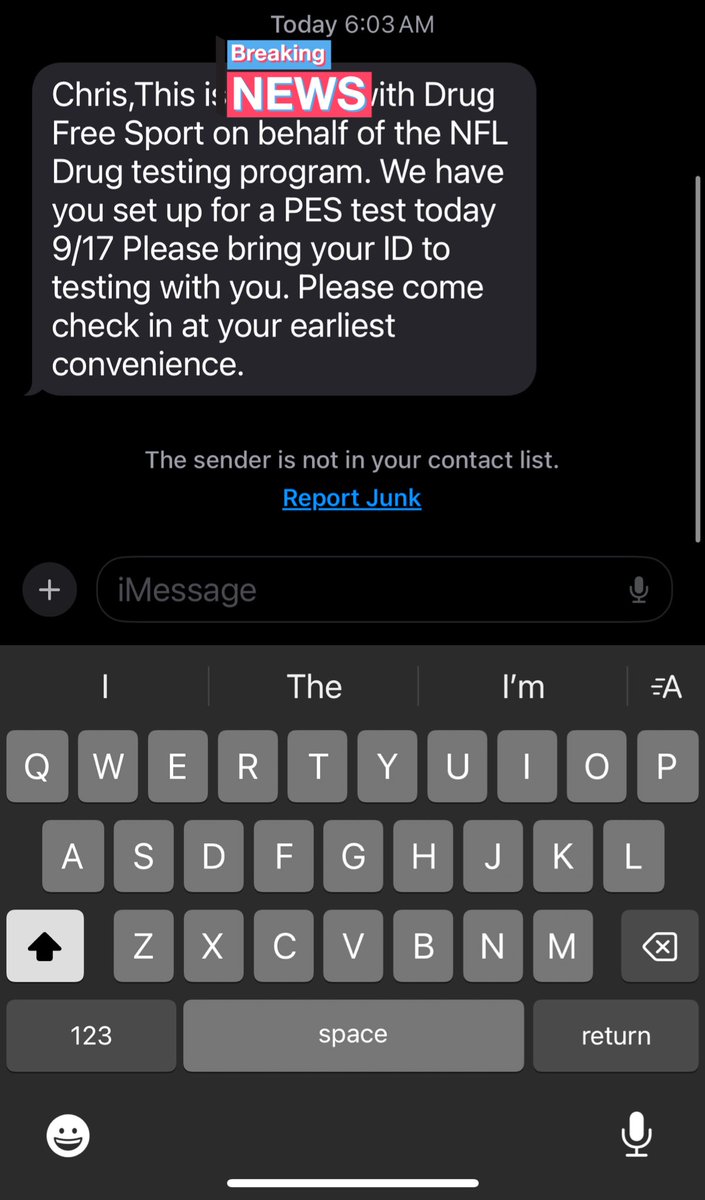
Stephon castle trying to put the whole thunder roster in body bags 😳
1
405
Chris Rumph II retweeted

May 14
Fehoko Show live tonight !! 7:30 pm ct
New Orleans Saints Outside Linebacker Chris Rumph aka Young Rumper @ChrisR_II joins us to talk @NFLPA
3
3
13
3,320
Chris Rumph II retweeted

1
2
11
740


Chris Rumph II retweeted

If we don’t let athletes bet on games they can influence, why in the hell do we let Congress invest in the companies they regulate?
187
11,932
84,370
876,103
Chris Rumph II retweeted

Mar 20
Coming up at 4pm on @WWLAMFM w/ me,
@Jeff_Nowak & @CharlieLong1698
4:20pm @ChrisR_II #Saints DE
5:25pm @Jim_Eichenhofer on the pesky #Pelicans
Plus plenty of @MarchMadnessMBB talk
At 6 @LSUbaseball vs Oklahoma. First pitch 6:30pm on WWL & @Audacy app
2
1
2,080
Chris Rumph II retweeted

1
5
456

Mar 19
RUN IT BACK
Mar 19

14
29
532
19,685
Chris Rumph II retweeted

Mar 19
8
40
230
46,096
Chris Rumph II retweeted

Mar 18
Conspiracy theorists finally being able to rest after being right about everything and people now believing them:
Mar 17

CIA accused of 'poisoning the sky' with toxins as files expose secret weather control agenda trib.al/GjIe58A
77
1,620
12,589
422,445

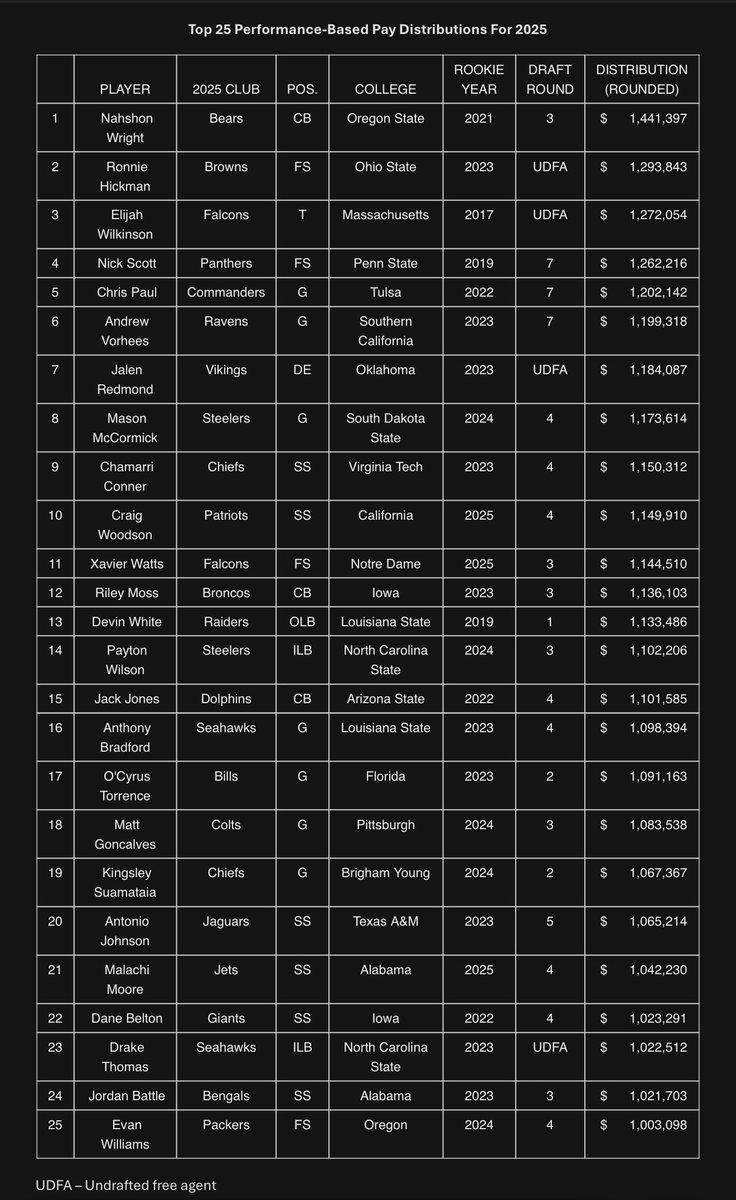
Performance pays. 💰
NFL players earned $542M in Performance-Based Pay for the 2025 season — a collectively bargained benefit negotiated by our union that rewards player members for the snaps they play and impact they make.
For the first time ever, the top 25 payouts all topped $1M, with CB Nahshon Wright leading the way at $1.44M — more than doubling his salary.
Since the program’s inception in 2002, nearly $3.3B has been paid to players.
2
22
79
38,896
Chris Rumph II retweeted

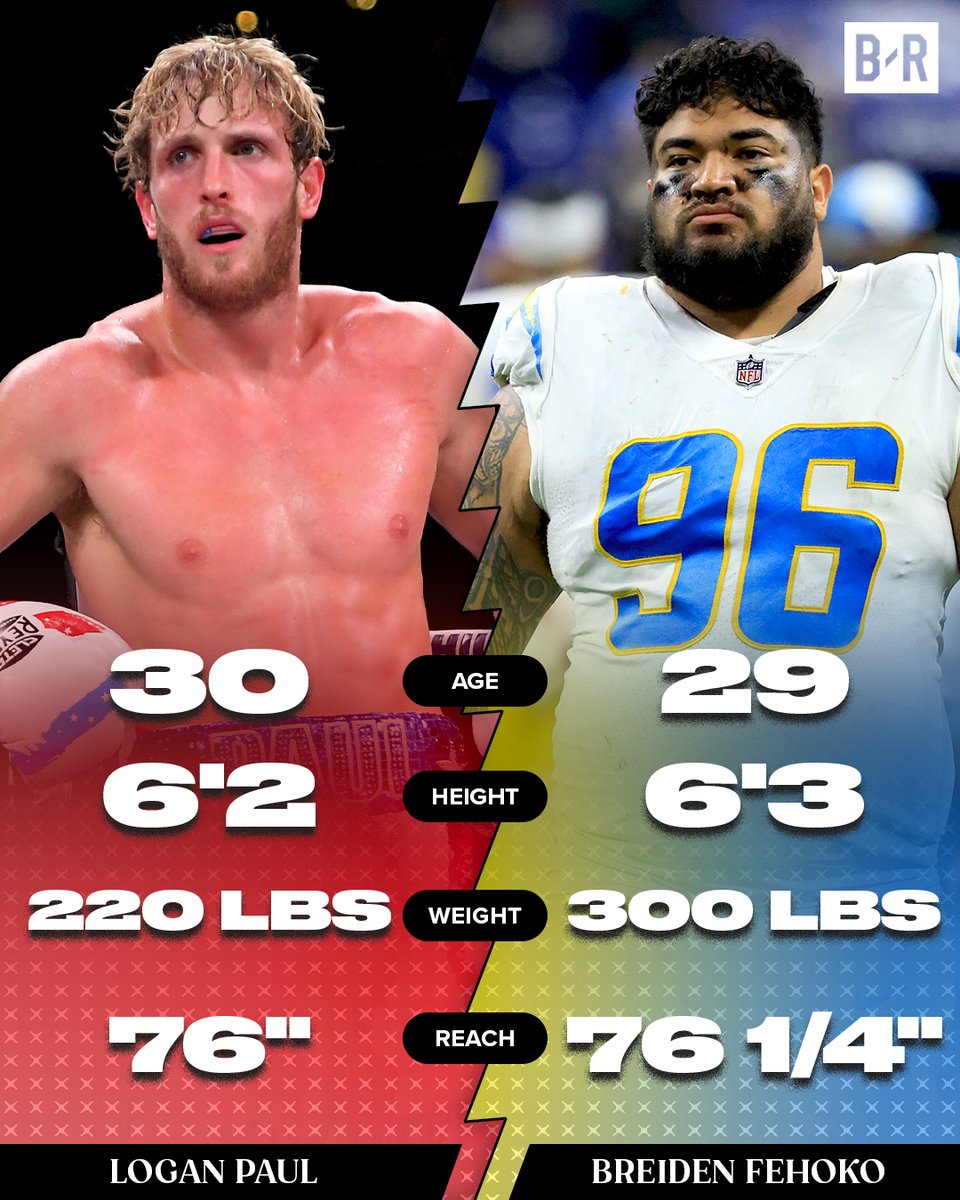
🚨 Logan Paul has offered former-NFL DT Breiden Fehoko a boxing match contract
Paul has now offered contracts to Fehoko and Le'Veon Bell 😳
105
103
3,002
1,672,774
Feb 26
It would make sense that NFL players get NFL for free right….. can’t even watch the combine
2
291
Chris Rumph II retweeted

Feb 22
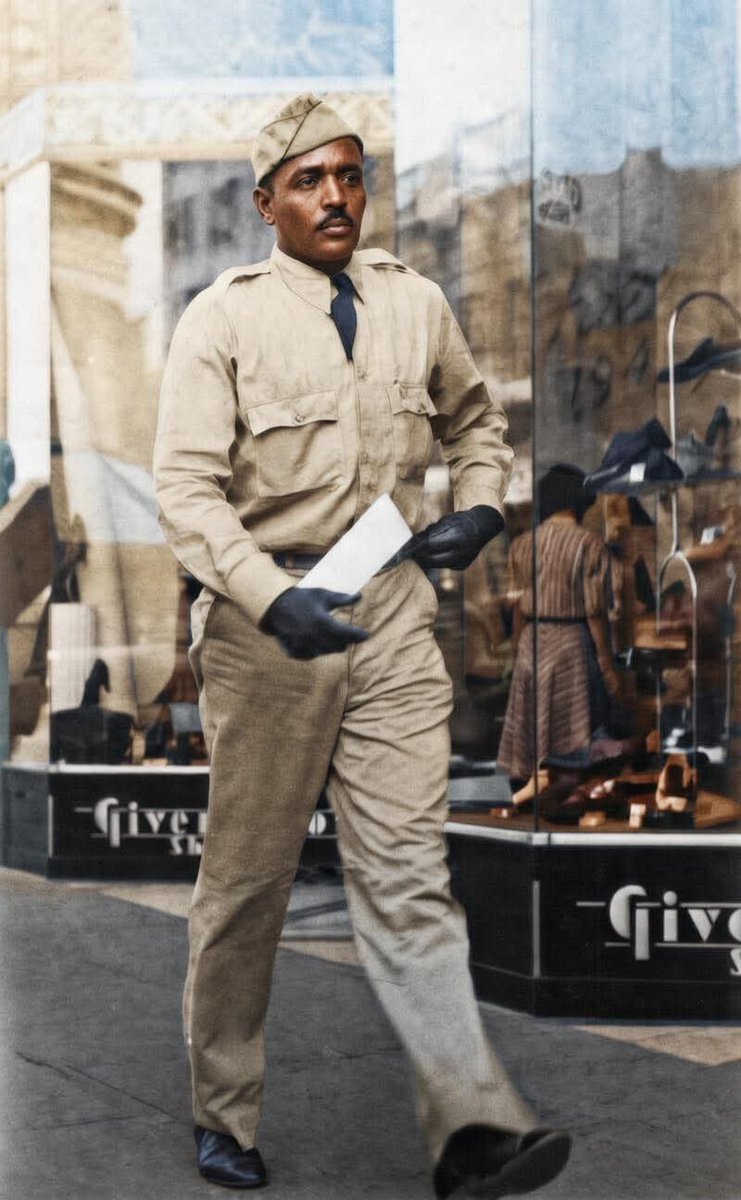
“They gave every white athlete a bus ticket. They told him Black runners didn’t qualify. So he walked 1,765 miles to prove them wrong.”
In 1928, after winning the Rocky Mountain Olympic qualifier in the 5,000 meters, Kelley Dolphus Stroud was denied a bus ticket to the U.S. Olympic trials in Boston—a ticket every white qualifier received. Officials invented a rule on the spot: he hadn't "approached the previous record." Stroud, a 20-year-old Black college student from Colorado, recognized the racism dressed as paperwork. He had a choice: accept the theft of his opportunity, or chase it down on foot.
With ten dollars, a golf club for protection, and a cardboard sign reading “Denver to Olympia,” he set out on Highway 40. For 12 grueling days, he walked, ran, and hitchhiked across 1,765 miles of America—sleeping in fields, surviving storms, and facing hunger and hostility. When his story reached the press, small acts of kindness helped carry him the final miles. He arrived at Harvard Stadium with just six hours before his race—exhausted, underfed, his feet bloodied.
He lined up anyway. For five laps, he held on. On the sixth, his body gave out. He collapsed on the track to the sound of some spectators laughing. They didn’t see the journey. They didn’t see the courage. They only saw a fall.
Stroud didn’t make the Olympic team. But he never broke. He returned to Colorado College as one of its few Black students, graduated with honors, became the first Black student elected to Phi Beta Kappa there, and later outran a 1928 Olympian in a fair rematch. He built a life of dignity, scholarship, and quiet influence.
Decades later, his legacy is finally receiving its due: an arena named in his honor, a scholars program, a documentary, even an opera in the works. His story is no longer a buried footnote—it’s a testament to what happens when someone refuses to let injustice define their limits.
“The true measure of a champion isn’t just how fast they run, but how far they’re willing to walk when the road is made impossibly long.”
© Tales of Past
#drthehistories
112
3,139
9,810
150,826
Chris Rumph II retweeted

Feb 22
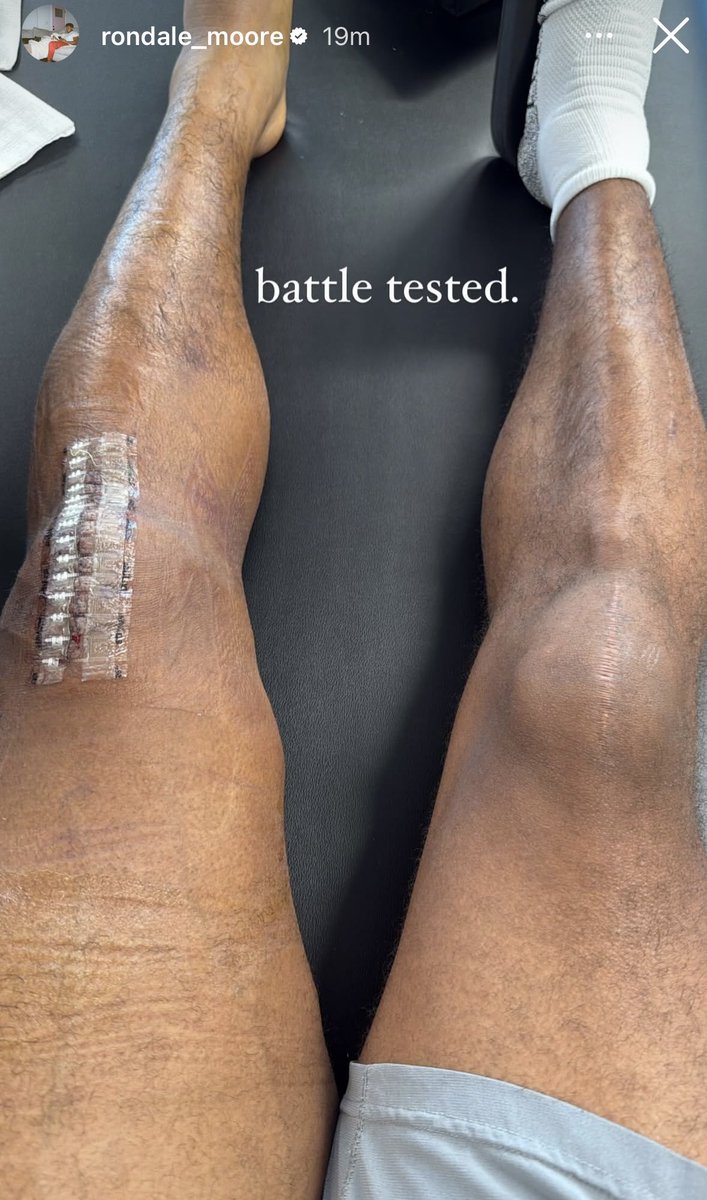
I’m not jumping to conclusions, but let me say this. Fans and media be quick to label a player “injury prone” We don’t choose to get hurt… sometimes shit just happens. Y’all don’t see the rehab, the pain, the mental drain it causes. That process can make you lose yourself. This shit is real. No matter how much support you get, you still gotta fight that battle alone.
Prayers up for Rondale Moore and his family. He was a baller, no question.
Feb 22

Rondale Moore suffered back to back season ending knee injuries in 2024 and 2025. This photo was taken right after his second ACL tear back in August. Now, it’s been reported that he’s passed away.
He was just 25 years old, man 😔
386
3,406
40,086
4,719,331
Chris Rumph II retweeted

Feb 19
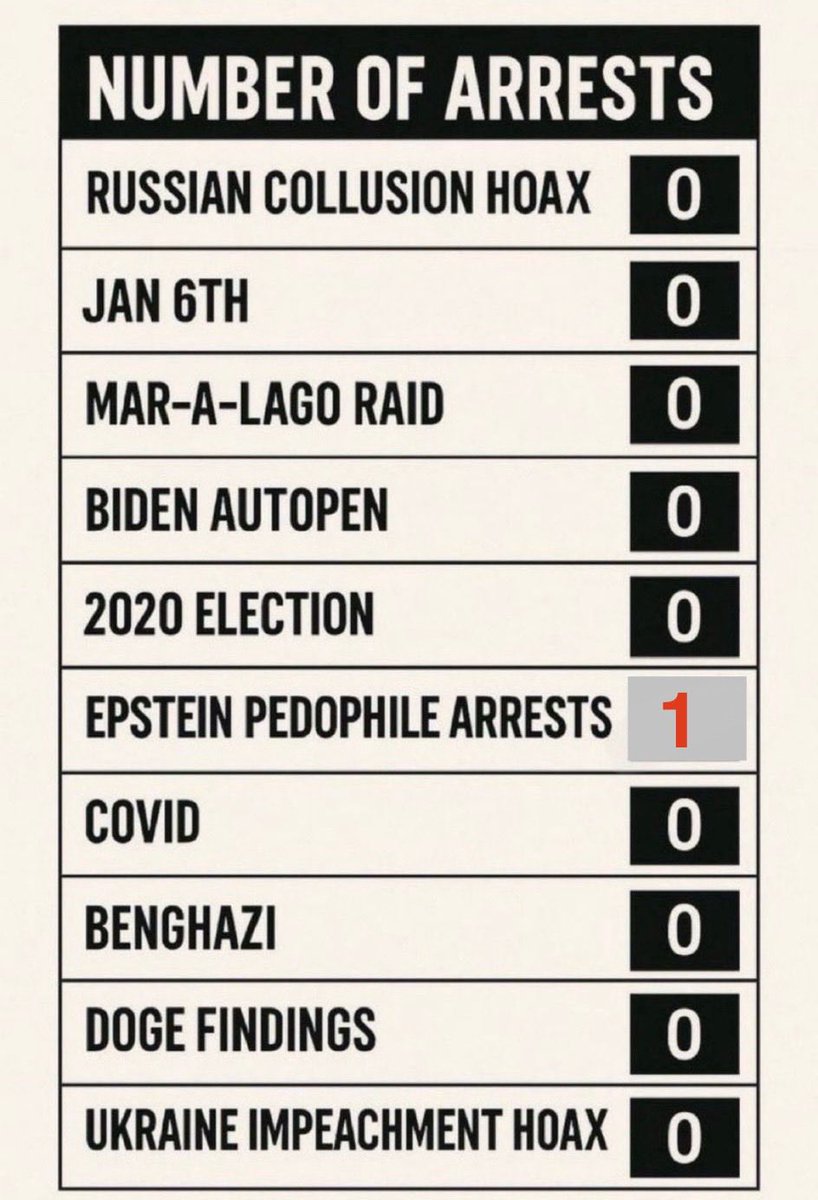
You’re welcome.
4,636
11,135
87,229
3,007,353