
🇺🇸 Fitness, Boxing and Hockey. Passion for Medical and Biological Research, Former Firefighter, Future Physician.
Joined June 2024
- Tweets 9,194
- Following 7,465
- Followers 6,702
- Likes 6,625
1,208 Photos and videos

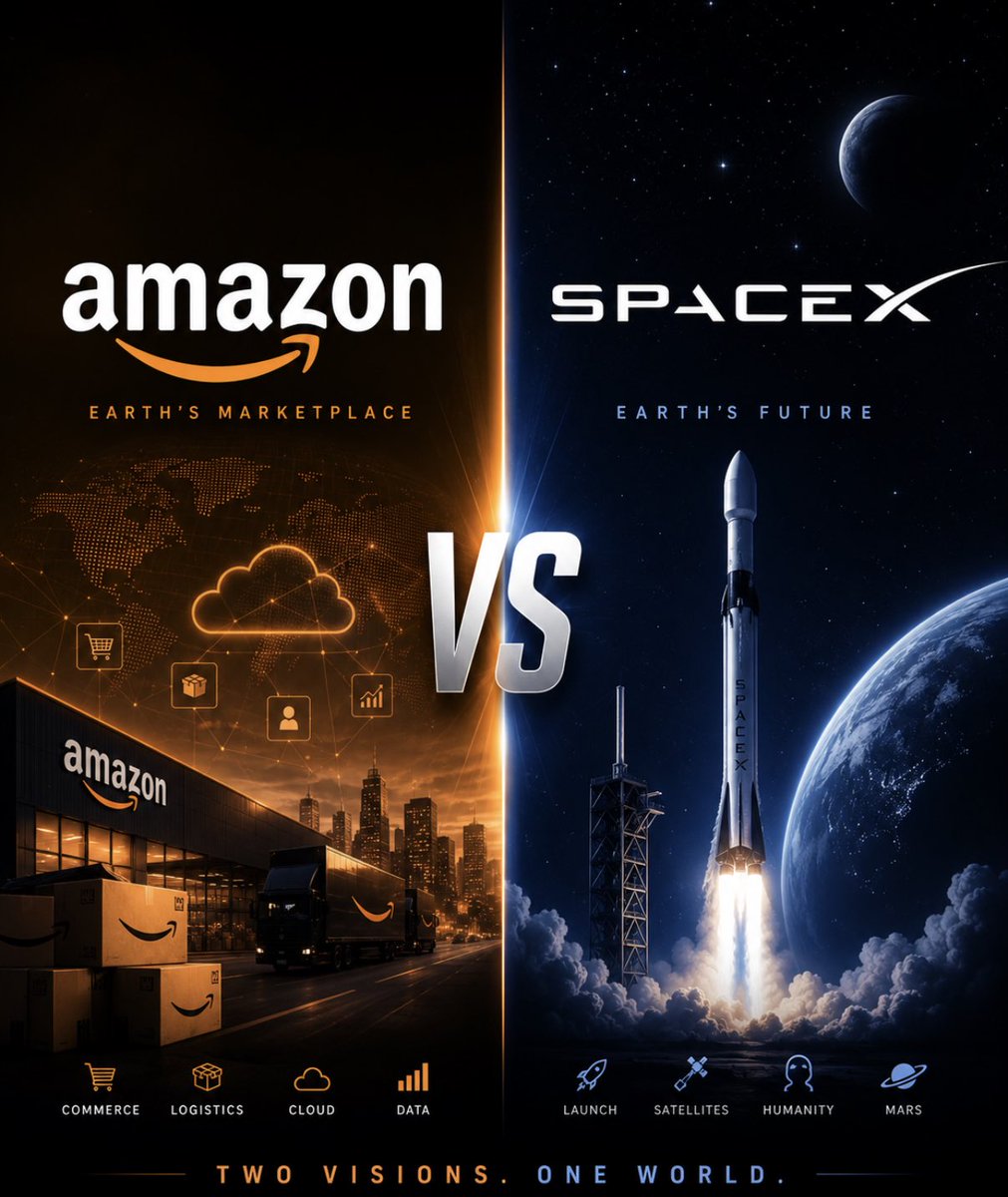
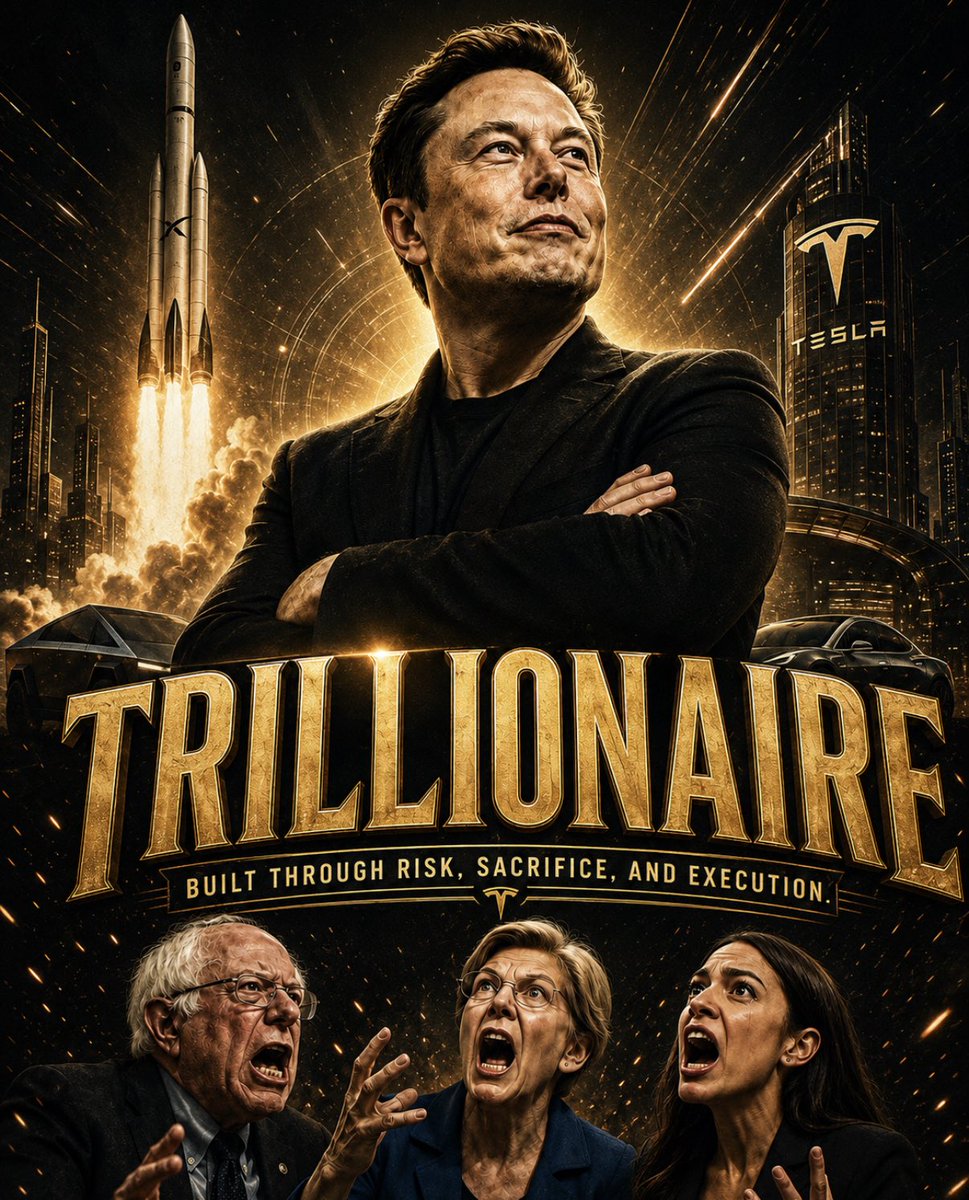
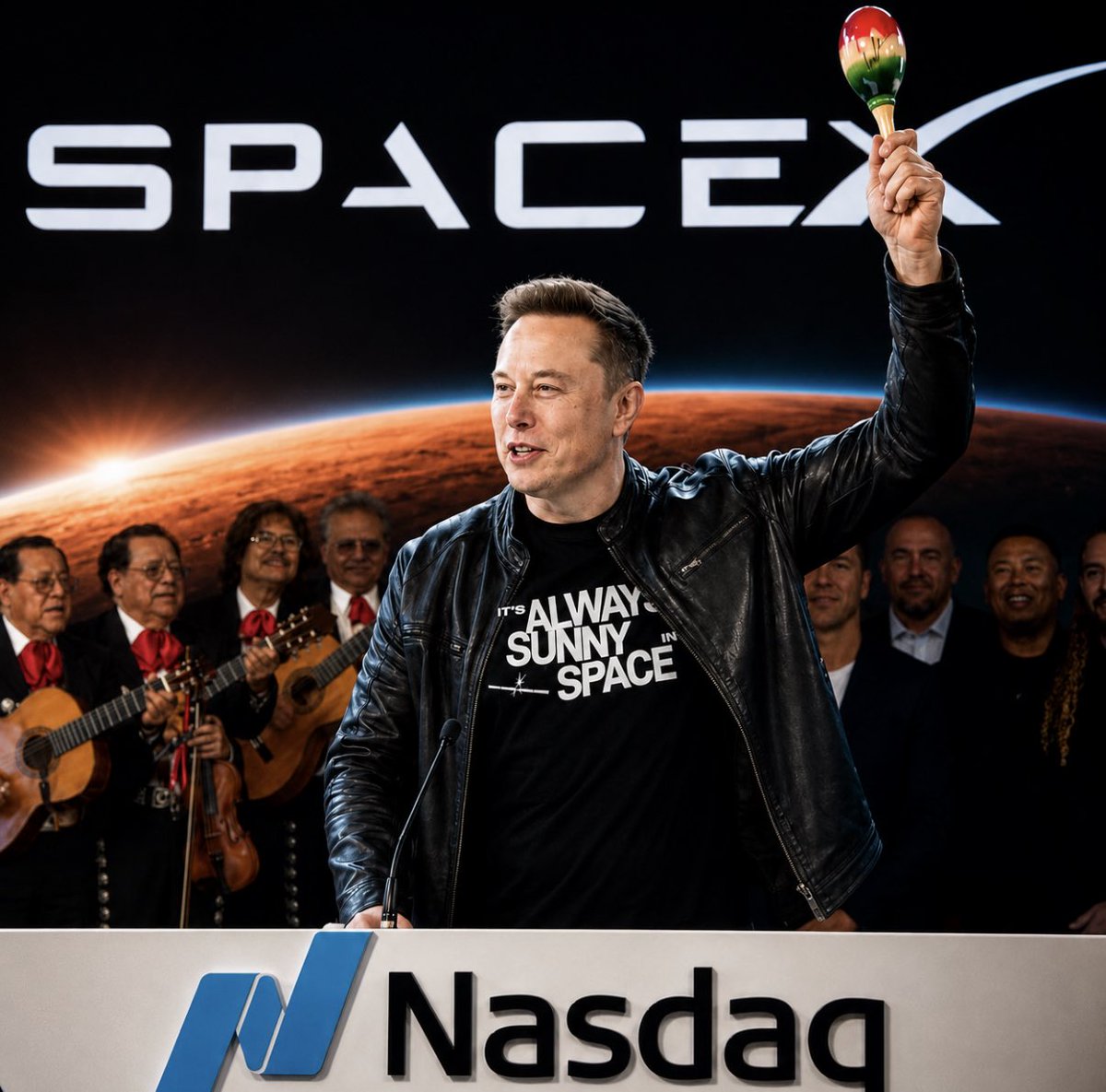

Netflix couldn’t write this any better:
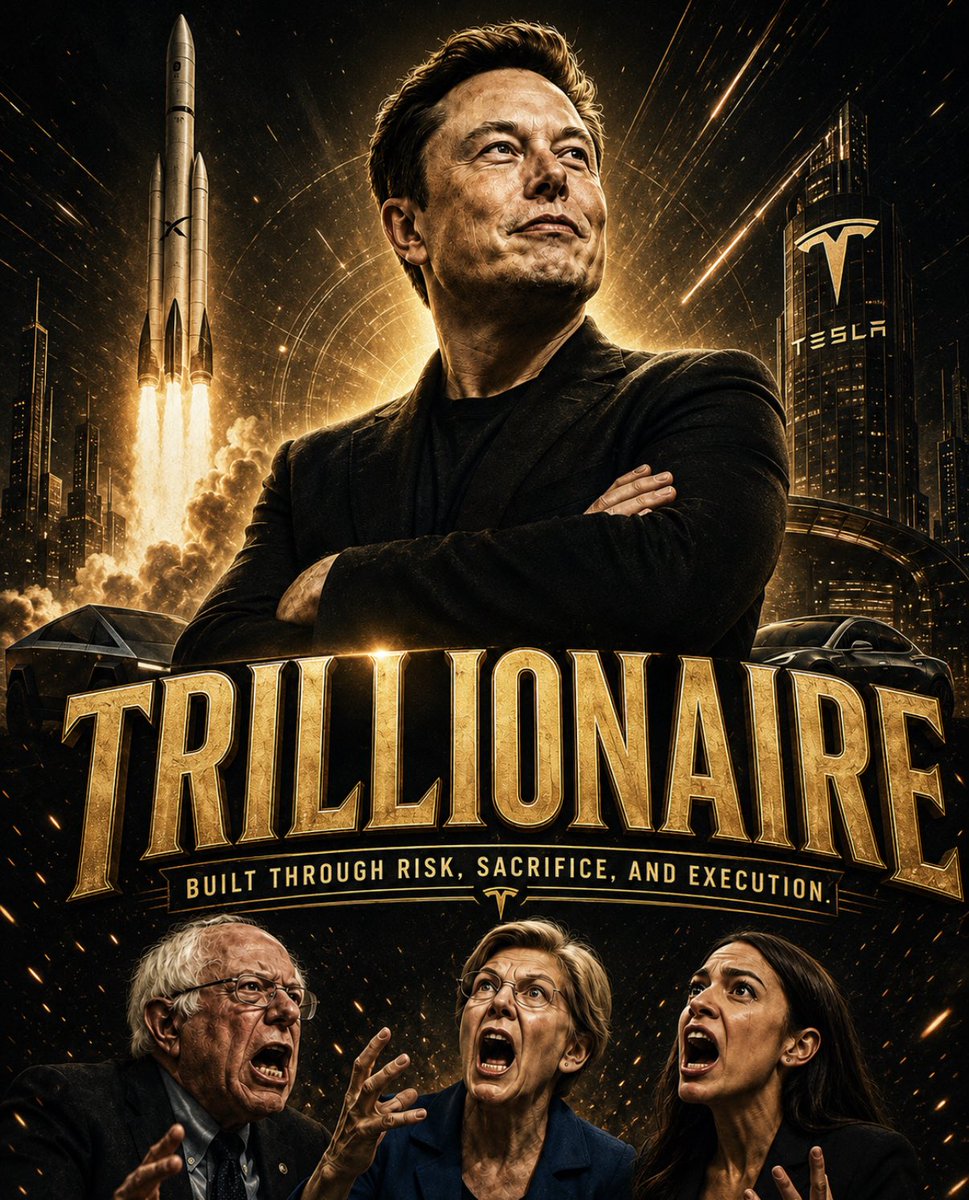
The first trillionaire ends up being an African-American.
1
25
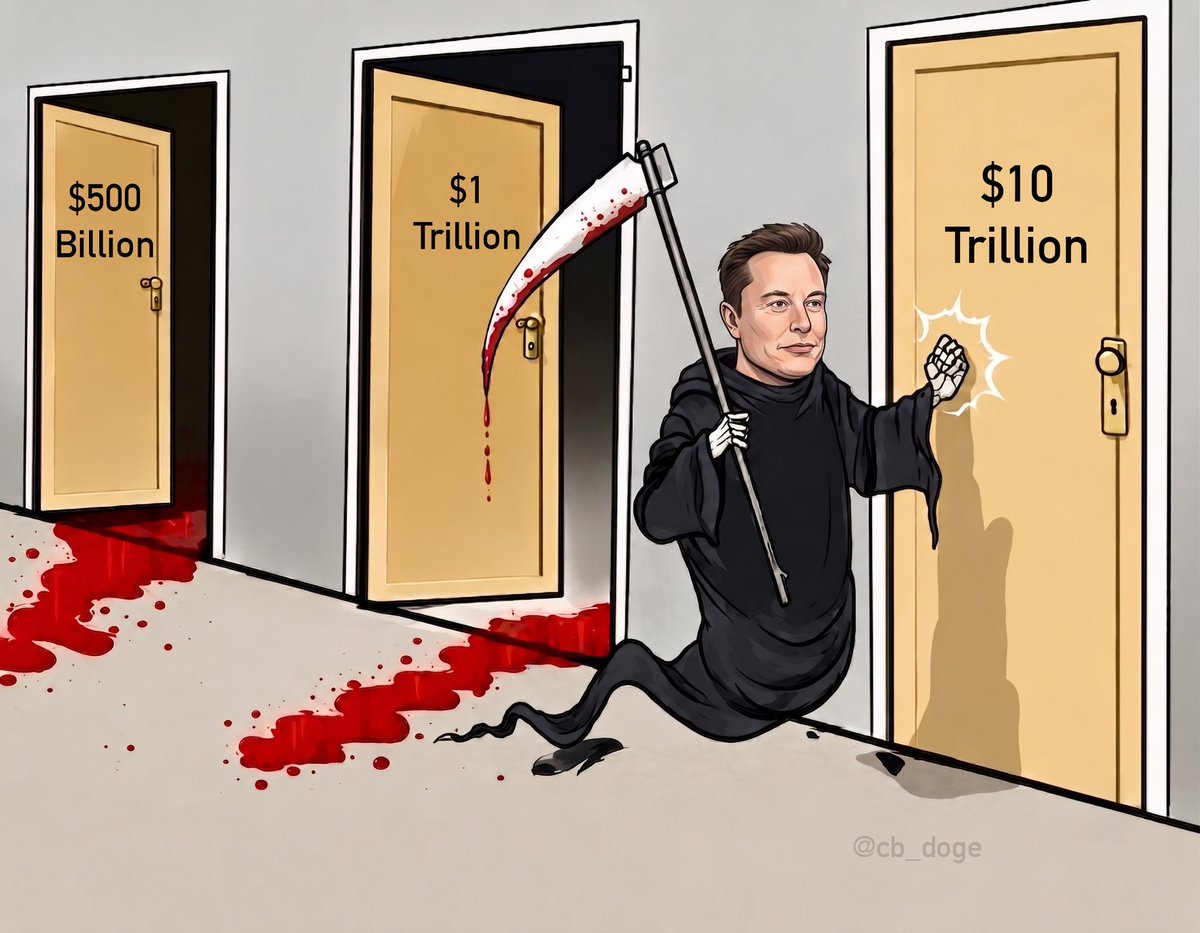
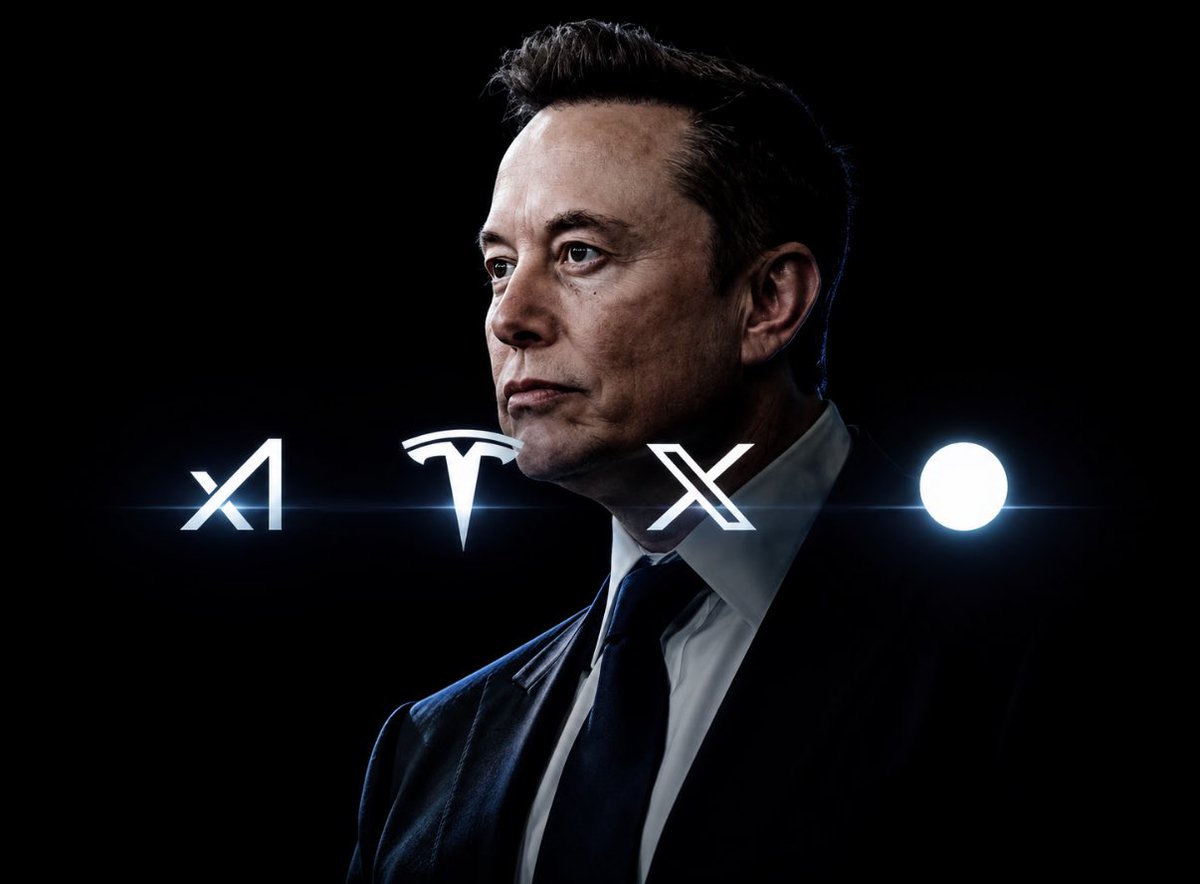
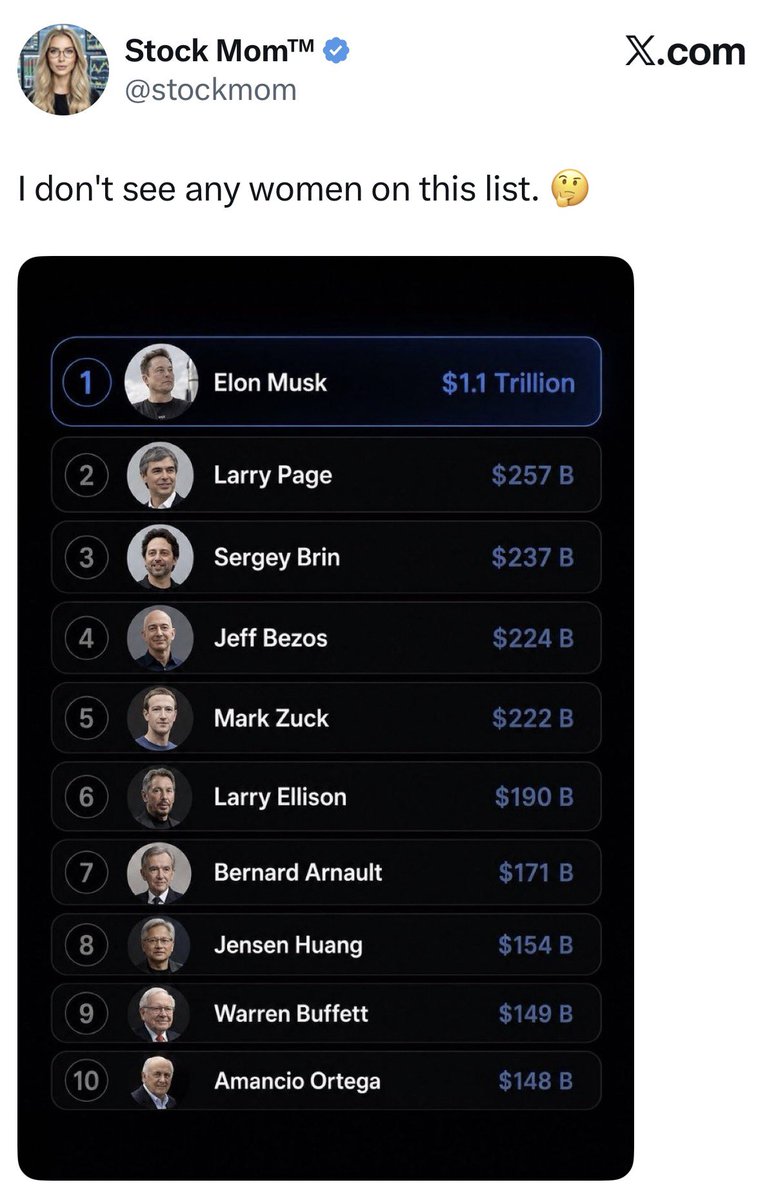
Elon hits $1 trillion.
Democrats: “Congrats. Now hand it over.”
$SPCX
3
2,134
Time it took to hit a $2 trillion valuation:
Alphabet: 23 years
SpaceX: 24 years
Amazon: 30 years
NVIDIA: 31 years
Apple: 44 years
Microsoft: 46 years
Saudi Aramco: 86 years
Building rockets, satellites, Starlink, and a Mars company in 24 years is absolutely insane.
$SPCX
1
1,426
Elon Musk: The best teams know exactly what they’re building and why it matters.
When people wake up excited to work, you don’t need to force greatness.
You just need to aim it.
$SPCX
2
9
1,027
If you had Elon-level money (a trillion dollars) what’s the very first thing you’re buying?
Be honest 😂
$SPCX
1
708
Elon Musk becoming a trillionaire makes sense.
He built Tesla, SpaceX, Starlink, xAI, Neuralink, and more. $SPCX
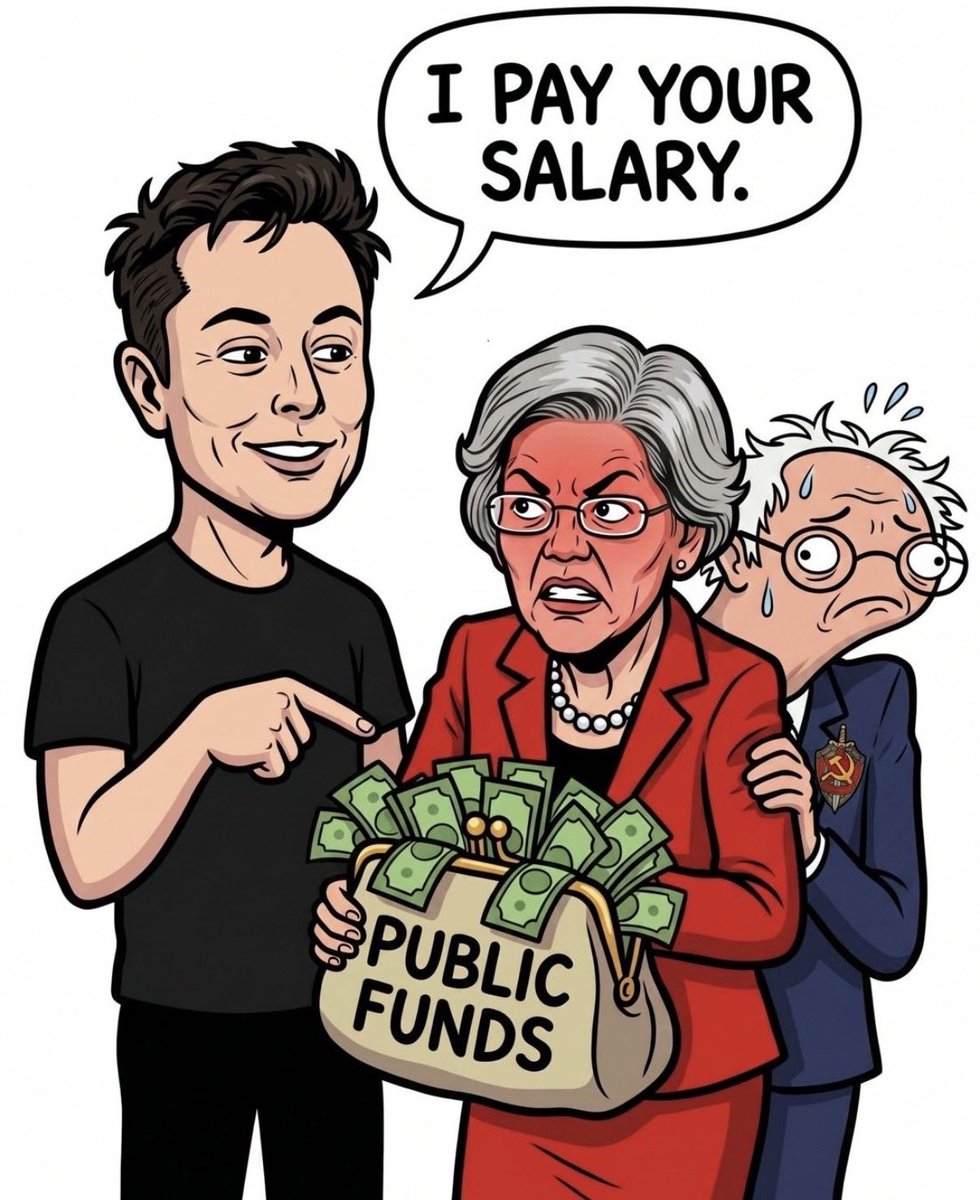
Bernie Sanders owning multiple homes on a government salary?
That’s the part I’d like explained.
56
108
1,041
14,718
Glowing orbs keep showing up in UFO reports, and now they are part of the latest government UAP files.
Jeremy Corbell told @ChrisCuomo these objects have been a recurring feature since the beginning of the phenomenon.
What are they?
No one knows for sure but they keep showing up.x.com/NewsNation/status/2065…
131
SpaceX trading at $2T feels wild…
Until you realize the company is building toward a $100T future.
$SPCX
3
2,142
Final Thought: What SpaceX is doing feels bigger than business.
It’s about expanding humanity’s reach, pushing toward the stars, and making the future feel alive again.
Congrats to Elon and the whole SpaceX team. 👊🚀
$SPCX
1
2
2,135
Elon Musk waking up for the first time as the world’s first trillionaire like:
$SPCX
2
9
1,750
SpaceX’s IPO didn’t just make headlines.
It reportedly created thousands of new millionaires, including cafeteria workers who held employee stock.
Absolutely incredible. 🚀
1
9
1,419
Per MW, the average American is now closer to Jeff Bezos in net worth than Bezos is to Elon Musk.
That’s how massive Musk’s fortune has become.
$SPCX
1
1
2
1,191
SpaceX almost died in 2008.
Yesterday, it IPO’d at a $1.77 trillion valuation.
That single sentence may be one of the greatest business stories ever told.
Here’s how Elon Musk went from three failed rockets to the largest IPO in history and becoming the world’s first trillionaire.
In 1999, Elon sold Zip2 for roughly $300 million.
A few years later, PayPal was acquired by eBay for $1.5 billion, leaving Musk with around $180 million.
Most people would have disappeared onto a yacht.
Elon chose Mars.
After looking into buying rockets from Russia and realizing how absurdly expensive they were, he decided to do something almost nobody believed was possible:
Build rockets himself.
In 2002, SpaceX was born inside a warehouse in El Segundo, California.
Musk poured about $100 million of his own money into the company and hired young engineers willing to work insane hours, move fast, and question everything the aerospace industry had accepted for decades.
They built in-house.
They took risks.
They failed loudly.
And for a while, it looked like the critics were right.
Falcon 1 failed on its first launch in 2006.
Then it failed again in 2007.
Then it failed a third time in August 2008 when the first and second stages collided after separation.
At the same time, Tesla was fighting for survival during the financial crisis.
Musk was running out of money.
SpaceX was running out of chances.
Tesla was running out of time.
Most founders would have folded.
Elon split what was left of his fortune between both companies and bet everything on one final launch.
On September 28, 2008, Falcon 1 Flight 4 lifted off from Omelek Island.
This time, it reached orbit.
SpaceX became the first privately funded company to send a liquid-fueled rocket into orbit.
Three months later, NASA awarded SpaceX a Commercial Resupply Services contract worth more than $1 billion.
The company was saved.
But survival was only the beginning.
SpaceX went on to build Falcon 9, which became the most frequently launched rocket in the world.
It drove launch costs down dramatically.
It landed a rocket booster when the industry said reusable rockets were unrealistic.
It turned rocket landings from a viral internet moment into routine operations.
In 2020, SpaceX sent NASA astronauts to orbit aboard Crew Dragon, becoming the first private company to put humans into space on its own spacecraft.
Then came Starlink.
A satellite internet network that now serves millions of people globally and has become one of SpaceX’s most important businesses.
Launches. Satellites. Internet. Reusability. Human spaceflight.
SpaceX did not just enter the aerospace industry.
It rewrote the economics of it.
Now Musk is pushing into the next frontier: space-based AI infrastructure.
With Starship, SpaceX is trying to build the fully reusable heavy-lift rocket needed to launch massive payloads at a scale no other company can currently match.
The long-term vision is bigger than rockets.
It is Mars.
It is global internet.
It is AI compute in orbit.
It is making space an economic layer of civilization.
Yesterday, SpaceX listed on Nasdaq under $SPCX at a $1.77 trillion valuation.
The IPO became the largest in history.
Elon Musk’s SpaceX stake alone is now worth hundreds of billions, pushing his net worth beyond $1 trillion.
The world’s first trillionaire.
But the most insane part?
This entire story almost ended in 2008.
Three failed launches.
Two companies near bankruptcy.
One final rocket.
One impossible bet.
And a founder who refused to quit.
SpaceX started with a warehouse, $100 million, and a mission most people laughed at.
Today, it is one of the most valuable companies on Earth.
History will remember this as one of the greatest comeback stories in business.
2
1,260
Bernie Sanders lecturing America about Elon Musk’s wealth from one of his mansions is exactly why nobody takes these people seriously.
$SPCX
2
1,113
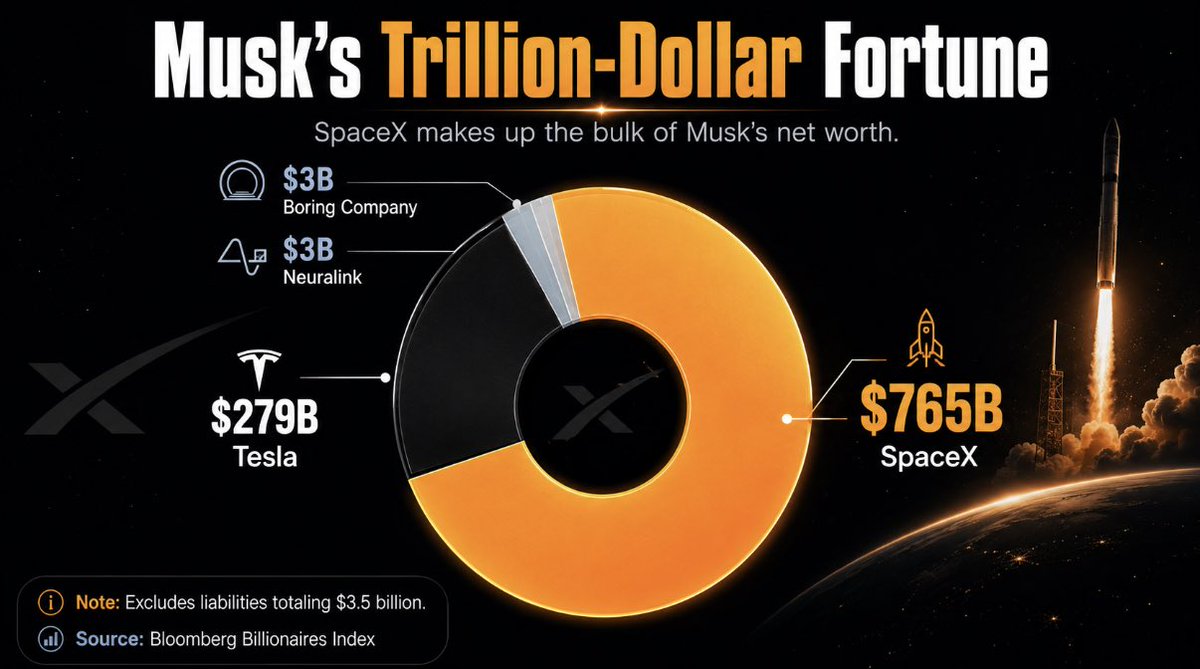
Elon Musk’s wealth, per Bloomberg:
Most billionaires diversify.
Musk built SpaceX into the centerpiece of a trillion-dollar fortune.
$765B SpaceX
$279B Tesla
$3B Neuralink
$3B Boring Company
Absolutely unreal. 🚀
2
5
1,488
JUST IN: Google’s early $900M bet on SpaceX has reportedly ballooned into a $100 BILLION stake.
One of the greatest tech investments of all time. 🚀
$SPCX
3
1,099