AI Data Scientist by day🧑💻 Economist by night 🌜
Joined September 2018
- Tweets 56,185
- Following 2,071
- Followers 1,665
- Likes 109,915
954 Photos and videos









Pinned Tweet

28 Jan 2025
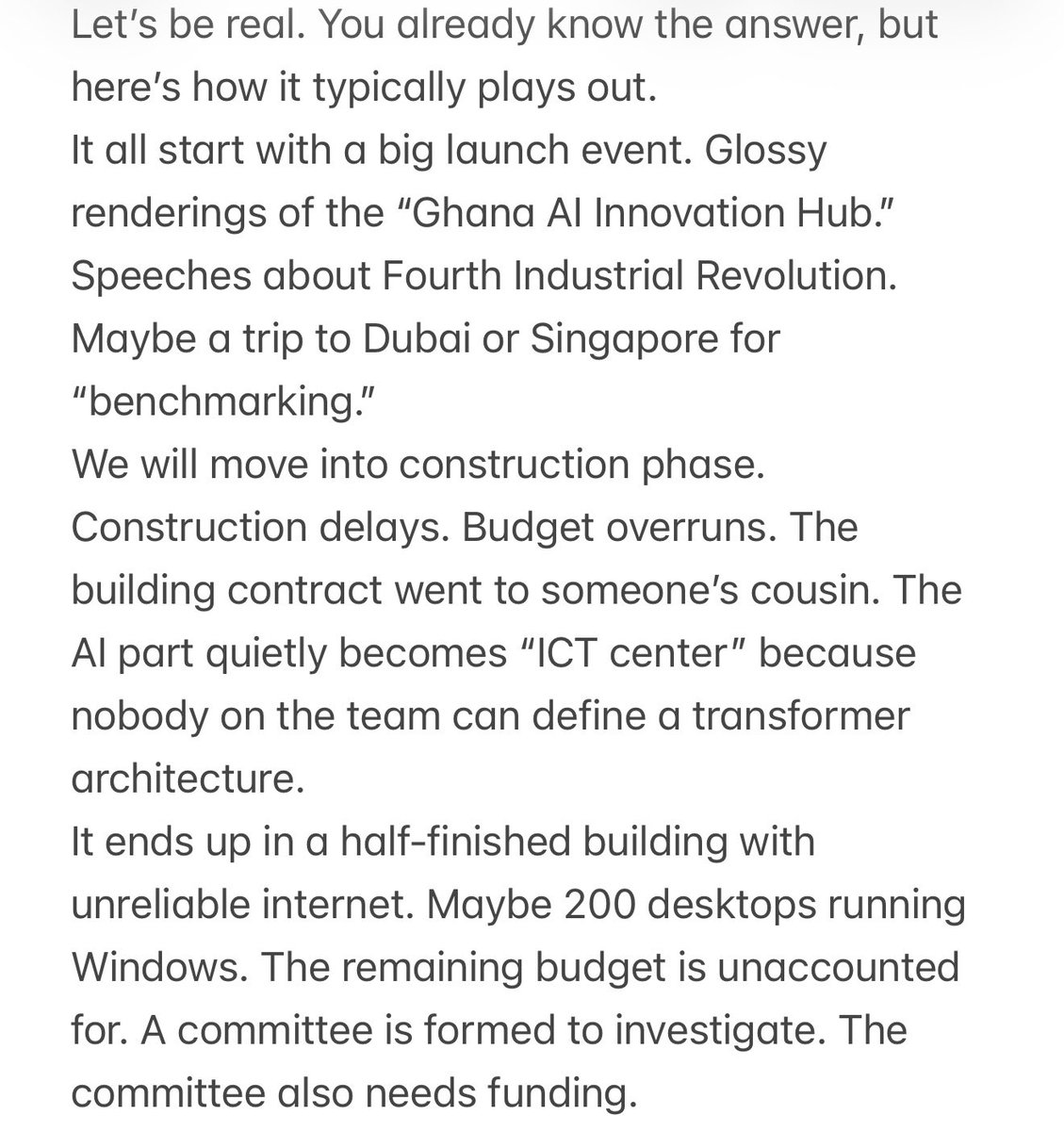
Content creation has now become the visible part of Ghana's tech scene, the country's potential in fields like software development, AI, cybersecurity, fintech, Data science, UI/UX design, cloud computing, health-tech and video editing remains largely untapped.
4
15
37
4,221

{CHURCHILL•}⛪️ retweeted

The Chinese port in Guangzhou.
Virtual Longshoremen unload ships remotely with 5G.
15
93
488
35,764
{CHURCHILL•}⛪️ retweeted

Understand. Don't memorize.
Learn principles, not formulas.
64
857
5,517
136,758
{CHURCHILL•}⛪️ retweeted

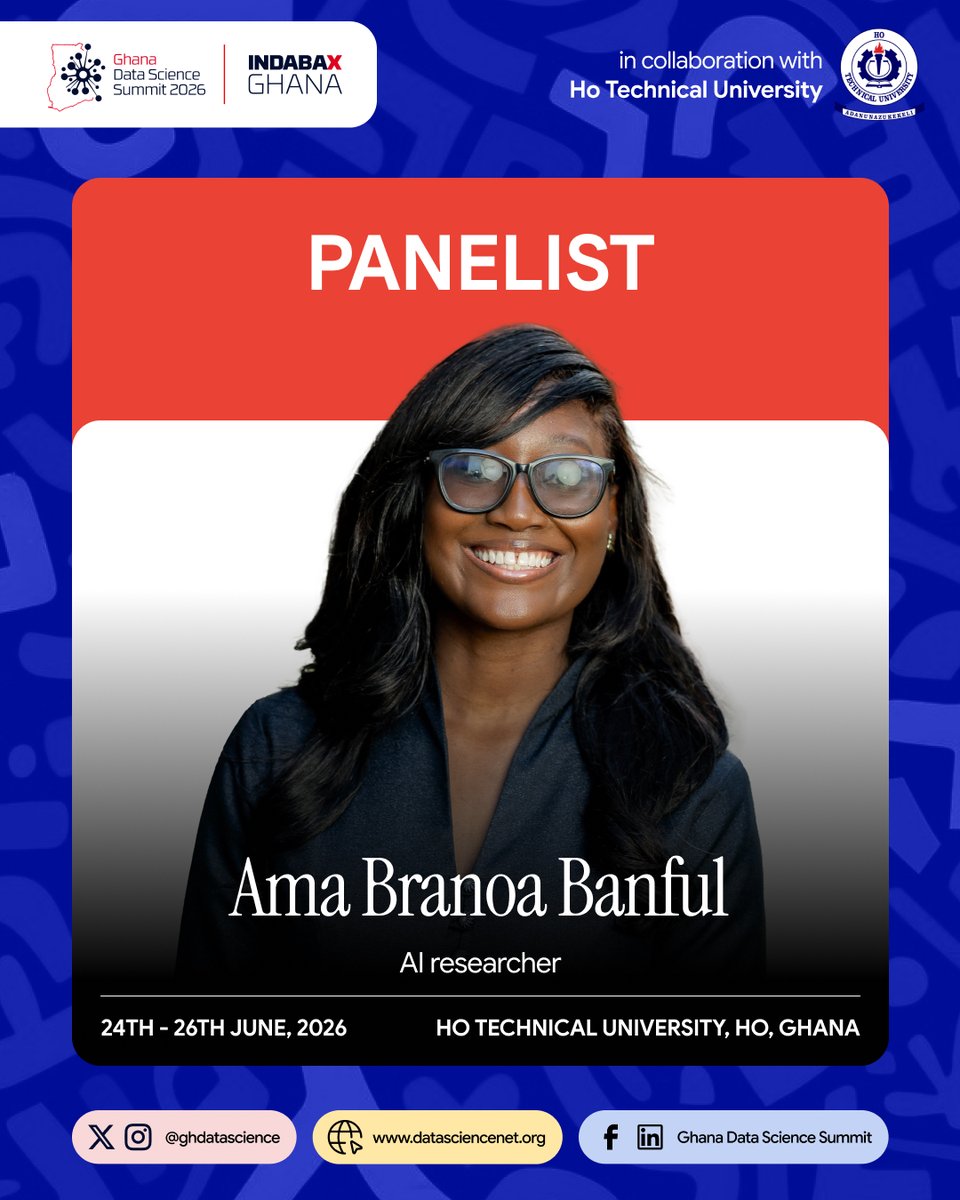
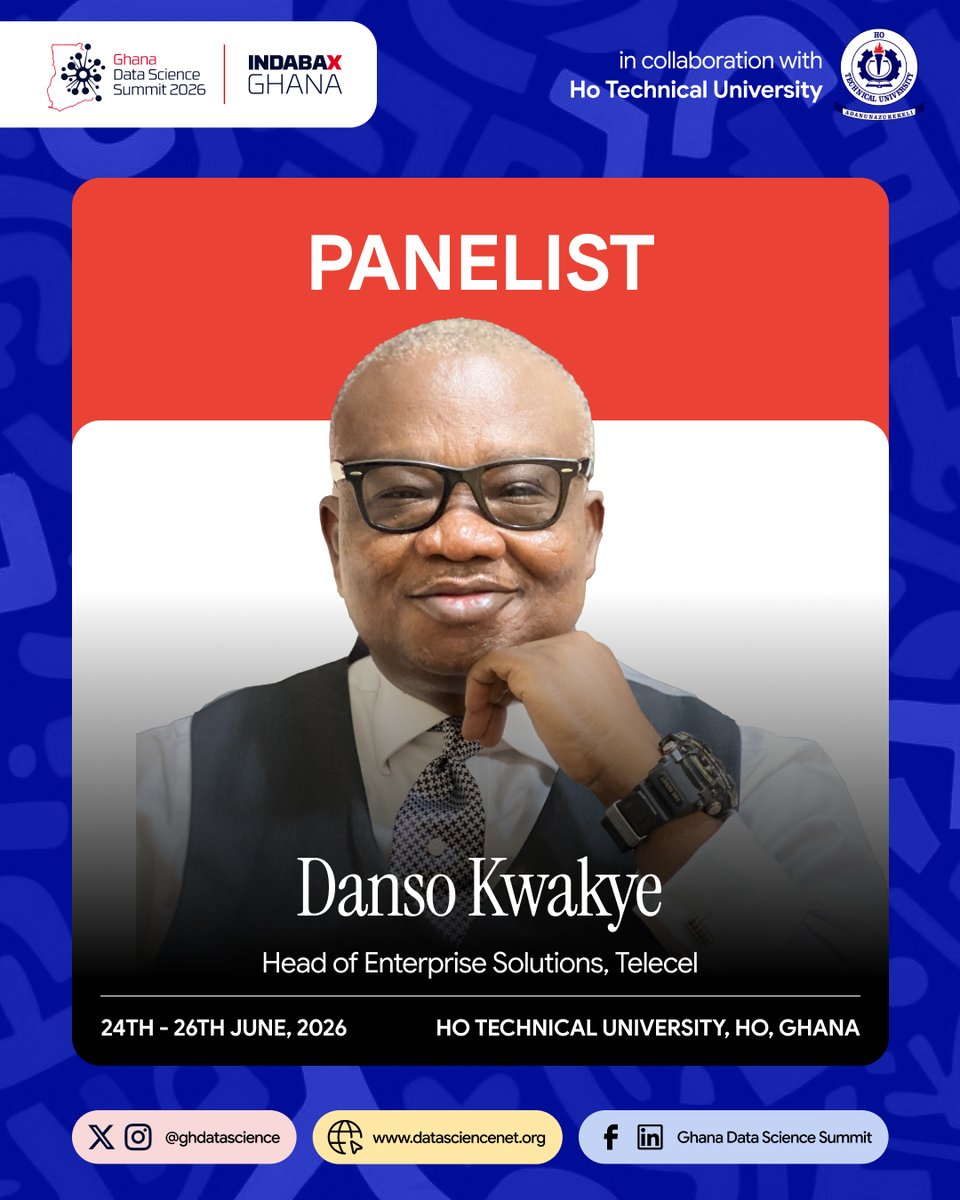
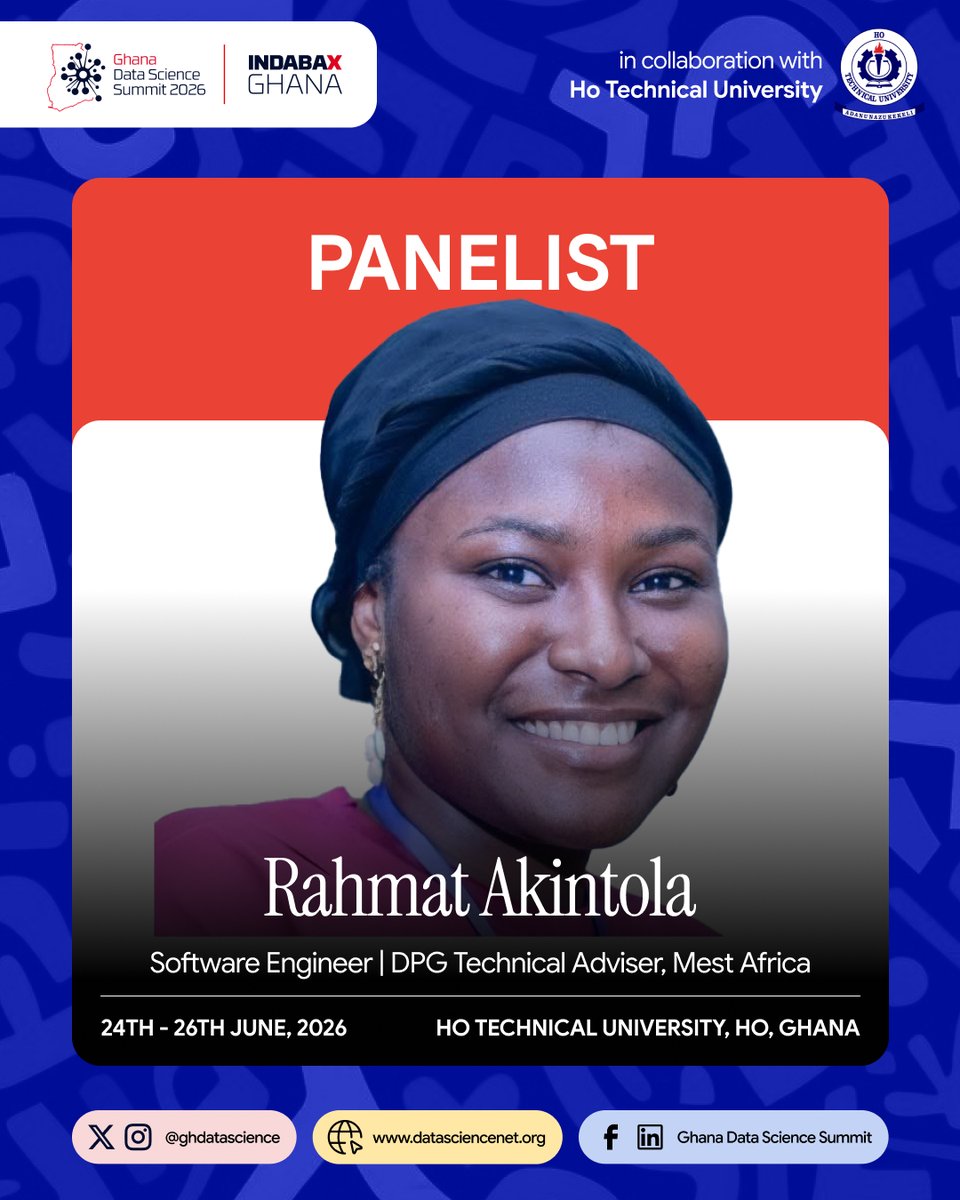
Join our panel on "Is Access to Data Limiting Data Science Innovation and Policymaking in Ghana?" as experts from academia, industry, and technology explore this critical question.
Akpe!
#GDSS2026 #IndabaXGhana2026

3
8
117

{CHURCHILL•}⛪️ retweeted

1. "Research gathering dust on the shelves" is a statement you must have heard so often if you live in Ghana, Nigeria, or Kenya that now you tune out when you hear it.
2. Often followed by a recitation of the evils of not being able to crack "industry - academia collaboration."
3. Residents of Eindhoven, a city in the Netherlands few have on their holiday radar, file twice more patents than the whole of Africa combined.
4. Dresden, another off-radar city in Germany, file more patents than Africa combined minus South Africa.
5. Roche, a Swiss pharma company, has a bigger R&D budget than the public research institutes of all West, Central & Eastern African countries combined.
6. On and on and on. List after list of why industry-academia linkages don't exist and the consequences of that non-existence.
7. The question, however, is: whose duty is it to forge this linkage? Government? University Administrators? Academic Researchers? Corporations? Industry associations? Student Unions? Investors (including VCs)? IP lawyers? National IP Offices?
8. The correct answer, of course, is all of the above. Which immediately makes it an ecosystem issue.
9. Now, here is the secret: ecosystems don't form because some genius policymaker starts talking about it in a manifesto. Or some agency of a government adds a line to its vision statement. Or a university updates its mission charter.
10. Ecosystems are built by groups of highly sophisticated people working together. Often for free. The people I described in an earlier post as devoted to social problems often at the expense of their own personal success. The Probonarii, to use a crude Latin term.
11. A fly-in USAID consultant won't do. A Minister who speaks like Napoleon won't cut it. Neither would VC Kwapong brought back from Heaven to resume running Legon.
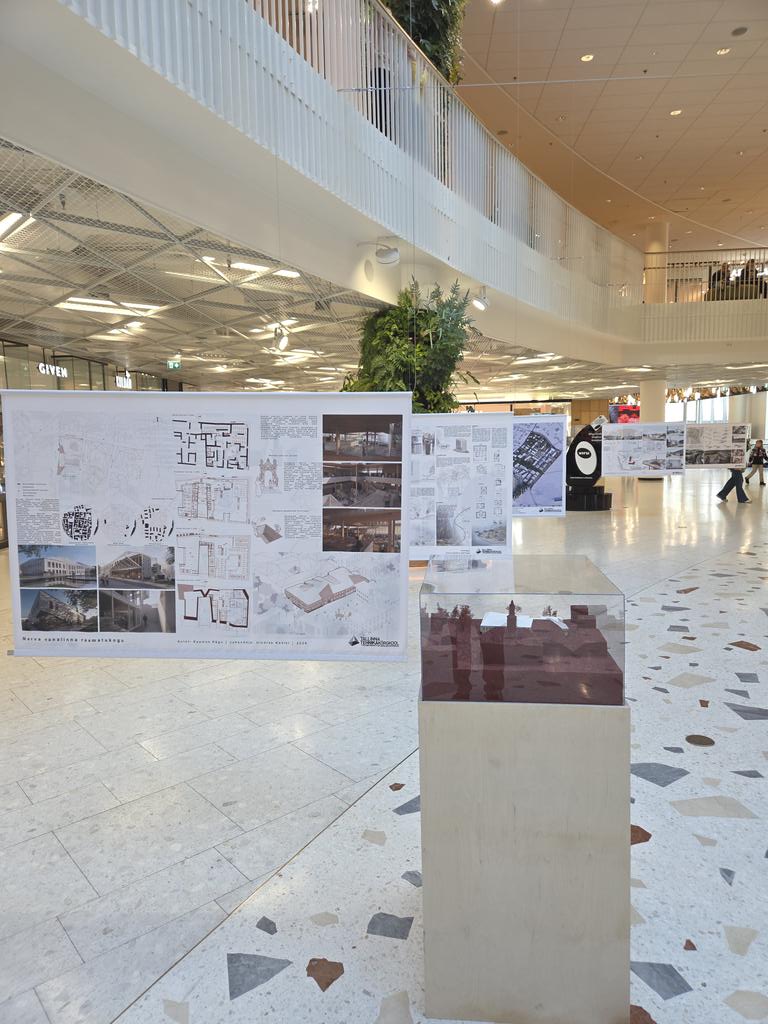
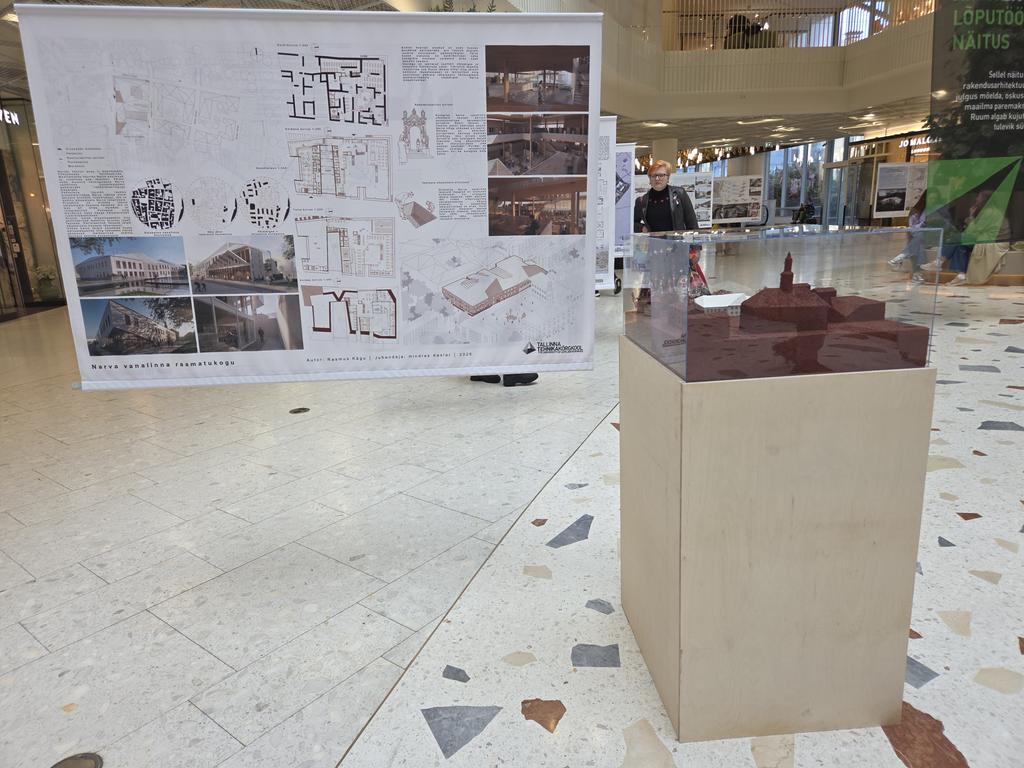
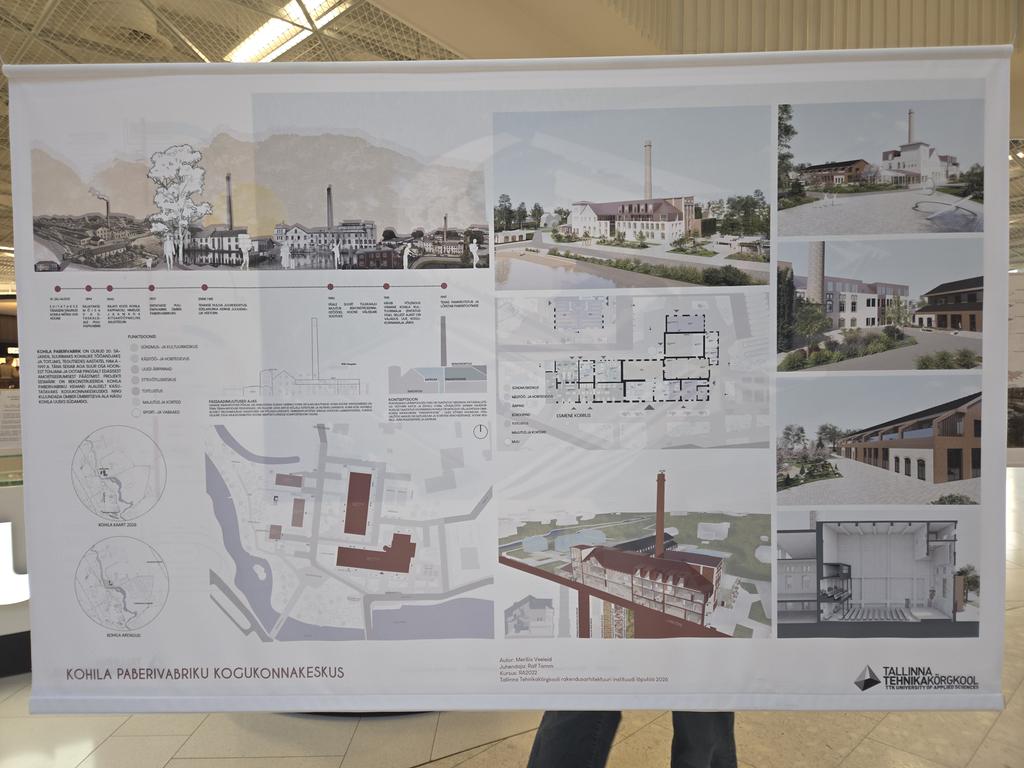
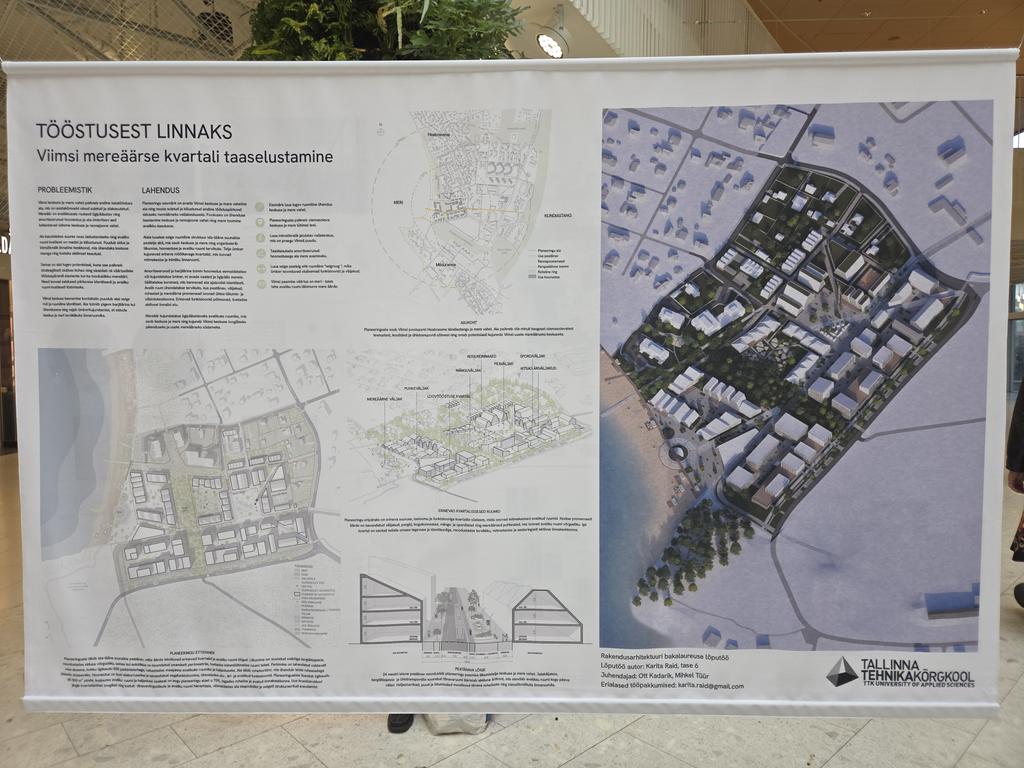
12. In the spirit of celebrating the Probonarii, here is a concept I find utterly brilliant from TTK University in Estonia. Student final projects displayed in a pop-up gallery of the country's most prestigious and visited shopping hub: Viru Keskus.
13. Thousands of shoppers suddenly find themselves immersed in visionary ideas of transformation from young minds.
14. One student carries forward the post-communist struggle to preserve Estonia from soulless consumerism and industrial blandness by reimagining a decaying paper mill. Another wants to turn a forsaken harbour into a coastal paradise.
15. Miniature worlds envelope each installation.
16. But the beautiful thing about this is that this is not the story of one university's boldness.
17. Getting these exhibitions into high-end public spaces required principals of KTA, the venerable design house, and their allies to become Probonarii.
18. The Probonarii had to work their socks off grooming students, nurturing projects, liaising with civic activists pushing these regenerative projects in the real world, and, of course, aligning with the commercial real estate industry.
19. All for free, in time they could have billed for loads of cash. Yet, their names appear no where on the installations.
20. Howzat?
21. Industry-academia collaboration in Ghana or Nigeria won't fall from heaven.
22. A group of "dumb geniuses" would need to drag it down.
4
13
60
3,460
{CHURCHILL•}⛪️ retweeted

So this is how Ghanians cook their Jollof rice? It looks sweet sha..
89
226
2,513
239,153
{CHURCHILL•}⛪️ retweeted

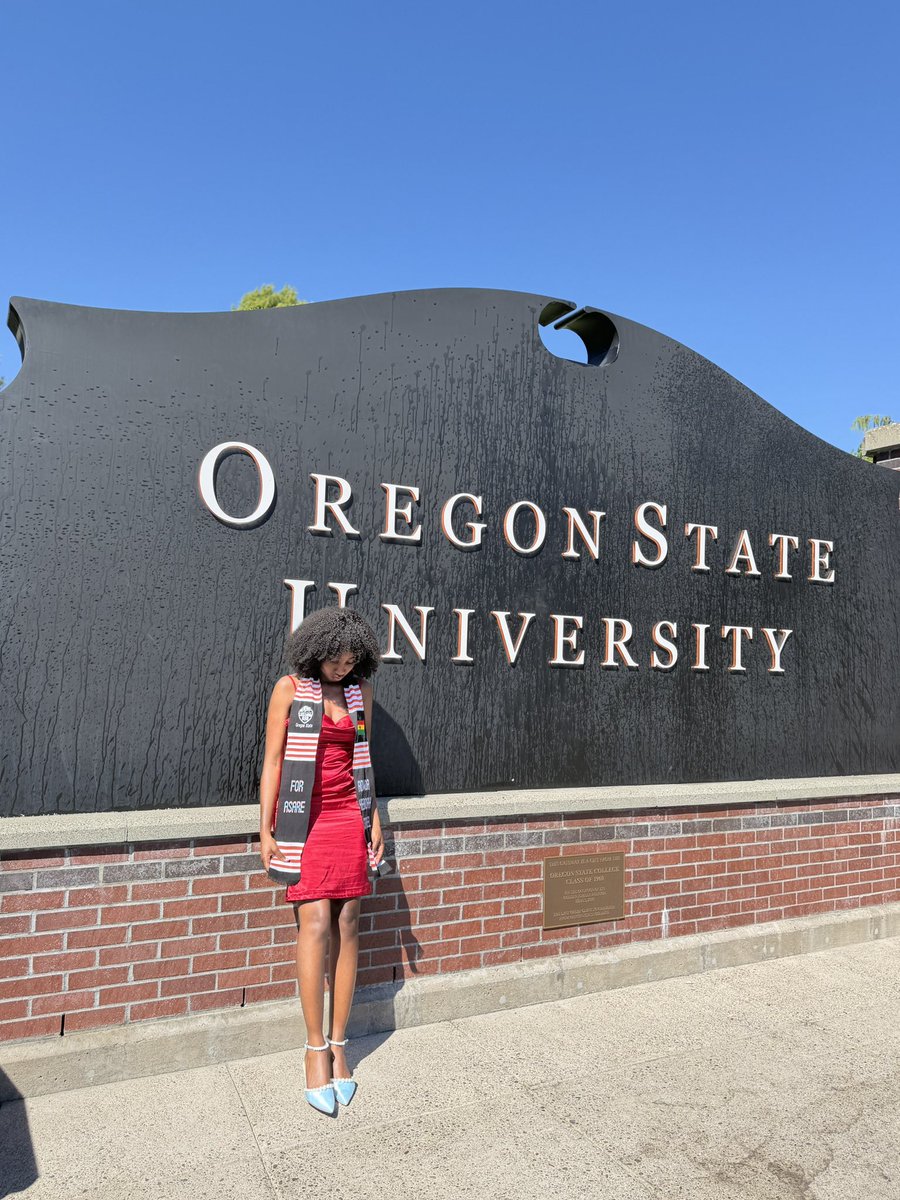
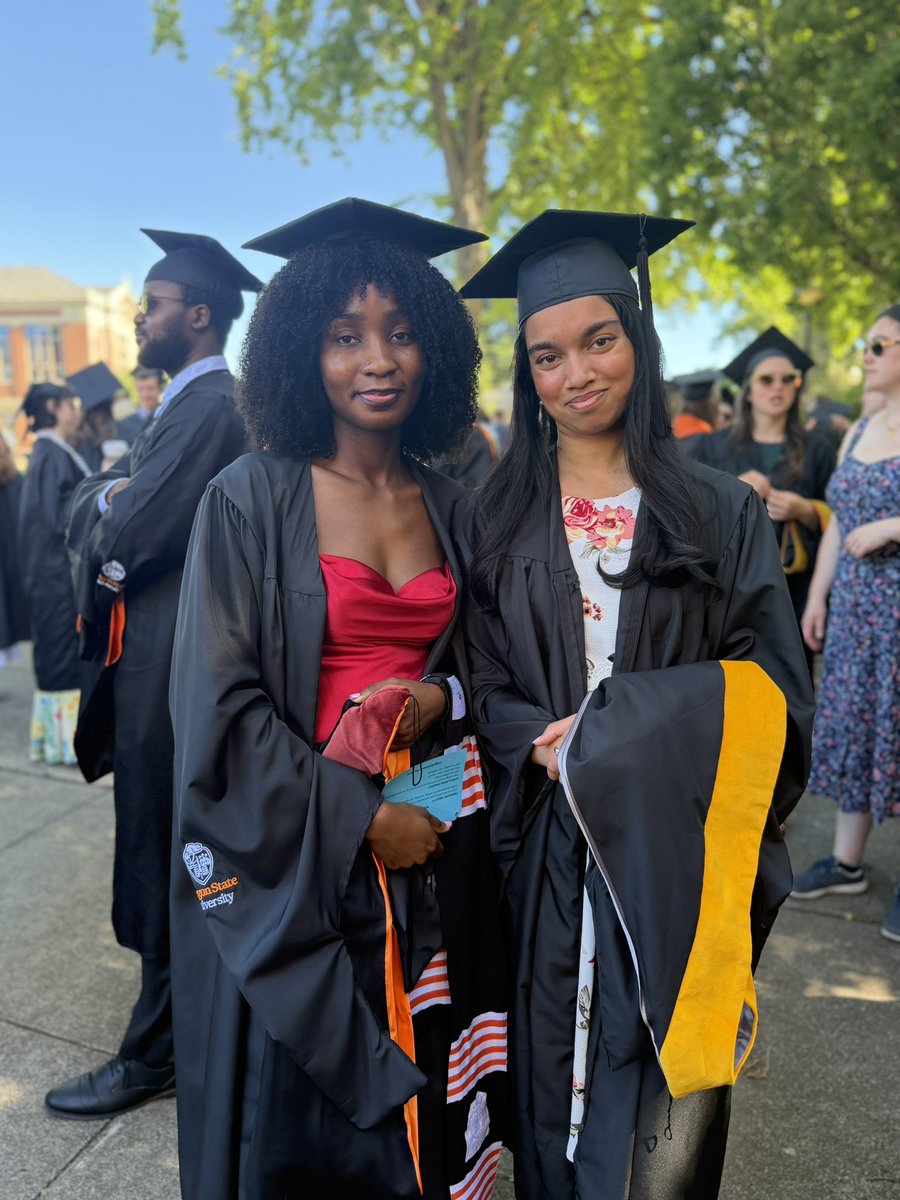
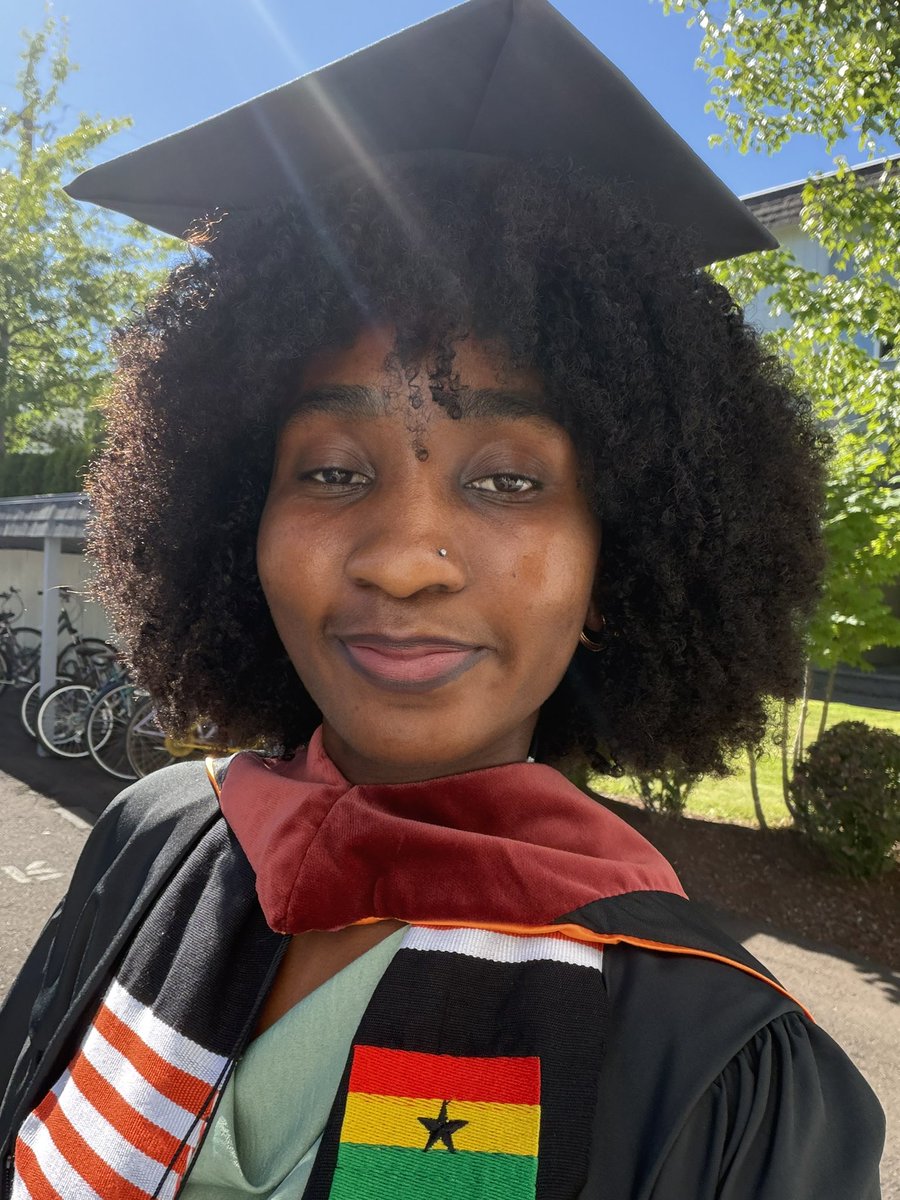
2 fully funded RA offers
Alfred W. Moltke Memorial Fellowship recipient
Member, Xi Sigma Pi
4 publications ( 1st authored 3)
Graduated from the #1 Forestry program in the U.S. and #2 in the world, while mourning the loss of my Asare, whose spirit continues to inspire me❤️

87
158
1,067
34,401
{CHURCHILL•}⛪️ retweeted

London’s startup scene is dense, but scattered.
I wanted one place to see where startups cluster and where each company shows up next.
So I built London Startup Map with AI, as a Product Manager.
376 startups Luma events linked by company.
Founders: reply with yours 👇
14
7
149
14,061
{CHURCHILL•}⛪️ retweeted

13h
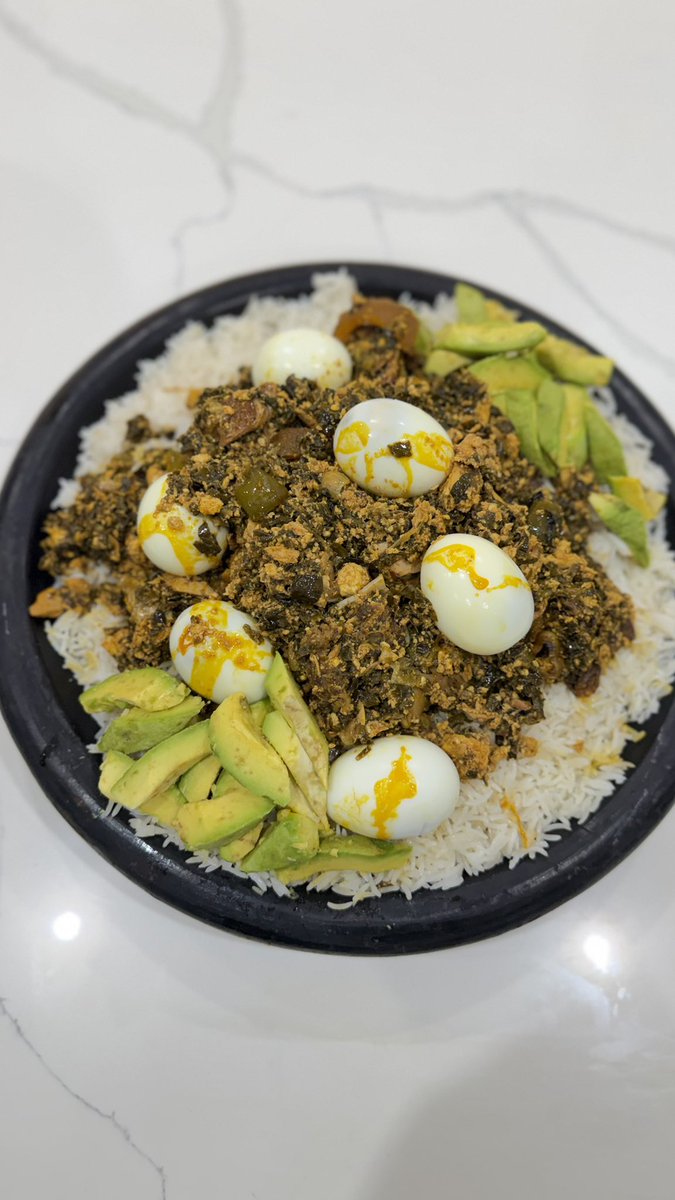
When I say Rice and kontommire is nicer than jollof I mean it!!
237
520
3,772
82,636
{CHURCHILL•}⛪️ retweeted

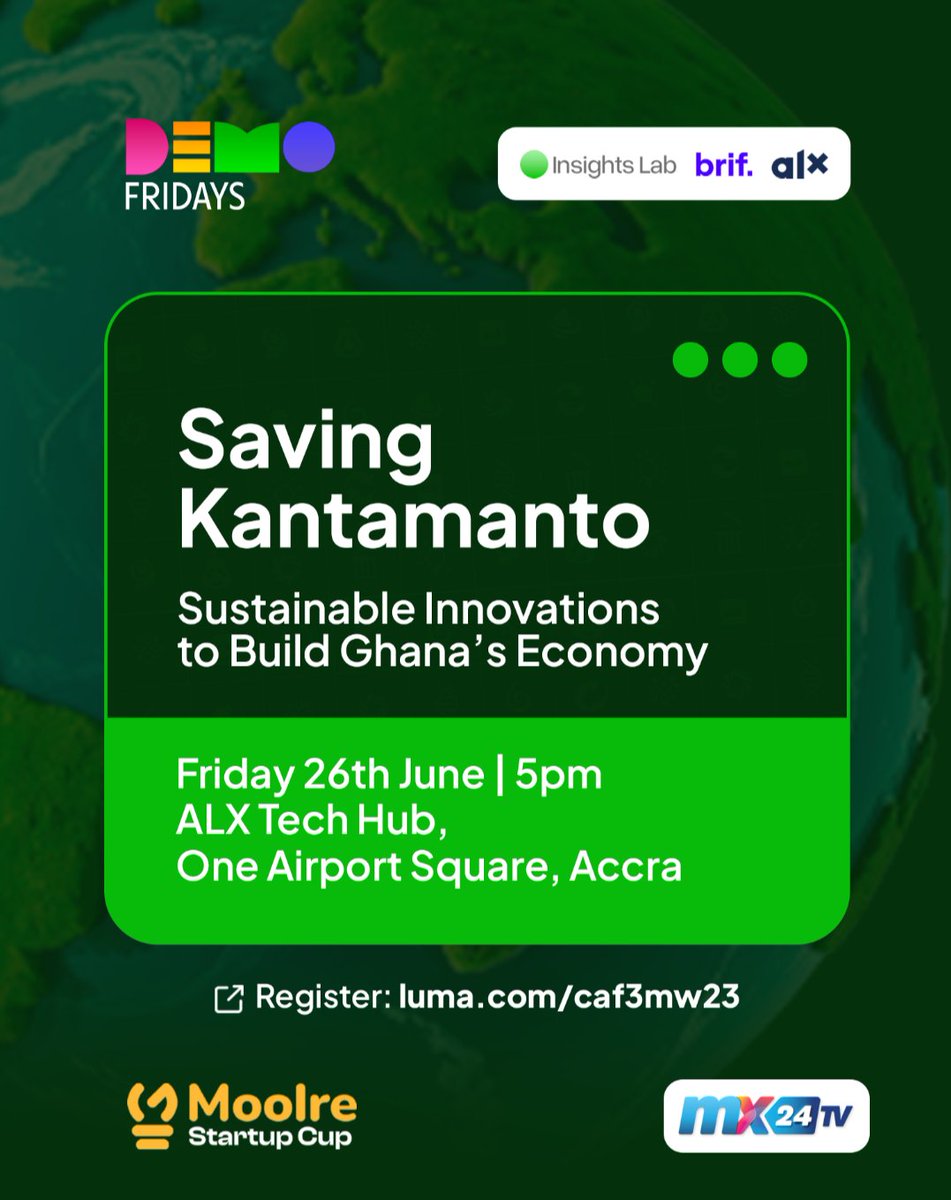
Registration is now open for Demo Friday: Saving Kantamanto – Sustainable Innovations to Build Ghana’s Economy.
Date: 26 June 2026
Time: 5:00 PM
Venue: ALX Tech Hub, One Airport Square, Accra
Register here: luma.com/caf3mw23
Brought to you by @BuildingBytes
3
28
59
1,729
{CHURCHILL•}⛪️ retweeted

SYSTEM DESIGN BECOMES EASY ONCE YOU WATCH ALL THESE VIDEOS:
9
37
290
28,785
{CHURCHILL•}⛪️ retweeted
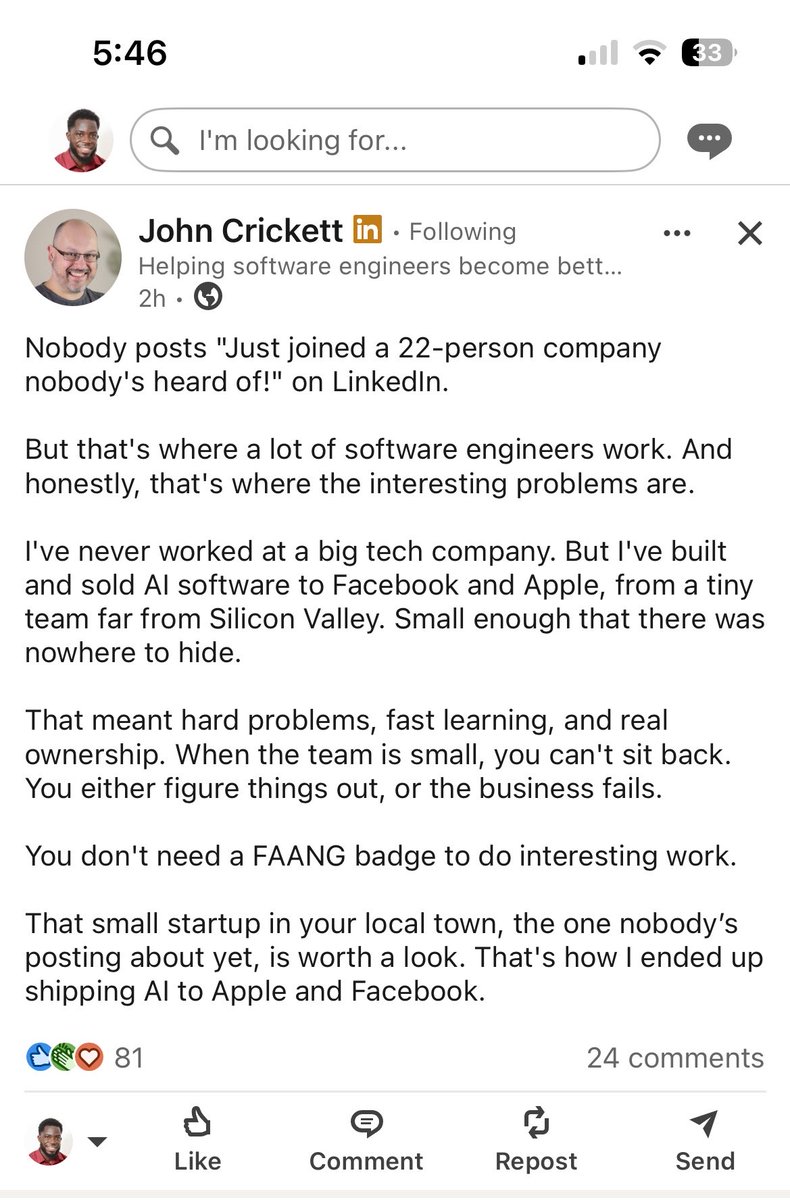
Was the local champion potentially right?
Maybe.

7
5
38
5,023




{CHURCHILL•}⛪️ retweeted

Jun 14
Adwoa tee🤭
The woman of my dreams🙈❤️

74
100
705
21,523