
Civil CAD Learning Solutions is a consulting firm that provides Autodesk software training & technical support - AutoCAD, Civil 3D, InfraWorks, Vehicle Tracking
Joined July 2018
- Tweets 27,871
- Following 3,710
- Followers 870
- Likes 48,431
2,112 Photos and videos












Civil CAD Learning Solutions retweeted

22 Jul 2025
KSA MicroLiving Airport: The World Smartest airport
Read more: amazingarchitecture.com/visu…
Tools used: Autodesk Maya,Unreal Engine gameplay,Unreal Engine Live Rendering,Meta Human Creator, Reality Capture,Substance Painter,Rhinoceros 3D,Grasshopper,Midjourney AI,Kling AI,Luma AI.....




4
13
1,668

Our latest Media & Entertainment Showreel highlights the movies that brought us back to theaters, the games that transported us to other worlds, and the shows we couldn't wait to watch. Behind every project are artists, animators, production managers, and countless teams who solve thousands of challenges to bring imagination to life on screen.
Congratulations to the talented teams at @WetaFXofficial, @BlueBoltVFX, @Framestore, @SOKRISPYMEDIA, @WeFXstudio, @Neoscape, @RefugeVFX, @RodeoFX, @VineFX, @DNEG, @Ubisoft, @PlatigeImage, @TheMill, @Cinesite, @Apple, @DisneyAnimation, @CapcomUSA_, @Pixar, @SEGA
Thank you to every studio and artist who chose Autodesk tools to turn dreams into stories we can see, play, and experience. #MakeAnything
1
2
20
3,366
Today, we're taking another step to improve flexibility for small businesses. Through #AutodeskForSmallBusiness, we've lowered the Autodesk Flex minimum from 100 tokens for $300 to 33 tokens for $99.
Learn more at the Autodesk Small Business Hub: autodesk.com/smallbusiness.
1
4
8
2,007
Civil CAD Learning Solutions retweeted

All in for U.S.
295
1,802
19,203
747,294
Civil CAD Learning Solutions retweeted

Jun 12
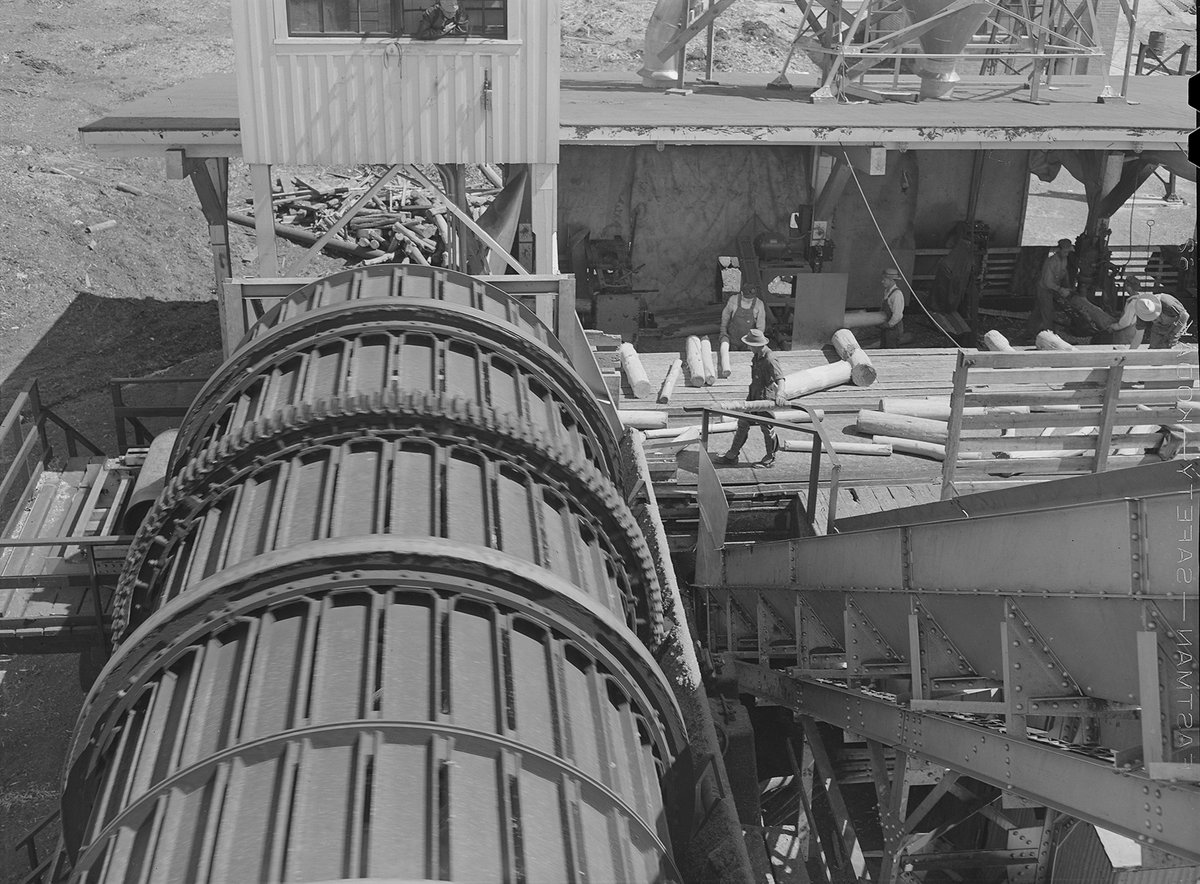
The barking machine at the Southland paper mill in Lufkin, 1943. The barking machine ---- also called a debarker ---- is a machine used to strip the bark off logs before they are sawn into lumber. The bark has to be removed because it contains dirt, sand, stones, and insects that can quickly dull saw blades and interfere with the milling process. Removing the bark also produces cleaner, more uniform lumber. One of y'all can correct me if I am wrong, but I think this is specifically a drum debarker, in which logs tumble together inside a large rotating cylinder, and the friction rubs the bark off. I've never been to a working lumber mill but I think it would be fascinating.
Taken by John Vachon.
1
12
133
5,413
Civil CAD Learning Solutions retweeted
32 years in the making.

115
1,247
17,641
254,607


27
Civil CAD Learning Solutions retweeted
Jun 12
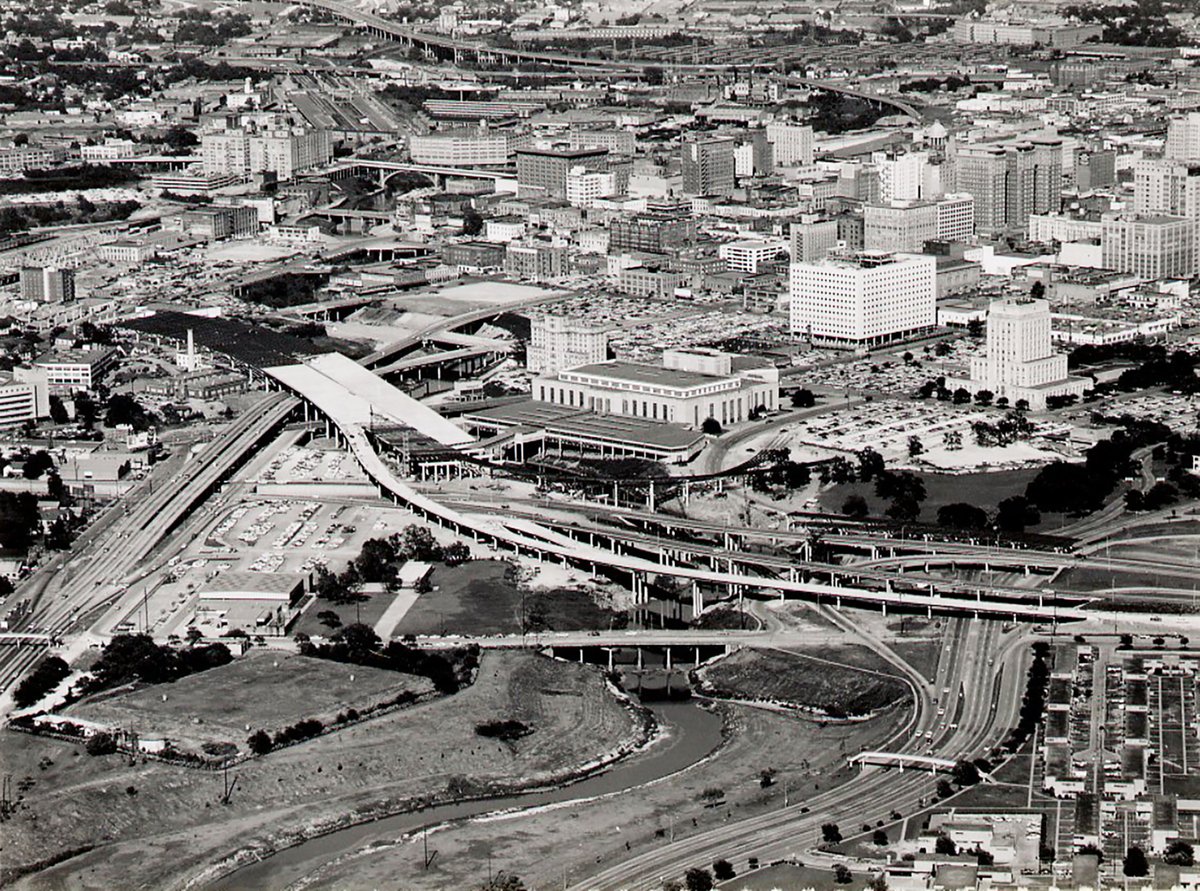
An aerial view of I-45 in Houston, 1961. Goodness gracious this scene has changed mightily!
12
23
277
13,725
Civil CAD Learning Solutions retweeted

Jun 11
Lighting up the night sky in Mexico City for the #FIFAWorldCup ✨
#NovaSkyStories
1,656
13,092
67,539
3,741,241
Civil CAD Learning Solutions retweeted

Jun 10
🚨 BEAUTIFUL! Over 100,000 THOUSAND young Christians just gathered in Spain
Spain is a Christian nation and the West is a Christian civilization!
Do NOT let mass 3rd world migrants take over our culture 🙏🏻
404
4,321
21,773
944,590
Civil CAD Learning Solutions retweeted
Jun 10
The Texas Quote of the Day, regarding the Comanches, is excellent: "They came to the plains from the west, slipping through the canyon passes of the Sangre de Cristo Range in small, roving bands. Like so many other native groups of the age, the Numunu moved to the great continental grasslands seeking new opportunities, to build a new way of life around the emerging ecological triad of grasses, bison, and horses. They were few in number, possessed little wealth beyond a handful of mounts, and seemed indistinguishable from their more prominent allies, the Utes. New Mexico's Spanish officials noted their arrival to the southern grasslands in 1706 and wrote it off as a minor event. Yet by midcentury, the Numunu, now called Comanches, had unhinged the world they had almost unnoticeably entered.
Despite its modest beginnings, the Comanche exodus to the southern Plains is one of the key turning points in early American history. It was a commonplace migration that became a full blown colonizing project with far-reaching geopolitical, economic, and cultural repercussions. It set off a half-century long war with the Apaches and resulted in the relocation of Apacheria ---- a massive geopolitical entity in its own right ---- from the grasslands south of the Rio Grande, at the very center of northern New Spain. The Comanche invasion of the southern plains was, quite simply, the largest and bloodiest conquering campaign the American West had witnessed ---- or would witness until the encroachment of the United States a century and a half later.
But the Comanche invasion was far more than a military conquest. As they made a place for themselves in the southern plains, Comanches formed a series of alliances with the adjacent Indians and European powers, rearranging the political and commercial geography of the entire lower midcontinent. Seen from another angle, the Comanche invasion was a momentous cultural experiment. It brought death and destruction to many, but it also introduced a new, exhilarating way of life ---- specialized mountain bison hunting ---- to the Great Plains, irrevocably altering the parameters of human existence on the vast grasslands that covered the continent's center. Finally, Comanche arrival to the southern plains was a major international event: it marked the beginning of the long decay of Spain's imperial power in what is today the American Southwest. The Comanche conquest of the southern Great Plains was a watershed event that demolished existing civilizations, recalibrated economic systems, and triggered shock waves that reverberated across North America."
---- Pekka Hämäläinen, Comanche Empire, 2009. I am about halfway through this book and it is both well-researched and quite dense. It won the 2009 Bancroft prize for American History.
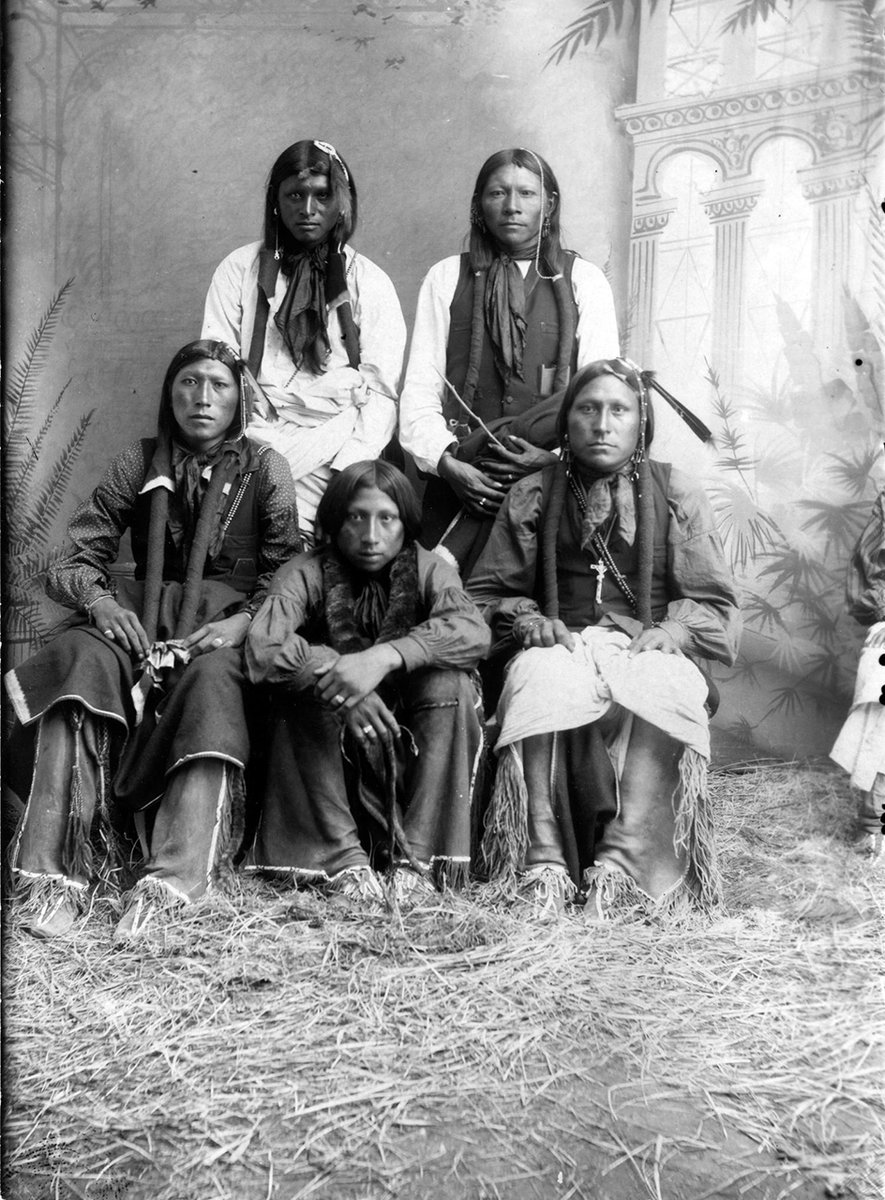
Shown here: five Comanche men circa 1890. Pah-do-pony (top left) To-pooh (bottom right) and Big Kiowa (bottom left). The names of the other two are not known. Photo courtesy the good folks at @okhistory
10
68
442
12,050


CALIFORNIA IS THE ELECTION FRAUD CAPITAL OF THE WORLD....ANYBODY GO THERE VOTE...ANYBODY...THEY DONT ARE...FLY, BOAT, WALK THERE AND VOTE.

California made it illegal for any election in the state to require ID. This is nuts.
7
Working with the watershed tool in InfraWorks youtu.be/HkcAPwjN7DQ?si=omxa… via @YouTube
#engineering #infraworks #civilengineering #autodesk #CCLS
12

One day to go… @FIFAWorldCup 2026 ⏳🤩

ALT One day to go... FIFA World Cup 2026.
3,919
12,299
83,028
1,470,602
Civil CAD Learning Solutions retweeted

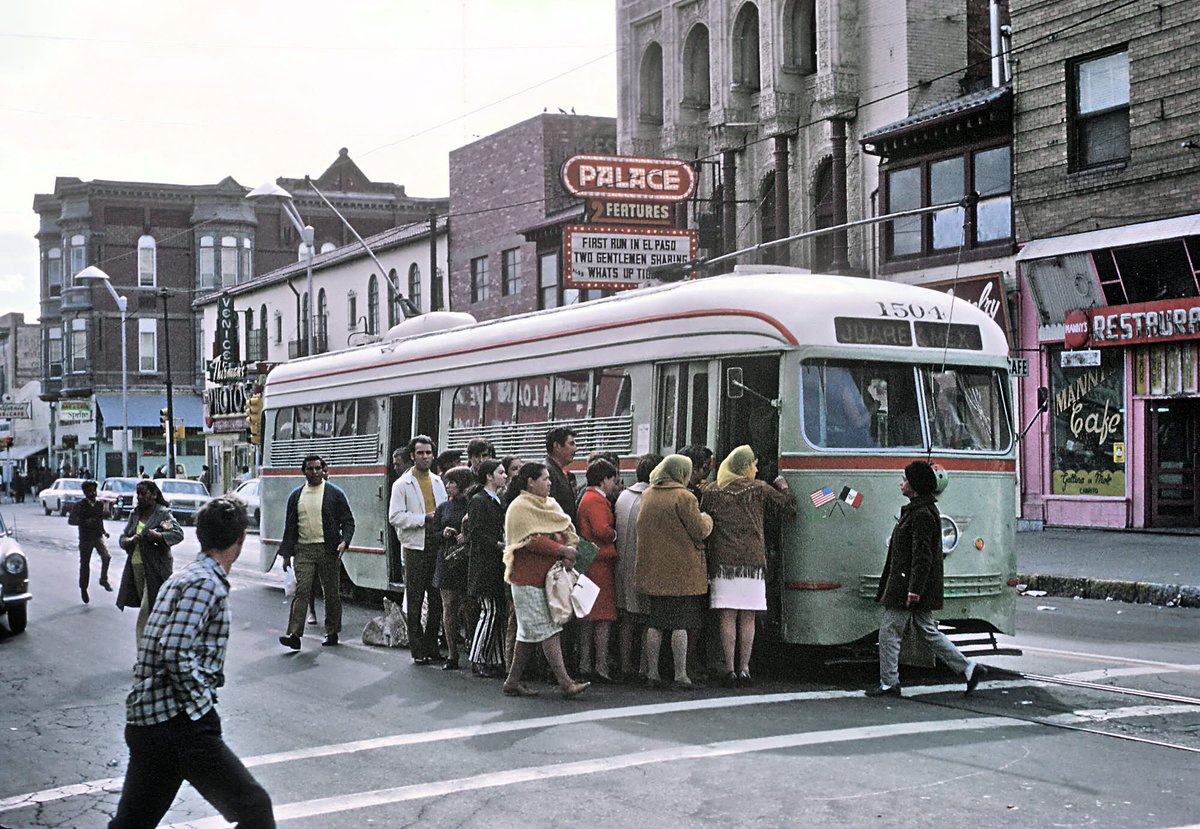
PCC Streetcars — El Paso in Motion
Photographs of PCC streetcars in El Paso capture an era when electric rail defined urban transportation. Introduced in the early 20th century, streetcars connected neighborhoods, business districts, and border crossings.
Residents relied on these cars to commute to work, attend school, or shop downtown. The sound of wheels on tracks became part of the city’s rhythm. Public transit encouraged dense development and lively streetscapes.
Although many systems declined mid-century, El Paso later revived streetcar service as a nod to this heritage. The images serve as reminders of how mobility shapes urban life.
10
42
1,903
Civil CAD Learning Solutions retweeted
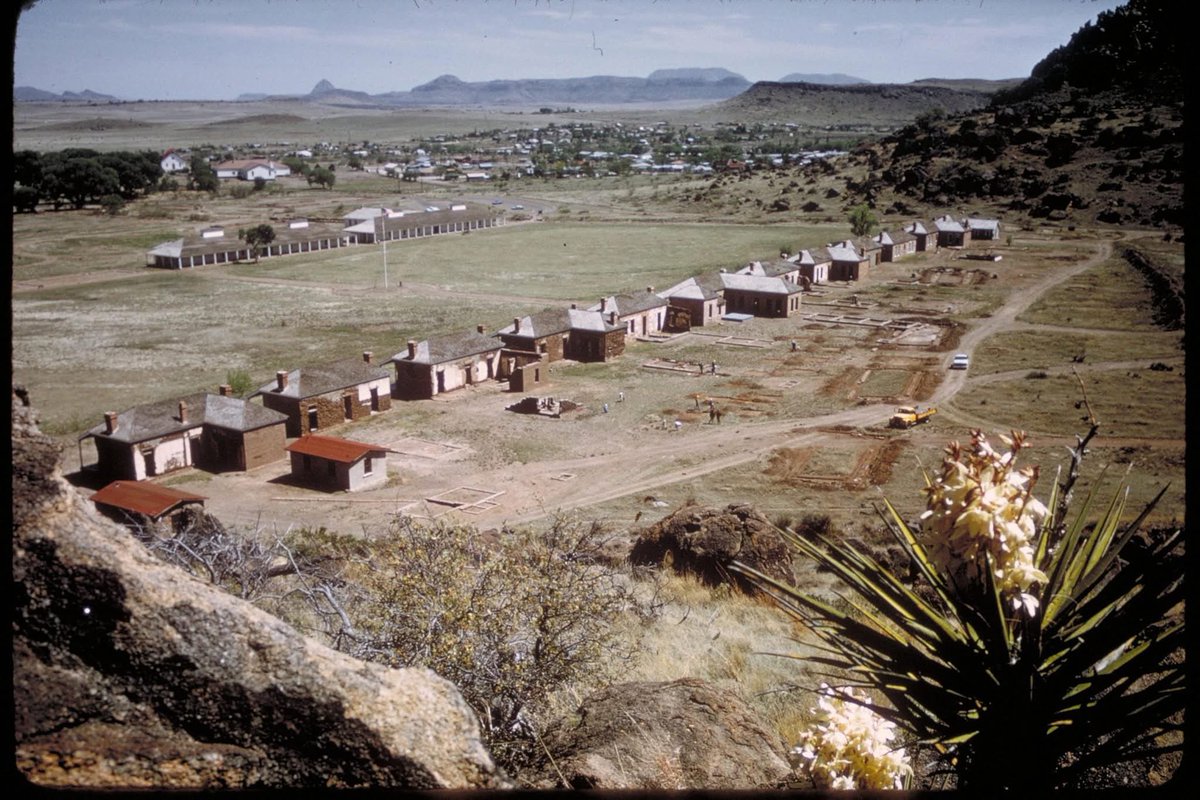
Fort Davis National Historic Site — A Frontier Stronghold in West Texas
Perched among the rugged mountains of West Texas, Fort Davis occupies a landscape shaped by desert winds and sky-high horizons. Established in 1854, this fort became one of the most remote outposts of the U.S. Army’s presence in the Southwest. Its mission was to protect settlers, freight wagons, and mail routes — especially the vital San Antonio–El Paso Road — from raids and conflict during a period of rapid westward expansion.
Not only was Fort Davis a military installation; it was a crossroads of cultures and purposes. Buffalo Soldiers of the 9th and 10th Cavalry served here, playing a significant role in posts across the Southwest. Officers and enlisted men trained against harsh terrain and limited supplies, forging a life defined by discipline, endurance, and service far from home.
Over time, the fort grew into a small community with barracks, officers’ quarters, a hospital, and corrals. Today it stands as a National Historic Site, preserving adobe buildings, parade grounds, and the stories of those who lived and labored here. Walking its grounds offers a direct line to the challenges and complexities of frontier life — a place where the Mexican frontier, Apache lands, and U.S. federal ambitions met under West Texas skies.
5
26
160
3,908