
Spreading the Light through Clarification💡
Joined August 2021
- Tweets 4,324
- Following 0
- Followers 15,495
- Likes 4,336
3,128 Photos and videos


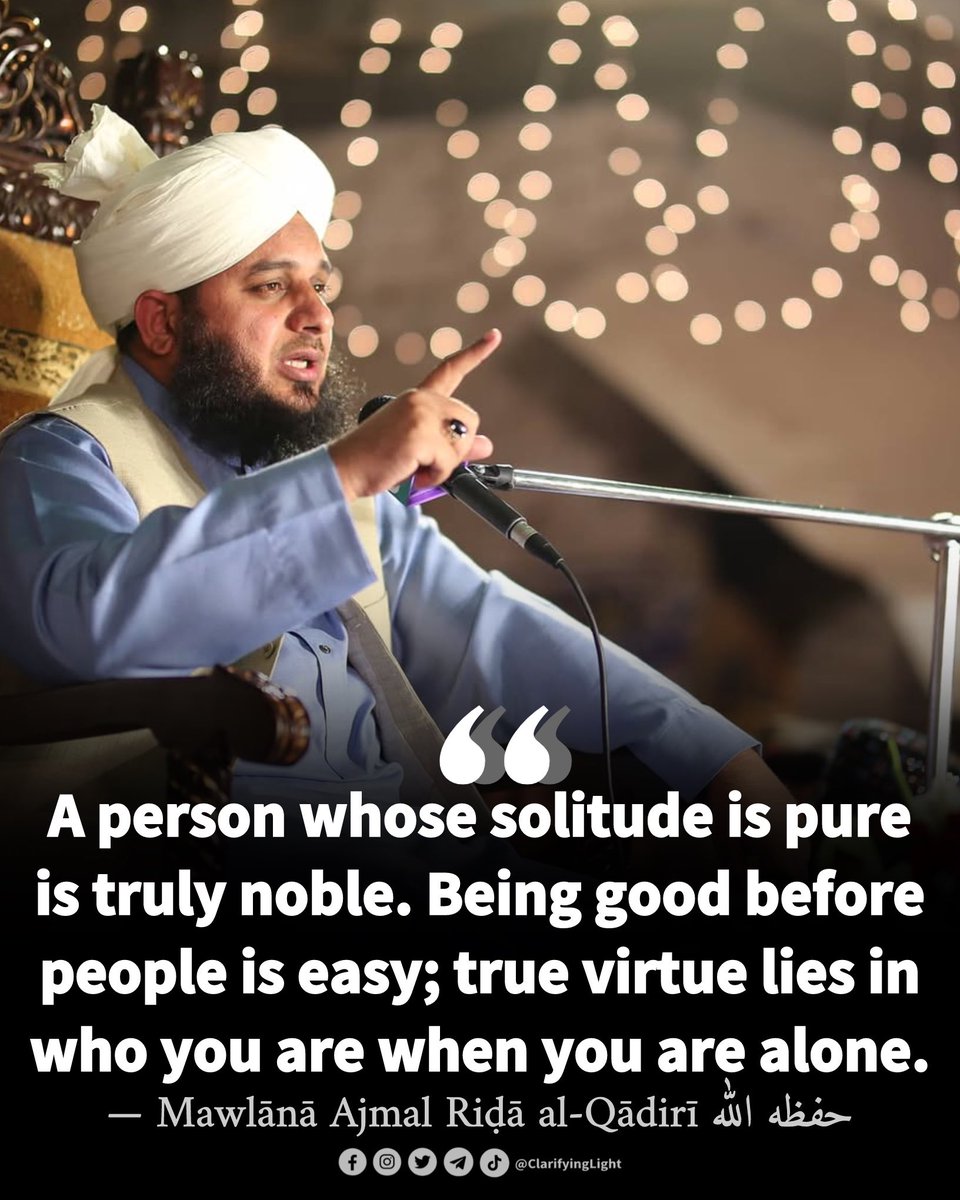



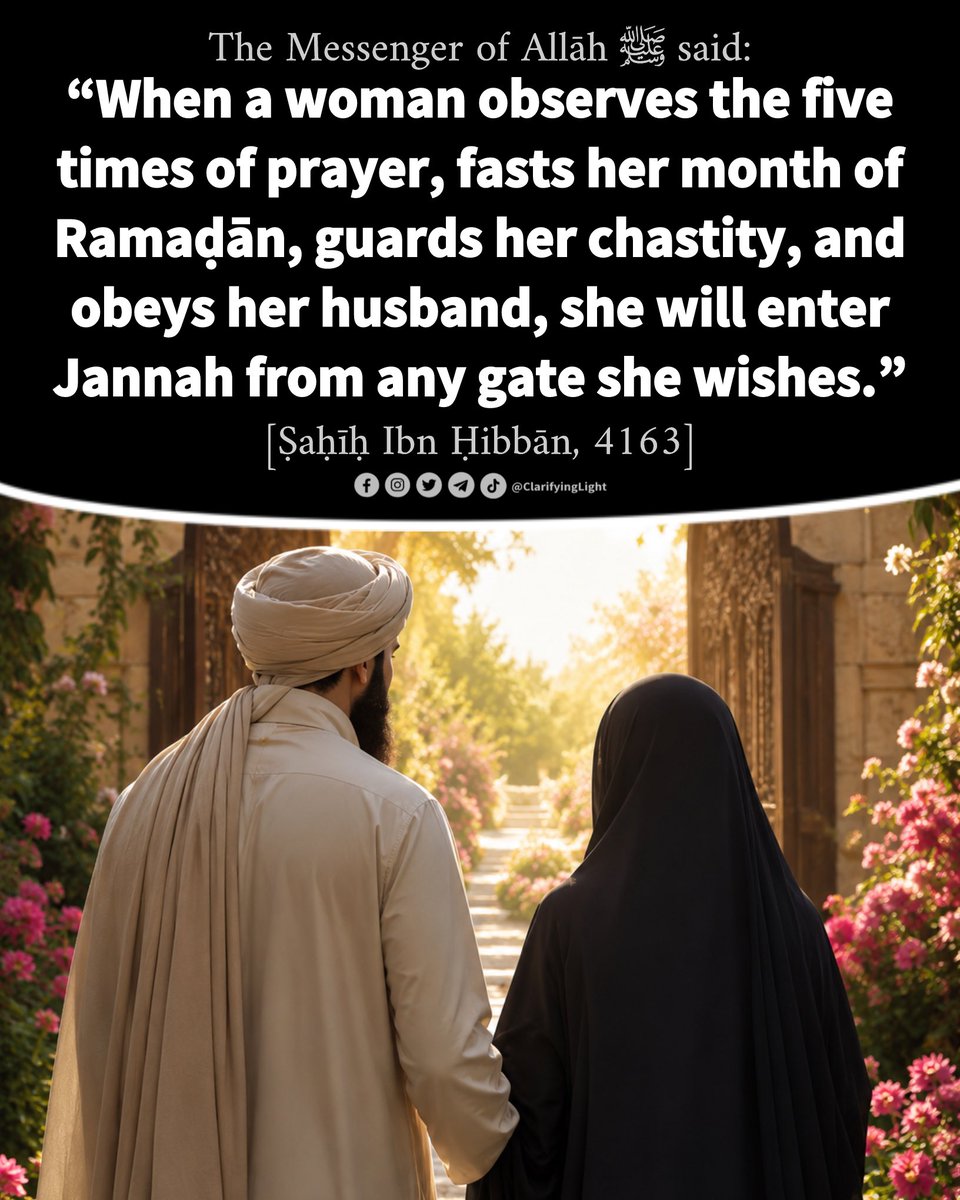

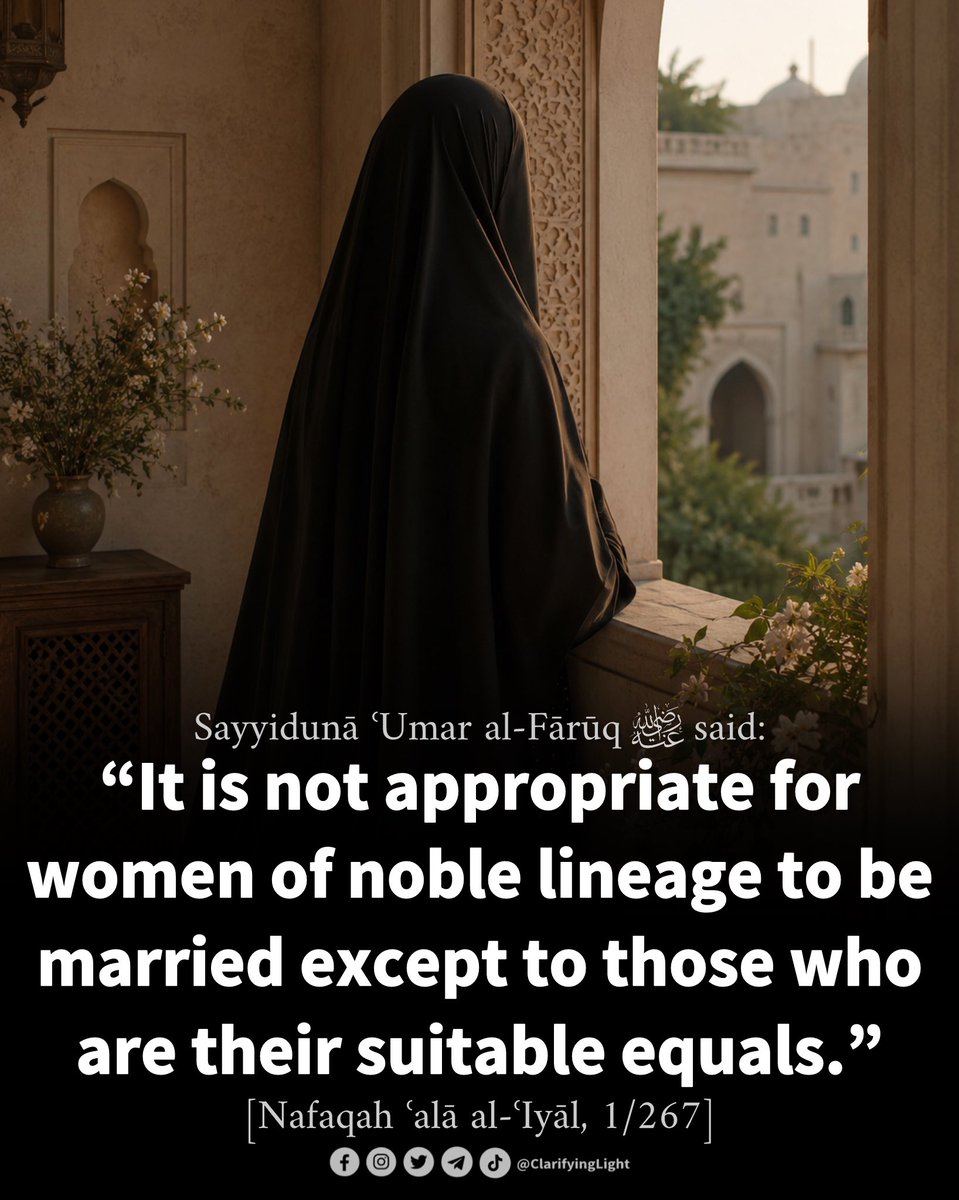

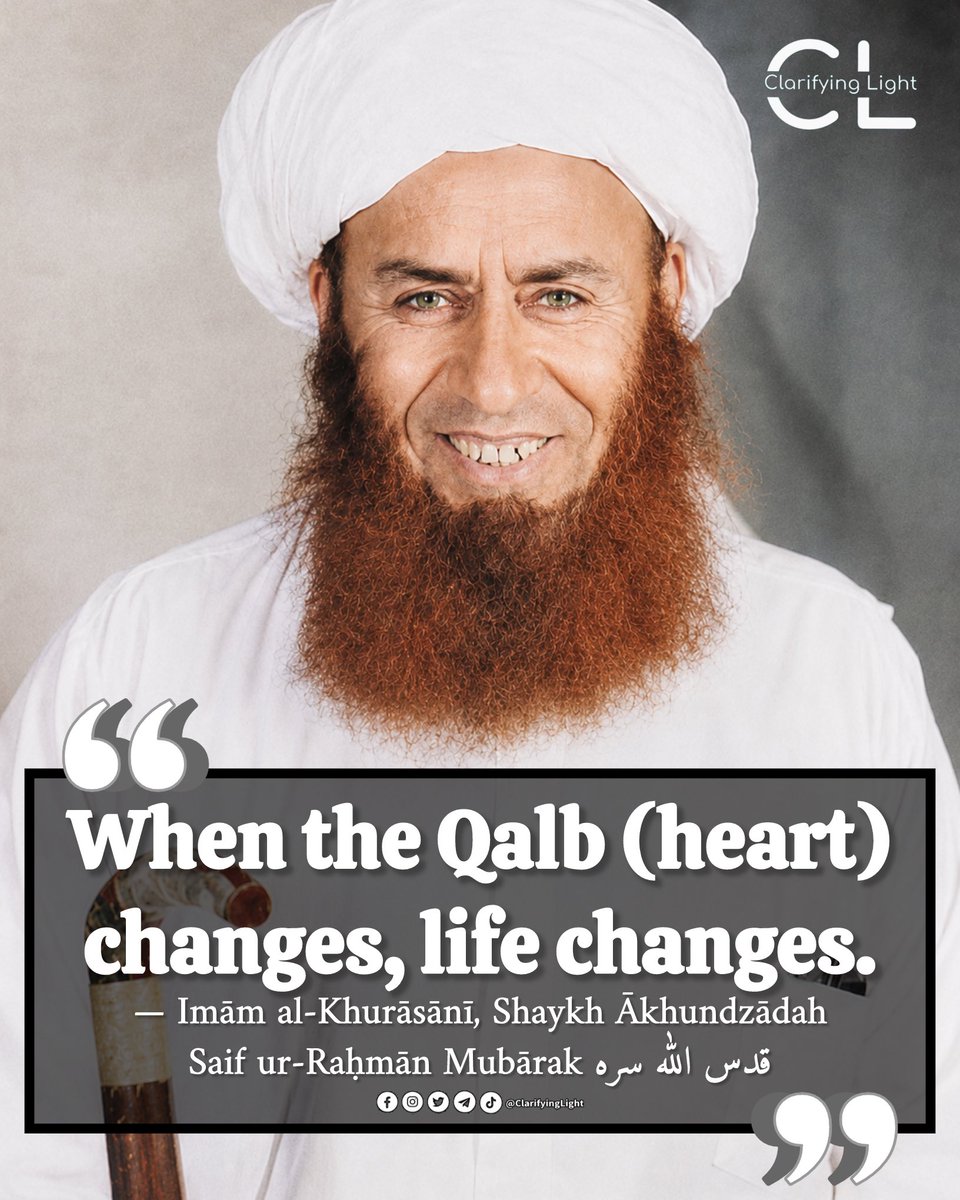

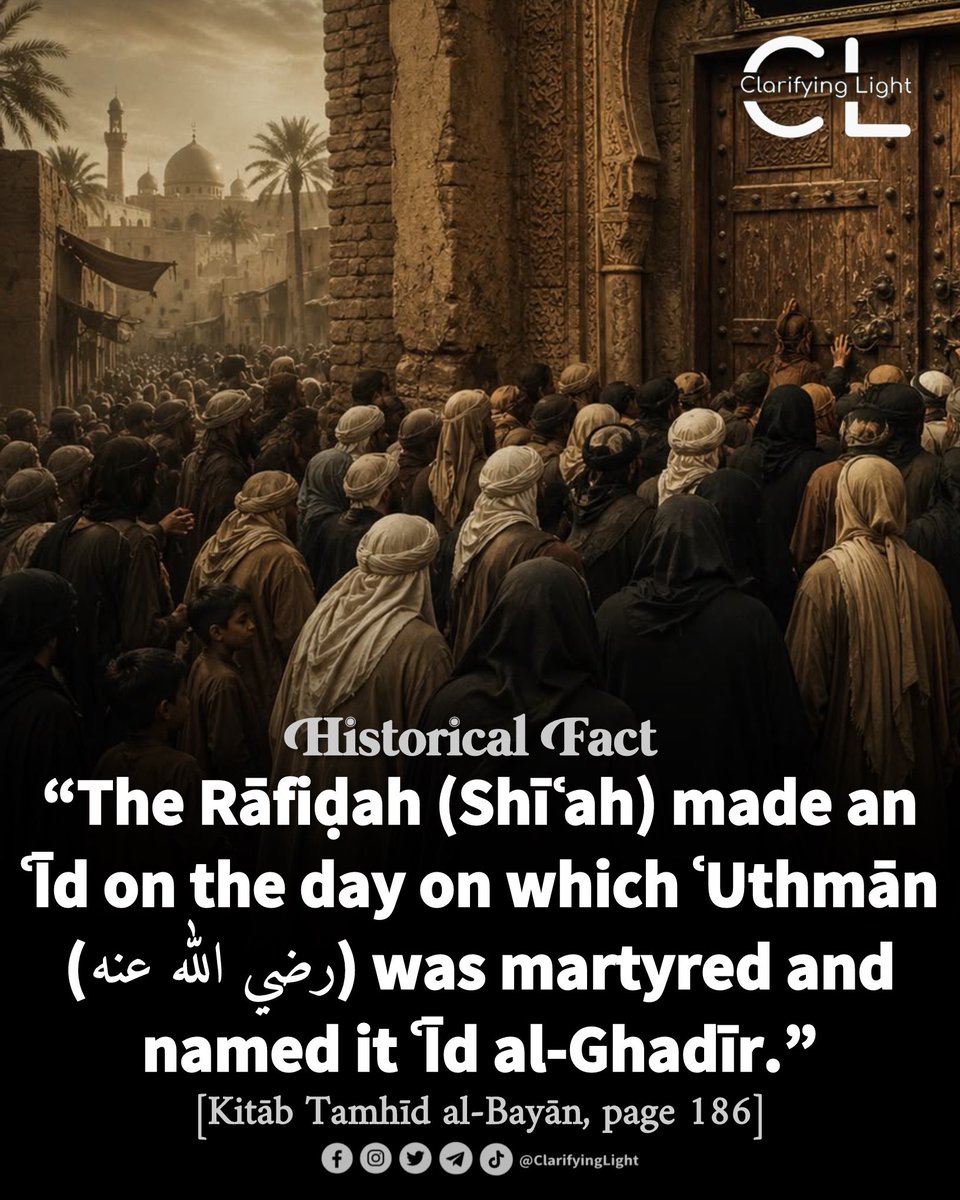
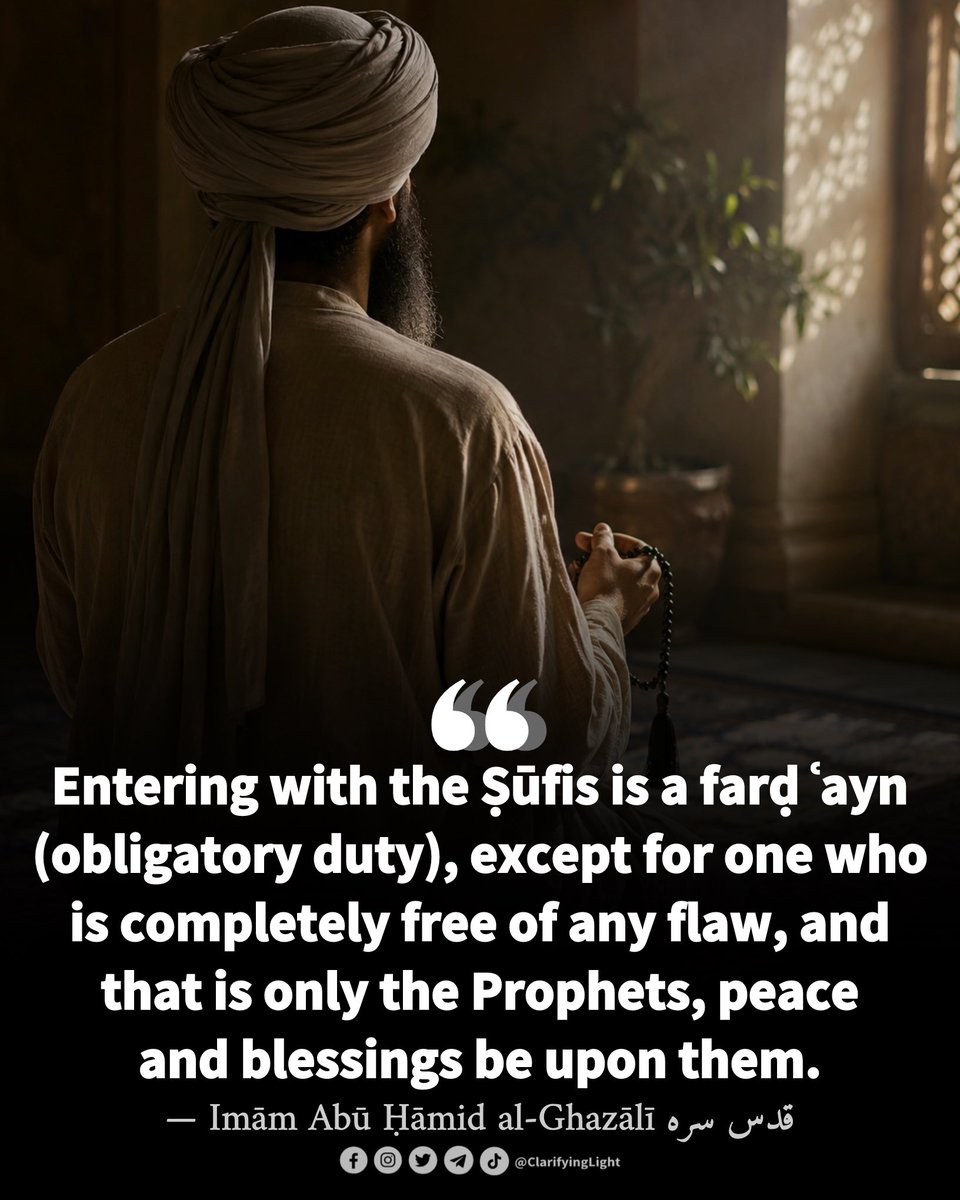


Blessings of Allāh be upon the Guide ﷺ; we send them from the depths of our hearts ♥️
1
13
89
944
Click the link below to join our Nashīd channel, featuring over 270 audio files in 9 different languages. The content is organized into dedicated sections for easy navigation:
t.me/ClarifyingLightAudio
1
609

Jun 14
Two sins whose punishment begins in the dunyā: Zinā and disobedience to one’s parents (ʿuqūq al-wālidayn).
Zinā is widely discussed today, and people are often warned about its dangers. However, the second sin receives far less attention. Sadly, disobedience and disrespect towards one’s parents have become increasingly normalized. We see it on social media every day, where young Muslims openly speak negatively about their families in front of a camera as though it were nothing serious, often receiving countless likes and words of encouragement.
It is alarming that such a major sin has become so normalized that many no longer recognize its gravity. Respecting and honoring one’s parents is among the greatest obligations in Islām, and treating them with contempt or ingratitude is from the gravest of sins.
There is also a noticeable pattern. As just one example, many videos are posted under captions such as “Living with strict brown parents.” Yet when some of these individuals move out and gain “independence,” it often becomes clear why their parents were concerned in the first place. In many cases, they begin abandoning the values and standards they were raised with, for example, removing their ḥijāb and adopting revealing styles of dress. Nakedness.
This should remind us that there are always two sides to a story. Parents are not always right, and children are not always right either. Before rushing to judge, we should recognize that what is presented online is often only one side of the narrative.
9
56
1,077
Jun 12
Shaykh al-Islām Imām an-Nawawī writes that the foundations of Ahl al-Taṣawwuf are five:
1. Taqwā of Allāh in 𝗽𝗿𝗶𝘃𝗮𝘁𝗲 and public.
2. Following the Sunnah in words and actions.
3. Turning away from creation in both times of acceptance and rejection, i.e., maintaining a balanced relationship with the world and its inhabitants while focusing on spiritual growth and devotion to Allāh.
4. Being content with Allāh in times of plenty and scarcity.
5. Returning to Allāh in times of joy and hardship.
[In his Letters, Maqāṣid al-Tawḥīd, p. 20]
When the Messenger of Allāh ﷺ was alone, he would sit in deep reflection (tafakkur). Make this a habit in your own life and revive this beautiful Sunnah. The Holy Prophet ﷺ was often immersed in contemplation and spent much of his time in thoughtful silence. Do not let your smartphone and internet destroy your alone time.
18
124
1,438
Jun 11
1
4
45
1,015
Jun 11
If the disbelievers truly knew who the Prophet ﷺ was and understood the love we carry for him in our hearts, they would sacrifice all that they own for the chance to know him as we know him and to share in the blessing we have been given.
5
68
762
Jun 10
The Holy Prophet ﷺ said: “The strong are not those who defeat people. Rather, the strong are those who defeat their nafs (ego).”
[Mushkil al-Āthār, 1426]
14
80
1,345
Jun 10
A wife’s character is often connected to her husband’s level of religiosity; therefore, never choose a man who lacks good character and faith. If a man is accustomed to talking casually with non-maḥram women and staring at every woman who passes by, that habit is unlikely to disappear simply because he gets to marry you. In many cases, it may even worsen. Sadly, it has become a common sight to see married men staring at women who walk past and then making inappropriate or suggestive remarks.
We once attended a course in a particular field, and, astonishingly, around 95% of the married men in the class were being unfaithful to their wives. We can say this with confidence because we personally heard the conversations they were having with our own ears.
Jun 10

2
36
1,080
Amīr al-Muʾminīn, Sayyidunā ʿUthmān ibn ʿAffān, was bestowed with the unique title Dhū al-Nūrayn (“Possessor of the Two Lights”) due to the singular honor of marrying two daughters of the Holy Prophet ﷺ: first Sayyidah Ruqayyah, and, following her passing, Sayyidah Umm Kulthūm, Allāh is pleased with them all.
“O ʿUthmān! If I had forty daughters, I would marry them to you one after another until none remained.”
[Tārīkh Dimashq, vol. 39, p. 42, Ḥadīth 7769]
1
22
118
1,864
Many people assume that “swearing” in Islām only means using explicit curse words. While profanity is certainly blameworthy, the matter is much deeper than that. A person may avoid swear words yet still engage in sinful speech by insulting, belittling, mocking, or degrading others. Islām teaches us to guard our tongues and to speak with truth, respect, and good character. Therefore, abusive speech is not merely the use of certain words; it is any speech that unjustly harms, humiliates, or dishonors another person.
7
40
870
Every single question to ChatGPT requires electricity and water. A lot of it.
According to a new UN report, AI and data centers now use so many resources that if all the world’s data centers were a single country, they would be among the most electricity-consuming nations in the world.
And it’s not just our power grid that data centers put pressure on. They also use enormous amounts of water. 𝗗𝗮𝘁𝗮 𝗰𝗲𝗻𝘁𝗲𝗿𝘀 𝘂𝘀𝗲 𝗮𝘀 𝗺𝘂𝗰𝗵 𝗲𝗹𝗲𝗰𝘁𝗿𝗶𝗰𝗶𝘁𝘆 𝗮𝘀 𝗙𝗿𝗮𝗻𝗰𝗲 𝗮𝗻𝗱, 𝘀𝗼𝗼𝗻, 𝗺𝗼𝗿𝗲 𝘄𝗮𝘁𝗲𝗿 𝘁𝗵𝗮𝗻 𝘁𝗵𝗲 𝗲𝗻𝘁𝗶𝗿𝗲 𝗰𝗼𝗻𝘁𝗶𝗻𝗲𝗻𝘁 𝗼𝗳 𝗔𝗳𝗿𝗶𝗰𝗮…
3
16
531
The Holy Prophet ﷺ said: “Beware, in the body there is a piece of flesh; if it is sound, the whole body is sound and if it is corrupt the whole body is corrupt, and hearken it is the heart.” [Ṣaḥīḥ Muslim, 1599]
16
116
999
Allāh Subḥānahū wa Taʿālā says:
“Your guardian is only Allāh, His Messenger, and fellow believers…” [Sūrah al-Māʾidah, 5:55]
27
175
1,307
From Buraydah, he said: “I participated in a military expedition with ʿAlī to Yemen and witnessed harsh treatment from him. When I arrived in the presence of the Messenger of Allāh ﷺ, I mentioned ʿAlī and criticized him. I saw the face of the Messenger of Allāh ﷺ change, and he said: ‘O Buraydah! Am I not more deserving of being kind to the believers than to criticize them?’ I said: ‘Yes, O Messenger of Allāh!’ He said: ‘For whomever I am his Mawlā, then ʿAlī is his Mawlā.’” [Al-Durr al-Manthūr]
Al-Shāfiʿī said: This means loyalty to Islām, as in His saying: “That is because Allāh is the protector of those who have believed and because the disbelievers have no protector.”
Abū al-ʿAbbās said regarding the statement of the Prophet ﷺ: “For whomever I am his Mawlā, then ʿAlī is his Mawlā,” meaning whoever loves me and follows me should follow him.
Al-muwālāh (loyalty) is the opposite of enmity, and al-walī (ally) is the opposite of enemy.
A Rāfiḍī said to him Al-Ḥasan ibn al-Ḥasan ibn al-Ḥasan ibn ʿAlī ibn Abī Ṭālib: “Did not the Messenger of Allāh ﷺ say to ʿAlī, ‘If I am the Mawlā of someone, then ʿAlī is his Mawlā’?”
He (al-Ḥasan) replied: “By Allāh, if the Prophet ﷺ had intended by that rulership, he would have been more explicit with you in conveying it, just as he was explicit with you regarding the Ṣalāh, Zakāh, and Ḥajj. He would have said, ‘O people! This ʿAlī is your leader after me.’
The Messenger of Allāh ﷺ gave the best counsel to the people, meaning he was clear in his message.
If it were as you claim, that ʿAlī had been appointed to this position after the Prophet ﷺ, then he would have been the most at fault among all the people for failing to act upon what the Prophet ﷺ commanded.” [Saḥīḥ]
3
45
1,298
A Rāfiḍī said to him Al-Ḥasan ibn al-Ḥasan ibn al-Ḥasan ibn ʿAlī ibn Abī Ṭālib: “Did not the Messenger of Allāh ﷺ say to ʿAlī, ‘If I am the Mawlā of someone, then ʿAlī is his Mawlā’?”
He (al-Ḥasan) replied: “By Allāh, if the Prophet ﷺ had intended by that rulership, he would have been more explicit with you in conveying it, just as he was explicit with you regarding the Ṣalāh, Zakāh, and Ḥajj. He would have said, ‘O people! This ʿAlī is your leader after me.’
The Messenger of Allāh ﷺ gave the best counsel to the people, meaning he was clear in his message.
If it were as you claim, that ʿAlī had been appointed to this position after the Prophet ﷺ, then he would have been the most at fault among all the people for failing to act upon what the Prophet ﷺ commanded.” [Saḥīḥ]
12
114
3,901