
All Things Recruiting | Opinions My Own
Joined November 2011
- Tweets 3,307
- Following 208
- Followers 2,028
- Likes 1,135
12 Photos and videos





Pinned Tweet

29 Aug 2023
🎉 Exciting News! 🎉 Thrilled to announce that I've joined @monad_xyz as the Recruiting Lead. 🚀🌟 If you want to join our mission to massively accelerate decentralized computation, let's connect! Reach out to me to explore opportunities.
24
7
83
6,328
Candace Lee retweeted

Apr 28
Quick plug of other Monad-related channels:
YouTube: youtube.com/@monadfoundation
Instagram: instagram.com/monad.xyz
Reddit: reddit.com/r/Monad/
LinkedIn: linkedin.com/company/monad-n…
TikTok: tiktok.com/@thepipeline_xyz

18
18
143
7,026


How to hire great people for your startup
Sourcing
1. You have to rely on sourcing rather than on inbound applicants. It works a lot better to define the kind of person that you want (and then try to go get them) rather than to sift through applications (and hope that someone comes through who happens to be perfect). It ends up saving time anyway because the yield rate on inbound applicants will be super low.
2. On inbound applications, it's normal to end up rejecting most applicants. If you don't, you will just waste a lot of time with first-round interviews.
3. You have to be willing to be annoying. It can require getting out of your comfort zone to ask people that you know to work with you, but in reality it’s not that annoying to them and they will just say no if they’re not interested.
Also you’re just sending emails or DMs, it’s not like you have to go up to them IRL.
Sourcing for crypto-specific roles
4. Crypto in particular is a very small industry, which is both good and bad from a sourcing perspective. It means that your network and reputation are super important.
Your network will help uncover leads (if you proactively ask them for help, more on that later). And also, greater awareness of your brand and an increasingly strong network are a positive feedback cycle that can make hiring easier over time, even if it is initially a struggle. It means you are rewarded for making friends, staying open-minded on collaboration, and trying to help others. Keep grinding.
Software
5. For sourcing, use gem to automate email campaigns. These are why you get those repeated emails from salespeople... but they work.
6. After exhausting your network, you will probably have to use LinkedIn Recruiter. Recruiter Lite ($170/mo) only lets you see 3rd degree connections so you should just connect with a bunch of people. The alternative is the full Recruiter license but it’s very expensive ($18k/year).
7. Use an actual ATS. It’s expensive but worth it. We use Greenhouse but I have heard from a bunch of people that Ashby is also good (and is cheaper).
Fit
8. With respect to startups, you have the unique benefit of positive selection. People who wouldn’t be a good fit for a startup will just self-select out. Startups are hard and you need someone who wants to grind it out.
It’s okay to give someone an offer and have them turn it down. That probably means they would have been a bad fit if they had joined.
9. All of the folks we hired who ended up not working out were basically our fault in the assessment phase - we cut corners on assessing whether the person and the role were a great fit for each other, because we were overly extremely eager to fill the role. Don't cut corners.
Person-role fit is incredibly important and it's your job to assess that.
10. Ask for references before making an offer. Call the references and really drill into specifics. “What are specific examples of why you say that XXX was great at their job?”
At least one of the references should be a former manager. There are plenty of people who are liked by their coworkers who are very difficult to manage, and only a manager would know that.
Don’t hire someone who is difficult to manage.
Note: the jury is more split on this one. Candace, our recruiter at Monad, says it is fine to do reference checks after the offer, as you should already have a strong enough signal to move forward prior to reference checks. Candace says: “I do believe in reference checks as a way for managers to understand how to manage someone and get those details about the person you otherwise wouldn't get from an interview.”
Regardless of when you do it, don't skip the reference checks, and ask detailed questions and dig in for specifics.
Referrals
11. Take referrals seriously if they come from someone who directly worked with (ideally managed) the person. It’s the best way to get someone who is guaranteed to be a positive add.
When you get a referral, be sure to ask detailed questions: how does the referrer know the referred person; what did they really excel at; what were their main accomplishments; what should we keep in mind about them; would they work with them again; etc.
Have a High Bar
12. Ultimately the first few people that you hire will significantly shape the team. They will make the difference between your company being a team of all-stars and a team of decent contributors.
Being a team of all-stars will make you more attractive to other all-stars. If you end up at a team size of 10 where everyone is 75th percentile, it is very hard to correct that - you would have to fire everyone, and you can’t do that. So keep the quality bar high.
13. Relatedly, when you are completely new, you haven’t made any mistake hires so all-stars will be more attracted to the situation. Don’t sell yourself short when you are small. Small is good.
14. If you aren't sure whether the person will be a good fit for the role, it's okay to say no and miss on someone potentially good.
15. It is also important to define what attributes you *are* willing to compromise on. As an unknown startup, you are at a competitive disadvantage for talent, and it is your job to find people with flaws that you can live with. Define things that you’re willing to trade off - is it location, years of experience, particular skillsets, particular industries, etc? Find ways to assess ability to adapt to that flow.
Interviewing
16. Before starting the interview process, you should write down why you are hiring for this role, what their responsibilities will be, and what skills/experiences are required and optional.
Based on that, you should fully define the series of interviews and what you want to measure from each of them. Then devise questions for each interview to measure the desired attributes.
It’s pretty tempting to wing it, but you will end up either scrambling or faced with a hiring decision with incomplete information. Preparation makes a huge difference.
17. Every interview process should have an exercise that requires the candidate to do something on their own (like a take-home test). Interviews can't be all talking. Writing the take-home test is a lot of work, but don’t skip it.
Red and green flags
18. When hiring, I want to see someone who did something extremely well. That thing doesn’t have to be the exact same thing that we are hiring for. But someone has to demonstrate that they are capable of excelling at a specialized field. If they were able to do that, they’ll be able to learn new things and get better at those too, but there has to be evidence of excellence in something.
19. If someone has a jumpy employment history don’t talk to them.
20. Previous startup experience is a very good thing. It means they are more likely used to the pace and mindset that will be required. If someone has only worked in really big companies, I would spend extra time evaluating their preparedness for startup culture and willingness to hustle.
21. You should define your own cultural values and develop interview questions to test for them. A few that are probably high on any list: low ego, positivity, strong work ethic, results-orientedness, high accountability, motivated by team wins.
Equity
22. You don’t have to match large companies’ base salaries. Give people more equity to make up for it. Ultimately the early joiners to your startup will be a big part of making that equity valuable so it’s better to give them more. If they aren't impactful, then they won’t last anyway so the equity won’t be a problem.
Cash will also burn at a faster rate than you expect (employer taxes, benefits, other expenses) so it’s good to keep salaries in control.
Define the immediate responsibilities before the offer
23. Before you make an offer to a candidate, write down a list of things you want them to immediately be responsible for (based on your needs and what you know them to be capable of) and share it with them as part of the offer. This communicates the expectations for the role (far beyond the job description) and shows them what they can do to immediately add value.
24. It’s extremely important for every new hire to immediately be able to add some value.
In the same way that a basketball player’s 3pt shot improves from taking some free-throws and seeing the ball go through the net, the feeling of successfully contributing builds confidence and trust. It is a positive feedback loop.
Don’t hire people who could be useful long-term but wouldn’t have that much to do right now.
Expectations on your time
25. Recruiting takes a lot of time but you can’t really get around it.
Agency recruiters
26. Use agency recruiters very selectively or not at all. They are very expensive (20-30% base) and they aren’t generally aligned with you. Most will cram too many resumes into your pipeline because there’s no downside to them doing so, and then you’ll just waste time reviewing/interviewing bad candidates.
If you do use agency recruiters, ask around to find out who is actually good, and even then, only use a very small number of recruiters (ideally just 1) as you don’t want to spam your candidate pool.
When hiring for crypto-specific roles, there are a few recruiters in the crypto space who know their stuff, feel free to DM me if you need thoughts.
Never use a recruiter who sends you cold outreach.
Get help
27. When hiring for a new role that you’ve never hired for before, ask your investors/network for help making the hire.
Your VCs should be able to help you hire your first-of-X for most values of X. At minimum they will be able to put you in touch with someone who you can pay to interview candidates as part of your process.
Having someone who has done the role before participating in interviews is crucial. Imagine if you were a nontechnical person interviewing software engineers. Literally any software engineer would be able to interview them and add valuable signal relative to you.
Full-time recruiters
28. As sourcing is a lot of work, at some point it may make sense to hire a full-time recruiter onto your team. A lot of startups probably wonder at what point it’s right to do this.
The benefits are: this person is a lot better than you at the hard and soft skills of recruiting, such as:
- figuring out new places to find the kind of candidate you’re looking for
- knowing how to get candidates to respond
- brushing off rejection and continuing to move forward
- being decisive about advancing or rejecting candidates so that no one’s left hanging
- understanding candidate motivations and being a bridge between the company
- closing (or assisting with closing) candidates.
It’s a lot of things! It’s a hard job, so if you can get someone great to do it you will gain a huge advantage in recruiting.
The things to keep in mind are: no one is as good as you, either at vetting talent or at convincing talent to join your team. Even after hiring a recruiter, you’ll still need to be very involved to make it a success.
A recruiter amplifies your capabilities, like a robotic arm.
29. When to hire a full-time recruiter?
First of all, don’t do it immediately. It’s important to “do” recruiting yourself for a number of hires, so that you can learn everything that goes into recruiting. A recruiter only amplifies your capabilities, so if your capabilities suck, they won’t be able to help and there’ll be lots of struggles.
After that, I would hire a recruiter if you have at least 3-4 job openings at the same time (and are likely to continue to have that workload). A good recruiter can manage that workload (and will want a workload like that).
Closing thoughts
- Recruiting is a ton of work, but it’s required, and the results are worth it.
- You owe it to your teammates to go find them awesome teammates to help the effort snowball faster.
- You don’t have to hire a lot of people, you just have to hire a few talented people who share your team’s aspirations, work ethic, and culture. If you can hire a few awesome people in the early days, it’ll be easier to scale the org when the time comes.
- Spending a bit more time to invest in preparing a solid sourcing/interview strategy will make a big difference. Don’t let yourself be a slave to your calendly; don’t spend all your time in interviews; spend some time investing in process.
- Every great person you add to your team makes a massive difference. Keep chipping away.
This is a living and incomplete document, so please let me know what you agree or disagree with, or what I missed.
And if you’re a founder who is struggling with this, my DMs are open to compare notes.
55
55
465
94,116
Candace Lee retweeted

1 Mar 2022
The hiring market for software companies is on 🔥 (probably other markets too but they are not my focus area) with tons of 💰 flowing around. Some thoughts on what to look for as you look around. A 🧵 on how to look:
3
1
11
Candace Lee retweeted

4 May 2021
24 hours... ⏳
May 5. 14:20 CEST / 8:20 EST. Let the countdown begin. bit.ly/3aTy7ox @rdli
2
6
15 May 2020
🔑Setting up Cert-Manager with Ambassador API Gateway by ⚗ Kevin Summersill 🔋 link.medium.com/LagfFA0kw6
1
7

The Past, Present, and Future of API Gateways bit.ly/2WtikWS by Richard Li, reviewed by @rseroter
12
24
3 Jan 2020
What a year it has been! Datawire's Ambassador 2019 In Review by @KelseyEEvans1 blog.getambassador.io/ambass….
1
6
30 Sep 2019
Flaming hot company Datawire.io, not cheetos, is hiring. If you'd like to learn more, email me directly candace@datawire.io. lnkd.in/dcvzZNx
1
Candace Lee retweeted

18 Mar 2019
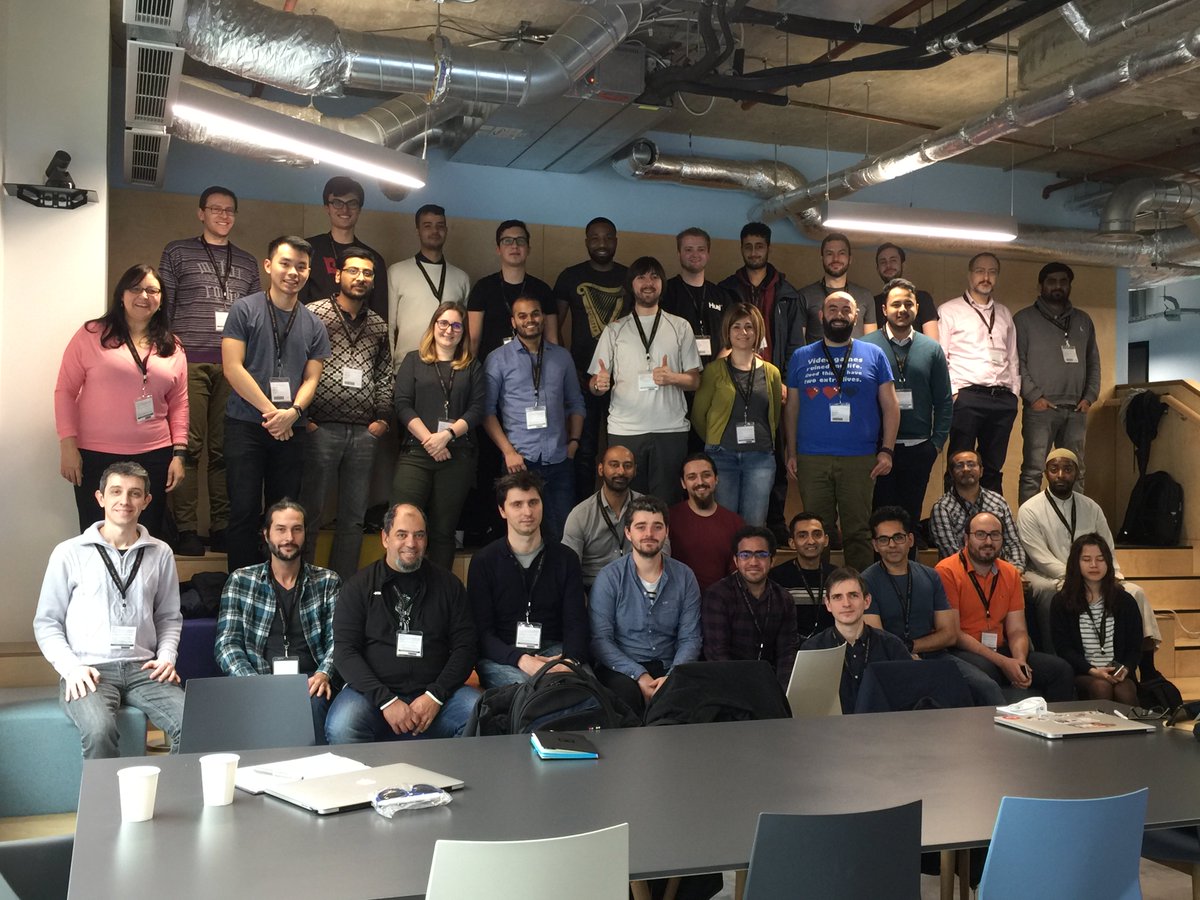
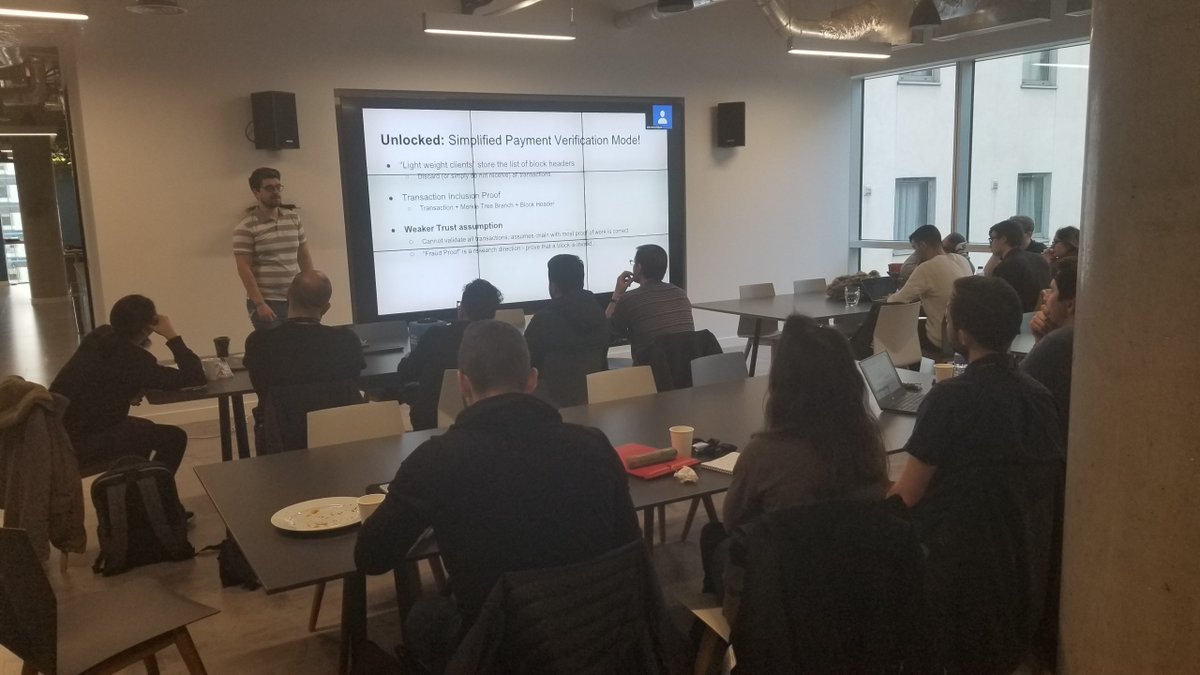
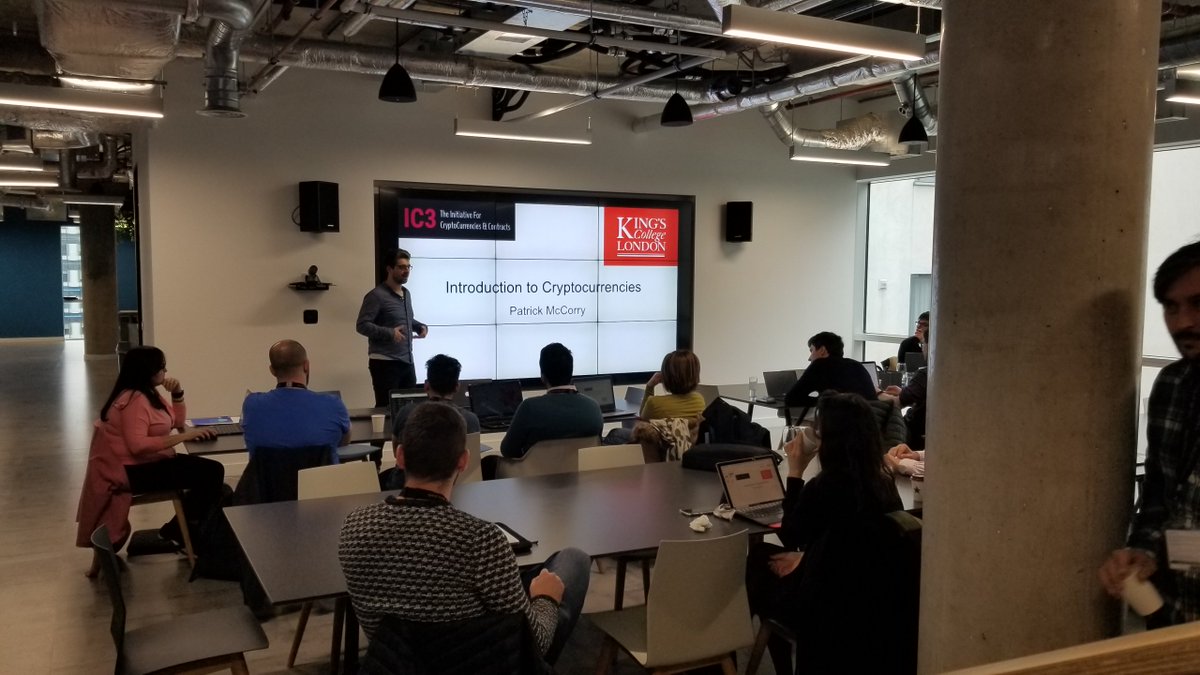
We just concluded a 2-day bootcamp in our London office, put on by @work_blockchain. Smart-contracts, distributed systems, & real-world applications were discussed, alongside some hands-on coding. Special thanks to our insightful speakers @paddykcl, @extropyLaurence, @ali2251
18 Mar 2019

Another great weekend bootcamp. Thanks to @blockchain for sponsoring our workshop! It is great to get help from London companies to help build out the developer community
7
23
68
Candace Lee retweeted
12 Oct 2018
Be a part of the next big thing: blockchain.com/countdown
38
82
169
1 Oct 2018
Pleasant surprise on a Monday morning: @Blockchain listed as Best Start-Ups to work for in the UK. lnkd.in/dKsw8qb
11
28 Aug 2018
User Operations! Blockchain is hiring in London and New York. More info: lnkd.in/dvsydUg. lnkd.in/dNDd4j8
2
7 Aug 2018
Blockchain Talent Team is Hiring! We are undergoing unprecedented expansion this year and would love for you to be a part of it. lnkd.in/dzMdcD5
Candace Lee retweeted
6 Aug 2018
Marco Santori @msantoriESQ on the Uncertainty Over Tokens, Value of Keeping Your Own Private Keys as Step 1 to Protecting Your Crypto Account! fortune.com/2018/08/03/marco… via @FortuneMagazine
6
18
48
10 Apr 2018
1
1
5
27 Feb 2018
If you’re looking for an engineering career in the block chain space, look no further than Code Block, @Blockchain’s one-day developer conference featuring hands-on sessions and presentations led by experts across the digital currency space. Learn more an…lnkd.in/dFdnJtD
2
Candace Lee retweeted
7 Dec 2017
Small purchases = big results! Now users across Europe can set a recurring order for bitcoin and build up their balance over time 🐢 ow.ly/3AO330h4H88
60
62
116