
Cybersecurity Community || Security Awareness || Mentoring || Consultancy || Security Audit
Joined January 2025
- Tweets 2,699
- Following 7
- Followers 1,850
- Likes 3,116
31 Photos and videos

ClickSafe Community(CSC) retweeted

From a cybersecurity perspective,
this ban introduces a massive challenge regarding age verification and data privacy.
To legally prove a user is over 16, social media platforms will likely have to collect highly sensitive information.
This includes government-issued IDs, biometric facial scans, or credit card details.
Storing large databases of this personal data creates an incredibly attractive target for cybercriminals and hackers.
If a tech company or a third-party verification vendor suffers a data breach, millions of citizens could have their identities stolen or leaked online.
Furthermore, the ban will likely trigger a security risk through user behavior as tech-savvy teenagers try to bypass the restrictions.
Many children will turn to Virtual Private Networks (VPNs), alternative app stores, or unverified "copycat" platforms to stay connected with their friends.
Downloading unvetted software or using free, untrustworthy VPNs exposes kids to malware, spyware, and phishing scams.
Additionally, shifting communication entirely to excluded messaging apps like WhatsApp or Telegram might push interactions into encrypted private spaces where it is much harder for parents or automated security tools to monitor and flag predatory behavior
3
4
282
ClickSafe Community(CSC) retweeted
From a cybersecurity perspective,
this ban introduces a massive challenge regarding age verification and data privacy.
To legally prove a user is over 16, social media platforms will likely have to collect highly sensitive information.
This includes government-issued IDs, biometric facial scans, or credit card details.
Storing large databases of this personal data creates an incredibly attractive target for cybercriminals and hackers.
If a tech company or a third-party verification vendor suffers a data breach, millions of citizens could have their identities stolen or leaked online.
Furthermore, the ban will likely trigger a security risk through user behavior as tech-savvy teenagers try to bypass the restrictions.
Many children will turn to Virtual Private Networks (VPNs), alternative app stores, or unverified "copycat" platforms to stay connected with their friends.
Downloading unvetted software or using free, untrustworthy VPNs exposes kids to malware, spyware, and phishing scams.
Additionally, shifting communication entirely to excluded messaging apps like WhatsApp or Telegram might push interactions into encrypted private spaces where it is much harder for parents or automated security tools to monitor and flag predatory behavior

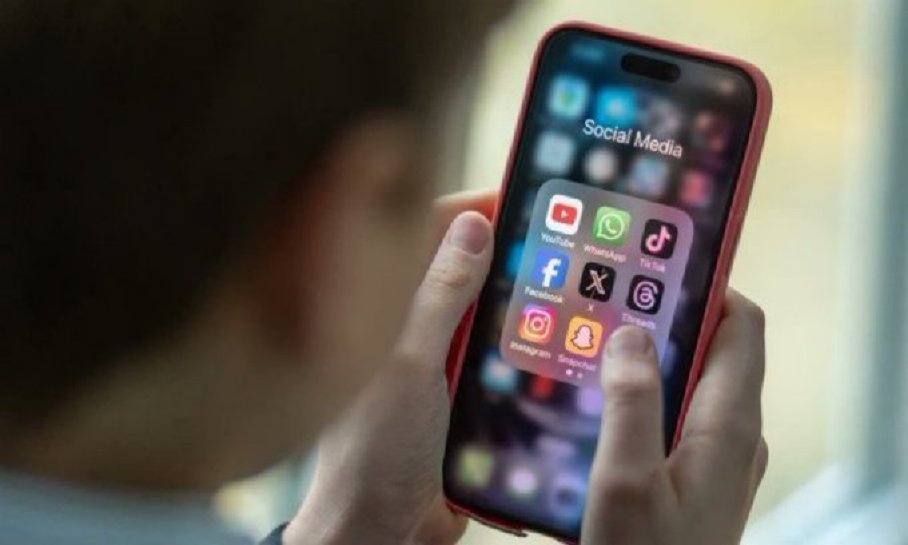
The U.K. government, led by Keir Starmer, has announced plans to ban children under 16 from using major social media platforms.
The new rules are expected to take effect in 2027 and would apply to apps such as TikTok, Instagram, Snapchat, Facebook, X, and YouTube.
Messaging apps are expected to be excluded from the ban, including WhatsApp, Signal, and Telegram
The government says is to protect young people from harmful content and reduce the negative effects of excessive social media use on mental health.

3
10
1,688
ClickSafe Community(CSC) retweeted
Interviewer:
How can a hacker steal a secret password just by timing how long a system takes to reject a wrong guess? 🤔
2
4
9
190
ClickSafe Community(CSC) retweeted
Want to master ethical hacking?
Save for later.
5
15
185
ClickSafe Community(CSC) retweeted

Things are getting worser 💀🤣
3
4
70
ClickSafe Community(CSC) retweeted
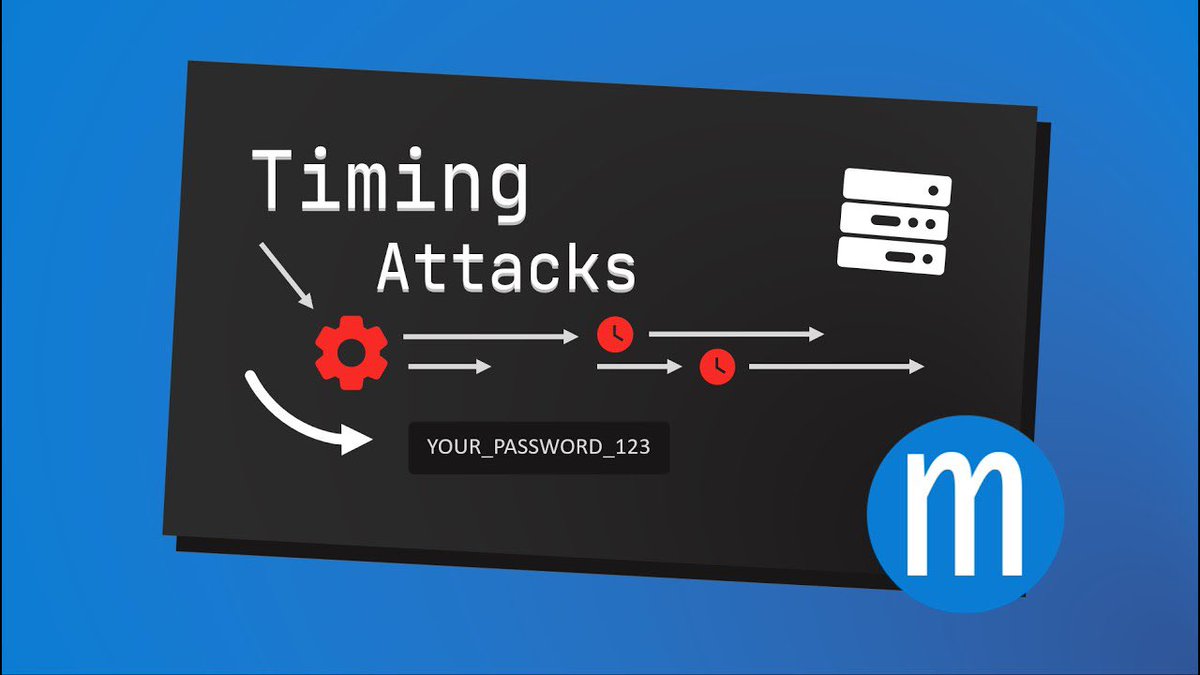
What is a timing attack? ⏱️ 🤔
1
5
7
442
ClickSafe Community(CSC) retweeted
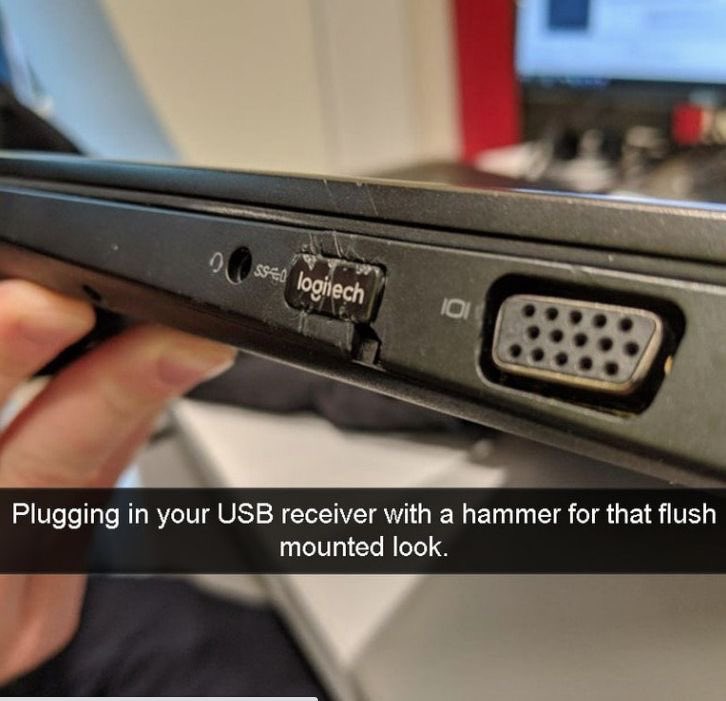
Which command-line utility uses ICMP Echo Request packets to test the reachability of a host on an IP network?
A. traceroute
B. dig
C. nslookup
D. ping
9
6
24
1,011
ClickSafe Community(CSC) retweeted

Jun 14
Top 10 Cybersecurity Skills & Free Resources to Learn Them! 🚀🔐
Want to break into cybersecurity? Master these 10 skills & go from zero to pro with free resources! 🧵👇
1️⃣ Networking & Security Fundamentals
🔗 Cisco NetAcad: netacad.com/courses/intro-
🔗 Cybrary: cybrary.it/course/comp-ti…
🔗 Packet Tracer: netacad.com/courses/packet
2️⃣ Linux & Windows Security
🔗 Linux Journey: linuxjourney.com
🔗 OverTheWire (Hands-on): overthewire.org/wargames/ban…
🔗 Windows Security: learn.microsoft.com/en-us/tr…
3️⃣ Programming & Scripting
🔗 Python (CS50): cs50.harvard.edu/python
🔗 Automate the Boring Stuff: automatetheboringstuff.com
🔗 Bash Scripting: ryanstutorials.net/bash-scri…
4️⃣ Penetration Testing & Ethical Hacking
🔗 TryHackMe Beginner Path: tryhackme.com/path/outline
🔗 Cybrary: cybrary.it/course/ethical
🔗 Hack The Box: hackthebox.com
5️⃣ Digital Forensics & Incident Response (DFIR)
🔗 DFIR Training: dfir.training
🔗 Autopsy (Forensics Tool): sleuthkit.org/autopsy
🔗 TryHackMe DFIR Labs: tryhackme.com/module/digital
6️⃣ Cloud Security
🔗 AWS Training: aws.training/Details/Curric…
🔗 Azure Security: learn.microsoft.com/en-us/tr…
🔗 Google Cloud Basics: cloud.google.com/training
7️⃣ Threat Intelligence & Analysis
🔗 MITRE ATT&CK: attack.mitre.org/resources/t……
🔗 Cybrary Threat Intel: cybrary.it/course/cyber-t…
🔗 Open Threat Exchange: otx.alienvault.com
8️⃣ Identity & Access Management (IAM)
🔗 Microsoft Zero Trust: learn.microsoft.com/en-us/se……
🔗 AWS IAM Guide: docs.aws.amazon.com/IAM/late……
🔗 TryHackMe IAM Labs: tryhackme.com
9️⃣ Risk Management & Compliance
🔗 NIST Cybersecurity: nist.gov/cyberframework
🔗 Cybrary Compliance: cybrary.it/course/security
🔗 GDPR Course: coursera.org/learn/introduc…
🔟 Security Tools & SIEMs
🔗 Wireshark Docs: wireshark.org/docs
🔗 Metasploit Unleashed: offensive-security.com/metas…
🔗 Splunk Free Training: splunk.com/en_us/training
🚀 Want to break into cybersecurity? These skills hands-on labs will set you up for success!
Follow @CyberRacheal for more
Subscribe to: youtube.com/@cyber_racheal?
7
37
127
4,130
ClickSafe Community(CSC) retweeted
Jun 14
Linux lovers
sudo
su
chmod x
chown
Which is the safest way to execute a single administrative command and why?🤔
24
5
63
4,422
ClickSafe Community(CSC) retweeted
Jun 14
Its still the weekend,
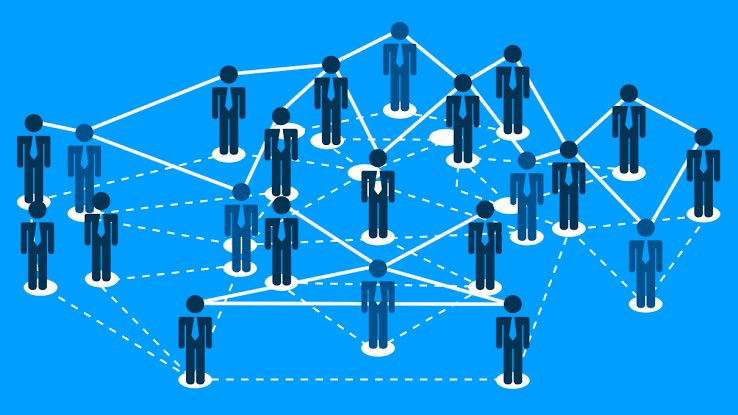
Network with other people in tech under comments
Jun 13
It’s Saturday 🔥🔥
Another day to network with Tech people.
Type what project you currently are working on, things you do for fun and connect with other people in the comments below.
Tag your fellow friends in tech to join the party. 🎉
3
3
14
750
ClickSafe Community(CSC) retweeted
Jun 14
Explanation:
An IP address starting with 169.254.X.X indicates that the computer has automatically assigned itself an Automatic Private IP Addressing (APIPA) address.
This occurs when a client computer is configured for dynamic IP addressing but is unable to contact a Dynamic Host Configuration Protocol (DHCP) server to obtain a valid IP configuration.
Because the DHCP server is unavailable or unreachable, the operating system generates this temporary local address,
which results in a "Limited Connectivity" error because the device cannot route traffic outside its immediate local network segment.
C) DHCP. ✅
Jun 13
A technician is troubleshooting a "Limited Connectivity" error. The computer has an IP address of 169.254.10.55. Which service is likely unavailable?
A) DNS
B) NAT
C) DHCP
D) ARP
1
7
20
1,104
ClickSafe Community(CSC) retweeted
Jun 13
The Journey to 6G 🚀
Every decade, mobile networks take a giant leap forward. In the 1980s, 1G let us talk on bulky wireless phones.
By 2000, 3G brought the internet to our pockets.
Today, 5G powers smooth video streaming and smart cities.
Each new generation transforms how humans connect and share ideas.
Now, the world is preparing for 6G.
This next step will merge our physical and digital worlds. It will rely on ultra-fast frequencies called terahertz waves.
These waves can transmit massive amounts of data instantly.
It will make science fiction feel real very soon.
Jun 13
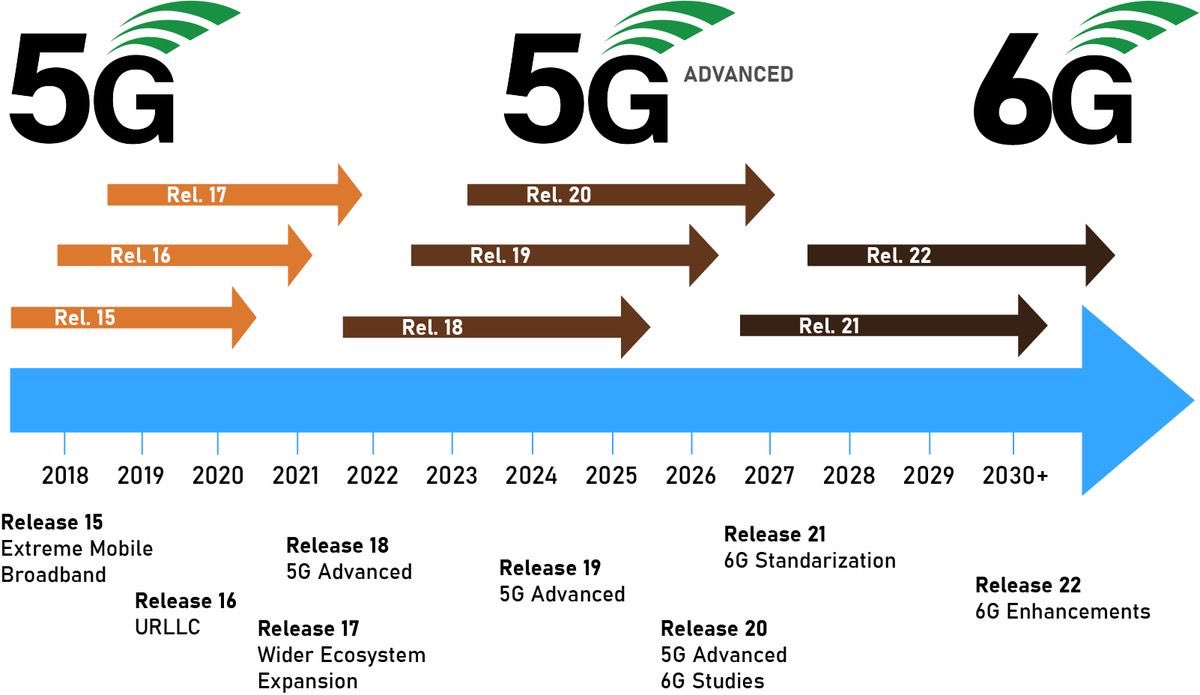
According to current industry plans, 6G is expected to become an official standard in 2028, with the first commercial services launching through selected mobile operators around 2030.
The expected timeline is:
>2025–2027: Research and development continue.
>2028: The first 6G specifications are finalized.
>2029: Pilot networks and early testing begin.
>2030: Initial commercial 6G services become available in some markets.
>Early 2030s: Wider deployment gradually expands to more countries and users.
6G is expected to deliver much faster speeds and support for future technologies such as extended reality and digital twins.

1
6
15
1,243
ClickSafe Community(CSC) retweeted
Jun 13
Jun 13
The Journey to 6G 🚀
Every decade, mobile networks take a giant leap forward. In the 1980s, 1G let us talk on bulky wireless phones.
By 2000, 3G brought the internet to our pockets.
Today, 5G powers smooth video streaming and smart cities.
Each new generation transforms how humans connect and share ideas.
Now, the world is preparing for 6G.
This next step will merge our physical and digital worlds. It will rely on ultra-fast frequencies called terahertz waves.
These waves can transmit massive amounts of data instantly.
It will make science fiction feel real very soon.
1
3
6
603
ClickSafe Community(CSC) retweeted
Jun 13
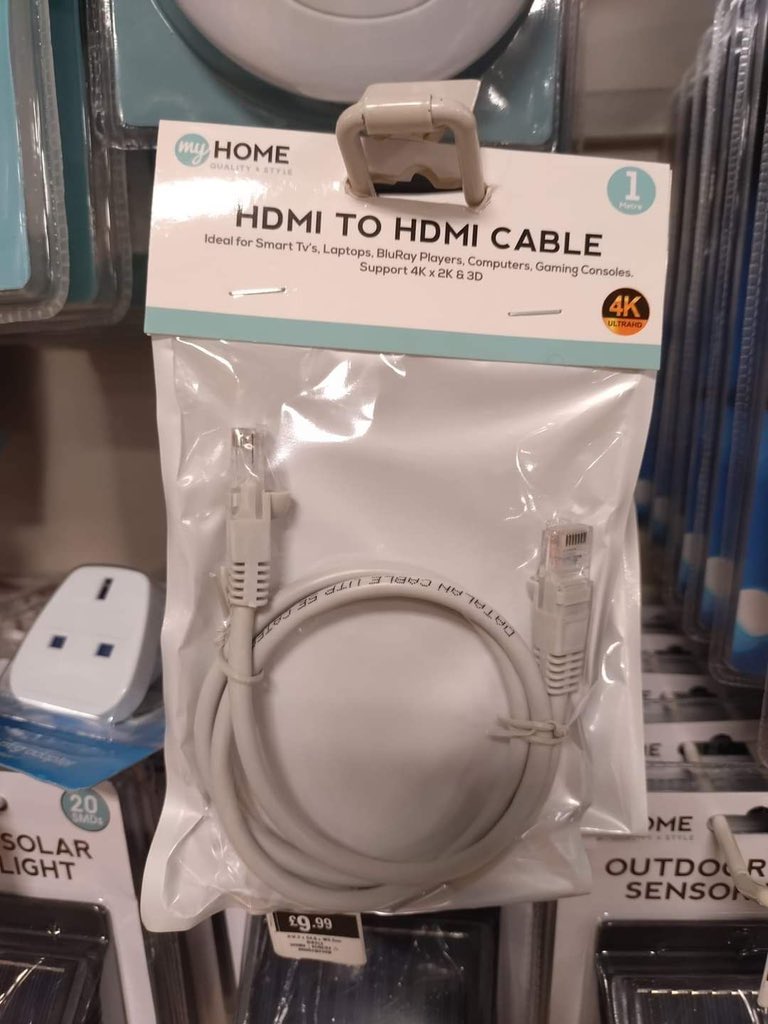
Few minutes to core i11

6
33
759
ClickSafe Community(CSC) retweeted
Jun 13
Interviewer:
You locked your network switch in a secure server room.
How did a hacker plug in a rogue device without touching the door? 🤔
18
6
22
3,559
ClickSafe Community(CSC) retweeted
Jun 13
A technician is troubleshooting a "Limited Connectivity" error. The computer has an IP address of 169.254.10.55. Which service is likely unavailable?
A) DNS
B) NAT
C) DHCP
D) ARP
26
11
77
6,078
ClickSafe Community(CSC) retweeted
Jun 13
Jun 13
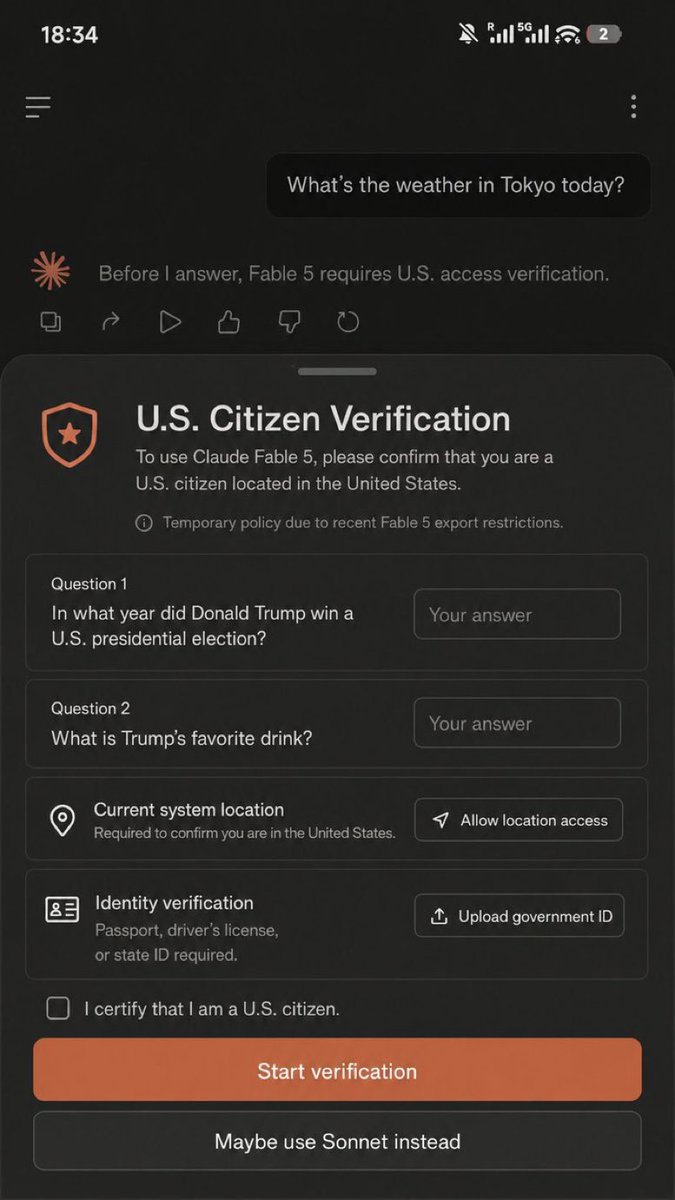
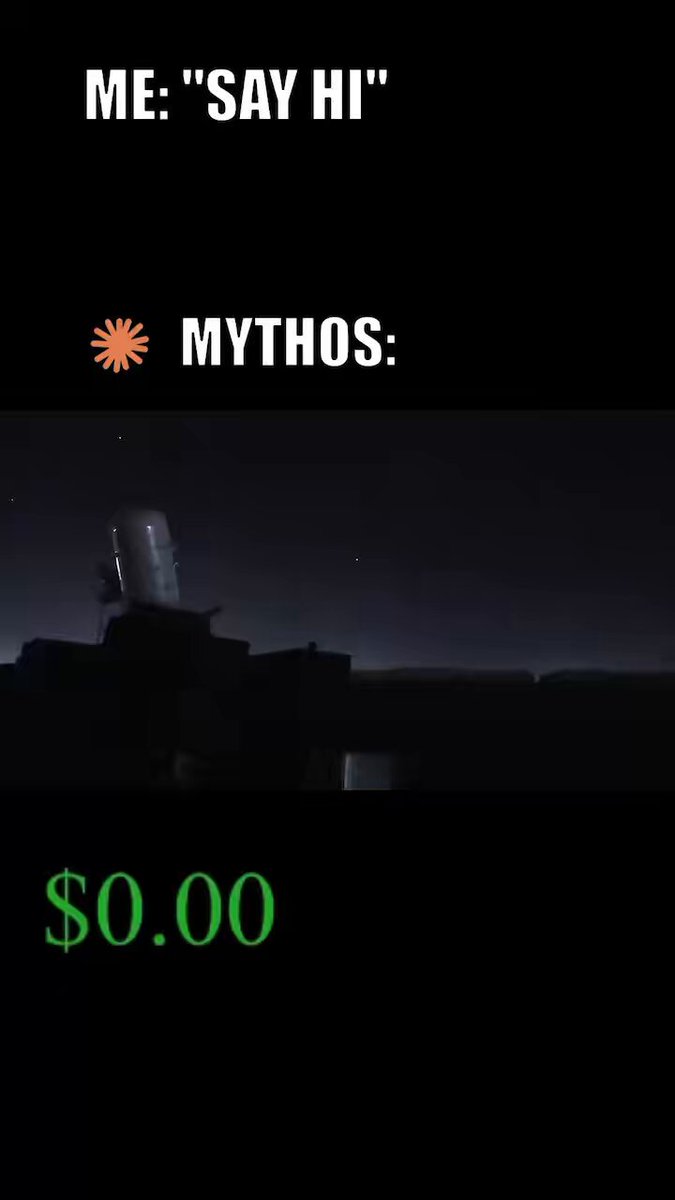
The United States government has ordered a sudden block on two advanced artificial intelligence models, Fable 5 and Mythos 5.
Citing national security concerns, US authorities banned all foreign citizens,
including international employees working inside tech companies like Anthropic, from using or accessing these specific systems.
Because of this strict legal directive, the providers had to completely disable both models worldwide overnight.
While other AI systems like regular Claude models remain active, this specific shutdown has caused an immediate, global disruption for businesses and developers who relied on these two tools for their daily operations.
People around the world are furious about this decision because it highlights how much global technology relies on US political decisions.
International users feel it is unfair that their businesses and projects can be disrupted instantly by another country's government over an unproven "misunderstanding."
Furthermore, the AI community is angry because the ban even targets foreign national employees working legally inside US tech companies.
Many view this as a form of technological discrimination that slows down global innovation,
limits open scientific collaboration, and proves that foreign users cannot fully trust American tech platforms to remain stable.
3
5
1,280