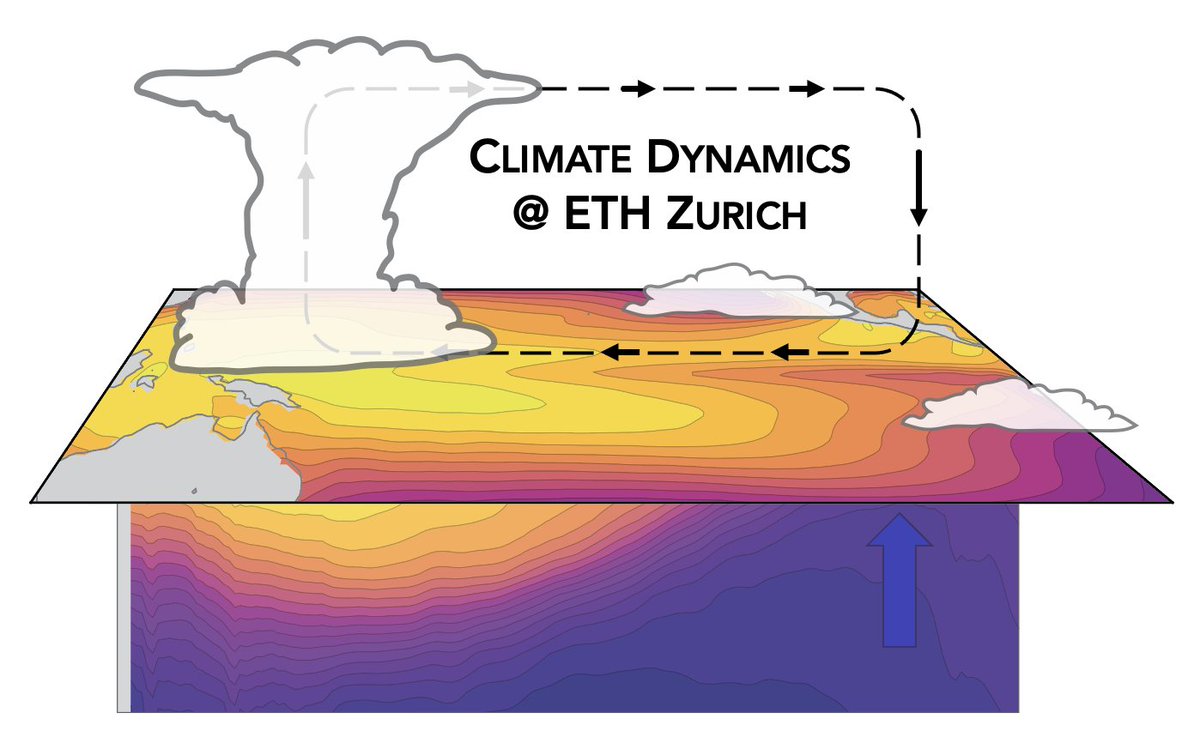
Assistant Professor of Climate Dynamics @ETH_en interested in atmosphere-ocean dynamics of climate variability & change. Posting elsewhere

Joined May 2016
28 Photos and videos
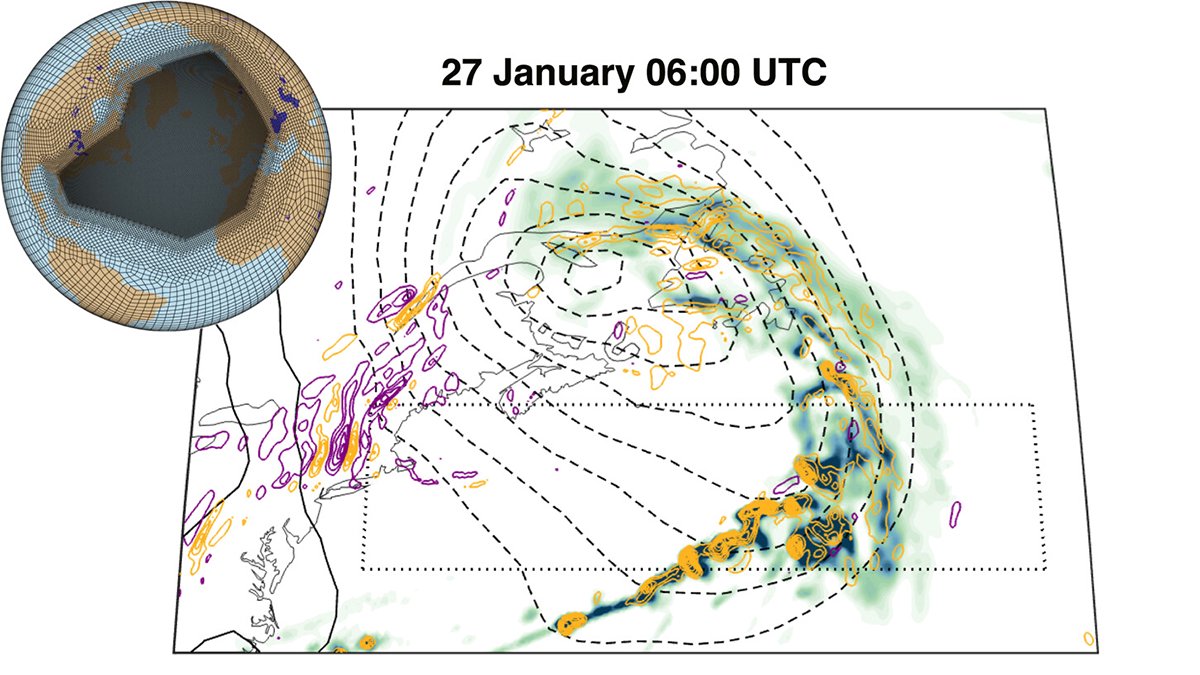
Promoting papers feels a bit strange this week considering everything going on, but I am excited about our new paper showing a larger influence of Gulf Stream anomalies on the atmospheric circulation over Europe in models that resolve weather fronts (1/6) doi.org/10.1029/2023MS004123
1
9
33
3,424
Our paper and its implications for ongoing high-resolution modeling efforts is nicely summarized in an Editor's Highlight by Hannah Chistensen. (5/6) eos.org/editor-highlights/oc…
1
5
440
These simulations were only possible by a university researcher like me with a lot of technical help (and computer time) from @NCAR_Science , especially from co-authors Adam Herrington & Isla Simpson. This project has been a slow cooker we've been working on since late 2020 (6/6)
10
350
Robert Jnglin Wills retweeted
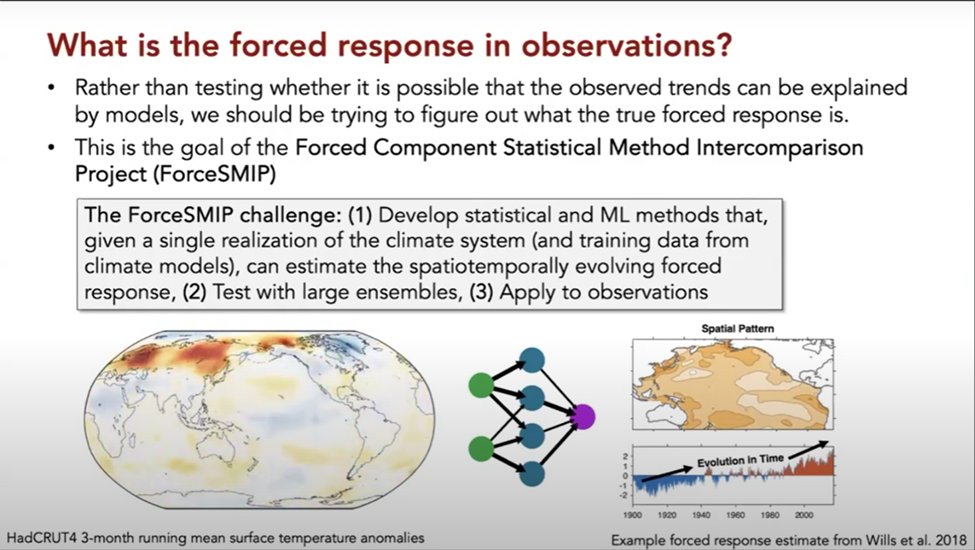
Using AI to understand the Earth System response: The Forced Component Estimation Statistical Method Intercomparison Project (ForceSMIP) uses statistical and machine learning methods to try to figure out the true forced response, as reflected in the evolving pattern of surface temperature anomalies. From the presentation by @ClimateAnomaly in the April 2024 ECS & Climate Sensitivity Symposium. sites.google.com/tamu.edu/ec…
1
1
4
795
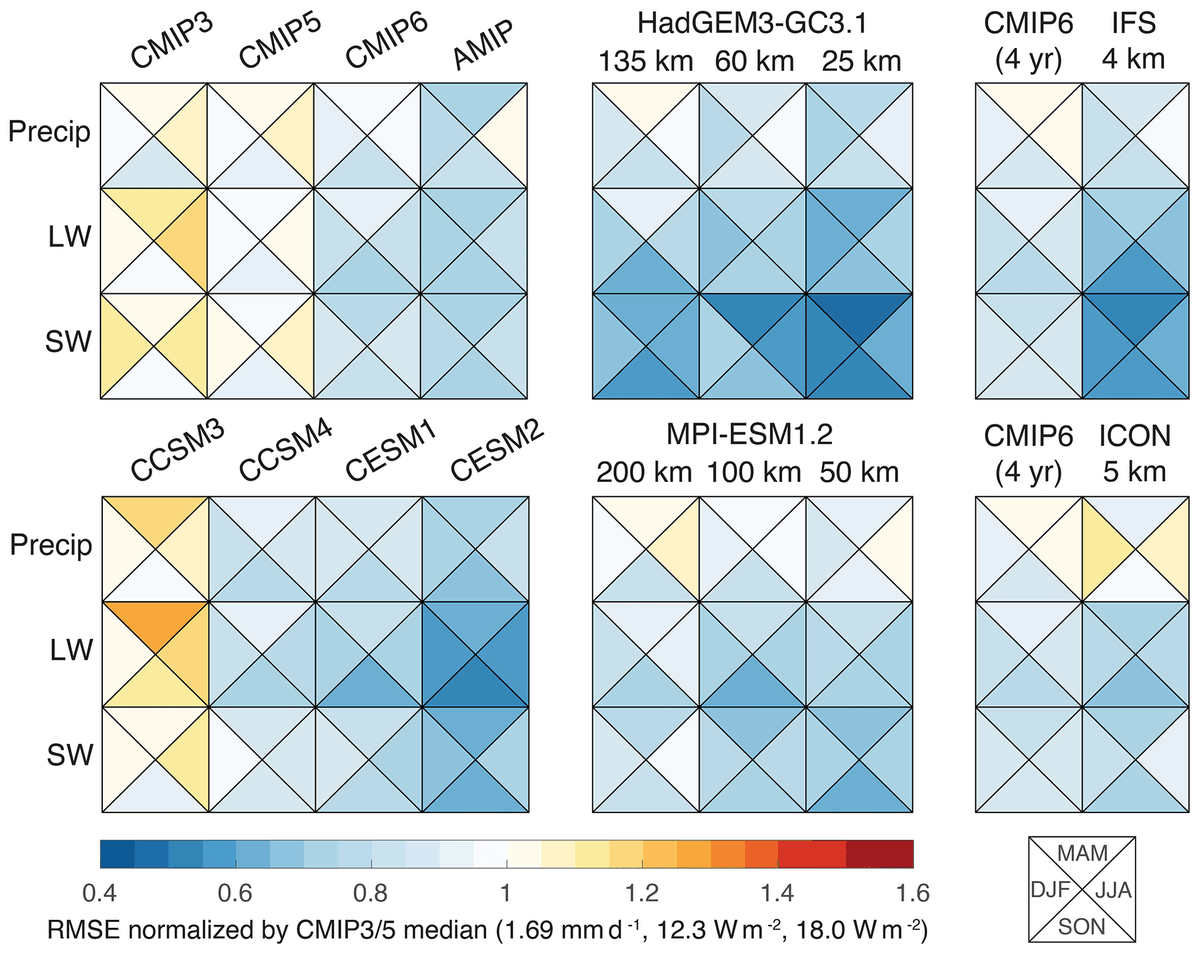
To optimize climate models, how do we prioritize between resolution & ensemble size, between physical param. development & incorporating AI? In a perspective paper out this week, Tapio Schneider, Ruby Leung, and myself argue we need a balanced approach: acp.copernicus.org/articles/…
1
1
18
1,385
Included is (1) an evaluation of how climate skill has improved over the last 20 years and is continuing to (mostly) improve with efforts to increase resolution, (2) considerations for successful process-informed parameterizations, ... (2/3)
1
2
312
(3) discussion of the tradeoffs of high resolution and the lack of a specific scale where all of the relevant processes are resolved, (4) discussion of new ML approaches to optimize parameters directly, and (5) discussion of a balanced approach to bring this all together. (3/3)
228
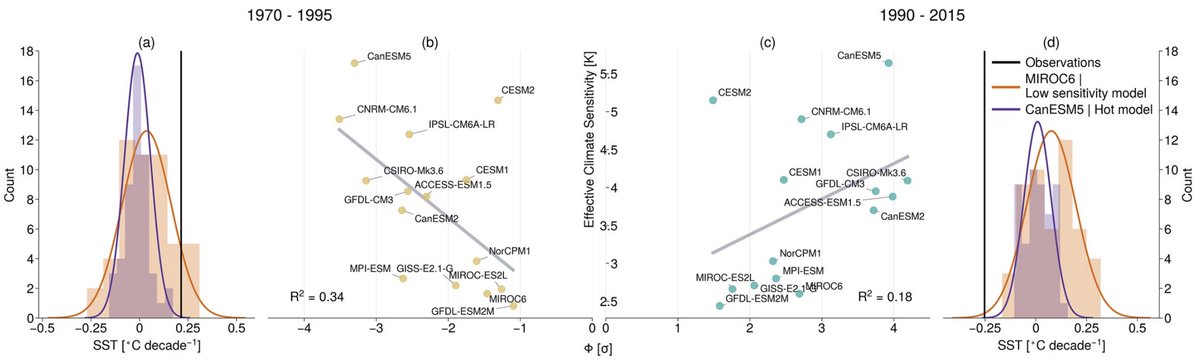
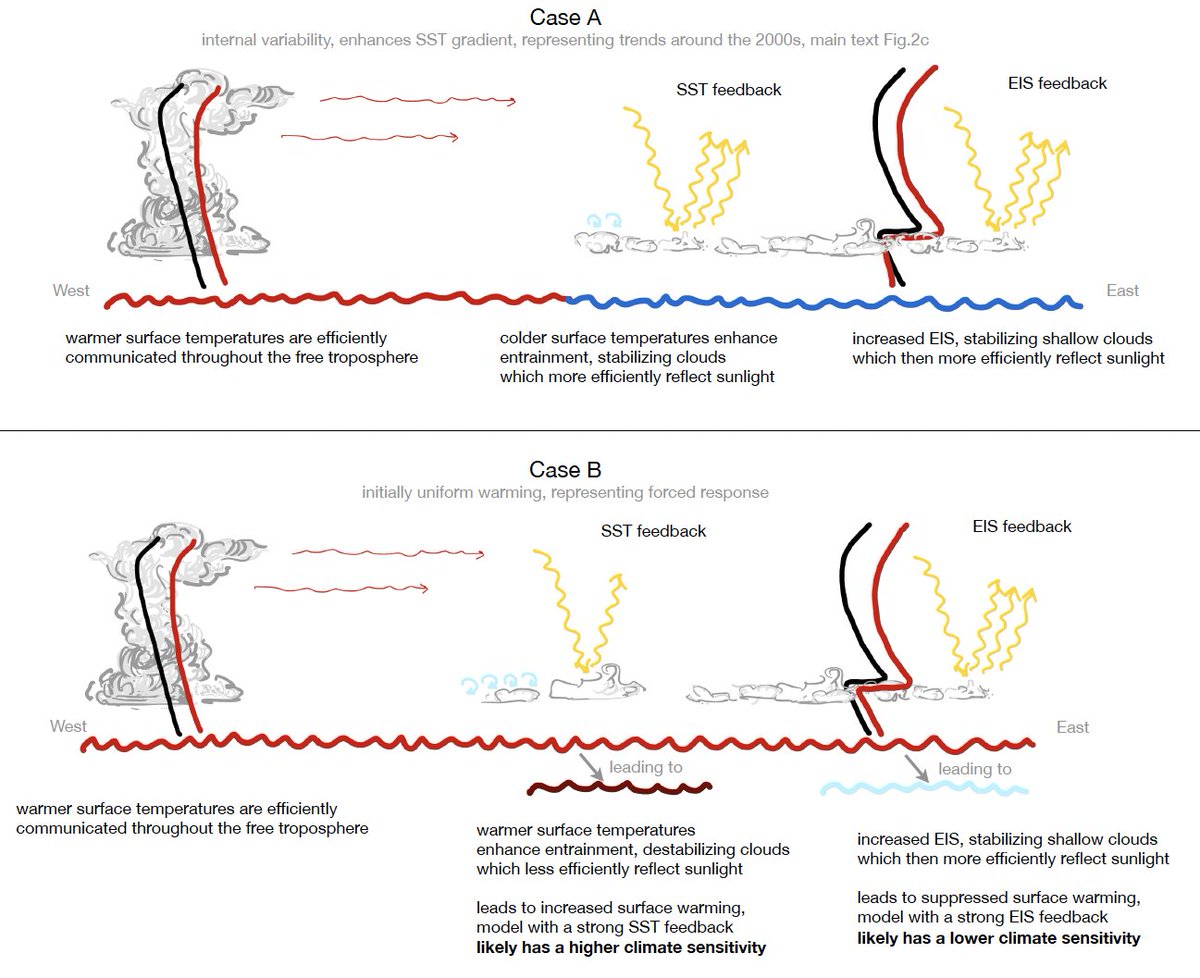
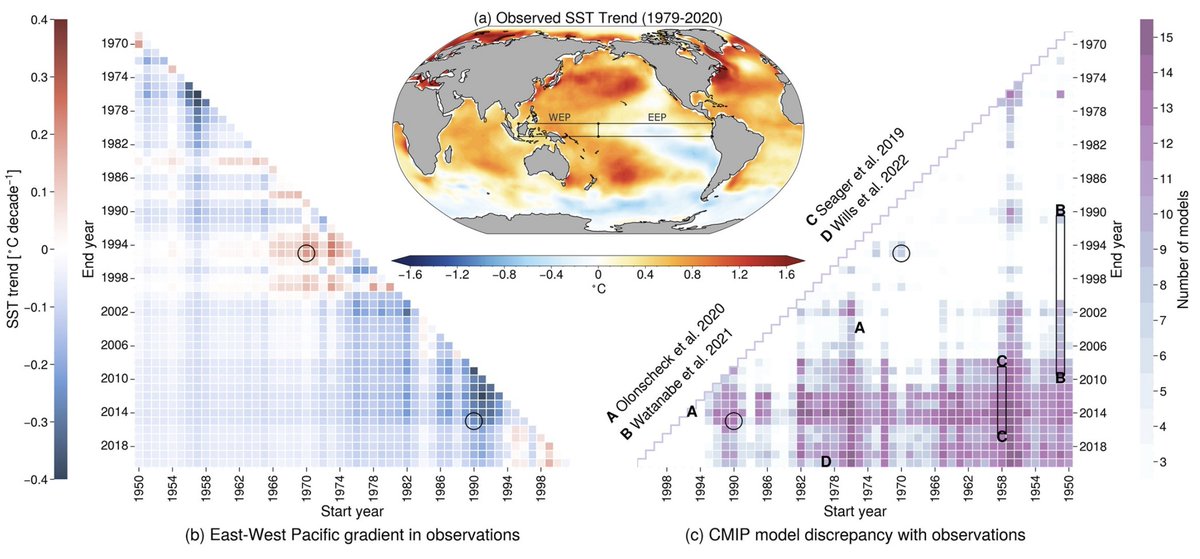
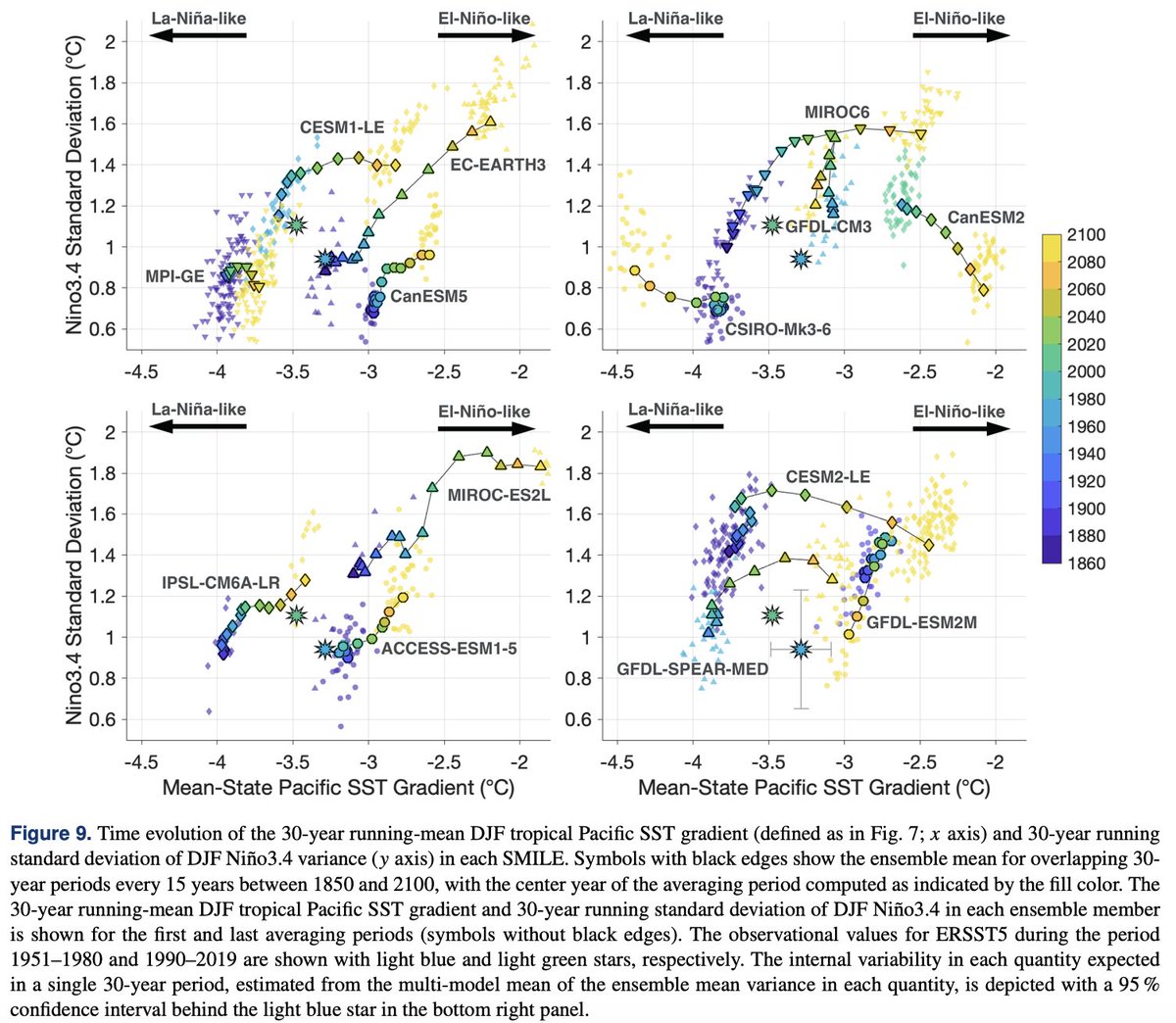
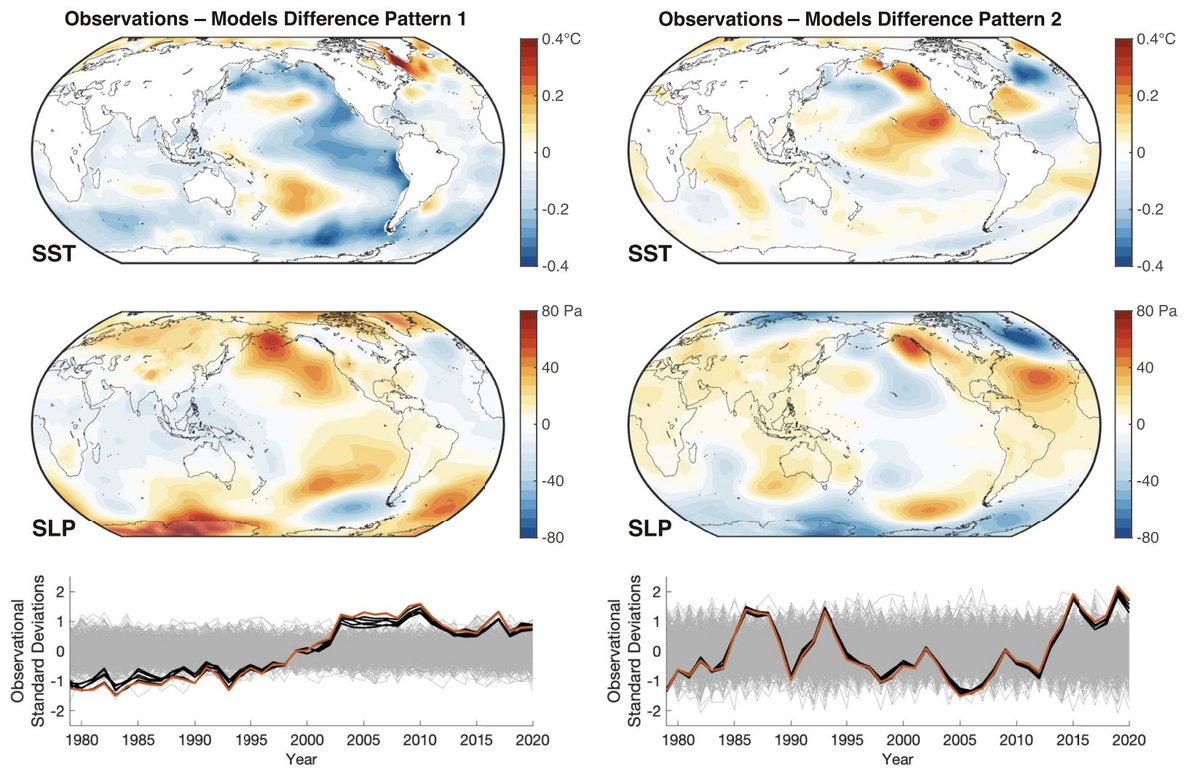
Is the La-Niña-like warming pattern over the past 40 years forced or unforced? In this seminar, I argue it is forced & show statistical hi-res model forced response estimates. Peter Huybers discusses obs. uncertainty & evidence models have too little low-freq. variability
Recording and chat transcript of April's ECS-Cloud Feedback symposium are now available: sites.google.com/tamu.edu/ec… Really fun "debate" between Peter Huybers and @ClimateAnomaly on "Can we rule out internal variability as the main driver of recent tropical SST trends?"
2
3
24
4,989
Robert Jnglin Wills retweeted
10 Apr 2024
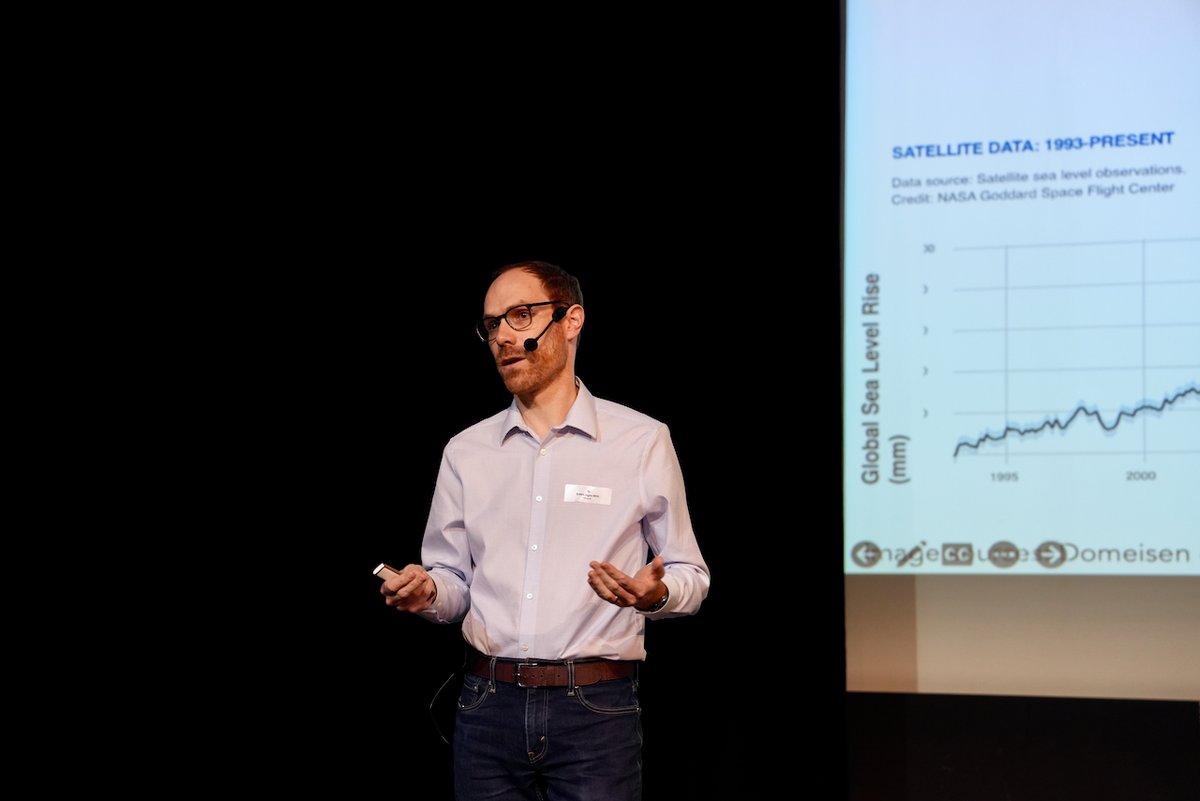
"#Climate models have done well, but they also show some biases. It is essential to improve them in order to understand the impact of #GlobalChange on regional weather", explains @ClimateAnomaly (@usys_ethzh). Statistical and machine learning methods offer one solution 🌎 #SGCD24
3
12
786
Robert Jnglin Wills retweeted
Join us next month for a panel discussion on "Can we rule out internal variability as the main driver of recent tropical SST trends?" w/Peter Huybers & @ClimateAnomaly
Recording and chat transcript of March's ECS-Cloud Feedback symposium are now available: sites.google.com/tamu.edu/ec… After last month's clear-sky session, this month featured great talks by Catherine Stauffer and Brett McKim on cloud feedbacks
2
7
1,198
Robert Jnglin Wills retweeted
New paper in @PNASNews led with @cristiproist shows that a weird spatial pattern of temperature change has slowed global-mean warming since 1980. Because the pattern could evolve in the future, observed warming doesn’t help us constrain long-term warming. pnas.org/doi/10.1073/pnas.23…
6
41
134
37,124
Robert Jnglin Wills retweeted
12 Mar 2024
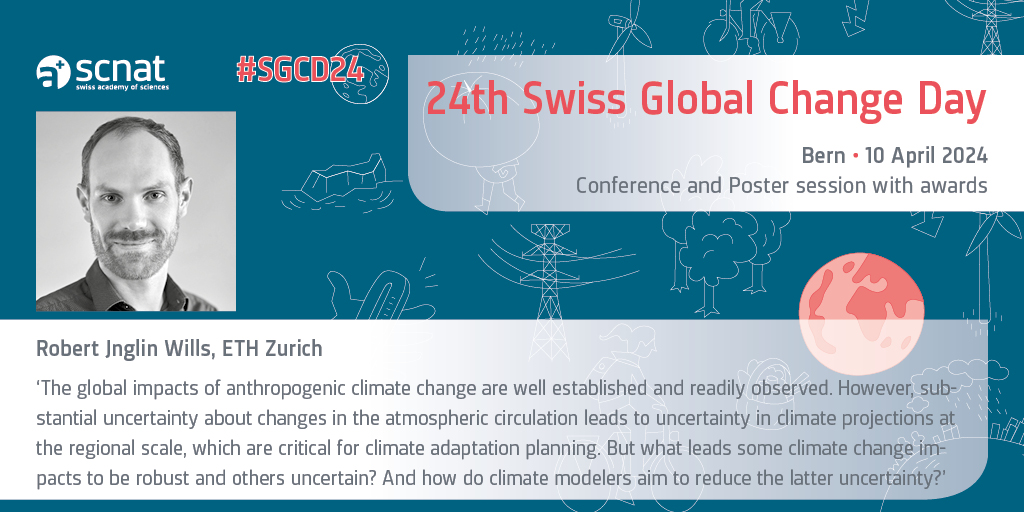
Meet our Speaker Robert Jnglin Wills @ClimateAnomaly @usys_ethzh at the #SGCD24 and discuss what leads some climate change impacts to be robust and others uncertain. ➡️Register now: proclim.ch/id/EdMcf
3
6
797
Robert Jnglin Wills retweeted
Really excited to share our new paper on climate-invariant machine learning science.org/doi/10.1126/scia… to solve extrapolation issues under climate change, led by the great Tom Beucler
2
26
133
38,467
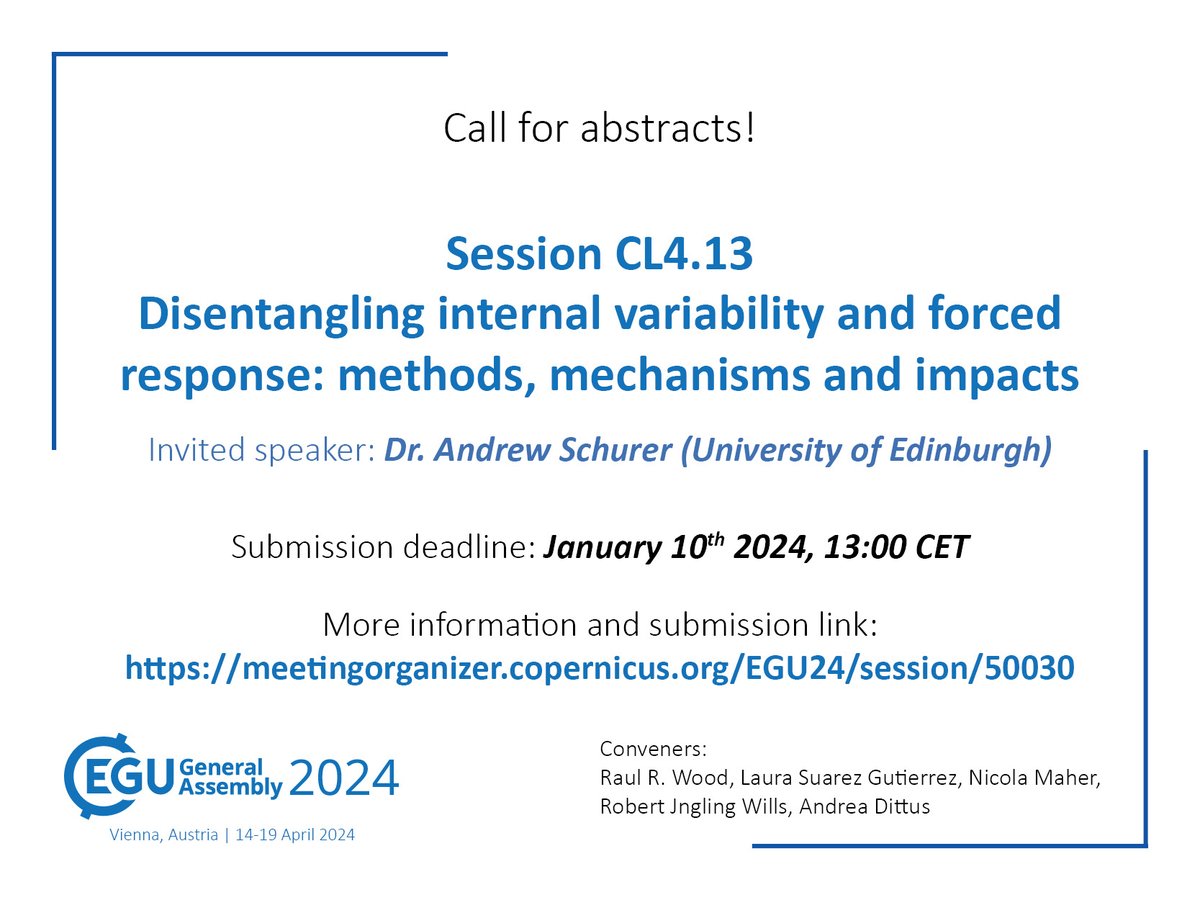
Less than a week to submit an abstract for #EGU24. If you work on understanding the contributions of internal variability and forced responses to historical or future climate change and climate impacts (e.g., using large ensembles), then please consider submitting to our session!
Join us at #EGU24 for a session on “Disentangling internal variability and forced response: Changes, Methods, Mechanisms and Impacts” with Andrew Schurer (U. Edinburgh) as an invited speaker! Abstract Deadline January 10th. Submit here: meetingorganizer.copernicus.…
4
657
Robert Jnglin Wills retweeted
31 Dec 2023
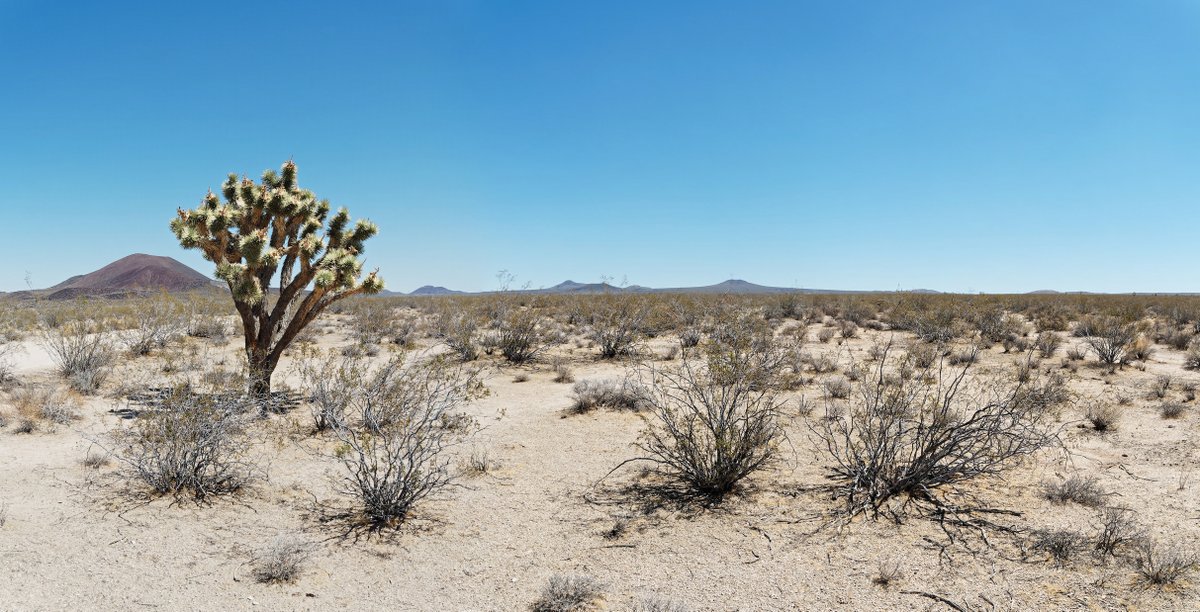
Observations from 1980–2020 of near-surface atmospheric water vapor in arid and semi-arid regions don’t match climate models. This gap between expectations and data has major implications for hydroclimate projections, including fire hazards. In PNAS: ow.ly/JFLG50QmrbP
1
8
35
11,133
Join us at #EGU24 for a session on “Disentangling internal variability and forced response: Changes, Methods, Mechanisms and Impacts” with Andrew Schurer (U. Edinburgh) as an invited speaker! Abstract Deadline January 10th. Submit here: meetingorganizer.copernicus.…
1
6
21
5,260
Convened by Raul Wood, @DrLauraSuarez, @Nicola__Maher, @andrea_dittus, and myself
2
236