
The ARC Centre of Excellence for Climate Extremes (2017-2024) advanced global research on climate extremes and their links to climate change.
Joined November 2017
- Tweets 3,455
- Following 970
- Followers 3,479
- Likes 1,407
1,388 Photos and videos
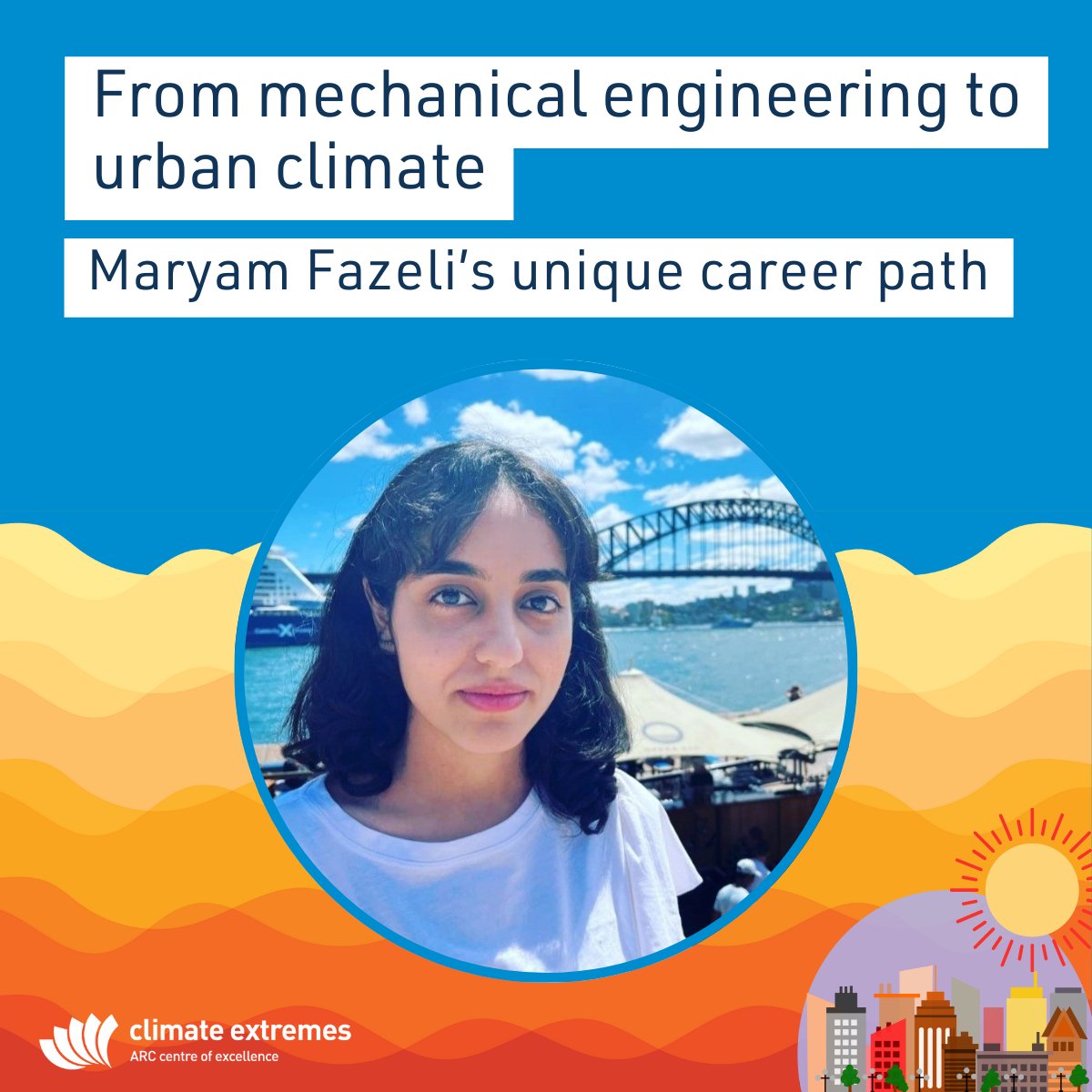


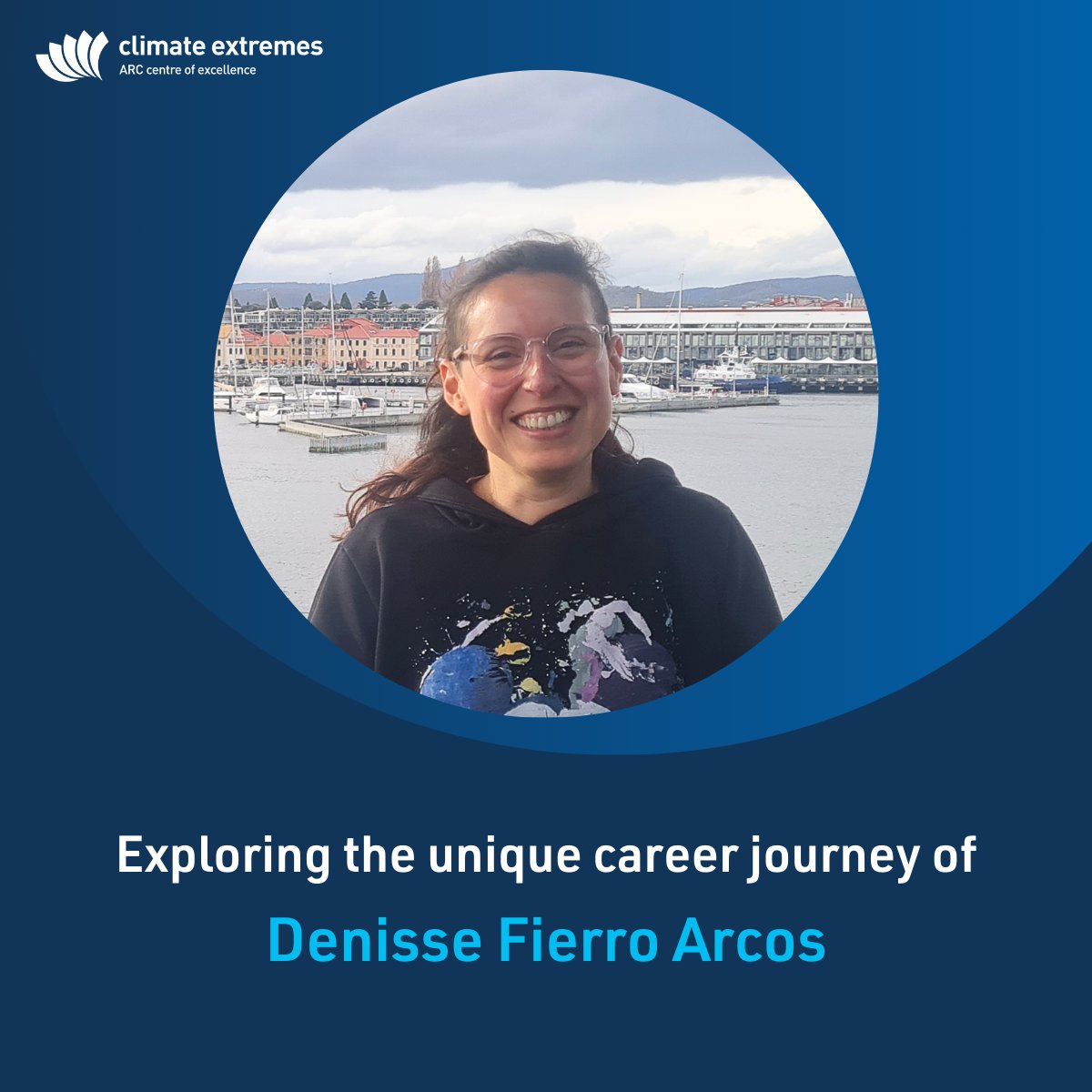
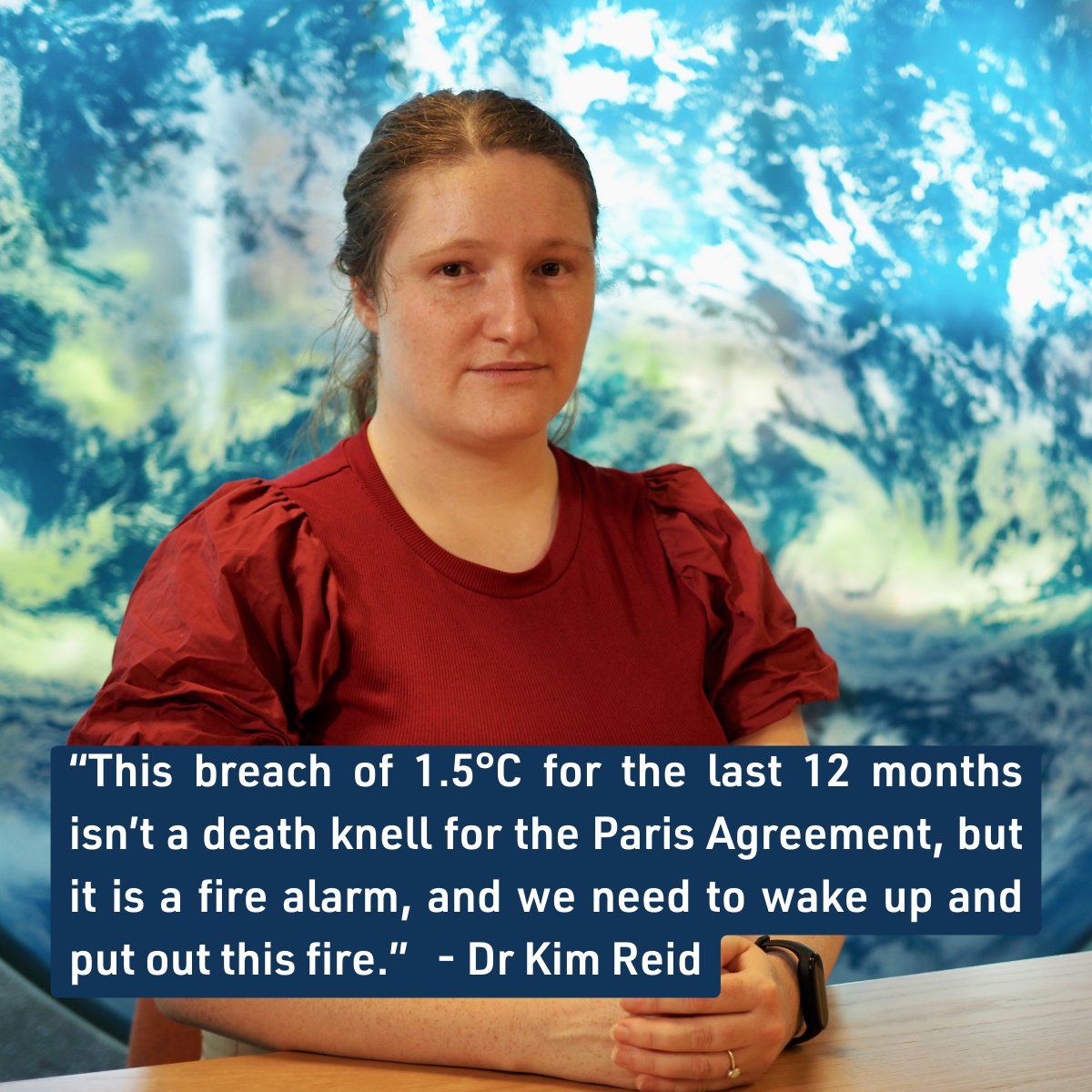
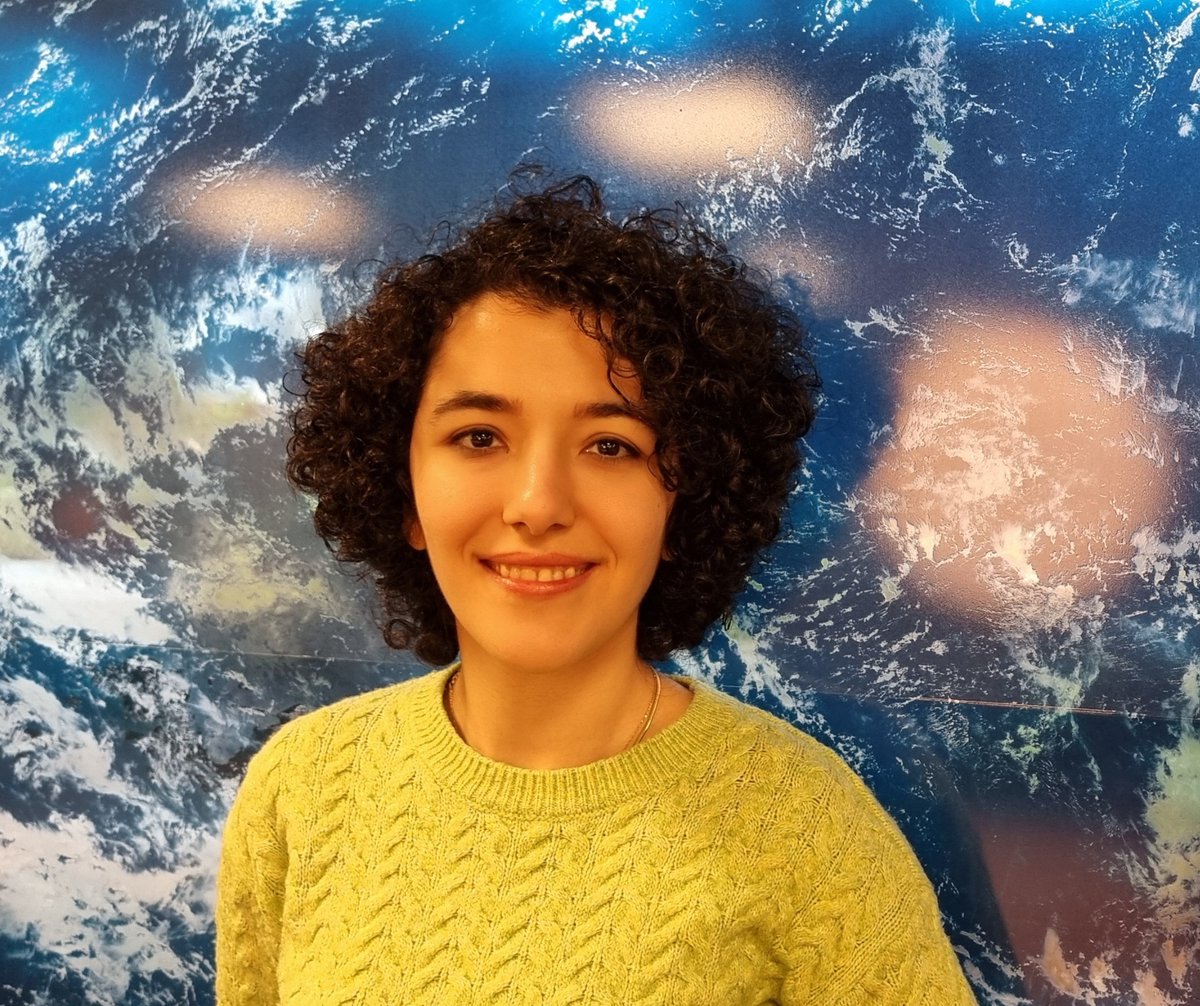
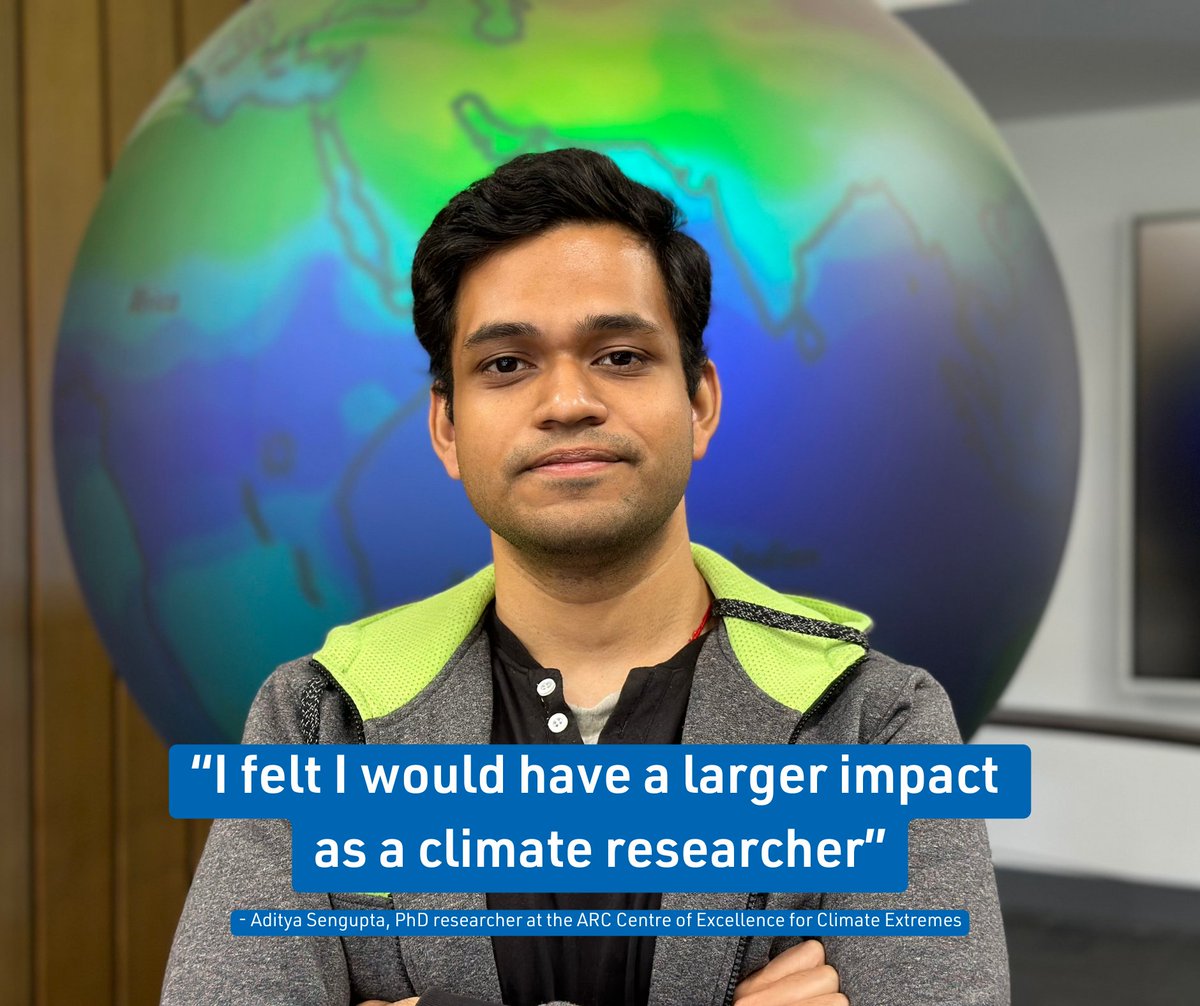

Meet our Early Career Researchers! After studying mechanical engineering in Iran, Maryam moved to Australia to pursue a PhD in urban climate. Her research focuses on assessing heat exposure in Australian cities using a human-centric approach. Full story: climateextremes.org.au/from-…
1
5
587
In their new briefing note, Katrin Meissner, Shanta Barley and Andrew Forrest explain how climate change is leading to the loss of oxygen in our oceans and highlight the profound consequences this process has on marine life, fisheries and humanity.
climateextremes.org.au/ocean…
1
2
8
796
@KatrinJM @Shantabarley
This briefing note was published in collaboration between the ARC Centre of Excellence for Climate Extremes and @minderoo. Find out more about the foundation here: minderoo.org/
3
248
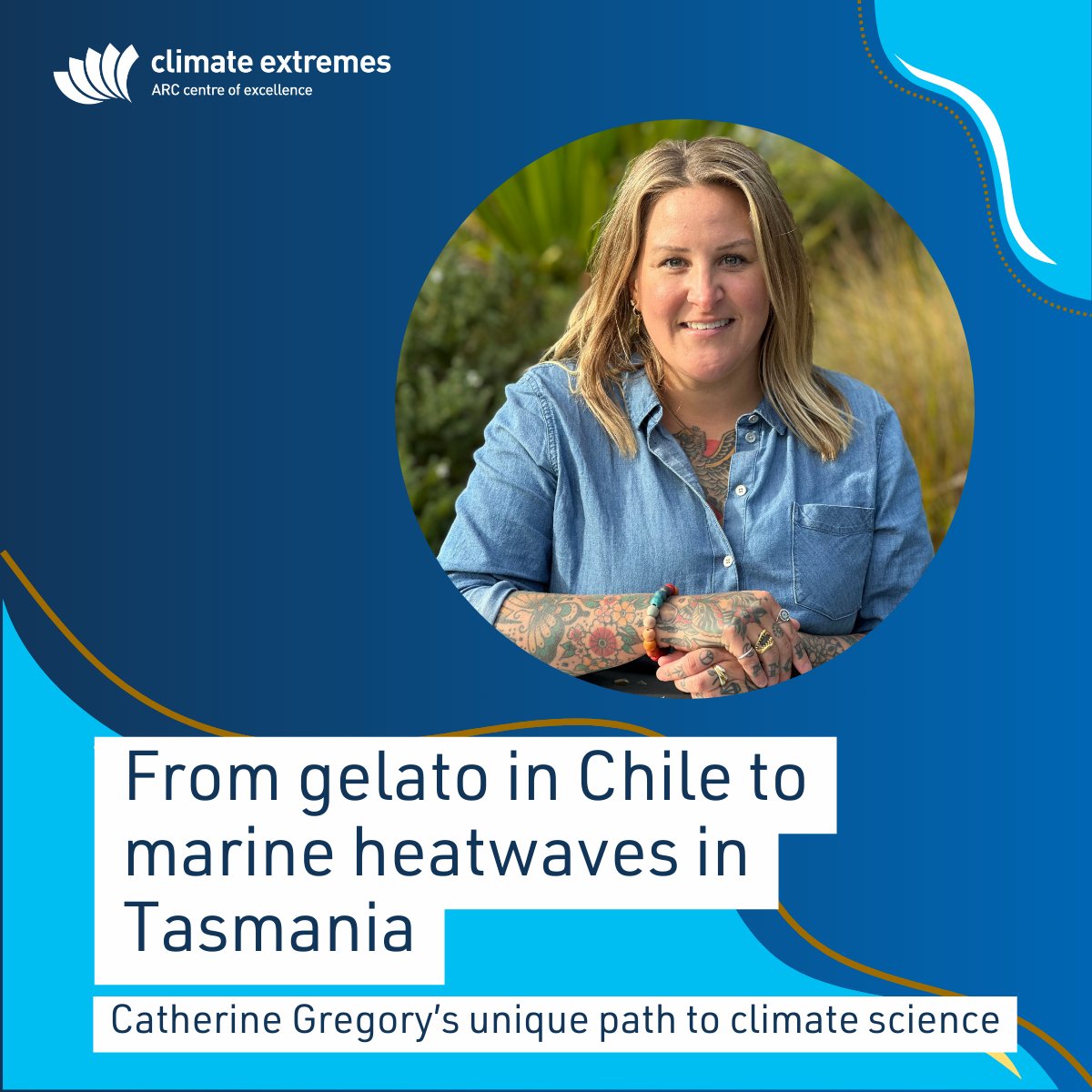
A new study led by PhD student Catherine Gregory reveals that different 'flavours' of El Niño and La Niña have varying impacts on marine heatwave intensity and frequency worldwide.
Read more here: agupubs.onlinelibrary.wiley.…
4
10
712
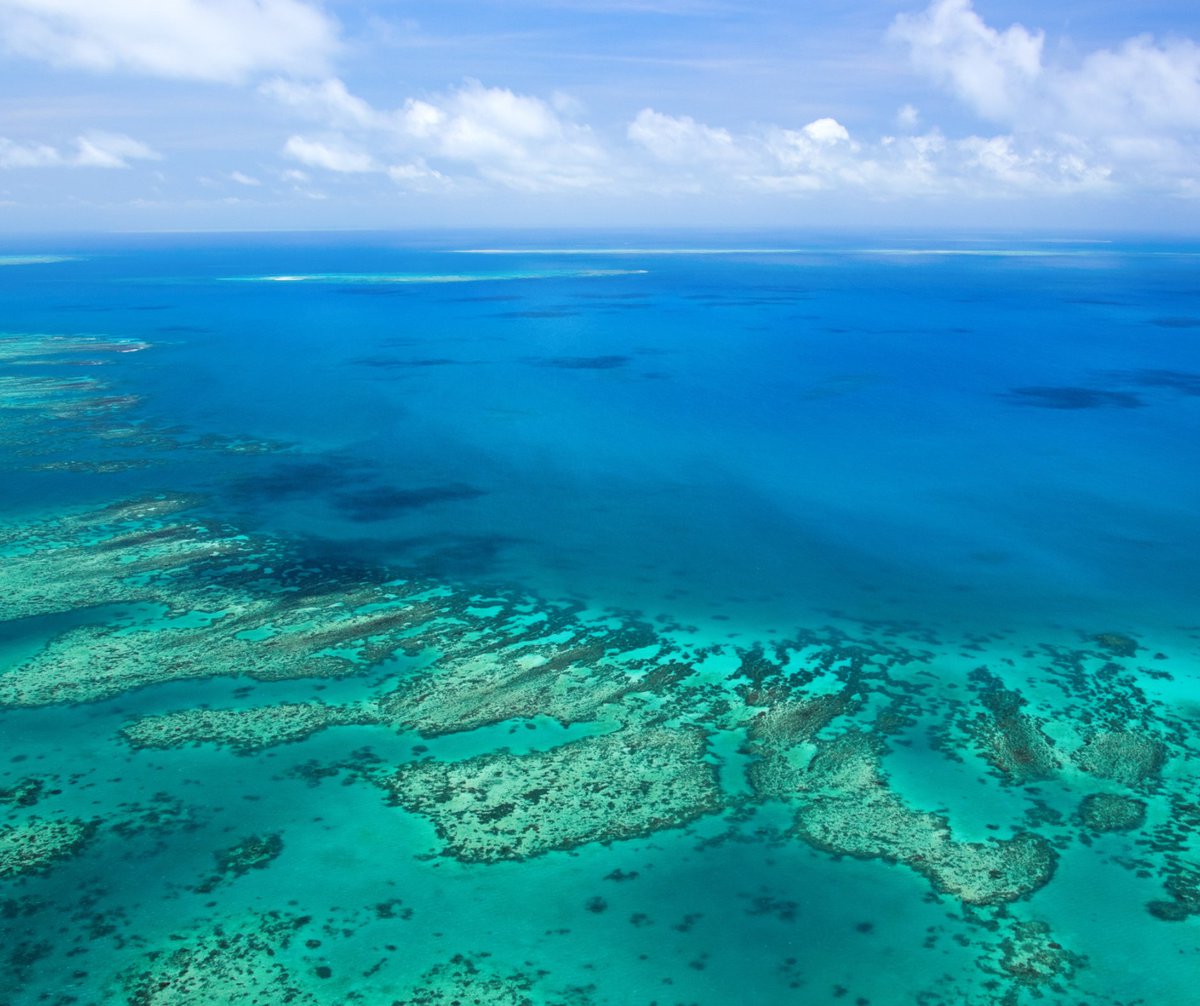
New study links local meteorology to coral bleaching events in the Great Barrier Reef.
Lara Richards and her co-authors reveal that a collapse in trade winds played a crucial role in the 2022 mass bleaching event.
Read more here: climateextremes.org.au/new-s…
1
1
6
433
The study is available here: pubmed.ncbi.nlm.nih.gov/3939…
@SiemsSt_SOrainy @YiHuang_UniMelb Wenhui Zhao Daniel Harrison Michael Manton Michael Reeder
184
A new study by Ruby Lieber, Dr. Josephine Brown, Dr. Andrew King and Dr. Mandy Freund reveals that ENSO teleconnections may amplify with climate change, leading to more severe temperature and precipitation extremes globally.
climateextremes.org.au/clima…
1
8
21
1,980
An early online release is available here: journals.ametsoc.org/view/jo…
Ruby Lieber @JosephineRBrown @AndrewKingClim @ClimateFreund @UniMelb @CSIRO @21CWeather
3
306
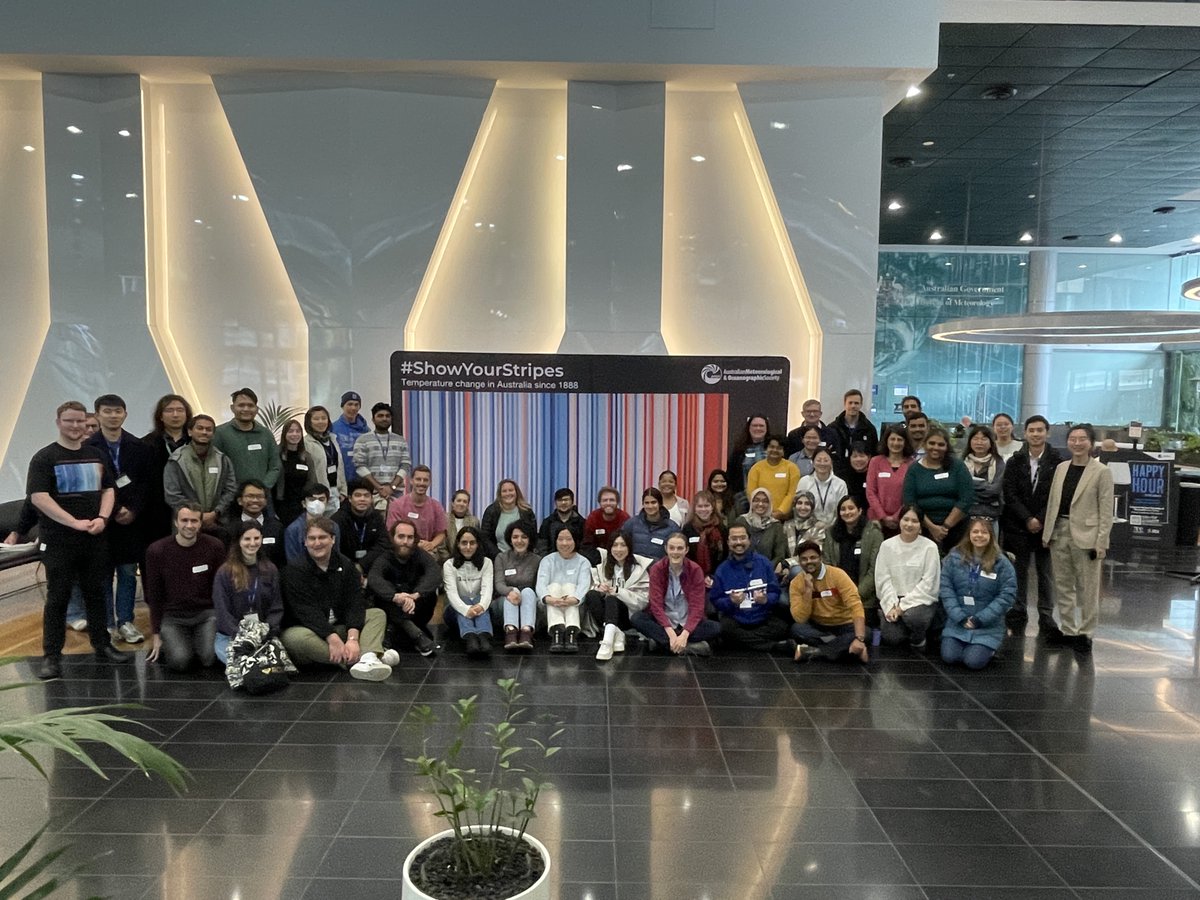
Yesterday, our early career researchers attended a media training workshop at Stupid Old Studios.
In a time when Australia faces growing challenges around climate, having strong climate science communicators is more important than ever.


1
5
441
Thank you @stupidold for hosting us and Emma Sharp for leading this excellent workshop.
185
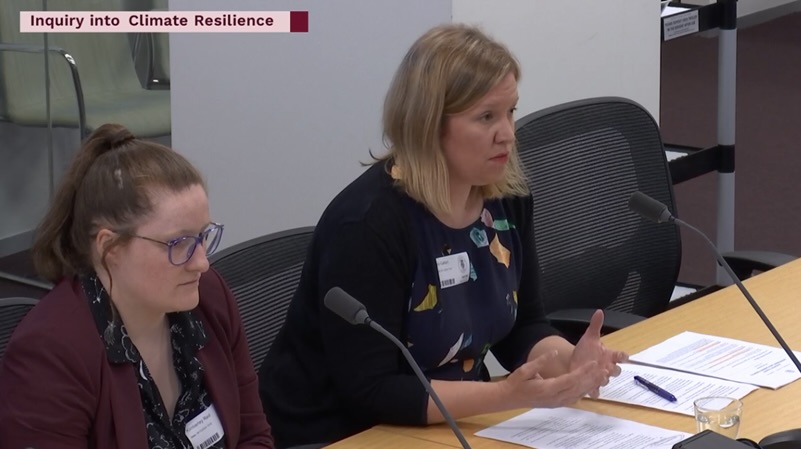
Yesterday, Kim Reid and Ailie Gallant appeared at the Parliament of Victoria.
They provided evidence to the Committee regarding the main risks climate change poses to Victoria's built environment and discussed measures to better prepare for future climate and weather extremes.
1
4
9
591
This appearance followed a joint submission by the ARC Centre of Excellence for Climate Extremes and @21CWeather to the Inquiry into Climate Resilience. Read the submission here: climateextremes.org.au/wp-co…
2
162
What is net zero and what happens after we reach it? After net zero, the global average temperature is expected to roughly stabilise. Temperatures over land would begin to cool, while parts of the ocean continue to warm. Read our new briefing note here:
climateextremes.org.au/under…
2
5
7
868
This briefing note was written by @alex_borowiak1 , Liam Cassidy, Dr @AndrewKingClim, @adi_sen99 and Alice Wilson.
@21CWeather @UniMelb
3
176
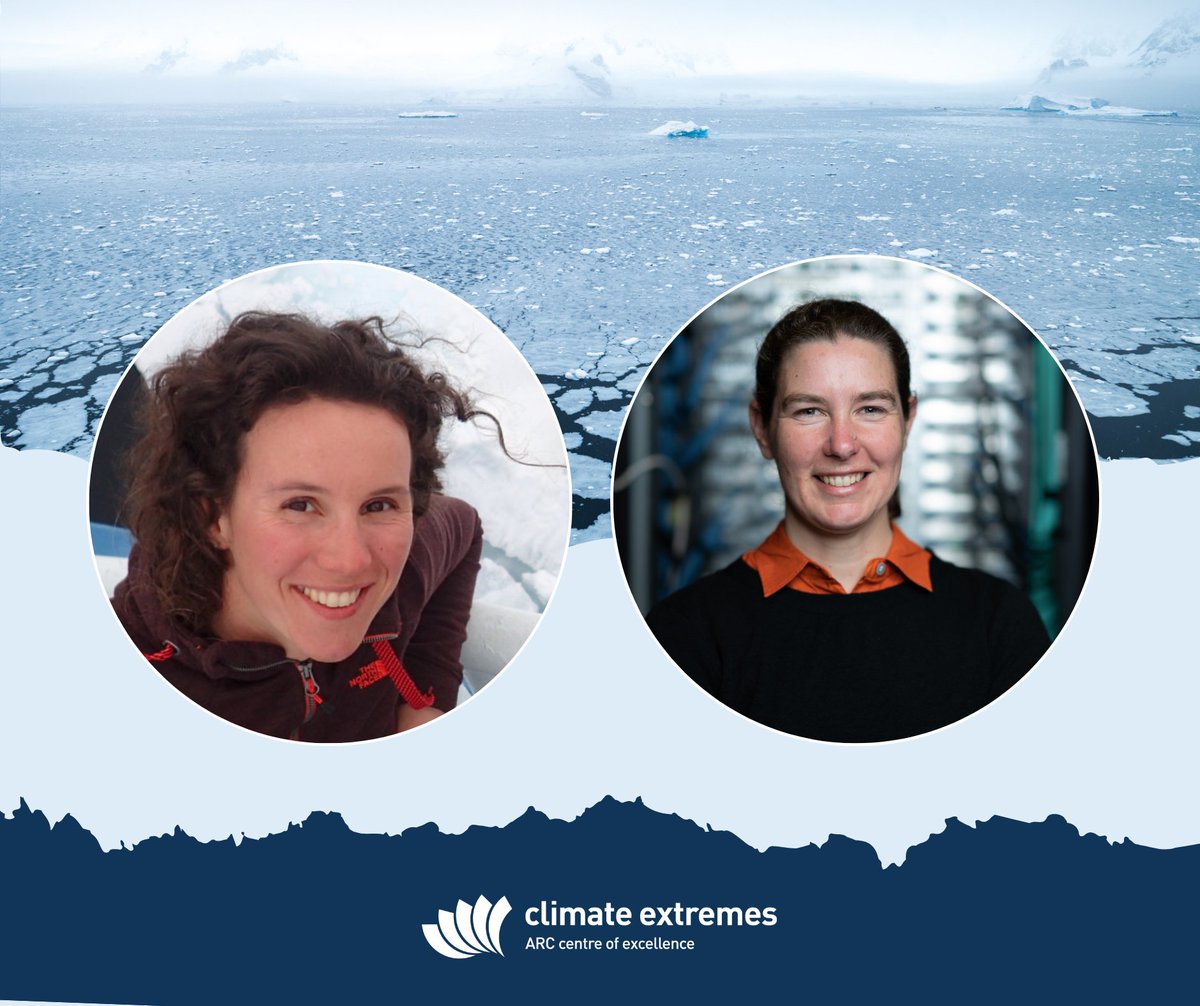
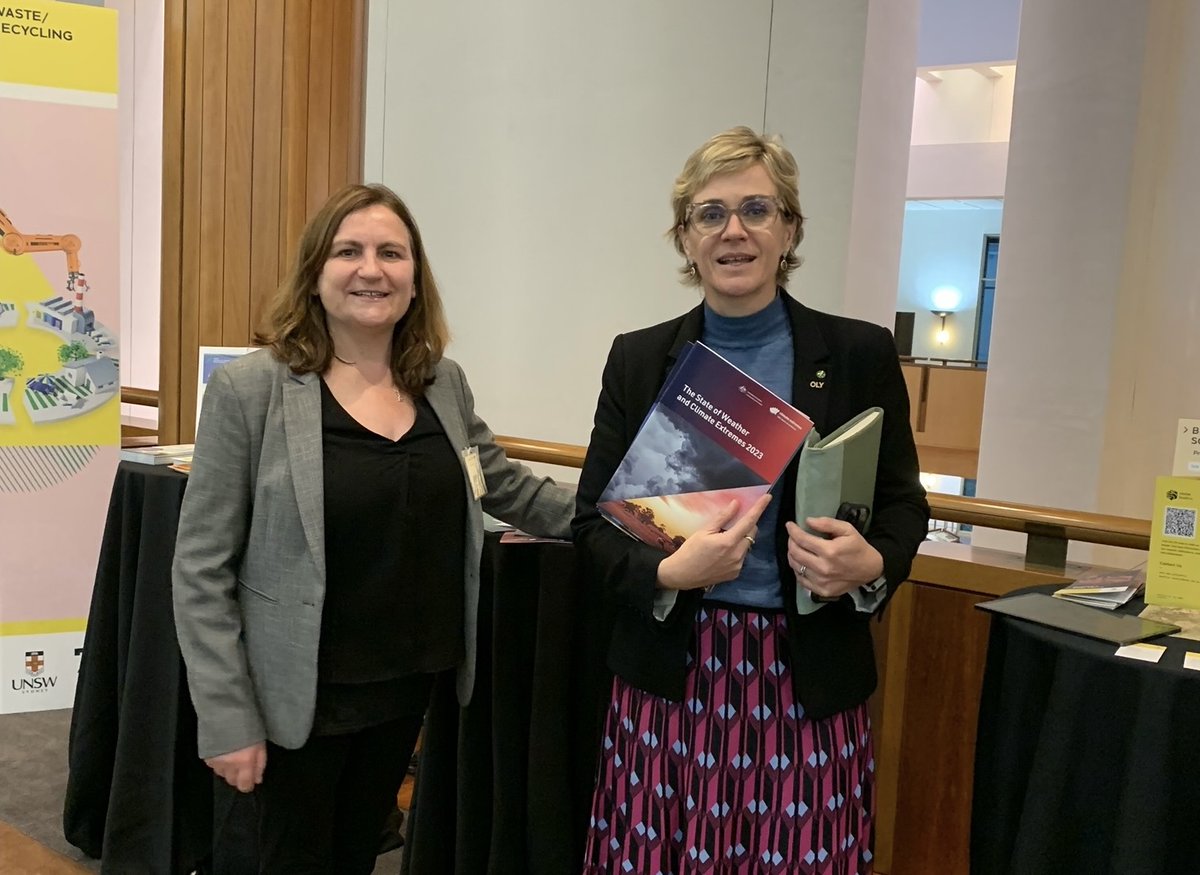
Sea ice is declining at an alarming rate in Antarctica. Last week, @DrAmelieMeyer and @dr_akmorrison appeared at the Australian Parliament and called for increased support for Antarctic research.
Read the full story here: climateextremes.org.au/antar…
1
1
13
407
The submission aims to inform on the most recent developments in Antarctic research and offers five main recommendations for the committee to consider including:
Maintain Australia’s role as a world class research leader in Antarctica
Better support research on Antarctic sea ice
1
150
Read the submission here: climateextremes.org.au/index…
@_christianjakob @julie_arblaster @UdyDanielle @ClimateNerilie Andy Pitman Alice Wilson Angela Kaplish
153
Why are ocean fronts important? In their new briefing note, @DrAmelieMeyer, Dr. Chris Aiken, @KaiYang_UTas and Laure Poncet explore the significance of ocean fronts for marine biodiversity, global fisheries and the regulation of Earth's climate system.
climateextremes.org.au/ocean…
1
1
7
383
These equatorial and subtropical regions, where a decline in frontal activity has been observed, are important for fisheries. Continued ocean warming and a further decrease in fronts in these regions could pose significant challenges to local populations.
1
139
Read more here: climateextremes.org.au/ocean…
130