
Connecting communities, organizations, and policymakers to address #climatechange with local action. Our purpose is a just and resilient future. ✊🌇 #keepLAcool
- Tweets 19,092
- Following 2,513
- Followers 4,765
- Likes 13,023













ALT Promotional poster for the Merced Avenue Greenway Project, featuring two images: top image shows pedestrians and cyclists at a busy urban crosswalk, bottom image displays an aerial view of a street under construction. The text includes project funding sources, design completion, and construction timeline details.



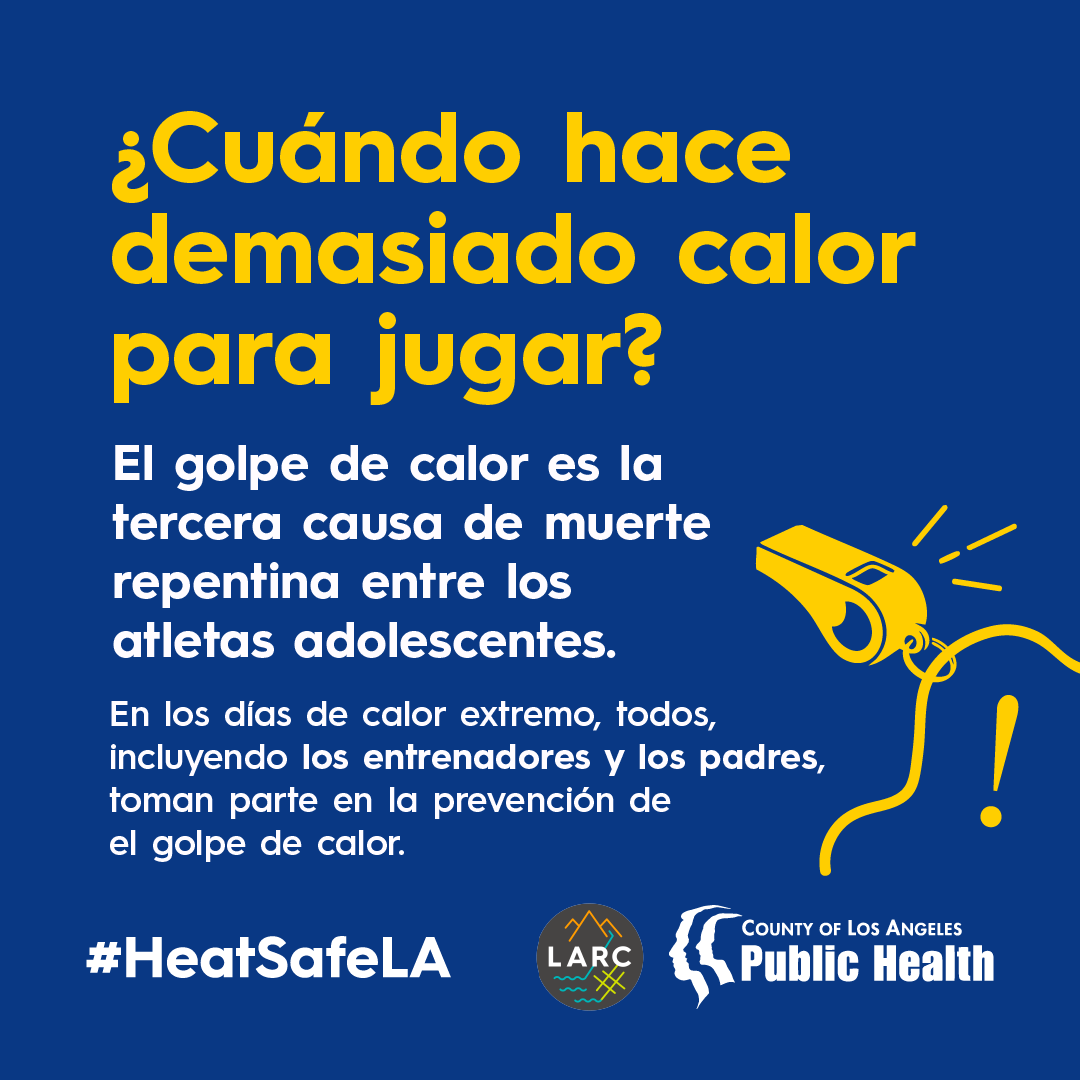
ALT ¿Cuándo hace demasiado calor para jugar? La insolación es la tercera causa de muerte repentina entre los atletas adolescentes. En los días de calor extremo, todos, incluyendo los entrenadores y padres, toman parte en la prevención de el golpe de calor.
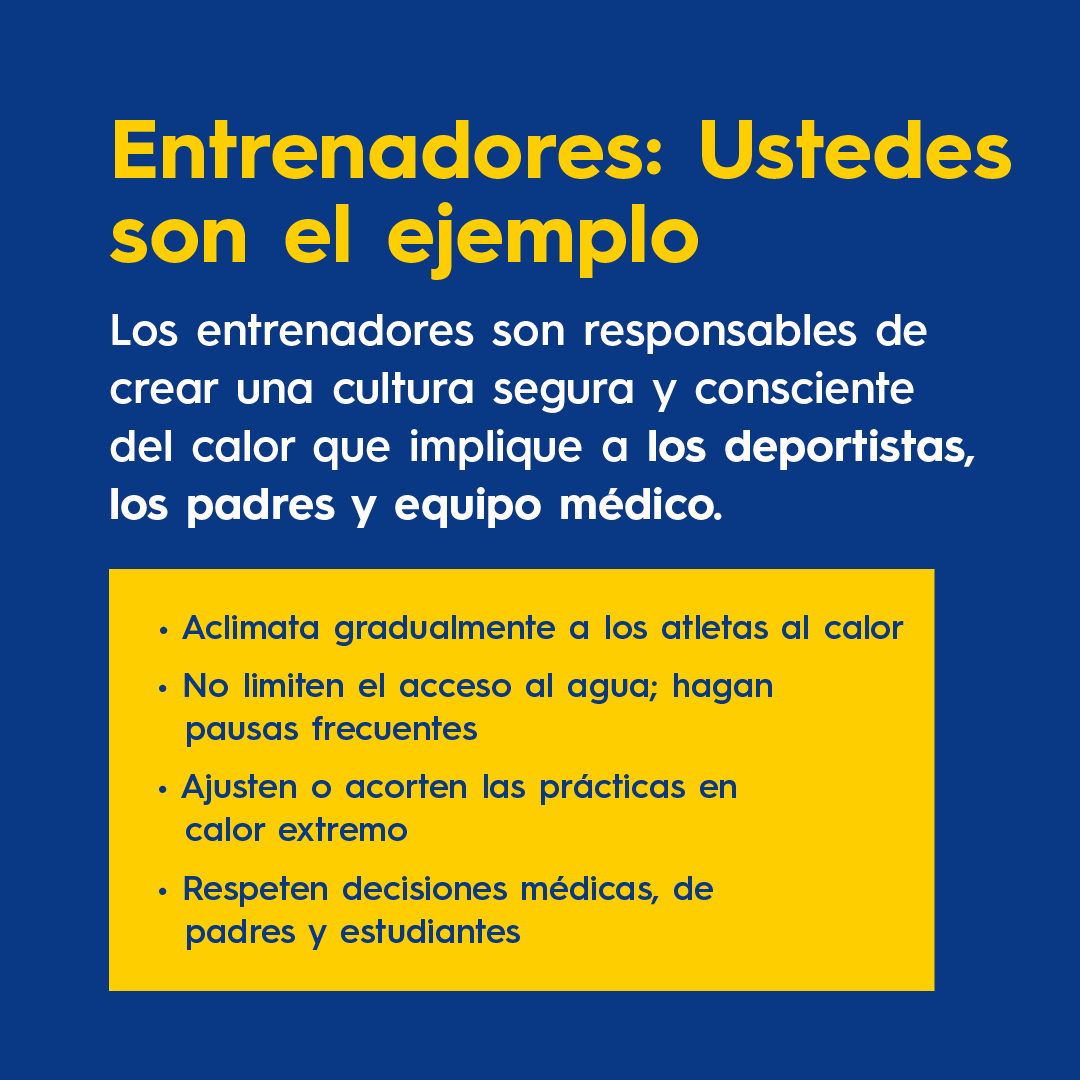
ALT Entrenadores: Ustedes son el ejemplo. Los entrenadores son responsables de crear una cultura segura y consciente del calor que implique a los deportistas, los padres y equipo médico. Aclimata gradualmente a los atletas al calor. No limiten el acceso al agua; hagan pausas frecuentes. Ajusten o acorten las prácticas en calor extremo. Respeten decisiones médicas, de padres y estudiantes.
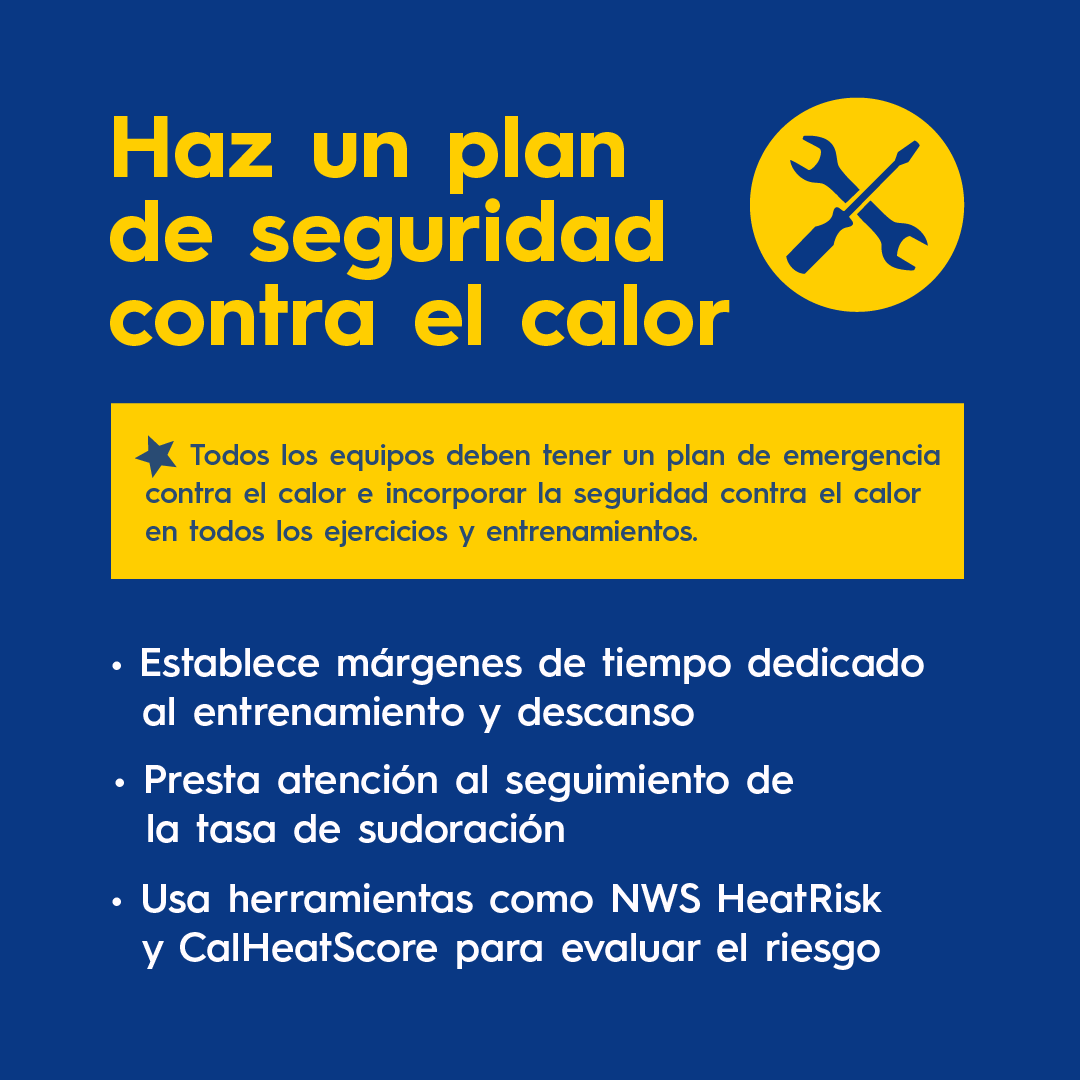
ALT Haz un plan de seguridad contra el calor. Todos los equipos deben tener un plan de emergencia contra el calor e incorporar la seguridad contra el calor en todos los ejercicios y entrenamientos. Establece márgenes de tiempo dedicado al entrenamiento y descanso. Presta atención al seguimiento de la tasa de sudoración. Usa herramientas como NWS HeatRisk y CalHeatScore para evaluar el riesgo.
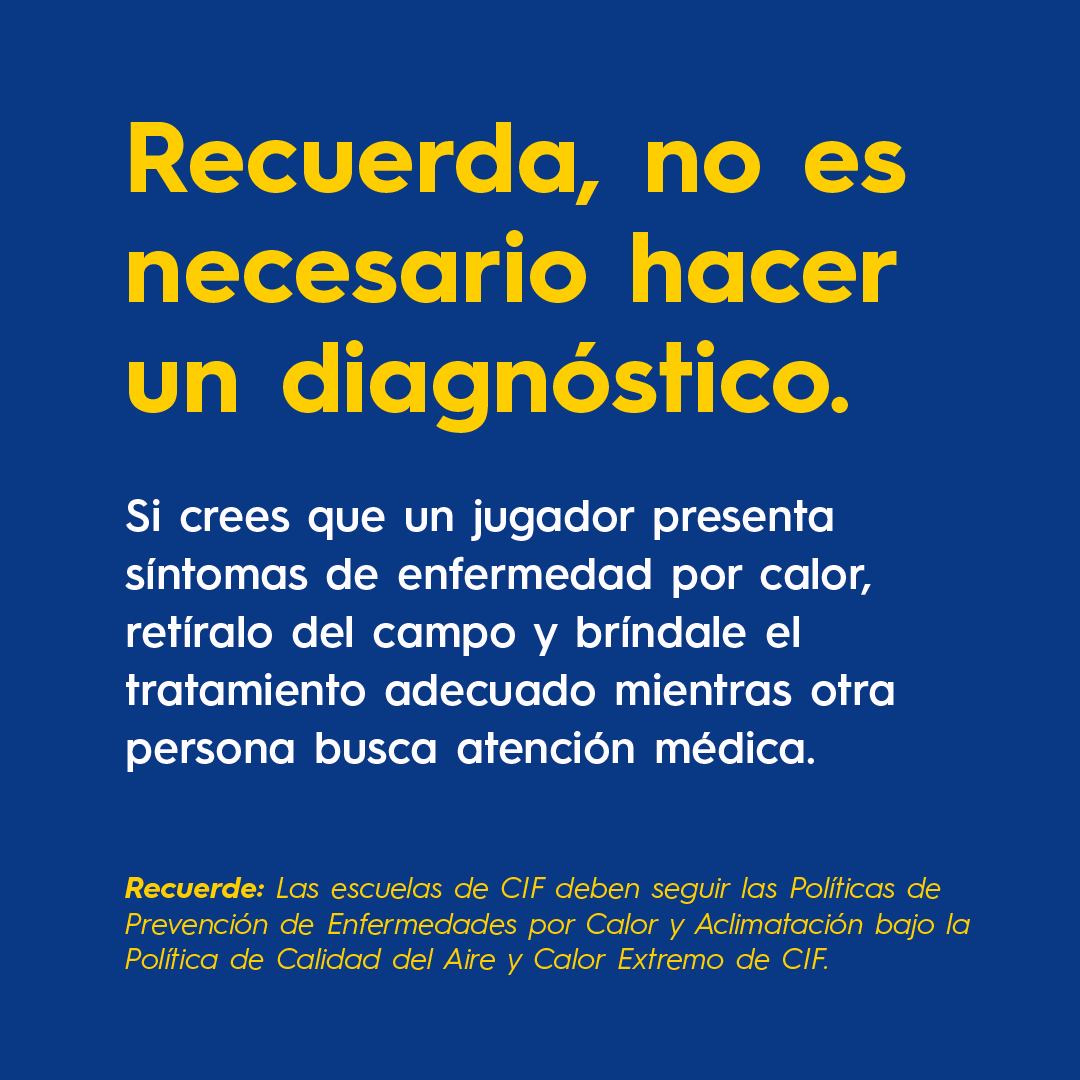
ALT Recuerda, no es necesario hacer un diagnóstico. Si crees que un jugador presenta síntomas de enfermedad por calor, retíralo del campo y bríndale el tratamiento adecuado mientras otra persona busca atención médica. Recuerde: Las escuelas de CIF deben seguir las Políticas de Prevención de Enfermedades por Calor y Aclimatación bajo la Política de Calidad del Aire y Calor Extremo de CIF.

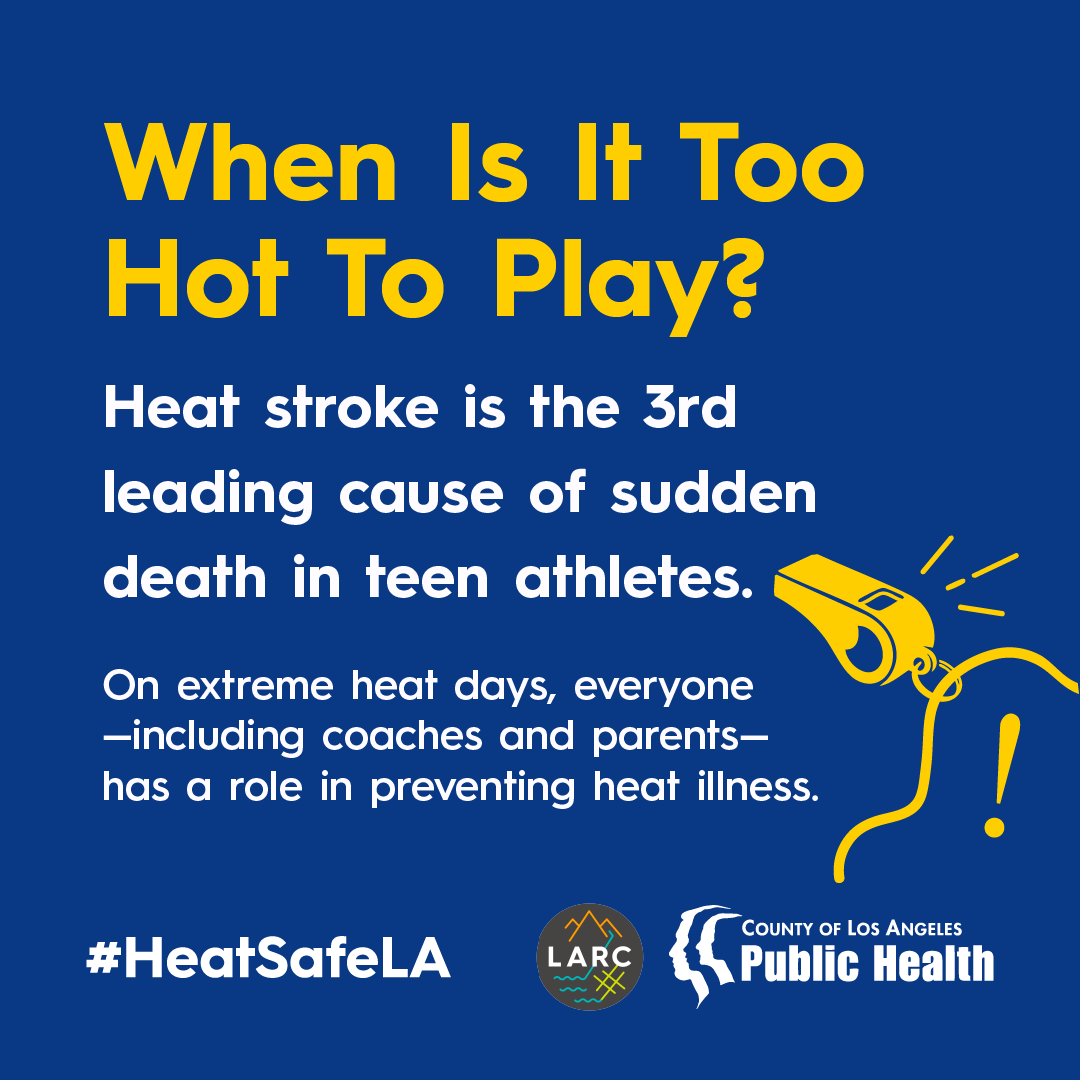
ALT When Is It Too Hot to Play? Heat stroke is the 3rd leading cause of sudden death in teen athletes. On extreme heat days, everyone—including coaches and parents—has a role in preventing heat illness.
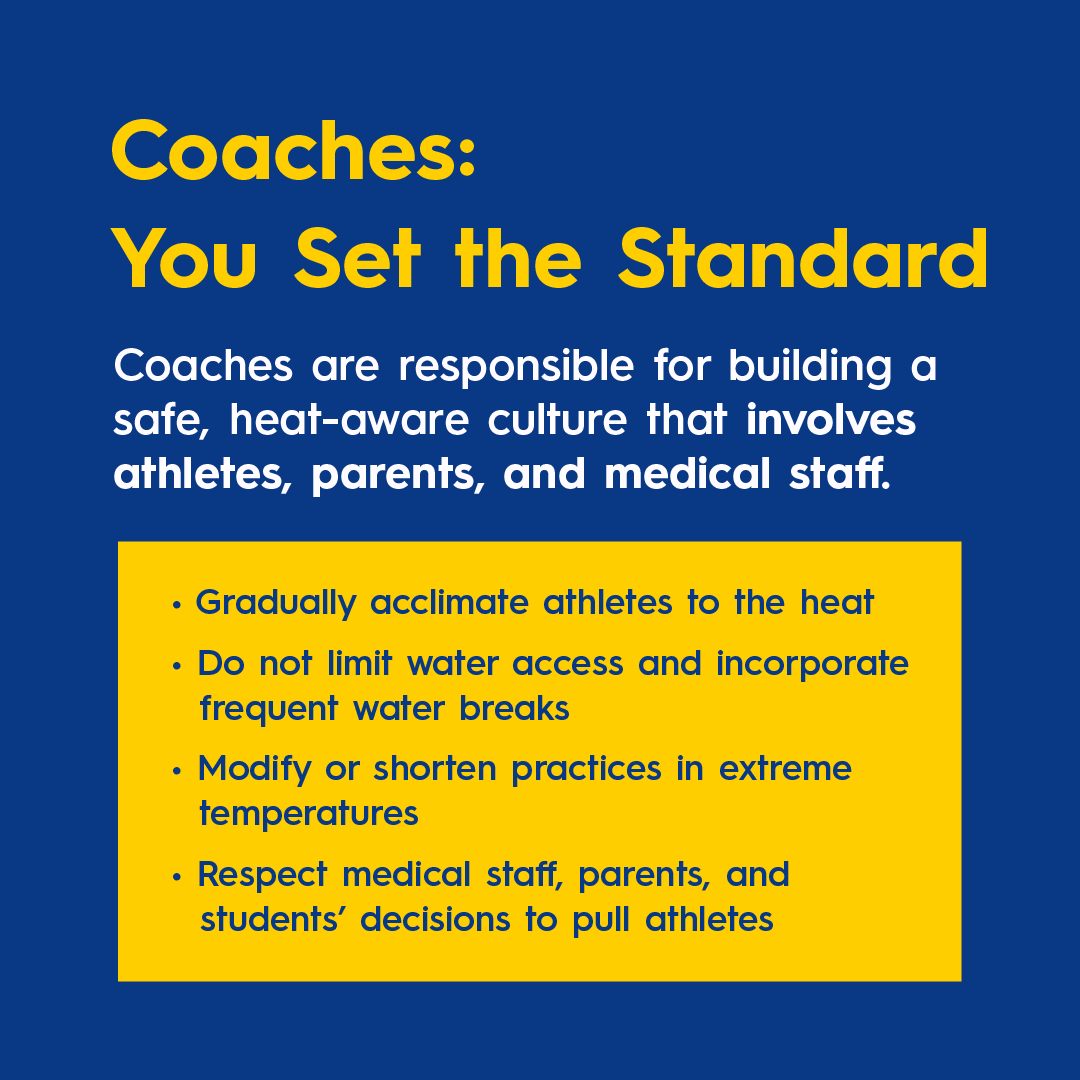
ALT Coaches: You Set the Standard. Coaches are responsible for building a safe, heat-aware culture that involves athletes, parents, and medical staff. Gradually acclimate athletes to the heat. Do not limit water access and incorporate frequent water breaks. Modify or shorten practices in extreme temperatures. Respect medical staff, parents, and students’ decisions.
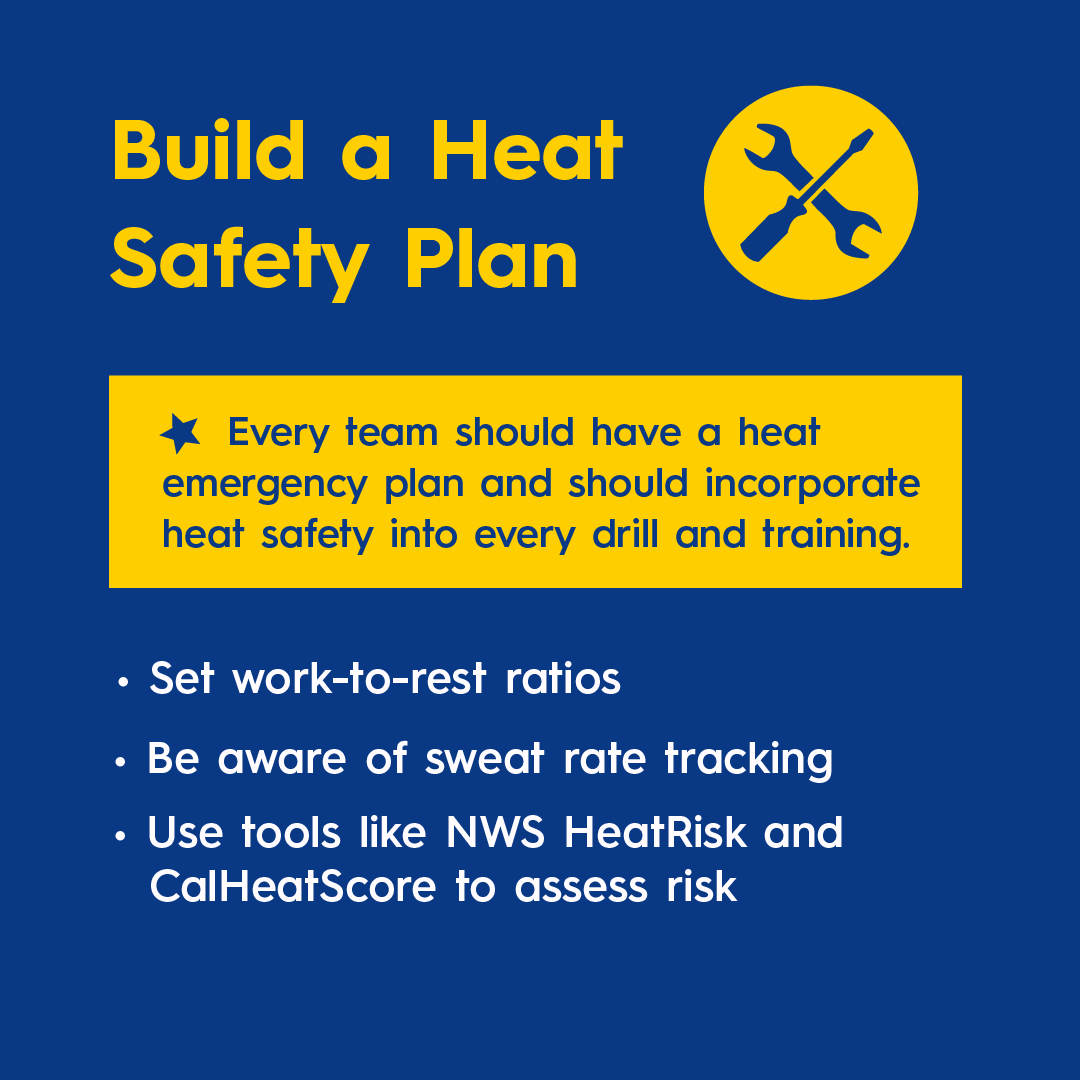
ALT Build a Heat Safety Plan. Every team should have a heat emergency plan and should incorporate heat safety into every drill and training. Set work-to-rest ratios. Be aware of sweat rate tracking. Use tools like NWS HeatRisk and CalHeatScore to assess risk.
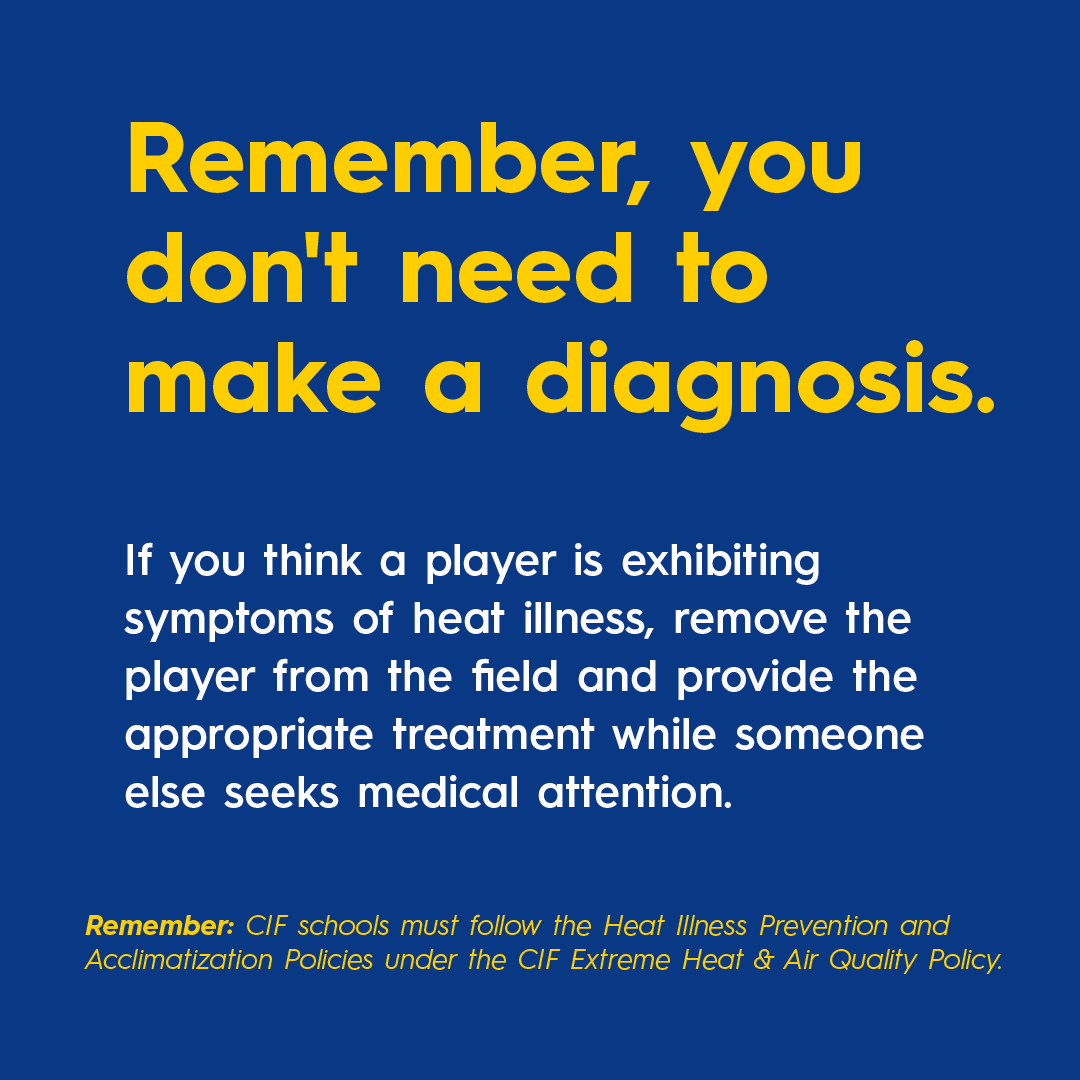
ALT Remember, you don't need to make a diagnosis. If you think a player is exhibiting symptoms of heat illness, remove the player from the field and provide the appropriate treatment while someone else seeks medical attention. Remember: CIF schools must follow the Heat Illness Prevention and Acclimatization Policies under the CIF Extreme Heat & Air Quality Policy.






ALT Los niños y las muertes en carros calientes Nunca deje a un niño solo en el carro. Acostúmbrate a mirar antes de cerrar. Revisa siempre el asiento trasero. Desliza para conocer algunos mitos comunes →
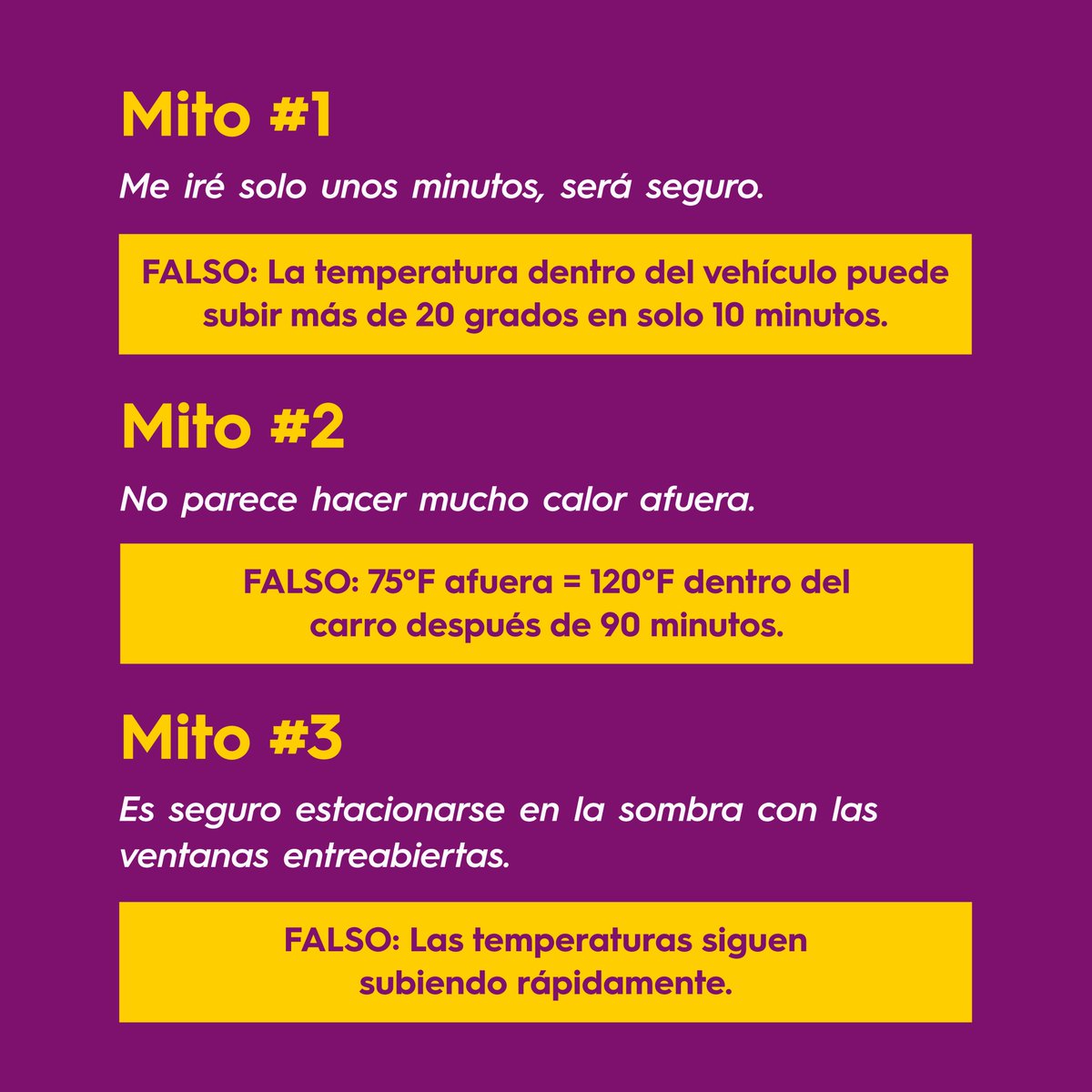
ALT Mito #1 Me iré solo unos minutos, será seguro. FALSO: La temperatura dentro del vehículo puede subir más de 20 grados en solo 10 minutos. Mito #2 No parece hacer mucho calor afuera. FALSO: 75 °F afuera iguala a 120°F dentro del carro después de 90 minutos. Mito #3 Es seguro estacionarse en la sombra con las ventanas entreabiertas. FALSO: Las temperaturas siguen subiendo rápidamente.
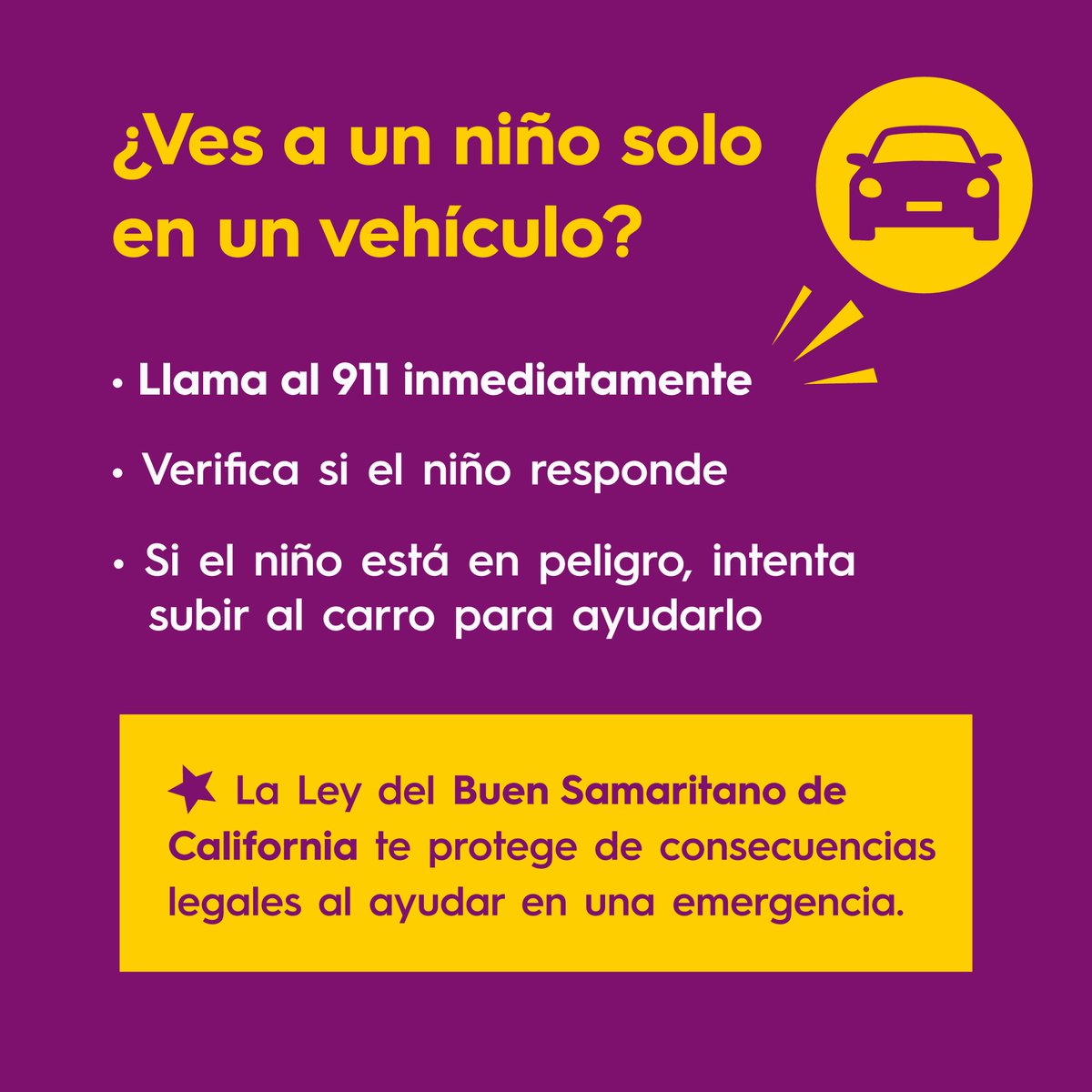
ALT ¿Ves a un niño solo en un vehículo? Llama al 911 inmediatamente Verifica si el niño responde Si el niño está en peligro, intenta subir al carro para ayudarlo La Ley del Buen Samaritano de California te protege de consecuencias legales al ayudar en una emergencia.
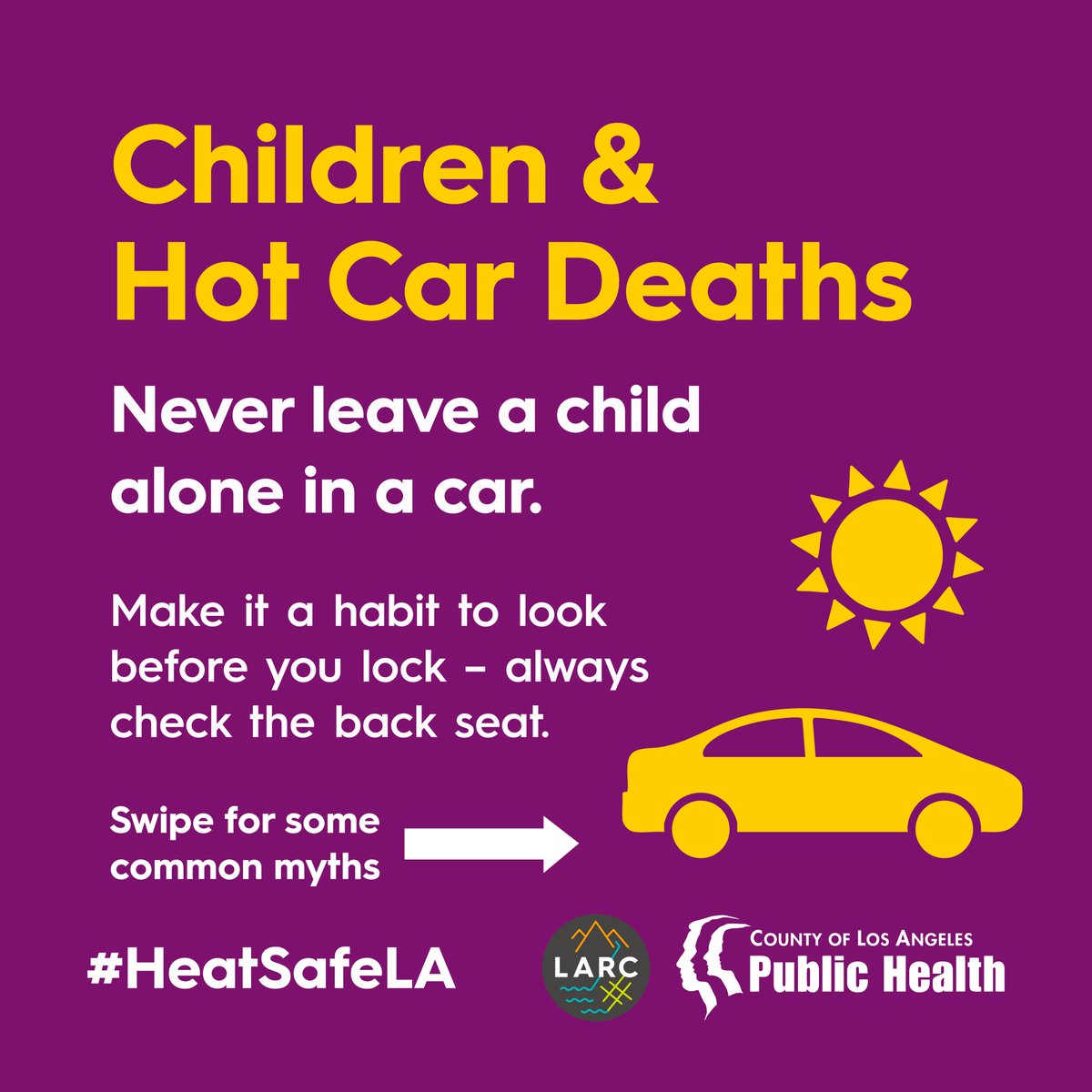
ALT Children and Hot Car Deaths Never leave a child alone in a car. Make it a habit to look before you lock– always check the back seat. Swipe for some common myths →
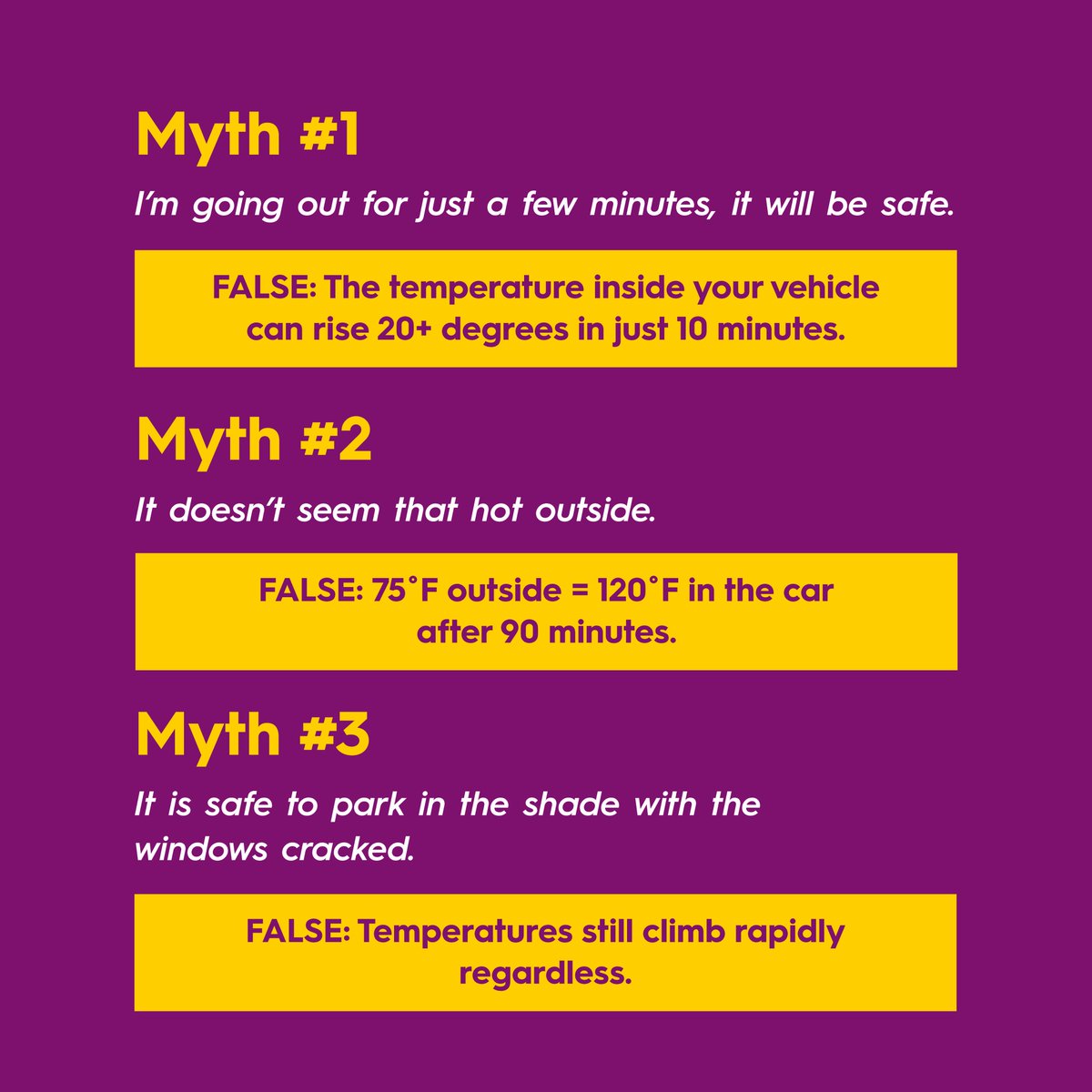
ALT Myth #1 I’m going out for just a few minutes, it will be safe. FALSE: The temperature inside your vehicle can rise 20 degrees in just 10 minutes. Myth #2 It doesn’t seem that hot outside. FALSE: 75˚F outside = 120˚F in the car after 90 minutes. Myth #3 It is safe to park in the shade with the windows cracked. FALSE: Temperatures still climb rapidly regardless.
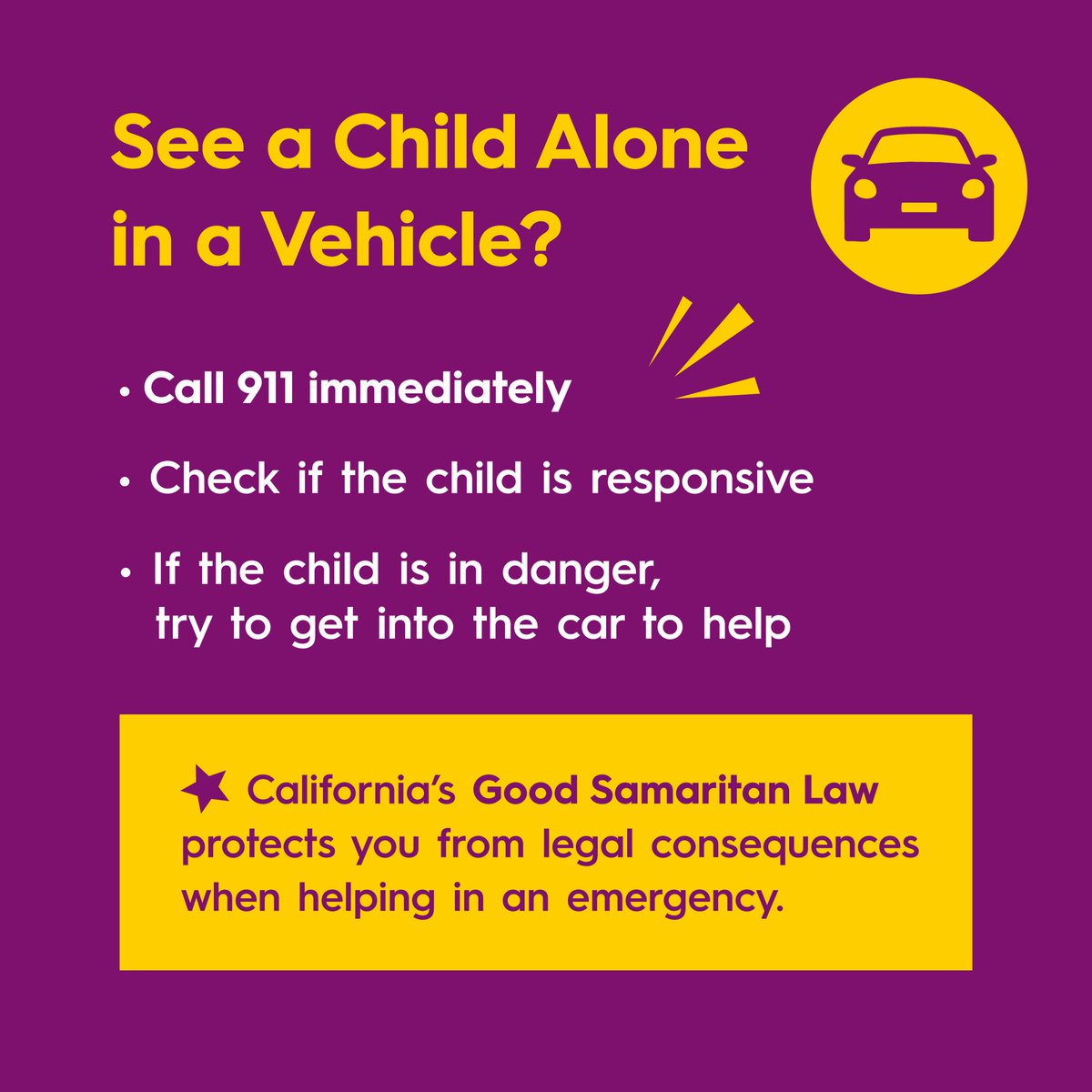
ALT See a Child Alone in a Vehicle? Call 911 immediately Check if the child is responsive If the child is in danger, try to get into the car to help California’s Good Samaritan Law protects you from legal consequences when helping in an emergency.
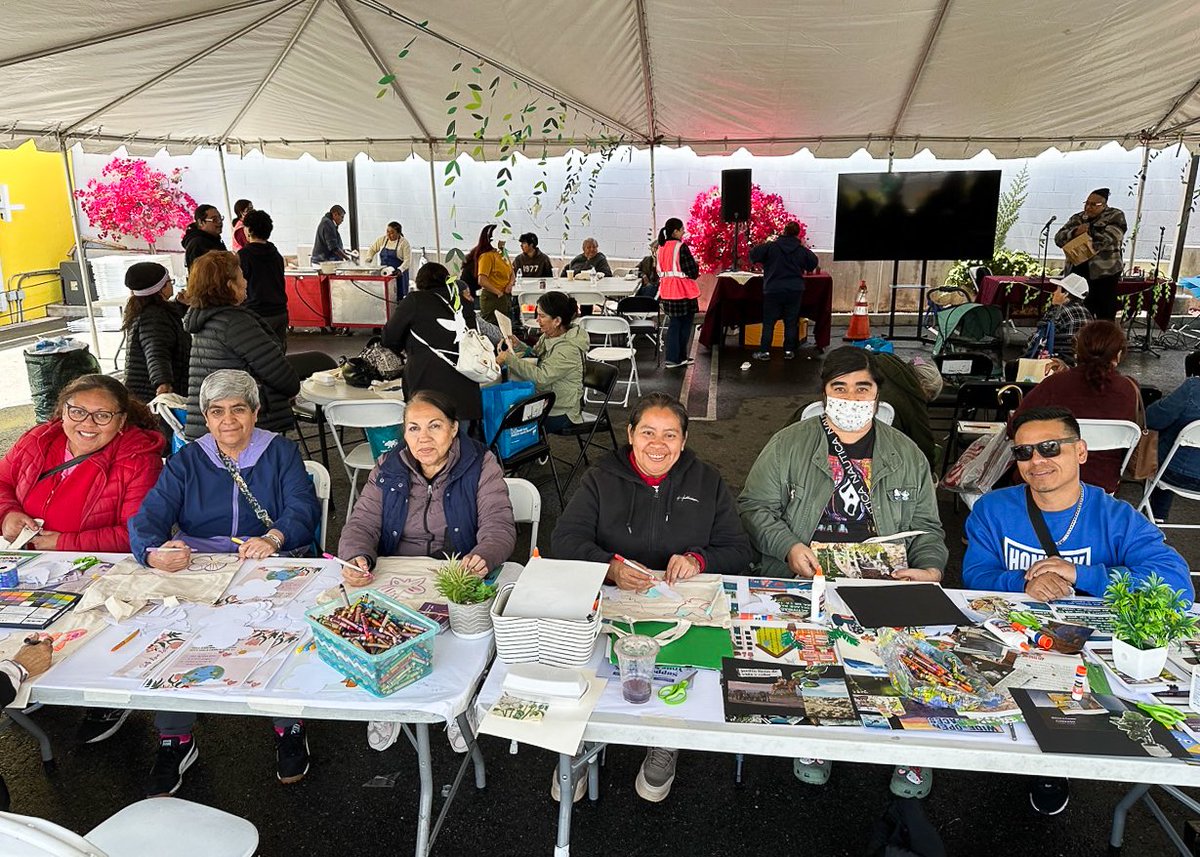
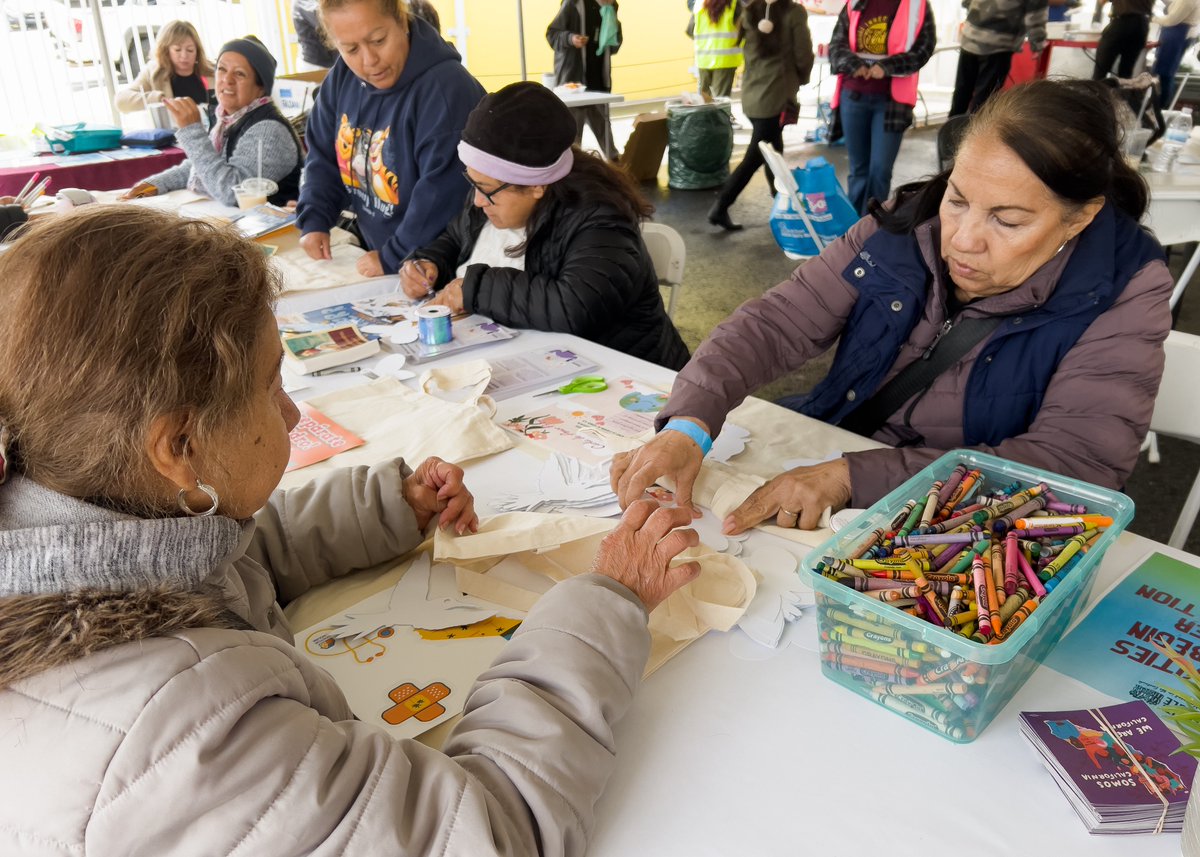
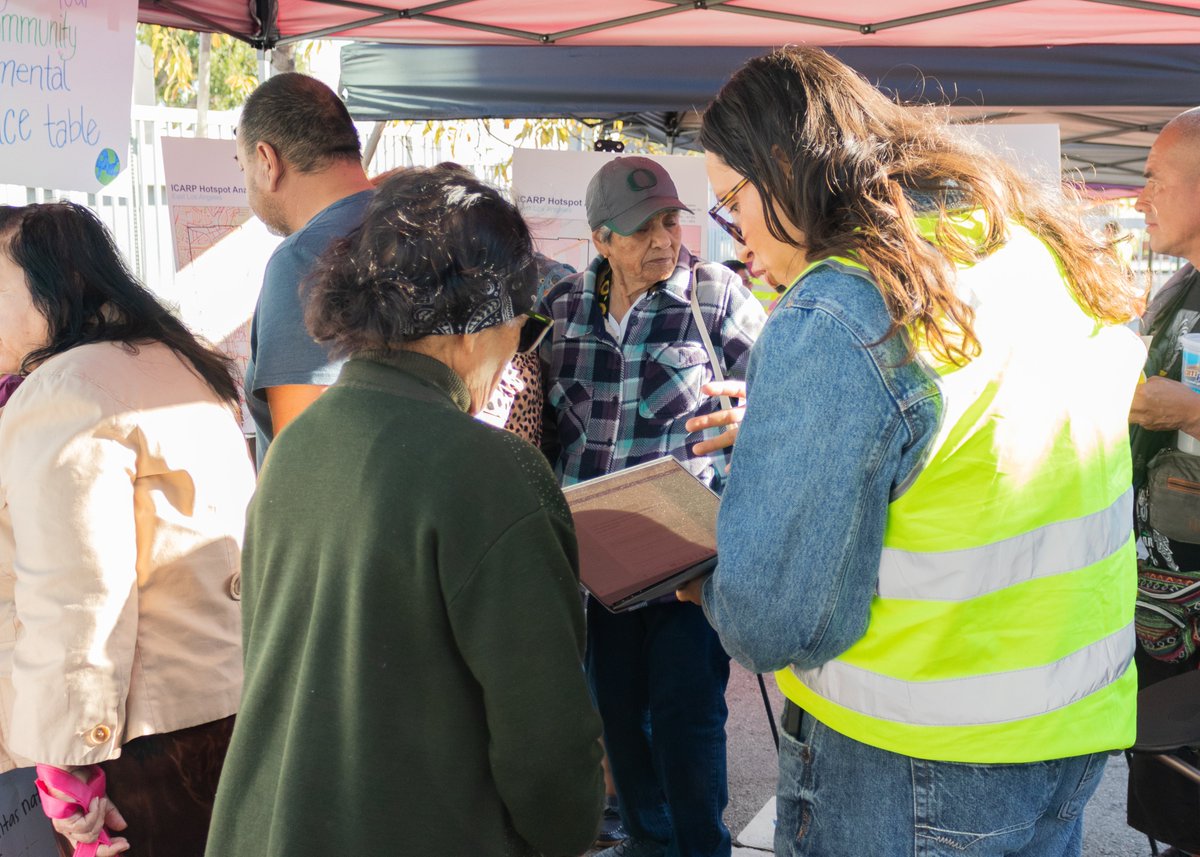
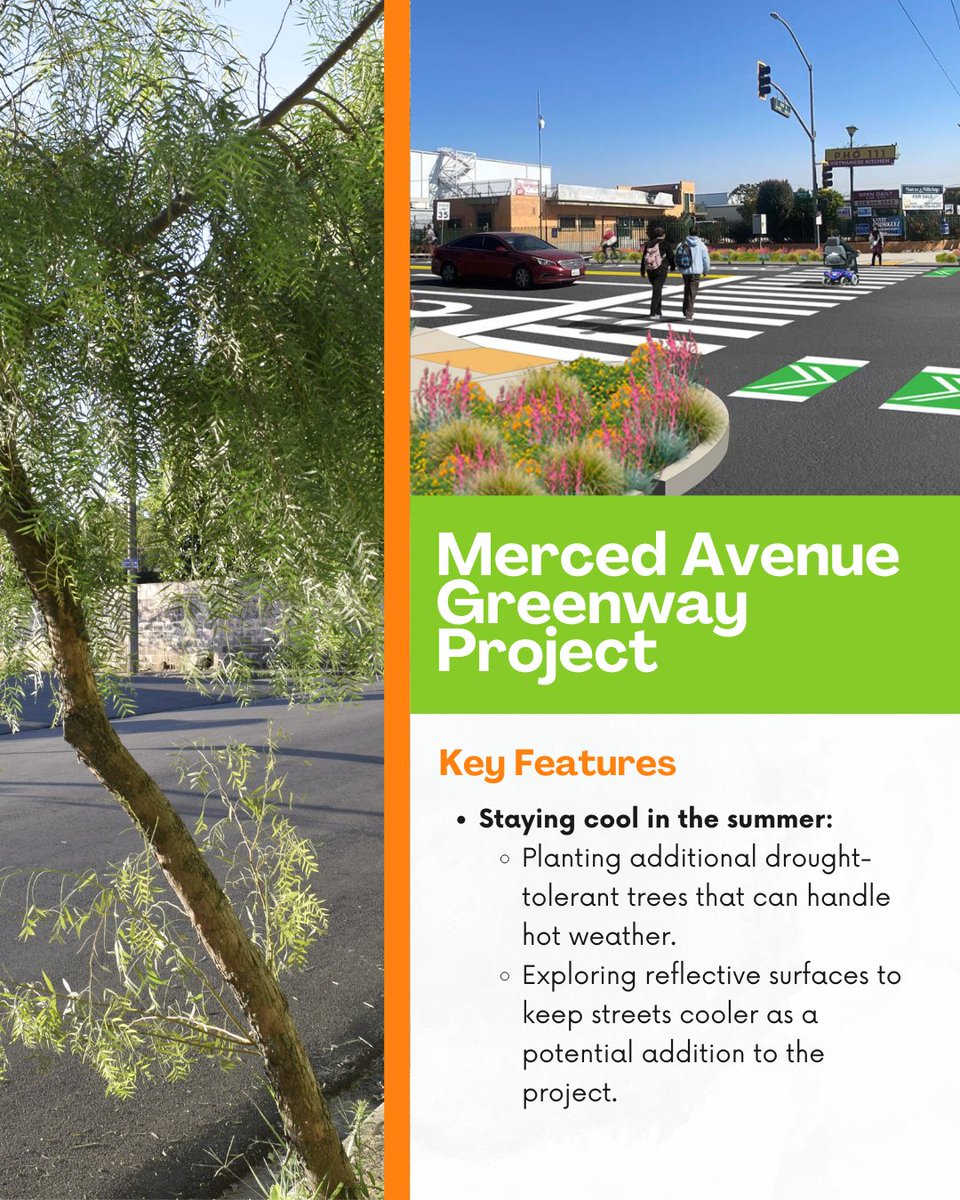
ALT Promotional image for the Merced Green Avenue Project. The left side shows a close-up of a young tree beside a paved path, while the right side depicts a pedestrian crossing with traffic lights and lush greenery. Text overlay lists key features like heat-tolerant trees and reflective surfaces to keep streets cool.