
Universal Co-Masonry is a Masonic Order dedicated to the Great Work of restoring Freemasonry to its origin and founding in the Ancient Mysteries.
Joined December 2016
- Tweets 3,015
- Following 321
- Followers 15,523
- Likes 1,041
1,696 Photos and videos

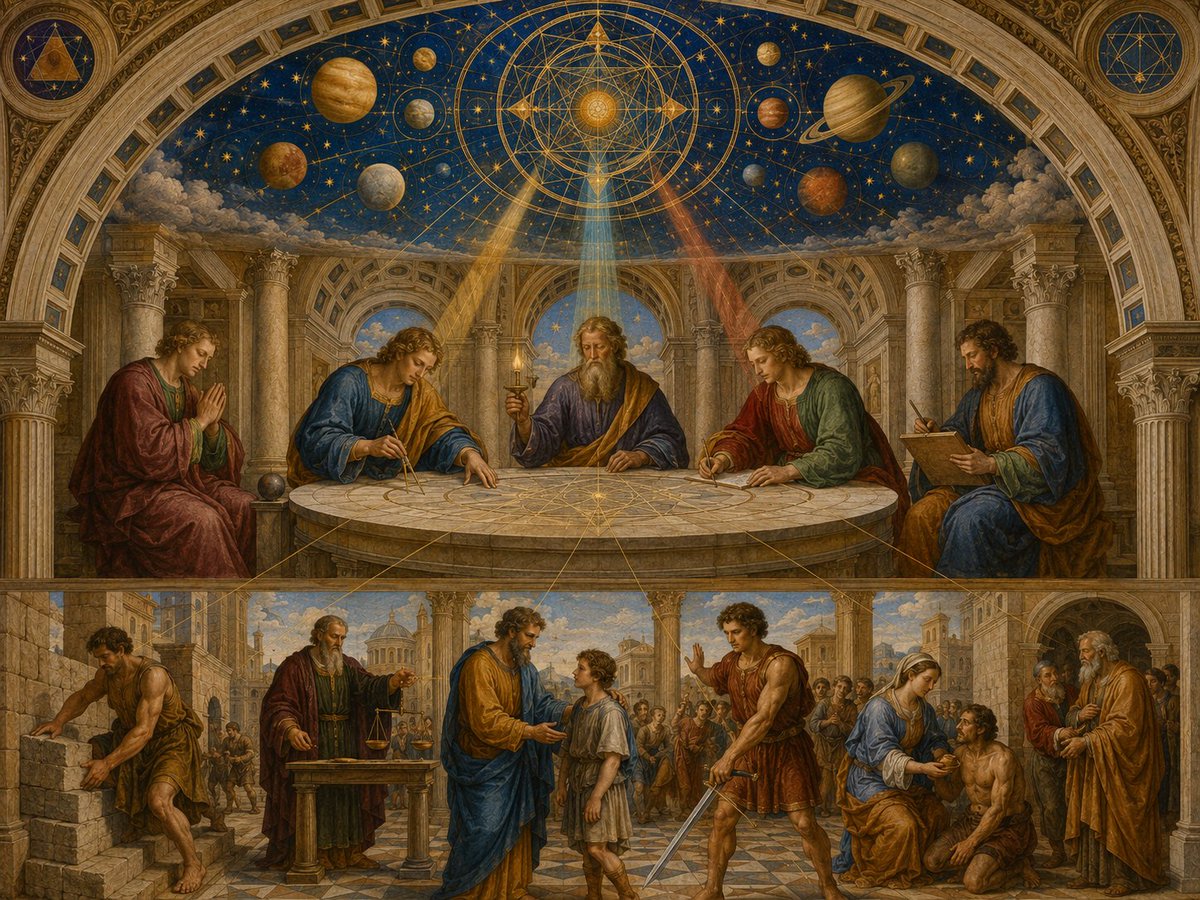
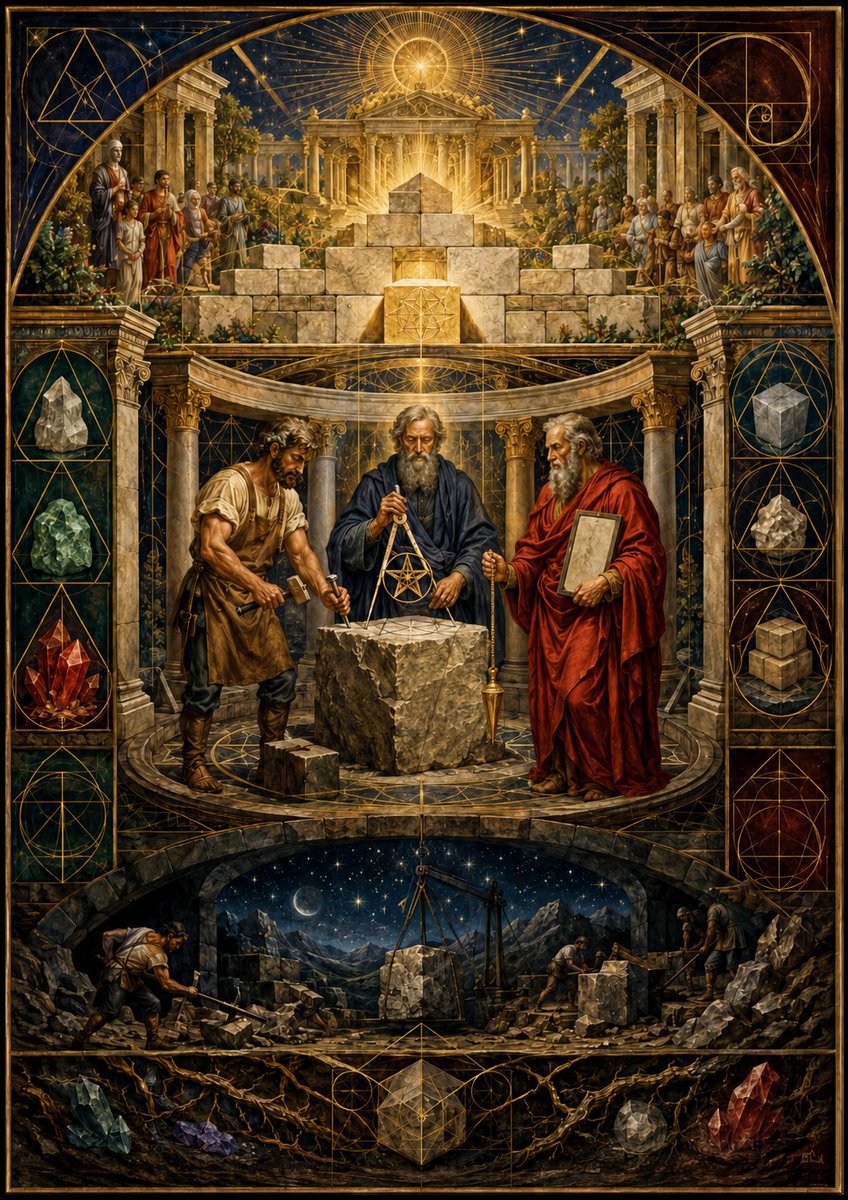
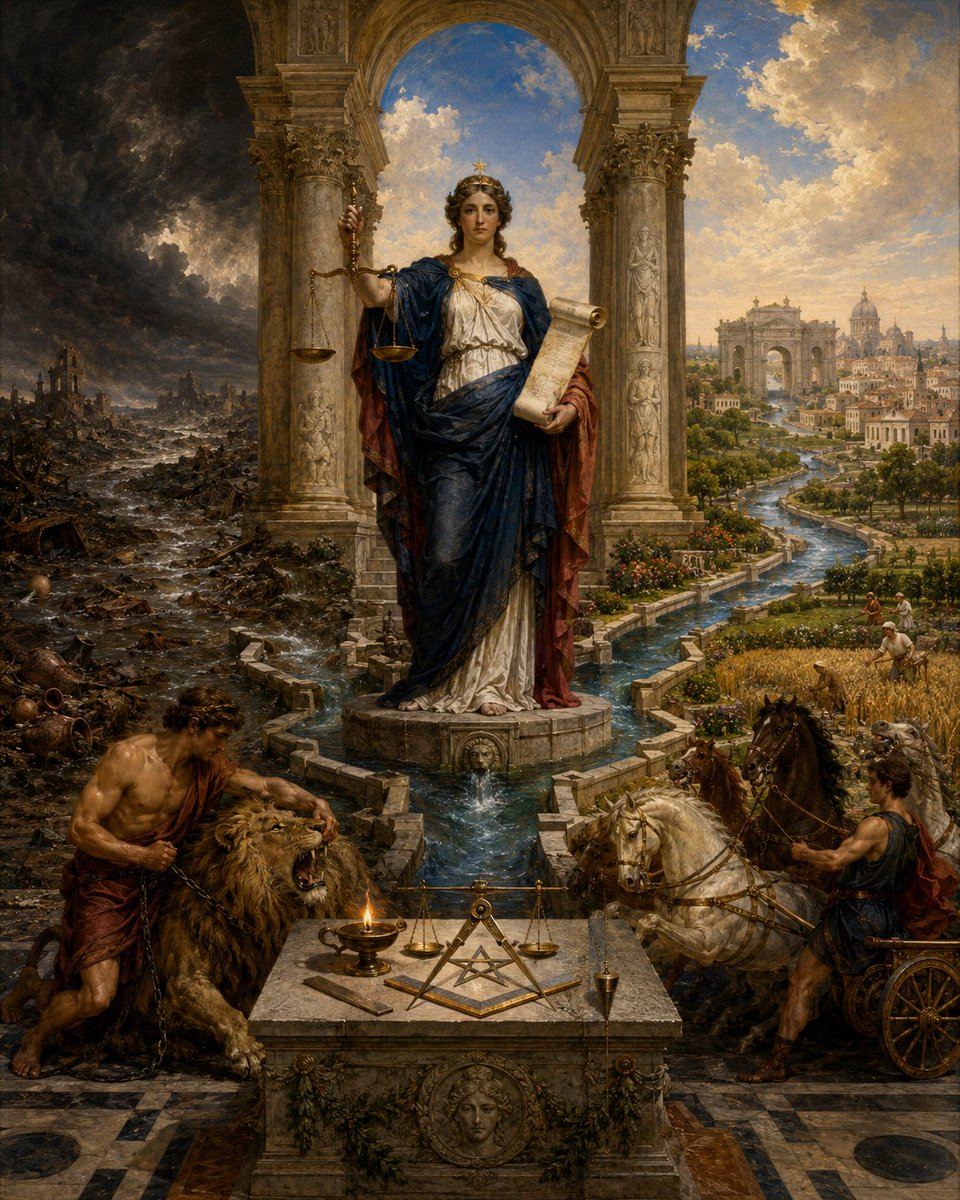

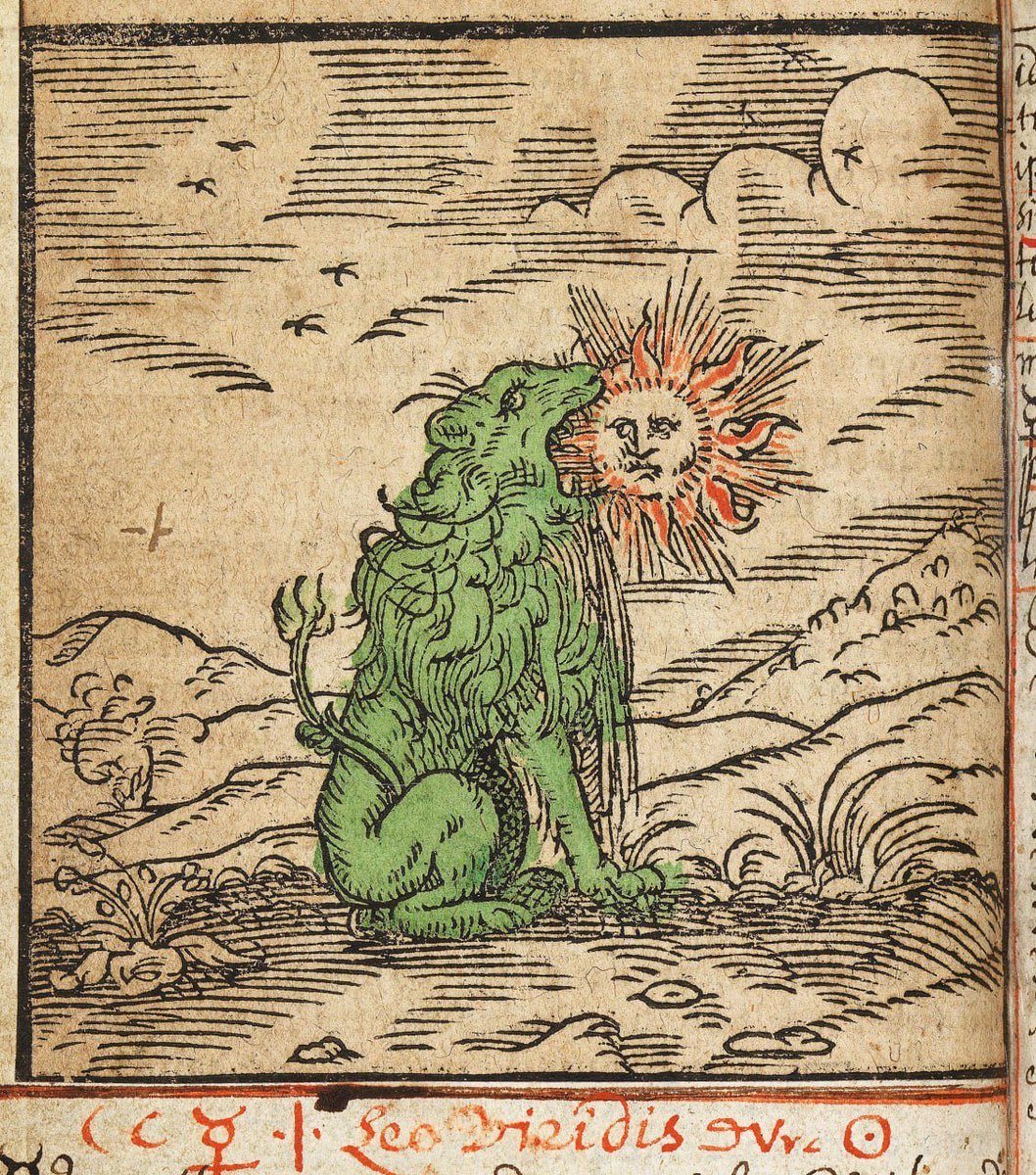

Jun 14
If Masonry teaches the equality of souls before the altar of Truth, it cannot make sex the measure of fitness for Light.
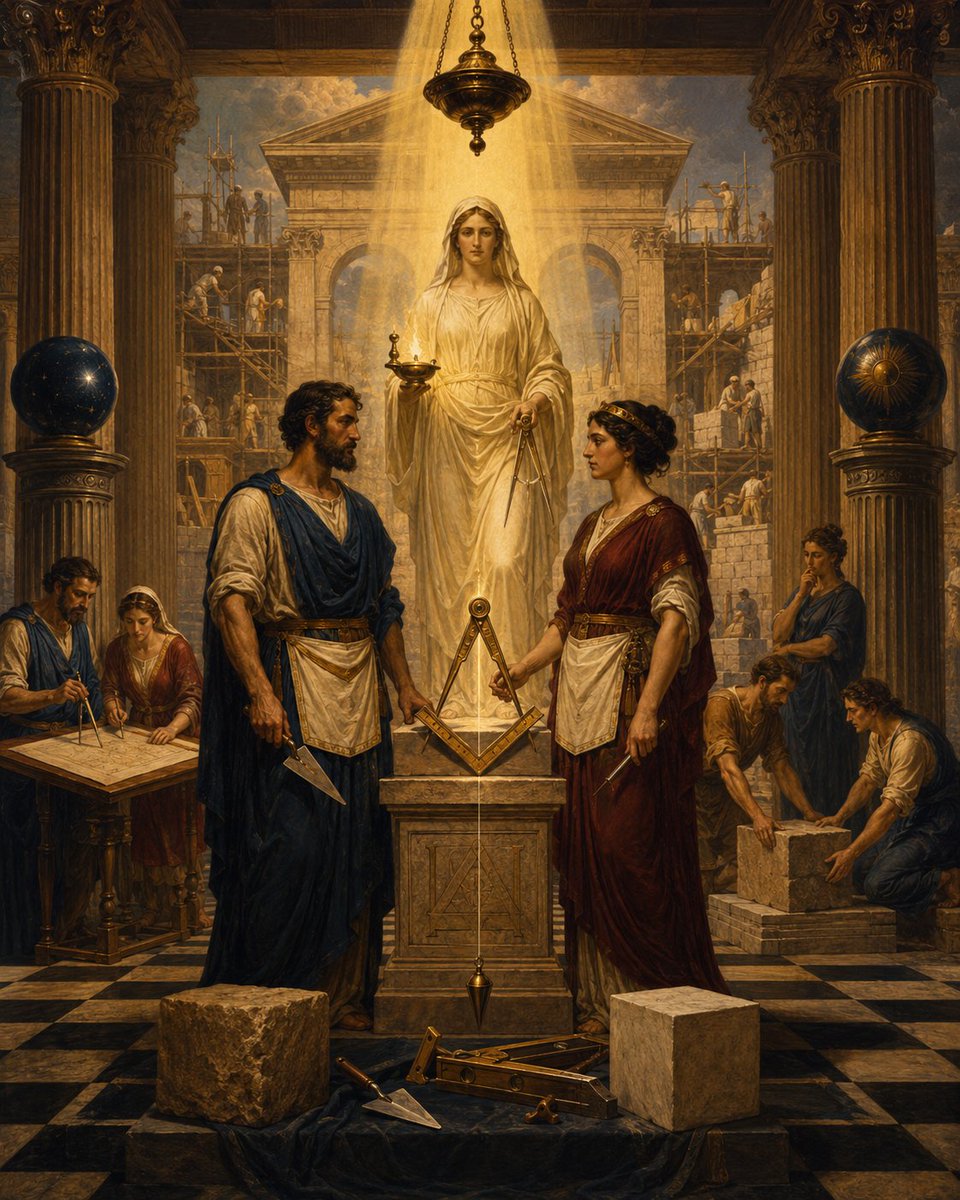
The whole doctrine of the Craft rests upon a moral proposition: that human beings are capable of improvement through discipline, knowledge, virtue, and fraternity. The rough ashlar is not male or female. The plumb line does not descend differently upon the conscience of a man than upon the conscience of a woman. The square does not ask the hand that holds it whether it belongs to one sex or another. It measures rectitude. It establishes law. It teaches the soul to stand upright.
To say that the mysteries of wisdom are suited only to men is to mistake the outer garment for the inward life. The ancient emblems speak to reason, conscience, memory, imagination, and moral will. These are not the possessions of one half of mankind. They are the instruments by which every human soul is built into order.
Masonry declares the dignity of labor, the necessity of self-mastery, the sacredness of obligation, the brotherhood and sisterhood of humanity under the eye of the Grand Architect. Its symbols are universal because they address what is universal in us: our ignorance, our longing for light, our duty to truth, our need for discipline, our capacity for virtue.
The exclusion of women from the temple of moral and spiritual instruction is therefore contrary to the deepest logic of the Craft. It narrows what Masonry itself expands. It confines what the mysteries themselves make spacious. It places a human barrier before a light which, by its nature, shines upon all who are duly prepared to receive it.
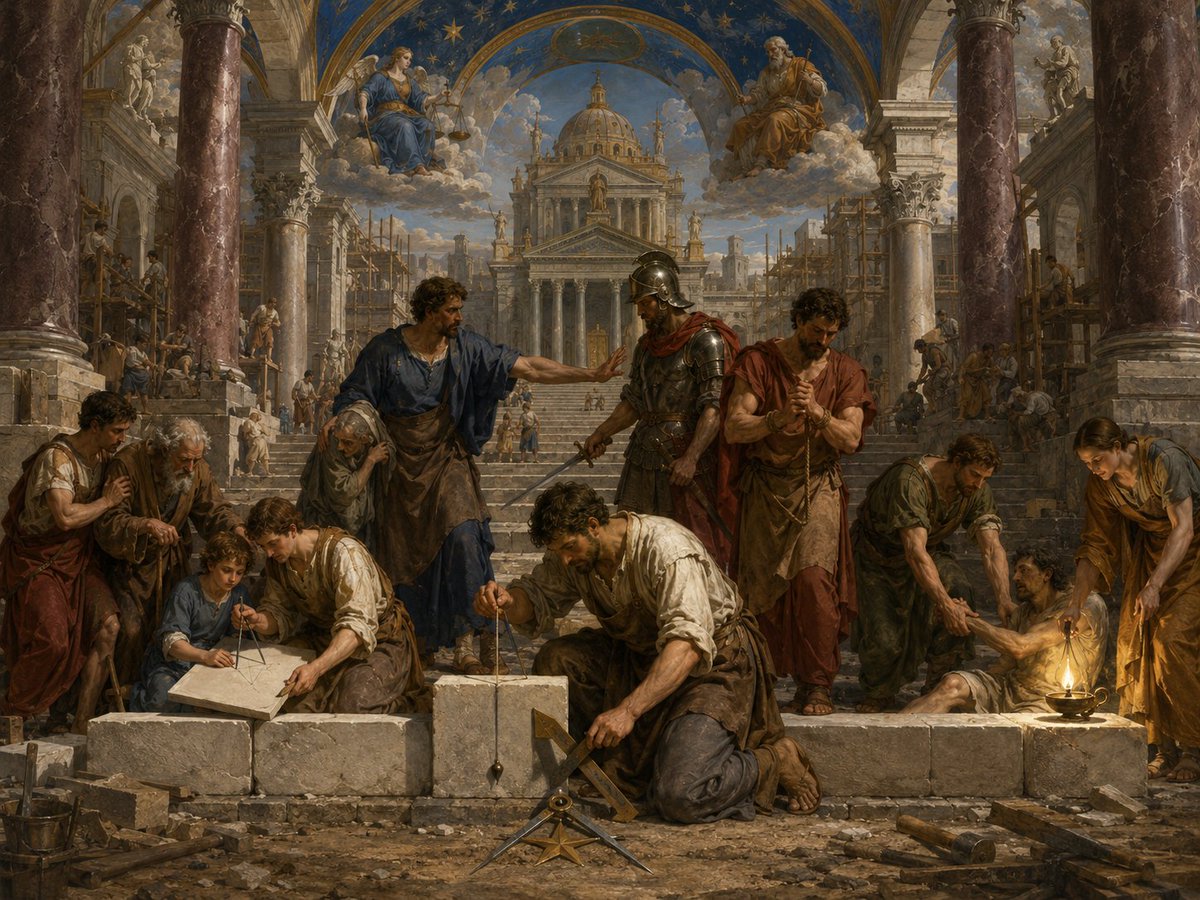
Universal Co-Masonry affirms that the work of building the temple of humanity belongs to all humanity. Men and women stand together before the same altar, under the same law of measure, bound to the same labor of self-reform and service. The stone is shaped by virtue. The soul is tested by truth. The temple is raised by every worthy hand.
5
22
90
2,068
Jun 14
The progress of Masonic enlightenment has often been slow because the Craft has not always placed its symbols in the hands of those best prepared to interpret them.
The ritual is filled with scientific allusions, architectural measures, astronomical suggestions, geometrical figures, and ancient names. Yet for long periods these treasures remained in the custody of affectionate brethren whose virtues adorned the Order, while their intellectual instruments were unequal to the work of tracing origin, tendency, and meaning.
The result has been delay, partial vision, and much repetition.
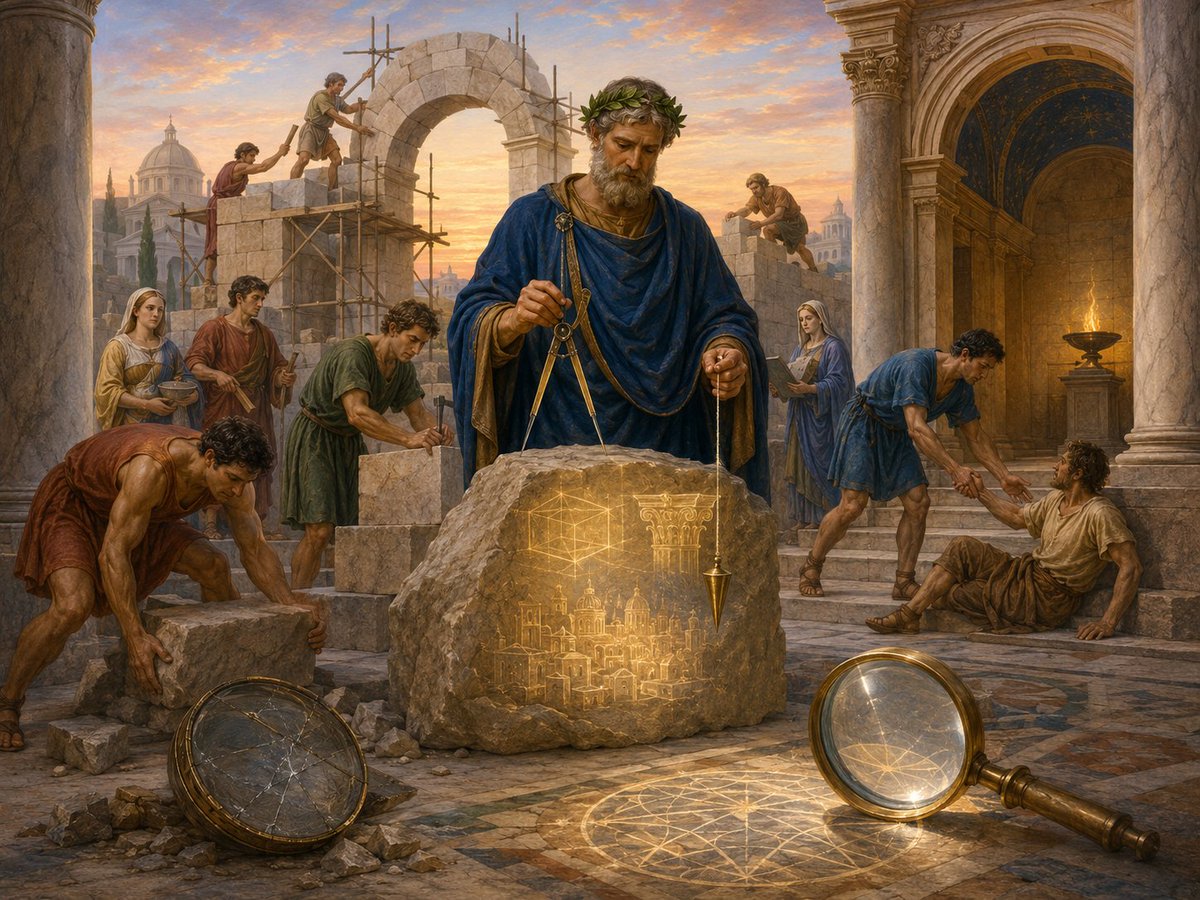
Universal Co-Masonry honors moral worth, while also calling for disciplined study. The square, compasses, level, plumb, pavement, column, and arch are not ornaments placed about the Lodge for sentiment. They are instruments of thought. They belong to a science of the soul, written in form, number, and proportion.
2
20
92
1,872
Universal Co-Masonry retweeted

Jun 11
Cosmic Egg Series no. 1 (Creative Forces) by Emil Bisttram, 1936

105
448
7,974
Jun 12
THE WORKING TOOLS
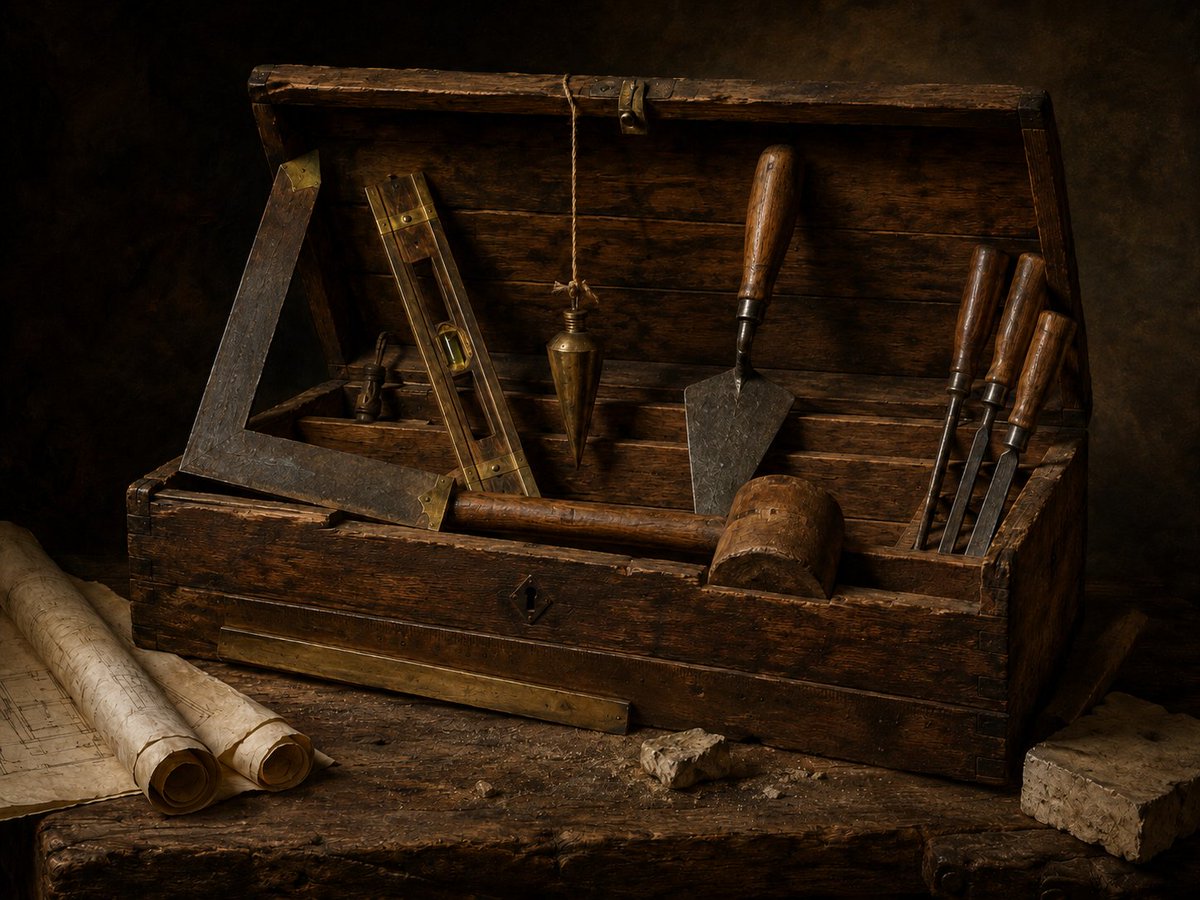
The working tools of Masonry were chosen to imprint wise and serious truths upon the memory.
A square, a compass, a level, a plumb line, and an ashlar are plain things. Their dignity lies in use. They teach by form, weight, proportion, and silence. They show that moral instruction becomes firm when it is embodied in visible law, when the hand can touch what the mind must learn.
The Lodge instructs by symbol because man is formed by repeated contact with order. Stone answers to character. Measure answers to conscience. Architecture answers to the soul.
2
20
83
1,588
Jun 11
Masonry occupies a strange and solemn position among the arts and sciences. Its ceremonies speak continually of knowledge, human and Divine; its symbols point toward an inheritance descending from remote ages; its language is full of science, geometry, architecture, number, proportion, and sacred measure.
Yet many are content to see in the Craft only a pleasant arrangement of moral sentences, useful for making Masons, but barren of deeper inquiry.
Universal Co-Masonry affirms a more serious labor. The ritual is a temple of hints. Its stones must be examined. Its measures must be studied. Its symbols must be read by minds willing to work, compare, test, and contemplate.
The Craft asks for more than attendance. It asks for study. It asks for reverence joined to intelligence. It asks that the Mason become a student of the Light he professes to seek.
9
47
996
Jun 11
For what does Masonry exist?
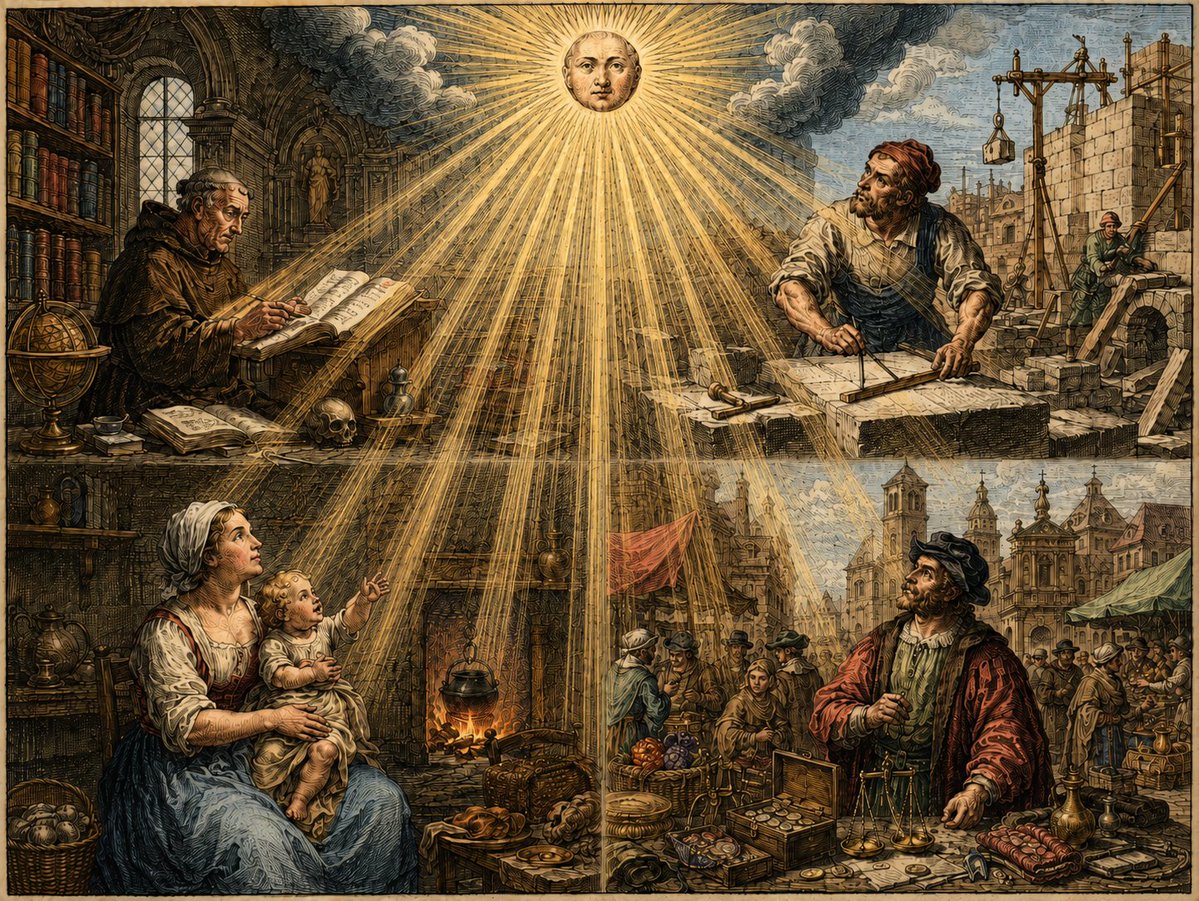
It exists to diffuse light among men. It seeks the improvement of the mind, the discipline of reason, and the cultivation of those liberal arts by which the rough material of human nature is brought under measure. The Lodge is therefore a school, an altar, and a workshop: a place where knowledge is received, ordered, and applied to the conduct of life.
Universal Co-Masonry holds that this light belongs to the whole human family. The mind has no sex, virtue has no caste, and truth recognizes no artificial boundary where sincere labor is found.
4
15
72
1,634
Jun 11
ARE YOU WORTHY?
There are men and women who feel that life requires a higher rule than appetite, fashion, and accident; that worldly life is empty.
For those who have long studied sacred symbolism, philosophy, the Ancient Mysteries, and the moral architecture of the soul, Universal Co-Masonry offers a living path of instruction, fellowship, and service.
The Craft teaches through symbol and ritual. Its purpose is the building of character, the cultivation of virtue, and the elevation of humanity.
Universal Co-Masonry seeks sincere men and women who yearn for moral formation, philosophical study, symbolic instruction, and fraternal labor.
Are you among the worthy?
Begin your inquiry here:
universalfreemasonry.org/en/…
7
45
872
Universal Co-Masonry retweeted

Jun 11
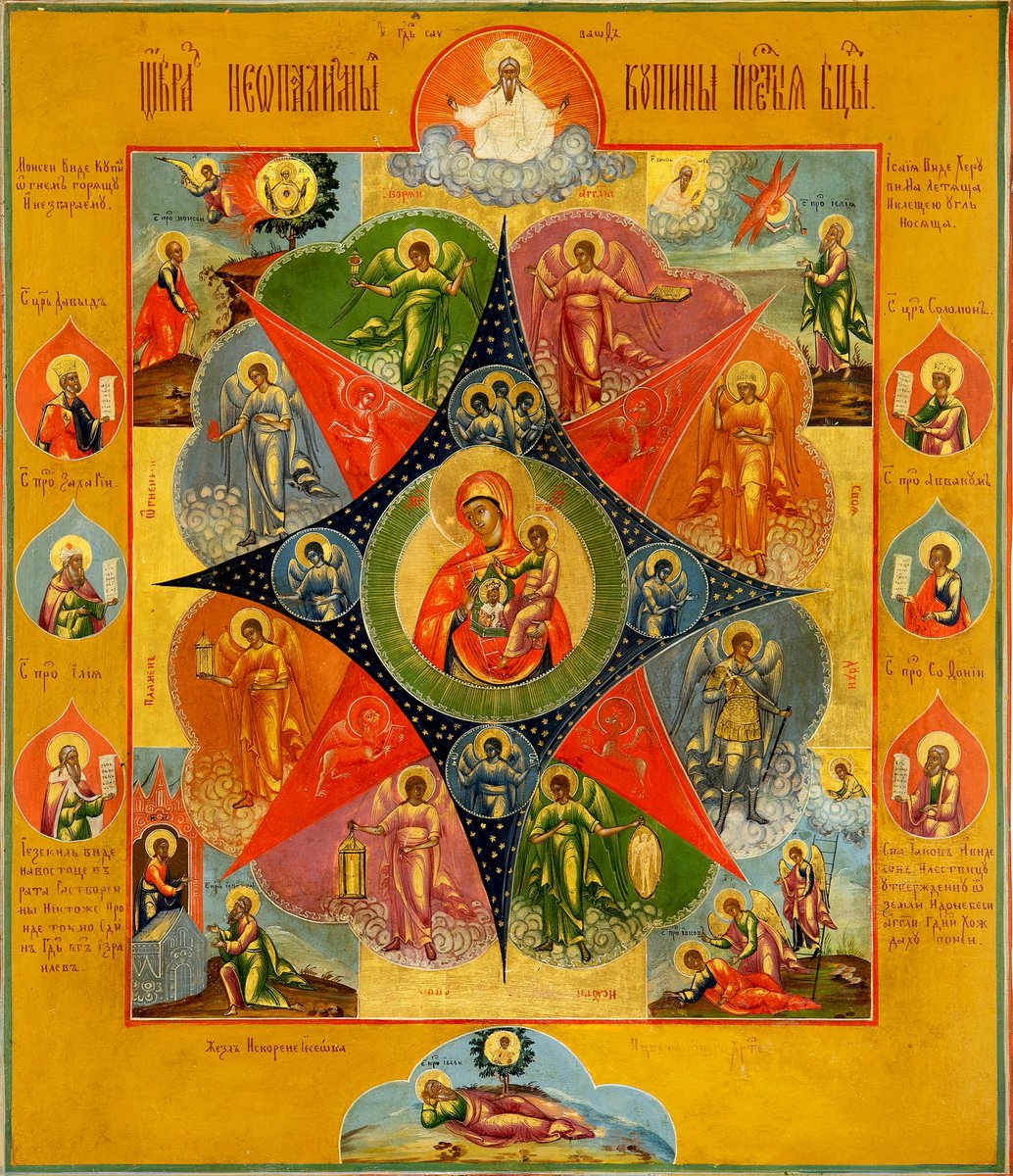
Mother of God of the Burning Bush, Russian Icon, first half 19th century
2
126
579
8,569
Universal Co-Masonry retweeted

Jun 11
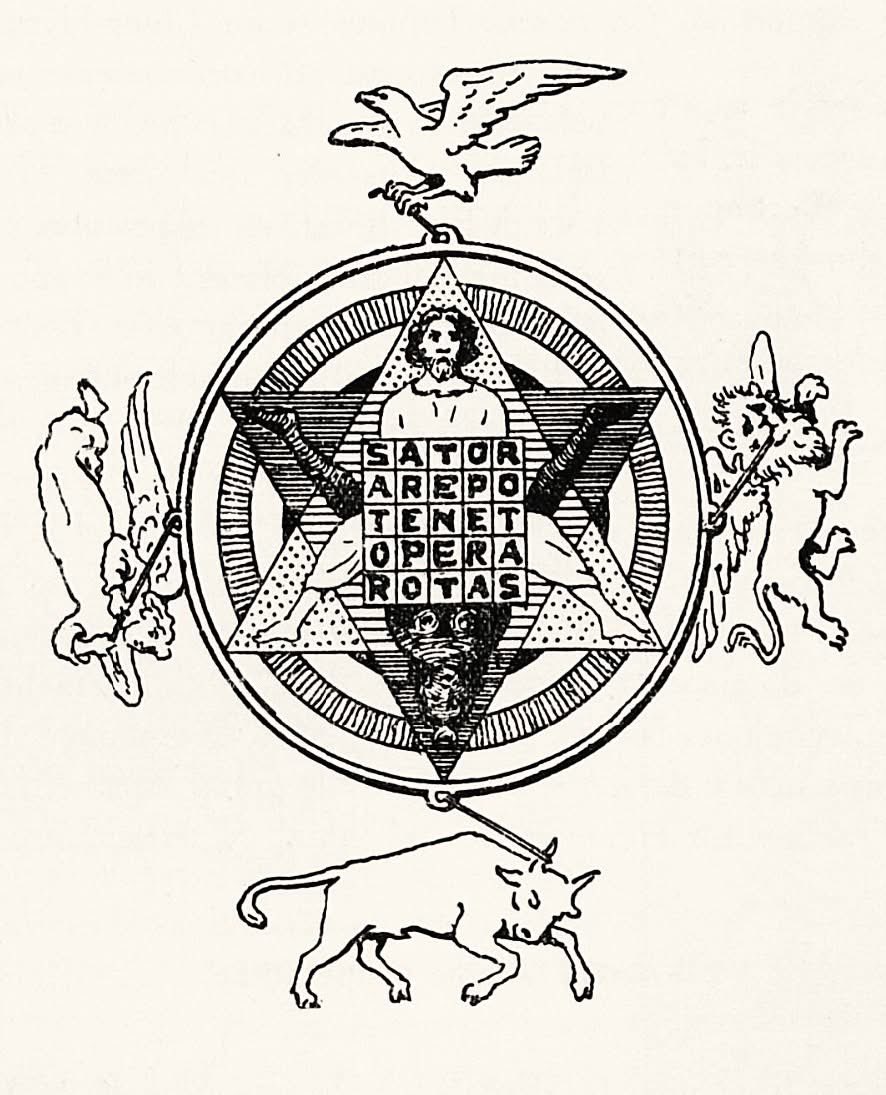
"As it is said in Genesis, the Spirit of Elohim thus hovers above the dark waters, as the impenetrable master of the swirling of the cosmogonic Wheel. Severe, placid, forever enigmatic, the eternal Sphinx remains master of its secret, which is the Great Arcanum, the creative Word hidden from creatures, the initial Yod of the divine Tetragrammaton."
Le tarot des imagiers du Moyen-âge by Oswald Wirth, c. 1926-1927
4
57
274
5,946
Universal Co-Masonry retweeted
Jun 10
ARE YOU WORTHY?
There are men and women who feel that life requires a higher rule than appetite, fashion, and accident; that worldly life is empty.
For those who have long studied sacred symbolism, philosophy, the Ancient Mysteries, and the moral architecture of the soul, Universal Co-Masonry offers a living path of instruction, fellowship, and service.
The Craft teaches through symbol and ritual. Its purpose is the building of character, the cultivation of virtue, and the elevation of humanity.
Universal Co-Masonry seeks sincere men and women who yearn for moral formation, philosophical study, symbolic instruction, and fraternal labor.
Are you among the worthy?
Begin your inquiry here:
universalfreemasonry.org/en/…
4
13
81
1,996
Universal Co-Masonry retweeted
Jun 10
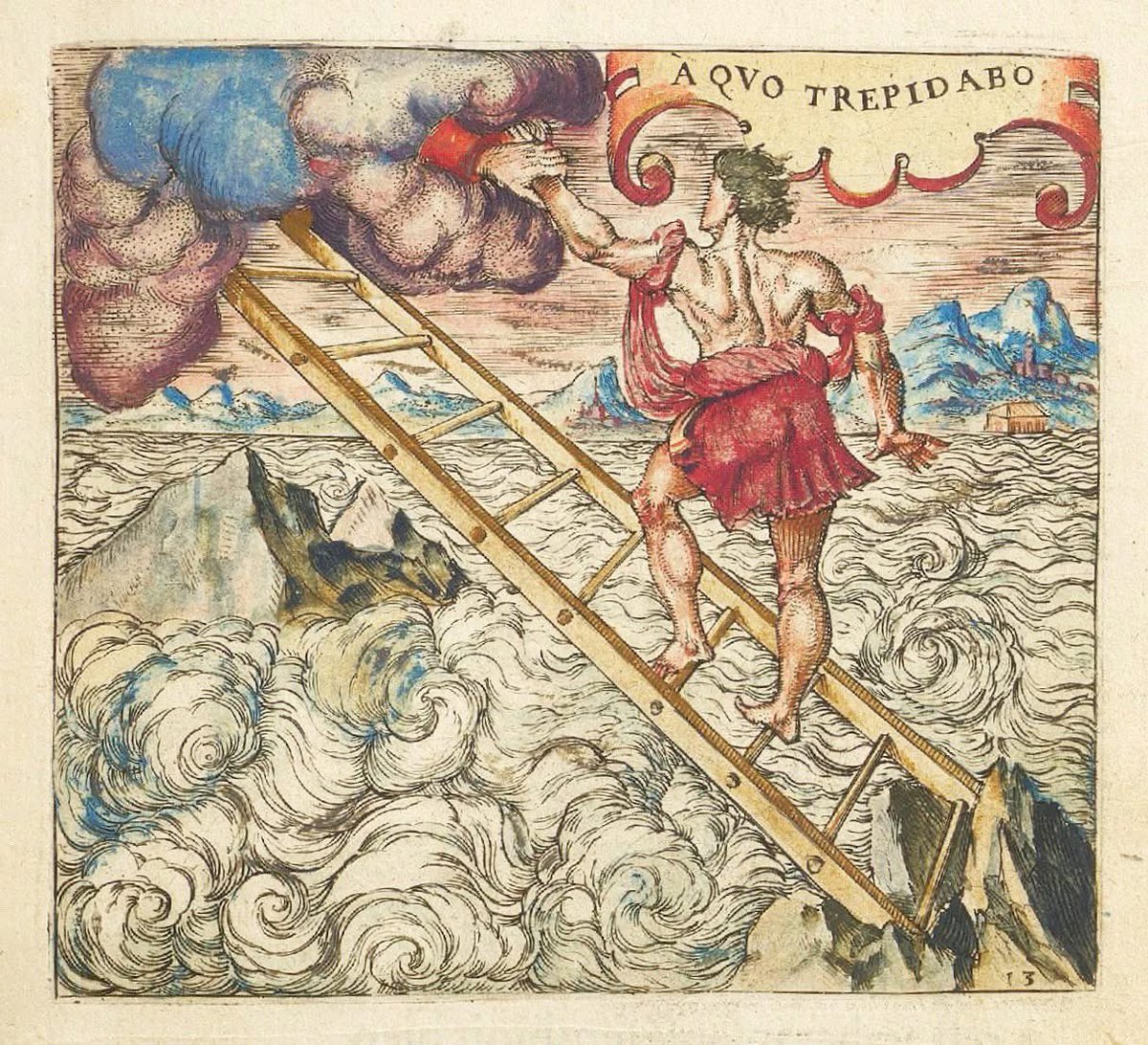
"Though he may seem like one about to fall, he makes his footsteps firm, whose step the friendly right hand of God supports. Learn, therefore, to entrust yourself entirely to God with all your mind. There is no salvation if God is lacking."
Stammbuch der Herzogin Barbara Sophia von Würrtemberg - Cod. Durlach 10, c. 1601-1640
16
117
3,021
Jun 10
THE VOLUMES OF SACRED LORE
The sacred books of mankind contain jewels of fairest radiance: words of mercy, purity, fidelity, justice, reverence, and self-command. They also bear the marks of the ages through which they passed, with social customs, harsh judgments, and contradictions belonging to former conditions of human growth.
The wise therefore approach them with reverence and discrimination. They gather the gold, they leave the dross, and they subject every precept to the bar of reason and the purified conscience.
Universal Co-Masonry honors the true utterances of sages and saints wherever found. The Lodge receives light from many lamps, while the square, the plumb, and the compasses teach each initiate to test, measure, and build according to moral law.
2
14
77
1,471
Jun 10
THE FOUNDATION OF MORALITY
Must morals rest upon command alone, or upon that inner law which the awakened conscience recognizes as just?
Every age receives its Scriptures, teachers, customs, and inherited words. Yet the soul must still ask why Right is Right, and why Wrong is Wrong. Authority may speak, tradition may preserve, and ancient pages may bear noble precepts; but moral life becomes secure only when reason, conscience, and disciplined judgment test the command and find it worthy.
Universal Co-Masonry teaches that the moral edifice must be built upon a foundation able to stand against the storms of life. The stone is tested. The line is measured. The workman must know the difference between obedience and virtue, between inherited form and living truth.
1
12
61
1,345
Every outward act has an inward root. Even when we say that we acted without thought, an older thought has usually acted through us. Words spoken in haste, judgments formed too quickly, injuries returned in kind, and fears allowed to govern conduct all arise from tendencies long permitted to grow within.
Thought, therefore, is not a harmless private mist. It is a moral instrument. To govern it is not to become rigid or lifeless, but to take responsibility for the causes from which speech and action spring. Resentment, envy, fear, pride, and cruelty do not remain forever concealed. If nourished inwardly, they will seek expression outwardly. In the same manner, goodwill, patience, courage, reverence, and benevolence prepare the ground for noble conduct.
The mind is a workshop. What is repeatedly laid upon its bench is eventually fashioned into character. A cruel thought refused is not a small victory. A suspicious thought corrected by fairness, an irritated thought quieted by calm, a selfish thought displaced by consideration—each is real work upon the unseen foundation of life.
Public virtue begins in private discipline. The world sees the deed, but the deed has roots beneath the surface. If we would improve the visible life, we must tend the invisible one. The wise person watches thought carefully, not from fear, but because a powerful instrument has been placed in human hands, and power carries duty.
7
23
121
2,040
Many sincerely desire to improve the world. They see injustice, confusion, selfishness, and suffering, and they long to set things right. Such desire is honorable, but it must be joined to a stricter truth: the first field of reform is the self.
This is not a retreat from public duty. It is preparation for it. We can give to the world only what we have actually cultivated. One who would bring peace must practice calmness. One who would defend truth must discipline his own thought. One who would serve humanity must loosen the grip of vanity, resentment, self-interest, and the demand to be constantly considered.
Good intentions alone are not sufficient. A disordered person may carry disorder into the very cause he wishes to help. Service requires strength as well as sympathy, clearness as well as zeal, patience as well as indignation, humility as well as conviction.
Every human connection offers training. The difficult conversation, the inconvenient duty, the person who tests our patience, the moment when no one is watching—each presents material for the building of character. Rights may be loudly claimed, but duty must be quietly performed.
The world is not renewed by declarations alone. It is strengthened by men and women who become more truthful, generous, steady, and useful in the daily places assigned to them. Larger service is prepared through smaller faithfulness. To reform the world with clean hands, we must first submit ourselves to the discipline we ask of it.
4
18
91
2,446
A critical spirit often passes for intelligence. It is easy to detect defects, belittle effort, and name weakness in another. Such discernment may seem sharp, but sharpness alone is not wisdom. A mind trained only to find fault becomes an instrument of division.
The builder must learn another discipline: to perceive the good that is present, latent, or struggling to appear. This does not mean excusing wrong, denying disorder, or calling every action noble. It means refusing to make suspicion and contempt the settled habit of the soul.
When we look only for faults, we diminish both ourselves and those before us. We reduce a person to his worst hour, an institution to its failures, and the world to evidence for despair. But when we look for the good, we become capable of assisting its emergence. Trust may call forth faithfulness. A generous judgment may give room for amendment. A patient eye may recognize the first outline of virtue where others see only roughness.
To see the good is not weakness. It is disciplined strength. It requires command of the lower impulse to condemn, and a steadier loyalty to what may yet be built. The unfinished stone is not ignored because it is rough; it is studied with the knowledge that form is possible.
The world has no scarcity of critics. It needs builders: men and women able to discern imperfection without worshipping it, and to labor for the hidden good until it stands more clearly in the light.
2
24
109
1,836
Universal Co-Masonry retweeted
Jun 5
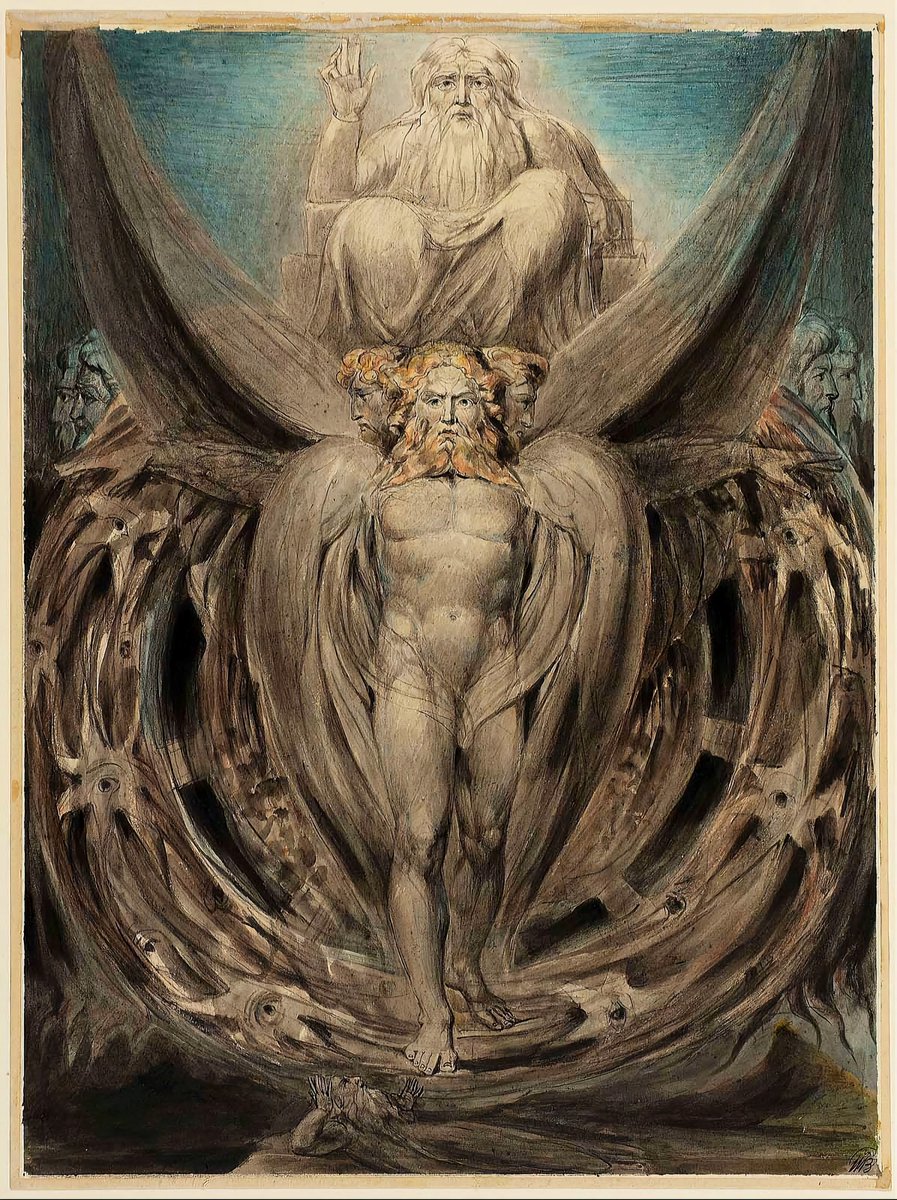
William Blake, The Whirlwind: Ezekiel's Vision of the Cherubim and Eyed Wheels, ca 1803-5
4
140
735
13,052