Liber Sum 📖 / MilesChristi⚔️/ Psalms 112:6-9 / Head Coach @RHSTrojanFB 4xStateChamp / TheProcess Pain=Transformation™️ 🪓 / Founder @LeadershipC2 🕸 GoIrish☘️
Joined December 2021
- Tweets 500
- Following 1,458
- Followers 301
- Likes 6,691
35 Photos and videos







Pinned Tweet

20 Nov 2022
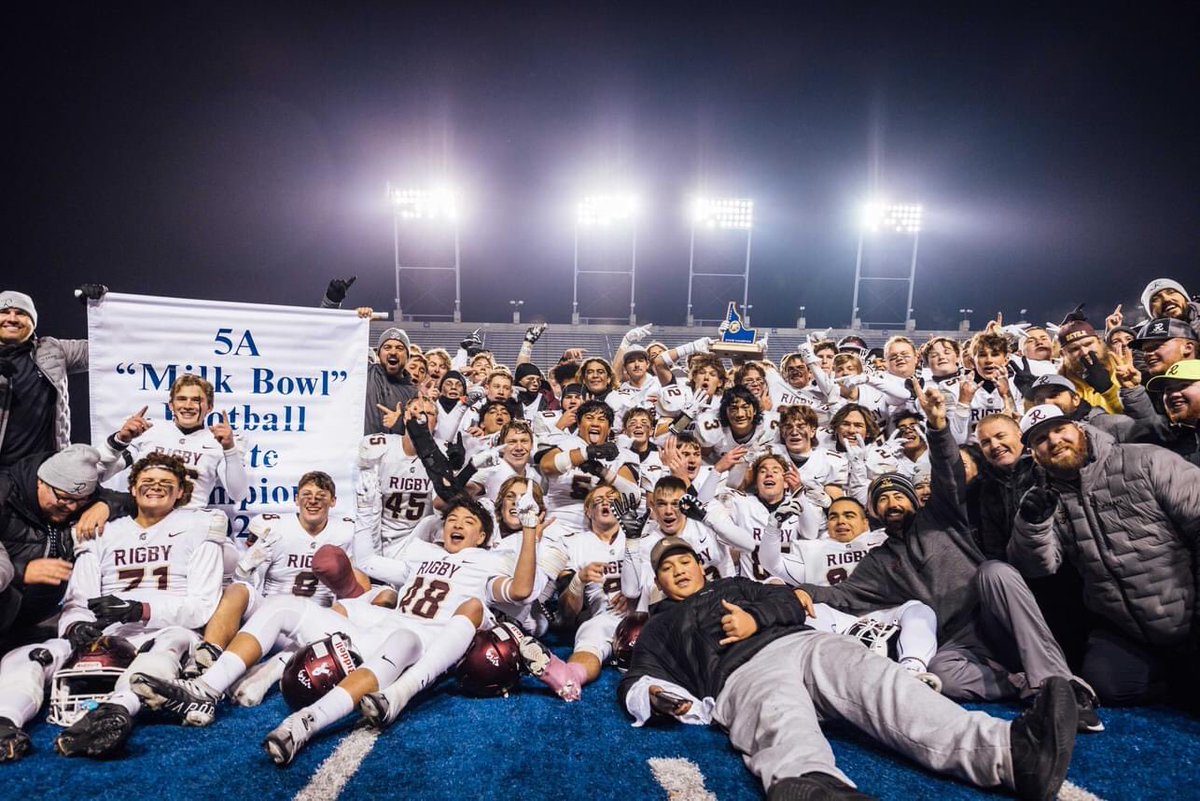
Another wild ride with my boys. @RHSTrojanFB Team 113 was not expected by most to win another Idaho 5A State Title but they were one of the most intelligent and coachable groups I have coached. Proud to be a Trojan!
1
2
48
Stand for Truth. The world has enough men without chests.
Feb 7

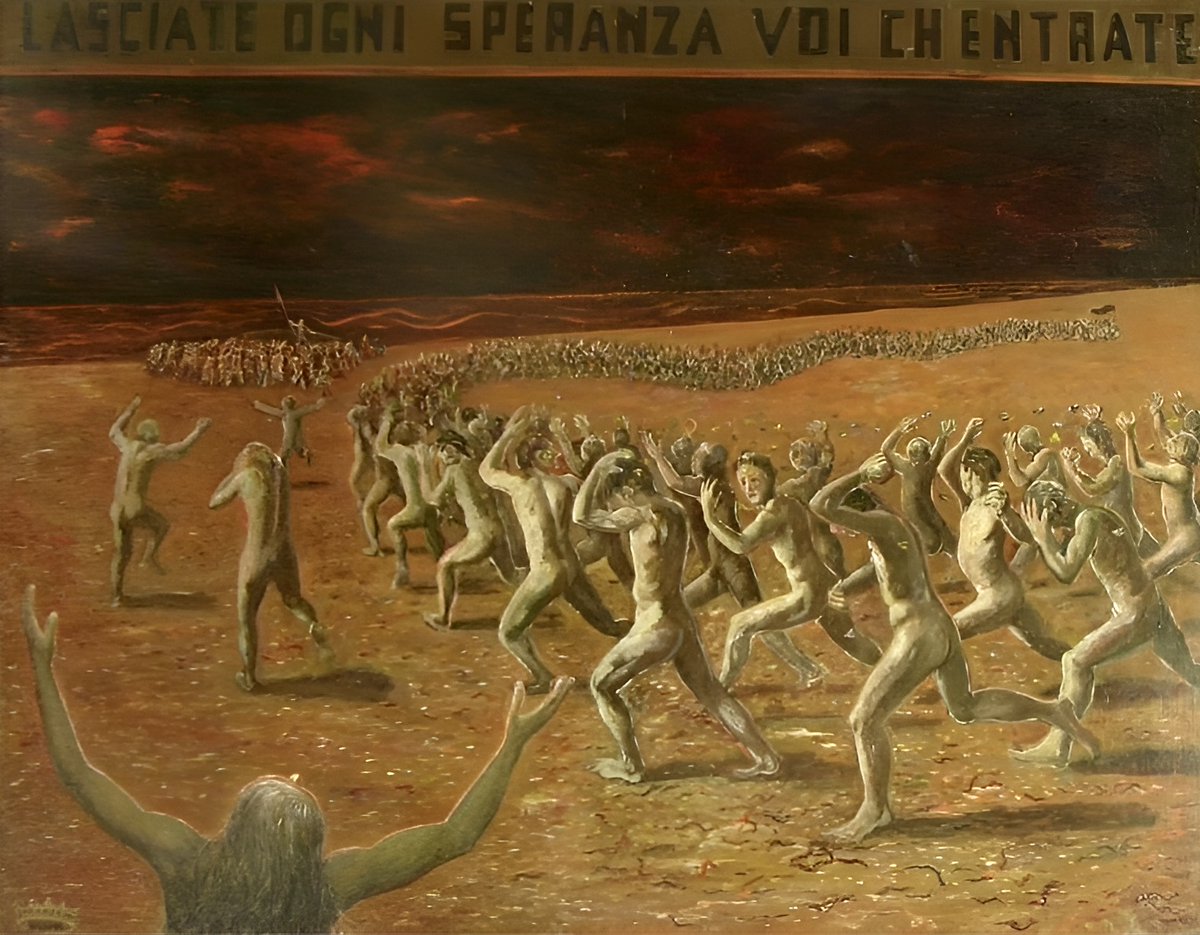
Dante's Inferno treats neutrality just as harshly as actual sin.
People who took no side in life, the "uncommitted," land in the Vestibule of Hell. Since they fought under no flag, their punishment is to chase a meaningless, blank banner for eternity. This is the contrapasso that corresponds to their actions.
For sitting out the spiritual war (choosing neither good nor evil), Dante considers them people who "were never alive."
He has them chased and stung by hornets, while maggots on the ground feed on the blood. In other words, for refusing to risk shedding blood in life, the blood now spilled for their efforts is wasted in the dirt. The maggots evoke death, for these are people who never lived.
Dante, who was exiled for his own political life, saw wealthy families of Florence opt out of important issues because they had too much wealth and comfort to lose. Dante doesn't even give them the courtesy of mentioning them by name — the uncommitted are all nameless.
There is no neutrality in moral matters. If you stand for nothing, nothing is what you'll become.
88

As a leader, you cannot let things slide. Nobody likes conflict but if you think things will just go away because you ignore them you are destined for a fall.

1
109
Armando G. Gonzalez⚜️ retweeted

Feb 6
This teacher-turned-cognitive scientist shared a disturbing reality that left the room stunned.
“Our kids are LESS cognitively capable than we were at their age.”
Every previous generation outperformed its parents since we began recording in the late 1800s.
So, what happened?
Screens.
Dr. Jared Horvath explained:
“Gen Z is the first generation in modern history to underperform us on basically every cognitive measure we have, from basic attention to memory, to literacy, to numeracy, to executive functioning, to EVEN GENERAL IQ, even though they go to more school than we did.”
“So why? … The answer appears to be the tools we are using within schools to drive that learning (screens).”
“If you look at the data, once countries adopt digital technology widely in schools, performance goes down significantly, to the point where kids who use computers about five hours per day in school for learning purposes will score over two-thirds of a standard deviation LESS than kids who rarely or never touch tech at school. And that’s across 80 countries.”
But screens aren’t just decimating learning and making new generations less intelligent than the ones before them.
134
1,732
4,106
179,129
Excellence is the Standard. And yes, this might not be for you. But…
“Those who stay will be champions.” - Bo Schembechler

Dan Hurley shares the difference between transactional and transformational coaching.
"I'm a transformational coach. I'm not transactional."
"The work rate. The standards. The unwaveringly high standards that were going to be bestowed upon everyone associated with the program was going to be incredibly uncomfortable."
High standards aren't comfortable. They're not supposed to be.
"But the payout was going to be excellence and learning how to be successful. And it was going to change every person's lives that stays in the fight and builds this with us."
That's the reality. Transformational environments push people out of their comfort zone. They encourage growth.
"It's not a Hollywood movie. Not everyone that started with us finished with us. Because the standards of what we were looking to do was not for everyone."
Not everyone can handle the discomfort of becoming their best.
But for those who stay? Their lives change.
The price of excellence is discomfort.
(🎥It's All About The Team )
(🎥@JimTressel5)
1
72
This is a sobering truth. Use your time in this earth wisely.
Jan 31

You will be forgotten quickly. Within 20 years of your death, no one will think about you other than your children. Within 100 no one at all.
The only audience that matters is God and God alone.

1
56
At Rigby, we embrace the warrior ethos. That is our mindset. There is no way around this. Nonnegotiable.

“ I’ve embraced the idea that myself and players can have different personalities but what we can’t have is different mindsets,” Mike Vrabel
Culture doesn’t negotiate with mindset.
80
“The wisdom the Book of Job offers is that the right response to suffering is to earnestly bring your pain before the Lord and trust in his character. And above all, to trust that he knows what he’s doing and is still a loving father.”
They will be done.
51
Armando G. Gonzalez⚜️ retweeted

Jan 29
Sean McVay asks himself regularly…
“Would I want to be coached by me?”
The LA Rams coach holds the mirror up in front of himself and questions his practices and processes. He questions his behaviours and actions.
“Would I want to be coached by me?”
Would I want to experience what I deliver daily? Would I want to be around me? Would I want to engage in my session design? Would I want to approach me and have an honest conversation? Would I look to me as someone who is highly competent?
“Would I want to be coached by me?”
A question that goes beyond sport…would I want to be married to me? Would I want to be in a team at work with me? It’s a question that immerses you in a meta-state aimed to build self-awareness - thinking about your behaviours in a given context. Rising above yourself to look at yourself. Taking the helicopter view of what others might experience from you.
Self-awareness
Meta-states
“Would I want to be coached by me?”
11
93
969
98,610
Armando G. Gonzalez⚜️ retweeted

Jan 30
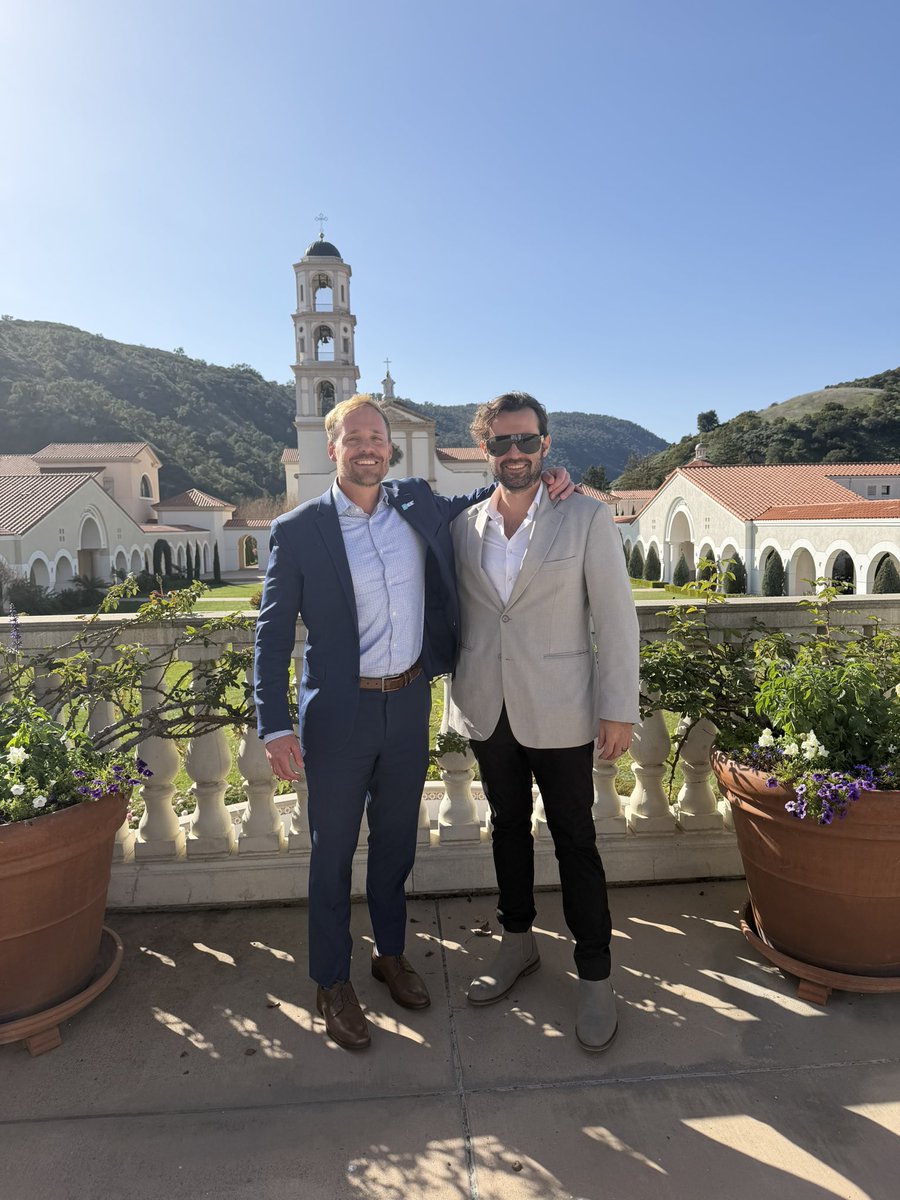
When theology was rightly esteemed as the Queen of the Sciences, the university understood itself as something more than a credentialing factory. It was a place ordered toward truth as a whole. Because God was understood as the highest object of knowledge, EVERYTHING else (philosophy, mathematics, the natural sciences, the arts) found their proper place and proportion. Beauty followed naturally. Campuses were designed to lift the soul as well as instruct the mind. Beautiful harmony in architecture, careful attention to scale and materials, buildings meant to endure, to invite contemplation, and to signal that what happened there mattered eternally, not just economically.
Once God was removed that ordering collapsed. Universities did not become neutral; they became disordered and ugly. Knowledge fragmented, utility replaced wisdom, and efficiency replaced beauty. Architecture followed the philosophy. Concrete boxes, brutalist slabs, and purely functional spaces reflect an implicit claim: education is about output, not formation; about use, not meaning. Ugly buildings are not an accident. They are an honest and depressing admission of a diminished vision of the human person.
But now we are in a recovery and Thomas Aquinas College in California is leading the way.
9
21
155
6,295
What an awesome responsibility and a sacred trust.
Jan 29

New England Patriots HC Mike Vrabel - Valuing Every Conversation
- "I got some great advice from a HC... He said just remember when that person comes in to talk to you, that is the most important conversation they're going to have with anybody all week. And I've tried to think about that every time someone asks if I have 5 minutes."
1
113
An authentic leader sets the standard not with hype but with truth. A vision based in truth inspires a belief in Daring Greatly. A team made up of men who dare to be great, who are sharpened by the process, and who play for each other…are hard to beat. #ExcellenceIsTheStandard

2
94
This is the best plan so far. It’s time for the movers and shakers to get to work.
Jan 21

Here's how we will crown a national champion January 1st while saving bowl season and fixing the recruiting/portal calendar issue
From the desk of the future CFB Commissioner...
1
67
Was a pleasure to meet you and Coach Stalker. @rigbyfbl #GoVandals
Jan 21

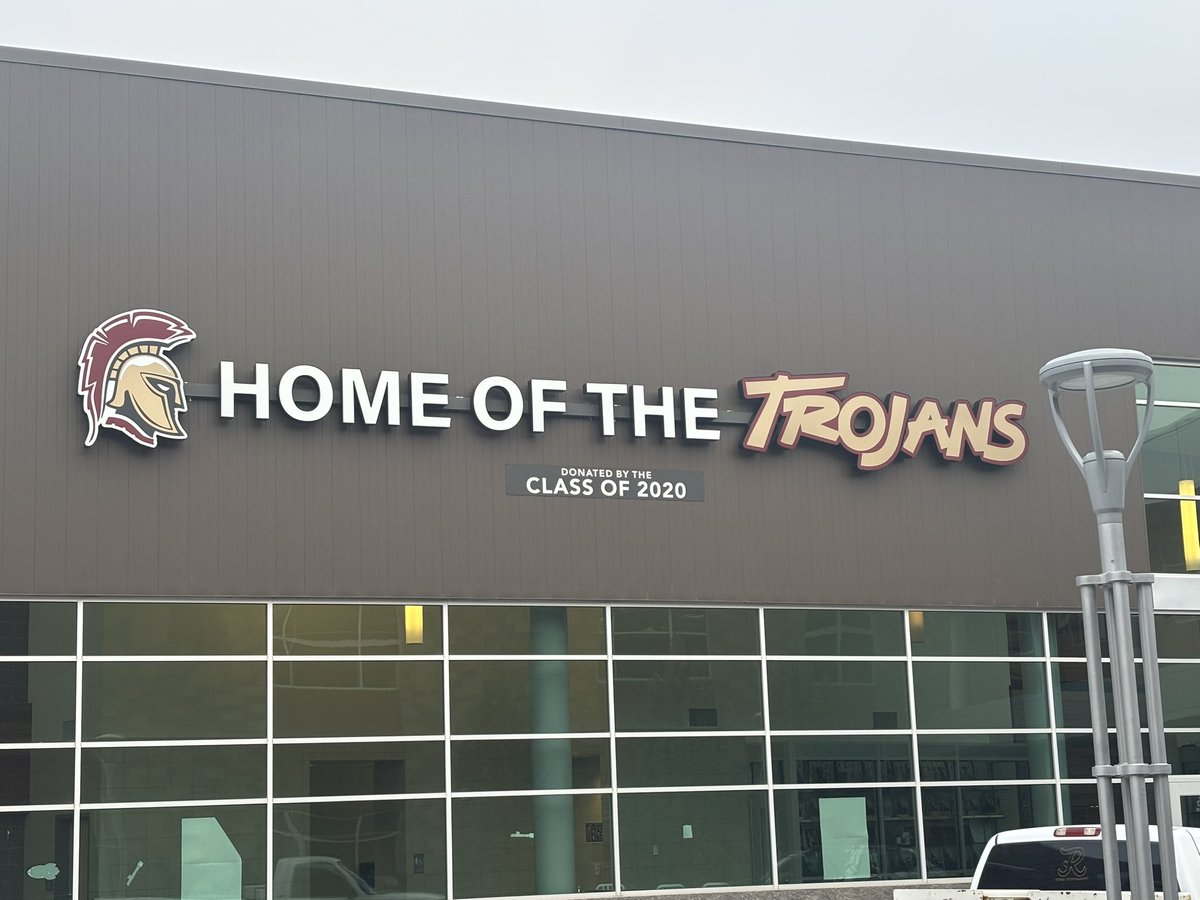
Had to pull up on the 6A State Champs!!! Appreciate @CoachAGG for spending time with us talking Rigby football. Easy to see why they’ve had the success they have had here! #GoVandals #VzuUp✌️⬆️
1
2
1,642
Timeless>Relevant
Jan 21

Teachers trying to make things “relevant” to students are playing a desperate and losing game.
They don’t need relevant, they need timeless. They need to learn that if they cannot get their heads out of the moment they happen to occupy in time they will forever be slaves to it.
76
Unconquerable

66
This…👇
Jan 20

Officials in HS football checking to see if the players pants are covering their knees
1
64
One of the best accounts I follow on Substack.
64
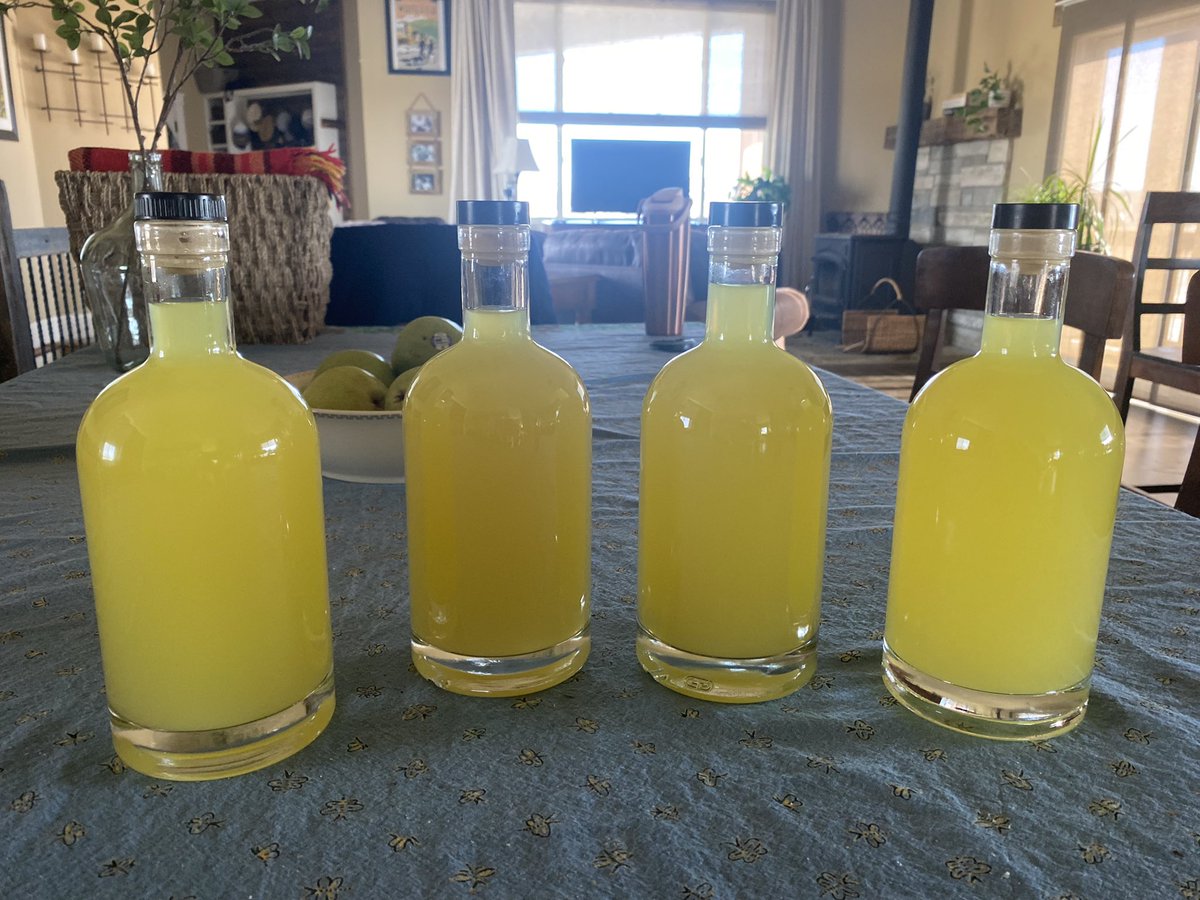
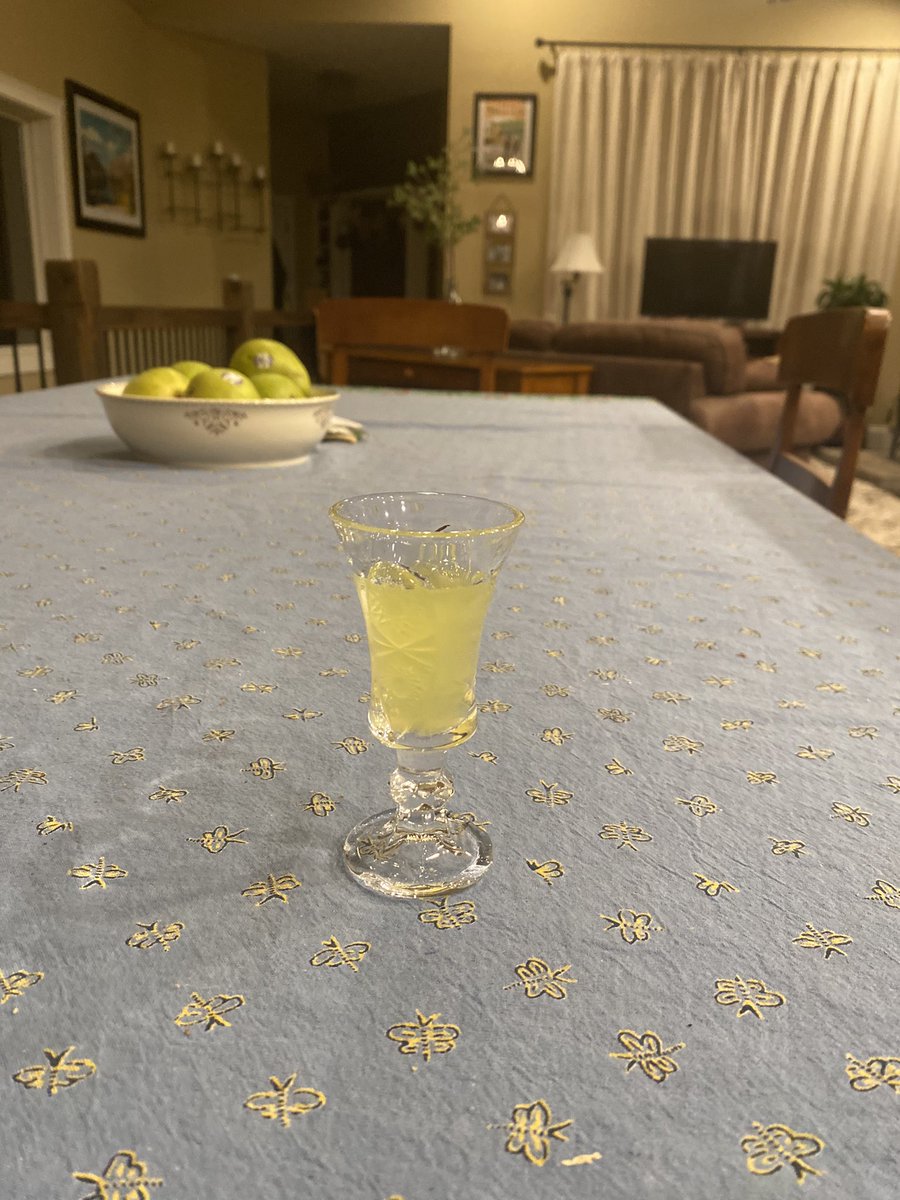
Agreed, but if you can’t get to the Amalfi Coast, you can still make some Limoncello at home and pretend you are in Italy with every sip. 🍋
Jan 18

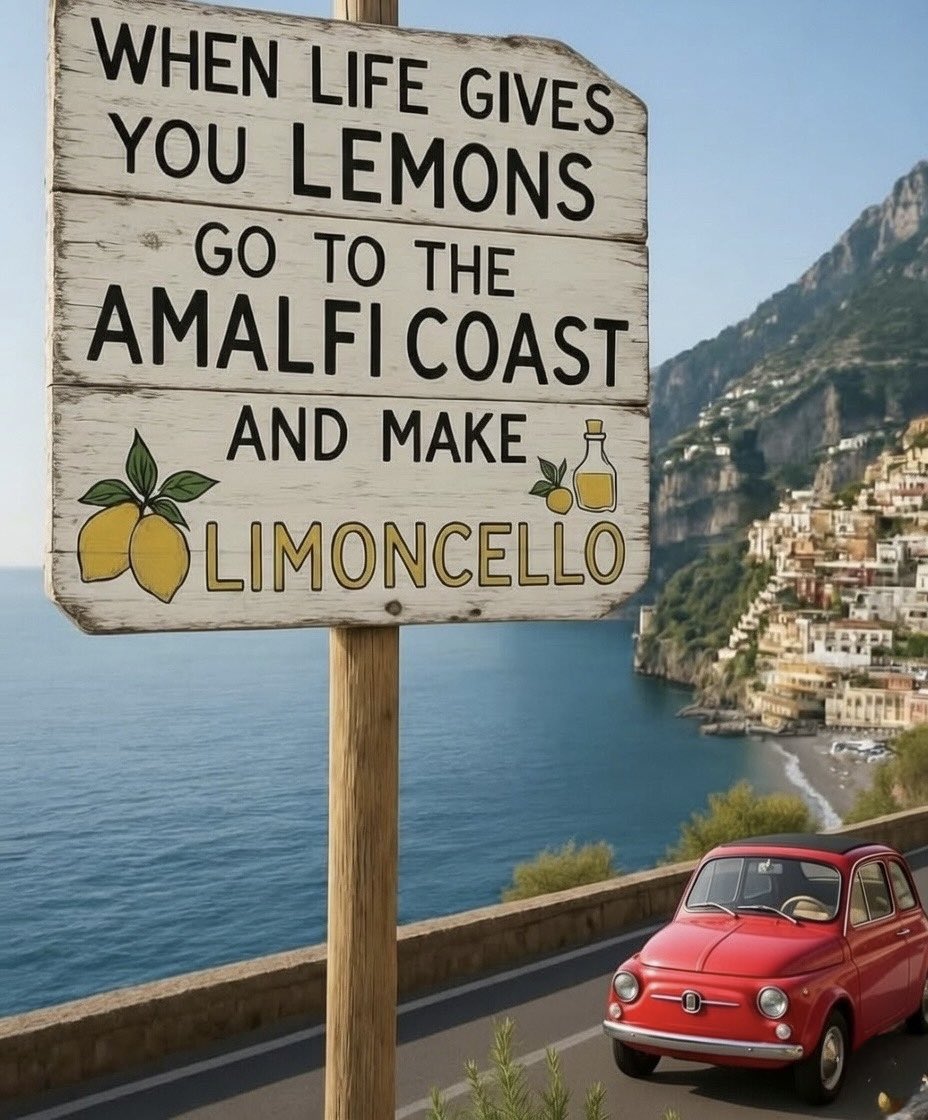
Since all our timelines are full to the brim of life hacks
Let’s add one with an Italian flavor
Actually, an Amalfi one! 🇮🇹🍋
ALT AI Generated Image
66
Armando G. Gonzalez⚜️ retweeted

Jan 17
Public education has not produced an educated public.
83
532
3,100
47,686