
Christian, Husband, Father, QB Coach, Educator and #steelers Fan
Joined February 2015
- Tweets 4,231
- Following 987
- Followers 1,168
- Likes 6,833
105 Photos and videos










Camiel Grant, Jr. retweeted

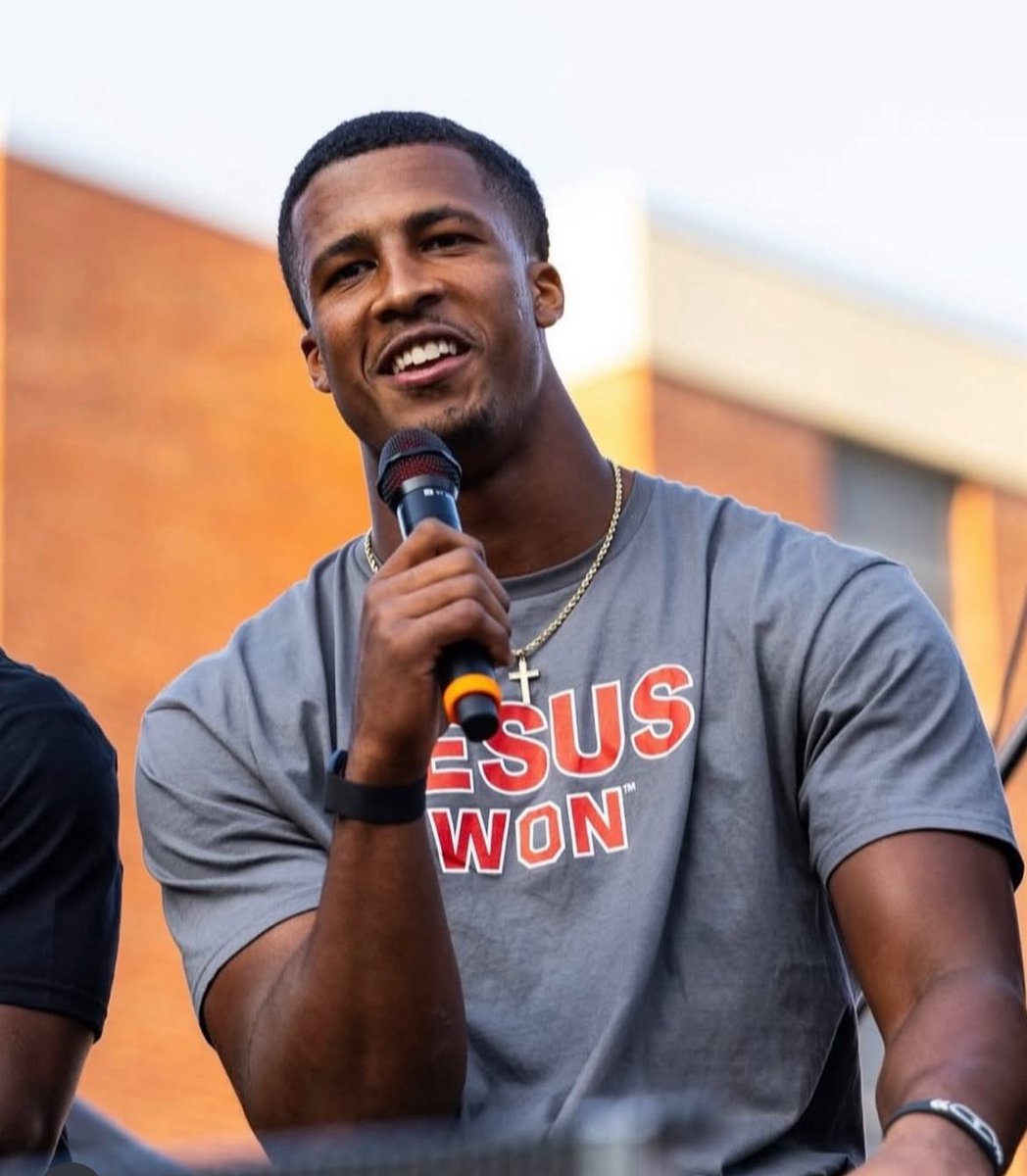
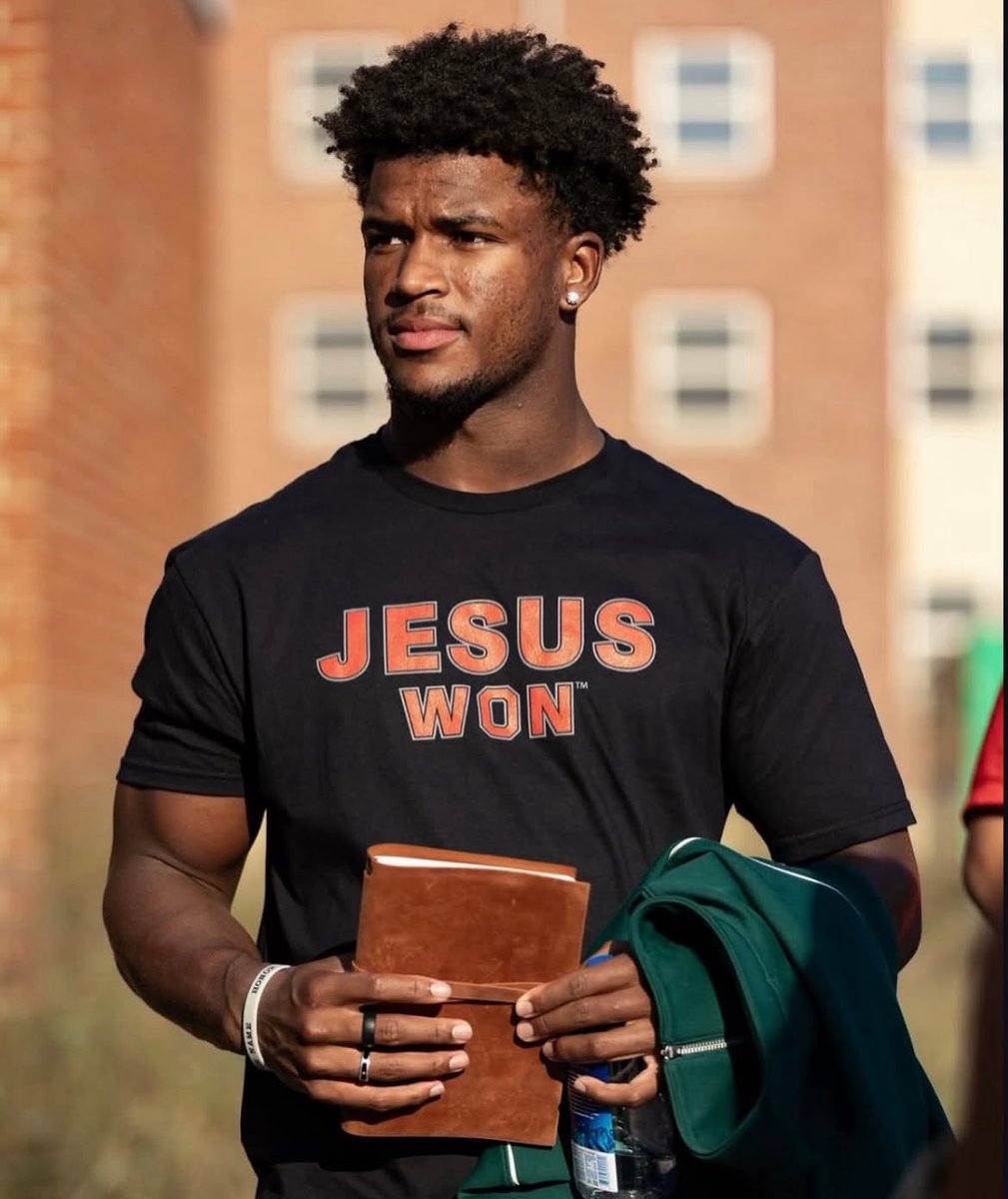
Congrats @sonnystyles_ and @calebdowns - may the Lord continue to bless you on your new journey. Keep shining the light of Jesus!#Jesuswon
10
298
5,690
80,323
Camiel Grant, Jr. retweeted

Apr 26
Newton alum Nyland Green has received a minicamp invite from the Atlanta Falcons following the conclusion of the 2026 NFL Draft on Saturday.
Story by @_evannewton_
covnews.com/sports/newton/ne…
3
8
632
Camiel Grant, Jr. retweeted

Apr 26
Arizona State corner Nyland Green invited to #Falcons rookie minicamp, per a league source
1
26
203
21,471
Camiel Grant, Jr. retweeted

Feb 25
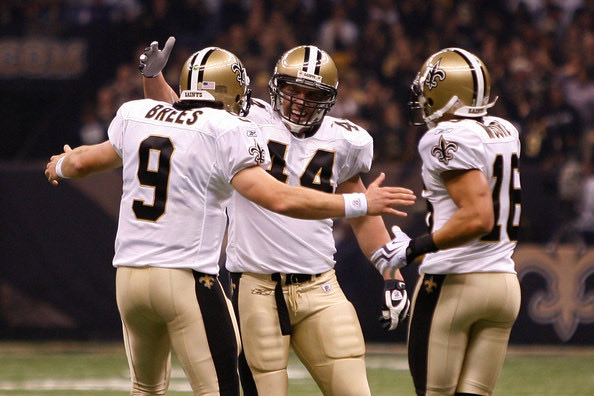
I played for Nick Saban, Bill Belichick, and Sean Payton.
I studied under some of the greatest coaching minds in the history of professional football. And after the Lord saved me, I realized something that changed everything.
Every single leadership principle that made those teams thrive is biblical. They just did it for the glory of man instead of the glory of God.
Here is what I mean.
Belichick taught us to do our jobs. Scripture commands us to work as unto the Lord, not for the approval of men. (Col. 3:23)
Belichick held Tom Brady to a higher standard than anyone else. Scripture says to whom much is given, much is required. (Luke 12:48)
Belichick cut the cancer immediately, no matter the cost. Scripture tells us that a little leaven leavens the whole lump. (Gal. 5:9)
Belichick sacrificed personal credit and took responsibility for every loss. Scripture calls leaders to be servants first. (Matthew 20:26)
Brady sacrificed personal stats for the good of the team. Scripture says do nothing out of selfish ambition, but in humility consider others above yourself. (Phil. 2:3)
Brady could encourage a teammate and confront him in the same breath. Scripture says speak the truth in love. (Eph. 4:15)
These men did not know they were pulling from eternal, biblical commands. But the principles worked. They always work. Because truth is truth whether the man wielding it knows its source or not.
Now imagine this.
If these principles built a two-decade dynasty in professional football with men who did not know the Lord, what would God do through His church if we humbled ourselves and followed the same playbook?
What would happen in your marriage if you coached yourself harder than you coach anyone else?
What would happen in your home if you cut the cancers of laziness, passivity, and selfishness?
What would happen in your leadership if you stopped protecting your ego and started serving your team?
The blueprint is not new.
The playbook has been written for two thousand years.
The question is whether you are willing to run it.
I spent 10 years in the NFL and the best locker rooms I ever walked into operated on principles that Scripture laid out long before football existed.
Stop looking for a new framework.
Open the Book.
And do your job.
66
384
2,094
157,903
Camiel Grant, Jr. retweeted

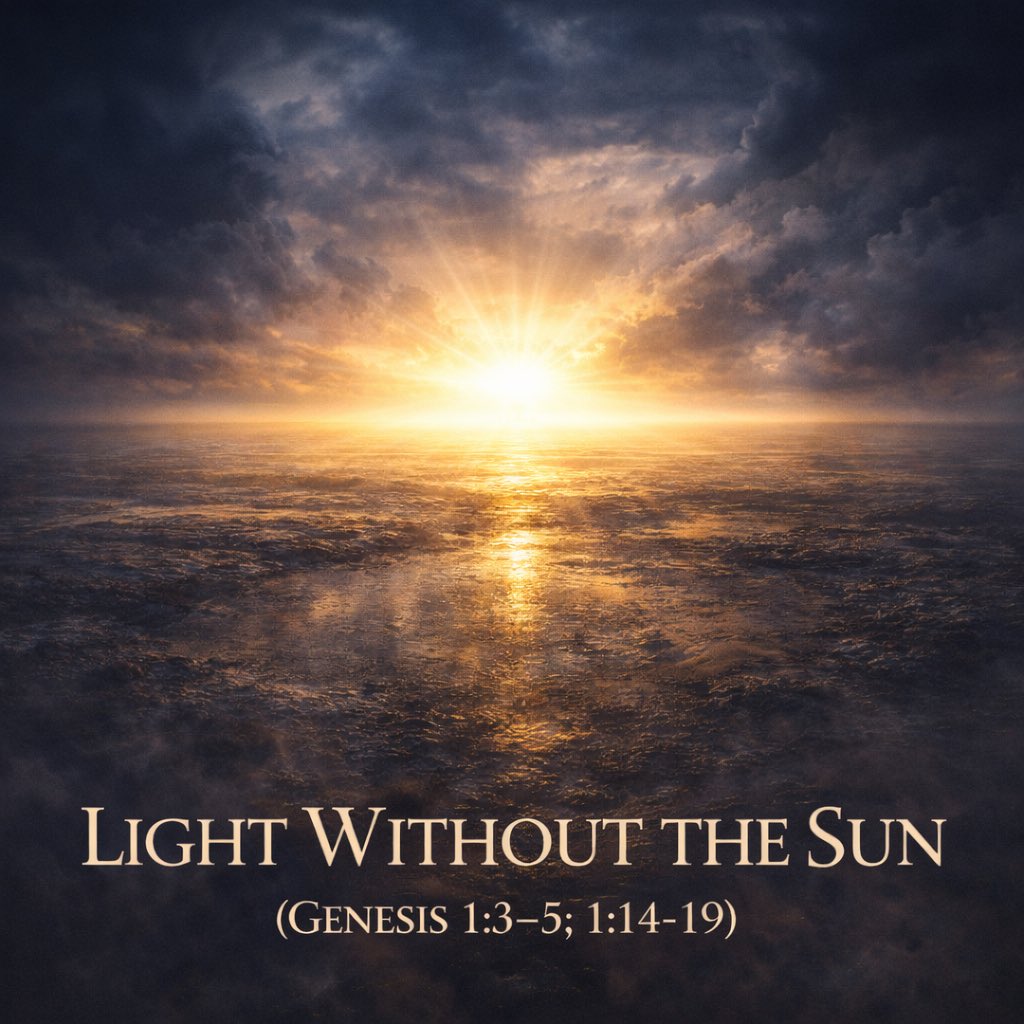
Light Without the Sun
(Genesis 1:3-5; 1:14-19)
Most Christians read Genesis 1 like they are skimming a label on the back of a product, and they miss the first lesson God teaches about Himself. The Lord did not begin His world by placing a glowing ball in the sky and letting nature do the rest. He began it with a voice and a command that produced a thing called “light” before any “sun” ever showed up in the narrative. “And God said, Let there be light: and there was light” (Genesis 1:3). Then the Holy Ghost records, “And God saw the light, that it was good: and God divided the light from the darkness” (Genesis 1:4). You have light, you have darkness, you have division, and you have God naming and ordering, all before you ever read the words “sun” and “moon.”
That one fact alone destroys a pile of modern nonsense. It destroys the worship of “nature” as if nature is the source of life. It destroys the pagan instinct to bow down to the luminaries as though the creation is the creator. It destroys the philosophical habit of explaining God away through “natural causes,” as though the sun is the origin of light and the origin of order and the origin of life. In the Bible, light is not first a product of the sun. Light is first a product of God’s command, God’s presence, and God’s ordering work. “God is light, and in him is no darkness at all” (1 John 1:5). That is not poetry. That is doctrine.
And that doctrine is why the first day of creation is not called “the day of the sun.” It is called “the first day” and it begins with light that came from God before the luminaries were appointed on Day Four. “And God said, Let there be lights in the firmament of the heaven to divide the day from the night” (Genesis 1:14). Notice the wording. On Day One, God creates light and divides it from darkness (Genesis 1:4). On Day Four, God appoints luminaries as “lights” in the firmament to “divide the day from the night” (Genesis 1:14). The principle comes first. The instrument comes later. God establishes the reality, then He assigns the tool. That is how God works in Scripture, and that is how God works in your life.
1. God Created Light Before He Appointed the Luminaries
The first thing to settle is that the Bible says what it says and means what it says. “Let there be light” comes in Genesis 1:3, and the sun and moon are addressed in Genesis 1:16. That is not a confusion. That is a deliberate order. The Holy Ghost could have written, “And God made the sun and it gave light,” and ended the argument for the carnal mind. But He did not. He recorded light before luminaries, because God is teaching you that He is not dependent on the created instruments to accomplish His will.
The sun is a created thing, and it is not eternal. “And God made two great lights; the greater light to rule the day, and the lesser light to rule the night: he made the stars also” (Genesis 1:16). That verse does not make the sun the source of light in an ultimate sense. It makes the sun a ruler, an appointed servant, an assigned instrument. It “rules” the day; it does not create the day. God creates the day. God names the day. “And God called the light Day, and the darkness he called Night” (Genesis 1:5). God is so far above the luminaries that He names what they later “rule.”
That order matters because it teaches you to locate the source correctly. Most men locate the source in the visible thing they can point to. They say, “There is the sun, therefore there is light.” God says, “There is light, therefore I spoke.” When God brings His light into a situation, He is not telling you to worship His tools. He is telling you to worship Him. “The heavens declare the glory of God; and the firmament sheweth his handywork” (Psalm 19:1). The heavens do not declare their own glory. They declare His.
2. Light Is More Than Illumination - It Is God’s Order and God’s Approval
When Genesis 1 says there was light, the next sentence is not “and the light warmed
11
38
117
5,597
Camiel Grant, Jr. retweeted

27 Aug 2025
Tay Gowan Releases Inspirational Book After Journey from Newton to NFL @focused_4 bit.ly/47ggg9x

1
22
35
7,027
Camiel Grant, Jr. retweeted

27 Aug 2025
.@focused_4 is now sharing his life’s story by way of his new book, "Tested But Chosen." The book released today and is available for purchase via Amazon.
Read more below ⬇️
27 Aug 2025

Tay Gowan Releases Inspirational Book After Journey from Newton to NFL @focused_4 bit.ly/47ggg9x
1
2
4
1,228
Camiel Grant, Jr. retweeted

15 Aug 2025
Maurice Harrell: A Rising Star Out of Conyers, Georgia, Turning Heads in JUCO Football - 5 Star Athlete 5starathlete.com/maurice-har…
9
35
3,447
Camiel Grant, Jr. retweeted

27 Jul 2025
Thread 🧵
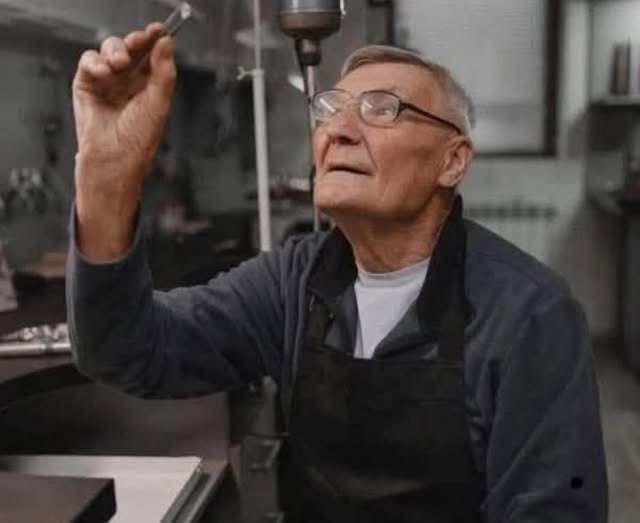
1) "When 79-year-old George retired, he didn’t buy a golf club or a hammock. He hung a handmade sign in his garage window: “Broken things? Bring ’em here. No charge. Just tea and talk.”
His neighbors in the faded mill town of Maple Grove thought he’d lost it. “Who fixes stuff for free?” grumbled the barber. But George had a reason. His wife, Ruth, had spent decades repairing torn coats and cracked picture frames for anyone who knocked. “Waste is a habit,” she’d say. “Kindness is the cure.” She’d died the year before, and George’s hands itched to mend what she’d left behind.
The first visitor was 8-year-old Mia, dragging a plastic toy truck with a missing wheel. “Dad says we can’t afford a new one,” she mumbled. George rummaged through his toolbox, humming. An hour later, the truck rolled again—this time with a bottle cap for a wheel and a stripe of silver duct tape. “Now it’s custom ,” he winked. Mia left smiling, but her mother lingered. “Can you… fix a résumé?” she asked. “I’ve been stuck on the couch since the factory closed.”
By noon, George’s garage buzzed. A widow brought a shattered clock (“My husband wound it every Sunday”). A teen carried a leaky backpack. George fixed them all, but he didn’t work alone. Retired teachers proofread résumés. A former seamstress stitched torn backpacks. Even Mia returned, handing him a jar of jam: “Mom says thanks for the job interview.”
Then came the complaint.
“Unlicensed business,” snapped the city inspector. “You’re violating zoning laws.”
Maple Grove’s mayor, a man with a spreadsheet heart, demanded George shut down. The next morning, 40 townsfolk stood on George’s lawn, holding broken toasters, torn quilts, and protest signs: “Fix the law, not just stuff!” A local reporter filmed a segment: “Is kindness illegal?”
The mayor caved. Sort of.
“If you want to ‘fix’ things, do it downtown,” he said. “Rent the old firehouse. But no guarantees.”
The firehouse became a hive. Volunteers gutted it, painted it sunshine yellow, and dubbed it “Ruth’s Hub.” Plumbers taught plumbing. Teenagers learned to darn socks. A baker swapped muffins for repaired microwaves. The town’s waste dropped by 30%.
But the real magic? Conversations. A lonely widow fixed a lamp while a single dad patched a bike tire. They talked about Ruth. About loss. About hope.
Last week, George found a note in his mailbox. It was from Mia, now 16, interning at a robotics lab. “You taught me to see value in broken things. I’m building a solar-powered prosthetic arm. PS: The truck still runs!”
Today, 12 towns across the state have “Fix-It Hubs.” None charge money. All serve tea.
Funny, isn’t it? How a man with a screwdriver can rebuild a world."
Let this story reach more hearts...
Credit: SYJ
238
5,312
21,314
868,387
Camiel Grant, Jr. retweeted

3 Jun 2025
If I earn $20/hour, that $1,000 vacation didn’t just cost a grand—
It cost me 50 hours of my life.
Now flip it.
Invest that $1,000 in a stock yielding 5%, and it pays you $50 a year.
That’s 2.5 hours of freedom that you've bought yourself.
And if it's a high quality dividend stock, it'll pay you more in dividends every single year.
This is how we buy back our freedom.
67
37
432
47,398
Camiel Grant, Jr. retweeted

2 May 2025
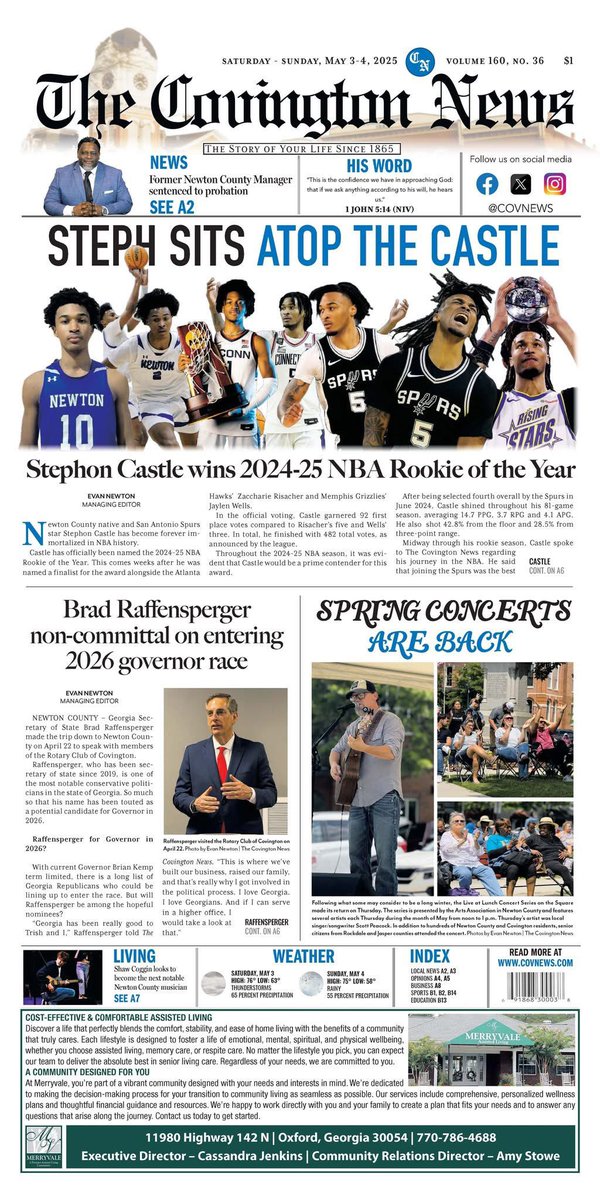
Tomorrow’s A1. Designed by yours truly.
2
5
10
890
Camiel Grant, Jr. retweeted

30 Apr 2025
Frame this 🖼️

198
2,094
15,661
4,287,661

Camiel Grant, Jr. retweeted

30 Apr 2025
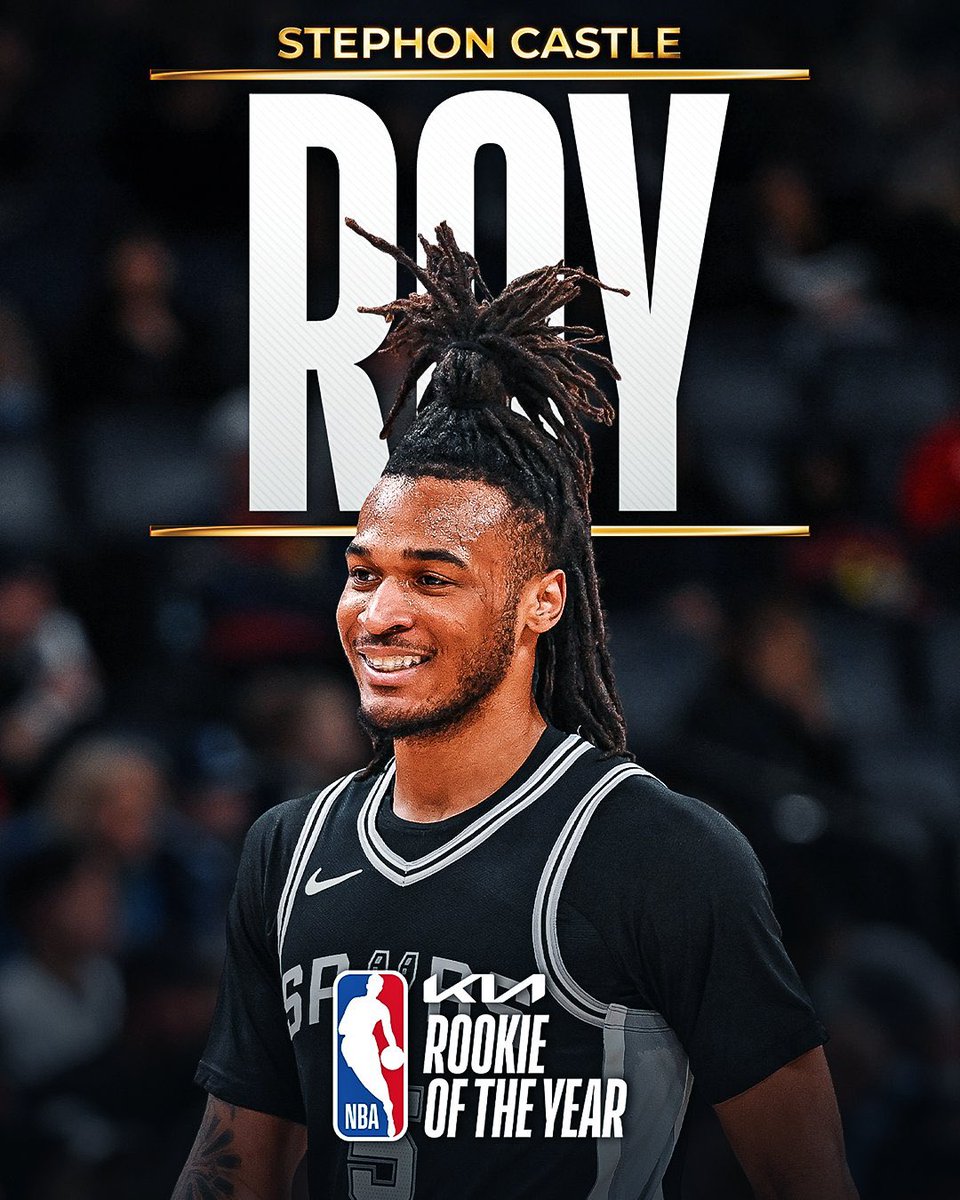
CONGRATS TO @StephonCastle, EARNED EVERY STEP OF THE WAY
4
20
773
Camiel Grant, Jr. retweeted
29 Apr 2025
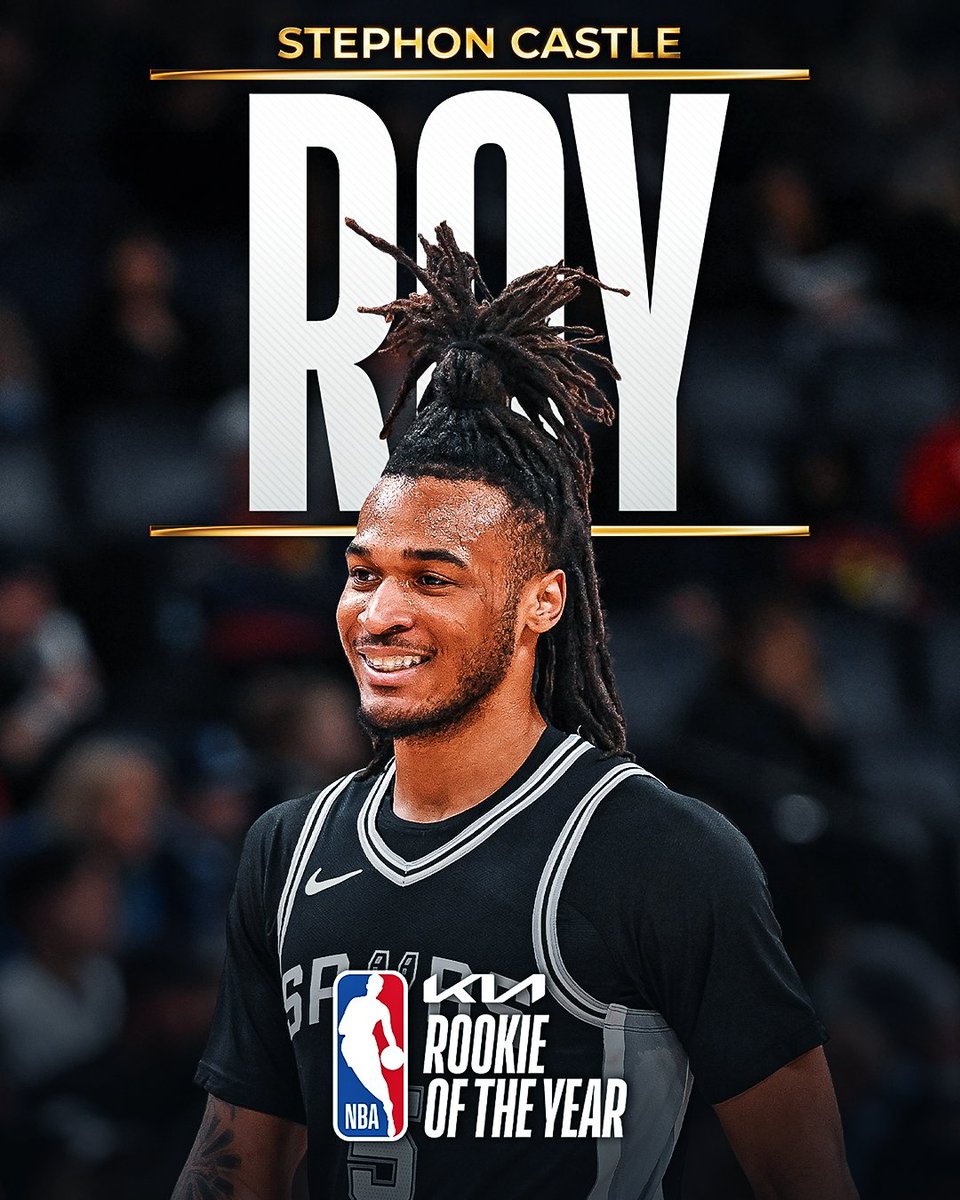
For two years, I covered @StephonCastle while he played for @NewtonRamsHoops.
I said then he's one of the most special athletes I've ever watched in any sport. He's carried that on as a National Champion at UConn and, in his first season in the NBA, he wins Rookie of the Year!

1
3
454
Camiel Grant, Jr. retweeted

29 Apr 2025
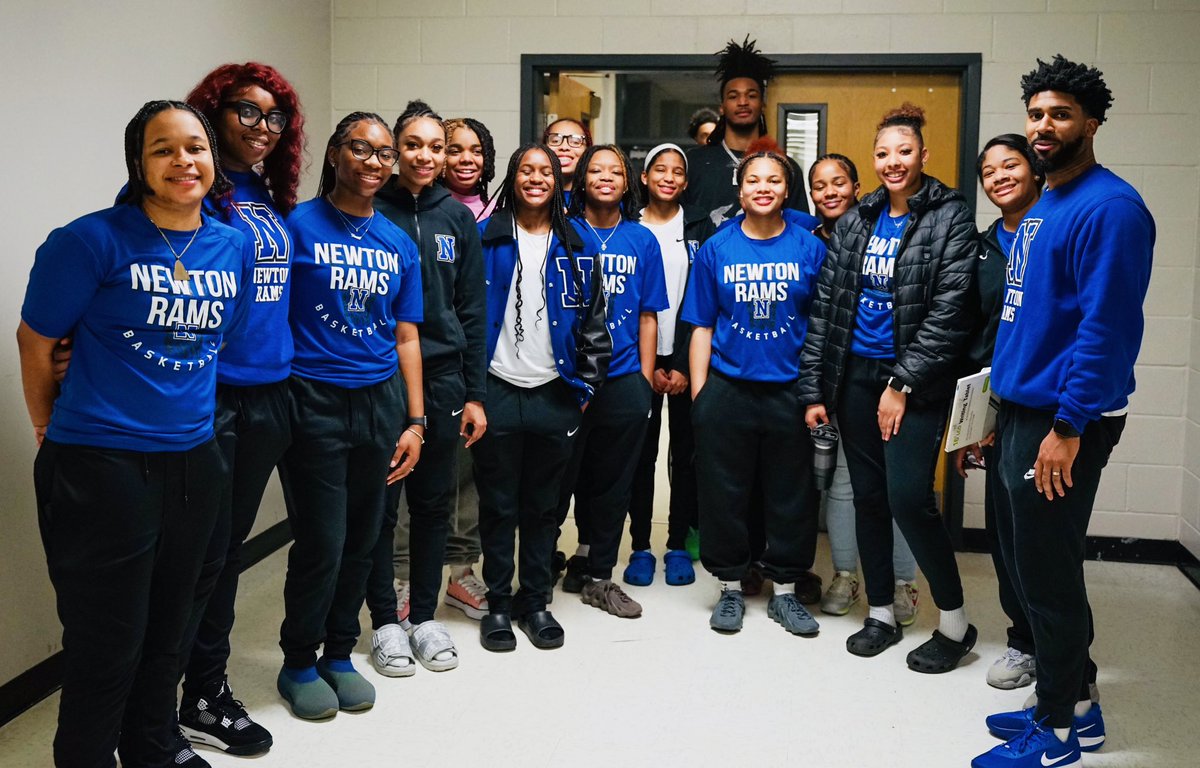
Congratulations to the 2024-2025 Kia NBA Rookie of the Year Stephon Castle!! #OneNewton 🔵⚪️⚫️🐏🐏🐏
1
6
29
1,422


Camiel Grant, Jr. retweeted

23 Mar 2025
Congratulations to London and Coach Bailey!! #OneWay #LadyRamsBasketball
23 Mar 2025

2024-25 @OfficialGHSA Girls Basketball All-State Honors
Class 6A
Player of the Year: @London5Smith (@NewtonLadyRams)
FULL HONORS: sandysspiel.com/2024-25-ghsa…
@Averyhuffmann @kyannisabeast @Ansley01Dunn @Aeris_Macon @myabosslady @LBroncosbball

3
13
819