
Husband, Father, Christian. MIZZOU🏈🖤💛,KAΨ ❤️🤍👌🏾#MIZ
Joined July 2010
- Tweets 10,662
- Following 2,534
- Followers 24,881
- Likes 17,070
309 Photos and videos









Curtis Luper retweeted

“CHAPPIE “ !America is grateful for YOUR service on behalf of us
Jun 12

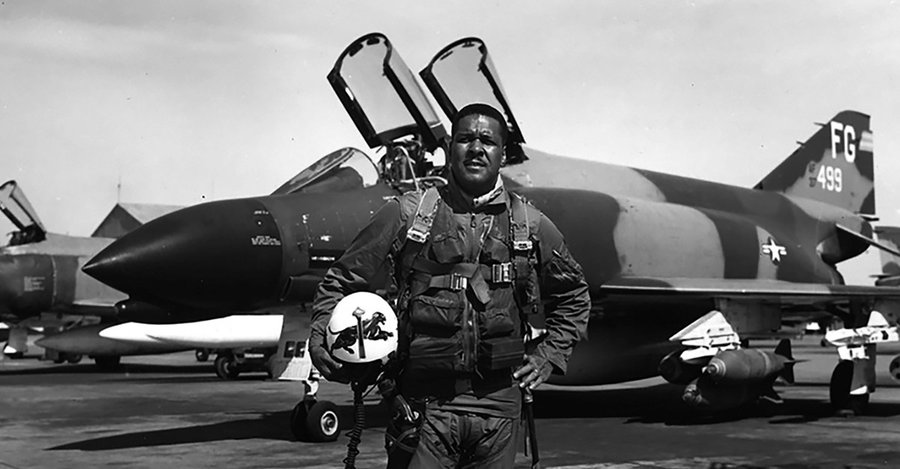
Daniel "Chappie" James Jr. flew 101 combat missions in Korea and 78 in Vietnam. He stared down Qaddafi at an air base in Libya. He became the first Black four-star general in the history of the United States military. Ronald Reagan called him "a truly great American." Florida named a bridge after him.
Pete Hegseth took down his portrait from the Air Force Art Gallery and left the wall empty.
Colonel Gerald Curry passed that painting every day for more than a decade on the way to his office. He is writing a leadership book based on James's service. When the portrait came down, he said it "really, really hurt." Shortly after, he retired.
Clint Smith interviewed two dozen currently serving, retired, and civilian Black military members for this piece. Person after person described the same thing: promotions blocked or delayed, senior Black and female officers dismissed, Confederate monuments restored, books about Black service members removed from military libraries, affinity groups disbanded. One training instructor described her team manually striking out passages about accomplished Black service members from educational materials - by hand, page by page.
Hegseth at Quantico told 800 generals and admirals it was acceptable to "put hands" on subordinates and promised their records would be kept clean if they faced discrimination complaints.
A retired Army officer told Smith his fear plainly: "If Pete Hegseth and the current administration had their way, you wouldn't see any of us in key leadership positions. I think the whole idea is to eliminate as many of us as they can, take us back as far as they can."
Chappie James's words are engraved on his tombstone at Arlington: "This is my country and I believe in her." The Pentagon took down his portrait. His words are still there.
95
998
5,484
67,114
Curtis Luper retweeted

Jun 12
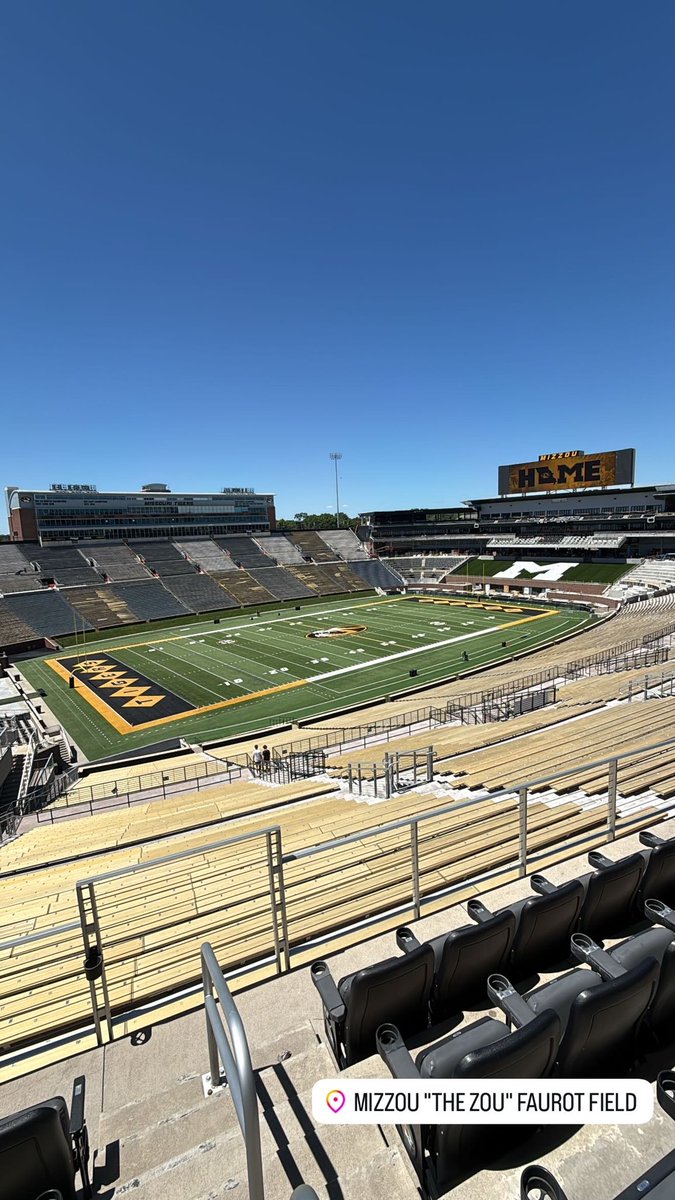
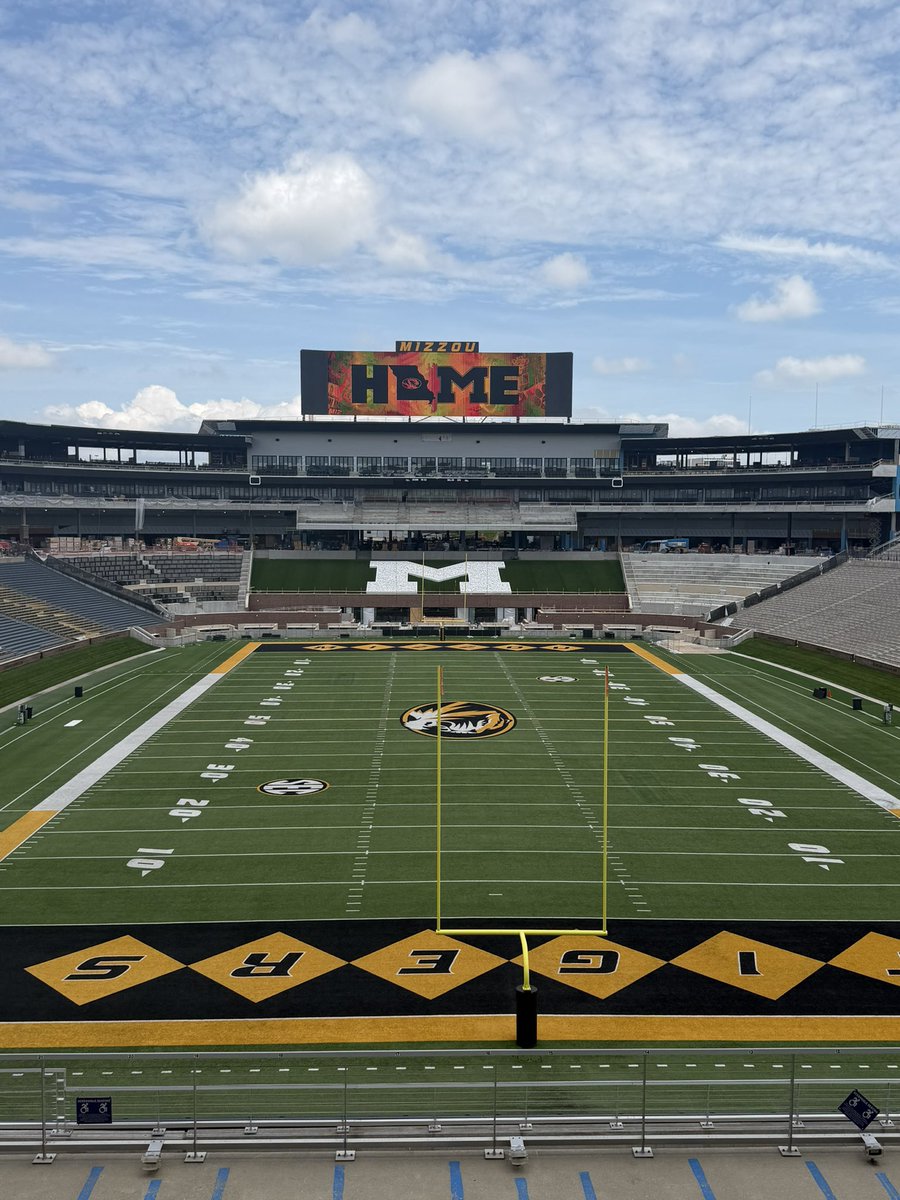
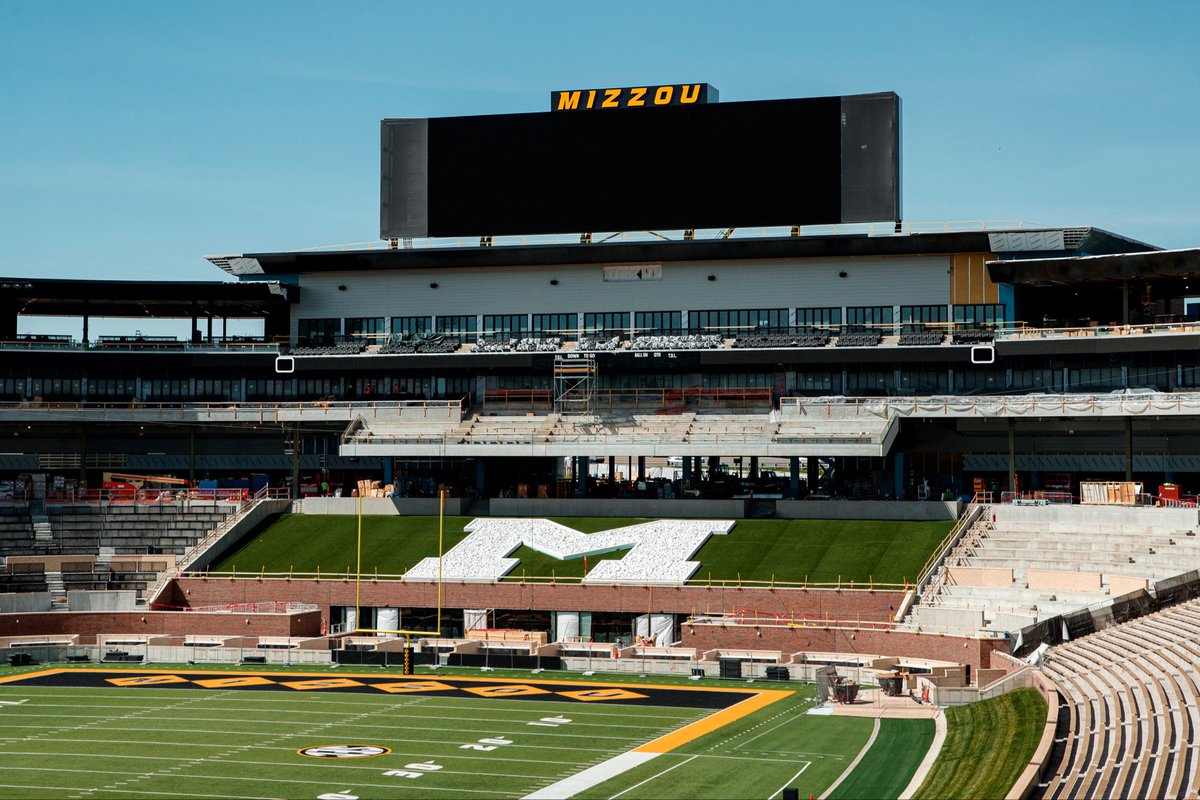
M.I.Z…. Z.O.U 🐯 Can’t wait to see this place in the fall ‼️
7
18
418
8,631
Curtis Luper retweeted

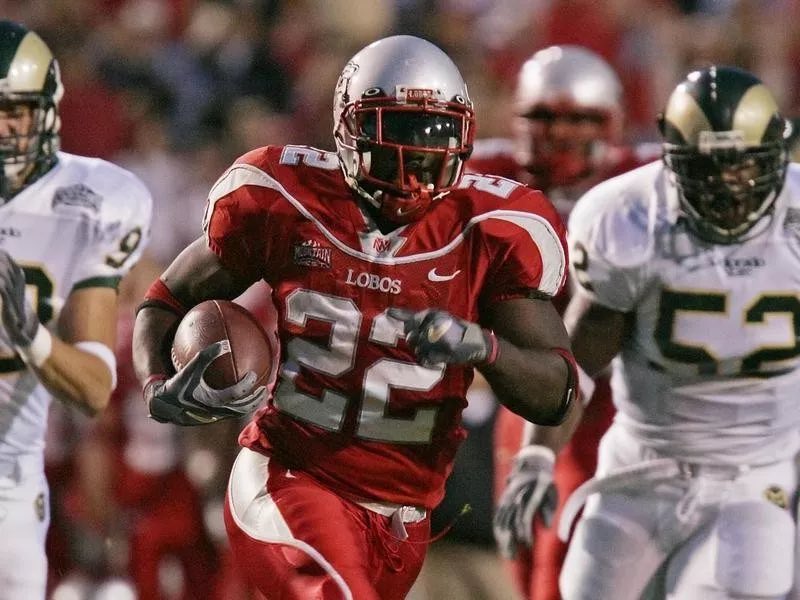
Who remembers watching Dontrell Moore at New Mexico!
RB day!
2
2
20
1,185
Curtis Luper retweeted

Jun 12
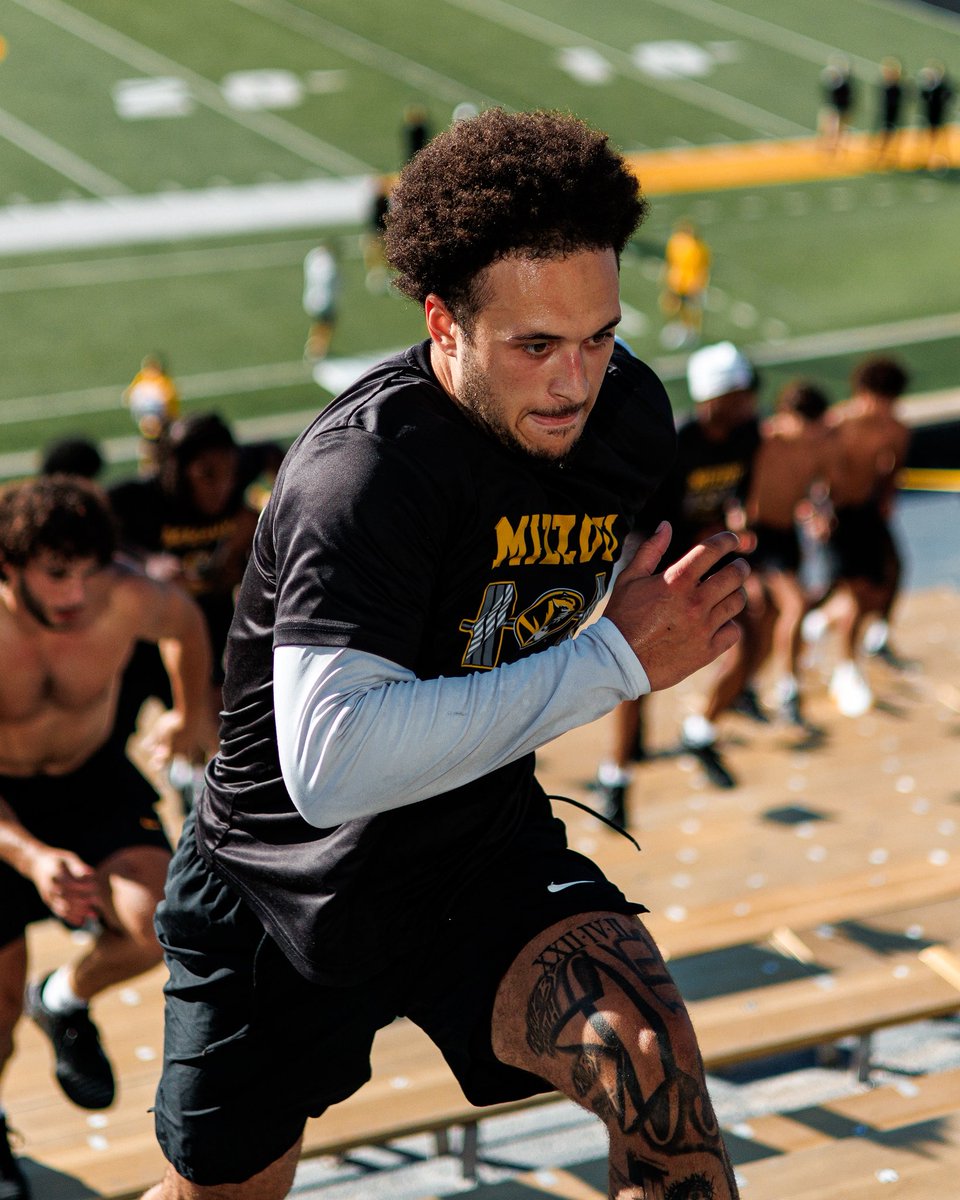
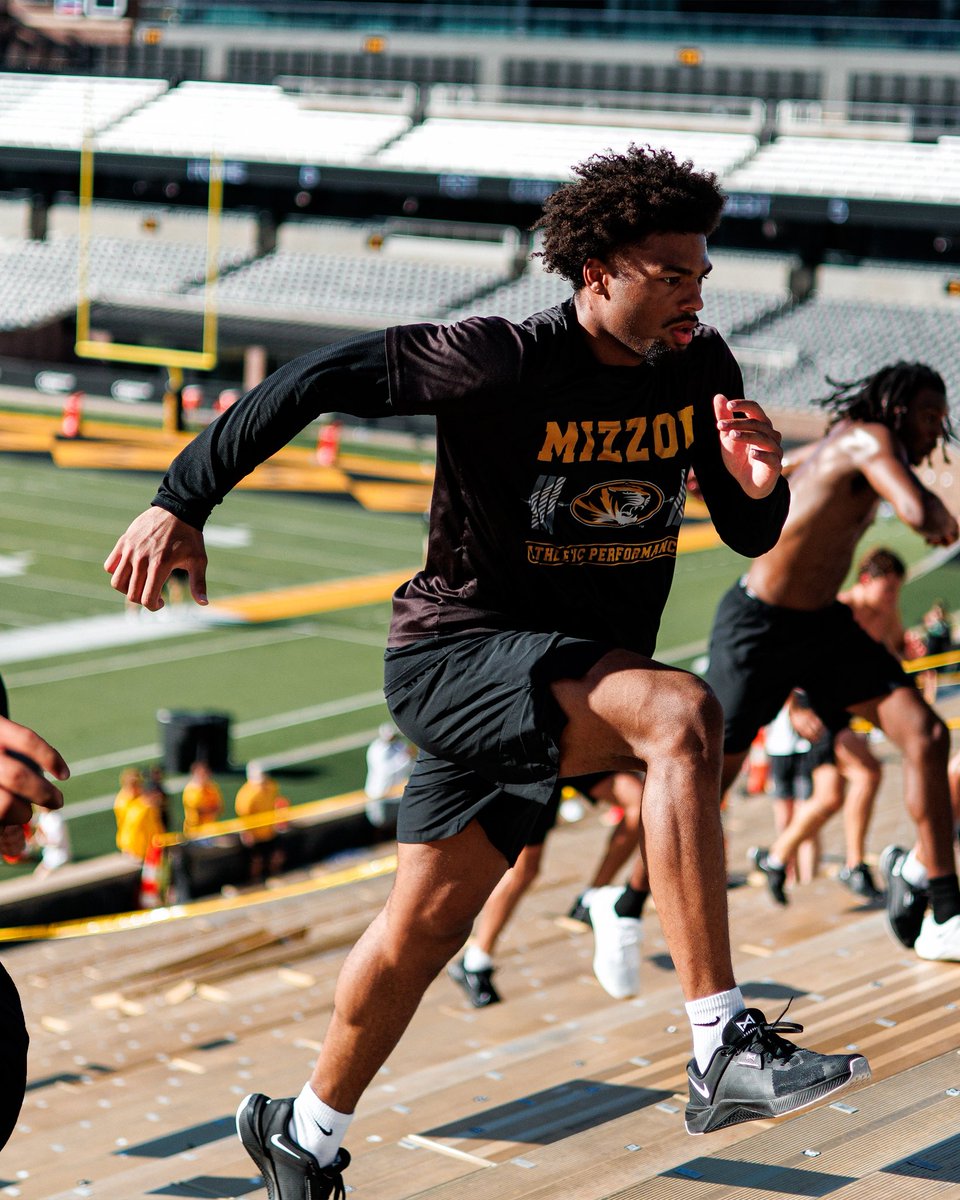
It takes what it takes.


1
23
320
15,195
Curtis Luper retweeted

Jun 11
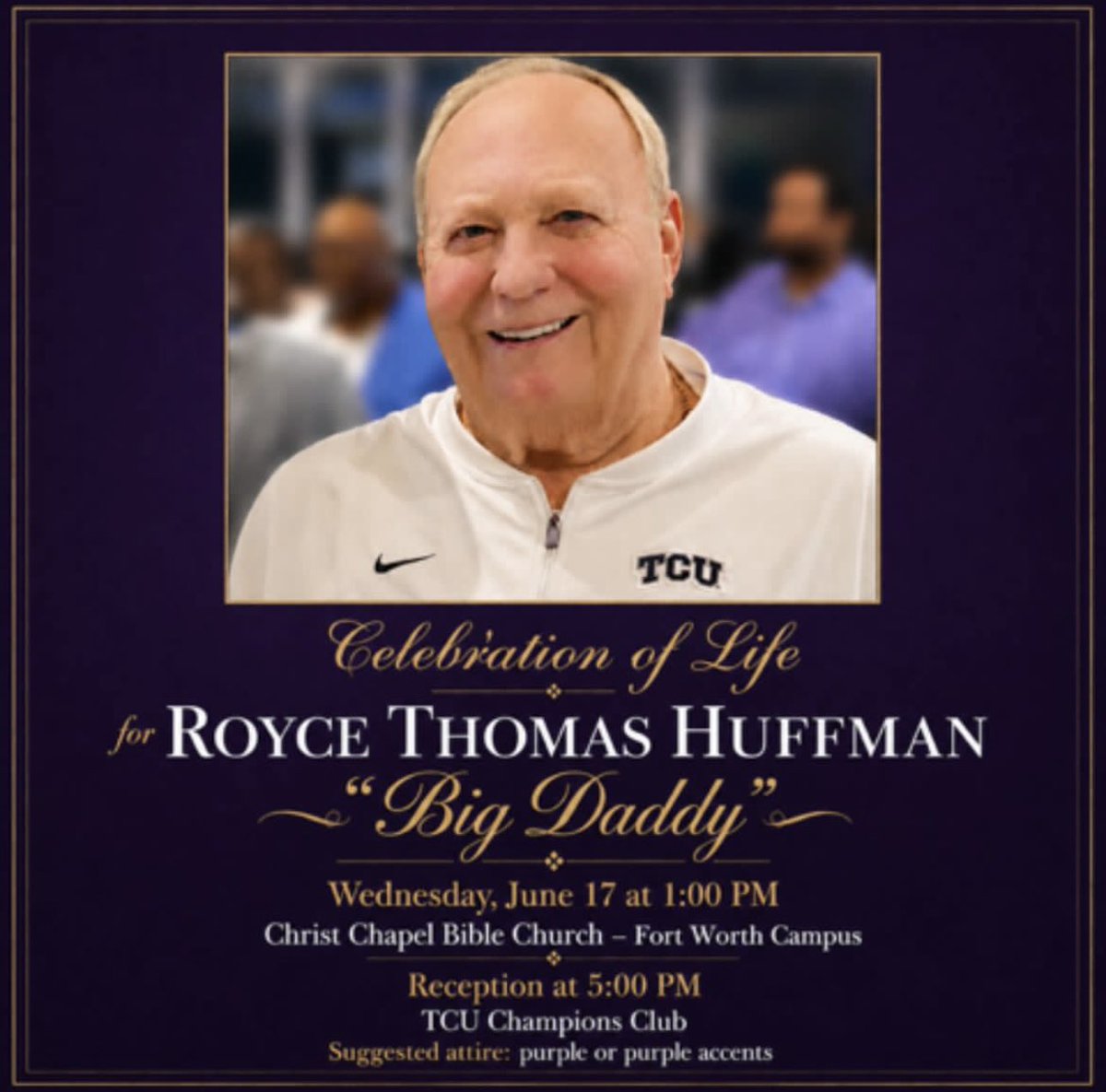
The Houston Mafia mourns the loss
5
3
40
8,181
Curtis Luper retweeted

#Mizzou lands the commitment of four-star WR Lawrence Britt.
He joins Chris Harris Jr. to form a pair of 4-star wideouts in the Tigers’ 2027 class. Could be more to come at the position.
Jun 11

BREAKING: Four-Star WR Lawrence Britt has Committed to Missouri, he tells me for @Rivals
The 6’2 185 WR chose the Tigers over Florida, Arkansas, and Iowa
“MIZ I’M HOME🐯”
on3.com/rivals/lawrence-brit…

2
11
219
9,314
Curtis Luper retweeted

Jun 9
MIZ
Jun 9
BREAKING: Class of 2027 IOL Tristan Dare has Committed to Missouri, he tells me for @Rivals
The 6’4 290 IOL was previously committed to Michigan
“M-I-Z, I’m home! 🐯 Romans 8:31”
on3.com/rivals/tristan-dare-…

10
7
462
24,812
Curtis Luper retweeted

Jun 10
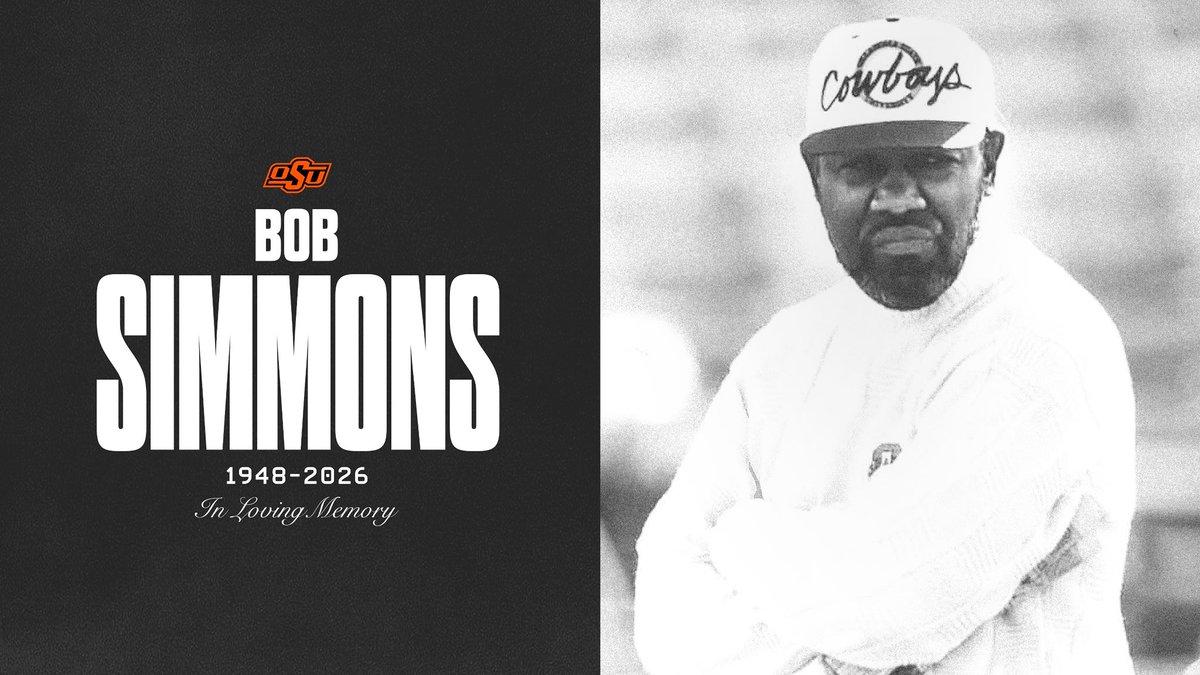
We are saddened by the loss of former Cowboy Football Head Coach Bob Simmons
20
106
730
33,892
Curtis Luper retweeted

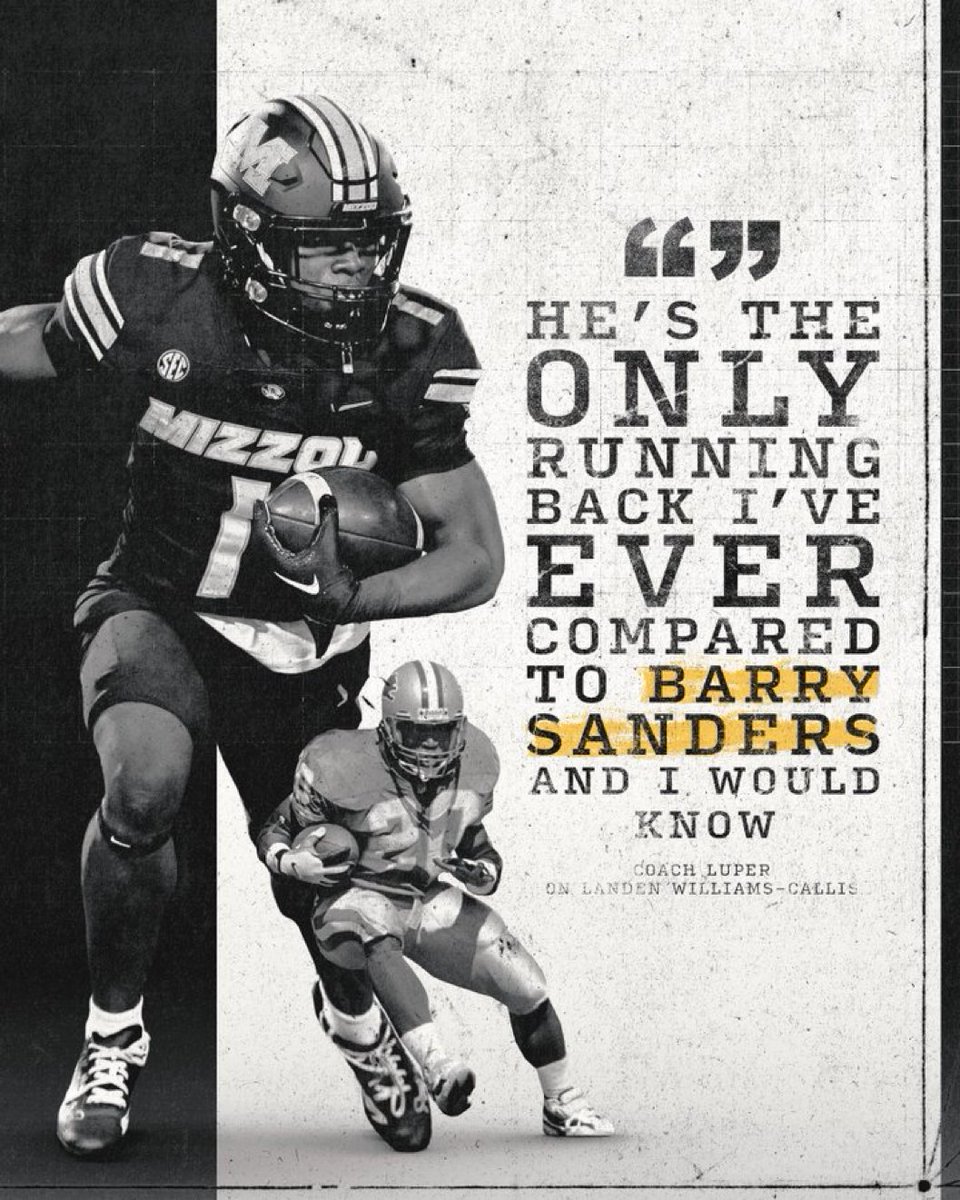
#Mizzou sent Landen Williams-Callis this graphic in November after the four-star RB eclipsed 6,000 rushing yards in his high school career:

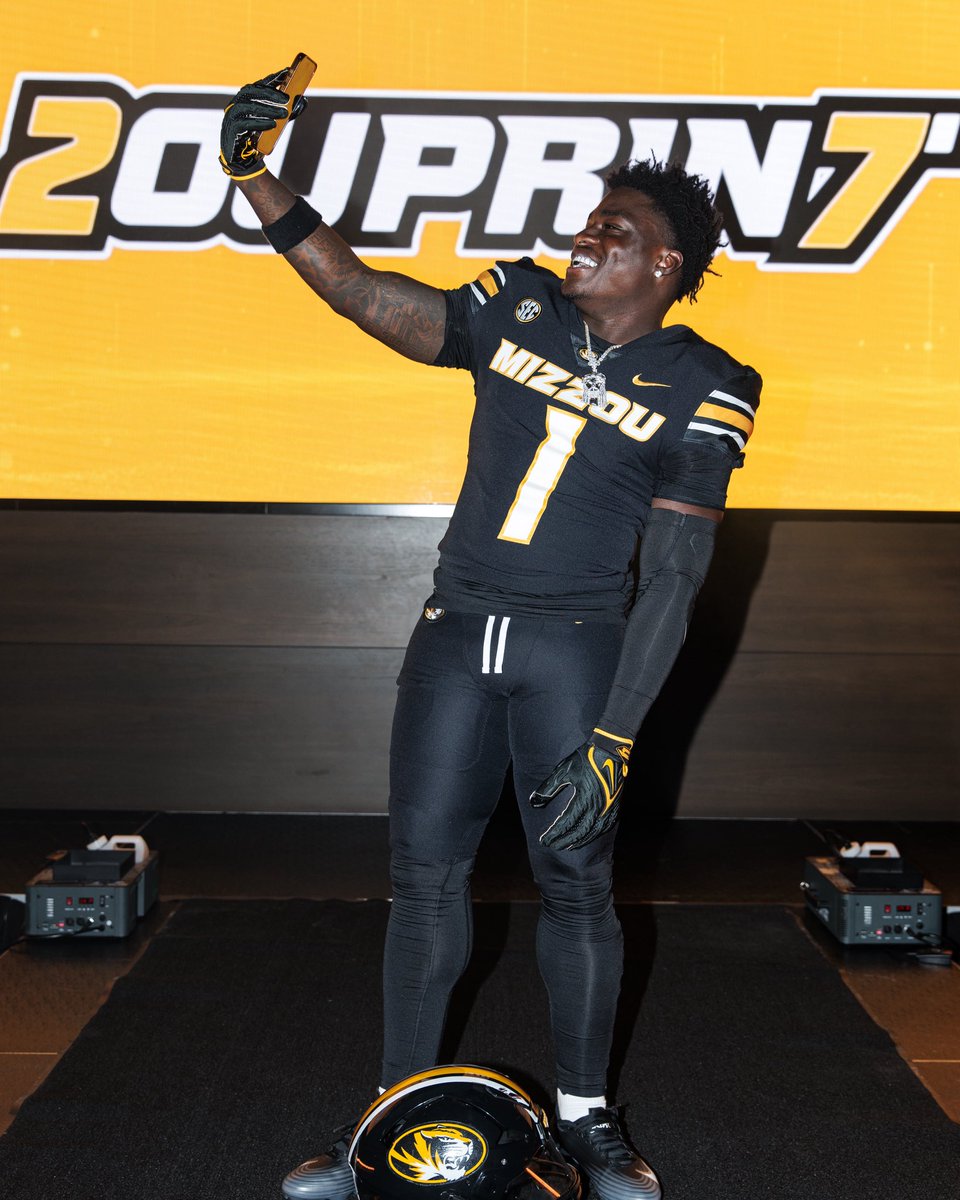
Soon to be the Best on the phone with the best💯❤️ @BarrySanders #TheHope
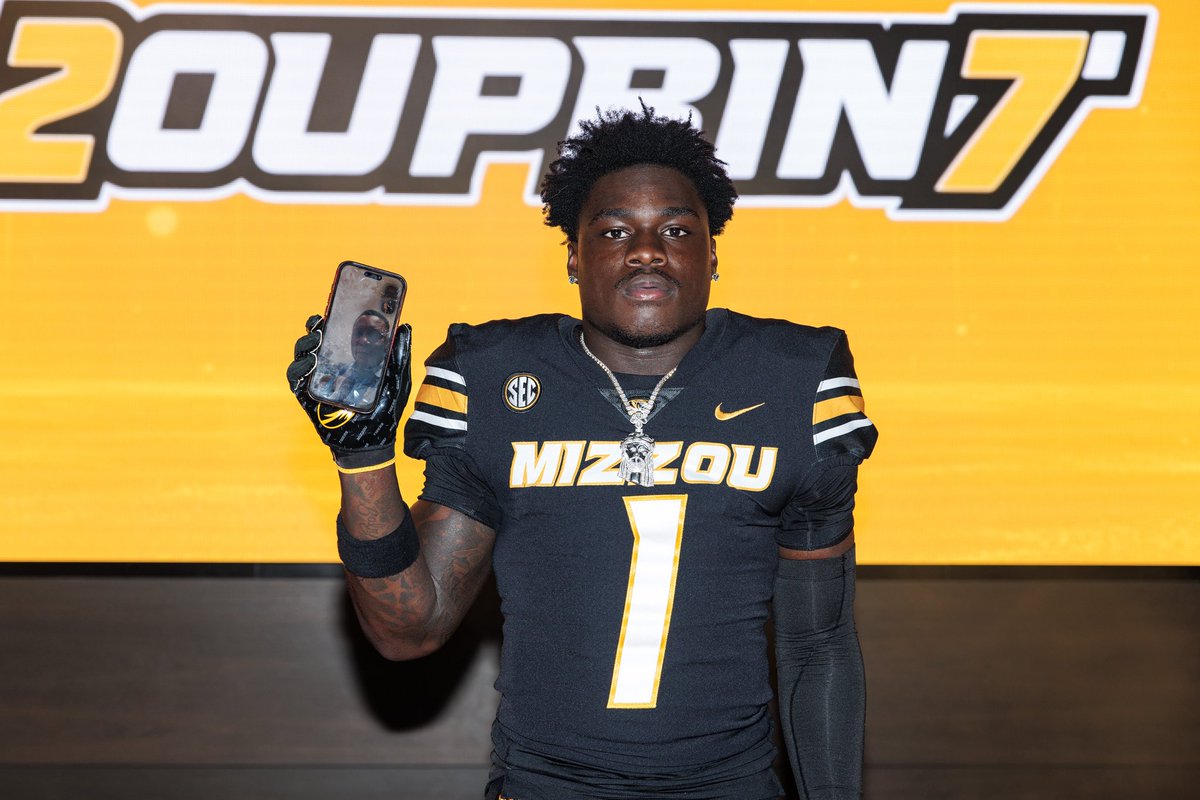
1
13
352
32,200
Curtis Luper retweeted

Soon to be the Best on the phone with the best💯❤️ @BarrySanders #TheHope
40
58
672
117,268

Curtis Luper retweeted
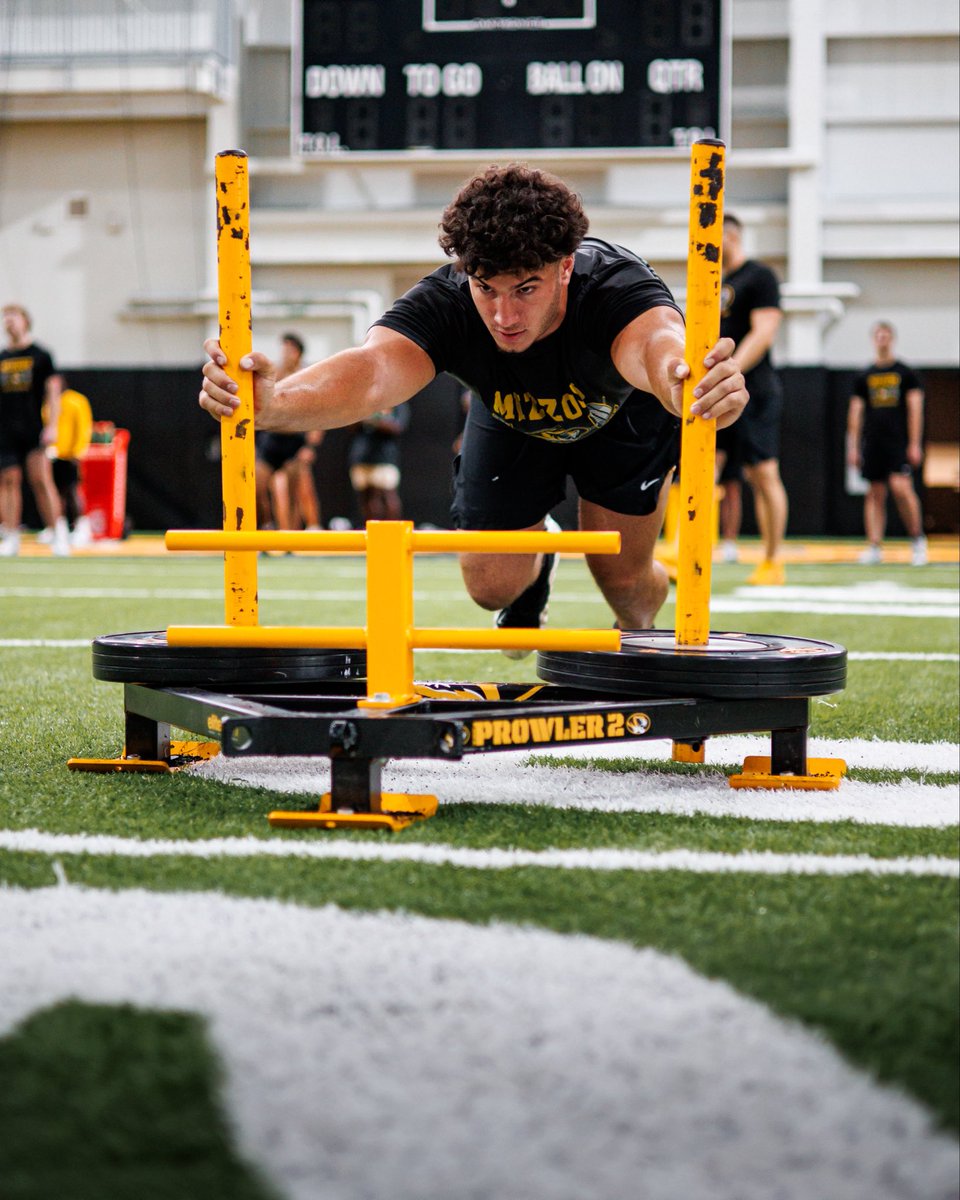
Building our Elite E.D.G.E. 💪

2
25
307
12,969
Curtis Luper retweeted

Let’s do it MIZ!! I will be in COMO this weekend!! @NastyWideOuts @ChipLindsey11 @CoachDrinkwitz @bigLBeezy2

10
16
195
10,469
Curtis Luper retweeted
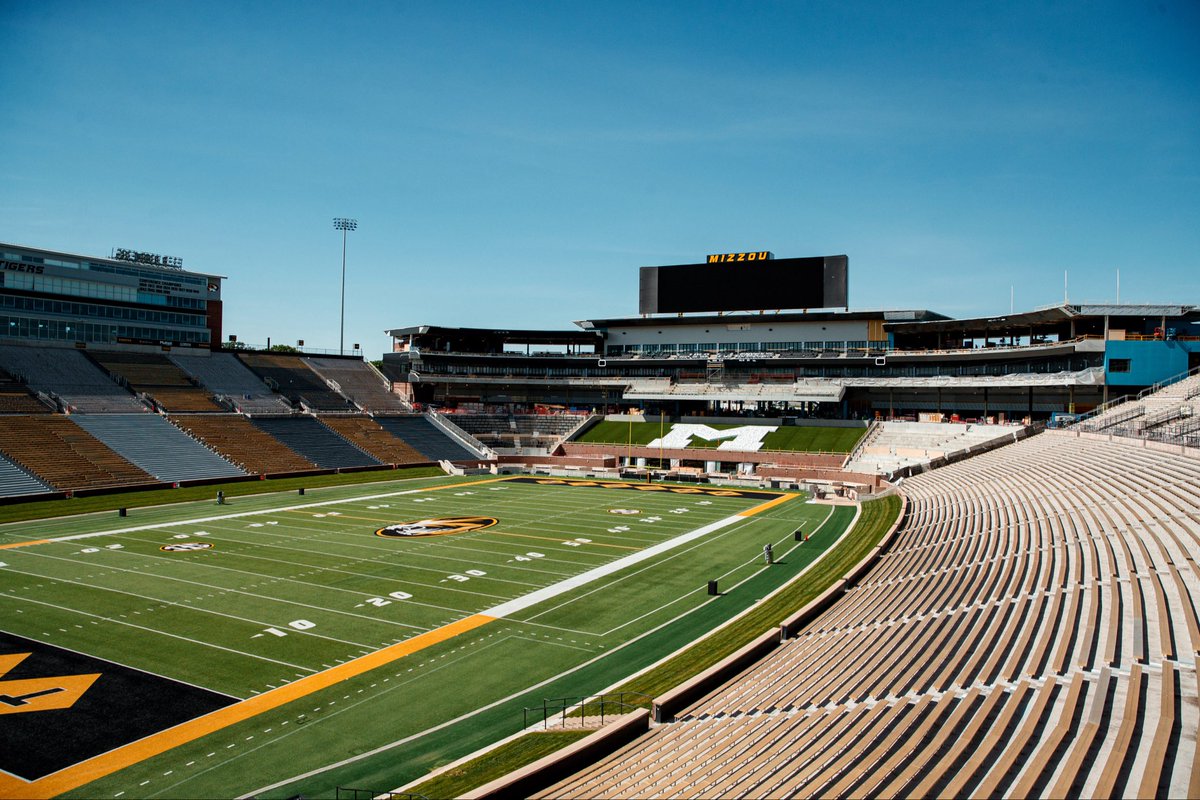
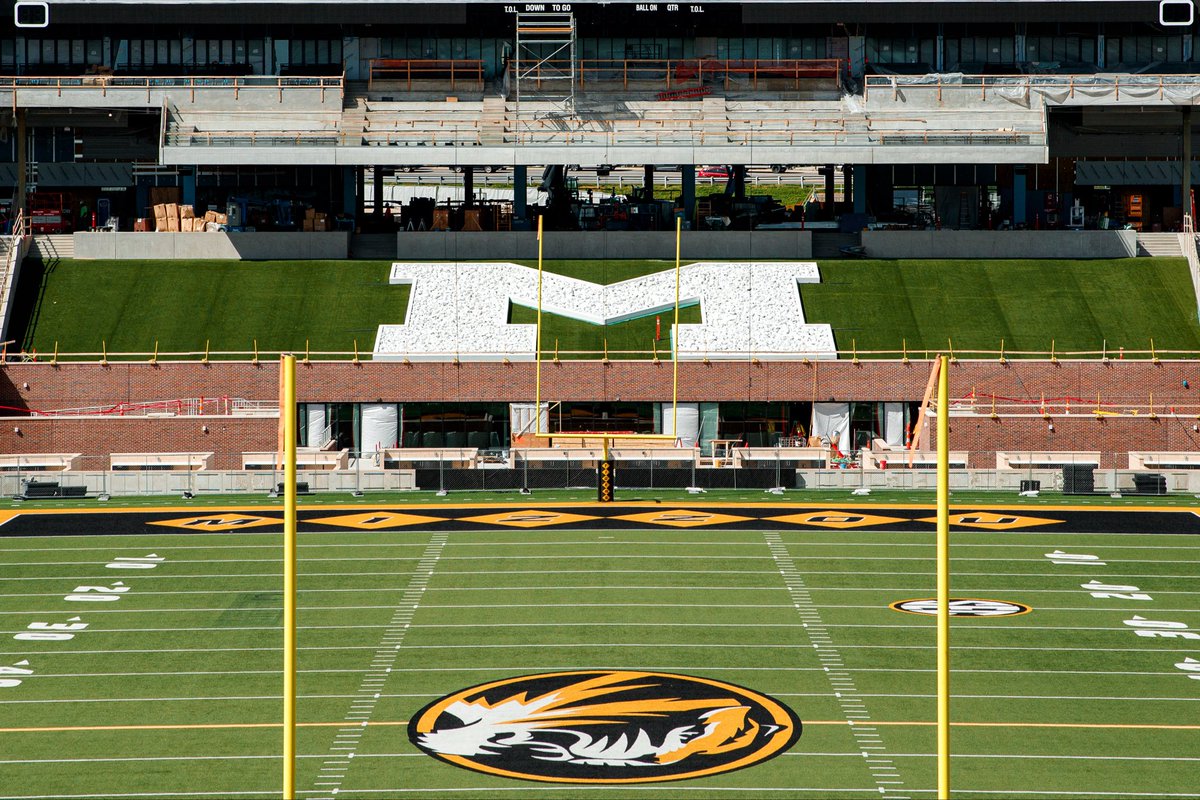
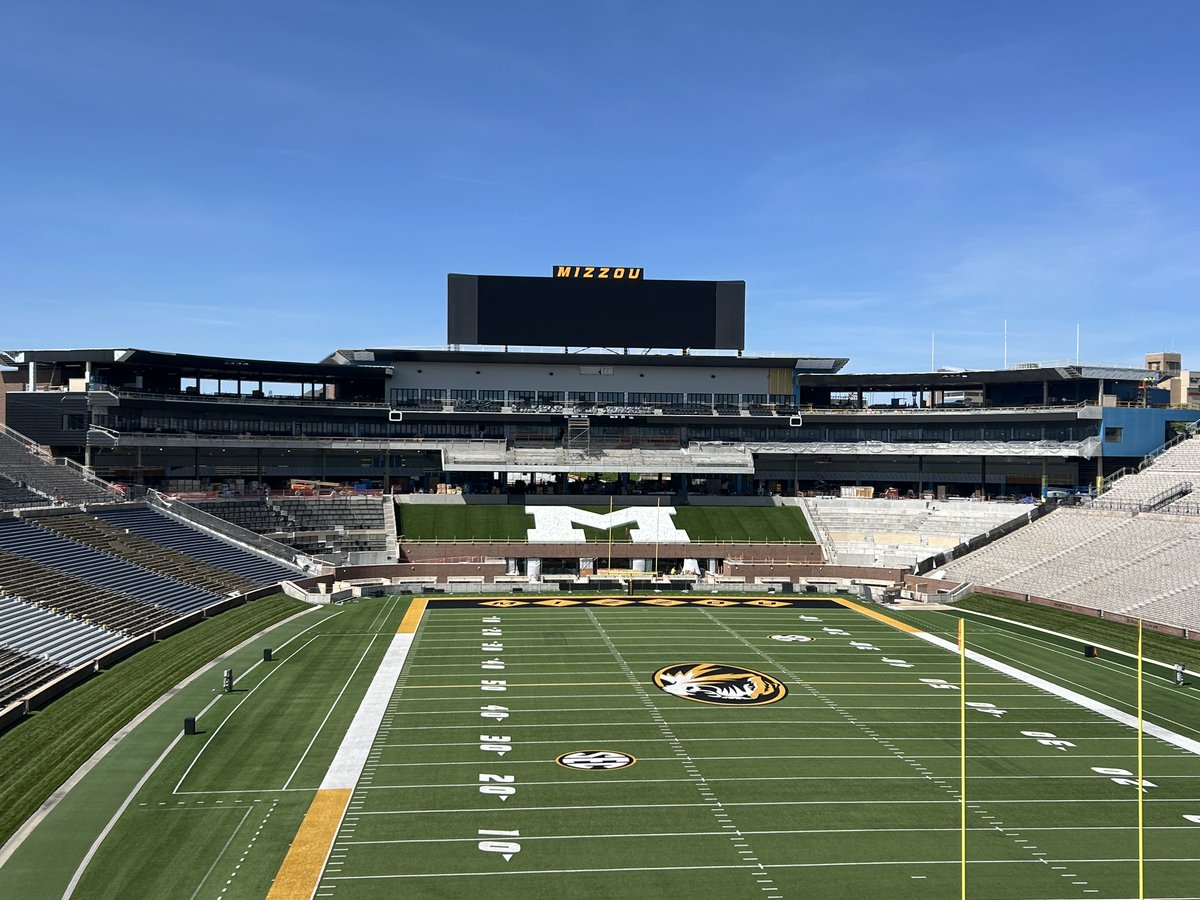
New Era. Same Heart.
39
166
1,685
298,036



Curtis Luper retweeted

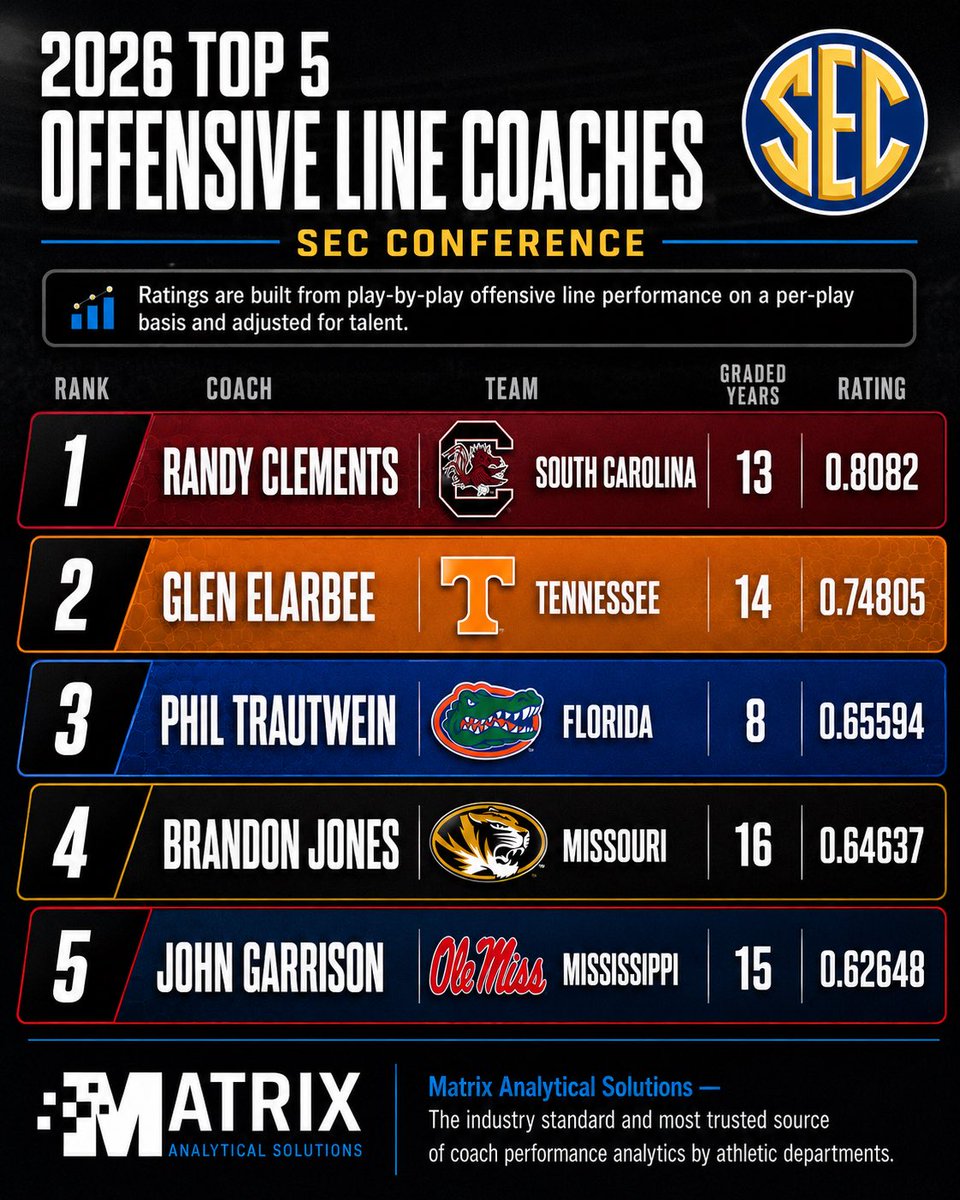
🚨ELITE 🚨
@CoachJonesB 📈📈

Top 5 OL Coaches in the #SEC
@Coach___Clem #SpursUp
@Gelarbee #GoVols
@CoachTrautFB #GoGators
@CoachJonesB #Mizzou
@CoachGarrisonOL #OleMiss
12
88
11,735
Curtis Luper retweeted
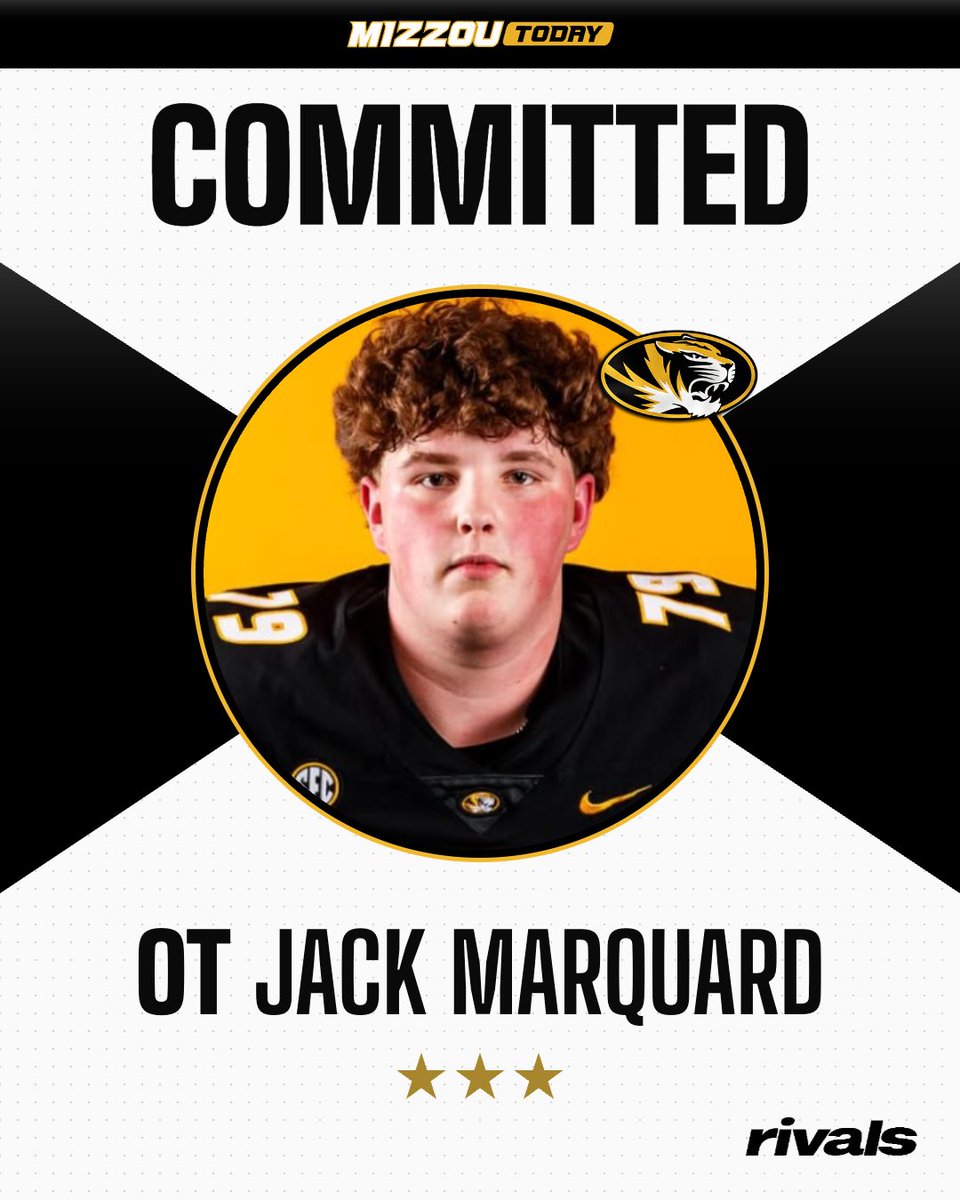
Class of 2027 OT Jack Marquard (@jackmarquard27) has committed to #Mizzou after his official visit.
on3.com/sites/mizzou-today/n…
5
19
205
16,359
Curtis Luper retweeted
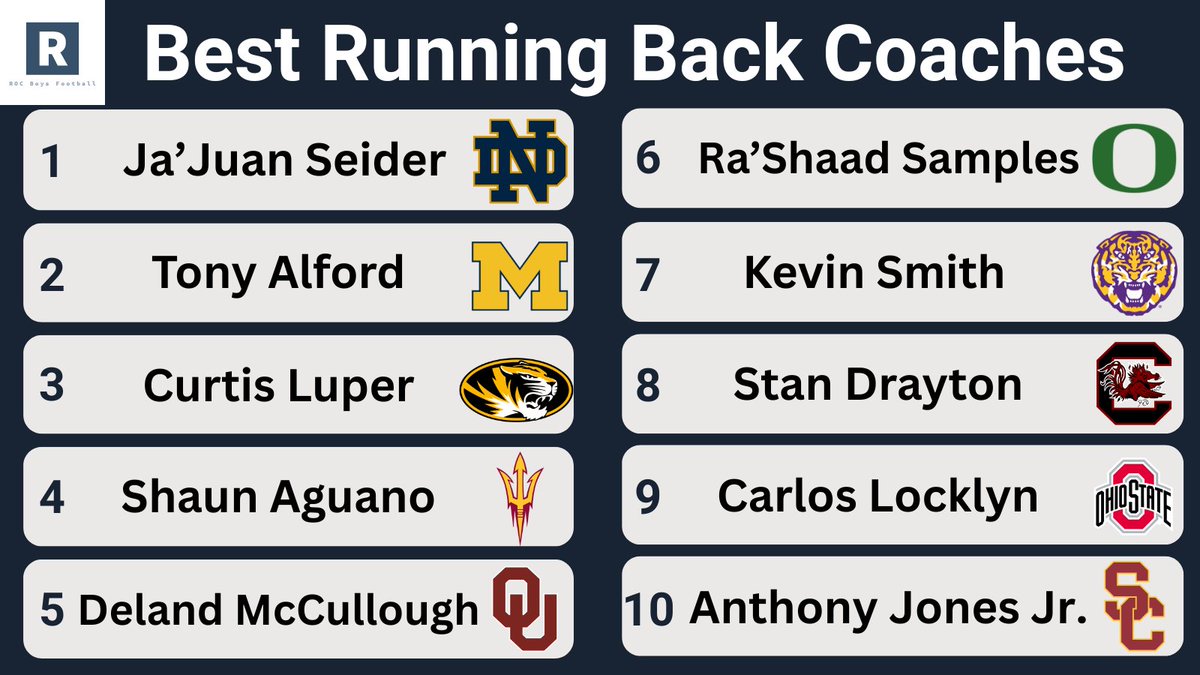
@CoachLoop is that DUDE 📈📈

Best Running Back Coaches In College Football
Who Are We Sleeping On? 👇
10
69
6,911