Assistant Head Basketball Coach @ Tyler High School
Joined April 2017
- Tweets 1,572
- Following 543
- Followers 463
- Likes 8,192
112 Photos and videos





Coach David Sanders retweeted

Jun 11
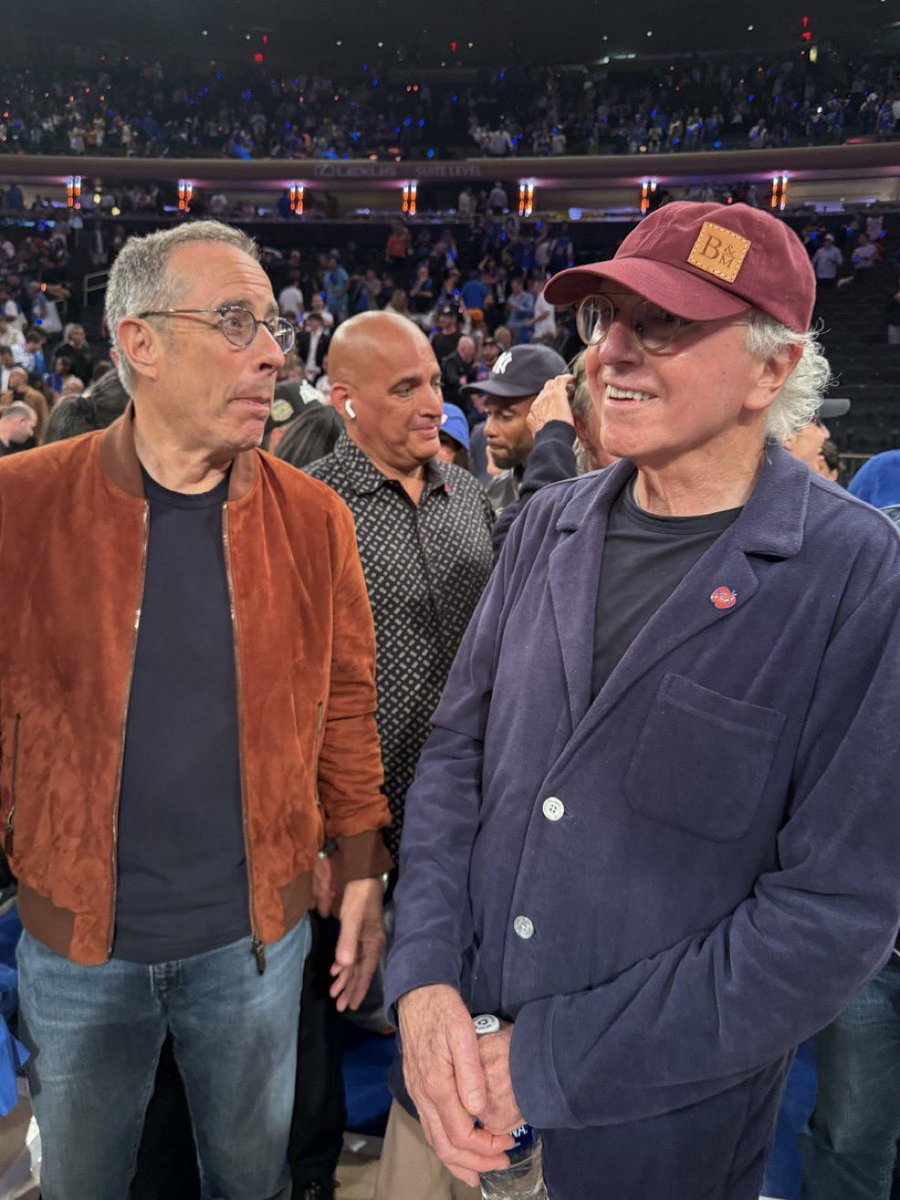
I would like to add myself to the chorus declaring this an all-time tweet.

The Spurs know how to TAKE the lead, they just don't know how to HOLD the lead. And that's really the most important part of the lead: the holding
70
438
12,132
1,808,612
Coach David Sanders retweeted

Jun 7
SMU RB/WR and former Tyler Lions standout Derrick McFall holds first football camp in the Rose City. @Derrick_mcfall0 @TylerLionsFB @TylerHighLions @TylerISD_Ath @SMUFB @KETK
ketk.com/sports/local-sports…
3
4
184
Coach David Sanders retweeted

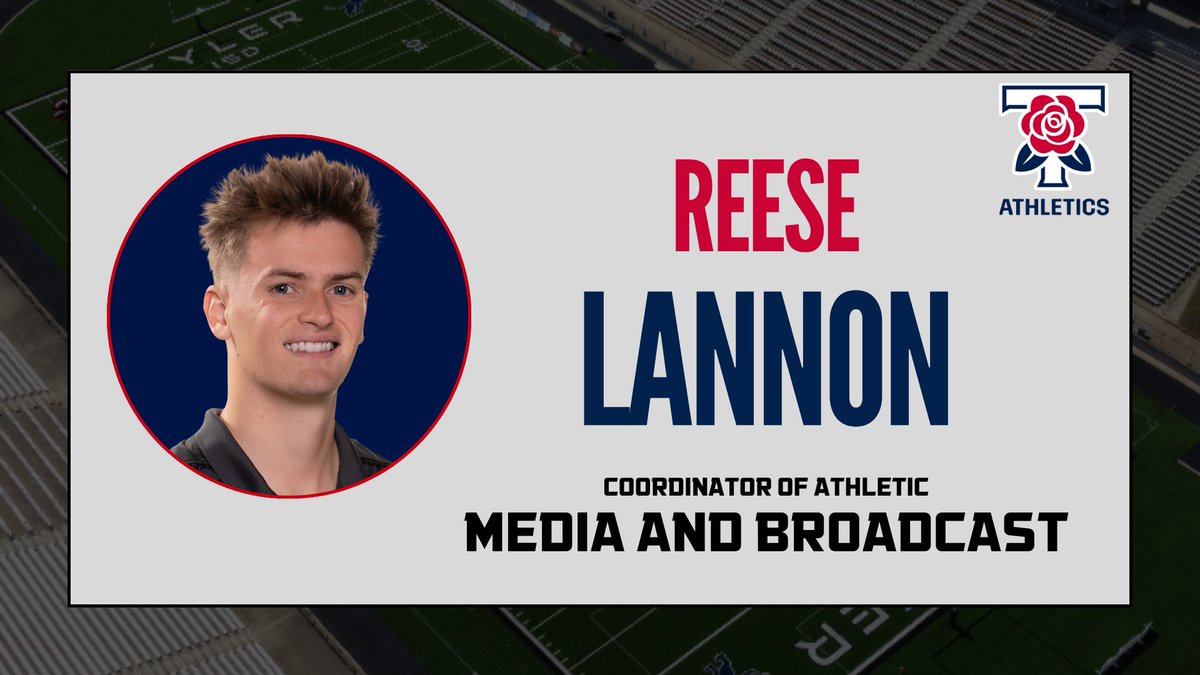
𝑩𝒓𝒂𝒏𝒅-𝒏𝒆𝒘 title 📌
We're excited to announce that Reese Lannon has been promoted to Coordinator of Athletic Media and Broadcast.
In this role, Reese will continue delivering play-by-play and leading athletic media coverage while overseeing broadcast operations.
4
12
2,033
Coach David Sanders retweeted

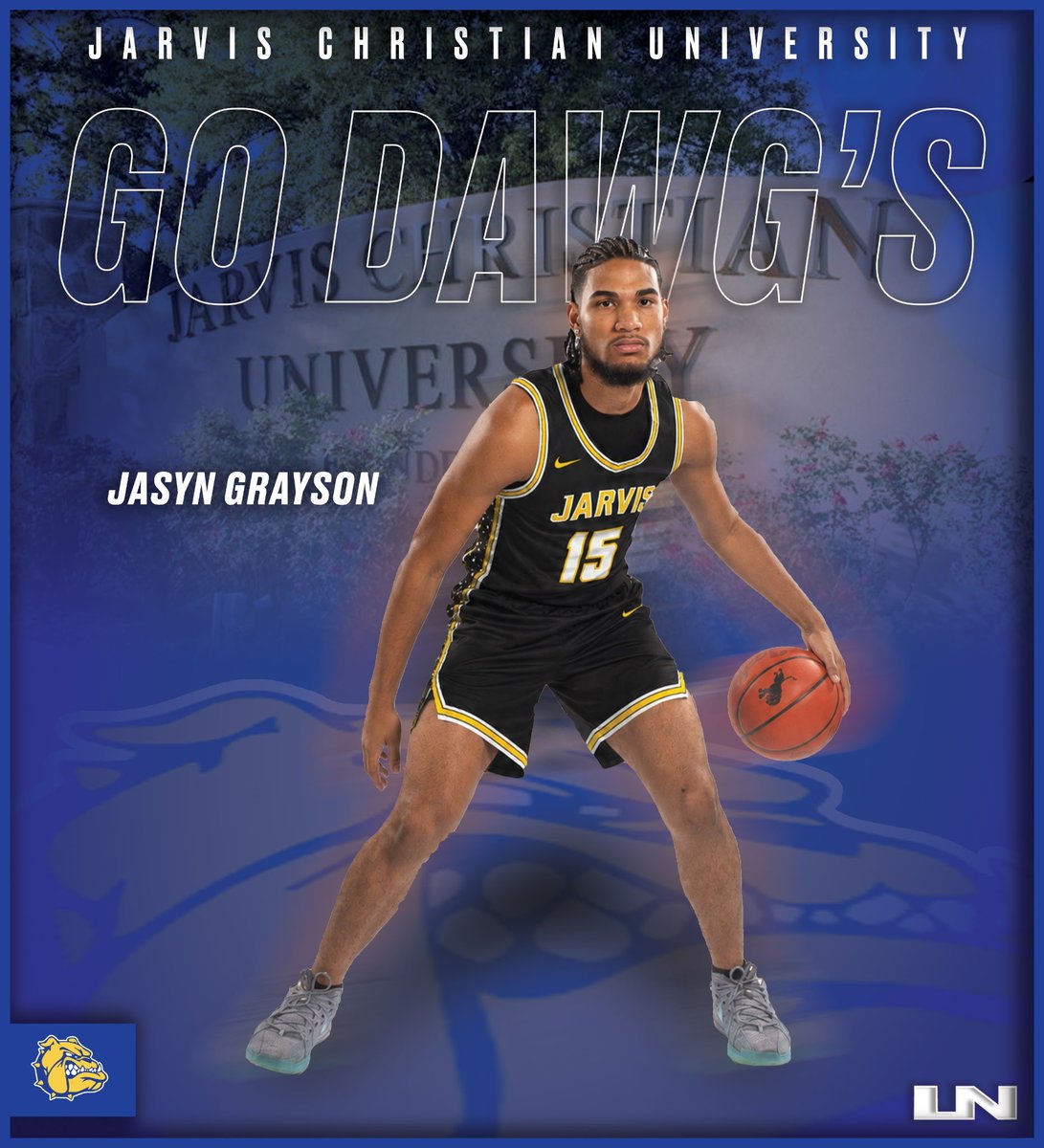
S/O to @JasynGrayson on his commitment to Jarvis Christian University 🙏🏽🙏🏽🙏🏽
They are certainly getting a good one with this young man! Praying for nothing but success and that you fulfill every work the Lord has for you as you prepare to take this next step in life! God Bless!
4
6
596
Coach David Sanders retweeted

May 21
"A respected educator and coach was subjected to intense public scrutiny, attacks on his character, and damage to his reputation over allegations that investigations ultimately determined to be unfounded,” Crawford said. “Those who rushed to publicly spread accusations without facts should reflect on the very real harm that was caused. An apology is owed.” facts!
9
65
9,398
Coach David Sanders retweeted

Tyler High School Coach Lionel Wrenn has been reinstated after investigations cleared him of unsubstantiated allegations that claimed he physically assaulted a student-athlete, Tyler ISD said on Thursday.
tylerpaper.com/2026/05/21/ty…
2
2
688
Coach David Sanders retweeted
May 21
Tyler ISD has reinstated Coach Lionel Wrenn after a full investigation
Glad @LionelWrenn got his name cleared and he can get back to coaching!! #txhsfb
tylerisd.org/article/2928653
4
20
125
30,671
Coach David Sanders retweeted

May 19
Please join me in welcoming @R_Rags13 as the new Head Baseball Coach at Fulshear High School!
Coach Ragsdale brings passion, leadership, and commitment to developing young men both on and off the field. We are excited for the future of Charger Baseball
#TheChargerWay #NOPE

30
80
21,527
Coach David Sanders retweeted

Mar 29
The Economics of Coaching 🏀
1. Opportunity Cost
Every rep you spend on a play set is a rep you didn't spend on decision-making. Every minute in practice has a cost. The question isn't what you're doing, it's what you're giving up to do it.
2. Scarcity
You have a limited amount of time with your team every day. A limited number of possessions per game. Great coaches treat everything like it's scarce, because it is. Stop acting like you have time to waste and focus on things that actually move the needle.
3. Marginal Utility
The 10th rep of a drill isn't worth as much as the 1st. At some point, more reps stop producing more results.
4. Diminishing Returns
At some point you can have TOO many plays and TOO many drills. Are you doing too much and in turn hurting your team?
5. Market Inefficiency
Most coaches are chasing the same trends (same plays, same systems, etc.) The edge is in the overlooked stuff. Decision-making. Spacing. Habits. Shooting. That's where the value is underpriced.
6. Incentives
Your players do what they're rewarded for. If you celebrate hustle but only play scorers, they'll figure it out fast. Culture is just incentive structure that you make visible consistently.
7. Information Asymmetry
This one is interesting. our opponent doesn't know everything about you. You don't know everything about them. The team that does their homework wins the information war. Film work isn't extra, it's an edge.
8. Cost-Benefit Analysis
Before you add another play, another drill, another concept, ask yourself: What does this cost me in time, reps, and mental load? And is the return worth it?
The best coaches are teacher and economists!
4
40
352
44,704
Coach David Sanders retweeted

Mar 5
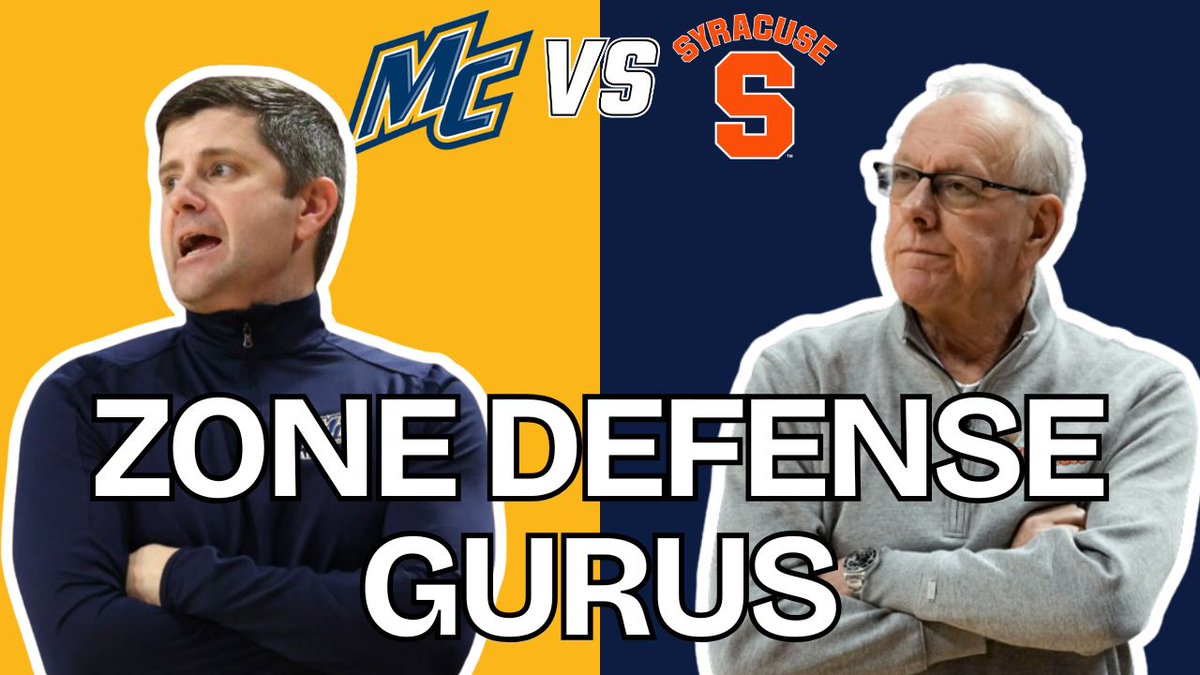
New on YouTube: Comparing zone defenses with @JohnCarrier42
youtu.be/BXOkHlJwZZ4
2
7
109
15,622
Coach David Sanders retweeted

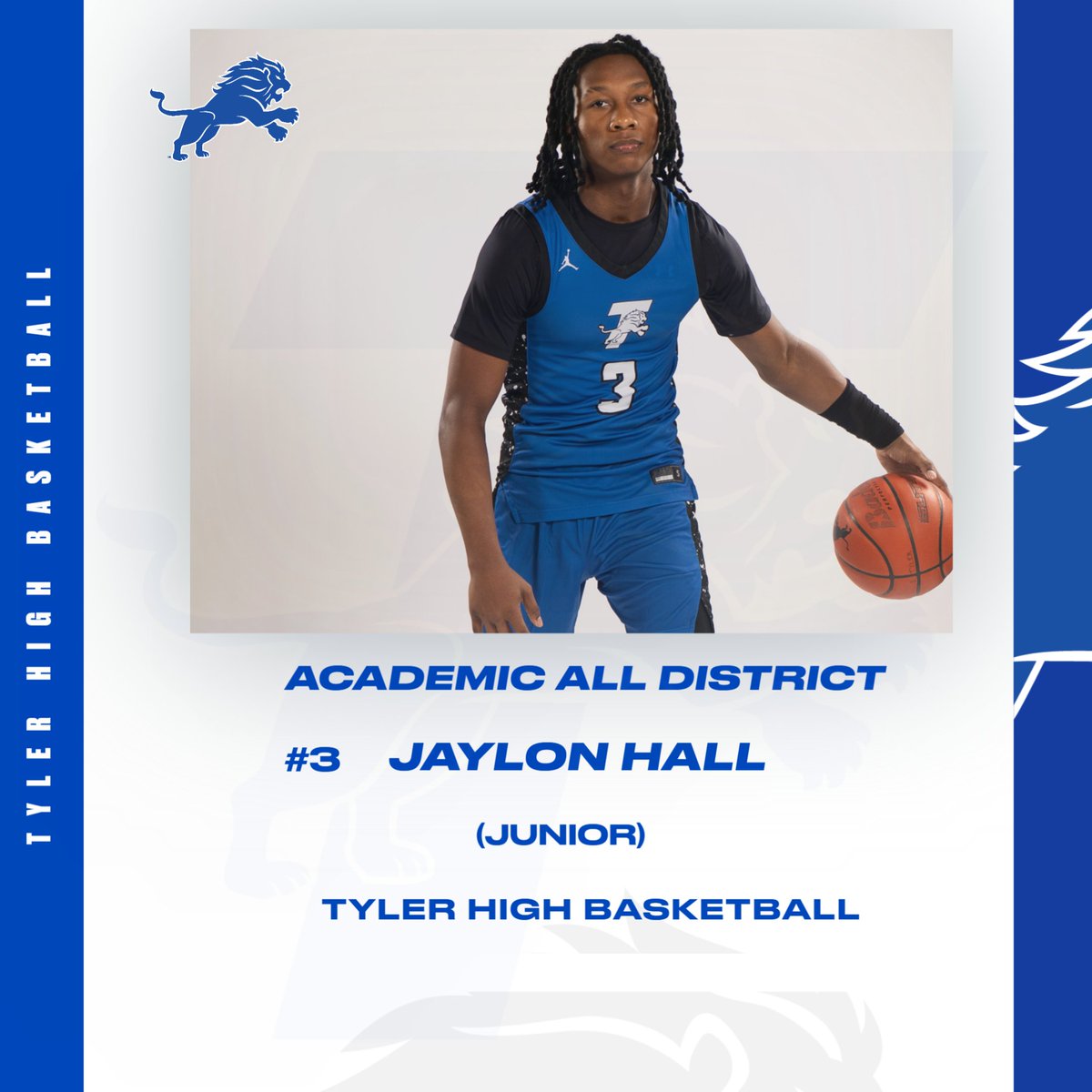
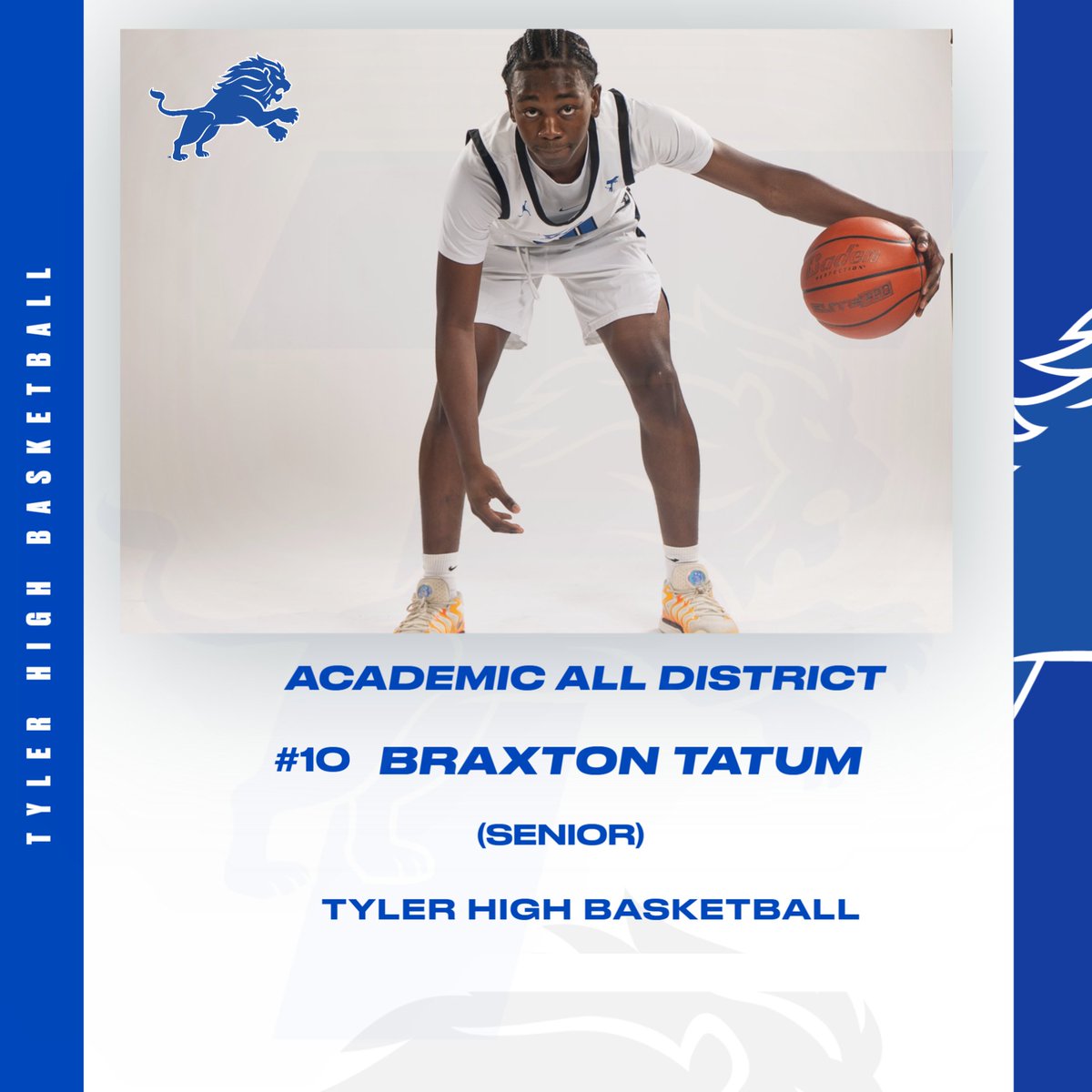
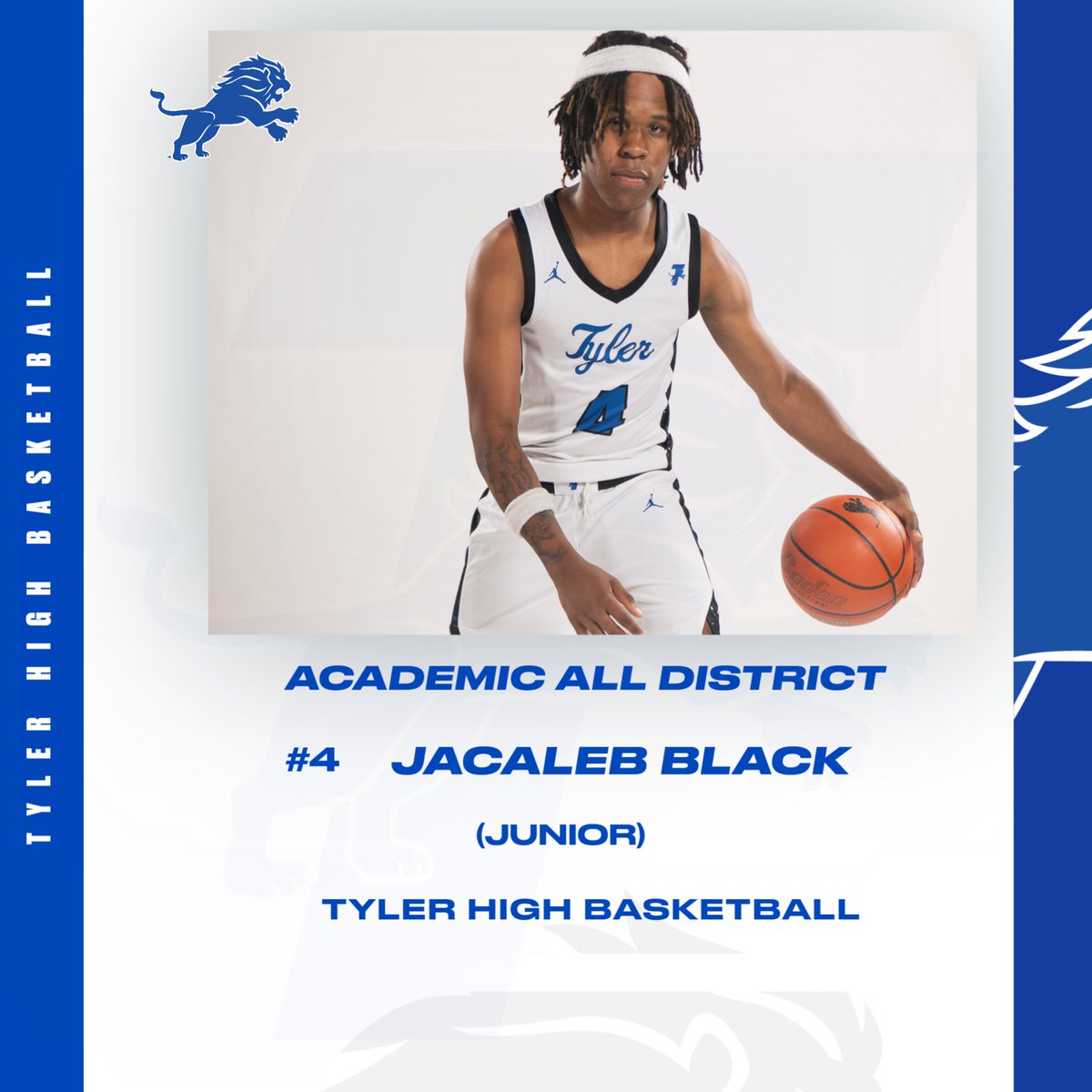
@TylerISD_Ath @TylerHighLions @CoachJustinJ @Coach_DSanders @J_MOtivated @etfinalscore @PhilHicksETFS
5
6
193
Coach David Sanders retweeted
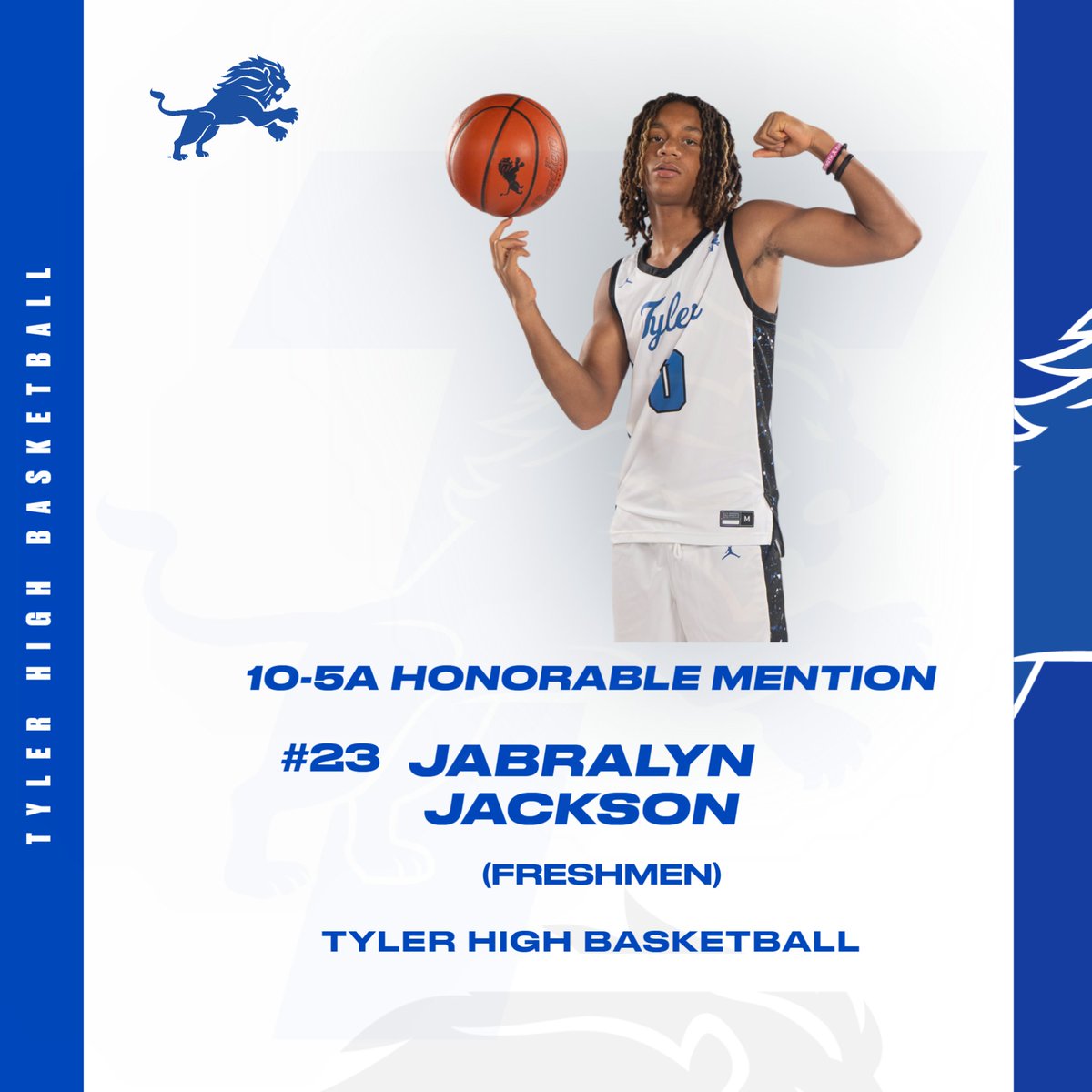
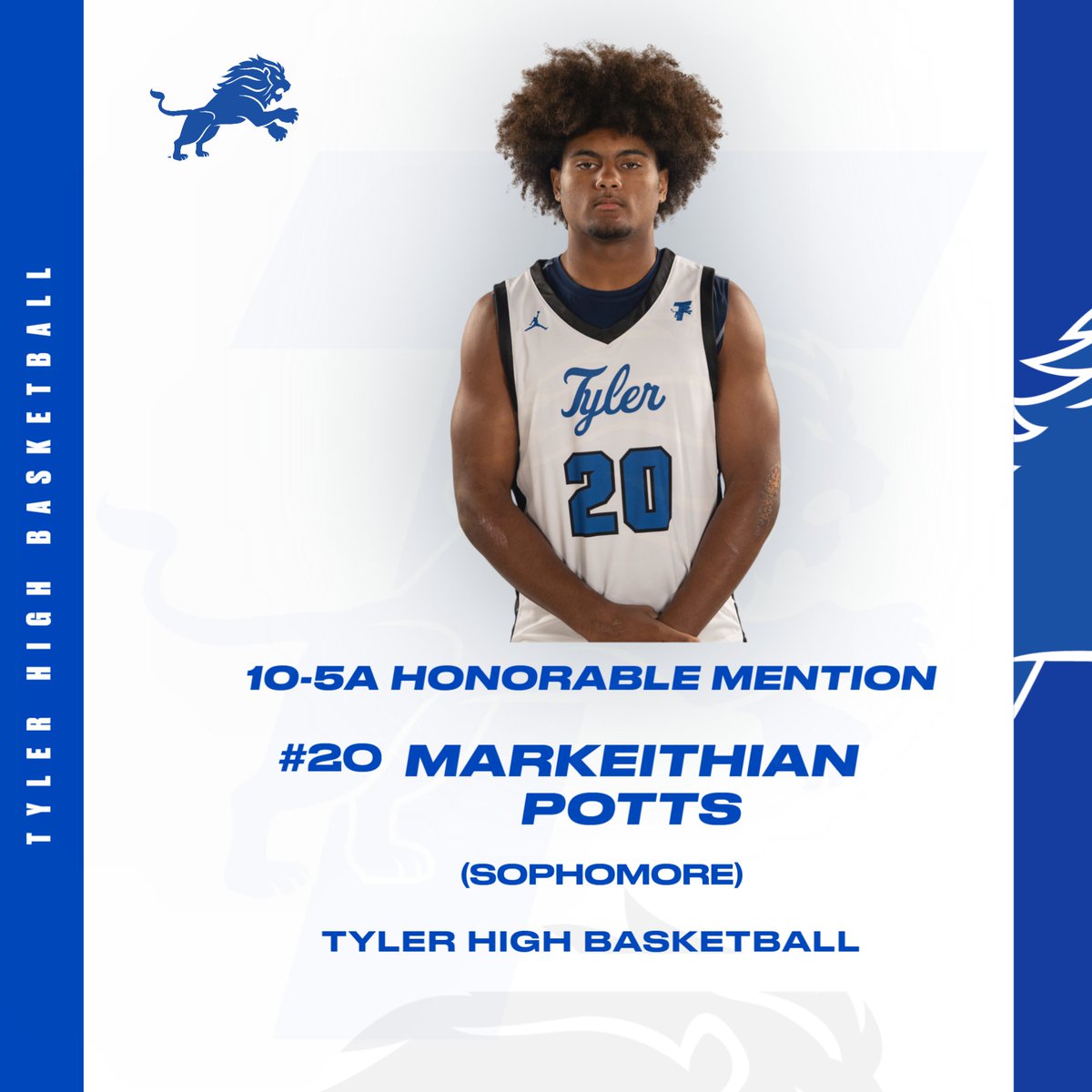
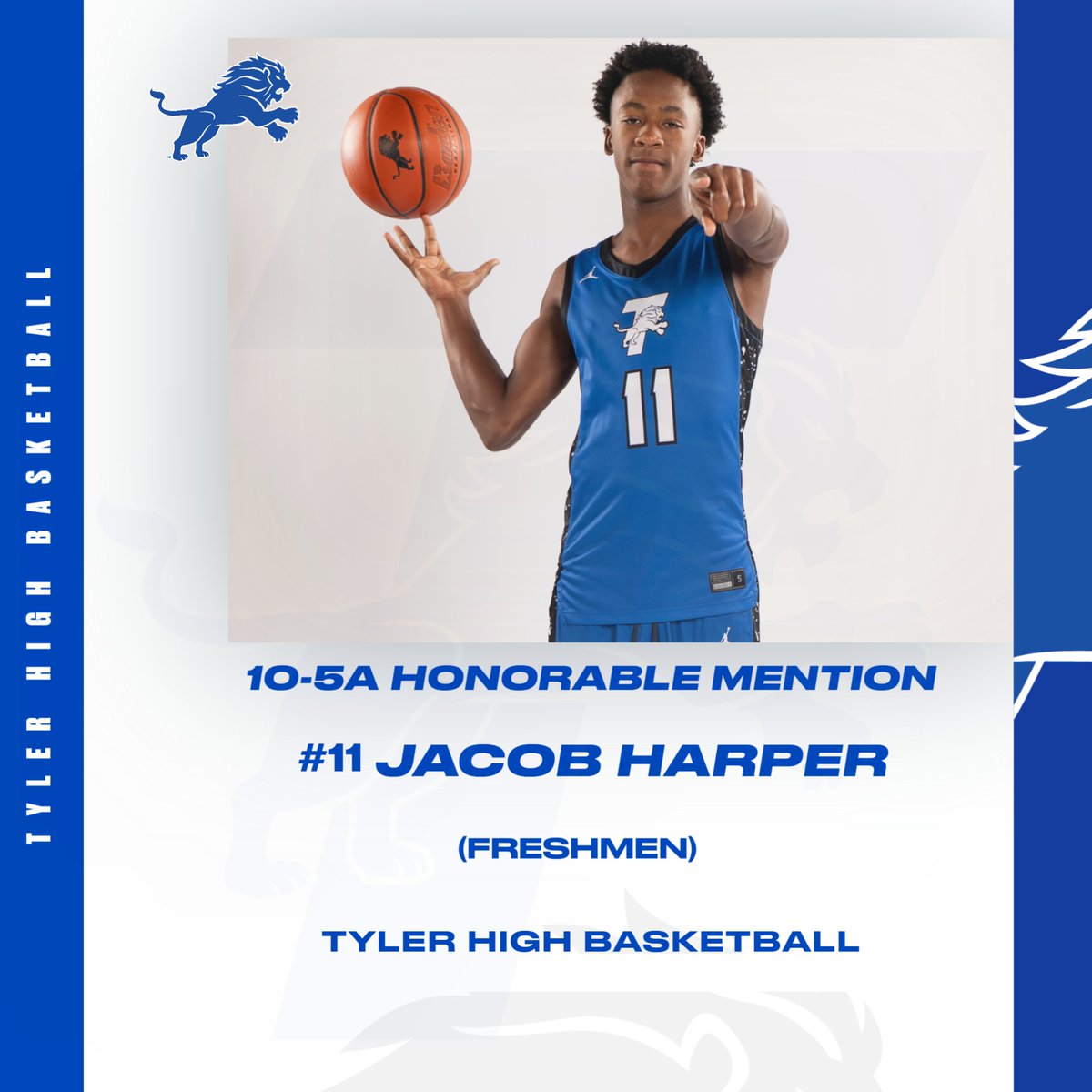
@TylerISD_Ath @TylerHighLions @CoachJustinJ @Coach_DSanders @J_MOtivated @etfinalscore @PhilHicksETFS
2
2
89
Coach David Sanders retweeted
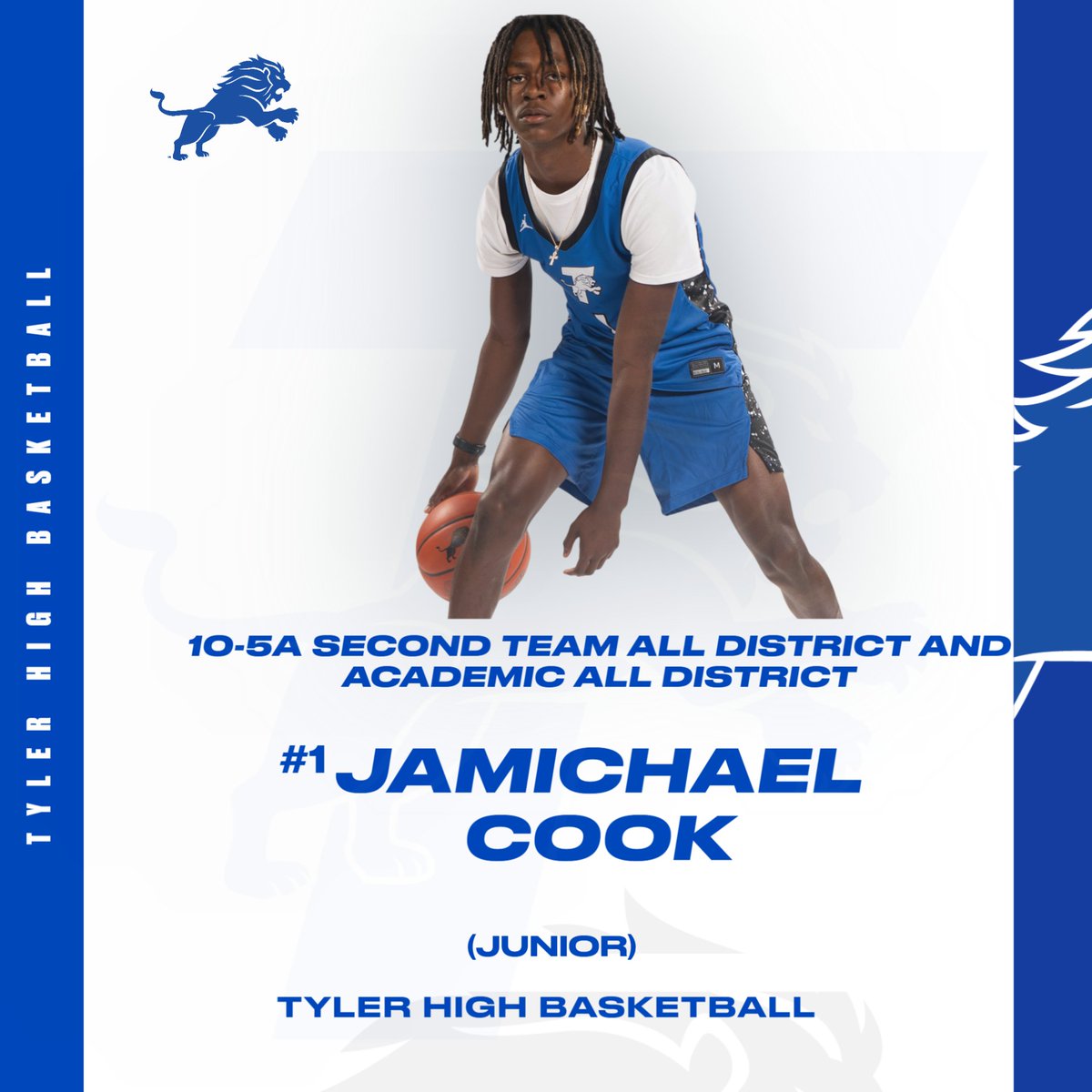
@TylerISD_Ath @TylerHighLions @CoachJustinJ @Coach_DSanders @J_MOtivated @etfinalscore @PhilHicksETFS
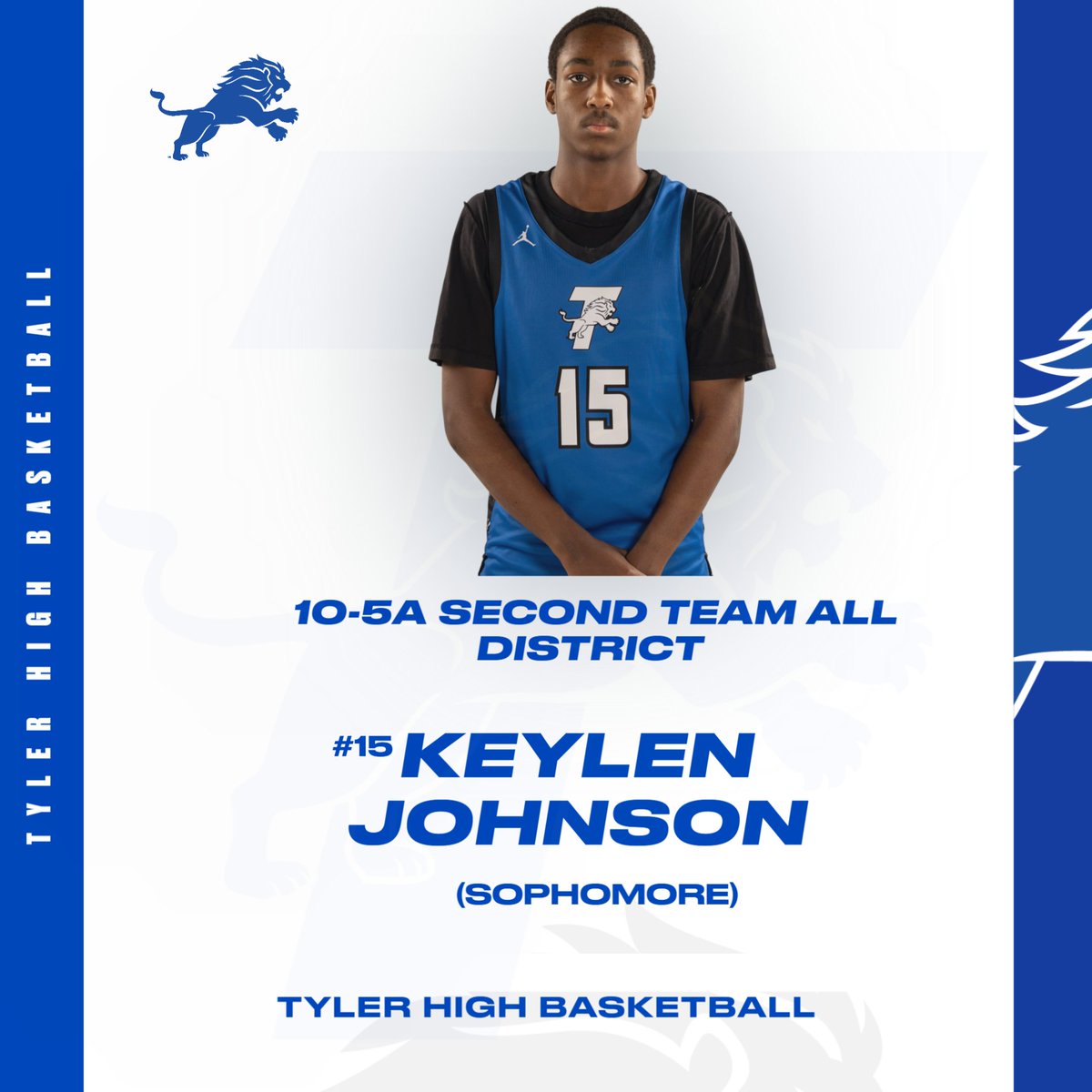
3
5
141
Coach David Sanders retweeted
@TylerISD_Ath @TylerHighLions @CoachJustinJ @Coach_DSanders @J_MOtivated @etfinalscore @PhilHicksETFS
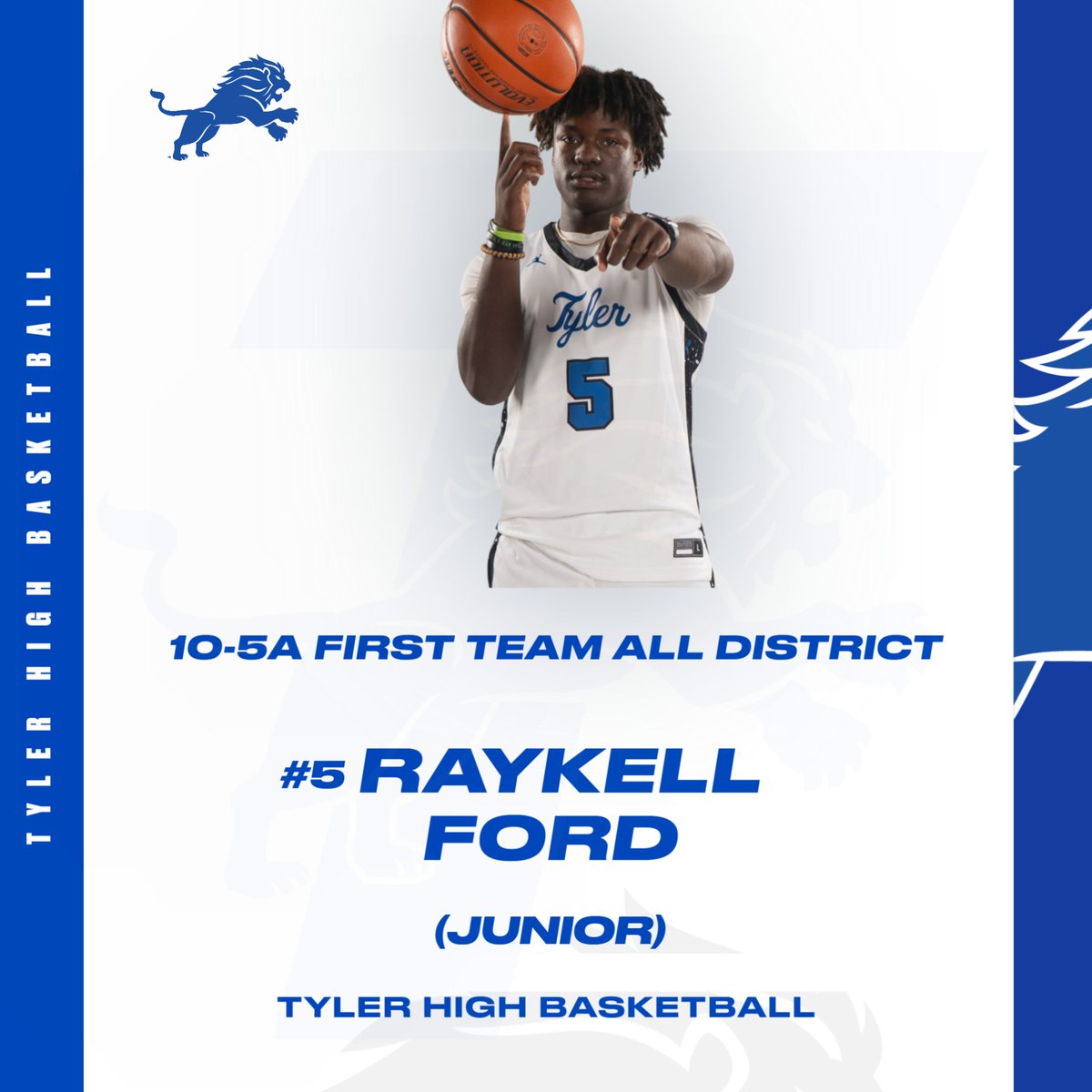
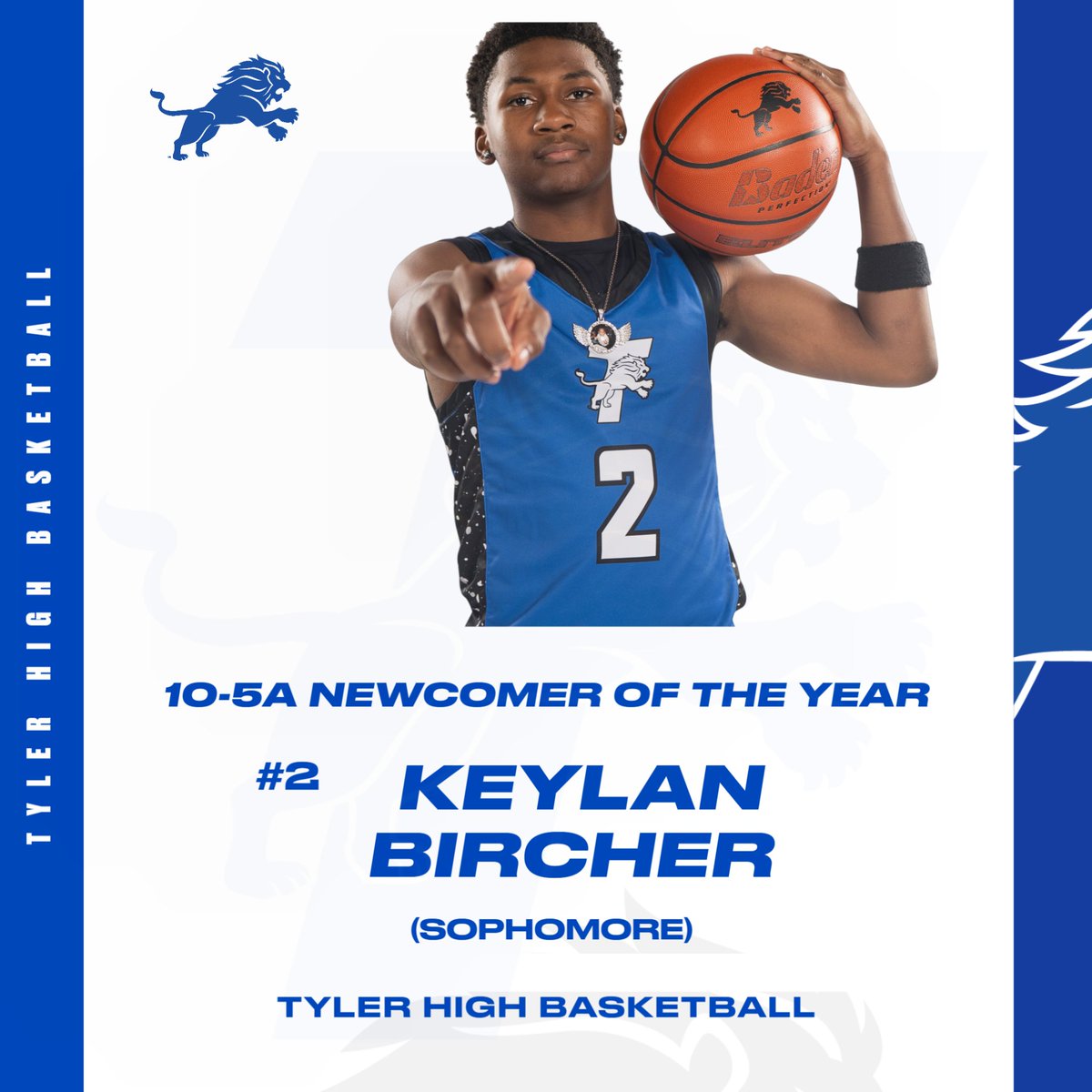

3
3
118
Coach David Sanders retweeted

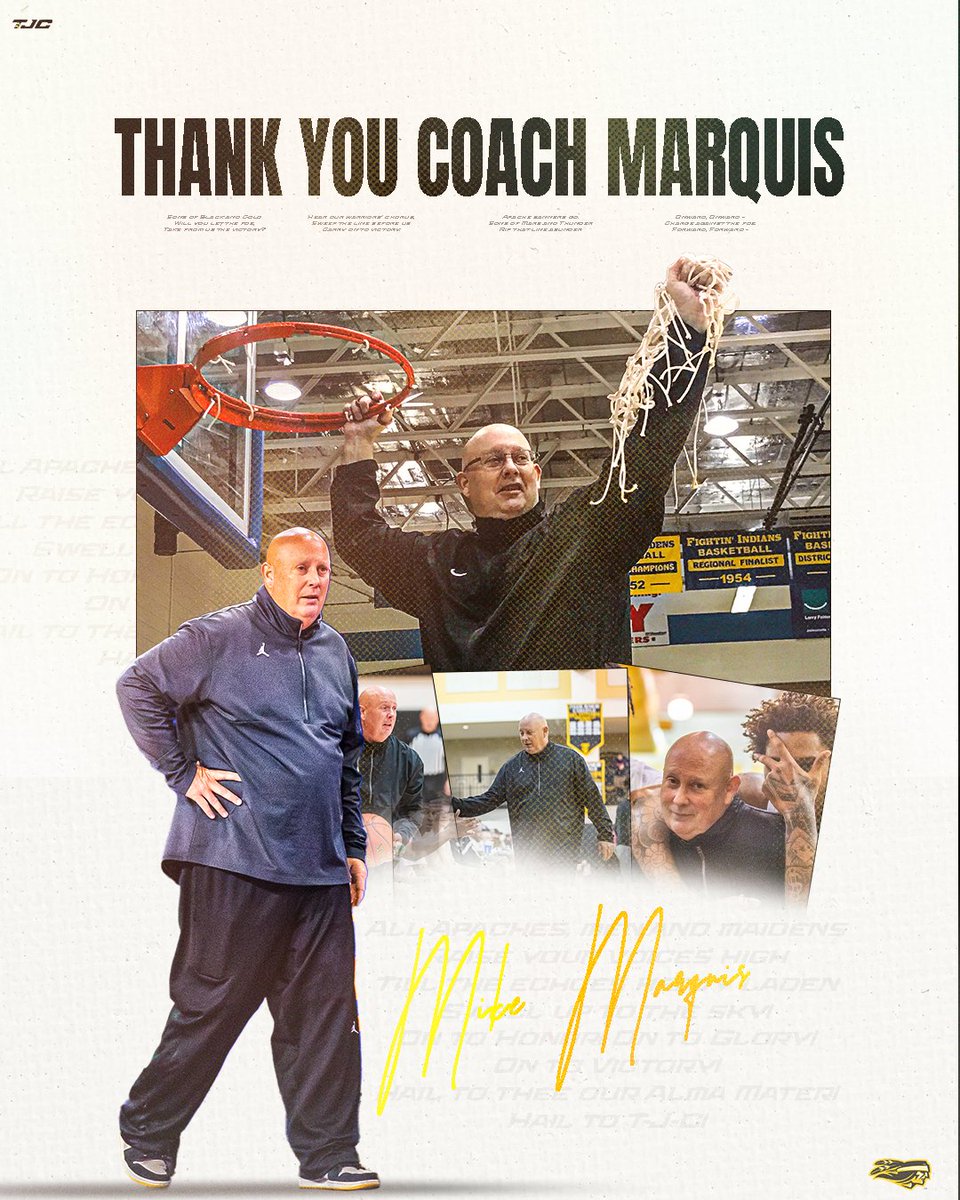
A legend in every way.
38 Years, 25 as an Apache, and over 750 wins. Thank you Coach Marquis for everything.
Come see Coach Marquis in his final home game at 3:30 for a special pre-game ceremony honoring his coaching legacy.
#feathersup
1
35
104
21,812
Coach David Sanders retweeted
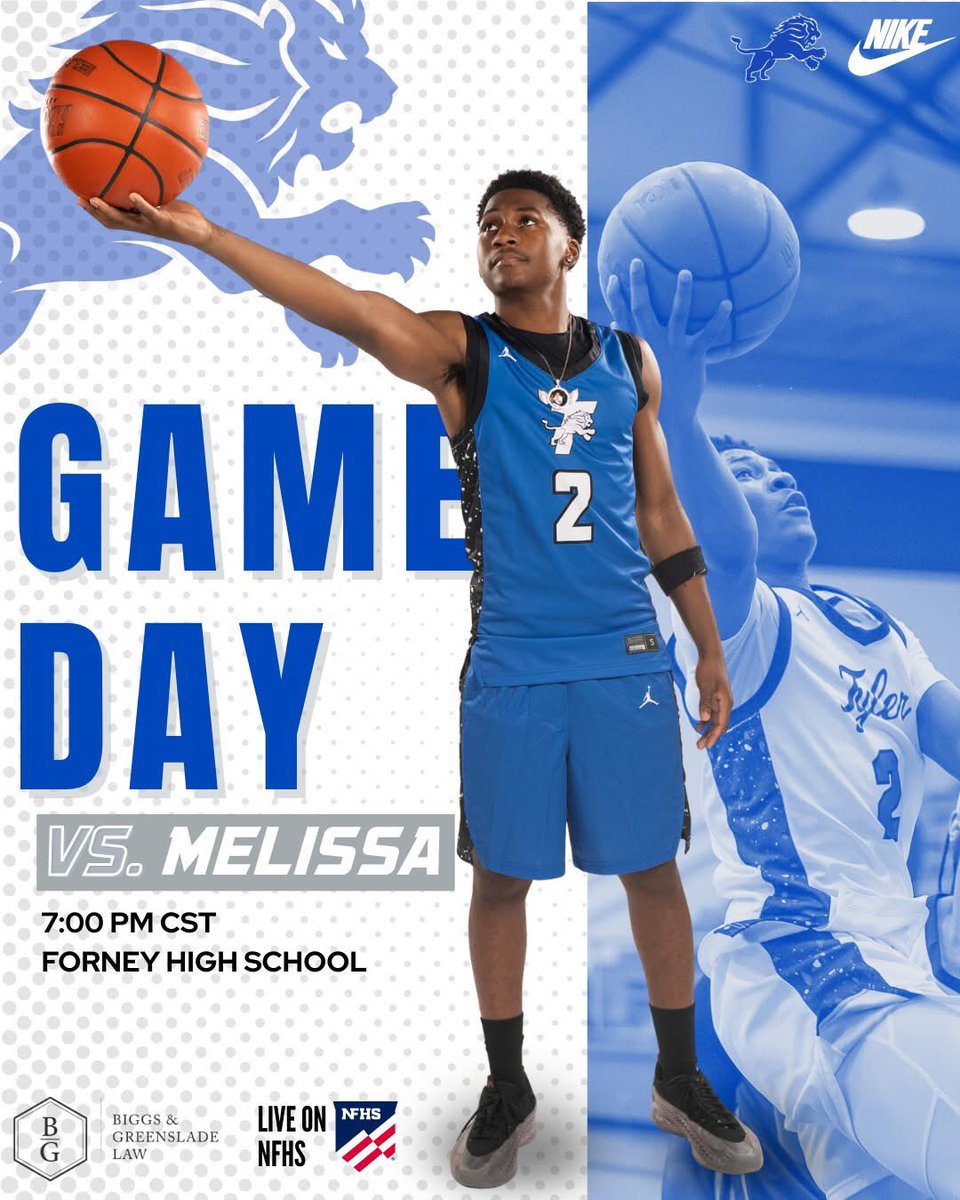
Lions back in the playoffs 🦁
Make the trip out to Forney to support Tyler High Boys Basketball as they begin their 5A-DI playoff journey tonight!
🆚 Melissa
⏰ 7:00 PM
📍 Forney High School
🏀 Wear BLUE!
🎟️events.hometownticketing.com…
📺 nfhsnetwork.com/events/melis…
5
7
584
Coach David Sanders retweeted
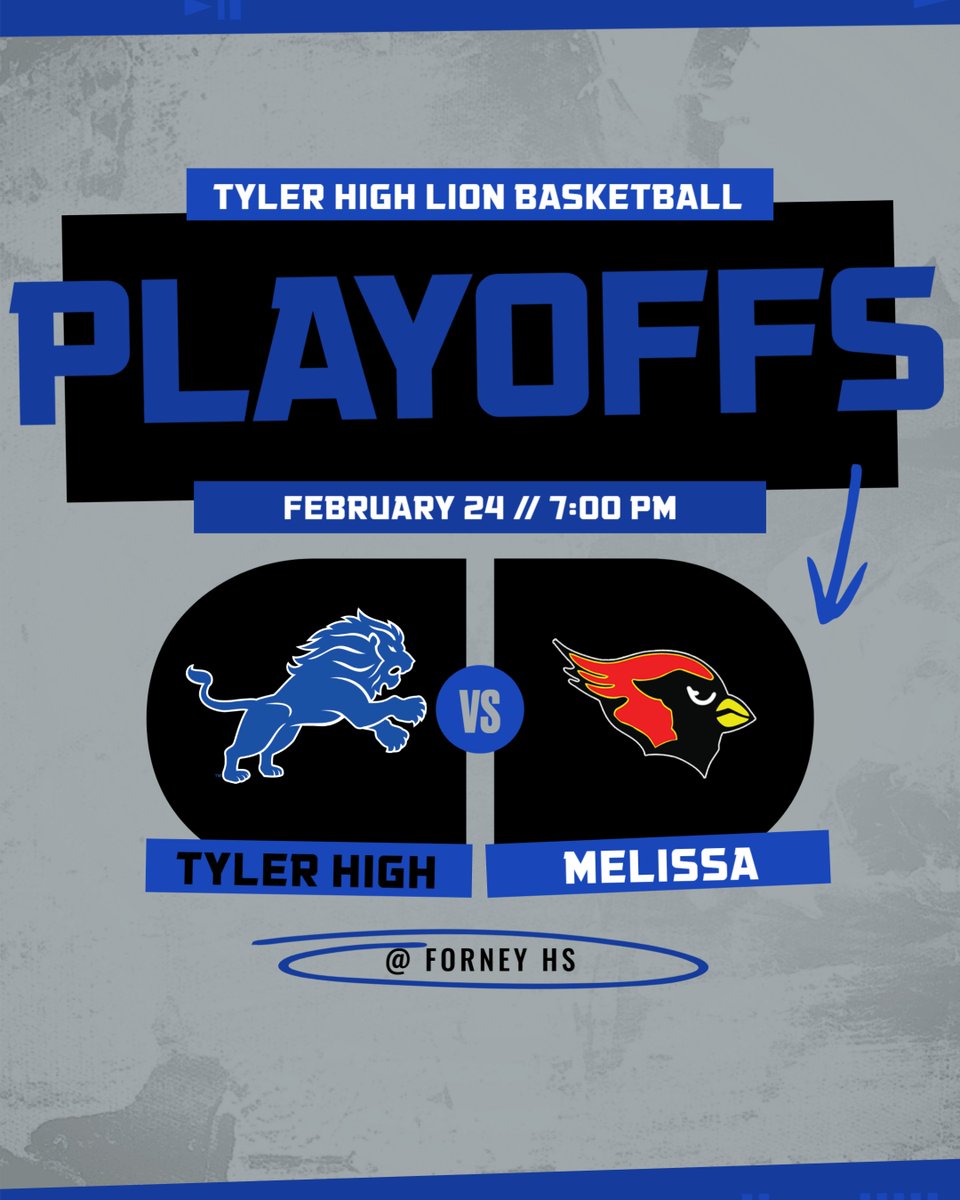
Tyler High Boys Basketball will take on Melissa in their Bi-District Game on Tuesday!
Ticketing information to come.

8
8
440
Coach David Sanders retweeted
@Tabchoops @hoopinsider @Melissa_Hoops @etfinalscore @PhilHicksETFS @TylerHighLions @TylerISD_Ath @CoachJustinJ @Coach_DSanders @J_MOtivated
1
6
7
527
Coach David Sanders retweeted
Lions 40, Mt. Pleasant 59
20-11 (10-6) Tyler High heads to the playoffs for the 5th consecutive year!
Will play Melissa. Details coming soon.
@Tabchoops @hoopinsider @TylerISD_Ath @TylerHighLions @etfinalscore @PhilHicksETFS @CoachJustinJ @Coach_DSanders @J_MOtivated
6
7
476
Coach David Sanders retweeted
@Tabchoops @hoopinsider @etfinalscore @PhilHicksETFS @TylerISD_Ath @TylerHighLions @CoachJustinJ @Coach_DSanders @J_MOtivated
7
7
312