
We Restore Your Skin. From the Inside Out.
Joined January 2026
- Tweets 131
- Following 70
- Followers 384
- Likes 81
75 Photos and videos


May 30
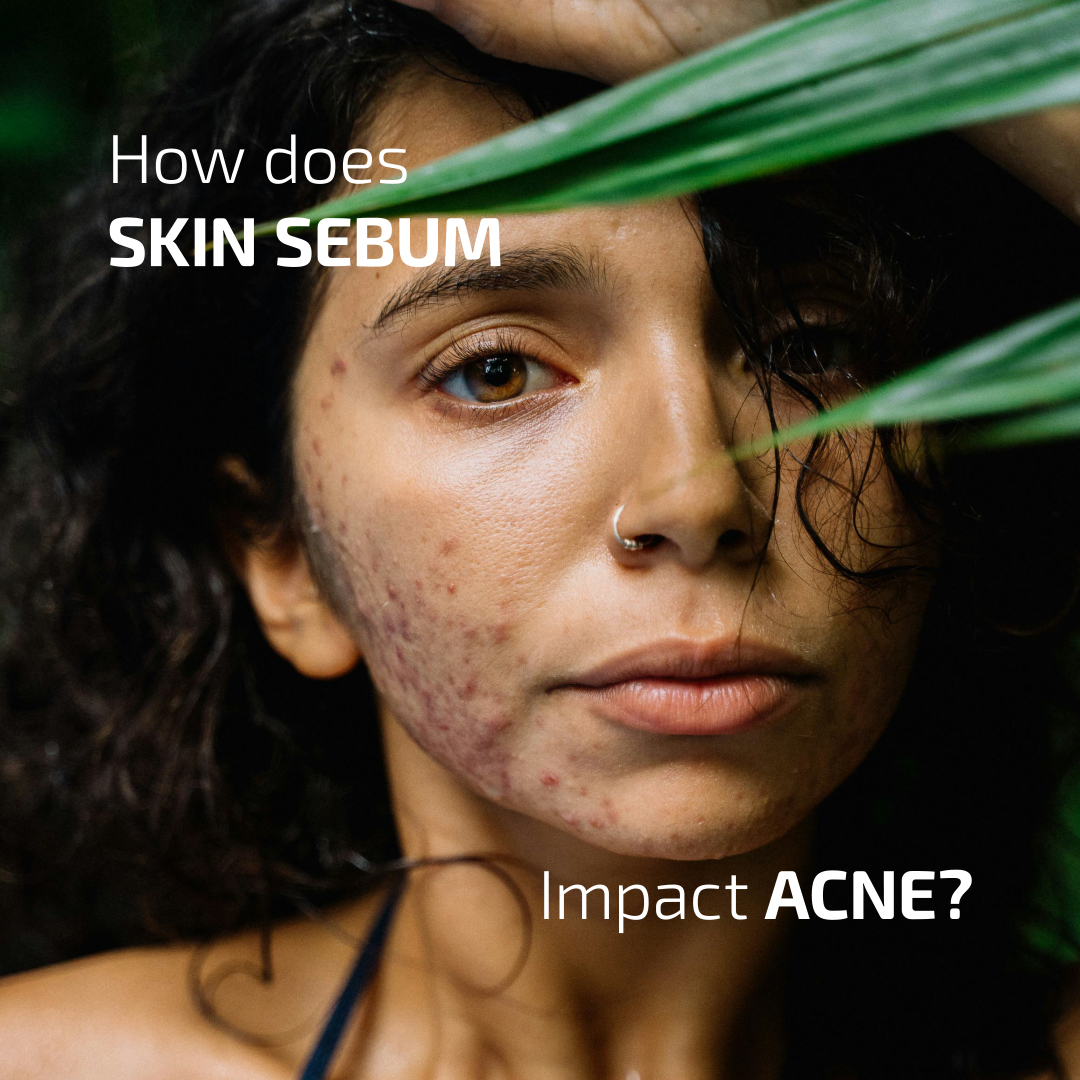
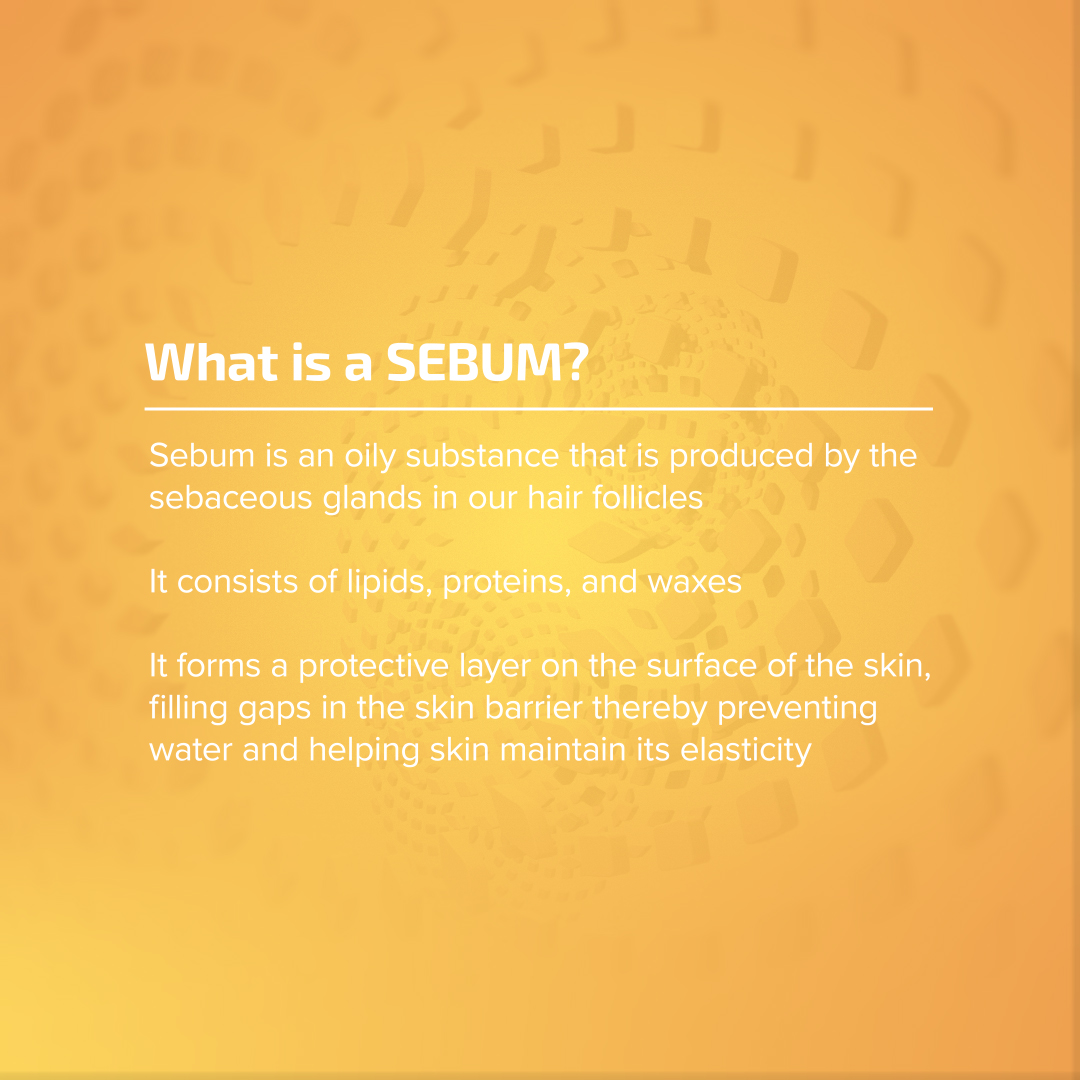
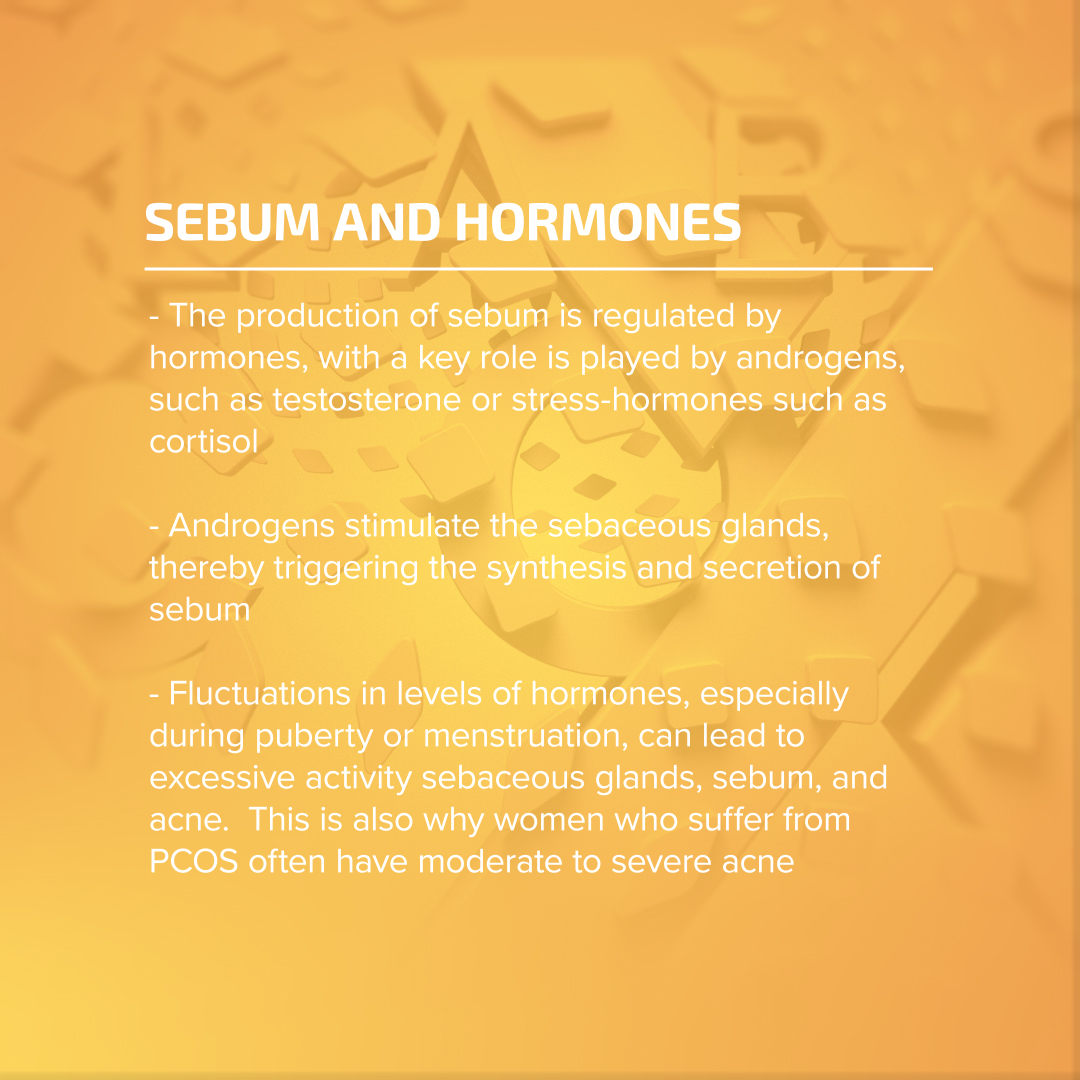
Skin sebum (natural skin oil) is a good servant but a bad master.
What happens to your skin if you have too much of it?
What is its connection to acne?
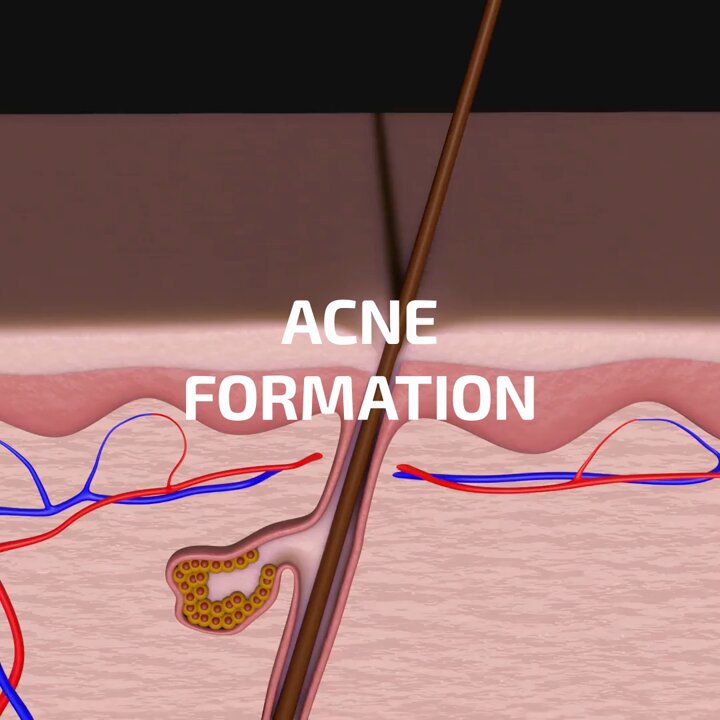
Skin sebum is normally excreted from the hair follicles, coats the upper layer of skin, and acts as a natural barrier that protects the skin from external influences such as bacteria and pollutants.
It also provides nutrients to the skin’s natural microbiome.
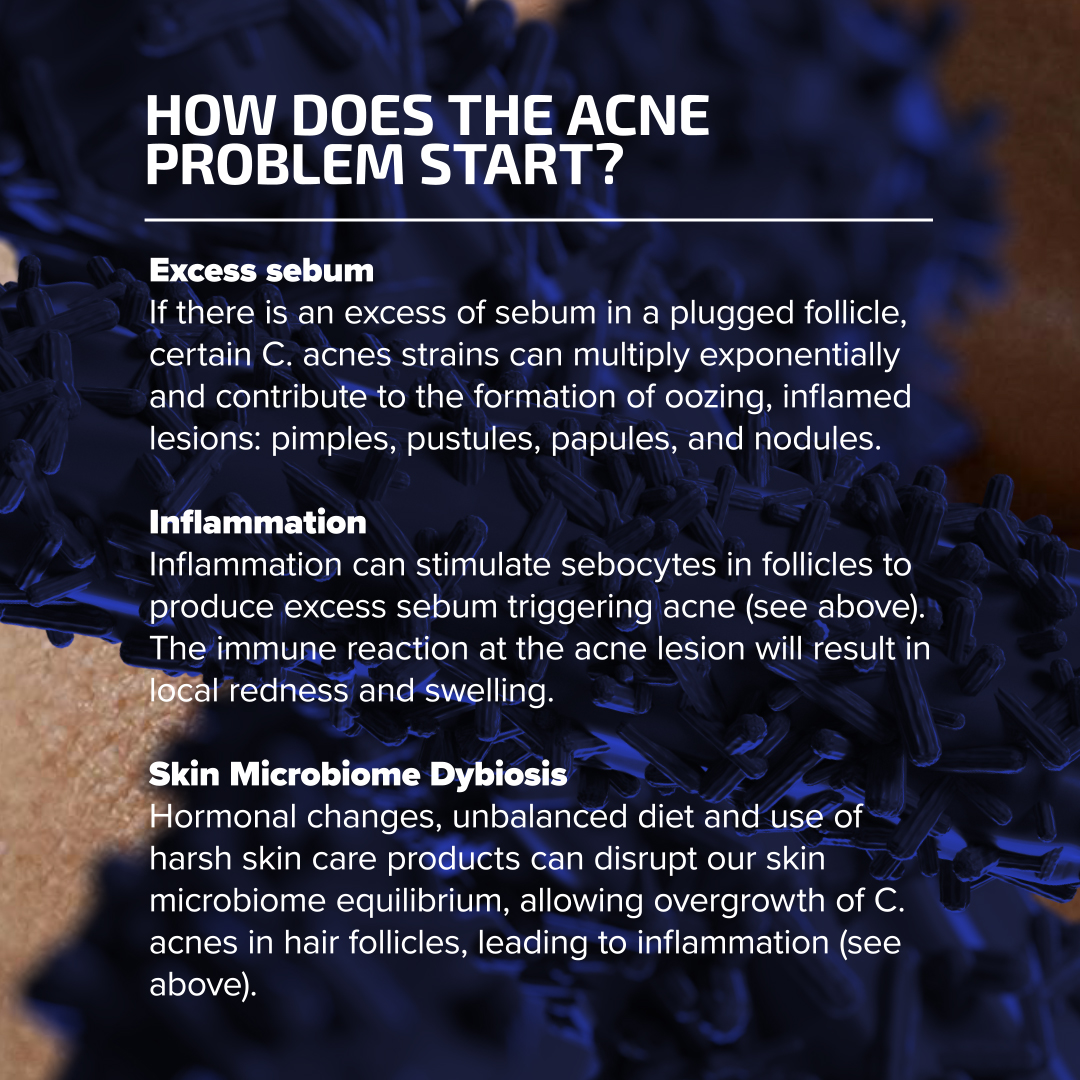
If there is an excessive amount of sebum in hair follicles, it can mix with dead skin cells, forming comedones (clogged pores). This oxygen-free environment in the clogged pore then becomes fertile ground for the bacteria Cutibacterium acnes, which can then exponentially multiply and can contribute the formation of acne.
#codexlabs #biohacking #biotechnology #bioscience #skincare #acne #hormonalacne #bodyacne #guthealth #probiotics #microbiome

30
May 28
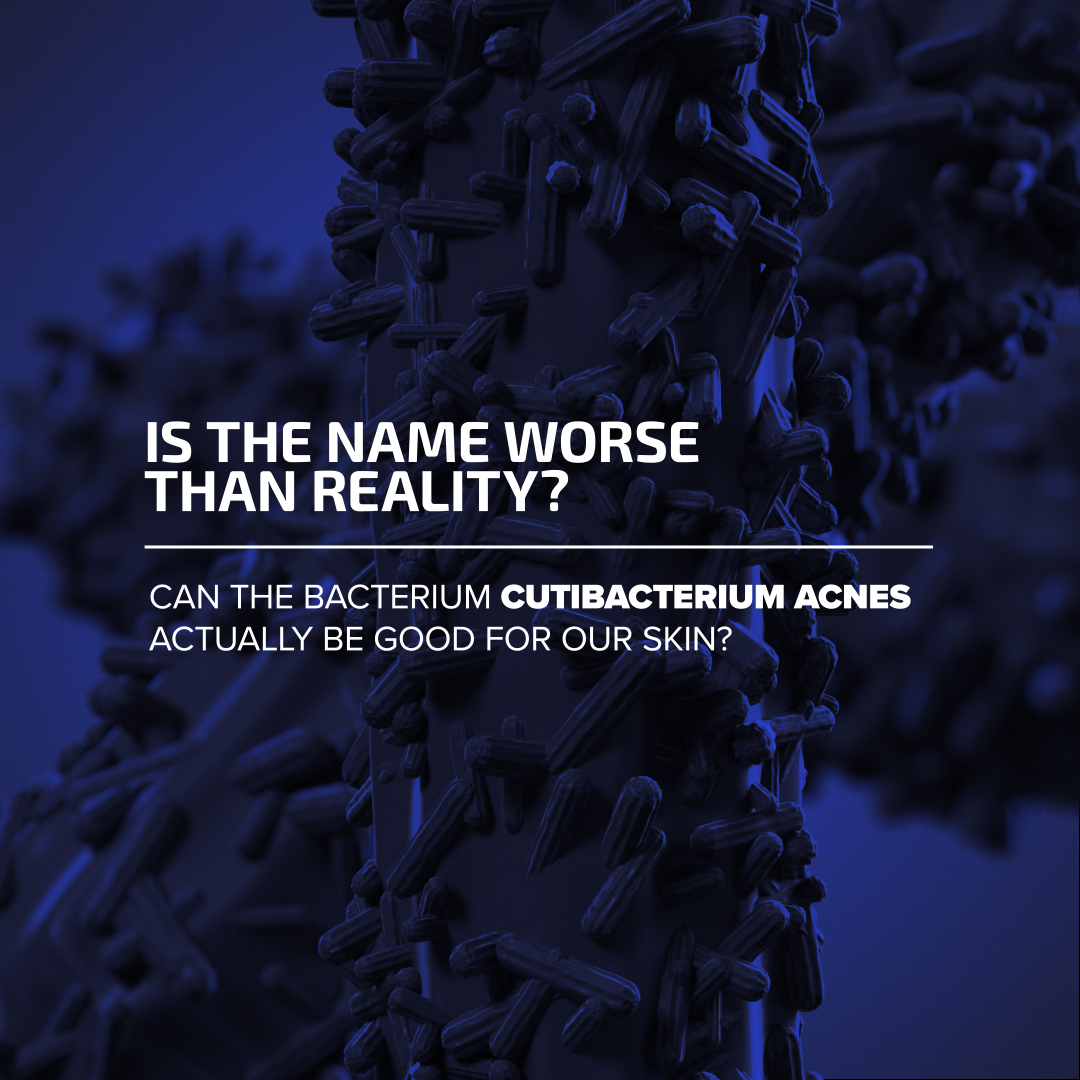
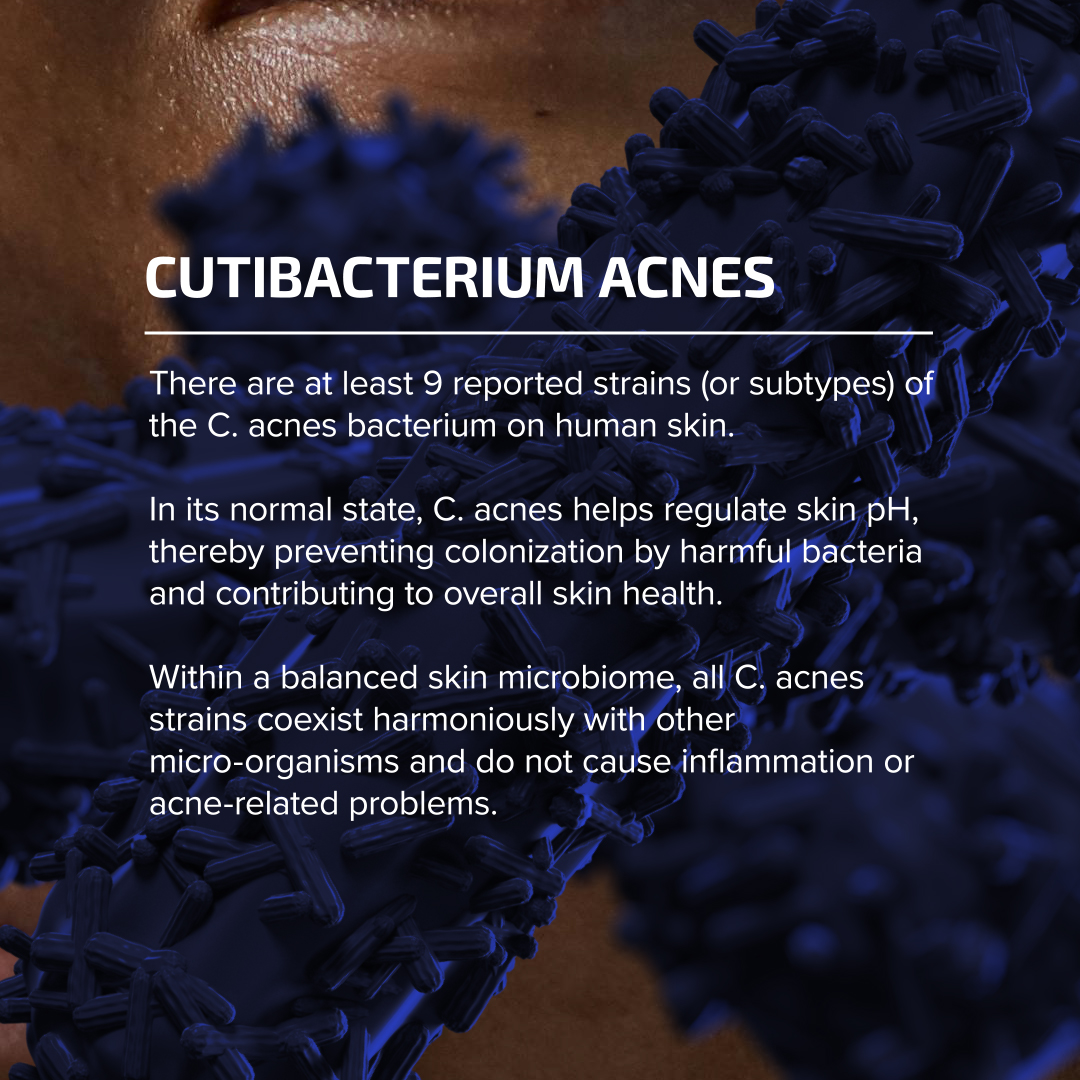
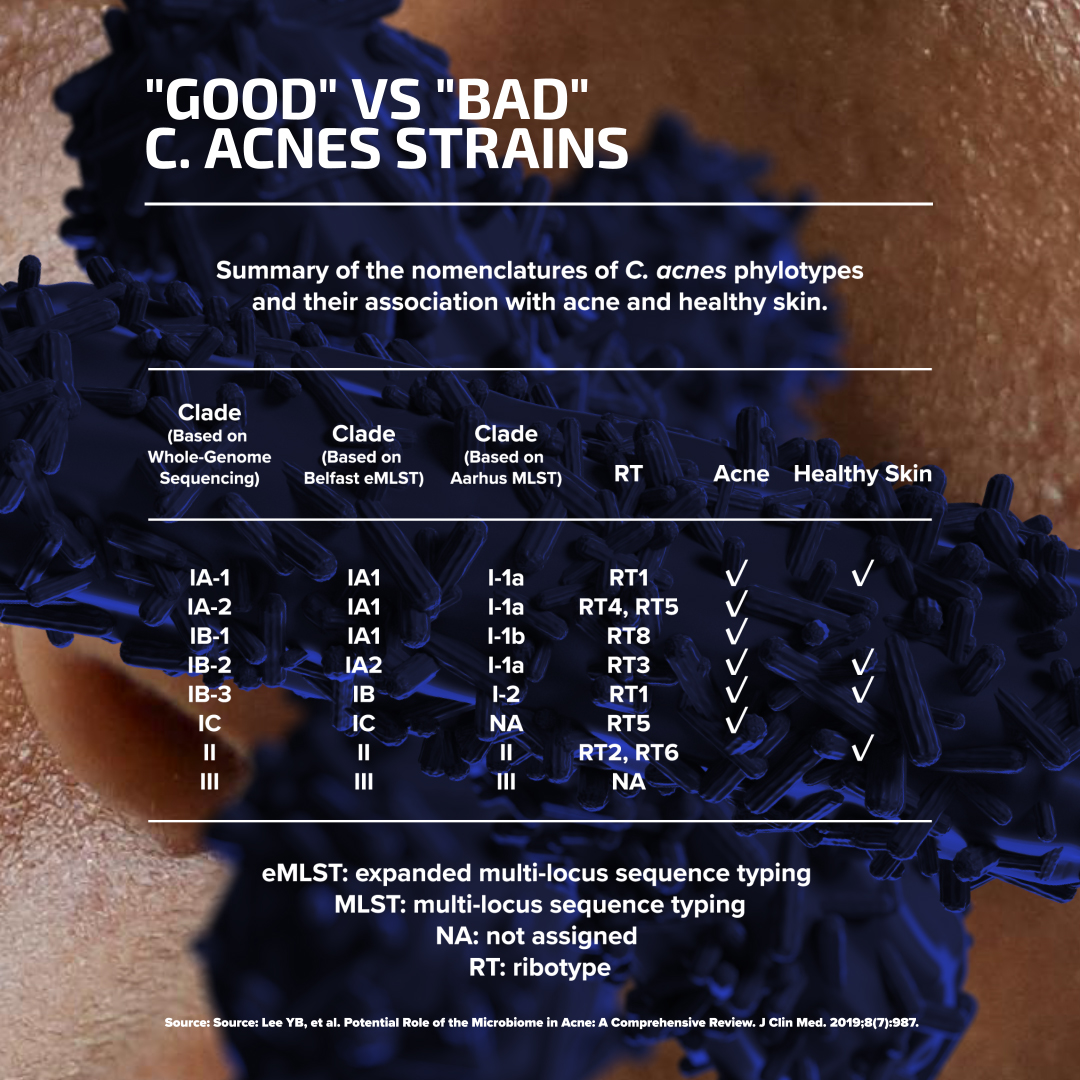
Although Cutibacterium acnes sounds like a bacteria that will trigger the worst acne, C. acnes is a natural part of the skin's microflora and plays an important role in maintaining skin health. In fact, there are different strains of C. acnes, and some are commensal (strains IA1, IB-2, IB-3 and II) while others are pathogenic (strains IA-2, IB-1).
So the statement that C.acnes causes acne is an over-generalization, and we have to look deeper into the microbiome as to why certain bacterial strains are beneficial (and can even help prevent acne) while others can become virulent under certain conditions (like an oxygen-depleted, sebum-filled plugged pore). In fact, it turns out that the same C. acnes strain can change it behavior based on its environment.
#codexlabs #biohacking #biotechnology #bioscience #skincare #acne #hormonalacne #bodyacne #guthealth #probiotics #microbiome
9
May 26
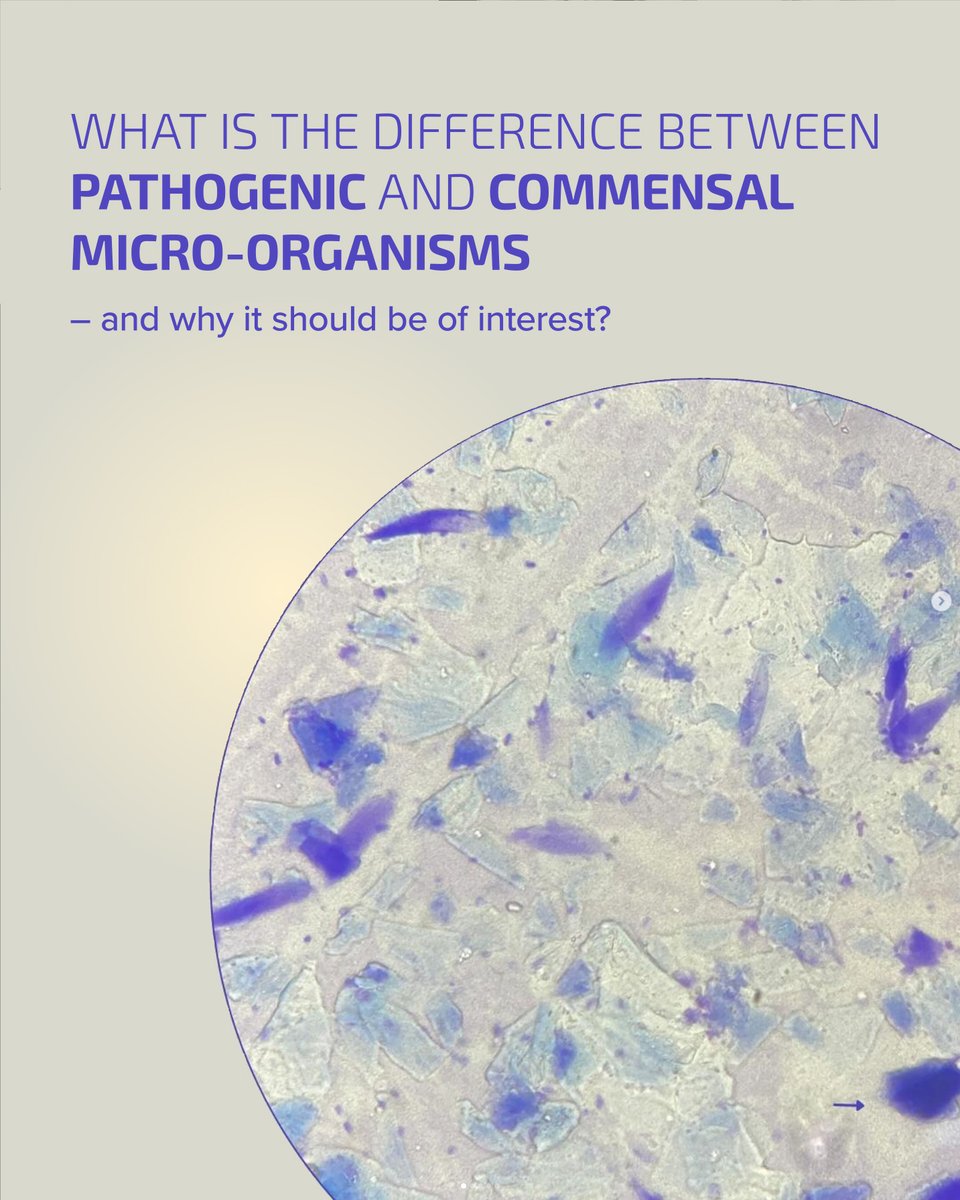
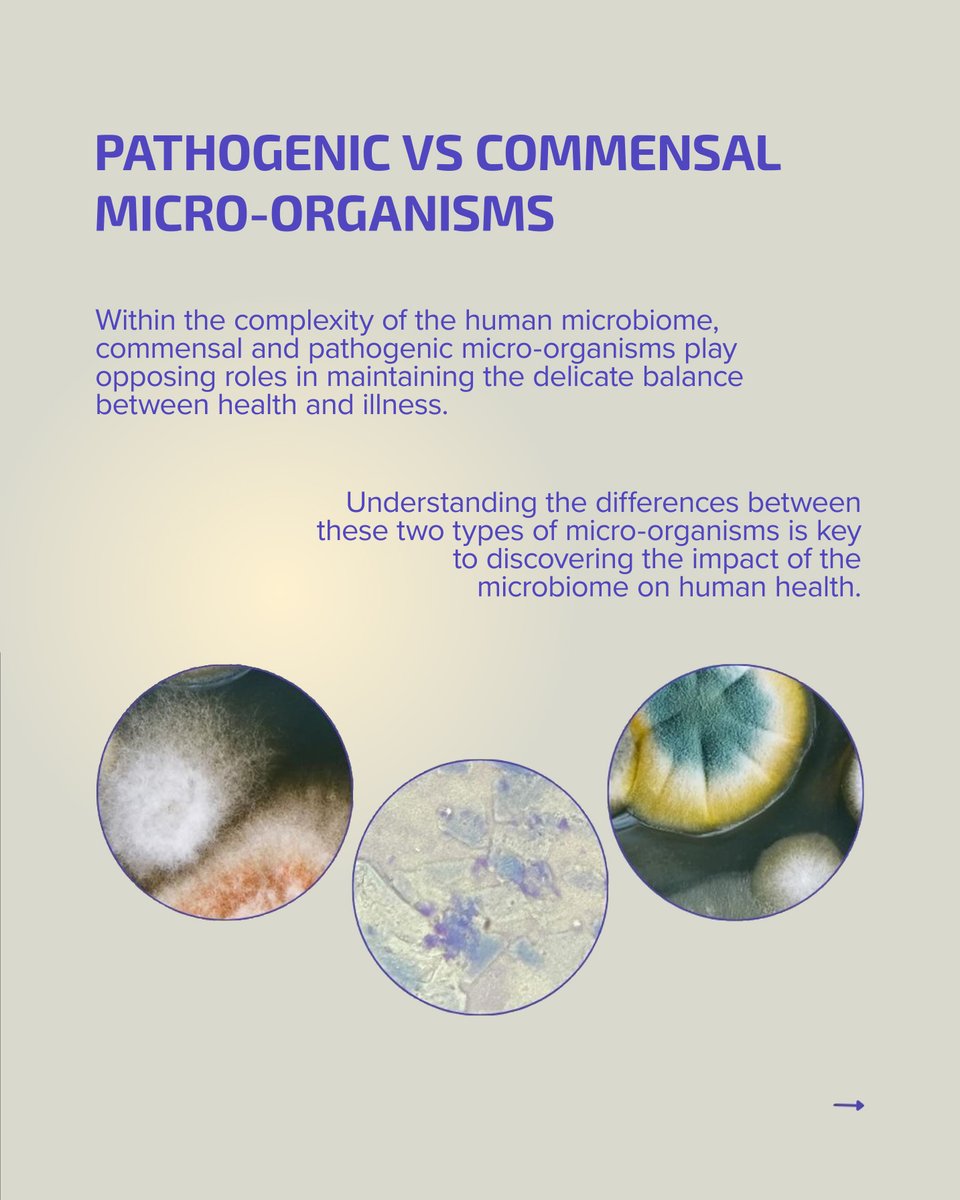
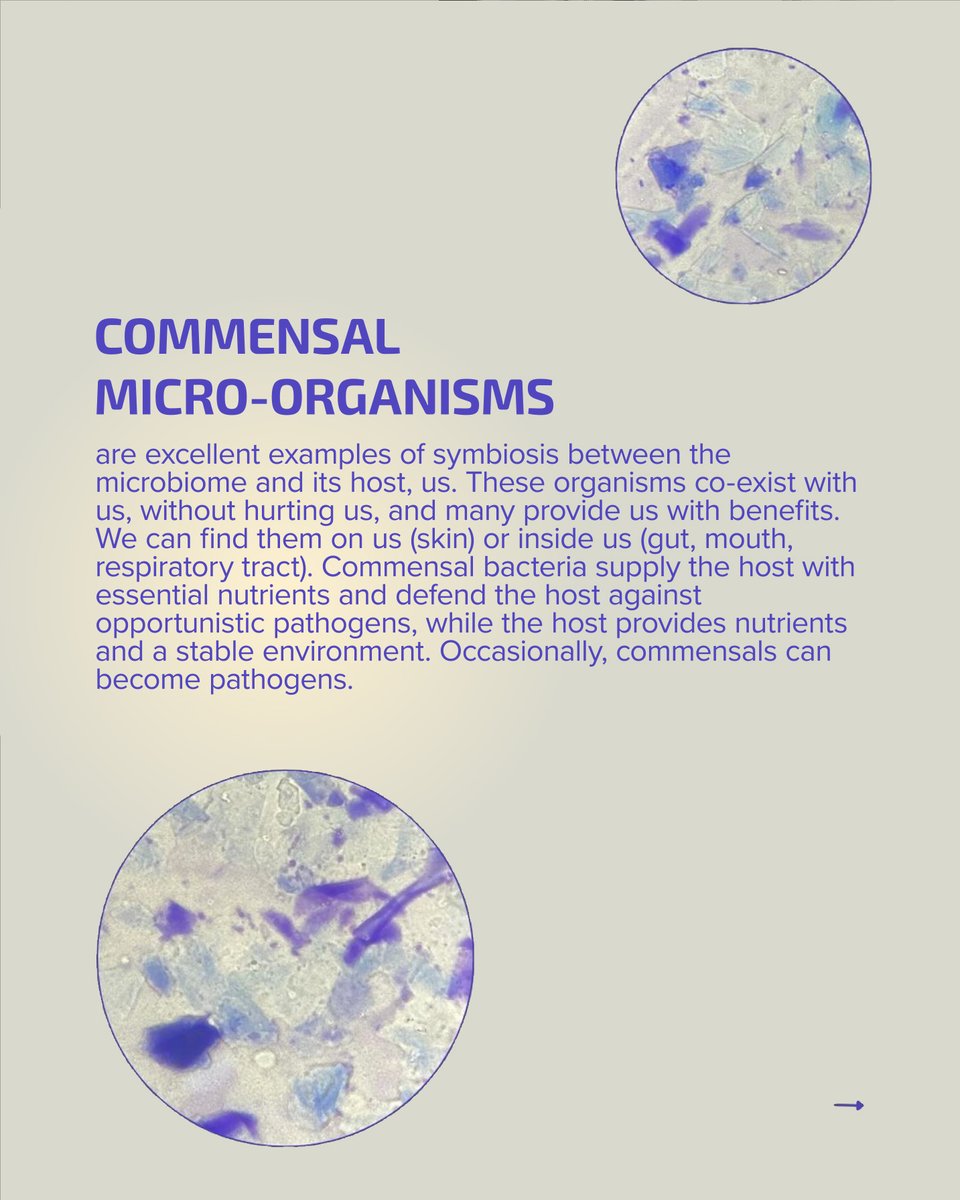
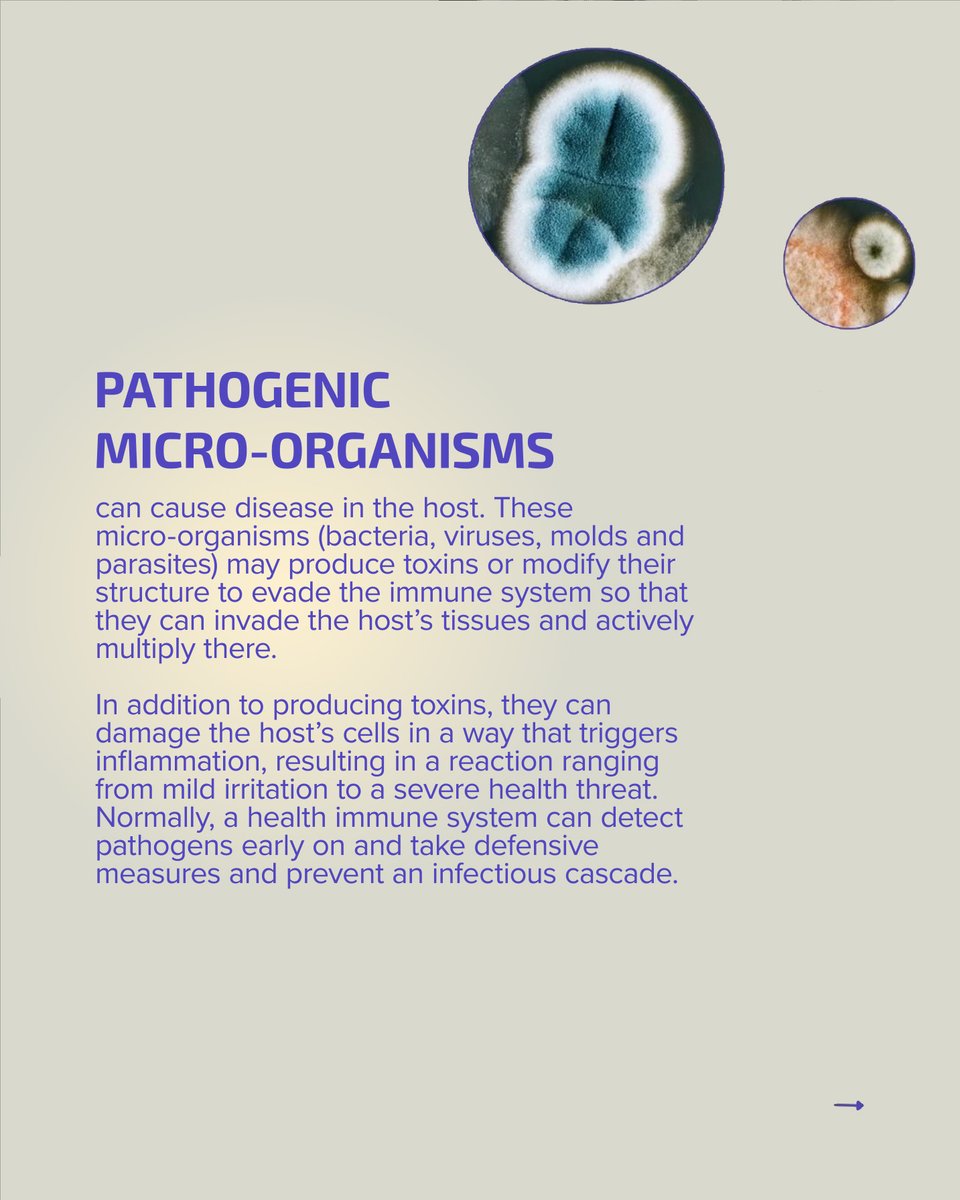
The human microbiome, which includes trillions of microorganisms, is home to both commensal (good) and pathogenic (bad) microbes.
Exploring the specific properties that distinguish these two types of microorganisms can help us understand the mechanisms that influence our health and our susceptibility to infection. For example, when commensal bacteria are depleted, an abnormal health situation can be triggered due to a lack of the benefits these bacteria provide rather than the overgrowth of pathogens.
This is why scientists and medical researchers are trying to investigate the microbiome – so that they can teach us how to care for it and improve our health.
#codexlabs #biohacking #biotechnology #bioscience #skincare #acne #hormonalacne #bodyacne #guthealth #probiotics #microbiome
11
May 24
Adult acne is more common than we think: 50% of women ages 20 to 29 get acne and even 25% of women ages 40 to 49 still suffer from acne. Hormonal acne, with breakouts on the chin, along the jawline, or even on the neck can feel like a monthly hell-loop.
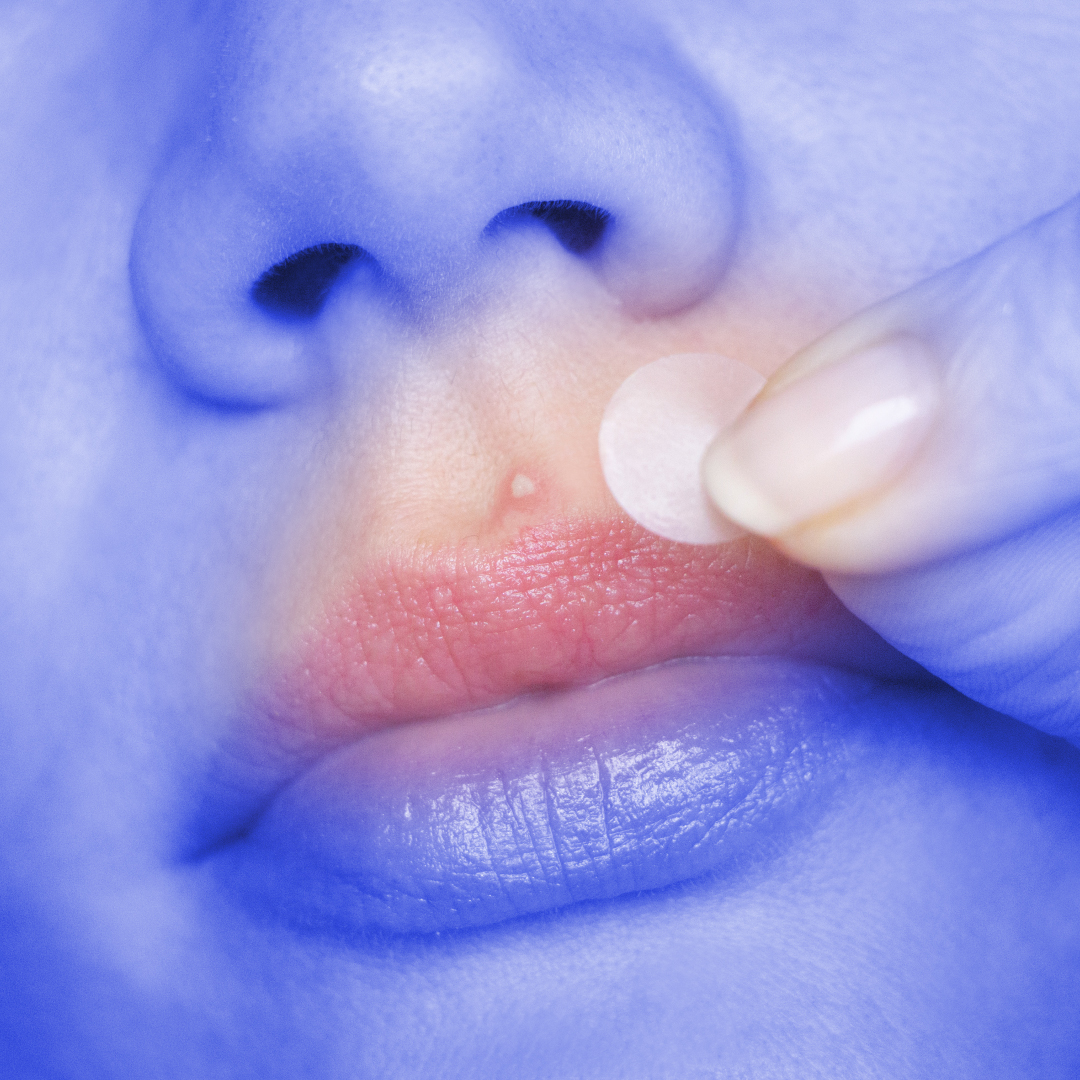
Most pimple patches have a high concentration of benzoyl peroxide (2.5% - 5%) so they oxidize the local skin barrier (breaking it down) and dry out skin – which is particularly damaging for sensitive skin. They also can’t treat surrounding pores clogged with dirt, blackheads, or whiteheads that may become inflamed from the strong active or adhesive and develop into future pimples. Pimple patches also do not help with cystic acne. Worse, the patch kills the local skin microbiome, so when it is removes, there is no natural competition for the C. acnes bacteria in that area, leading to recolonization.
A better approach to adult acne is start by always removing make-up at night-time with a non-comedogenic, pH-balanced micellar water - one that preferably also removes excess oiliness without leading to inflammation (which puts follicles back into overproducing the sebum that was just removed). Next, a microbiome-supporting, pH-balanced cleanser with salicylic acid to deeply cleanse pores, wash away dirt, loosen comedones, and not dehydrate skin will prevent future breakouts. Ideally, the washing routine is followed with a soothing, very gently exfoliating, and hydrating toner, that will also help shrink pores. Smaller, cleaner pores will not form pimples. And finally, a non-comedogenic moisturizer that keeps pores as closed as possible yet protects and fortifies the skin barrier is ideal for a final step, because a damaged barrier leaks, leads to inflammation, which leads back to formation of acne.
#codexlabs #biohacking #biotechnology #bioscience #skincare #acne #hormonalacne #bodyacne #ayurveda
1
1
133
May 22
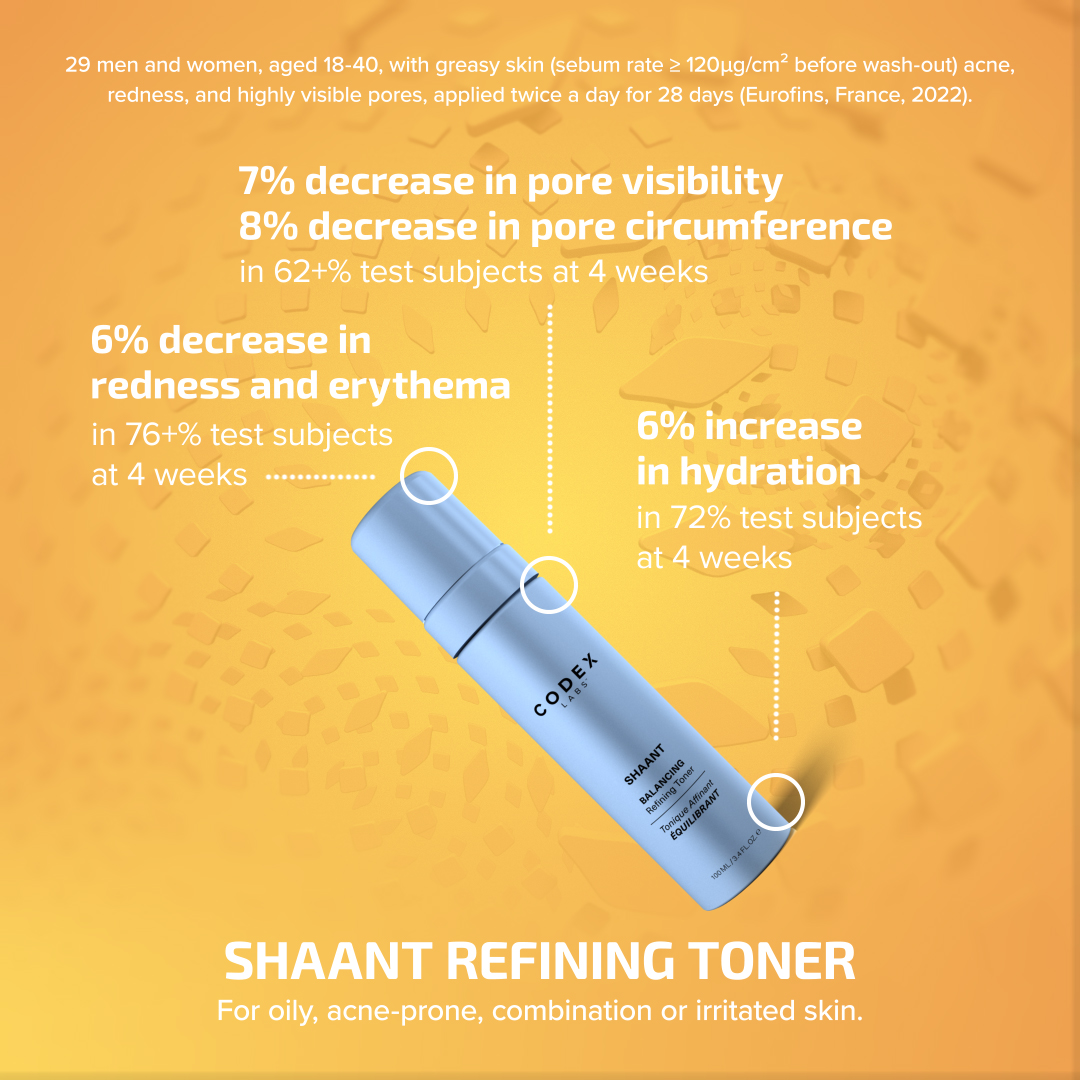
Getting dried out or reddish skin from your acne treatment?
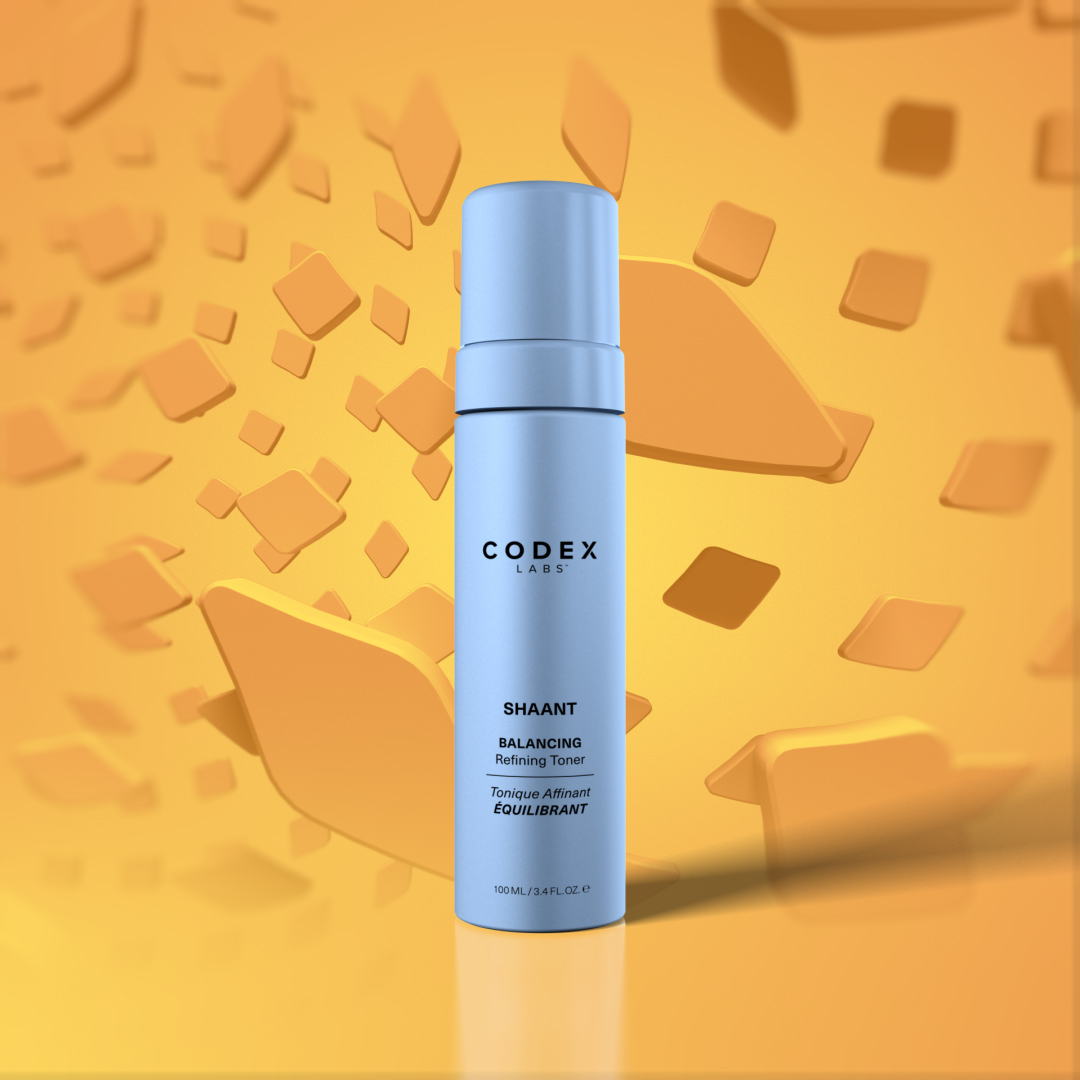
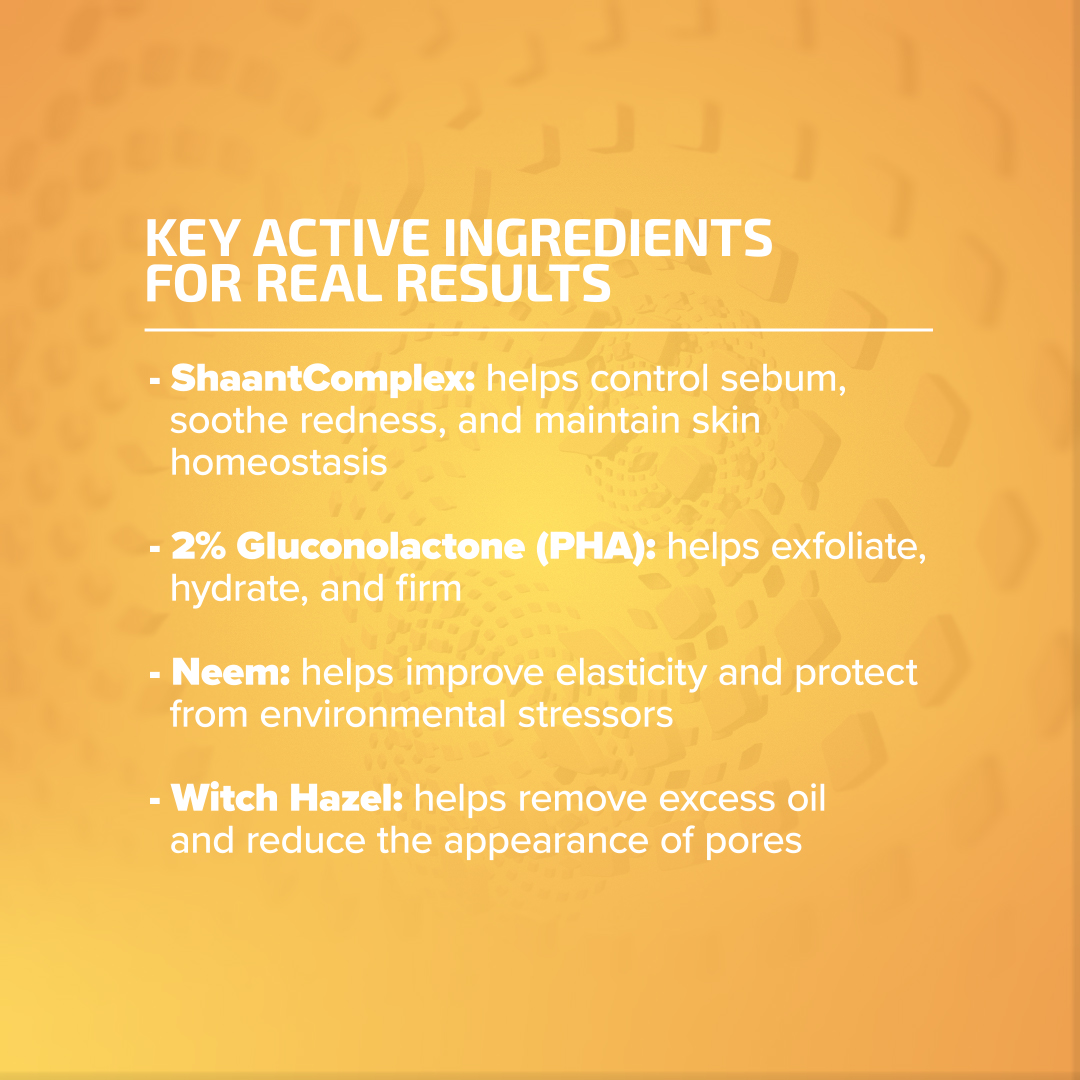
This hydrating, non-comedogenic/non-acnegenic poly-hydroxy acid (PHA) toner helps reduce the appearance of redness and enlarged pores. Made with our patented ShaantComplex™, this refining toner re-hydrates your skin and is clinically proven to reduce the appearance of erythema from the acne inflammasome as well as refine the size and appearance of pores.
Shaant refining toner is designed for oily and combination skin types and is especially for acne-prone skin. It is also gentle enough to be used twice a day for sensitive skin.
Learn more about the ingredients and clinical results by swiping left!
#codexlabs #biohacking #biotechnology #bioscience #skincare #acne #hormonalacne #bodyacne #ayurveda
23
May 20
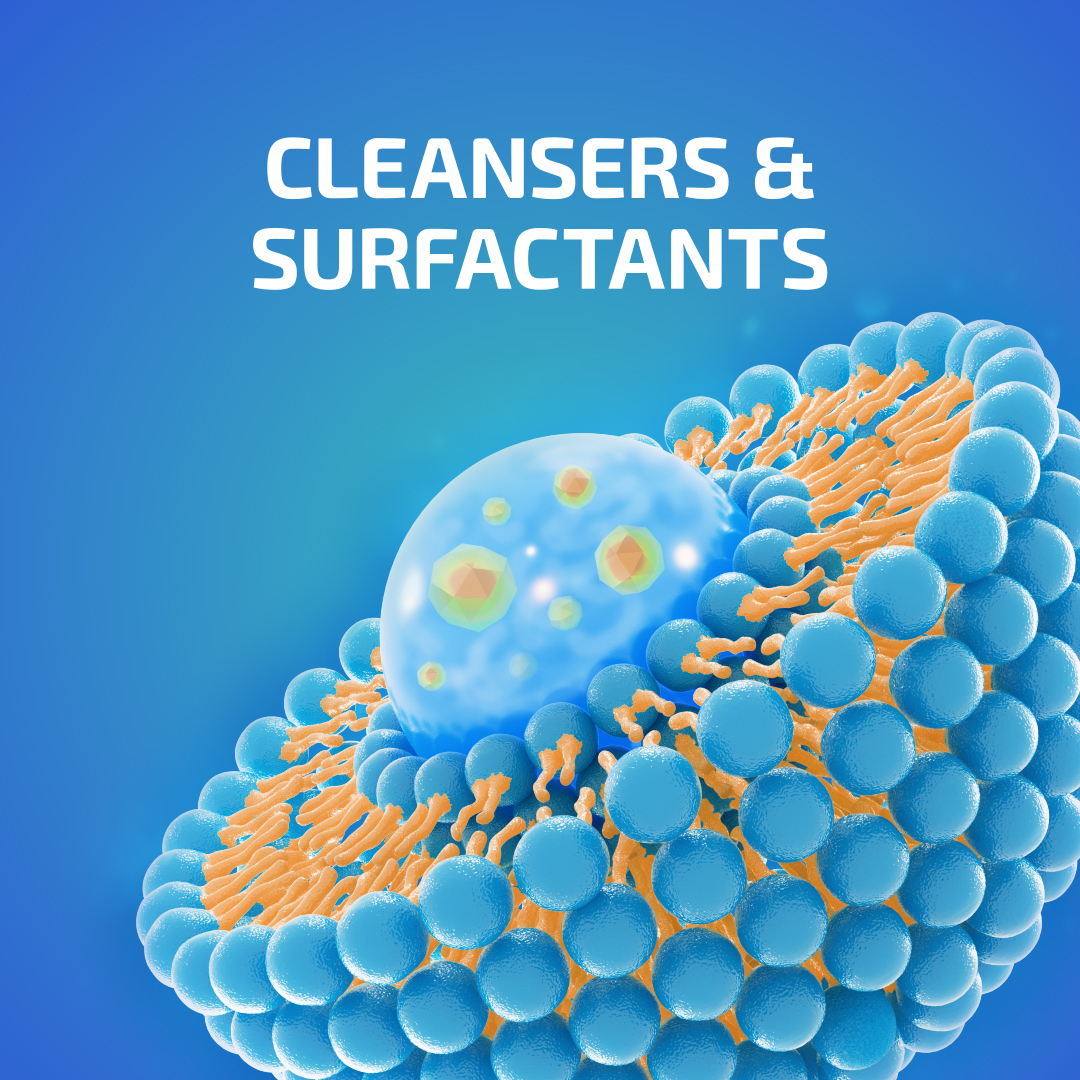
Surfactants are one of the most widely used industrial chemicals, with applications ranging drilling aids and household detergents to skin cleansers, food and even pharmaceuticals.
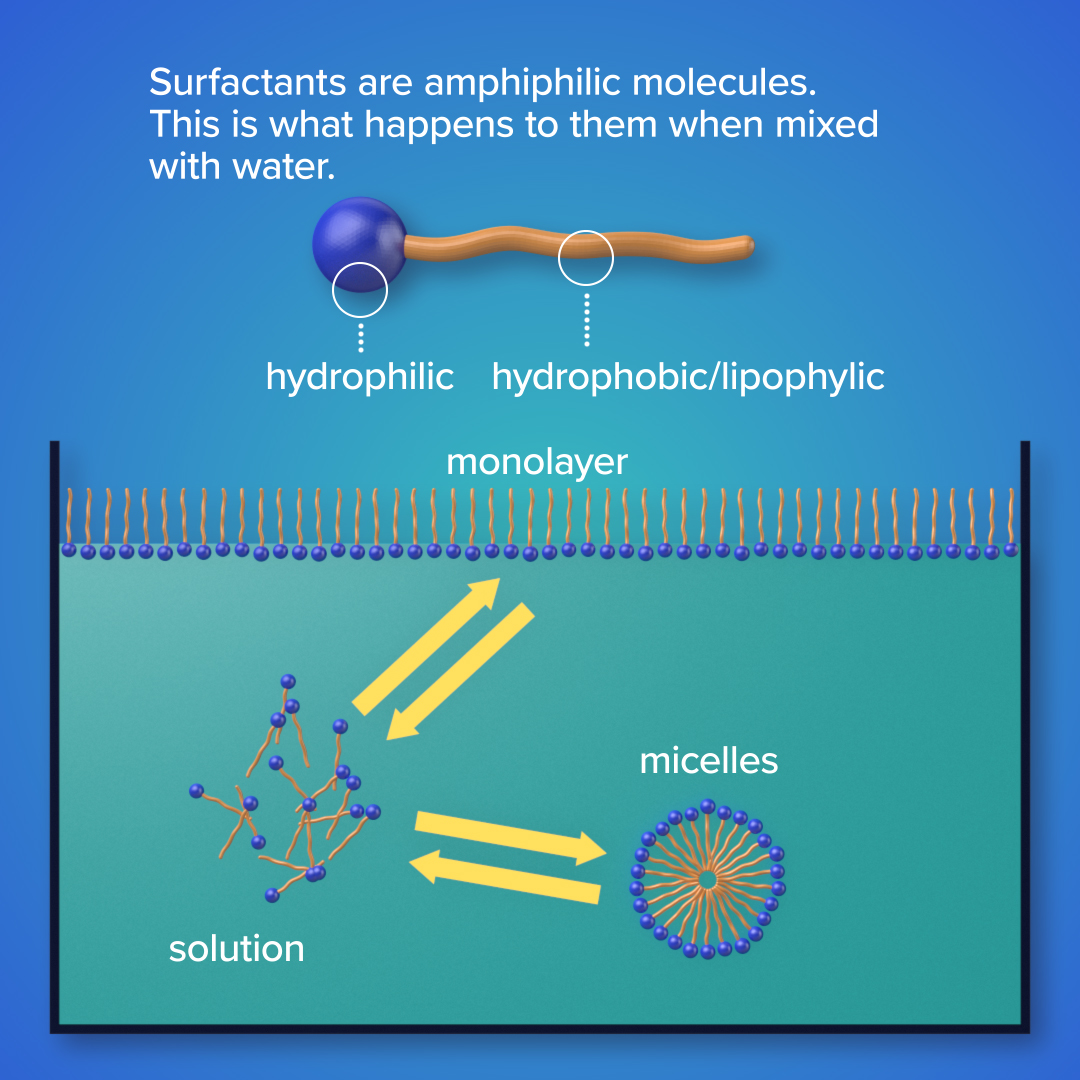
Surfactants, as their name implies, have chemically active surfaces. They are amphiphilic molecules which means that they have one hydrophilic (water-loving or polar head) side and one lipophilic (fat-loving tail) side. Phospholipids are biological examples of these molecules that have two lipophilic tails whereas industrial surfactants typically only have one lipophilic tail. Depending on the application, the hydrophobic tail of a chemical surfactant can be a hydrocarbon, fluorocarbon, or siloxane.
In a water-air interface, surfactants will align themselves so that the hydrophobic tail is in the air (away from water) while the hydrophilic head is in water. This decreases the surface tension of the water and allows it to flow and spread more easily. This is useful when cleaning a surface, like your face or a kitchen counter. If the surfactant concentration is high enough, and the water or liquid is stirred, then the surfactants will go below the surface and start forming micelles, or sphere-like structure where the hydrophobic head is on the outside facing the water, while the hydrophilic tails are inside the sphere.
This is also how emulsifiers work when making moisturizers or mayonnaise, as micelles form around oil droplets, and allow the oil to be evenly distributed within the surrounding water phase, leading to a creamy texture. This is also why a lot of detergents feel “slimy” when you touch them with wet hands.
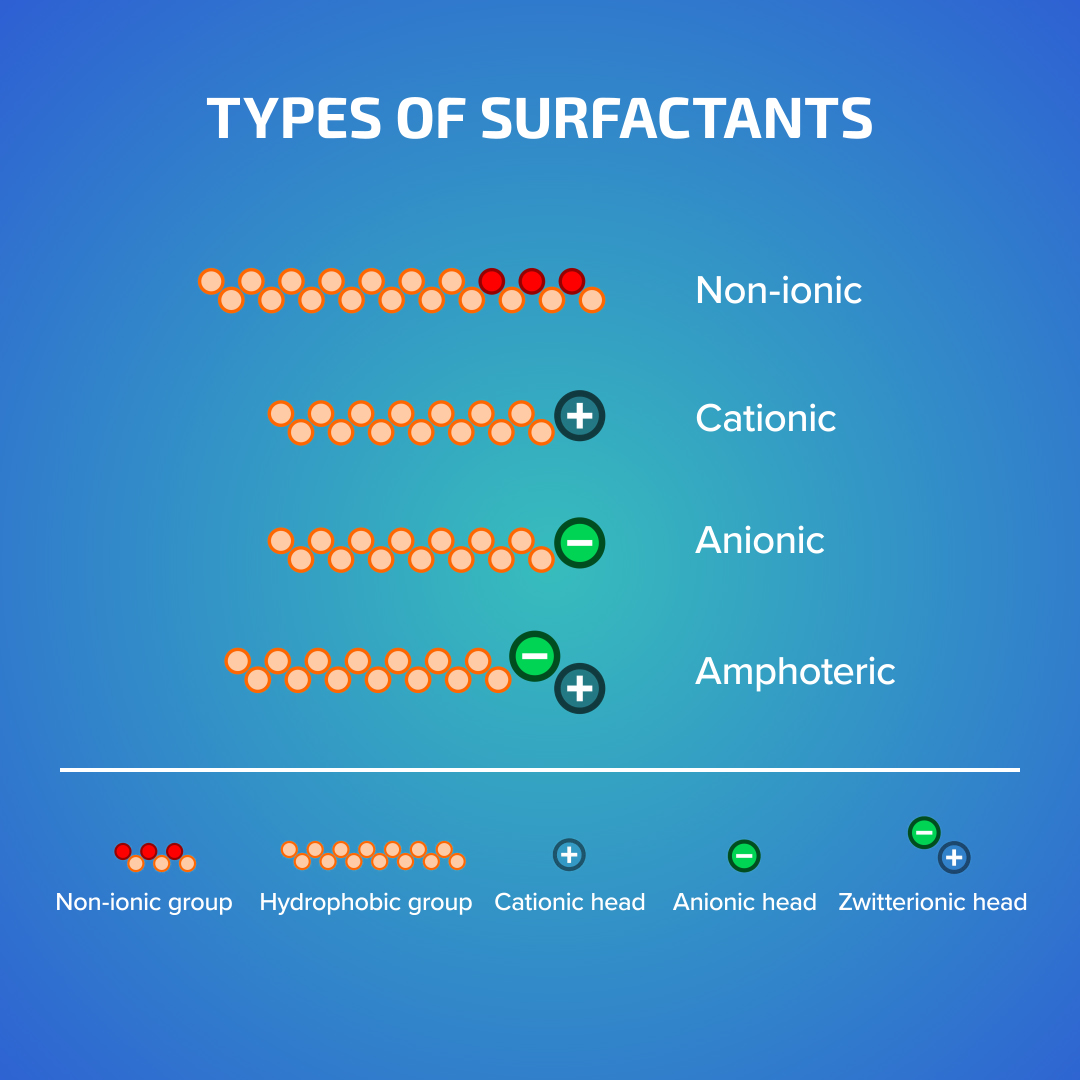
There are different kinds of surfactants, and they are typically classified based on their polar head as the hydrophobic tails are often similar:
- Non-ionic: the head group has no charge
- Cationic: the head has a positively charged group
- Anionic: the head has a negatively charged group
- Amphoteric: the head is “zwitterionic” which means it has both positively and negatively charged groups
The most widely used industrial surfactants are anionic (laundry detergents, shampoos) and non-ionic (wetting agents in food industry). Cationic and zwitterionic surfactants are more complicated and expensive to manufacture so they are usually reserved for special applications.
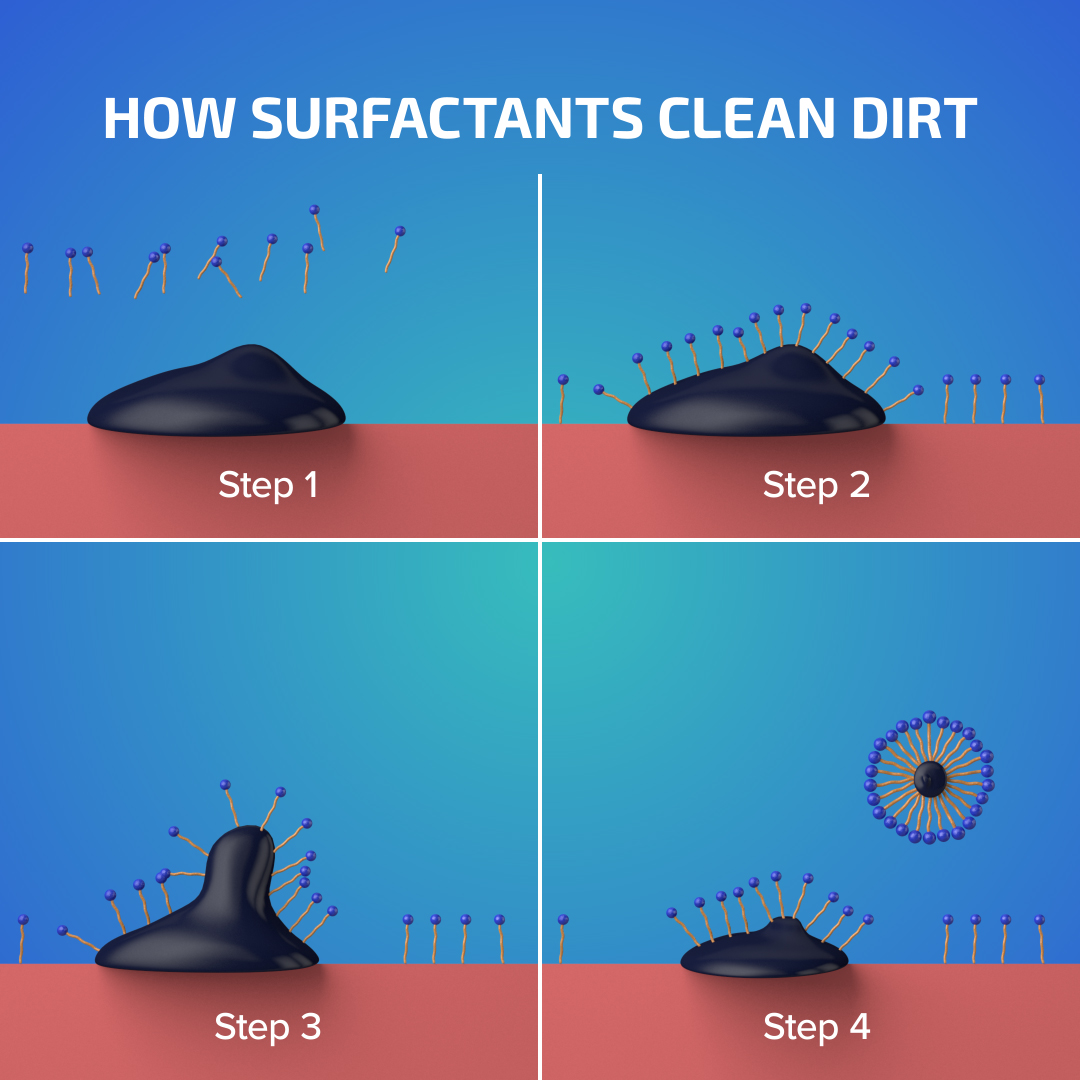
So how do surfactants remove oils or dirt from a surface? It’s micelles that do the actual work! The micelles first spread themselves out into a monolayer near the oil/dirt so that their hydrophobic tails attach themselves to oils/dirt. At the same time, their hydrophilic heads pull on the oils/dirt to detach it from the surface and into the liquid solution. Then the micelles reform around the oil/dirt, with their tails suspending the oils/dirt in the center of the structure. The micelles are then washed away as the cleaning liquid or water flushes the surface. And presto!
#codexlabs #biohacking #biotechnology #bioscience #skincare #acne #hormonalacne #bodyacne #ayurveda
20
May 18
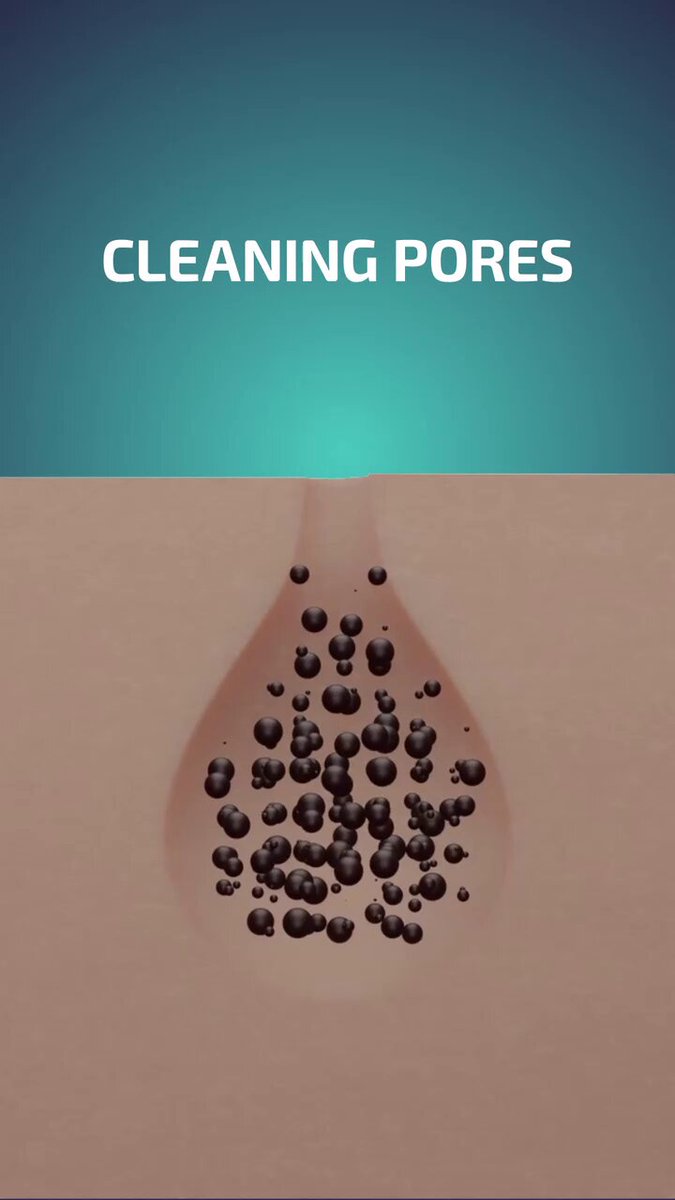
Sometimes a video is worth a thousand words. Watch how salicylic acid works by first dissolving acne-causing blockages of dead skin cells, oil, and other debris at the pore surface, then penetrating the hair follicle and oil gland to clean up additional oil and dead skin cells, as well as remove acne-caused bacterial colonies.
And washing regularly with salicylic acid will reduce the amount of oil being produced by the oil glands, making it less likely that new acne-causing blockages will form or grow bigger.
#codexlabs #biohacking #biotechnology #bioscience #skincare #acne #hormonalacne #bodyacne #ayurveda
38
May 16
Do you want to quickly clear your body acne? Reduce inflammations (pimples and pustules)?
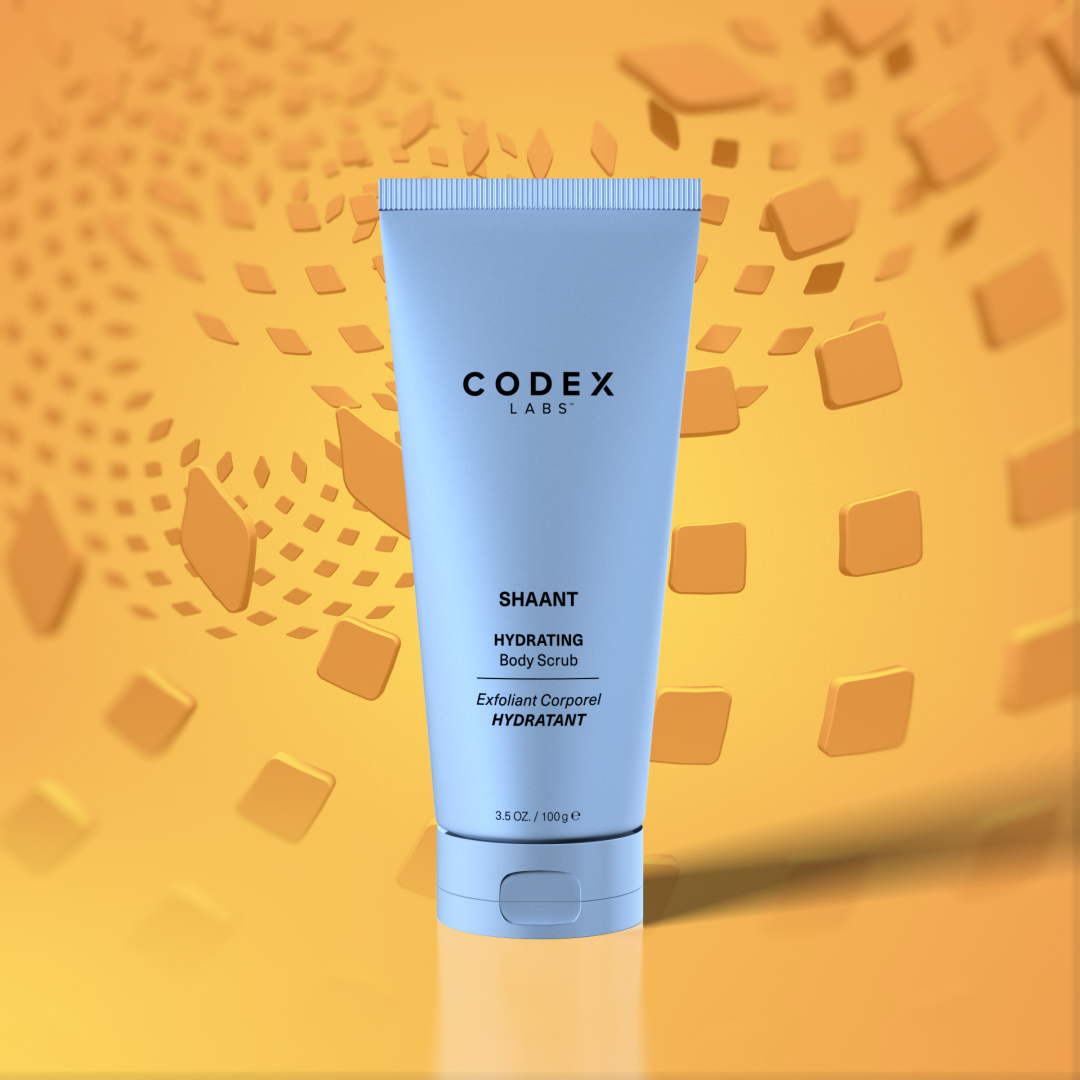
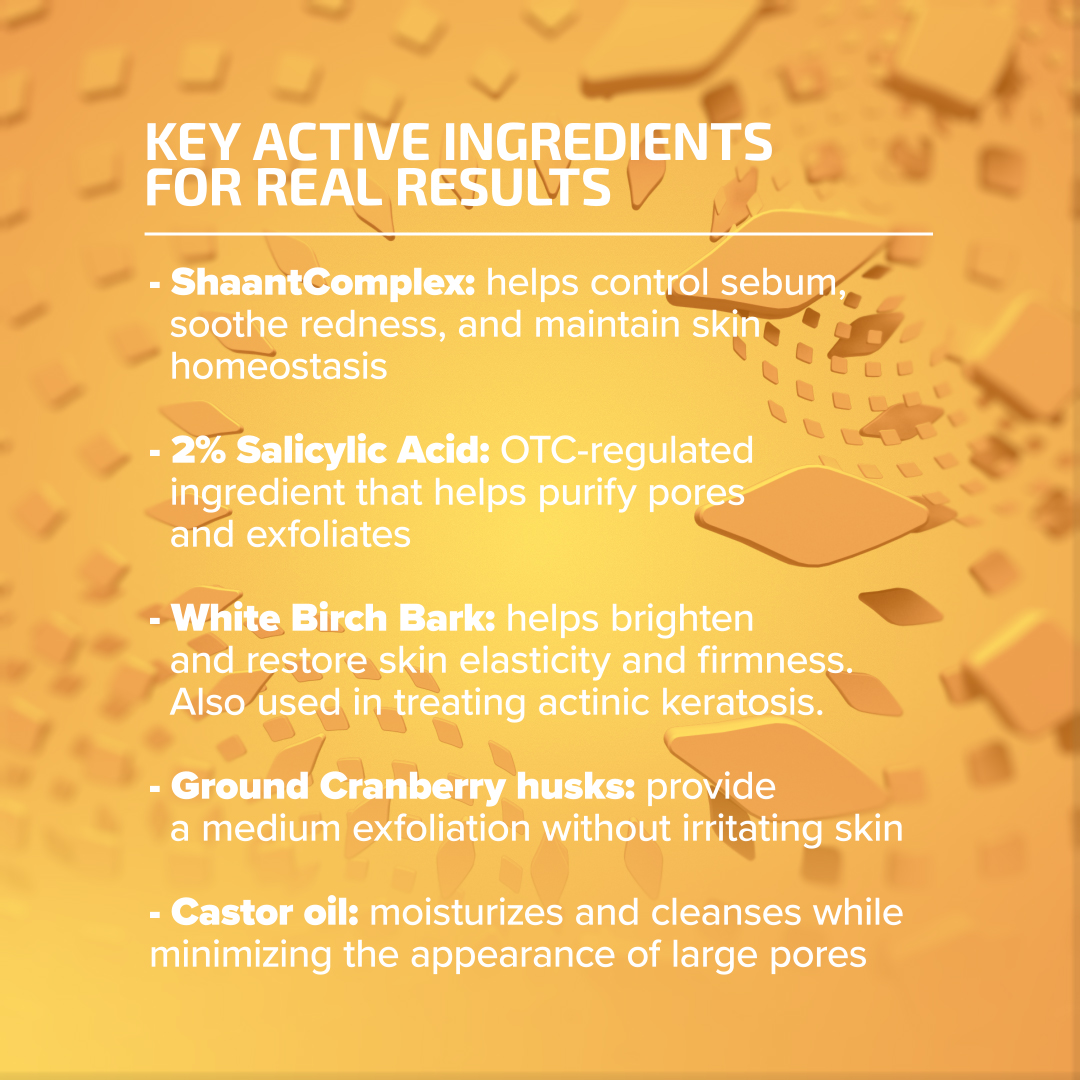
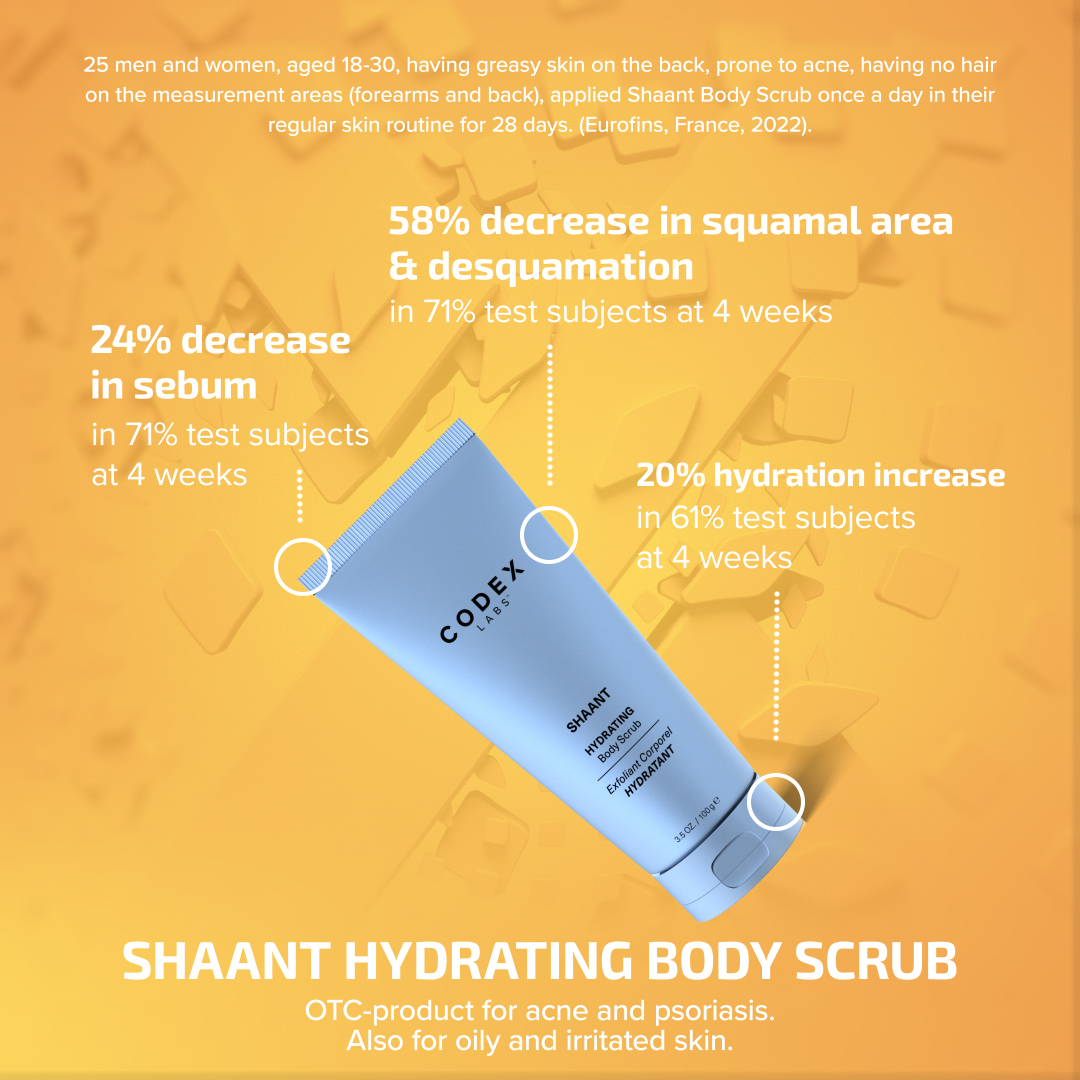
This daily Shaant wash for body acne (“bacne”) gently cleanses and exfoliates, hydrates, controls oiliness, and maintains the skin barrier. Made with our patented ShaantComplex™ and designed with the same moisturizing base as our best-selling Bia Exfoliating wash, this body scrub does not dry out skin and is clinically proven to significantly reduce the area and amount of dead skin cells as well as decrease sebum, both of which clog pores all the while increasing skin hydration.
Shaant Body Scrub is designed for acneic skin types but can also be used as a body wash for those with psoriasis and sensitive skin. In a clinical trial (source: mdpi.com/2077-0383/12/4/1484) published in 2023, the body scrub achieved a 48.9% decrease in body (trunk) acne inflammatory lesions compared to baseline after 8 weeks.
Learn more about the ingredients and clinical results by swiping left!
#codexlabs #biohacking #biotechnology #bioscience #skincare #acne #hormonalacne #bodyacne #ayurveda
20
May 15
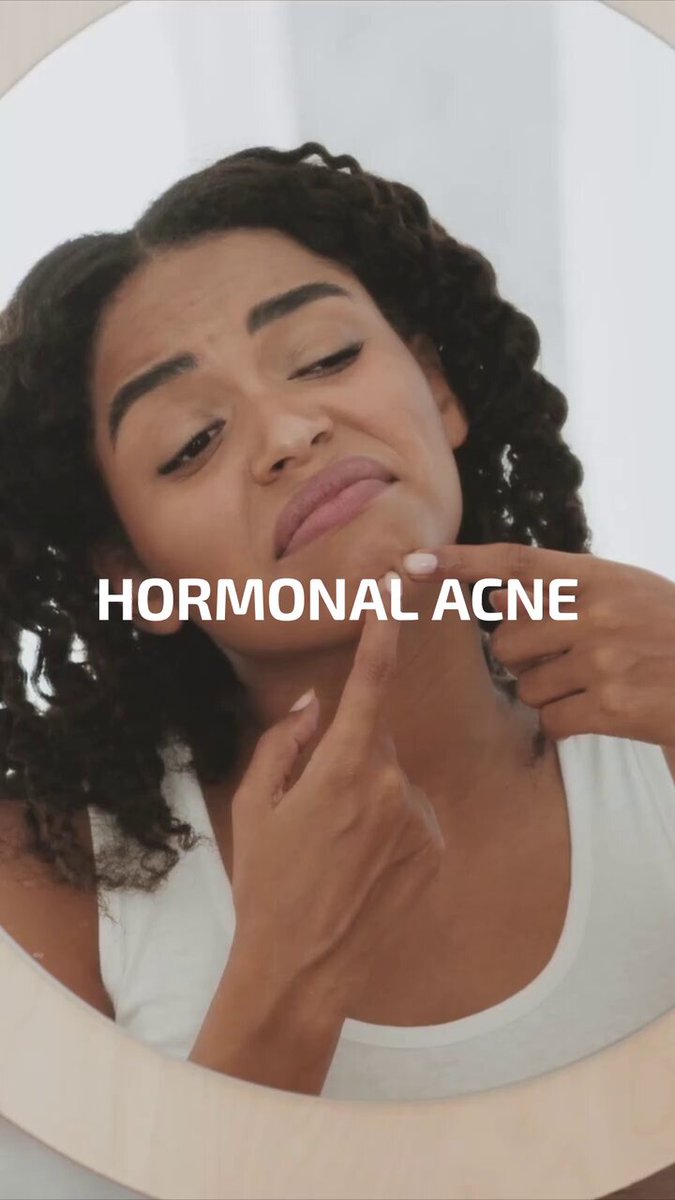
Hormonal acne is influenced by hormonal imbalances in your body. It typically appears on the jaw, chin, neck, and upper back as pimples, blackheads, and whiteheads. Hormonal acne is most common during puberty, menstruation, pregnancy, and menopause.
Polycystic Ovary Syndrome (PCOS) is a hormonal disorder that affects about 1 in 10 women of childbearing age. Elevated levels of male hormones (androgens like testosterone), or a higher-than-average sensitivity to progesterone may lead to irregular menstrual cycles, excess hair growth, weight gain, ovarian cysts, and hormonal acne.
Not all women with PCOS will experience hormonal acne, and for those that do, its severity can vary. However, PCOS hormonal imbalances do typically increase the likelihood and severity of acne.
How does PCOS make hormonal acne worse?
- Higher androgen levels: overstimulation of sebaceous (oil-producing) skin glands results in clogged pores where acne-causing bacteria lead to pimples
- Denser Sebum (oil) composition: thicker and stickier sebum is more likely to clog pores or lead to whiteheads/blackheads
- More inflammation: inflammatory responses may cause redness, swelling, and increased skin sensitivity
- Bigger hormonal fluctuations: irregular menstrual cycles may often cause breakouts and a compromised skin barrier.
The good news is that today, hormonal (and PCOS) acne can be effectively managed by using a combination of medical interventions, lifestyle changes, and skincare routines.
Check out the Codex Labs Shaant Hormonal Acne Set that includes the Skin De-Stress Supplement, Pore Purifying Face Scrub and Spot Hero for hormonal acne.
#codexlabs #biohacking #biotechnology #bioscience #skincare #acne #hormonalacne #bodyacne #ayurveda
1
246
May 12
Do you want to quickly clear your breakout? Reduce pimple size and visibility?
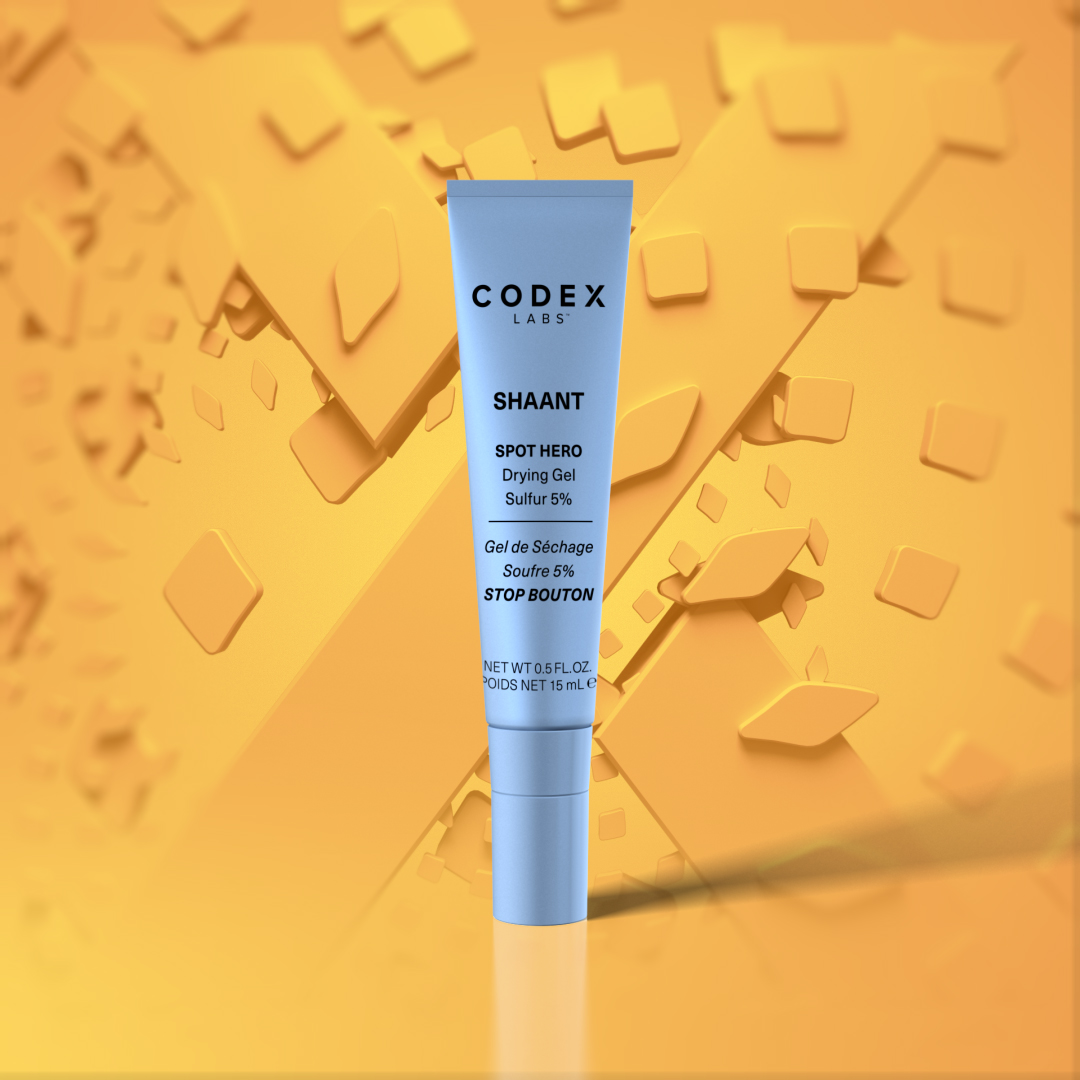
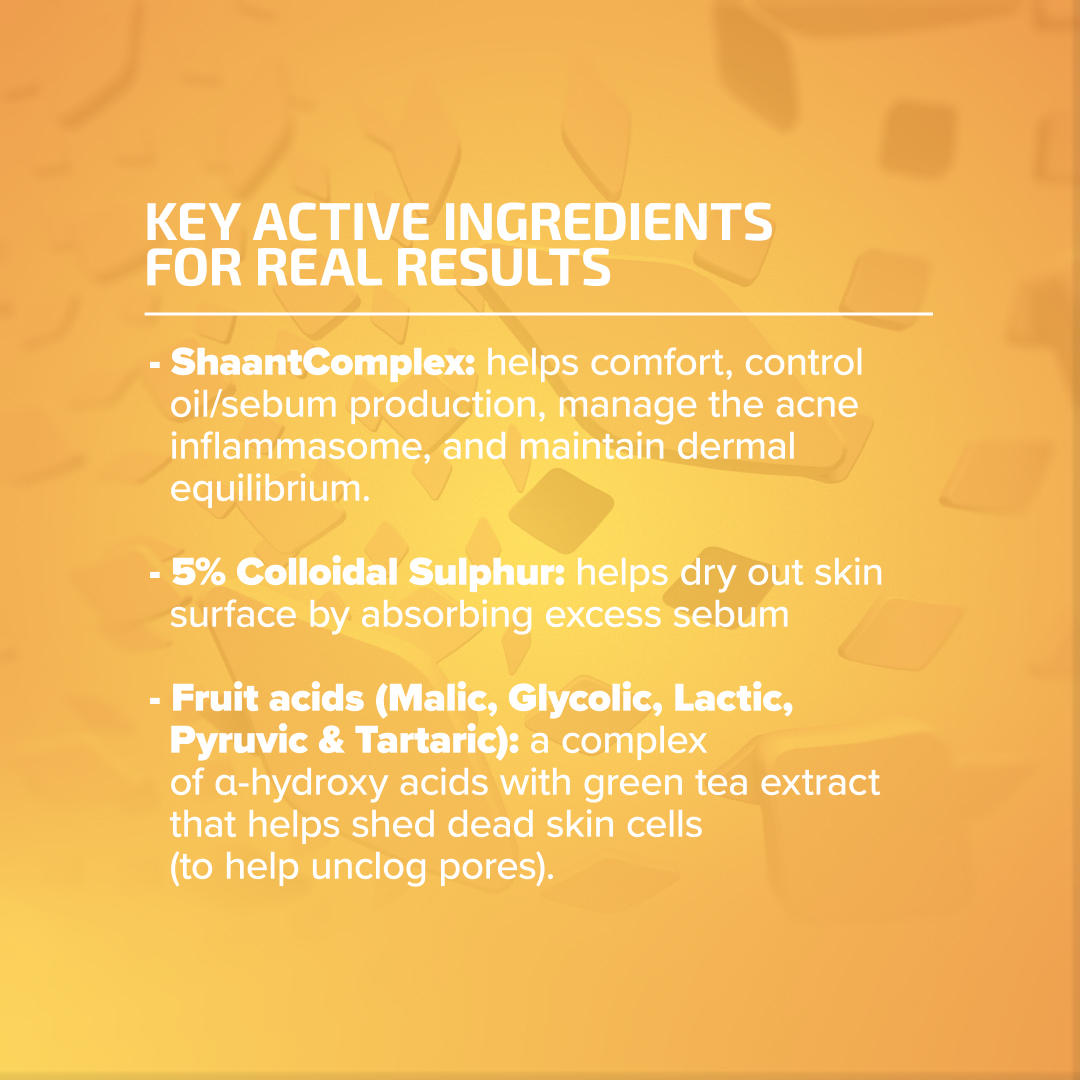
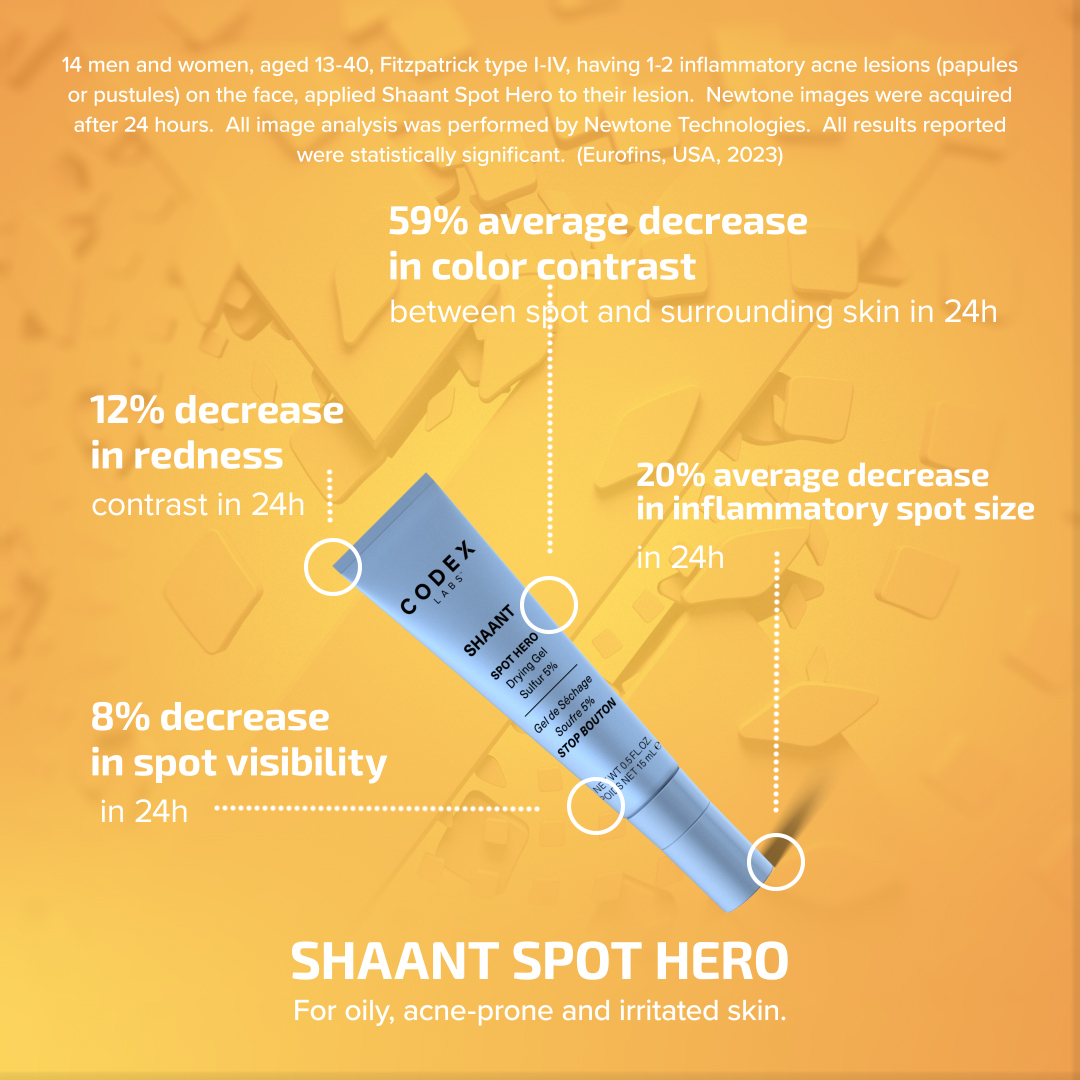
This daily pimple spot treatment helps reduce redness as well as shrink and dry out blemishes. Made with our patented ShaantComplex™ formula, this spot treatment is clinically proven to significantly reduce lesion area as well as redness and pigmentation contrast in 24 hours. Unlike benzyol peroxide spot treatments, it won’t cause oxidative stress in your skin barrier, which can lead to accelerate skin aging.
Shaant Spot Hero blemish treatment is designed for acneic skin types but is gentle enough for sensitive skin. Because it quickly dries out pustules and papules, it also helps prevent acne scarring.
#codexlabs #biohacking #biotechnology #bioscience #skincare #acne #hormonalacne #ayurveda
1
70
May 10
The word “shaant” means calm or serene in Hindi. Ayurveda is the combination of “Ayur” meaning life and “Veda” meaning knowledge or science. In Ayurveda, the action of balancing a system leads to serenity and well-being. These twin concepts of balance and connectedness echo throughout Ayurvedic texts, thought, and practice.
Our SHAANT collection harnesses the power of bio-actives obtained from certain Indian plants long valued by Ayurvedic healers for their calming, soothing, and balancing properties. We were fortunate to benefit from ethnopharmacological work done by the Indian Institute of Chemical Technology (Herboprint) in mapping the chemical analysis of plant bio-actives to their Ayurvedic properties.
Our SHAANT collection is focused on proactively inhibiting acne formation by controlling oiliness, alleviating redness, reducing pore size and appearance, and supporting skin restructuring, a.k.a. “desquamation”, a process by which dead skin cells are shed from the skin surface.
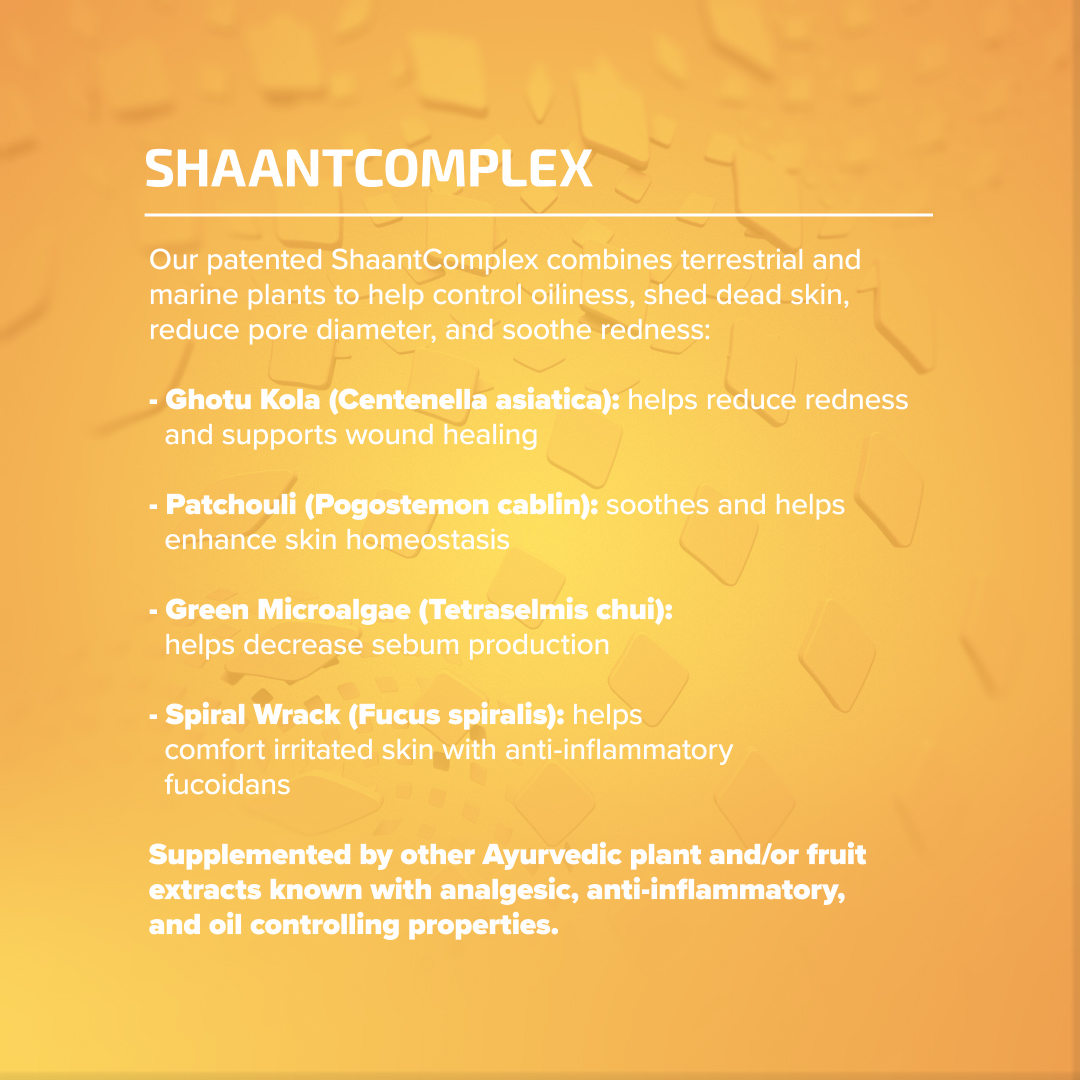
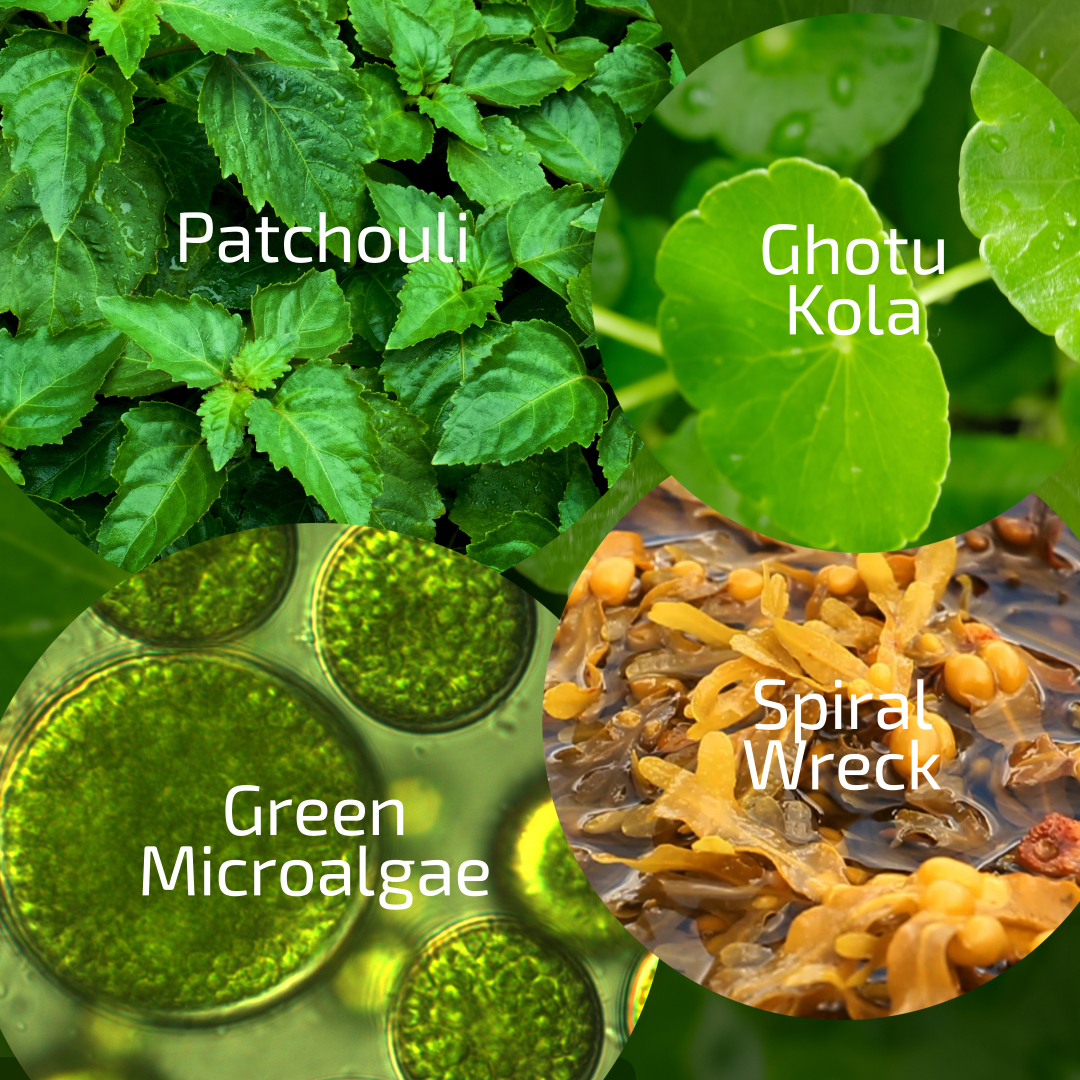
Our patented ShaantComplex™ technology is composed of a proprietary blend of terrestrial and marine plants clinically shown to help control oiliness, shed dead skin, reduce pore diameter, and soothe redness. Each plant addresses the acne inflammasome in distinct yet synergistic ways. The complex’s constituents and respective functionality includes:
- Ghotu Kola (Centenella asiatica): helps reduce redness and supports wound healing.
- Patchouli (Pogostemon cablin): soothes and helps enhance skin homeostasis via the CB2 receptor system
- Green Microalgae (Tetraselmis chui): helps decrease sebum production
- Spiral Wrack (Fucus spiralis): helps comfort irritated skin with anti-inflammatory polysaccharides, called fucoidans.
The ShaantComplex™ is further supplemented by other Ayurvedic plant and/or fruit extracts known for their analgesic, anti-inflammatory, and oil controlling properties.
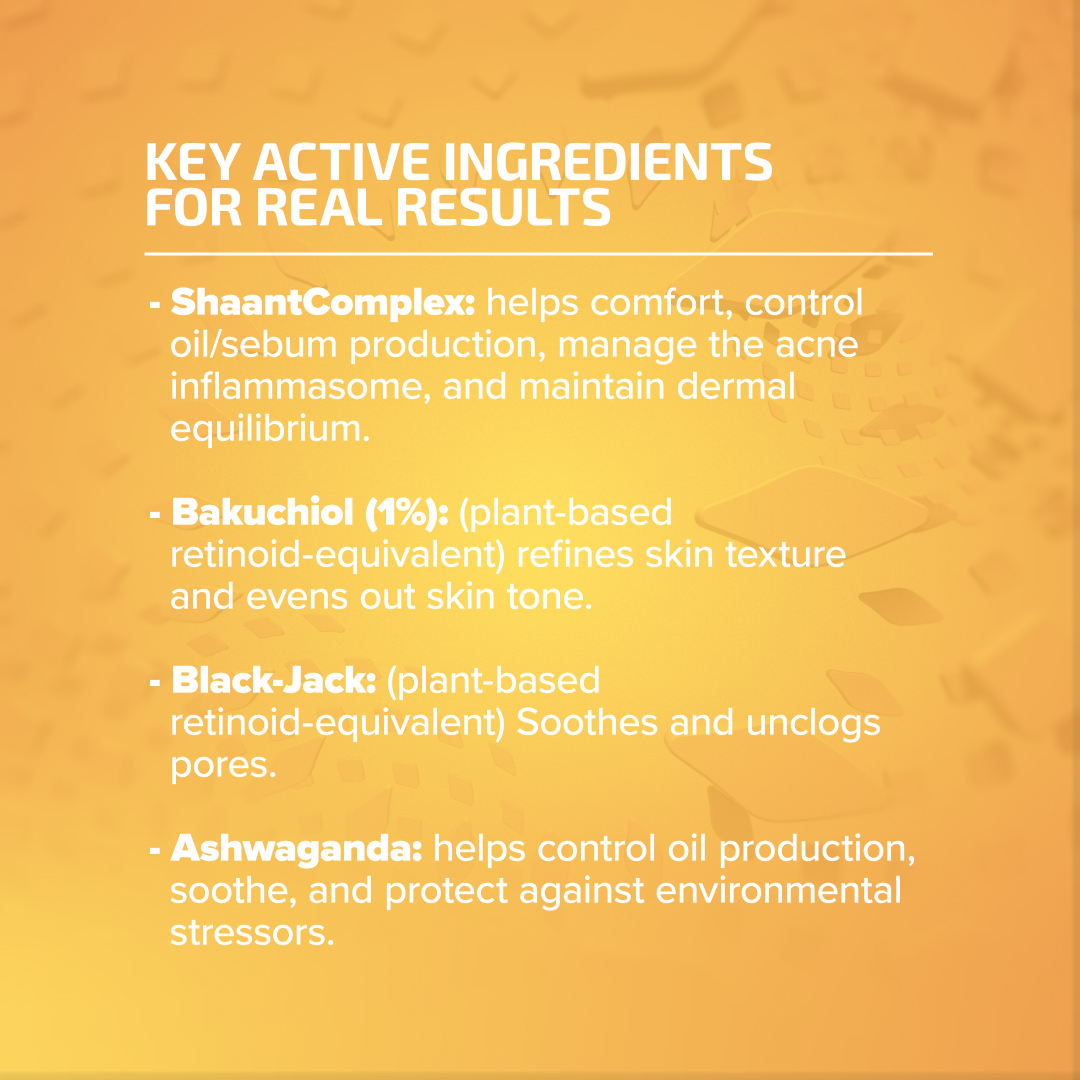
For example, daytime products like our SHAANT Moisturizer contain Bakuchiol, an extract derived from the babchi plant, that mimics the effects associated with retinol to refine skin texture and even out skin tone.
#codexlabs #biohacking #biotechnology #bioscience #skincare #acne #hormonalacne #ayurveda
9
May 8
Do you have acne and want to prevent scars? Do you want a plant-based retinol that is non-irritating?
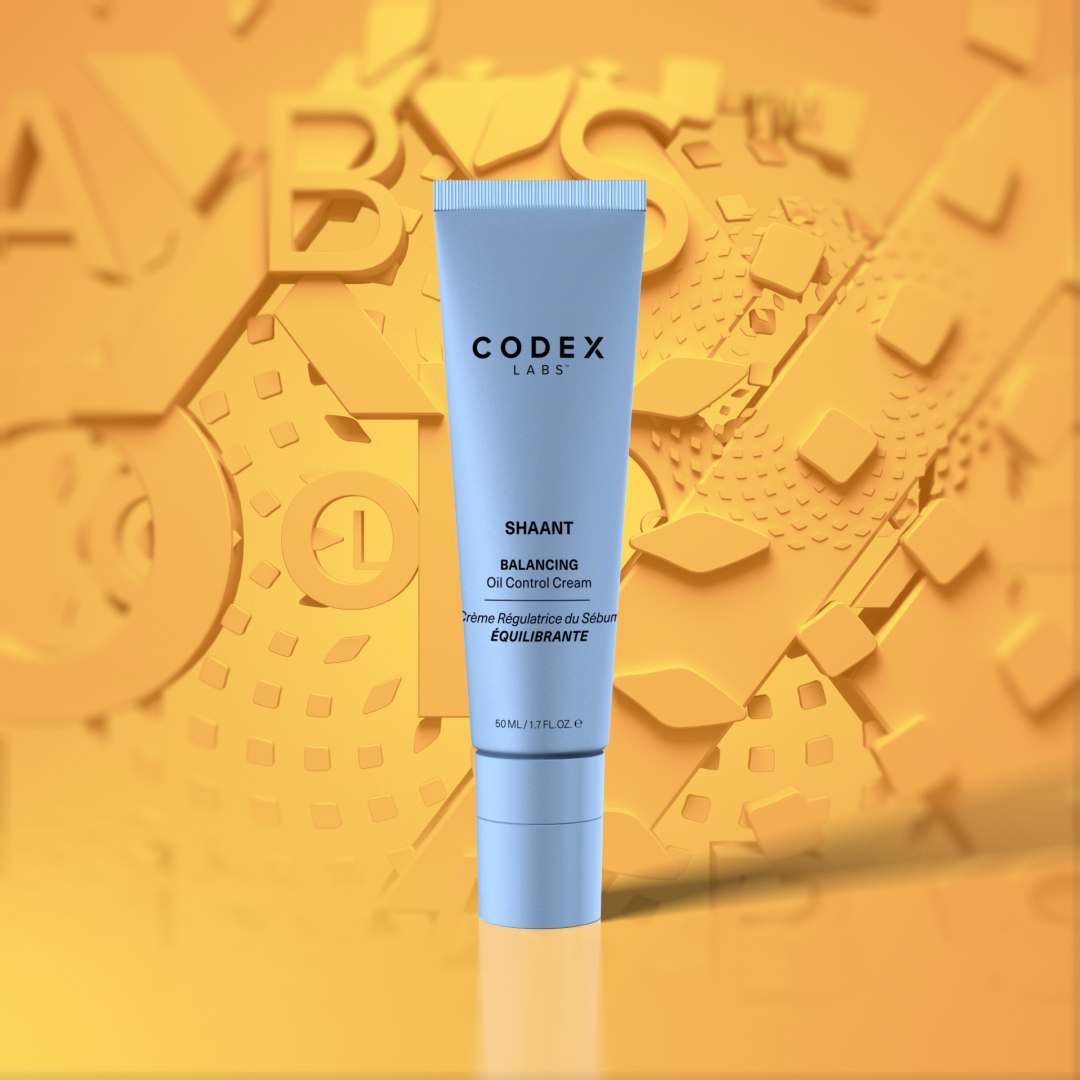
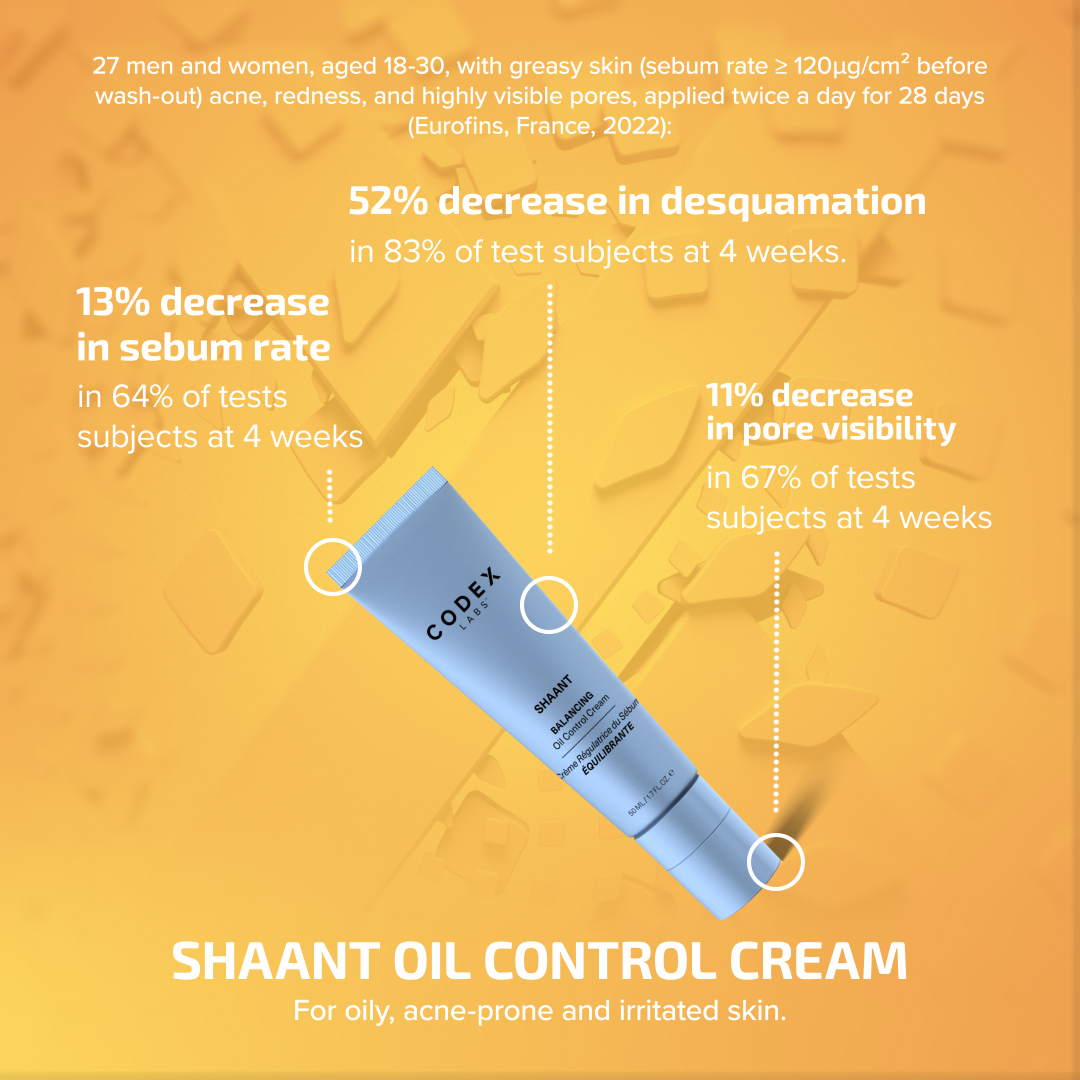
This lightweight non-comedogenic/non-acnegenic soothing cream helps mattify and smooth. Made with our patented, potent ShaantComplex™ formula, this balancing oil control cream is clinically proven to reduce the appearance of redness from the acne inflammasome, increase skin turnover, help shed dead layers, and refine the appearance of pores. It supports your microbiome too!
Shaant Balancing Oil Control Cream is designed for oily and combination skin types and is especially suitable for acne-prone skin. Because it leverages two plant-based retinoids, it also help prevent acne scarring.
#codexlabs #biohacking #biotechnology #bioscience #skincare #acne #hormonalacne #ayurveda
1
41
May 6
Acne arises from the intricate interplay of androgen-induced excessive sebum production, follicular blockage due to increased skin cell accumulation, reduced diversity in Cutibacterium acnes subgroups, and an erratic inflammatory response. Recent discoveries emphasize the critical role of diminished diversity in Cutibacterium acnes subgroups in triggering the skin's inflammatory reaction in acne, underscoring the microbiome's significant impact on inflammatory lesions.
There are four types of acne:
- Comedones (plugs)
o whiteheads
o blackheads
- Inflammations (lesions)
o pustules
o papules
Comedones are caused pores plugged by sebum and dead skin cells (called a sebaceous filament). Whiteheads are white in color. With whiteheads, the skin hasn't ruptured yet, but as the follicle continues to produce oil and dead skin, the plug grows and the pore opens so that the whitehead is raised above the skin surface. If the pore remains clogged after it opens, the whitehead turns to a blackhead as it oxidizes.
A facial cleanser with salicylic acid followed by a topical retinoid (retinol or bakuchiol) can usually help clear excess sebum from the skin and promote skin turnover to help clear comedones. In some cases, however, stubborn whiteheads and blackheads may have to be physically removed by professionals, especially if topical treatments are not enough. We have all watched @drpimplepopper with horror and fascination!
Inflammations (papules and pustules) result from the activation of an inflammatory response within the hair follicle and surrounding skin (redness). When the acne inflammasome is “activated”, it releases pro-inflammatory molecules that promote inflammation, stimulate excess oil (sebum) production in the skin, and disrupt the normal shedding of skin cells. This biological perfect storm leads to clogged pores, excessive growth of acne-causing bacteria within the clogged pores, and the formation of painful, unsightly, puss-filled pimples. Acne papules are solid, inflamed bumps in your skin that don't have a white or yellow pus-filled tip. Pustules have a white or yellow pus-filled tip. Papules can develop into pustules.
Both papules and pustules react well to acne treatments containing salicylic acid and sulfur. Benzoyl peroxide is also effective, but increases general local reactive oxidative stress, resulting in a weakened skin barrier and accelerate skin aging.
#codexlabs #biohacking #biotechnology #bioscience #skincare #acne #hormonalacne
1
111
May 4
Acne is a common skin condition that affects millions of people globally. Inflammatory acne is a type of acne that involves red, swollen, sore bumps that contain pus, dead skin cells, and excess oil (sebum). It’s correlated to certain strains of Cutibacterium acnes bacteria growing in and infecting clogged pores, triggering the body’s immune system to spring into action and fight off the infection.
In healthy skin, it’s naturally produced oil (sebum) and dead skin cells come out of the body through pores. However, when pores get clogged with bacteria, congealed sebum and dead skin cells, the liquid sebum gets stuck below the surface of the skin, stretch the pore and lead to acne. Certain genes can increase inflammation in your body and make you more likely to develop acne.
The acne inflammasome plays a significant role in the development of acne lesions (pimples and pustules) due to its activation of an inflammatory response within the skin. When the acne inflammasome is “activated”, it releases pro-inflammatory molecules that promote inflammation, stimulate excess oil (sebum) production in the skin, and disrupt the normal shedding of skin cells. This biological perfect storm leads to clogged pores, excessive growth of acne-causing bacteria within the clogged pores, and the formation of painful, unsightly, puss-filled pimples.
Hormonal acne is another type of acne that is influenced by hormonal imbalances in the body. It typically appears on the face, neck, and upper back and is characterized by pimples, blackheads, and whiteheads. Hormonal acne is most common in women, particularly during puberty, menstruation, pregnancy, and menopause.
Hormonal acne is often associated with polycystic ovary syndrome (PCOS) through increased androgen production which can lead to an overstimulation of the sebaceous (oil-producing) glands in the skin. This sebum is often thicker and stickier, making it more likely to clog pores and contribute to acne development. Hormonal imbalances associated with PCOS can also trigger inflammation in the body. Inflammatory responses can make acne worse by causing redness, swelling, and increased sensitivity.
#codexlabs #biohacking #biotechnology #bioscience #skincare #acne #hormonalacne
89
May 2
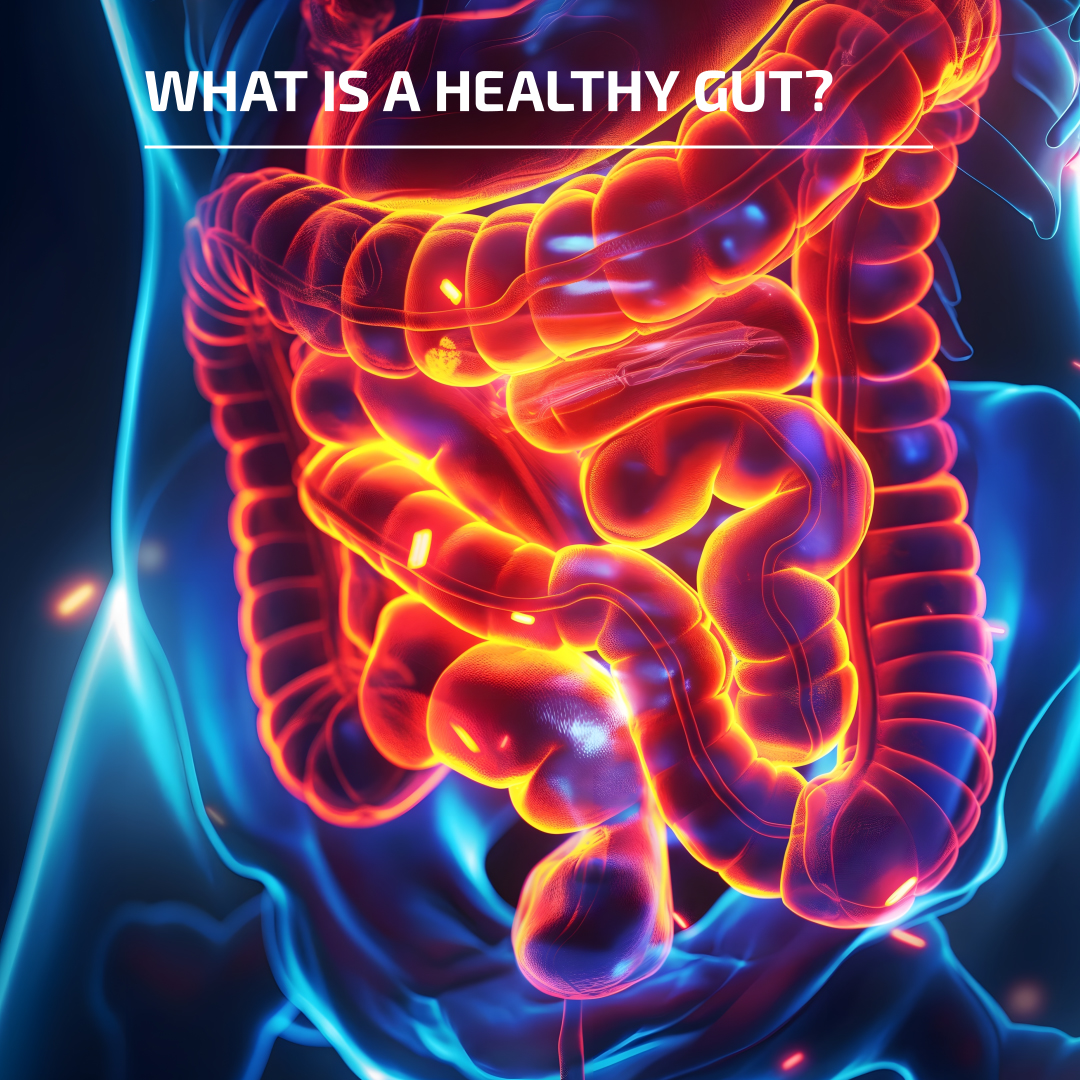
What is a healthy gut? A healthy gut is a balanced ecosystem of bacteria that supports digestion, boosts immunity, and enhances overall well-being. It helps break down food, absorb nutrients, and even influences our mood!
Signs of a healthy gut include regular bowel movements, minimal bloating, and clear skin. To nurture your gut, focus on a diet rich in fiber, probiotics, and prebiotics. Remember, your gut health is the foundation of your overall health!
#codexlabs #guthealth #skinhealth #biotech #skingutbrainbiome #HealthyLiving #WellnessJourney
1
1
59
Apr 30
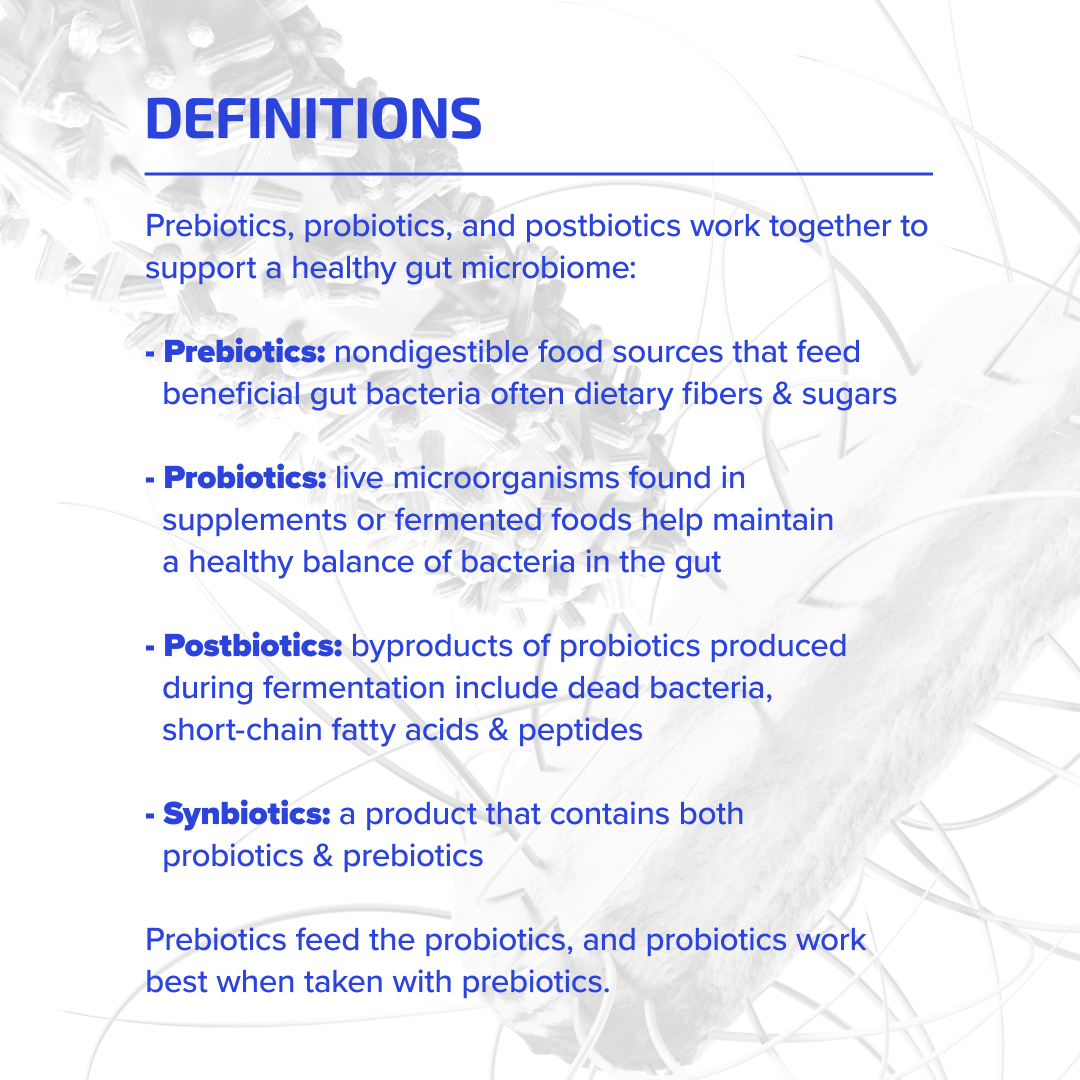
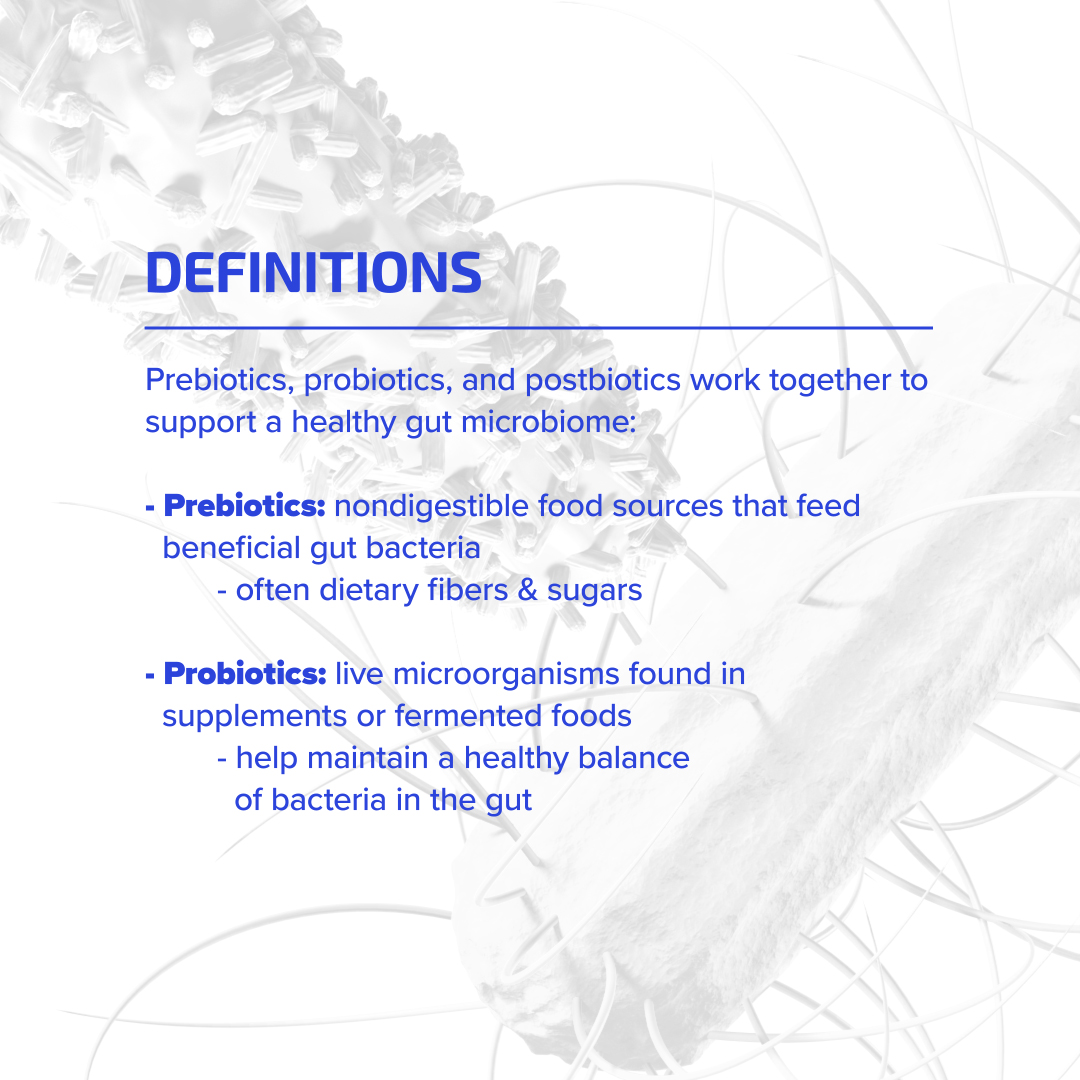
Prebiotics, probiotics, and postbiotics are all important for human health and can help promote a healthy gut microbiome.
Prebiotics are non-digestible substances that selectively feed certain bacteria in the colon, such as Bifidobacteria and Lactobacilli. They help to change the composition of the gut's microflora, making it healthier for the body. Prebiotics improve digestive health and the immune system. They are typically found in high-fiber foods, such as garlic, onions, and fruits that contain pectin, like apples.
Probiotics are live microorganisms, such as bacteria and yeasts, that can have health benefits when consumed. Probiotics work by maintaining or improving the "good" bacteria in the body. They are found in fermented foods like yogurt or sauerkraut, or in dietary supplements. If you have a skin condition, you should consult your healthcare provider before taking probiotics, as you may need to take a gut microbiome test first.
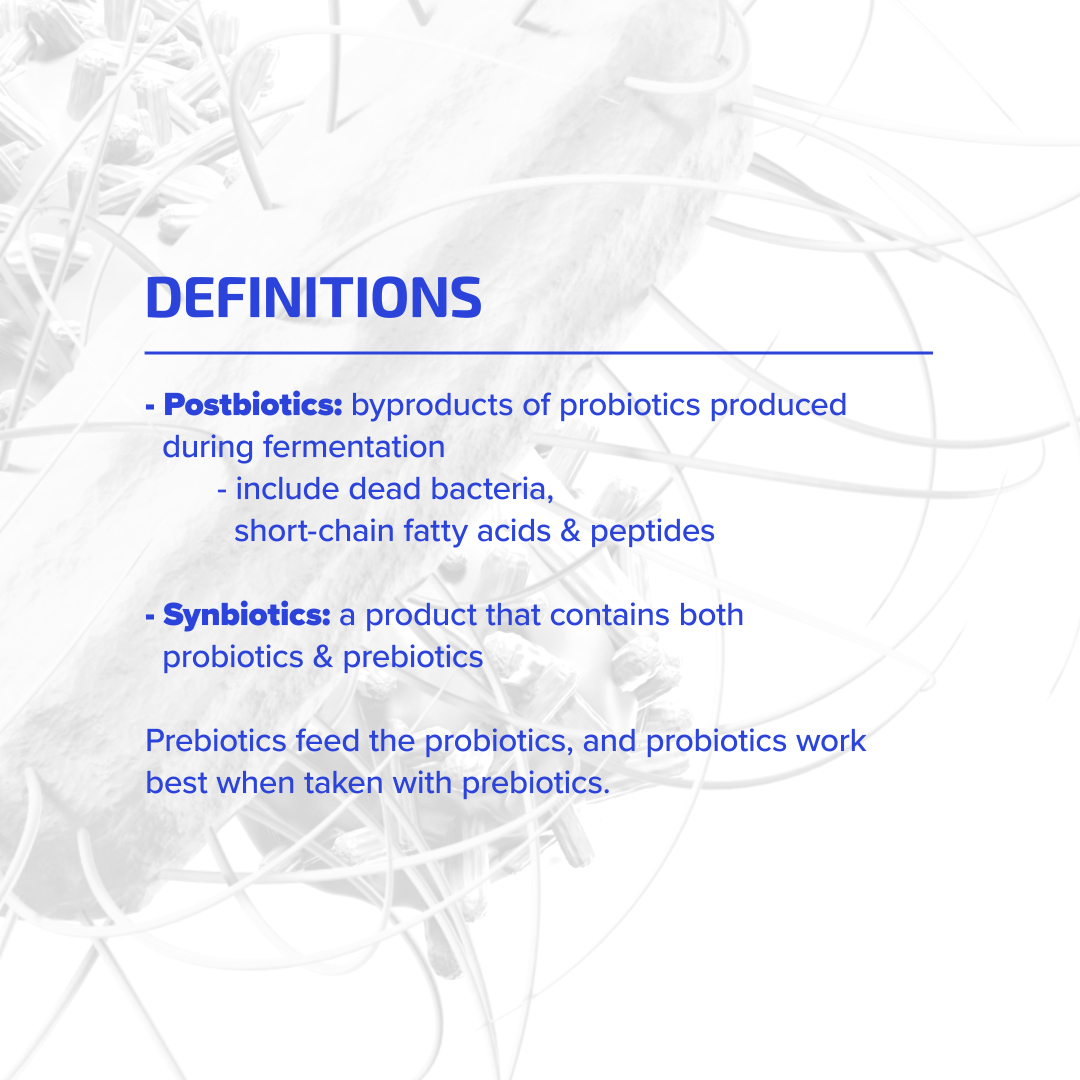
Postbiotics are a byproduct of the digestion of prebiotic and probiotic foods and are important for gut health. They are produced when probiotics break down dietary fiber and include short-chain fatty acids like butyric acid, acetic acid, and propionic acid. Postbiotics can support your immune system and prevent inflammation as well as help manage allergy symptoms. You can increase the amount of postbiotics in your system by eating fermented foods like kefir, tempeh, and kimchi.
Synbiotics are products that contains both probiotics and prebiotics is called a synbiotic.
#codexlabs #biohacking #biotechnology #bioscience #guthealth #probiotics #gutmicrobiome #gutskinaxis #integrativedermatology
1
394
Apr 28
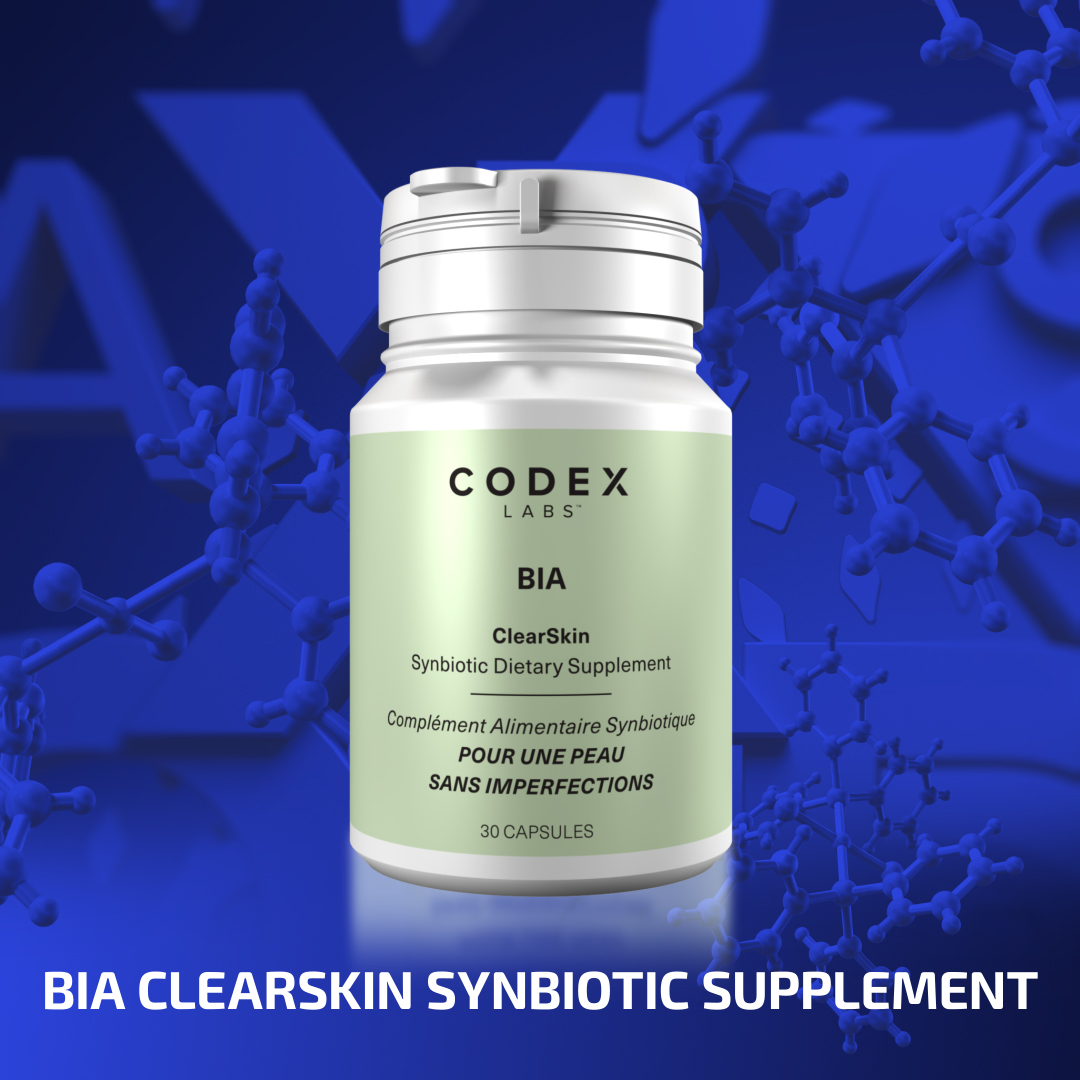
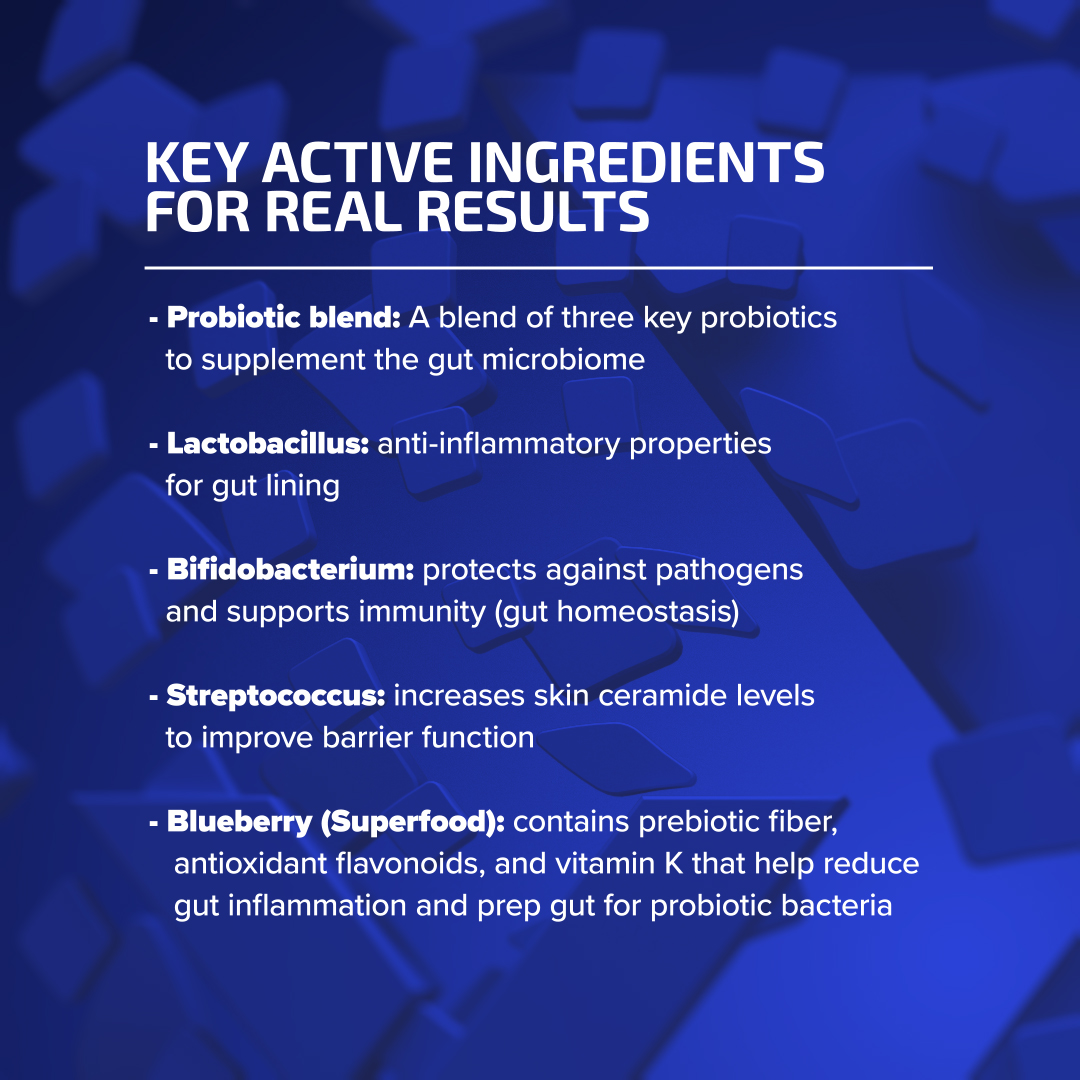
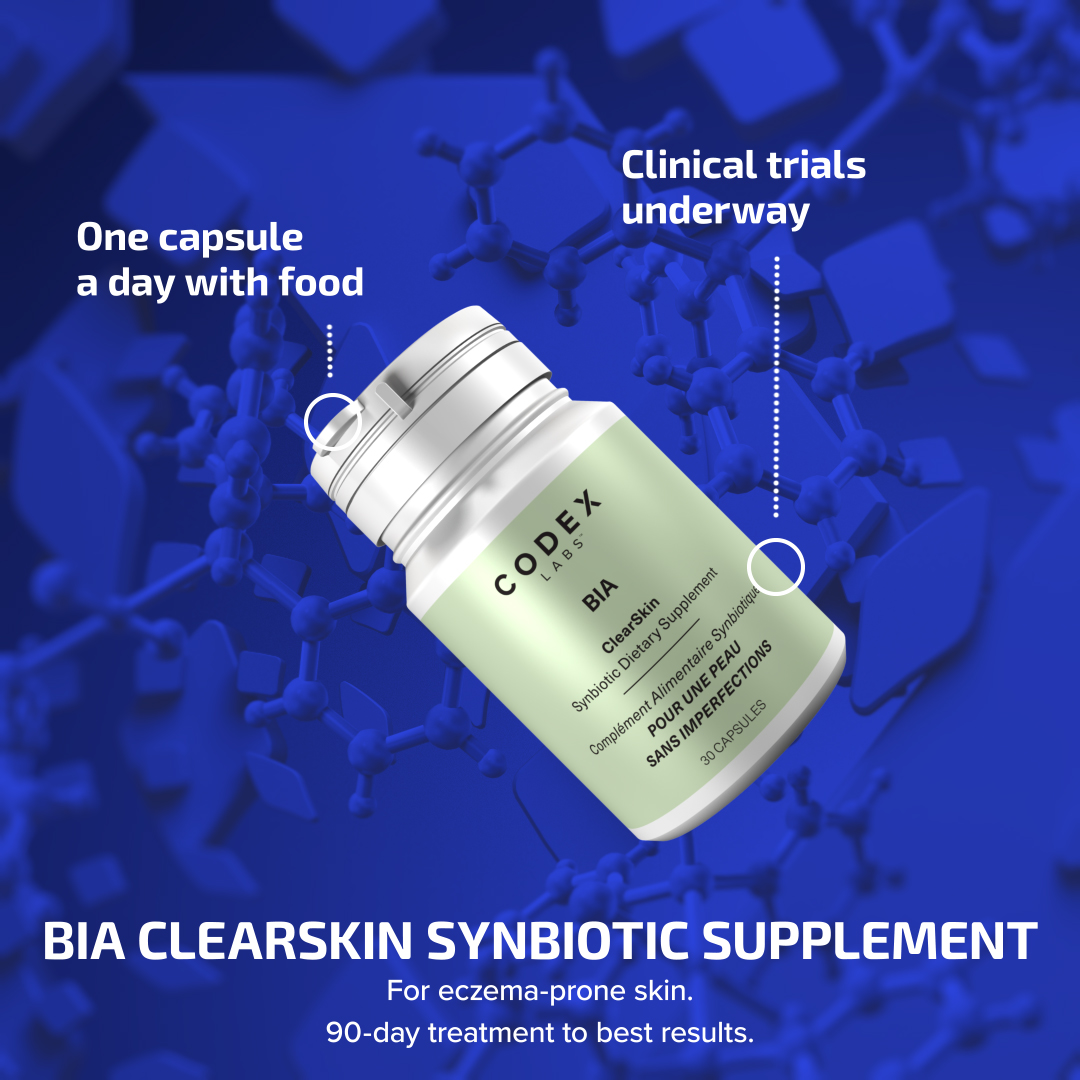
The Codex Labs Bia ClearSkin Synbiotic has a patented formulation that is being clinically evaluated over 8 weeks for people with mild to moderate eczema. Why do we hope that it’s effective? We have compiled the most effective probiotic species for treating eczema from the literature and have added blueberry as a prebiotic and antioxidant. Our unique blend has three key bacterial genera known to reduce gut inflammation and dybiosis as well as increase skin ceramide production.
Lactobacillus occurs naturally in the human body, as well as many fermented foods such as sauerkraut. Lactobacillus has been found to possess anti-inflammatory properties by increasing levels of IL-10, an anti-inflammatory cytokine. The scientific literature demonstrates that various species such as acidophilus, plantarum, rhamnosus, reuteri, paracasei, and even johnsonii are useful in improving gut inflammation as well as skin inflammation and homeostatis.
Bifidobacterium (bifidum, breve, longum and lactis) has been shown to keep pathogenic microorganisms found in the gut microbiome in check and to support the skin’s immune system via its immunomodulatory effects, as well as attenuating allergic responses in skin.
Streptococcus thermophilus is a lactic acid producing bacterium with anti-inflammatory and skin barrier strengthening activities. It may increase ceramide levels in the skin, which can improve the skin barrier function and maintain the flexibility of the stratum corneum, thereby decreasing symptoms of dermatitis such as redness, scaling and itch.
The probiotics are combined with blueberry powder (a superfood transplanted to Ireland as the acidity of Irish bogs is ideal for its cultivation):
Blueberries combine many beneficial prebiotic and anti-inflammatory benefits: they contain prebiotic fibers, antioxidant flavonoids, and vitamin K, all of which help reduce gut inflammation and prep the gut for effective probiotic bacteria colonization.
#codexlabs #biohacking #biotechnology #bioscience #skincare #eczema #guthealth #probiotics #prebiotics #microbiome
1
45
Apr 26
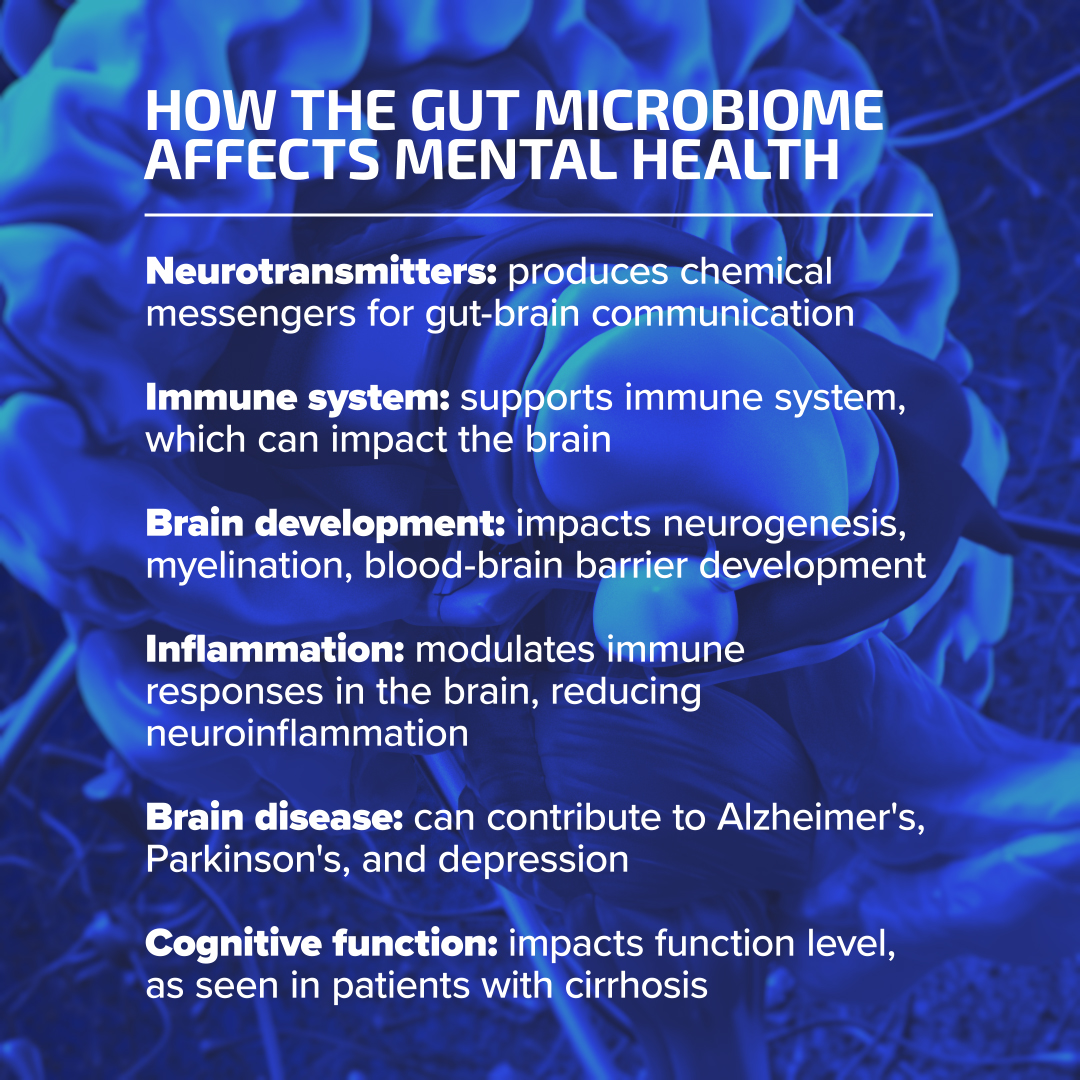
The brain-gut axis is the 2- way communication between the brain and the gastrointestinal tract. It is well known that gut-brain axis plays an important role in maintaining homeostasis. When the gut integrity is comprised, it can influence emotional activity in the brain, and the brain can also regulate gastrointestinal function in the gut. For example, stomach or intestinal distress can be directly caused by anxiety, stress, or depression.
The gut-brain-biome axis also plays an important role in maintaining homeostasis, by modulating the function of both the enteric and central nervous systems. Another aspect of this bidirectional link is the vagus nerve, which is one of the largest nerves that connects the gut and brain, allowing for transmission in both directions. Studies have shown that stress can inhibit the signals sent through the vagus nerve resulting in gastrointestinal problems.
The role of the microbiome as an important factor in modulating gut-brain signaling has also emerged and the concept of a gut-brain-biome axis has been firmly established. Another facet of the gut-brain-biome connection can be noted in the fact that > 90% of the body’s most important neurotransmitters, serotonin (5-HT), is produced in the gut and only about 5% in the brain. Serotonin is a primary chemical messenger, and it affects many physiological processes and behaviors in the body including mood, memory, sleep, and digestion.
Both axes are linked as the gut can influence the brain, and brain can in turn influence the skin. The gut can influence the skin, and in a concrete example of skin gut brain connection – a compromised gut can lead to skin disorders. The appearance of these disorders can lead to emotional distress when in turn further disrupts the function of the gut and its microbiome.
#codexlabs #biohacking #biotechnology #bioscience #skincare #eczema #guthealth #probiotics #microbiome


19
Apr 24
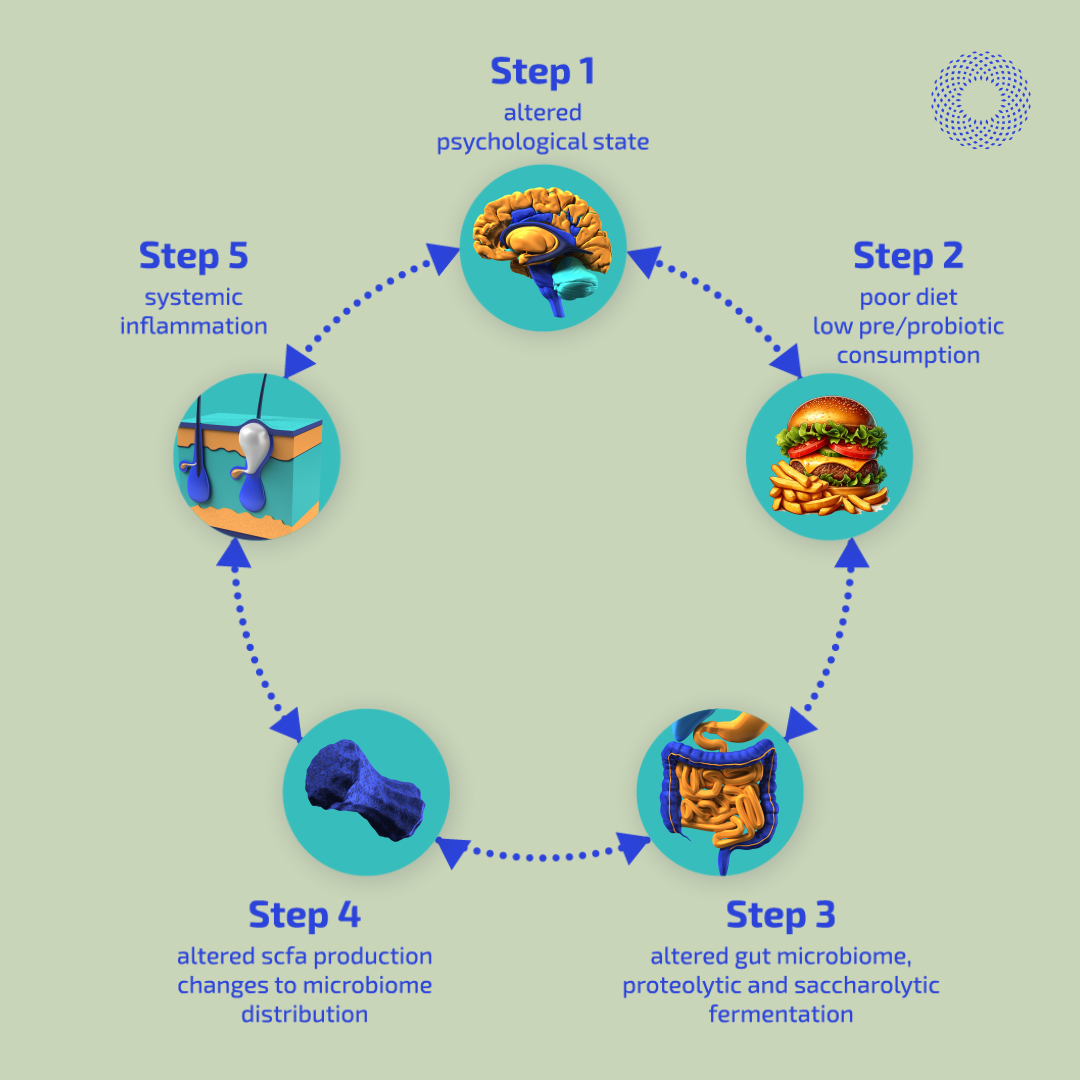
The Skin-Gut-Brain-Biome “Axis” is believed to explain correlations among the gut microbiota, emotional states, and systemic skin inflammation.
Many skin disorders are now thought to originate in the gut microbiome. Disturbances in mucosal lining, microbiome dysbiosis, overgrowth of bacteria in small intestines, can all appear as rashes, flares, or even the onset of skin diseases such as acne, eczema, or psoriasis.
More recent gut-skin axis studies show numerous skin diseases associated with an altered gut microbiome. The inner surface of the gut and the outer surface of the skin are both covered with epithelial cells, which directly contact microbes. The human intestinal epithelial barrier regulates the uptake of fluid, electrolytes, and nutrients, as well as prevents the penetration of pathogens.
Gastrointestinal dysfunction and imbalance of the intestinal microbiome, known as dysbiosis, cause excess bacterial growth of pathobionts, leading to competition for nutrients and toxic metabolite production. This results in local and systemic inflammation affecting the physiology of the skin. Maintaining the integrity of tight junctions and the permeability of intestinal epithelial cells is crucial.
There is a link between the gut microbiome and eczema, and some research suggests that changes to the gut microbiome may be a factor in the development of eczema. This imbalance may contribute to the inflammation and immune response that causes eczema.
A study found that the gut microbiome of infants with eczema differed from that of healthy infants. The study found that pathogenic species such as Escherichia, Shigella or Clostridium were more abundant in infants with eczema, while the species Bifidobacterium was more abundant in healthy infants [1].
Eating a plant-based, anti-inflammatory diet may help some people with eczema. Eating fermented foods while pregnant may reduce the risk of a child developing eczema [2].
References:
1. ow.ly/Auxt50Y8qRc
2. ow.ly/v6kQ50Y8qRe
#codexlabs #biohacking #biotechnology #bioscience #skincare #eczema #guthealth #probiotics #microbiome
28
Apr 22
What are prebiotics, and how can they support your eczema journey?
Dr. Jessica Maloh breaks down how prebiotics help nourish beneficial gut bacteria and why gut health plays an important role in skin barrier support.
27