
Founder of Collateral.com - the financial storytelling firm.
Joined October 2021
- Tweets 541
- Following 832
- Followers 69,377
- Likes 1,034
452 Photos and videos



Pinned Tweet

Feb 25
I'm excited to launch something new:
Weekly documentaries on the top stories in finance
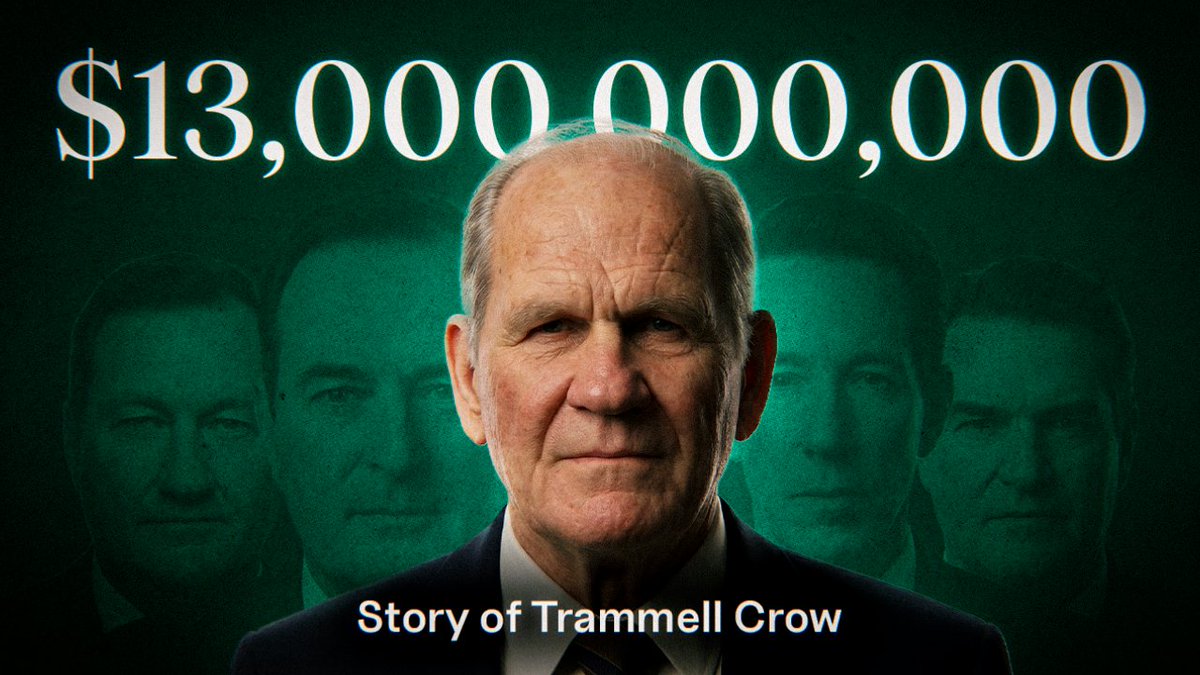
Here's the story of Trammell Crow
(the founder of modern real estate private equity)
"The Man Behind a $13 Billion Real Estate Empire"
(02:17) THE WOUND (1914–1946)
>born 1914, Dallas, 5th of 8 kids, 9 people in 3 rooms
>dad is a bookkeeper, owns nothing
>boss dies in 1928, dad loses everything overnight
>14 years old, decides: employees are vulnerable, owners survive
>grinds through the Depression, becomes youngest CPA in Texas at 24
(04:44) THE FIRST DEAL (1946–1948)
>gets out of the Navy at 32, joins wife's dying grain warehouse
>tenant says "we need more space, we're leaving"
>Crow: "what if I build it for you?" - he's never built anything, he's an accountant
>builds 11,250 sq ft when tenant only needs 6,750, fills the rest
>50 warehouses in 3 years, just invented speculative building
(07:47) THE 3 RULES (1948–1956)
>Rule 1: never sell, hold everything
>Rule 2: share equity with everyone, turn employees into owners
>Rule 3: sign personally for everything, unlimited liability
>"you can get rich selling real estate, you can only get wealthy owning it"
>these 3 rules built the empire and nearly destroyed it, twice
(09:48) THE FURNITURE MART (1956–1960)
>visits Joe Kennedy's Merchandise Mart in Chicago, becomes obsessed
>decides to build a furniture mart in Dallas, nobody wants it
>one company: "we hope you don't build it"
>his partner says let's quit, Crow goes silent, then: "I'm going to build the finest furniture mart in America" - rolls over and goes to sleep
>builds it, it works, Dallas Market Center grows to 7M sq ft, largest wholesale complex in the world
(12:43) EMPIRE BUILDING (1960–1973)
>deploys young MBAs to new cities, gives them capital, autonomy, and ownership
>Bob Glaze: 13 years, never got a raise from $16K salary, worth millions through partnership stakes
>meets Mack Pogue, young broker, zero dev experience, forms Lincoln Property - becomes 2nd largest apartment manager in America
>1971: 140M sq ft, 8,000 properties, 26 cities, 6 countries, Forbes calls him nation's biggest private landlord
>Fortune headline: "Trammell Crow Succeeds Because YOU Want Him To"
(20:21) THE FIRST CRISIS (1973–1977)
>Arab oil embargo, oil prices quadruple, interest rates spike
>personally liable for $433M, cash flow negative $25M/year
>Federal Reserve puts him on credit watch, too big to fail
>calls a partners meeting, asks them to liquidate their own wealth to save him - not legally obligated
>one partner: "I don't think the partners are safe until you are safe" - they save him
(25:15) THE COMEBACK (1977–1985)
>back on Forbes 400 by 1982, net worth $500M
>Harvard Business School asks: "most important element in business?"
>Crow: "love"
>builds the Anatole Hotel, numbers every single brick
>1984: $13B in assets, 5,000 employees
(29:09) THE SECOND CRISIS (1986–1989)
>oil collapses, S&L crisis, Tax Reform Act kills real estate incentives
>Dallas office vacancy hits 30%
>Forbes: "the dinosaurs are dying"
>partners hitting golf balls into empty buildings because there's nothing else to do
>second crisis, same mistakes
(30:48) LESSONS LEARNED (1989)
>one partner sends a memo: "please outline mistakes you have made"
>101 pages come back, single spaced, names attached
>"we covered up mistakes because we could borrow more money"
>"we continued to build because that's what we knew how to do"
>"when you don't have staying power, you turn into the fish"
(35:29) LEGACY (1989–2009)
>2006: acquired by CBRE for $2.2B
>alumni: Lincoln Property, Starwood, Transwestern, Spieker, Greystar
>"spawned more millionaires than anybody in his generation"
>dies in 2009 at 94, married to Margaret for 66 years
>asked about retiring: "you'd waste yourself instead of using yourself"
>partnership built the empire
>partnership saved the empire
>partnership outlasted the man who created it
One more thing:
If you're in real estate, private equity, or building anything on partnership, this one's for you
This took 7 people weeks to create
We spent weeks going through lost interviews, Forbes and Fortune investigations, library archives, and a 101-page internal document so that we could share this with you
Our goal is to produce content like this every single week
If you want to see more of this, like/repost the video, follow, reply, and share it with someone who needs to hear this story
Produced by Collateral, the financial storytelling firm
7
18
105
64,667
Jun 8
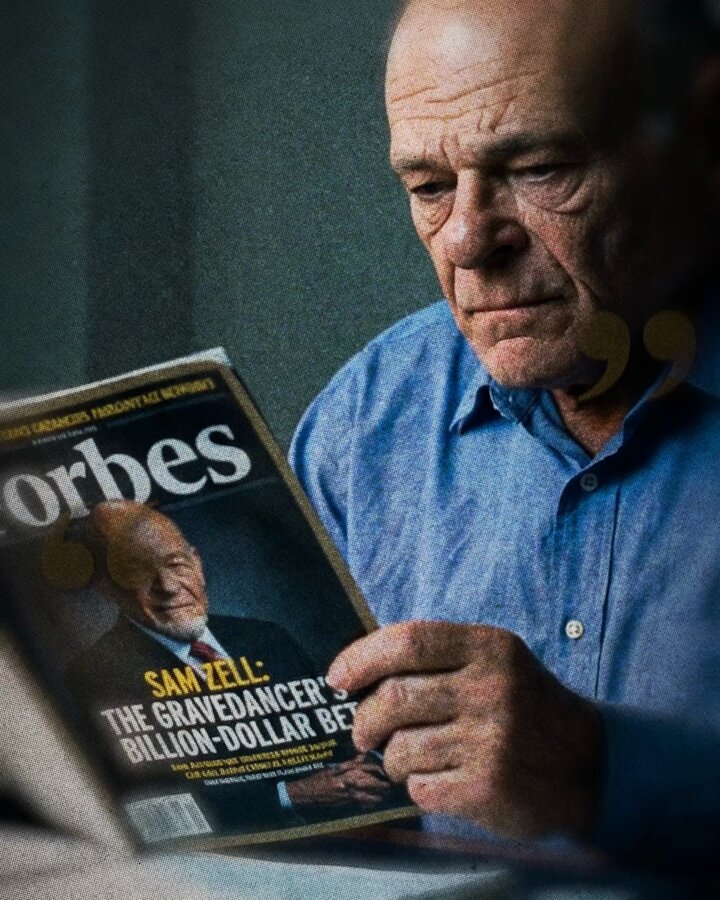
A billionaire on the cover of Forbes, terrified he couldn't make payroll on Friday
That was Sam Zell in 1990.
On paper, he was worth a billion dollars. In the bank, he had nothing close to it.
He owned buildings, portfolios, and paper wealth across the country, and almost none of it could be turned into cash fast enough to cover the people who worked for him.
The lesson he took from that week shaped every move he made for the next thirty years: 𝗹𝗶𝗾𝘂𝗶𝗱𝗶𝘁𝘆 𝗶𝘀 𝘃𝗮𝗹𝘂𝗲.
An asset you can't sell when you need to is worth nothing, no matter what the balance sheet says.
Link to full documentary in the comments.
1
8
8,242
May 26
Kirk Kerkorian called his life one big craps game.
He saw himself as a gambler, but never made a move without previous calculations.
In his youth, Kerkorian used to box, and a friend of his described his fighting style as that of a chess player:
"Every punch calculated, every step measured."
In the war, he forged his transcripts to fly bombers, a mission most men did not come back from.
Kerkorian returned home with $12,000, which he used to:
1) Flip war surplus planes nobody wanted for a profit
2) Buy a Vegas airline and sell it at the top
3) Build the biggest hotel in the world
4) Take over MGM
Each calculate bet bigger than the last.
By the end, he was worth $16 billion, built across aviation, Las Vegas, and Hollywood.
1
1
15
3,383
May 21
William Zeckendorf was early America’s most relentless real estate operator
His memoir was titled:
"Zeckendorf: The autobiography of the man who played a real-life game of Monopoly and won the largest real estate empire in history."
He wrote it to lure a publisher into signing a lease at one of his properties.
That's the kind of man he was.
He inked a deal to anchor the United Nations to New York in 48 hours, signed on the back of a cocktail napkin.
He invented what became the modern CMBS market while fishing in Hawaii.
He moved the entire Wall Street banking district, bank by bank, block by block, to stop it from collapsing.
Then, at 60, he lost it all. And began to rebuild.
After everything, he had one regret: "If I had it to do over again, I would, only bigger and better."
Our new documentary tells the full story. 49 minutes on the man who played Monopoly with America, and for a long time, was winning.
Watch it here:
youtube.com/watch?v=0F5u0G4M…
7
2,701
Mar 18
Two weeks ago, we released our first finance documentary
It was on Trammell Crow, the CRE developer who built more than anyone in American history
55k people have watched it. Hundreds of people who were changed by him reached out to share their own stories
Watch it below:
Feb 25

I'm excited to launch something new:
Weekly documentaries on the top stories in finance
Here's the story of Trammell Crow
(the founder of modern real estate private equity)
"The Man Behind a $13 Billion Real Estate Empire"
(02:17) THE WOUND (1914–1946)
>born 1914, Dallas, 5th of 8 kids, 9 people in 3 rooms
>dad is a bookkeeper, owns nothing
>boss dies in 1928, dad loses everything overnight
>14 years old, decides: employees are vulnerable, owners survive
>grinds through the Depression, becomes youngest CPA in Texas at 24
(04:44) THE FIRST DEAL (1946–1948)
>gets out of the Navy at 32, joins wife's dying grain warehouse
>tenant says "we need more space, we're leaving"
>Crow: "what if I build it for you?" - he's never built anything, he's an accountant
>builds 11,250 sq ft when tenant only needs 6,750, fills the rest
>50 warehouses in 3 years, just invented speculative building
(07:47) THE 3 RULES (1948–1956)
>Rule 1: never sell, hold everything
>Rule 2: share equity with everyone, turn employees into owners
>Rule 3: sign personally for everything, unlimited liability
>"you can get rich selling real estate, you can only get wealthy owning it"
>these 3 rules built the empire and nearly destroyed it, twice
(09:48) THE FURNITURE MART (1956–1960)
>visits Joe Kennedy's Merchandise Mart in Chicago, becomes obsessed
>decides to build a furniture mart in Dallas, nobody wants it
>one company: "we hope you don't build it"
>his partner says let's quit, Crow goes silent, then: "I'm going to build the finest furniture mart in America" - rolls over and goes to sleep
>builds it, it works, Dallas Market Center grows to 7M sq ft, largest wholesale complex in the world
(12:43) EMPIRE BUILDING (1960–1973)
>deploys young MBAs to new cities, gives them capital, autonomy, and ownership
>Bob Glaze: 13 years, never got a raise from $16K salary, worth millions through partnership stakes
>meets Mack Pogue, young broker, zero dev experience, forms Lincoln Property - becomes 2nd largest apartment manager in America
>1971: 140M sq ft, 8,000 properties, 26 cities, 6 countries, Forbes calls him nation's biggest private landlord
>Fortune headline: "Trammell Crow Succeeds Because YOU Want Him To"
(20:21) THE FIRST CRISIS (1973–1977)
>Arab oil embargo, oil prices quadruple, interest rates spike
>personally liable for $433M, cash flow negative $25M/year
>Federal Reserve puts him on credit watch, too big to fail
>calls a partners meeting, asks them to liquidate their own wealth to save him - not legally obligated
>one partner: "I don't think the partners are safe until you are safe" - they save him
(25:15) THE COMEBACK (1977–1985)
>back on Forbes 400 by 1982, net worth $500M
>Harvard Business School asks: "most important element in business?"
>Crow: "love"
>builds the Anatole Hotel, numbers every single brick
>1984: $13B in assets, 5,000 employees
(29:09) THE SECOND CRISIS (1986–1989)
>oil collapses, S&L crisis, Tax Reform Act kills real estate incentives
>Dallas office vacancy hits 30%
>Forbes: "the dinosaurs are dying"
>partners hitting golf balls into empty buildings because there's nothing else to do
>second crisis, same mistakes
(30:48) LESSONS LEARNED (1989)
>one partner sends a memo: "please outline mistakes you have made"
>101 pages come back, single spaced, names attached
>"we covered up mistakes because we could borrow more money"
>"we continued to build because that's what we knew how to do"
>"when you don't have staying power, you turn into the fish"
(35:29) LEGACY (1989–2009)
>2006: acquired by CBRE for $2.2B
>alumni: Lincoln Property, Starwood, Transwestern, Spieker, Greystar
>"spawned more millionaires than anybody in his generation"
>dies in 2009 at 94, married to Margaret for 66 years
>asked about retiring: "you'd waste yourself instead of using yourself"
>partnership built the empire
>partnership saved the empire
>partnership outlasted the man who created it
One more thing:
If you're in real estate, private equity, or building anything on partnership, this one's for you
This took 7 people weeks to create
We spent weeks going through lost interviews, Forbes and Fortune investigations, library archives, and a 101-page internal document so that we could share this with you
Our goal is to produce content like this every single week
If you want to see more of this, like/repost the video, follow, reply, and share it with someone who needs to hear this story
Produced by Collateral, the financial storytelling firm
2
4
23
14,430
Niko Ludwig retweeted
10 Jun 2025
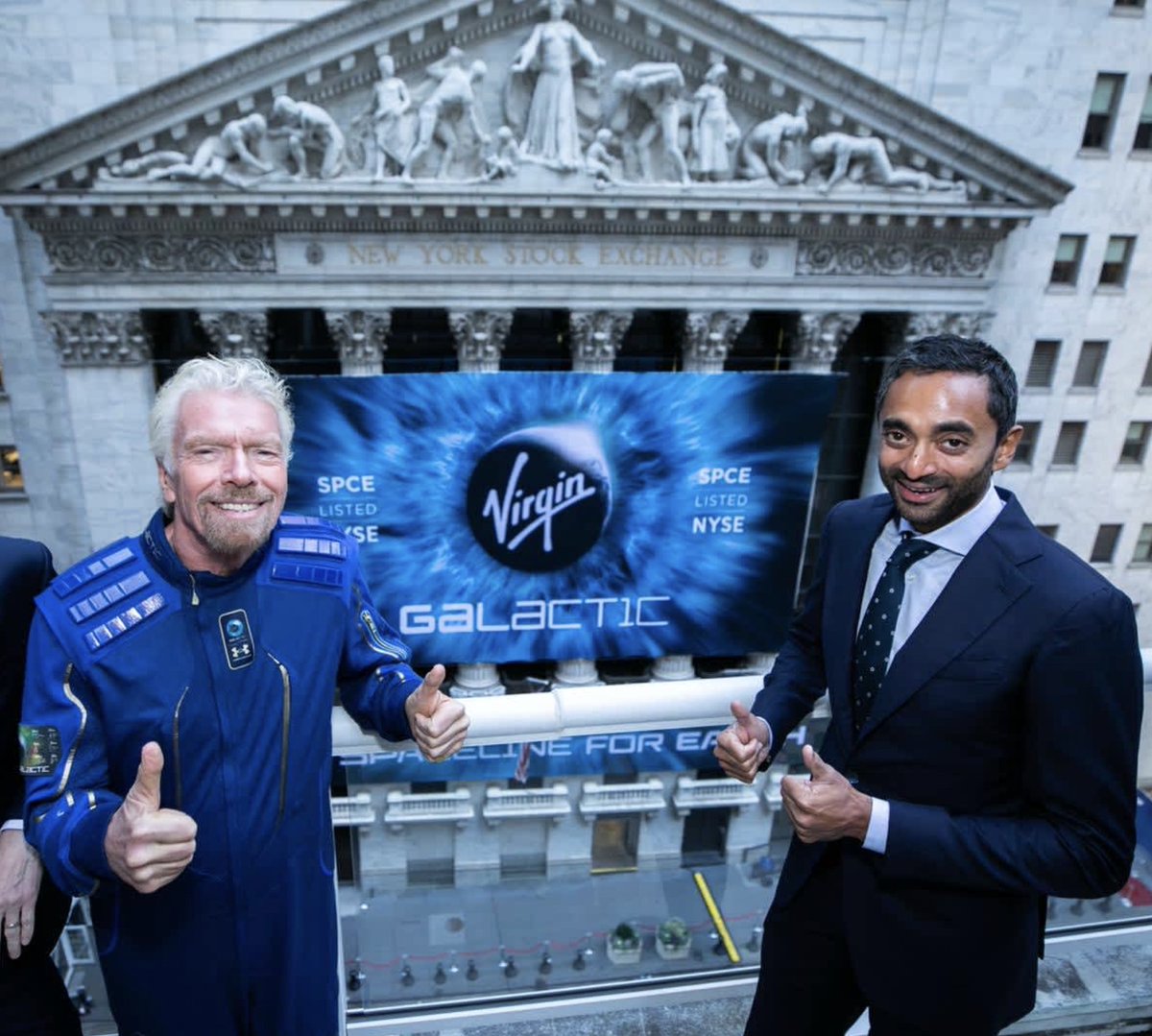
Chamath made $213M SPAC'ing Virgin Galactic
The stock is since down 94%
Here's their pitch deck:
67
110
1,783
351,412
Mar 3
In 1975, Trammell Crow was the largest real estate developer in America.
Then the oil embargo hit.
He had:
- $151M in personal borrowings
- $433M in liabilities
- $25M in annual cash flow deficits
The Federal Reserve put him on credit watch because he was too big to fail.
Crow had two weapons.
Weapon 1: The spider web.
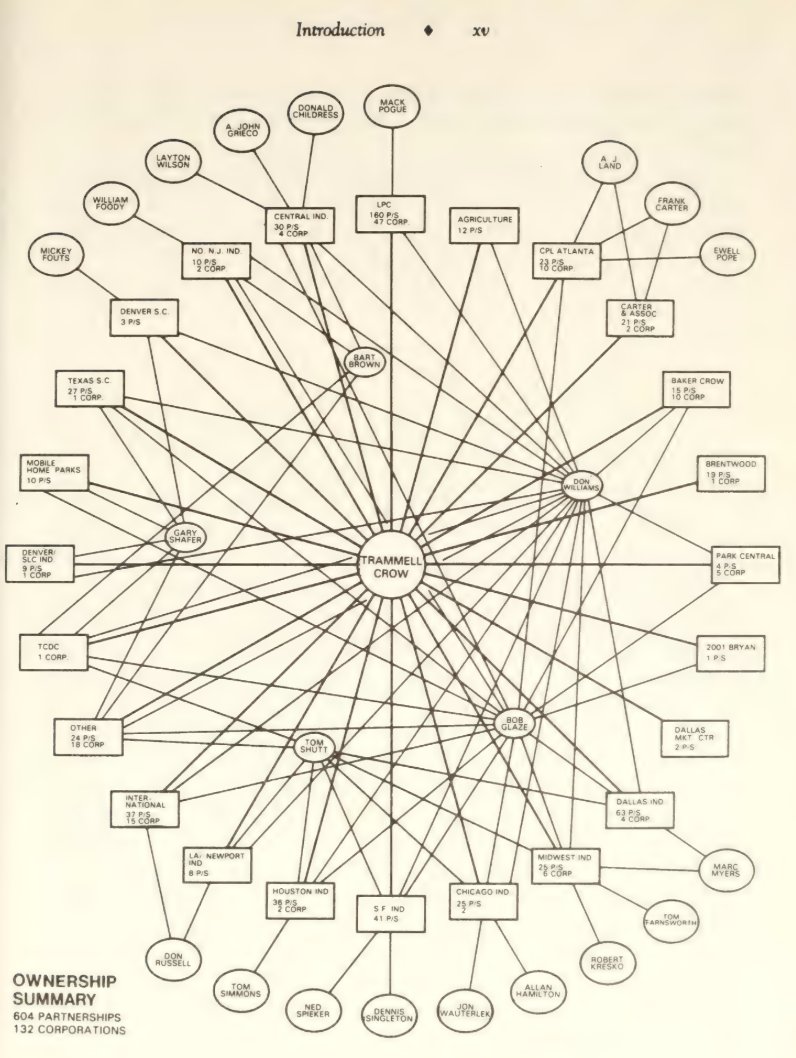
He brought in a restructuring accountant from Los Angeles who had one move. The partnership diagram.
604 partnerships and 132 corporations. Lines going every which way. They called it "the Trammell Crow coat of arms." It looked like a spider web.
The message to lenders was simple: "If Crow goes under, you'll spend the next twenty years in court trying to untangle this."
If you owe the bank $100, that's your problem. If you owe the bank $100 million, that's the bank's problem.
The lenders restructured.
Weapon 2: The partners.
Crow called 20 senior partners to Dallas. Bob Glaze, his right hand, went around the room with a list.
The list had two columns: name and amount.
"Kresko, raise $2M. Spieker, raise $1.5M."
None of them were contractually obligated. Their agreements didn't require it.
But for years, Crow had shared equity when he didn't have to. Doubled partners' stakes on deals that were already done. Fought with his original partner over who could pay the other MORE.
Every single one said yes.
One partner said: "Everything I have is yours if you need it."
When Crow offered to take all the liability himself, one partner pushed back:
"I don't think the partners are safe until you are safe."
They voluntarily liquidated HALF of their own wealth to save the man who made them wealthy.
By 1982, Crow was back on the Forbes 400.
If you haven't already, watch the full video below. This took my team weeks of researching, writing, editing, designing, and animating. It's the most comprehensive story of the godfather of real estate, Trammell Crow.
Feb 25
I'm excited to launch something new:
Weekly documentaries on the top stories in finance
Here's the story of Trammell Crow
(the founder of modern real estate private equity)
"The Man Behind a $13 Billion Real Estate Empire"
(02:17) THE WOUND (1914–1946)
>born 1914, Dallas, 5th of 8 kids, 9 people in 3 rooms
>dad is a bookkeeper, owns nothing
>boss dies in 1928, dad loses everything overnight
>14 years old, decides: employees are vulnerable, owners survive
>grinds through the Depression, becomes youngest CPA in Texas at 24
(04:44) THE FIRST DEAL (1946–1948)
>gets out of the Navy at 32, joins wife's dying grain warehouse
>tenant says "we need more space, we're leaving"
>Crow: "what if I build it for you?" - he's never built anything, he's an accountant
>builds 11,250 sq ft when tenant only needs 6,750, fills the rest
>50 warehouses in 3 years, just invented speculative building
(07:47) THE 3 RULES (1948–1956)
>Rule 1: never sell, hold everything
>Rule 2: share equity with everyone, turn employees into owners
>Rule 3: sign personally for everything, unlimited liability
>"you can get rich selling real estate, you can only get wealthy owning it"
>these 3 rules built the empire and nearly destroyed it, twice
(09:48) THE FURNITURE MART (1956–1960)
>visits Joe Kennedy's Merchandise Mart in Chicago, becomes obsessed
>decides to build a furniture mart in Dallas, nobody wants it
>one company: "we hope you don't build it"
>his partner says let's quit, Crow goes silent, then: "I'm going to build the finest furniture mart in America" - rolls over and goes to sleep
>builds it, it works, Dallas Market Center grows to 7M sq ft, largest wholesale complex in the world
(12:43) EMPIRE BUILDING (1960–1973)
>deploys young MBAs to new cities, gives them capital, autonomy, and ownership
>Bob Glaze: 13 years, never got a raise from $16K salary, worth millions through partnership stakes
>meets Mack Pogue, young broker, zero dev experience, forms Lincoln Property - becomes 2nd largest apartment manager in America
>1971: 140M sq ft, 8,000 properties, 26 cities, 6 countries, Forbes calls him nation's biggest private landlord
>Fortune headline: "Trammell Crow Succeeds Because YOU Want Him To"
(20:21) THE FIRST CRISIS (1973–1977)
>Arab oil embargo, oil prices quadruple, interest rates spike
>personally liable for $433M, cash flow negative $25M/year
>Federal Reserve puts him on credit watch, too big to fail
>calls a partners meeting, asks them to liquidate their own wealth to save him - not legally obligated
>one partner: "I don't think the partners are safe until you are safe" - they save him
(25:15) THE COMEBACK (1977–1985)
>back on Forbes 400 by 1982, net worth $500M
>Harvard Business School asks: "most important element in business?"
>Crow: "love"
>builds the Anatole Hotel, numbers every single brick
>1984: $13B in assets, 5,000 employees
(29:09) THE SECOND CRISIS (1986–1989)
>oil collapses, S&L crisis, Tax Reform Act kills real estate incentives
>Dallas office vacancy hits 30%
>Forbes: "the dinosaurs are dying"
>partners hitting golf balls into empty buildings because there's nothing else to do
>second crisis, same mistakes
(30:48) LESSONS LEARNED (1989)
>one partner sends a memo: "please outline mistakes you have made"
>101 pages come back, single spaced, names attached
>"we covered up mistakes because we could borrow more money"
>"we continued to build because that's what we knew how to do"
>"when you don't have staying power, you turn into the fish"
(35:29) LEGACY (1989–2009)
>2006: acquired by CBRE for $2.2B
>alumni: Lincoln Property, Starwood, Transwestern, Spieker, Greystar
>"spawned more millionaires than anybody in his generation"
>dies in 2009 at 94, married to Margaret for 66 years
>asked about retiring: "you'd waste yourself instead of using yourself"
>partnership built the empire
>partnership saved the empire
>partnership outlasted the man who created it
One more thing:
If you're in real estate, private equity, or building anything on partnership, this one's for you
This took 7 people weeks to create
We spent weeks going through lost interviews, Forbes and Fortune investigations, library archives, and a 101-page internal document so that we could share this with you
Our goal is to produce content like this every single week
If you want to see more of this, like/repost the video, follow, reply, and share it with someone who needs to hear this story
Produced by Collateral, the financial storytelling firm
1
3
9
1,903
Feb 18
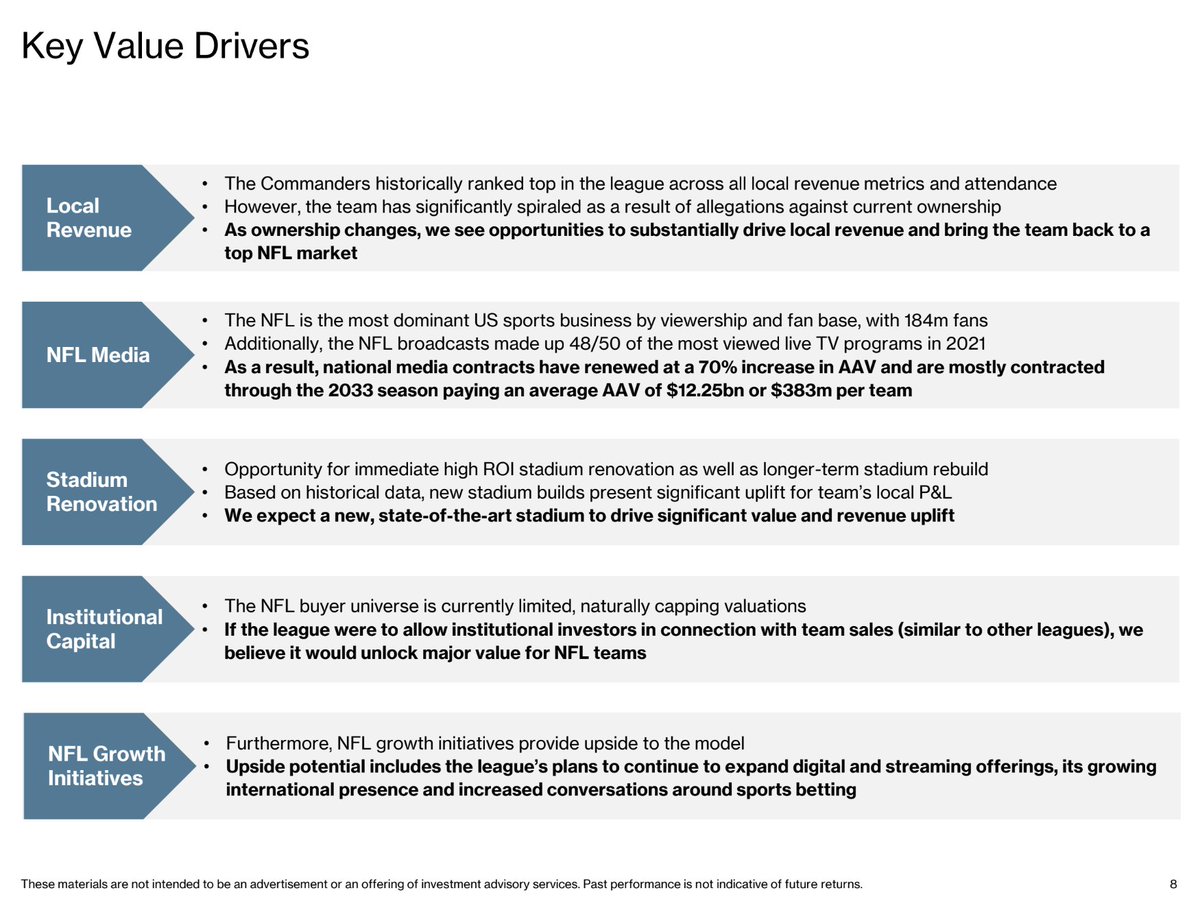
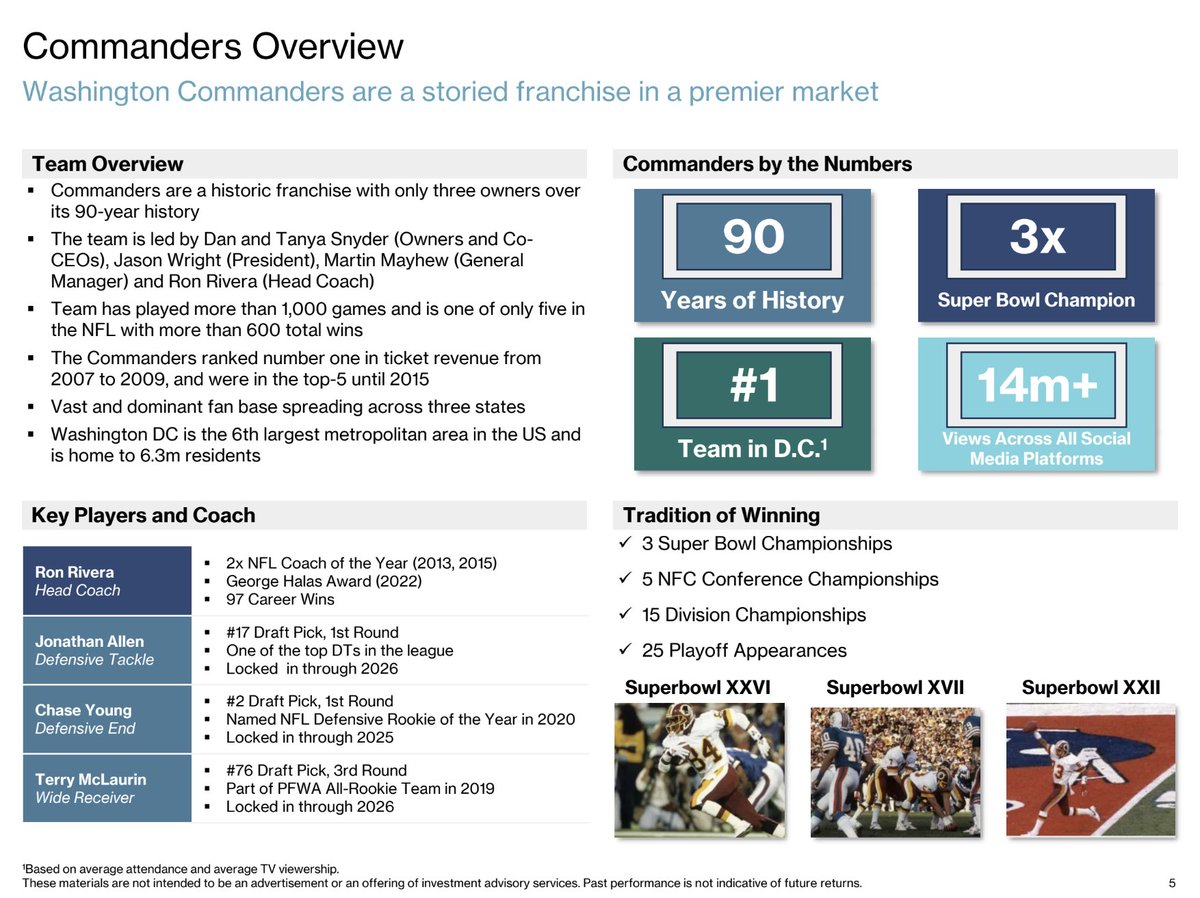
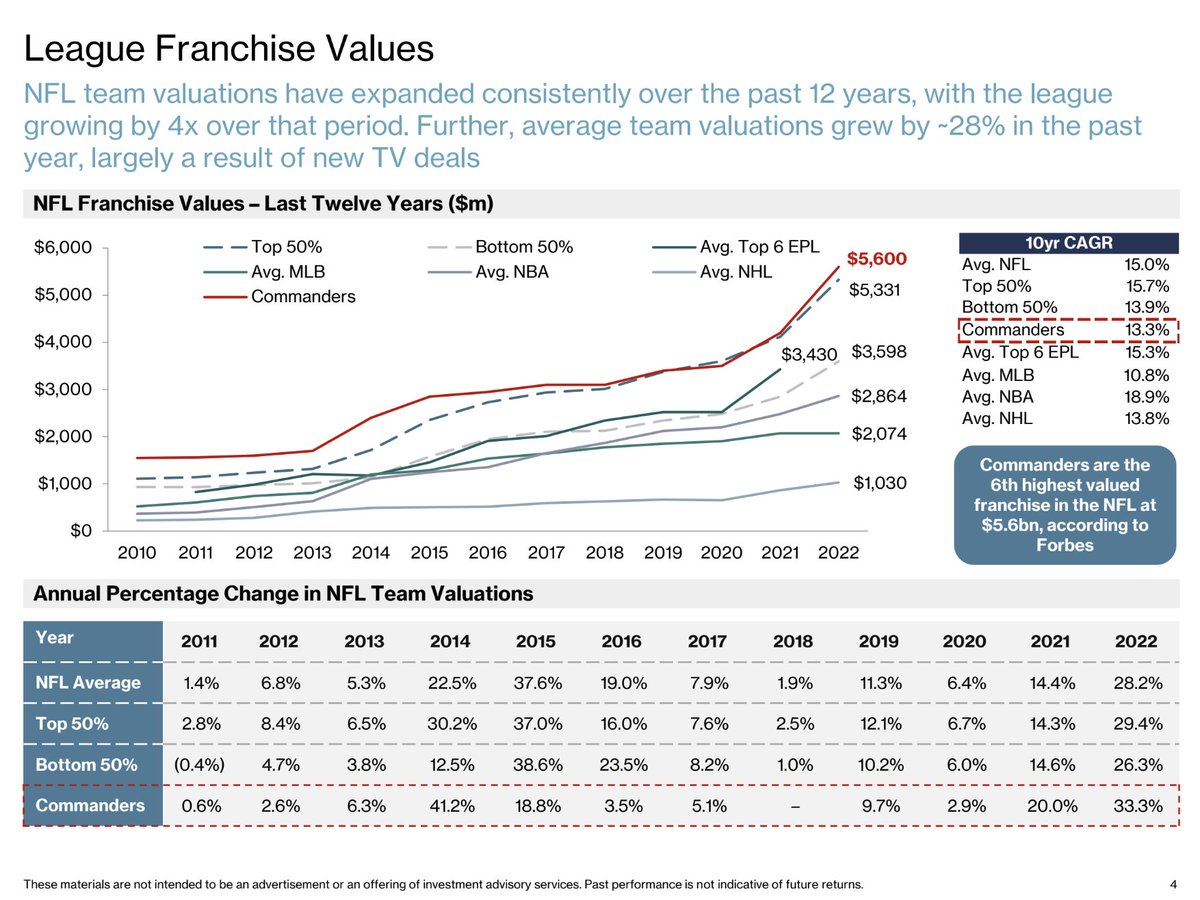
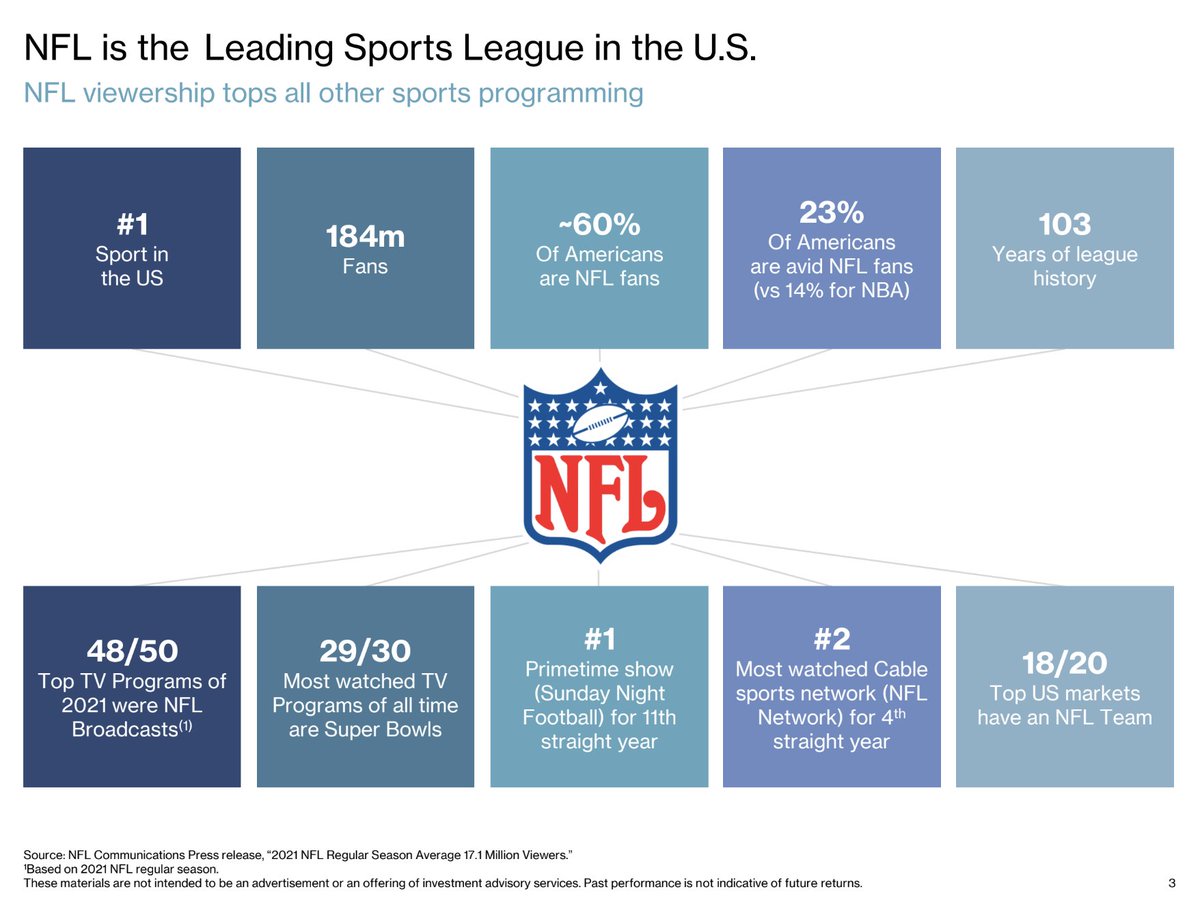
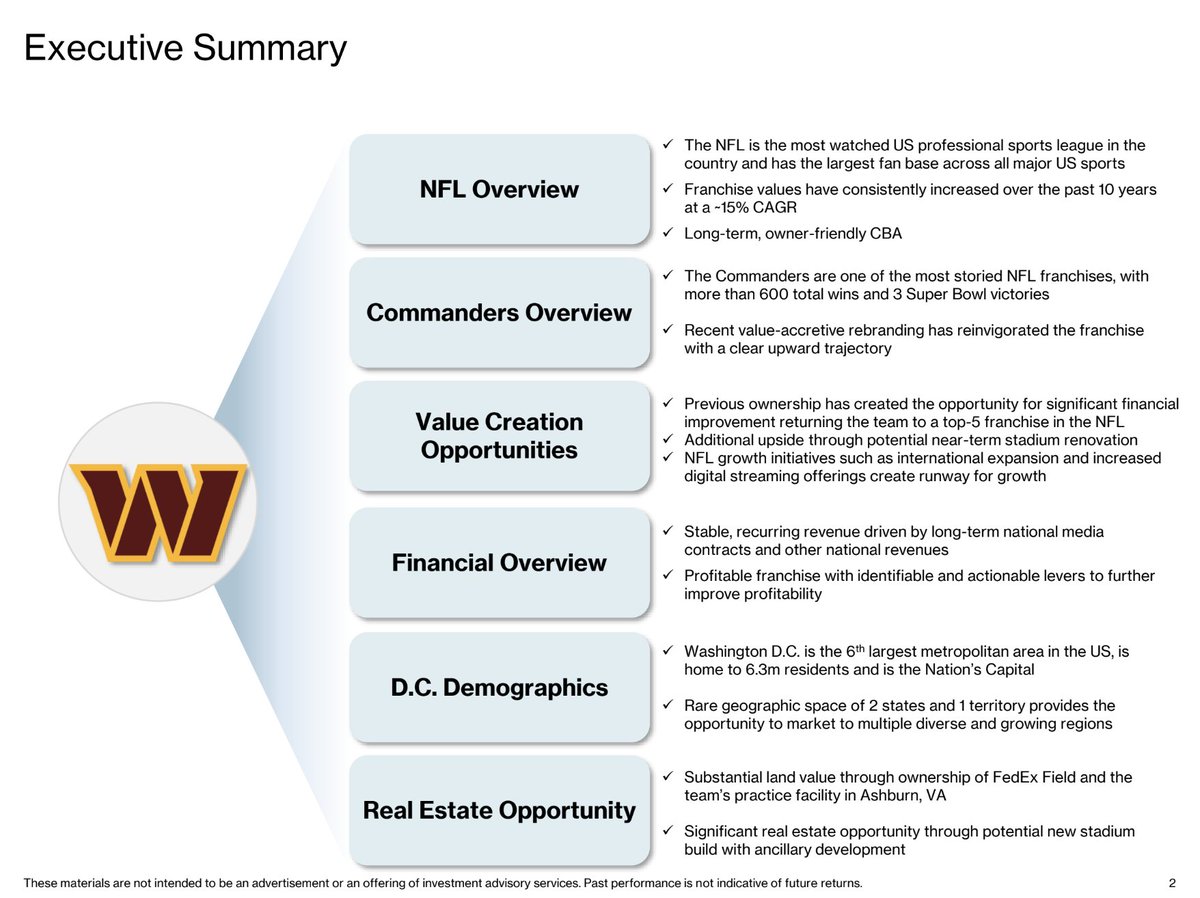
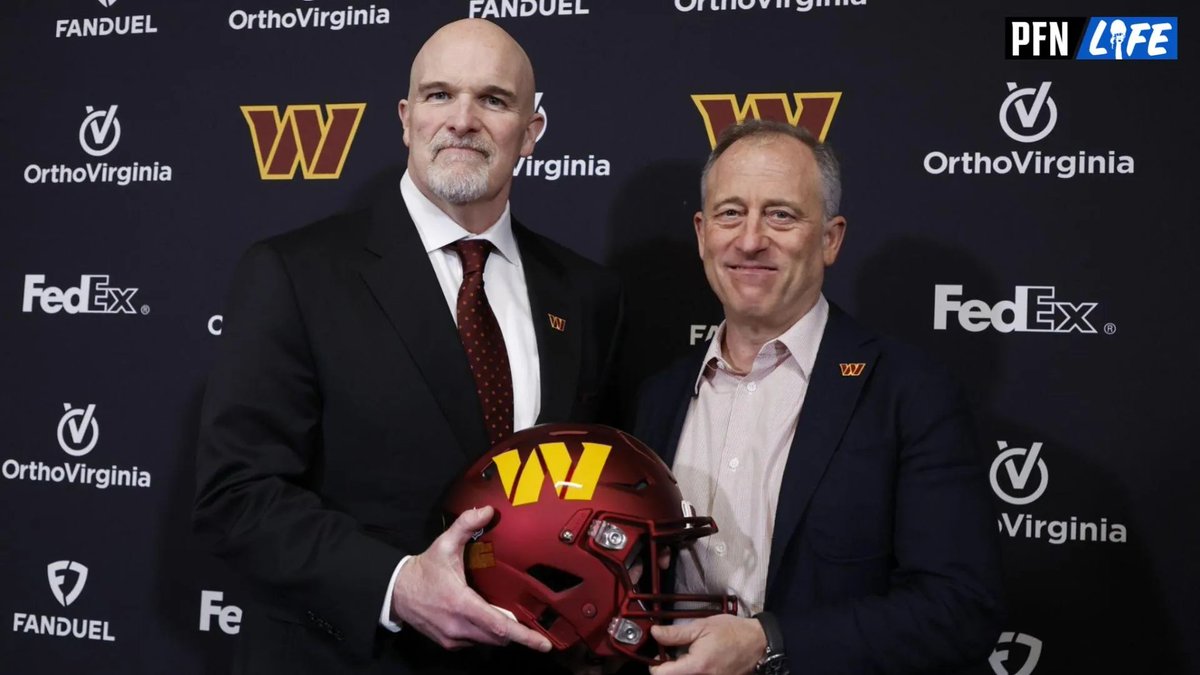
Josh Harris bought the Washington Commanders for $6.05B
Here are the top slides from the deal:
6
27
277
164,241
Feb 18
Read more stories on my page:
x.com/Collateral_com/status/…
Feb 9
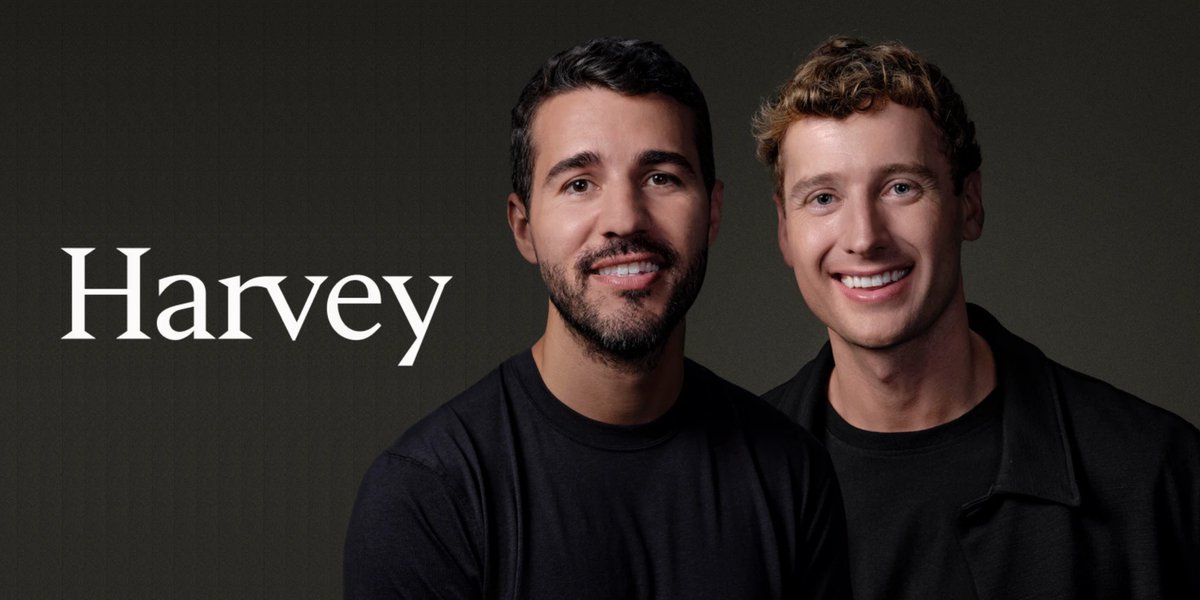
AI Legal startup Harvey is raising $200M at an $11B valuation
They've reached:
$190M ARR
1,000 customers
100,000 lawyers on platform
Below is their 2025 in review deck:
2
14,106
Feb 13
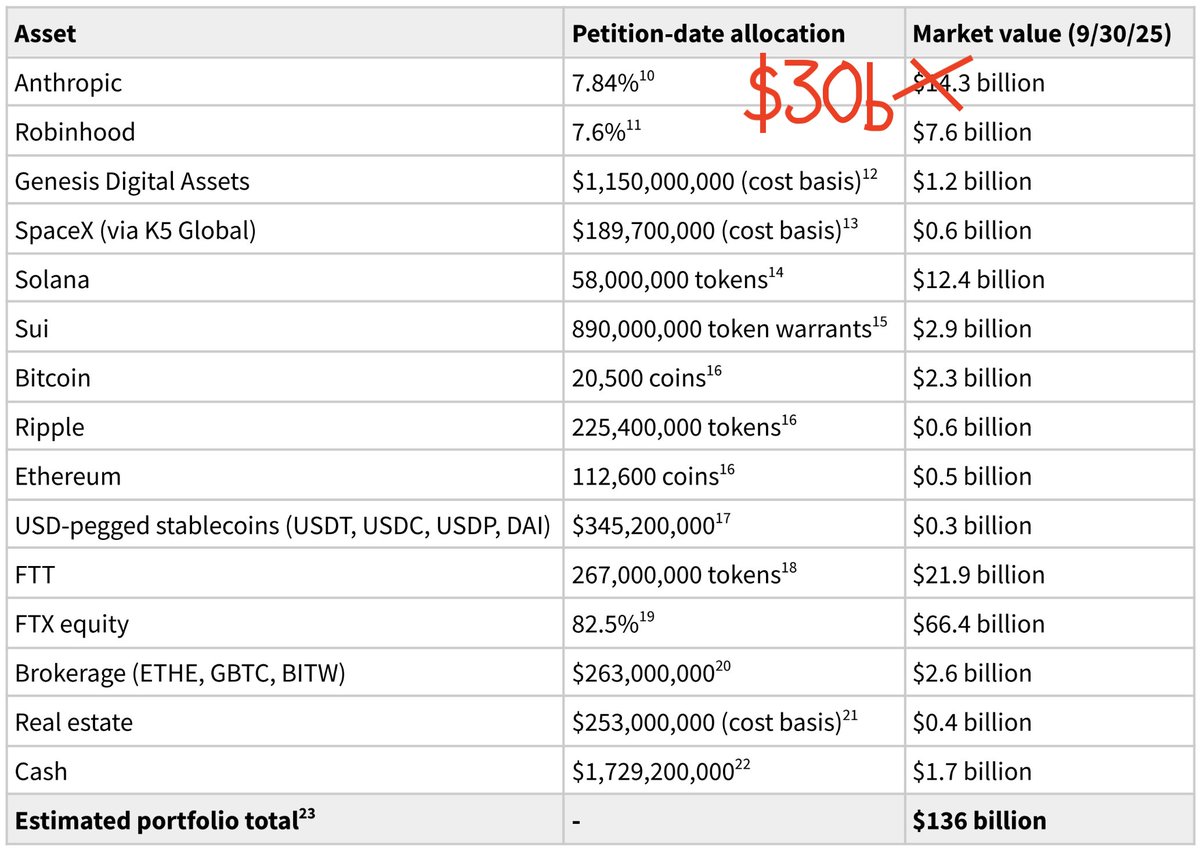
Alameda Research defrauded investors of $3.7B
Below are their original pitch materials:

7
17
241
113,203
Feb 13
And lastly, the infamous couple
SBF Caroline Ellison
They met trading at Jane Street
Then orchestrated the biggest fraud in history

1
2
8
3,720
Feb 13
Browse more stories on my page:
x.com/Collateral_com/status/…
Feb 9
AI Legal startup Harvey is raising $200M at an $11B valuation
They've reached:
$190M ARR
1,000 customers
100,000 lawyers on platform
Below is their 2025 in review deck:
3,388