
Research and solutions to real-world problems from @Columbia University.
Joined July 2009
- Tweets 8,108
- Following 2,752
- Followers 7,430
- Likes 4,555
465 Photos and videos

Columbia Science retweeted

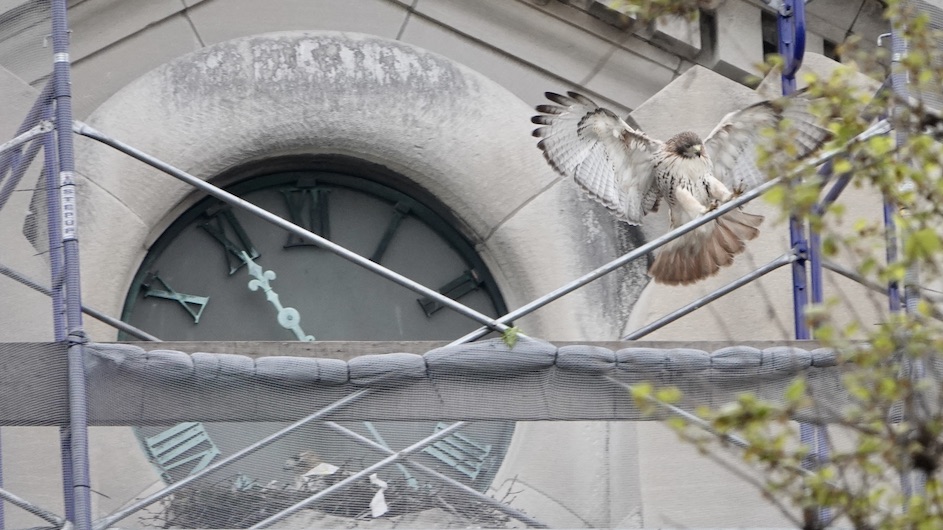
What does a perfect soccer play look like to a neuroscientist? The actions we see on the field, which seem to happen one after another, actually overlap inside the player’s head, says postdoc Miguel Vivar-Lazo, PhD, of the @MarkChurchland lab @ZuckermanBrain @ColumbiaMed #FWC26 @jamesdrodriguez 🧠⚽️
youtube.com/shorts/xVEym3vq-…
1
3
396

In the past academic year, @Columbia researchers have made discoveries in outer space, in Antarctica, and in tiny petri dishes in labs on our campuses in New York. Here are highlights of what they’ve found, and how the findings could change the world.
news.columbia.edu/news/colum…
54
Professor Raju Tomer and colleagues have developed a new design that lets inexpensive microscopes match or beat costlier systems.
news.columbia.edu/news/new-3…
1
59
Astronomers at @MIT, @Columbia University, and other institutions have detected a quasar flickering from the very early universe. The discovery represents the earliest flickering quasar detected to date.
news.columbia.edu/news/astro…
1
95
Columbia Science retweeted

May 15
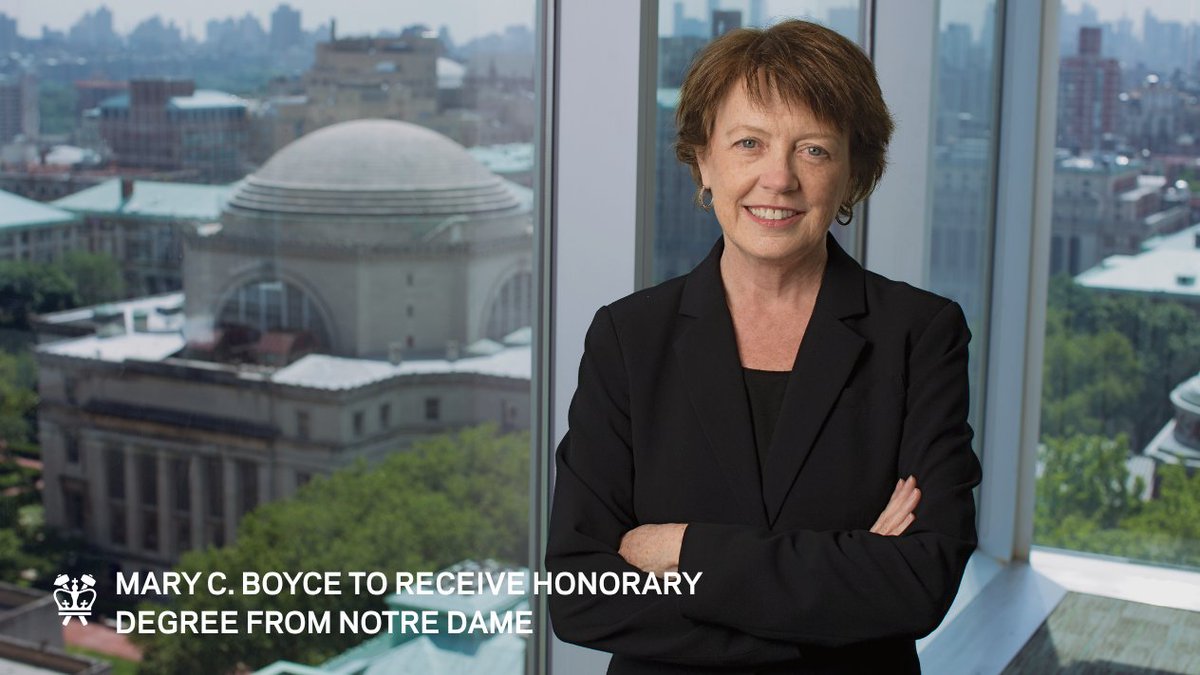
The University of Notre Dame will confer an honorary doctor of engineering degree on Mary Boyce — @MechCU prof. and dean emerita of Columbia Engineering— at its 2026 Commencement.
She'll also deliver the Graduate School Commencement keynote on May 16. bit.ly/4dnxmU9
1
1
2
393
Columbia Science retweeted
Hearing aids amplify all incoming sound, and so struggle with noisy surroundings. Brain-controlled hearing tech from @NimaMesgarani, @infinivishal & team could lead to a new generation of hearing systems that help people single out a voice in a crowd.
Read more: zuckermaninstitute.columbia.…
1
9
10
1,796
Three Columbians were elected to the National Academy of Sciences. Membership in the academy is considered one of science’s highest honors.
news.columbia.edu/news/three…
1
2
156
Professor Laramie Jensen’s interest in inorganic and analytical chemistry led her to the ocean. And then to the North Pole.
news.columbia.edu/news/decod…
1
101
Columbia Science retweeted
Apr 21
Is that solar panel pointing in the right direction? In cities, it’s difficult to know. Columbia Engineers have developed a new system that uses a 360° image to forecast the energy a panel in a given location and orientation would generate. Learn more: bit.ly/4vE2wPH

2
3
388
Professor @jcolinhill was recognized by @brkthroughprize for advances in cosmic microwave background and supernovae cosmology.
news.columbia.edu/news/profe…
1
4
5,771
A study co-authored by @Columbia faculty offers new insights into how individual trees – and consequently forests – regenerate after devastating hurricanes.
fas.columbia.edu/news/even-a…
1
1
49
Columbia Science retweeted

New research pairs human genome data with Epstein–Barr virus sequencing—revealing hidden host–virus interactions that influence cancer risk. ow.ly/7CYZ50YJZTx
1
1
218
Columbia Science retweeted

Apr 15
Happy #EarthMonth! This #ColumbiaBeautifulPlanet 📷 features rock, ice, and sky in Greenland, "an ancient place holding the secrets of our planet, our memories" (@Cryocity, LDEO). Share yours! For more #EarthDay photos and resources: earthday.columbia.edu
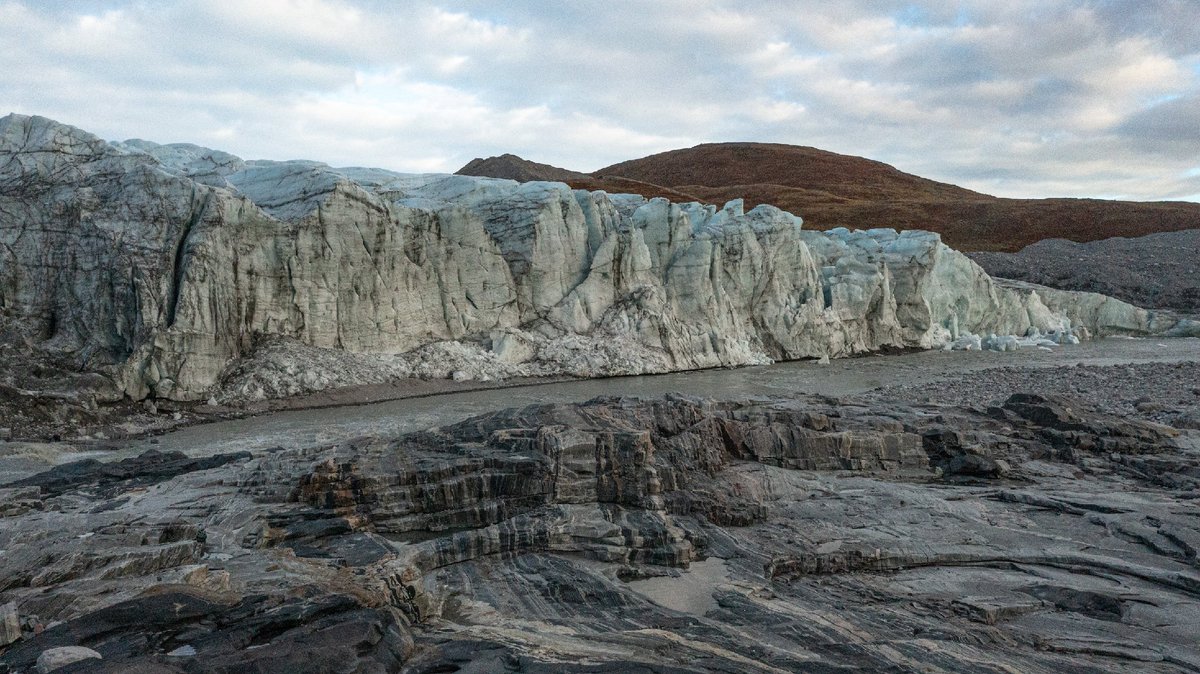
ALT Rock, ice, and sky in Greenland. "Greenland is more than geopolitics: it is the epicenter of climate change, it is an ancient place holding the secrets of our planet, our memories." Credit: Marco Tedesco, Lamont-Doherty Earth Observatory
3
5
201
Columbia Science retweeted

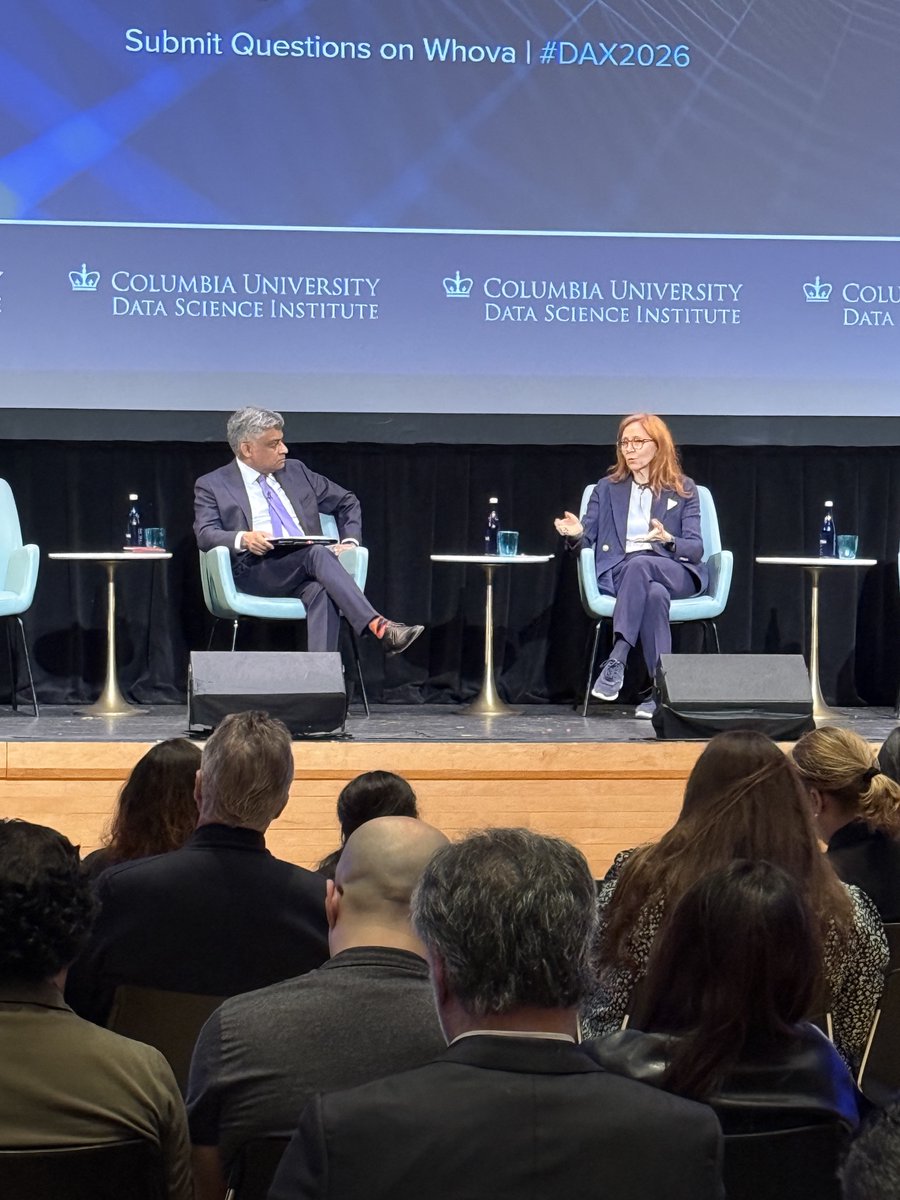
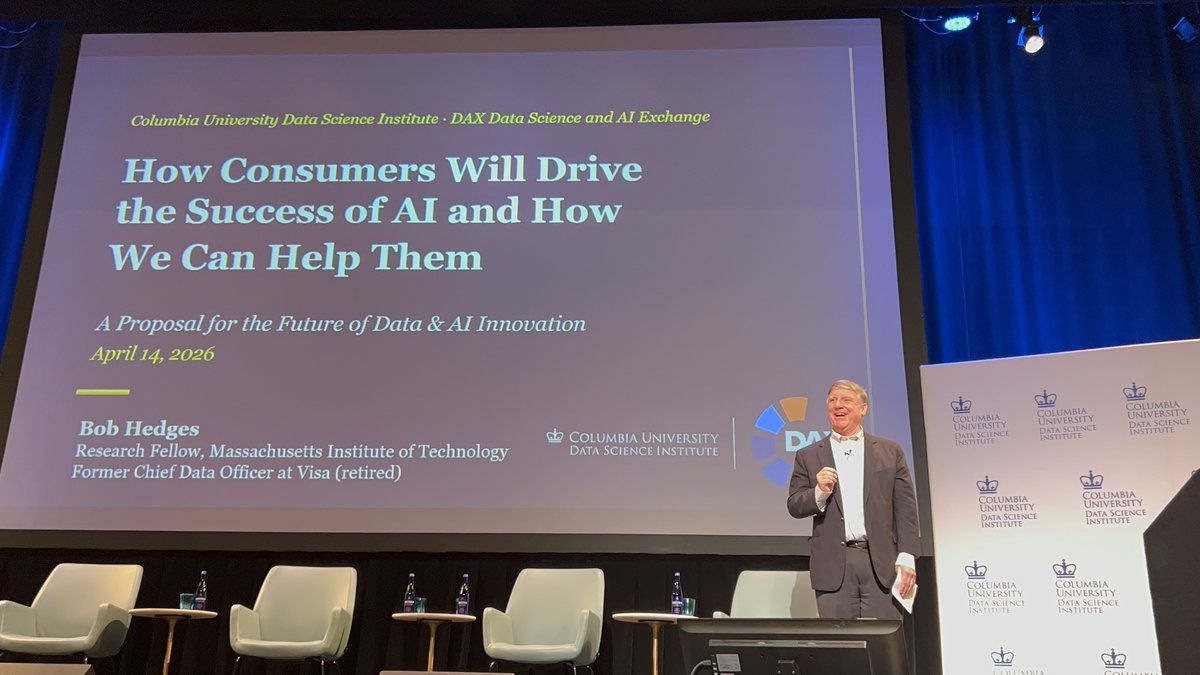
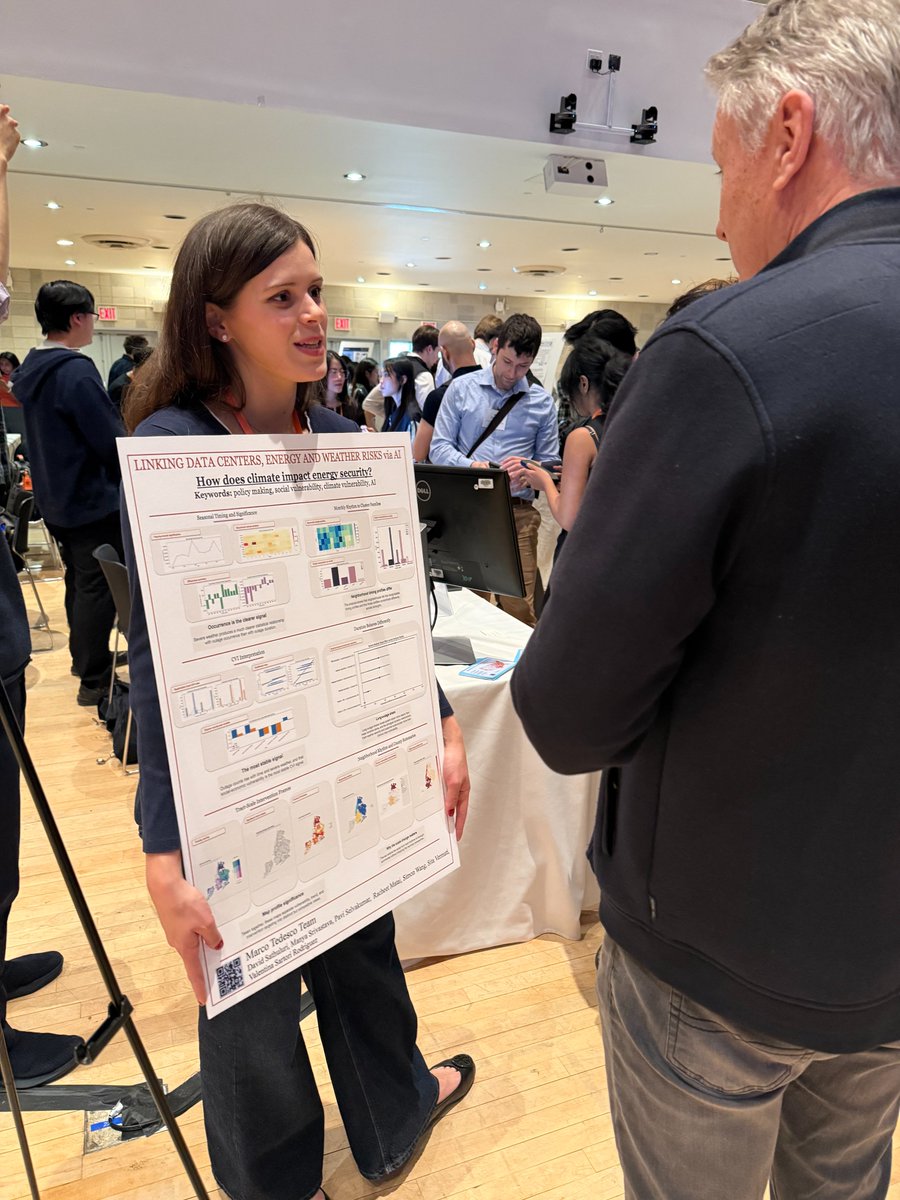
The first-ever Data Science and AI Exchange (DAX 2026) has just concluded at @Columbia. It’s been a full day of riveting discussions about the challenges and opportunities in responsible AI.
Thank you to the leaders from industry, academia, and government joined us.

1
3
2
421
Columbia Science retweeted
How do brains change with age? By analyzing brain activity throughout the lives of mice, @ItamarKahn @GaganWig @ezra_wn & team found that the rodent’s brain ages similarly to that of a human. Studying mice could therefore be a powerful way to learn more about how our brains decline as we grow old.
zuckermaninstitute.columbia.…
@Columbia @UT_Dallas #neuroscience
3
15
57
4,066
The American Association for the Advancement of Science (@aaas) honored three @Columbia faculty members for scientific excellence and service to their communities.
news.columbia.edu/news/three…
1
178
Columbia Science retweeted

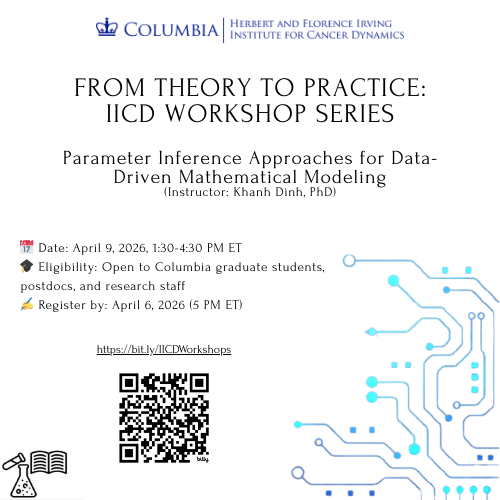
Calling all Columbia researchers! Join us for From Theory to Practice: IICD Workshop Series: a hands-on workshop led by Dr. @khanh_n_dinh .
📅 Date: April 9, 2026
🎓 Eligibility: Open to Columbia graduate students, postdocs, and research staff
Register > bit.ly/4rpY2Zr
4
4
531
Columbia Science retweeted

Mar 23
With AI, it’s now possible for researchers to predict the three-dimensional structures of proteins directly from their amino-acid sequences.
columbiamed.link/41pEud2
6
9
1,512
New @Columbia University research reflects a growing understanding of how the gut can drive behaviors across species.
news.columbia.edu/news/cells…
1
76
Columbia Science retweeted
What leads to Alzheimer’s disease? A new Columbia Mailman–led study analyzes nearly 10M patient records to see how health conditions, lifestyle, and environment interact over time to shape dementia risk—aiming to spot risk earlier and improve prevention. @CUEpidemiology @ColumbiaMed ow.ly/M6A550YvUGo
1
5
12
1,513