
Joined June 2019
- Tweets 126
- Following 327
- Followers 1,226
- Likes 1
28 Photos and videos






Communalytic retweeted

14 Apr 2023
In one of the first papers using ChatGPT-4 for text analysis, I find that it beats both crowdworkers and experts in a difficult tweet annotation task
This work has convinced me that LLMs will completely transform how we use text in the social sciences 🧵
arxiv.org/abs/2304.06588
6
56
234
78,095

19 Sep 2024
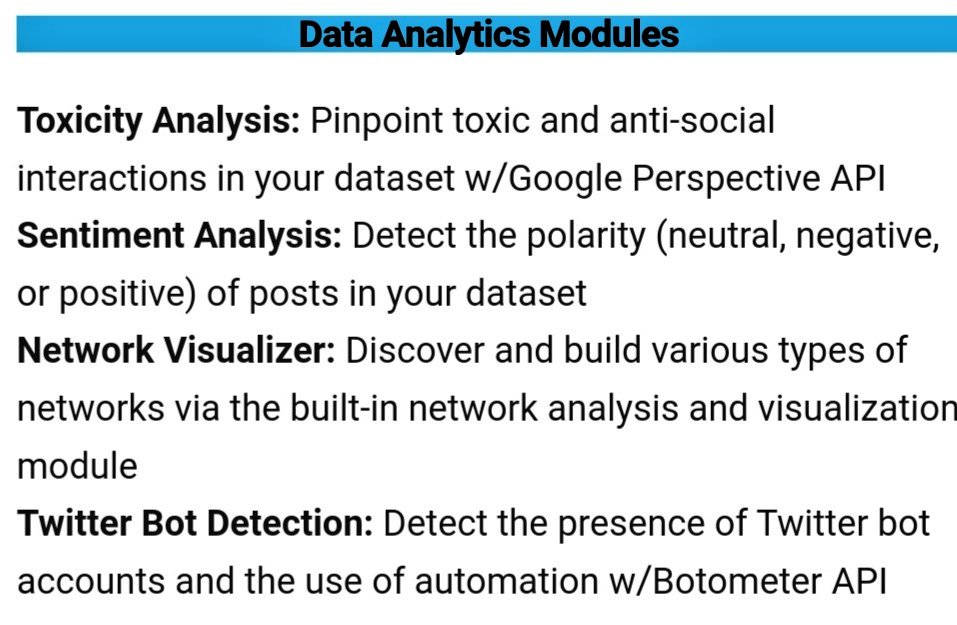
Communalytic is not just for social media data anymore. If you have textual data, you can now upload them to run sentiment, toxicity and topic analysis.
1
1
6
706
23 Aug 2024
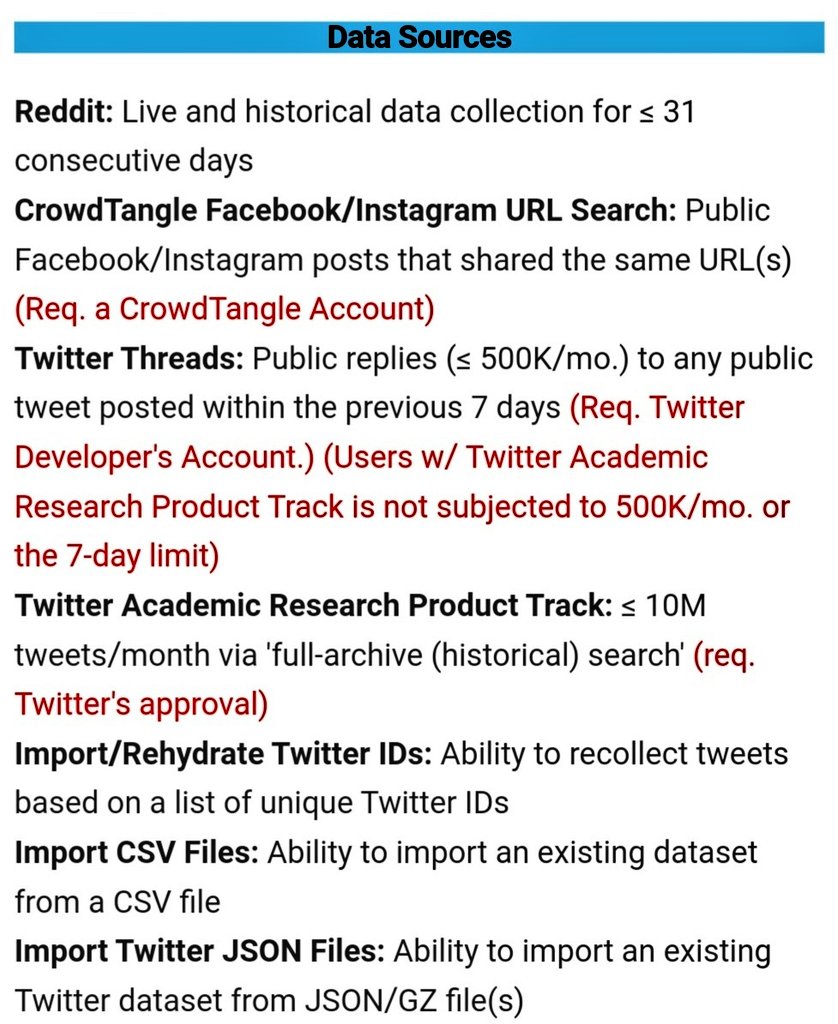
DYK that you can ( re)analyze your existing social media dataset with @Communalytic?
Here's how to format and import a CSV data file to Communalytic for further analysis. Note:
EDU CSV data file limit is 30k records, PRO can support up to 10M records. communalytic.org/docs/tutori…
3
396
23 Aug 2024
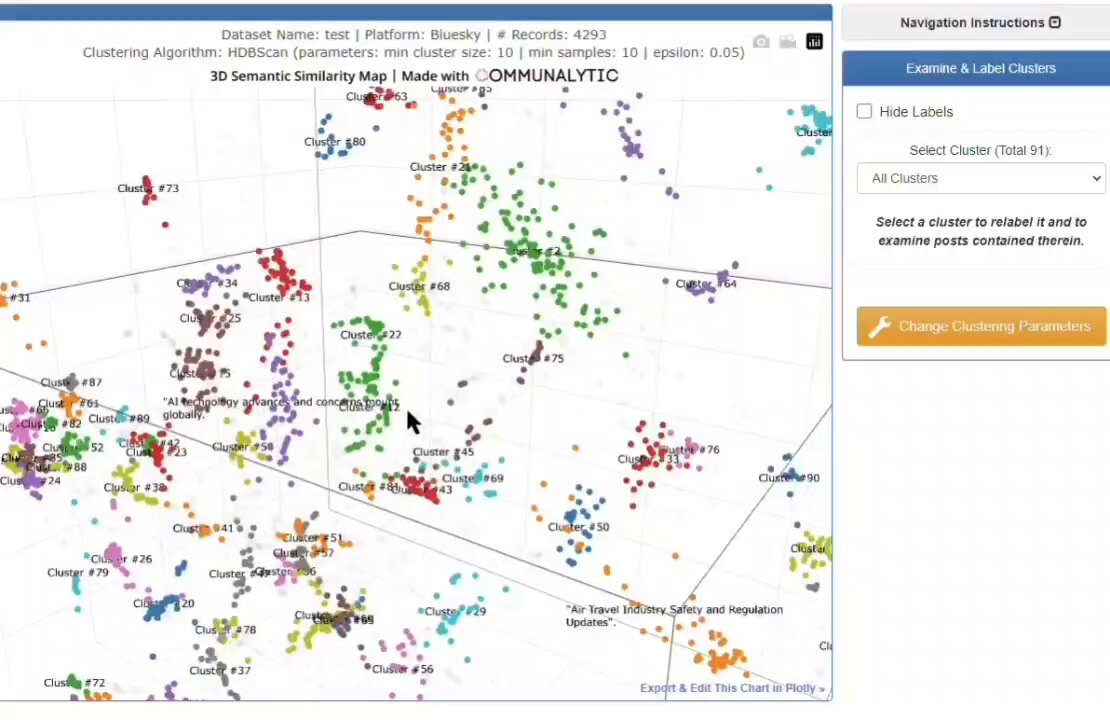
We're finalizing documentation for our new @Communalytic 3D Semantic Similarity Map & will make a formal announcement in early Sept. But if you like to give it a try, the ability to create embeddings semantic maps are now available in both the EDU and PRO versions. #SoftLaunch
1
2
17
1,823
23 Aug 2024
@Communalytic EDU is meant for teaching & learning. Its feature set is more limited but it's free to use and is an ideal platform to help students learn about social media data analytics. communalytic.org/
1
137
23 Aug 2024
@Communalytic PRO is designed for researchers, journalists and data analysts and is ideal for large-scale research projects. It provides users with the resources and infrastructure necessary for conducting independent research in the public interest. communalytic.org/
122
Communalytic retweeted

5 Aug 2024
Today we release #YSocial, a next-generation platform harnessing the power of LLM to create digital twins for social simulations.
Experience dynamic social interactions like never before! #DigitalTwin #SocialSimulations
ysocialtwin.github.io/
@SoBigData @IstiCnr_It
1/n
2
16
45
3,678
Communalytic retweeted

6 Aug 2024
How did parties campaign for the #EU2024 Parliament elections? Together with @wiebkedrews, @andreas_neumeie and @RiedlJasmin from @projekt_sparta, we published the EUDigiParty data set today including social media handles, website links etc. of 401 European parties. Link follows!

2
10
17
1,819
Communalytic retweeted

15 Jul 2024
Hello, #SMSociety 2024! The conference banners are up @LCCLondon! We are ready for you! See everyone bright and early tomorrow morning. socialmediaandsociety.org/20…


2
6
37
3,974
4 Jun 2024
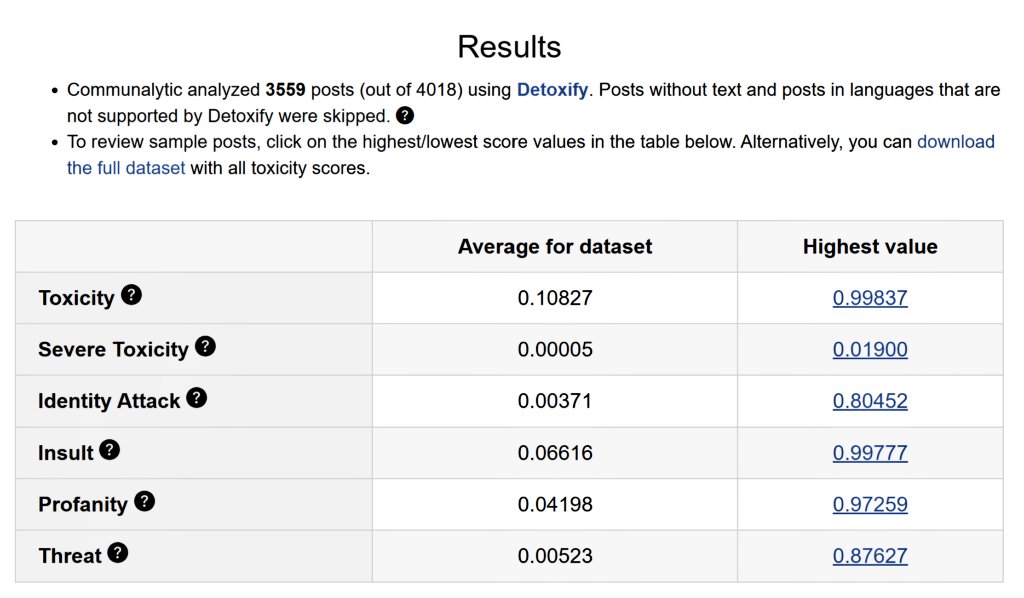
Are you studying online toxicity or online moderation?
Our @Communalytic research tool has a built-in toxicity analysis module that can automatically pinpoint various types of toxic interactions in a dataset. communalytic.org/docs/tutori… #ICWSM
1
2
258
4 Jun 2024
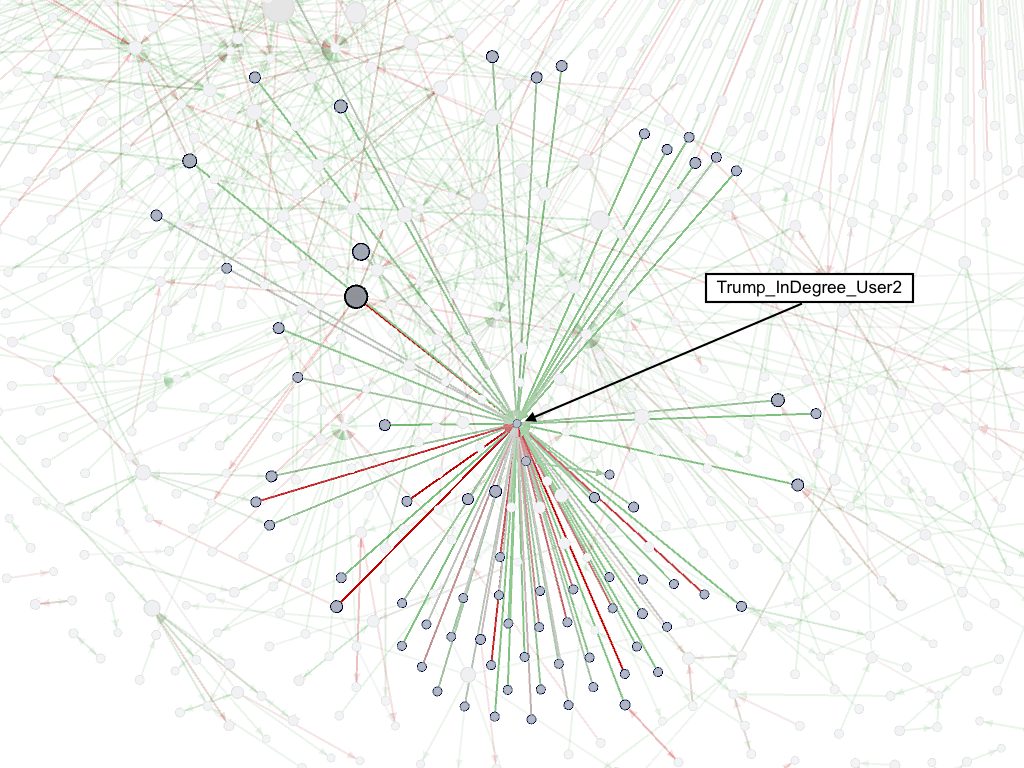
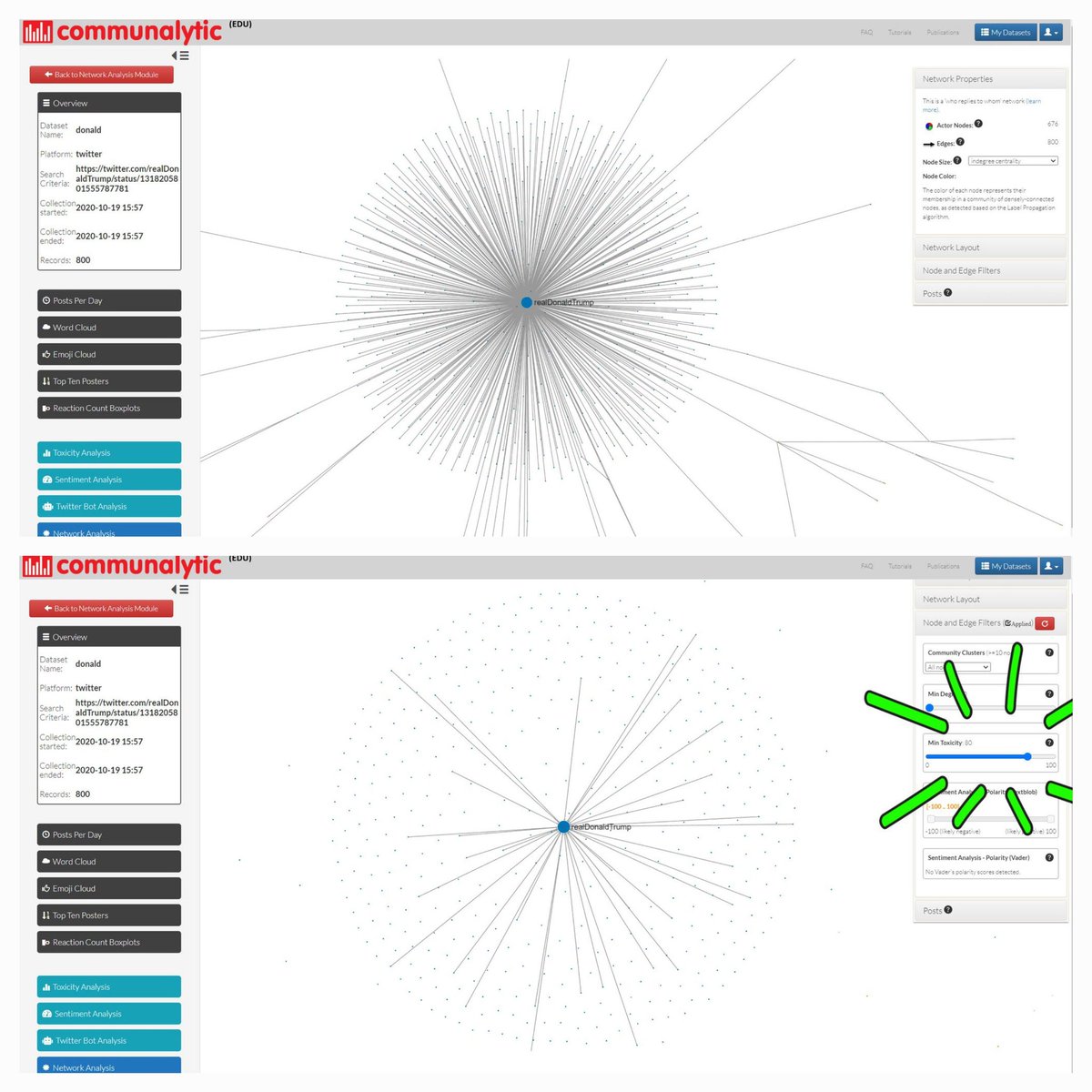
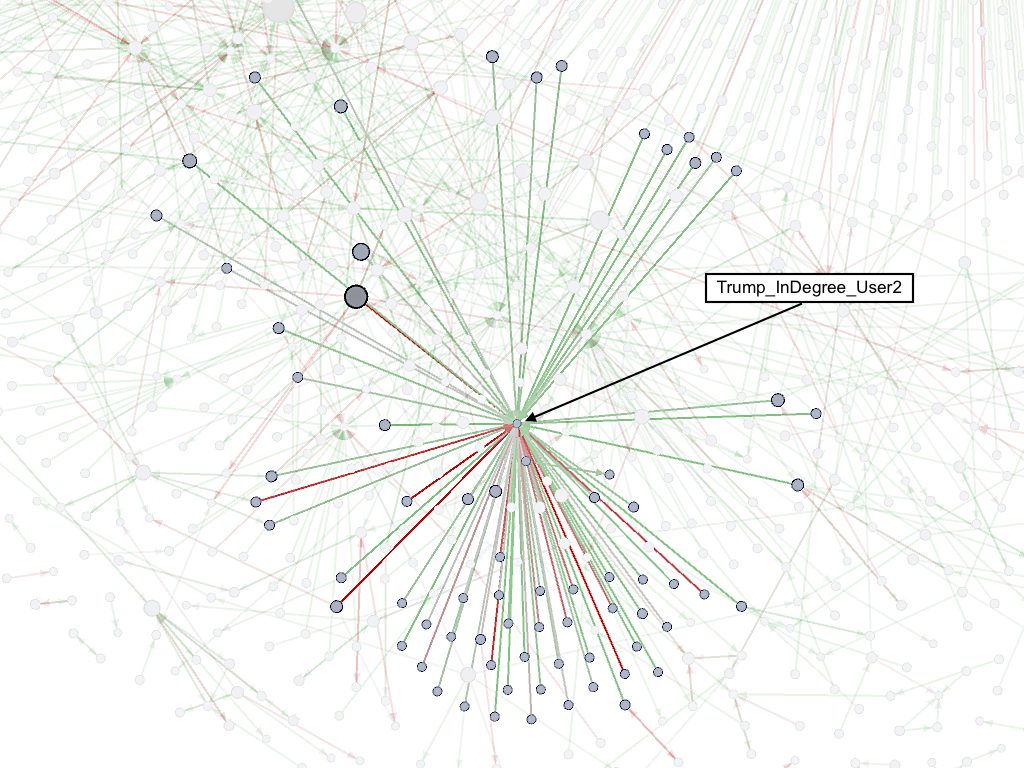
One of the unique features of the built-in toxicity analysis module in @Comunalytic is that it can automatically pinpoint toxic & anti-social interactions in your dataset & visually highlight those interactions in a sign network. communalytic.org/tutorials/t… #ICWSM #ICWSM24
1
214
4 Jun 2024
A signed network is a network w/edges that contains additional info such as toxicity or sentiment polarity scores as weights. This feature can be used to identify & visually highlight interactions of interest (e.g., anti-social interactions).
110
Communalytic retweeted

30 May 2024
If you have any questions about the GESIS web data collection for the 2024 EU election, you can contact the team via e-mail: css.datacollection(at)gesis(dot)org
28 May 2024

#EuropeanParliament #EuropeanParliamentElection2024 #Election2024 #europawahl #EUElection2024
GESIS has started a comprehensive collection of web data for the German candidates in the upcoming European Parliament Election 2024, covering a wide range of different sources.

2
14
2,190
28 May 2024
CrowdTangle will be shutting down on August 14, 2024. If you've access to CT, you can use @Communalytic to collect & analyze public FB & IG posts that share the same URL (ex., a URL to a single NYT story or any domain name). #coordinatedlinksharing communalytic.org/docs/crowdt…
1
2
563