The Compost Revolution makes it easy for Australians to turn food scraps into rich soil and fertiliser at home, reducing landfill and greenhouse gas emissions.
Joined January 2020
- Tweets 81
- Following 22
- Followers 54
- Likes 41
19 Photos and videos


Compost Revolution retweeted

28 Aug 2023
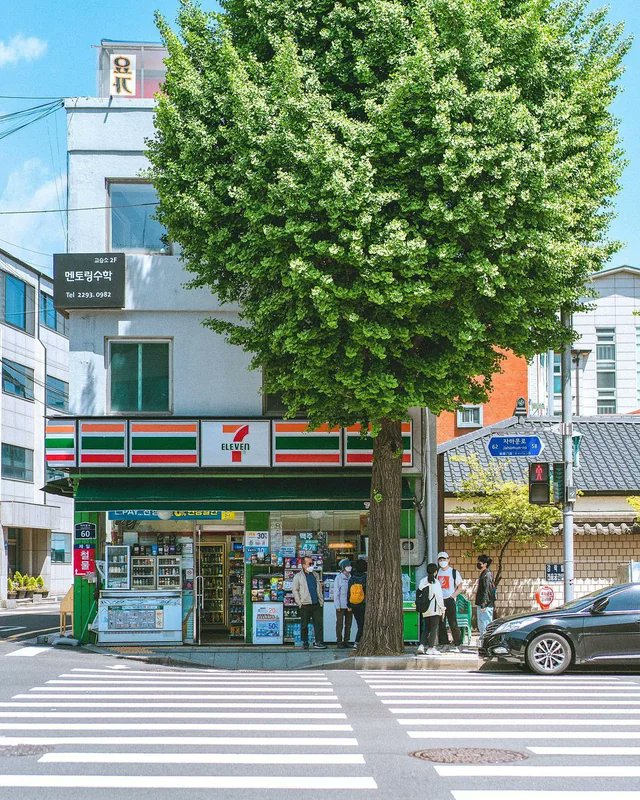
12 Reasons Why Cities Need More Trees:
1. Temperature Control
One large tree is equivalent to 10 air conditioning units, and the shade they provide can reduce street temperature by more than 30%.
2. Noise Reduction
Trees can reduce loudness by up to 50%. In urban areas filled with the sound of cars, construction, sirens, aeroplanes, and music, trees are essentially the best way to block noise and keep cities — along with the homes and workplaces in them — quieter.
3. Air Purity
Trees remove an astonishing amount of harmful pollutants and toxins from the air. In urban areas air quality is often disastrously bad — with severe consequences for our health. Trees make the air we breathe much cleaner.
4. Oxygen
And, while absorbing all those pollutants, trees also put more oxygen back into the urban environment. Oxygen levels are significantly lower in cities compared to the countryside; trees help to solve that problem.
5. Water Management
Trees do more than just shelter us and our buildings from rain — which is, in fact, extremely important. They also absorb huge quantities of water, reduce run-off, neutralise the severity of flooding, and make flooding more unlikely altogether. Not to forget that their roots absorb pollutants and prevent them from feeding back into a city's water supply.
6. Psychological Health
Studies have proven what we instinctively know to be true: that human beings are significantly happier when surrounded by nature rather than sterile urban environments. Our emotions, behaviour, and thoughts are shaped by the places we spend time — and trees have a profoundly positive effect on our psychology. The consequential benefits of being happier and more peaceful — as individuals and as a society — are immense.
7. Physical Health
Beyond all the other ways in which trees improve air quality and the urban environment, much to the benefit of our health, they also encourage people to go outside. Cycling, running, and walking are all more common in urban areas with plenty of trees. A knock-on effect of people spending more time outdoors is also social integration and stronger communities.
8. Privacy
A simple point, but not inconsequential, is that trees provide privacy.
9. Economics
The total economic benefit of urban trees is hard to calculate. There are costs, of course, including the repair of infrastructure damaged by roots and maintaining the trees themselves. But the total economic benefit — a consequence of everything else in this list and more — far outweighs the expenditure. Trees make cities wealthier.
10. Wildlife
Trees are miniature cities all of their own, serving as a habitat for hundreds of different species, including birds and mammals and insects.
11. Light Pollution
Trees don't only block the light shining down, therefore keeping us and our cities cooler — they also disrupt light shining up, from street lighting, cars, houses, and billboards. Skies are clearer in cities with more trees.
12. Aesthetics
And, finally, trees are beautiful. They break up the potential monotony of urban environments — the sharp geometry, the greyscale roads and buildings, the endless rows of cars — with their trunks, boughs, canopies, and flowers.
Just think: the gold and red of falling leaves in autumn, the white and pink blossom of spring, the vast green canopies of summer, and the branches lined with hoar-frost in winter. Every single tree is a myriad of intricacy and texture, of colour and scent, of dappled light on the pavement, mottled bark, knotted roots, of clustered leaves and delicate petals and stern boughs.
Few streets would not be improved by the kaleidoscopic aesthetic delights of a tree, not to mention the many different species of tree, all over the world, whether willow, oak, lime, cherry, aspen, maple, birch, horse chestnut, dogwood, hornbeam, ash, sycamore... the list goes on.
There are some drawbacks to urban trees, most of them context-specific, and they are not — of course — universally appropriate. But it seems fair to say that many cities would benefit from at least a few more trees here and there.
1,346
22,480
98,347
18,442,675
Compost Revolution retweeted

6 Aug 2023
#CityofStonnington residents receive a discount on home composting kits. Order online & FREE delivery via @CompostRevoln. Easy! 🫶🏾
compostrevolution.com.au/sto…
1
2
230
Compost Revolution retweeted

I just got a discount on a home compost kit from City of Newcastle. Order online & FREE delivery. Easy! @CompostRevoln goo.gl/qMoXx3
1
2
62

20 Mar 2023
You know its good when @ceresbrunswick chooses it for their composting :) @hungrybin aren’t called the world’s best worm farm for nothing – available (often with council discounts) from us at compostrevolution.com.au
1
2
256
11 Jan 2023
ANOTHER YEAR ROLLS AROUND!
Last year dished up some bum rolls for all of us – but here at the Compost Revolution we managed to turn our share of 1s and 2s into 6s.
blog.compostrevolution.com.a…
2
63
Compost Revolution retweeted

12 Dec 2022
Find out how HOCO FOGO are revolutionising organics for local councils. @CompostRevoln
wastemanagementreview.com.au…
2
2
21 Jun 2022
TIME TO GROW! 🥦🥕🪱We’re hiring at the
@CompostRevoln . If u know any1 who loves the smell of worm tea in the morning & is looking for a (literal) grass roots gig, pls share the job ad with them (or apply yourself!).
ethicaljobs.com.au/members/d…
1
1
Compost Revolution retweeted

16 May 2022
Compost is the best recipe for regeneration! Join our composting & worm farming workshop and learn how to turn your food scraps into delicious food for your garden. Book your spot now @CompostRevoln! eventbrite.com.au/e/composti…
#Compostrevolution #foodwaste #gardening
2
7
8 May 2022
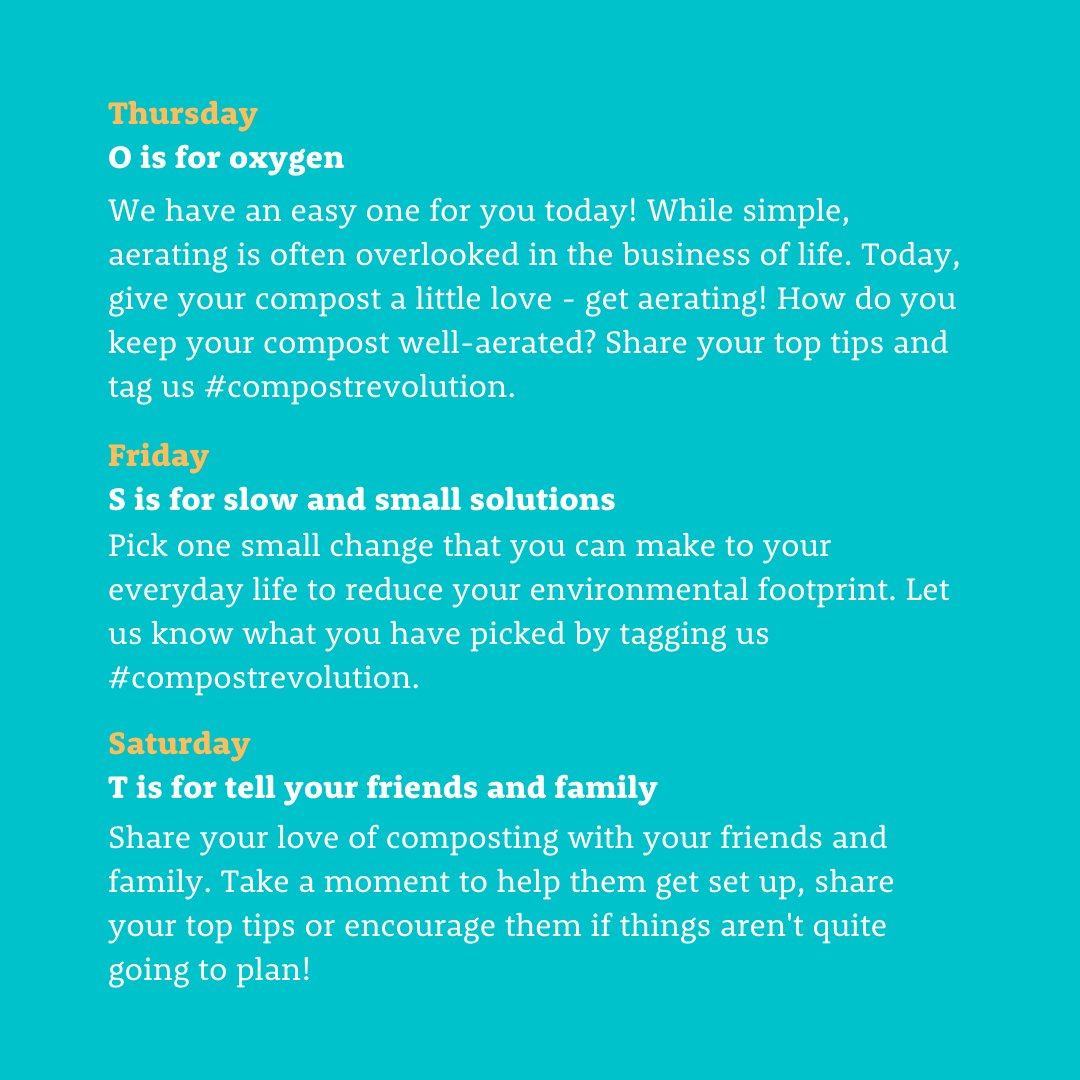
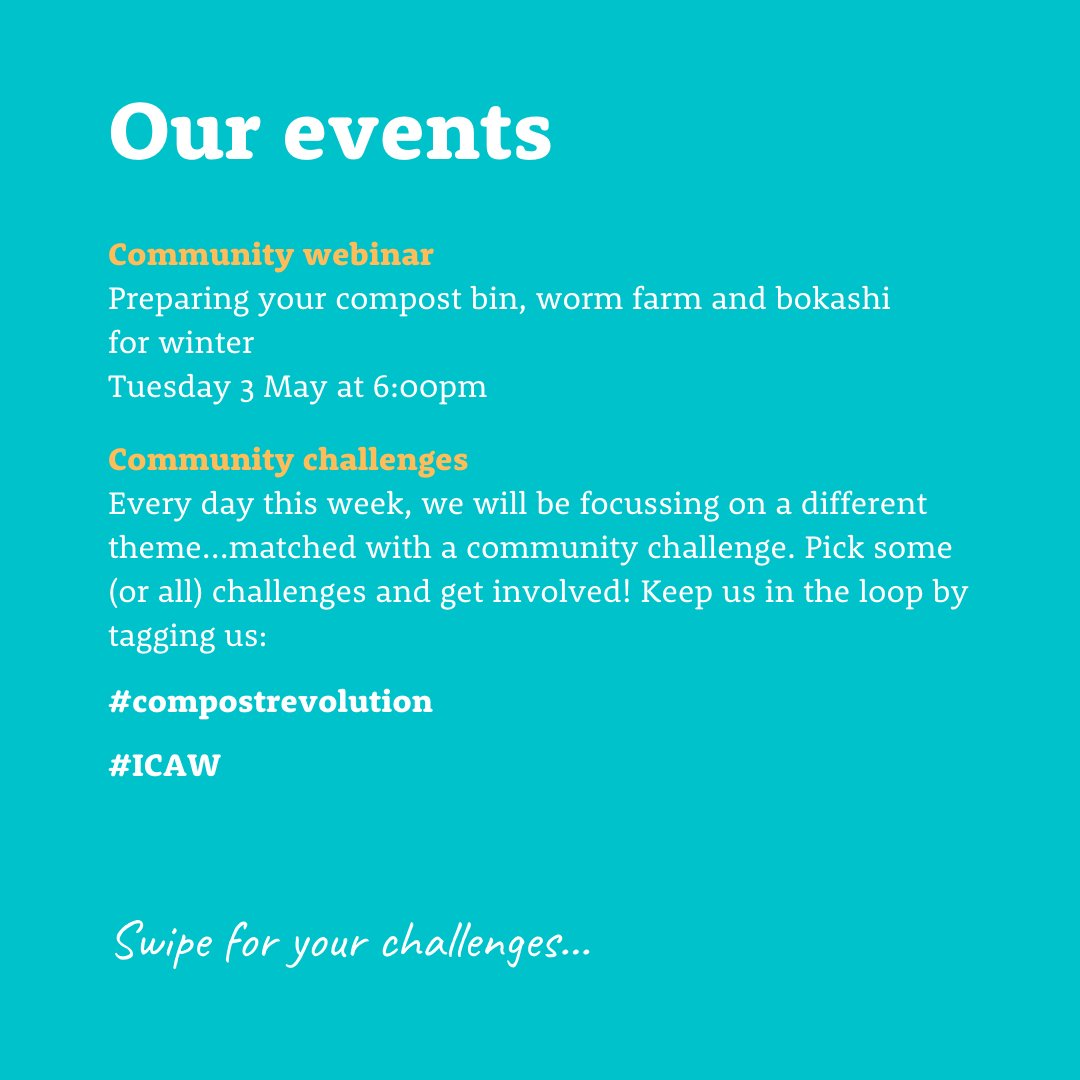
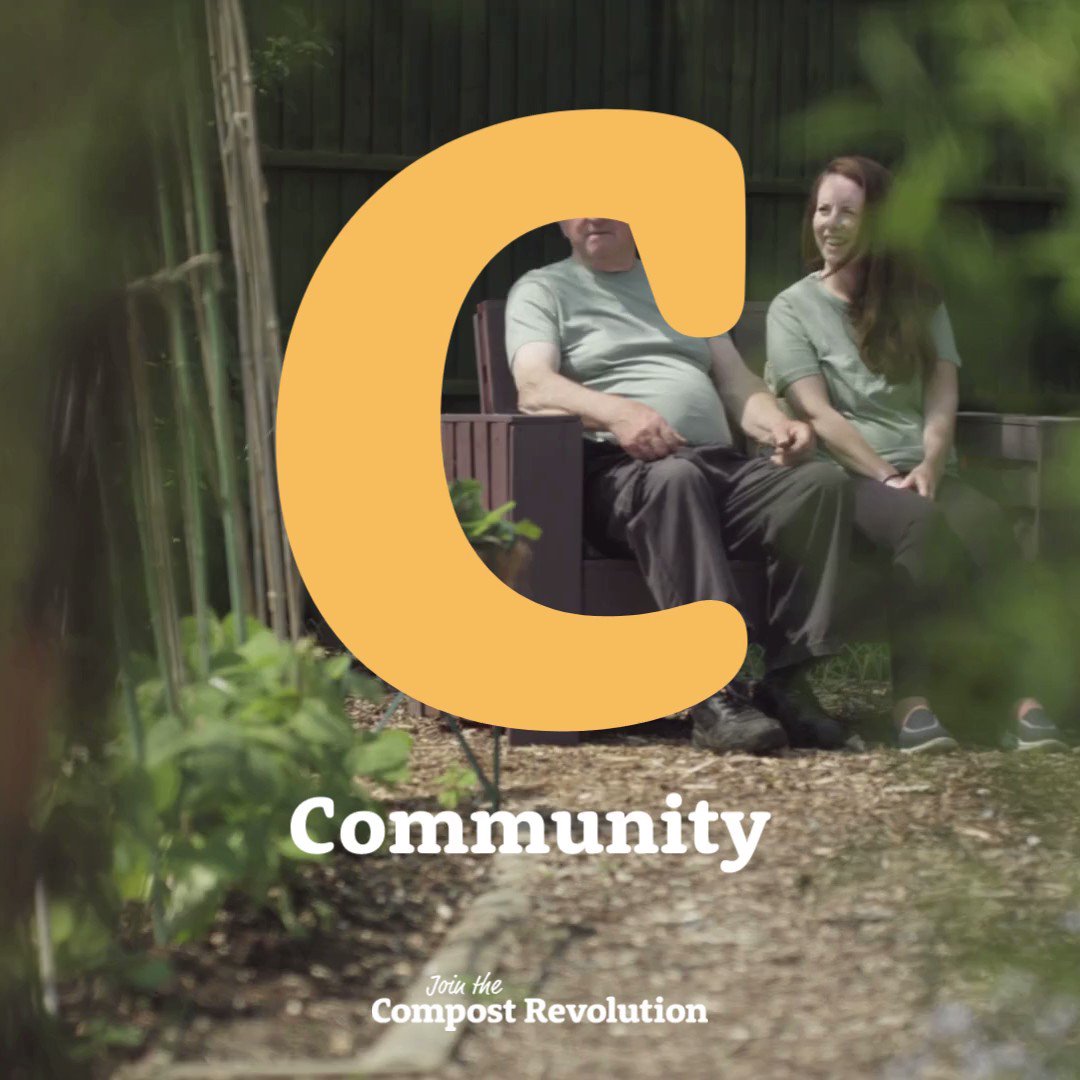
Familiarity plays an important role in behaviour change. If you see others doing something (particularly friends and family), you are more likely to give it a go yourself. On the final day of #ICAW, we encourage you to share your love of #composting. (3/4)
1
8 May 2022
Take a moment to help them get set up, share your top tips and encourage them when things don’t quite go to plan - practice makes perfect, right? 🙌
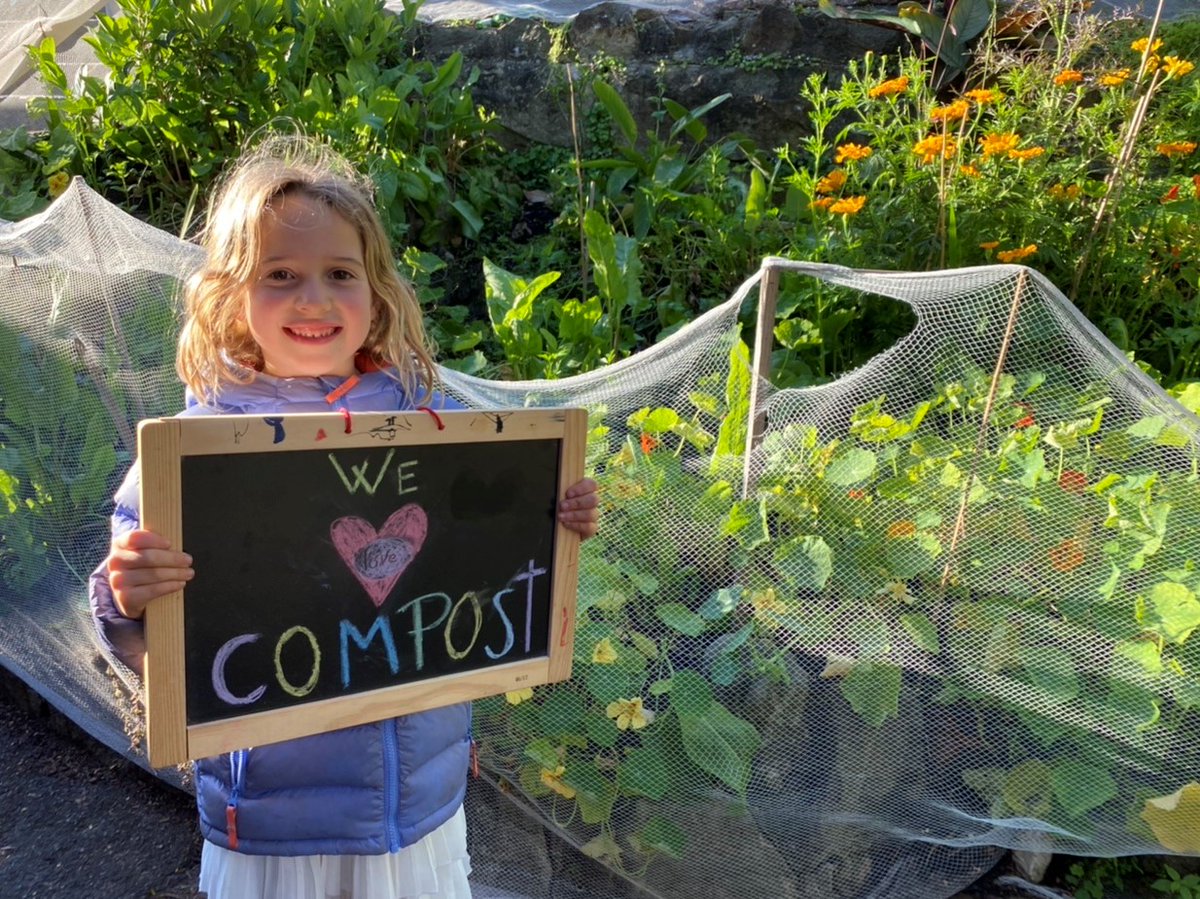
Community Challenge: You guessed it, share the compost love! ❤️ (4/4)
6 May 2022
S is for Simplicity through Small & Slow Solutions
No one wants another thing to manage. You don't need to schedule composting in your calendar or get a university degree to run a worm farm. Here are some small simple suggestions for serene, stress-free composting. (1/7)
1
1
1
6 May 2022
Community challenge: Can you think of anything that is making your composting, worm farming or bokashi harder than it needs to be? But don't make it another rushed chore on your list... (6/7)
1
6 May 2022
Maybe now you're aware of it you can just adjust things easily when the time is right! Or maybe close enough is already good enough so you can sit back, enjoy and be content. Enjoy!
#ICAW
#compostrevolution (7/7)
5 May 2022
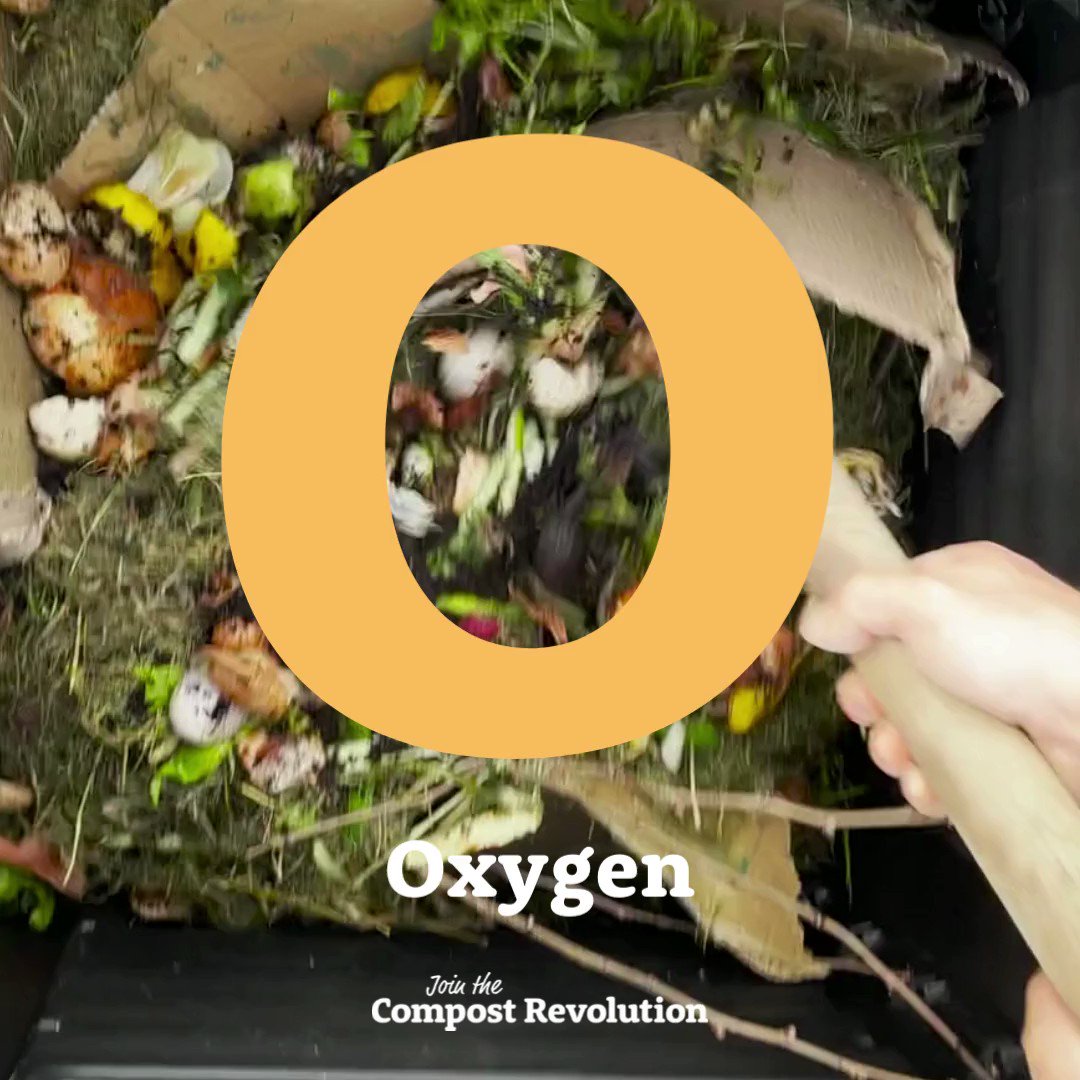
O is for Oxygen
Oxygen is not only necessary for human life…many of our microbial friends need it too! In fact, the majority of our composting systems (Dirt Vader, Eco Tumblers, Green Cone, Aerobin, the Farm, Hungry Bin and Subpods) use aerobic composting. (1/6)
1
5 May 2022
This is a handy sign that a little more aeration may be in order - time to get turning! An imbalance of nitrogen:carbon and high moisture levels can also contribute to these conditions, so make sure to keep an eye on these too. 👃 (5/6)
1
5 May 2022
Community challenge: We have an easy one for you today! While simple, aerating is often overlooked in the business of life. Today, give your compost a little love - get aerating! How do you keep your compost well-aerated? Share your top tips and tag us #compostrevolution. (6/6)