
I study businesses full-time. Here's what I found: most business suck 👉 know one that doesn't? Drop me a DM. I'd love to study it 😉
Joined November 2024
- Tweets 1,028
- Following 1,625
- Followers 104
- Likes 2,296
68 Photos and videos



Pinned Tweet

Jun 8
Everyone says AI commoditizes expertise. TSMC is the cleanest proof that they're wrong — and it teaches you exactly which advantages survive the next decade
TSMC's manufacturing lead took 30 years to build. Not because they were slow. Because the knowledge that produces it cannot be accelerated
Intel tried. Samsung tried. Both spent tens of billions. Both failed to close the gap. Not because they lacked capital. Because the gap isn't in a document anywhere
It's in the hands and habits of engineers who've watched millions of wafers go through the same tools. It's in the pattern recognition built from decades of yield loss events. It's in the judgment about when a process is drifting — built before the data shows it
You cannot buy that. You cannot hire it. You cannot AI your way to it
The only way to acquire tacit knowledge is to spend the time doing the thing. And the time cannot be compressed
AI commoditizes explicit knowledge — anything written down, codified, teachable, learnable from a document. It makes that layer free
It cannot touch tacit knowledge — the kind that only exists in the doing
So when you hear "AI commoditizes expertise," the right response is a question:
Is this expertise written down anywhere?
If yes — it's at risk. If no — it's safer than it's ever been. Because as AI makes explicit knowledge abundant, the gap between explicit and tacit gets wider, not narrower
The moat AI can't cross isn't scale. It isn't brand. It isn't network effects
It's 30 years of doing something nobody thought to write down
1
1
4
363
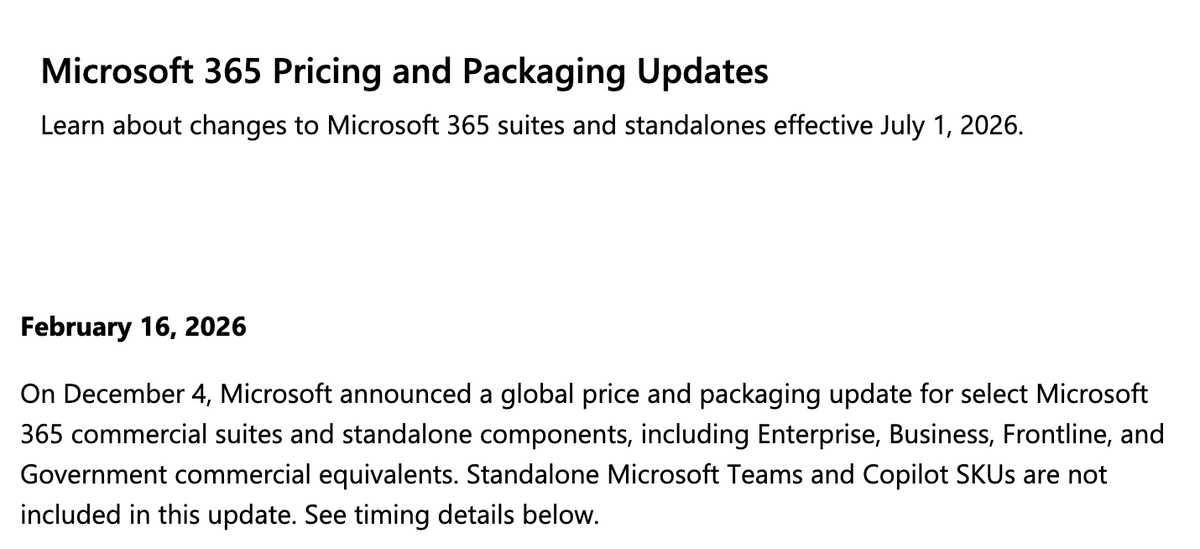
Microsoft has a ridiculously high switching cost. It just raised Microsoft 365 prices up by 33% on some plans. And almost no one will switch
Not because the product got better, but because your company's emails, files, and workflows live directly inside their ecosystem
13
Target's finally had a growth in sales after 5 quarter! Same-store sales jumped 5.6% and it looked like the turnaround finally worked
But if we took a look at what the CFO said, the reason was because of: bigger tax refunds (a one-off item). A good business should never mistake a tailwind for an improvement in operations

Nutritionist Karalynne walks down the cereal isle at Target and every single cereal box is now artificial dye free
Target made a demand that if any company wanted to sell a cereal in their locations they had to be dye free, the brands complied
- Lucky Charms reformulated with fruit and vegetable juices, spirulina and turmeric. The colorful marshmallows are still there
- Trix were updated with natural colors, they’re vibrant but dye-free
- Fruity Pebbles also dye-free versions available
- Froot Loops
- Apple Jacks
•- Target’s brand Good & Gather
All dye free
This is a very powerful message that if a large corporation makes these new rules, other companies will comply
Make America Healthy Again
14
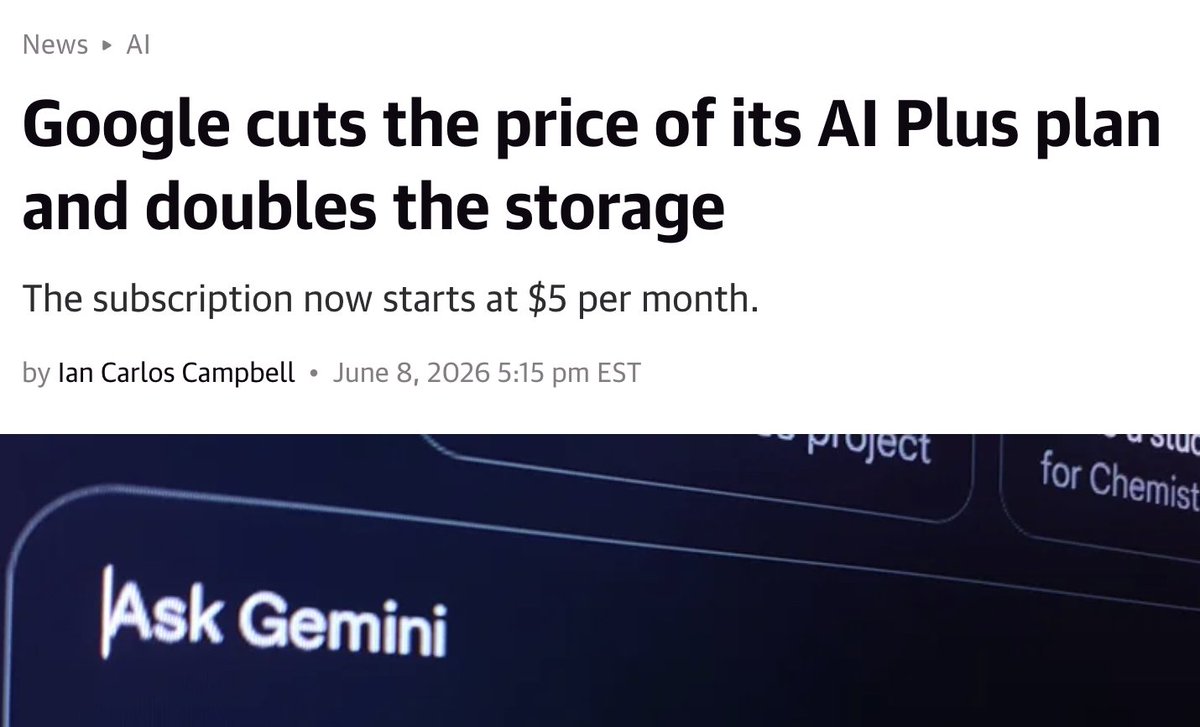
Google just slashed its AI plan to $4.99 from $7.99, and doubled the storage. That's a massive 50% reduction in price, and guess what? It can afford to
For Google, that's a bait to keep you inside their ecosystem and retain/ grow their market share. Meanwhile, OpenAI requires their subscription to survive
13
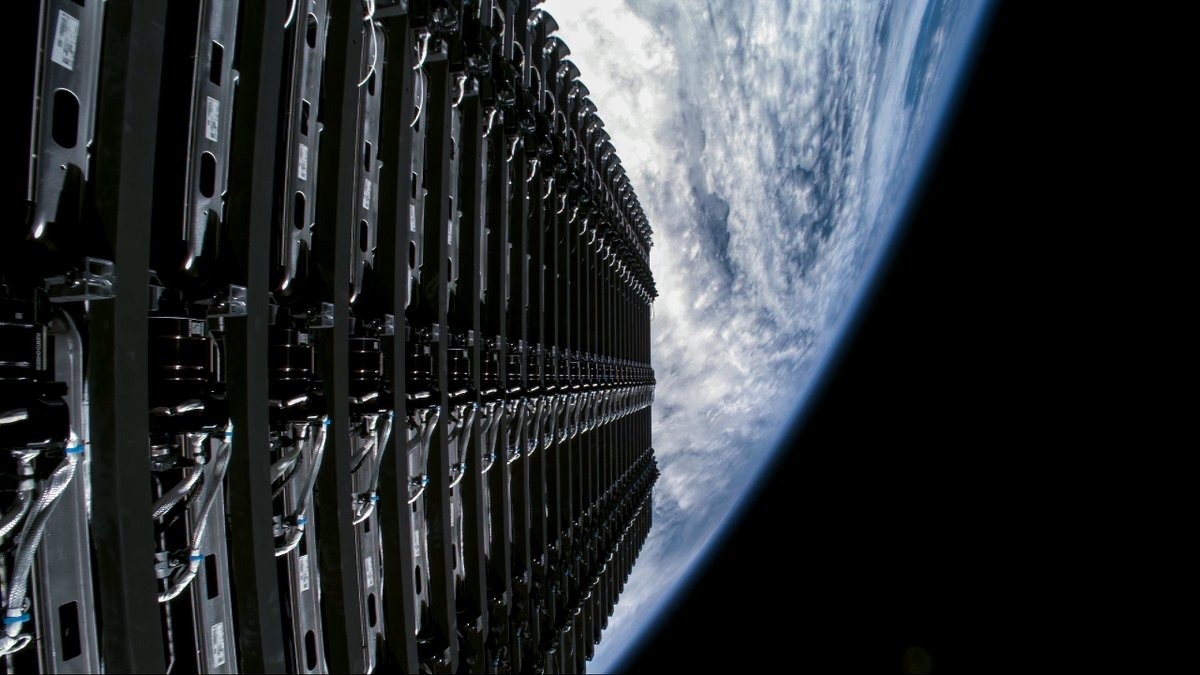
The biggest IPO in history has just completed, and its made by a rocket company, SpaceX. But roughly 75% of its revenue comes from Starlink: a satellite internet subscription. Not selling rockets
The rockets are just the story. The hidden cash engine and the fuel of the company is your monthly broadband bill




1
22
OpenAI just bought Ona, a company with approx $7 mil in revenue only. The whole point of the transaction wasn't for the model or market share, it was for the distribution. The access to where the AI agent runs
Because, when the market is racing to compete on price, the edge moves to who you actually trust to run it
Jun 11

We’ve reached an agreement to acquire @ona_hq.
Its secure cloud execution technology will help Codex take on longer-running work, even when laptops are closed, and help more organizations deploy agents securely in production.
After closing, Ona will join OpenAI’s Codex team. openai.com/index/openai-to-a…
6
I know everyone says stay away from semiconductors right now, but there's always a ton of story to learn in every bubble
Broadcom's AI revenue doubled to $10.8 billion when it doesn't even sell a chip that beats Nvidia. It doubled because it is selling the custom silicon that hyperscalers (Google, Meta, OpenAI) need in order to stop paying Nvidia a premium
The lesson here is to never ever be the miner in a gold rush, be the one selling everybody the way out
Jun 4

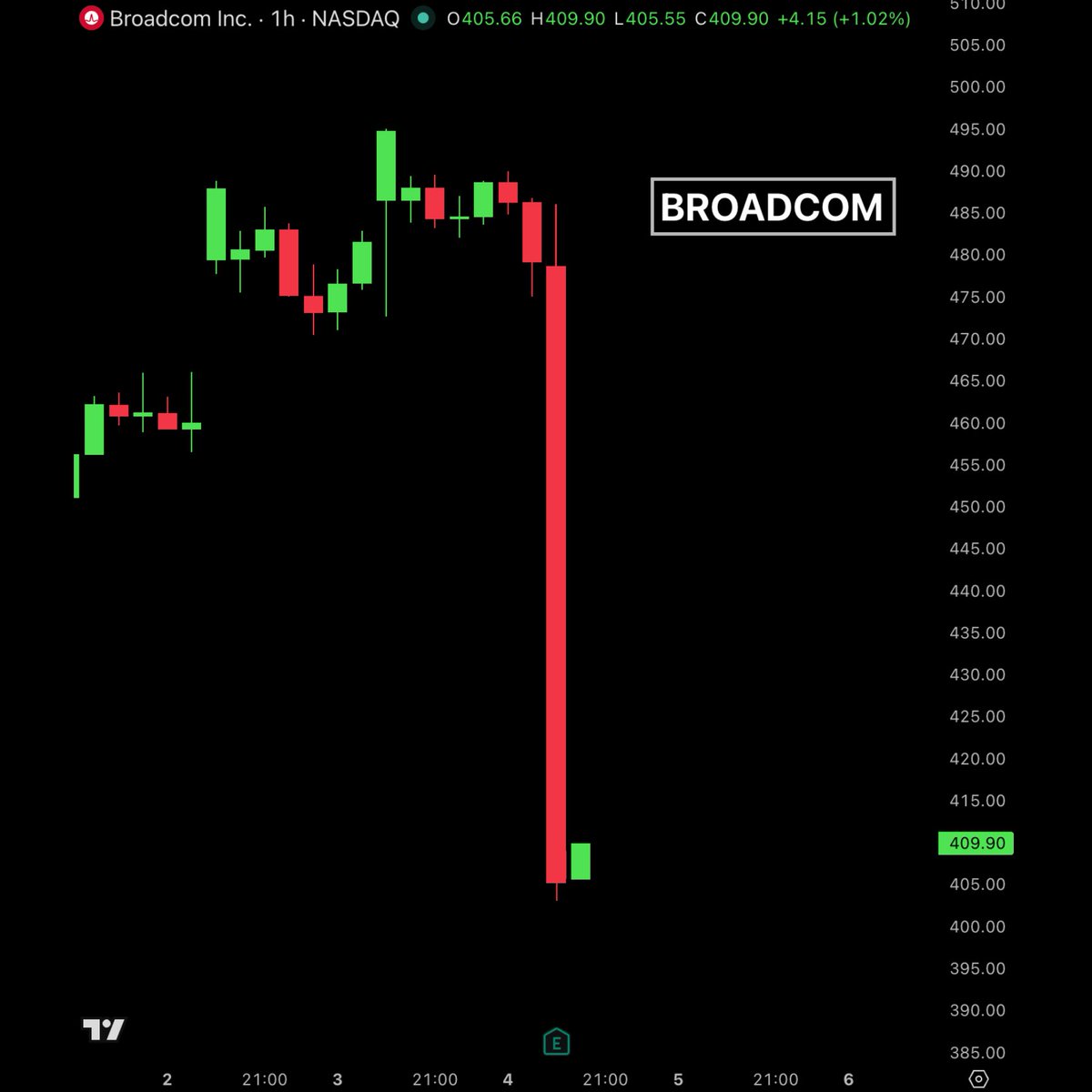
BREAKING: Broadcom crashed 15% today even after posting its best quarter ever.
Revenue hit a record $22.19 billion, up 48% year over year. AI chip sales reached $10.8 billion, up 143% from a year ago. Earnings beat estimates on every metric.
Broadcom guided Q3 AI chip revenue at $16 billion, $1.2 billion below what Wall Street's most bullish analysts expected. The CEO also chose not to raise the full year AI revenue target of $100 billion.
That $1.2 billion guidance miss wiped out $330 billion in market cap overnight.

1
92
Adobe just made Firefly free! This same exact move, was what made every single office in the world, to work with PDF ever since 1993
A great business will never sell its tool, it'll give it away and own the format (embed in the tool) instead. By doing so, the business now has a larger addressable market
Jun 12

5 images. 2 videos. Every day. Free.
I made a brand new Adobe account today, no subscription, no card, to test what you actually get.
I used Nano Banana 2, GPT Image 2, Veo 3.1 Fast and Ray 3.14 for free.
That's 16 seconds of video a day. Most viral videos on X are under 15.
28
Jun 13
There was an insolvent company in Singapore that you never would have expected. It was a company that processed enormous volume, and raised massive amounts of money (what one would call a unicorn these days)
It had massive GMV that kept growing and kept flowing through it, but none of it could be kept by the company. The volume hid the only thing that matters: does the business transaction make you money?
That company is called Honestbee. Like any startup, burning cash was the "norm" to acquire customers, so it did. Then came 2019, where the cost on each order compounded, resulting in them owing over $100 million
Each metric that they were using to grow the business was vanity. You can't improve what you don't measure, and what you measure wrongly will only cripple you
1
56
Jun 13
Your company is worth more than gold if it has pricing power that never requires you to run a promotion or a discount, and the product itself appreciates day after day just by being on the shelf
In China, there's a company that functions exactly like this. Its called Kweichow Moutai. It regulates the amount of product it releases so tightly that people hoard it and sell it in the secondary market for a price much higher than retail.
It barely advertises, yet you see government officials having it on almost every meal table. The product that they sell (Hard Liquor), acts almost like an asset class instead of a drink. They let it do the talking
They recognize that discounting is what one does only when pricing power is lost. And that the strongest brands engineer demand that outruns supply (consistently) instead
1
47
Jun 13
The reason why Grab was able to get Uber to leave the Southeast Asia market was because each new business segment that they launch is cheaper than the one before
Grab pays to acquire their customer once (for the rides), which is the expensive part, then the customers continue using their app for the food, the parcels, and the payments. All free, without any additional customer acquisition cost because each business stacks on the previous one
The ride-hailing customers it built, had the same core customers as the ones that are using the app for food, for delivering parcels, and for payments and loans
By 2018, Grab's hyper local strategy wiped Uber out completely, eventually selling its Southeast Asia's business to Grab and taking a small stake in Grab instead. Are you building your business on top of customers which you've already acquired?
1
30
Jun 12
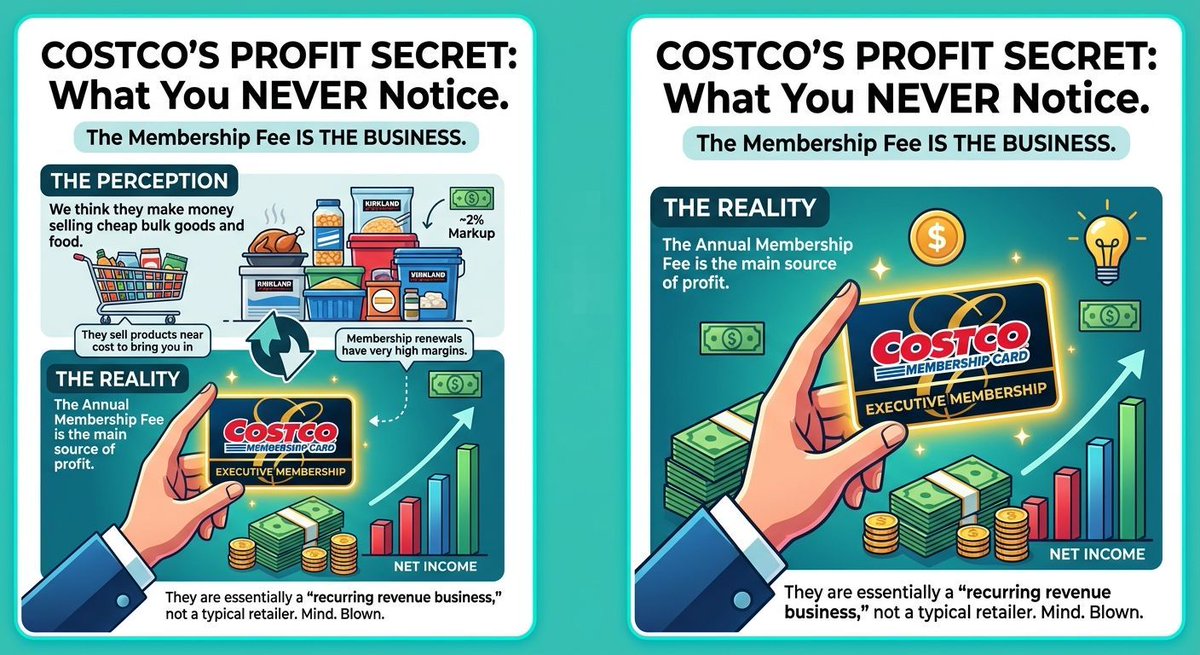
A $4.99 rotiserrie chicken at a loss is the greatest bargain i can get for my post-gym protein. How is Costco doing so darn amazingly well when they are losing money on all their groceries?
That's because groceries were never the main product (despite being a grocery chain), the membership (where they earn a 100% margin on) is
That hot dog that you've paid $1.50 for for 40 years was never meant to earn a single cent, it was meant to justify the membership plan
61
Jun 12
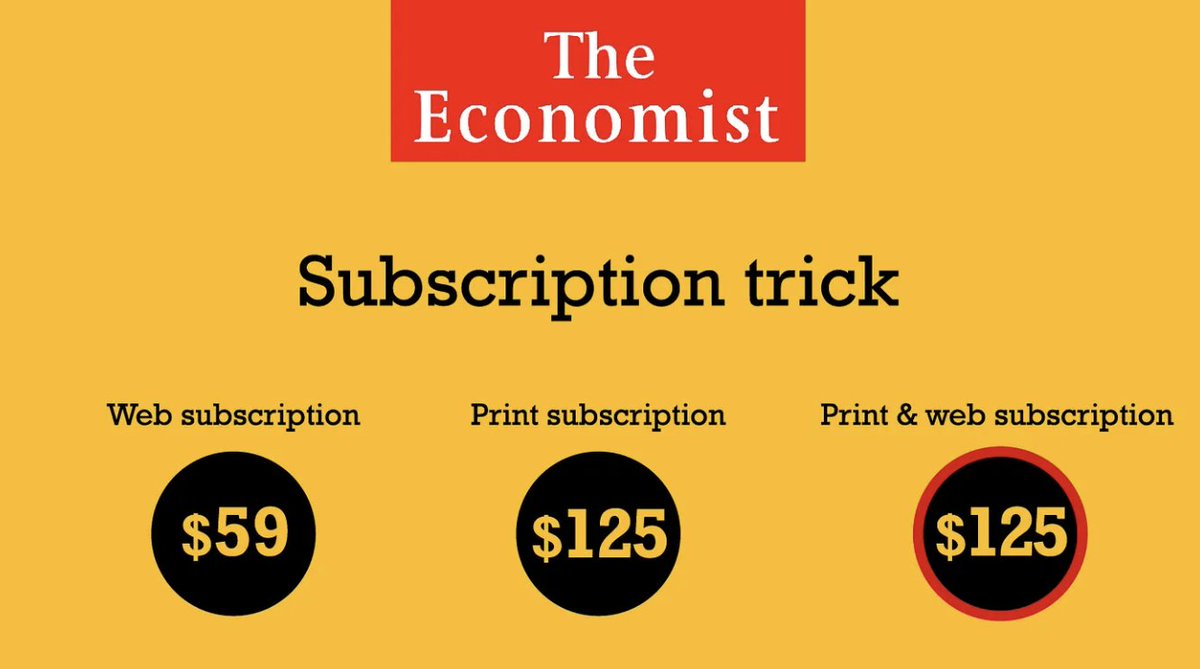
Have you ever questioned the pricing of what was offered to you? No, not just "because it was expensive" but because the other product being offered as alternative does not make sense
As humans, we tend to subconsciously judge something by comparison be it our kids' grades, our friends' material possessions, or just the price we pay on something. All it takes to increase the perceived value of your main offering, is to drop 1 horribly valued offering next to your main product offering. Now, the premium looks obvious because of the reframing
If you read newspapers often, this should sound very familiar. The Economist offered their digital-only option at $59, their print only option at $125, and their print digital at $125. Researchers have proven that once you remove that $125 print-only decoy, most people flipped back to the cheapest option ($59 digital only option)
Your customers always want value, not cheap. Help them to get value by comparing
52
Jun 12
One of the biggest company in Singapore started a E-commerce war with money they got from in-game skins (yes, i'm talking about League of Legends and First Person Shooters)
This resulted in a saga that unfolded itself when Alibaba "exited" the market. SEA Group is the company in question. They utilized their gaming cash cow business to cover their ecommerce business' loss, long enough to wipe the floor clean
If you ever grew up in the Singapore neighbourhoods, the name "Garena" should be really familiar to you (its the gaming arm of SEA group). Their games were generating over a billion downloads, and were purely monetizing with skins. That money went to ecommerce (Shopee), and now, the ecommerce war chest is feeding fintech (SeaMoney)
The lesson here: cash is king. The healthiest growth is never funded by investors, but the cash generated INTERNALLY
45
Jun 12
Most business owners who are struggling think of their business in first order. Stop that, because the real money to be made is in the second item that your customers have (no choice but) to buy from you
Your first sale should always focus on customer acquisition. Sometimes even below cost. We call this the "loss leader", and this is what sets apart a smart owner and someone who is just building a high paying job for himself (for a short period of time)
The reason HP succeeded was because it was selling their ink printers below manufacturing cost for YEARS whilst charging the ink cartriges at a premium (why do i know this? because they got a 80% fat margin from this)
If your "business" is reliant on your first sale, get ready for a series of goodbyes ~
44
Jun 12
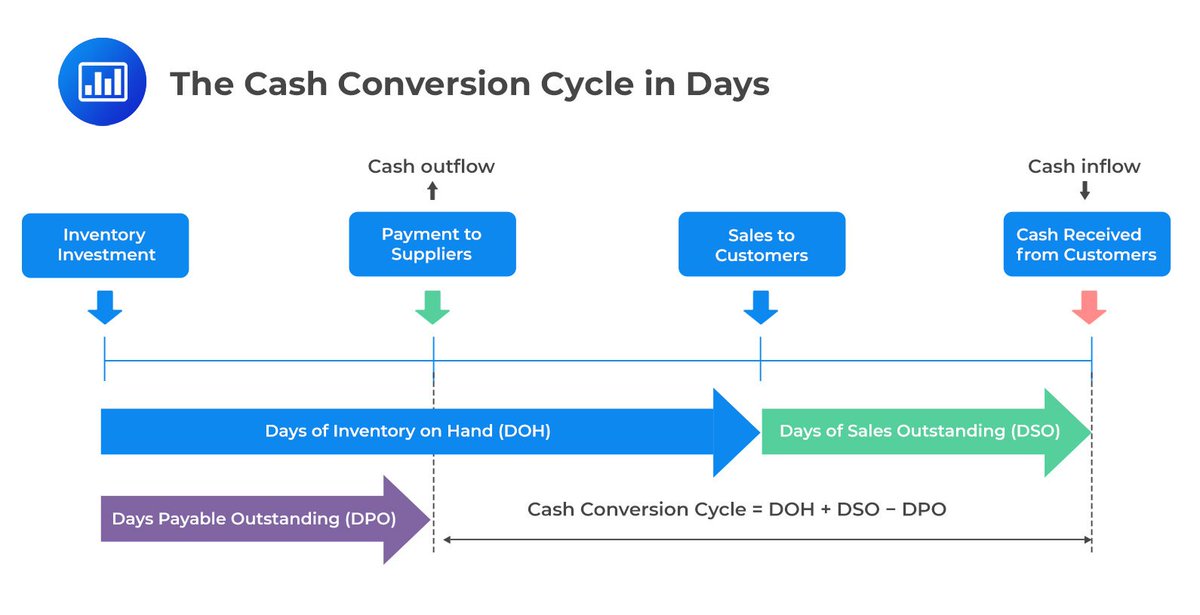
This is how to tell apart a good company from a bad one: if you've got the ability to get a "interest-free loan" from your customers
No, i don't mean a real loan literally. I meant the ability to collect money from your customers now, and then, only pay your suppliers 30-60 days down the road. That 30-60 days of money sitting in your account is called the "float", and if you're smart enough, you can use it to fund your growth
The geeks auditing your financials call this the cash conversion cycle, and Amazon ran a negative one for years (the lower the CCC, the longer you can hold your float). A similar company in Singapore (Sheng Shiong), does the same
The next time you're thinking of how to grow your business, think about how you can extend your float so it can fund your growth
43
Jun 12
The insurance business was never about selling you a policy, its in the business to hold your money for years (for free and some even getting "paid" to hold your money) before it even pays a claim
Just imagine. You pay a premium today and claims happen years later. This "gap" in between is usually called the float, where they get to invest YOUR money, and keep every single CENT of it. In shorts, its technically a better business than banks because its a loan at a negative interest rate. The best insurance companies are able to manage their risk payouts well, allowing them to get "paid" to hold your money, because you eventually won't claim for that insurance event (that didn't happen).
Just look at Berkshire. It has US$160 billion float that they don't own, they don't need to pay interest on, and claims which they likely won't need to repay. Let's not even talk about Warren Buffet's return, just imagine a minimum of 9% on that float... that's massive! The same goes for Great Eastern
The only question left to ask in YOUR business is: how long can you hold ur customer's cash before you have to return it?
38
Jun 11
Here's how CJ Hendry engineered scarcity artificially and created a 3,000 wait-list with a 5 year backlog:
1. Limited drop e.g. exactly 100 bronze crowns via Phillips Dropshop
2. Past-collector-only access create instant urgency and sell-outs
3. Documenting the process and quantifying the demand through Instagram (exactly the same priciples as before just with different execution e.g. the shared video below)
4. Time bound events e.g. pop-up greenhouses, public pools, basketball trees
Jun 11

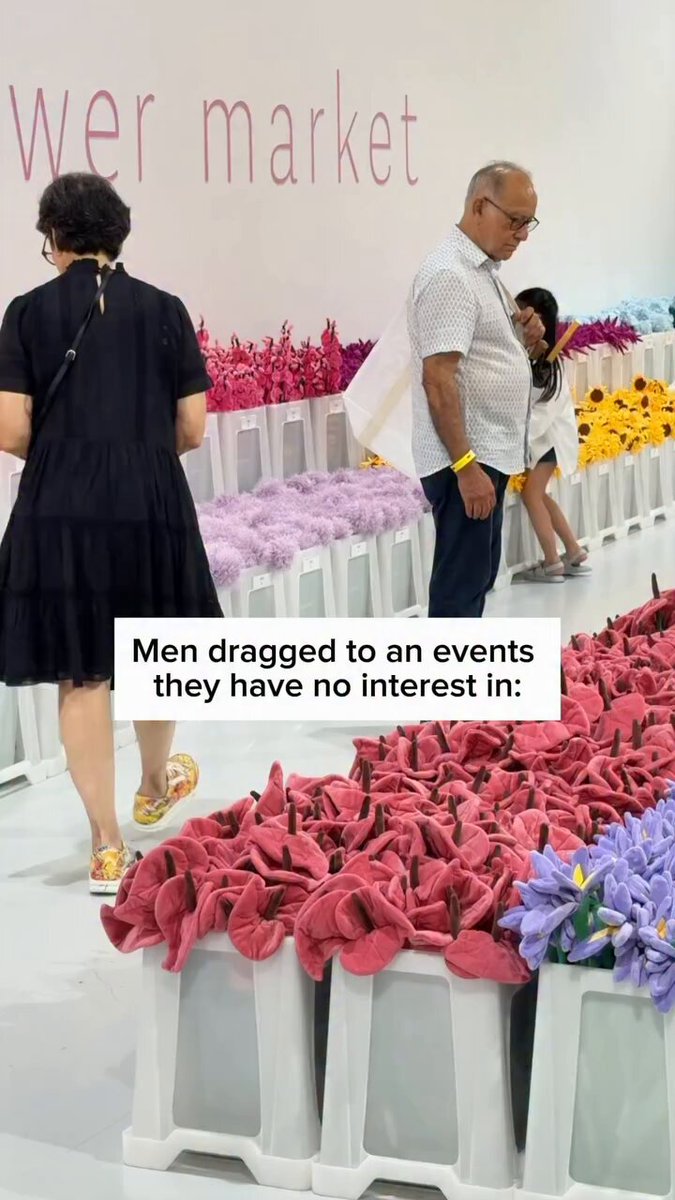
So i was browsing my girlfriend's Instagram with her the other day on the train, and we came across a video of random people just shoving each other just to get a fake flower — meanwhile, the video below, that's me, ignoring her in the other other flower event we went to in Gardens by the bay
The video saved me to be honest. Because she was crazy over flower — especially with this new CJ Hendry flowers. And i coudn't wrap my mind around it. I found it so fascinating, the videos showed real demand, without a team and with just with 1 camera, she engineered a crowd that will fight for something that you'll walk past in any Daiso shop.
She was selling the exact same thing (that you'd see in Daiso), just with different scale and execution. When I looked behind the whole business, this was what i found:
1. A waitlist with over 3,000 people
2. A backlog of 5 years just to get a fake flower you could buy at Daiso
So i dug more. In 2012, CJ dropped out of finance school and was dead broke. She gave herself just 1 year to draw, and started posting the whole 1 year journey on Instagram. She drew luxury objects like Chanel bags, Hermès scarves, and Louboutin shoes, and documented every single second of it. She striked her first pot of gold in 2013 when a collector DM'ed her for a 40x60-inch drawing — guess how much it was sold for?
$10,000 dollars. In a single day. On the spot. No questions asked. No warm outreach.
Then, the flood gated opened: $50,000 for a crumpled Gucci bag, a portrait of Kanye which he purchased for himself, and the list goes on....
None of them were buying a product, both, the experience and the feeling of owning a product you (and many others saw and like) created from scratch. That's where all the pricing power lived — in the likes and comments on her instagram. Those were the initial metrics that showed the demand. Quantifed. By the time it was done, by the time the product was ready to be sold, they were already invested (through their attention) on something that they can't yet own. This was the start of how she engineered scarcity — tons of demand quantified, just for 1 product which you knew you weren't going to get elsewhere.
Fast forward to today, scarcity is now artificially engineered by:
1. Limited drop e.g. exactly 100 bronze crowns via Phillips Dropshop
2. Past-collector-only access create instant urgency and sell-outs
3. Documenting the process and quantifying the demand through Instagram (exactly the same priciples as before just with different execution e.g. the shared video below)
4. Time bound events e.g. pop-up greenhouses, public pools, basketball trees
All of these created the opportunity for people to share and reshare their own experience (the time bound events being the delivery platform as well). But the most most most important thing right here:
Selectively controlling supply
Which allowed her to selectively control the narrative and never fully satisfy demand
If you're interested to exploring this whole concept, here's what you can do with the help of AI:
1. Break your product and delivery platform down into tangible stages. These would include photos, decisions and small milestones. Then drop them into Claude and drop this prompt "I'm building [X]. Write 3 behind-the-scenes posts from this stage. Tone: figuring it out, not presenting something finished."
Schedule via Buffer and fetch the logs using Make.com (or any alternative). The main idea is to extract the Saved, Shares, Likes, and Comments to Claude and get it to identify which stage of this process gets you the most attachment. Then ask it to help you narrow it down even more and give you more ideas on how to better document it.
What you'll end up with is a demand engine that builds scarcity before someone can even buy your product. The same CJ Hendry trick, on steroids. But remember, "the longer you're not taking action, the more money you're losing" — Carrie Wilkerson
So get started! And if you found this post insightful, please drop a like. It will mean a lot. If you're not a follower, please give me a follow ❤️ it'll encourage me to write even more, and even better post on X
:)
37
Jun 11
The Toyota Production System was documented, published, and taught globally for 30 years. Every competitor understood every principle. None of them could copy it. TSMC is the semiconductor version of this — and the mechanism is the same
27
Jun 11
So i was browsing my girlfriend's Instagram with her the other day on the train, and we came across a video of random people just shoving each other just to get a fake flower — meanwhile, the video below, that's me, ignoring her in the other other flower event we went to in Gardens by the bay
The video saved me to be honest. Because she was crazy over flower — especially with this new CJ Hendry flowers. And i coudn't wrap my mind around it. I found it so fascinating, the videos showed real demand, without a team and with just with 1 camera, she engineered a crowd that will fight for something that you'll walk past in any Daiso shop.
She was selling the exact same thing (that you'd see in Daiso), just with different scale and execution. When I looked behind the whole business, this was what i found:
1. A waitlist with over 3,000 people
2. A backlog of 5 years just to get a fake flower you could buy at Daiso
So i dug more. In 2012, CJ dropped out of finance school and was dead broke. She gave herself just 1 year to draw, and started posting the whole 1 year journey on Instagram. She drew luxury objects like Chanel bags, Hermès scarves, and Louboutin shoes, and documented every single second of it. She striked her first pot of gold in 2013 when a collector DM'ed her for a 40x60-inch drawing — guess how much it was sold for?
$10,000 dollars. In a single day. On the spot. No questions asked. No warm outreach.
Then, the flood gated opened: $50,000 for a crumpled Gucci bag, a portrait of Kanye which he purchased for himself, and the list goes on....
None of them were buying a product, both, the experience and the feeling of owning a product you (and many others saw and like) created from scratch. That's where all the pricing power lived — in the likes and comments on her instagram. Those were the initial metrics that showed the demand. Quantifed. By the time it was done, by the time the product was ready to be sold, they were already invested (through their attention) on something that they can't yet own. This was the start of how she engineered scarcity — tons of demand quantified, just for 1 product which you knew you weren't going to get elsewhere.
Fast forward to today, scarcity is now artificially engineered by:
1. Limited drop e.g. exactly 100 bronze crowns via Phillips Dropshop
2. Past-collector-only access create instant urgency and sell-outs
3. Documenting the process and quantifying the demand through Instagram (exactly the same priciples as before just with different execution e.g. the shared video below)
4. Time bound events e.g. pop-up greenhouses, public pools, basketball trees
All of these created the opportunity for people to share and reshare their own experience (the time bound events being the delivery platform as well). But the most most most important thing right here:
Selectively controlling supply
Which allowed her to selectively control the narrative and never fully satisfy demand
If you're interested to exploring this whole concept, here's what you can do with the help of AI:
1. Break your product and delivery platform down into tangible stages. These would include photos, decisions and small milestones. Then drop them into Claude and drop this prompt "I'm building [X]. Write 3 behind-the-scenes posts from this stage. Tone: figuring it out, not presenting something finished."
Schedule via Buffer and fetch the logs using Make.com (or any alternative). The main idea is to extract the Saved, Shares, Likes, and Comments to Claude and get it to identify which stage of this process gets you the most attachment. Then ask it to help you narrow it down even more and give you more ideas on how to better document it.
What you'll end up with is a demand engine that builds scarcity before someone can even buy your product. The same CJ Hendry trick, on steroids. But remember, "the longer you're not taking action, the more money you're losing" — Carrie Wilkerson
So get started! And if you found this post insightful, please drop a like. It will mean a lot. If you're not a follower, please give me a follow ❤️ it'll encourage me to write even more, and even better post on X
:)
1
74