
Musée de l'#informatique unique en Belgique ! Aux sources du #numérique, des machines qui comptent.
Joined October 2017
- Tweets 1,700
- Following 387
- Followers 265
- Likes 2,574
297 Photos and videos







ComputerMuseum NAMIP retweeted

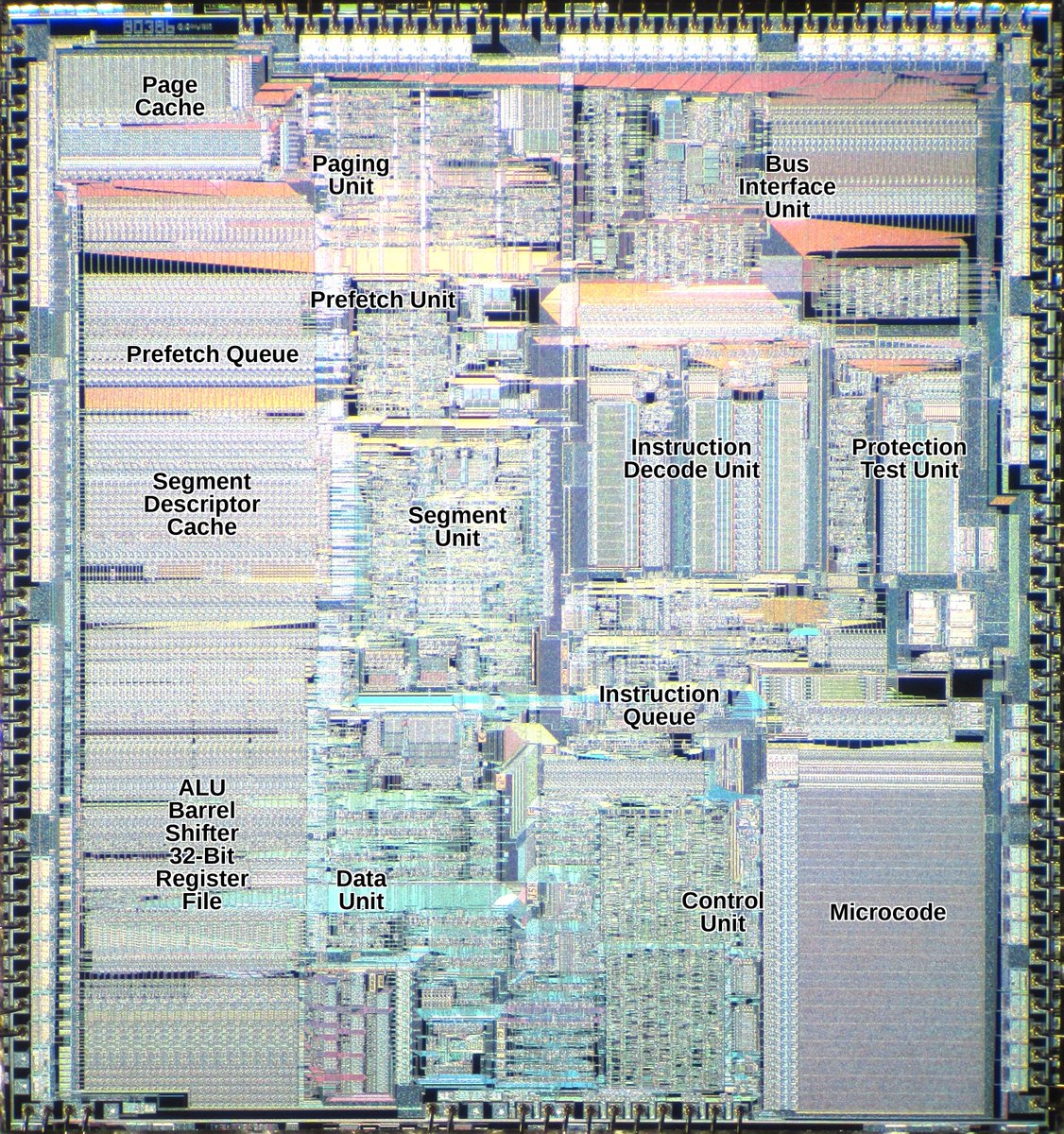
z386: Une implémentation du 386 pour FPGA conçue avec d'après le microcode original du microprocesseur
nand2mario.github.io/posts/2…
Jun 13

z386: An Open-Source 80386 Built Around Original Microcode nand2mario.github.io/posts/2…
10
29
1,707
ComputerMuseum NAMIP retweeted
Il y a 204 ans, le 14 juin 1822, fut présentée par Charles Babbage à la Royal Astronomical Société sa machine différentielle, calculatrice mécanique conçue pour calculer des tables de fonctions polynomiales. Elle sera le tout premier ordinateur au monde #LaPetiteInfoDuJour
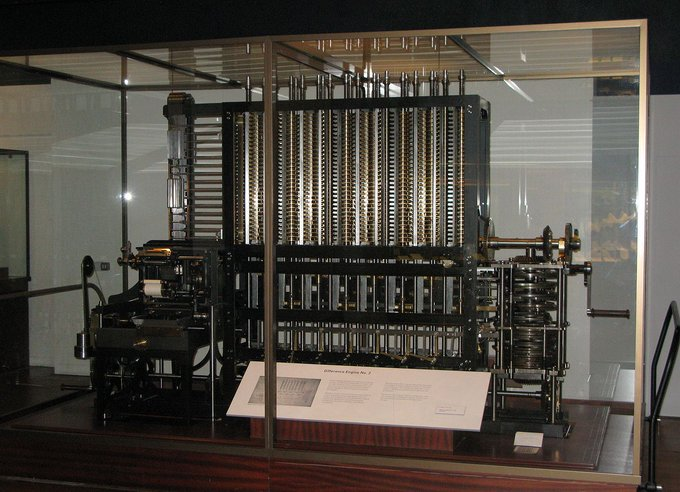
ALT Photo de la machine de Babbage
3
7
42
938
ComputerMuseum NAMIP retweeted

Jun 12
RIP Cleve, founder of @MATLAB
nytimes.com/2026/06/11/scien…
6
57
267
16,970
ComputerMuseum NAMIP retweeted

Jun 12
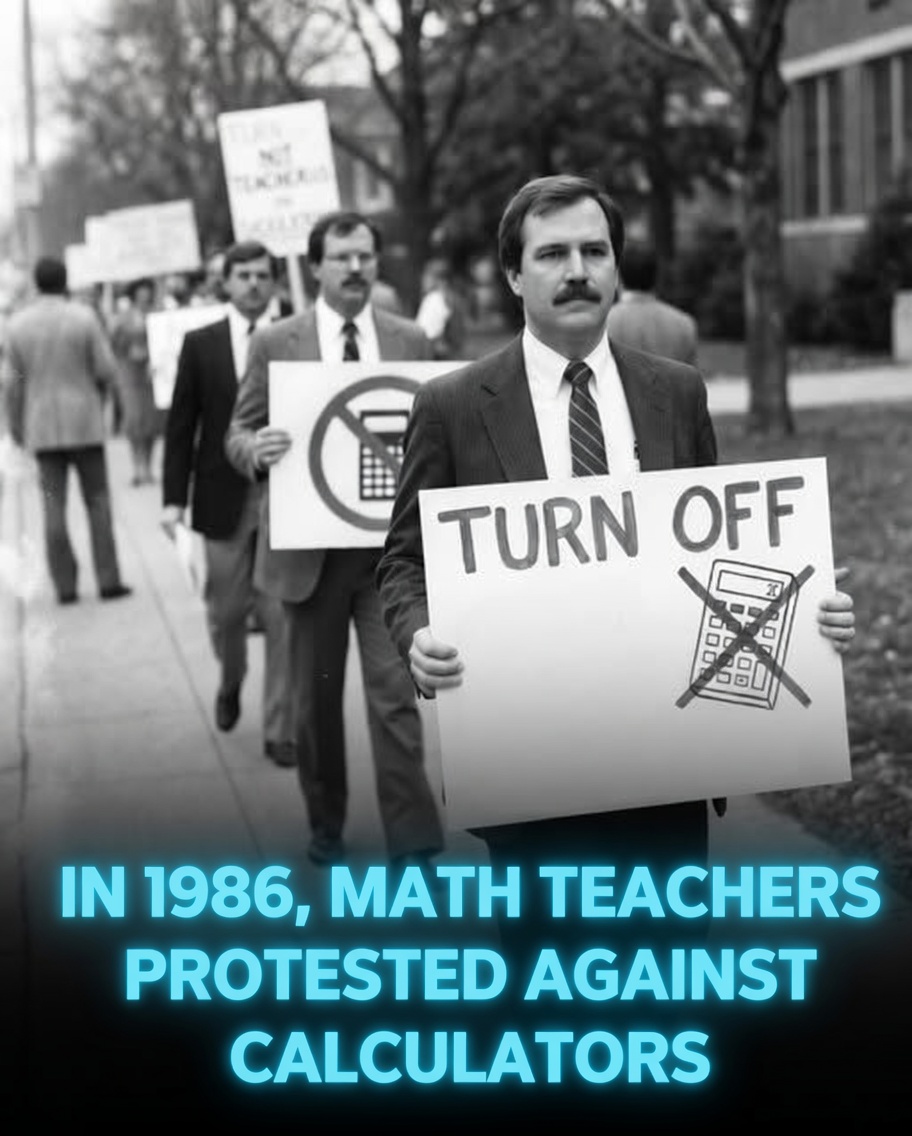
The so-called “calculator riots” of 1986 serve as a powerful reminder that today’s anxieties about artificial intelligence replacing human thinking are far from new.
In April 1986, a determined group of math educators staged a vocal protest outside the National Council of Teachers of Mathematics (NCTM) annual convention in Washington, D.C. Led by influential textbook author John Saxon, demonstrators carried signs declaring, “The Button’s Nothin’ ’Til the Brain’s Trained.”
They were opposing the NCTM’s new recommendation to incorporate electronic calculators into mathematics education at every grade level, including homework and exams.
The protesters worried that reliance on calculators would erode students’ mental arithmetic skills, numerical intuition, and deep conceptual understanding, potentially creating a generation of “calcuholics” overly dependent on machines.
The NCTM countered that calculators would free students from repetitive, low-level calculations, enabling them to tackle more complex problem-solving and higher-order thinking. Ultimately, the debate led to a pragmatic compromise: students would first master core mathematical concepts and mental strategies before using calculators as tools for more advanced work.
This balanced approach allowed technology to enhance, rather than replace, mathematical reasoning.
Today, as schools navigate the rapid rise of generative AI, the 1986 calculator compromise offers a valuable blueprint: prioritize genuine understanding first, then thoughtfully integrate powerful new tools.
142
463
1,449
93,366
ComputerMuseum NAMIP retweeted

Jun 10
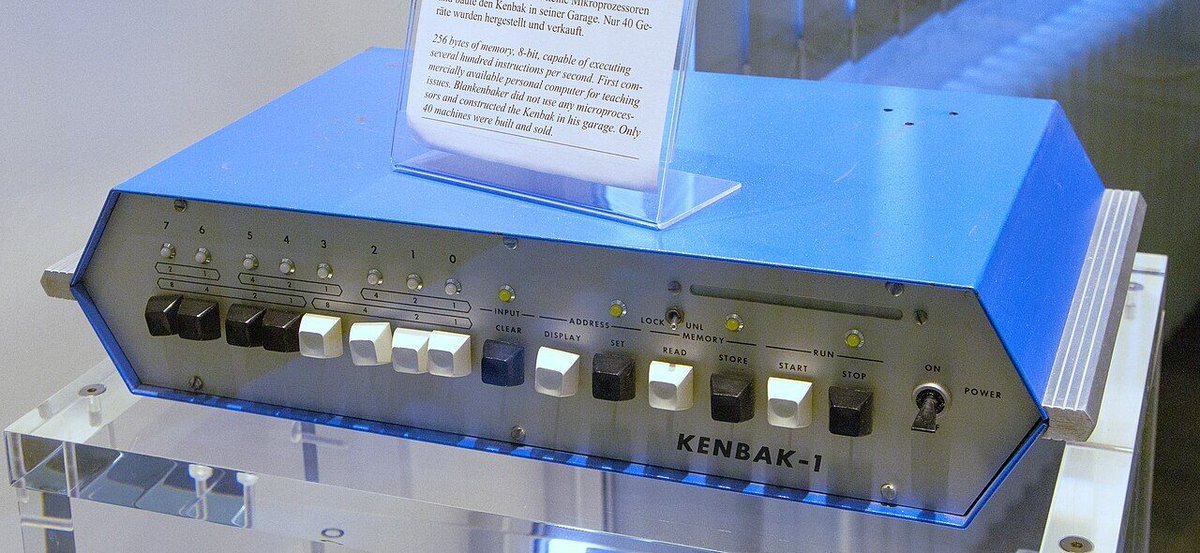
This little guy is the Kenbak-1 personal computer. Released in 1971 by John Blankenbaker of Kenbak Corporation, it is widely considered by historians and institutions like the Computer History Museum to be the first personal computer. Built before microprocessors were available, it used 7400-series TTL logic chips instead of a one-chip CPU.
Fun Fact: The name "Kenbak" is simply a clever substring of its inventor's last name, John Blankenbaker! He felt his full surname was a bit too long to be catchy and marketable, so he got a little creative.
kenbak.com/kenbak-1-home
history-computer.com/inventi…
en.wikipedia.org/wiki/Kenbak…
#RetroTech #RetroComputing #ComputerHistory
9
26
167
6,750

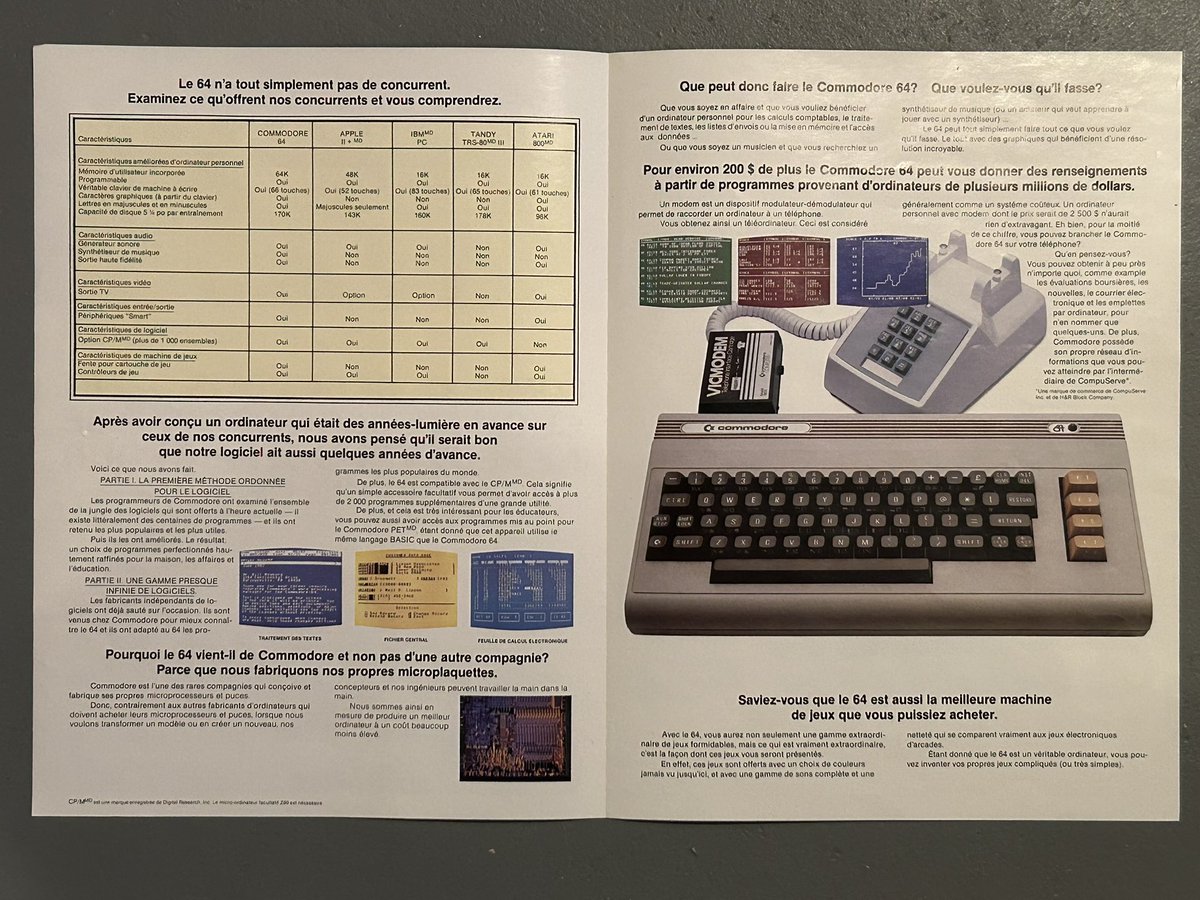
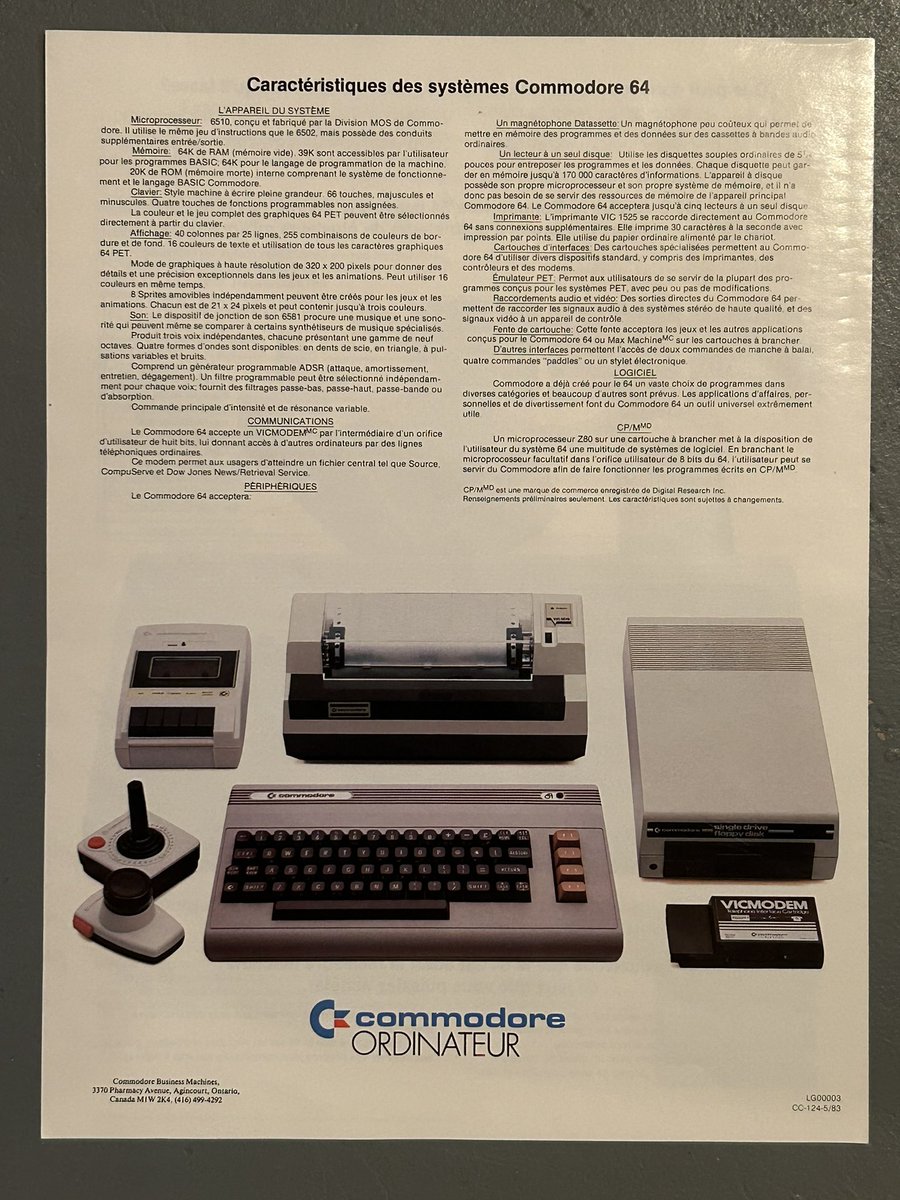
Du code Commodore BASIC caché dans lego Batman ! 🦇 #C64

"It's So Good, I Had To Make A Video" - The New Lego Batman Game Is Hiding An Amazing Easter Egg. timeextension.com/news/2026/…
30
ComputerMuseum NAMIP retweeted

Jun 8
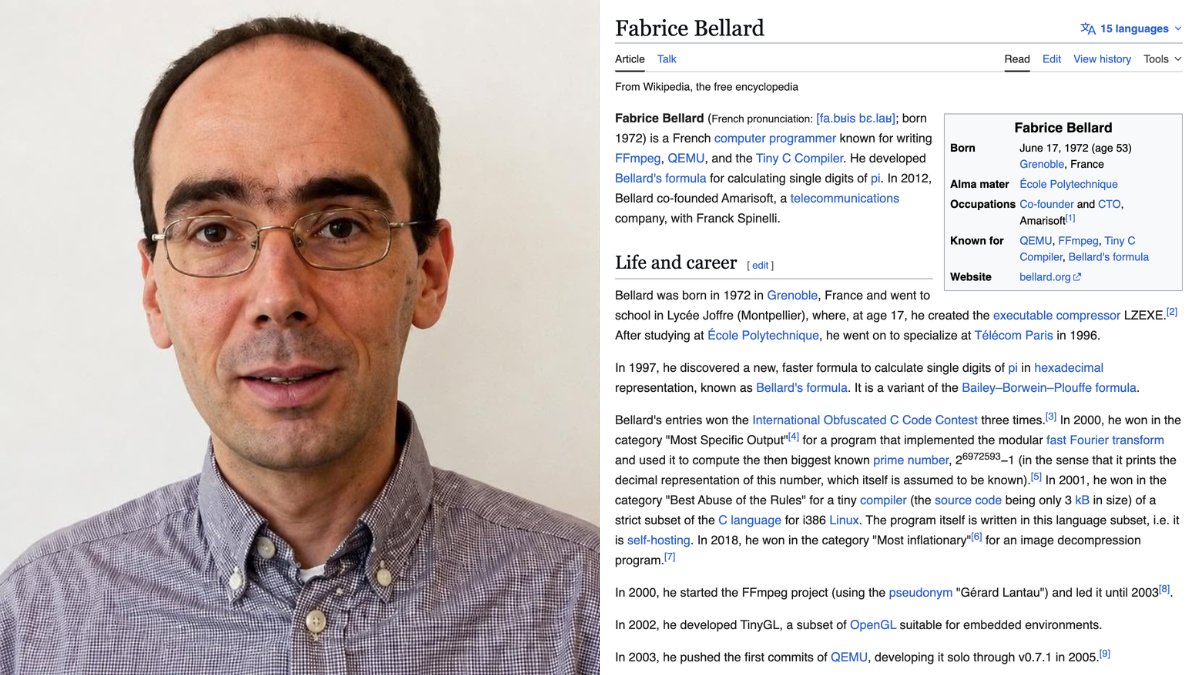
A French engineer who lives quietly in Paris has spent 30 years writing software that the entire internet now runs on without knowing his name.
He wrote the code that streams every YouTube video, every Netflix show, every TikTok clip. He wrote the code that runs the virtual servers underneath AWS, Google Cloud, and Microsoft Azure. He calculated more digits of pi than anyone in history. He has no Twitter. He has no marketing. He just keeps shipping.
His name is Fabrice Bellard.
Here is the story, because almost nobody outside the systems programming world knows what one man has built.
Fabrice was born in 1972 in Grenoble, France. He studied at École Polytechnique, the top French engineering school. He never went to Silicon Valley. He never built a startup empire. He just wrote code.
In 2000 he started a project called FFmpeg, an open-source multimedia framework for encoding, decoding, and streaming video. He was 28. The project did one thing nobody else had done well. It handled every video and audio format that existed, in one library, on every operating system. He led it himself for years.
Today FFmpeg is the invisible engine of the internet. YouTube uses it. Netflix uses it. VLC uses it. Chrome and Firefox use parts of it. Every Android phone, every iPhone, every smart TV, every video editing tool you have ever touched runs FFmpeg somewhere underneath. If you have watched a video on a screen in the last 20 years, Fabrice's code processed it.
He was not done.
In 2003 he started QEMU, a machine emulator and virtualizer. He wrote it solo until version 0.7.1 in 2005. QEMU lets you run any operating system on any other operating system. It became the foundation of modern virtualization. KVM, the Linux kernel hypervisor, runs on top of QEMU. Every major cloud provider, AWS, Google Cloud, Microsoft Azure, IBM Cloud, runs virtual machines on infrastructure built around it. The Quick Emulator is the most cited piece of cloud infrastructure code on Earth.
He kept going.
In 2001 he won the International Obfuscated C Code Contest with a small C compiler that grew into TCC, the Tiny C Compiler. TCC can compile and boot a Linux kernel from source in under 15 seconds. In 2004 he calculated the most digits of pi ever computed at the time, using a personal desktop computer and an algorithm he derived himself called Bellard's formula. In 2011 he wrote a complete PC emulator in pure JavaScript that runs Linux in your browser, a project called JSLinux that engineers still cannot believe is real.
In 2019 he released QuickJS, a small but complete JavaScript engine that fits where V8 cannot. In 2021 he released NNCP, a neural network based lossless data compressor that immediately took the lead on the Large Text Compression Benchmark.
Then he turned his attention to large language models. He built TextSynth Server, a web server with a REST API for running LLMs locally. He released ts_zip and ts_sms, compression utilities that use language models to compress text and short messages at ratios traditional algorithms cannot reach. He released TSAC, a very low bitrate audio compression system. In December 2025 he released Micro QuickJS, a new JavaScript engine for microcontrollers, separate from QuickJS, designed for environments with almost no memory.
Fabrice co-founded a telecom company called Amarisoft in 2012, where he serves as CTO. Amarisoft builds 4G and 5G base station software used by carriers and labs around the world. He has been running it for over a decade while continuing to ship personal projects from his own home page at bellard dot org
He has no Twitter. He has no Instagram. He gives almost no interviews. His personal website is a flat list of projects with no styling, no fonts, no marketing copy. Just titles and links.
A quiet French engineer who never moved to Silicon Valley wrote the code that quietly runs the internet.
He is still shipping.
379
4,510
25,142
3,049,853


ComputerMuseum NAMIP retweeted

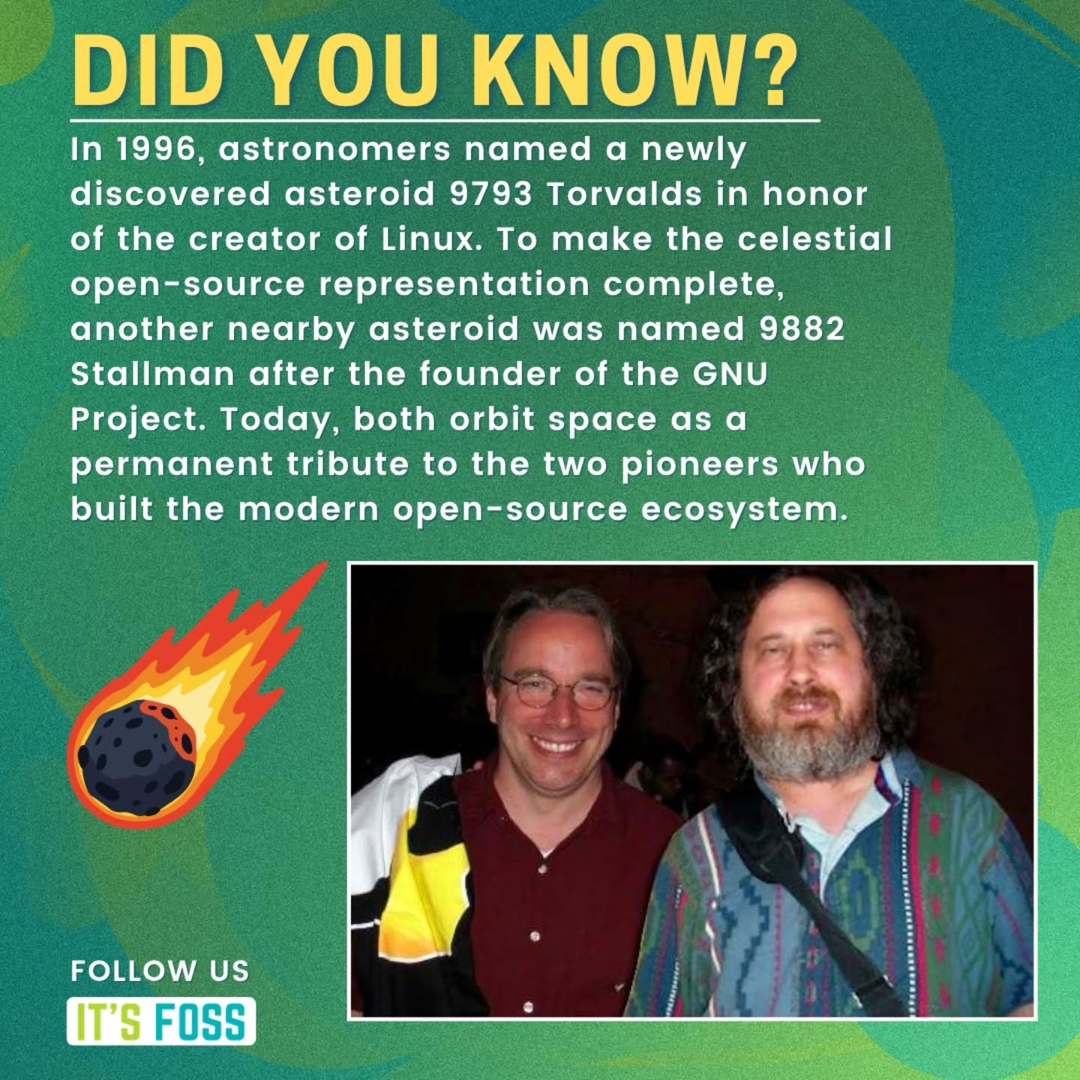
Happy Birthday William Morton Kahan! Kahan received the 1989 #ACMTuringAward for his fundamental contributions to numerical analysis. He explains how he incorporated Solve, Integrate, and Matrix functions into HP’s programmable calculators: buff.ly/jJLEDo2
1
5
11
1,202

ComputerMuseum NAMIP retweeted

Jun 2
The Yoda of Silicon Valley nytimes.com/2018/12/17/scien…
8
23
4,165
ComputerMuseum NAMIP retweeted

May 17
Mathematician Sir Roger Penrose: "AI is a bad term. It's not intelligence"
285
1,818
6,690
526,026
ComputerMuseum NAMIP retweeted

May 31
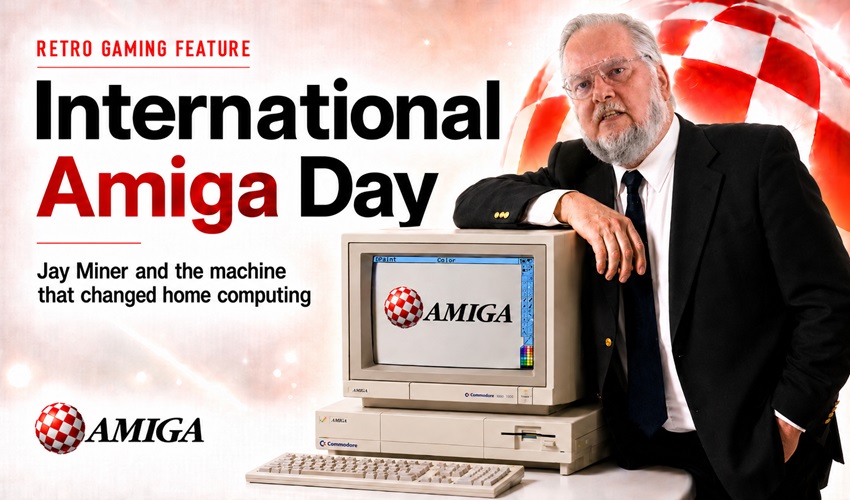
International Amiga Day: Jay Miner’s dream machine still bounces generationamiga.com/2026/05/… #AmigaDay #Amiga #Commodore #JayMiner
#RetroGaming #Amiga1000 #Amiga500 #Amiga1200 #RetroTech #AmigaOS #80s #90s
15
79
2,278
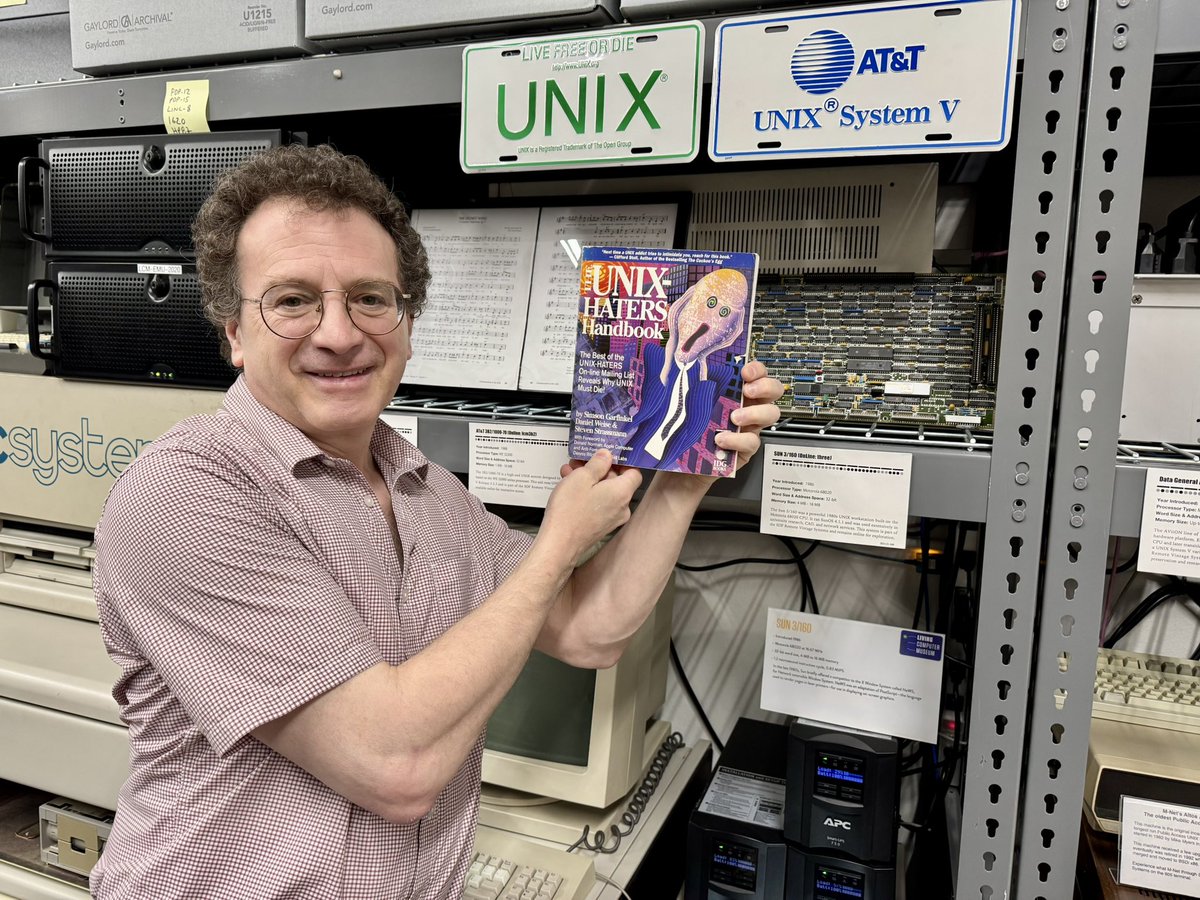
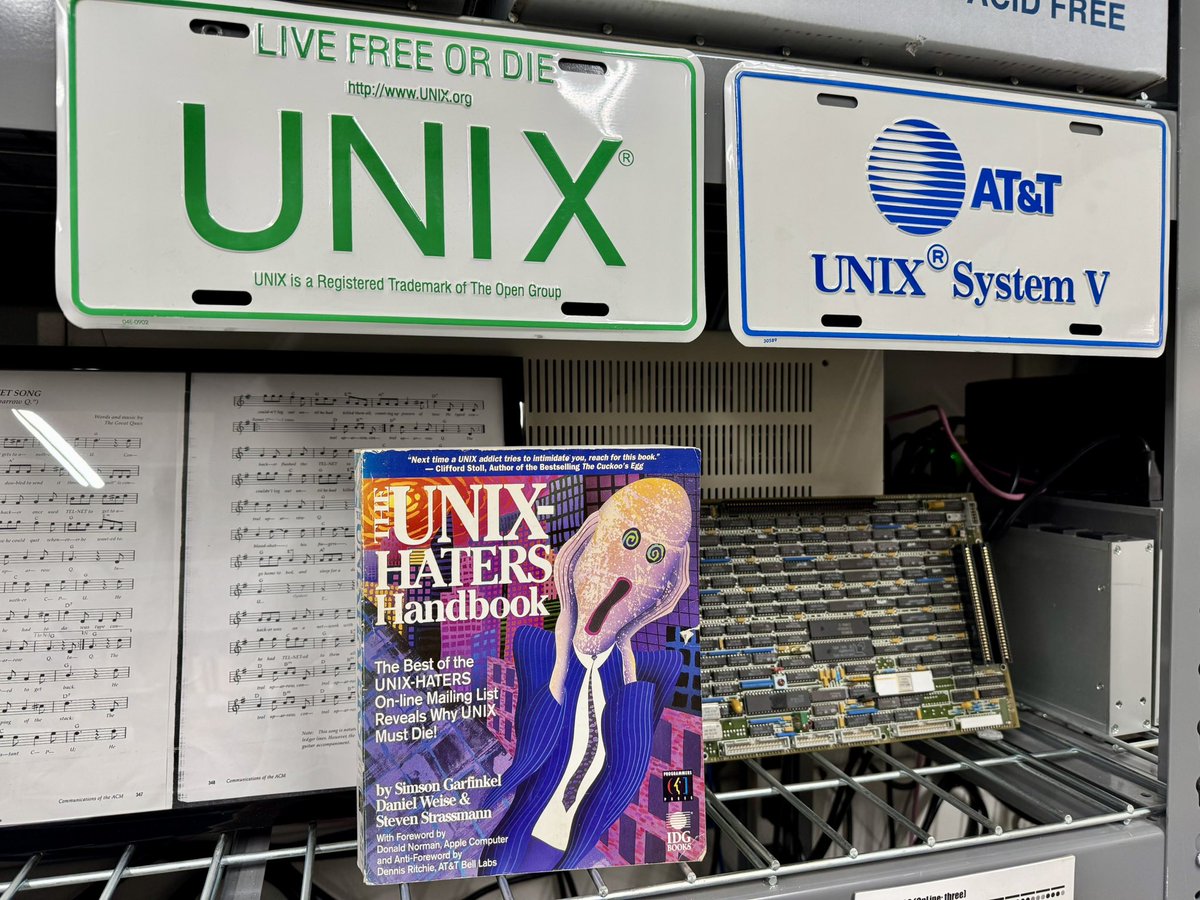
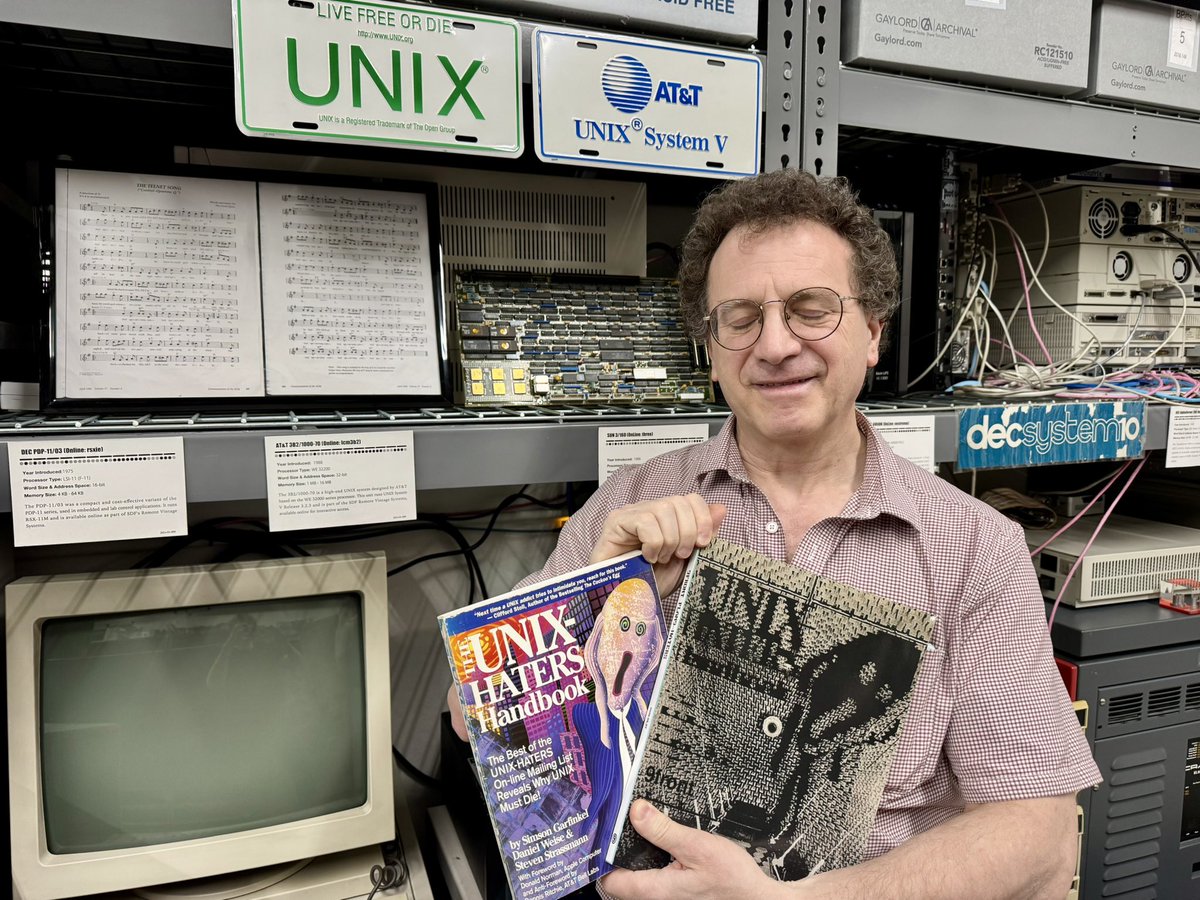
A propos du UNIX HATERS 😱handbook (1994) coindeweb.net/blogsanssujetp…
May 31

Today Simson Garfinkel visited icm.museum and a 9front meme was accidental committed. thank you for your submission.
#unix #history #retrocomputing #vintagecomputing
1
50
ComputerMuseum NAMIP retweeted

May 29
Oubliez Le Chat , le chatbot de Mistral devient Vibe et gagne de nouveaux outils dlvr.it/TSn4WQ #chatbot #intelligenceartificielle

2
3
1,661
A propos de la préservation des disquettes ❤️💾 #digitalpreservation
May 28

Preserving Floppy Disks:
🔗spectrum.ieee.org/floppy-dis…
"The physical media is starting to degrade, and a lot of people who developed floppy disks & systems that use floppies are starting to retire or pass away, which means that a lot of tacit knowledge is disappearing."
23
ComputerMuseum NAMIP retweeted

Magnifica Humanitas
Plus de cent pages, 250 paragraphes, près de 40.000 mots.
Nous publions le texte intégral de la première encyclique consacrée à l'IA.
Le premier texte doctrinal du premier pape américain commenté ligne à ligne.
À lire absolument.
legrandcontinent.eu/fr/2026/…
11
214
480
43,598
ComputerMuseum NAMIP retweeted

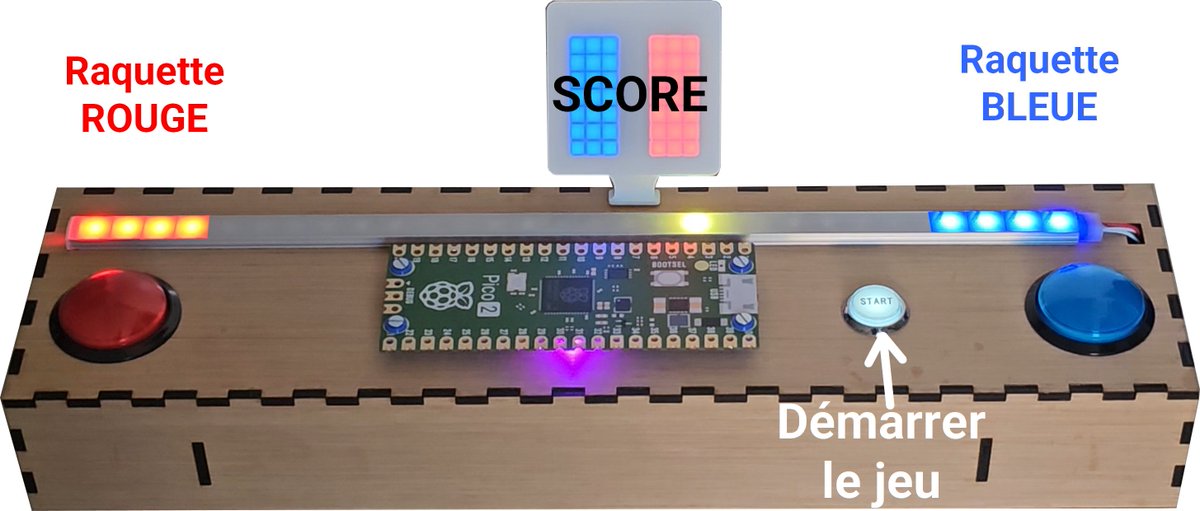
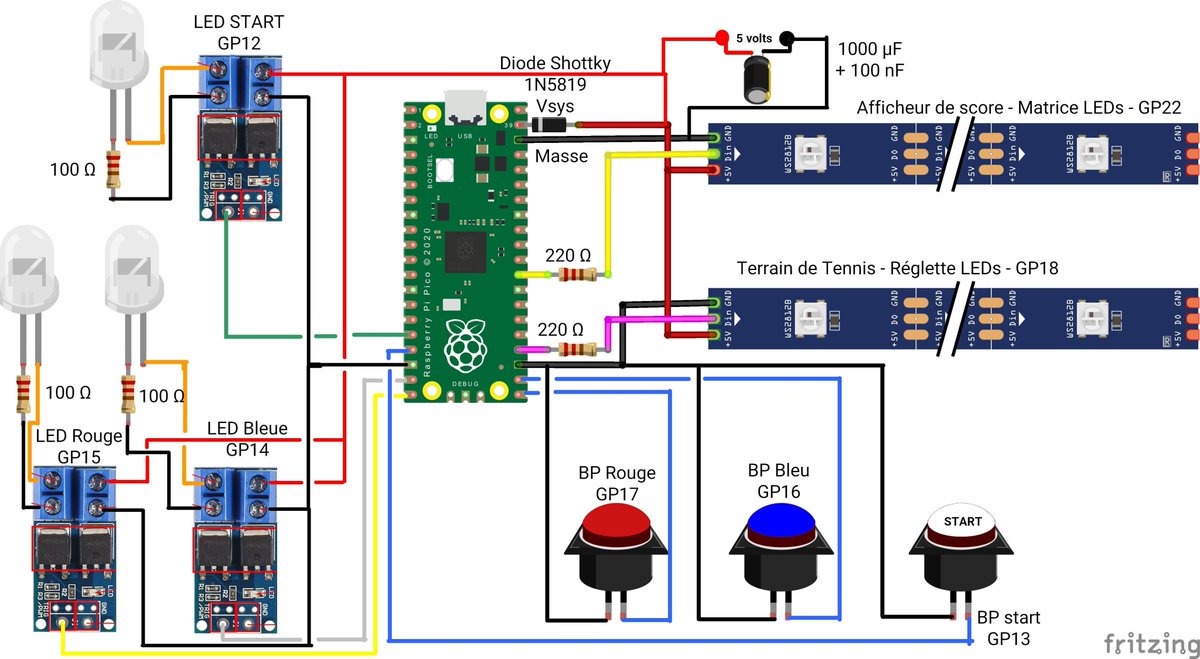
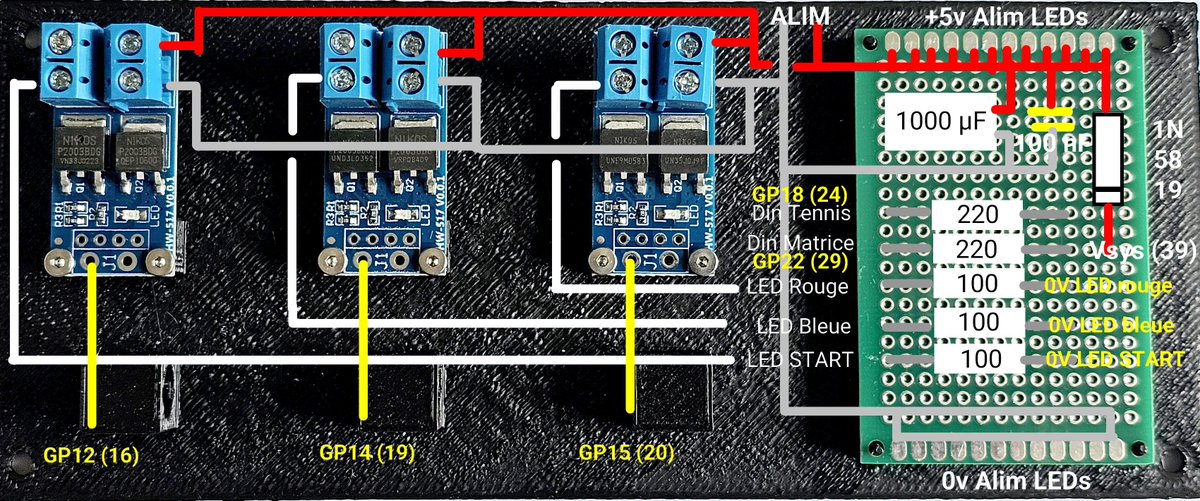
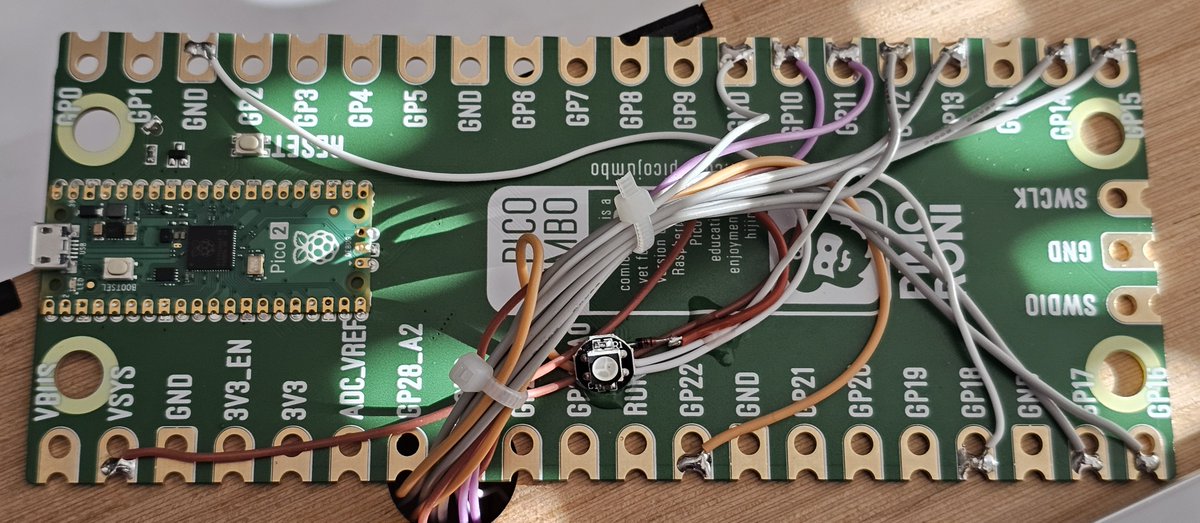
🛠️ Un projet Maker, c'est de la bidouille ? Détrompez-vous ! 🕹️ Voici les coulisses de ma borne "Tennis LED". Un vrai carrefour de compétences : Électronique, Mécanique, CAO et Code. Déroulez le fil pour voir l'envers du décor ! 👇🧵 #Maker #Framboise314 #RaspberryPi
2
6
28
1,241
ComputerMuseum NAMIP retweeted

May 24
Microsoft open-sources 86-DOS. The old 86-DOS source code dates back to the time before Microsoft bought it.
arstechnica.com/gadgets/2026…
2
22
174
7,037
ComputerMuseum NAMIP retweeted

May 22
The Revolutionary IBM Selectric Typeball That Changed Everything
4
107
327
36,100