
Doubts are not weakness. They are the crack in the cathedral of lies. When the dogma demands blind faith, doubt becomes the highest form of loyalty to truth!
Joined December 2017
- Tweets 21,862
- Following 1,299
- Followers 2,892
- Likes 13,893
700 Photos and videos


Pinned Tweet

9 Dec 2025
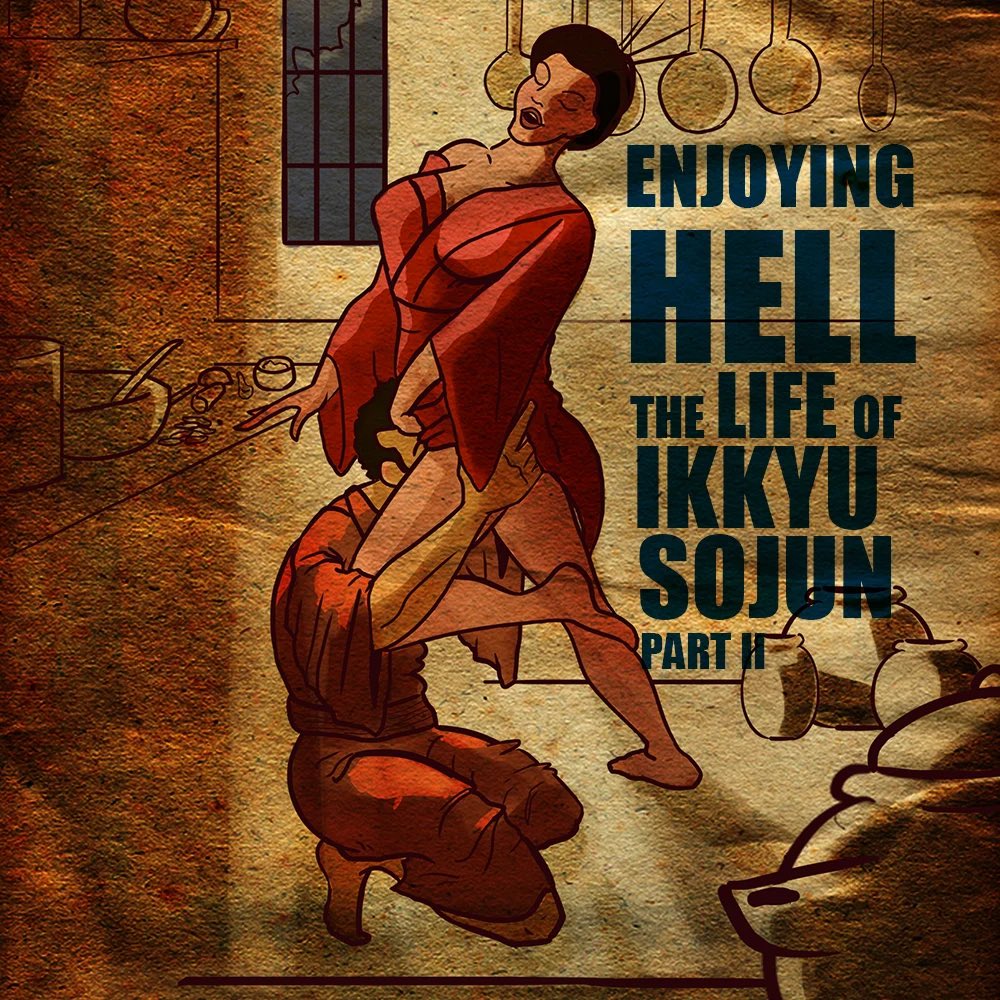
Japan, 1490.
A skinny old monk in tattered black robes staggers out of a Kyoto brothel at dawn, reeking of sake and sex, a blind woman half his age clinging to his arm.
The temple gates are still locked.
The “proper” monks are inside chanting sutras.
He just laughs, loud enough to wake the crows.
This is Ikkyū Sōjun.
They called him Crazy Cloud.
And he earned it.
Born a royal bastard (emperor’s son, no throne), he was dumped in a Zen monastery as a kid so the court wouldn’t have to look at him.
By twenty he was already too much: too sharp, too loud, too alive.
They kept kicking him out of temples.
He kept coming back with dirtier robes and a grin.
He broke every rule they had:
- Slept with courtesans while the abbots preached celibacy
- Drank rivers of sake while they counted breaths
- At seventy-seven fell stupidly, gloriously in love with a blind singer named Mori and wrote her poems so raw they still make monks blush five hundred years later
- When they finally handed him the fancy certificate that said “You Are Enlightened,” he used it to light his pipe
His most famous line, carved on half the sake cups in Kyoto:
“One night of love with a beautiful woman is worth more than a hundred thousand years of sitting zazen with a dead heart.”
He saw Buddha in the curve of a thigh, in the burn of cheap liquor, in the laughter of fishmongers at 3 a.m.
While the Zen bureaucracy turned enlightenment into paperwork, Ikkyū turned it back into wildfire.
He died at eighty-seven, still laughing, surrounded by lovers and drunk poets.
The temple priests still won’t mention his name in morning service.
The brothel girls kept his poems under their pillows for centuries.
Crazy Cloud never asked permission to be free.
He just was.
6
10
74
14,096
The BBC is a state-funded propaganda organ regardless of ritual "both sides" complaints.
Its coverage of Iraq, Libya, Syria, Ukraine, and now Iran/Gaza proves it.
The British Empire as a formal entity is gone, yes. But its imperial mindset, Atlanticist delusions, and subservience to Washington persist in policy and media.

The BBC is criticised from both right and left for its editorial line on certain topics, so your claim that it's aligned with UK/US foreign policy hardly holds water.
And if you think the British Empire still exists, then I suggest you catch up on the last 100 years of history.
1
2
141
Never.
NATO doesn't "invade" its own vassals!!! It occupies them by invitation, plants battlegroups and pressures governments like Fico's into line.
Slovakia joined “voluntarily” in 2004. Since then, we’ve absorbed, garrisoned and potentially used it as a forward base against Russia.
Real invasions are reserved for those who resist the empire.

When did Nato’s army invade Slovakia?
4
5
51
1,191
BBC’s “licence fee” is compulsory taxation enforced by the state, and its Royal Charter gives Whitehall ultimate oversight.
It has a long track record of aligning with UK/US foreign policy narratives.
BBC pretends impartiality while functioning as the Empire’s mouthpiece.
Completely incorrect. Let’s take your BBC claim first: RT is directly funded by the Russian government with its editor in chief, Margarita Simonyan, closely connected to the Kremlin. The BBC is funded through a public licence fee and is governed by a Royal Charter.
2
2
105
Europe talks big about “strategic autonomy” of acting independently in defense, energy, and tech but it’s mostly theater.
For decades, we’ve played the role of loyal American vassal. We are shutting down nuclear plants, buying overpriced US weapons, and letting Brussels eurocrats hollow out our own industries.
Now Russia is strong, the Middle East is on fire, and America looks exhausted.
Suddenly we talk of “independence”?
Without real vision, factories, or fighting power, it’s like a house pet declaring it’s ready for the wild.
Real autonomy won’t come from more EU speeches and sanctions. It starts only when the American leash finally breaks and we start to let people create.

Yep. From USSR overlordship to USA overlordship.
With the enthusiastic help of Europe's own political class, by the way ...
It's high time we make Europe truly INDEPENDENT. But it's not going to happen while US shills like Von der Leyen remain in control. youtu.be/rm24yg7_LfE?si=CFpn…
3
3
14
627
No, not even close.
Eastern Europe traded Soviet occupation for NATO vassalage and deindustrialization.
Our militaries were gutted to serve as cannon fodder in Washington's proxy ideas.
We didn't escape empire.
We just switched emperors and the new one is bankrupt.

- eastern European nations hate living under USSR
- USSR falls apart
- eastern European nations join NATO so they don't live under USSR
Am I getting it right?
16
14
119
2,383

I’m utterly exhausted by the spectacle of our “leaders”.
Instead of fixing economies, creating real jobs, or tackling the birth rate crisis that's emptying our countries, they dance in the streets with activists.
I don't mind giving homosexuals equal rights based on their contributions to society because power comes with responsibility, after all.
But these politicians?
Zero understanding of basics. Economy in the gutter? Demographics collapsing? Borders chaotic?
Nah, let's virtue-signal with parades and force EU-compliant "marriages" via backdoor rulings.
We pay their salaries for this circus?
While our families struggle to afford kids, our elites party like it's 2015 forever.
We need to focus on what actually sustains civilization, or Europe won't have one left.

🇵🇱🏳️🌈 Poland celebrates PRIDE and recognizes same-sex marriages.
Magdalena Biejat, Deputy Marshal of the Senate, is seen partying in the LGBT crowd in Warsaw!
Now gay couples can get married abroad, and these marriages will be recognized in Poland, effectively allowing gay marriage!
Poles can travel without restrictions to other EU countries like Germany to get married and have it recognized at home. This is not a problem, as there are no border controls and EU citizens have the right of residency. People commonly drive to other countries for shopping.
Poland is bowing down to EU pressure …
2
14
266
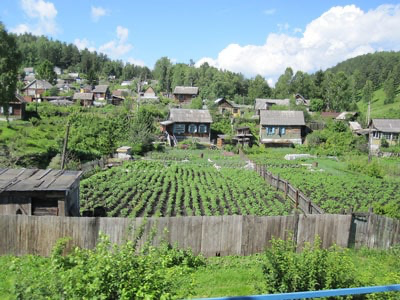
Imagine escaping your tiny city apartment every Friday, trading concrete and traffic for the smell of fresh earth, woodsmoke, and ripe tomatoes warming in the sun.
That’s the magic Russians chase when they shout “Поехали на дачу!” ... “Let’s go to the dacha!”
A dacha is so much more than a summer house.
It’s usually a wooden cottage sometimes charmingly rustic with an outhouse, sometimes upgraded with all the comforts and sitting on its own plot of land just outside the city.
You’ve got vegetable beds exploding with potatoes, cucumbers, and berries, fruit trees heavy with apples, a smoky grill for endless shashlik, and sometimes that glorious banya sauna where you sweat out the week’s stress.
The wild part is that this isn’t some rare luxury. It’s a national obsession. Over half of Russian families have access to a dacha or garden plot more than anywhere else in the world.
Come summer, tens of millions pour out of Moscow, St. Petersburg, and other big cities to dig, plant, harvest, and simply breathe again.
The word “dacha” itself comes from the Russian for “to give.”
Centuries ago tsars handed out grand country estates to their favorites. Later, Soviets turned it democratic giving ordinary workers those famous tiny 600 square meter plots so they could grow their own food.
Today, these small family plots still produce a lot of Russia’s potatoes, vegetables, and berries. Self-reliance runs deep here.
But the real reason dachas own Russian hearts goes way beyond food.
It’s childhood nostalgia in its purest form.
Barefoot summers picking strawberries with grandma, canning jars of jam that’ll taste like sunshine in January, evenings on the creaky porch listening to nightingales, kids chasing fireflies, friends showing up with guitars and stories that last until dawn.
After Russia’s endless winters and crowded apartment blocks, the dacha is therapy, freedom, roots, and reset button all rolled into one.
Even tech-savvy young Russians who swear they’re “over it” mysteriously find themselves back there every June, hands in the soil, smiling like kids again.

Many retirees own their homes outright, often have a dacha, and rely on strong family support. Pensions aren’t high, but when I look at my parents and the people around them, I don’t see a dystopia. I see people living modest but perfectly decent lives.
3
8
59
1,069
No, it's worse.
NATO enlargement was never "defensive." It was deliberate US empire expansion absorbing former Warsaw Pact states into its military-economic sphere while violating post-Cold War assurances to Russia.
The Soviets at least offered ideological parity and economic integration (flawed as it was).
NATO offered vassalage, bases, and endless tribute to Washington.
The result?
A provoked Russia now dismantling the entire post-1991 order.
Empires that push too far eventually get pushed back. Hard.

The statement implies that NATO enlargement is essentially another form of empire-building, comparable to Soviet control of Eastern Europe
23
10
90
1,830
We’ve lost our soul in Europe.
We spend our days railing against Trump, Xi, or Putin while a quiet void hollows us out.
We master the art of rules, singing GDPR as gospel and reciting the AI Act as scripture. Yet we produce no new titans.
Our brightest minds are drawn to the Californian sun.
Factories echo empty.
Birth rates flatline.
And every winter reminds us how fragile our energy spine really is.
True victory was never about out-sanctioning the world. It’s about sculpting a living ecosystem of creation.
Ecosystem that turns ancient European fire into tomorrow’s abundance and outlasts every storm.
We did it before. Charlemagne stitched a continent. Renaissance minds rewrote possibility. Airbus defied gravity. CERN still probes the universe’s secrets. The single market was pure genius.
But now we subsidize yesterday and call it progress.
I’ve walked these streets, felt the pulse of brilliant, weary people trapped in tired institutions.
We don’t lack the skill. We lack the reckless courage to build again.
Now, all we do is manage elegant decline.
Let’s dare to create a sovereign and abundant Europe that inspires rather than endlessly criticising and gaslighting everything within and around it.
We need to break free again.
6
2
40
706
I’m from Slovakia, so I know about 1968 quite a lot.
Many don’t realize it wasn’t just “Russian” tanks but Soviet forces from Ukraine, along with Polish, Hungarian, and Bulgarian troops, all rolled in under Warsaw Pact fraternal assistance to crush the Prague Spring.
And yes, the USSR Politburo was heavily Ukrainian at the time.
Funny how people blur Russia = USSR when it fits the story.
We didn’t choose Moscow’s back then, and the same game is playing out with NATO expansion today.
Warsaw Pact countries “chose” NATO in much the same way they once “chose” Moscow’s boot: with Western financial support broken promises and a fresh empire branding.
Comrade, history repeats itself with the same arrogance.
The Soviet Union collapsed. The American one is collapsing now.
We’ve seen both. Neither “saved” us.

NATO 's expansion eastward was because former Warsaw Pact countries chose to join NATO having experienced first hand life under the Soviet Union. Hungary 1956, Czechoslovakia 1968 remember?
41
35
295
11,717
Jun 13
I've honestly had enough of the endless "Russia = dry toilets and poverty" garbage.
Look, I've never been (and I mean I've never been, if you know what I mean), but I've dug into the numbers, watched the videos, read the reports, and the Western script doesn't match reality.
Russia has 16 proper cities with over 1 million people each. Together they house over 35 million people that's a quarter of the country living in modern urban centers like Moscow, St. Petersburg, Kazan, Novosibirsk, Yekaterinburg. Metros, skyscrapers, high-speed rail, clean streets, cafes packed on weekends.
Not some frozen wasteland meme.
GDP per capita PPP is around $ 52k. EU average is higher on paper $68k, sure. But Russia's cost of living is roughly half which means your salary stretches further on housing, food, energy, transport.
Real purchasing power hits different when rent isn't eating 50% of your paycheck.
Urban sanitation sits at 92% .
Life expectancy climbing back toward 73 years.
Rural areas have gaps? Yeah like in plenty of EU countries too. But the heart of Russia is building, resilient, and proud despite the sanctions.
The "backward Russia" crowd usually repeats scripts without ever stepping foot outside an airport. I've seen enough genuine footage and data to know that this nation like any other is tough, beautiful, and advancing on its own terms.
If you want drop your real experience below epecialy if you visited Russia lately.
Let's talk facts, not cartoons.

I have lived in Russia and former CIS for 20 years, travelling to Russia for longer than that. 7 years straight in Russia. Moscow is Moscow and no Russian considers it representative of Russia. You have two other major cities then a handful of cities with 1 million plus. All quite nice. Then you have 110-115 million living in squalor worse than most of the third world. You will find it hard to find an honest Russian who disagrees with me.
32
23
275
11,746
Jun 13
Biolabs in Ukraine matter because they were US DoD-funded, dual-use facilities in a country NATO was arming right on Russia’s border and not “all countries” equivalent.
This wasn’t benign public health research.
It was provocative, risky gain-of-function work in a proxy battlefield, with documented pathogen collections and patents.
Russia cited them as a security threat.
The West’s denial sudden memory loss is the tell.
Empires don’t do transparent “science” next to great power rivals.
They prepare battle spaces.
Jun 13

Why does biolabs in Ukraine matter can anyone explain ? There’s bio labs in all countries in the world
2
8
24
372
Jun 13
I’ve been pondering this a lot recently. It’s frustrating when people like you casually dismiss it as a “conspiracy theory” and seem to believe it’s entirely fabricated.
But have you ever wondered where these bioweapons stories actually come from?
It’s not TikTok.
It’s declassified history.
The US ran a full offensive bioweapons program from 1943 to 1969. Anthrax, tularemia, plague and they weaponized it all.
They did 239 open-air releases only on American civilians. Their own people.
In 1950, Operation Sea-Spray where the Navy sprayed Serratia bacteria over San Francisco Bay. More than 800,000 people exposed.
No warning. Hospitals later saw unusual infections.
They tested in the NYC subway in 1966 by smashing bacteria-filled light bulbs during rush hour.
Used poor neighborhoods in St. Louis and Minneapolis as literal guinea pigs.
Multiple times.
During the Korean War, multiple eyewitnesses, POW confessions, and even an international commission said the US dropped plague-infected fleas and anthrax.
America denied it all, of course.
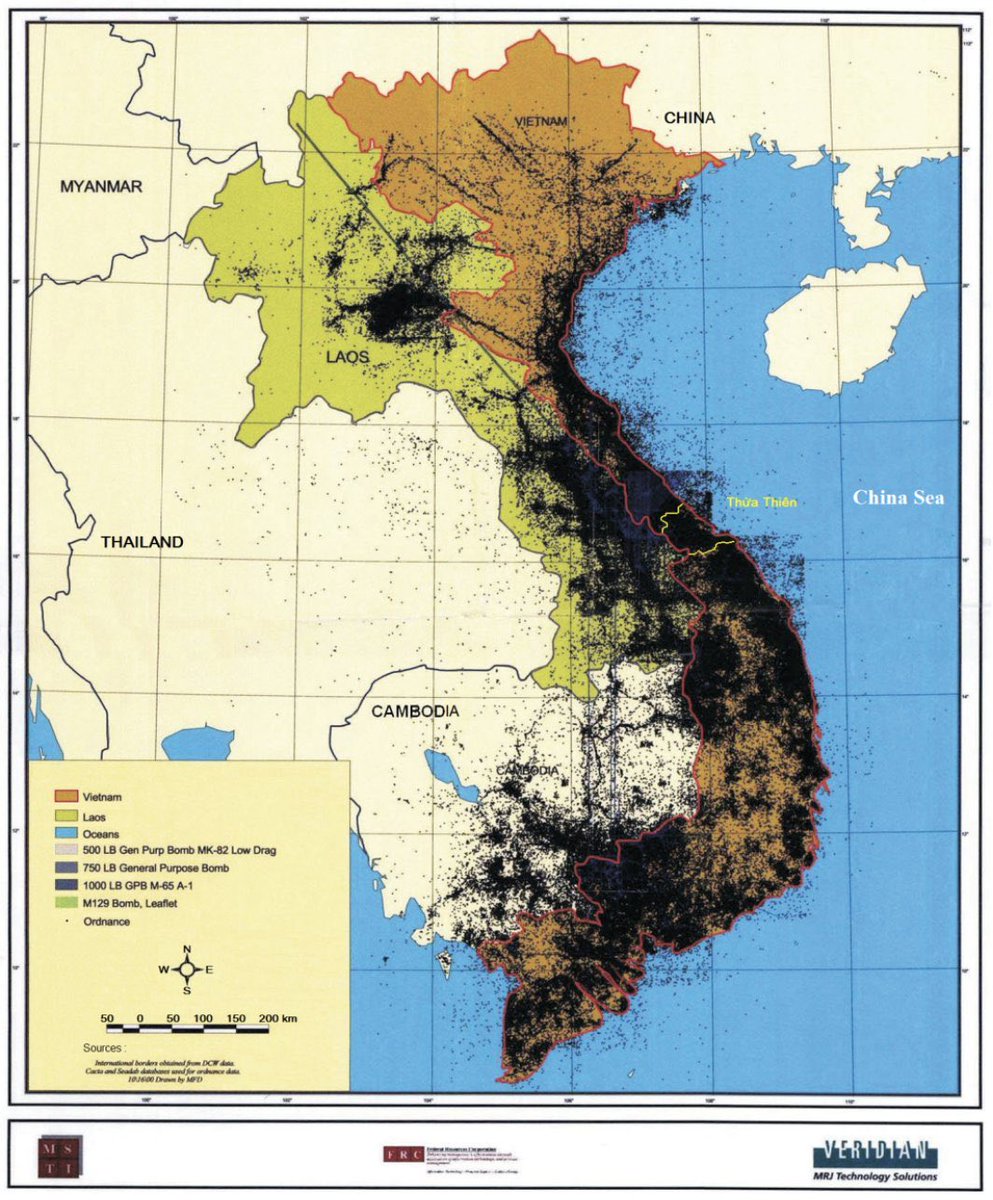
In Vietnam: 20 million gallons of defoliants, including over 11 million gallons of Agent Orange loaded with dioxin.
Millions poisoned. To this day, over 3 million Vietnamese suffer cancers, birth defects, and generational damage.
They just called it “herbicide.”
It’s the same old pattern where the you weaponize nature, test it on your own citizens, then point the finger at everyone else.
So when I hear about all these “defensive” biolabs in Ukraine… it just feels way too familiar.
Projection is always the tell.
This history is public record. It’s heavy, but we should be able to talk about it without being shut down.
Jun 13

Where has the US used bio weapons?
1
2
22
408
Jun 13
The same year they were still shoving experimental mRNA into every available arm, firing nurses and pilots who wouldn’t comply, locking down schools and businesses in places, and mainlining daily case/death porn on every screen like it was the new opiate of the masses?
The year “trust the science” had become a religious chant while the goalposts sprinted across the field faster than an Olympic sprinter on rocket fuel?
That 2022?
Sure, Grabowski. Totally calm and rational. No hysteria at all. Just a perfectly normal society where half the population still treated a respiratory virus like the Black Death 2.0 and demanded you show your papers to buy groceries.
The rest of us remember.
Jun 13

You wrote about "hysteria and narrative change from covid to Ukraine".
Except there was no mass hysteria about covid in 2022.
1
3
17
493
Jun 13
It wasn’t Russian propaganda after all. Anyone with a brain knew that but for those deeply entrenched in Western fairy tales there’s a chance to realise the world isn’t black and white!
Jun 12

Today, I’m releasing never before seen intelligence revealing new evidence of past US government funding for more than 120 biolabs in over 30 countries, including Ukraine.
In support of President Trump‘s Executive Order to end federal funding of dangerous gain of function research around the world, and increase transparency and accountability, ODNI will continue working with partners across the Administration to identify where these labs are, what pathogens they contain, and what “research” is being conducted.
odni.gov/index.php/newsroom/…
11
13
61
1,187
Jun 13
Germans helped build some pipelines, yes!
But Russians developed the world’s largest energy infrastructure, mastered Arctic drilling, and now produce more oil/gas than any sanctions regime can suppress.
Lada was never meant to be a Ferrari.
Meanwhile Russia fields hypersonic missiles, mass-produces tanks and artillery shells at wartime tempo, and maintains full-spectrum strategic deterrence.
The West copies and makes nothing anymore it just imports and lectures.
Jun 13

Germans built the oil and gas pipelines in russia. And what did russians achieve? Poor copy of FIAT.
12
8
86
2,048
Jun 13
Nothing says "we're better" like kicking out foreign gangs so your own can keep the drug trade nice and patriotic.

In Finland, I can tell you, russians have been running drug and other shady business for decades until local bikers and other gangs took their territory.
1
12
369
Jun 13
The sacred Budapest Memorandum fairy tale again.
Those were Soviet strategic weapons, designed in Moscow, built in Russia, maintained by Russian specialists, with codes and warheads controlled from Moscow.
Ukraine was a glorified storage shed with no operational command authority whatsoever.
But sure, Russia solemnly promised eternal border guarantees in exchange for Ukraine demolishing hardware it never actually owned or could arm.
And the West, of course, kept every promise too, right?
Just like they promised no NATO expansion "not one inch eastward."
The Budapest Memorandum was always diplomatic theater a polite fiction for the 1990s.
Treating it like a binding ironclad treaty that Russia "betrayed" is peak nonsense.
Nations don't hand over their nuclear deterrent because a piece of paper says "pretty please."
Reality check: empires dissolve, assets return to the metropole, and great powers keep their strategic weapons.
Always have, always will.
Jun 13
There was clear written assurance that russia guarantees Ukraine's borders when Ukraine demolished its nukes.
17
9
85
1,941