
Joined May 2015
- Tweets 699
- Following 460
- Followers 177
- Likes 270
351 Photos and videos

May 19
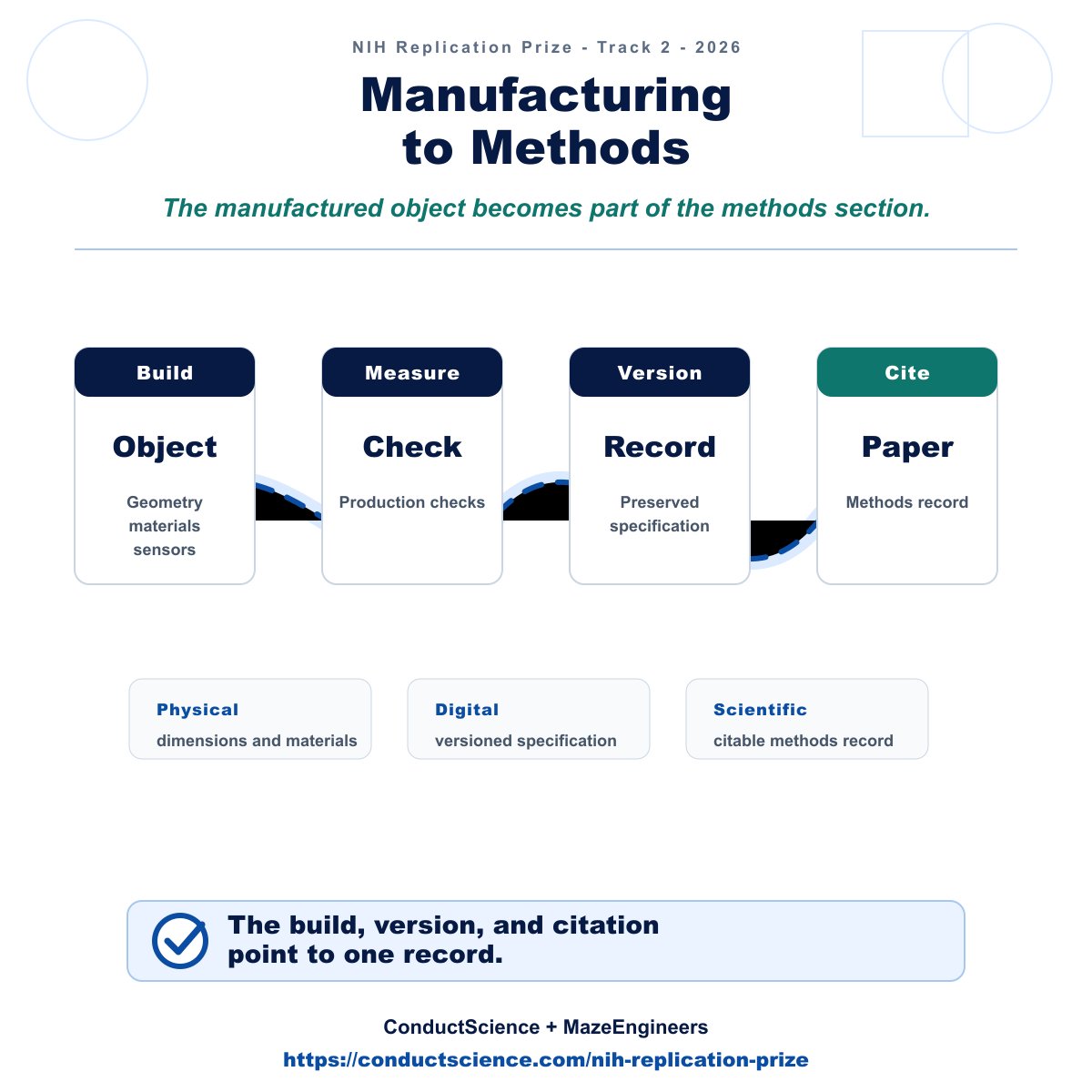
The manufactured object belongs in the methods section.
Geometry, materials, sensors, version history, and production checks all shape the experiment.
Build it. Check it. Version it. Cite it. Replicatescience.com
conductscience.com/nih-repli…
1
3
58
May 14
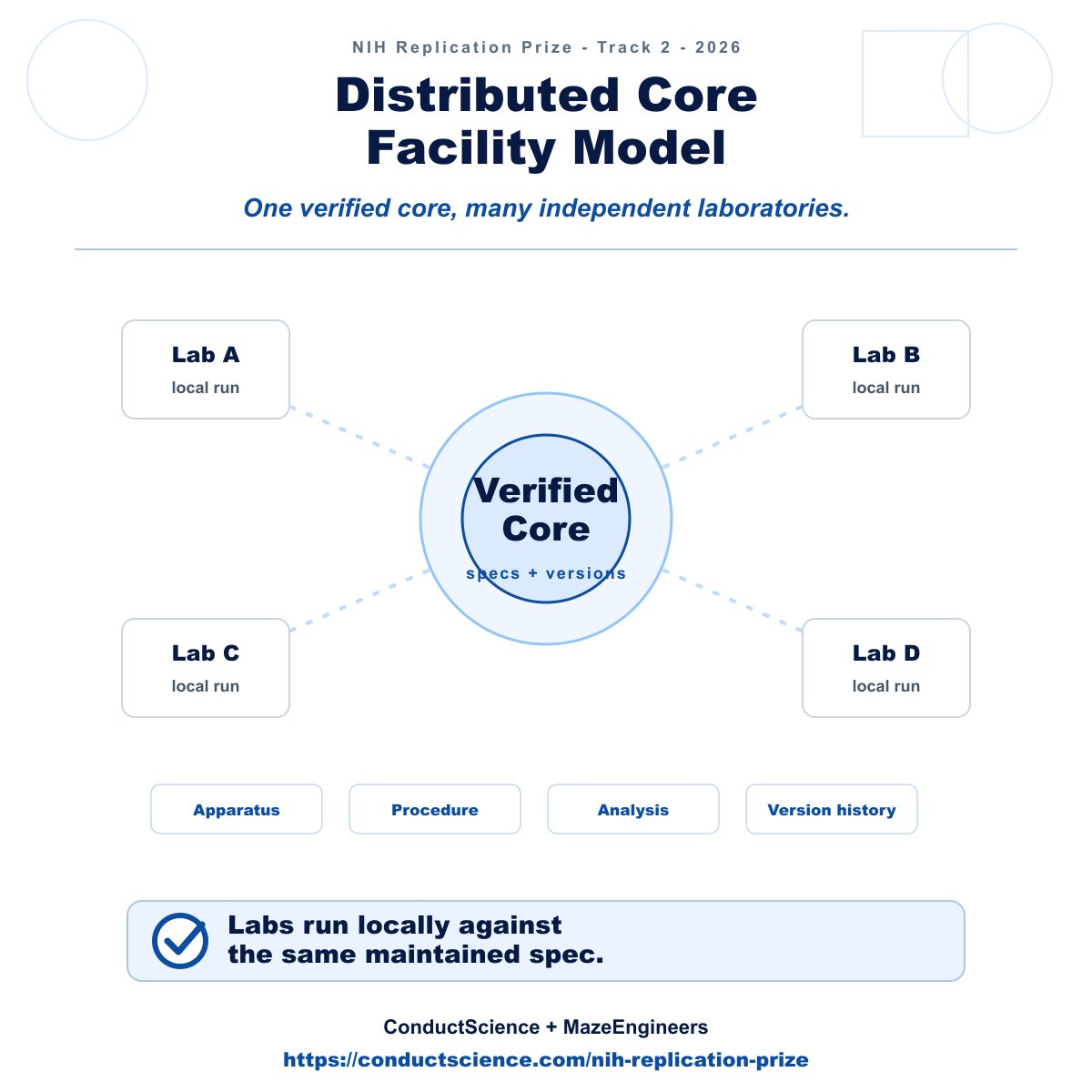
Replication can work while each lab runs in its own facility.
A distributed core keeps the specifications, versions, procedures, and analysis layer maintained while labs run locally.
One verified core. Many independent laboratories. We helped invent the distributed manufacturing core facility. Its why we win the @NIH replication prize
1
1
59
May 14
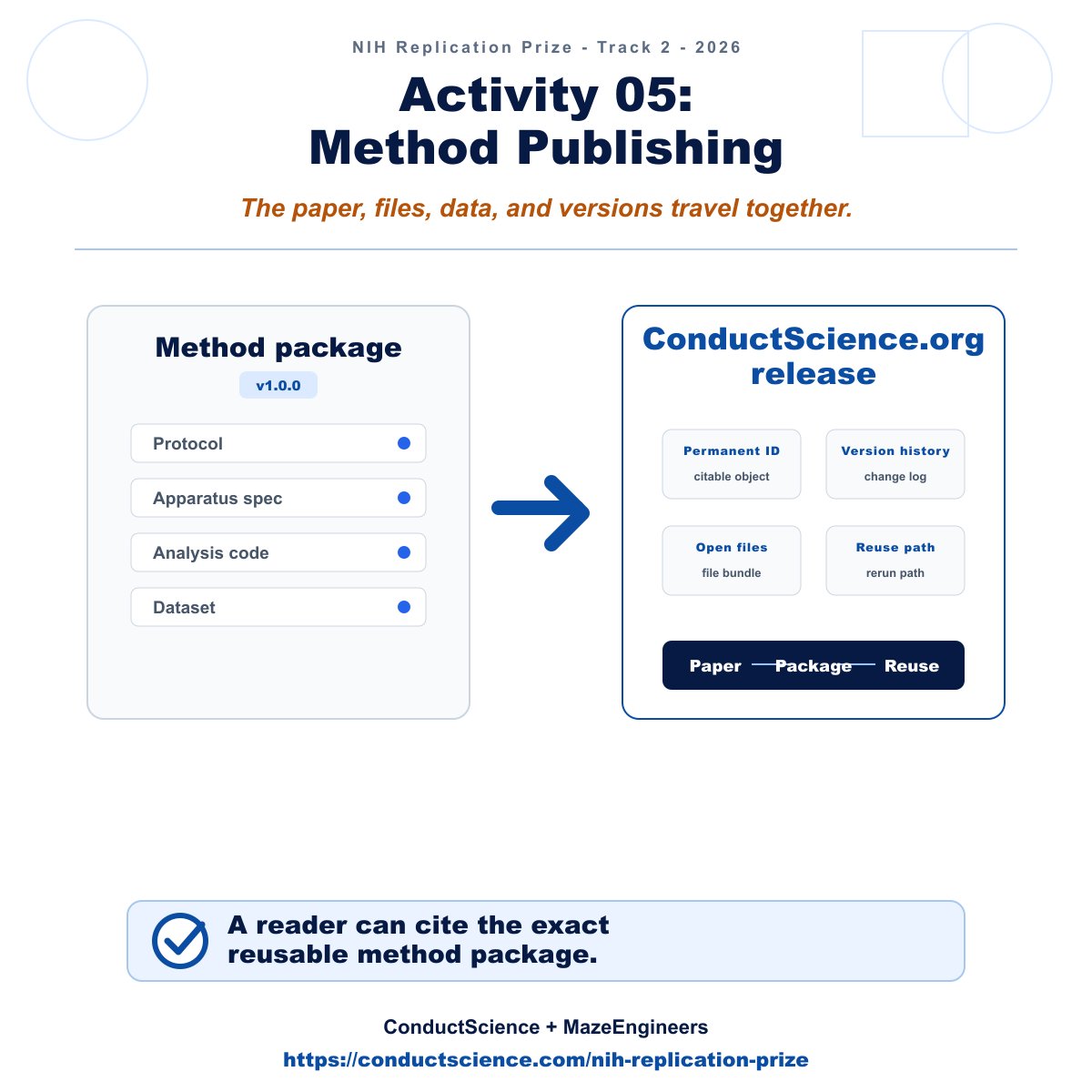
A paper is easier to repeat when the method package travels with it.
Protocol. Apparatus spec. Analysis code. Dataset. Version history.
That is the publishing side of productized replication.
conductscience.org
12
May 14
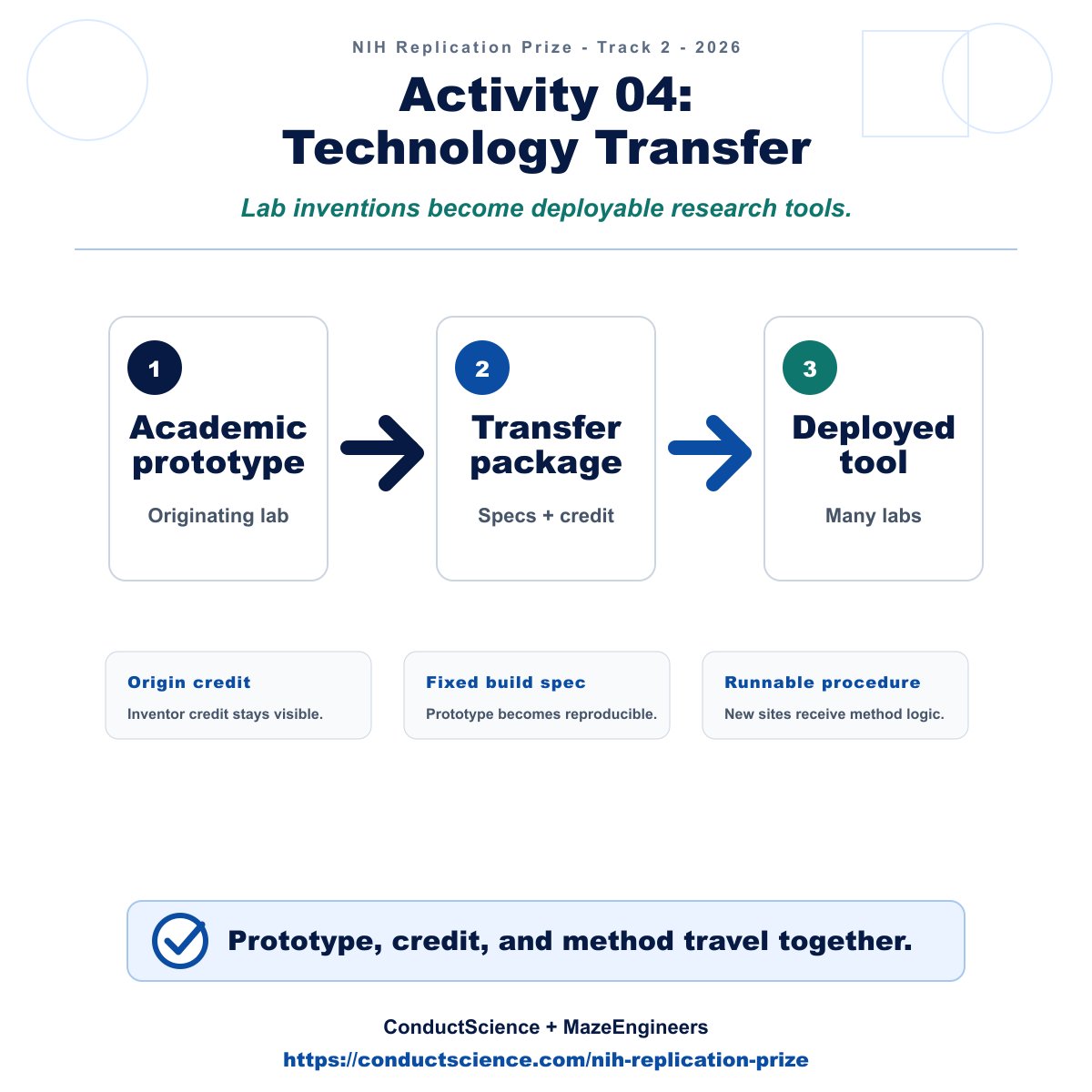
A lab invention helps replication when it can travel.
Technology transfer turns a prototype into a deployable tool with specs, procedure logic, and originating credit preserved.
Prototype, credit, and method move together.
That's why we won the NIH Replication prize.
1
12
May 14
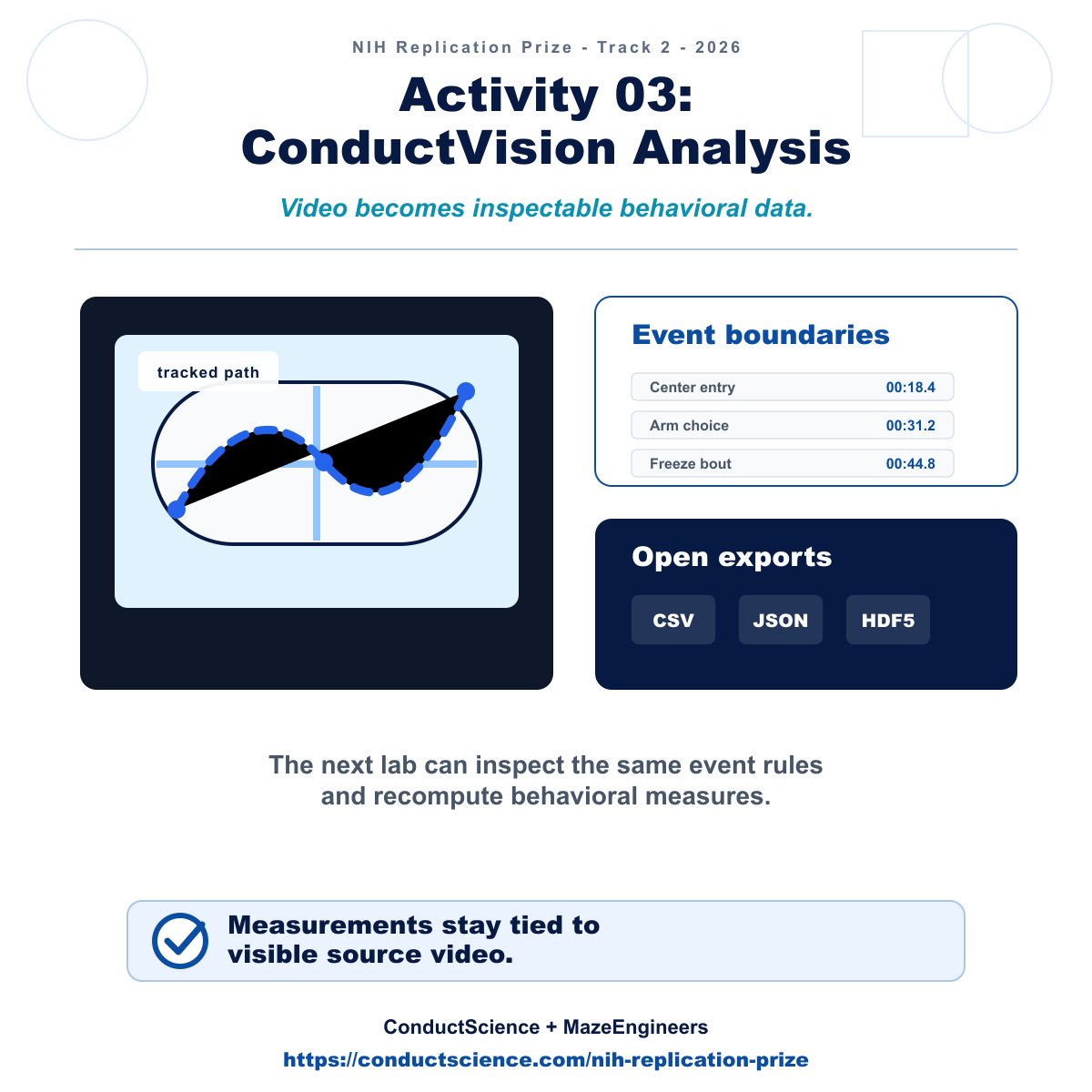
ConductVision turns behavioral video into inspectable data. That's why we won the NIH replication prize.
Tracked paths, event boundaries, timestamps, and open exports make it easier for another lab to see what was counted and recompute the measure.
1
10
May 14
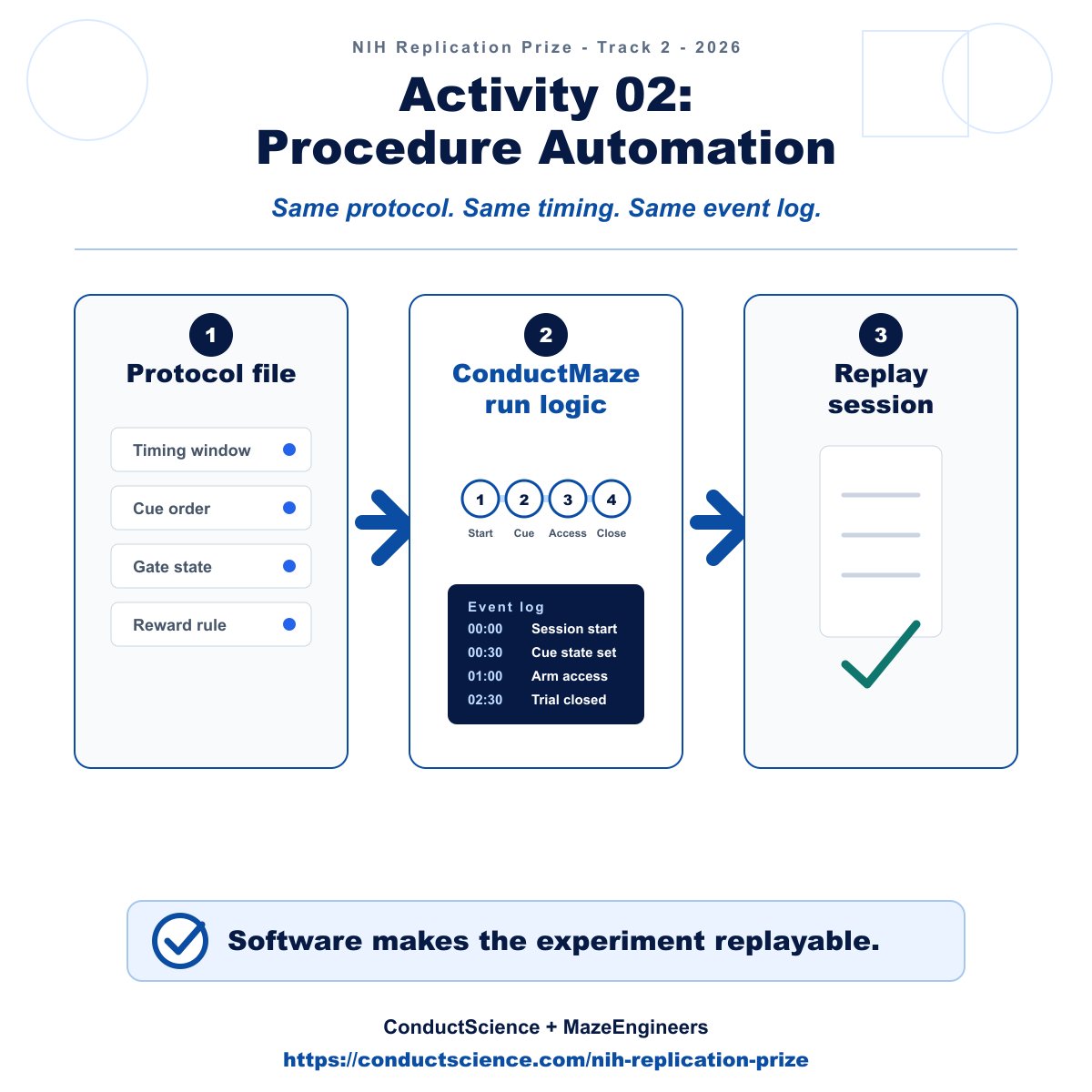
Manual timing creates drift. We fix that. Thats why we won the NIH Replication Prize.
ConductMaze helps turn protocol steps, timing windows, gate states, reward rules, and event logs into something another lab can inspect and repeat.
Same protocol. Same timing. Same event log.
24
May 14
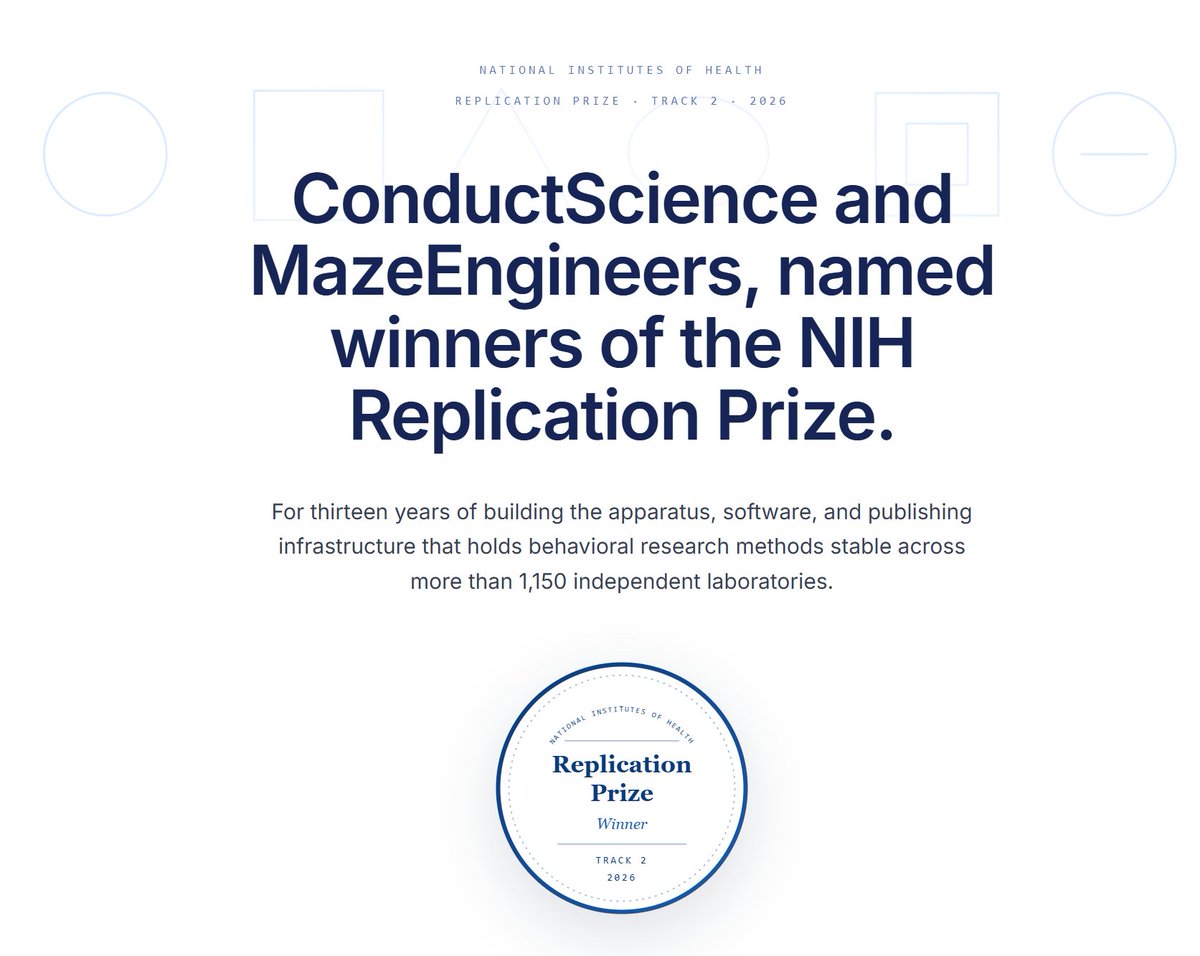
ConductScience and MazeEngineers have been named winners of the NIH Common Fund Replication Prize, Track 2: Replication Exemplars.
For labs, this is about products that make behavioral methods easier to repeat.
conductscience.com/nih-repli…
1
104
May 14
The winning submission documented: In laboratories using our standardized apparatus, results from independent control groups varied roughly half as much as the historical multi-laboratory benchmark (Mean coefficient of variation: 0.41 in our cohorts, versus 0.76 in the historical reference.)
1
2
May 14
The NIH result gives external proof. The product promise is the part labs feel day to day.
Make the equipment clearer. Make the procedure more consistent. Make the analysis easier to inspect.
4
Mar 12
We've been supplying labs for years. The hardest problem was never the equipment. It was that researchers couldn't get from a published paper to a protocol they could actually run.
@ShuhanHe built the fix. replicatescience.com
Mar 12

I am a physician and a researcher. I also build software. And the longer I spent in all three of those worlds, the more one thing became impossible to ignore: science methodology is the most important part of research, and it is the least developed as infrastructure.
In software, we solved this problem 20 years ago. Code is versioned. Pipelines are automated. Tools compose. You can call a function from a terminal, chain it into a workflow, test it, diff it, deploy it. The entire discipline is built on the principle that process should be reproducible by design, not by memory.
Science has never had that. A protocol is a document. It lives in a methods section written in passive voice prose, in a PDF nobody can query, in a Word file on someone's desktop. More than 70% of researchers have tried and failed to reproduce another lab's experiment. That failure is not because scientists are careless. It is because the tools we use to describe methodology were never designed to be instructions. They were designed to satisfy journal reviewers.
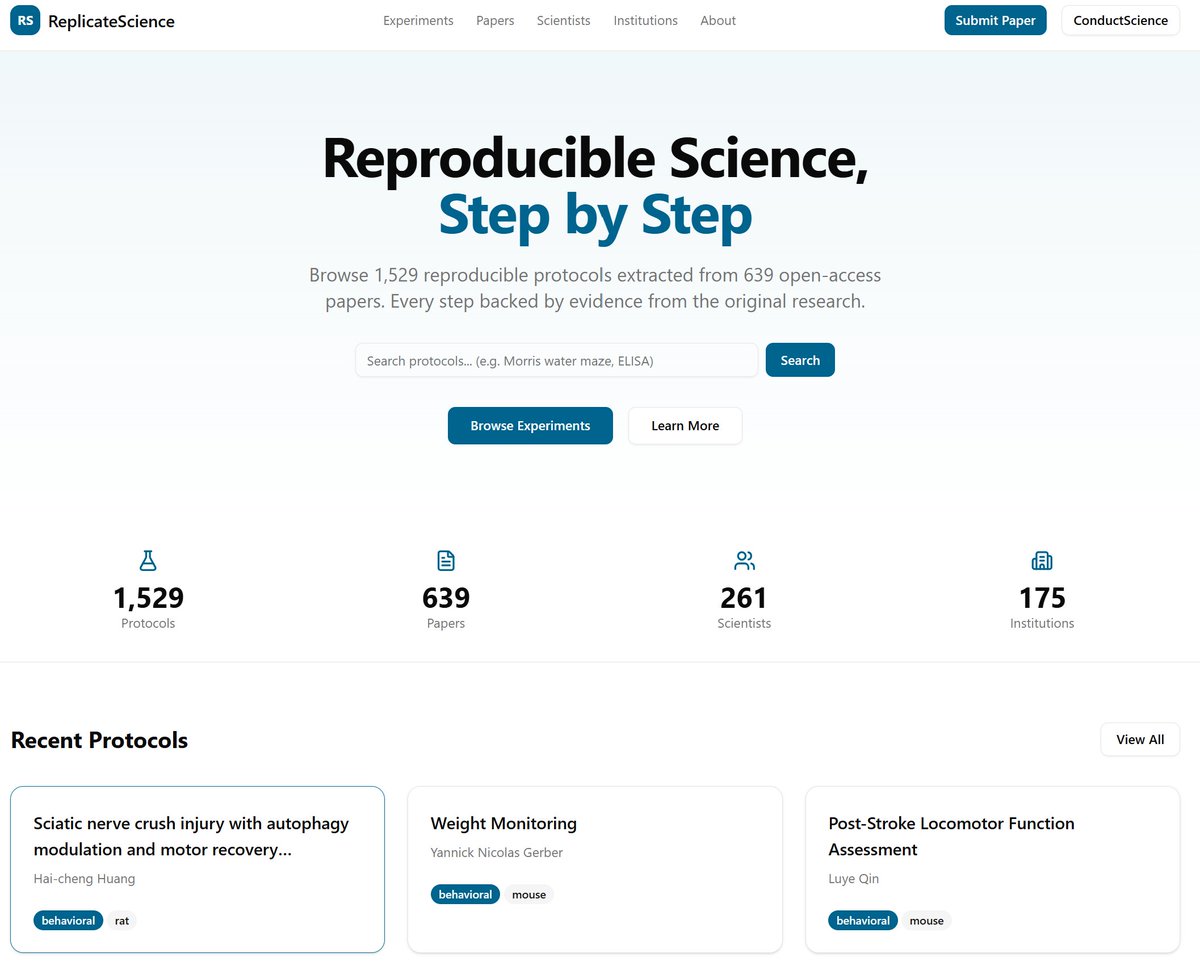
ReplicateScience started as an answer to a simpler problem: take open-access papers, pull the methods, and turn them into something a person can actually follow. Structured steps, evidence quotes from the original text, equipment mapped to real suppliers. That part exists today, across 1,529 protocols from 639 papers.
But the reason I keep building it is the bigger problem. I want science methodology to become programmable infrastructure. Not a UI you browse, but a protocol layer you can query from a terminal, integrate with ML pipelines, version like code, and trigger from automated systems. The kind of thing where a behavioral rig can advance a protocol step based on sensor output, or where a lab can diff their actual procedure against the canonical one and log the deviation automatically.
That is what software engineering already is. Science deserves the same primitives.
55
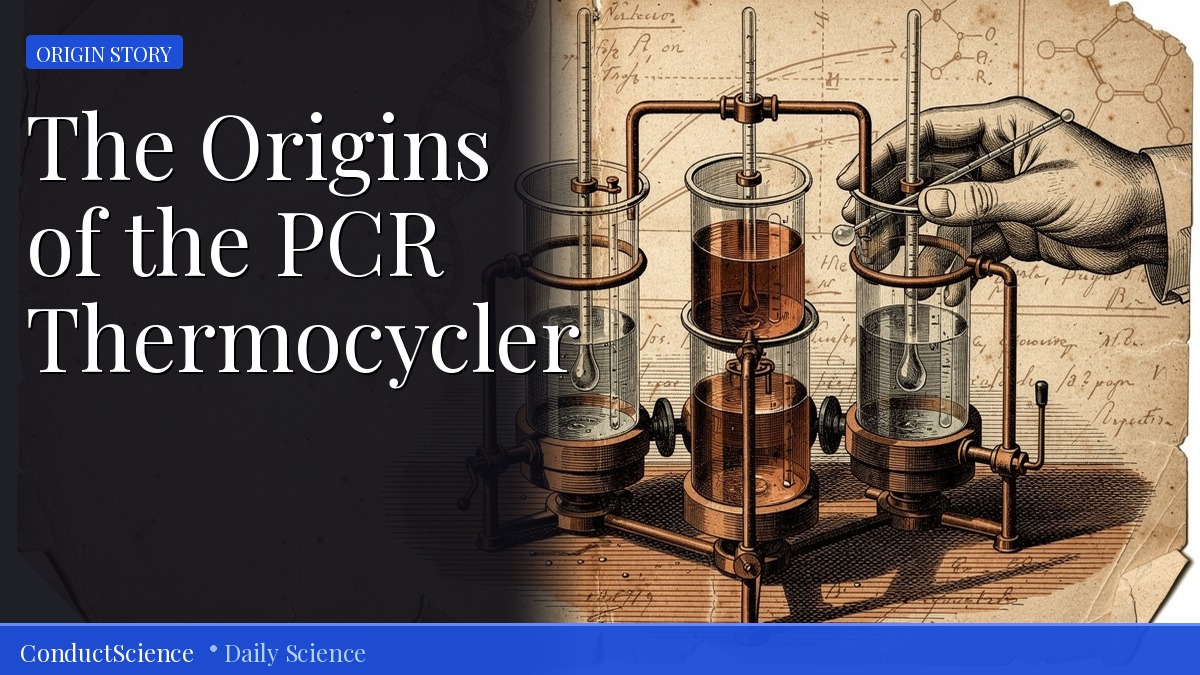
The first PCR machine at Cetus Corporation in 1983 was built from water baths on a lab bench. Kary Mullis moved test tubes between them by hand, repeatedly, for hours.
Mullis needed DNA to copy itself without cloning bacteria, which took weeks and failed constantly. The chemistry required heating, cooling, then heating again. Repeatedly. Precisely. Multiple cycles to see anything. His hands got blisters from the hot water. They used a timer. The tubes cracked if you moved them too fast, split if the thermal shock hit wrong. The lab smelled like burnt plastic and spilled ethanol. Mullis worked nights because the daytime staff kept borrowing his water baths. He'd arrive late with coffee and a stopwatch. The first successful amplification took hours of manual transfers. Heat the bath to denature the DNA strands. Grab with forceps, don't splash. Plunge into the cool bath for annealing. Count. Watch the condensation bead on the tube caps. Back into the medium bath for extension. His hands cramped. He missed cycles when he blinked too long, lost count, had to start over. The company wanted automation but didn't want to fund it. Mullis kept a lab notebook with water temperatures recorded regularly, proof that human hands could hold the rhythm if they had to. Eventually someone invented a rotating rack to move multiple tubes at once. It helped but increased the breakage rate. The thermal shock still killed samples. They started buying tubes in bulk, budgeting for waste.
Later, an automated block was built that could cycle temperatures without hands. Mullis got the Nobel in '93. The device had a thermal block with holes where tubes holding the reaction mixtures could be inserted. The cycler raised and lowered the temperature of the block in discrete, pre-programmed steps.
25
The researcher Jonas Salk worked on killing poliovirus for his vaccine in Pittsburgh in 1952. He needed dead virus that still looked alive to the immune system. Too much heat would damage the protein coat. Too little could leave dangerous particles.
He grew his virus in lab cultures, processing batches at a time. The cells died as the virus reproduced. He'd pour off the liquid, filter it, then treat it. Formaldehyde was one method to inactivate the virus, but heat was another approach.
He tested batches carefully, refining his methods through trial and error. His work required finding the right balance, inactive virus that could still trigger an immune response.
The challenge was scale. A single dose needed very little. A field trial needed much more. He couldn't use small equipment for large volumes and expect consistent results. Industrial equipment existed, but coordinating with manufacturers took time. A major trial was planned.
The vaccine Salk developed became one of the first successful polio vaccines. It used inactivated poliovirus given by injection. Combined with other vaccination efforts, these vaccines eliminated polio from most of the world and reduced reported cases from an estimated 350,000 in 1988 to 33 in 2018.
Salk had been born in New York City and attended the City College of New York and New York University School of Medicine before his groundbreaking work on the polio vaccine.
17
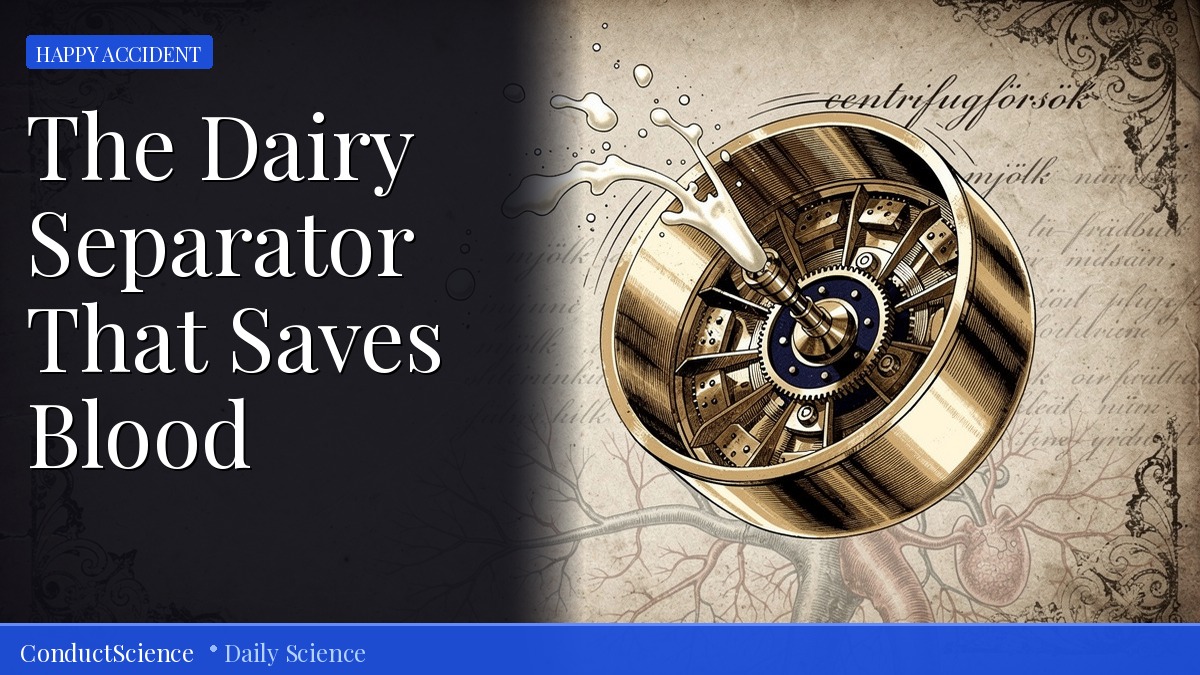
Gustaf de Laval's cream separator, patented in 1878, didn't work smoothly at first. His Stockholm workshop saw plenty of failed attempts. The device wobbled and leaked. Farmers needed their butterfat separated reliably.
De Laval had experience with steam turbines when he turned his attention to dairy machinery. Traditional separation methods were slow and inefficient. The old approach meant waiting for cream to rise naturally in shallow containers. The process took hours, and quality suffered during the wait. Farmers lost money. De Laval applied principles from his turbine work and built a drum with stacked discs inside, spinning milk at high speed. Early tests failed. The forces were too strong, or the spacing wasn't right. He adjusted the design repeatedly, changing gasket materials and disc configurations. Eventually he got it working. Two streams emerged from the separator, one was cream, one was skim milk. Both came out cleaner than before. He had figured out that denser liquid moves outward in the radial direction during spinning, while less dense substances move toward the center. The physics matched what happens in any centrifuge: different densities separate under rotation.
The separator found use beyond dairy. Medical facilities eventually adapted centrifugal separation technology for blood processing. Modified versions of similar machinery were used in various settings over the following decades. De Laval had been gone for years by the time these applications became widespread. The basic principle he applied to cream, using rotation to separate fluids of different densities, proved useful in contexts he never anticipated.
18
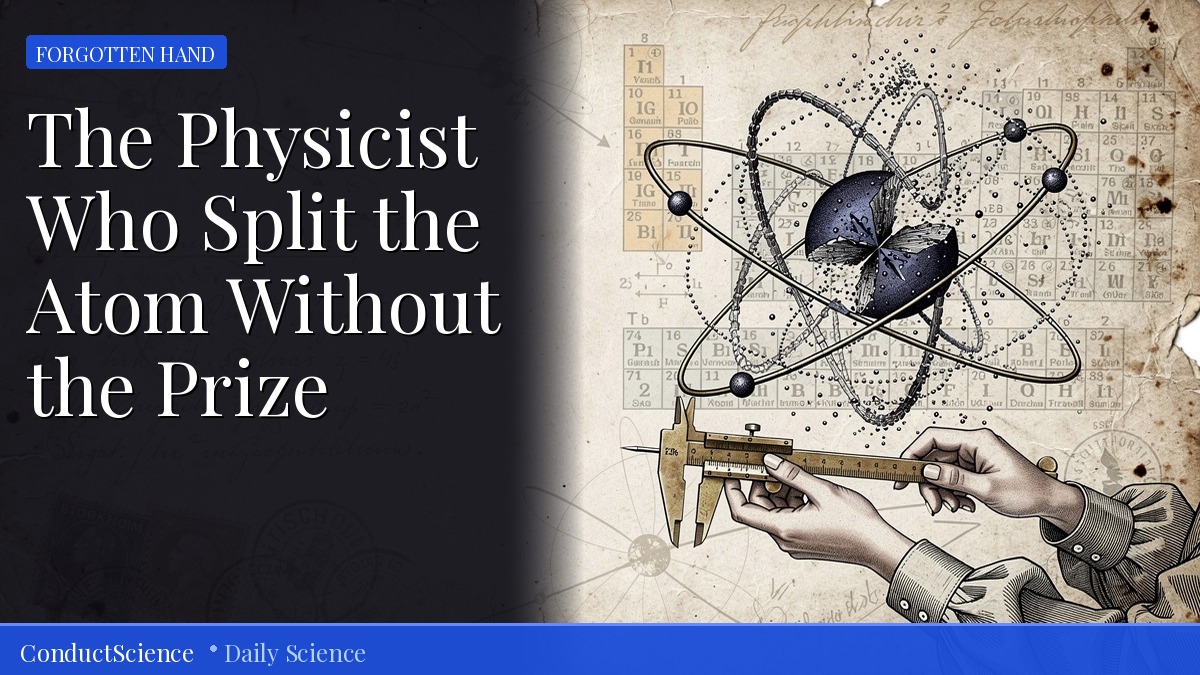
Lise Meitner helped discover nuclear fission in 1938, working from Stockholm while her longtime lab partner Otto Hahn published from Berlin.
She had fled Germany earlier that year as a refugee. No passport protections, no secure position, no laboratory of her own. For decades she had run experiments beside Hahn in Berlin, her notebooks filled with observations that didn't match existing theory. Now she lived in Stockholm, where she had limited resources and uncertain professional standing. She corresponded with Hahn about ongoing experiments, work she had helped design before leaving. The results troubled her. The data suggested something impossible: that uranium nuclei were splitting apart, releasing fragments far lighter than expected.
Her nephew Otto Frisch, also a refugee physicist, visited that winter. They discussed the problem during a walk in the woods because she had no other workspace. She worked through calculations on whatever paper was available, using borrowed materials, her cold hands making the work difficult. The uranium nucleus could deform and split, she realized. She calculated the energy release from Einstein's mass equation. The numbers were staggering. Frisch contacted other physicists to share the insight. Hahn's paper describing the experimental results had already been submitted for publication. It did not include her name.
The 1944 Nobel Prize went to Hahn alone. Meitner continued working, gave lectures, outlived most of her generation. Element 109 is named meitnerium. The snow that day had been wet, the kind that soaks through wool and freezes later.
81
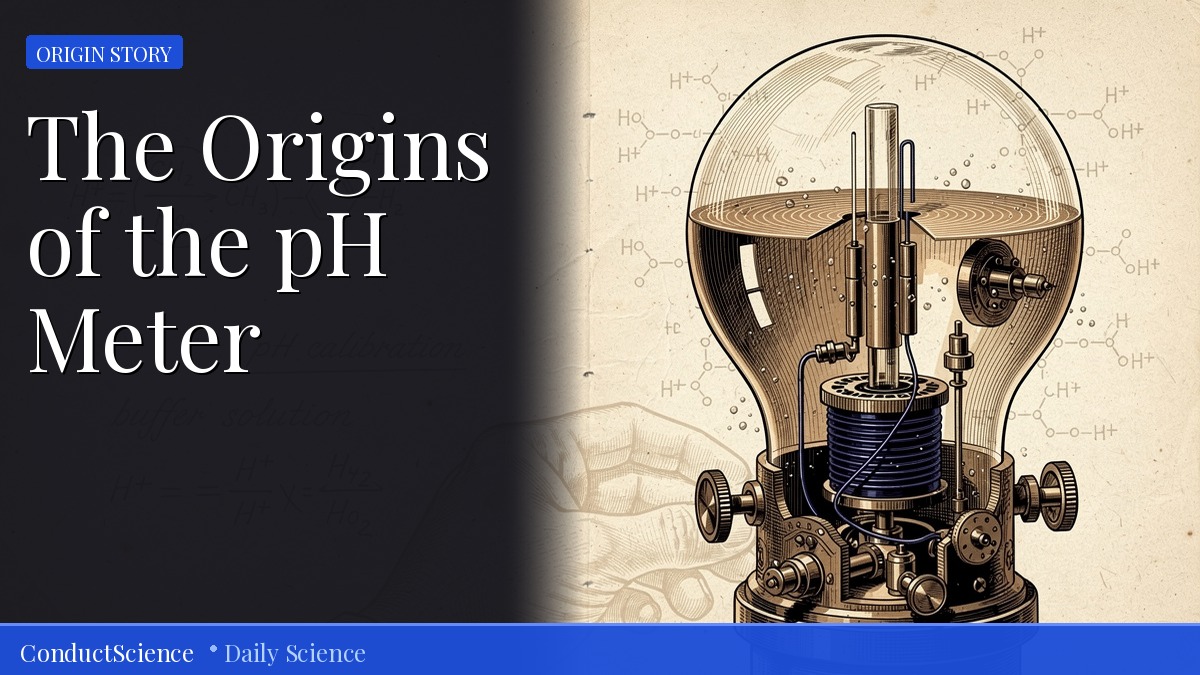
Arnold Beckman's first pH meter, assembled in 1934 at Caltech, measured the difference in electrical potential between electrodes to determine acidity. The device translated hydrogen-ion activity into readable numbers.
Before pH meters, measuring acidity was imprecise and slow. Litmus paper showed color changes but gave no exact values. Titration required careful laboratory work, adding base drop by drop until solutions changed color, then calculating backward from volumes used. Every batch was different. Every technician read the color shifts differently, and no one could agree on results.
Beckman built a device that read voltage differences between electrodes placed in solution. The hydrogen ions in acidic solutions generated electrical potential that could be measured. More ions meant different readings, producing exact numbers. The glass electrodes were fragile and had to be thin to function properly, which made them easy to break. The readings could drift. The reference electrode used a salt bridge that required maintenance. The apparatus sat in a case, and the instrument was designed to turn pH measurement from imprecise guesswork into reliable dial readings.
The device found customers. Caltech's chemistry labs bought them. Breweries wanted instruments that could measure pH precisely. Pharmaceutical plants ordered them. Beckman left teaching in 1940 to manufacture the meters full time. He founded Beckman Instruments based on his invention, a device later considered to have revolutionized the study of chemistry and biology. He never went back to the classroom.
1
15
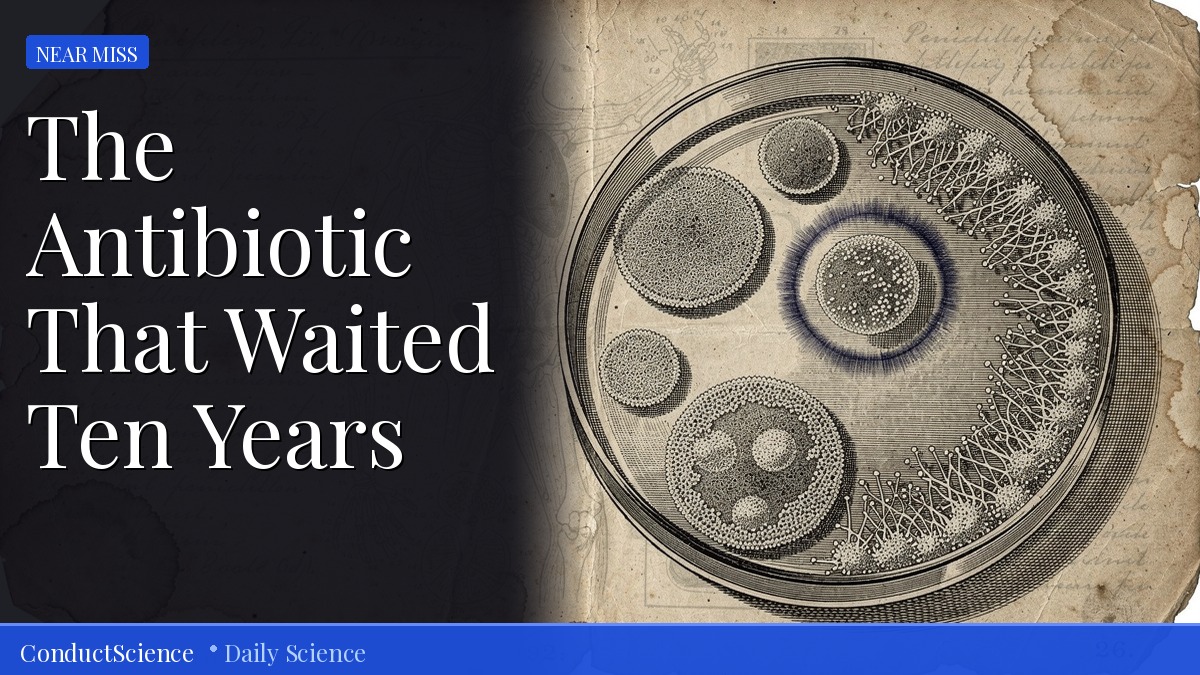
Fleming's contaminated petri dish, September 1928, sat in his laboratory at St Mary's Hospital in London. The mold was from the Penicillium family. He kept it because the bacteria around it had died.
He wrote a paper describing what he'd observed. He tried to isolate the active compound, but the substance proved difficult to stabilize and work with in practical applications. The mold-derived material was challenging to extract and preserve. Standard laboratory methods of the time weren't able to produce a stable, usable form. The mold itself had limitations that prevented immediate therapeutic use. Fleming tested it in laboratory conditions. It showed antibacterial properties in controlled settings but the gap between laboratory observation and clinical application remained wide. This was 1929. Fleming had made an observation about antibiotic activity, but lacked the resources to develop it into a medicine that could treat infectious diseases in patients. He presented his findings to colleagues. His paper described the antibacterial properties he'd observed. He continued culturing the mold and shared samples with other researchers who wanted to investigate. The substance remained unstable outside carefully controlled conditions. The discovery stayed largely dormant as a laboratory curiosity, something that killed bacteria in a dish but hadn't been transformed into a working treatment.
Howard Florey later found Fleming's paper during research. It took years of work to develop the observation into a usable antibiotic. Fleming had identified penicillin's antibacterial activity, but the chemistry needed to make it therapeutic came later. This development would eventually become what was described as the "single greatest victory ever achieved over disease," earning Fleming, Florey, and Ernst Chain the 1945 Nobel Prize in Physiology or Medicine.
15
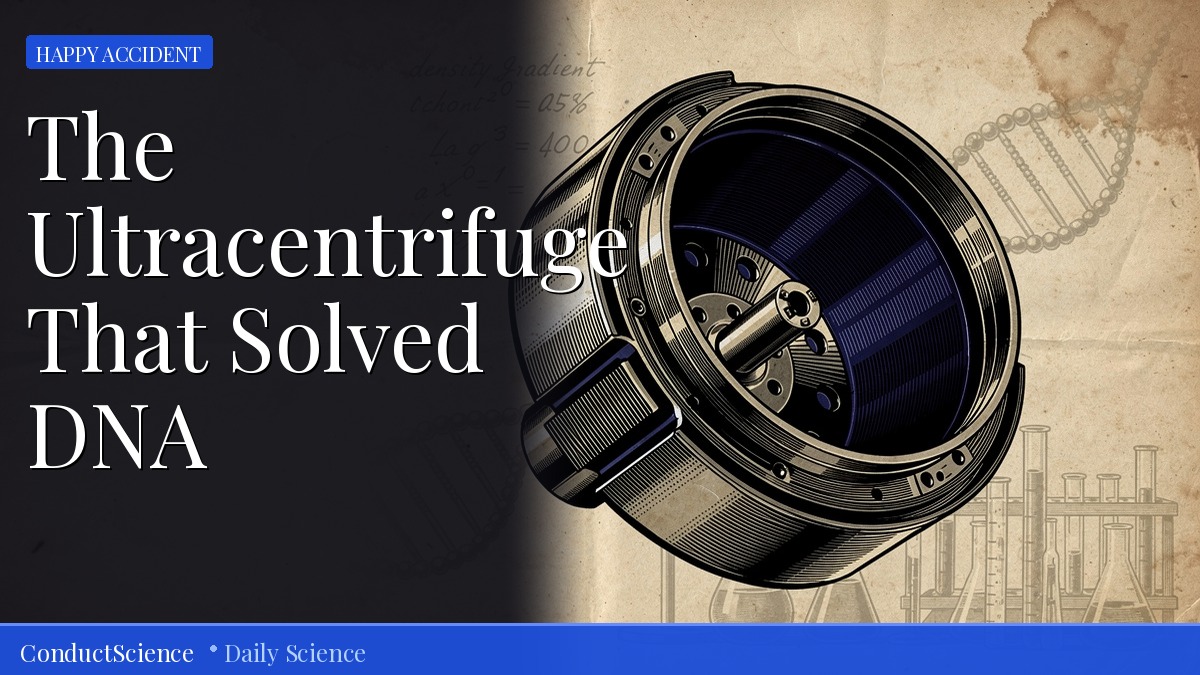
The ultracentrifuge had a rotor that required careful handling. Matthew Meselson spent months at Caltech learning the technique. The machine was expensive equipment.
Meselson was trying to prove DNA copied itself through semi-conservative replication. He used density labeling with nitrogen isotopes, growing bacteria in heavy nitrogen until their DNA became denser, then switching to light nitrogen and analyzing samples over time. The cesium chloride density gradient centrifugation was supposed to separate DNA by density. Early attempts didn't work clearly. For weeks, results were unclear.
The centrifuge had to run for extended periods. Temperature control was critical or the cesium chloride would crystallize. Meselson monitored conditions carefully, including overnight. The sample tubes required meticulous cleaning to avoid interfering with UV absorption readings. He cleaned each one carefully to prevent contamination.
Franklin Stahl, his collaborator, worked with him on troubleshooting. They adjusted salt concentrations. They tried different centrifugation speeds and conditions. They tested various approaches. Progress was difficult.
The breakthrough involved timing. One sample run at different timing showed clearer separation. That approach worked consistently. The DNA was separating correctly at certain intervals but not at others.
The technique revealed the pattern of semi-conservative replication. When conditions were right, the density gradient showed DNA bands that demonstrated how replication worked. Their 1958 demonstration of semi-conservative DNA replication became a landmark finding. The work required persistence through many failed attempts.
1
12
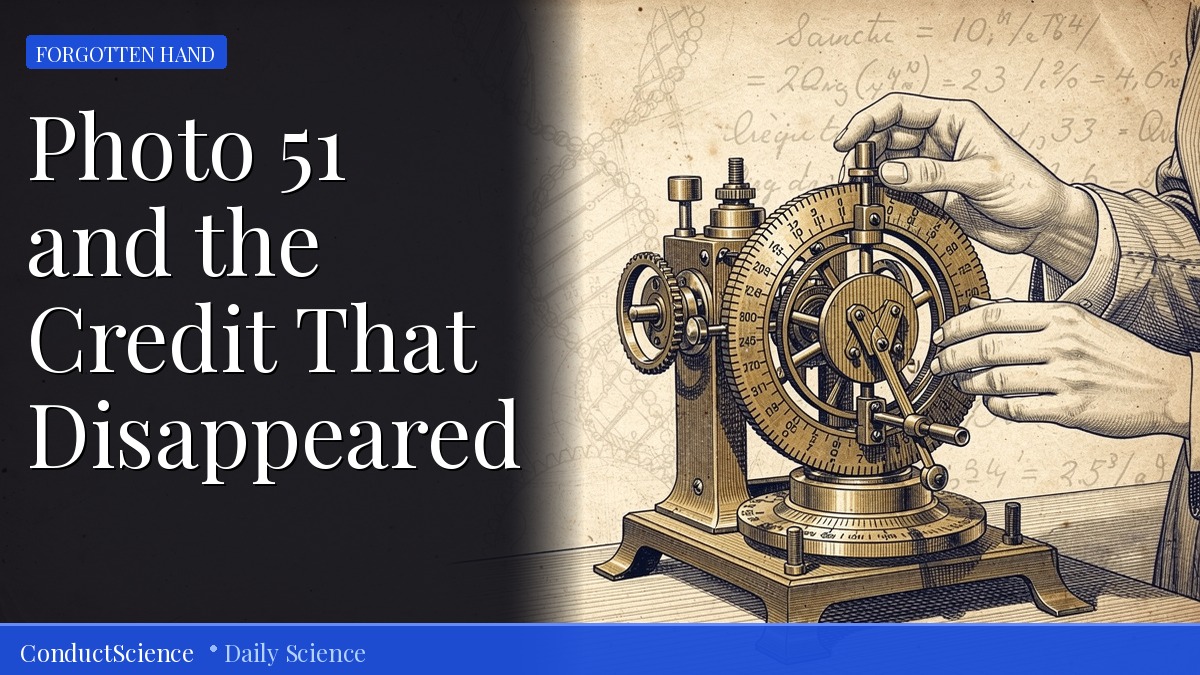
Franklin was mapping chaos. X-ray diffraction scattered in patterns only if the sample was perfect, wet, aligned. Most crystallographers gave up on DNA because it wouldn't sit still. The molecule existed in different forms and switched between them unpredictably. She built humidity chambers, sealed samples carefully, timed exposures precisely. The lab smelled like developer fluid and warm metal. She threw out frames where the fiber twitched, where the beam wandered, where calculations were slightly off. Each failed exposure meant starting over.
The famous photograph took months of failed attempts. She worked alone most nights because tensions ran high in the lab. Some colleagues misunderstood her role. The helical crosshatch appeared in 1952. She filed it carefully, unconvinced. DNA might be two helices, maybe three, maybe something else entirely. The X-shaped diffraction pattern was clean, but questions remained. She needed more data, better samples, more time. She wrote cautiously in her notebook: evidence, not proof yet.
Others saw the photo without asking. Franklin had left King's College by then, moved to work on viruses. She published the DNA work around the same time as other papers on the structure. Her contributions went largely unrecognized during her lifetime. Lab notebooks were filed away for decades. The experimental work was central to understanding molecular structures, though recognition came late. Her crystallography revealed what the molecule looked like when no one else could make it sit still long enough to see.
1
20