
Leader @neuroinfuk | Computational Psychiatry | Computational Neurology | Author of 'Changing Connectomes' mitpress.mit.edu/97802620446…
Joined June 2014
- Tweets 1,813
- Following 931
- Followers 2,619
- Likes 14,783
234 Photos and videos

Pinned Tweet

30 Mar 2021
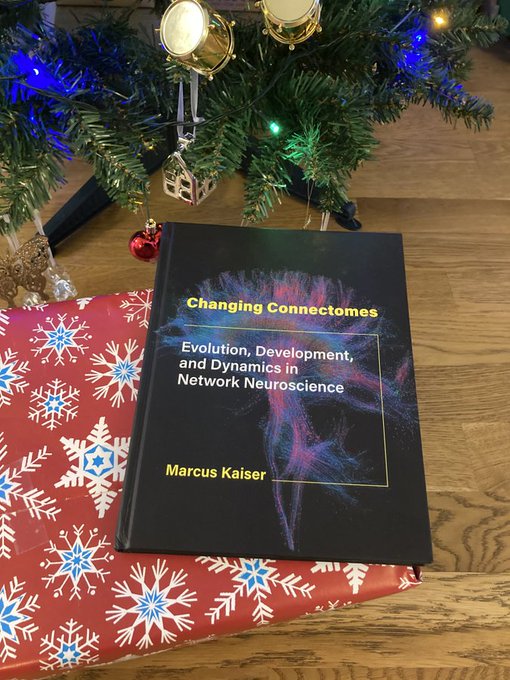
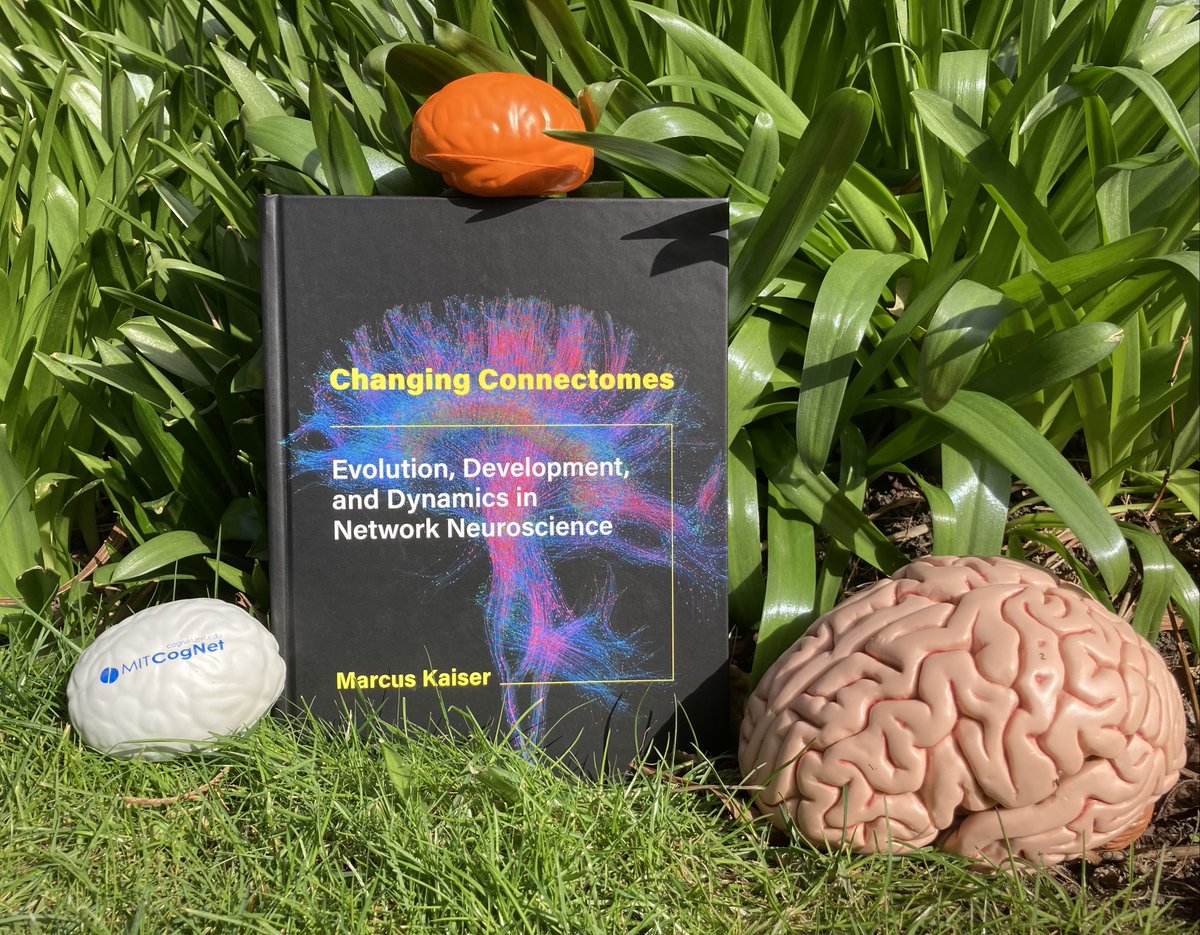
How do #connectomes develop and change over time?
You may consider the book Changing Connectomes from
@mitpress
Sample content at: dynamic-connectome.org/pubs/…
You can order at:
uk.bookshop.org/shop/connect…
or
tiny.cc/connectome
#neuroscience #psychology #NeuralNetworks #Brain
1
7
33
May 19
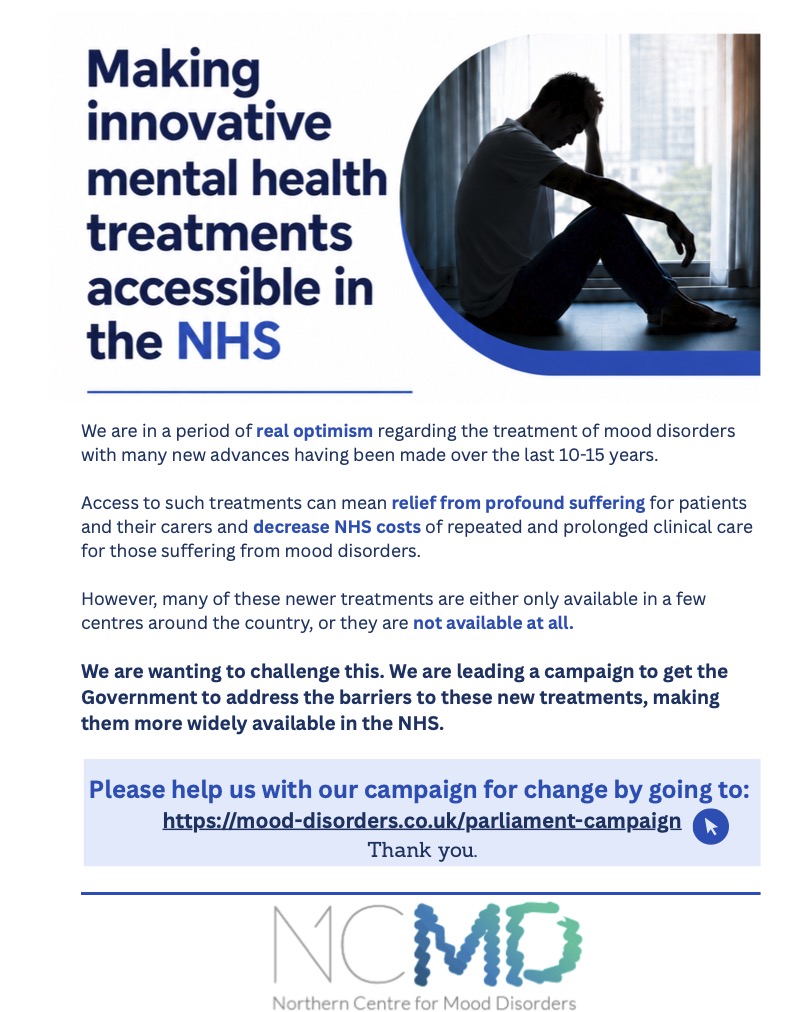
While there are several novel interventions for mental health, including noninvasive brain stimulation, few make it into the UK healthcare system.
Join the campaign to make more mental health treatments accessible in the NHS:
mood-disorders.co.uk/parliam…
#depression #neuromodulation #tms #fus #tus #ultrasound
1
117
Marcus Kaiser retweeted

Mar 25
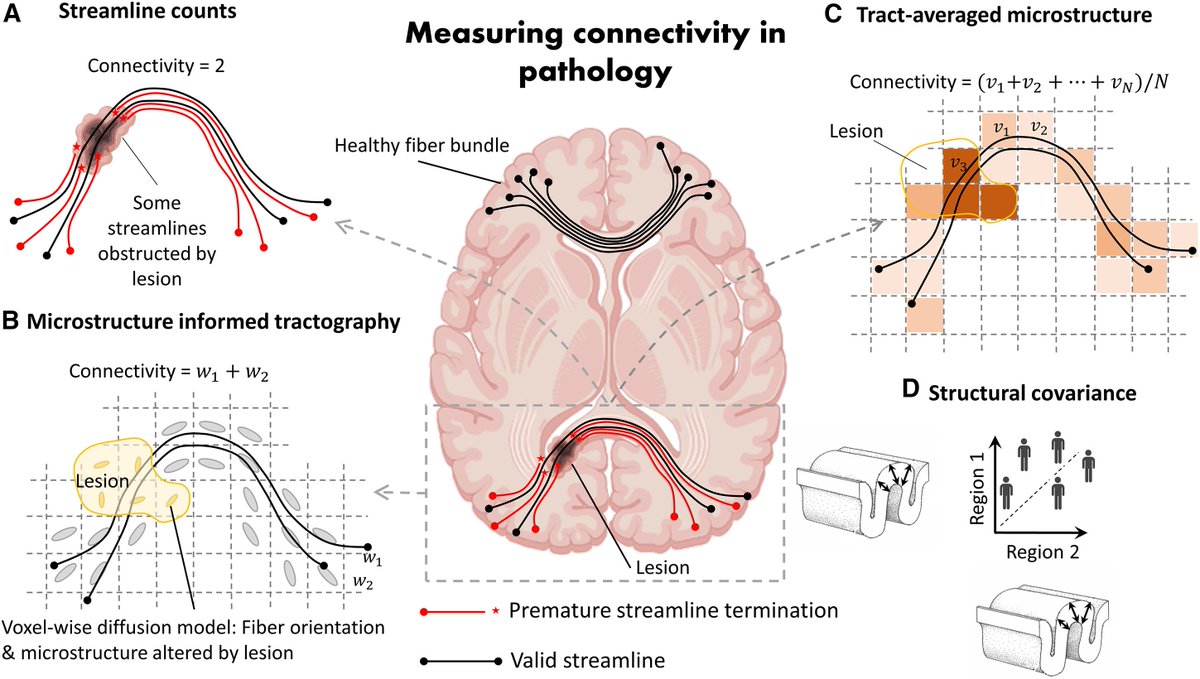
Mapping connectomes in disease?
Check out our article on clinical connectomics in @NeuroCellPress
- Tractography behavior in disease
- How to measure connectivity
- How pathology impacts each stage of connectome mapping
- Multiscale connectomics
cell.com/neuron/fulltext/S08…
3
50
178
8,624
Marcus Kaiser retweeted

Mar 23
According to Karl Friston, a sure sign of AGI is when your chatbot gets curious. Imagine being prompted by an AI instead of the other way around.
You can watch the full interview with one of the greatest neuroscientists today on my YT channel, link below 👇
22
40
198
30,096
Marcus Kaiser retweeted

Mar 22
Each year, we speak about 338 fewer words per day.
[An unexpected research opportunity] was recently afforded to us when analyzing several data sets. These data feature estimates of daily spoken words for 2,197 participants aged 10 to 94 based on a careful analysis of passively sampled ambient audio recordings of their daily lives..
The report yielded an estimate for the average number of spoken words per day of 12,792, an estimate noticeably lower than what a prior study from 2007 yielded using the same method (M = 15,959). After verifying that this was not a mathematical error, we decided to put the hypothesis that we had lost wordsover time to the test.
By relating the estimates of participants' daily spoken words to the year their data were collected, we discov– ered that for each year between 2005 and 2019 an average of 338 fewer words were spoken per day, as estimated using Bayesian multilevel modeling.
At first glance, 300 or so words seems like a small, insignificant loss, as if it would not make much of a difference. But, as trivial as 338 words a day may feel, the loss of these daily spoken words unavoidably adds up. It means that, each year, we speak more than 120,000 words fewer than in the previous year. From 2005 to 2019, the reduction in the estimated number of words spoken per day was about 28%.
While putting a number to the loss, there is much about those lost conversations that these data cannot answer. Were they lost with friends, or family, or with strangers? Were they lost equally for everyone, or just for a select few? What were those conversations about?
Although the time period of our data collection coincides with the rise in digital communication, such as texting, emailing, or social media, it is currently unclear whether digital conversations contribute to, and can make up for, a loss of spoken words.
4
22
46
7,541
Marcus Kaiser retweeted
Mar 19
Godfather of neuroscience and author of The free energy principle (active inference), Karl Friston @KarlFristonNews , discussed with me his take on AGI, consciousness, why we will never fully understand the brain, and why humans tend to repeat their mistakes. Key moments:
- You'll know AGI has arrived when the system starts asking you questions out of genuine curiosity, not because it was prompted to
- You cannot hand an intelligent system a value function from the outside, it must learn its own, just as children do (in that sense, RL with assigned reward is the wrong direction)
- The only sustainable universal objective function is adaptive fitness: how well the agent fits and survives within its ecosystem
- Consciousness requires multiple layers: genuine agency, a self-reflective loop, and the ability to recognize your own states of mind
- True sentience may be impossible on standard computer architecture, because memory and processing are separate and cannot self-organize
- Understanding your own brain is philosophically impossible in the same way a ruler cannot measure itself
- Neuroscience is always "peeking behind" the Markov blanket indirectly: through imaging, electrophysiology, psychology — never seeing inside directly
- The only way to truly access the brain is to breach that boundary (e.g. neurosurgery), but a breached brain is no longer a normally functioning one
Watch the full interview and let me know what you think. Link below👇
25
72
376
30,791
Mar 13
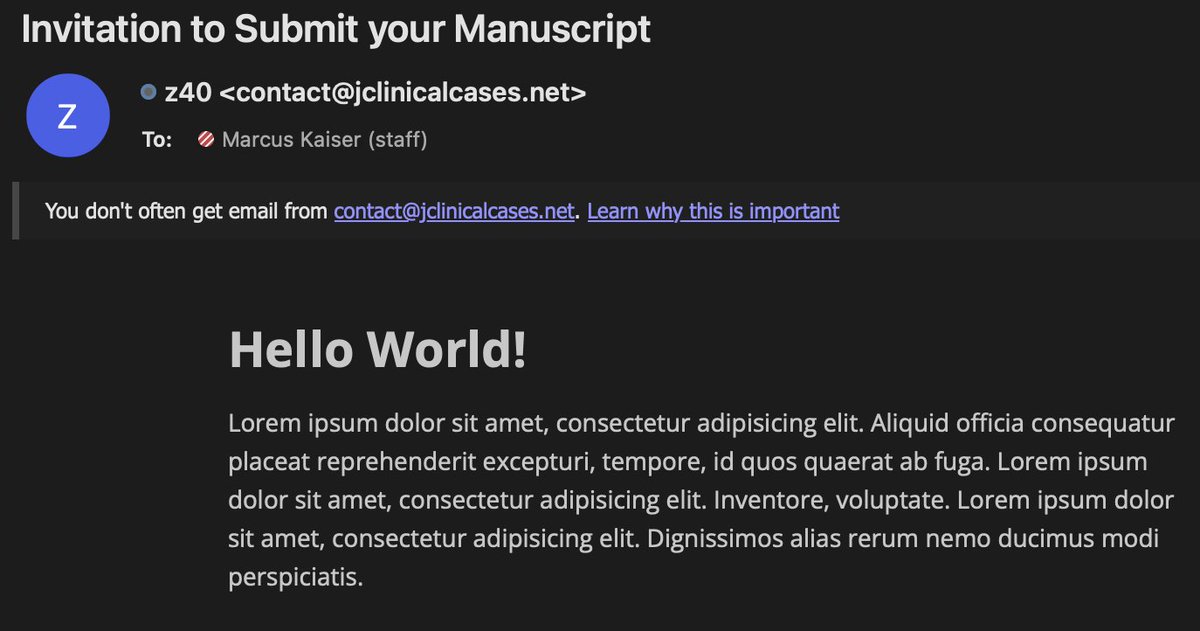
I get a lot of spam from predatory journals, but this is really low effort:
🤣
3
241
Marcus Kaiser retweeted

Feb 19
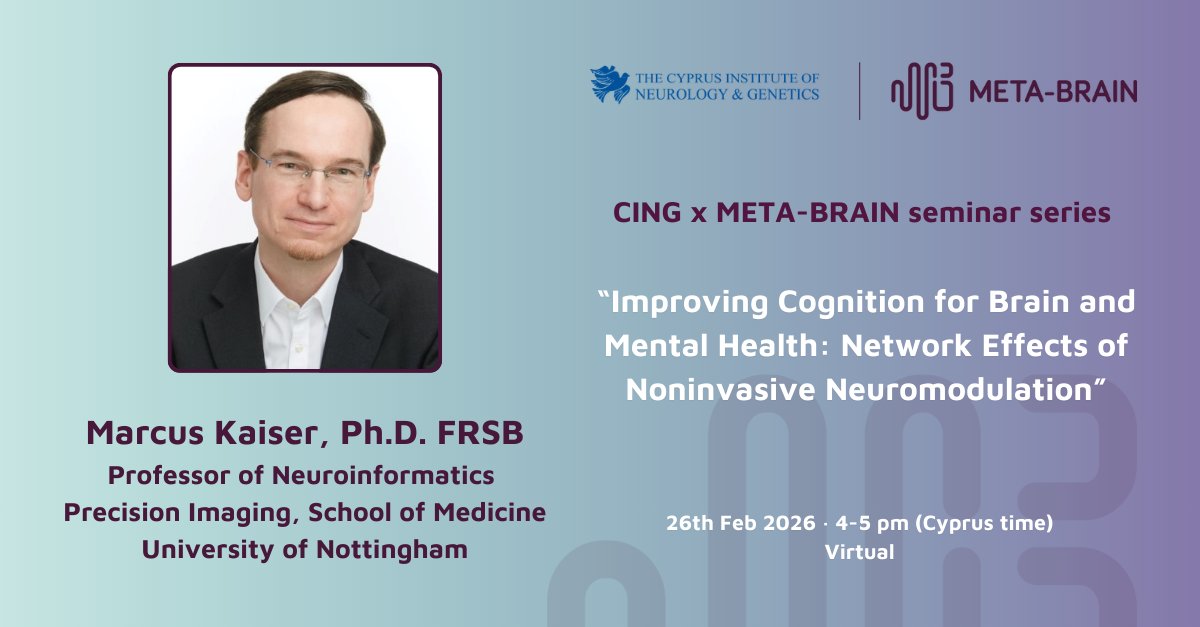
🧠 #METABRAIN_EU and @NeuroGeneticsCy launch a new online seminar series on computational neuroscience & non-invasive #neuromodulation.
📣 First seminar: 26 February, with Marcus Kaiser (@ConnectomeLab, @UniofNottingham).
👉 meta-brain.eu/events/seminar…
#Neuroscience #BrainScience
1
7
196
Great to be featured in the latest episode of FUS Forward regarding NeurGear's and our ultrasound vagus nerve stimulation research and development:
Spotify:
open.spotify.com/episode/0z8…
Apple Podcasts:
podcasts.apple.com/us/podcas…
NeurGear's Zenbud System:
zenbud.health
1
1
5
206
Marcus Kaiser retweeted

15 Dec 2025
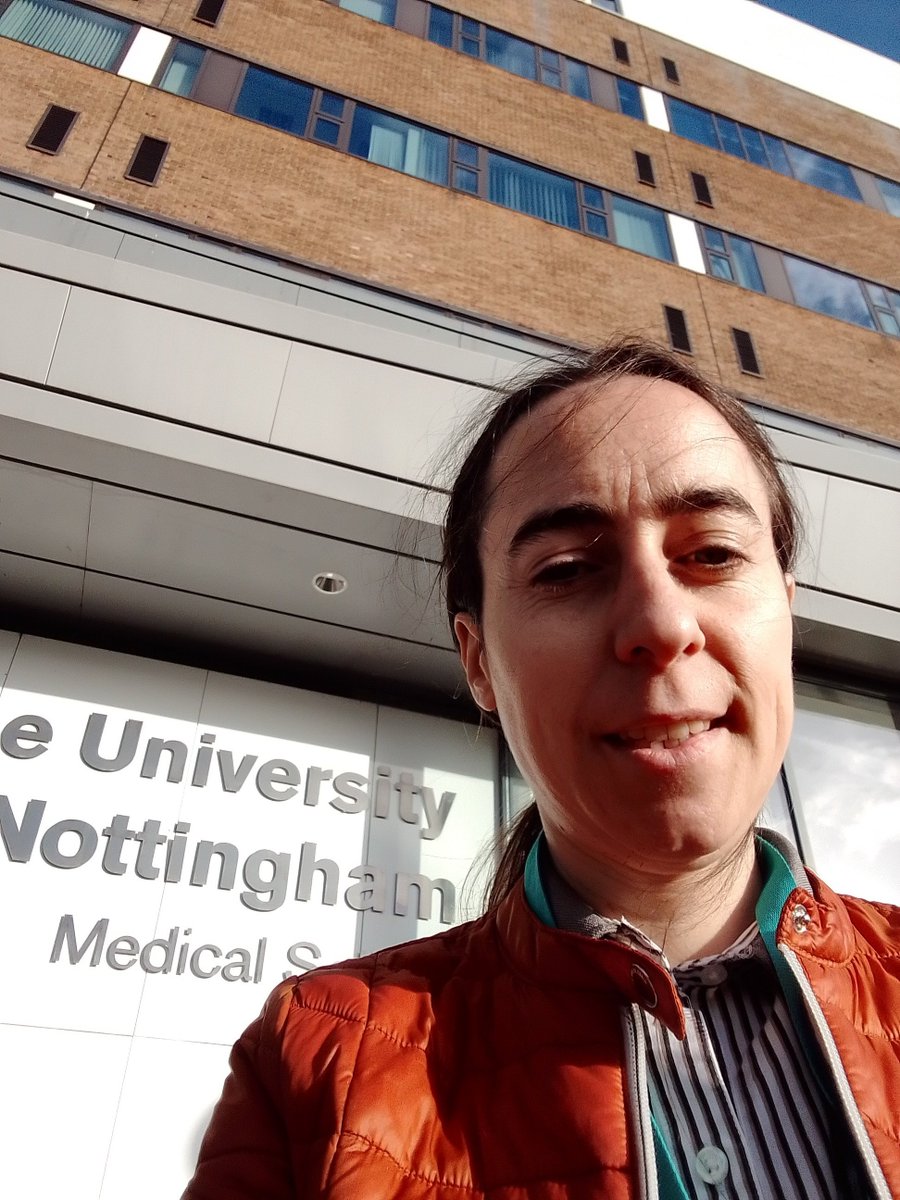
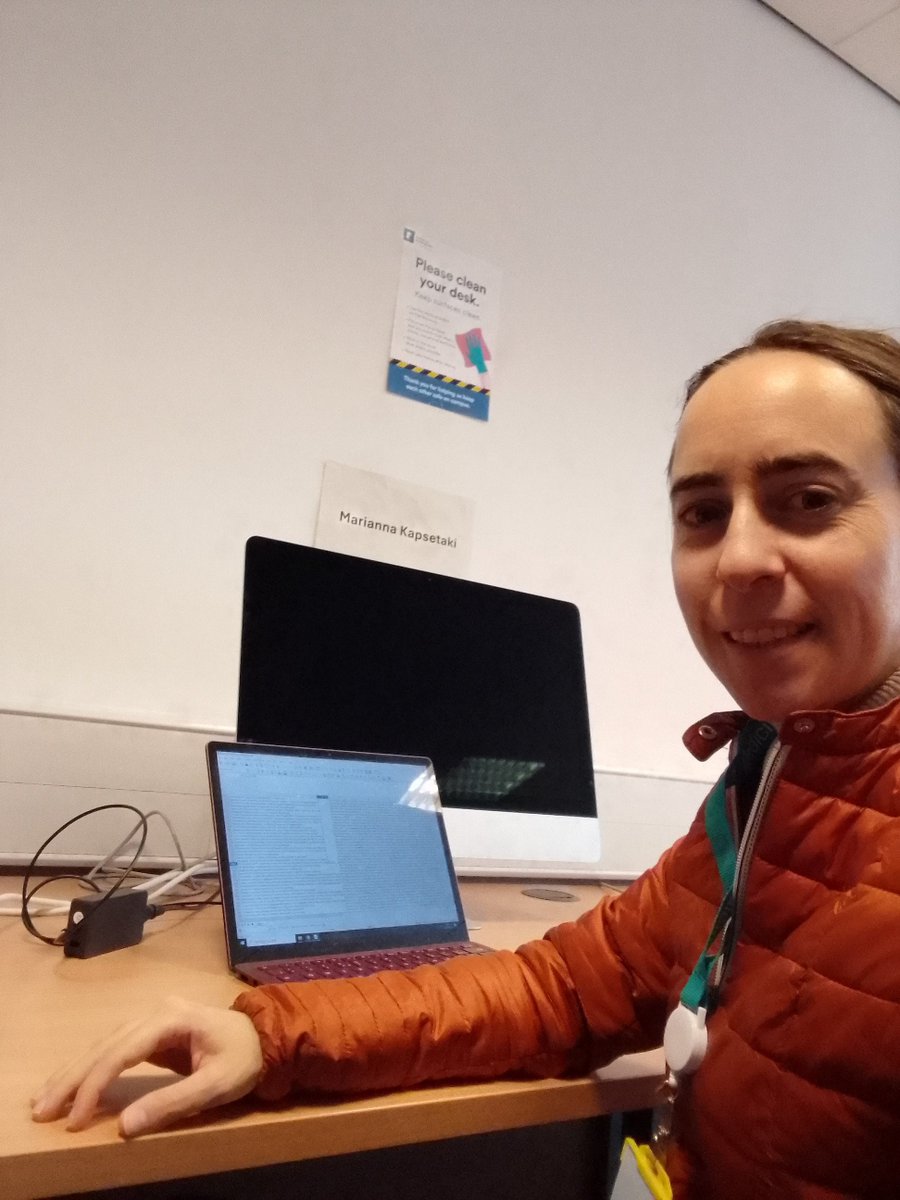
Marianna has recently returned from her research visit @UniofNottingham #UK. She would like to sincerely thank Prof. Marcus Kaiser and the members of his lab @ConnectomeLab for providing such an enriching and educational experience, and @BritishNeuro for their generous support.

3
3
9
759
10 Dec 2025
Open PhD position in our lab: noninvasive ultrasound vagus nerve stimulation as an intervention for mental health conditions such as depression
Deadline: Fri 9 Jan
Apply here:
findaphd.com/phds/project/te…
4
5
451
21 Nov 2025
Searching for a Christmas present for a #neuroscience, #psychology, or #NeuralNetworks researcher?
You may consider 'Changing Connectomes: Evolution, Development, and Dynamics in Network Neuroscience' from @mitpress
mitpress.mit.edu/books/chang…
2
144
21 Nov 2025
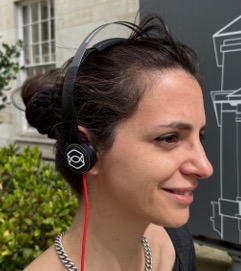
Happy to be involved in this research, led by my colleague Dr Jeyoung Jung:
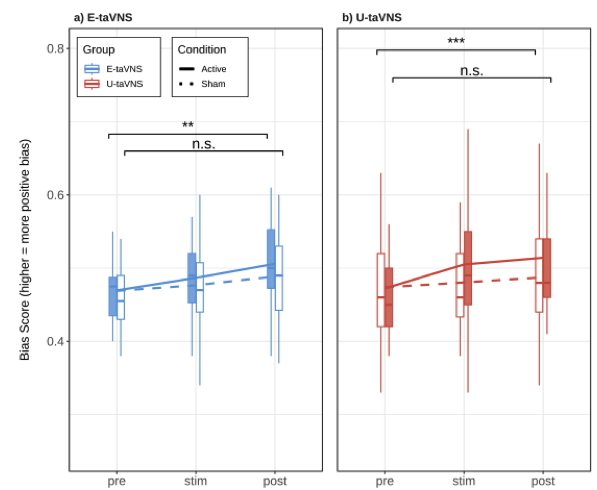
Transcutaneous auricular vagus nerve stimulation enhances emotional bias towards happiness in healthy young adults: A comparative study of electrical and ultrasound stimulation
biorxiv.org/content/10.1101/…
Thrilled to share our latest preprint exploring how non-invasive vagus nerve stimulation can shape emotional processing in healthy young adults.
🔍 What we investigated:
We compared electrical (E-taVNS) and ultrasound (U-taVNS) stimulation (zenbud.health ) while participants completed a facial emotion bias task.
✨ Key findings:
Both E-taVNS and U-taVNS shifted emotional bias toward more positive interpretations, even for ambiguous faces.
Comparable efficacy across modalities.
Ultrasound stimulation showed better tolerability, suggesting strong potential for long-term use.
Interoceptive awareness predicted individual variability in taVNS effects.
💡 Why it matters:
These results highlight taVNS as a promising, well-tolerated tool for modulating emotional bias, with potential applications in mood and anxiety disorders.
@FUSFoundation @NeurGear #mood #neuromodulation
1
4
181
Marcus Kaiser retweeted

14 Oct 2025
Excited to share that our paper is out in PLOS Computational Biology! 🚀
🔗 journals.plos.org/ploscompbi…
Joining forces between two fantastic laboratories @NPLab_ @ConnectomeLab 🔥
13 Jan 2025

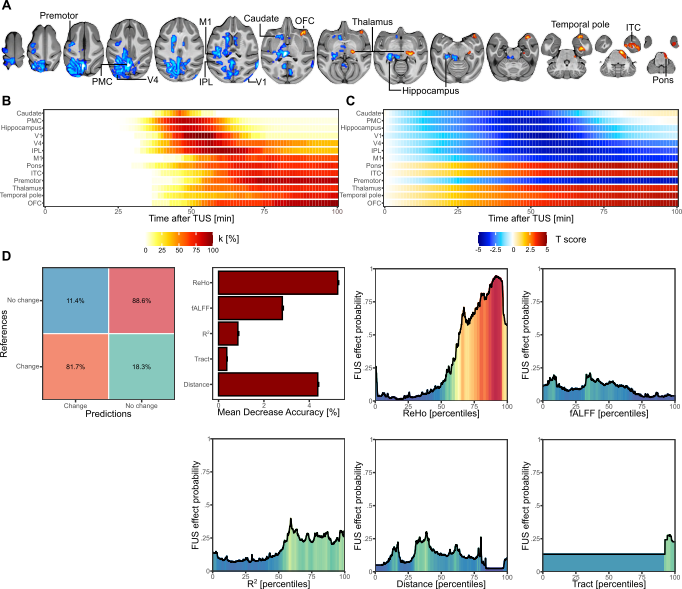
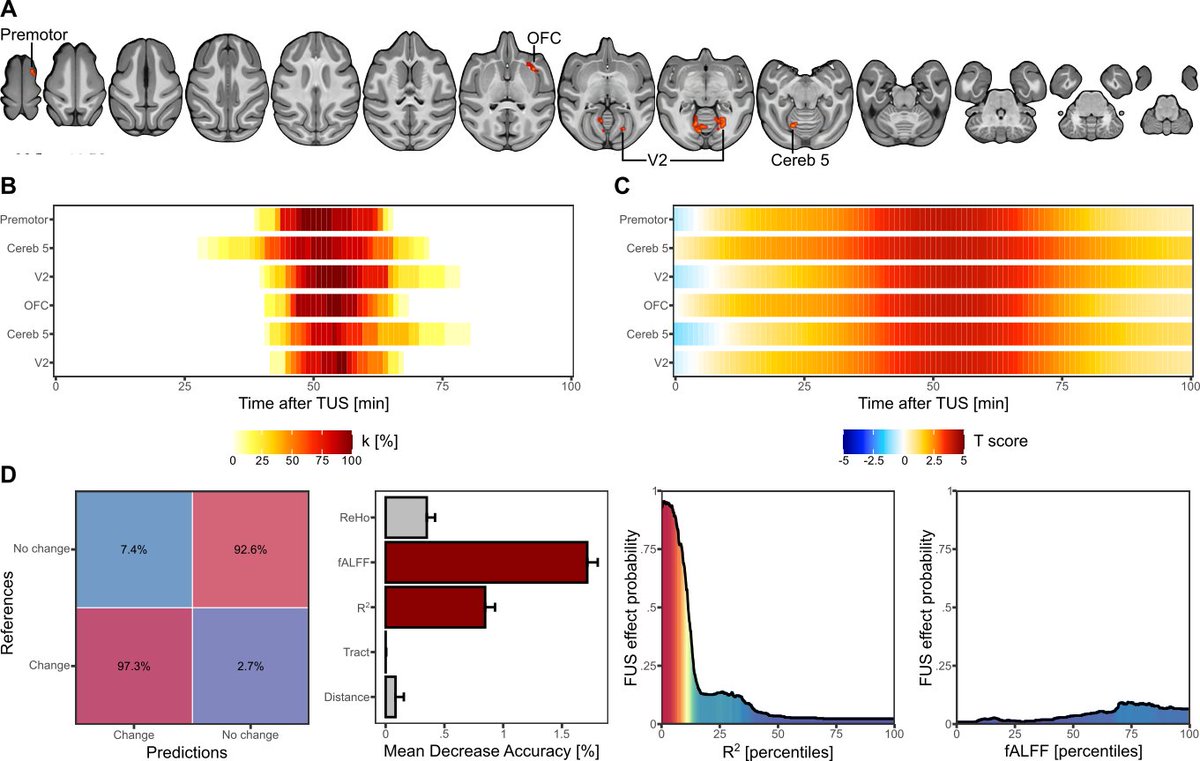
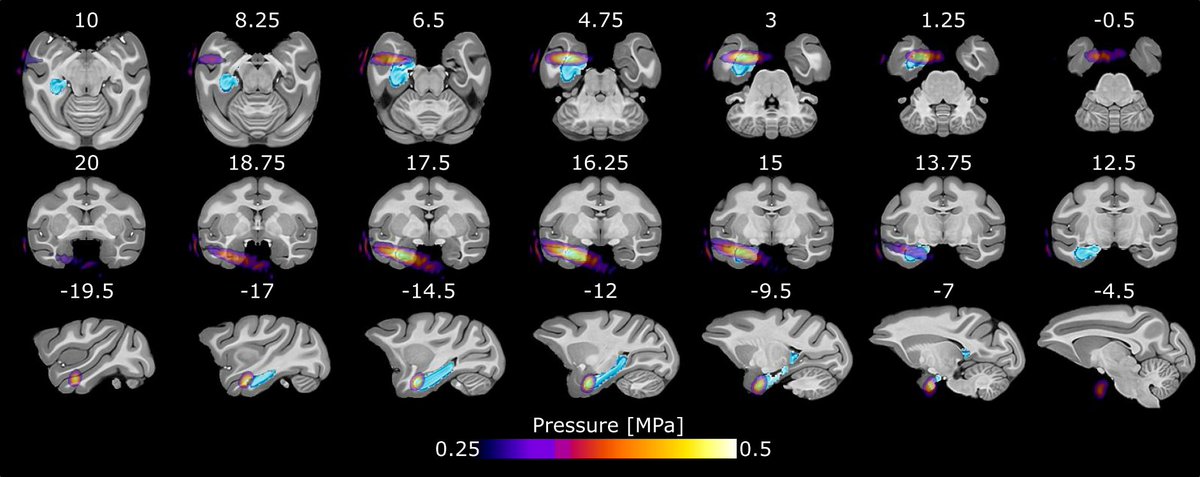
Could high-order interactions help us understand the network plasticity mechanisms underlying ultrasound neuromodulation? 🧠
Joining forces between two fantastic laboratories @NPLab_ @ConnectomeLab
Check out our preprint for insights! 🧵(1/N)
👇
biorxiv.org/content/10.1101/…
4
12
810
7 Oct 2025
Join us as PhD student using noninvasive ultrasound neuromodulation on the project 'Reducing pain reactivity for children in the Emergency Department using non-invasive vagal nerve stimulation'
Find more information at midlandsmhndtp.ac.uk/applica…
#ultrasound #neuromodulation #Zenbud
1
3
417
26 Sep 2025
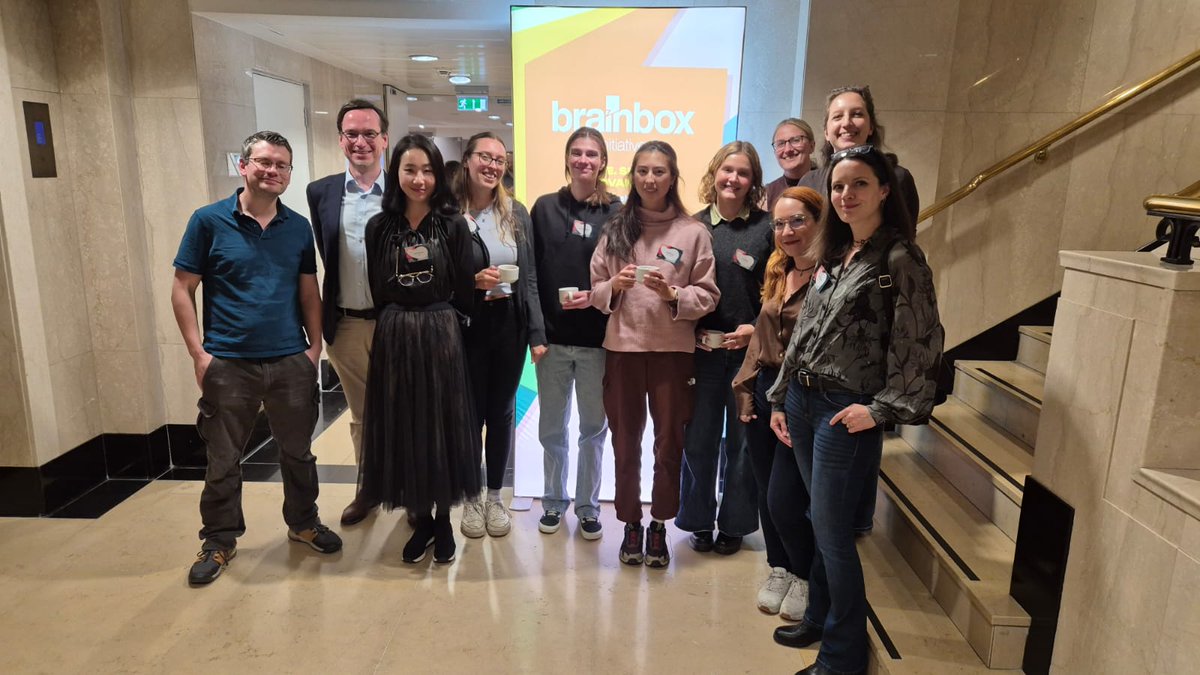
Good to see so many Nottingham researchers at the @Brainbox_Init neuromodulation meeting!
A great meeting with ideas that we can bring home to our N3 neurotechnology centre
nottingham.ac.uk/news/centre…
#tus #tms #tacs
1
11
925
Marcus Kaiser retweeted

19 Sep 2025
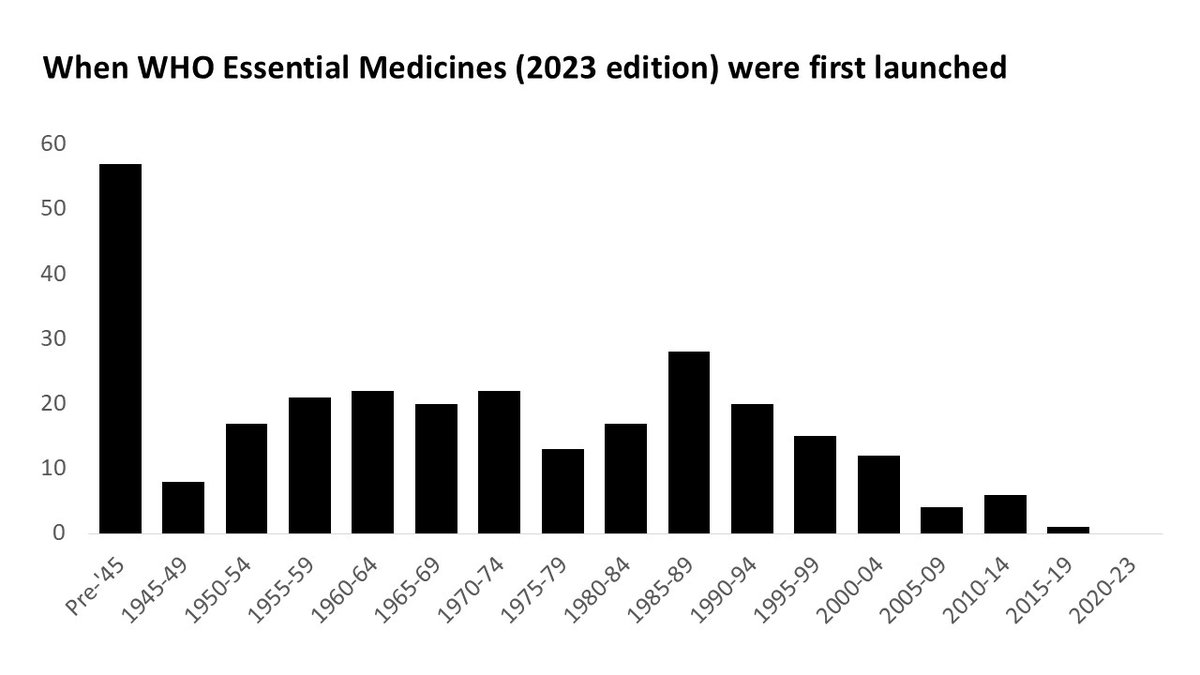
Just looked at when "Essential Medicines" (as per the WHO) were launched. More before 1950 than since 1985. Modern biomedical science trembles at the feet of regulatory, social, and economic clag.
2
2
10
839
13 Sep 2025
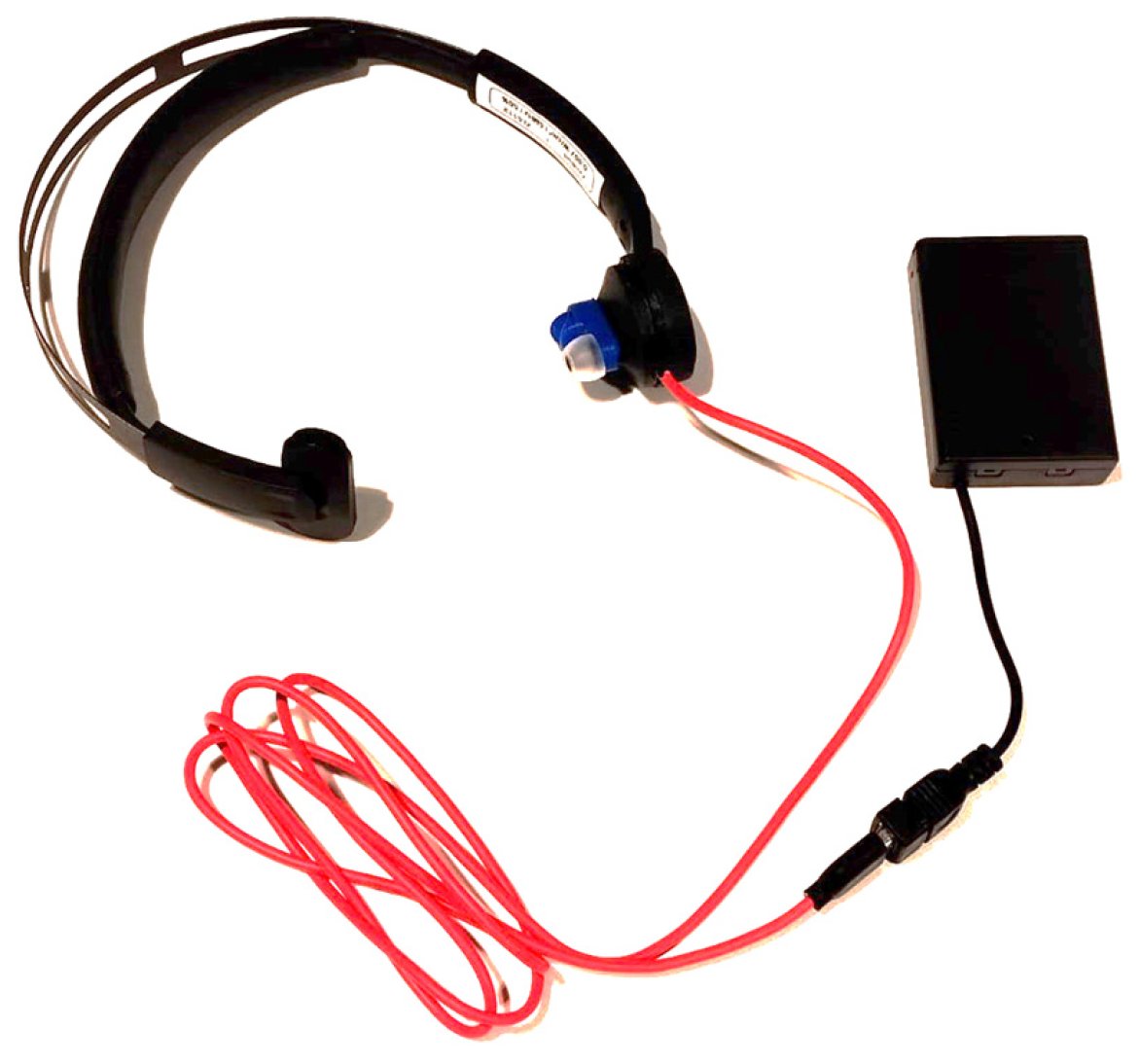
New: Zenbud ultrasound vagus nerve stimulation sham device cannot be distinguished from active device
mdpi.com/2076-3425/15/9/986
We are now performing sham-controlled studies to observe cognitive and physiological effects...
#ultrasound #vagusnerve #neuromodulation
@MDPIOpenAccess
1
7
391
20 Aug 2025
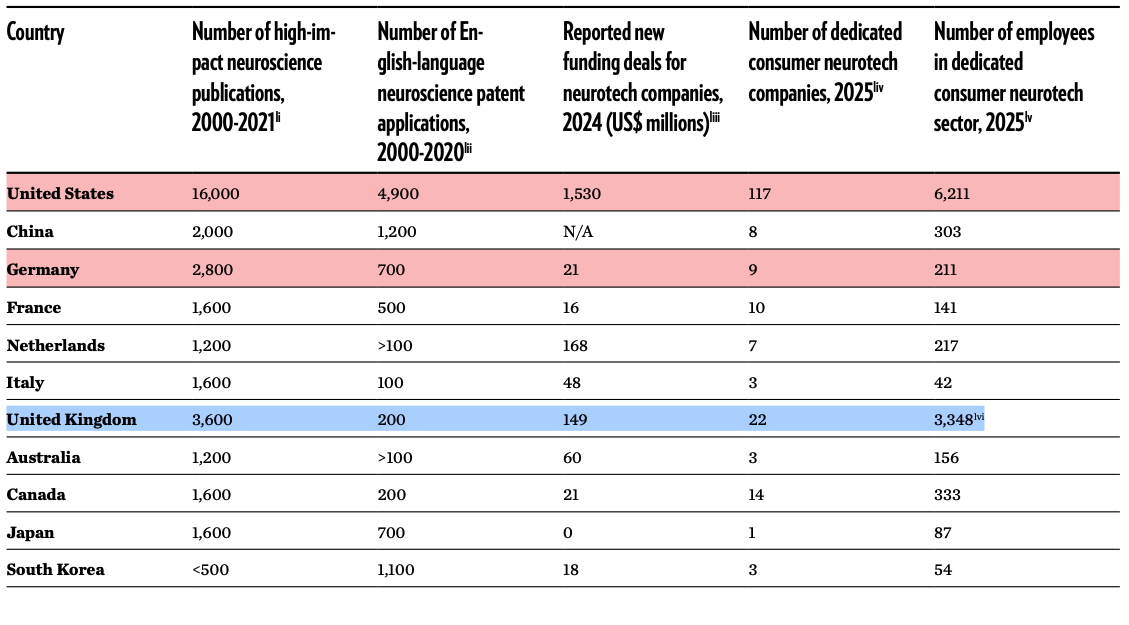
Interesting to see that the UK is number 2 worldwide (after the USA) in terms of consumer neurotech employment, number of companies, and funding deals...
From Peter Schlecht's neurotech report at gppi.net/assets/HensingSchle…
2
2
313
Marcus Kaiser retweeted

18 Aug 2025
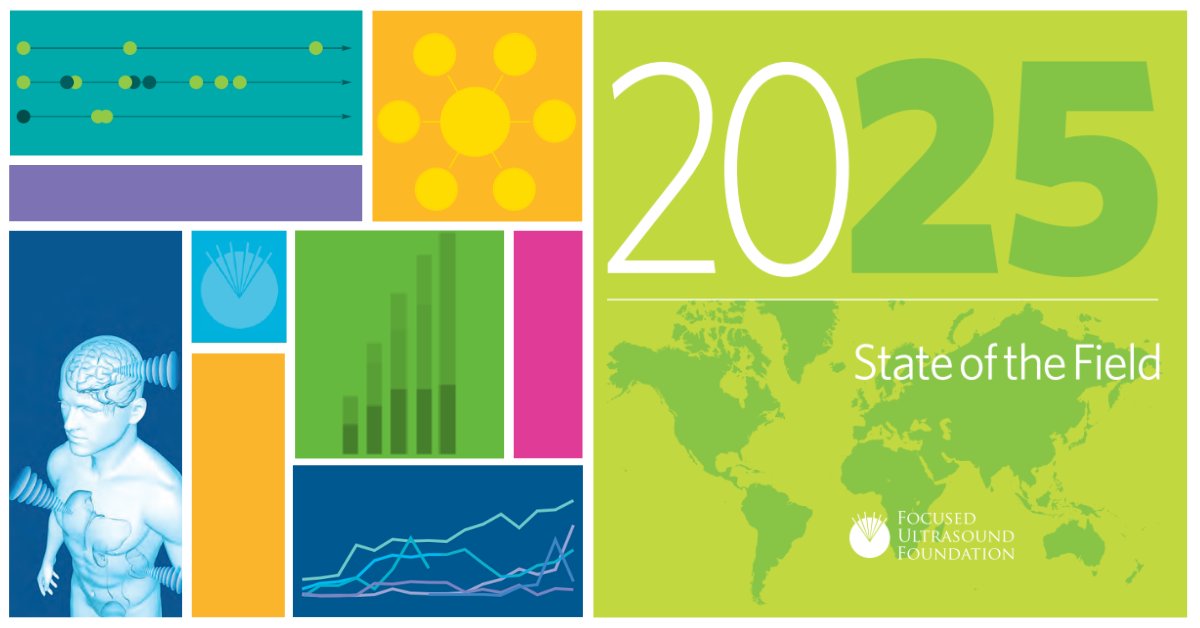
The Foundation’s most comprehensive report detailing progress in the field of focused ultrasound is live! Our 2025 State of the Field Report is now offered in two formats:
•Interactive Digital Platform (New)
Explore regularly updated data on our website, organized by indication, treatment site, manufacturer, approvals, coverage, and more.
•Downloadable PDF Report
The traditional report format provides a complete snapshot of the field, along with historical context and long-term trends, perfect for in-depth analysis and reference.
Learn more: ow.ly/k9hY50WHz1K
7
8
575
18 Aug 2025
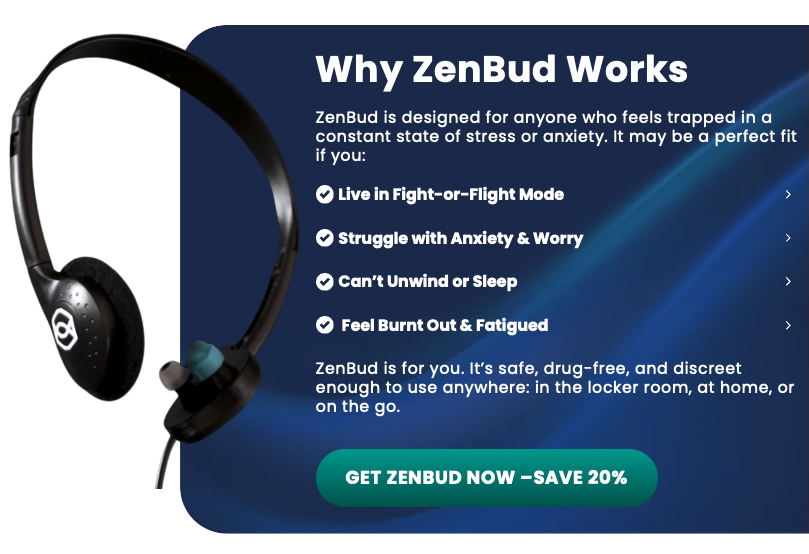
Great to see that the next generation of NeurGear's Zenbud ultrasound vagus nerve stimulator is now on sale!
First results show reductions in anxiety (neuro.jmir.org/2025/1/e69770 ).
Find out more about the device here:
zenbud.health/pages/anxiety
1
3
348