
A nonprofit news website dedicated to unlocking knowledge from experts for the public. No paywall or ads. Also now at: newsie.social/@TheConversati…
Joined August 2014
- Tweets 87,553
- Following 5,441
- Followers 64,861
- Likes 7,657
18,188 Photos and videos


Pinned Tweet

14 Aug 2020
We know it’s difficult to put your trust in the media.
We get it.
Here’s a video we made to explain how The Conversation works – and why we think sharing news straight from trust-worthy experts is important to bringing research-based insights to the public
160
184
498
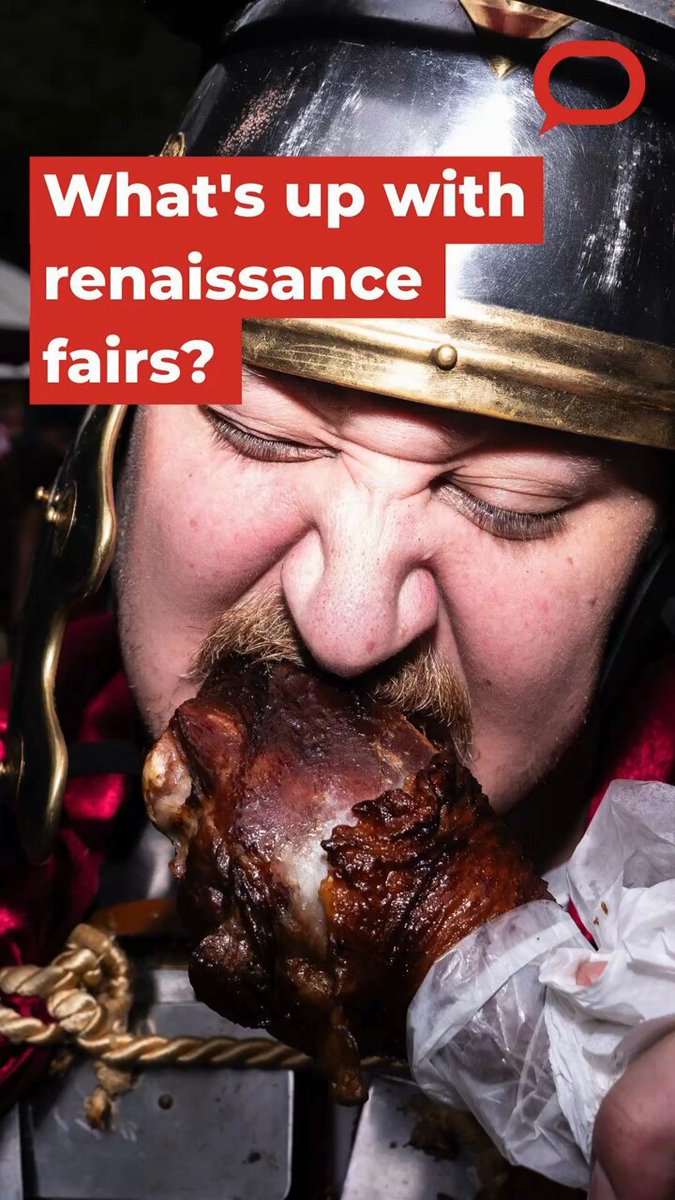
Renaissance fairs began as a countercultural experiment in 1960s California. Today, you might see Vikings strolling alongside mermaids, elves and pirates — with tickets costing more than $50.
1
1
3
480
They may not be historically accurate, but cultural geographers Katrina Stack of the University of Tennessee and Reagan Yessler of Pellissippi State Community College explain why Renaissance fairs remain spaces...
1
1
3
287
for creativity, community and a shared love of the weird and whimsical.
theconversation.com/as-renai…
1
1
247
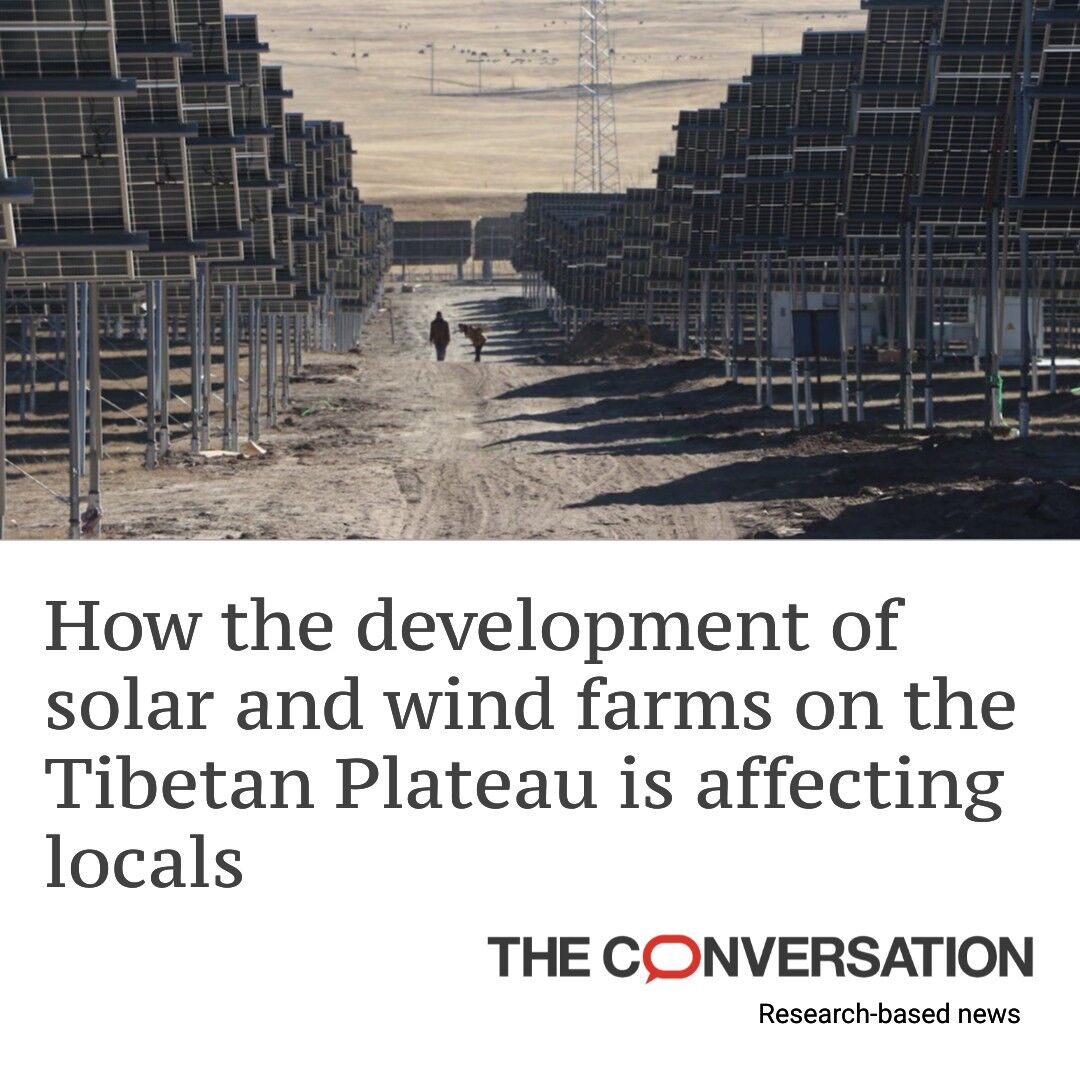
What happens when solar farms get built on land where people have herded yaks for generations?
A look at how Tibet's renewable energy boom, fueled by Chinese companies, is reshaping life on the ground:
theconversation.com/how-the-…
theconversation.com/how-the-…
1
242
Bad news: You're probably not as open-minded as you think.
Good news: Neither is anyone else.
Why are humans so stubborn about the things we believe? A psychologist has some answers:
theconversation.com/everyone…
4
6
320
Did you buy any SpaceX stock? If not, don’t feel left out – you’ve got historical data on your side.
The modern IPO increasingly represents a chance for insiders and executives to cash out – not the start of value creation for public investors.
theconversation.com/spacex-r…
2
2
240
CAR-T therapy has had limited effectiveness against cancer tumors. But by modifying the sugars that coat a patient’s own immune cells, they are working to make this promising therapy more succssful.
theconversation.com/killing-…
4
224
GOOOOOOOAAAAAAAAALLLLLLLL!
How much do you know about “the beautiful game” of soccer? Test your smarts with a special quiz:
theconversation.com/world-cu…
199
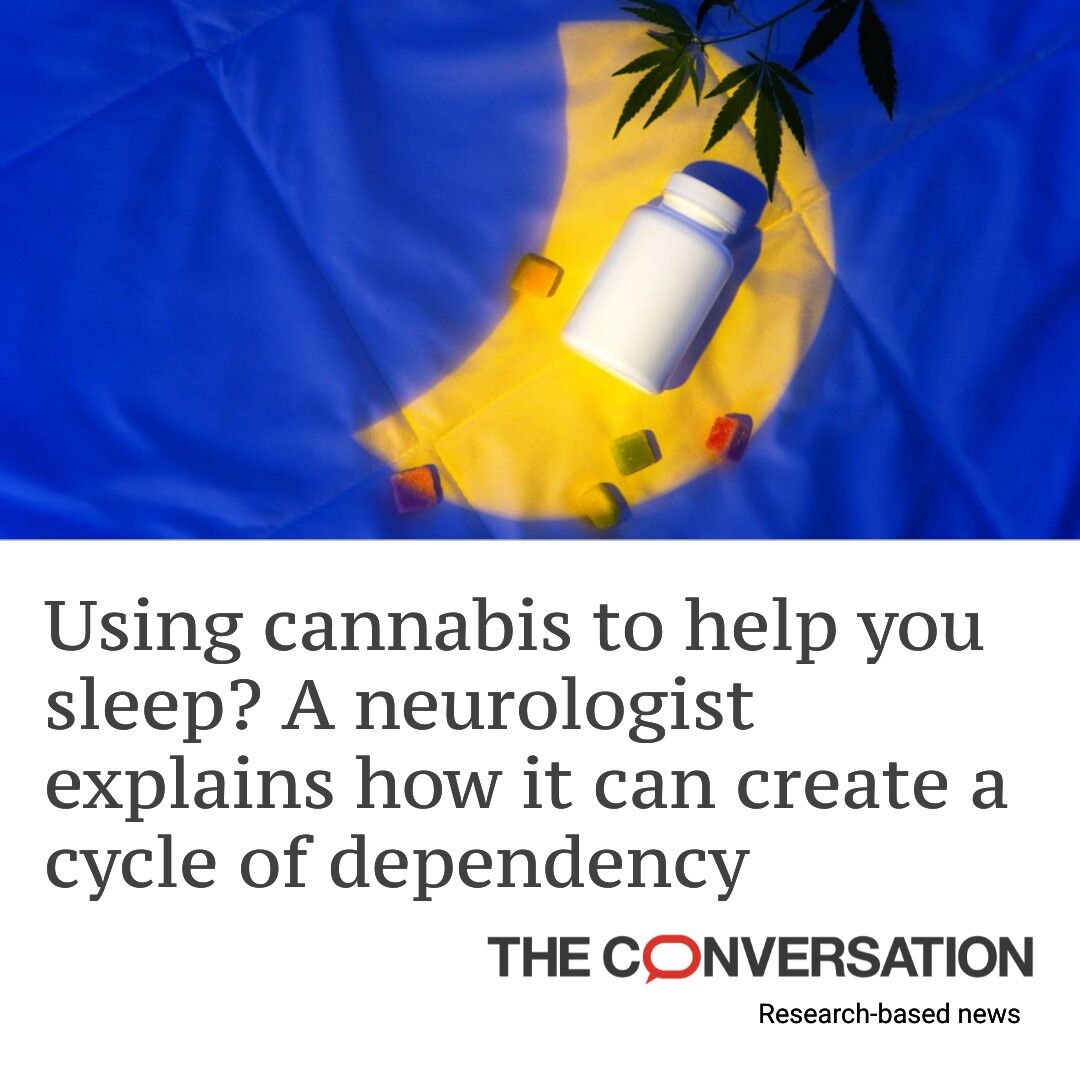
Many people turn to cannabis to help them sleep.
But what seems like a harmless routine to get more rest carries real risks.
Here’s what a sleep doctor suggests as an alternative that brings more rest without the cost of cannabis dependency:
theconversation.com/using-ca…
2
1
289
Pregnant patients with a history of substance abuse often feel stigmatized by the #healthcare system.
Some #Colorado hospitals are offering them a welcoming space for them and their newborns.
theconversation.com/how-colo…
theconversation.com/how-colo…
1
249
Ever wonder why men’s and women’s zippers/buttons are on opposite sides?
It traces back to old class and gender norms: Wealthy women were often dressed by maids, so buttons were placed for someone else to fasten them.
theconversation.com/why-are-…
4
7
376
Only 10 players on Haiti's #WorldCup squad were born in Haiti.
The rest reflect a global Haitian community that stretches from the Caribbean to Europe.
theconversation.com/haiti-at…
theconversation.com/haiti-at…
2
4
274
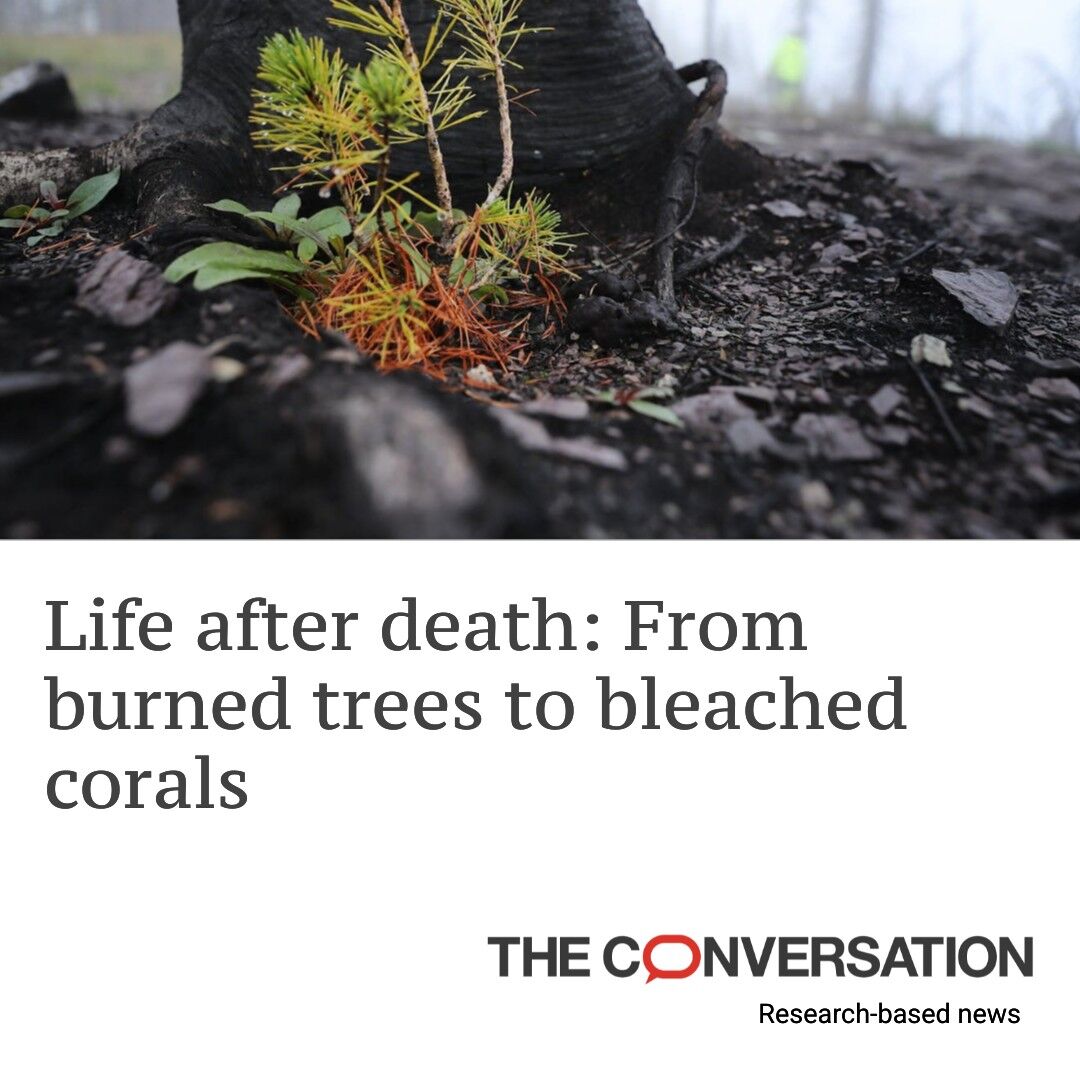
Nature wastes very little.
Dead trees become nurseries. Empty shells become homes. Even the aftermath of disaster can help spark recovery.
A fascinating look at nature's afterlife, where death is just the beginning:
theconversation.com/life-aft…
216
What can communities do when a data center comes knocking?
A Pennsylvania case study shows how local governments are using zoning laws and other legal tools to shape where data centers can be built.
theconversation.com/how-penn…
theconversation.com/how-penn…
1
1
222
Did you know the United States has a patron saint?
In 1846, American Catholic leaders suggested the Virgin Mary — under her title as the Immaculate Conception — to the Vatican, and the next year she was named patroness of the US.
theconversation.com/why-mary…
349
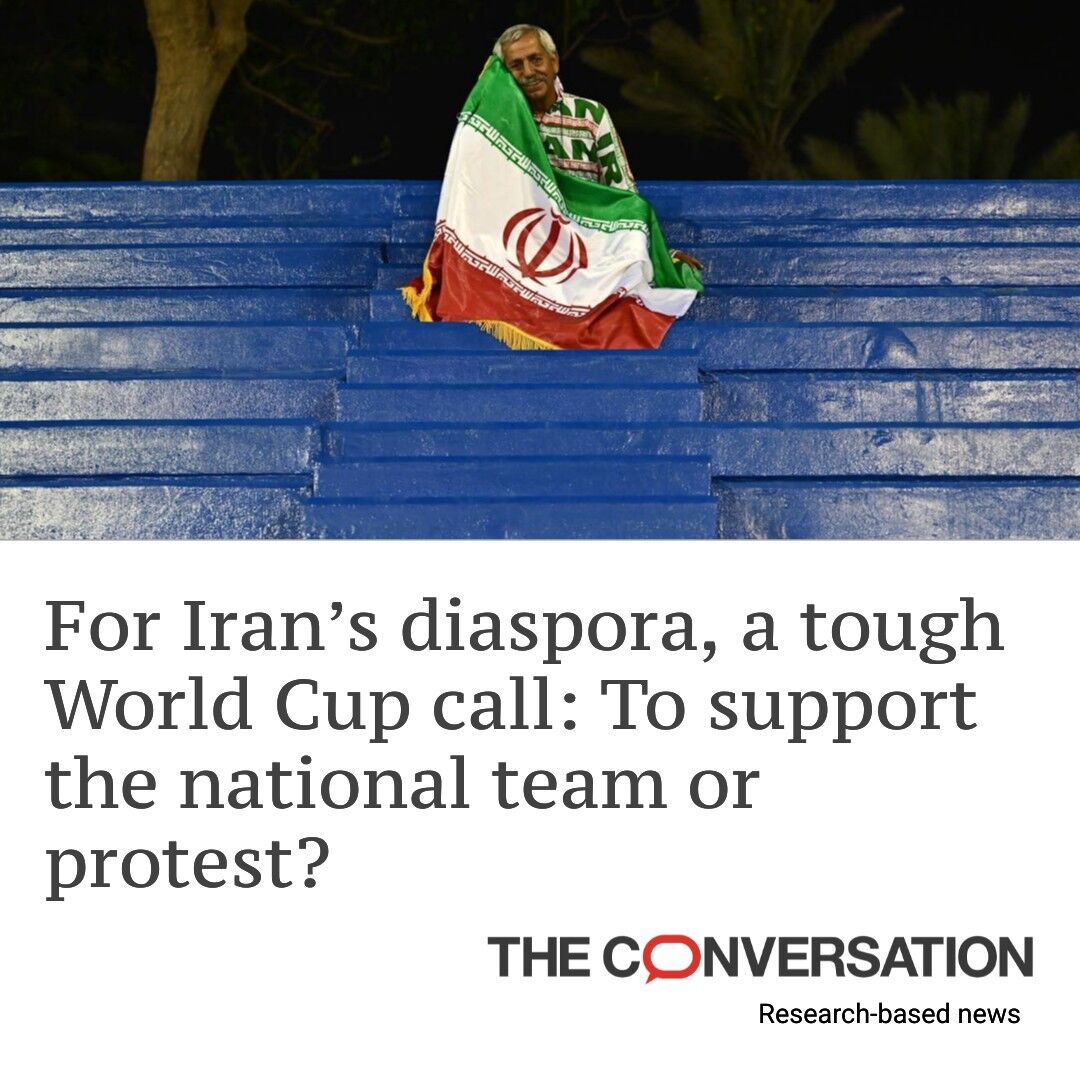
For Iranian Americans watching this year’s #WorldCup, cheering for their national team has become a question of conscience
theconversation.com/for-iran…
1
2
182
What happens when solar farms move onto land where people have herded yaks for generations?
A look at how Tibet's renewable energy boom is reshaping life on the ground:
theconversation.com/how-the-…
166
SpaceX has gone public — but don’t buy it expecting you’ll see gains like early buyers of Amazon or Apple stock.
Today’s IPOs are often a payout moment for insiders, not the start of major value creation for public investors.
theconversation.com/spacex-r…
1
4
451
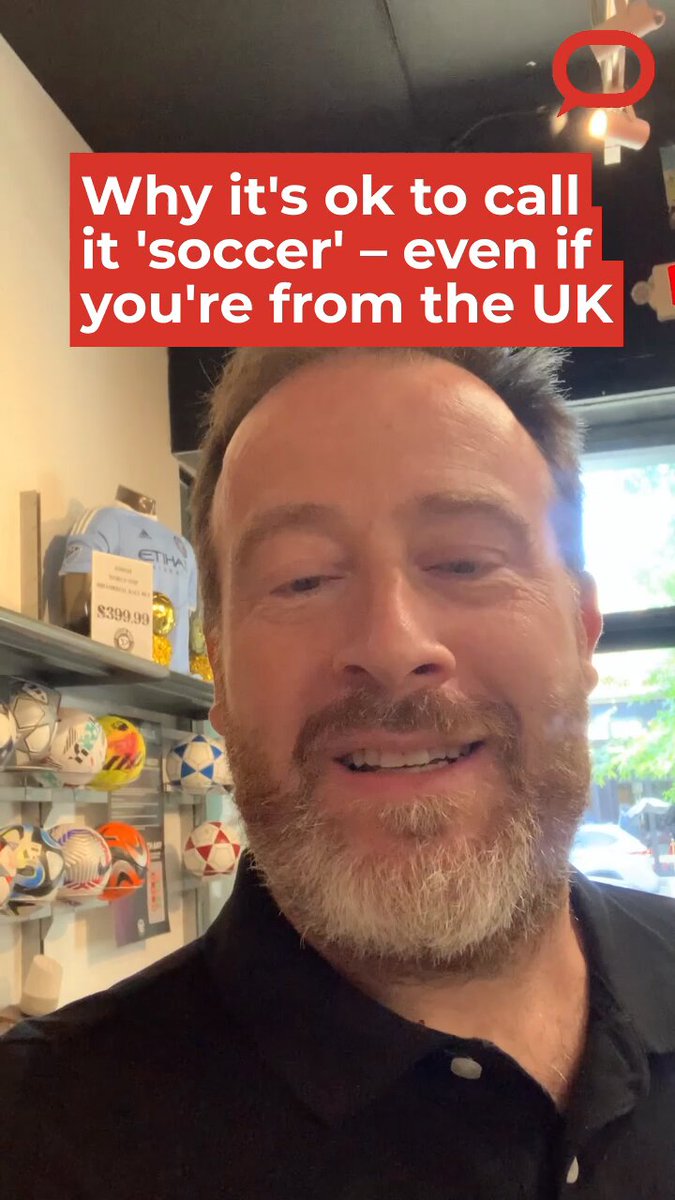
Hey – it’s really fine to call it soccer instead of football. The British used to call it that themselves, until they decided to hate the term. What do you say?
theconversation.com/soccer-i…
238
Federal protections promise a fair trial in a language you understand, but for millions who speak lesser-known languages, courts can’t keep that promise.
theconversation.com/the-cons…
1
1
209