Engineer by day, chasing history by night | Family | Freedom | Liberty & Independence Forever 🇺🇸
Joined February 2026
- Tweets 1,752
- Following 719
- Followers 9,361
- Likes 3,304
534 Photos and videos
Pinned Tweet

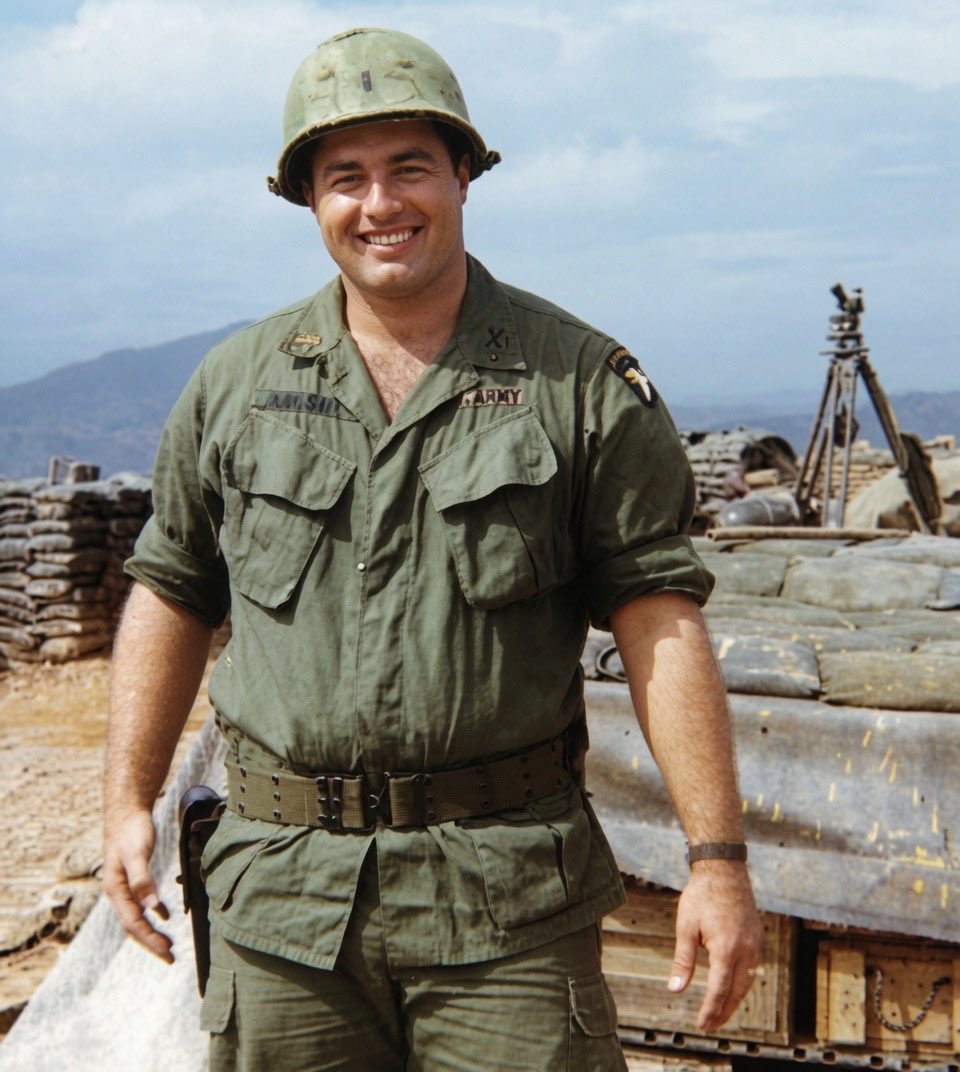
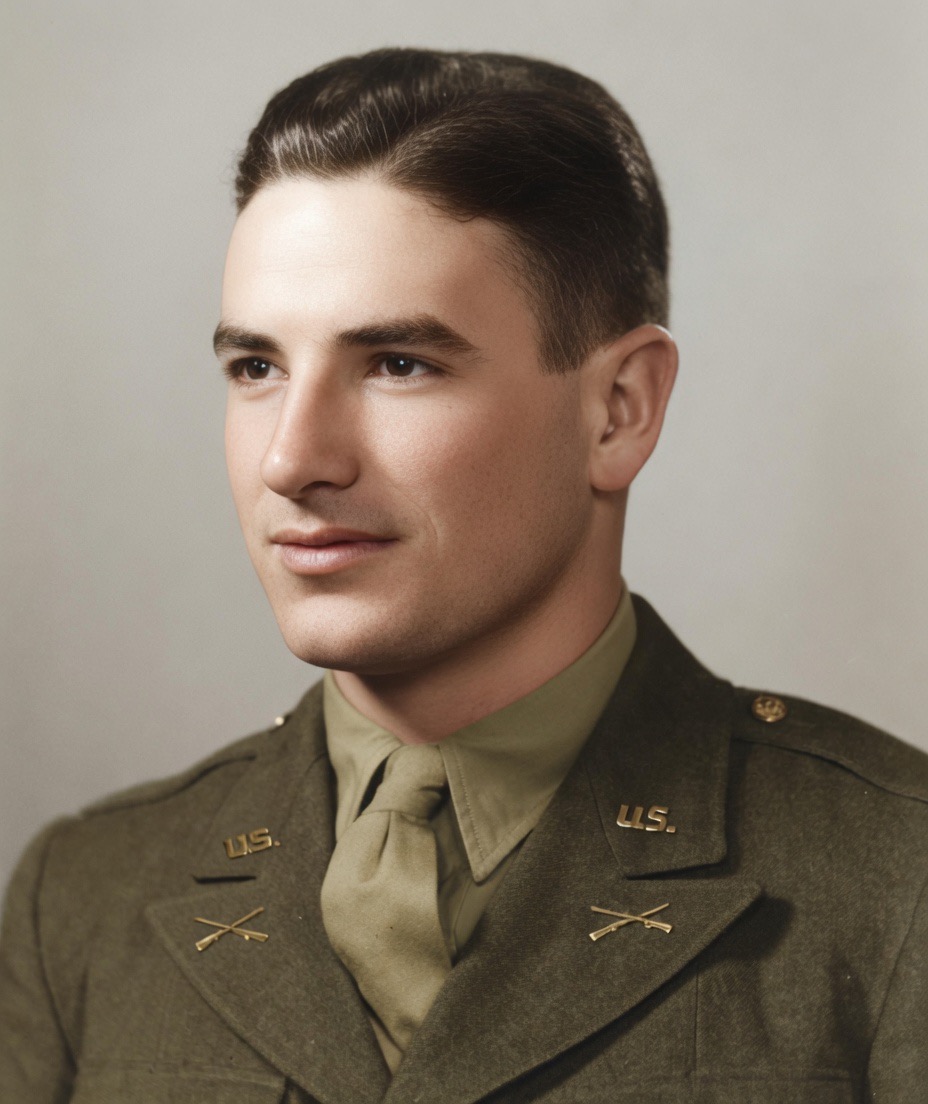
🇺🇸 Most Badass Football Players: Combat Veterans Edition #9 Bob Kalsu
Bob Kalsu, the 1968 Buffalo Bills team Rookie of the Year, was one badass football player.
Born April 13, 1945, in Oklahoma City, Kalsu grew into a powerful 6-foot-3, 250-pound force on the offensive line.
At the University of Oklahoma he earned All-American honors as a tackle and helped lead the Sooners to a 10-1 record and a win in the Orange Bowl.
The Buffalo Bills selected him in the eighth round of the 1968 AFL draft.
By the end of his rookie season he had started nine games at right guard and was named the team’s Rookie of the Year.
Kalsu had completed ROTC at Oklahoma and carried a service obligation. Many people urged him to seek a deferment.
He had just married his wife Jan and they already had a young daughter with another child on the way.
Kalsu refused.
He told those around him that he had made a commitment to his country and that he was no better than anyone else.
After the 1968 season he entered the Army as a second lieutenant.
He arrived in Vietnam in November 1969 and was assigned to the 101st Airborne Division as an artillery officer with the 2nd Battalion, 11th Field Artillery. He was quickly promoted to first lieutenant.
By the summer of 1970 Kalsu found himself in the middle of one of the most intense battles of the war: the siege of Fire Support Base Ripcord near the A Shau Valley.
For 23 days American forces on the isolated hilltop base came under sustained attack from North Vietnamese Army units. The fighting featured constant mortar and rocket fire, infantry probes, and brutal artillery exchanges.
On July 21, 1970, during one of the final days of the battle, Kalsu was with his artillery unit when the base came under another mortar attack.
Word reached him that a damaged helicopter was attempting an emergency landing with enemy troops in close pursuit.
Kalsu left his bunker to warn the soldiers under his command.
An 82mm mortar round exploded nearby, killing him instantly at age 25.
Two days later his wife Jan gave birth to their son, Bob Jr.
Kalsu never met him.
He was posthumously awarded the Bronze Star.
Kalsu's name is located at Panel 8W, Line 38 on the Vietnam Veterans Memorial in Washington, D.C.
Bob Kalsu is an American Badass.
Thank you, Lieutenant! 🫡🇺🇸

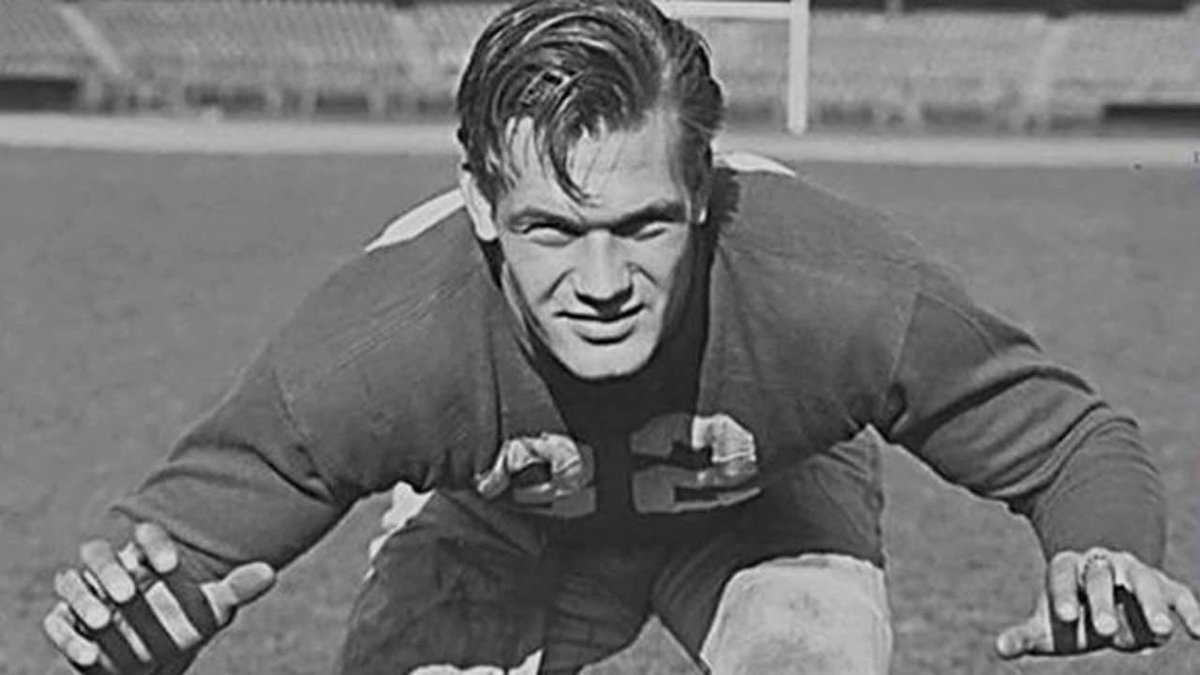
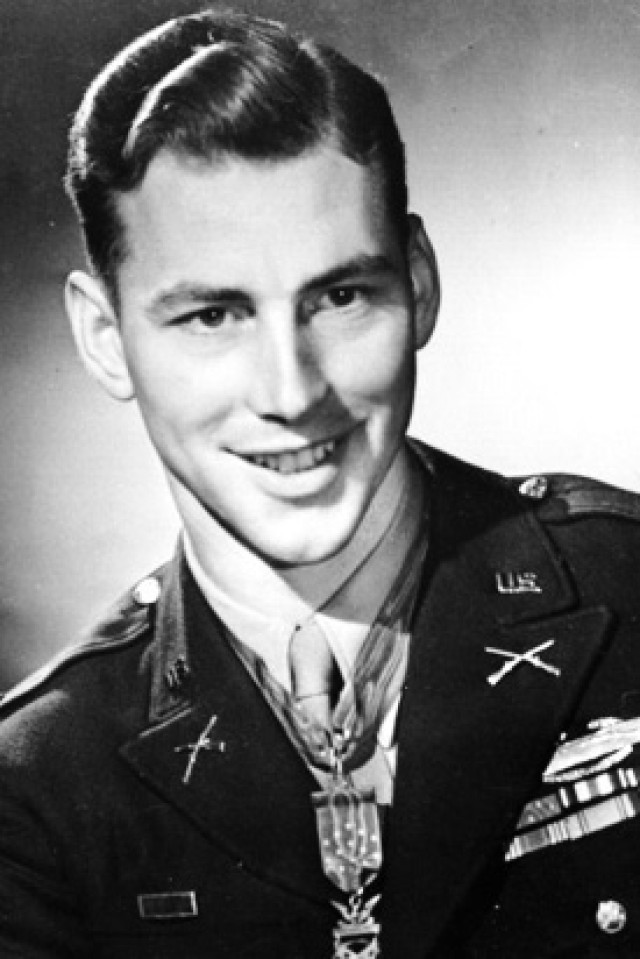
🇺🇸 Most Badass Football Players: Combat Veterans Edition #10 Al Blozis
Al Blozis, member of the 1940s NFL All-Decade Team for the NY Giants, was one badass football player.
Born in 1919 in Garfield, New Jersey, Blozis was an absolute physical specimen at 6'6" and around 260 pounds, a giant for his time.
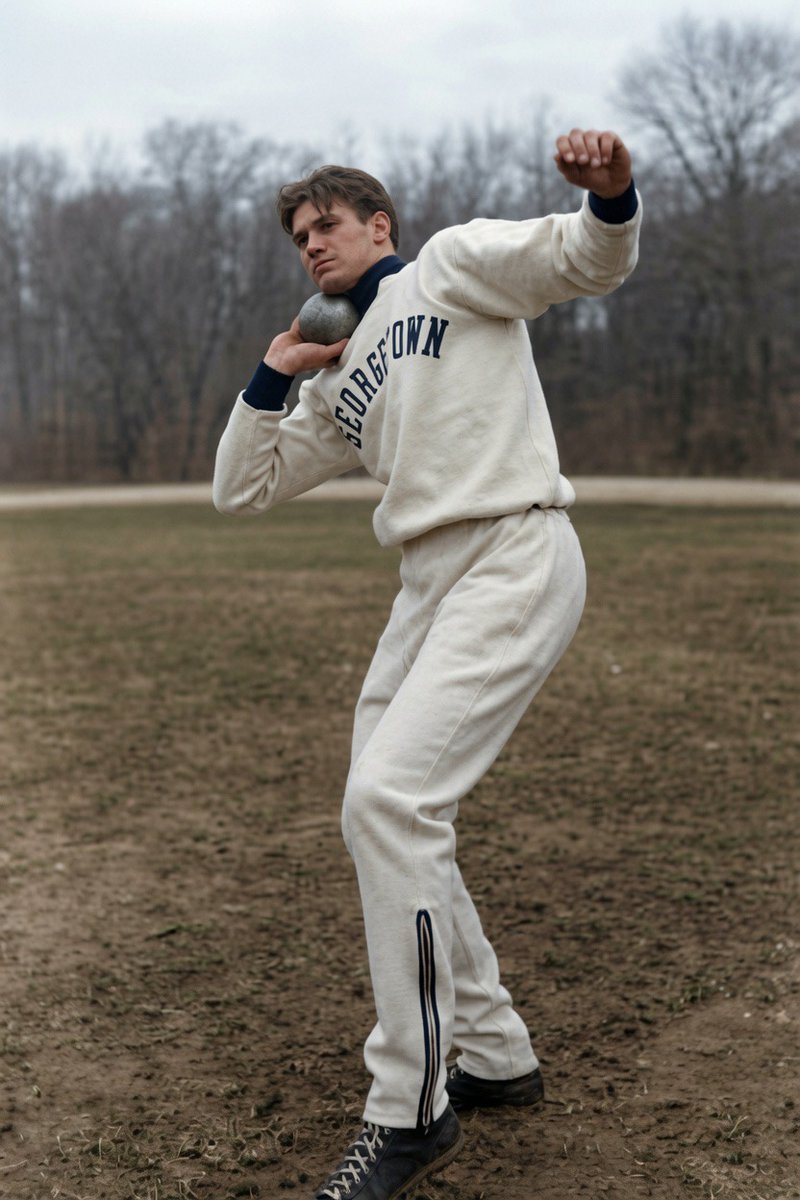
He starred at Georgetown University in both football and track & field, even setting a world record in the shot put.
The New York Giants drafted him in 1942, and he quickly became one of the best offensive tackles in the NFL.
He played the full 1942 and 1943 seasons with the Giants, earning All-Pro honors.
Because of his extreme height, Blozis initially faced restrictions when trying to enlist. He persistently fought for a waiver until the Army finally accepted him on December 9, 1943.
While stationed stateside in late 1944, he secured a brief military furlough to play three final games for the Giants, which includes the 1944 NFL Championship Game, before deploying to Europe as a second lieutenant with the 28th Infantry Division.
On January 31, 1945, while fighting in the Vosges Mountains of France, two soldiers from Blozis’ unit went missing during a heavy snowstorm.
Despite dangerous conditions, Blozis volunteered to search for them.
He was killed by German machine gun fire during the search.
His remains were later recovered, and he is buried at the Lorraine American Cemetery in France.
He was posthumously awarded the Bronze Star.
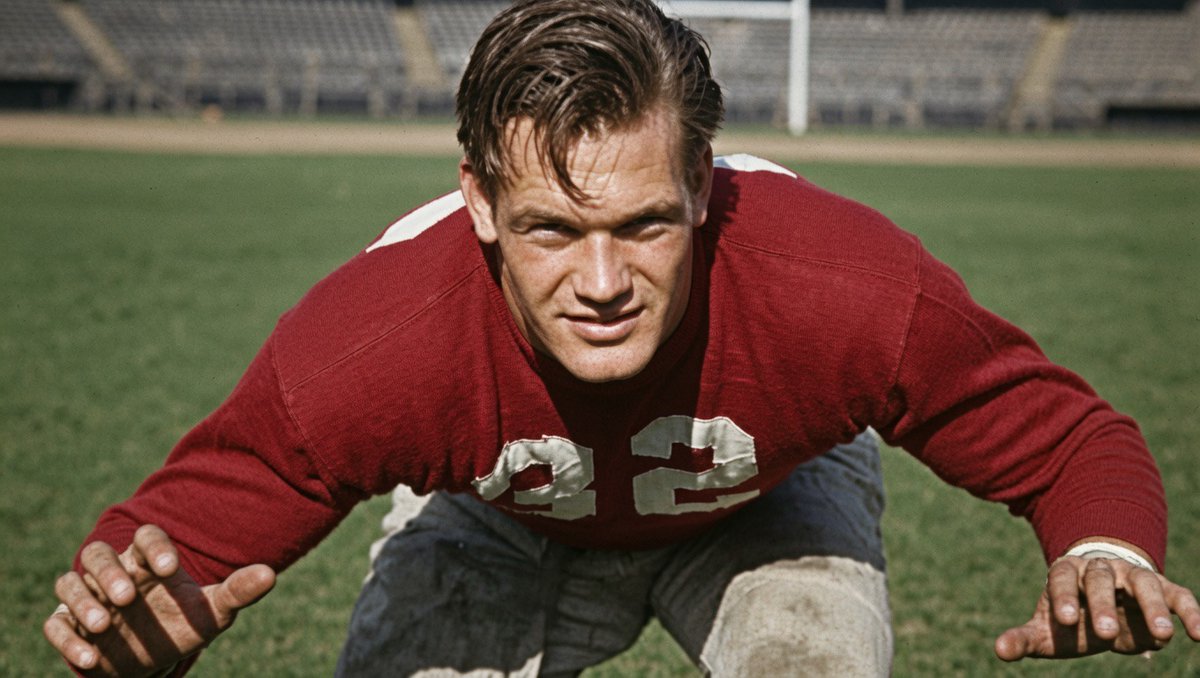
After the war, the New York Giants retired Al Blozis’ #32 in honor of his service and sacrifice.
He remains one of the most respected figures in Giants history, not only for his dominance on the field, but for choosing to fight when he could have stayed home.
Al Blozis is an American Badass.
Thank you, Lieutenant! 🫡🇺🇸
3
42
212
9,682
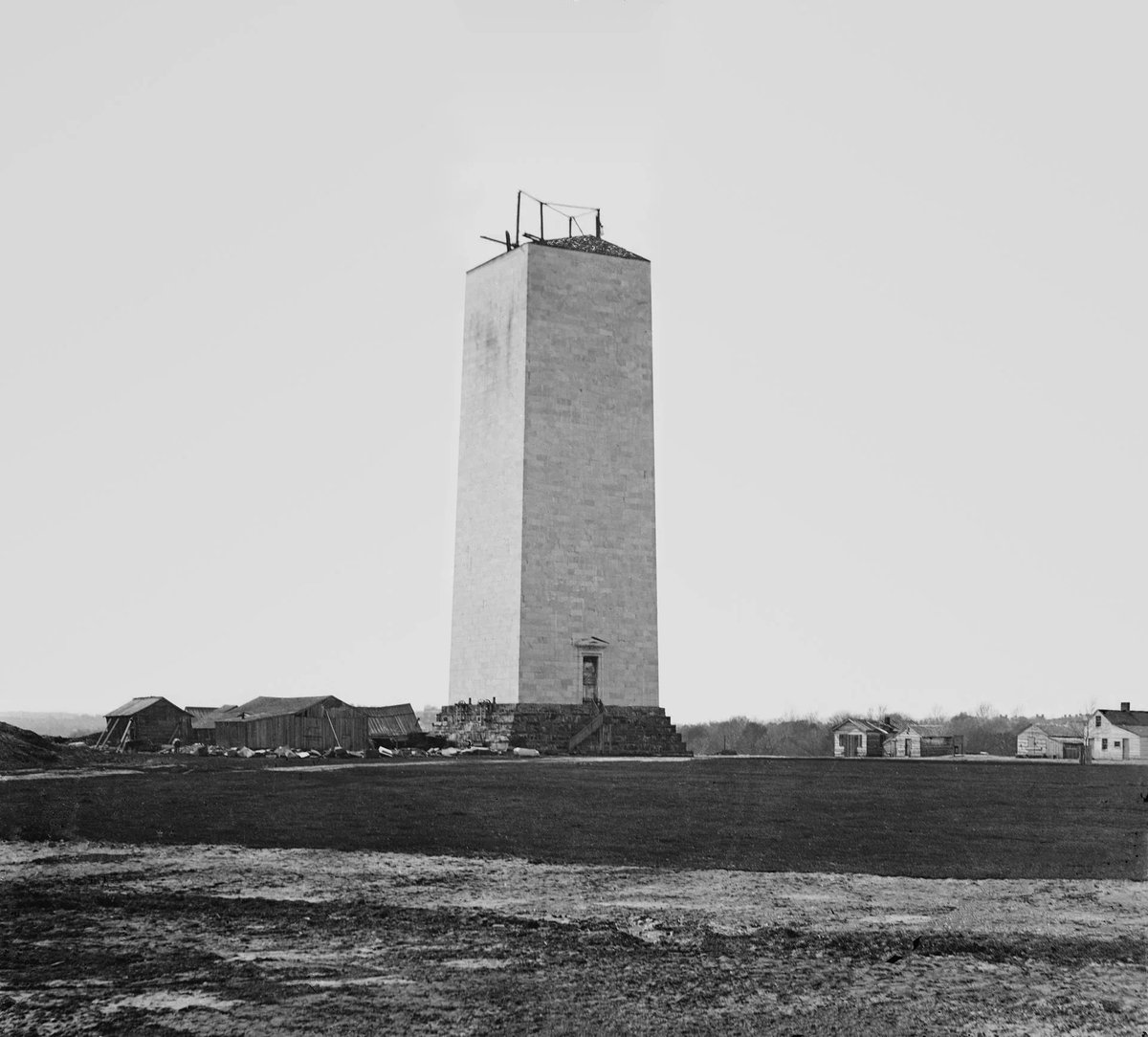
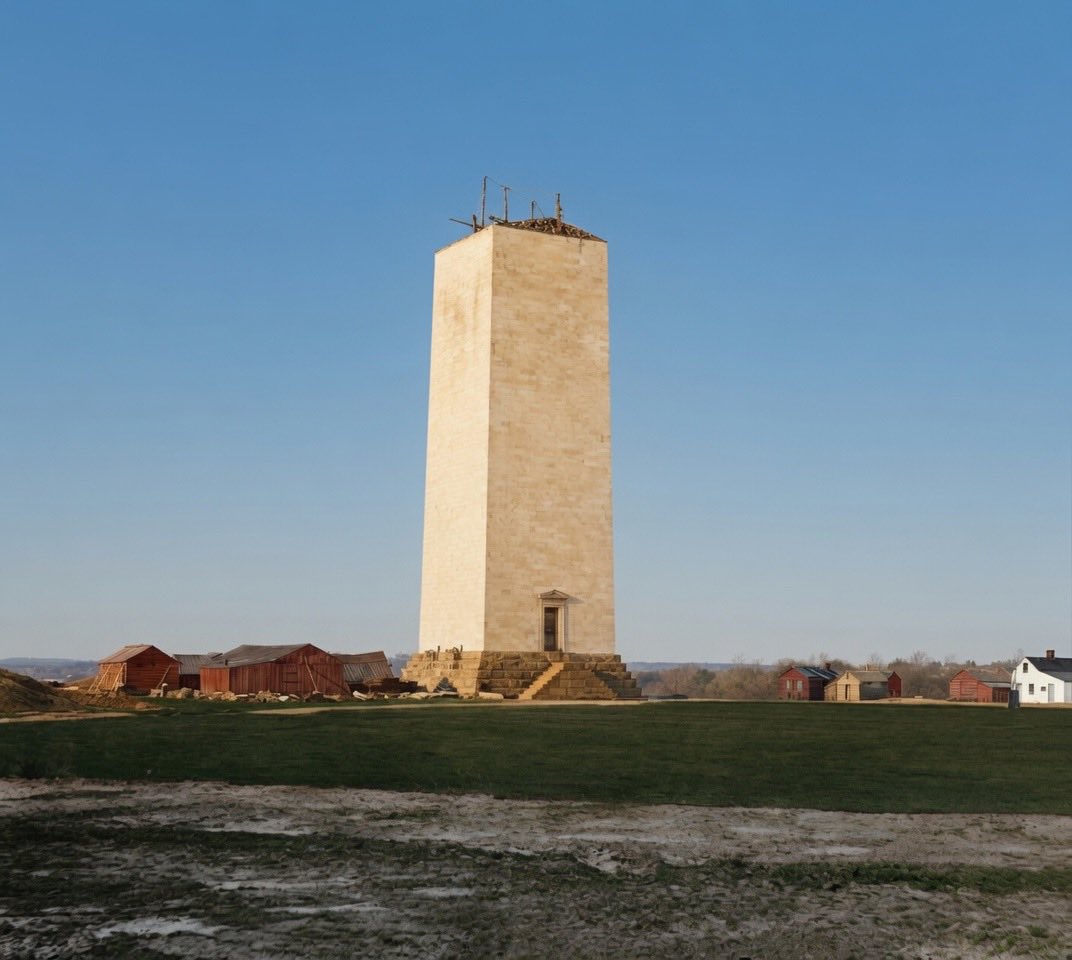
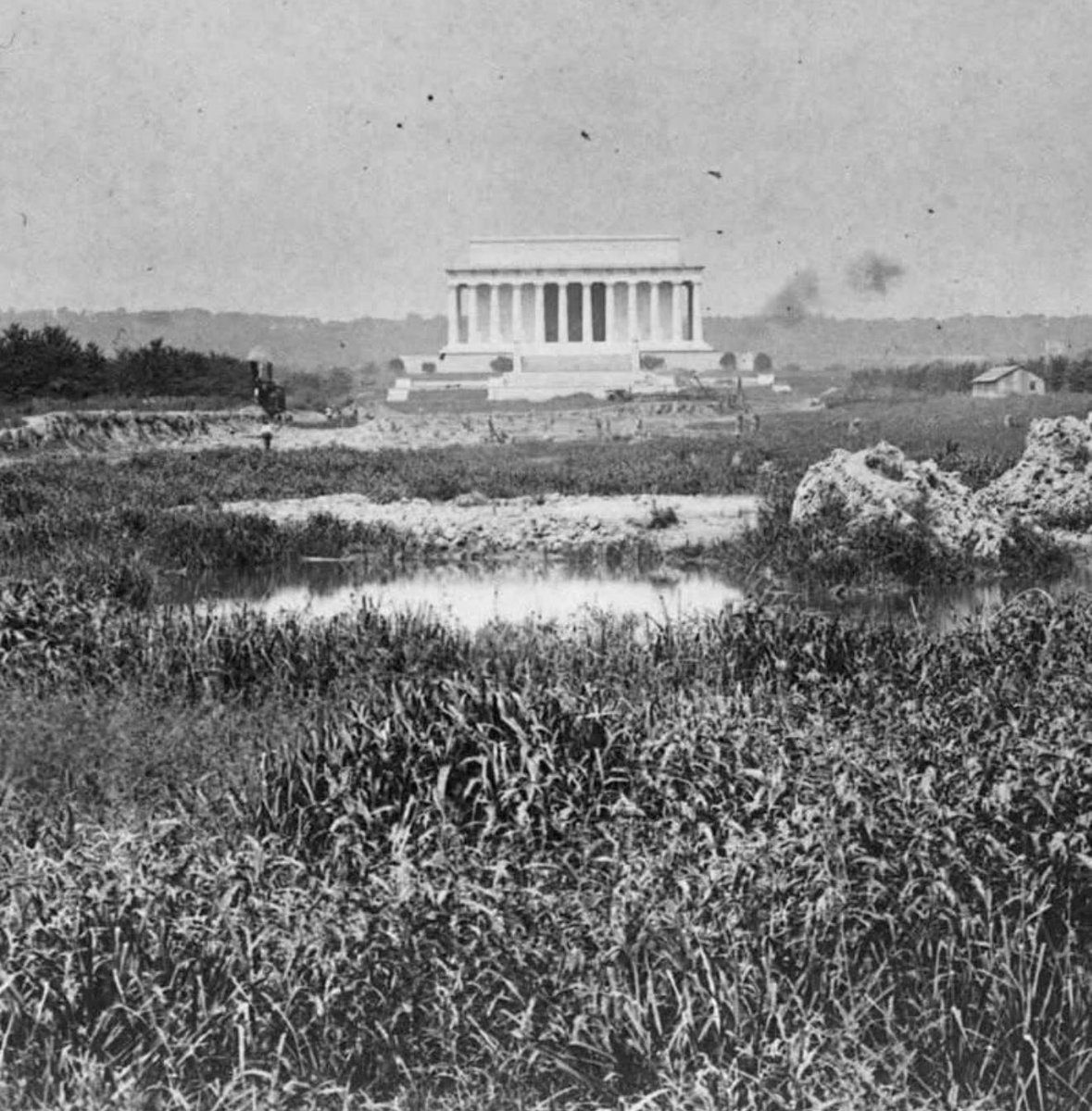
🇺🇸 The Washington Monument, circa 1860. Colorized.
Construction was halted in 1854 and it sat in this state for over 20 years.
Work resumed in 1876. By 1884 the monument was complete.

2
8
73
2,348
🇺🇸 Beautiful video honoring Bob Kalsu, with the best voice in the business narrating.
Just think, this man would have blocked for O.J. Simpson…
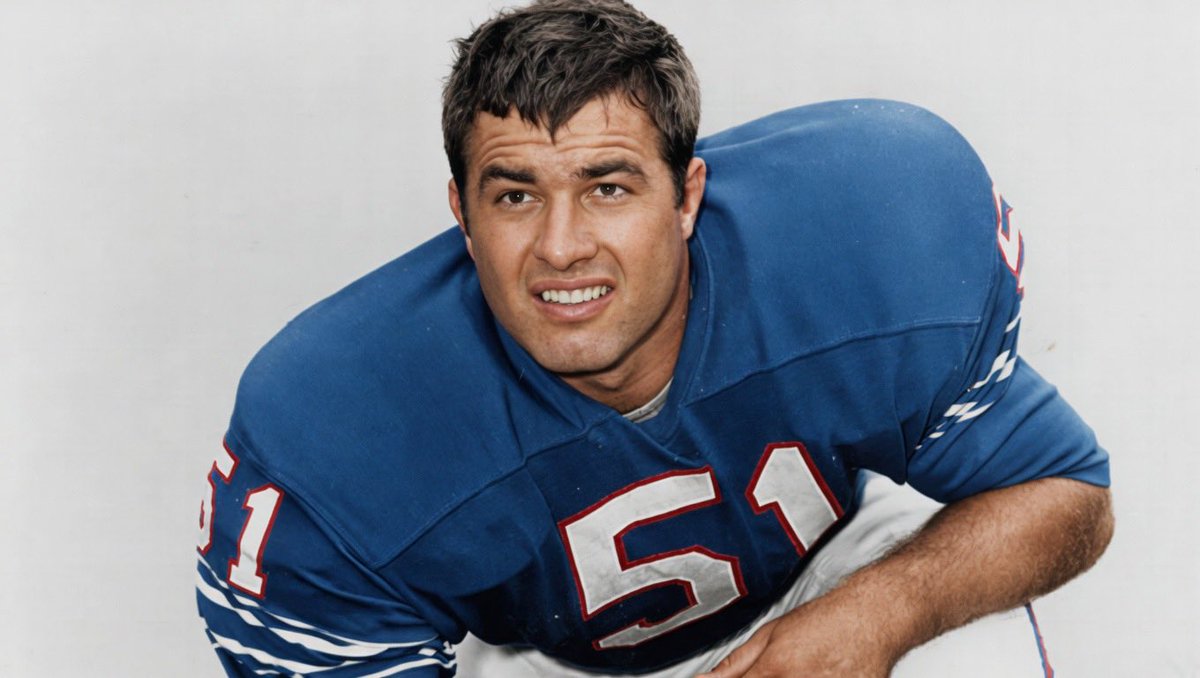
🇺🇸 Most Badass Football Players: Combat Veterans Edition #9 Bob Kalsu
Bob Kalsu, the 1968 Buffalo Bills team Rookie of the Year, was one badass football player.
Born April 13, 1945, in Oklahoma City, Kalsu grew into a powerful 6-foot-3, 250-pound force on the offensive line.
At the University of Oklahoma he earned All-American honors as a tackle and helped lead the Sooners to a 10-1 record and a win in the Orange Bowl.
The Buffalo Bills selected him in the eighth round of the 1968 AFL draft.
By the end of his rookie season he had started nine games at right guard and was named the team’s Rookie of the Year.
Kalsu had completed ROTC at Oklahoma and carried a service obligation. Many people urged him to seek a deferment.
He had just married his wife Jan and they already had a young daughter with another child on the way.
Kalsu refused.
He told those around him that he had made a commitment to his country and that he was no better than anyone else.
After the 1968 season he entered the Army as a second lieutenant.
He arrived in Vietnam in November 1969 and was assigned to the 101st Airborne Division as an artillery officer with the 2nd Battalion, 11th Field Artillery. He was quickly promoted to first lieutenant.
By the summer of 1970 Kalsu found himself in the middle of one of the most intense battles of the war: the siege of Fire Support Base Ripcord near the A Shau Valley.
For 23 days American forces on the isolated hilltop base came under sustained attack from North Vietnamese Army units. The fighting featured constant mortar and rocket fire, infantry probes, and brutal artillery exchanges.
On July 21, 1970, during one of the final days of the battle, Kalsu was with his artillery unit when the base came under another mortar attack.
Word reached him that a damaged helicopter was attempting an emergency landing with enemy troops in close pursuit.
Kalsu left his bunker to warn the soldiers under his command.
An 82mm mortar round exploded nearby, killing him instantly at age 25.
Two days later his wife Jan gave birth to their son, Bob Jr.
Kalsu never met him.
He was posthumously awarded the Bronze Star.
Kalsu's name is located at Panel 8W, Line 38 on the Vietnam Veterans Memorial in Washington, D.C.
Bob Kalsu is an American Badass.
Thank you, Lieutenant! 🫡🇺🇸
2
6
34
2,227
🇺🇸 Countdown Until America’s 250th Birthday: Day 21
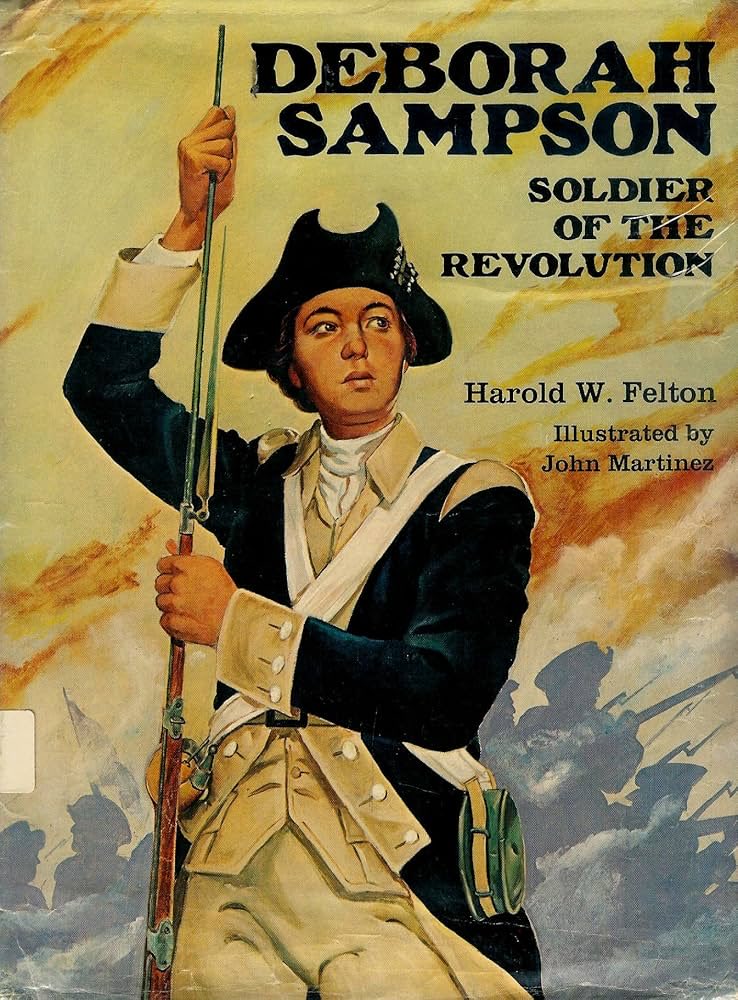
Deborah Sampson was 21 years old when she disguised herself as a man named Robert Shurtliff and enlisted in the Continental Army in 1782.
She fought in several battles, was wounded, and served until the end of the war before her true identity was discovered.
🇺🇸
🇺🇸 Countdown Until America’s 250th Birthday: Day 22
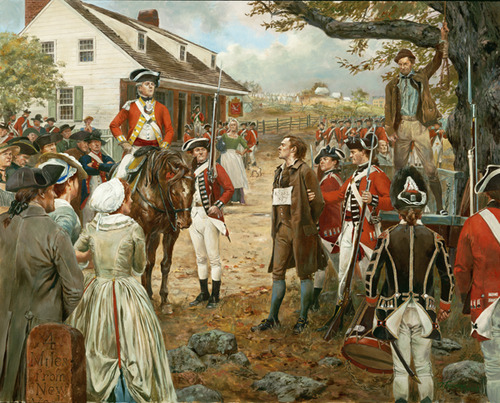
On the 22nd of September, 1776, Nathan Hale was executed by the British after volunteering to spy behind enemy lines.
Before his death he famously said, “I only regret that I have but one life to lose for my country.”
Thank you, Nathan! 🫡🇺🇸
1
13
42
1,980
🇺🇸 Most Badass Football Players: Combat Veterans Edition #10 Al Blozis
Al Blozis, member of the 1940s NFL All-Decade Team for the NY Giants, was one badass football player.
Born in 1919 in Garfield, New Jersey, Blozis was an absolute physical specimen at 6'6" and around 260 pounds, a giant for his time.
He starred at Georgetown University in both football and track & field, even setting a world record in the shot put.
The New York Giants drafted him in 1942, and he quickly became one of the best offensive tackles in the NFL.
He played the full 1942 and 1943 seasons with the Giants, earning All-Pro honors.
Because of his extreme height, Blozis initially faced restrictions when trying to enlist. He persistently fought for a waiver until the Army finally accepted him on December 9, 1943.
While stationed stateside in late 1944, he secured a brief military furlough to play three final games for the Giants, which includes the 1944 NFL Championship Game, before deploying to Europe as a second lieutenant with the 28th Infantry Division.
On January 31, 1945, while fighting in the Vosges Mountains of France, two soldiers from Blozis’ unit went missing during a heavy snowstorm.
Despite dangerous conditions, Blozis volunteered to search for them.
He was killed by German machine gun fire during the search.
His remains were later recovered, and he is buried at the Lorraine American Cemetery in France.
He was posthumously awarded the Bronze Star.
After the war, the New York Giants retired Al Blozis’ #32 in honor of his service and sacrifice.
He remains one of the most respected figures in Giants history, not only for his dominance on the field, but for choosing to fight when he could have stayed home.
Al Blozis is an American Badass.
Thank you, Lieutenant! 🫡🇺🇸
🇺🇸 Thank you all for reading my latest series on baseball players!
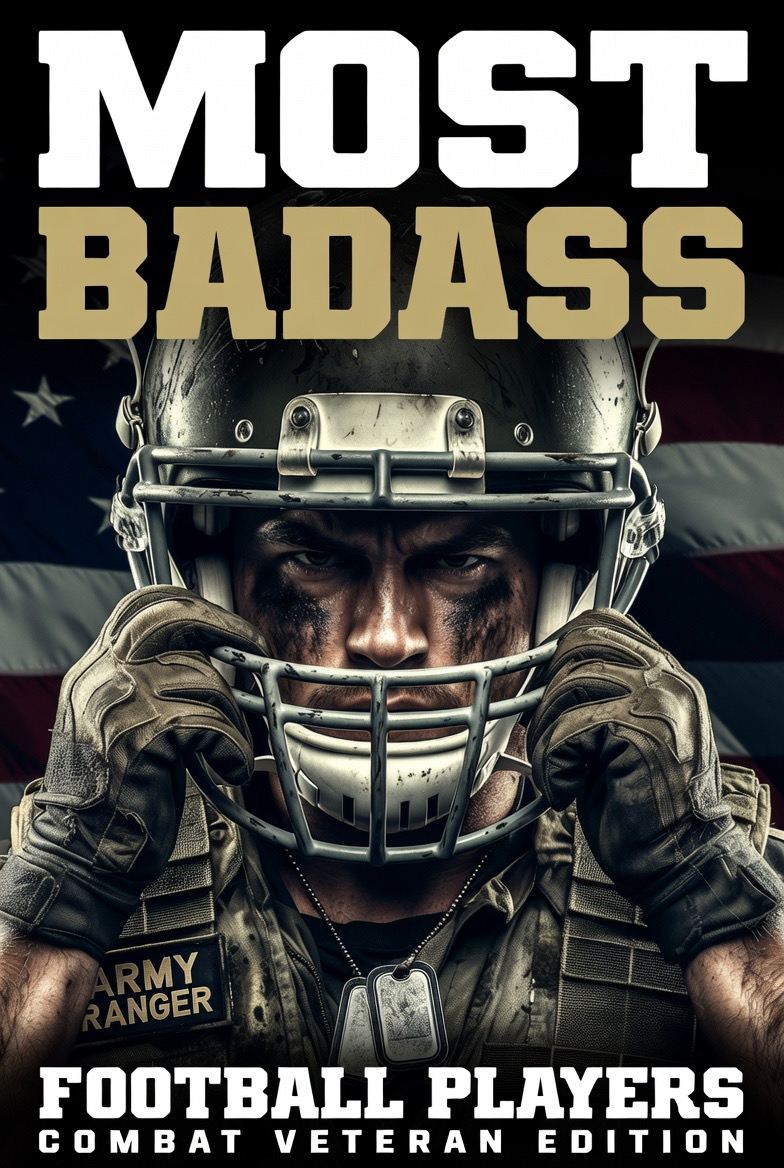
Next up: Most Badass Football Players: Combat Veteran Edition
The ones who played on the NFL gridiron and answered the call in combat.
Some came back champions. Some never came home.
First one drops tomorrow. 🫡🇺🇸
2
33
172
22,272
Original photo. I kind of like the Giants red uniforms
1
1
516
Barnaby Breaks History 🇺🇸 retweeted

Jun 12
39 years ago today, Ronald Reagan stood at the Brandenburg Gate and delivered one of the most powerful lines of the 20th century
The speechwriters were told to remove it.
The State Department was told to remove it.
The NSC was told to remove it.
Reagan refused:
"Mr. Gorbachev, tear down this wall!"
8
86
450
94,501
🇺🇸 If you have 3 minutes, watch this Giants video tribute to Al Blozis
It summarizes everything well for someone who gave everything for his country on the battlefield.
Thank you, Al 🫡🇺🇸
🇺🇸 Most Badass Football Players: Combat Veterans Edition #10 Al Blozis
Al Blozis, member of the 1940s NFL All-Decade Team for the NY Giants, was one badass football player.
Born in 1919 in Garfield, New Jersey, Blozis was an absolute physical specimen at 6'6" and around 260 pounds, a giant for his time.
He starred at Georgetown University in both football and track & field, even setting a world record in the shot put.
The New York Giants drafted him in 1942, and he quickly became one of the best offensive tackles in the NFL.
He played the full 1942 and 1943 seasons with the Giants, earning All-Pro honors.
Because of his extreme height, Blozis initially faced restrictions when trying to enlist. He persistently fought for a waiver until the Army finally accepted him on December 9, 1943.
While stationed stateside in late 1944, he secured a brief military furlough to play three final games for the Giants, which includes the 1944 NFL Championship Game, before deploying to Europe as a second lieutenant with the 28th Infantry Division.
On January 31, 1945, while fighting in the Vosges Mountains of France, two soldiers from Blozis’ unit went missing during a heavy snowstorm.
Despite dangerous conditions, Blozis volunteered to search for them.
He was killed by German machine gun fire during the search.
His remains were later recovered, and he is buried at the Lorraine American Cemetery in France.
He was posthumously awarded the Bronze Star.
After the war, the New York Giants retired Al Blozis’ #32 in honor of his service and sacrifice.
He remains one of the most respected figures in Giants history, not only for his dominance on the field, but for choosing to fight when he could have stayed home.
Al Blozis is an American Badass.
Thank you, Lieutenant! 🫡🇺🇸
1
10
57
2,489
🇺🇸 Al Blozis holds the U.S. Army record for farthest grenade throw
He threw a live hand grenade 94 yards, 2 feet, and 6.5 inches.
That’s nearly three times the average soldier’s throw and almost the length of a football field.
He did it while training to become an officer at Fort Benning, Georgia.
The record still stands today.
A giant on the field. A giant in war. 🫡🇺🇸
🇺🇸 Most Badass Football Players: Combat Veterans Edition #10 Al Blozis
Al Blozis, member of the 1940s NFL All-Decade Team for the NY Giants, was one badass football player.
Born in 1919 in Garfield, New Jersey, Blozis was an absolute physical specimen at 6'6" and around 260 pounds, a giant for his time.
He starred at Georgetown University in both football and track & field, even setting a world record in the shot put.
The New York Giants drafted him in 1942, and he quickly became one of the best offensive tackles in the NFL.
He played the full 1942 and 1943 seasons with the Giants, earning All-Pro honors.
Because of his extreme height, Blozis initially faced restrictions when trying to enlist. He persistently fought for a waiver until the Army finally accepted him on December 9, 1943.
While stationed stateside in late 1944, he secured a brief military furlough to play three final games for the Giants, which includes the 1944 NFL Championship Game, before deploying to Europe as a second lieutenant with the 28th Infantry Division.
On January 31, 1945, while fighting in the Vosges Mountains of France, two soldiers from Blozis’ unit went missing during a heavy snowstorm.
Despite dangerous conditions, Blozis volunteered to search for them.
He was killed by German machine gun fire during the search.
His remains were later recovered, and he is buried at the Lorraine American Cemetery in France.
He was posthumously awarded the Bronze Star.
After the war, the New York Giants retired Al Blozis’ #32 in honor of his service and sacrifice.
He remains one of the most respected figures in Giants history, not only for his dominance on the field, but for choosing to fight when he could have stayed home.
Al Blozis is an American Badass.
Thank you, Lieutenant! 🫡🇺🇸
2
24
132
4,891
🇺🇸 Countdown Until America’s 250th Birthday: Day 22
On the 22nd of September, 1776, Nathan Hale was executed by the British after volunteering to spy behind enemy lines.
Before his death he famously said, “I only regret that I have but one life to lose for my country.”
Thank you, Nathan! 🫡🇺🇸
🇺🇸 Countdown Until America’s 250th Birthday: Day 23
On the 23rd of February, 1778, Baron Friedrich von Steuben arrived at Valley Forge to train the Continental Army.
His strict drills and discipline transformed a ragged, struggling force into a professional army ready to take on the British.
🇺🇸
2
28
130
5,174
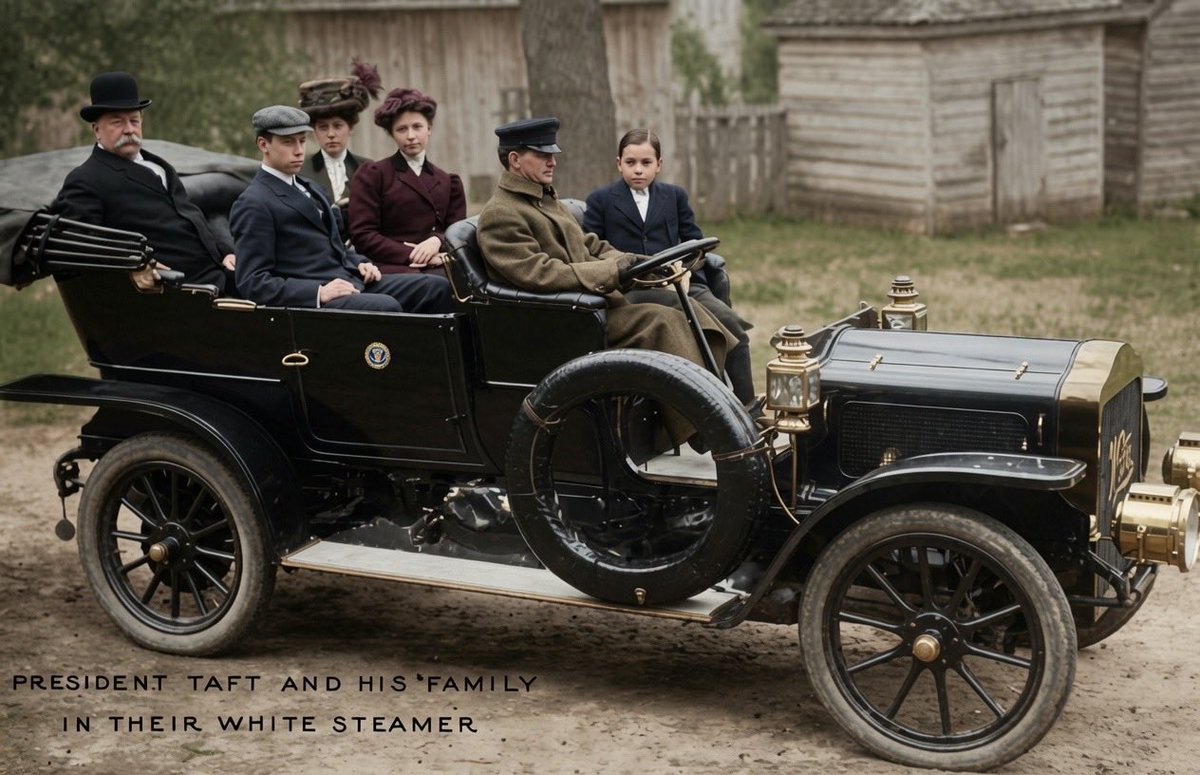
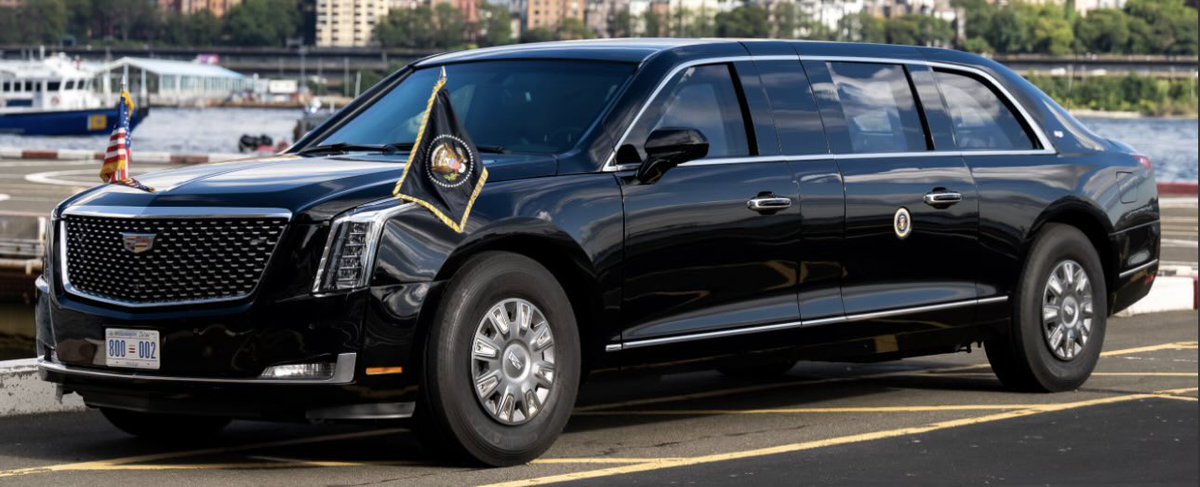
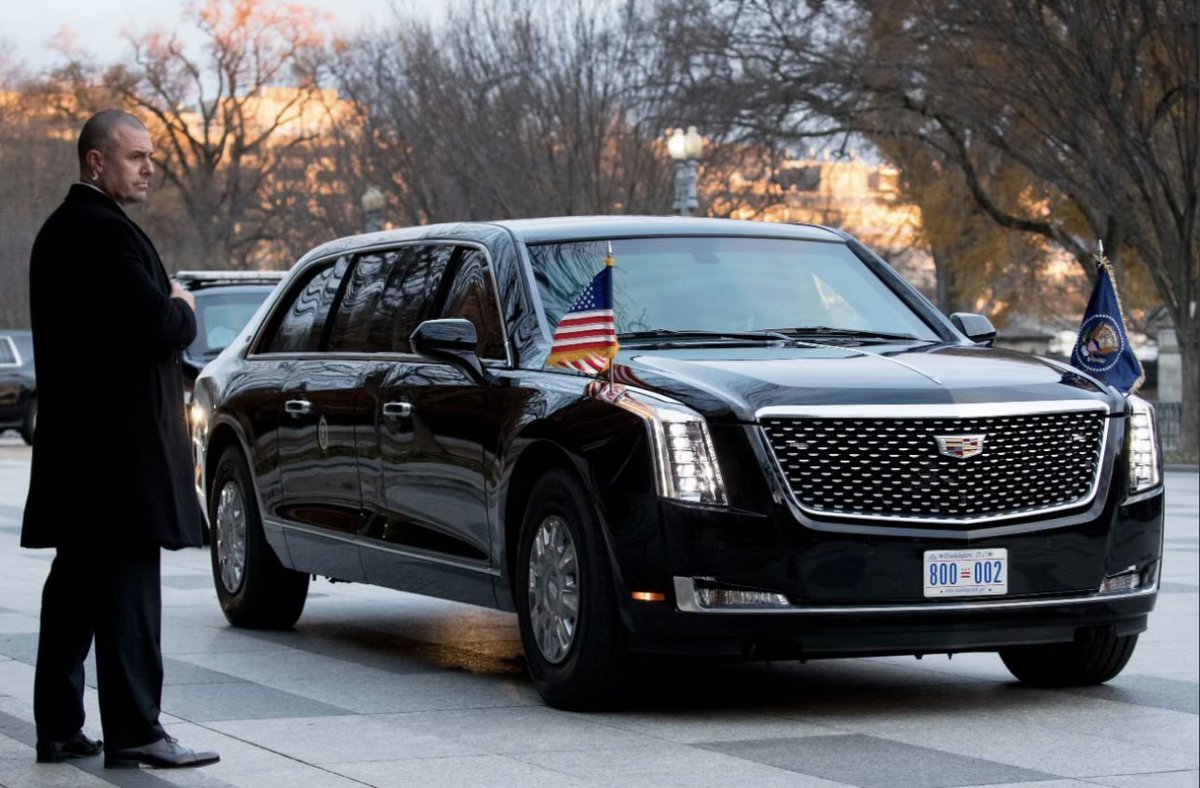
🇺🇸 The original “Beast”
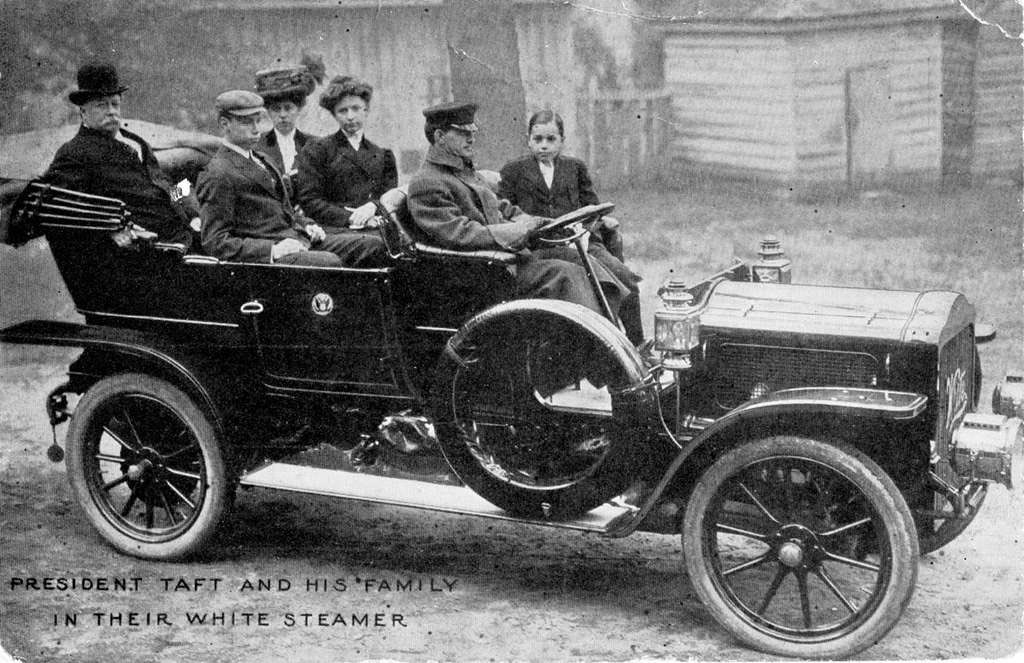
President Taft and his family in one of the first official White House automobiles, the 1909 White Model M steam car.
It ran on a quiet kerosene-powered steam engine and was considered highly advanced for its time.
Produced about 40 horsepower and was incredibly quiet.
Colorized historical photo, circa 1910.

3
14
112
3,773
Full List of D-Day Medal of Honor Recipients
cmohs.org/recipients/lists/d…
4
9
384
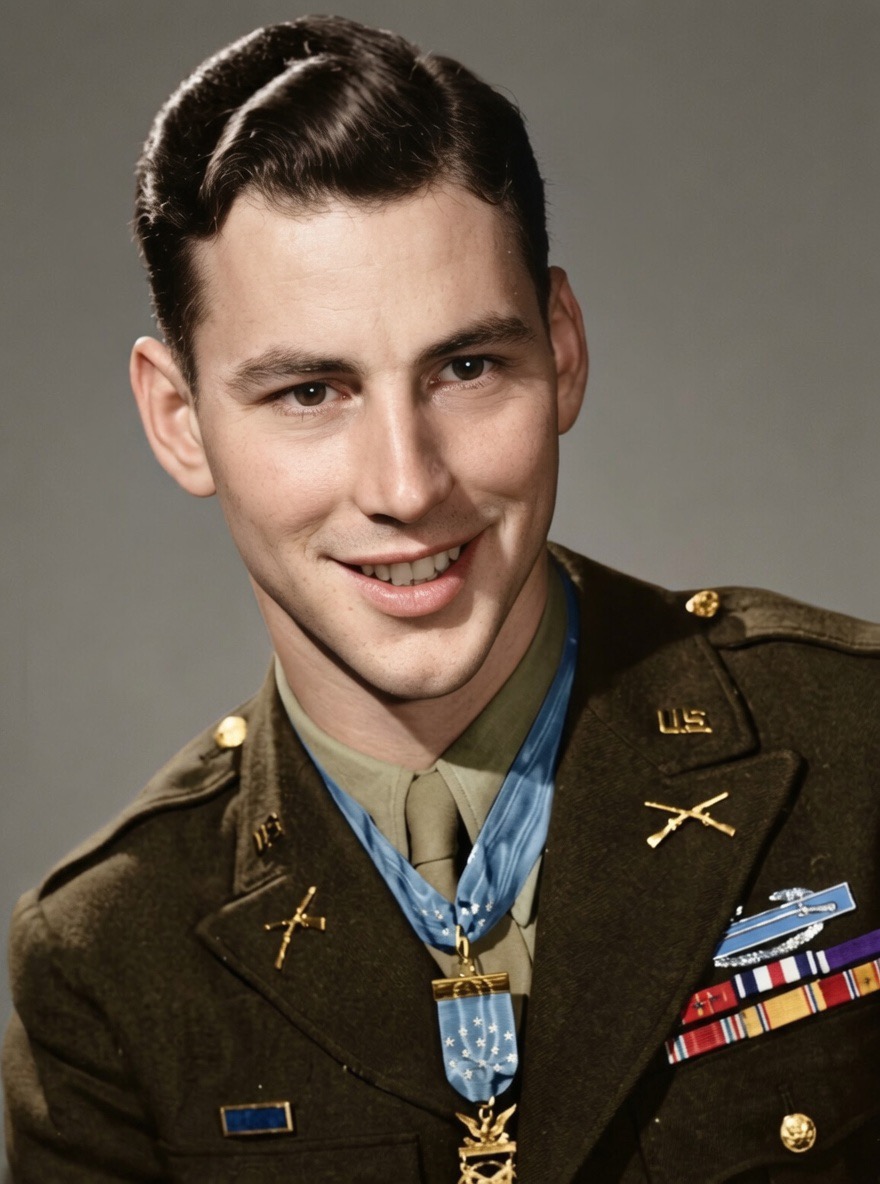
🇺🇸 Most Badass Americans You Don’t Know D-Day Edition (D 5): Robert G. Cole
Lieutenant Colonel Robert G. Cole jumped into Normandy on D-Day with the Screaming Eagles of the 101st Airborne Division and became one of the most legendary figures of the entire campaign.
Born March 19, 1915, at Fort Sam Houston in San Antonio, Texas, Cole was the son of an Army doctor.
He graduated from West Point in 1939, then volunteered for the paratroopers in 1941.
He rose through the ranks with lightning speed.
By D-Day he was a Lieutenant Colonel commanding the 3rd Battalion, 502nd Parachute Infantry Regiment, 101st Airborne Division.
On the night of June 5 to 6, 1944, Cole parachuted into France behind Utah Beach.
Despite the chaos of scattered drops and heavy resistance, he quickly rallied about 75 men, seized key objectives, and helped open the way for the 4th Infantry Division coming ashore.
Five days later, the fight for Carentan was raging. Capturing the town was critical. It would finally link the forces from Utah Beach with those from Omaha Beach.
Cole’s 3rd Battalion was tasked with forcing the last bridges over the Douve River along a narrow, exposed causeway.
On June 11, 1944, his battalion advanced straight into a meat grinder. German riflemen, machine guns, mortars, and artillery from well-dug-in positions just 150 yards away pinned the entire unit to the ground.
For over an hour the fire held them in place and raked up heavy casualties. The situation looked hopeless.
Cole refused to accept it.
With disregard for his own life, he stood up in front of his men, drew his pistol, and shouted for them to fix bayonets.
He called for smoke to screen the advance, then blew his whistle and led the charge himself. He shouted:
“These goose-stepping Heinies think they know how to fight a war! We’re about to learn ’em a lesson! There’s several thousand Krauts in front of us and only a few hundred left of us, but we are well able to take this thing. When I blow the whistle, I want every one of you goddamn jayhawks right on my ass!”
Cole charged across the open ground straight into the enemy positions.
When a man fell, he grabbed the soldier’s rifle and bayonet and kept going.
His men surged forward behind him in one of the rare and incredibly ballsy bayonet charges of World War II.
They stormed the German lines in brutal close-quarters fighting, broke the enemy resistance, and secured the bridgehead.
It cost them dearly. Roughly half his battalion became casualties.
But Cole’s leadership turned an impossible situation into victory.
His actions helped seal the link between the two American beachheads and opened the road to Carentan.
In September 1944, during Operation Market Garden in the Netherlands, he was still at the front with his battalion near Best.
While personally placing orange identification panels in an open field to mark his position for friendly aircraft rather than ordering a man to do it, he was shot and killed by a German sniper.
He was 29 years old.
For his extraordinary heroism on June 11, 1944, Lieutenant Colonel Robert G. Cole was posthumously awarded the Medal of Honor.
The medal was presented to his mother, widow, and son on October 30, 1944, at Fort Sam Houston, the very post where he was born.
He rests today in the Netherlands American Cemetery in Margraten, Holland.
Lieutenant Colonel Robert G. Cole is an American Badass.
Thank you, Colonel! 🫡🇺🇸
🇺🇸 Most Badass Americans You Don’t Know D-Day Edition (D 4): Walter D. Ehlers
Staff Sergeant Walter D. Ehlers stormed Omaha Beach on D-Day with the Big Red One.
On June 9 and 10 he turned into a one man wrecking crew to earn the Medal of Honor.
Born May 7, 1921, in Junction City, Kansas, Ehlers grew up on a farm.
He enlisted in the Army in 1940 with his older brother Roland and fought through North Africa and Sicily before Normandy.
By D-Day he was a battle hardened Staff Sergeant and squad leader in Company L, 3rd Battalion, 18th Infantry Regiment, 1st Infantry Division.
On June 9, 1944, near Goville, France, his platoon slammed into heavily defended German strongpoints blocking the advance.
Ehlers did not wait.
Always acting as the spearhead of the attack, he repeatedly led his men against enemy positions, exposing himself to deadly fire whenever leadership was needed.
He charged far ahead of his squad, personally killing four Germans from a patrol that attacked him en route.
Then crawling under machine gun fire, he pounced on the gun crew and knocked it out of action.
Turning next to two enemy mortars protected by the crossfire of two machine guns, he led his men through a hail of bullets, killed three Germans himself, and mopped up the position.
Ehlers wasn't done.
Spotting another machine gun position, he crawled forward through the mud until he was just feet away from the bunker. He then leaped to his feet, rushed the position before the Germans could swing the barrel toward him, and single handedly killed the crew to silence the weapon.
The next day, with his platoon ordered to withdraw under heavy fire, Ehlers stood up in the open and poured fire into the semicircle of enemy positions, drawing the bulk of the fire onto himself so his men could pull back safely.
He was wounded. It didn't matter.
His BAR rifleman was also wounded so he picked him up and carried him to safety.
He then went all the way back again to retrieve that mans BAR that was left behind so the Germans couldn't take it.
After his wound was treated he refused evacuation and went back to lead his squad.
His two day rampage cleared the way for his company to push forward and secure the objective.
He survived the war, received a battlefield commission to second lieutenant, and lived to tell the tale.
He was awarded the Medal of Honor.
His brother, Roland, was killed on D-Day on Omaha Beach. While they served together in North Africa and Sicily, they had just been separated to different companies because of the Sullivan Brothers tragedy.
He rests today in Riverside National Cemetery in Riverside, California. He was the last living Medal of Honor recipient to survive the D-Day landings when he passed in 2014 at the age of 92.
Walter D. Ehlers is an American Badass
Thank you, Walter! 🫡🇺🇸
9
72
397
8,546
🇺🇸 Thank you all for reading my latest series on baseball players!
Next up: Most Badass Football Players: Combat Veteran Edition
The ones who played on the NFL gridiron and answered the call in combat.
Some came back champions. Some never came home.
First one drops tomorrow. 🫡🇺🇸
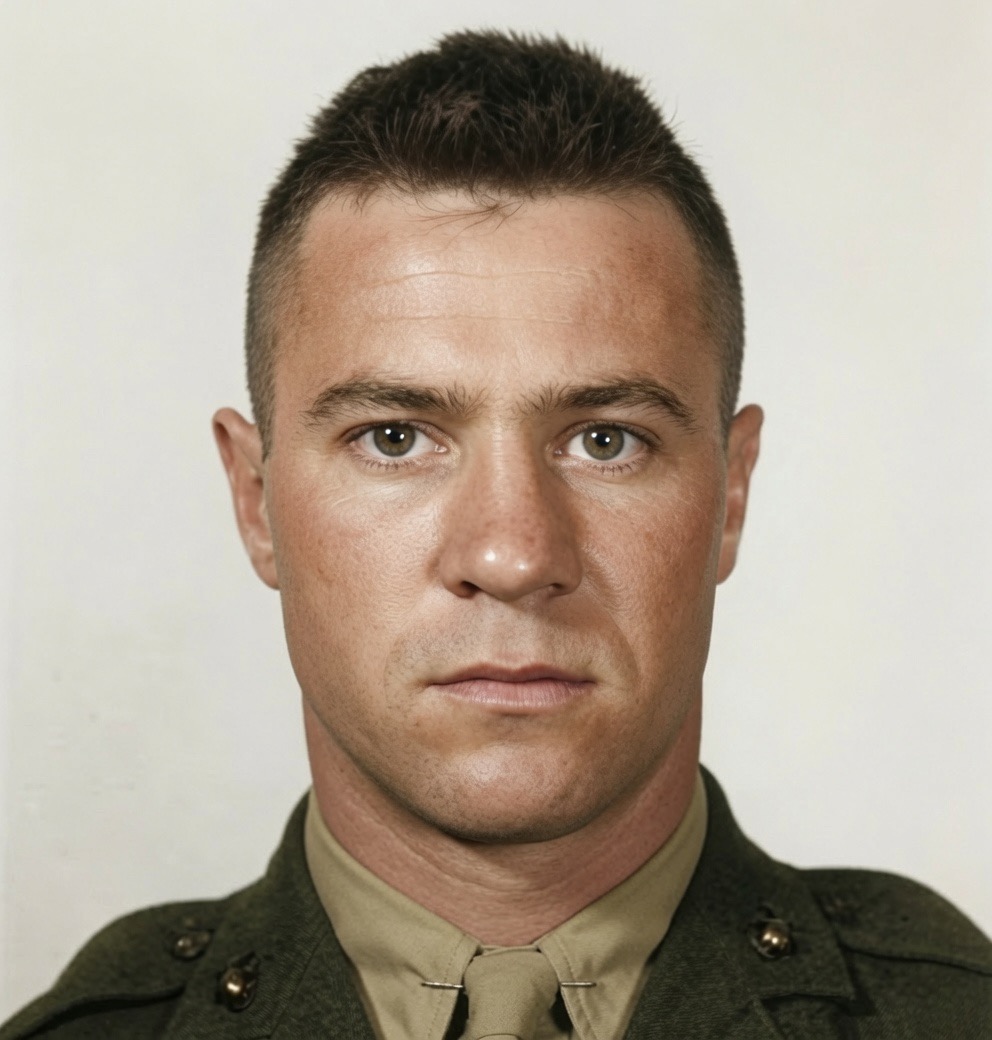
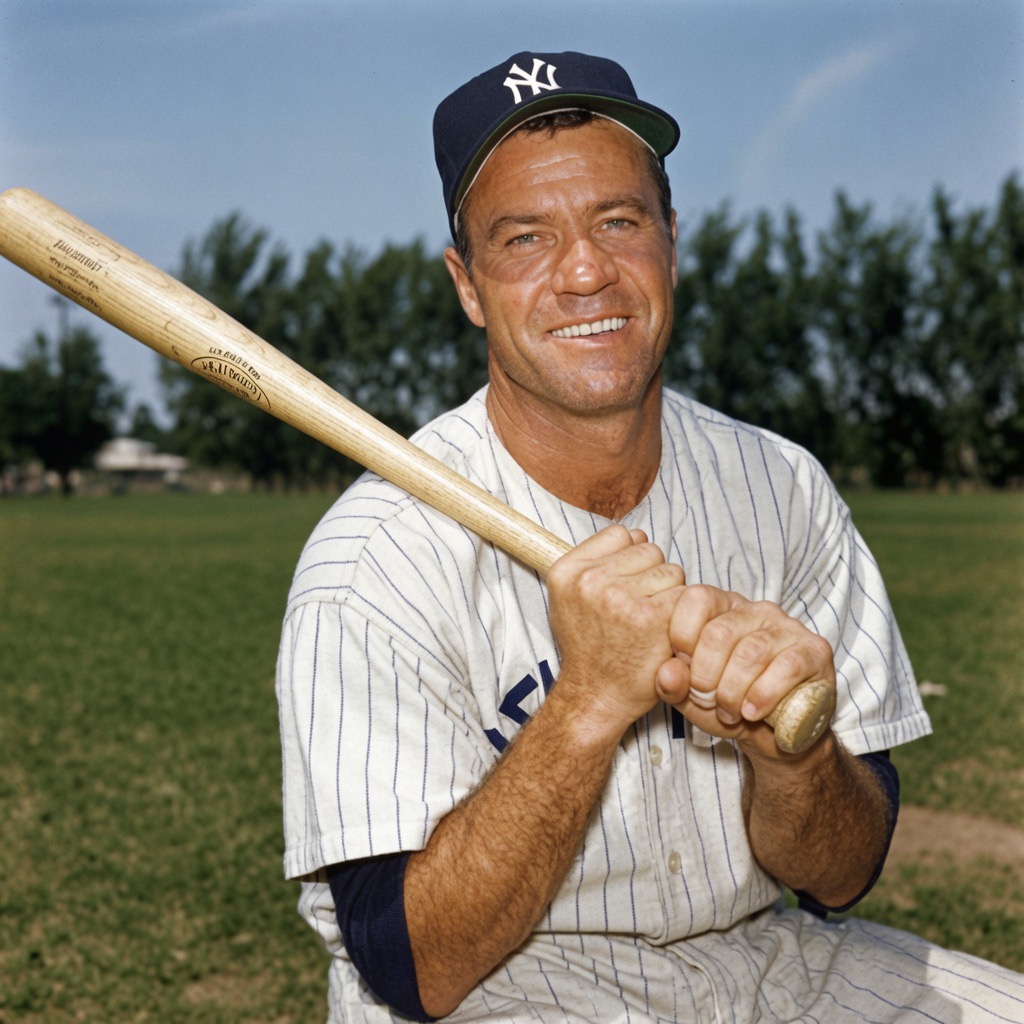
🇺🇸 Most Badass Ballplayers: Combat Veteran Edition #1 Hank Bauer
Hank Bauer, United States Marine and eight-time World Series champion, was one badass ballplayer.
Born July 31, 1922, in East St. Louis, Illinois.
One month after Pearl Harbor, he enlisted in the United States Marine Corps.
He volunteered for the elite Marine Raiders and was sent to the Pacific Theater.
He fought in some of the bloodiest campaigns of the war, including Guadalcanal, Guam, and Okinawa.
On Guam, Bauer went ashore on the very first day.
He earned his first Bronze Star for demonstrating exceptional valor during intense, close-quarters jungle warfare.
He was wounded in the back by enemy shrapnel from an exploding shell. He refused to leave the battlefield.
It was his first Purple Heart.
Years later, pieces of shrapnel from that wound were still embedded in his back. His Yankees teammates would sometimes pick metal fragments out of him in the clubhouse.
The fighting he experienced on Okinawa was even more brutal.
Bauer was a platoon sergeant leading 64 Marines.
Only six of them survived the battle.
On April 15, 1945, under heavy mortar and machine-gun fire, he repeatedly exposed himself to evacuate wounded men.
When stretcher bearers were no longer available, he carried casualties himself to the aid station. For that action he earned a second Bronze Star.
He was also wounded in the thigh by an artillery shell, tearing a massive hole in his left thigh. He received his second Purple Heart.
As he was being carried off, he turned to a buddy and said, “There goes my baseball career.”
Throughout his time in the Pacific, Bauer also battled malaria, contracting it twenty-four separate times (that’s not a typo).
After the war he returned to baseball.
He made the Yankees in 1948 and became a key part of their dynasty, winning seven World Series titles as a player over 14 seasons.
He hit safely in a then record 17 straight World Series games.
He later managed the Yankees to the 1964 pennant and the Orioles to a World Series championship in 1966.
32 months of combat. 11 campaign ribbons. 2 Bronze Stars, 2 Purple Hearts. 8 World Series Championships.
Thank you, Hank! 🫡🇺🇸⚾
4
3
42
8,557
🇺🇸 Most Badass Americans You Don’t Know D-Day Edition (D 4): Walter D. Ehlers
Staff Sergeant Walter D. Ehlers stormed Omaha Beach on D-Day with the Big Red One.
On June 9 and 10 he turned into a one man wrecking crew to earn the Medal of Honor.
Born May 7, 1921, in Junction City, Kansas, Ehlers grew up on a farm.
He enlisted in the Army in 1940 with his older brother Roland and fought through North Africa and Sicily before Normandy.
By D-Day he was a battle hardened Staff Sergeant and squad leader in Company L, 3rd Battalion, 18th Infantry Regiment, 1st Infantry Division.
On June 9, 1944, near Goville, France, his platoon slammed into heavily defended German strongpoints blocking the advance.
Ehlers did not wait.
Always acting as the spearhead of the attack, he repeatedly led his men against enemy positions, exposing himself to deadly fire whenever leadership was needed.
He charged far ahead of his squad, personally killing four Germans from a patrol that attacked him en route.
Then crawling under machine gun fire, he pounced on the gun crew and knocked it out of action.
Turning next to two enemy mortars protected by the crossfire of two machine guns, he led his men through a hail of bullets, killed three Germans himself, and mopped up the position.
Ehlers wasn't done.
Spotting another machine gun position, he crawled forward through the mud until he was just feet away from the bunker. He then leaped to his feet, rushed the position before the Germans could swing the barrel toward him, and single handedly killed the crew to silence the weapon.
The next day, with his platoon ordered to withdraw under heavy fire, Ehlers stood up in the open and poured fire into the semicircle of enemy positions, drawing the bulk of the fire onto himself so his men could pull back safely.
He was wounded. It didn't matter.
His BAR rifleman was also wounded so he picked him up and carried him to safety.
He then went all the way back again to retrieve that mans BAR that was left behind so the Germans couldn't take it.
After his wound was treated he refused evacuation and went back to lead his squad.
His two day rampage cleared the way for his company to push forward and secure the objective.
He survived the war, received a battlefield commission to second lieutenant, and lived to tell the tale.
He was awarded the Medal of Honor.
His brother, Roland, was killed on D-Day on Omaha Beach. While they served together in North Africa and Sicily, they had just been separated to different companies because of the Sullivan Brothers tragedy.
He rests today in Riverside National Cemetery in Riverside, California. He was the last living Medal of Honor recipient to survive the D-Day landings when he passed in 2014 at the age of 92.
Walter D. Ehlers is an American Badass
Thank you, Walter! 🫡🇺🇸
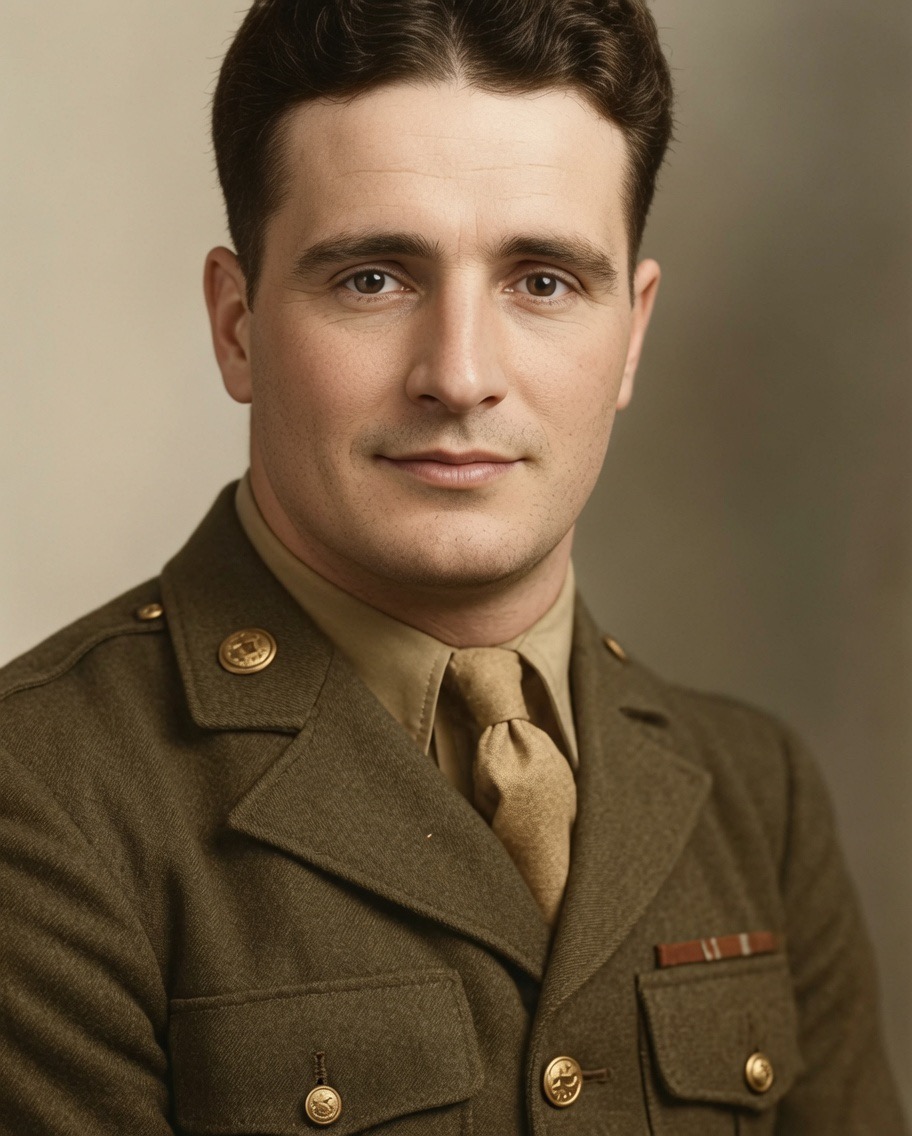
🇺🇸 Most Badass Americans You Don’t Know D-Day Edition (D 4): Arthur F. DeFranzo
Staff Sergeant Arthur F. DeFranzo stormed Omaha Beach on D-Day with the Big Red One.
On June 10 (D 4), he turned into a one man machine gun silencing wrecking crew.
Born March 20, 1919, in Saugus, Massachusetts, DeFranzo enlisted in the Army in November 1940.
By D-Day he was a battle-hardened Staff Sergeant in the 18th Infantry Regiment, 1st Infantry Division.
On the morning of June 10, 1944, near Vaubadon, France, his platoon’s scouts were advancing across an open field when the enemy suddenly opened fire with several machine guns and hit one of the men.
DeFranzo did not wait. He moved out in the open under heavy fire to rescue the wounded scout.
He was himself wounded but dragged the man back to safety.
Refusing aid for his own wounds, he reentered the open field and led the advance upon the enemy.
At least two machine guns poured fire on him, but DeFranzo kept going forward, firing as he advanced.
One by one the enemy emplacements fell silent.
Wounded again, he continued on until he was within 100 yards of the enemy position.
Even as he fell, he kept firing his rifle and waving his men forward.
When his company came up behind him, despite his many severe wounds, he suddenly raised himself and once more moved forward in the lead of his men until he was hit again.
In a final act of courage, he threw several grenades at the enemy machine-gun position and completely destroyed the gun.
He fought so his brothers could live.
Staff Sergeant Arthur F. DeFranzo was killed in action that day at age 25.
He was posthumously awarded the Medal of Honor.
He rests today in Riverside Cemetery in his hometown of Saugus, Massachusetts.
Arthur F. DeFranzo is an American Badass
Thank you, Arthur! 🫡🇺🇸
26
159
896
31,968
Ehlers actions for his Medal of Honor occurred yesterday (D 4), but I felt like I had already too many posts to do it then, so I waited for today to give him more visibility.
If you haven't noticed, my D-Day series is for all those who earned the Medal of Honor in the D-Day campaign (10 total from June 6 to June 11).
I will have one final writeup this evening to complete this series. As always, thank you for reading! 🇺🇸
2
13
398
🇺🇸 Countdown Until America’s 250th Birthday: Day 23
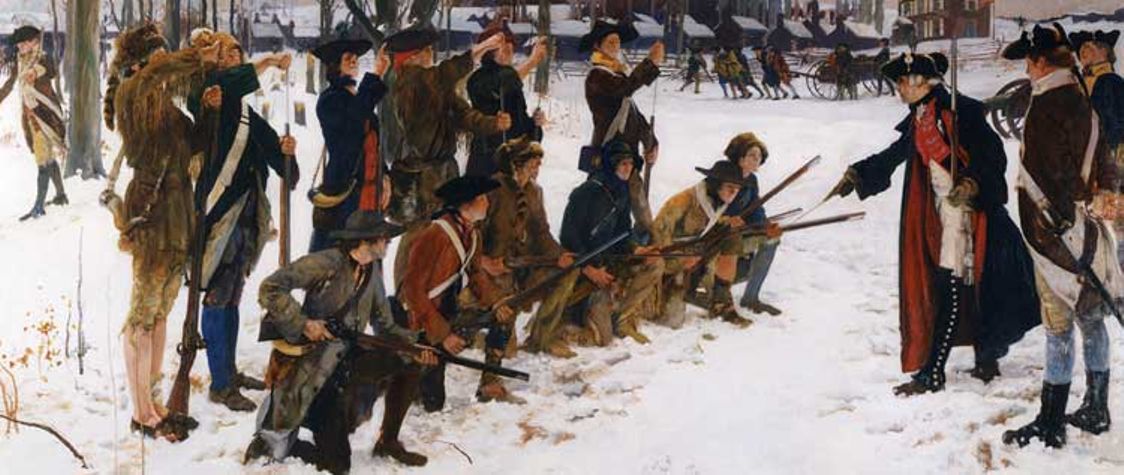
On the 23rd of February, 1778, Baron Friedrich von Steuben arrived at Valley Forge to train the Continental Army.
His strict drills and discipline transformed a ragged, struggling force into a professional army ready to take on the British.
🇺🇸
🇺🇸 Countdown Until America’s 250th Birthday: Day 24
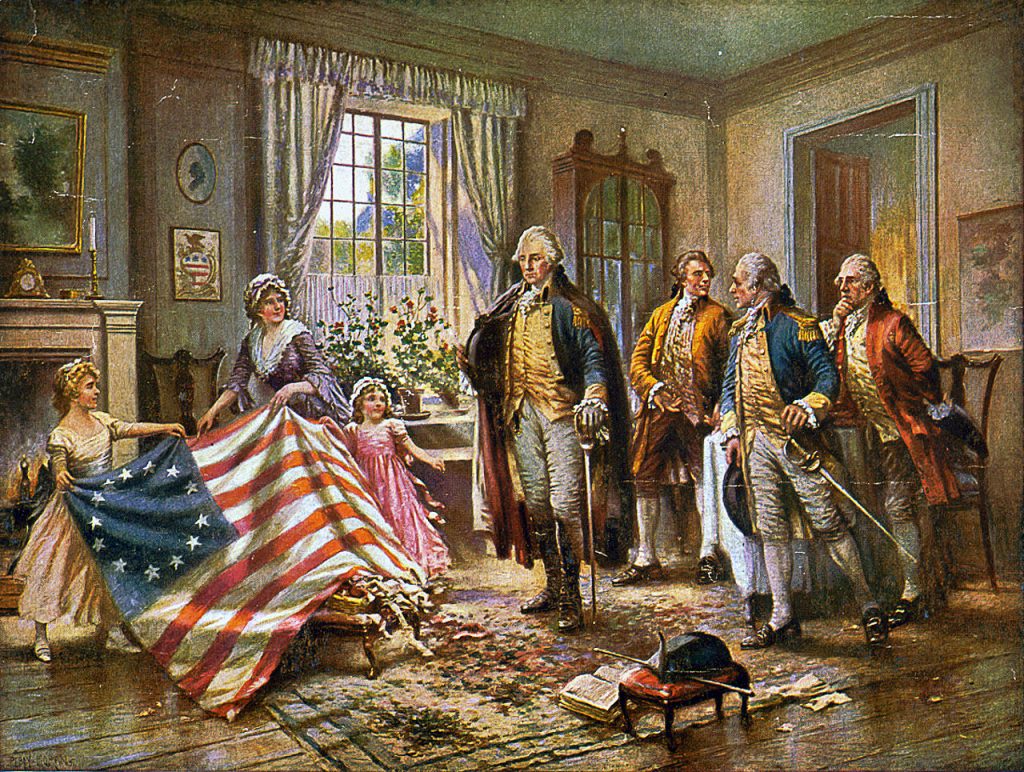
Betsy Ross was just 24 years old when she sewed what became known as the first American flag in 1776.
According to tradition, she met with George Washington and other leaders and helped create the Stars and Stripes design.
Be more like those who turned everyday talents into lasting contributions to liberty 🇺🇸
1
13
56
5,221
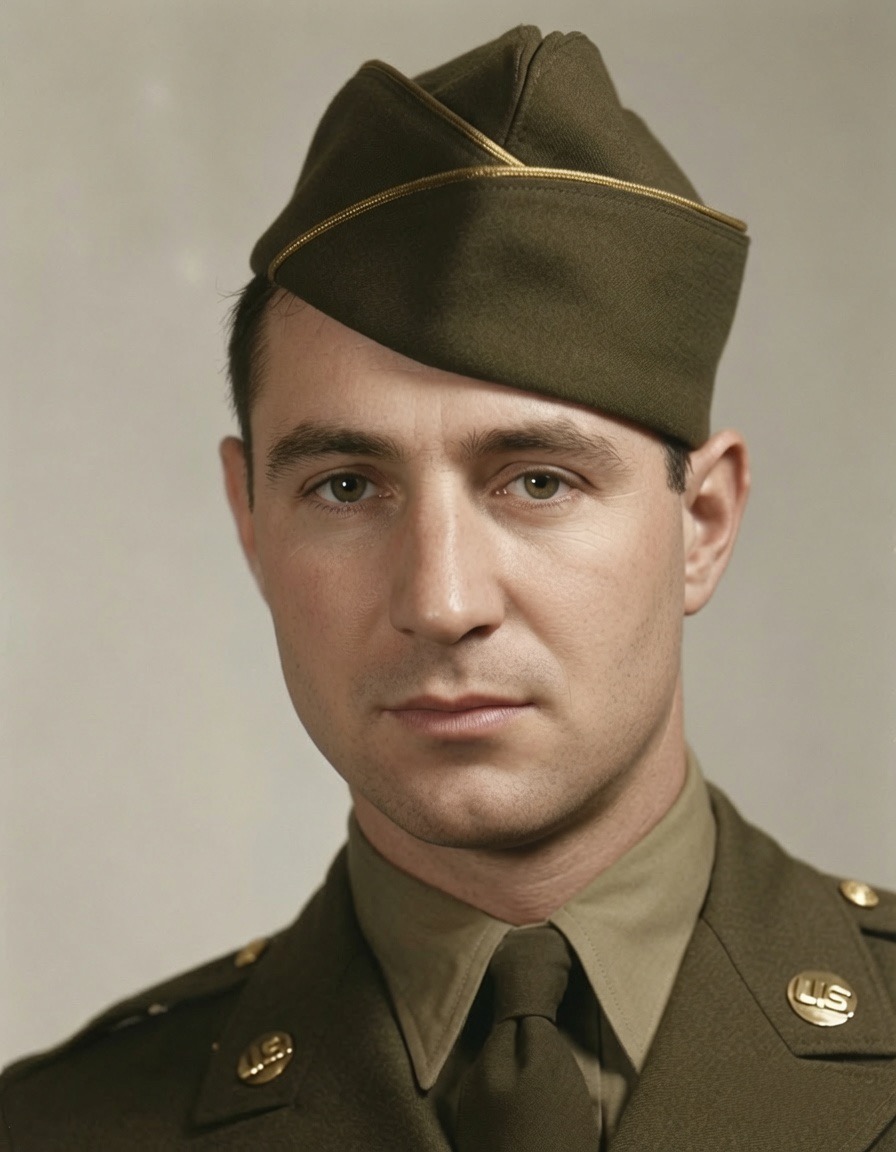
🇺🇸Hank Bauer’s older brother, Herman, was killed fighting in Normandy.
He too was a ballplayer. According to Hank, he was the best in the family.
Herman A. Bauer (1918-1944) was the rising star catcher.
Signed by the White Sox in 1939, he batted .305 as a rookie with the Grand Forks Chiefs, then exploded in 1940: .294 average, 12 HR, 86 RBI, and was named the league MVP while leading them to the Northern League championship.
He even got kid brother Hank his first pro tryout.
In 1941 he jumped to AA with the St. Paul Saints. AA was the highest league in the minors at that time.
He was on the brink of entering MLB.
But he never got the chance to prove it in the big leagues.
After Pearl Harbor, Herman enlisted in the Army.
Staff Sergeant Herman Bauer, 33rd Armored Regiment, 3rd Armored “Spearhead” Division, landed at Omaha Beach and was mortally wounded by mortar and artillery fire at Les Haut Vents near Saint-Lô on July 12, 1944. He died that day.
He is buried at Normandy American Cemetery, Colleville-sur-Mer, France (Plot J, Row 22, Grave 15).
Hank named his first son Herman in 1956.
Two Bauer brothers. Two different theaters. One came home to become a Yankees World Series legend. The other stayed in Normandy so the rest of us could.
🇺🇸 Most Badass Ballplayers: Combat Veteran Edition #1 Hank Bauer
Hank Bauer, United States Marine and eight-time World Series champion, was one badass ballplayer.
Born July 31, 1922, in East St. Louis, Illinois.
One month after Pearl Harbor, he enlisted in the United States Marine Corps.
He volunteered for the elite Marine Raiders and was sent to the Pacific Theater.
He fought in some of the bloodiest campaigns of the war, including Guadalcanal, Guam, and Okinawa.
On Guam, Bauer went ashore on the very first day.
He earned his first Bronze Star for demonstrating exceptional valor during intense, close-quarters jungle warfare.
He was wounded in the back by enemy shrapnel from an exploding shell. He refused to leave the battlefield.
It was his first Purple Heart.
Years later, pieces of shrapnel from that wound were still embedded in his back. His Yankees teammates would sometimes pick metal fragments out of him in the clubhouse.
The fighting he experienced on Okinawa was even more brutal.
Bauer was a platoon sergeant leading 64 Marines.
Only six of them survived the battle.
On April 15, 1945, under heavy mortar and machine-gun fire, he repeatedly exposed himself to evacuate wounded men.
When stretcher bearers were no longer available, he carried casualties himself to the aid station. For that action he earned a second Bronze Star.
He was also wounded in the thigh by an artillery shell, tearing a massive hole in his left thigh. He received his second Purple Heart.
As he was being carried off, he turned to a buddy and said, “There goes my baseball career.”
Throughout his time in the Pacific, Bauer also battled malaria, contracting it twenty-four separate times (that’s not a typo).
After the war he returned to baseball.
He made the Yankees in 1948 and became a key part of their dynasty, winning seven World Series titles as a player over 14 seasons.
He hit safely in a then record 17 straight World Series games.
He later managed the Yankees to the 1964 pennant and the Orioles to a World Series championship in 1966.
32 months of combat. 11 campaign ribbons. 2 Bronze Stars, 2 Purple Hearts. 8 World Series Championships.
Thank you, Hank! 🫡🇺🇸⚾
7
127
635
17,511