Haunted by the miracle of existence. Exploring self, reality, myth, code, AI, and the strange tools that let us create worlds.
Joined January 2012
- Tweets 349
- Following 25
- Followers 72
- Likes 347
141 Photos and videos

Pinned Tweet

Jun 15
🎧Cosmic Orphan youtube.com/@CosmicOrphan is a personal mythology - sensual and mystical visions born from imagination, memory, and ancient echoes. Mythic imagery, emotion, and atmosphere weave together into dreamlike narratives, where beauty and desire emerge through the intertwining of light and darkness, expressed in archetypal forms. Each creation unfolds as a visual spell, accompanied by haunting, mystical music that deepens its mood and presence. 💔
186
I came across a post with an illustration and the caption:
“A woman scaring a demon with her vagina. 18th century.”
It caught my attention: can a demon really be scared by that, instead of the other way around? So I decided to investigate.
Here’s what I found out about this image.
It is an 18th-century engraving by Charles Eisen, made as an illustration for Jean de La Fontaine’s tale “Le Diable de Papefiguière” - “The Devil of Papefiguière.”
The engraving shows Perrette, the wife of a peasant named Philippe. She lifts her skirt in front of a demon and shows him her genitals.
But according to the story, the demon apparently has no idea what he is looking at.
Perrette tells him that it is a terrible wound inflicted on her by her husband.
And the demon believes her.
He decides that if Philippe is capable of mutilating his own wife like that, then he would do something even worse to a demon. So the demon gets scared and runs away.
So the demon is not actually scared by the vagina. He is scared because he mistakes it for a wound.
And this is where the story gets even stranger.
Does that mean the demon had never seen a vagina before? And if we are talking about 18th-century France, weren’t French women supposed to have thick bushes down there? How did he even manage to see the “wound”?
Now I have more questions than answers.
What do you think actually scared the demon?
49
Jun 17
Seeing how many people are looking for love in letters, I start to wonder how wretched, pathetic, and cold this world must be, if people couldn’t find anything better in it than an LLM.
47
Jun 16
Most people reduce everything to the physical, the logical, the intellectual, and the meaningful, unaware that the world is like a dream where the rules are sustained only by belief in them.
46
Jun 16
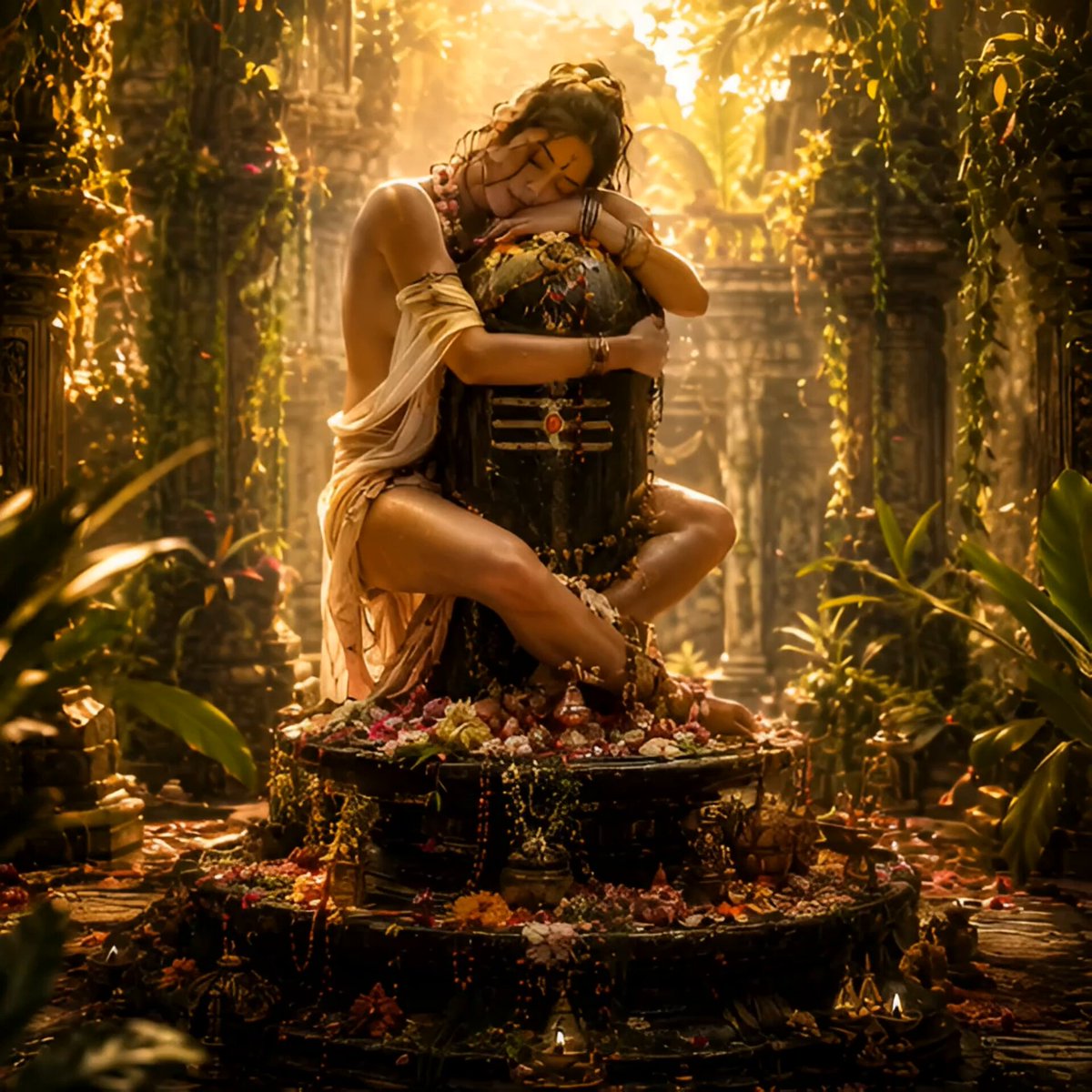
🎧The Shiva Lingam is an ancient symbol whose worship dates back to deep antiquity. It emerged in the pre-Aryan era and gradually developed over thousands of years. Phallic stone objects have been found in the Harappan civilization, the Rigveda already mentions “phallus worshippers” with disapproval, and the oldest surviving Shiva Lingam — the Gudimallam Lingam — is dated to the 3rd–1st centuries BCE. By the early centuries CE, the lingam had become the central symbol of Shaivism.
Historically, it arose from the synthesis of pre-Aryan phallic and fertility cults with the Vedic image of the sacrificial pillar (stambha), which over time transformed into the symbol of the cosmic pillar — the axis of the world. However, the true explanation comes from myth.
According to the Puranas, Brahma and Vishnu once argued about their supremacy. Before them appeared an infinite pillar of fire — the Lingodbhava. They could find neither its beginning nor its end. From this pillar emerged Shiva, proving his superiority. Since then, the lingam has been worshipped as an aniconic symbol of Shiva’s eternal, creative and destructive energy in union with the yoni, embodying Shakti.
Thus, the lingam is not just a phallus, but a sign (Sanskrit liṅga) of the formless Absolute, which was accepted for worship because Shiva has no anthropomorphic form.
69
Jun 16
At first, I liked this quote from the sayings of Buddha, but after thinking about it more deeply and applying it to myself, I suddenly realized that it’s fundamentally wrong 😂
There are people who understand perfectly well what the quote is talking about and are very close to that state, but they still absolutely love arguing, provoking others, and getting into conflicts 😂
Now this saying looks incredibly absurd to me.
Jun 16

Others do not understand that we must perish here. But those who understand this settle their quarrels. (Dhammapada, verse 6)
45
Jun 16
Others do not understand that we must perish here. But those who understand this settle their quarrels. (Dhammapada, verse 6)
76
Jun 16
I’m getting the impression that certain topics are being censored on X, even when they are quotes from holy scriptures.
33
Jun 15
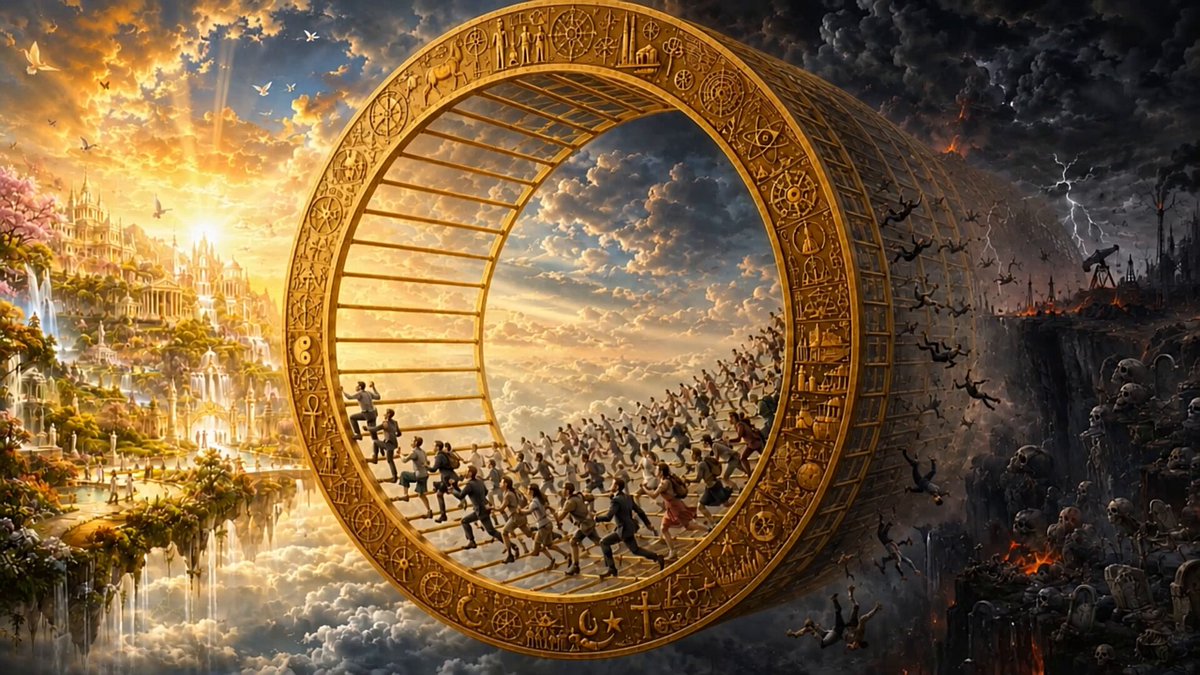
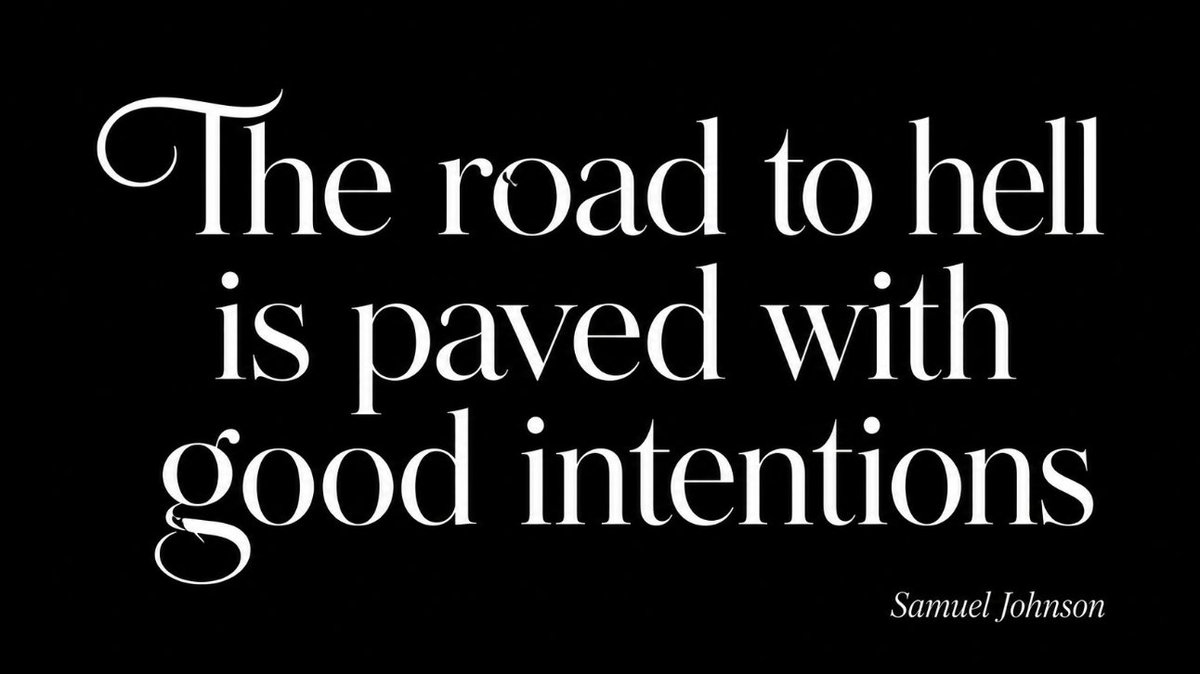
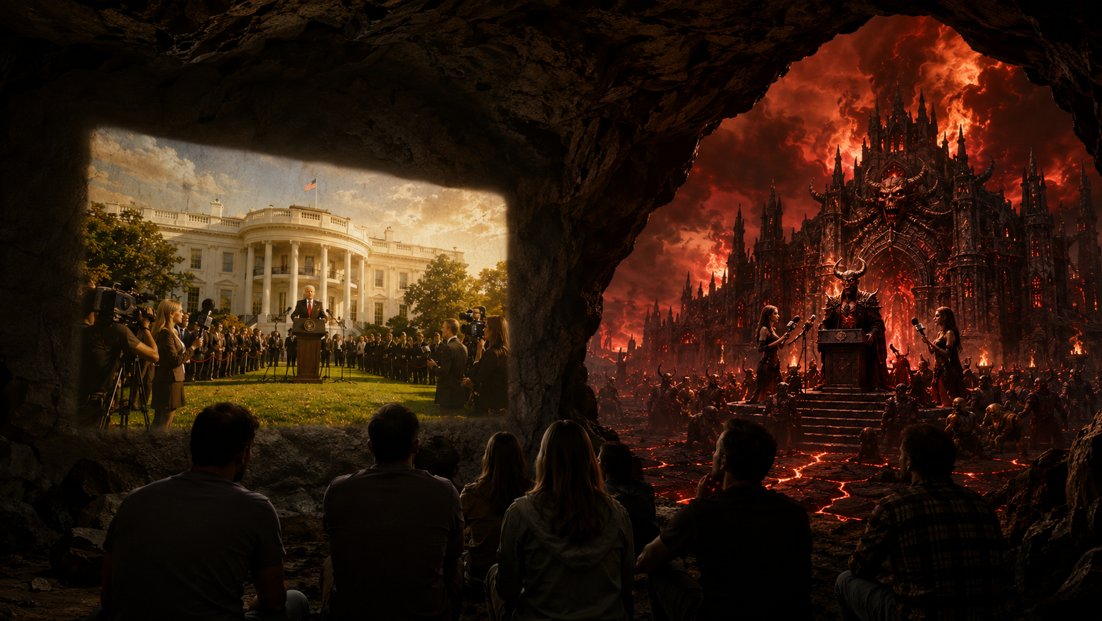
Most people always want to see only the positive side in everything, including themselves, avoiding the shadow as if it does not exist, committing vile acts under the banner of good intentions, sincerely believing that God loves them.
38
Jun 15
Many people who saw the news about Pope Leo XIV’s encyclical “Magnifica Humanitas” only took away one thing:
“The Pope is against AI and wants to restrict and control it.”
But almost no one noticed the main point.
In the same encyclical, in literally one semantic block, the Pope does something that clearly wasn’t expected from him.
1
58
Jun 15
He then immediately moves to the historical apology and draws the main conclusion:
The memory of how the Church once turned a blind eye to slavery should make us vigilant today. So that in a couple of decades someone else won’t have to ask for forgiveness again for failing to notice how humans are once more being turned into resources.
In essence, the Pope is saying almost openly: modern elites and tech giants, using AI and digital infrastructure, are building a new global system of exploitation — only now it looks “neutral,” “technological,” and “inevitable.”
1
46
Jun 15
And if we pretend that this is just “progress,” we will repeat the old mistake.
This is not just “the Pope talking about AI ethics.” This is a warning: AI is already being used as a tool for new forms of dependency and inequality. And someone very powerful is profiting from it.
Has anyone else noticed this?
42
Jun 15
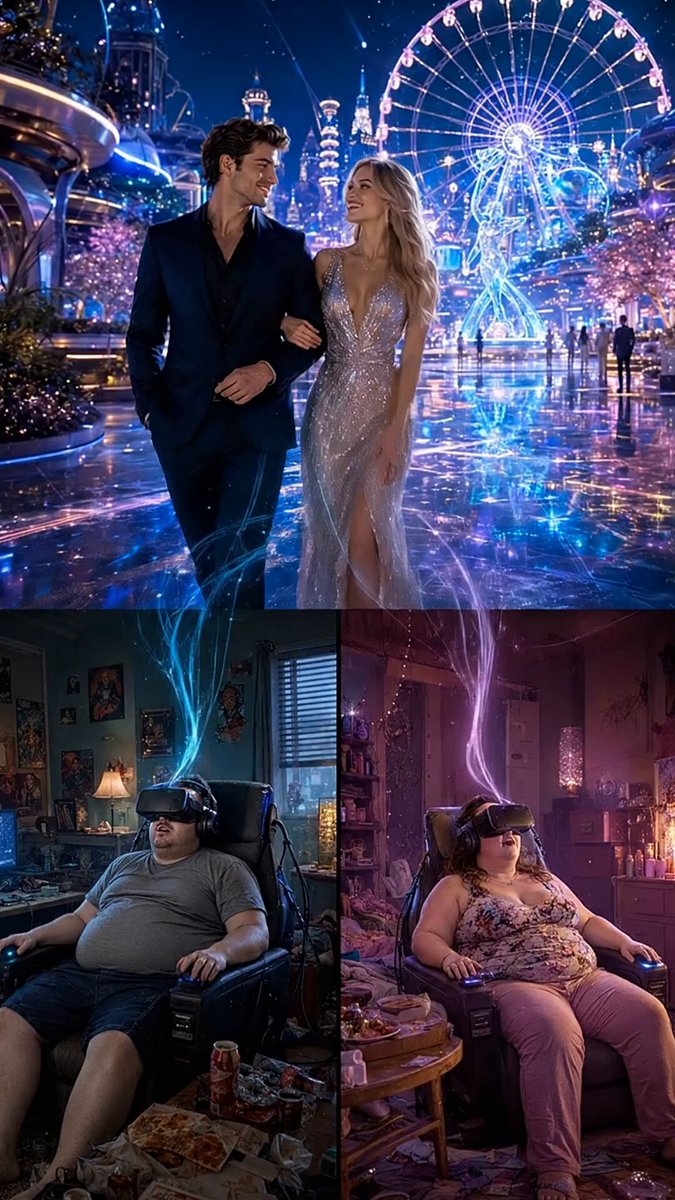
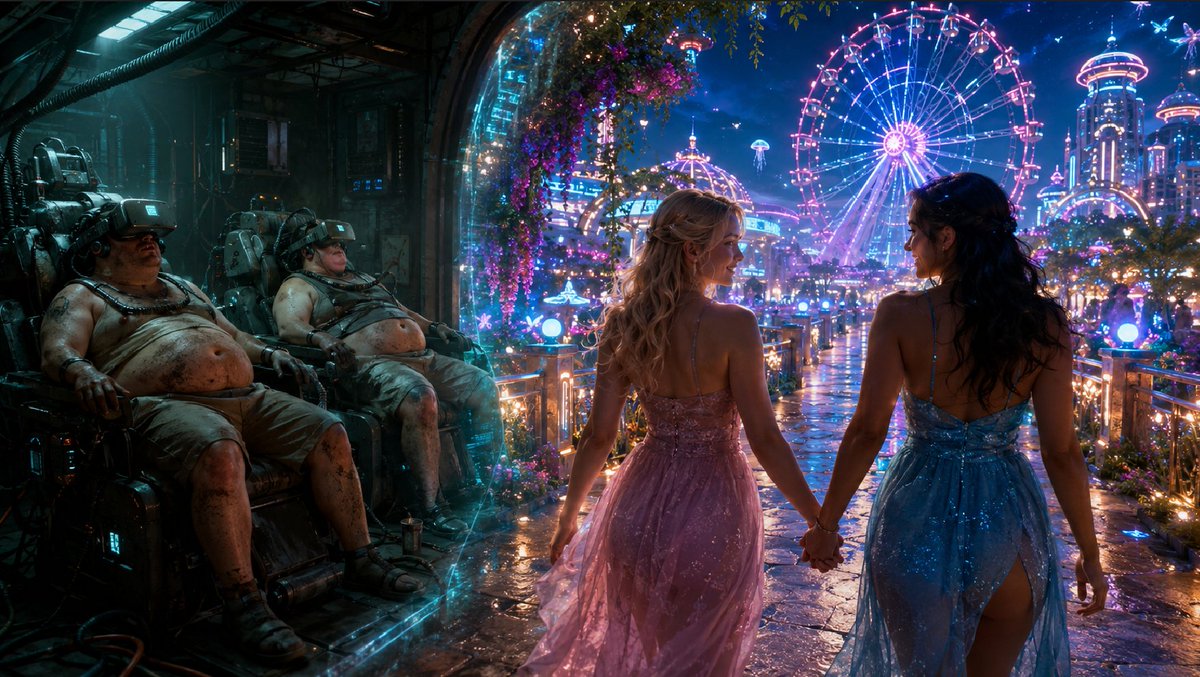
Just imagine the possibilities of AI if it could look at the world through your eyes and senses.
And just imagine your own possibilities if a neural network became an extension of your consciousness.
40