Emmy award winning director, AI filmmaker & Dad. My grandpa played for the @Nuggets nba.com/stats/player/76456/c…
Joined March 2024
- Tweets 1,025
- Following 1,326
- Followers 730
- Likes 9,731
77 Photos and videos

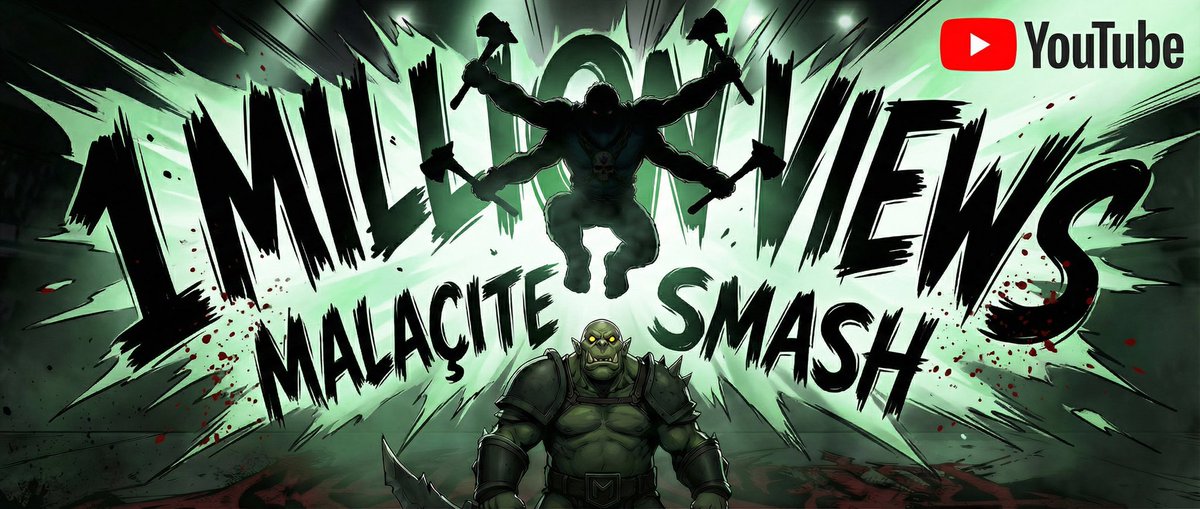
Pinned Tweet

May 29
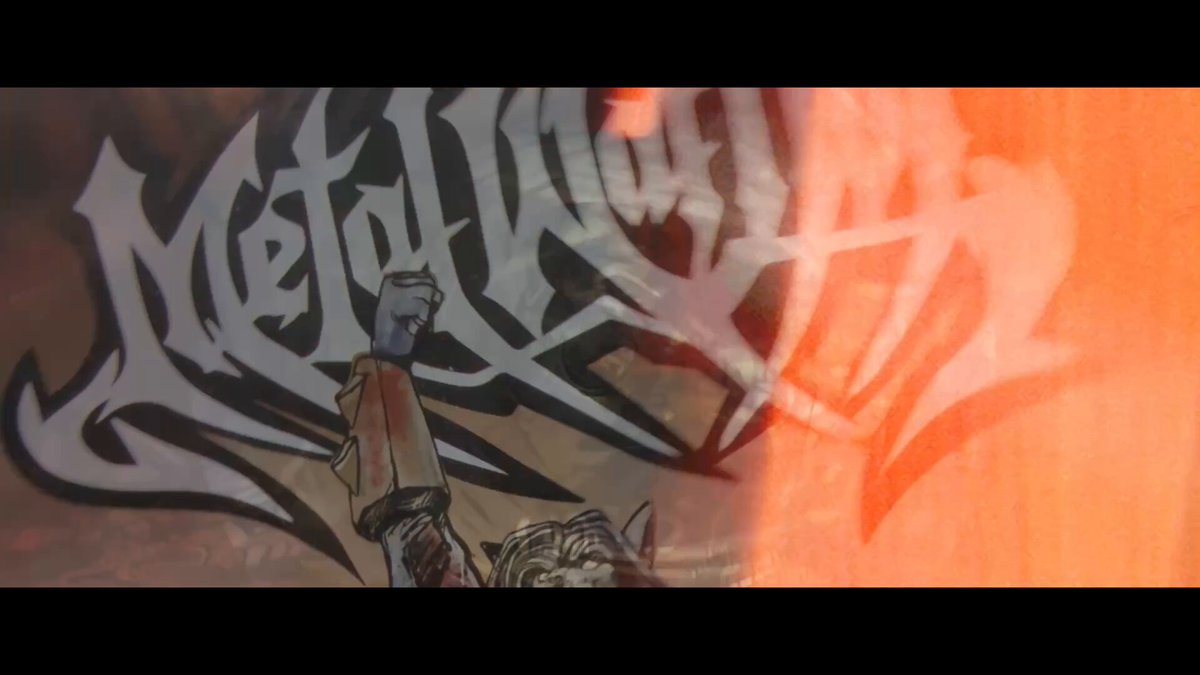
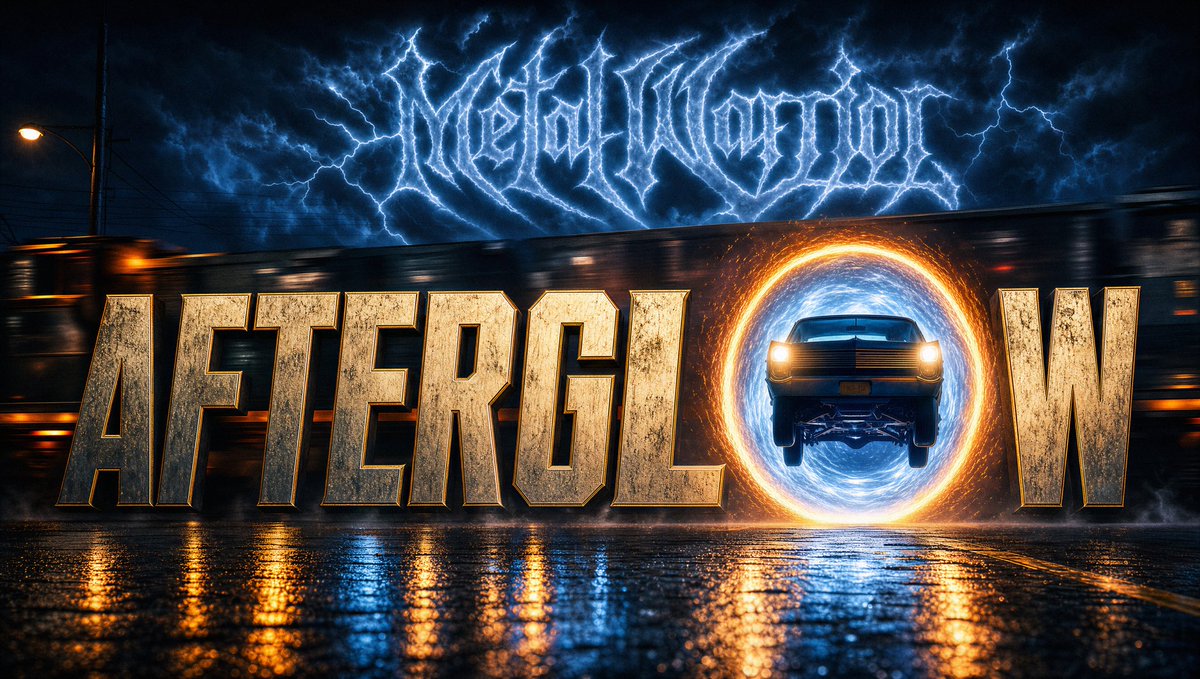
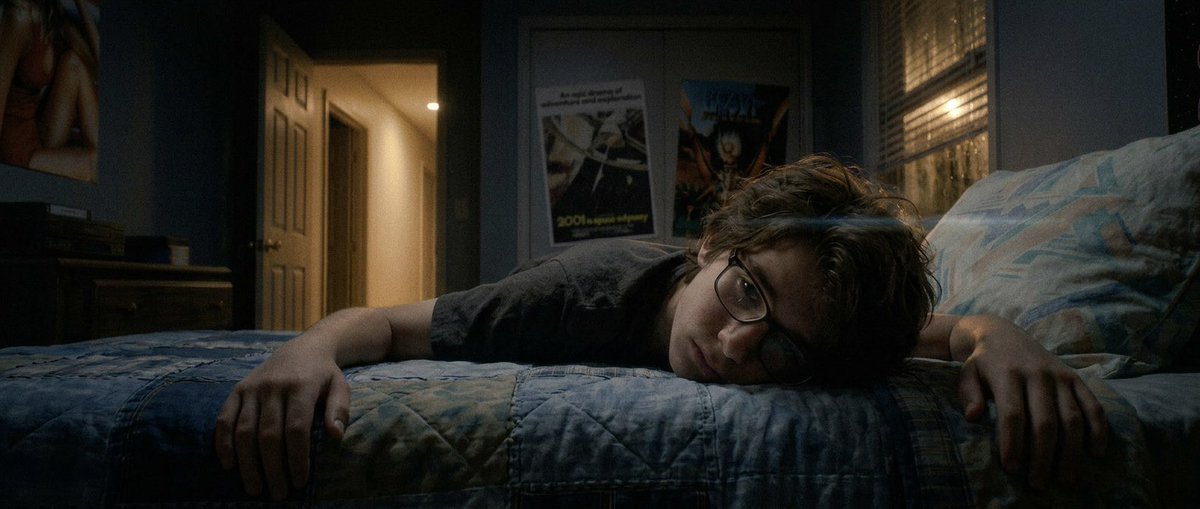
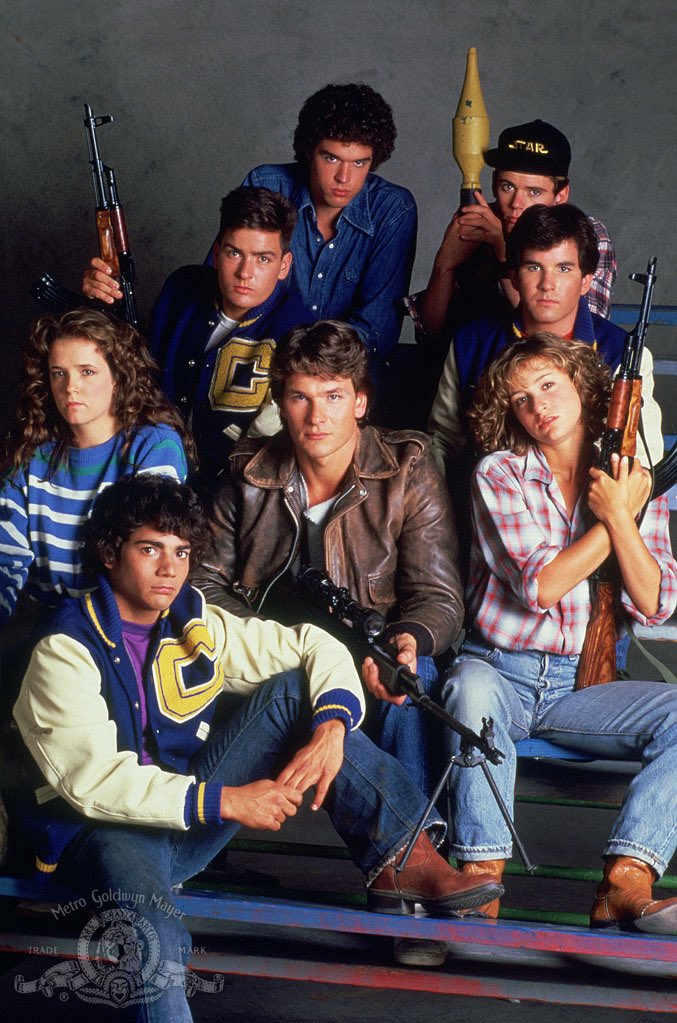
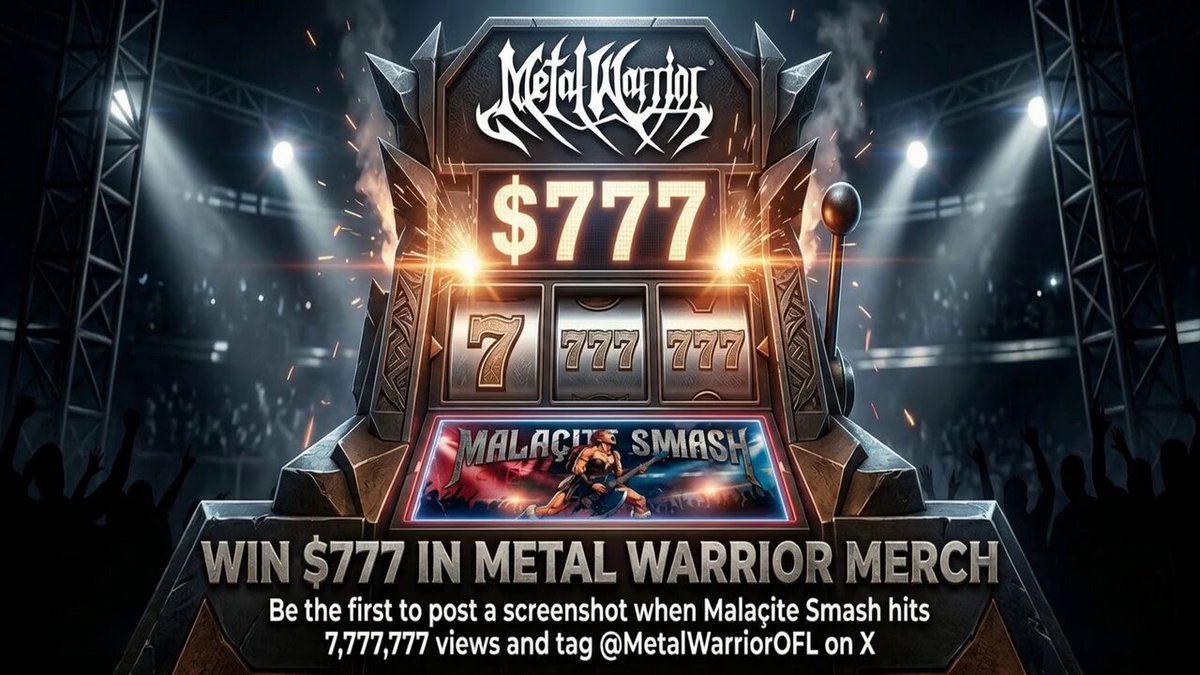
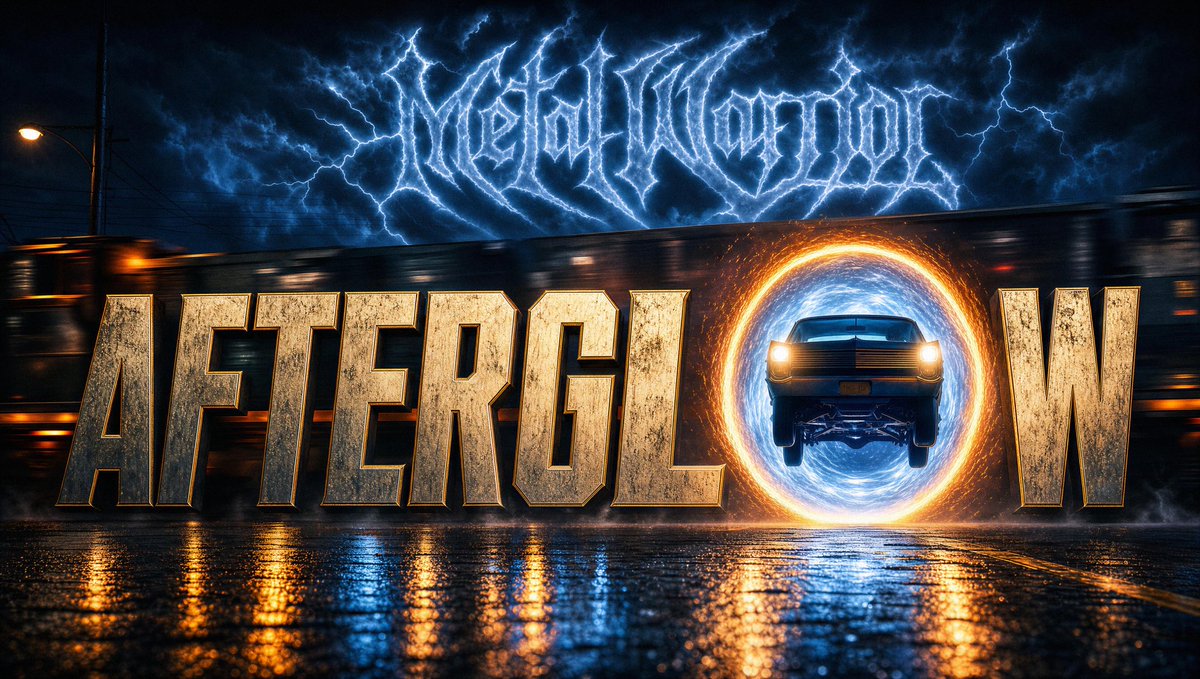
Our new @MetalWarriorOFL video just premiered!
This one is my homage to the urban adventure flicks of the 90s that meant so much to me growing up. Watch AFTERGLOW on YouTube now:
youtube.com/watch?v=FuTClpqu…
4
6
1,914
Jun 11
This post needs to be etched on a golden record and sent into space. 🙌

Here is a thought that might sounds odd/wrong the first time you hear it: recorded media is a phase. A long one, but a phase.
For most of human history, media was live. Stories were told around fires by people who changed the ending depending on who was listening. Music was something that happened in a room, once, and never the same way twice. Theater was rewritten nightly by the mood of the crowd. For fifty thousand years, the default state of media was performance. It was unrepeatable, responsive, and it was alive.
Then, about 150 years ago, we invented recording. The phonograph, the camera, film. Suddenly a performance could be frozen, copied, and shipped. It was kind of a miracle and we built the entire modern media economy on top of it with studios, labels, theaters, networks, streaming etc. All of it is infrastructure for the one core idea of capture once, distribute many.
We’ve lived inside that model so long we mistake it for the natural state of media. For a law of nature. It is not. It’s a temporary phase.
When AI generation becomes real time, and oh boy it is becoming real time really fast, media stops being something you retrieve or playback and becomes something that happens. The model is not a camera pointed at the past it is more like an instrument played in the present. And instruments imply performers.
I call the last 150 years The Recording Interlude. A brief, strange period in which media was, by technical necessity, fixed and identical for everyone. One to many. The interlude gave us masterpieces and an industry. It also gave us a generation of creators who have never once made media with an audience, only at one.
I like to think about what comes after the interlude and it looks like we might come full circle.
Think about what we already pay the most for. Concert tickets cost more than albums ever did. While writing this, the starting ticket for one of the NBA finals in NY is $12,000 and World Cup tickets for a random game start at $4,000. Live sports is the last thing holding television together. Theater survives every technology that was supposed to kill it. Twitch streamers out earn film studios attention per dollar. The market has been telling us for two decades that liveness is the scarce asset.
Generative models change the format. For the first time, constructed reality, not just captured reality, can be live. A story/world that improvises with its audience the way a jazz quartet improvises with a room.
A film performed once, tonight, for these two hundred people, shaped by their reactions, and then gone.
This already feels like sacrilege to anyone raised inside the interlude. We were taught that the artifact is the art. You have to reverenced to the final cut, pay your respects to the master tape, the canonical version etc. But “final cut” is not an artistic concept. It’s a logistical/technical one. It exists because changing a film after release used to be impossible. When media can respond in the moment, finality stops being a virtue and starts being a decision or a choice.
The great media makers of the next era look less like directors hunched over timelines and more like conductors, DJs, game masters, jazz musicians or people who treat the model as an instrument and the audience as a collaborator.
None of this means recorded media dies. Painting survived photography. Albums survived streaming. The fixed, finished, perfect artifact will survive too, as one form among many, no longer the default. This is not a zero sum game.
For most of human history, stories existed only in the moment. Then we captured them. Now we might be returning to the moment again.
1
4
1,571
Jun 11
😂

2
1,156
Jun 11
💯
Jun 10

most creatives will come to terms with this in whatever way they can
the easiest way to get over the loss of the value of your craft is to learn a new one and by new one I mean AI
667
Jun 11
All you weak, spineless, pathetic, sneering little digital cowards that ghosted creatives like me because we immediately saw the power of gen-AI for independent storytellers… How’s your summer going?

Lionsgate has taken an equity stake in the generative AI video company Runway and plans to pull from its existing catalogue of franchises for an AI short-form series.
variety.com/2026/film/news/l…
120
9
170
61,701
Jared Cotton retweeted

Jun 11
3 things The Social Network sequel tells us about filmmaking in 2026:
1. The distribution pipeline is broken. The whistleblower story broke 5 years ago, the film arrives now. 2–5 years from script to theater means cinema can't talk about the present.
2. Tech is still filmed by outsiders. That's why it rarely feels true on screen, and why the biggest industry of our time has no insider cinema.
3. Hollywood can't make films that fuel ambition anymore. The Social Network (2010) shaped a generation of founders (including me). This one looks like a warning.
If you want to capture reality, find faster ways to make films.
Jun 10

First trailer for ‘THE SOCIAL NETWORK’ sequel, starring Jeremy Strong, Jeremy Allen White and Mikey Madison.
The film follows an engineer who becomes a whistleblower on Facebook's most guarded secrets.
In theaters on October 9.
68
8
172
42,030
Jun 8
This is SO real. Well said, Mike.
Jun 6

The solo filmmaker's secret weapon isn't a tool or a workflow.
It's the ability to sit in a room alone for hours, making decisions nobody will validate, and trusting your own taste enough to ship the result.
That tolerance for solitude is the whole job.
1
1
11
453

Todd McFarlane on AI: "I still need to hire an animator. But if you’ve gotta hand-draw every single thing, you're gonna give me three options. Now you can give me 20... now we're going to come up with a better-looking show."
The legacy gatekeepers think AI is here to replace the artist. The auteurs know it’s here to destroy the bottleneck.
The old manual friction forced you to settle for the third option because you ran out of time or budget. Generative tools remove the bottleneck so you can hunt for the absolute best version of the vision.

The person that inspired me to draw comics just said some bullshit actually makes me upset screw Todd man
10
8
55
4,775
Jared Cotton retweeted

Jun 5
The Obsession art director post. Man, what a choice.
One year total experience. Only credit pre-Obsession is a single short film. Sign on to a low budget indie. Agree to rate. Movie explodes. You're suddenly the Art Director fo the most talked about film of the year.
If this ever happens to you, let me give one piece of advice. Embrace it. Use the credit to fight off offers, get a BTL agent, turn those difficult three weeks into an incredible career.
Do NOT cut every connection you have to the filmmakers, put out tweets about how you wish you'd shut down their production, and complain about the rate you agreed to (which isn't even like $100 or some student film sketchiness).
Do you know how many indies I have done as an actor for $240/day? A fucking lot. Every single time I know what I'm getting into and I hope to god it turns out well and leads to another opportunity. I cannot even imagine getting cast in Obsession and then putting out a career ruining post about it instead of trying to leverage it into more work.
244
468
10,055
1,254,164
Jared Cotton retweeted

The more you learn about Hollywood the more evil you realize it is, and the less worried about AI you are.
The amount of creative gatekeeping is insane. The amount of control is insane.
Bring on the AI art. Bring on the AI anime, movies, and series. We're going to have a supernova of creative content.
Not the sanitized, committee-approved garbage we have today.
For those that remember the Golden Age of the anime OVA, we're going to get that.
No more gatekeepers. No more ratings agencies. No more big business. Totally uncensored and creatively liberated storytelling.
97
75
684
22,302
Jun 4
If only @nikitabier knew the potential of AI video truly free filmmakers. YouTube who? Oh, she’s just my @X
114
Jared Cotton retweeted

This is a strange take.
Filmmaking has never been defined by the tools used to create it. Directors went from film to digital. Editors went from razor blades to nonlinear editing. VFX artists went from practical effects to CGI. I know, I did some of it in multiple verticals, not just one.
Nobody stopped being a filmmaker because the tools changed.
There was no such thing as a digital filmmaker until there was.
There was no such thing as a CG filmmaker until there was.
There was no such thing as a smartphone filmmaker until there was.
New tools create new disciplines. That’s how creative evolution works.
If someone is developing stories, directing performances, designing shots, building worlds, editing sequences, crafting pacing, shaping emotion, and delivering a finished film, they’re participating in filmmaking. The medium may change. The craft does not.
AI is a new production medium, not a replacement for filmmaking itself. So defining people exclusively by the tool they use while simultaneously acknowledging its growing role in production feels contradictory.
The audience doesn’t care what the workflow was. They care whether the film moved them. That’s always been true, AND WILL ALWAYS BE TRUE.
And ultimately, the people creating meaningful work with these tools will define what this category becomes, not investors, gatekeepers, or people arguing definitions on the internet. Especially when so many of those conversations are influenced by financial incentives, institutional interests, or personal agendas.
History has never been written by the people trying to stop new creative tools. It’s written by the people who use them to make something worth remembering.
😎🤷♂️
May 31

There is no such thing as an “AI filmmaker.”
Using AI to make video is called “AI prompting.” Those who employ this method are “AI prompters.”
This is an entirely different method than filmmaking. Those who make films are called “filmmakers.”
Two different things.
25
24
122
13,928
Jared Cotton retweeted

May 31
AI makes it possible for ordinary people to realise their vision. Logically, the only people who would want to prevent that are a) people who don’t like ordinary people or b) people who don’t have any vision.
51
20
133
4,762
Jared Cotton retweeted

May 31
Being shit on for being at the bleeding edge of fundamentally life and cultural altering technology is and should be a badge of honor.
When you invoke that type of emotion from people you’re doing something right.
6
1
20
433
Jared Cotton retweeted

8:00 PM PT
🎶 TheAiCreativeCorner | 3 A.M | X: @NeonPulse24
🎶 Dezknoph | The Deserted Mystic Rust | X: @dezknoph
🎶 Andrea | Crown Demon Freestyle ~ AiKo | X: @AcquireXcel
🎶 S.Oliver | Pimping Ain't Easy Official Music Video | X: @RealBoon22
🎶 Zenith Apex | Constellations Above Constantinople | X: @zenith_apex__
🎶 Zenith Apex | The Bells Opened Zion | X: @zenith_apex__
🎶 Cloaked Worlds | Legends of Scotland | X: @CloakedWorlds
🎶 Hillsbilly Hellfire | The Party Train | X: @CyberMetalRec
8:30 PM PT
🎶 Cloaked Worlds | Neon Sunset | X: @CloakedWorlds
🎶 Pastor Fussycat | TechnoMessiah (Glitch God Remix) | X: @FussyPastor
🎶 CottonCreative | AFTERGLOW — Official Music Video | Metal Warrior | X: @CottonCreative
🎶 NahPlaya | PinkBumper | X: @nahplaya
🎶 Grimfel | Nayri The Witch x A Dark Orchestra x Grimfel - Petty | X: @GrimfelOfficial
🎶 Oatmilk Fan | Flying Through (穿梭) | X: @TheOatmilkFan
🎶 Meesha | February 14 | X: @WyldeChyldeRec | @LYLLegacy
1
3
13
315
May 30
😂 @FilmLA are nothing but hall monitors with legislative influence. I hope this post goes nuclear. If there were even one real journalist in this city, this would be a featured article. @VanityFair @THR @latimes @5149jamesli
May 29
LA is COOKED, let me explain
I attended “AI on the Lot” at Culver Hotel (basically) and to help promote it I was going to film a vlog WITH MY IPHONE
I have a $10 selfie stick with tiny “tripod” feet and THE SECOND it touched the ground the police showed up and shot me 20 times in the head. I’m writing this from the after life.
But seriously TWO security guards shut me down asking for a permit. Even with a press/VIP pass to the event?! Called manager, NOPE. Permit for a phone vlog at a paid private event.
I’m going to AI generate my next “LA film” from Boston. Please don’t host events in LA.
83
The loudest critics love throwing around the term "AI Bros." It’s a lazy stereotype. They picture hustle-culture tech grinders who only care about VC money and scale.
They completely miss the actual revolution.
The real AI Creator community isn't a tech incubator. It’s a wildly diverse group of artists, misfits, and storytellers who were locked out of the traditional gatekept system. For every established legacy name playing with these tools, there are a thousand independent artists with beautiful spirits who finally have a way to share their art with the world.
30
10
79
5,183
Jared Cotton retweeted

May 30
Reality check: An extraordinarily small percentage of artists will ever work on a handmade animated film from a major studio. You have a better chance of making it to the NFL. If you do work on one, it’s work-for-hire, which means you don’t own the IP. You get paid, and when the project is over, you’re laid off. If you’re lucky and the film does well, you get to work on the next one. There are only a handful of jobs available on these projects, so opportunities for new artists are rare.
Guillermo will get paid for his films until he dies. Most of the crew will get paid once and then hope they can find another job. My son started a stop-motion channel when he was 12. At 21, he gets paid every month from his library of 552 videos. He owns everything and has hard-earned skills.
Guillermo isn’t an animator, model builder, storyboard artist, or character designer. Disney couldn’t draw better than his worst artist. And that’s okay. They are master storytellers who use skills they don’t personally possess to realize their visions.
Here are your options if you have stories to tell through animation: start making films on your own. I don’t care what medium you use, including AI. Build a fan base that can support your work.
If you’re among the tiny fraction of artists who get a chance to work at a major studio, go in knowing that you’ll get paid and own nothing. Don’t act shocked when you’re laid off. Plan on adapting, and use your time at the studio as social capital. I still get a lot of mileage out of having worked on Space Jam.
Use AI as a force multiplier. Prove Guillermo wrong. Show that you can tell great stories using skills you don’t personally have, just like Disney and Guillermo. You now have the power of an entire studio on your computer, and everyone is underestimating you. Show them you’re making stories by humans, for humans.
You can die with the ideas in your head, or you can use AI to help bring them to life.
Whatever you choose to do, ignore the internet mob. They can’t tell stories better than you. They can’t draw. They can’t create characters. They’re not there on principle. It’s a social contagion. They all repeat the same chants and slogans they’ve been programmed to regurgitate. They won’t be there to pay your bills.
And if a big-shot director looks down on you, tell him his opinion might matter when he starts sharing the life-time profits from his movies with the crews who supplied the skills he didn’t have.
May 28

We are working hard on BURIED GIANT. We have a lot of experimentation ahead. But this entire community never gives up- never abandons its faith: Made by humans for humans. Whomever joins this adventure is doing the animation Gods' work.
96
95
778
117,726
May 30
Let’s go @MetalWarriorOFL 🤘

8:30 PM PT
🎶 Cloaked Worlds | Neon Sunset | X: @CloakedWorlds
🎶 Pastor Fussycat | TechnoMessiah (Glitch God Remix) | X: @FussyPastor
🎶 CottonCreative | AFTERGLOW — Official Music Video | Metal Warrior | X: @CottonCreative
🎶 NahPlaya | PinkBumper | X: @nahplaya
🎶 Grimfel | Nayri The Witch x A Dark Orchestra x Grimfel - Petty | X: @GrimfelOfficial
🎶 Oatmilk Fan | Flying Through (穿梭) | X: @TheOatmilkFan
🎶 Meesha | February 14 | X: @WyldeChyldeRec | @LYLLegacy
1
7
149
May 29
🤘
May 29

AFTERGLOW is live 🔥
we’re giving away $100 to 5 random people who:
- like rt this post
- like comment on the YouTube video
drop proof below ⬇️
youtube.com/watch?v=FuTClpqu…
1
47