
A weekly newspaper offering bold opinion, critical analysis & fresh perspectives. Print every week. Online daily. #CounterpointBD
Joined May 2025
- Tweets 1,276
- Following 1
- Followers 480
- Likes 11
649 Photos and videos





Bangladeshi politics has developed a rather peculiar merit test for women. When men rise to power, they are described as intelligent, strategic, visionary, skilled organizers who understand the game of politics.
The moment a woman comes close to power, the entire nation suddenly transforms into an intelligence agency. What follows is a forensic investigation into her body, her private life, and her moral character.
Read more: [Link in the comments]
1
2
Read the full article: counterpointbd.com/the-bedsh…
For four centuries, this city has been a marketplace. Portuguese merchants once anchored here for the finest muslin in the world, a fabric so delicate that a bolt could pass through a wedding ring.
The British came next, then the Pakistani industrialists, then the global garment buyers who now inspect stitching in factories along the Mirpur corridor. Bengal has always known how to sell.
But what is being offered from a government lectern this June is not muslin. It is not jute, not ready-made garments, not even the young labour of a demographic dividend. It is the country itself, gift-wrapped in six words: "Bangladesh now most suitable for US investment."
Read more: [Link in the comments]
1
1
2
78
Read the full article: counterpointbd.com/Why-offer…
1
19

Jun 15
When Finance Minister Amir Khosru Mahmud Chowdhury presented the first full budget of the BNP government on June 11, public attention understandably focused on the headline figures. A Tk 9.38 lakh crore budget, a Tk 3 lakh crore Annual Development Program, ambitious growth targets, and the government's vision of steering Bangladesh toward a trillion-dollar economy dominated the discussion.
Yet one of the most consequential announcements appeared outside the headline numbers. The Finance Minister announced that a new pay structure for public employees would be introduced in phases beginning July 1, marking the first major revision of government compensation since the Eighth National Pay Scale was introduced more than a decade ago.
Read more: [Link in the comments]
1
2
40
Read the full article: counterpointbd.com/a-new-pay…
21
Jun 15
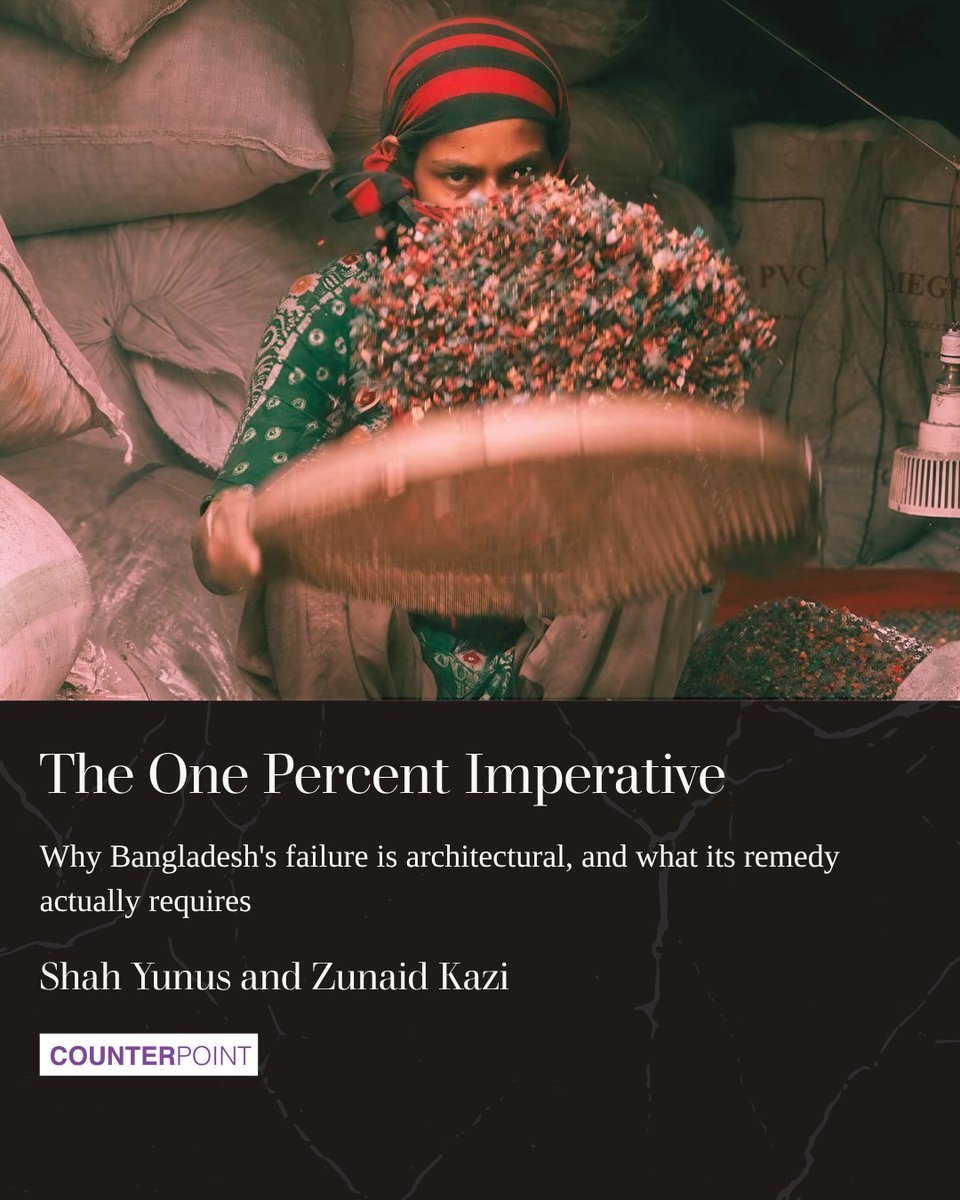
Bangladesh stands at a crossroads where public anger meets historical opportunity. But to move forward, we must confront a truth that few international tutors in governance are willing to admit: No nation is doomed by its geography, religion, or colonial history. Our suffering is not a cultural curse.
It is the predictable output of a parasitic institutional architecture that any society would suffer under if left unguarded.
Read more: [Link in the comments]
1
2
30
Jun 15
The term “kitchen cabinet” itself has roots in nineteenth century American politics. It emerged during the presidency of Andrew Jackson, when critics accused him of relying less on his official cabinet and more on a close circle of informal advisers, often personal friends and trusted confidants.
Former adviser M Sakhawat Hossain was the first to publicly acknowledge the existence of such a circle. He suggested that major decisions were often determined before discussions reached the larger advisory council.
Read more: [Link in the comments]
1
2
44
Jun 15
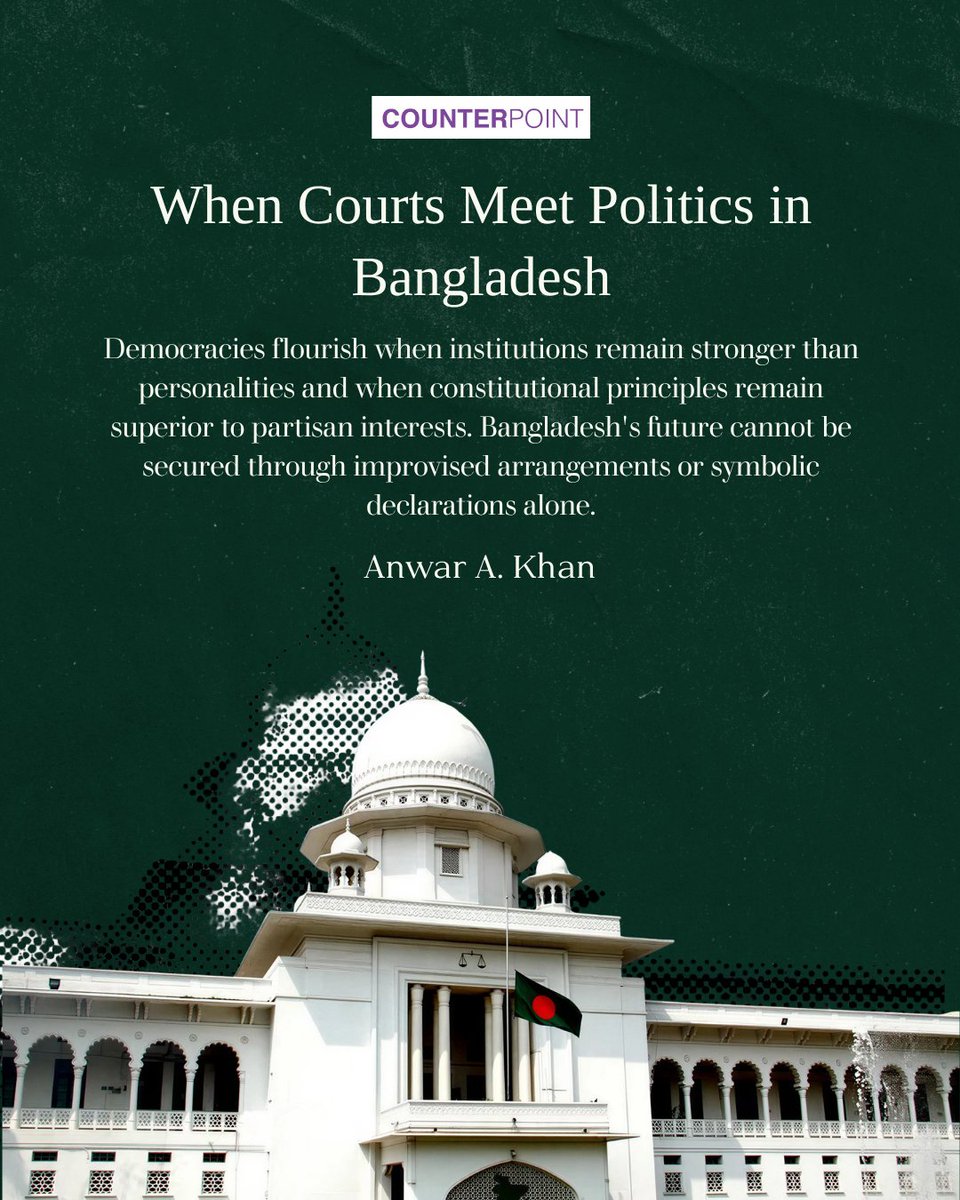
Recent controversies surrounding the so-called July Charter, constitutional reform initiatives and the legal challenges now emerging have once again demonstrated an enduring truth: No political consensus can permanently escape judicial scrutiny.
Bangladesh stands at a delicate crossroads.
Competing political forces, constitutional reform advocates and various stakeholders have attempted to project an image of unity and national consensus.
Read more: [Link in the comments]
1
3
83
Jun 15
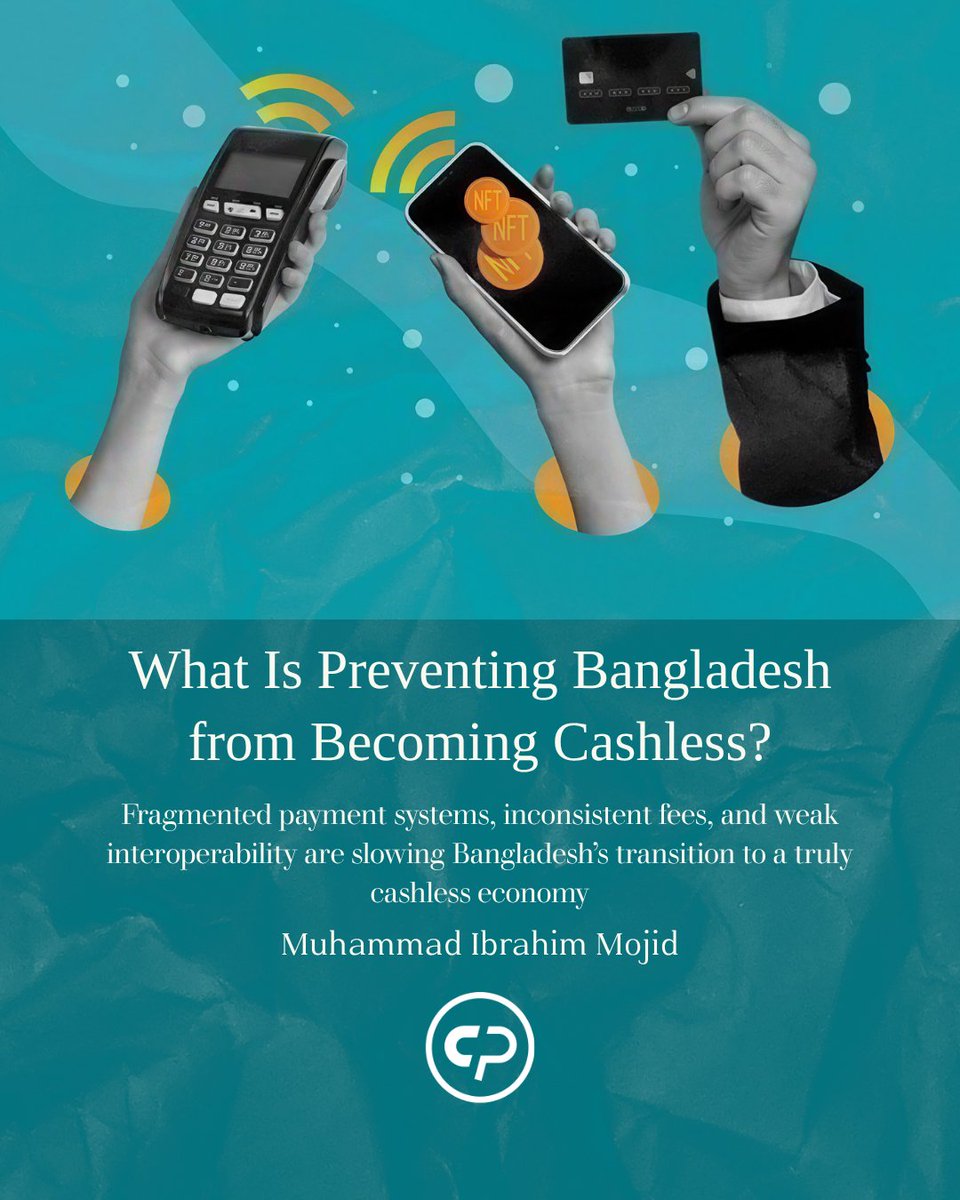
This is a reminder that Bangladesh spends nearly Tk 20,000 crore every year just to print and circulate cash. That is not just a budget line; it is the hidden operational cost of keeping physical money alive in a country that aspires to go digital.
So the real question is simple: If we are already paying this much to sustain cash, why is building a truly cashless system still so difficult?
Read more: [Link in the comments]
1
4
181
Jun 14
A few days ago, while scrolling through Facebook, I came across an interview with a young Bangladeshi actress whose recent film is receiving rave reviews. When asked about her process of working with directors, she described the director as a kind of divine figure in her life. She used words such as probhu (lord) and srishtikorta (creator) to describe the male director she worked with. She spoke about devotion, surrender, and complete trust.
Many viewers probably found this beautiful. I found it deeply troubling. Not because I doubt her sincerity. Not because directors are unimportant. And certainly not because filmmaking is not a collaborative act that requires trust. Rather, I found it troubling because of what such language reveals about the power structures that continue to shape cinema, especially for women.
Read more: [Link in the comments]
1
2
47
Jun 11
Bangladesh has recently announced a substantial stimulus package aimed at supporting enterprises facing severe financial stress. Consisting of subsidized loans and refinancing facilities, the package comes in the light of widespread concern about industrial stagnation, job losses and factory closures. The hope is that the stimulus package will help turn things around -- factories will reopen, capacity utilization will increase, industrial growth will resume, jobs will be created or at least saved, and all this will help contain inflation and revive growth. Read more: [Link in the comments]
1
1
2
81
Jun 11
1
34
Jun 11
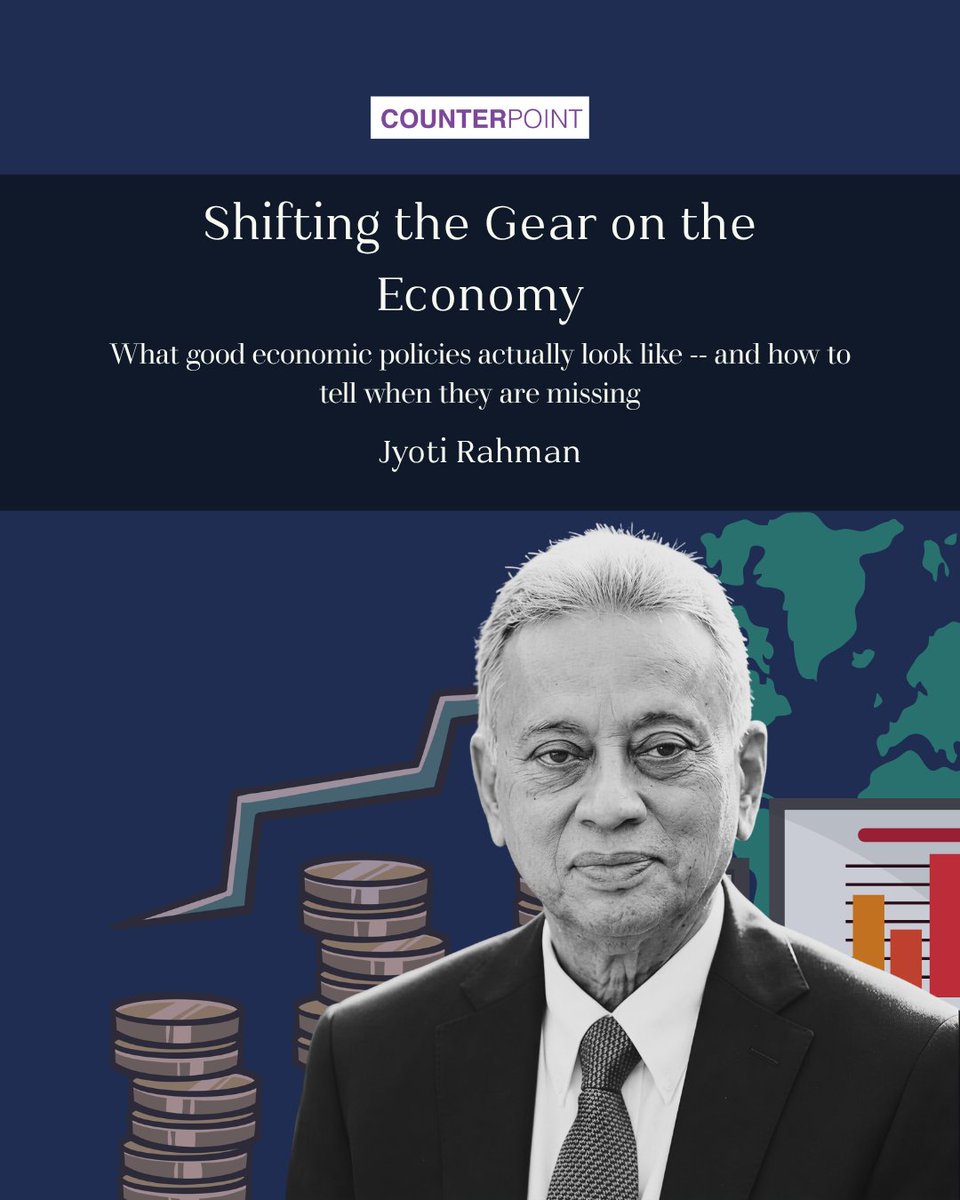
Every budget season brings the same ritual. Numbers are unveiled, pundits declare them too optimistic or too austere, and commentary fixates on a set of numbers -- GDP growth or revenue targets are too optimistic -- or cliches bordering on pablum -- the government is out to stifle the economy through debt or tax or both.
These are, almost without exception, the wrong conversations to be having.
Economic policies should not be judged on a single number. They should be grounded within a framework -- a set of interlocking institutions, instruments, and commitments that, when they work together, translate a government's ambitions into actual outcomes for real people.
Read more: [Link in the comments]
1
4
63