God is my guide and whom I place my faith in! | Faith, Family, Football! | Proverbs 3:5-6 🙏🏾
Joined June 2009
- Tweets 7,802
- Following 488
- Followers 504
- Likes 9,740
785 Photos and videos

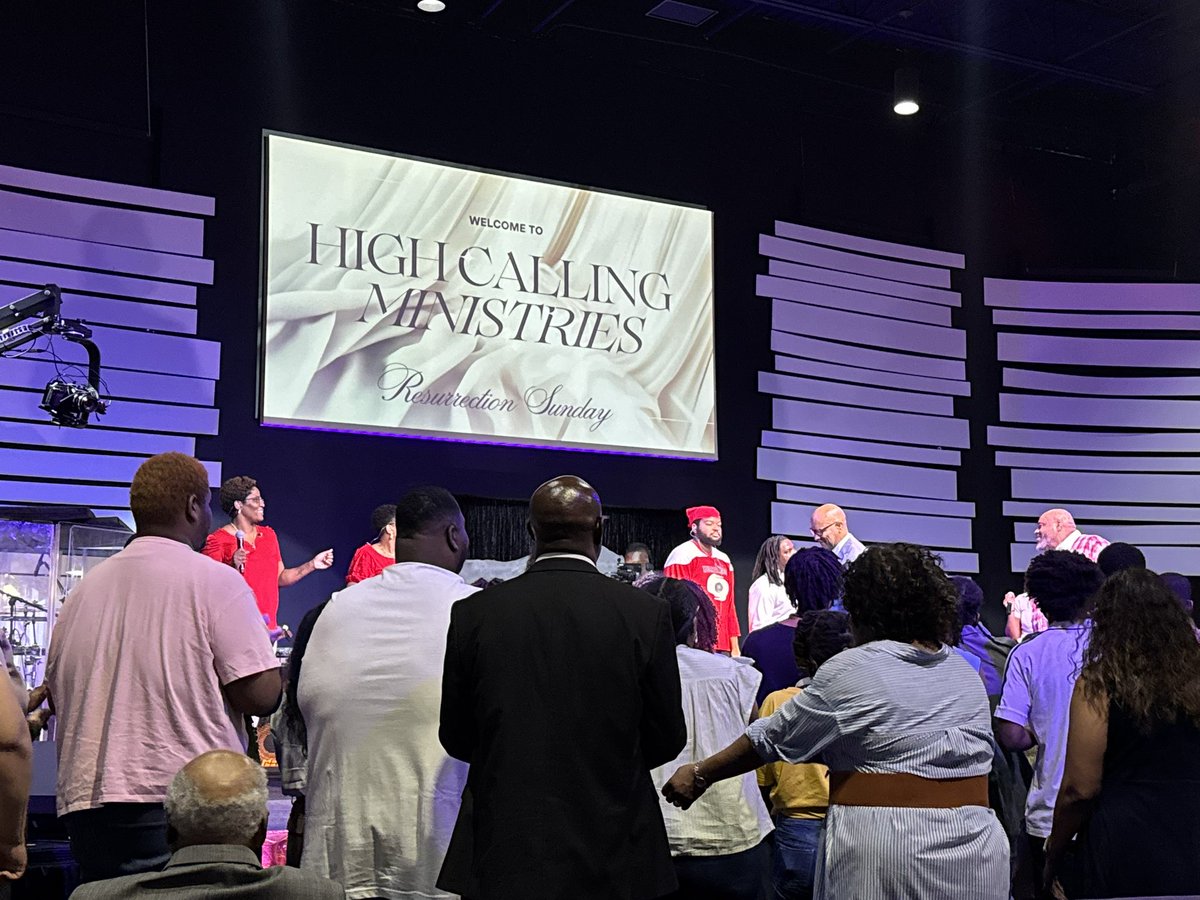

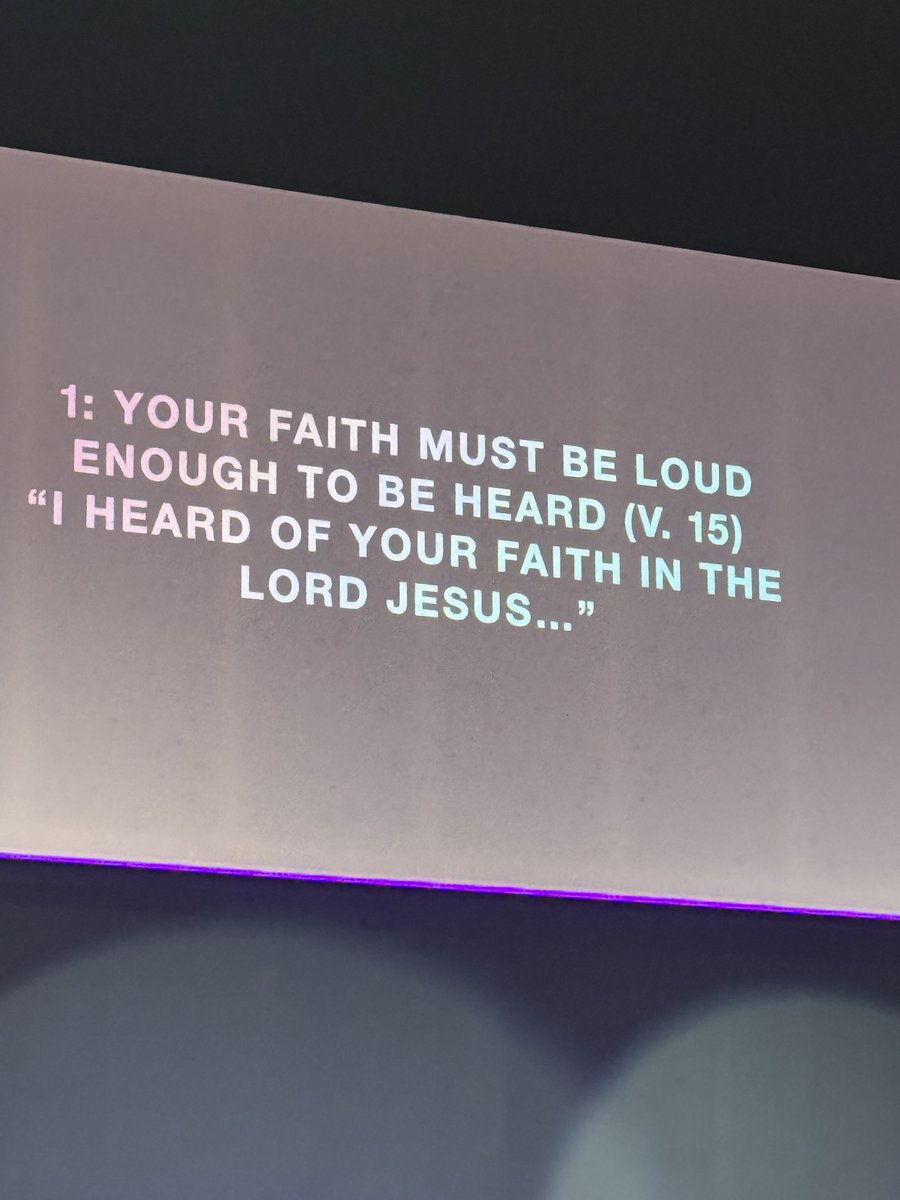
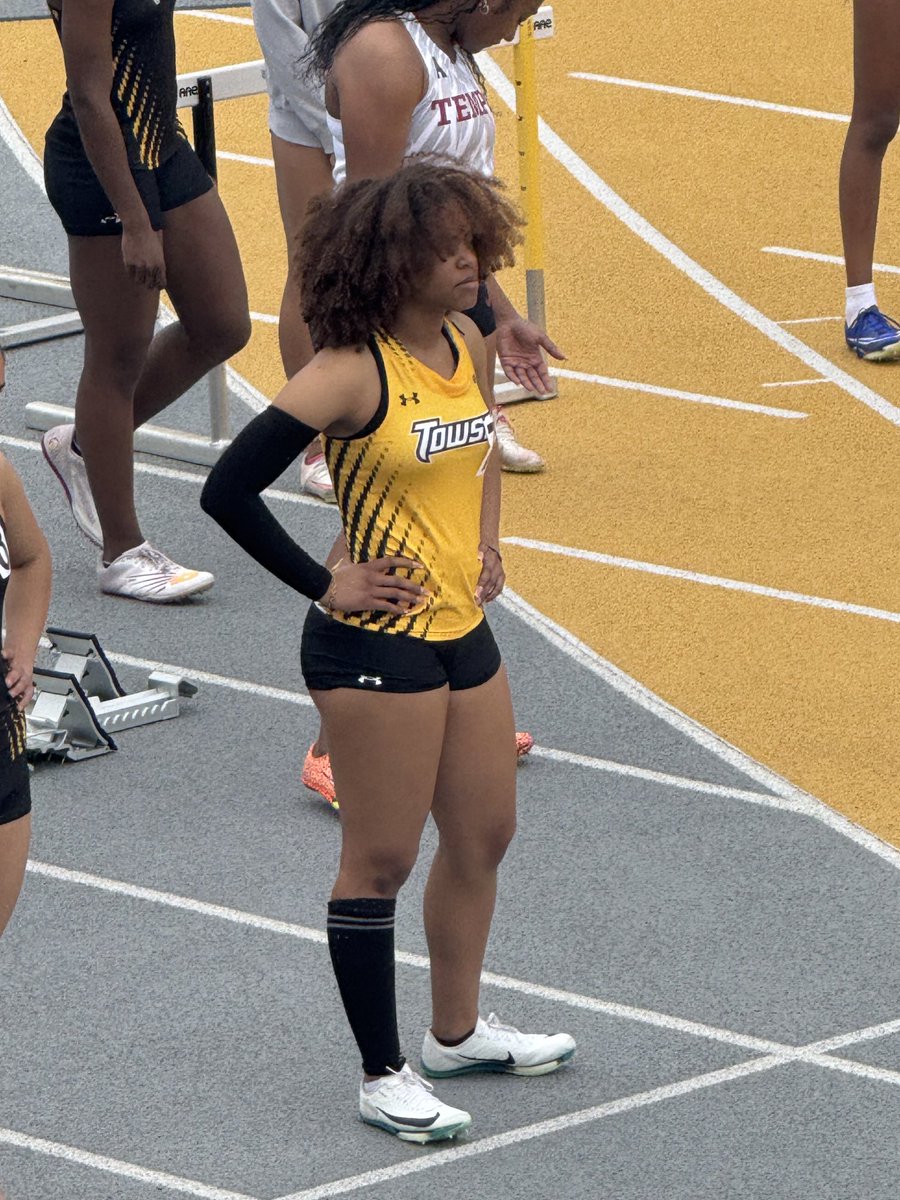
Pinned Tweet

Jan 25
God’s Plan!🙏🏾
Jan 25

Career Highlights, Thank you Jesus and everyone who believed in me!
youtu.be/8gWig-4g6CM?feature…
3
1,228
Jun 13
FACTS!!!
Jun 13

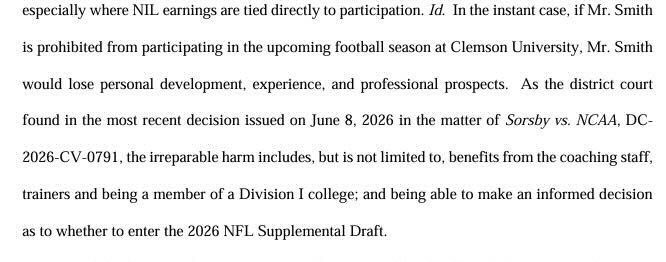
Here is the full decision in Tristan Smith v. NCAA, in case you want to read it: heitnerlegal.com/wp-content/…
The Court merely cited Sorsby v. NCAA to identify the types of irreparable harm that exist when the NCAA renders an athlete ineligible. As the Court noted, I also represented Malik Benson. Had Benson not received an extra year to play at Oregon, may have not been selected by an NFL team. That's why it's irreparable harm; it cannot be remedied by monetary damages.
State courts are not "allowing student-athletes to circumvent longstanding eligibility rules." They are holding the NCAA accountable to its own rules, which the NCAA has and continues to arbitrarily enforce.
The solution is simple. Stop selectively enforcing rules. The NCAA gave JUCO players in Diego Pavia's graduating class an extra year of eligibility. It needs to do the same for all former JUCO players. Otherwise, it's an arbitrary exception for one class of athletes without any foundation whatsoever.
The same issue will be litigated for players who just graduated and seek to benefit from the expected 5-in-5 rule. It's the exact problem the NCAA keeps confronting. Despite its massive legal war chest, it cannot figure out how to uniformly and equitably apply its rules. Fix your own problems and stop begging Congress to figure it out for you.
1
250
Kelvin Bryson retweeted

Jun 13
Here is the full decision in Tristan Smith v. NCAA, in case you want to read it: heitnerlegal.com/wp-content/…
The Court merely cited Sorsby v. NCAA to identify the types of irreparable harm that exist when the NCAA renders an athlete ineligible. As the Court noted, I also represented Malik Benson. Had Benson not received an extra year to play at Oregon, may have not been selected by an NFL team. That's why it's irreparable harm; it cannot be remedied by monetary damages.
State courts are not "allowing student-athletes to circumvent longstanding eligibility rules." They are holding the NCAA accountable to its own rules, which the NCAA has and continues to arbitrarily enforce.
The solution is simple. Stop selectively enforcing rules. The NCAA gave JUCO players in Diego Pavia's graduating class an extra year of eligibility. It needs to do the same for all former JUCO players. Otherwise, it's an arbitrary exception for one class of athletes without any foundation whatsoever.
The same issue will be litigated for players who just graduated and seek to benefit from the expected 5-in-5 rule. It's the exact problem the NCAA keeps confronting. Despite its massive legal war chest, it cannot figure out how to uniformly and equitably apply its rules. Fix your own problems and stop begging Congress to figure it out for you.
Jun 13

The Sorsby decision was never about only one student-athlete. We are already seeing downhill effects in other eligibility cases in which state courts are allowing student-athletes to circumvent longstanding eligibility rules, citing Sorsby outcome as part of the court’s precedent.
Another example of why we need Congress to pass the Protect College Sports Act, authorizing the association to apply common sense eligibility rules consistently for all student-athletes and schools, regardless of the state or local court system.
24
25
96
33,949
Jun 13
Funny how the NCAA wants this bill to retroactively apply to pending eligibility cases, but they don't want the new 5 year eligibility rule to retroactively apply to the 2026 college class who just finished their 4th year of eligibility. Karma is something else!
Jun 12

The politics around this bill continue to increase.
And there’s now a call for athletes to unilaterally lose more rights.
The NCAA is now seeking to have the bill retroactively apply to pending eligibility cases where an injunction was already entered.
Chambliss, Sorsby, etc.
5
5
37
8,586
Kelvin Bryson retweeted

Jun 12
Again, the 2026 class should absolutely get an extra year. 2022 high school class got the shaft with Covid crap. They should be grandfathered in. Do the right thing Ncaa. Have a feeling lawsuits r gonna fly if this is not implemented.
1
1
7
450
Jun 12
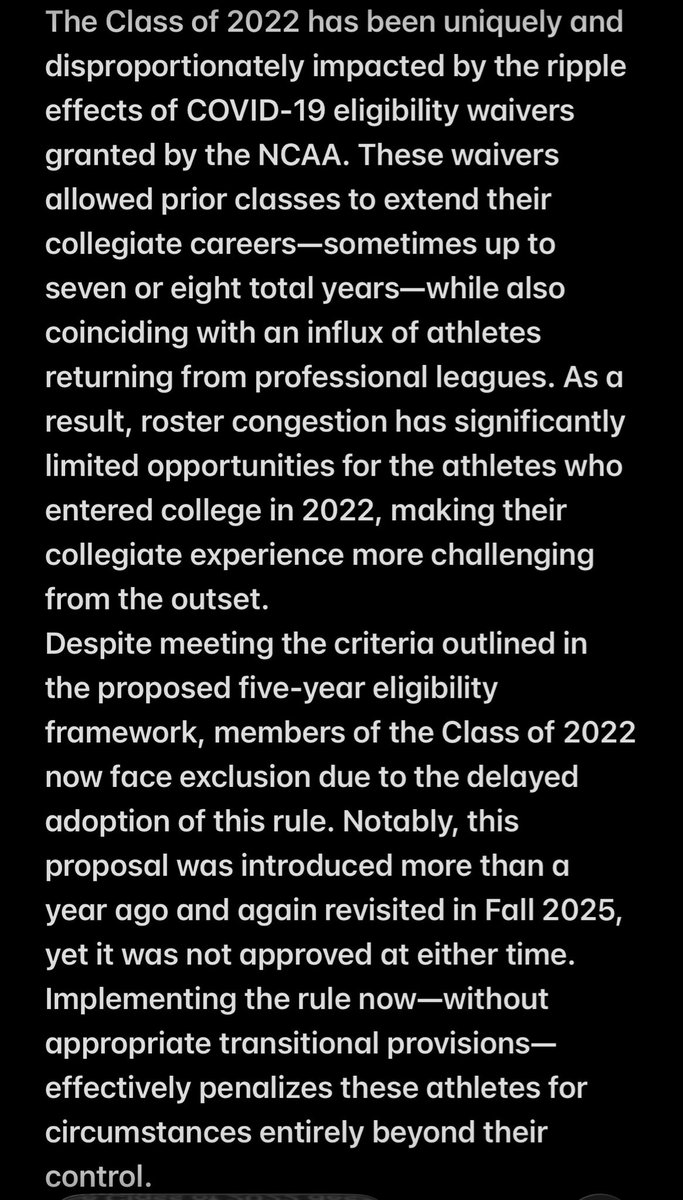
The NCAA needs to allow all 2022 high school athletes an additional year of eligibility if they have not used their redshirt! c.org/QGCqxXLxKN
Jun 12
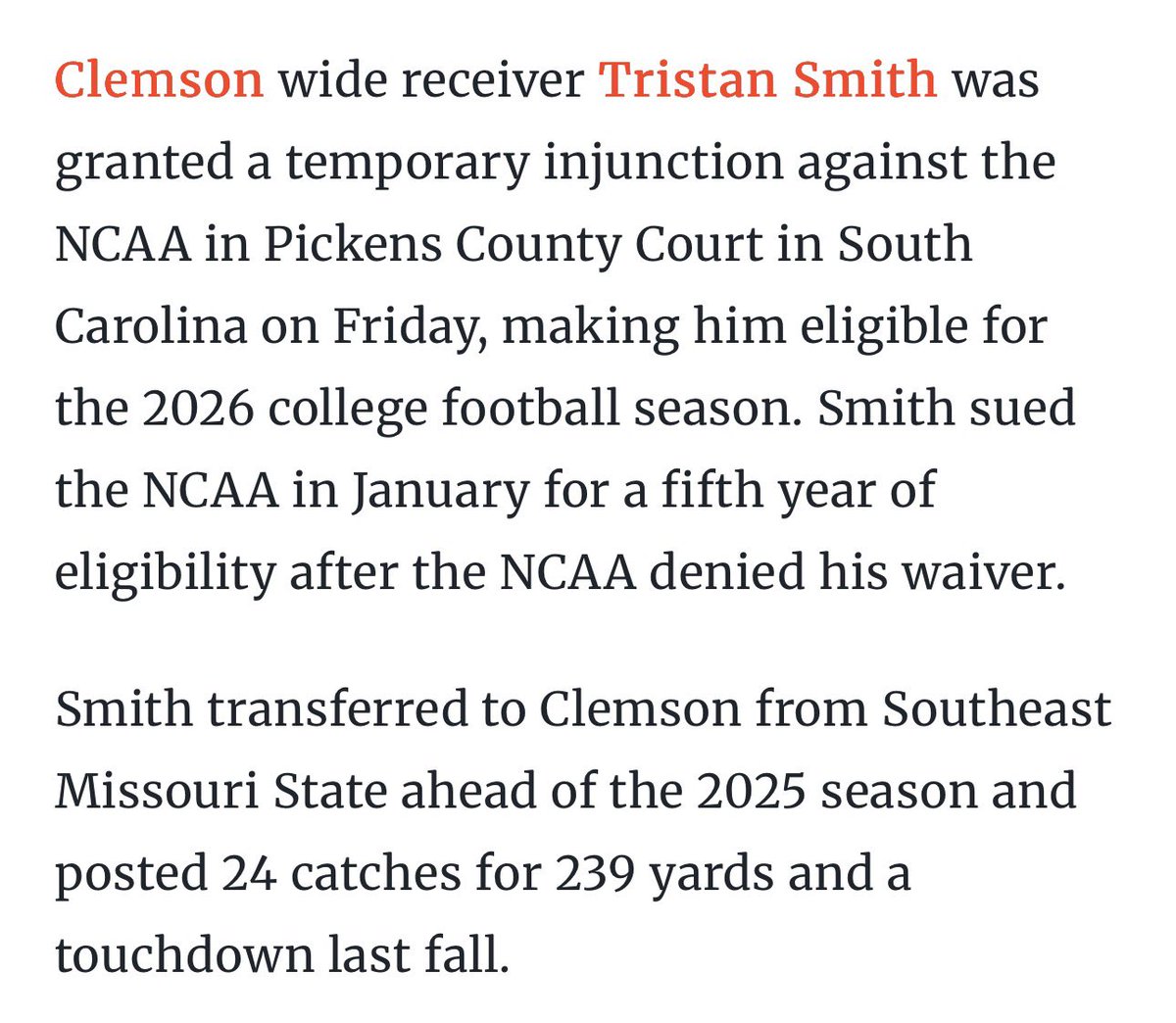
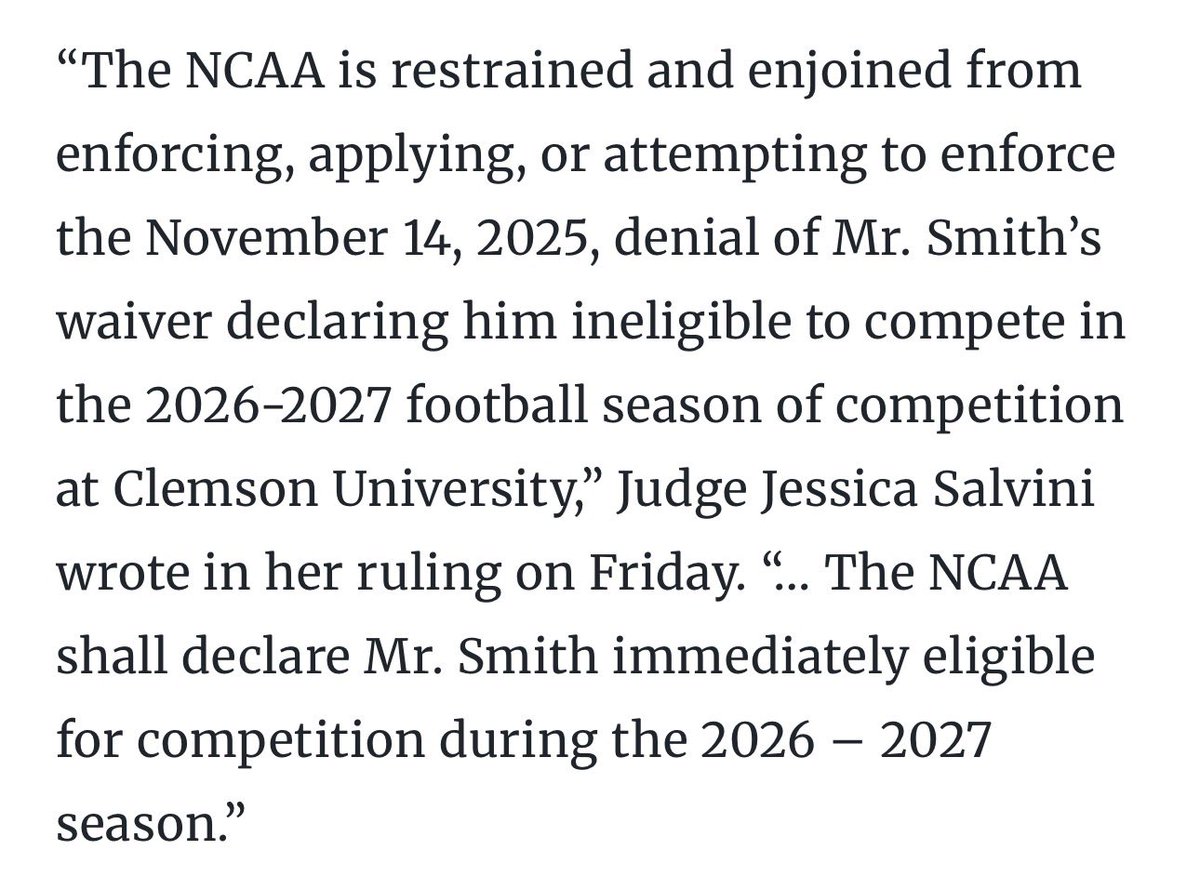
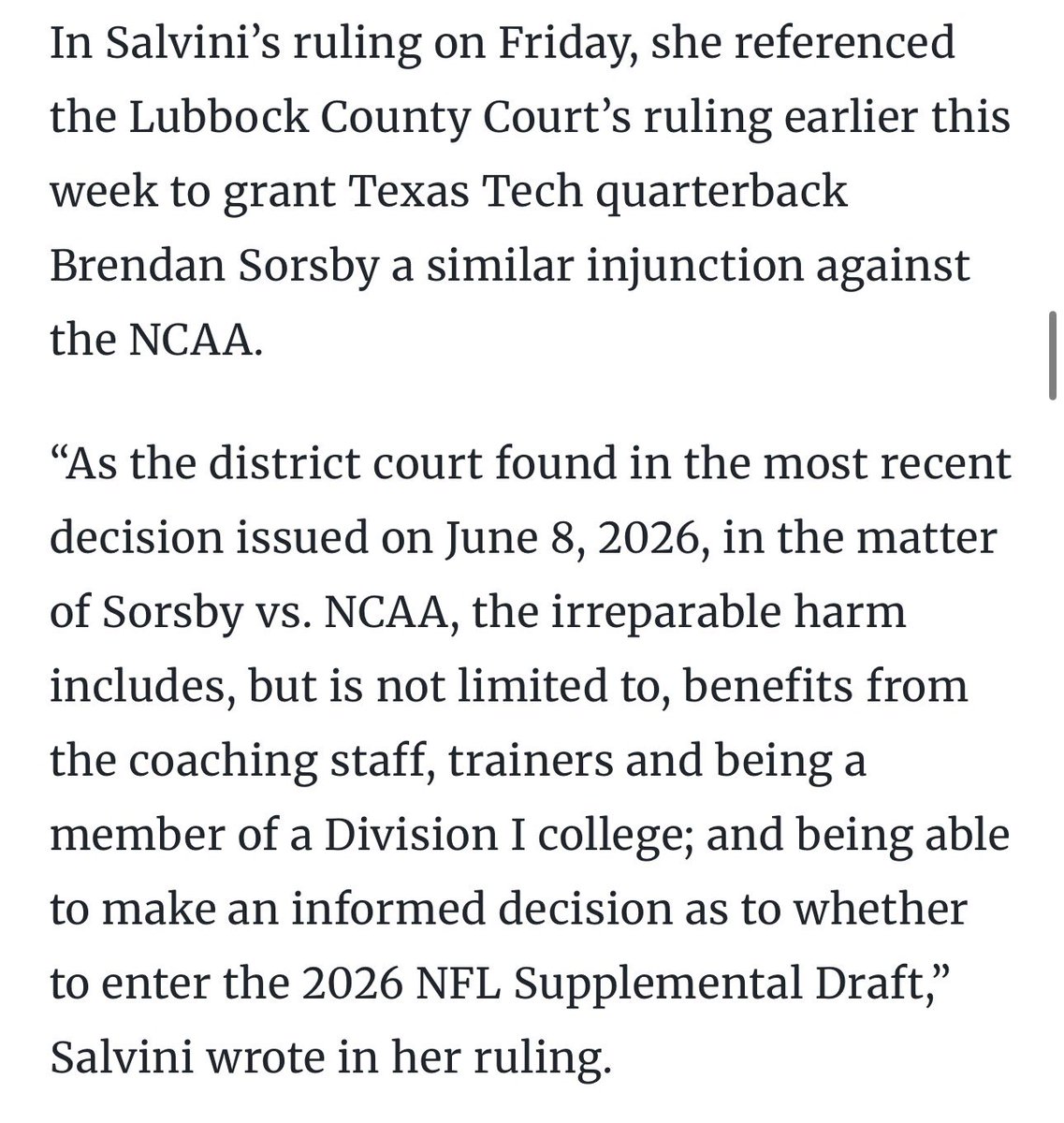
Another injunction granted by a state court enjoining an NCAA eligibility decision.
The NCAA refused to not court his JUCO seasons as seasons of DI competition.
NCAA has a problem on its hands since it granted the Pavia waiver but now refuses to do so going forward.
6
10
62
25,451
Jun 6
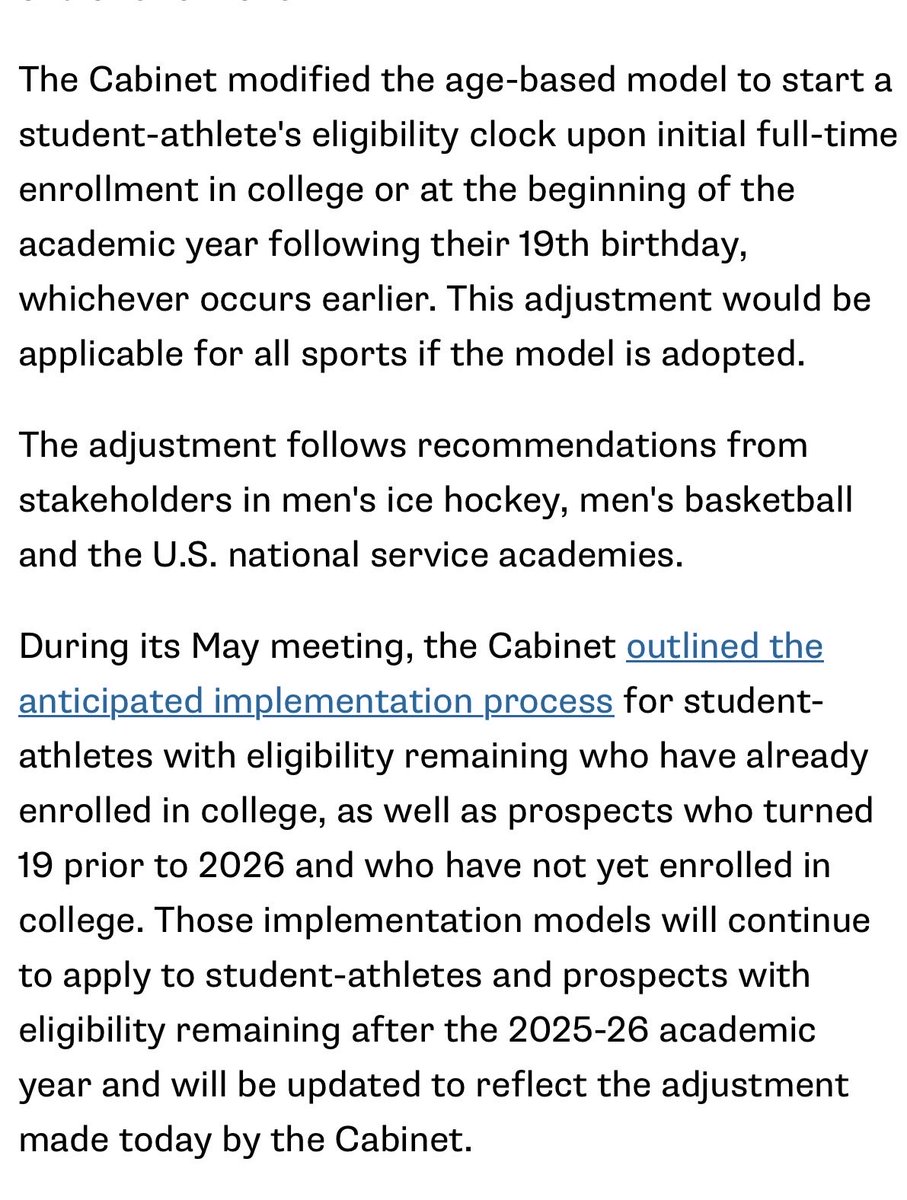
Now make the rule fair and include the current college seniors who just finished their 4th season of eligibility. I will keep pushing for the high school class of 2022 who have been screwed by others getting extra eligibility since they entered college. change.org/p/ncaa-5-in-5-rul…

1
9
1,074
May 25
Nykeim Johnson!!!!!!!!!!!!! Love this dude!!!!

151
May 25
Way to get the Dub for MD!! The Respect and Love is mutual Bro! Love what you are doing for these young men.
May 25

Respect and Love KB !
1
1
2
450
May 23
I've said this in several post. The 2026 college senior class being left out is horrible! Coming in they had to compete with COVID kids, followed by extra year JUCO kids, and now they are technically eligible if they didn't burn a red shirt and are being left out.
May 23

I think we all anticipate litigation on this issue once voted on though, let’s be honest here, the NCAA’s delay in today’s vote is indeed with strategic purpose.
I’ve heard from several college athletes whose eligibility expired in 2026 - they AND COACHES are inquiring about the legitimacy of the rule assuming it passes. Coaches have stressed to me that they think it’s fundamentally unfair that those college athletes - the 2026ers - and into those college athletes are negatively impacted by this anticipated vote while others have already benefited and future college athletes will also benefit from 5/5 eligibility.
1
2
353
May 23
We think about 5th year athletes because when they were 17, 18 and 19 they lost their opportunities to COVID class. Later they lost opportunities to JUCO kids granted extra years and now they are losing by not being granted an additional year. They have been losing from day 1!
May 22

Love how we always think about the 5th, 6th, and 7th year college athletes as victims, but we completely neglect the 17, 18, and 19 year olds who are losing their opportunities.
4
2
16
10,018
Kelvin Bryson retweeted

May 22
Just retro it one year to cover the kids caught up. One fricking year, avoid the lawsuits.
1
1
15
2,617
May 21
I will continue to stand on the fact that this rule makes 0 sense if the current class of seniors are not allowed an additional year. change.org/p/ncaa-5-in-5-rul…
May 21
A vote is not expected during Friday’s DI Cabinet call regarding the NCAA’s proposed 5-year, age-based eligibility rule. Discussion on the topic is expected to continue with action now anticipated at their next meeting the week of June 22.
Overwhelming support remains.
1
3
401
Kelvin Bryson retweeted

May 20
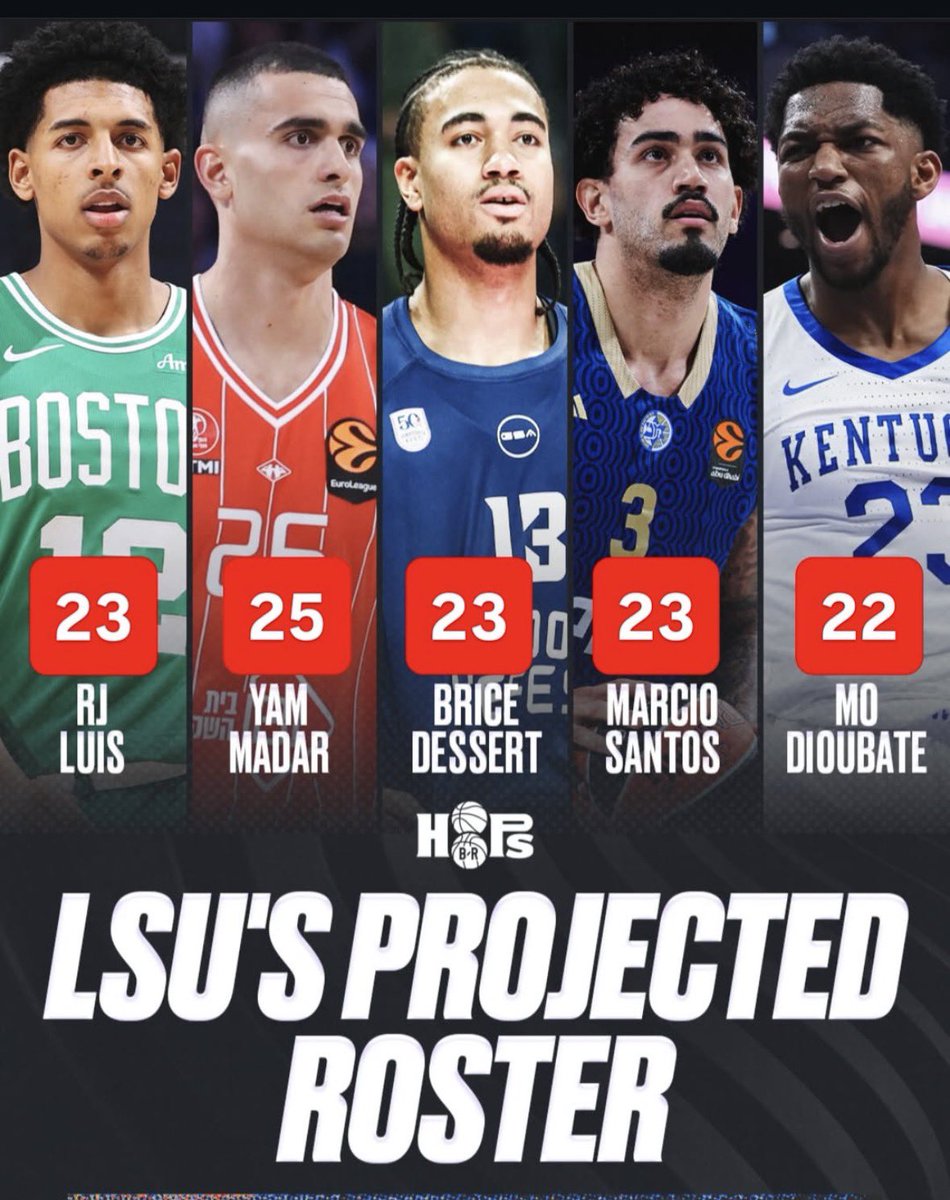
Carson Cooper and Jaxon Kohler play four years of college basketball and graduate but don’t get a 5th year of eligibility.
Meanwhile, LSU has 25 year olds that were drafted in 2020, 23 year old foreigners that have been pros for years, and guys that entered the NBA draft last year all committing to them.
Last years Seniors got a COVID waiver season. Going forward, it sounds like everyone will have five years of eligibility.
If these LSU kids get eligibility, departing Seniors that want to play another year in college should sue the living hell out of the NCAA. They’ve been screwed and many are missing out on life changing $ because of it.
20
53
846
63,082
May 20
This is crazy!!! Everyone gets an additional year, but the group who deserves it the most (2022s) is getting pushed out.

2
396
May 20
I continue to see stories about players who bet on games possibly getting a year back and JUCO kids getting waivers for extra time. No one is talking about the High School Class of 2022 getting an additional year. They deserve it more than all the others. change.org/p/ncaa-5-in-5-rul…
1
10
382
May 18
It makes no sense to me for the NCAA not to give the current seniors an additional year. Including this class would eliminate some of the individuals from the class action lawsuit. change.org/p/ncaa-5-in-5-rul…
May 18

Notable update on the college athlete eligibility front from the latest @SportsLawPod, where plaintiff's counsel in the Patterson class action says he plans to pursue damages for past athletes who didn't get a 5th year of eligibility. The same lawyer who won Diego Pavia's extra season.
Part of what the lawsuit seeks is a "5-in-5" eligibility model, instead of the current 4-seasons-in-5-years rules. So if the NCAA adopts that rule, as has been reported, then that part of the lawsuit goes away.
But, another part of the lawsuit goes on for past athletes who didn't get that benefit. That's the antitrust claim alleging that the 4-seasons rule wrongly prevented athletes in the class from playing a 5th season and earning NIL money during it.
Will the athletes win? It's very much up in the air, and these antitrust claims have split courts.
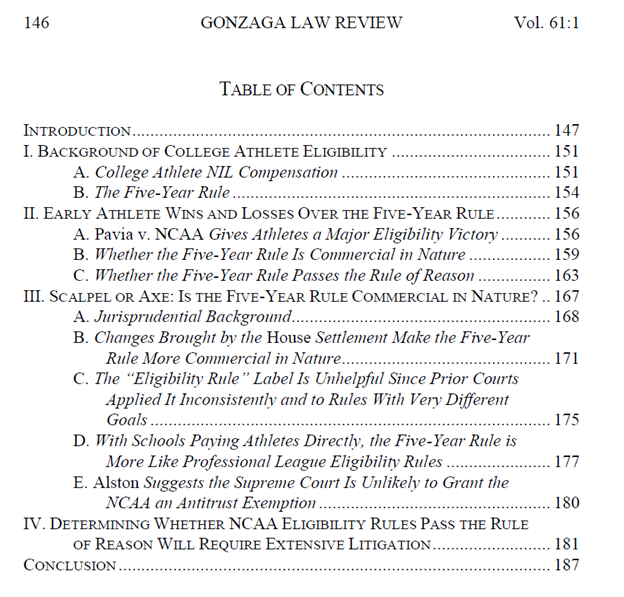
The first part of the argument is whether antitrust law applies at all, and I've authored a recent law review article on this issue laid out in the the table of contents below. The short version: recent court decisions indicate that the law very likely does apply and the NCAA will have to defend the claim on the merits.
But that doesn't mean the NCAA necessarily will lose. The parties will have to litigate important issues like the definition of the market, and whether the 4-seasons rule actually harms that market economically. It will take a lot of time and money.
1
5
1,306
May 18
NCAA D1 Cabinet you still have a chance to do the right thing!! change.org/p/ncaa-5-in-5-rul…
1
4
4
511
Kelvin Bryson retweeted
NCAA 5-in-5 Rule Must Include Class of 2022: Only 4 Years Post High School, Yet Left Out - Sign the Petition! c.org/58v7xT7X28 via @Change
7
24
2,117
May 8
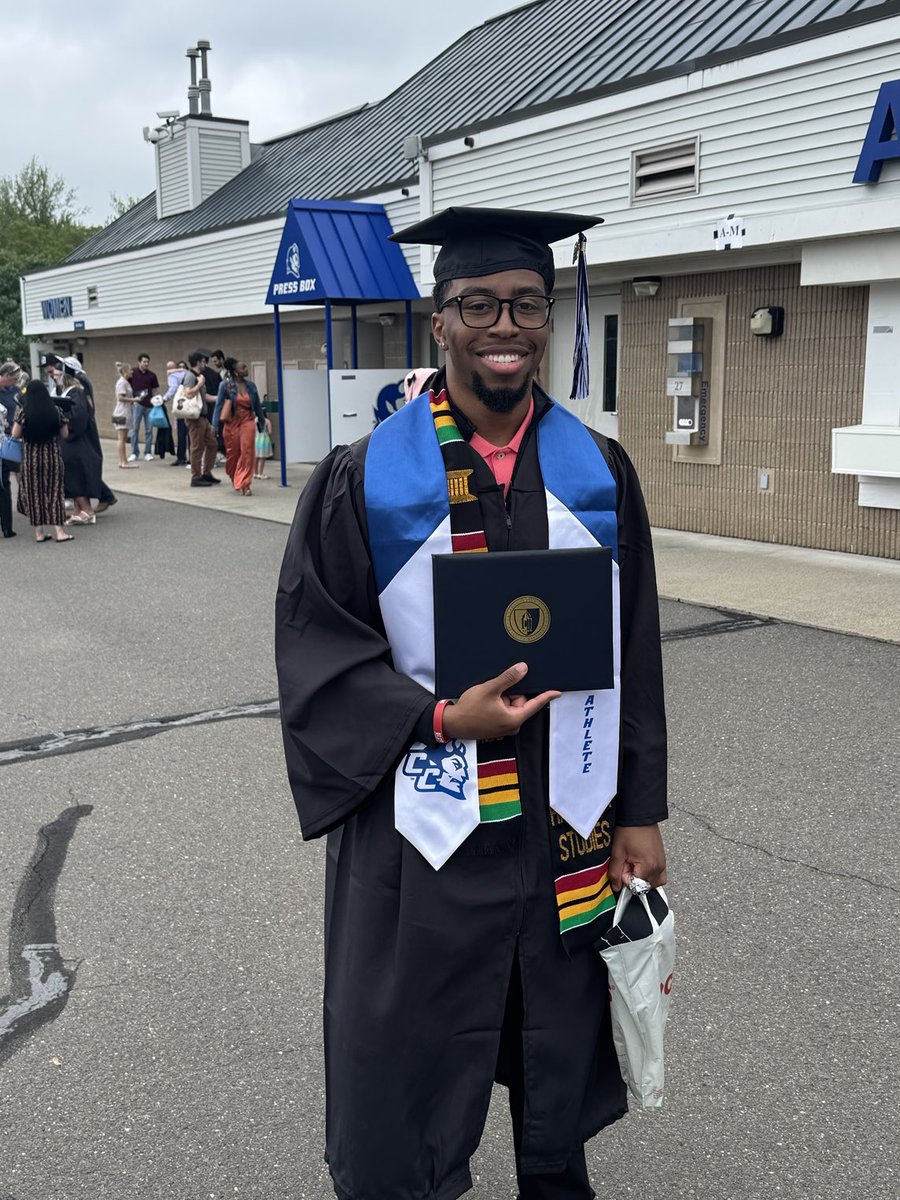
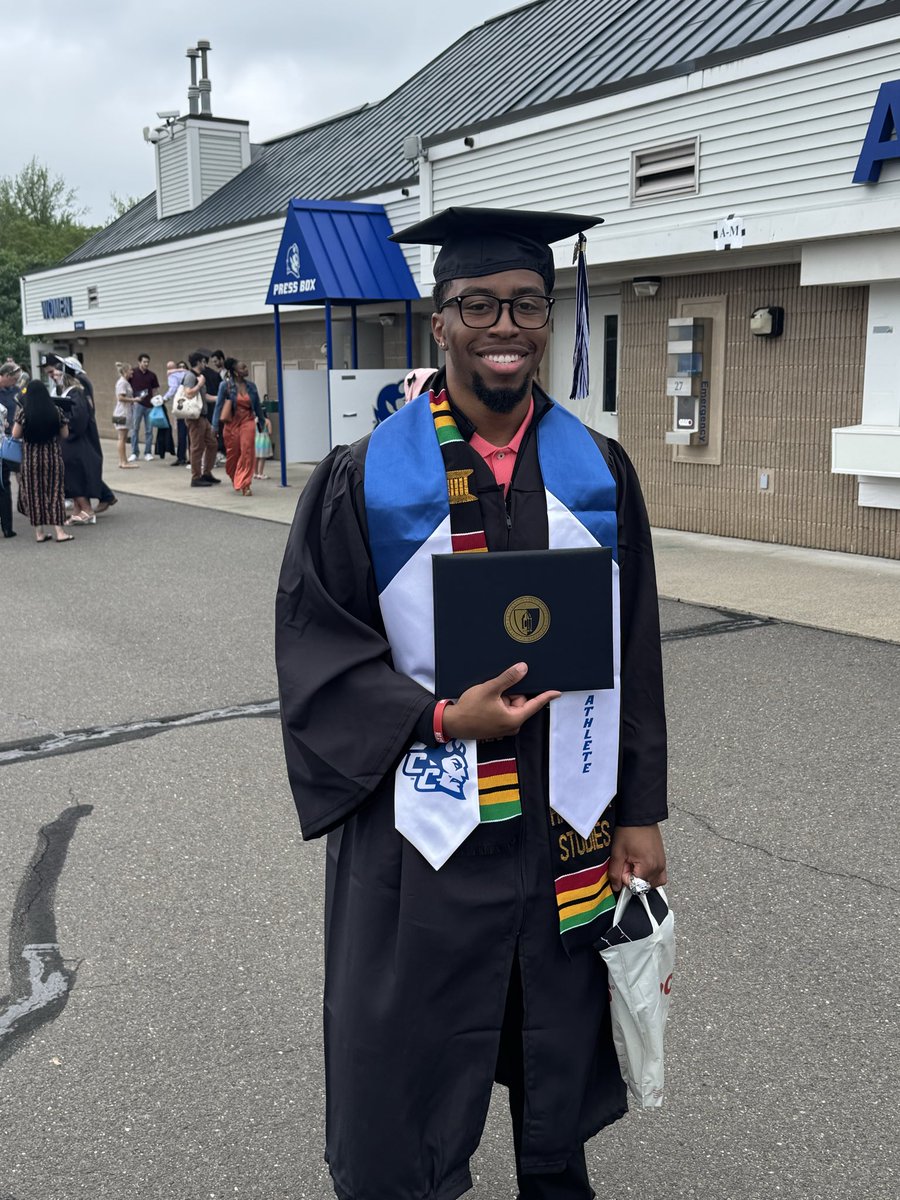
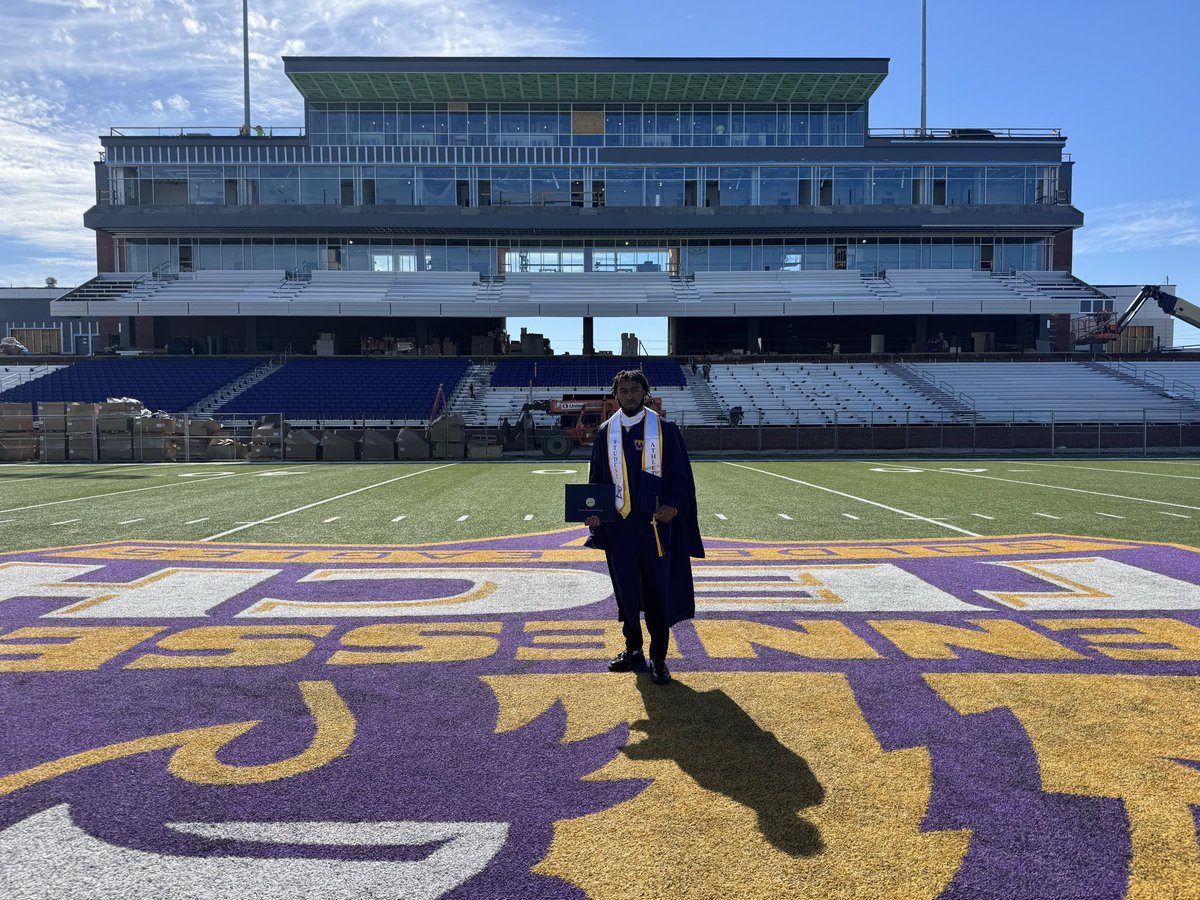
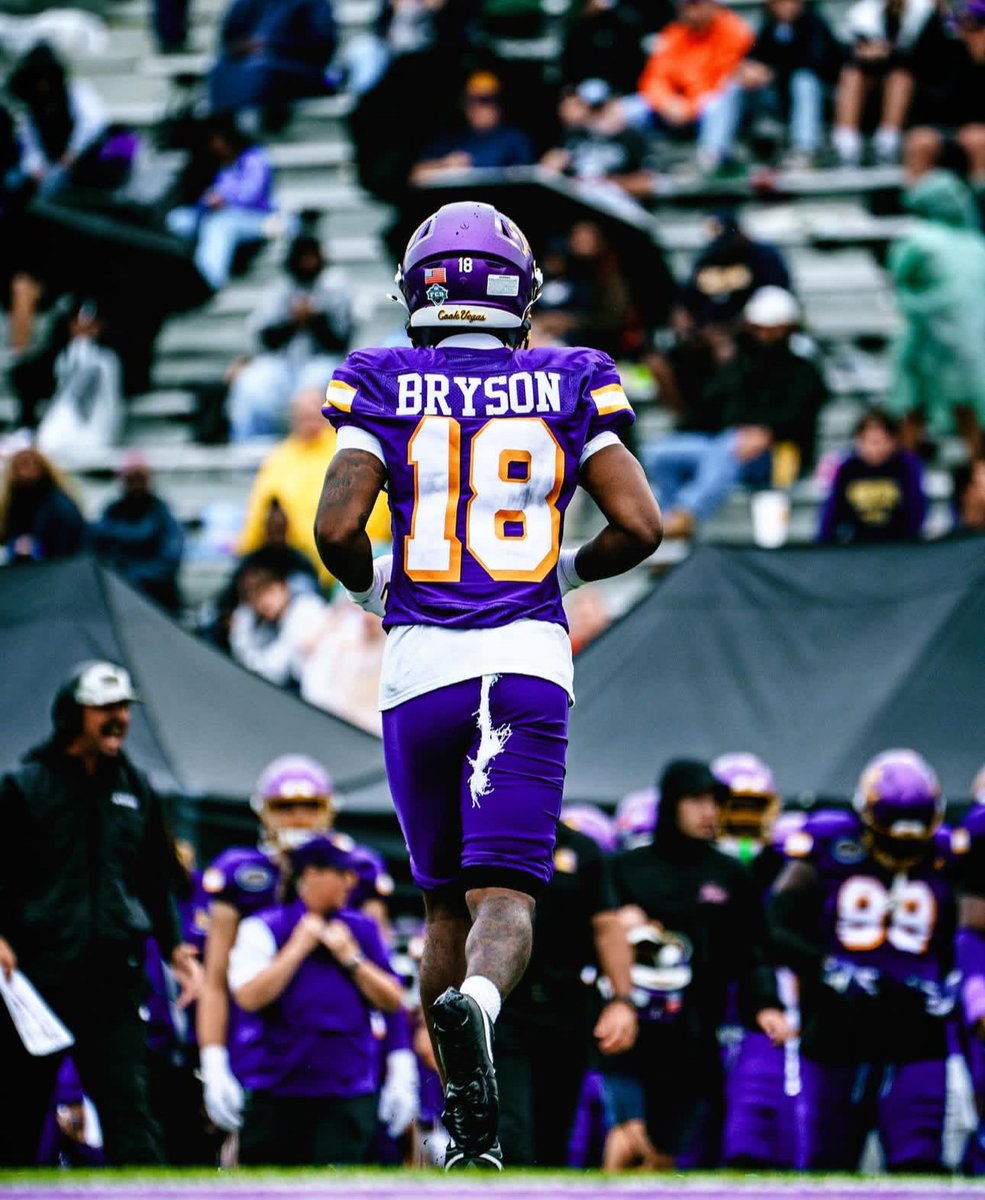
From DC to Central Connecticut to Tennessee Tech! A Masters degree in 4 years! I’m extremely proud of you son!! Thank You Jesus!🙏🏾
7
34
3,711