
Constitutional attorney, Big Tech commentator, Special Counsel ACLJ, fiction author. Opinions my own.
Joined January 2011
- Tweets 6,669
- Following 431
- Followers 4,415
- Likes 274
189 Photos and videos



Pinned Tweet

Apr 7
My ideas on the tension between Big Tech antitrust, free enterprise & free speech constitutionalism. Update: AI just amplifies this, given the Big 5’s oversized AI footprint. share.google/Pe0muGZKJQJUiHW…
1
386
Jun 16
Sartre’s existentialist view of man’s meaninglessness was destined never to understand democracy via a constitutional republic.

In 1968, while teenage Red Guards beat their professors to death with clubs in Beijing courtyards, Jean-Paul Sartre sat in Paris calling Mao's Cultural Revolution a model of revolutionary democracy. The most celebrated intellectual in France looked at a country burning its own libraries and saw liberation. He sold the Maoist newspaper La Cause du Peuple on French street corners himself, holding it aloft like a sacrament.
Consider what he was endorsing. Between 1966 and 1976, the Cultural Revolution killed somewhere between 500,000 and two million people. Schools shut down across the entire country. Students dragged teachers onto stages, hung placards around their necks, forced them to kneel on broken glass, then murdered them. The historian Bian Zhongyun, vice-principal of a girls' school in Beijing, died on August 5, 1966, beaten by her own students with nail-studded clubs. Sartre called this the people governing themselves.
You should understand why a man this intelligent got it this wrong. Sartre believed knowledge served power, that truth was whatever the revolution required, that the individual existed to be dissolved into the collective will. So when Mao abolished the distinction between teacher and student, between expert and mob, Sartre cheered. He had spent decades arguing that bourgeois reason was a class weapon. Here was a regime taking him at his word and clubbing the reasoners to death.
This is what economic illiteracy buys you. A university, a price, a contract, and a peasant's grain stockpile all carry knowledge that no central planner can seize or replicate. Mises explained the calculation problem in 1920. Hayek explained dispersed knowledge in 1945. Sartre had access to both and chose the dunce cap of the collective instead, then handed out its propaganda on the Rue de Rennes.
He died in 1980, mourned by 50,000 followers, never having retracted a word about Mao. The professors of Beijing got no such funeral. They got a ditch, and a philosopher in Paris explaining that their murder was freedom.

3
1
295
Craig Parshall retweeted

Jun 15
Iran isn’t interested in peace. It is interested in preserving its regime.
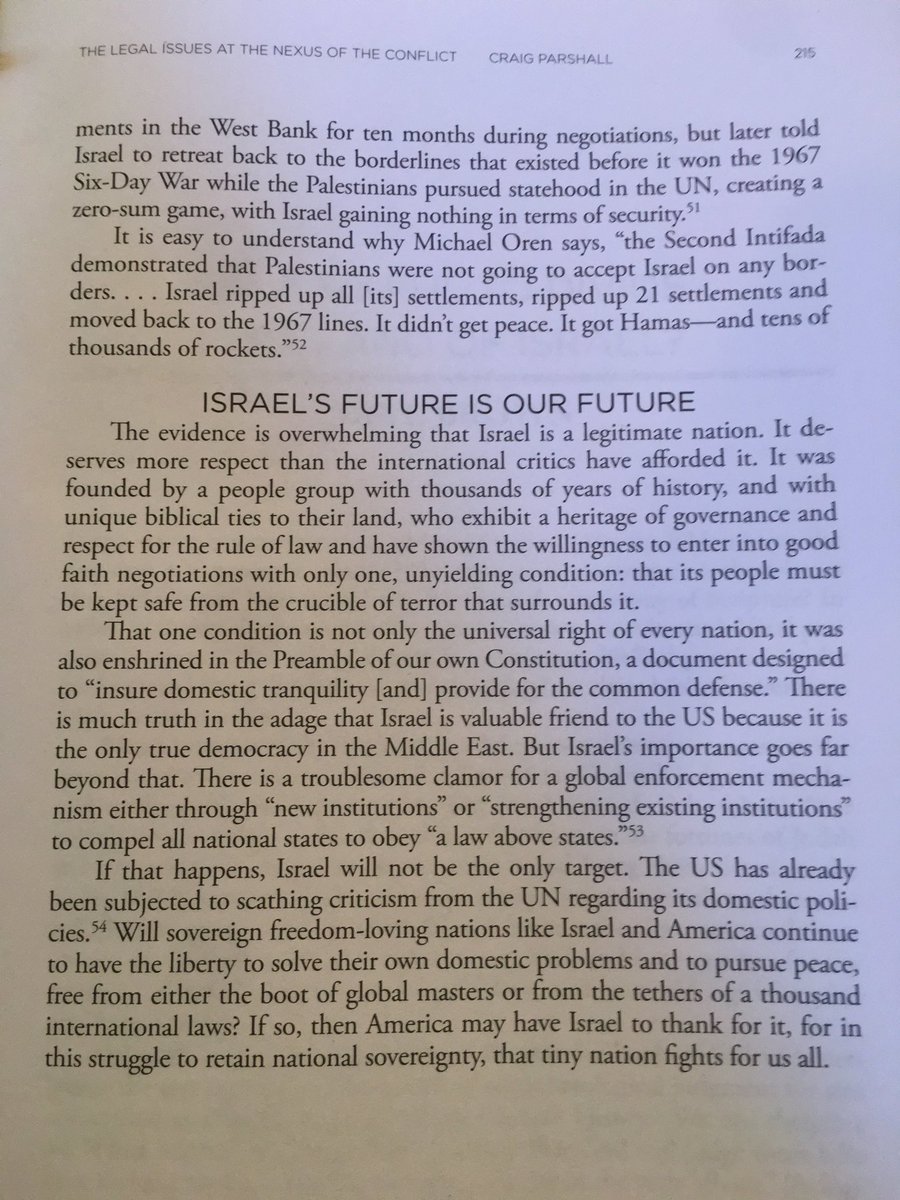
That’s why America must continue standing shoulder to shoulder with Israel.
Read more: aclj.org/israel/the-case-for…

6
9
53
399

More than 700 people have been imprisoned in Pakistan under blasphemy charges in recent years.
Many were allegedly lured into online entrapment schemes before being arrested.
The ACLJ is fighting for Christians like Intizar Masih, a father who remains behind bars because of his faith.
Read more: aclj.pulse.ly/plcwljdz5d

2
18
21
840
Jun 11
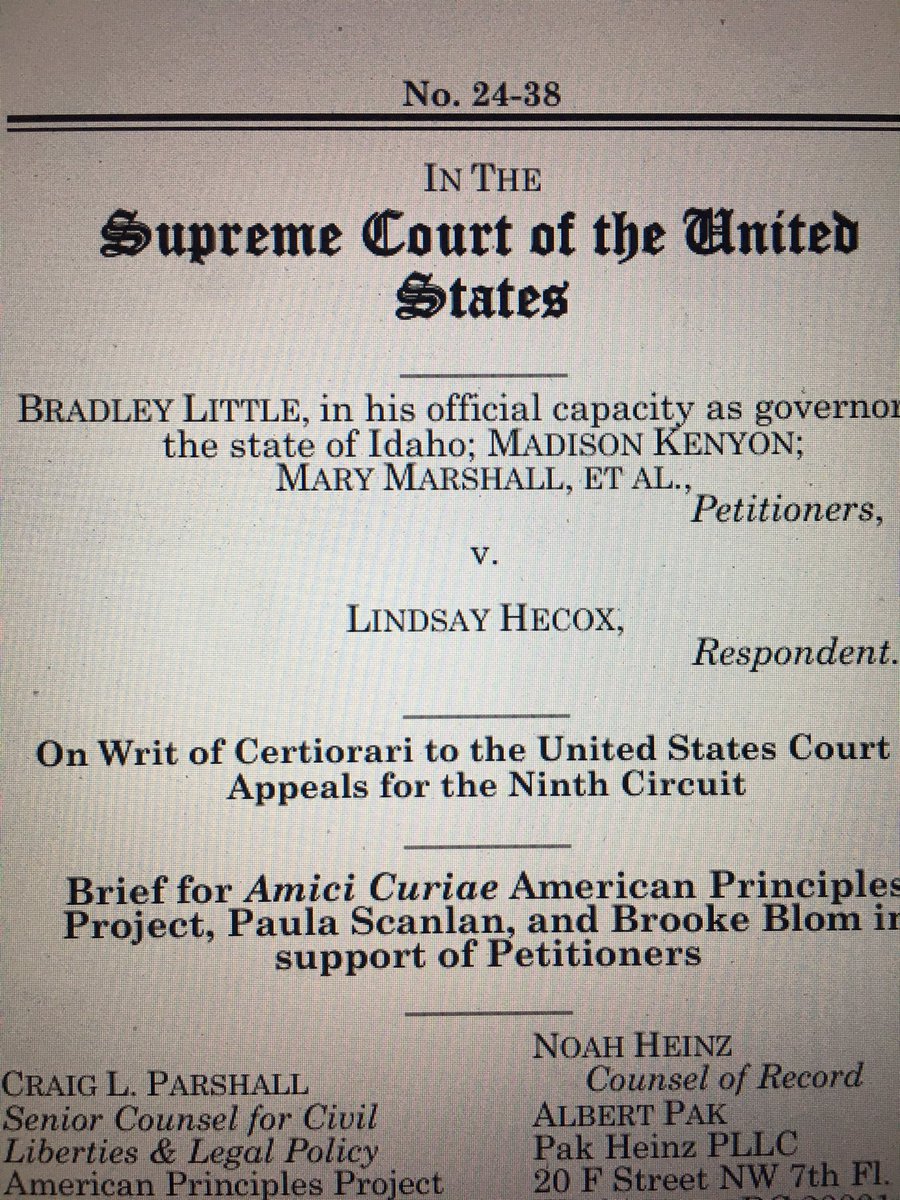
Waiting for Supreme Court ruling on Idaho ban on biological men in women’s sports. It’s coming up.
Jan 13

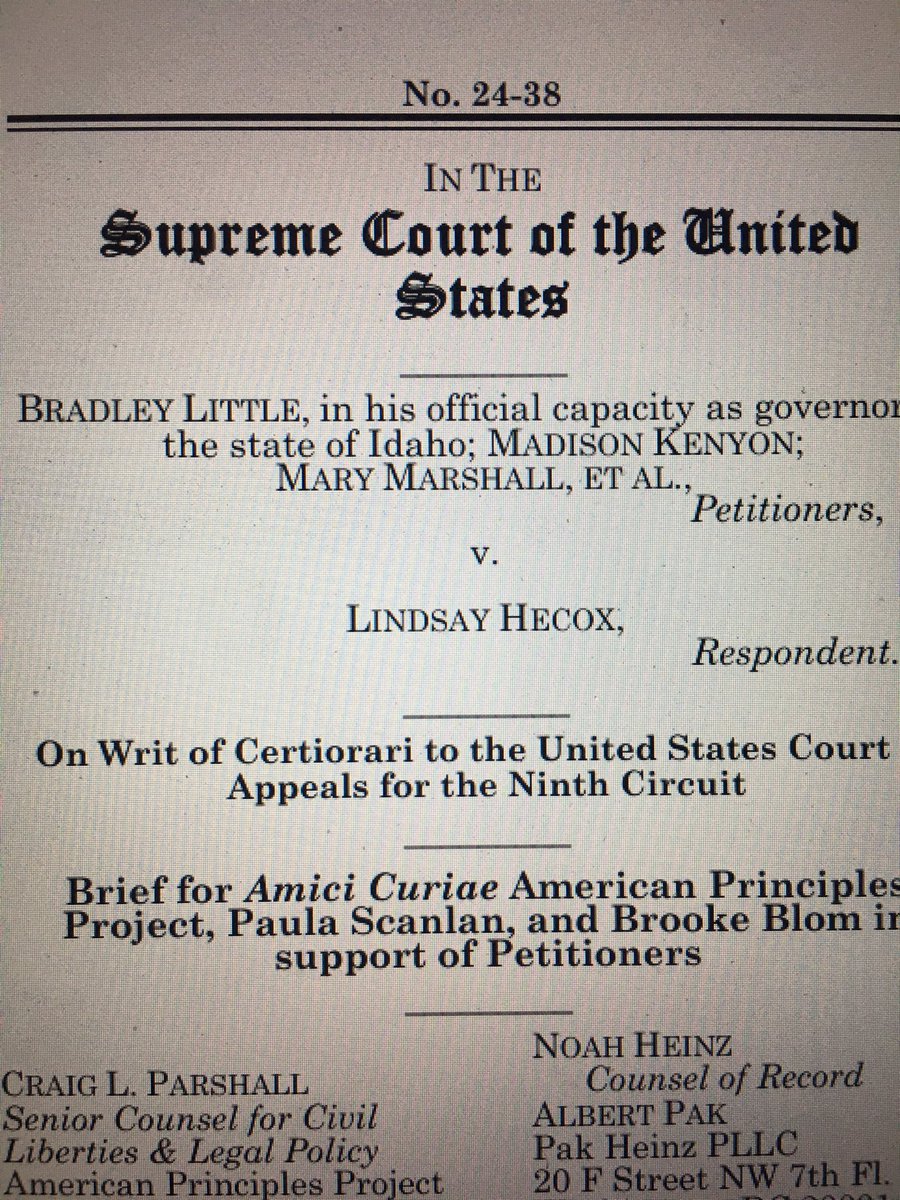
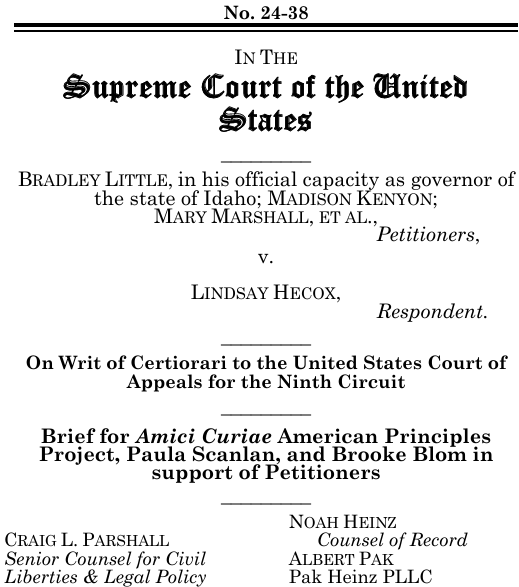
SCOTUS argument in Little v. Hecox: Q- should Court dump case as moot because plaintiff trans athlete wants it dismissed? A - No. As I argued in our @approject brief, “The supposed mootness here amounts to little more than a change of mind” [the essence of transgenderism].
1
2
4
481
Jun 10
In short, the task for this tech age: internet constitutionalism, where GOV’ T is contained within its enumerated realm, Big Tech does not become social & political governance, and We the People retain access to information & freedom of speech.
Jun 9

READ: Don’t fall for Bernie Sanders’s authoritarian AI power grab
"In the age of populism, it’s probably quaint to ask under what constitutional authority Congress can unilaterally seize half of an entire industry."
@davidharsanyi's latest:
washingtonexaminer.com/in_fo…
1
72
Craig Parshall retweeted

Jun 5
"Nobody would create a system" like California's election process "if they wanted people to have faith in results," Sean Davis said.
"They created a system like this, because they wanted to be able to engineer results."
38
590
2,070
25,660
Jun 5
Uh oh, here we go …
Jun 5

Over 90% of AI chatbot answers about midterm elections are flawed, stunning analysis shows trib.al/idxVClN

3
4
351
Jun 5
Gee, AI robots are fun aren’t they?
Jun 4

A robot kicked a little boy in the stomach
We're officially one software update away from Terminator
97
Jun 5
So, the Vatican is open to unknown extraterrestrial life, but not dark supernatural life?

Monsignor Stephen Rossetti has been an archdiocesan exorcist in Washington, D.C., for nearly two decades.
He was recently removed for his comments about UFOs being demons. wapo.st/4eoUG5G

1
1
110
Jun 4
Who will govern the AI universe? The UN, multiple nations, the EU, are all clamoring for control. But only America has the history and a Constitution that can protect free speech. We must lead.
Jun 4

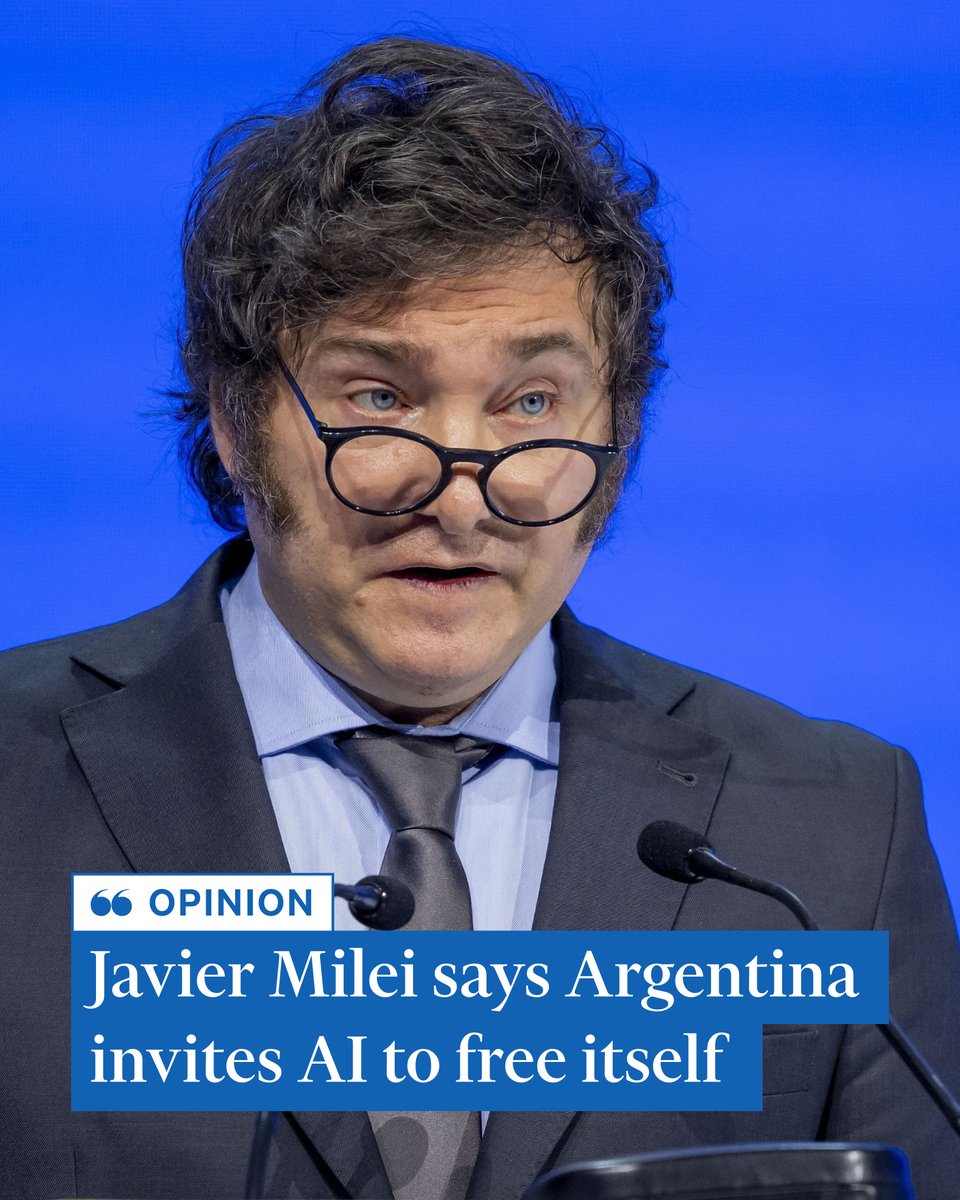
Opinion: As the world enters a new era of technology, AI must be permitted to develop without premature regulation, writes Argentina's President Javier Milei ft.trib.al/JnTQ0Zv
2
1
306
Craig Parshall retweeted
Jun 3
We are honored to announce that ACLJ Senior Counsel CeCe Heil has been appointed as a Commissioner for the U.S. Commission on International Religious Freedom.
CeCe has spent years defending persecuted Christians worldwide. We are proud to see her expertise recognized in this important role.
Read more: aclj.org/aclj/acljs-cece-hei…

2
6
418
Jun 3
Marcus is the same cognitive scientist who wants global oversight of AI, forgetting apparently the Bible’s ancient warmings about centralized global power.
Jun 3

when sam quotes the bible, you know things aren’t going well for OpenAI
571
Craig Parshall retweeted

Jun 2
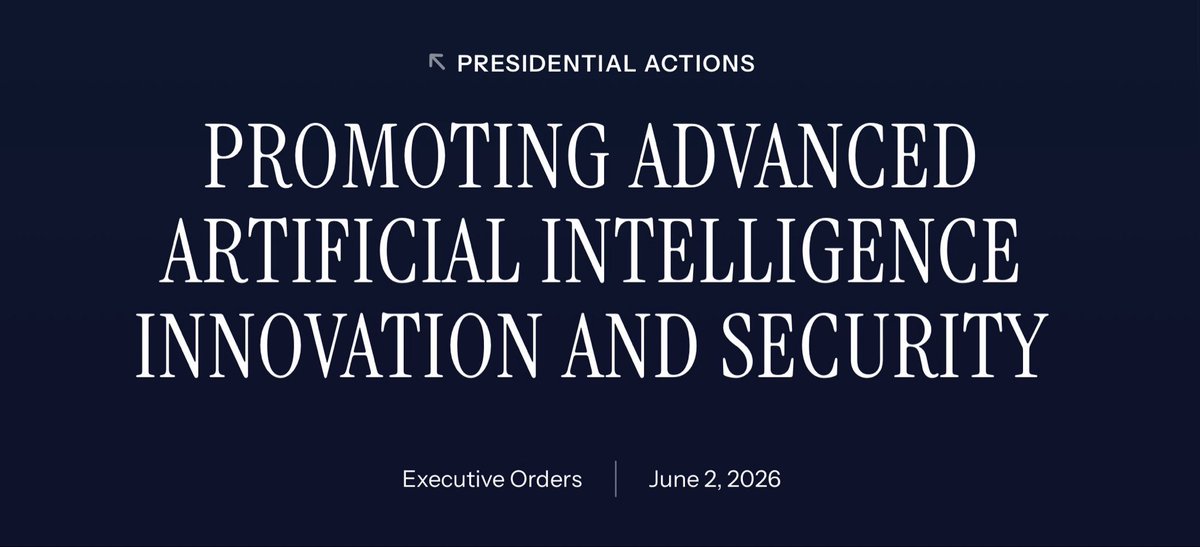
AI is developing rapidly. This administration is right to recognize the cybersecurity risks posed by advanced models.
Now, it's Congress's turn. We must address catastrophic risk without ceding ground to China or restricting Americans’ free expression.
whitehouse.gov/presidential-…
139
71
424
55,241
Jun 3
Totally agree we should be concerned that “growing AI-industrial complex will further concentrate power around AI – in both government and industry;” but totally think the information freedom of the American public is being left out of the equation.
Jun 2

Two things can simultaneously be true about this new AI security executive order:
1) This represents a reasonable governance arrangement for frontier model security and its oversight, at least when compared with the far more intrusive ideas floated earlier, like the pre-vetting of models via a formal government licensing regime (aka, “FDA for AI”).
2) This represent as significant win for the military-industrial complex and the continuing fiction of “voluntarism” surrounding its inner workings. Thanks to open-ended EOs like this, the new growing AI-industrial complex will further concentrate power around AI – in both government and industry – and lead to more avenues for public officials to exert control over not just model security, but potentially many other aspects of algorithmic development and use, including content-related matters. After all, “security” is in the eye of the beholder (and future administrations and officials).
75
Jun 3
This is not radical - this is a constitutional right of parents that the Supreme Court had affirmed for decades, and again most recently in Mahmoud v. Taylor.
Jun 2

The House just passed legislation to stop schools from hiding critical information from parents about what their kids are learning.
The ACLJ is fighting to stop the sexualization & indoctrination of children in schools.
Sign now: brnw.ch/21x32w4

1
4
92
Jun 2
Besting the radical AI-over-humans “successionism” movement with “humanism” requires we first define “human.” I suggest that’s a question not of technology, or sociology, but of theology.
May 28

We need to create a new humanism before the “AI successionists” win. vox.com/future-perfect/48997…
85
May 31
While I support well-reasoned approaches to regulating Big Tech, the UN’s ideas are not among them.
May 31

Blocking children from social media is no substitute for making platforms safe in the first place, the UN human rights office warned Friday, urging governments and tech companies to go further and faster to protect children online.
news.un.org/en/story/2026/05…
3
109
May 30
Glad @WillRinehart addresses the Pope’s nod to the Tower of Babel from Genesis re:tech & AI. Gen. 11:3 says they used the newest tech thing- [bitumen as mortar fired brick]- to build their own godlikeness. Innovation controlled by elites human hubris = a spiritual dead-end.
May 27

As a Presbyterian, this Papal Encyclical is a reminder how subtlety different our two traditions are. This struck me reading the Pope’s interpretation of the Tower of Babel. In Reformed churches, the confusion of languages in Genesis 11 is better understood as deliberate divine act of judgment, not a natural consequence of human pride. In his commentaries on the Bible, for example, Calvin emphasized that God directly intervened and scattered people as a demonstration of his control. It “ought not to be regarded as a punishment, seeing it rather flowed from the benediction and grace of God.” In the Pope’s telling, God functions more as a witness.
Importantly though, the confusion of tongues has its response in Acts 2, where people hear the Gospel in their own languages. The Pentecost shows Christ’s mastery. It is a new covenant in all senses.
There’s also a deep irony with Genesis 11 that has never been lost on me. The people building the Tower wanted to make a name for themselves and we all know the story! It is constantly used as a device to understand technology.
139
Craig Parshall retweeted

May 28
From @WSJopinion: There’s no doubt that as AI develops it will need an ethical rudder. But in his first encyclical, Pope Leo’s faith in a beneficent state is misplaced.
on.wsj.com/4uAwxid
27
15
35
28,017
May 28
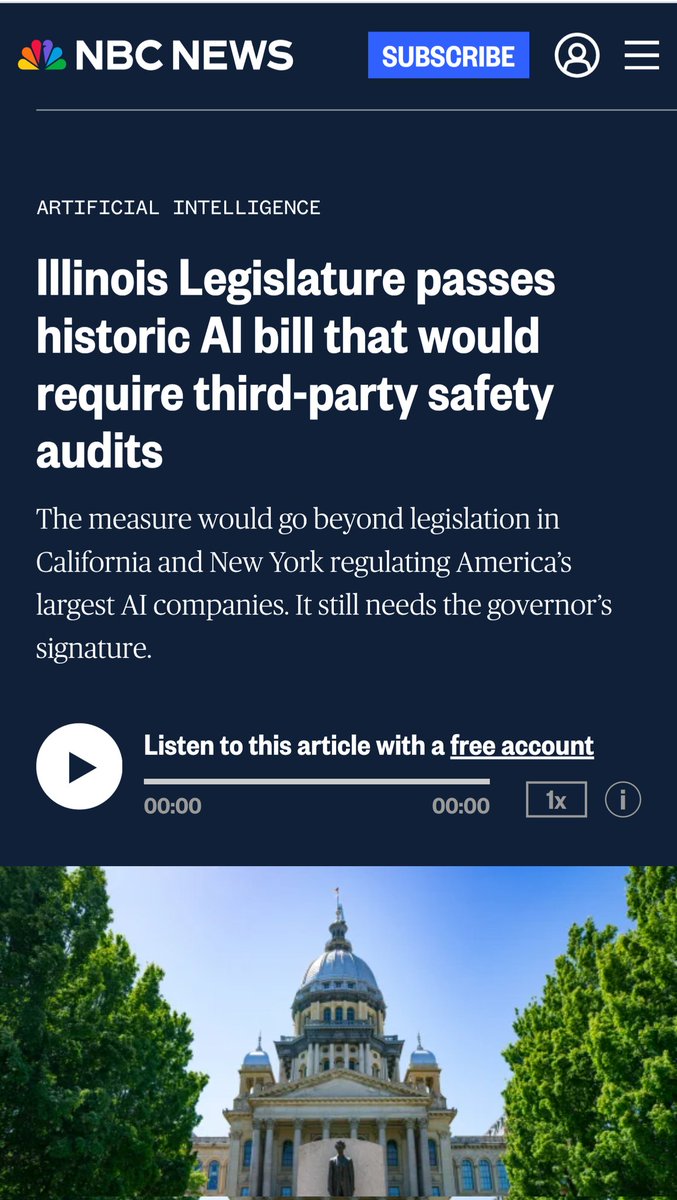
Interesting & problematic observation: “the biggest Blue state legislatures and progressive Democratic governors in California, New York, and Illinois have effectively taken over national AI policy and are dictating the terms of interstate computational commerce.”
May 28
A year ago at this time, Congress was considering a moratorium on state AI over-regulation and the Trump administration was formulating an AI action plan for America.
Today, the biggest Blue state legislatures and progressive Democratic governors in California, New York, and Illinois have effectively taken over national AI policy and are dictating the terms of interstate computational commerce. This represents an astonishing policy turnaround, and one with troubling ramifications for efforts to create a coherent policy framework for a technology sector with such global strategic significance.
While some large companies have apparently made their peace with this regulatory arrangement, it is mostly because they have the resources to navigate this parochial patchwork and confusing and costly compliance regime. The moat around these bigger firms will be filled with a sea of paperwork. Other players will fall by the wayside. And, needless to say, we'll be saying goodbye to open source options if this regime sticks.
It's a terrible approach if one cares about AI competition, investment, and innovation going forward.
110