
Sociologist, Feminist, Writer. Political Sociologist based in Cambridge. Writing a book on Russian imperialism. Views & typos are my own
Joined May 2009
- Tweets 7,171
- Following 1,479
- Followers 7,880
- Likes 6,322
Photos and videos
Pinned Tweet

24 Apr 2024
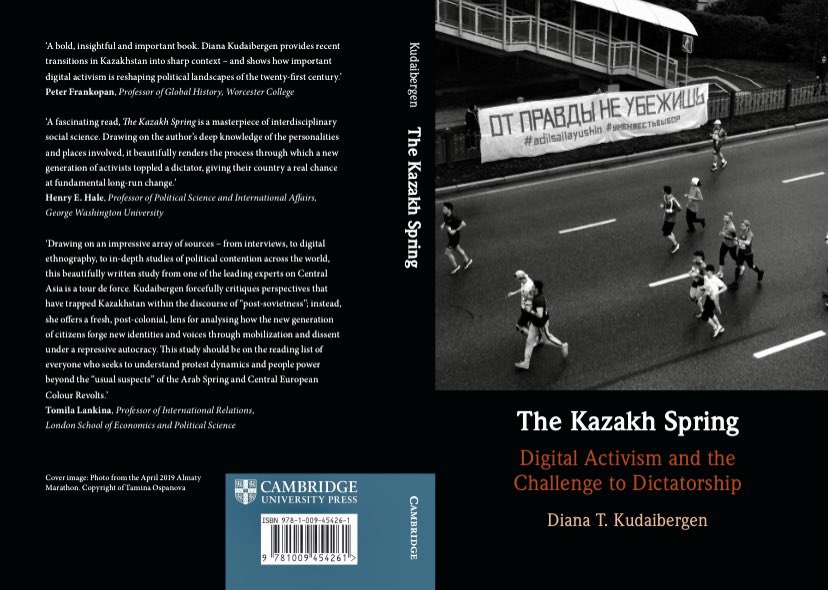
It’s a good day today, so I’m sharing my newest book you can preorder now and get by the end of May!
#TheKazakhSpring #QazaqKoktemi
Pre-order here: cambridge.org/core/books/kaz…
Amazon: amazon.co.uk/Kazakh-Spring-A…
Short 🧵 on what it’s all about:
16
47
163
21,191
Dr. Diana T. Kudaibergen 🌻🍉 retweeted

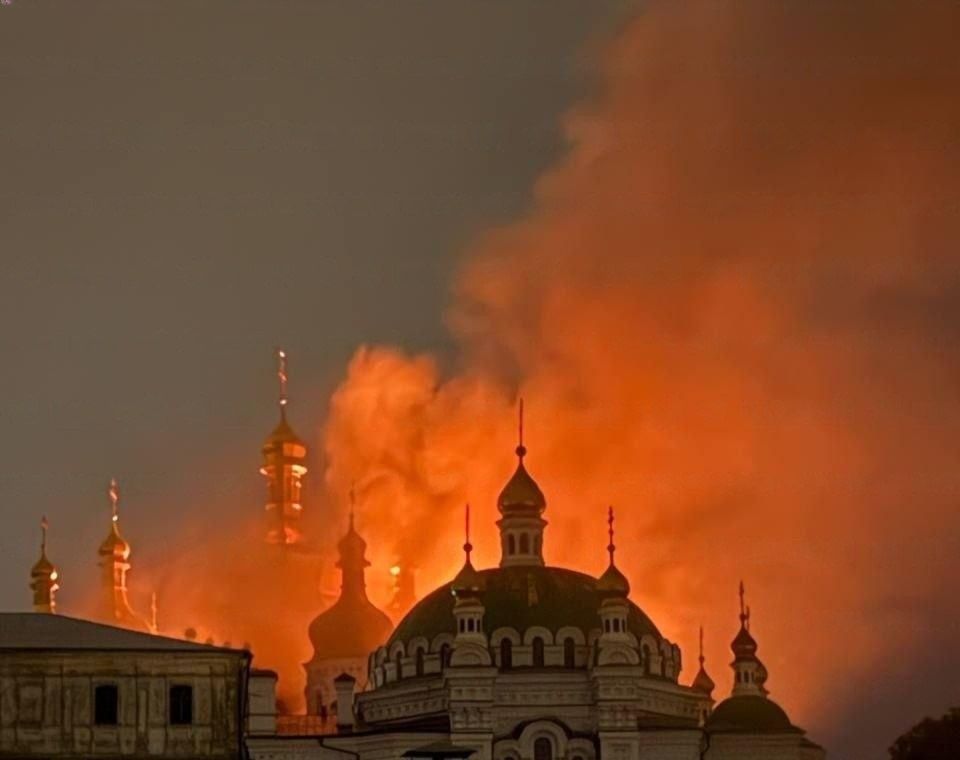
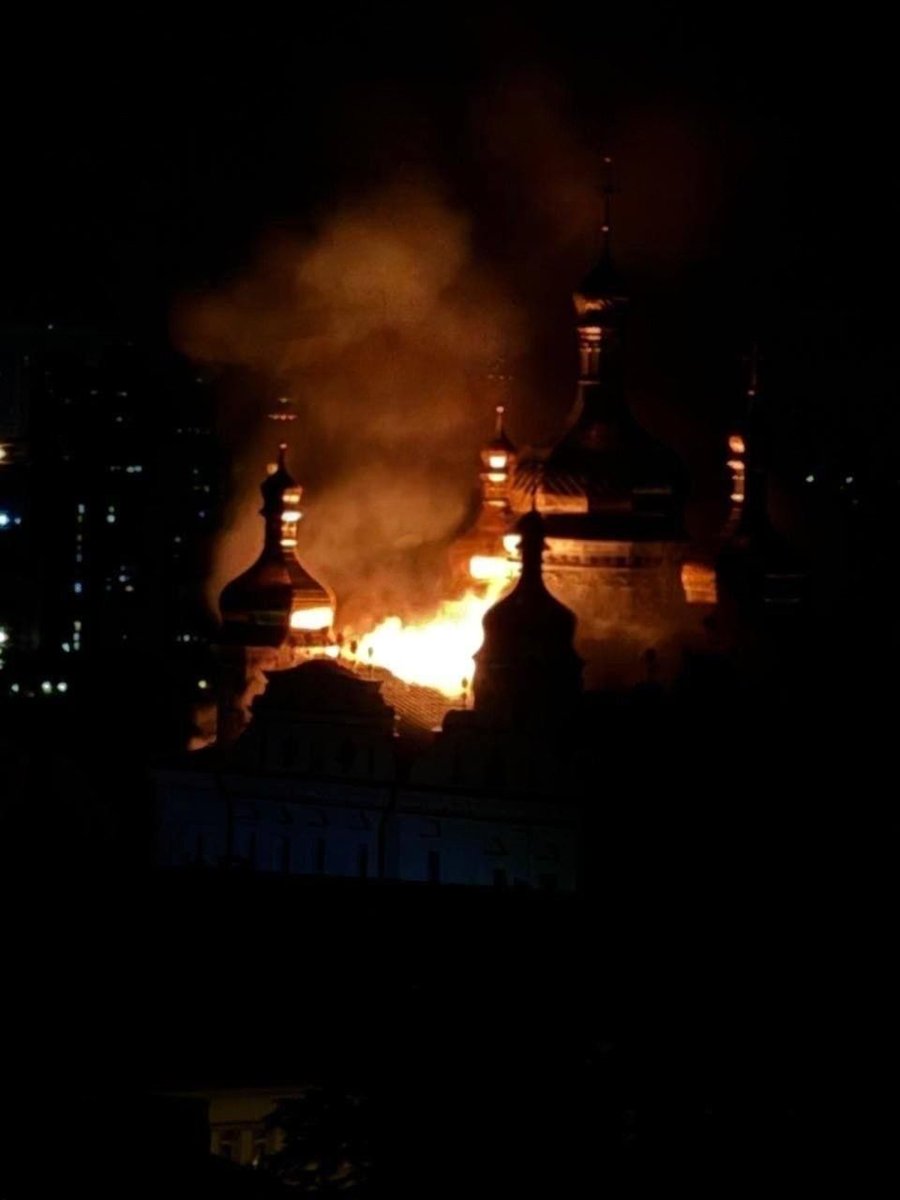
🚨 BREAKING: Russian strike hits the historic Kyiv Pechersk Lavra, a world-famous Orthodox monastery and UNESCO site, igniting fire on the roof of the Dormition Cathedral.
143
1,811
4,068
219,420
Dr. Diana T. Kudaibergen 🌻🍉 retweeted

Call for papers: “Dialogues on Central Asia”. Workshop in September 2026 at the University of Amsterdam. Colleagues and others who are interested, check it out and retweet, please! Interesting abstracts have come in, but we welcome many, many more! aces.uva.nl/content/news/202…
3
11
792
Dr. Diana T. Kudaibergen 🌻🍉 retweeted

May 26
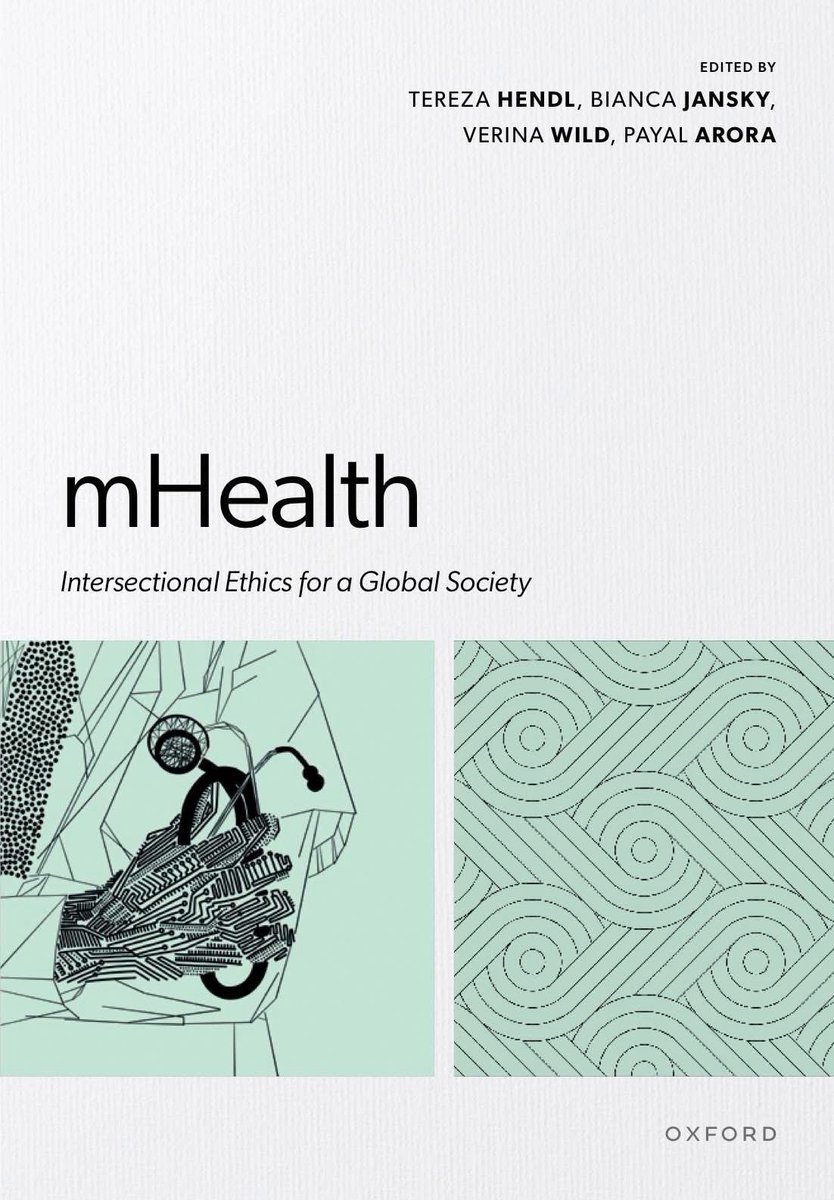
Sneak peek: forthcoming with OUP, open access. This book features perspectives on digital health transformation & justice, including from Indonesia, Brazil, India, and Ghana, and First Nations expert analyses on health and Indigenous Data Sovereignty from Aotearoa and Australia
2
8
29
1,180
Dr. Diana T. Kudaibergen 🌻🍉 retweeted
May 18
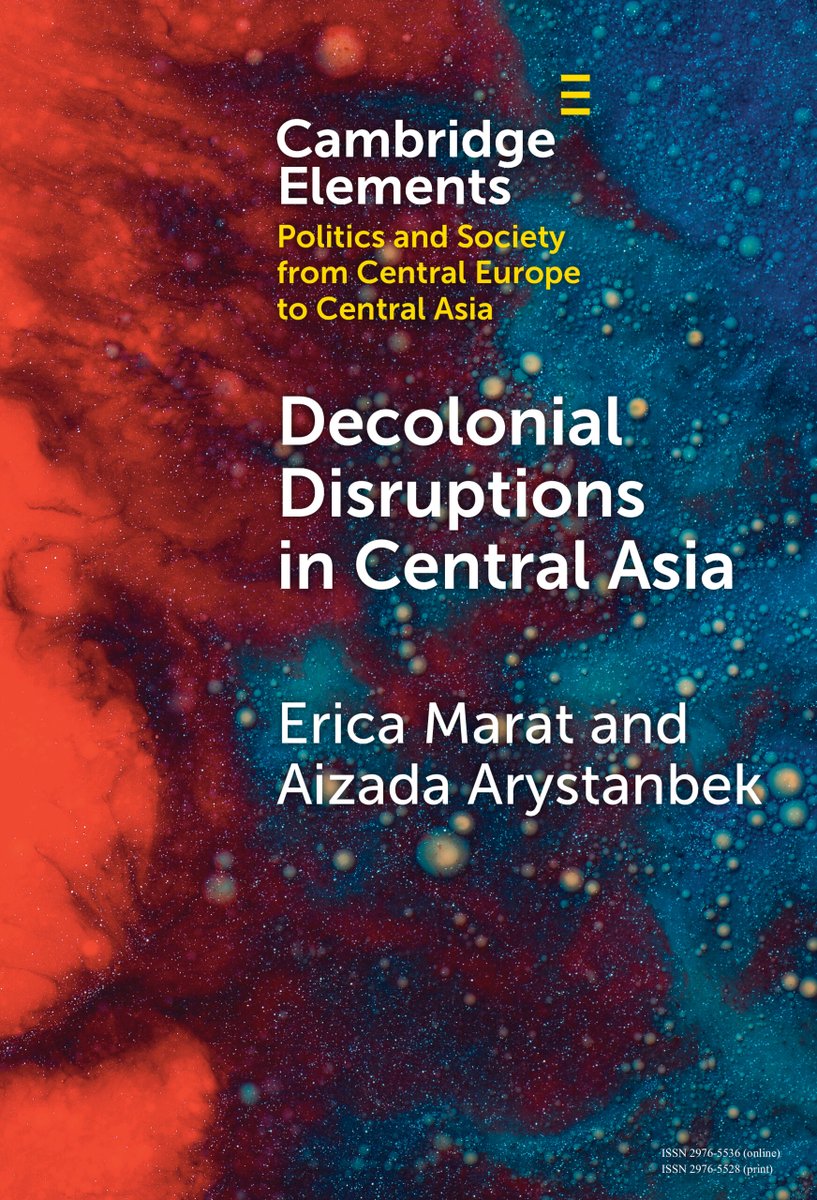
A much needed book, looking forward to reading: “Decolonial discussions are gaining traction, challenging political elites' hegemony over national identity formation. Such changes harbour the potential to profoundly alter Russia's influence in the areas it once controlled”

New Cambridge Element, Decolonial Disruptions in Central Asia, by Erica Marat and Aizada Arystanbek, out now! Read for free for the next 2 weeks at
cup.org/4ddcnEQ
#cambridgeelements #politics
4
14
43
3,463
Dr. Diana T. Kudaibergen 🌻🍉 retweeted

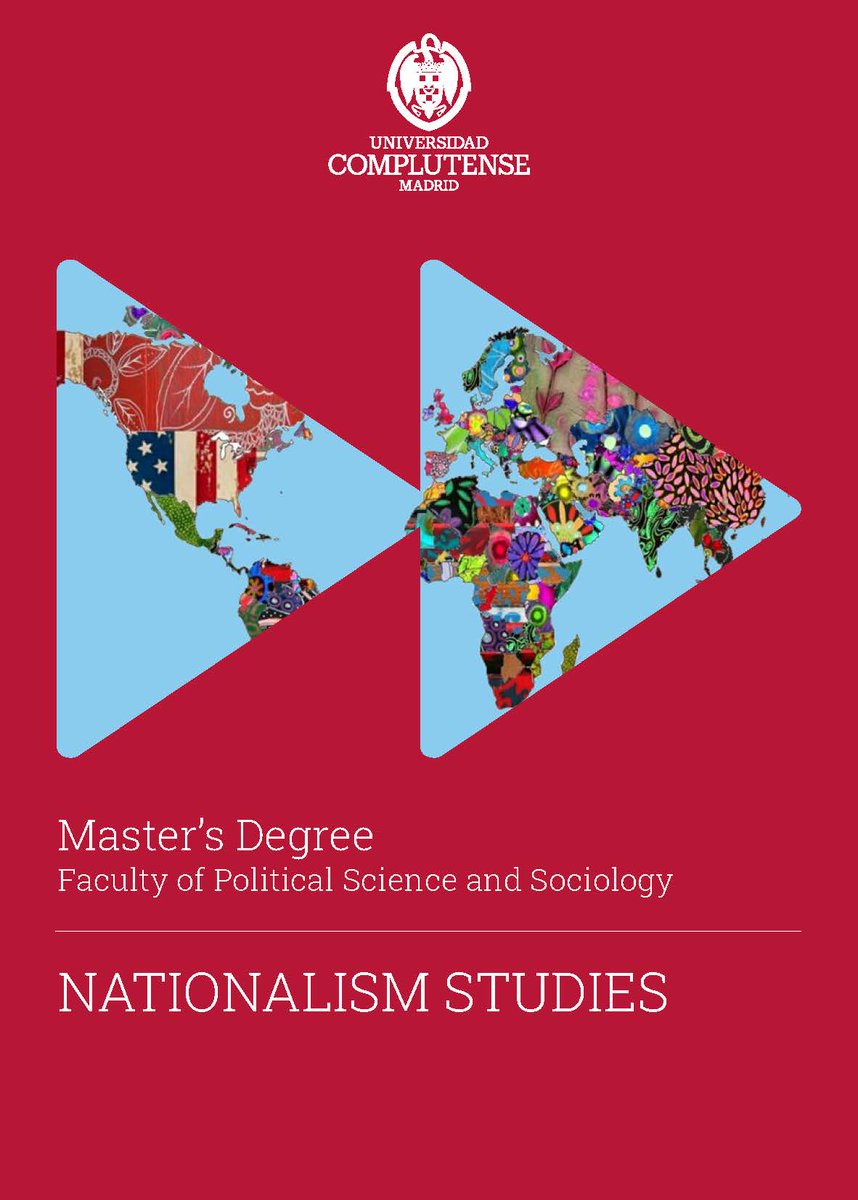
One week left to apply for our Master in Nationalism Studies at @unicomplutense.
Do not miss the opportunity to better understand one of the most powerful political forces shaping our world today.
ucm.es/masterinnationalismst…
bit.ly/4tSGwip
@masternacionucm
6
5
731
Congratulations @irgarner and all new associate editors! 🤟

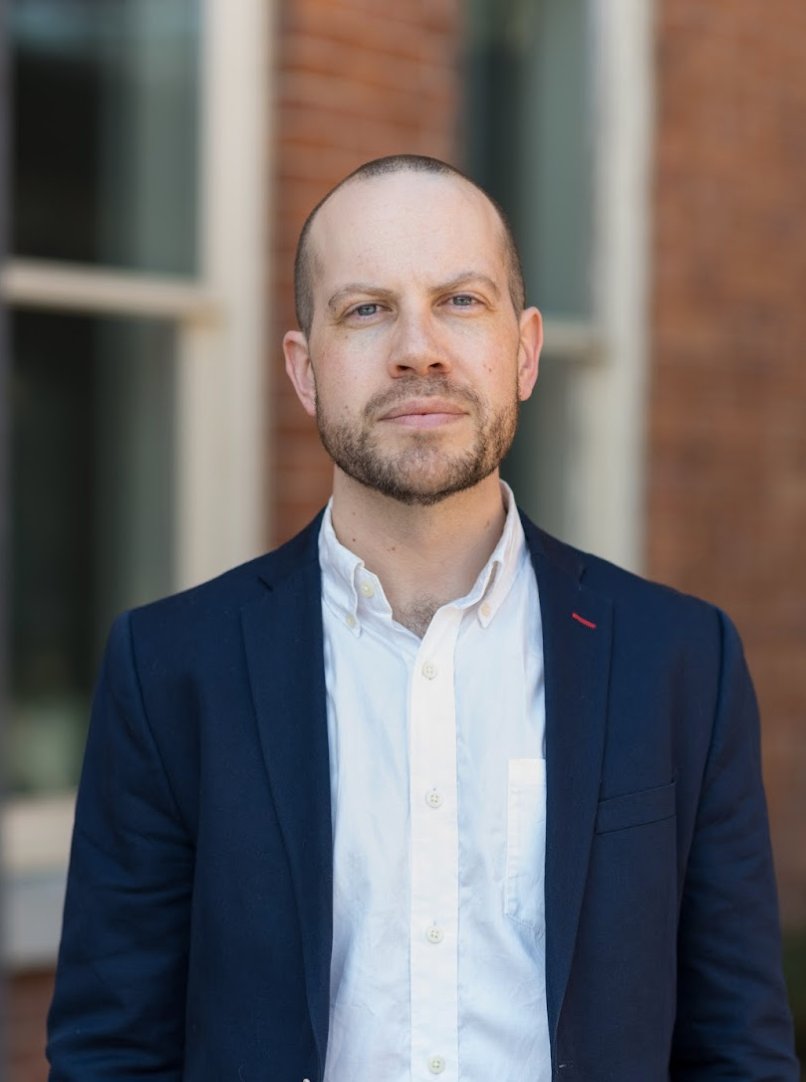
4) Meet our new Associate Editor, Ian Garner:
“I’m delighted to have joined PSA, which I hope will continue to be a leading academic journal. As Associate Editor, I get to read so much great new research from all over the world!”
1
6
969
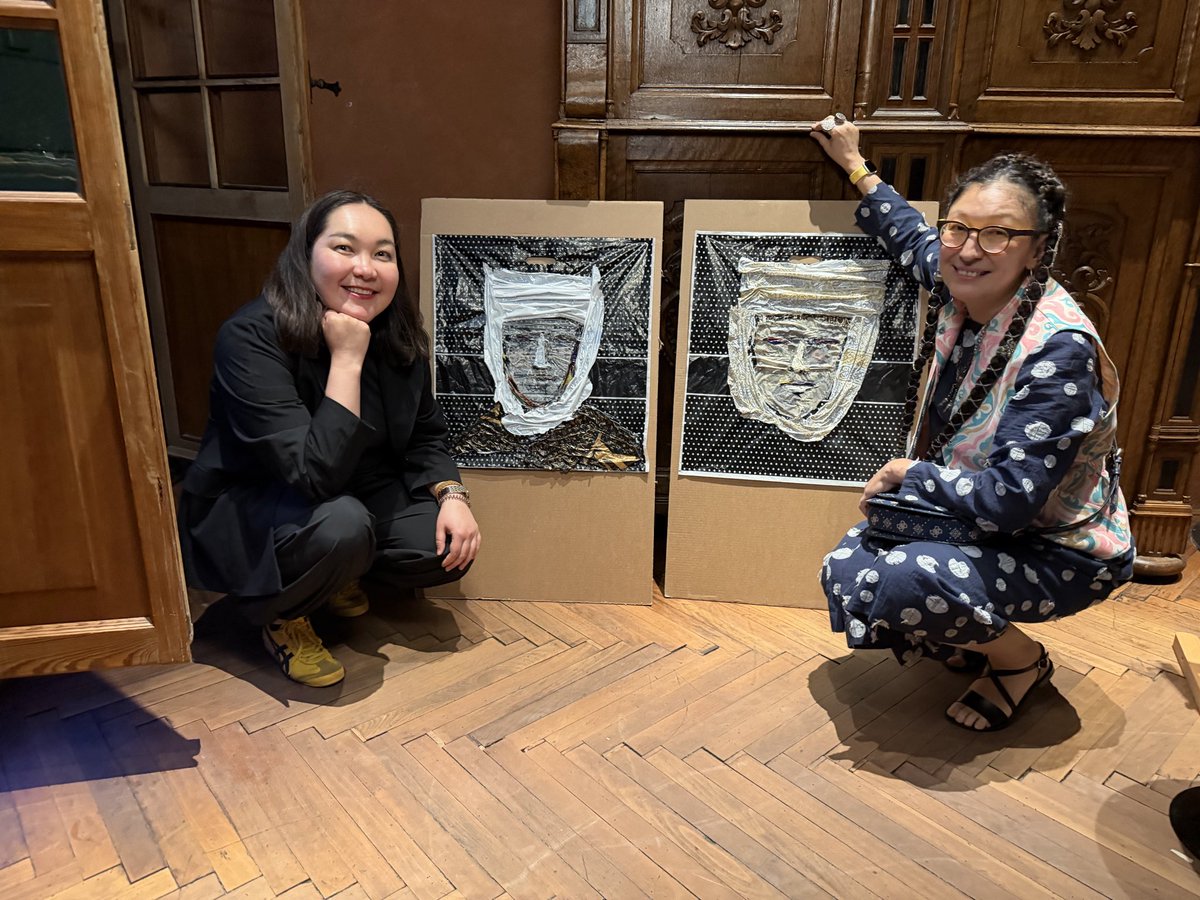
Biennaling
Easter eggs for my forthcoming book though 🐣
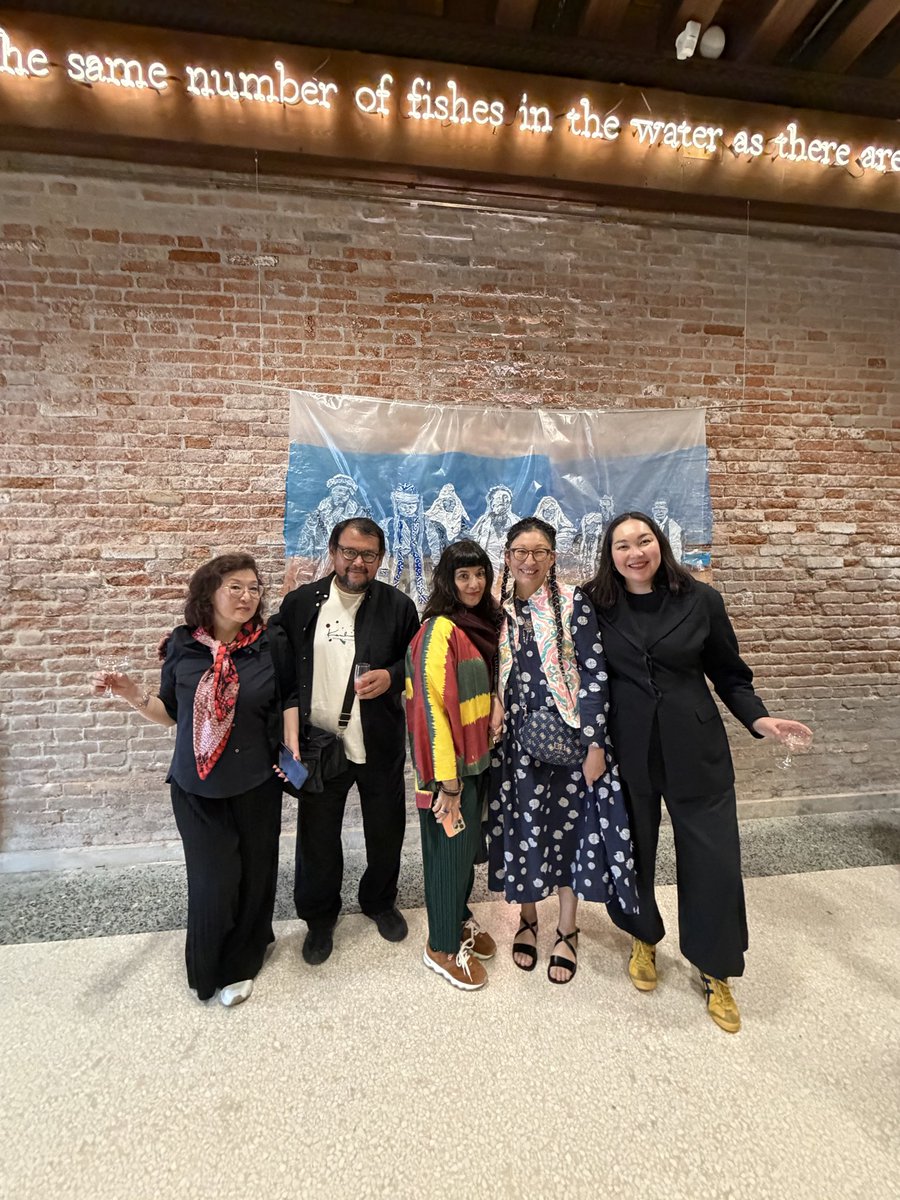
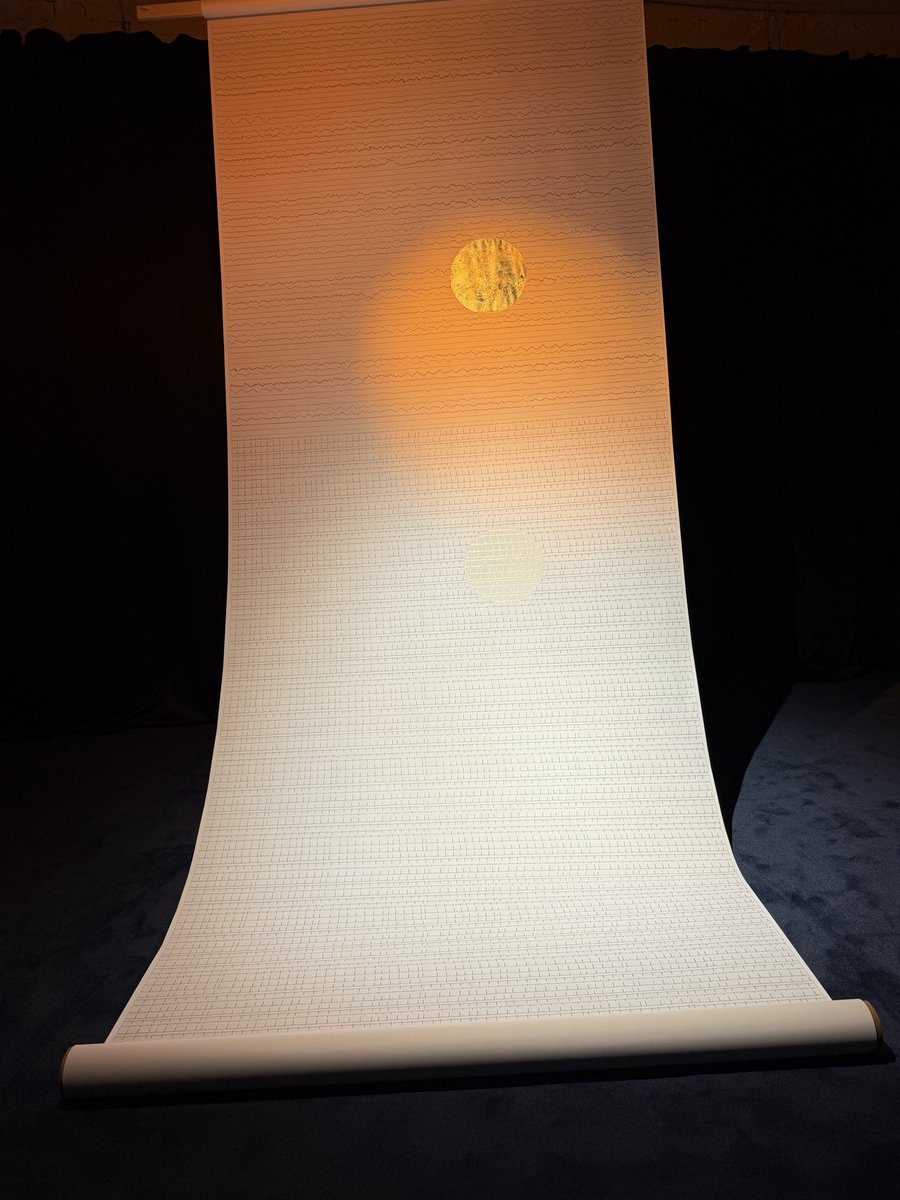
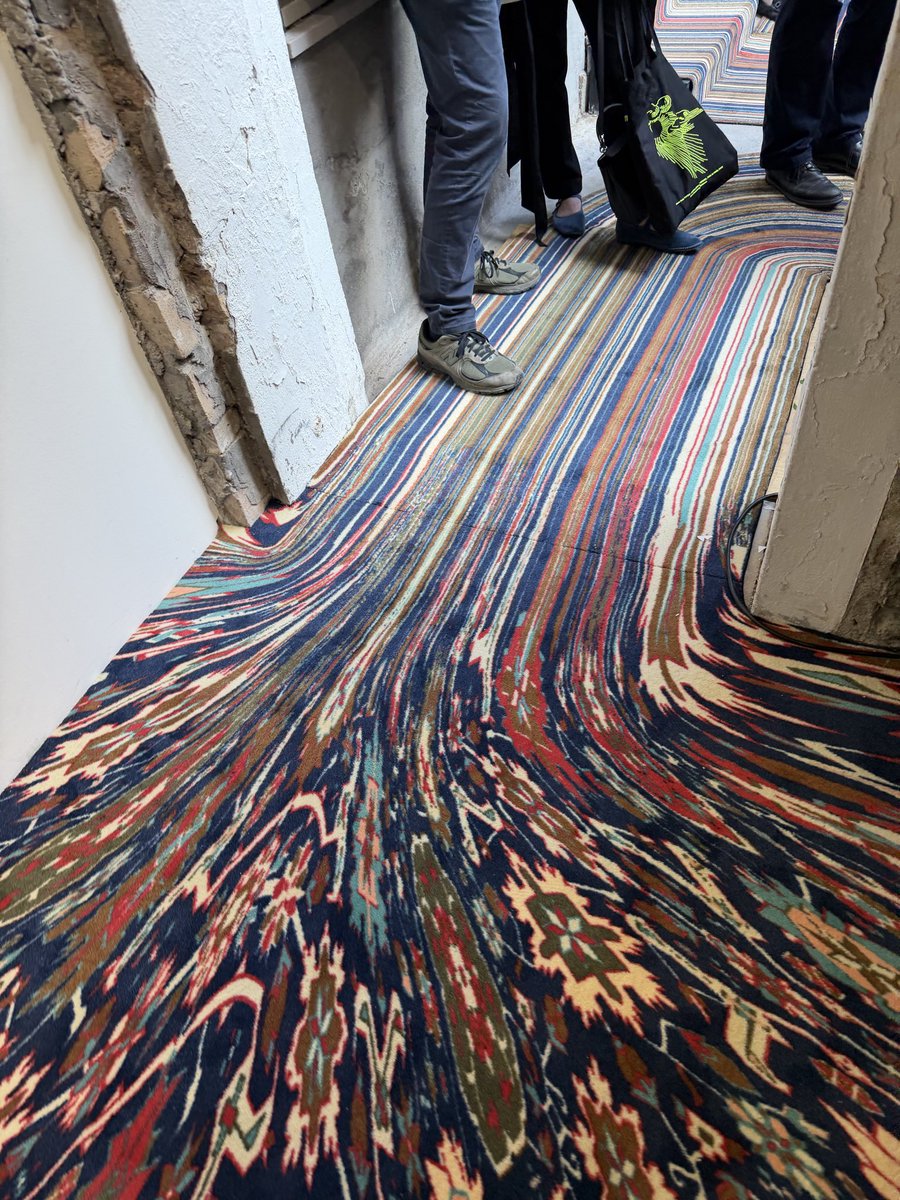
2
136
Congratulations @TomilaLankina ✊✊✊✊✊
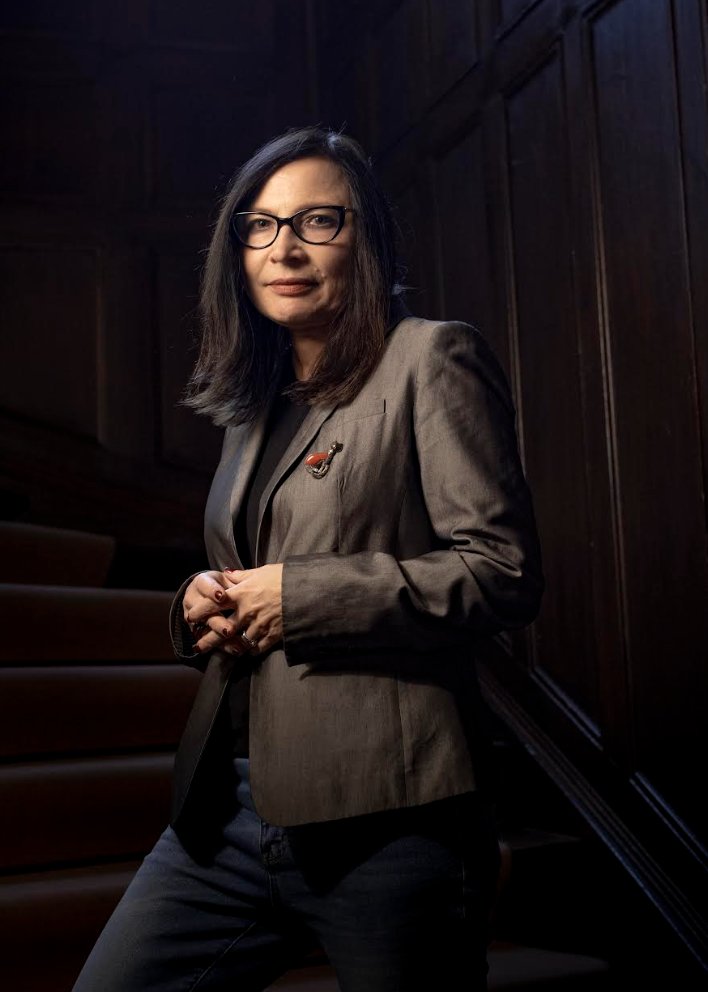
2) Meet our new Editor, Tomila Lankina:
“I’m excited about working with an outstanding team of Associate Editors and Editorial Board members to shape the field of Eastern European studies by editing the flagship journal.”
11
985
Dr. Diana T. Kudaibergen 🌻🍉 retweeted
May 2
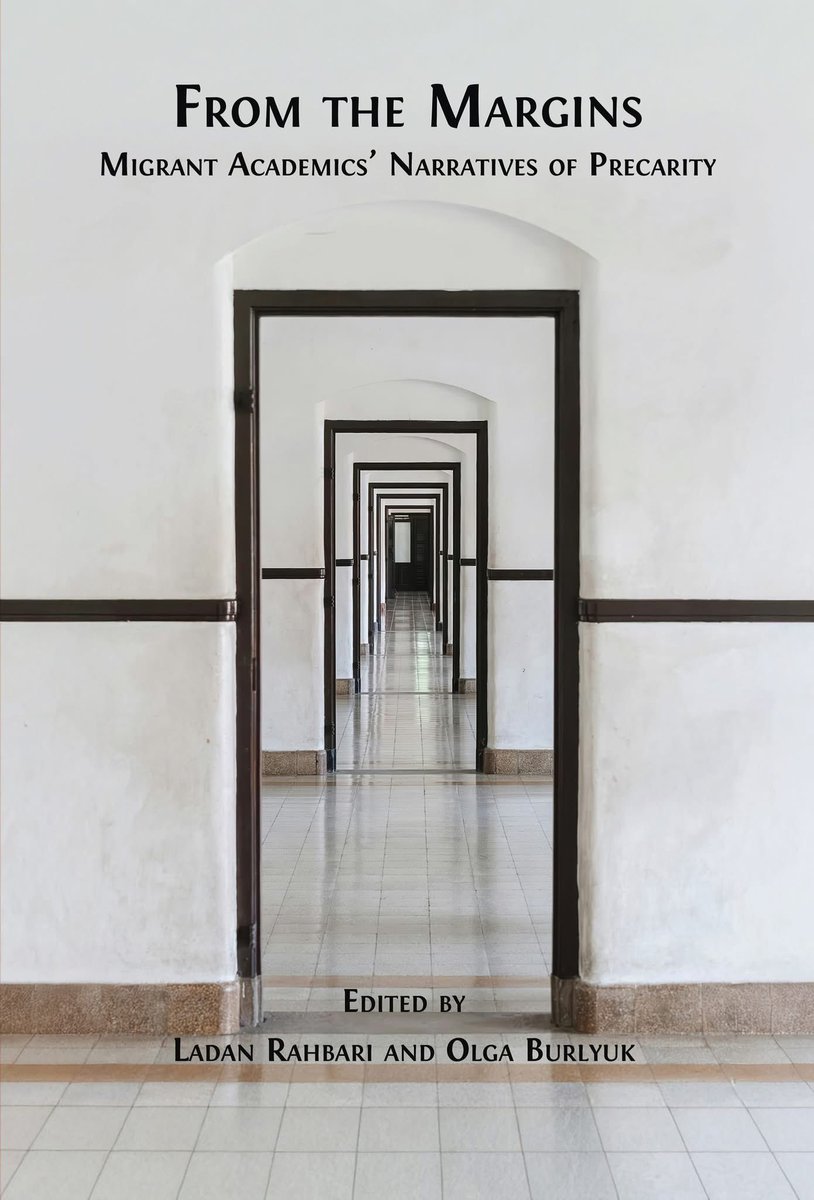
Amazing work @LadanRahbari & @OBurlyuk - another crucial volume, and so many perspectives! Glad to have been invited to share what it’s been like as an ‘East European scholar’ in various corners of Western academia, esp in an increasingly far-right Germany openbookpublishers.com/books…
12
40
2,108
Dr. Diana T. Kudaibergen 🌻🍉 retweeted
May 1
Magda’s my close friend. We studied, thought and wrote together. Years ago, I took part in the Zajel Youth Program in the West Bank. Now she is part of a flotilla bringing health supplies to Palestinians in besieged Gaza. She was abducted at sea. Free Magda, and free Palestinians
1
26
45
1,934
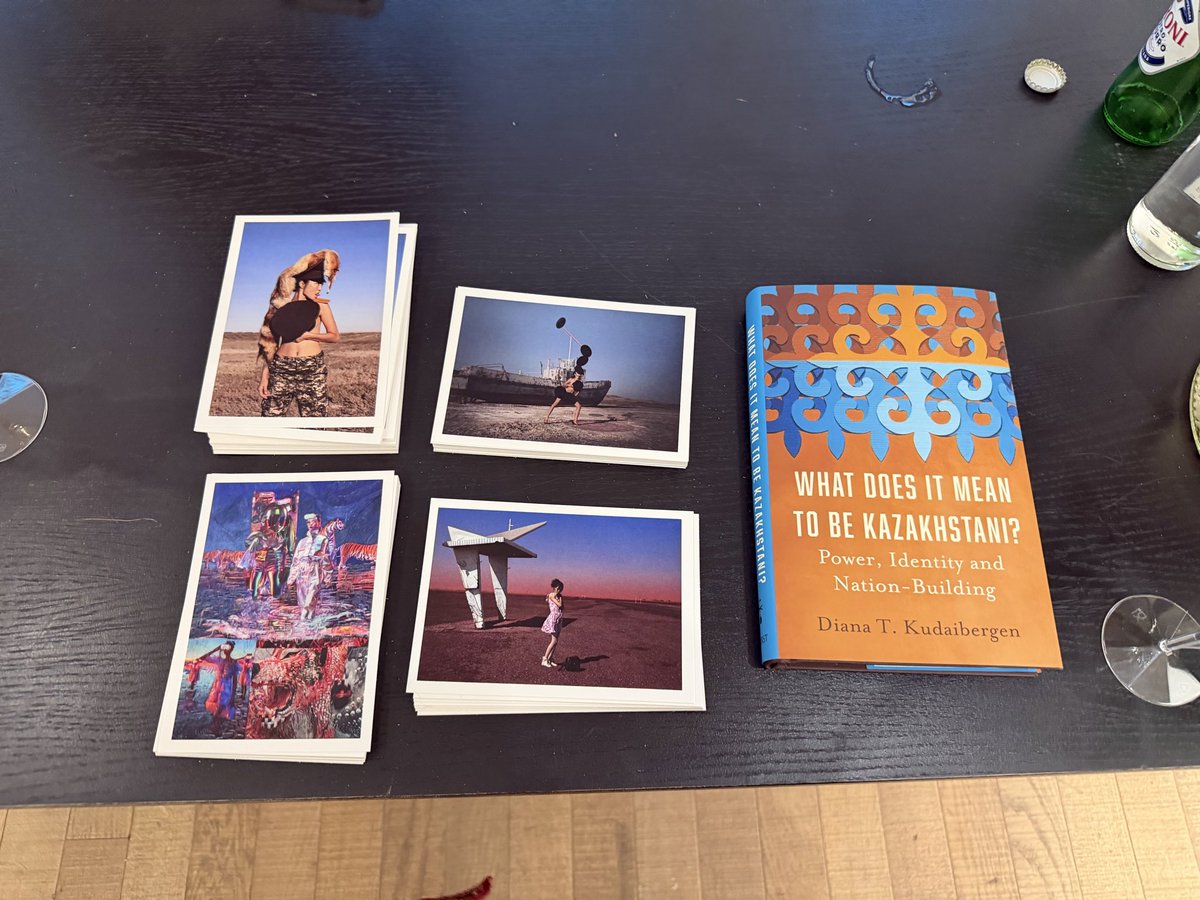
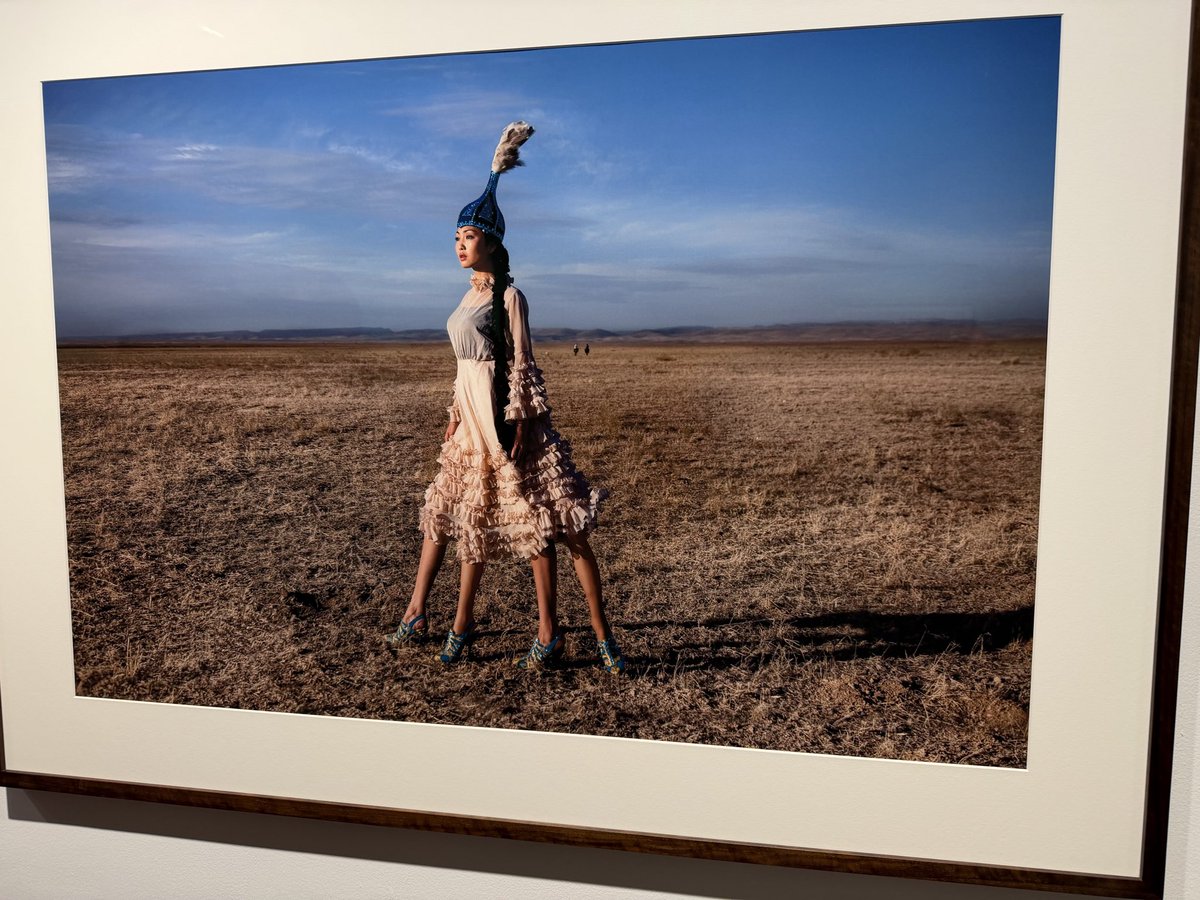
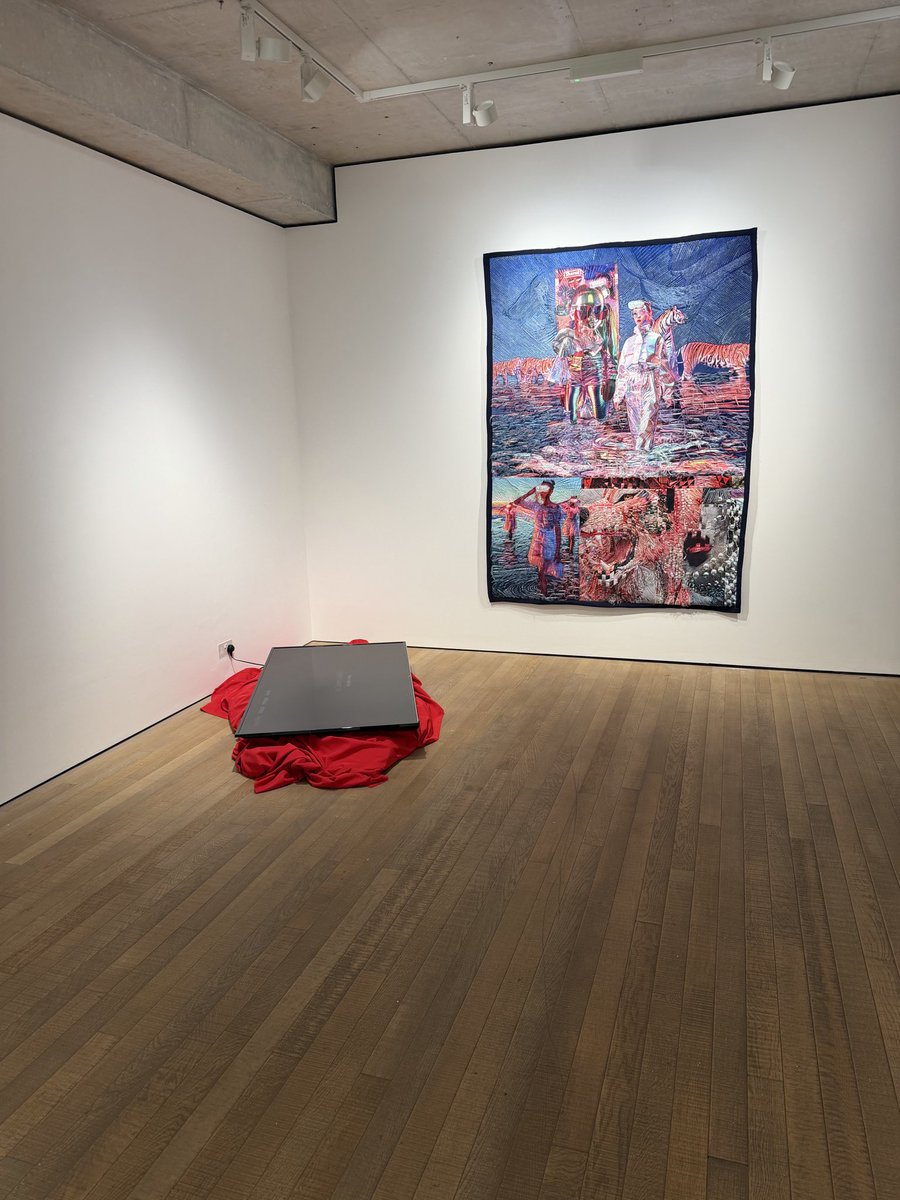
Almagul Menlibayeva exhibition also features these amazing postcards of her works and my latest book where I quote one of the precious interviews with her ❤️
1
1
10
507
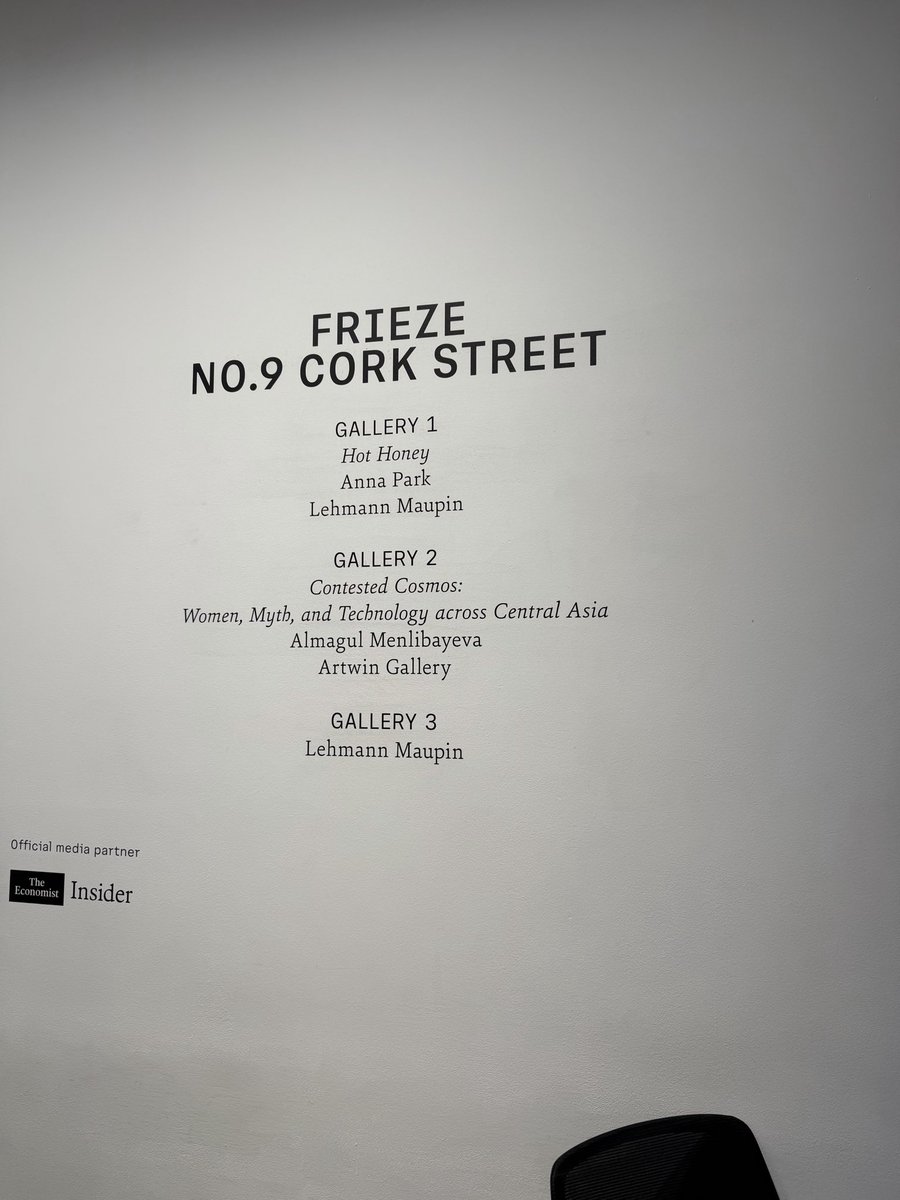
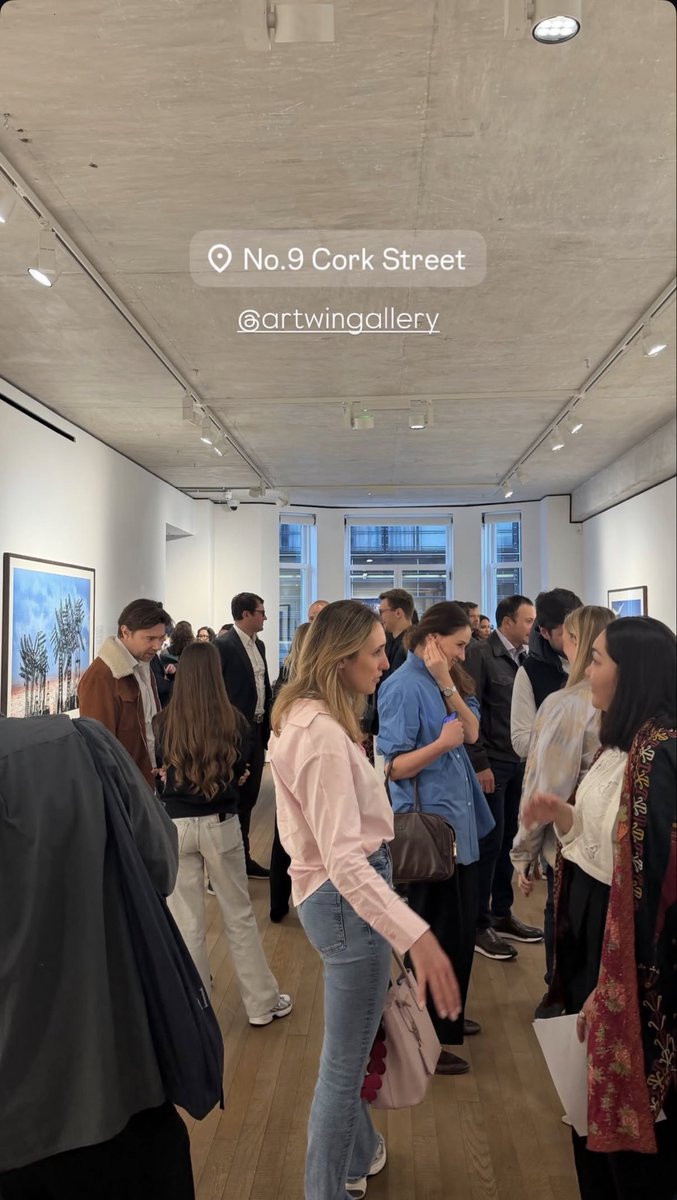
“Contested Cosmos: Women, Myth, and Technology across Central Asia” solo show by Qazaq artist Almagul Menlibayeva is now open! Come to No.9 Cork street to view it till the end of May. Special events with the artists are also planned mid-May.
3
6
465
Dr. Diana T. Kudaibergen 🌻🍉 retweeted

We at HREC are honored that Oleksandra Matviichuk, human rights activist and Nobel Peace Prize winner, has posted about our new course. Thank you, Oleksandra! x.com/avalaina/status/204993…
Apr 30

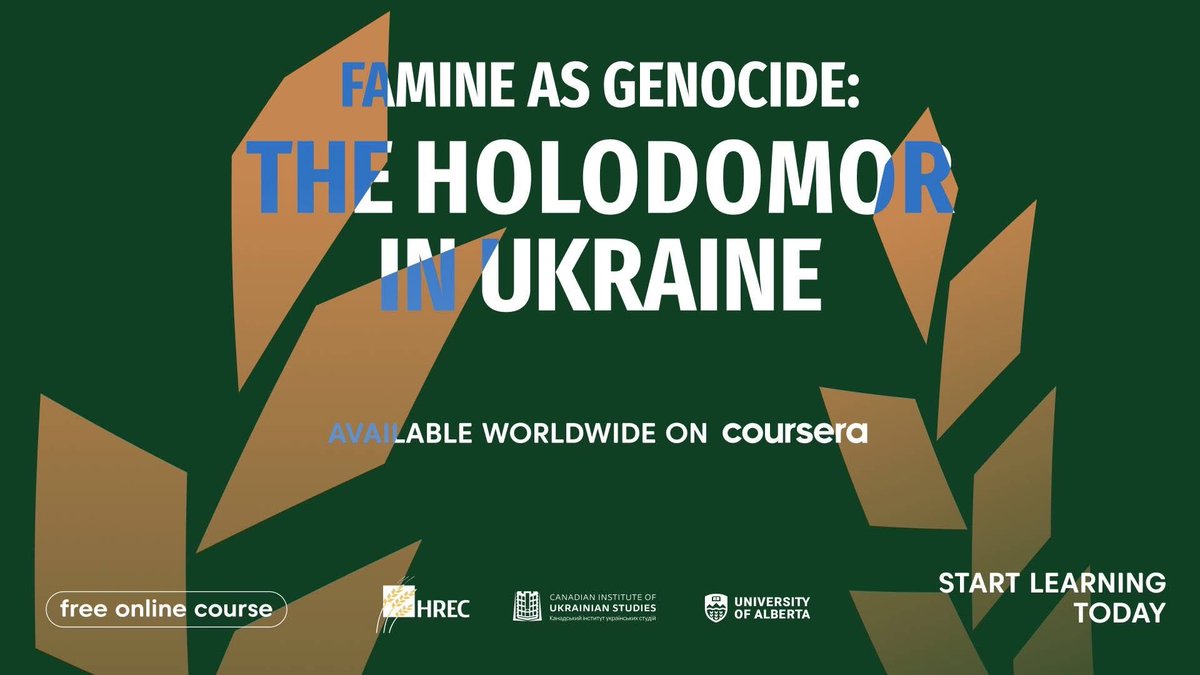
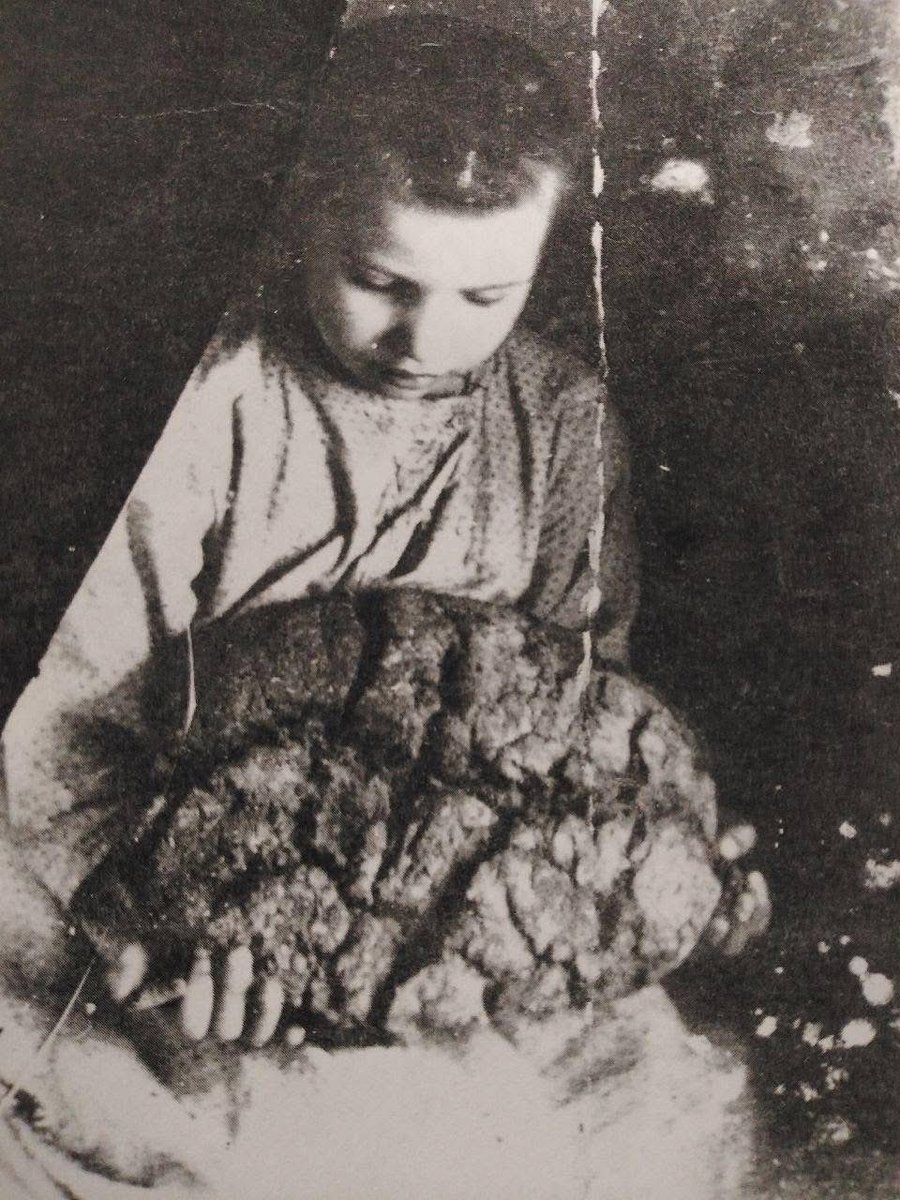
Coursera has launched a free international course entitled ‘Famine as Genocide: The Holodomor in Ukraine’. And this is, without exaggeration, a landmark event.
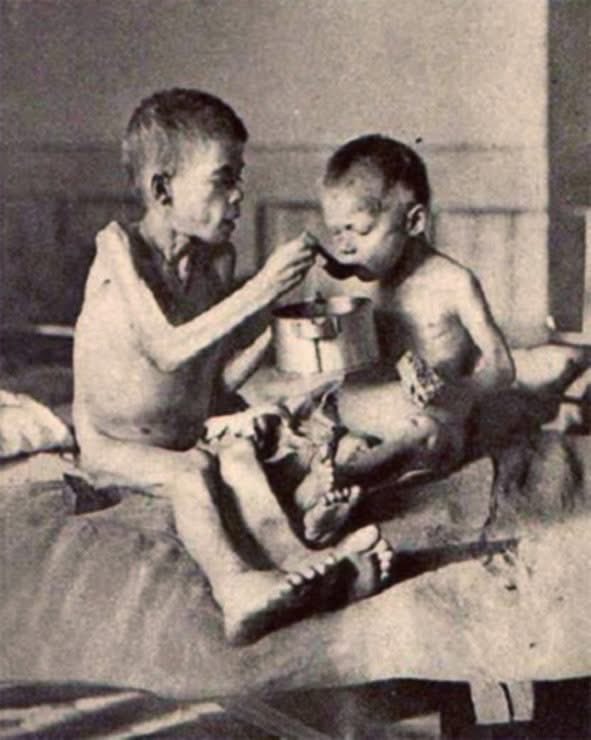
Not many people abroad know that in 1932–1933, an artificially organized famine raged in Ukraine. It was a deliberate policy of the Soviet authorities. Grain, livestock, foodstuffs, and every scrap of food they could find were forcibly seized from people’s homes. People were eating tree bark. Soon, adults and children, swollen from starvation, began to die a slow and terrible death. Historians still debate how many millions of people perished at that time.
Stalin used the famine as a weapon to crack down on Ukrainians, whom he saw as a threat. He wanted to turn Ukraine into a model Soviet republic. Therefore, alongside the artificial famine to subdue the Ukrainian countryside, he launched large-scale repressions against Ukrainian communists and officials whom he considered insufficiently loyal. It was then that the killings and torture of Ukrainian artists, scientists, musicians, and writers began. Raphael Lemkin, who coined the term ‘genocide’, later described the events in Ukraine as a ‘classic example of Soviet genocide’.
Interestingly, whilst 27-year-old journalist Gareth Jones was attempting to draw the world’s attention to the horror unfolding in Ukraine, New York Times correspondent Walter Duranty—who had won a Pulitzer Prize for his complimentary reports on the Soviet Union and was living a lavish life in Moscow— began writing in leading media outlets that there was no famine and subjected his young colleague to scathing criticism.
History is repeating itself. Putin, who claims that there is no Ukrainian nation, just as there is no Ukrainian language or culture, continues the very same genocidal policy.
So, to better understand the reasons behind Russia’s aggression against Ukraine, I highly recommend taking this course: coursera.org/learn/holodomor
11
29
942
Dr. Diana T. Kudaibergen 🌻🍉 retweeted

Apr 29
The True Size of Kazakhstan 🇰🇿
30
55
569
85,091
Dr. Diana T. Kudaibergen 🌻🍉 retweeted
Apr 27
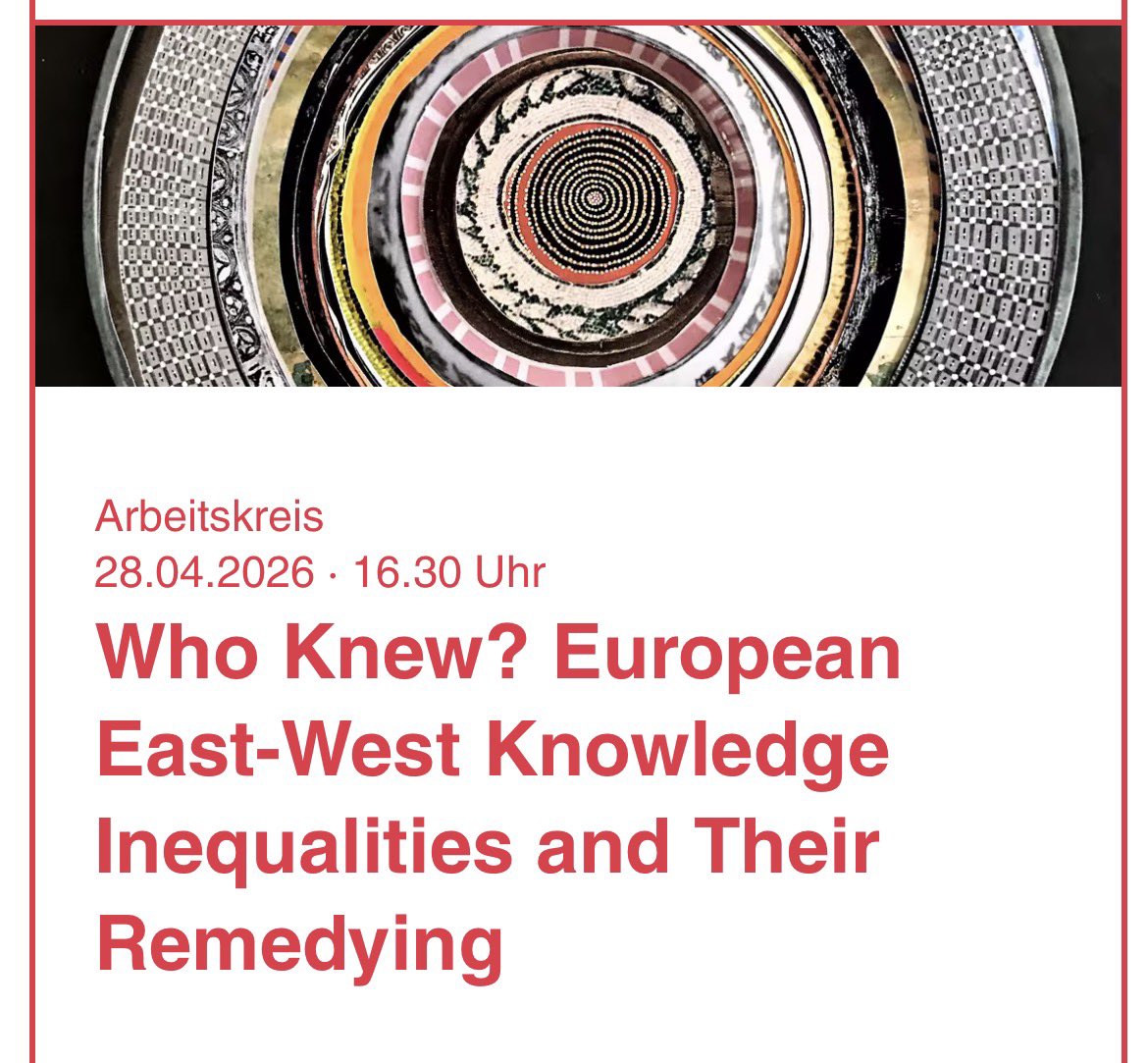
Many thanks to @Zaaliko for the kind invitation: if you happen to be in Berlin, join us for the next seminar of the working group for Semi-Peripheral Theory. I’ll be talking about European East-West knowledge inequalities and the need for their remedying
zfl-berlin.org/veranstaltung…
7
23
796
Dr. Diana T. Kudaibergen 🌻🍉 retweeted

💁♂️If you are interested in my PhD dissertation, I have recently published its review on Central Asian Affairs at: doi.org/10.30965/22142290-bj…
Many thanks to @CreativeCorazon @sofyaduboulay for making this opportunity to share about my research with disabled people in #Uzbekistan.
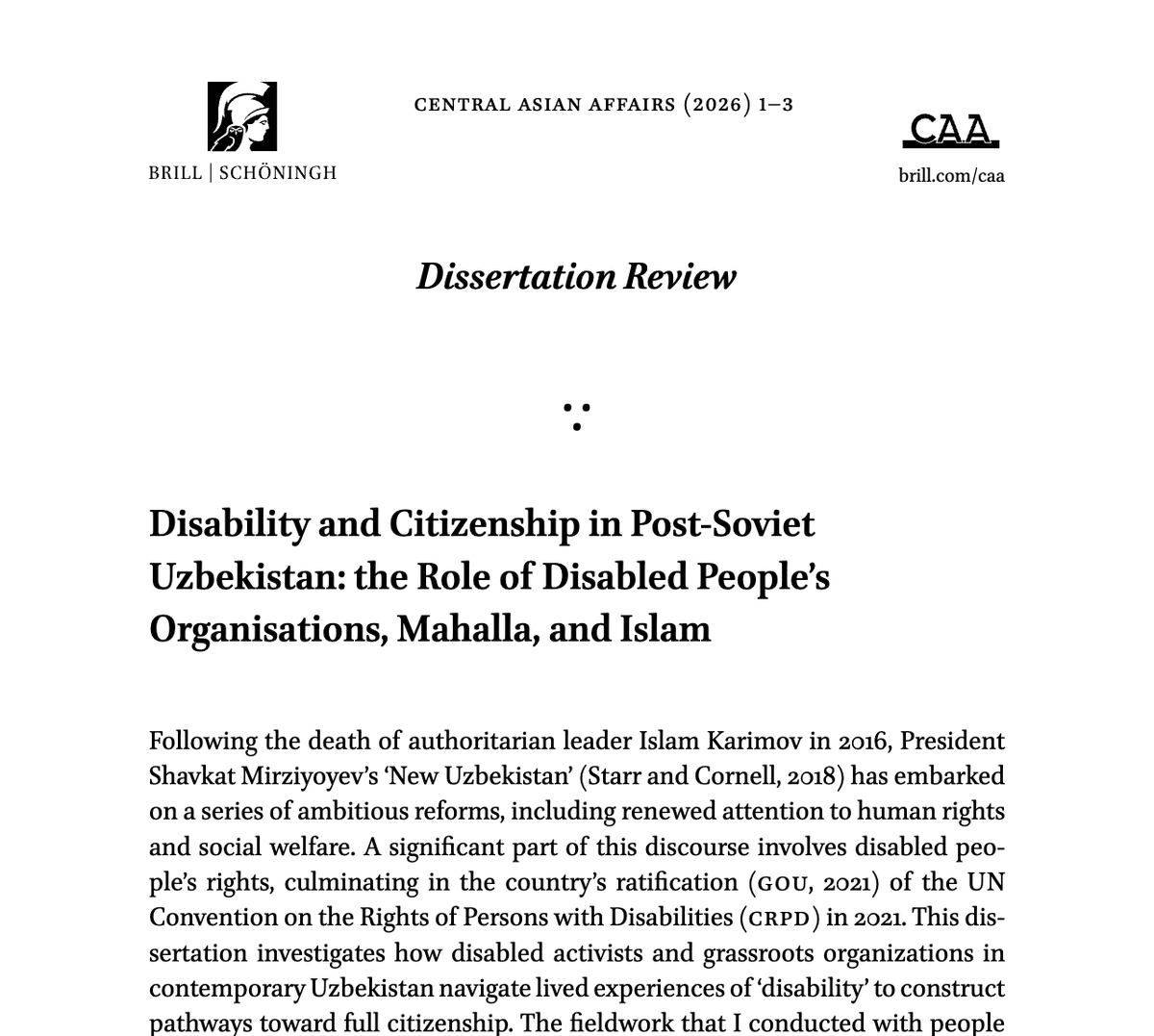
ALT A screenshot of the publication main page.
1
7
14
1,247
Dr. Diana T. Kudaibergen 🌻🍉 retweeted

I spoke at @ChathamHouse on the question of Ukraine’s cultural identity and why its protection is key to a durable peace.
You can watch the full recording here: youtube.com/watch?v=IAmk4m85… @CHUkraineForum
4
39
143
3,850
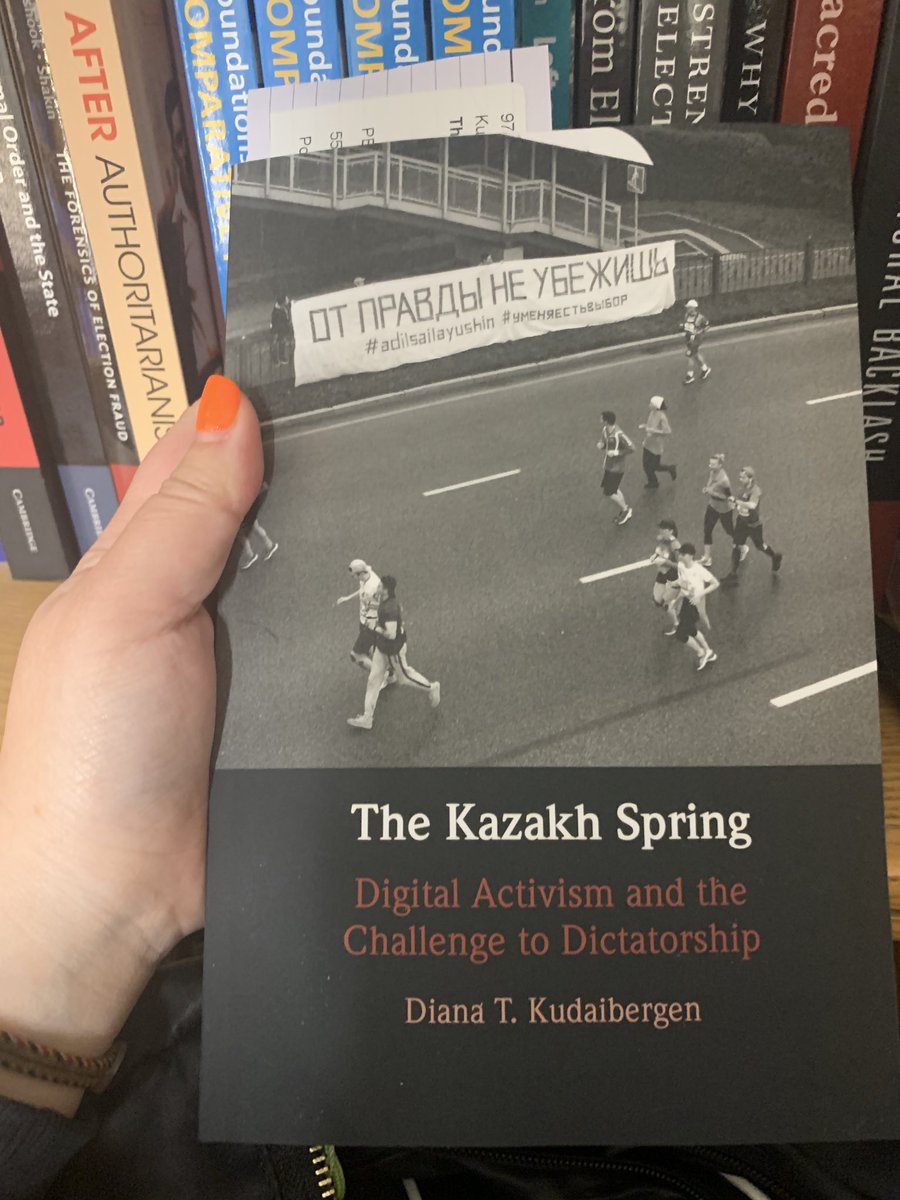
The Kazakh Spring is the 2026 BASEEES Alexander Nove Prize winner for the best book in Russian, Soviet and Post-Soviet studies!
Thank you!
basees.org/nove-prize
10
18
111
11,627
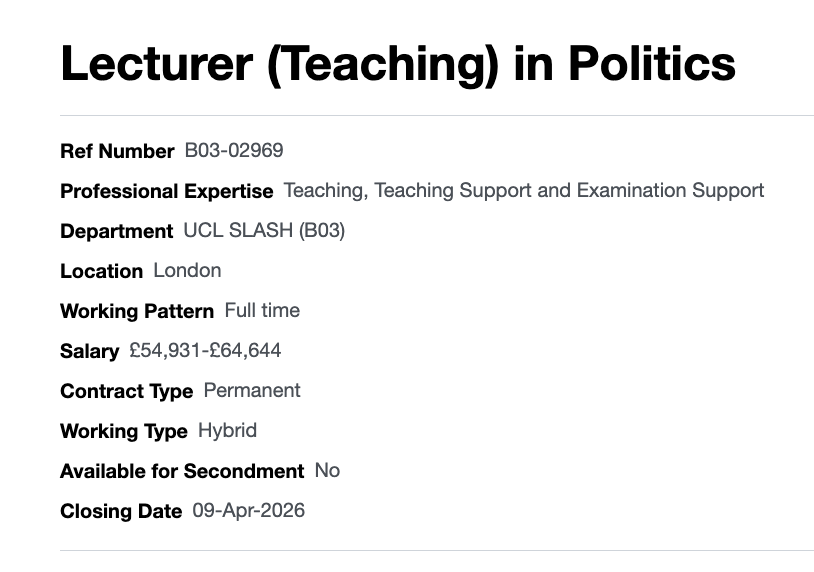
Come work with us! @UCLSSEES

1
576

📢 MSCA Postdoctoral Fellowships. Tallinn University’s School of Humanities invites researchers to apply for the MSCA Postdoctoral Fellowship with a 5-day hands-on training in Tallinn (travel & accommodation covered). 📌 Deadline: 31 March 2026. buff.ly/efkpdPu
1
25
77
9,635