
Technical consulting for coding, predictive analytics, and optimization. Focused on public sector applications, mostly with police departments.
Joined August 2024
- Tweets 1,227
- Following 311
- Followers 219
- Likes 1,952
307 Photos and videos





Pinned Tweet

May 17
Anthropic has AI architect roles that are focused on Federal, State, and Local government.
I think these are good positions -- I would like gov to invest in more in house capabilities to do these things as well.
For current students and professors, the skills to get this job (listed at $240 - $345k in NYC for this particular advert), is fundamentally what my book, Large Language Models for Mortals: A Practical Guide for Analysts with Python, is about.
This thread is a tech skills needed for a modern LLM stack focused AI engineer.


1
1
4
399
So I wrote this before I knew that it was reps at AWS that asked for the models to be turned off.
Which just reinforces that this will ultimately be a potential solution.
Jun 13

Anthropic should turn on Fable for AWS govcloud accounts.
1
56
Jun 13
Just as an FYI to anyone sad about Anthropic, Antigravity IDE has plenty of free credits (I toggled this, did a ton of work, and did not even tick off a single credit, honestly it may be a glitch at the moment).
1
74
Jun 13
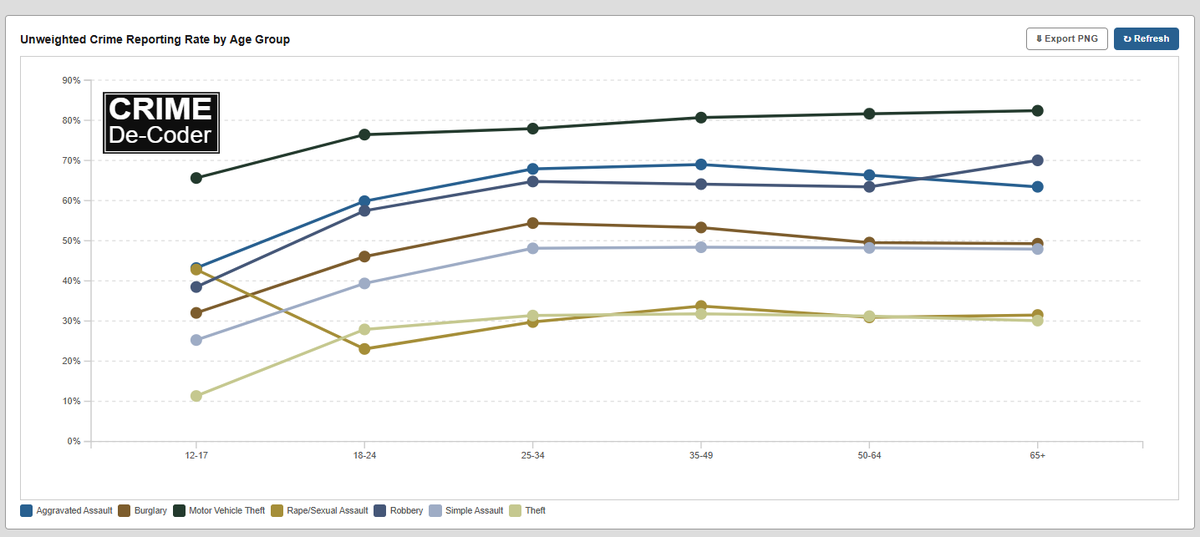
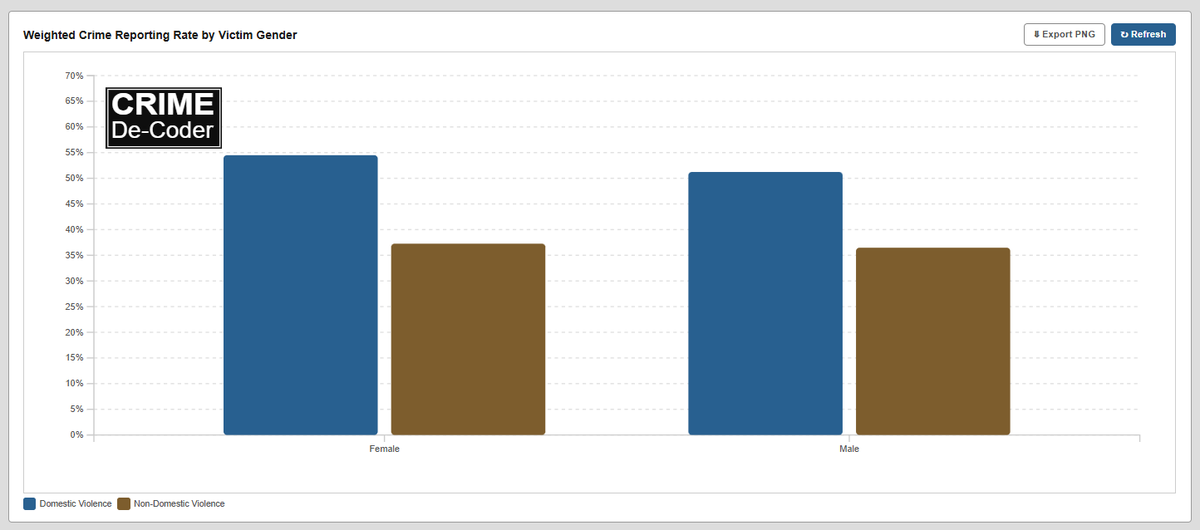
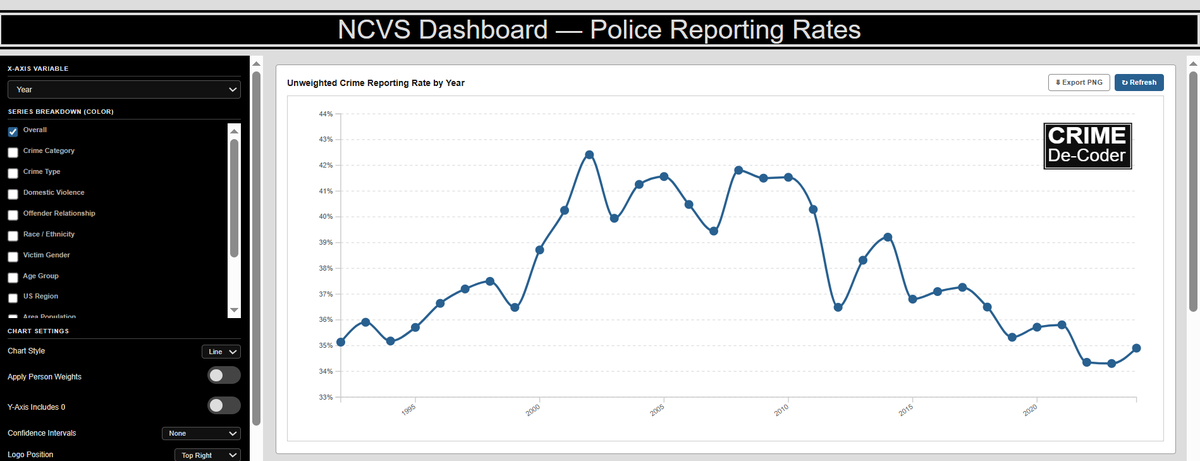
Weekend project alpha release -- this is a dashboard to look at trends for reporting crime in the US (via the National Crime Victimization Survey)
crimede-coder.com/graphs/ncv…
Let me know what you think!
52
Jun 12
For a counter-point, andrewpwheeler.com/2025/02/2…
Jun 11

LinkedIn was already slop. All that's changed is that it's now AI slop.
1
124
Jun 12
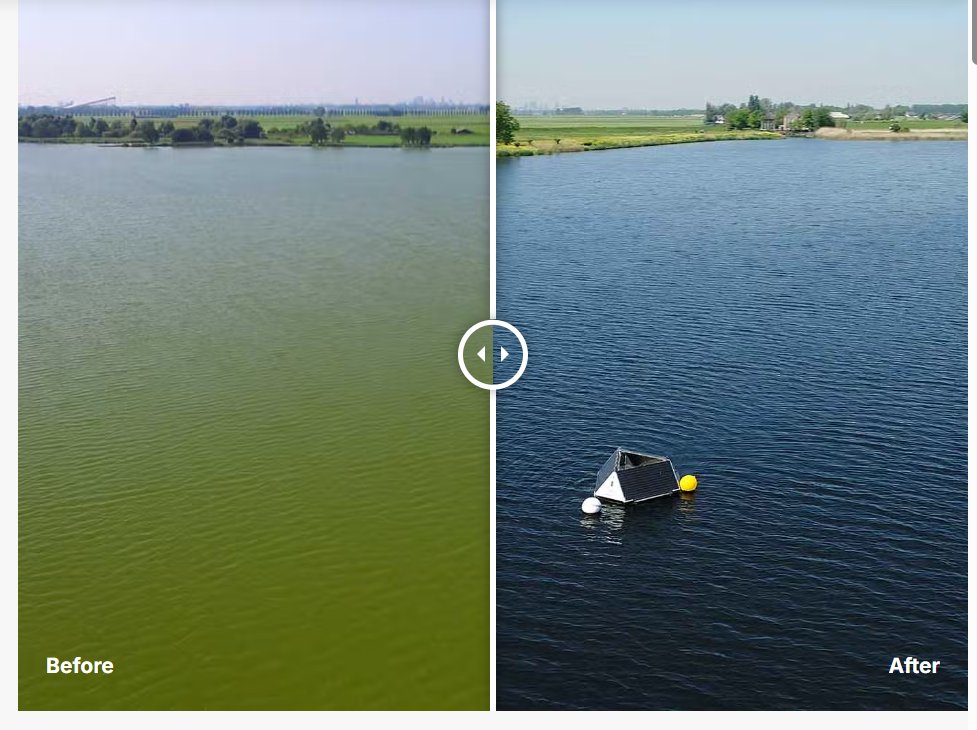
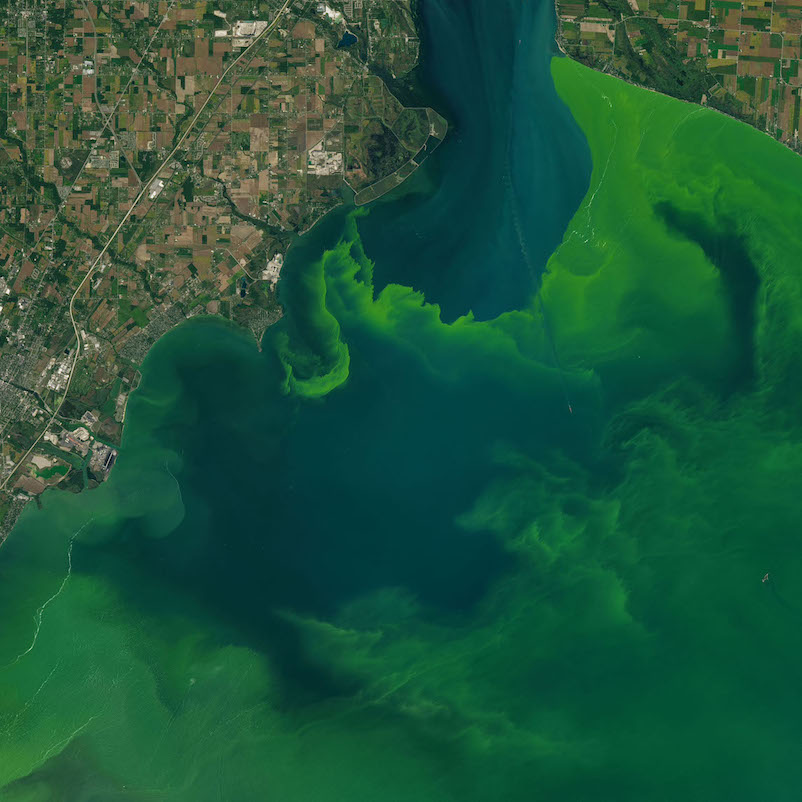
Some nerd notes on algae (inspired by the recent algae in the reflecting pool notes I see in the timeline).
The algae that sit at the top of the water (cyanobacteria) are bad for multiple reasons. They tend to kill other flora and fauna in the water sources, and emit greenhouse gases. It is a problem in natural water sources as well, in particular ones around farming areas that have sources of nitrogen.
So I do not know the filtration with the reflecting pool, but there are non-chemical solutions. One solution is to use ultrasonic frequency to kill the algae. There are commercial products available now for this.
The other I am familiar with (which makes more sense for natural areas) are to basically seed the pool with good bacteria (diatoms) that sink and do not cause the toxic blooms. They compete and eat up the food, so the bad bacteria cannot take root.
2
1
157
Jun 12
Links,
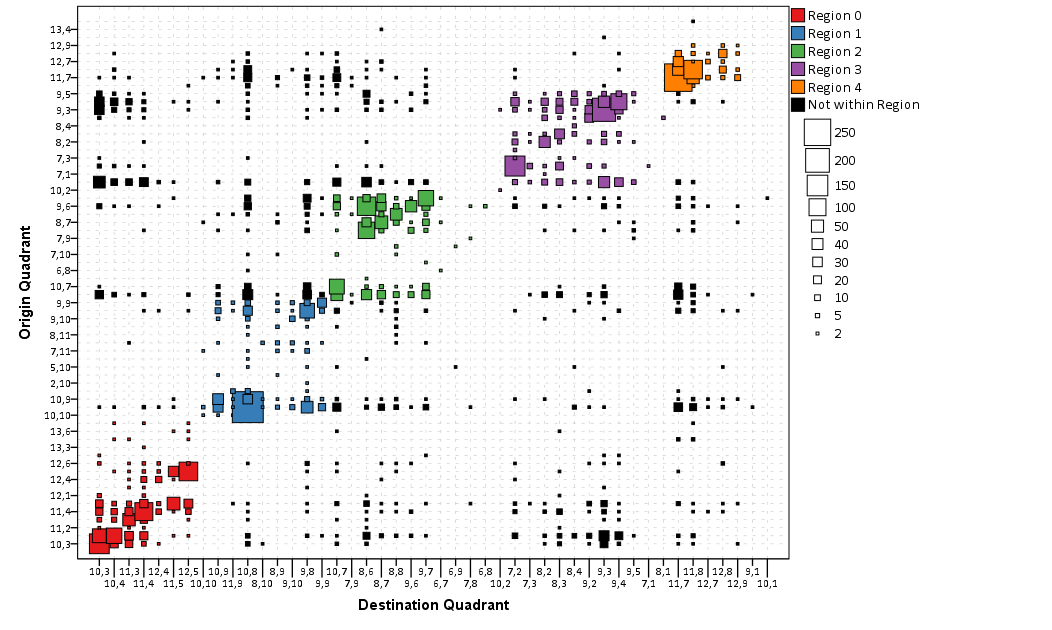
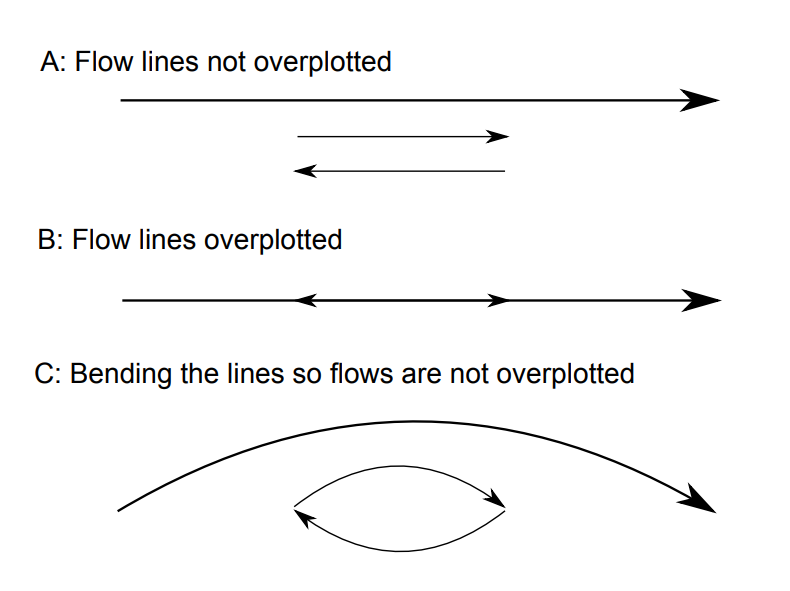
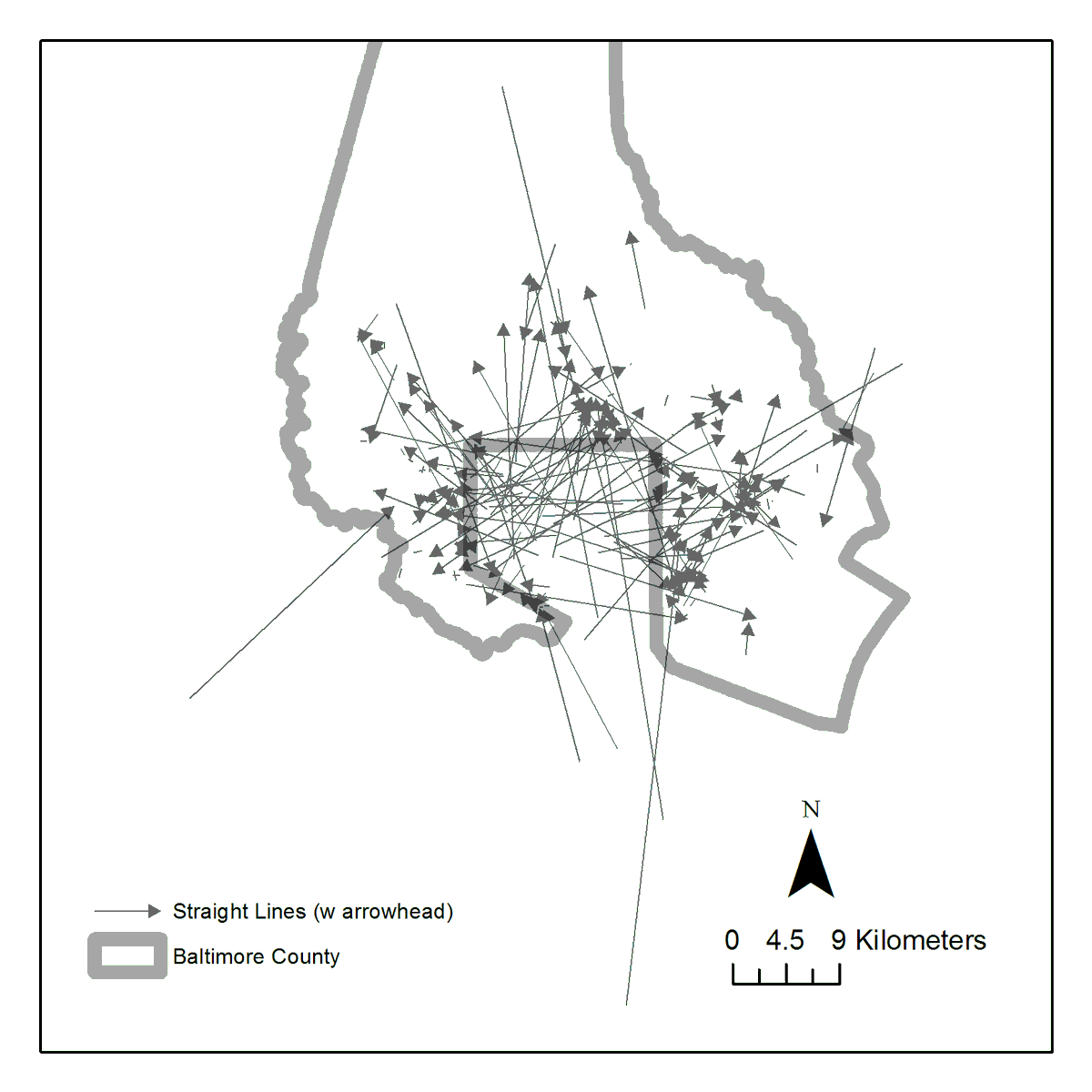
Image credit from the algae bloom prediction competition I won (via Data Driven), drivendata.org/competitions/…
Daniel Neetzel was the one working on good algae, liquidtrees.org/about
One commercial product to kill the algae, lgsonic.com/ultrasonic-algae… (not affiliated, just one example)
77
Andy Wheeler retweeted
Jun 10
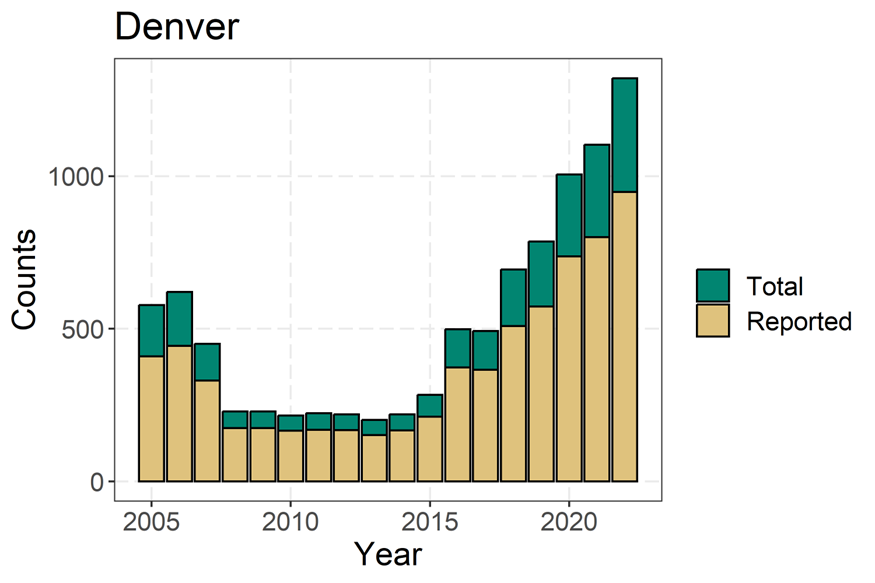
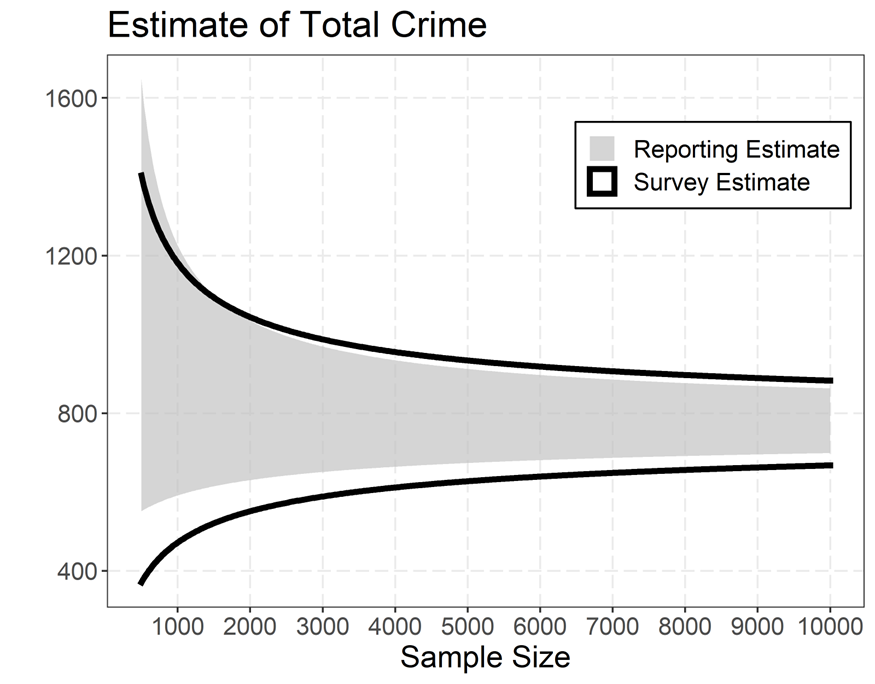
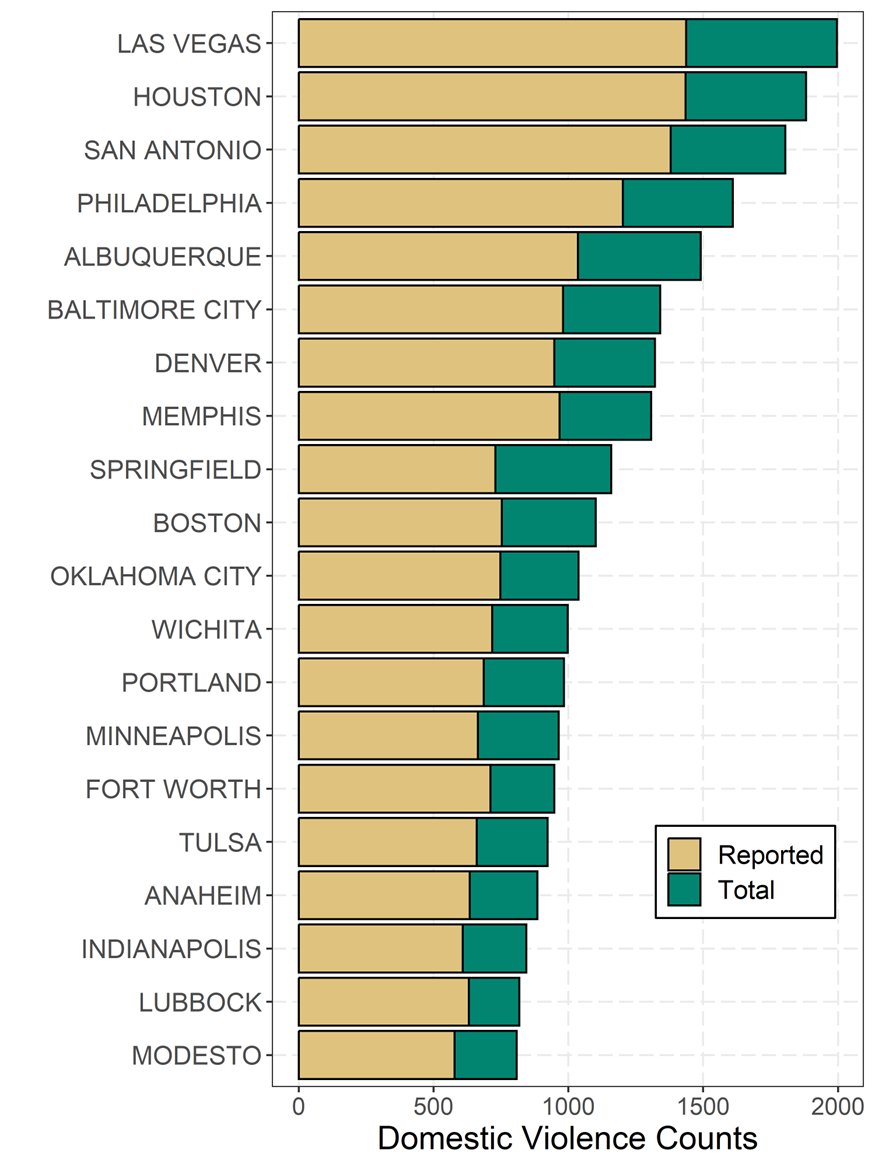
We know that not all crimes are reported, so I presented one way to adjust reported crime estimates given this undercounting.
If you have a crime reporting rate of 50%, and you observe 100 crimes, the up-adjusted number of crimes is 200.
In a paper with Alex Piquero, I extend this to show up-adjusted estimates of serious domestic violence combining NIBRS and NCVS.
1
1
3
121
Jun 10
We know that not all crimes are reported, so I presented one way to adjust reported crime estimates given this undercounting.
If you have a crime reporting rate of 50%, and you observe 100 crimes, the up-adjusted number of crimes is 200.
In a paper with Alex Piquero, I extend this to show up-adjusted estimates of serious domestic violence combining NIBRS and NCVS.
1
1
3
121
Jun 10
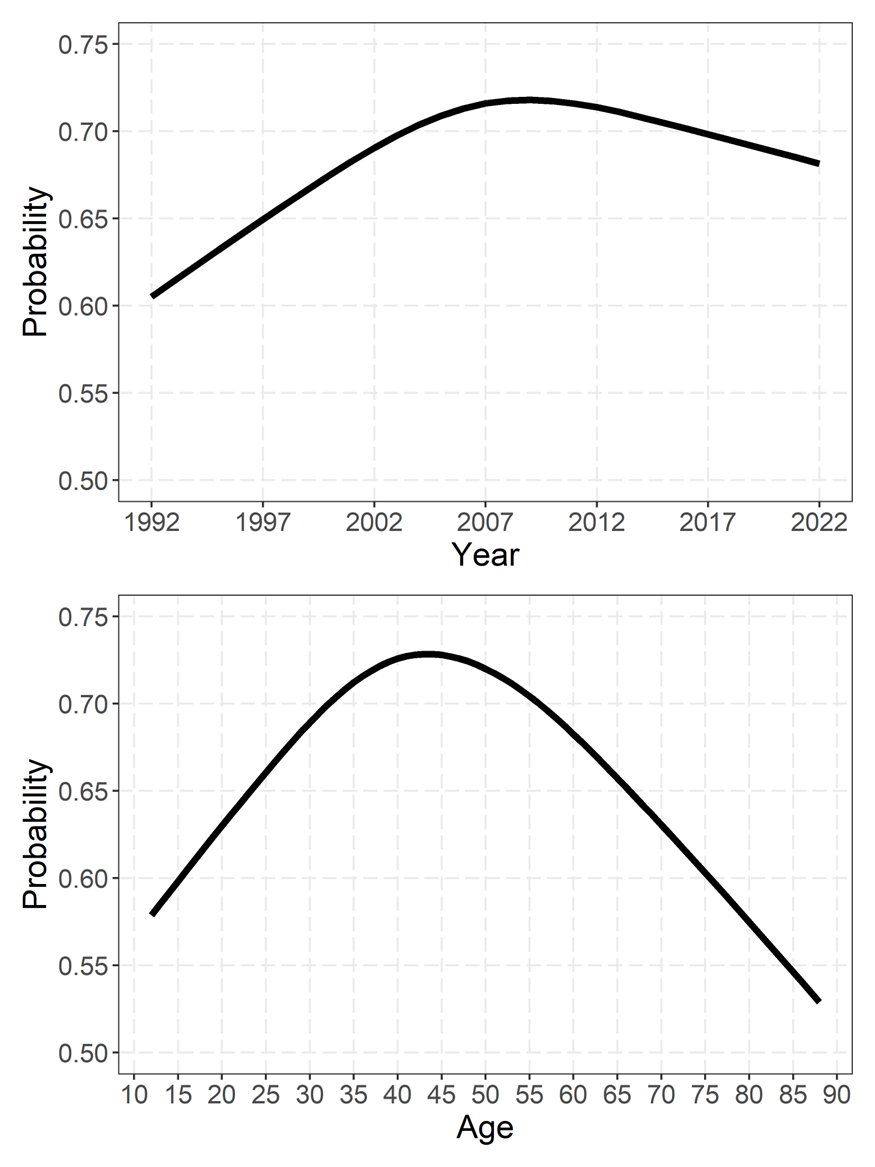
The biggest critique of this work is it begs the question of whether the NCVS estimate can be applied to micro places based on demographics.
E.g. can the nationwide sample approximate the reporting rate for any city (or even smaller neighborhood).
I think that is likely yes, but it is an empirical question.
1
28
Jun 10
This was published in Crime & Delinquency, journals.sagepub.com/doi/abs…
Curious to see it applied for more crime types (pooling reporting rates in NCVS I think is a good idea given the small N), as well as sub-city (nothing stopping you from doing this at the neighborhood level).
1
33
Jun 9
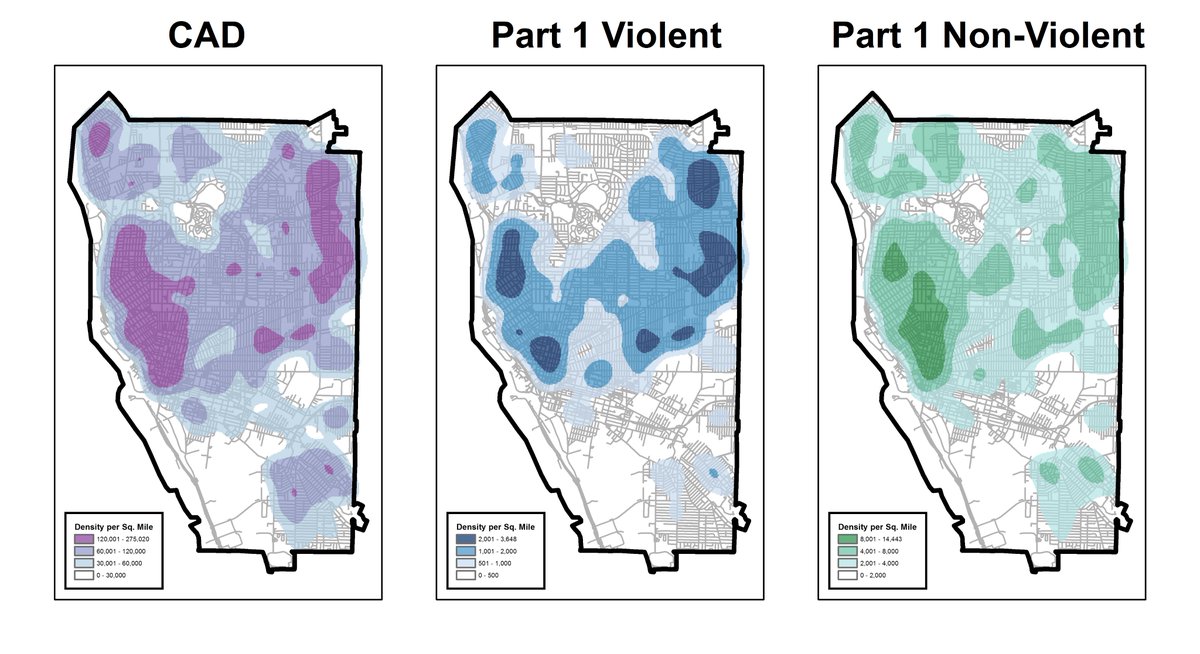
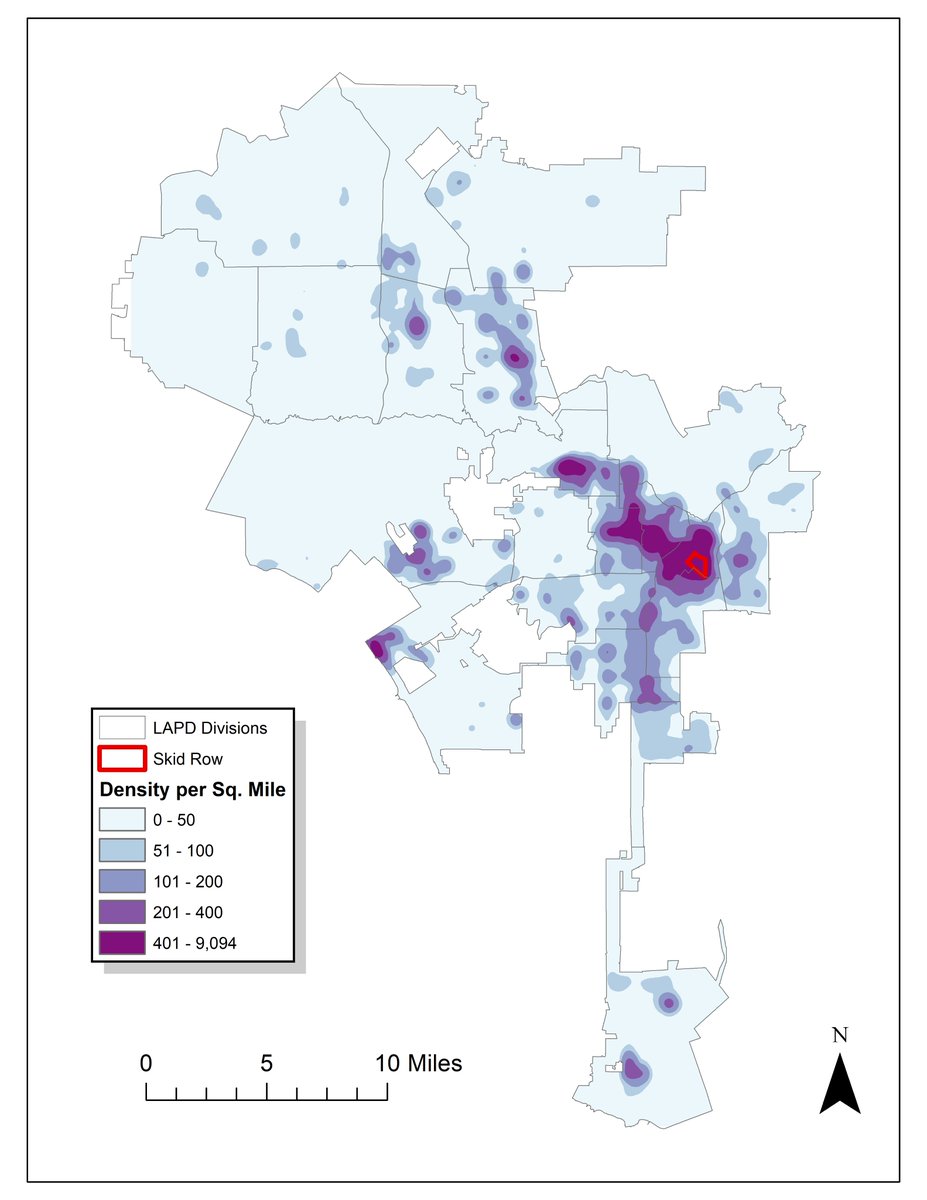
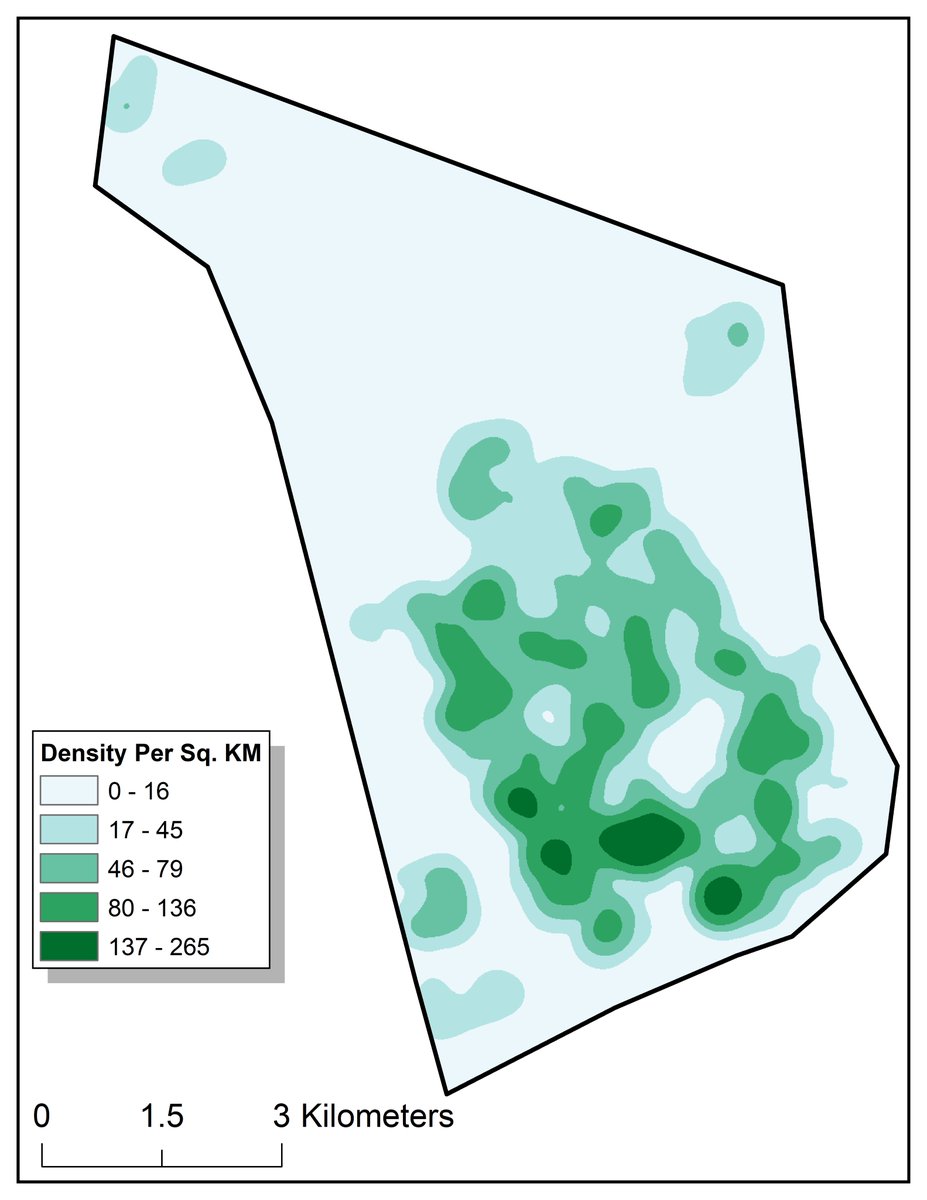
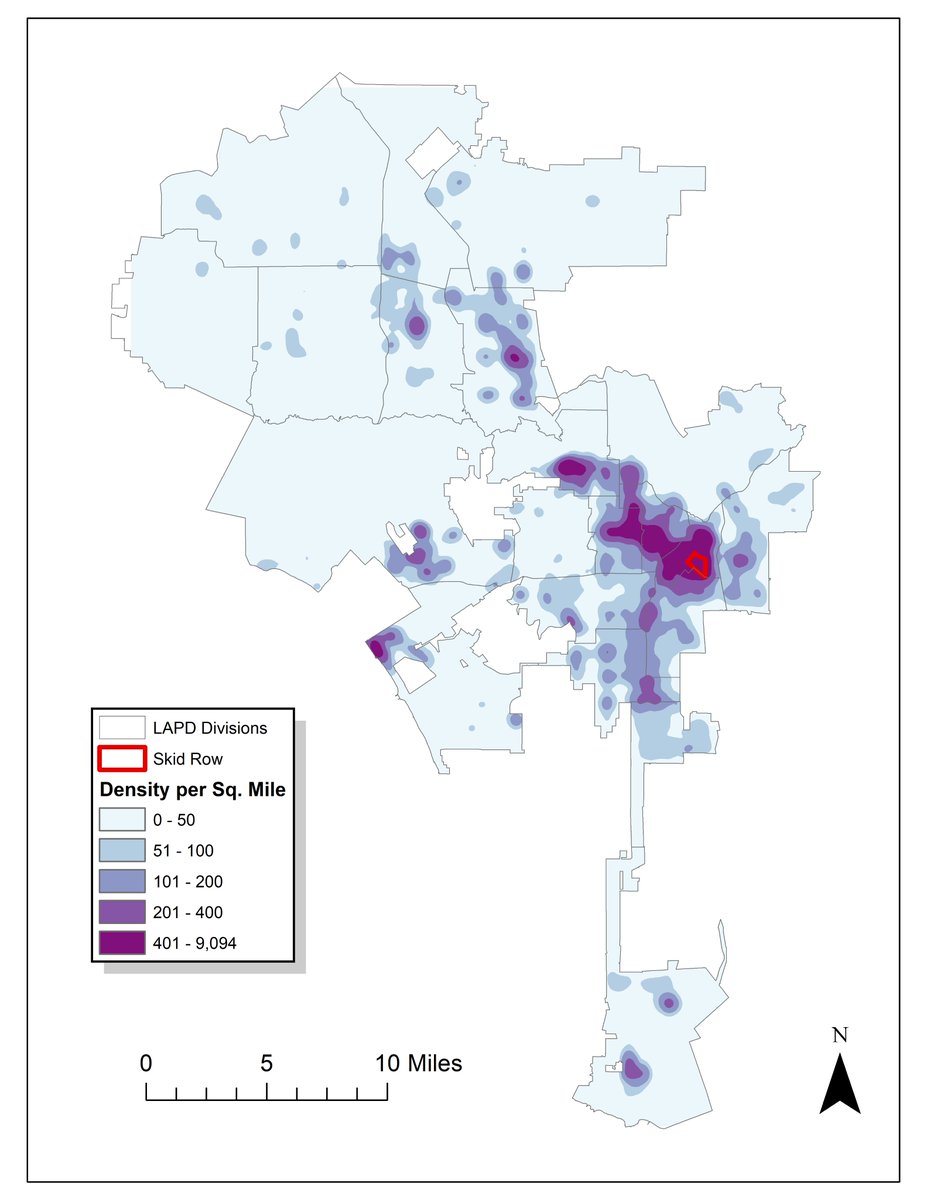
Use filled contours with discrete boundaries for kernel density maps/graphs. Continuous color ramps tend to look fuzzy.
36