
Joined August 2011
- Tweets 5,032
- Following 1,376
- Followers 3,917
- Likes 1,987
1,462 Photos and videos




Jun 11
Agricultural resilience is increasingly becoming a strategic priority as geopolitical disruptions expose the fragility of fertilizer-dependent food systems and globally concentrated supply chains.
Know more: reuters.com/sustainability/l…
#Agriculture #FoodSystems #FoodSecurity
15
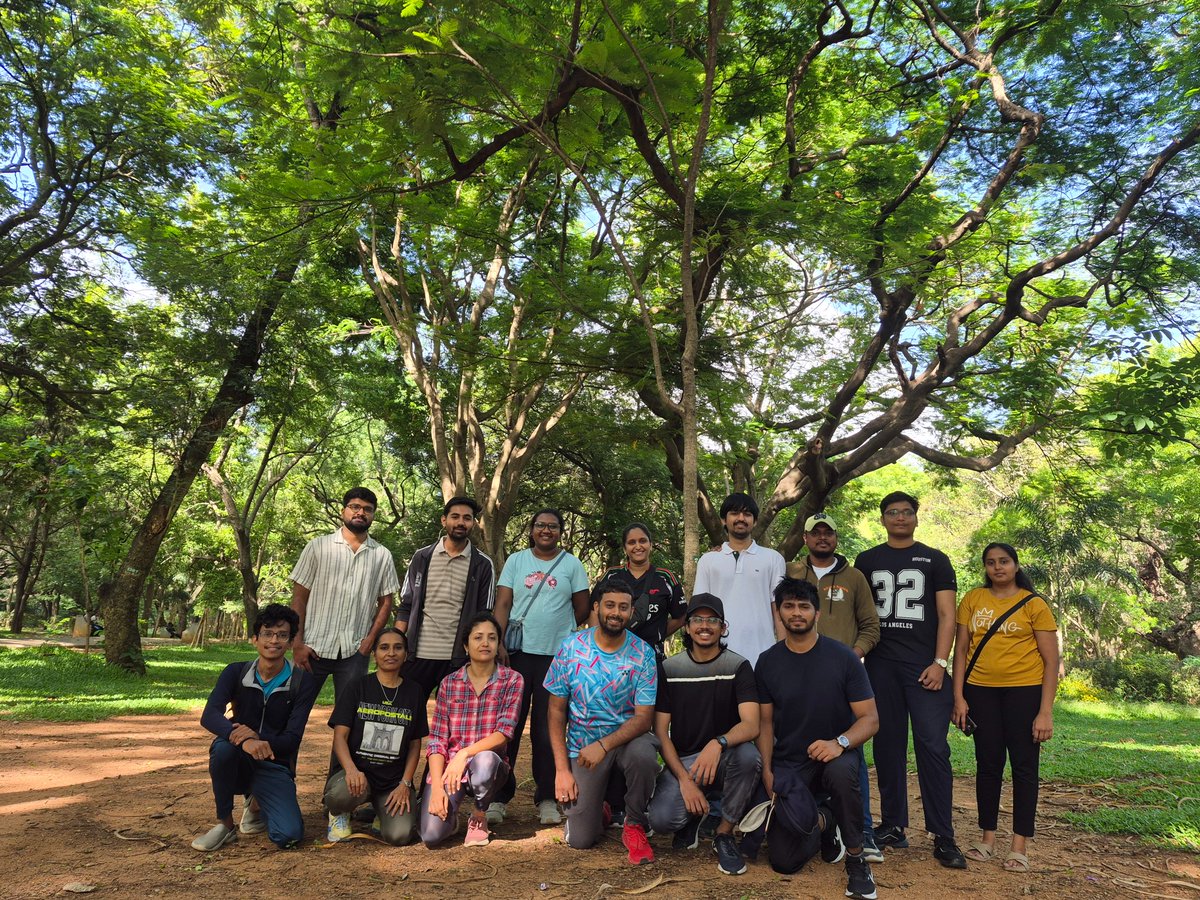
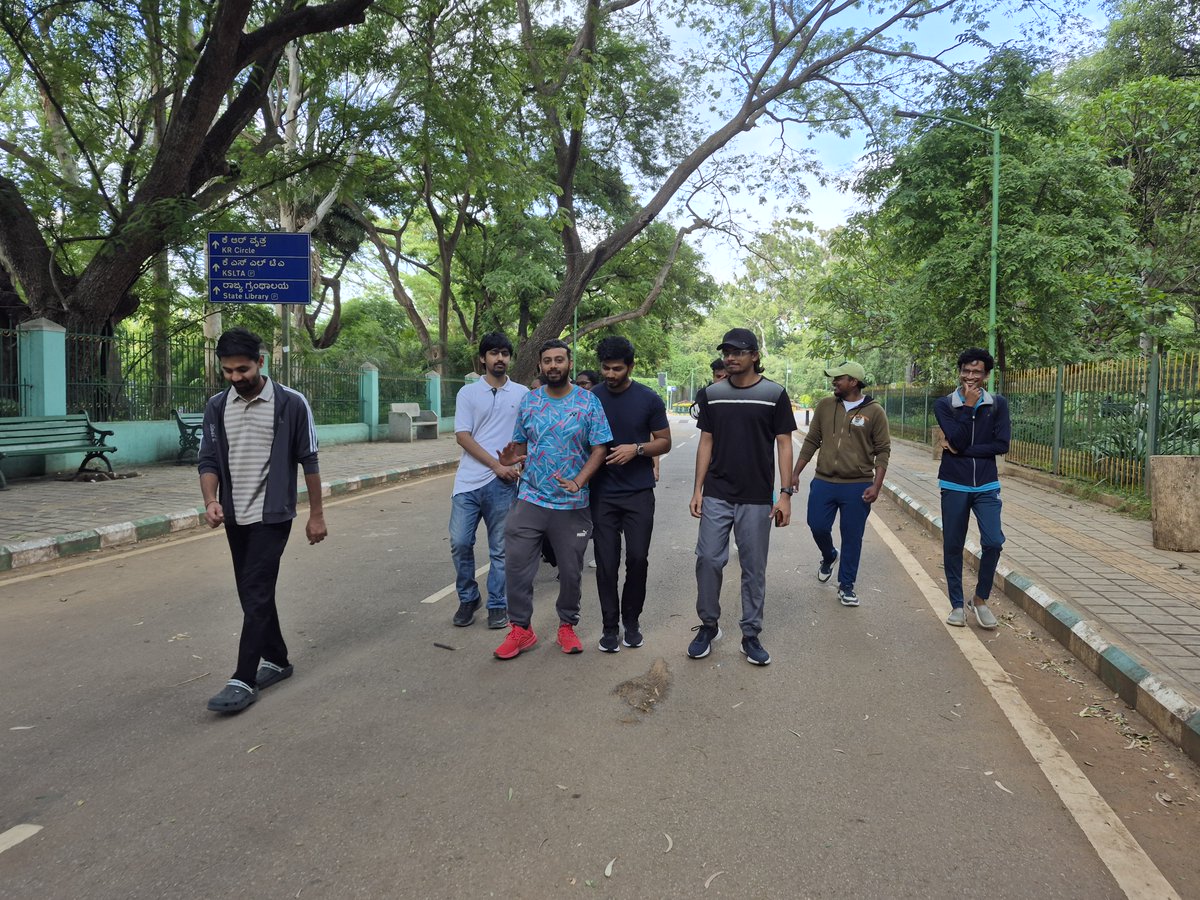
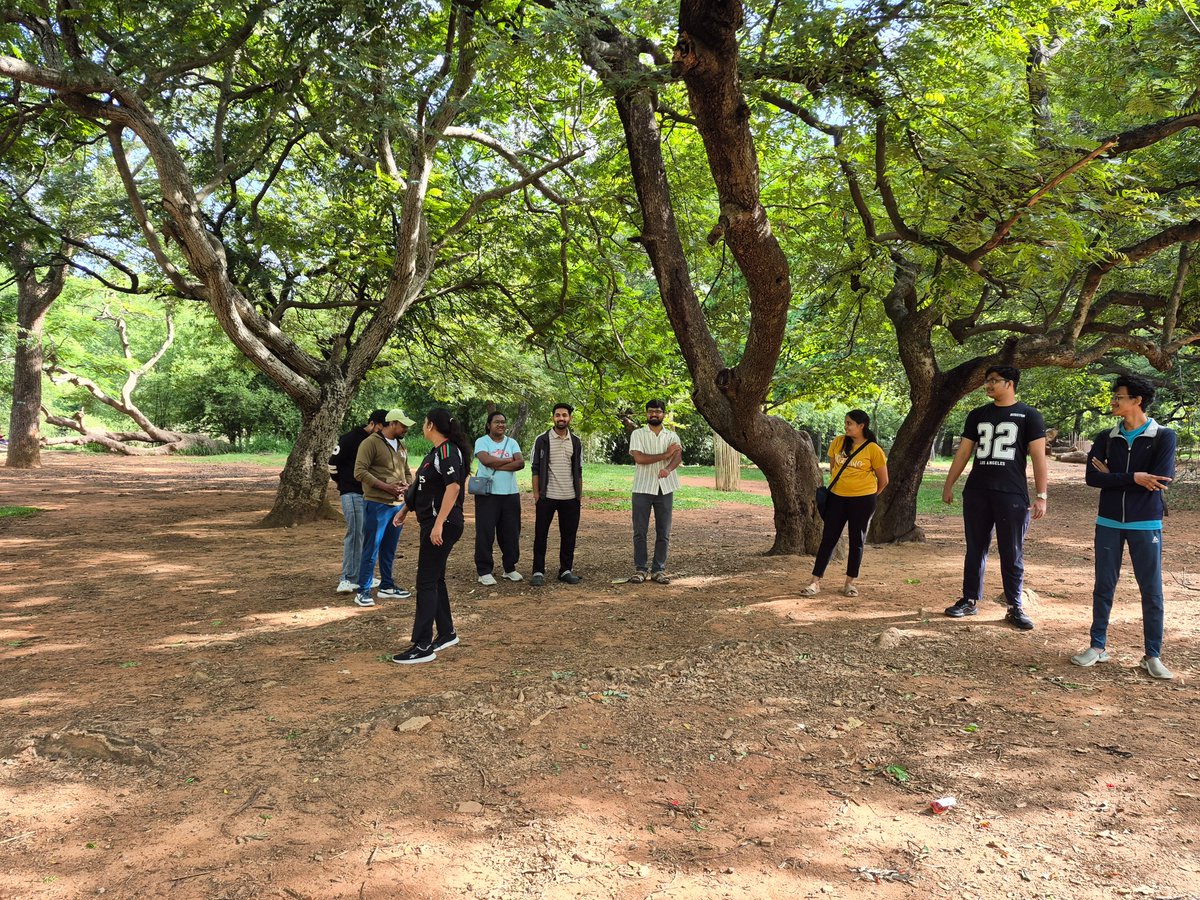
Nature is not optional; it is central to global climate resilience. To show our solidarity and celebrate this purpose outside the office, for a blissful early morning walk at Cubbon Park, followed by breakfast together. Happy World Environment Day!
#WorldEnvironmentDay

2
36
Farmers can anticipate risks instead of reacting to them, they are better equipped to protect their crops, optimize resources, and secure their future.
Know more: cropin.com/case_study/a-digi…
#ClimateResilience #Agriculture #FoodSecurity #AgriTech #ClimateSmartAgriculture
24
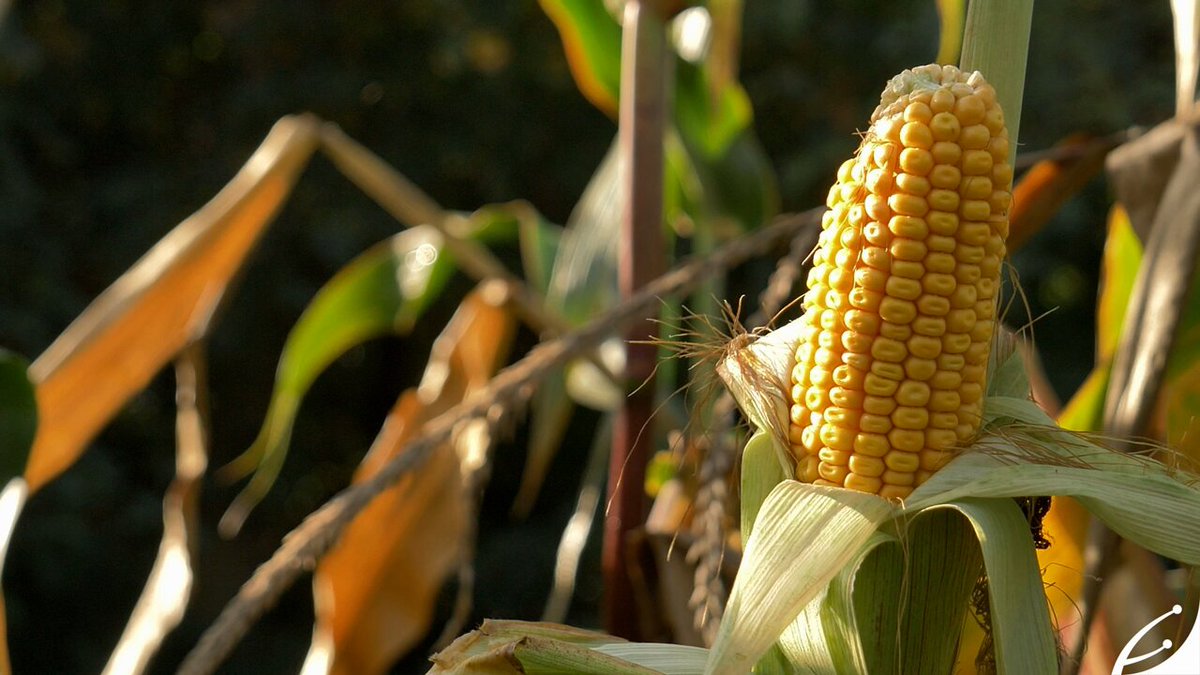
Maize cultivation is becoming increasingly difficult to manage with traditional approaches alone.
Maize rewards precision at every stage of the crop cycle, resulting in better yield.
Read the full article here:
cropin.com/blogs/maize-culti…
#AgriTech #PrecisionFarming #SmartFarming
22
AI & data infrastructure are becoming core enablers of precision agriculture, as the sector shifts toward systems driven by satellite imagery, IoT sensors, and machine learning rather than traditional input-heavy models.
businessworld.in/article/eng…
#AIinAgriculture #AgriTech
1
34
India’s wholesale inflation has surged to a 42-month high of 8.3%, driven largely by a sharp spike in fuel, crude, and energy-linked input costs. The rise signals broad-based cost pressures across supply chains:
businessworld.in/article/who…
#Inflation #WPI #AgriEconomy #SupplyChain
39
Modern agriculture is set to thrive on digital platforms, data integration and AI for decision making in farms driven by interoperable, data-led decision systems. Here is an example of Syngenta’s AI strategy.
Read more: forbes.com/sites/peterhigh/2…
#AgriTech #AIinAgriculture
1
17
May 29
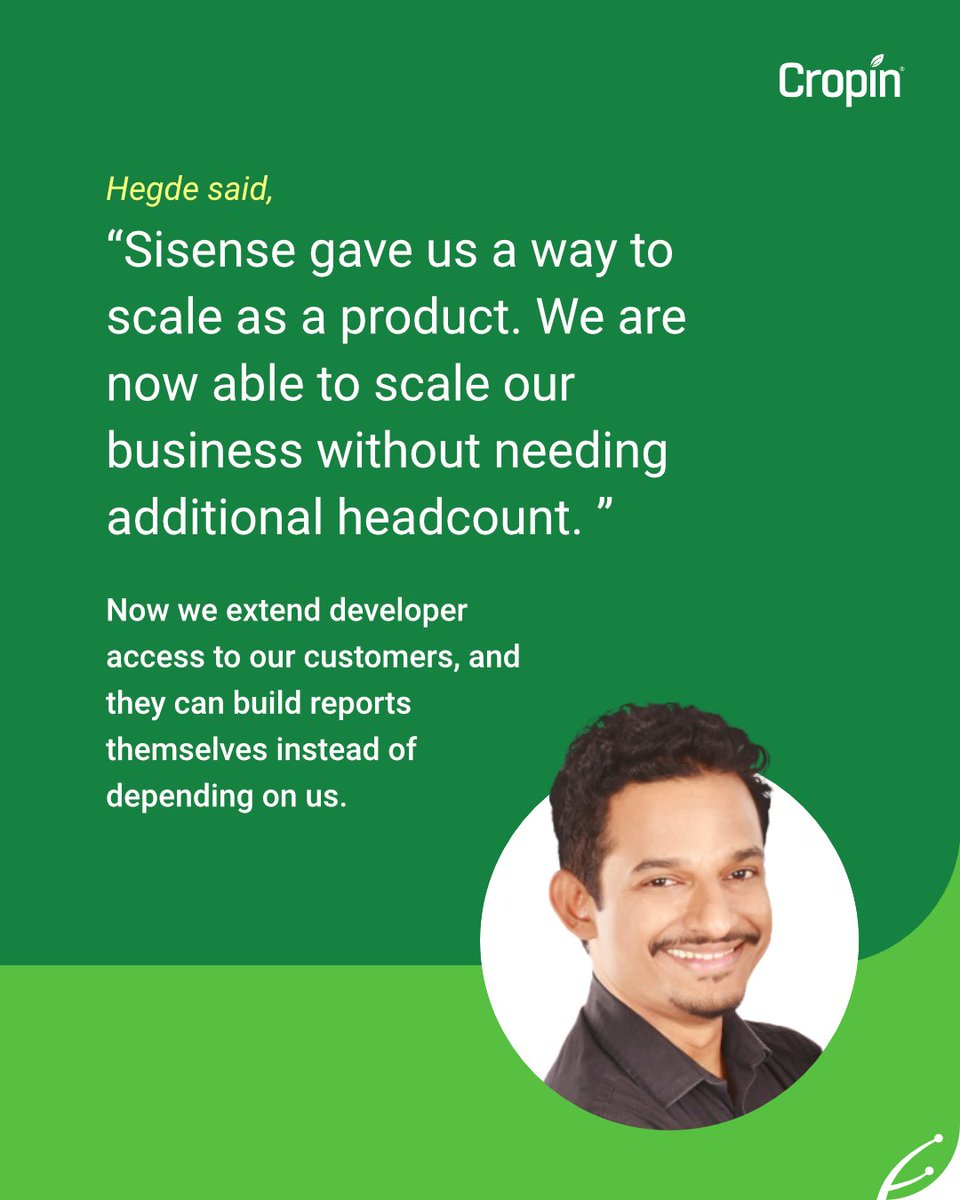
Food’s next evolution will run on data. Cropin is helping make it possible. By deepening our partnership with Sisense and embedding real-time BI analytics directly into Cropin Cloud.
Read the full story in TNW on our partnership with Sisense:thenextweb.com/news/cropin-s…
#CropinCloud
31
May 28
Food Processing Supply Chains Are Moving From Reactive to Predictive
Climate volatility & fragmented sourcing networks are making “historical normal” planning increasingly unreliable.
Read more: cropin.com/case_study/how-cr…
#AgriTech #SupplyChain #FoodSystems #AIinAgriculture
35
May 26
Food Retail Is Moving Toward Predictive Procurement Models
Climate volatility, supply disruptions, & perishability risks are pushing retailers beyond reactive sourcing.
Read more: cropin.com/food-retail/
#FoodRetail #SupplyChain #AgriTech #AIinAgriculture
1
36
May 25
Global food security is under rising pressure as geopolitical disruptions constrain flows of food, energy, and fertilisers across key trade routes. Higher input costs and tighter supplies are deepening vulnerability in import-dependent systems
Learn more: news.un.org/en/story/2026/04…
1
43
May 25
AI and data infrastructure are becoming core enablers of precision agriculture, as the sector shifts toward systems driven by satellite imagery, IoT sensors, and machine learning rather than traditional input-heavy models.
Read more:businessworld.in/article/eng…
#AIinAgriculture
2
53
May 22
Global food security is under rising pressure as geopolitical disruptions constrain flows of food, energy, and fertilizers across key trade routes.
Learn more: news.un.org/en/story/2026/04…
#FoodSecurity #AgriEconomy #SupplyChain #FoodSystems #FutureOfFood
54
May 21
West Asia disruptions are exposing India’s dependence on imported energy-linked fertiliser inputs, with rising ammonia, LNG and freight costs driving higher subsidy burdens & production risks.
Read more: indianexpress.com/article/op…
#AgriPolicy #FertiliserSecurity #FoodSystems
23
May 20
AI & machine learning are becoming central to modern agriculture. With satellite data, drones, IoT sensors, & predictive analytics, agriculture is evolving into a data-driven system
Read More: kstatelibraries.pressbooks.p…
#AIinAgriculture #AgriTech #FoodSystems #PrecisionFarming
33
May 19
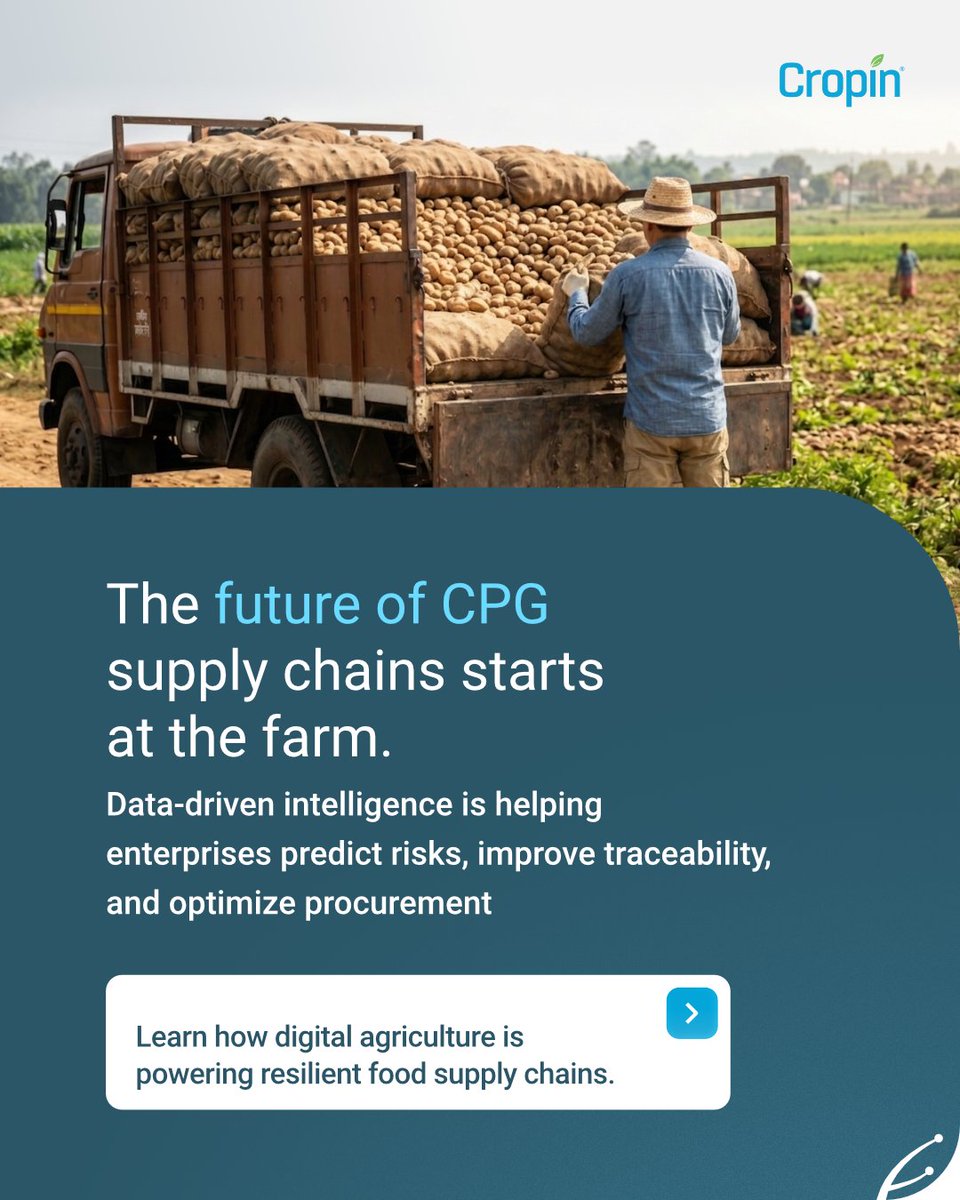
In today’s fast-moving CPG landscape, brands can no longer rely on fragmented, delayed, or assumption-based data.
Platforms like Cropin are helping accelerate this shift by bringing intelligence directly from the field to enterprise systems:cropin.com/blogs/cpg-supply-…
#CPG
27
May 18
Fertilizer subsidies reveal a hard truth: we’re farming heavier, not smarter. PM Modi’s call to rethink fertilizer use signals a shift from input-heavy agriculture to intelligence-led farming.
Read Krishna Kumar’s perspective: linkedin.com/pulse/pms-call-…
#AgriTech
50
May 18
Global food prices have risen for the third straight month, led by a sharp surge in vegetable oil prices. Supply pressures, energy-linked costs, and tighter inventories continue to drive volatility across global commodity markets.
Read more: fao.org/newsroom/detail/fao-…
#FoodSecurity
20
May 14
Vertical Farming Is Facing an Economic Reality Check
Once positioned as the future of food production, many vertical farming startups are now struggling with high energy costs, capital intensity, and weak unit economics.
Read more: nytimes.com/2026/03/21/busin…
#VerticalFarming
1
1
49
May 13
Food Supply Chains Are Entering the Predictive Intelligence Era.
Climate volatility, geopolitical shocks, & fragmented sourcing networks are making reactive procurement models obsolete.
Read more: cropin.com/white_paper/the-c…
#AgriTech #SupplyChain #AIinAgriculture #FoodSystems
1
16