
Joined October 2015
- Tweets 5,387
- Following 45
- Followers 61
- Likes 3,766
555 Photos and videos















May 31
Full stack dev, been in the business for 20 years. Prefer C but sure i enjoy TS and Node.
Tried to do a simple game with Codex, and boi the draft was nice and it worked. But a few tweaks later everything seems to be falling apart.
Guess I won't be replaced anytime soon.
29
May 29
Hur fan kan man ha lyckats göra ett öl som luktar hash och smakar gott? Ett nytt beroende ..
14
May 29
Så jag köpte såna häringa Bose Quiet Comfort Ultra 2 och upptäcker att fanskapet pausar när jag lyfter luren av örat. Ingenjörskonst när den är som bäst.
10/10 stigbyglar.
42
May 28
I want more of everything! Like in sub1 you got the depths, large bioms, cave systems and a lot more to interact with and build.
Looking forward to play this again when development progressed.
#subnautica2
19
May 21
Oljepriset går upp, bankerna höjer räntan för att 'mota inflationen' .
Oljepriset går ner, bankerna höjer räntan för att mota inflationen.
Kan de inte bara erkänna att de är skrupelfria fetton som säljer världens enklaste produkt?
7
May 12
What social media can i use that is not ruined by degenerate AI content?
28
Apr 15
Impressive how the scam coin $CRO can be top 35 whole only valued at about $0.068.
Oh yeah that is the scammy unburn inflating it, got it.
3
44
Mar 31
Att byta bank är som att försöka byta pumpstation. Det gör lixom ingen skillnad med en sådan kartellbildning.
1
28
Mar 30
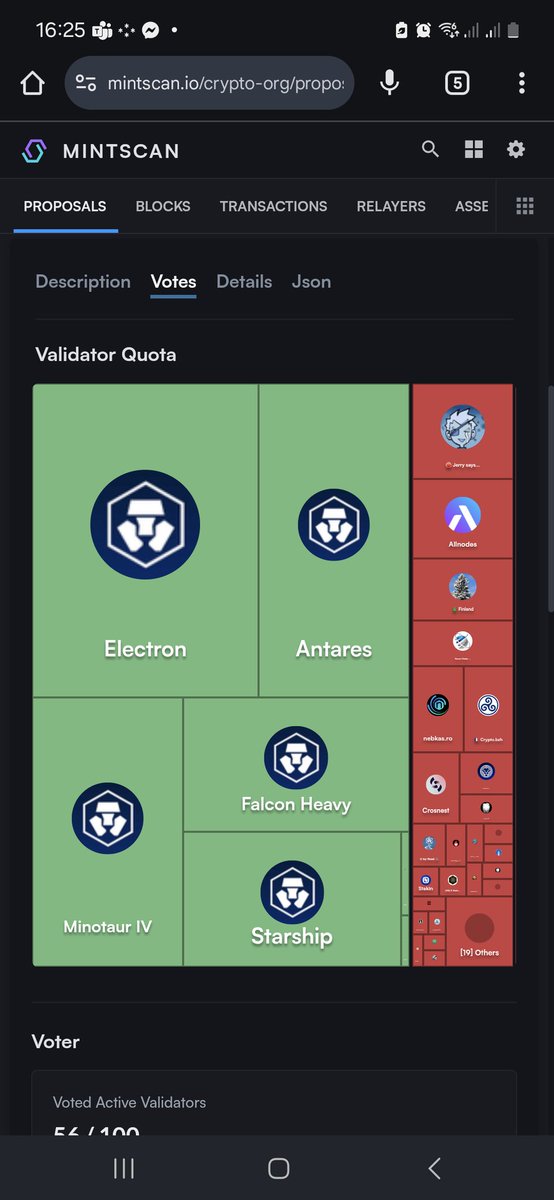
You know it's a bubble when your feed is filled with amazing proposal.
My god the AI investors will burn it all on one card
1
32
Grunkle Prump retweeted

Mar 21
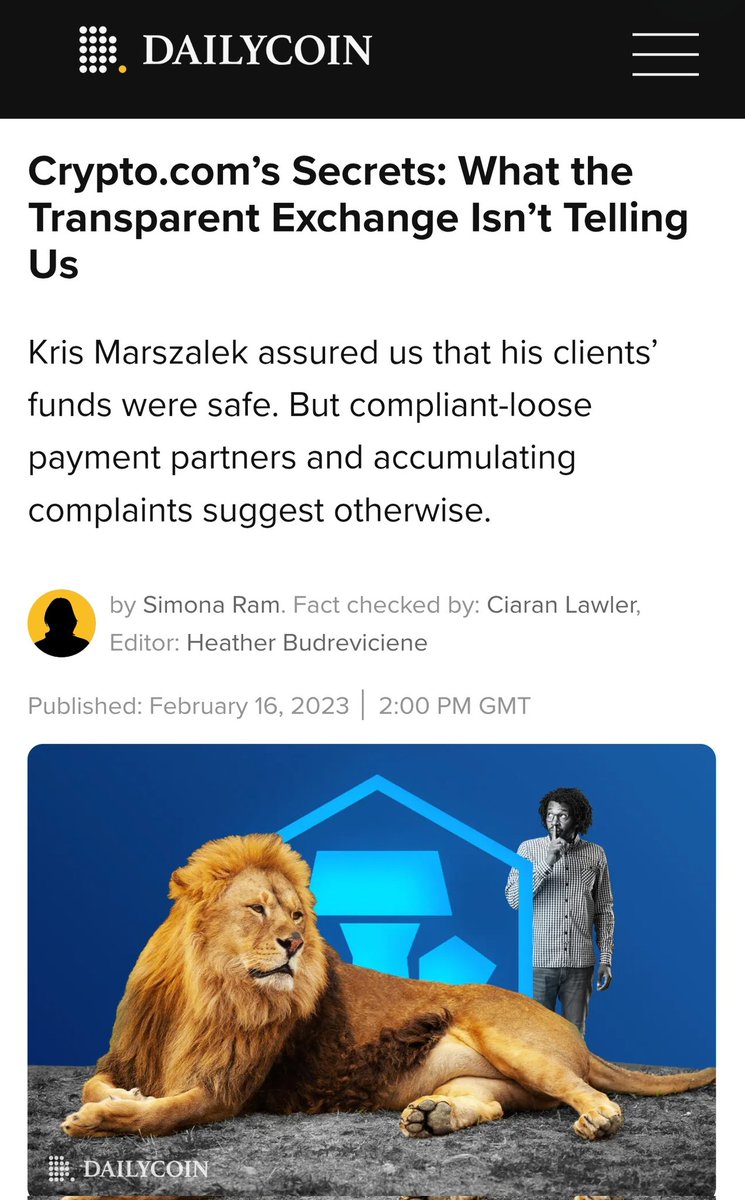
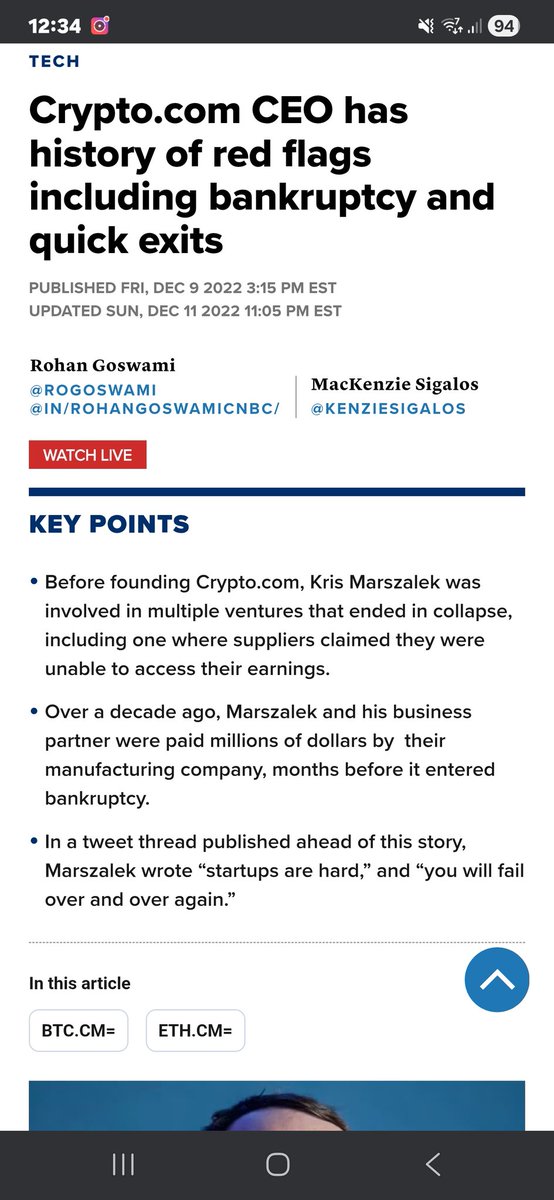
Crypto.com's Secrets:
What the Exchange Isn't Telling Us.
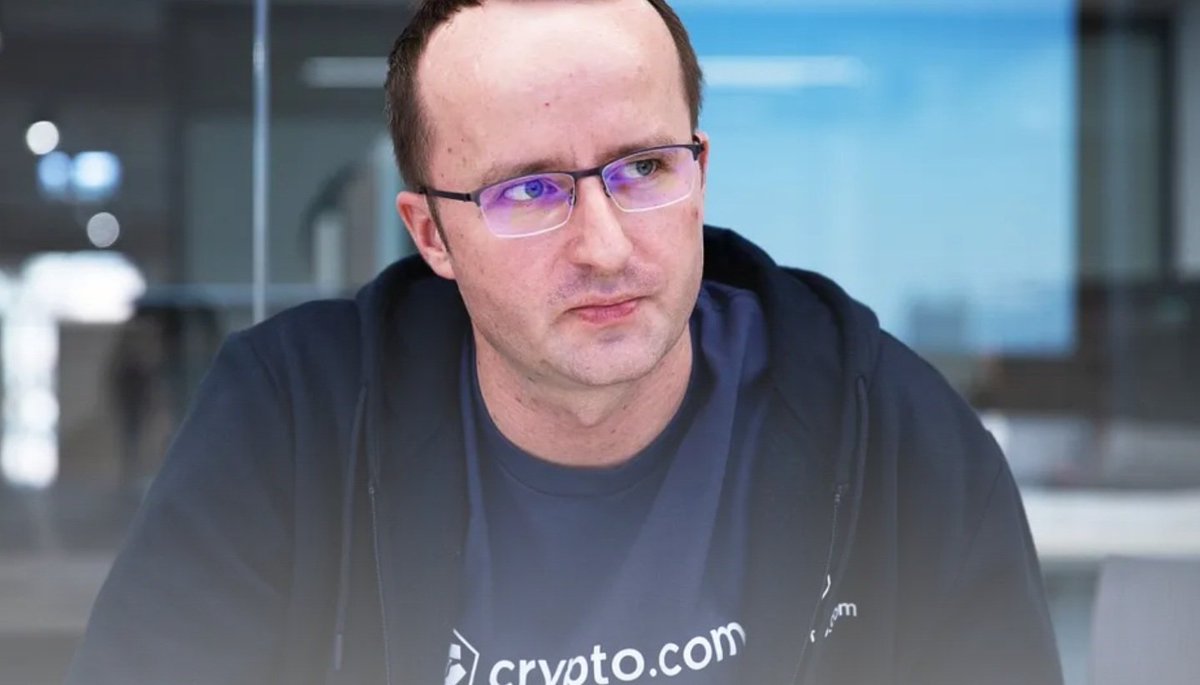
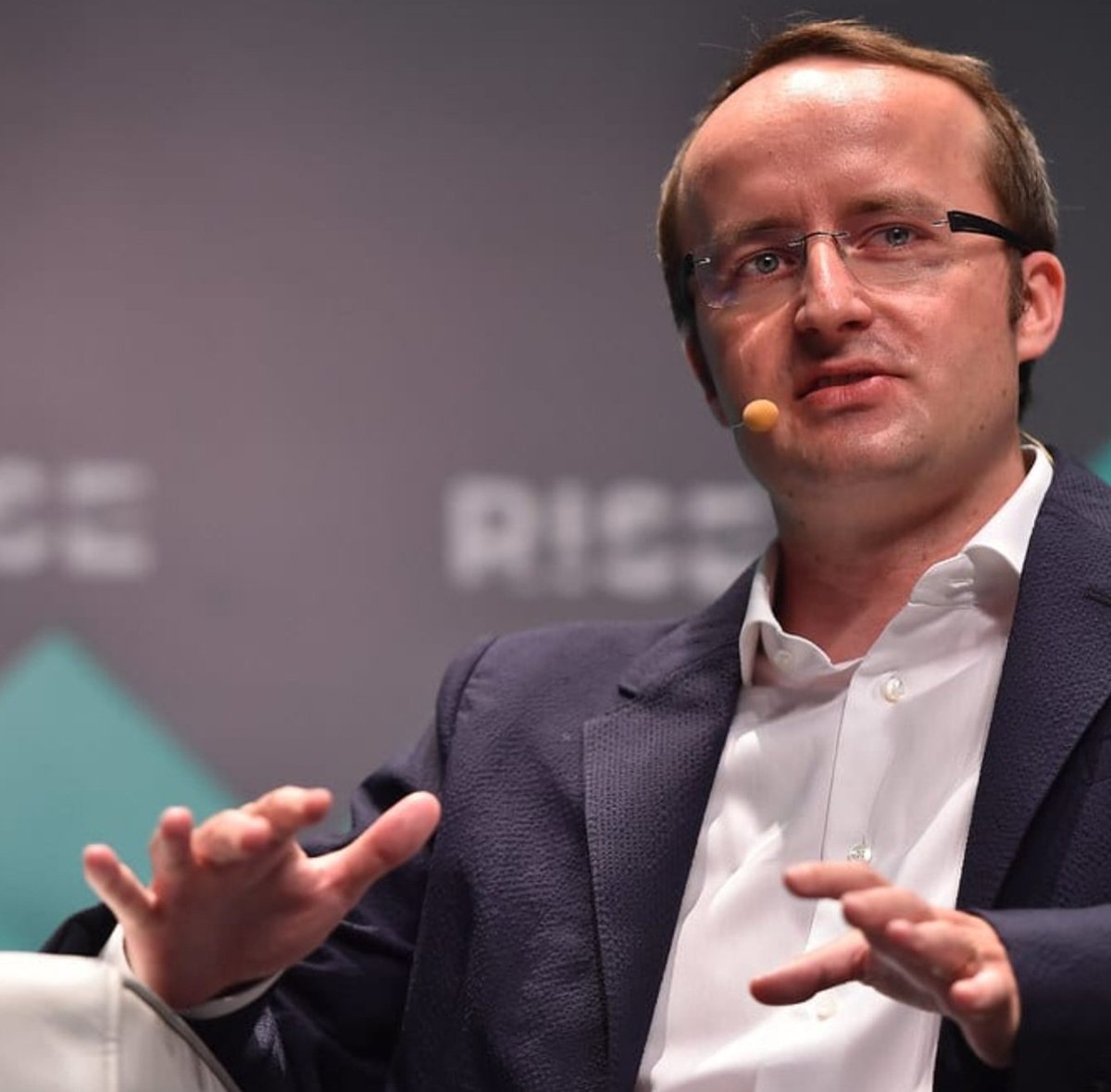
Who Is Kris Marszalek?
Is Crypto.com Insolvent?
The Domain AI.com cost
Exactly 70billion CRO.
[More on ai.com in the next article.]
Kris Marszalek, CEO of Crypto.com, faces scrutiny as the company reissues 70 billion CRO against community wishes, raising fears of insolvency and echoes of his past at Ensogo, an e-commerce firm that collapsed in 2016.
Crypto.com and the Cronos ecosystem.
The Crypto.com unburn debacle reissued 70 billion CRO tokens. This decision increased the total supply from 30 billion to 100 billion, with the additional 70 billion CRO vesting over ten years—a move that has sparked contention and dissatisfaction among holders.
Only a handful of CRO holders, primarily Crypto.com and Cronos Labs (the architects of this proposal @kentimsit,@mircroz , @Fwiz) wanted it to sail through despite the majority
( #Crofam ) opposing the reissuing of the 70 billion CRO.
These tokens were “burned” and removed from circulation during the Golden Era of 2021 when Crypto.com was a dominant force and CRO ranked among the top-performing coins. Unburning them seemed illogical to many and essentially means dilution of the existing supply.
With whales stepping in to vote for the “strategic reserve” against the community’s wishes, CRO prices dropped, sliding 10% immediately.
Fast forward to 2026,
Concerns are now mounting that Crypto.com, led by CEO Kris Marszalek, might be orchestrating yet another scam to exploit users.
To understand these claims, one must look back at Marszalek’s long and controversial history, tainted by allegations of fraud and questionable business practices.
Alongside Rafael Melo, Crypto.com’s current CFO, Marszalek faced scrutiny at Ensogo, a company that collapsed in 2016.
The Ensogo Scam-
Crypto.com launched in 2019, but before that, Marszalek and Melo were executives at Ensogo.
Ensogo was an e-commerce platform specializing in flash sales and daily deals, operating across Southeast Asia. It collapsed in 2016, leaving investors and partners in financial ruin.
The platform offered deep discounts on goods, services, and travel, targeting emerging markets like Singapore, Hong Kong, and Thailand. At its peak, it boasted over 600,000 active subscribers and a vast network of merchant partners.
Between 2013 and 2014, Ensogo expanded rapidly, capitalizing on its revenue to onboard more users and attract investors. This aggressive growth was spearheaded by Marszalek, who also fueled investor hype.
Trouble emerged in 2015 when Ensogo was listed on the Australian Securities Exchange (ASX). Filings revealed declining revenue, and the company posted an $11.6 million loss that year.
On June 20, 2016, Ensogo announced it would shut down operations in all markets except Hong Kong. Three days later, on June 23, it closed entirely and delisted from the ASX.
The shutdown left customers unable to redeem vouchers, merchants unpaid, and shareholders—once believers in Ensogo’s vision—empty-handed.
Marszalek resigned in June 2016 and, within weeks, founded Foris Limited, the parent company of Monaco.com, to create a crypto-backed debit card.
Monaco raised $26 million in an ICO in 2017, roughly a year after Ensogo collapsed.
However, instead of fulfilling its ICO promises, Monaco rebranded to Crypto.com after purchasing the crypto.com domain for $12 million. This rebranding introduced a new token: CRO
If Crypto.com collapses, CRO holders will bear the brunt 💯
Lessons from Marszalek’s Ensogo past, where he resigned just before its downfall, are telling. If Crypto.com is printing its way out of insolvency, diluting CRO holders, then holders must be on the lookout lest they be rugged
19
11
63
7,815
Mar 13
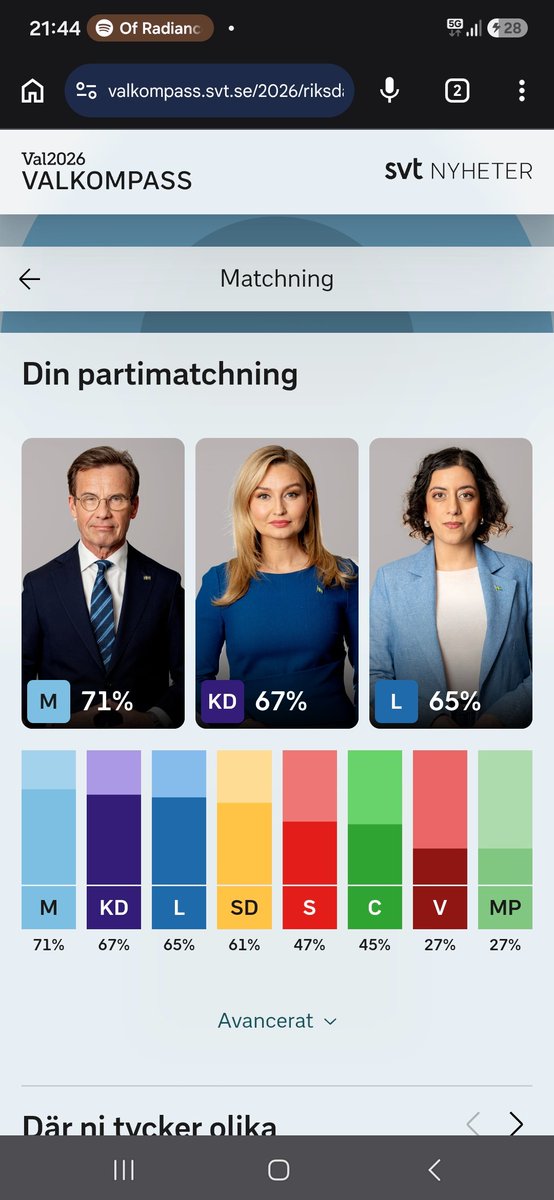
Många gråterskor angående Liberalerna. SVT i vanlig ordning lyckas intervjua två förkrossande liberaler men ingen positiv trots en positiv majoritet.
3
42