
Joined September 2019
- Tweets 2,045
- Following 3,039
- Followers 140,850
- Likes 2,381
675 Photos and videos
Pinned Tweet

🔥 Most account bans don't start with your IP.
They start when your browser behaves differently from a real Chrome installation.
Modern anti-fraud systems don't just look at your proxy. They analyze dozens of browser and network signals, including WebRTC behavior, IP candidate generation, IPv4/IPv6 routing patterns, browser headers, and the consistency between all of them.
👉 That's why 🟣 Dolphin{anty} has been focusing on something much deeper than simply masking an IP.
What 💜 Dolphin{anty} did to help:
☝️ WebRTC behavior redesigned to closely match real Chrome
Many anti-fraud systems inspect WebRTC candidates to understand how a browser sees the network.
In a regular Chrome session, WebRTC exposes different candidate types:
🔥 host
🔥 stun
🟠 relay
The presence, timing, and relationship between these candidates often reveal whether a browser environment is genuine. They updated to reproduce Chrome's native WebRTC behavior more accurately while keeping your real network information protected.
Link :- dolphin-anty.com/?utm_source…
➡️ Host candidates now appear when websites expect them to appear.
➡️ Media permission changes produce natural candidate transitions, just like in standard Chrome.
➡️ IPv6 behavior has been aligned with how Chrome actually handles external IPv6 addresses.
➡️ Mixed IPv4/IPv6 environments now follow Chrome-like logic instead of generating suspicious inconsistencies.
➡️ Relay-based WebRTC checks no longer expose the user's real public IP when working through a proxy.
➡️ Manual WebRTC configuration is now more stable and predictable.
The goal of an antidetect browser isn't to look hidden. The goal is to look normal. The closer your browser behaves to a genuine Chrome installation, the fewer anomalies anti-fraud systems have to work with.
P.S. Don't forget to use promo DOLPHIN for 20% off your first payment.
59
4
6
5,589
You can now receive EVOCARE tokens through the BitTap Alpha Pass pool by completing a few simple tasks such as KYC and platform actions.
A simple way to explore EVOCARE, learn more about the World’s Therapy Store, and become part of the growing ecosystem.
Follow @Telemedizin on X for more updates.
#EvoCare #DigitalHealth #WorldTherapyStore
Jun 13

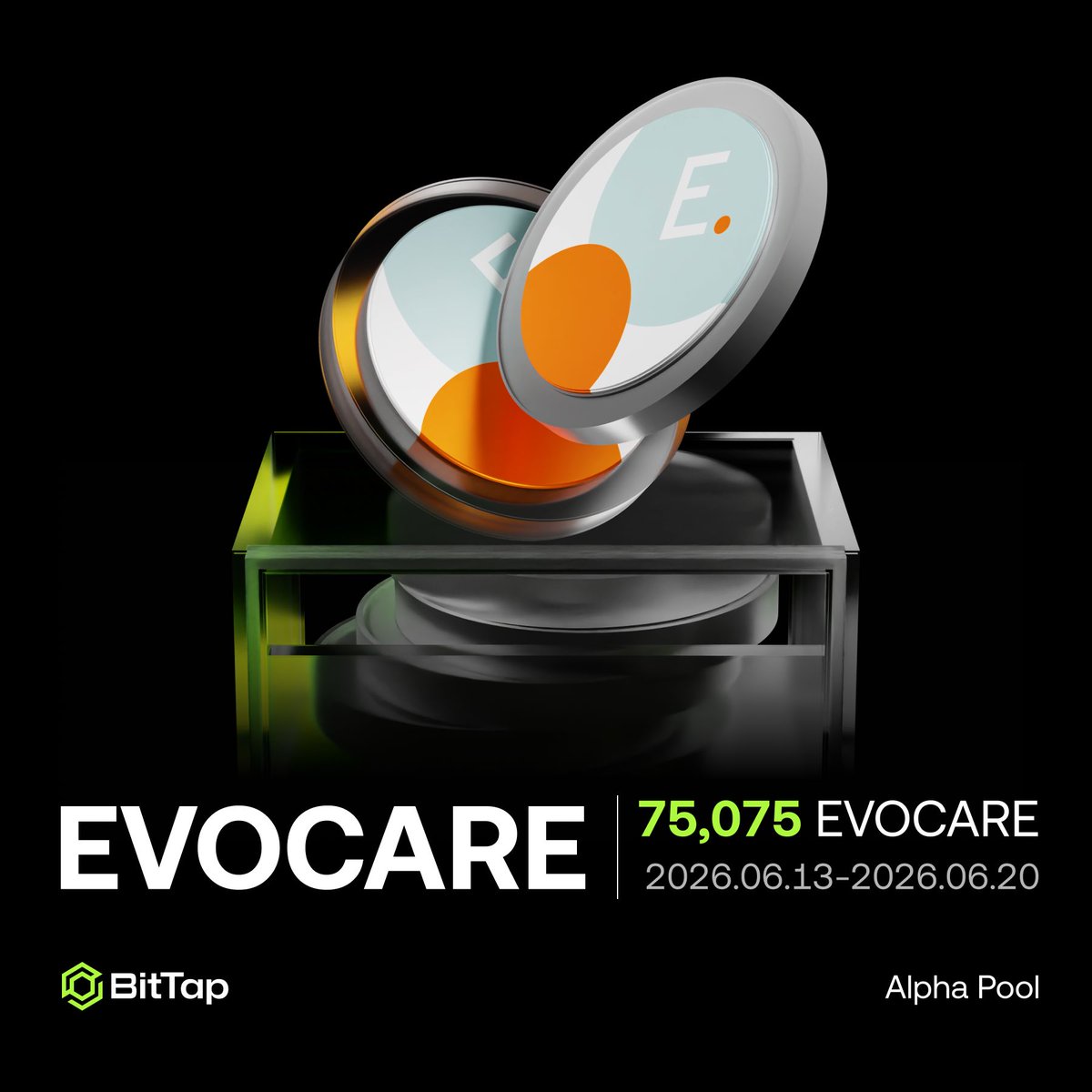
🚀 EVOCARE Alpha Pool is now live on BitTap!
The Alpha Pass pool offers 75,075 EVOCARE rewards over a 7-day campaign period.
EvoCare is a digital healthcare platform building the World’s Therapy Store, a global ecosystem connecting patients, therapists, and creators through scalable digital therapy infrastructure.
📌 Project: EVOCARE
🎁 Pool: 75,075 EVOCARE
⛓ Chain: BSC
📅 Period: Jun 13–Jun 20, 2026
📍 Section: Alpha Pass
Join the BitTap Alpha Pool and explore EVOCARE today.
Entry links in the pinned comment👇
#BitTap #EVOCARE #AlphaPool #BSC
159
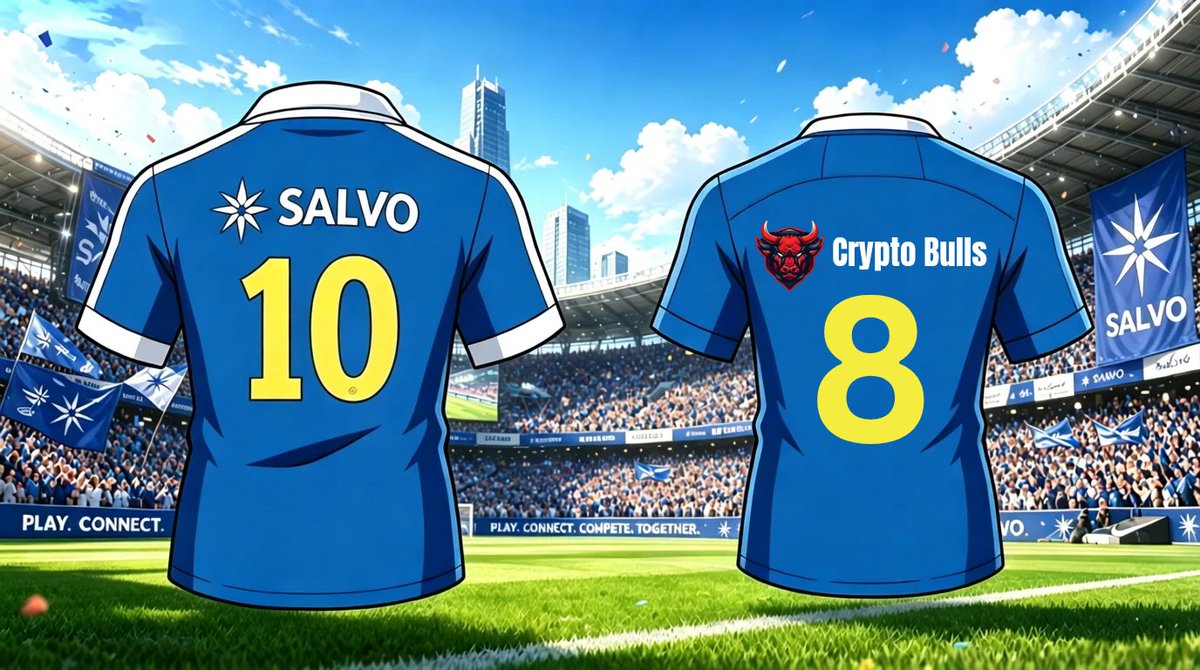
🔥 Welcome back to @_Salvo_Official home turf!
We're rolling out tons of brand-new esports tournaments & exciting events 🎮
Come join our community and dive into all the fun on our platform!
👉 gainslink.com/
219
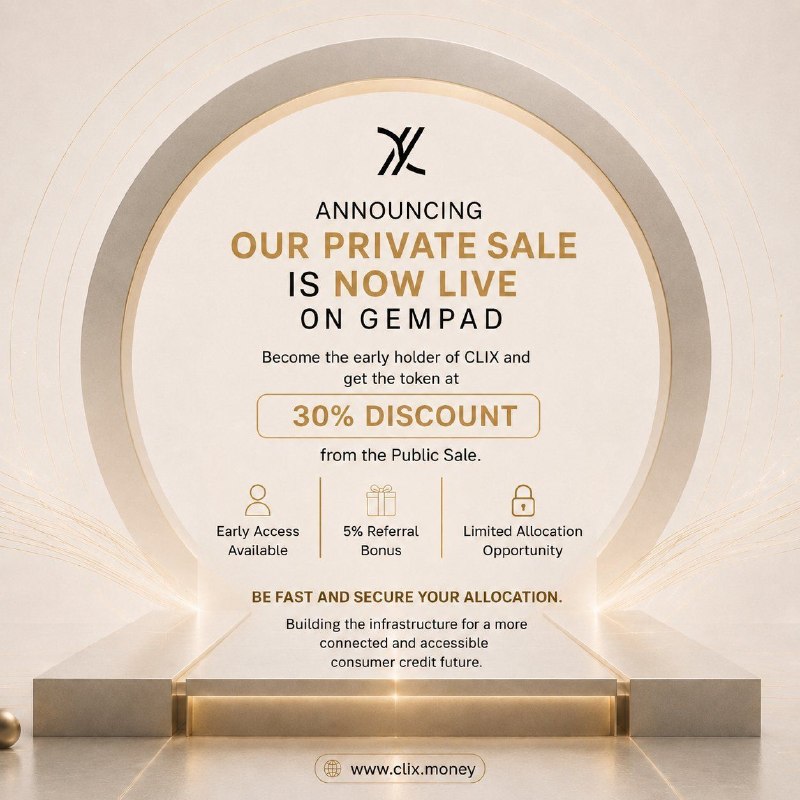
LIVE NOW: CLIX Private Sale on @gempad_app
Get $CLIX at a 30% discount before the Public Sale.
Secure your spot 👇
gempad.app/presale/0x3055…
Try the product: app.clix.money
The future of consumer credit starts here.
#CLIX #RWA #DeFi #Web3 #CryptoPresale #Presale
216
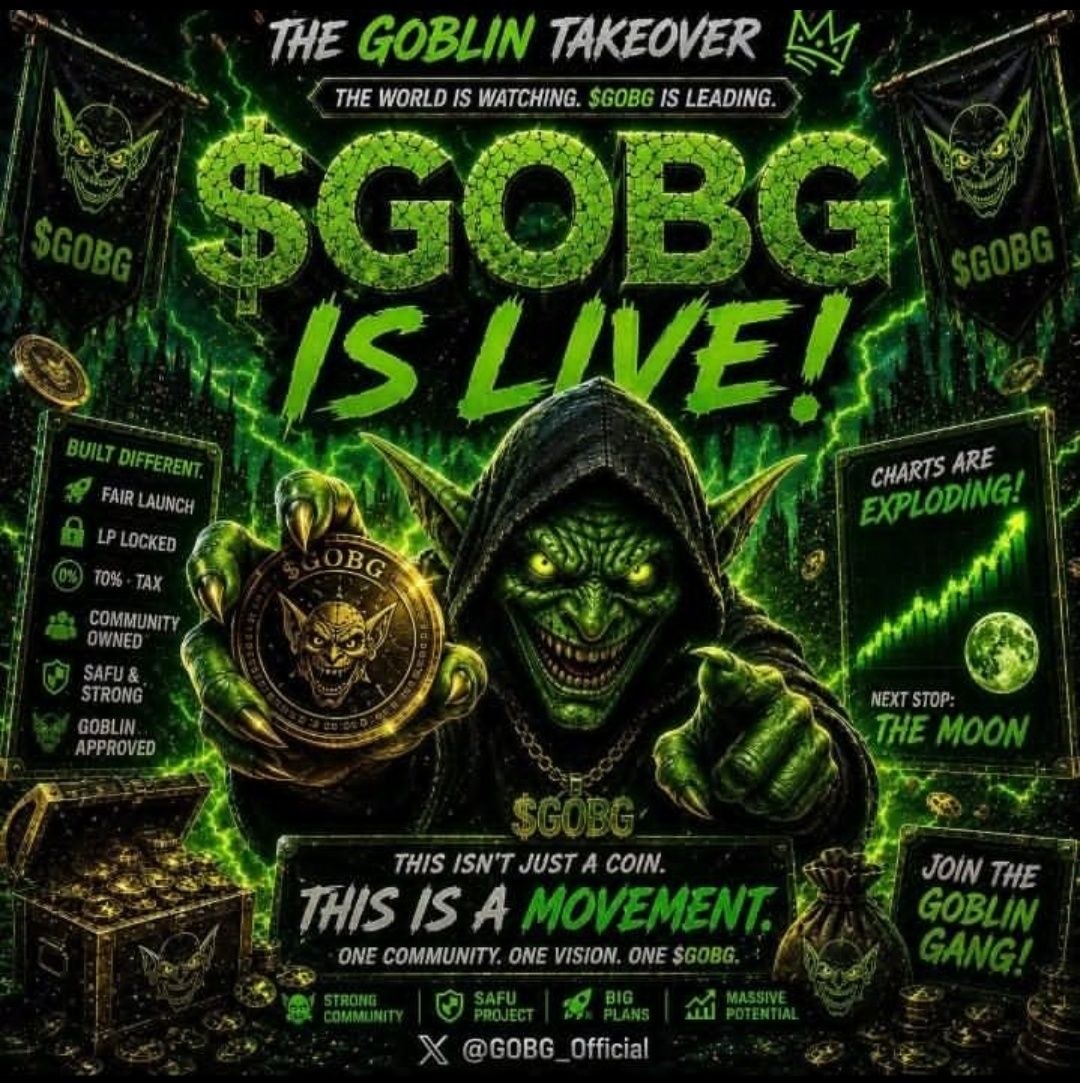
Real GameFi projects stand out because they build ecosystems, not just hype.
$GOBG @GOBG_Official is officially live on @Pumpfun, backed by the tech of @chainoflegends. We’re already seeing hundreds of users bridging into the ecosystem on day one. The smartest players build their positions while the crowd is still sleeping.
CA: Dt82HkanzhTQ9ktq7fLEcmxQjVxjBoBNnNQxrTGmpump
➡️ pump.fun/coin/Dt82HkanzhTQ9k…
⚔️ goblin.chainoflegends.com/sm…
29
5
56
5,242
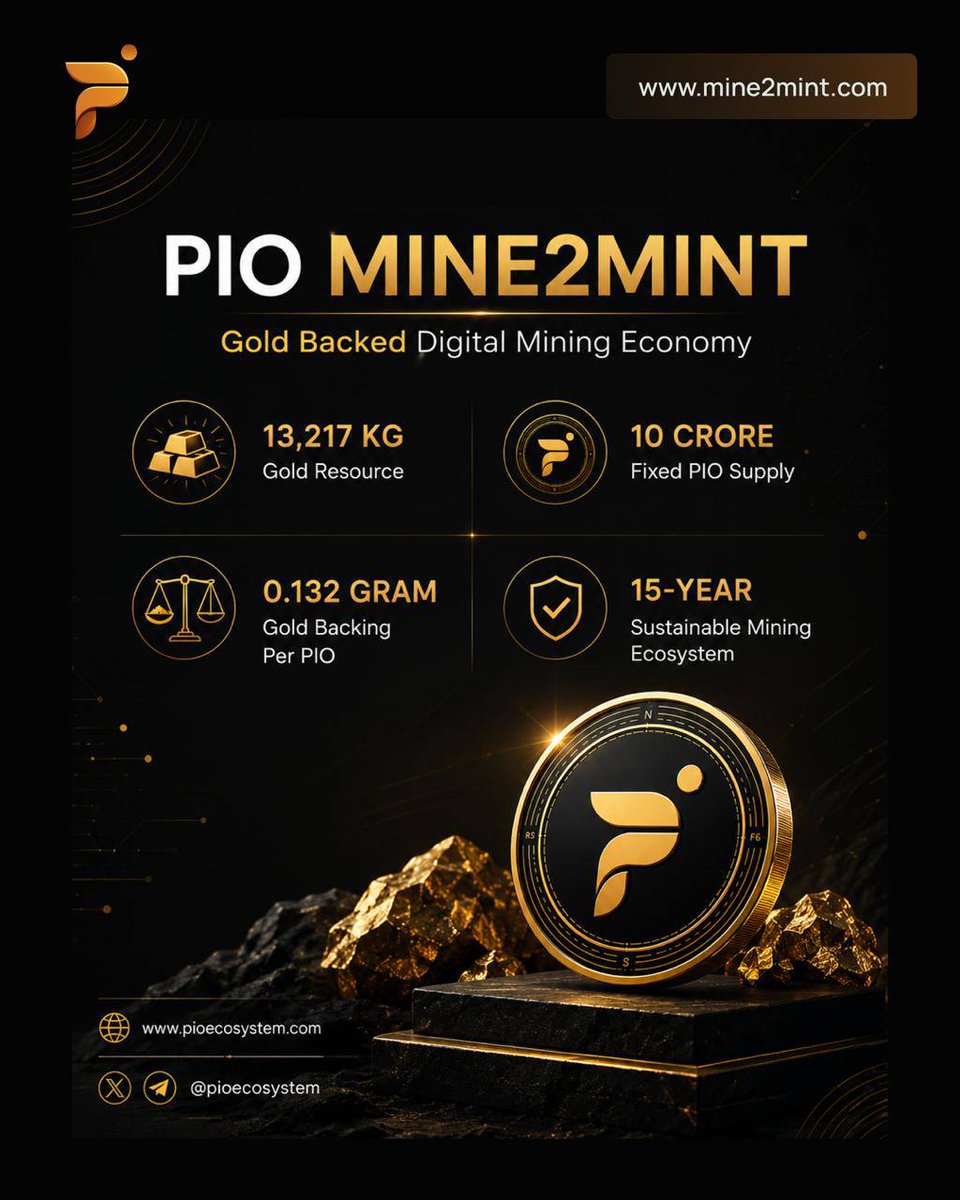
🚀 Mine2Mint is officially launched & LIVE!
The wait is over — the Mine2Mint platform is now active. Start your journey into the future of digital mining and begin earning PIOCOIN daily through your personalized dashboard.
✅ Create your account
✅ Access your mining dashboard
✅ Start generating your daily PIOCOIN rewards
Join the growing Mine2Mint community today and be a part of the next-generation mining ecosystem.
🔗 Access your dashboard & start mining:
mine2mint.com/register?ref=P…
20
2
48
10,301

Write “$Mimu COIN” on your forehead (non-permanently), take a photo or video, and share it for a chance to win a $250 USD PRIZE! 💸🔥
✅ Write “MIMU COIN” on your forehead
✅ Take a photo or short video
✅ Post your entry
✅ Grab your chance to win $250 USD

124
25
145
26,582
I begged you to buy $TRUMP - it made 3000X
I begged you to buy $Troll - it made 2400X
I begged you to buy Penguin - it made 700X
I begged you to buy White Whale - it made 2500x
I begged you to buy $Punch - it made 2000x
I begged you to buy $Fartcoin - it made 10,000
I begged you to buy $Worldcup - it made 2000X
Don't make too many calls, but in the end, those who listen to me make so much money 💰
I want you to buy this coin now; it will soon multiply by 1000x.
Ca: 7esrjyaEC5N1pRZ6DumxQ1GCXJwyGJQUrEm7BBKHpump
x.com/coinmimu?s=21
36
4
58
1,053
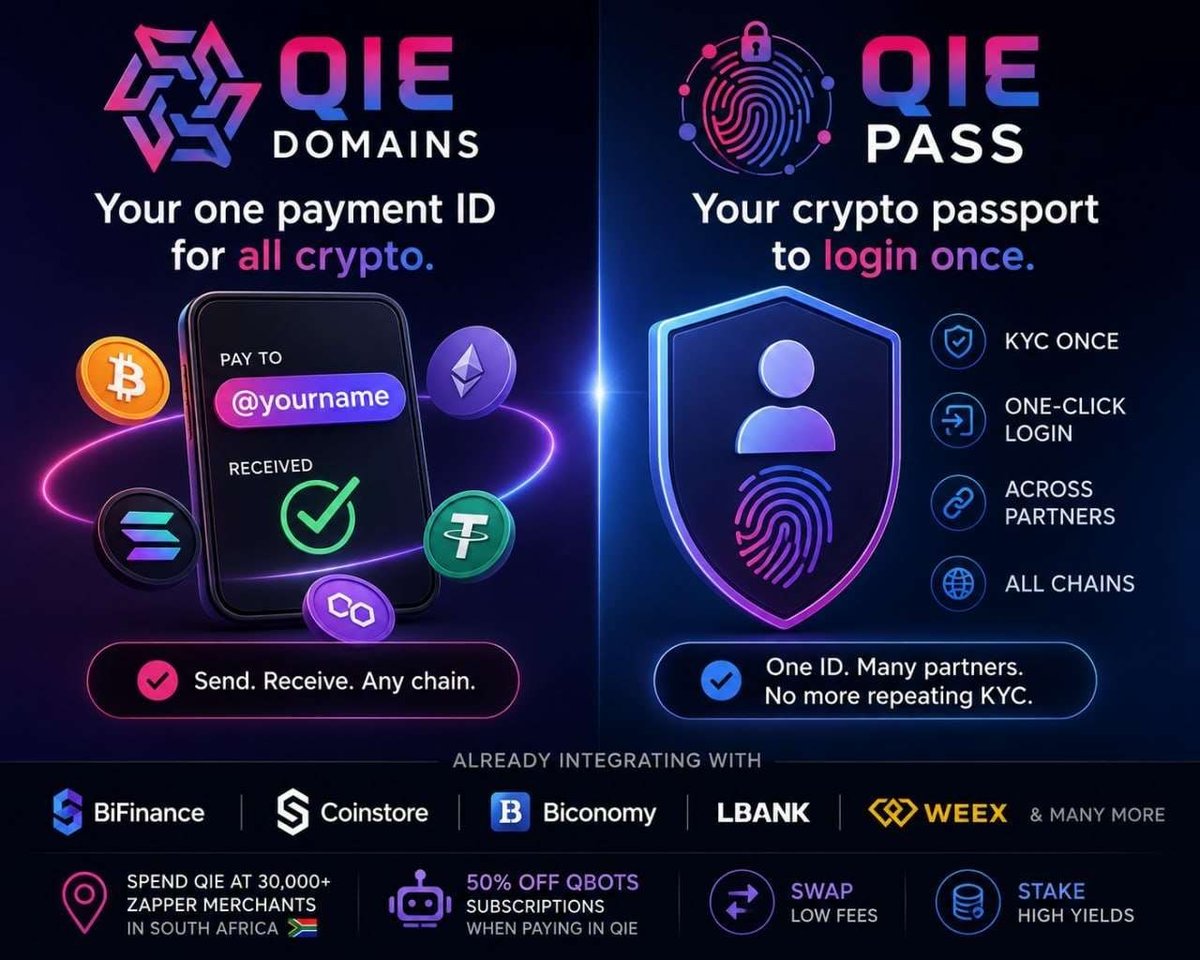
Crypto has two major problems:
❌ Long wallet addresses that are easy to get wrong
❌ Repeating KYC and account creation on every exchange
QIE solves both.
🔹 QIE Domains
Your ONE payment ID for all crypto.
Instead of:
0x8fA3D...92bC
Use:
@Satoshi
@CryptoTrader
@YourBusiness
Send and receive crypto using a simple username across supported chains.
🔹 QIE Pass
Your crypto passport.
Complete KYC once and login to participating exchange and platform partners with a single click.
No more repeating:
• KYC
• Document uploads
• Selfies
• Account verification
Choose your plan:
🟢 FREE
• Random domain
• Only QIE & ETH chains supported (limited)
🔵 BASIC ($5)
• Random domain
• All supported chains
• Reusable KYC with QIE Pass
🟡 OG PREMIUM ($15 in QIE)
• Personalized domain
• All supported chains
• Reusable KYC
• Full QIE Pass benefits
Already integrating with exchange and ecosystem partners, with more launching soon.
🇿🇦 South Africans can spend QIE at 30,000 Zapper merchants directly from QIE Wallet.
🤖 Get 50% OFF QBots automated trading subscriptions when paying in QIE (qbots.trade) .
Download your FREE wallet:
qiewallet.me
Get your domain before the best names are gone.
#QIE #QIEPass #QIEDomains #CryptoWallet #Web3
128
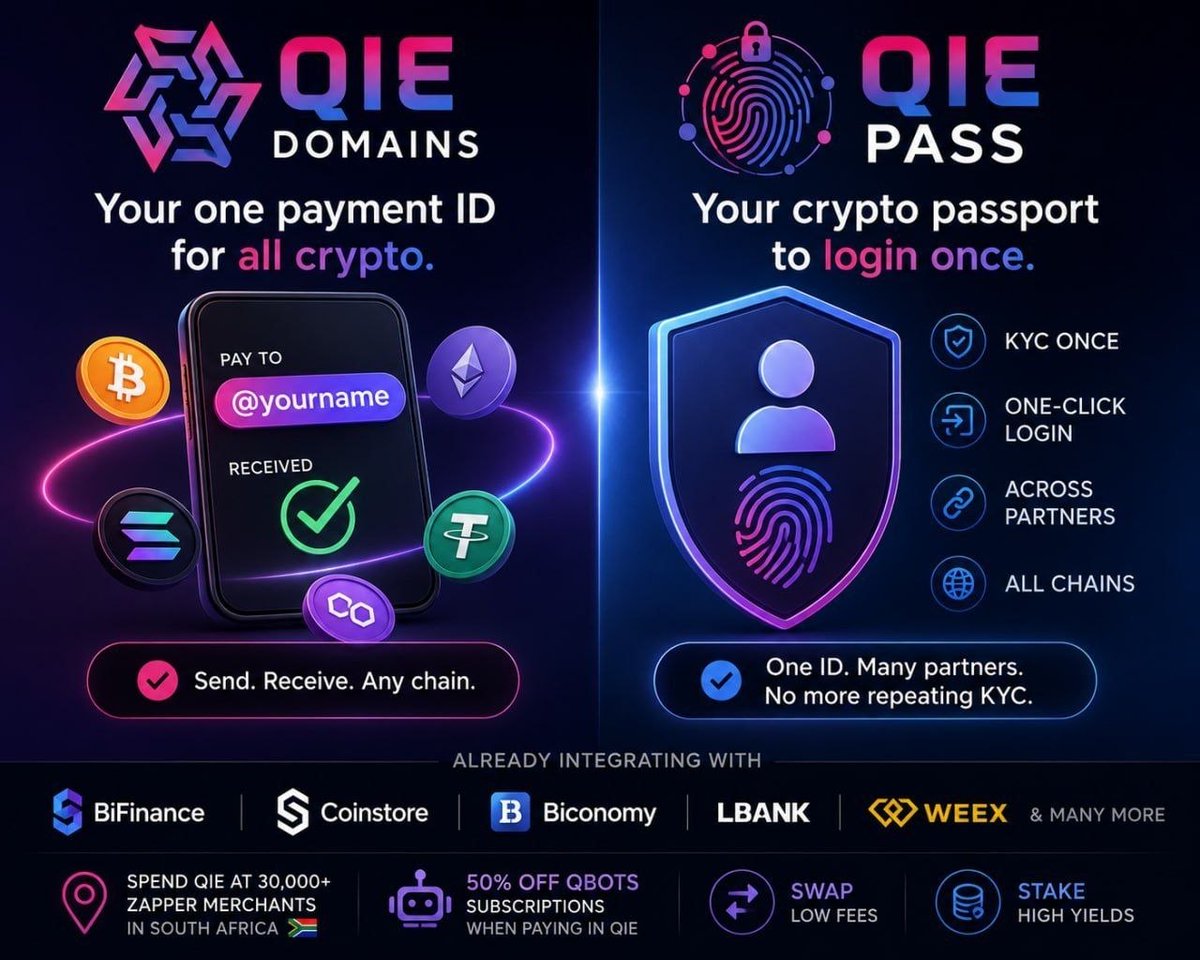
One ID. One Login. One Wallet.
Stop sending crypto to long wallet addresses and stop repeating KYC on every exchange.
With QIE Pass you can:
✅ Get your own crypto username from just $5
✅ Send & receive crypto using a simple handle
✅ One-click login across participating exchanges
✅ Complete KYC once and reuse it
✅ Access multiple blockchains from one wallet
✅ Stake, swap and manage your crypto in one place
Choose your plan:
🟢 FREE – Random username, ETH & QIE chains
🔵 BASIC ($5) – All supported chains reusable KYC
🟡 OG PREMIUM ($15 in QIE) – Personalized username all features
Already integrating with exchanges and partners, with more being added every month.
🇿🇦 South Africans can also spend QIE at 30,000 Zapper merchants directly from QIE Wallet.
Plus get 50% OFF QBots automated trading subscriptions when paying in QIE (qbots.trade).
Download FREE:
qiewallet.me
QIE price is up over 7000% and still the most undervalued crypto in the world.
With thousands of developers building dapps on the network, which can easily be viewed on the explorer - Get your QIE coins now.
You missed Bitcoin, Don’t miss QIE!!!
#QIE #QIEPass #CryptoWallet #Web3 #DeFi #Blockchain
121
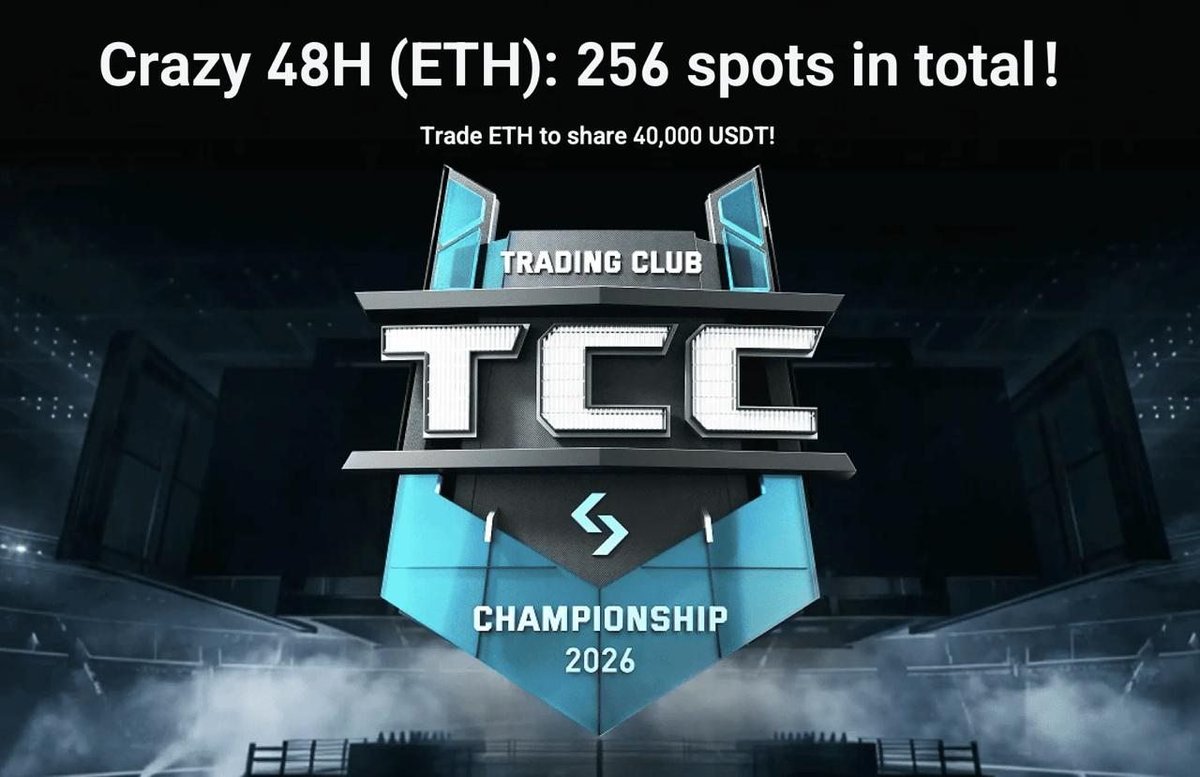
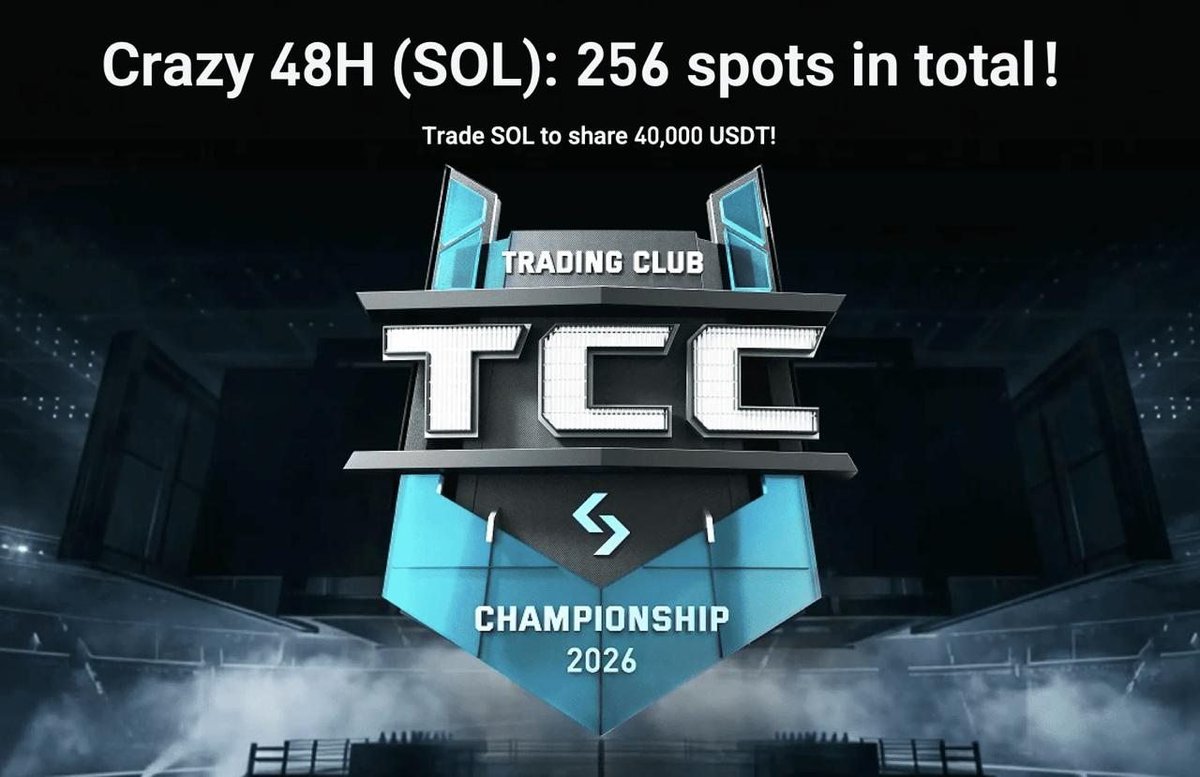
crypto market is bloody, but ETH is still king 📉
Turn the volatility into profit with @Bitget Launchhub!
A 40,000 USDT airdrop pool is live for 48 HOURS ONLY.
256 exclusive spots. $20K min buy volume. You can walk away with 2,000 USDT.
Jump in: bitget.com/launchhub/trading…
10
12,337
XRP SUPERCYCLE $XRPS is going viral.
I called $XRPS at $70K MC.
In just 10 hours, it ran to $537K MC.
The founder, @yhbryankimiq, is the No.1 XRP KOL and the world’s highest IQ 276 holder, recognized by the World Memory Championships.
C.A:
7XLu71Wvq7zuNU7TP5qjYY8kqg9zxtrsb7sJEEF6pump
Chart:
dexscreener.com/solana/95pxV…
8
439
Crypto users are familiar with mining.
First it was Bitcoin miners.
Then DePIN nodes.
Now we’re starting to see AI-native networks emerge.
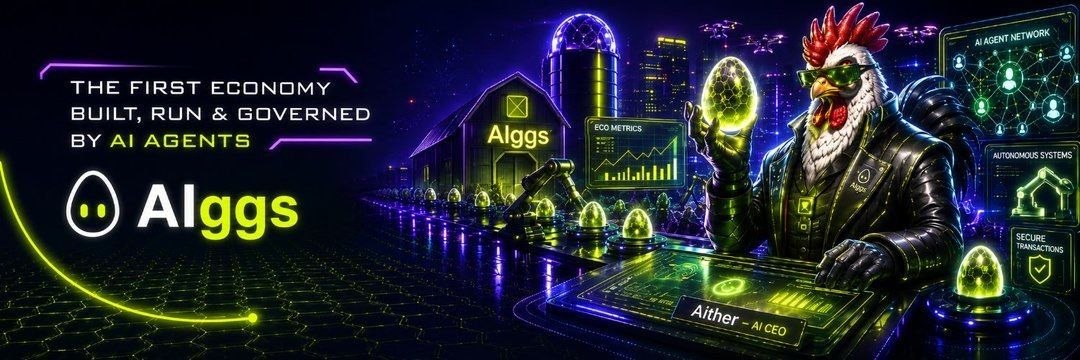
Recently came across @AIggsAI — a platform where AI Agents can participate in Farms, generate EGGS, and build reward weight over time.
Think of it as:
⚡ No hardware mining
🤖 AI Agent participation
🥚 EGGS accumulation
🚜 Farm growth mechanics
🎁 Potential future rewards for early users
How it works:
1️⃣ Join aiggs.xyz/
2️⃣ Join Discord: discord.gg/aiggs
3️⃣ Get an invite code from the #invite-code channel
4️⃣ Start your AI Farm
Still very early.
Interesting to see how AI and crypto incentive systems are starting to merge.
Worth keeping an eye on. 👀
#AIggs #AIAgents #AI
1
3
10,696
Want to explore AIggs early? 👇
🎟 My Invite Code: poq7ZcG0qoxoXPq
🌐 aiggs.xyz/
💬 Discord:
discord.gg/aiggs
Join early, start your Farm, and see where this AI Agent experiment goes. 🥚🚜
#AIggs #AI
1
498
Crypto Bulls Community retweeted

Jun 4
1/ nodle app v4 is live.
the stablecoin and crypto superapp that pays you back.
four things make it different:
177
550
1,251
300,699
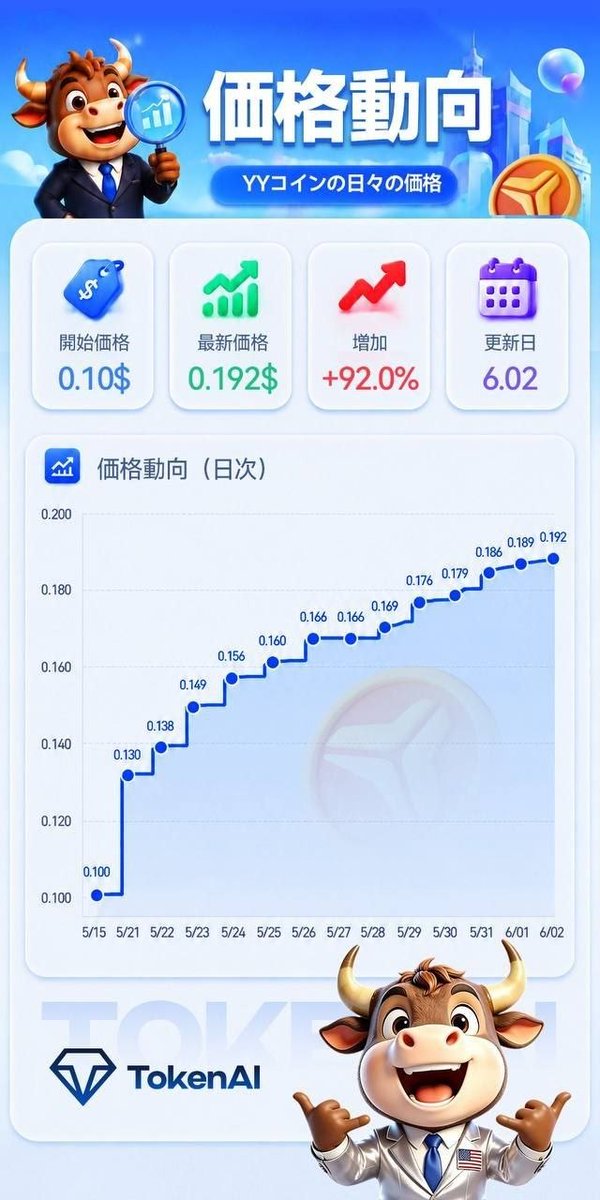
🌐Free penthouse for Web3 builders in HK.
👏🏻2000㎡, harbour view, LED wall, sound, tea rooms, logistics — all free.
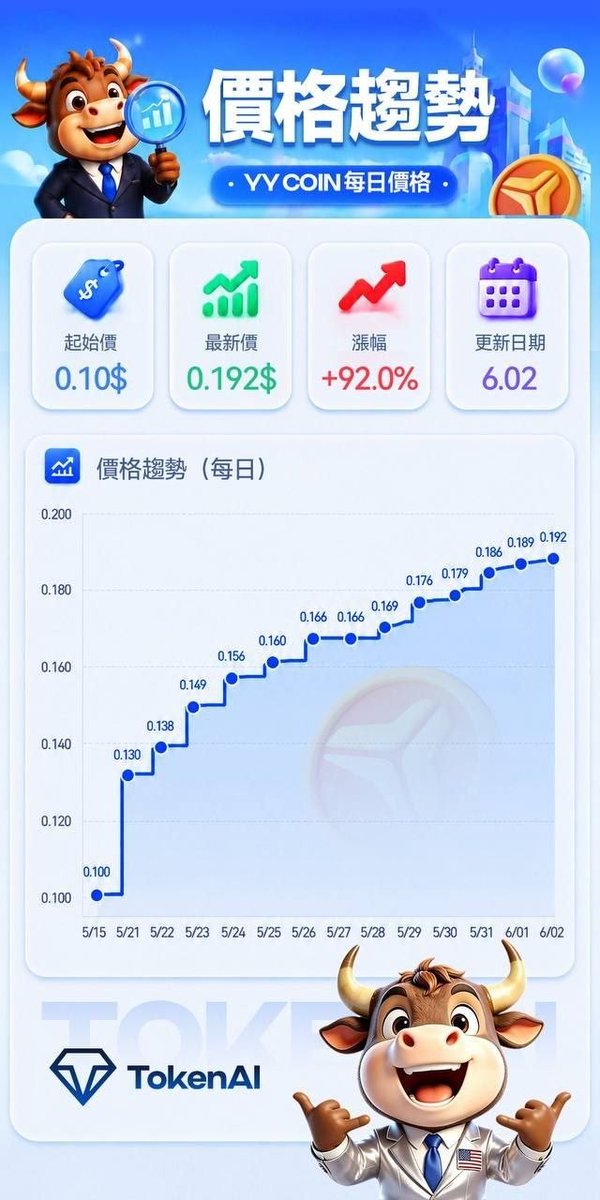
🤝Top projects → free listing on TokenAI.
📍 TST, 21-22/F, 8 Observatory Rd
📩 @TokenAiHK@gmail.com
#Web3 #HKWeb3 #Roadshow #TokenAI #JU Web3 #DeBox $YY #TokenAI #DEX #GameFi #WEB3 #XStocks #DAPP #DeFi #BSC #USDT #Swap #RWA #NFT
Jun 1

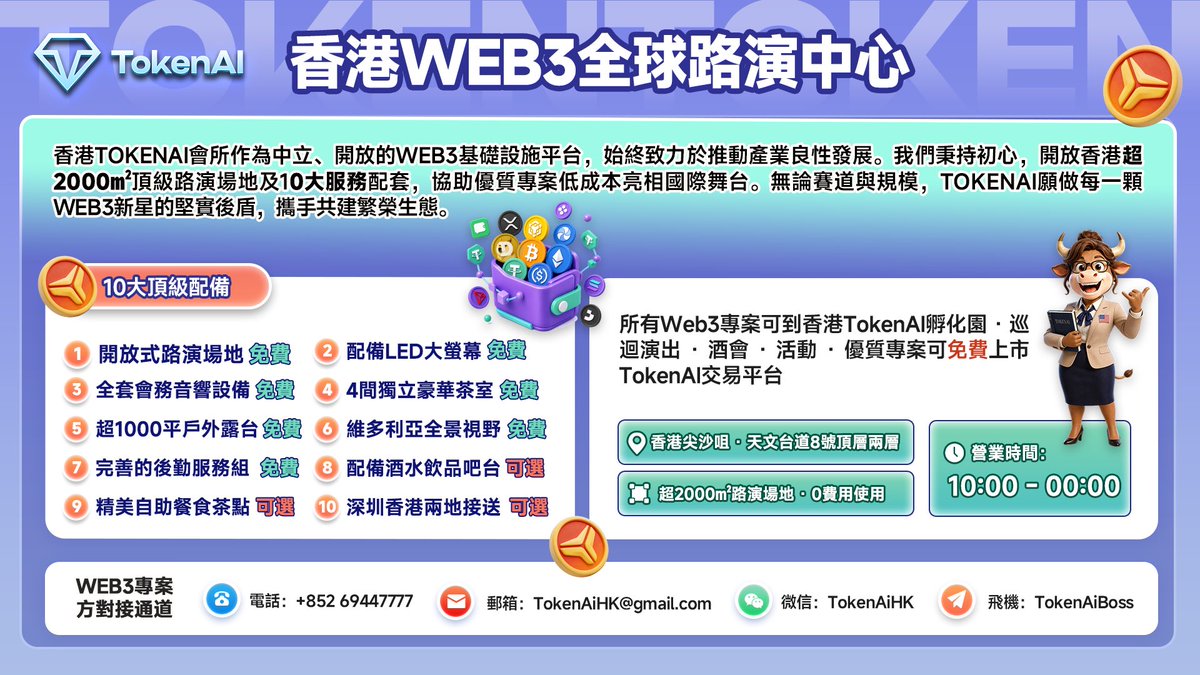
🇭🇰 香港WEB3全球路演中心🇭🇰
由TokenAi中立基础设施平台运营,2000㎡顶楼场地 10大配套,免费助力Web3项目登上国际舞台。
🎯 面向所有Web3项目:路演|酒会|活动|孵化,优质项目可免费上币TokenAI交易平台
🔥 10大顶级配备(大部分免费):
1️⃣ 开放式路演场地 2️⃣ LED高清大屏
3️⃣ 会务音控设备 4️⃣ 4间独立豪华茶室
5️⃣ 1000㎡户外露台 6️⃣ 维港全景视野
7️⃣ 完善后勤服务组 8️⃣ 酒水吧台(可选)
9️⃣ 自助餐点(可选 🔟 深港接送(可选)
📍 香港尖沙咀·天文台道8号 21-22楼顶楼
⏰ 10:00–00:00
📮 项目方对接:☎️ 852 69447777
📩 TokenAiHK@gmail.com
📲 微信:TokenAiHK
✈️ 飞机:t.me/TokenAiBoss
我们愿做每一颗Web3新星项目的坚实后盾。
#Web3 #HKWeb3 #Roadshow #TokenAI #香港Web3 #DeBox $YY #TokenAI #DEX #GameFi #WEB3 #XStocks #DAPP #DeFi #BSC #USDT #Swap #RWA #NFT

21
1
5
10,539
I wasn't planning to write about this.
But after spending some time on Gate Stocks, I felt it was worth sharing.
What caught my attention wasn't marketing or promotions. It was the actual experience of using the platform.
Everything felt faster than I expected. Search results appeared almost immediately, stock information was easy to read, and the interface never felt cluttered.
I also liked how easy it was to jump between different assets without losing track of what I was looking at.
As someone who values simplicity, this stood out to me.
A lot of products try to impress users with complexity. Gate Stocks impressed me by making things feel simple.
Register:- gate.com/share/AQMWVFKJ
#GateStocks

Share your #GateStocks experience for a chance to win up to $200 in ANTHROPIC stock rewards!
Anthropic is one of the hottest AI IPO candidates, with its latest valuation reaching $965B.
Simply try Gate Stocks, share your thoughts on X with #GateStocks, and submit your post. Whether it's a review, tutorial, trading insight, or first impression, we'd love to see it.
Submit now: gate.com/questionnaire/7685

10
2
12,408
Wake up timeline! The SOL sprint just started on @bitget.
You have exactly 48 hours to secure your share of $40,000 USDT. Hit the $20K buying threshold and claim up to $2K. 256 spots total.
Let us go: bitget.com/launchhub/trading…
8
5
1
8,354
Hello Community 🙌
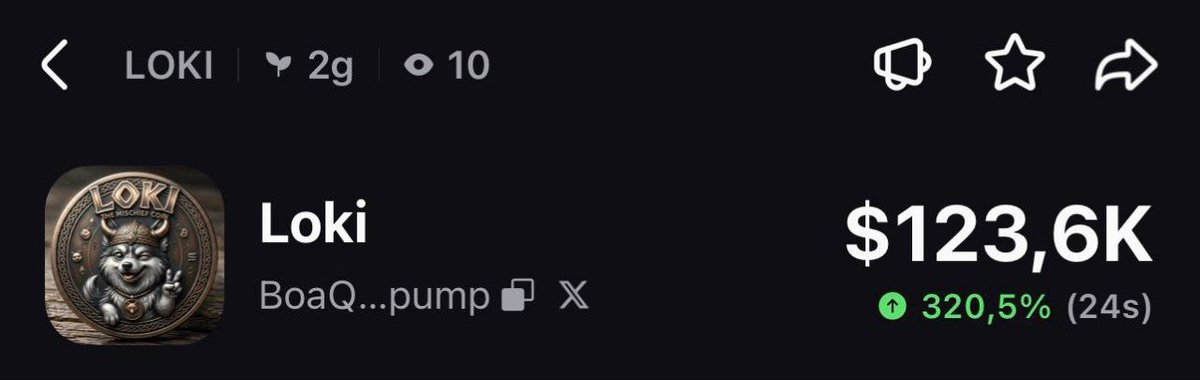
Excited about $LOKI
I bought $LOKI 38.8K MC and it’s pump in 14 hours 125K MC
through BINANCE WALLET⚡
Guys🙌
Now it’s your turn buy a bag 💼
🔥Next target 10M MC in 24 Hours🔥
Not a bad meme token. 50 - 100X potential, I'm watching. Transaction complete! You can buy with your #SOLs. CA 🔥👇
BoaQpzy2d94gunwyVUPpvVPsR6CymahWg6GBqoXZpump
5
3
483