
Free-to-earn gaming metaverse reinventing Pokémon & Tamagotchi as blockchain-based digital-pet collectibles!
Joined November 2018
- Tweets 1,374
- Following 91
- Followers 3,002
- Likes 3,542
419 Photos and videos















CryptoChronic retweeted
Imagine opening a wall and finding tens of thousands of manuscripts lost for centuries, and maybe more, waiting behind it.
3
4
24
CryptoChronic retweeted
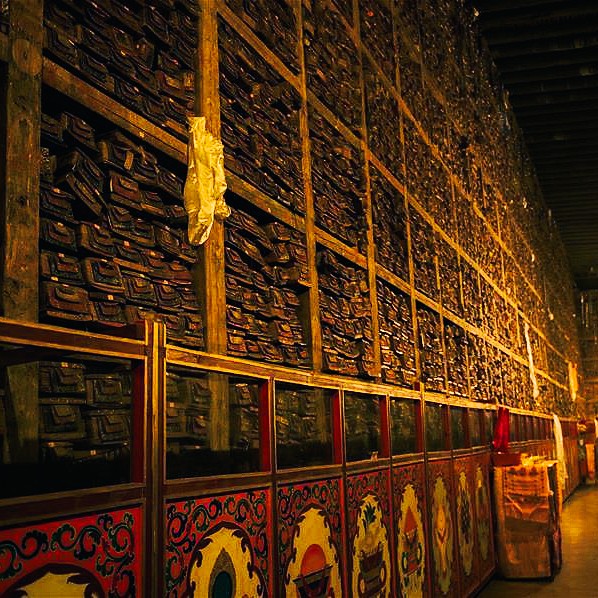
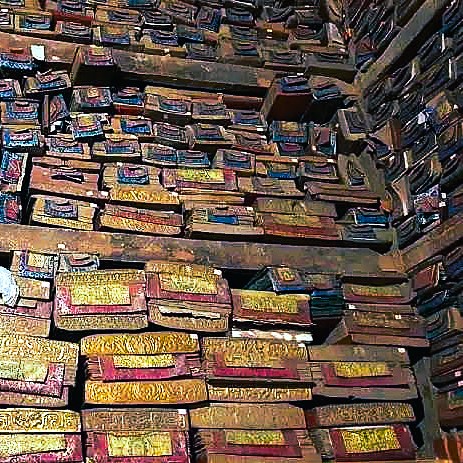
Sakya Monastery — Tibet.
In 2003, workers repairing a wall made an astonishing discovery.
Hidden behind it...
a vast library containing tens of thousands of ancient manuscripts.
Some estimates place the number at over 80,000 texts.
Many had remained sealed and untouched for centuries.
History.
Philosophy.
Religion.
Science.
An entire archive quietly waiting behind stone.
Almost like discovering a forgotten wing of the lost Library of Alexandria.
Even today, researchers are still cataloguing and studying what was found.
A reminder that some of humanity's greatest discoveries are not buried underground...
but hidden in plain sight.
#AncientMysteries #HiddenHistory
1
3
7
86
CryptoChronic retweeted

Jun 14
Interesting, thanks for sharing. I find it very cool that liquid flows over it replicating the exact movement of water on real terrain. Possibly it was used to predict it and better take advantage of the terrain? It seems like such an advanced and modern way to take on an issue like irrigation. Mind blowing 🤯
3
4
20
CryptoChronic retweeted

This is such a cool cave! I want to point out that the 200 carvings feature mysterious geometric and animal figures, but also the cave's purpose is still up for debate. Archaeologists and scholars have debated four primary purposes: agricultural model, topographical map, ceremonial or ritual center, or a spot for divination.
1
3
5
32
CryptoChronic retweeted
Jun 11
The eruption of Thera was one of the largest volcanic events of the ancient world.
3
5
67
CryptoChronic retweeted
Jun 11
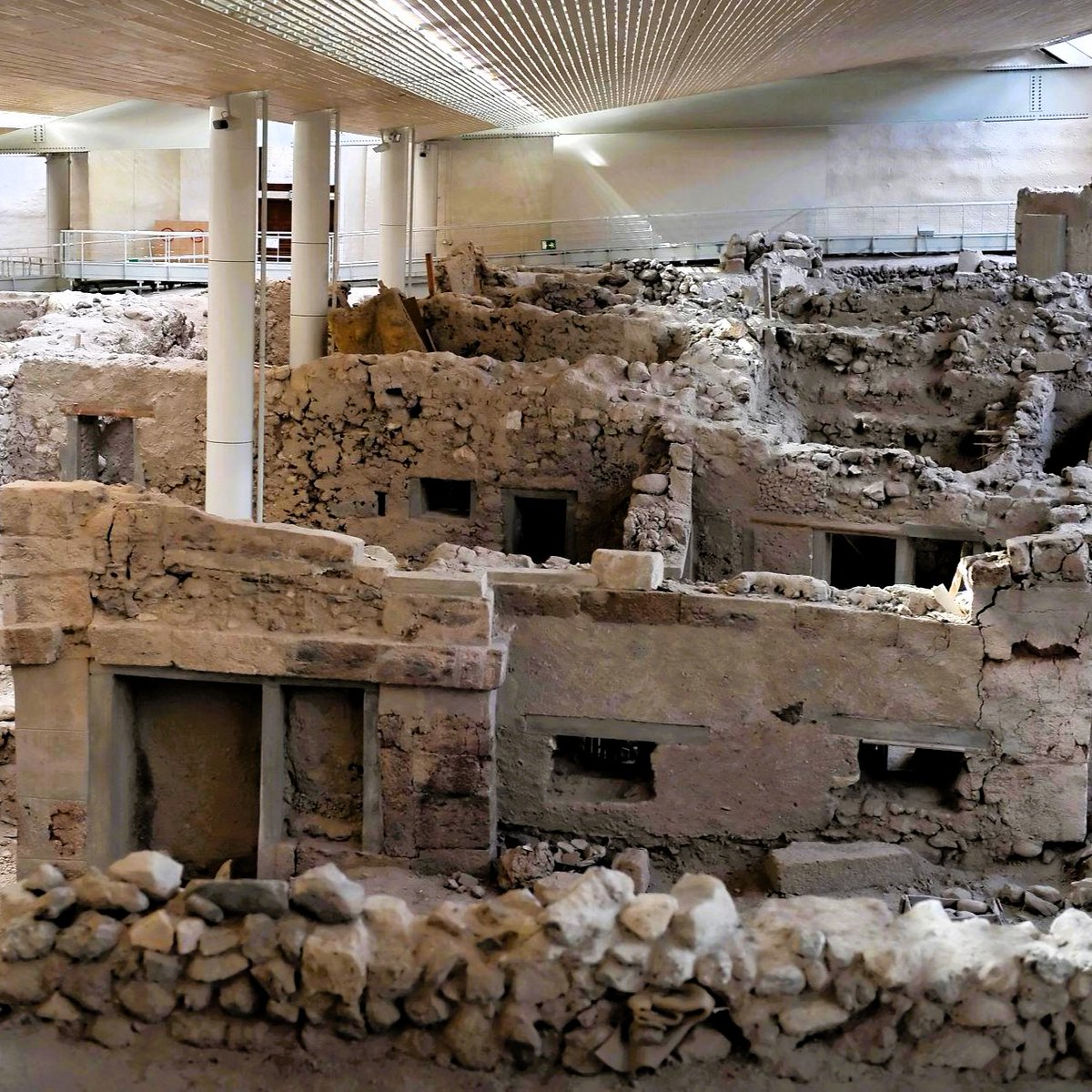
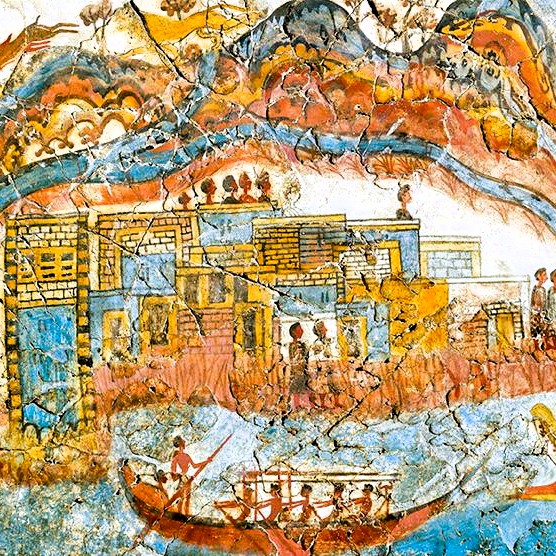
Akrotiri — Santorini, Greece.
Buried beneath volcanic ash more than 3,500 years ago.
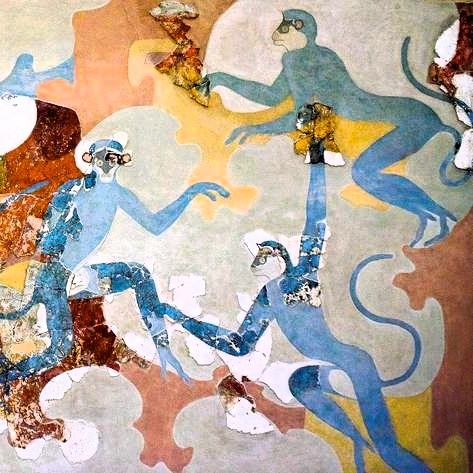
A Bronze Age city with:
• Multi-storey buildings
• Indoor plumbing
• Sophisticated drainage systems
• Remarkable frescoes
All preserved by one of the most powerful volcanic eruptions in human history.
Often called the "Minoan Pompeii"...
except Akrotiri was already ancient long before Pompeii existed.
Some researchers have even suggested that the destruction of Akrotiri and the wider Thera eruption may have inspired Plato's story of Atlantis.
Whether true or not, the city reveals a level of sophistication few people associate with the Bronze Age.
#AncientMysteries #LostCivilizations
1
5
13
250
CryptoChronic retweeted
Jun 10
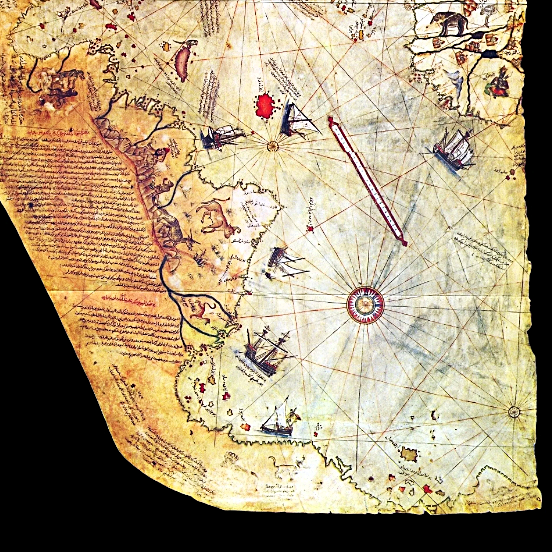
Piri Reis explicitly stated that his map was compiled from multiple earlier charts.
3
3
59
CryptoChronic retweeted
Jun 10
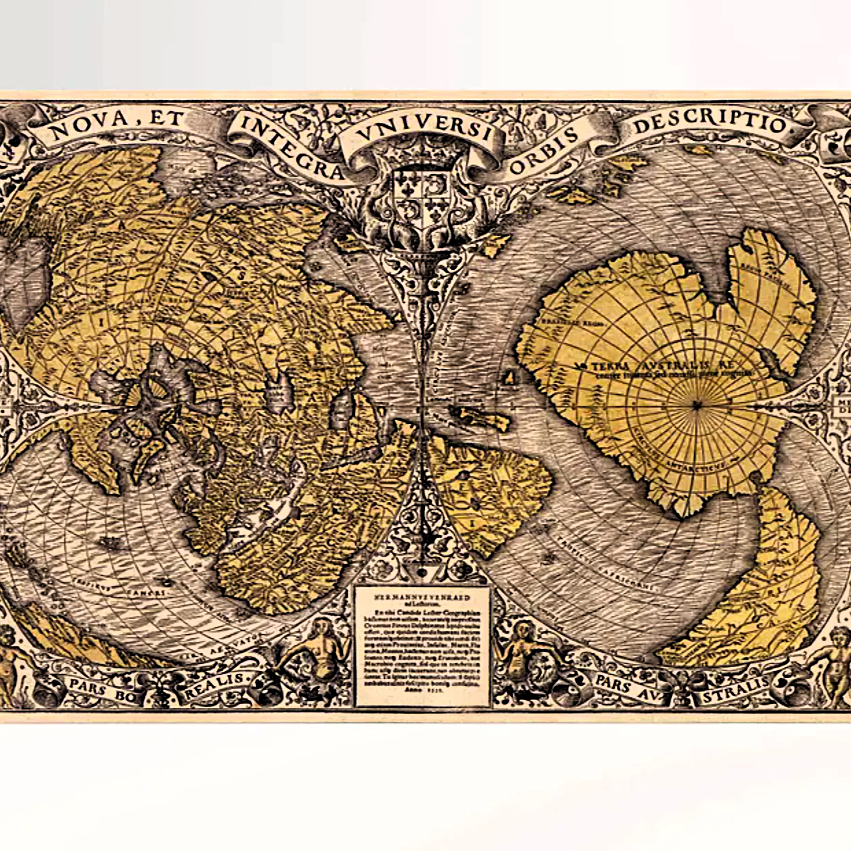
Terra Australis appeared on many early maps long before Antarctica was officially discovered.
3
3
44
CryptoChronic retweeted
Jun 10
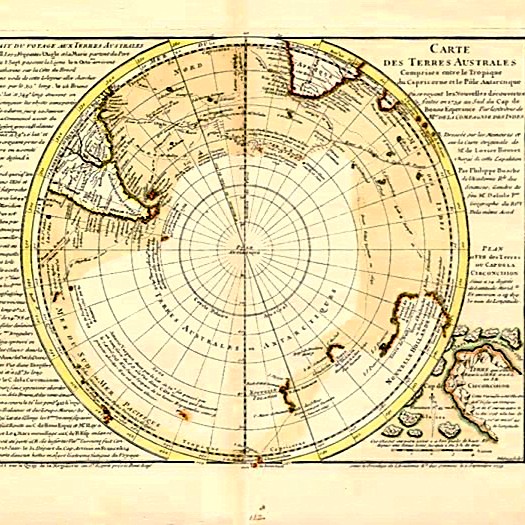
The Buache Map remains one of the most debated maps in cartographic history.
3
3
44
CryptoChronic retweeted
Jun 10
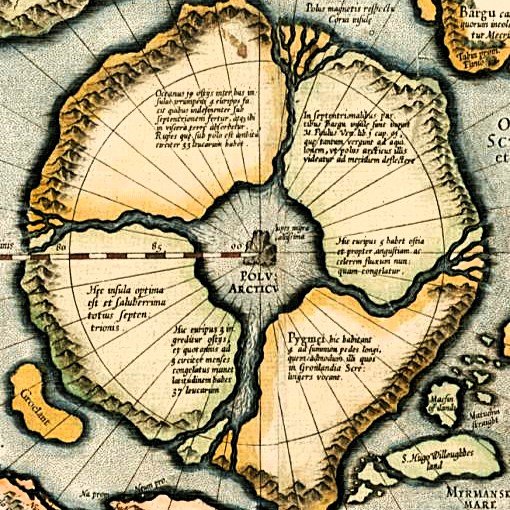
Rupes Nigra may be mythical...
but it remains one of the most visually striking features ever placed on a world map.
3
3
60
CryptoChronic retweeted
Jun 10
The most intriguing part is not the maps themselves.
It's the repeated claim that they were copied from older sources...
that no longer exist.
3
5
56
CryptoChronic retweeted
Jun 10
No map incontrovertibly proves the existence of a lost civilization.
But they do raise a fascinating question.
How much knowledge from the ancient world may have disappeared before reaching us?
The maps remain.
The debate continues.
3
3
55
CryptoChronic retweeted
Jun 10
Mercator's Arctic Map — 1595.
Perhaps the strangest map of them all.
It depicts four immense rivers flowing toward a giant black mountain at the North Pole.
A place known as Rupes Nigra.
Mercator claimed his information came from older sources that no longer survive.
For centuries, the map fueled legends of Hyperborea and lost northern civilizations.
2
3
4
109
CryptoChronic retweeted
Jun 10
The Buache Map — 1737.
Published before Antarctica had been explored.
It depicts the southern continent divided into two major land masses separated by water.
Centuries later, radar surveys would reveal major subglacial basins beneath Antarctica's ice sheet.
Coincidence?
Or access to older geographical traditions?
2
3
4
72
CryptoChronic retweeted
Jun 10
The Oronce Finé Map — 1531.
One of the earliest world maps to depict a vast southern continent.
Decades before Antarctica's discovery.
Supporters argue that the continent's shape is surprisingly suggestive.
Skeptics see a hypothetical "Terra Australis" invented to balance the globe.
Either way, the resemblance remains striking.
2
3
3
82
CryptoChronic retweeted
Jun 10
The Piri Reis Map — 1513.
Created by the Ottoman admiral Piri Reis.
The map accurately depicts parts of Europe, Africa, and South America.
But what made it famous was a controversial claim:
That part of its southern coastline resembles Antarctica...
three centuries before Antarctica was officially discovered.
Piri Reis himself stated that he compiled the map from much older source charts.
2
3
8
107
CryptoChronic retweeted
Jun 10
Some of the most mysterious maps in history share a strange feature.
They appear to contain geographical knowledge that their creators were not supposed to possess.
Antarctica before its discovery.
A black pyramid on lost polar lands.
Ancient source maps.
And perhaps echoes of a forgotten past.
A thread. 🧵👇
#AncientMysteries #LostCivilizations
2
3
8
227
CryptoChronic retweeted
Again, many thanks for sharing. Truly very interesting.
5
6
37
CryptoChronic retweeted

Yes, like San Pedro or 𝙃𝙪𝙖𝙘𝙝𝙪𝙢𝙖, another hallucinogenic cactus used by the ancient Peruvians for ritual purposes, the candelabra cactus also contains psychotropic phenylethylamines: N-acetyl-3,4-dimethoxyphenylethylamine, N,N-dimethyl-3,4-dimethoxyphenylethylamine, N,N-dimethyl-4-methoxyphenylethylamine, and the substituted amphetamine 4-methoxyamphetamine. The synthetic form of this last compound has been manufactured since the 1970s as a designer drug and is marketed as MDMA.
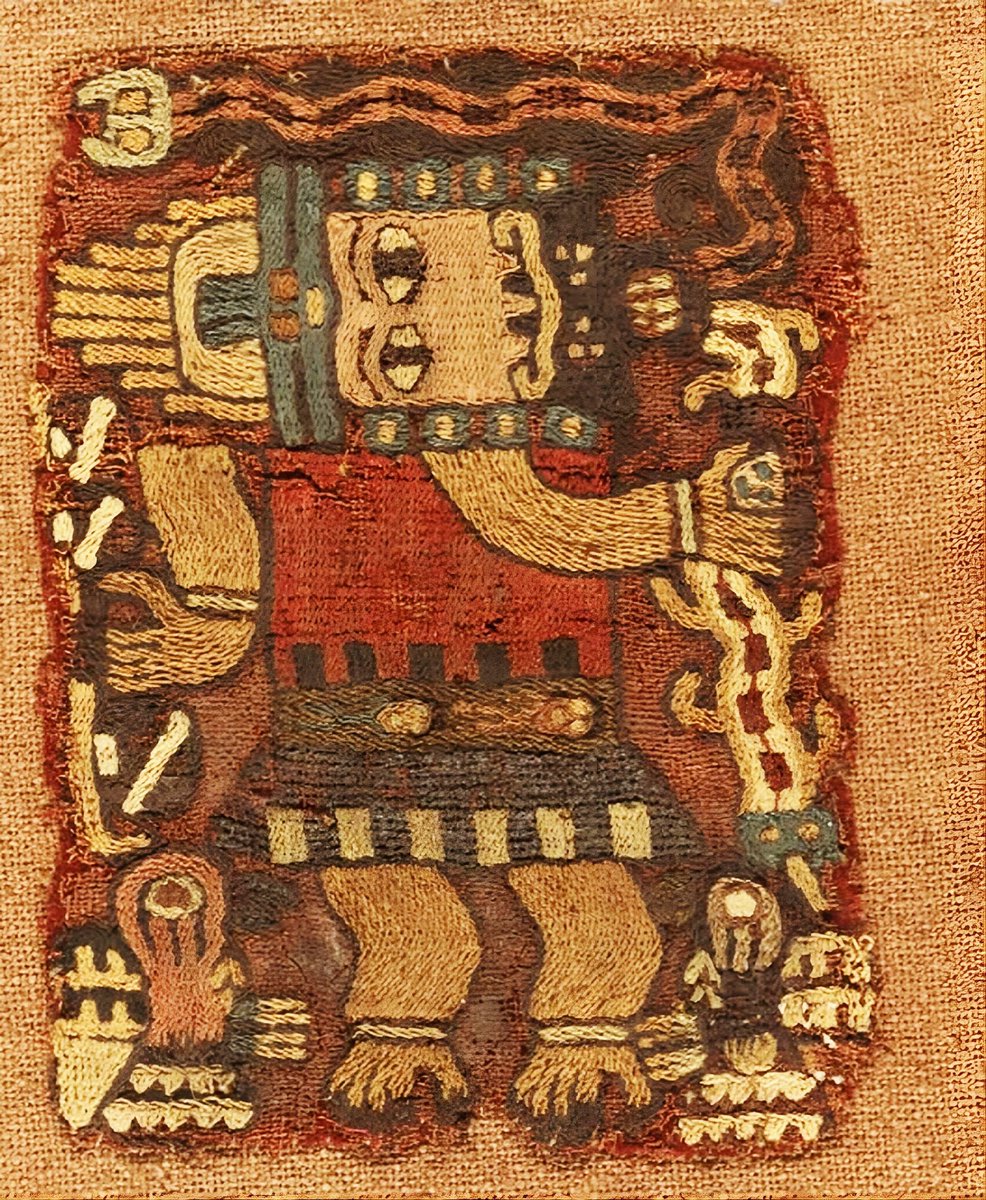
In the iconography of the Paracas and Nazca cultures (closely related both spatially and temporally), cactus-like appendages represent a symbol of spiritual transformation and connection to water and fertility. They emerge primarily from the mouths, napes, or torsos of divine beings, channeling shamanic power and the life cycle.
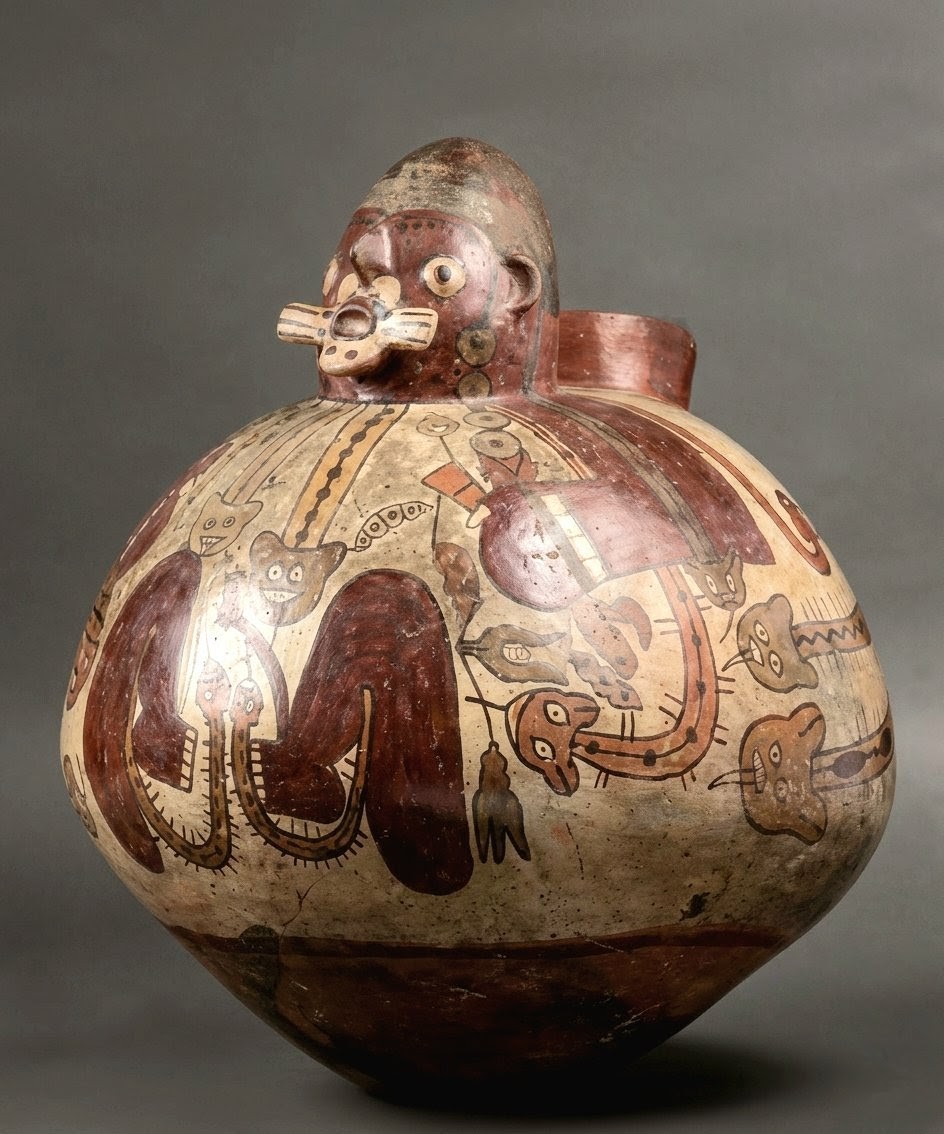
In Nazca art, the "Anthropomorphic Mythical Being" is emblematic, featuring undulating extensions that sprout from its body. Although often mistaken for snakes, many of these appendages contain structural segments, spines, and flowers that reveal their true identity as cactus stems.
In Nazca pottery (especially during periods of great aridity), both stylized cacti and phytomorphic decorations were depicted, serving as symbolic conduits or channels for vital fluids.
For these cultures, the cactus was a sacred and entheogenic plant. The appendages represent purging, the flow of vital energy, healing, or shamanic visions, connecting the individual with the world of ancestors and deities.
This visual manifestation was inherited by the Nasca culture from the magical-religious traditions of the Paracas textiles and masks, where the deities already displayed hybrid attributes (feline-ornithomorphic) and mouth appendages that flowed towards the natural environment.
📸 Detail of a funerary mantle from the Paracas Necropolis/Topará culture (500 BC–200 AD) depicting a mythological being or shaman in a state of ritual ecstasy. It features anthropomorphic traits combined with zoomorphic and supernatural elements, including serpentine appendages that likely represent stylized cacti.
📸 Early Nazca-style sculptural bottle (100 BC–300 AD) representing the "Mythical Being of the Crops," depicted as a squatting figure adorned with a helmet, headband, nose ornament (or mouth mask), ear discs topped with severed heads, and a necklace of snakes. In its hands, it carries a sacrificial knife and a severed head with its mouth sewn shut with thorns. The body features representations of chili peppers,
yuca, an ear of corn, and cactus stems transformed
into snakes.
1
5
6
95
CryptoChronic retweeted
Very interesting. Many thanks for sharing.
4
6
33