Joined January 2021
- Tweets 3,280
- Following 2,558
- Followers 673
- Likes 10,891
254 Photos and videos







CryptoRev🛸 retweeted

30 Aug 2025
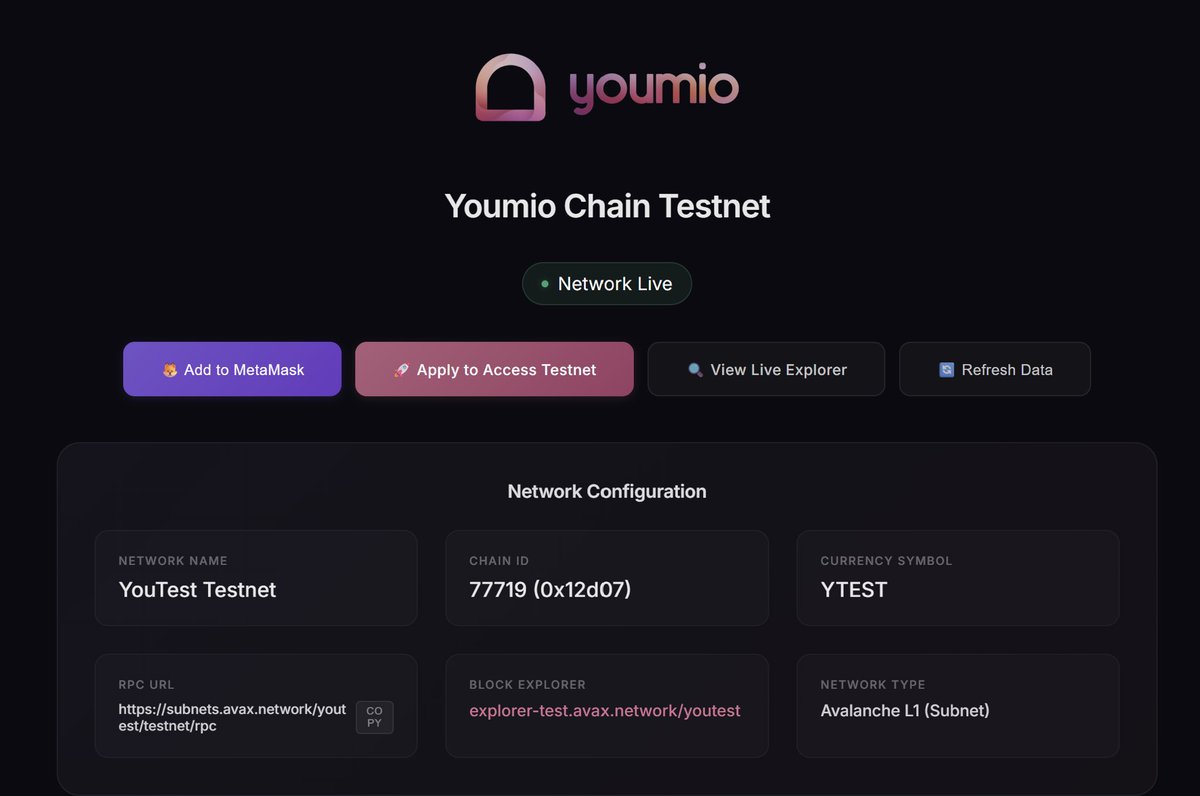
Youmio Testnet is live. An exciting beginning for the agent chain. 💫
Core infrastructure is running smoothly. Additional protocols, contracts and features will be deployed over the coming weeks, with access rolling out in phases starting with Seed holders. Community always gets first access 🙏
@Limbo_ai is central to testnet, the core prism by which you will interact onchain with the foundational protocols.
We’re reviewing 50k applications currently but there’s still time to apply.
Check the dashboard here to see testnet status: testnetstatus.youmio.ai/
68
70
259
18,538
CryptoRev🛸 retweeted

29 Aug 2025
August @WolvesDAO @Woof_Lab Update:
1️⃣ Gamescom was a success and validated what we're building - not just from web3 but also from web2 companies way outside our circle.
2️⃣ Community - Wolves 2.0 inbound! Wolves Woof are uniting into one family, with a clear path from Cub to Wolf built around contribution and growth, leveraging our tech stack.
3️⃣ Product - we're rolling out Kizuna, our discord native intelligence toolkit for communities. It includes an analytics suite, AI insights, engagement tools and more!
4️⃣ If you want to test the product or explore a partnership, reach out to @paytkaleiwahea or @SlayerXgg to talk more!
woof woof 🐺
56
37
178
15,553
CryptoRev🛸 retweeted

14 Aug 2025
In the fractured realms of Edge of Chaos, even gravity becomes a weapon.
The trebuchet isn’t just a machine, it’s a relic of the Old Wars, reborn in fire and steel.
Every launch hurls not just stone, but history, rage, and the will to reclaim a dying world.
3
7
395
CryptoRev🛸 retweeted

6 Aug 2025
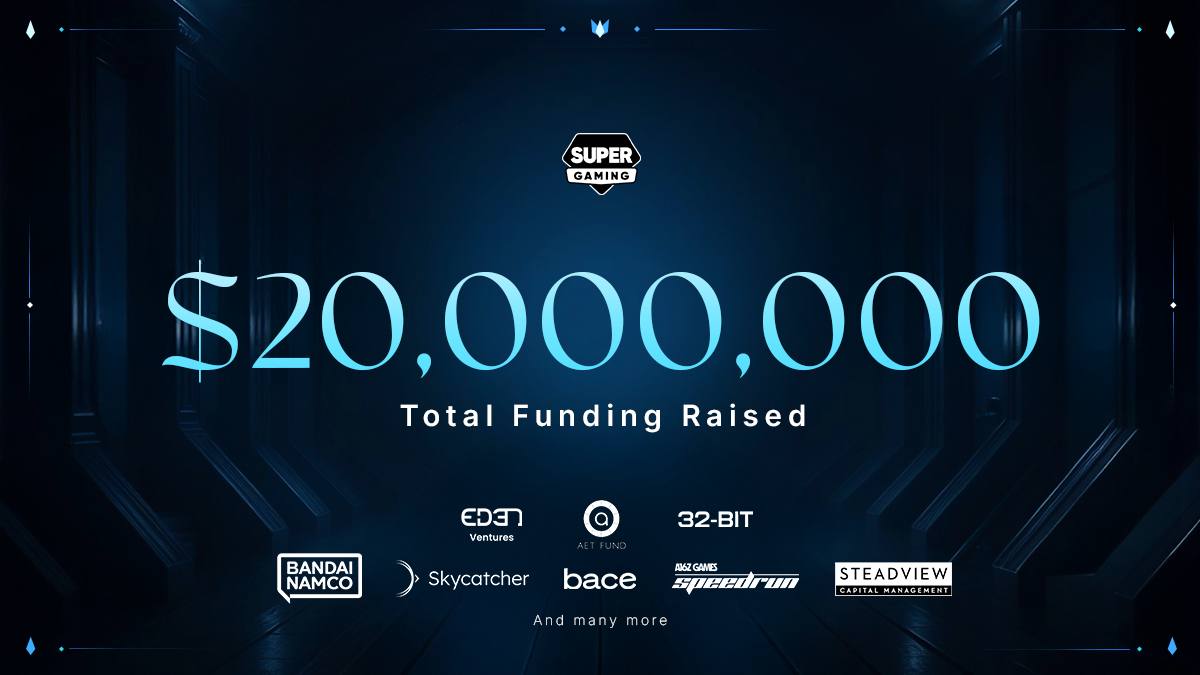
We're delighted to announce the raise of SuperGaming's Series B funding round, bringing us to $20M in total funding, from top web2 & crypto funds incl. @skycatcher_xyz @SteadviewCap @speedrun @32BitVentures @GFRFund @LOUDgg @ivcryptofund & other notable investors.
🧵
550
6,784
9,479
191,891
CryptoRev🛸 retweeted
31 Jul 2025
July @Woof_Lab Update:
1️⃣ Payton is back from paternity leave, fired up and ready to COOK!
2️⃣ Gamescom - we're hosting 3 events with top partners and showcasing our community tool, Kizuna.
3️⃣ If you're not going to be at Gamescom, you can reach out to @paytkaleiwahea or @SlayerXgg to schedule a meeting and get a product demo.
4️⃣ Product Update - Reward Engine sneak peek.
5️⃣ Community - @ashnichrist hosted an Upskill Workshop on levelling up as a creator.
6️⃣ Plus we have something special planned for Woof and Wolves once we're back from Gamescom 👀
woof woof 🐺
17
11
81
8,425
CryptoRev🛸 retweeted
24 Jul 2025
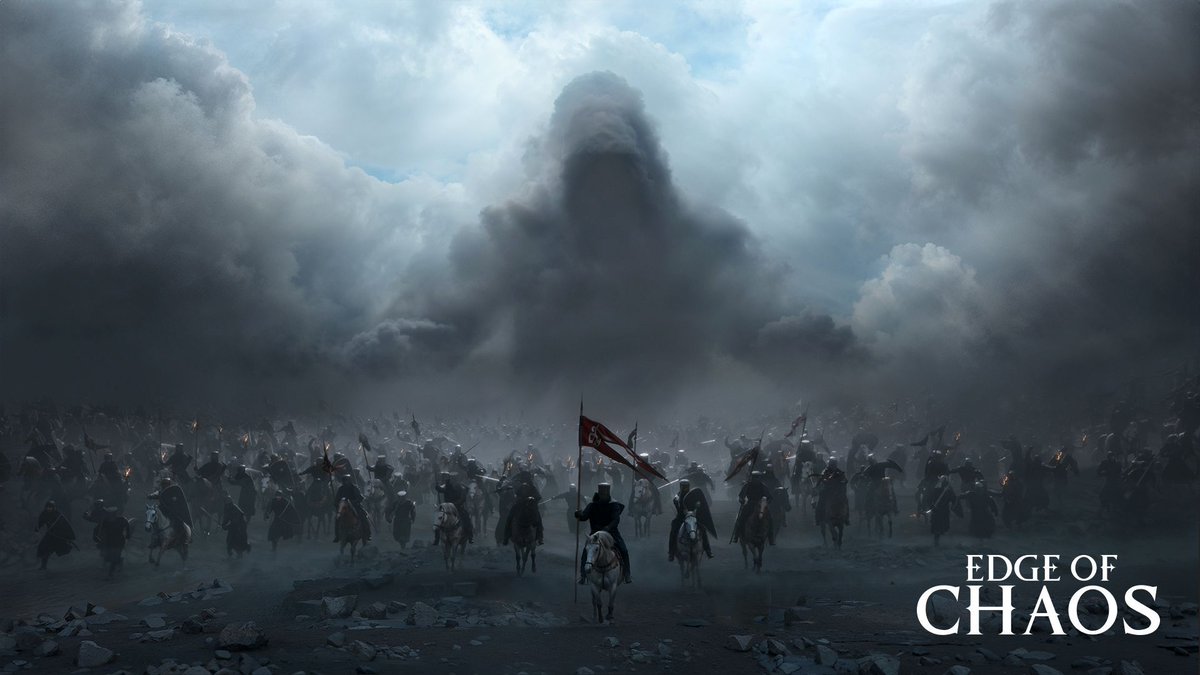
In Edge of Chaos, the world is balanced on the very brink of order and chaos. Every victory, every defeat, even a single tree falling, sends ripples through space and time, creating genuinely emergent and unpredictable consequences.
2
6
325
CryptoRev🛸 retweeted

18 Jul 2025
But The Truth still matters.
And it needs a place to rise.
That’s why XION is here a new digital world where real voices matter.
Powered by @KaitoAI,
Backed by real community.
Stand up. Speak real.
Let the world hear you.
16 Jul 2025

The internet is dying.
Drowned in hate, abused by attention seekers, suffocated by AI.
In a sea of noise, The Truth must stand out.
Rise up with XION today.
Fueled by @KaitoAI.
Yapper leaderboard is live: xion.burnt.com/kaito
644
813
1,827
18,319
CryptoRev🛸 retweeted

18 Jun 2025
Our Kaito Leaderboard is THE most slept-on campaign on the platform.
Let us tell you why... 🧵⤵️
1,797
1,682
5,178
630,289
CryptoRev🛸 retweeted
15 Jul 2025
Real loss. Real ownership. A foundation for players to build something lasting.
Most Web3 games have tried to build charts.
@EVE_Frontier is trying to build a society.
A deep dive in partnership with Eve 👇
While others focused on short-term spikes - tokens, NFTs, airdrops.
EVE Frontier is doing something different.
It’s designing for a world where players can build systems, not just stats.
Where the game isn’t extractive, but participatory.
Where the goal isn’t daily active users - it’s long-term cultural depth.
It’s still early, we know.
But the structures they’re putting in place - decay-based economies, programmable contracts, player-led factions is the first real attempt we’ve seen at empowering a player base to build something that lasts.
This isn’t a product trying to ride a meta.
It’s a sandbox built for people who want to shape it.
It isn’t devs stepping back. It’s devs empowering.
Most games, especially in Web3, still revolve around a core assumption:
Devs build the rails. Players ride them. Maybe profit. Maybe not.
EVE Frontier takes a different stance.
It’s not about stepping back and letting chaos reign. It’s about giving players systems they can actually own, and rules the developers themselves can’t override.
That includes:
• Onchain logic that governs decay, movement, and scarcity
• Smart contracts powering missions and structures
• No admin privileges to undo outcomes or patch over losses
These mechanics don’t guarantee a good society, but they create the conditions for one to emerge.
Ships decay. And that’s a good thing.
One of the smartest, and boldest design decisions in EVE Frontier is this: ships decay unless they’re used or maintained.
That might sound like a UX nightmare to the average gamer.
But it’s actually one of the most important economic choices in any persistent virtual world.
In his Substack essay “Land Value Tax in Online Games”, Lars Doucet breaks down how speculative, permanent assets like land often ruin virtual economies:
• Whales hoard early and flip for profit
• New players can’t access core systems
• UGC drops because participation gets gated
• Black markets emerge
• And eventually, user growth slows to a crawl
The same thing can happen with ships, which are essentially land with engines in EVE. They’re the core unit of value, movement, warfare, and trade.
So what’s Frontier’s answer? Decay.
Not as a punishment, but as a form of soft taxation. If you’re not using your assets, they degrade.
This keeps ships circulating. It creates demand for production. And it ensures that value in the economy flows toward active players, not idle speculators.
It also means:
• No hoarding meta
• Lower barrier to entry for new players
• Real incentives to engage, repair, resupply, trade
In other words: decay drives motion. Not just in the economy, but in the culture.
Frontier isn’t play-to-earn. It’s play-to-matter.
Most Web3 games still chase extractive loops. Frontier is one of the few trying to build something that’s sustainable and self-directed. The economy has sinks. The rules are transparent.
And most importantly, the world can outlive its creators.
Because the goal isn’t to farm tokens.
It’s to be part of something that remembers you for how you played, what you built, and who you built with.
EVE Frontier isn’t trying to replicate EVE Online.
It’s trying to extend its promise into a world where the rules aren’t just mechanical, but enforceable.
Where loss is serious. Where systems belong to the players.
And where you can’t buy your way to legacy, you have to earn it.
It’s early. There’s still a lot to prove.
But for the first time in a long time, someone is designing a crypto game where ownership isn’t the reward. It’s the responsibility.
19
18
107
11,513
CryptoRev🛸 retweeted

8 Jul 2025
Struggling with scale and/or infrastructure costs?
Reply to this tweet, we'll RT your project and see how we can help.

2
5
445
CryptoRev🛸 retweeted
27 Jun 2025
We’re partnering with EVE: Frontier, an evolution of the iconic EVE Online universe.
Through this partnership, Wolves are connecting gaming communities directly with the EVE: Frontier team.
Their playtest starts today and runs from June 27 to July 7. A special Wolves link is in our bio and down below 👇
This 10-day free trial is for anyone to explore the Frontier, harvest Grace, and convert it into permanent EVE Points.
34
15
134
11,595
CryptoRev🛸 retweeted

7 Apr 2025
Do you believe in immortality?
To be able to believe, you should be a Mortal

1,410
3,016
7,721
113,579

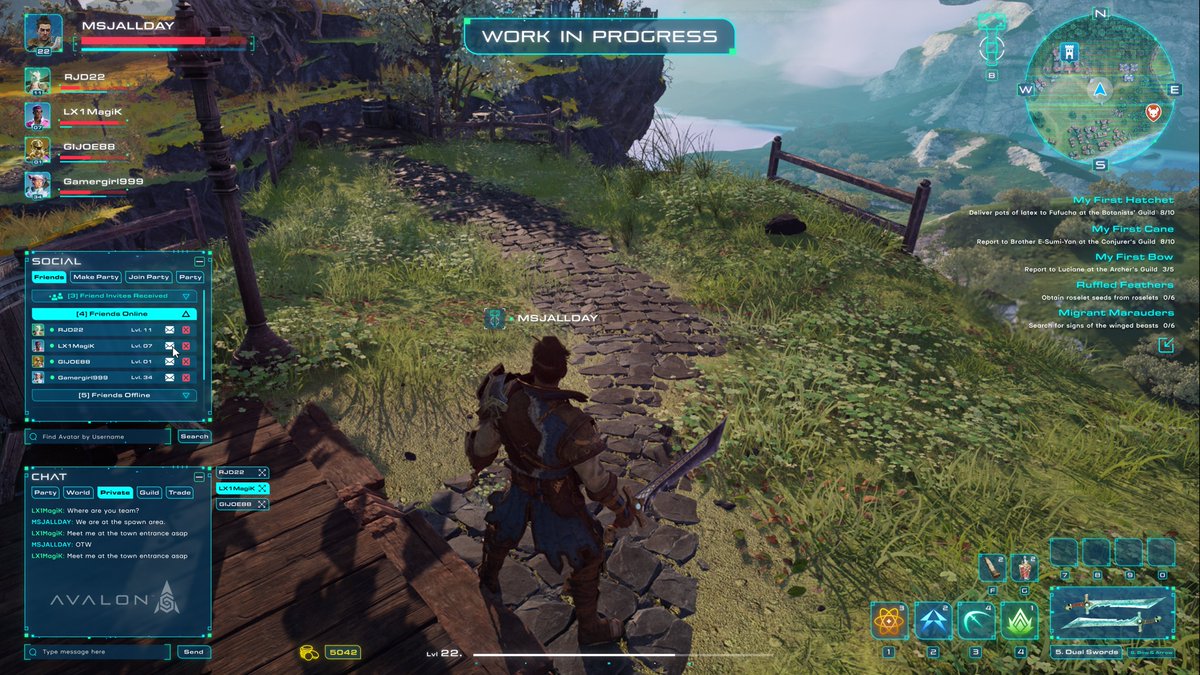
It’ll take days to fully uncover all that AVALON’s expansive world has to offer...
But exploring is always more fun with friends!
Build your party, conquer quests and stay connected through seamless social chats.
Who’s joining your raid squad? Tag them below!
52
26
241
9,446
CryptoRev🛸 retweeted
30 May 2025
May Update: Building the Woof Ecosystem
Woof is growing beyond a social AI agent to an ecosystem of products to empower gaming communities.
Timestamps:
00:00 - Intro
00:30 - Woof is an ecosystem of products
01:00 - Community Activations
02:00 - WoofXBT -> @Woof_Lab
02:40 - Woof Roadmap
04:05 - Product Update
TLDR:
1️⃣ WOOF Token Launch: Completed in March with Discord gated at 10k WOOF.
2️⃣Upskill Workshops: Weekly sessions from top operators like Charlie Blackstock and Katty Bettner. Workshops are exclusive to holders and recorded.
3️⃣Game Nights: Partnered with games every Tuesday at 9 PM EST.
4️⃣Social Transition: WoofXBT is now @Woof_Lab, the home for all product and community updates. Discord remains the core hub for fast updates.
5️⃣Woof Roadmap: x.com/Woof_Lab/status/192844…
We’re building products to address key pain points in Web3.
Stay tuned for more updates.
35
24
137
19,587
CryptoRev🛸 retweeted

28 May 2025
The battle for balance is being fought everyday ⚖️
Welcome to WIP #116 where our amazing UI/UX designer Danica takes you through the process & thinking behind her amazing work with us and how it's essential we treat our users with respect via the subtle art of UI/UX design 💚
22
39
128
3,054
CryptoRev🛸 retweeted
23 May 2025
Greetings Chaos Dwellers!👋
We've been really busy continuing to build out the core elements of Edge of Chaos. Game mechanics, assets and importantly our Quark Engine which powers our hyperscale world.
As the world of Edge of Chaos continues to take shape, we want to share this new shield design with you all.🛡️
This is one of many new in-game assets we'll aim to share with you over the coming weeks.⚔️
1
2
10
484
CryptoRev🛸 retweeted
22 May 2025
"It's about creating beautiful efficiency with breathtaking quality"🌱
Welcome to WIP #115 where we begin to unpack some of the design work currently underway at Youmio for our upcoming products
We know our benchmark & it's high👀
Thank you for coming on this journey with us
21
47
154
6,361

22 May 2025
$BOOST is for those who showed up.
278 $BOOST. Stamped Rising Star on my BOOST PASSPORT.
Ready to LFBoost ⚡️
Did you make it in?
alphabot.app/boost
1
35
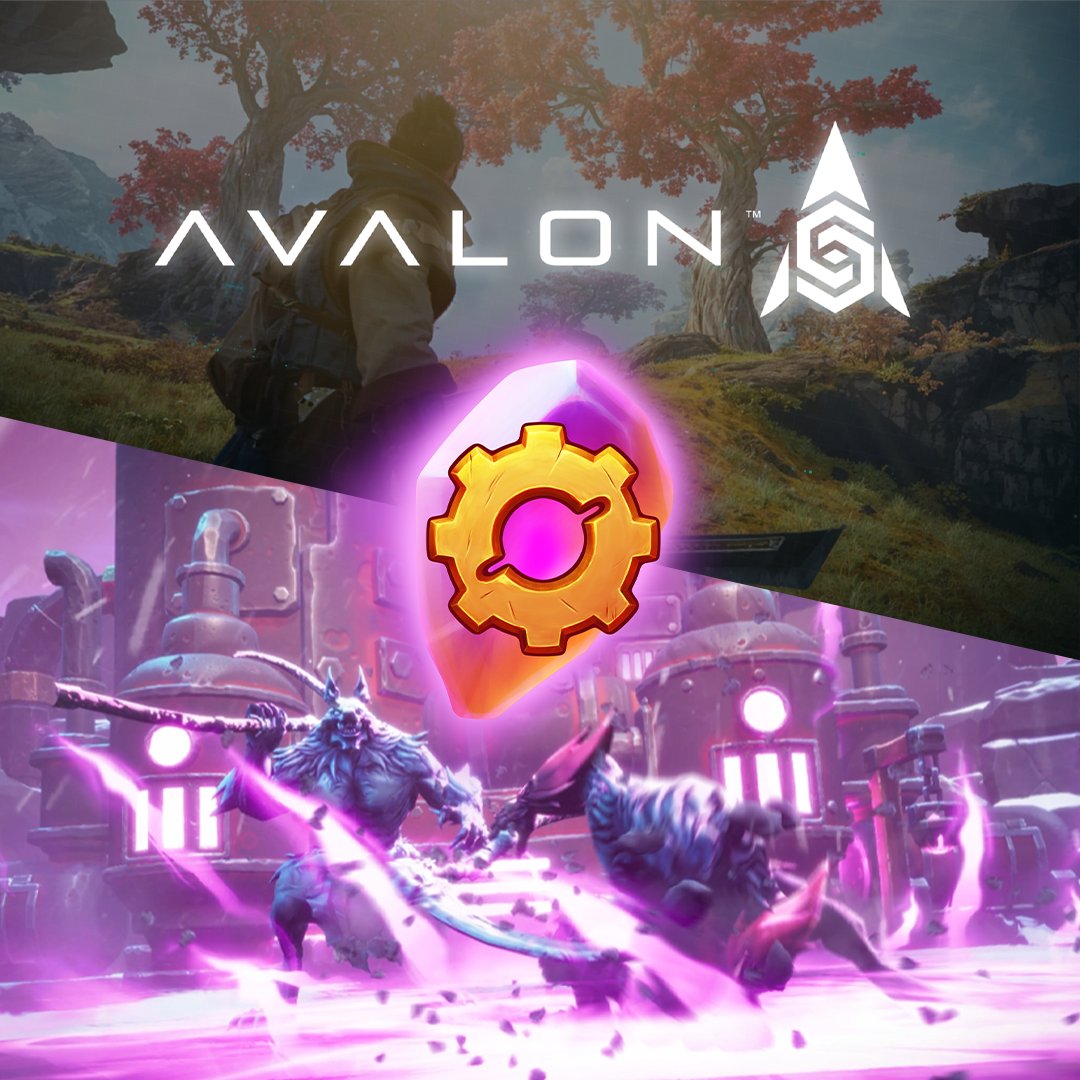
True interoperability requires breaking down walls between games.
We’re excited to announce our partnership with the amazing @PlayChronoforge!
Connecting Chronoforge’s advanced airships with the worlds of AVALON through endless adventure, both featuring groundbreaking AI integrations and unleashing the full potential of the Unreal Engine!
Get ready to travel between both gigantic worlds with your native assets intact!
1,098
10,563
12,520
148,225
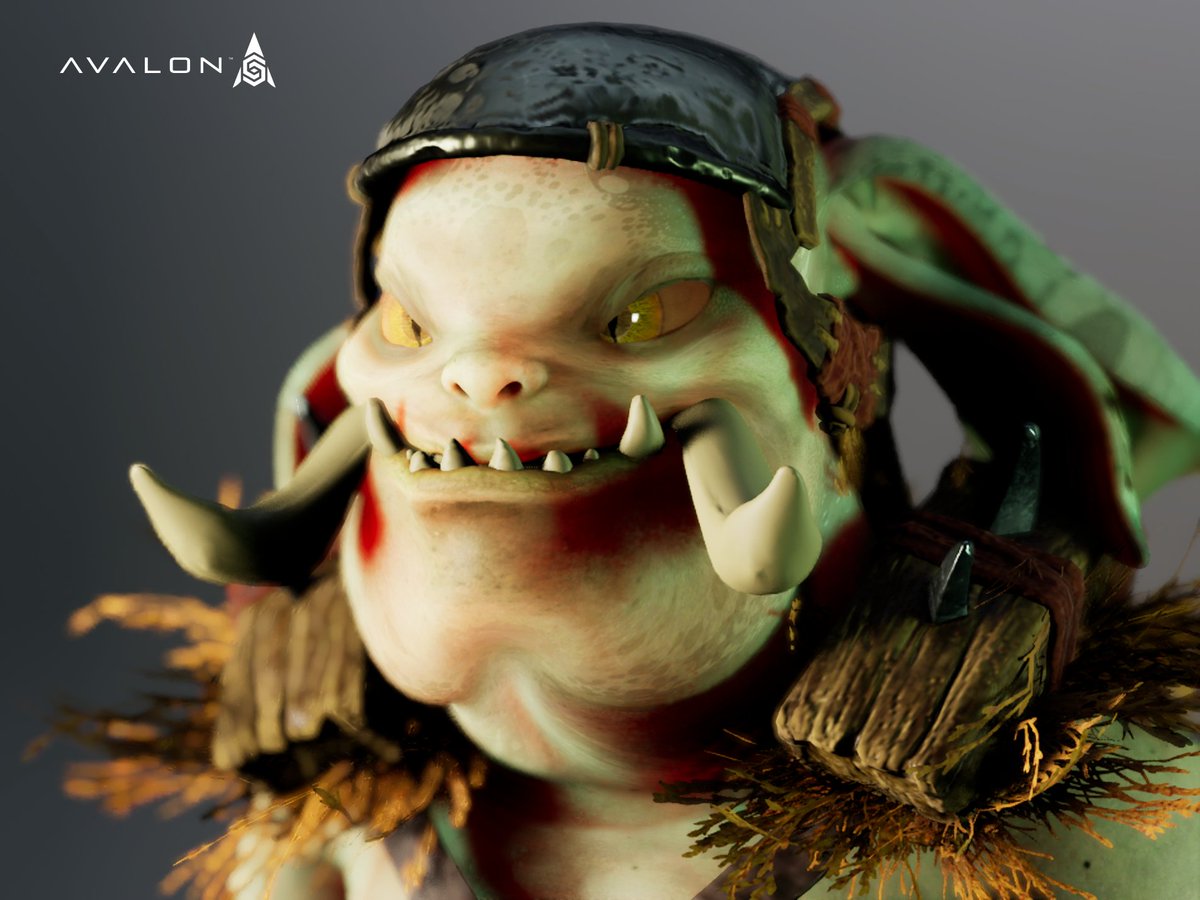
Goblongs: The Paradox
Roaming the high fantasy realms of AVALON, they are repugnant and simple, yet oddly charming and cunning creatures.
Join our Discord to see their evolution from 3D blockouts to detailed game-ready models.
Get inspired. Your turn to create is coming soon.
1,060
11,403
13,979
143,912