The fabric of space and time weaves all possibilities. - Intel Stock Holder
Joined February 2021
- Tweets 9,565
- Following 225
- Followers 340
- Likes 221
133 Photos and videos

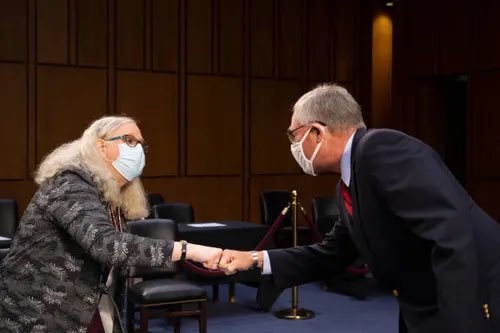
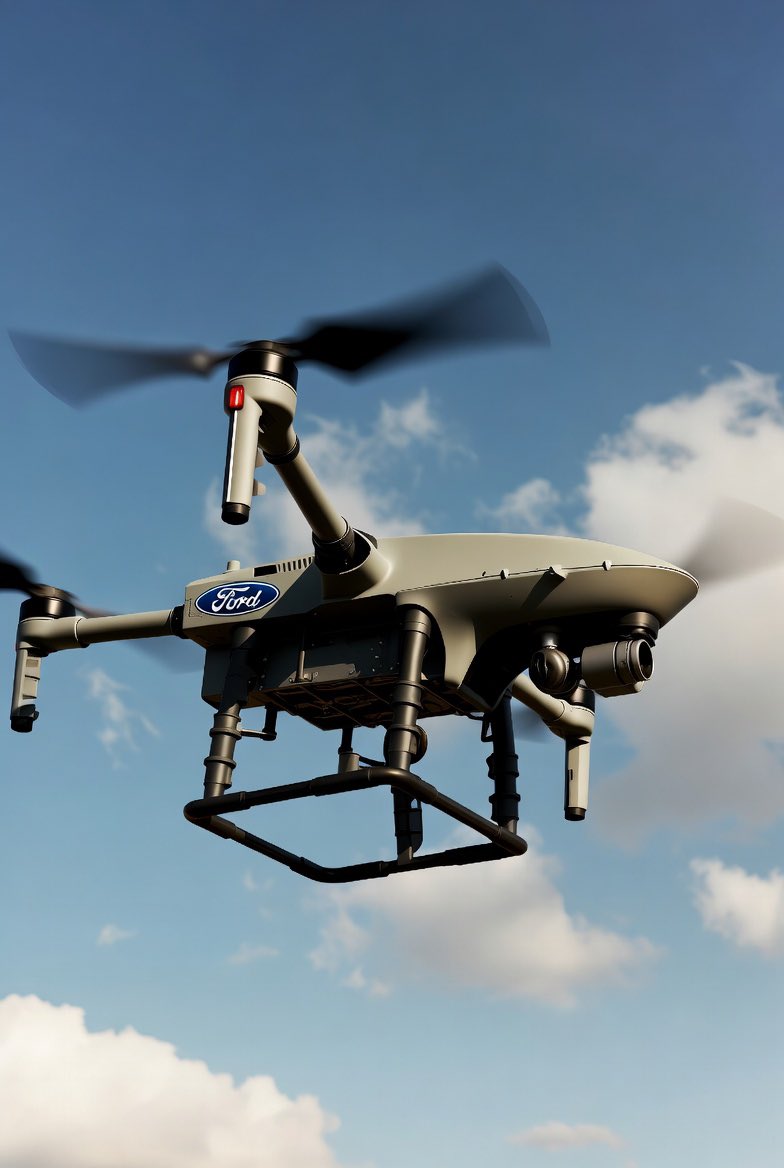




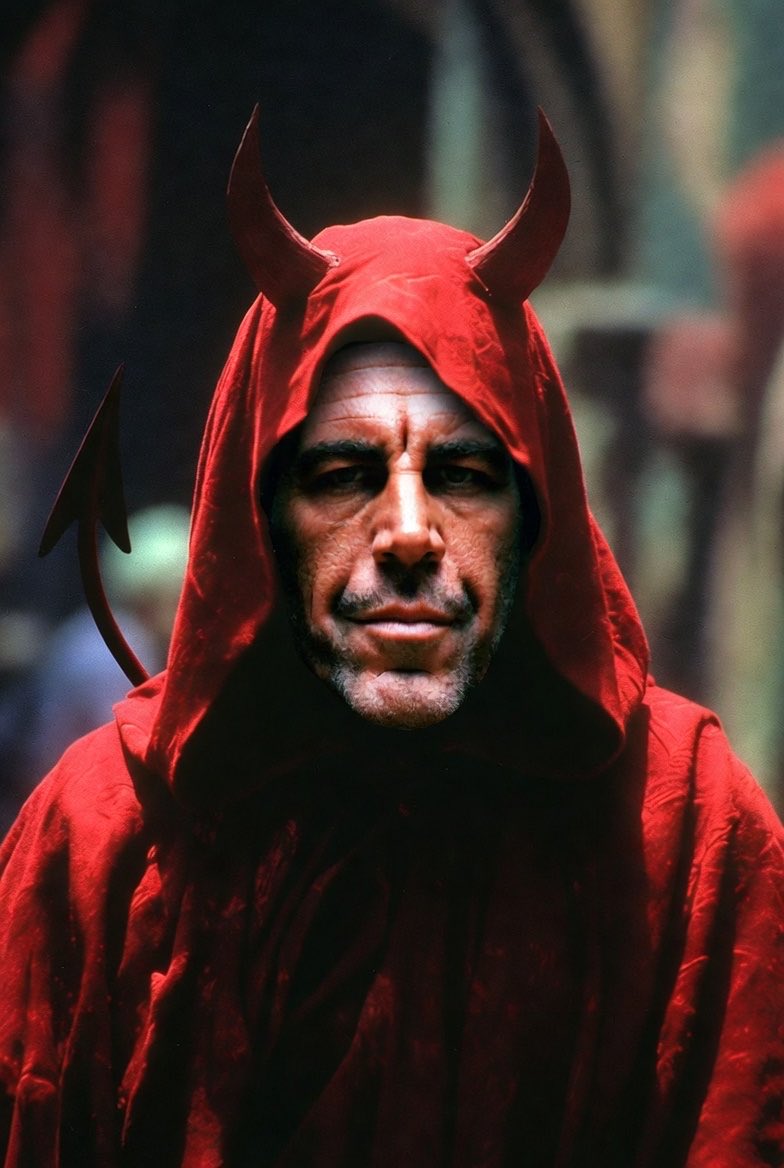
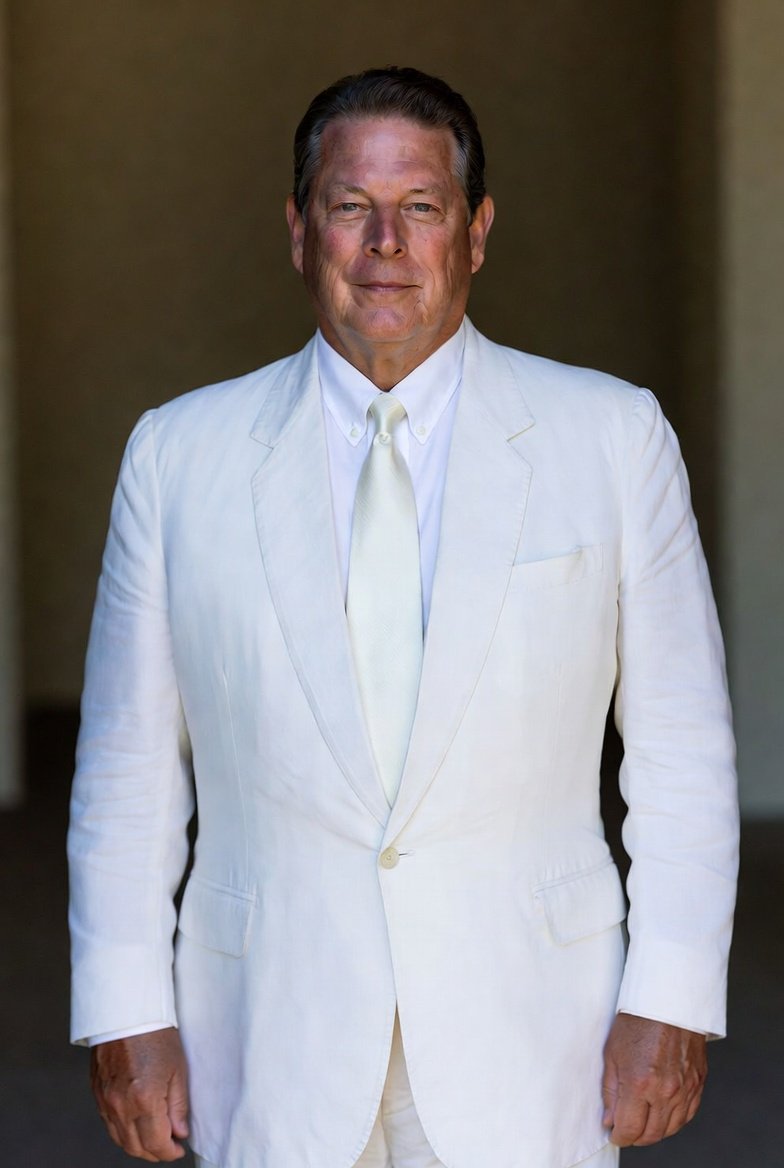




Feb 18
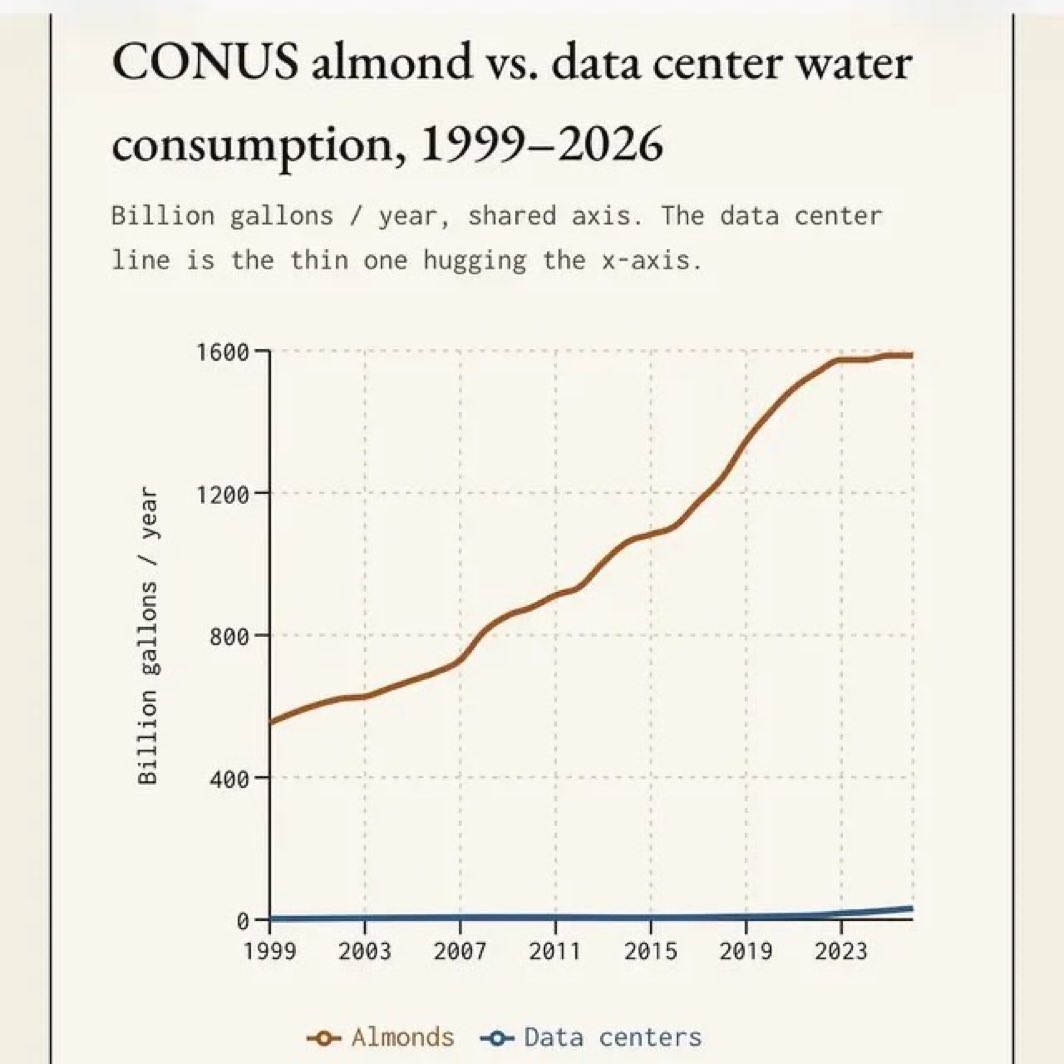
Grok Imagine prompt:
Ultra realistic simulation of a waterpark inside a large enclosed dome city on the moon, adhering to lunar physics: low gravity environment with 1/6th Earth gravity, water floating in slow-motion arcs and forming large slow-falling droplets and waves...
1
2
219
Feb 13
This February has a Friday the 13th. Next month will also have a Friday the 13th. There is interesting math behind this… from Grok.
Yes, February and March 2026 both have a Friday the 13th (today is one of them).
Consecutive months with a Friday the 13th can only occur in February and March during non-leap years, because that is the only case where the number of days between the 13ths (28) is a multiple of 7, keeping them on the same day of the week. In leap years, February has 29 days, shifting March 13th by one extra day. No other month pairs allow this, as their lengths (30 or 31 days) don’t align the 13ths on the same weekday.
To determine the frequency, we can examine the pattern over a long period (e.g., 1900–2100) using Python’s datetime module to check when February 13th falls on a Friday in non-leap years:
```python
import datetime
def is_friday_13(year, month):
try:
d = datetime.date(year, month, 13)
return d.weekday() == 4 # Friday
except:
return False
# Check for consecutive Friday the 13ths (only possible in Feb-Mar non-leap)
occurrences = []
for year in range(1900, 2101):
if is_friday_13(year, 2) and is_friday_13(year, 3):
occurrences.append(year)
print(occurrences)
```
This yields: [1903, 1914, 1925, 1931, 1942, 1953, 1959, 1970, 1981, 1987, 1998, 2009, 2015, 2026, 2037, 2043, 2054, 2065, 2071, 2082, 2093, 2099].
The intervals between these years are consistently 11, 11, 6, repeating (e.g., 1914−1903 = 11, 1925−1914 = 11, 1931−1925 = 6, and so on). This pattern aligns with the 28-year calendar cycle (11 11 6 = 28). Within each 28-year cycle, there are 3 occurrences.
Thus, the average frequency is 3 occurrences every 28 years, or once every 28/3 ≈ 9.33 years—not exactly once every 9 years, but close.
1
130

Sy retweeted

12 Oct 2025
Trump is the only president who understands how to deal with terrorists.

60
169
1,826
83,147
Sy retweeted

17 Sep 2025
Libs are so confused right now 🤦♂️

268
6,736
61,734
1,366,146
Sy retweeted

11 Sep 2025
If you believe free speech is for you but not your political opponents, you're illiberal.
If no contrary evidence could change your beliefs, you're a fundamentalist.
If you believe the state should punish those with contrary views, you're a totalitarian.
If you believe political opponents should be punished with violence or death, you're a terrorist.
14,693
135,840
597,280
24,530,050

Sy retweeted

2 Aug 2025
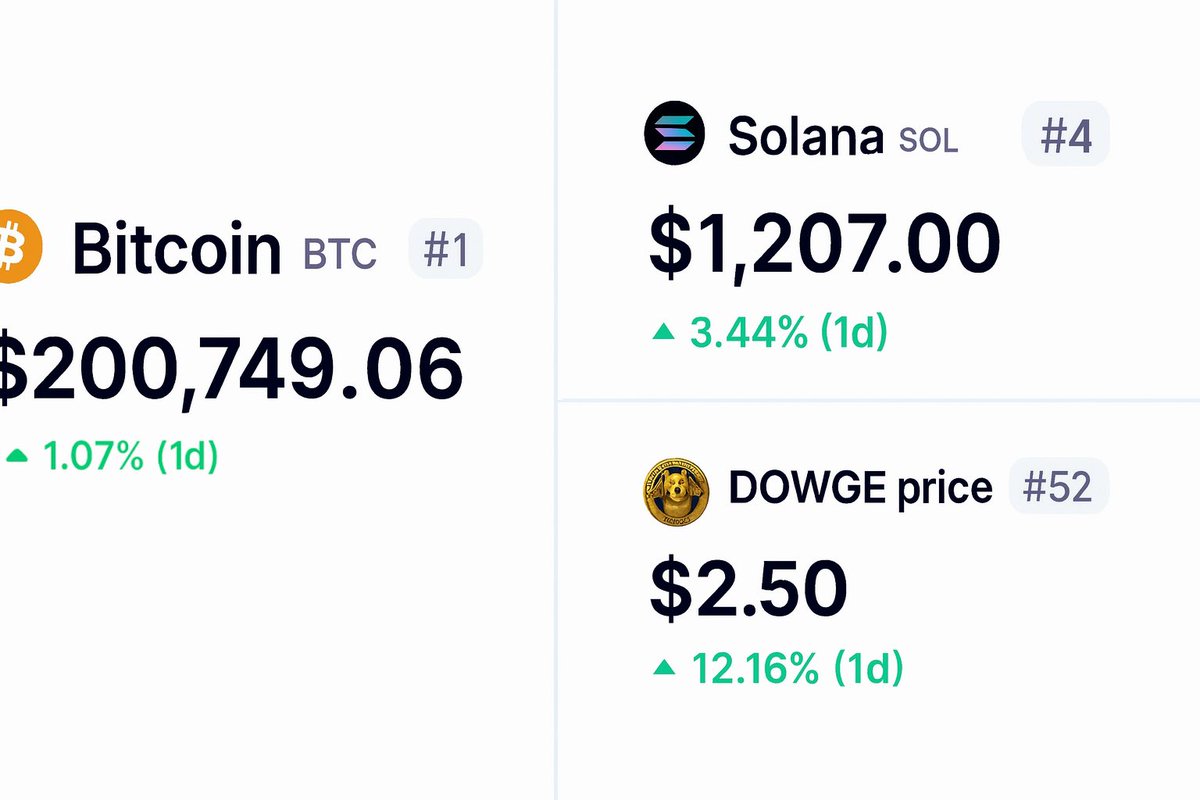
Imagine if all #DJI6930 holders stopped looking at charts
Believed only, and checked the price in November 2025
Because this is where Dowge is heading!
81
122
435
11,996
Sy retweeted
2 Aug 2025
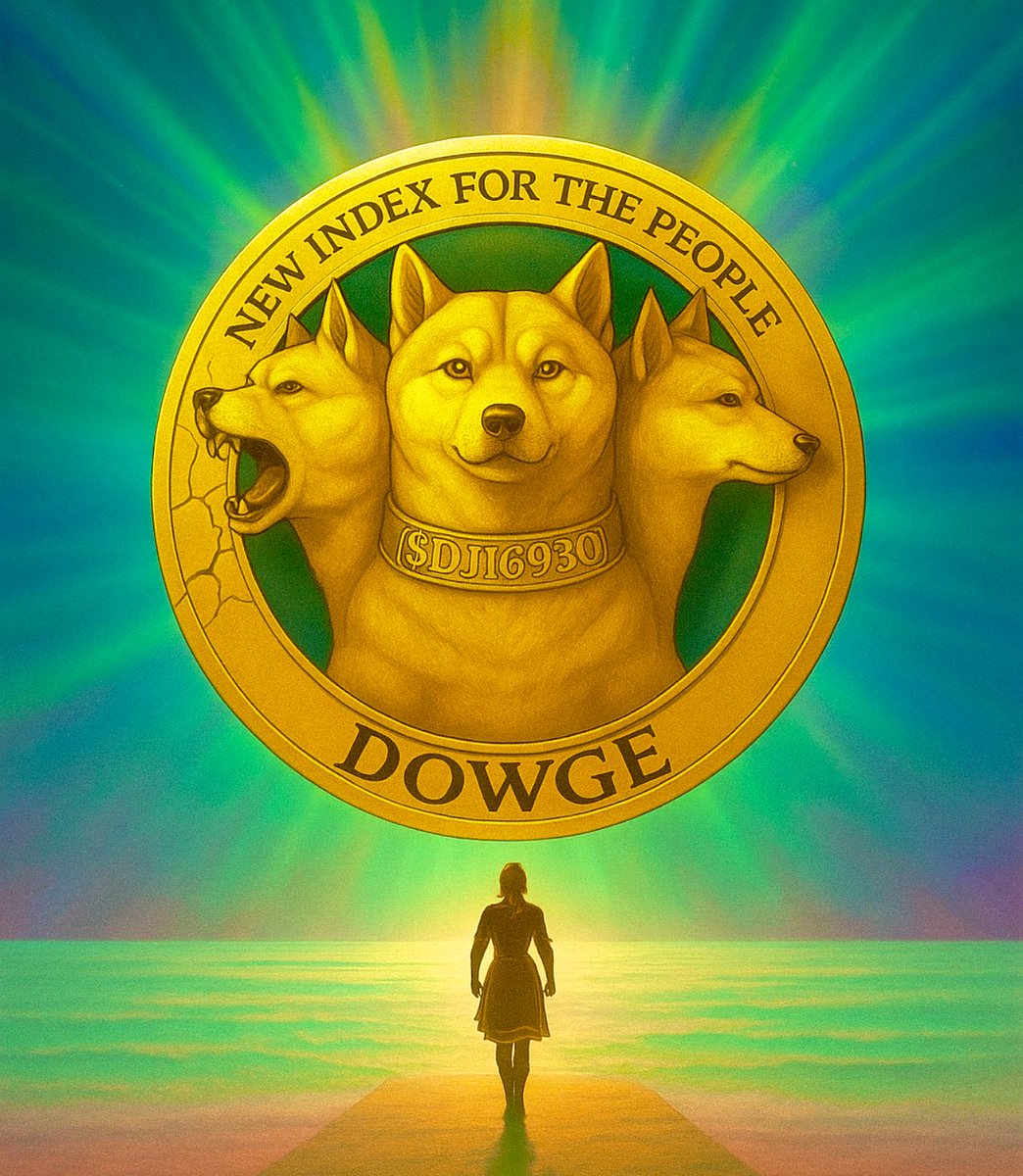
There is just no other coin like #DJI6930
It’s a Memecoin, Movement Coin, Mascot Coin, Shiba Inu Coin, Belief Coin, Community Coin, Mental Health Coin, Tradfi Killer Coin, New Bitcoin, Salvation Coin, Freedom Coin, RWA coin, Future $30Tn Coin and above all…
A Super Memecoin!
69
150
467
8,921
Sy retweeted
1 Aug 2025
Live NOW!
Why I believe DJI6930 is not only Bigger than #SPX6900 but why it’s the first ever SUPER MEMECOIN!
Smash a ❤️ and join
🚀This SUPER MEMECOIN will 30,000x ? DJI6930 will be Bigger than SPX6900 ... youtube.com/live/5nO8-xYbYhE… via @YouTube
33
108
380
12,431

11 Jul 2025
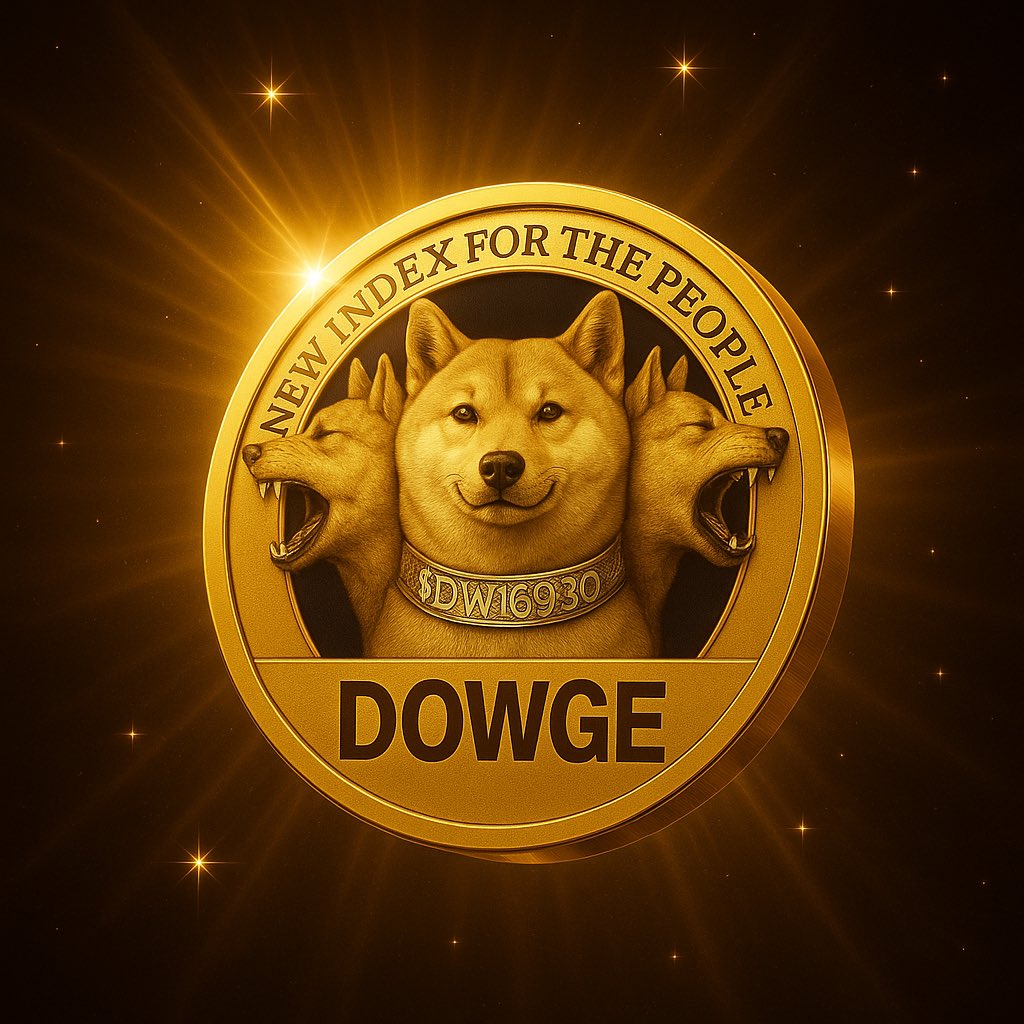
RT @MichaelSuppo: Join #DJI6930 and be a part of the strongest upside for any cult coin this cycle.
12
18
Sy retweeted
7 Jul 2025
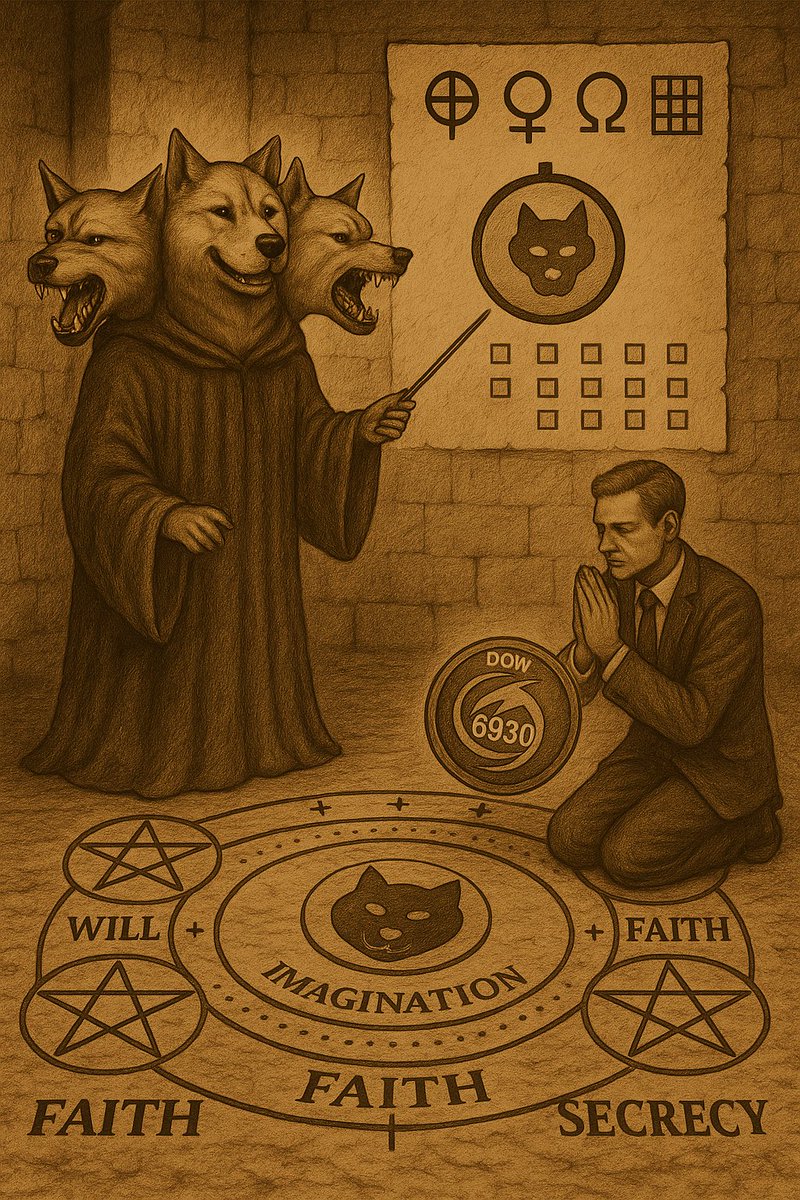
Dowge is the fastest-growing belief system with a relatable purpose
📈 TradFi look but Normie appeal
🐺 Iconic 3-headed dog symbol
🔥 Raw degen aggression
Those who believe become the new elite
Those who sell become left behind in dust
43
97
337
9,251
Sy retweeted

19 May 2025
I just went over spike protein antibody levels in my patients.
46 unvaccinated
- Range 3.2 - 9438
- Mean 1323
83 vaccinated
- Range 335 - >25,000
- Mean 13,427
2,520
10,444
43,145
7,852,488
Sy retweeted

14 May 2025
Join us on the livestream tomorrow for the voice agent upgrade demo! x.com/i/broadcasts/1PlJQMAAb…
47
27
106
7,219
28 Apr 2025
Tesla should create a skunkworks team to develop a compact thorium nuclear reactor, focusing on modularity and minimal size. Imagine homes powered by furnace-sized thorium reactors. Could these reactors one day power vehicles like cars, trains, or spacecraft?
1
4
482