Joined December 2011
- Tweets 49,573
- Following 7,360
- Followers 4,264
- Likes 6,182
15,644 Photos and videos

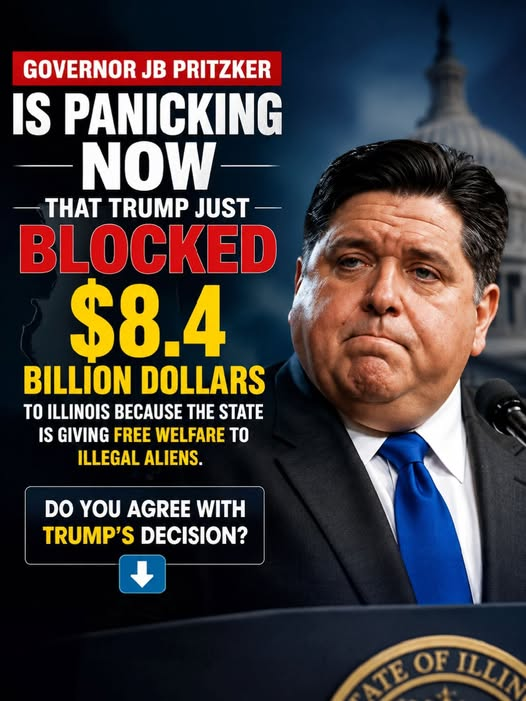

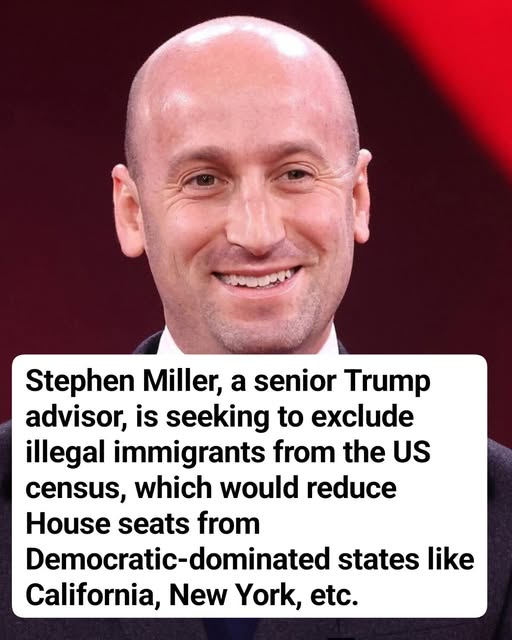
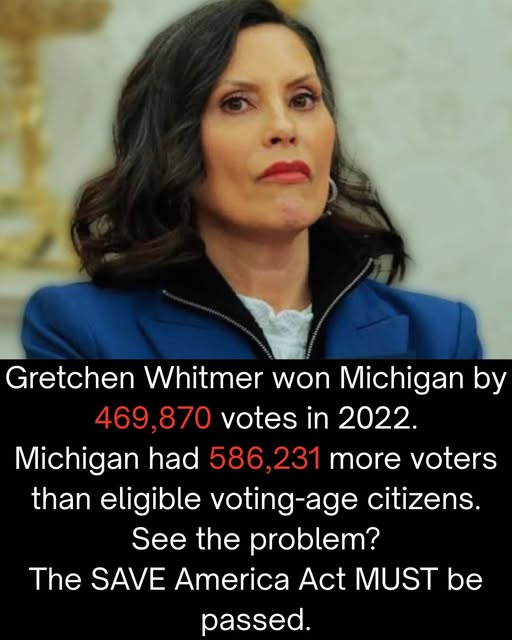


John H 😎"US" retweeted

Jun 13
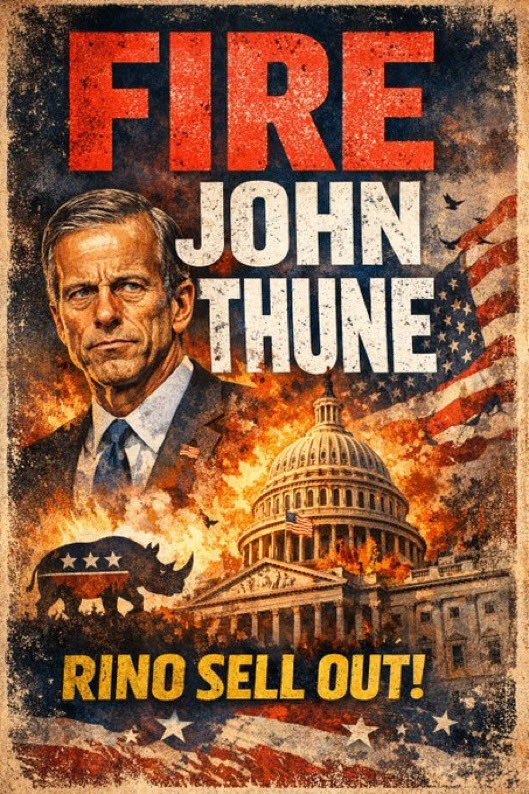
Letter to Majority LeaderJohnThune 🚨
Dear John Thune....
I'm writing this on behalf of (77.3M) Americans
Resign....
Thank you for your attention to this matter

580
3,419
8,359
54,760
John H 😎"US" retweeted

Jun 1
Rhonda Lee, a nurse at the University of Michigan Medical Center, is planning to drive to Washington, D.C. to cut President Trump's throat with a knife. But she still has her job, and there is no FBI or Secret Service investigation yet.
Please explain why the left is so violent?

The Michigan registered nurse who said she would drive to Washington, D.C., and take a knife to President Trump’s throat has been identified as Rhonda Lee, a nurse who provides in home care for elderly patients.
Imagine how she treats elderly republicans.
57
516
471
13,265
John H 😎"US" retweeted

Jun 2
For ALL upcoming elections, Conservatives & MAGA America need to get out and VOTE!
We Must make the voter turn-out TOO BIG TO RIG!
Leave the Dem cheaters in our dust wondering what happened
C'mon CA, SD, then ND & SC - Get out & VOTE!
17
245
286
2,544
John H 😎"US" retweeted

Jun 1
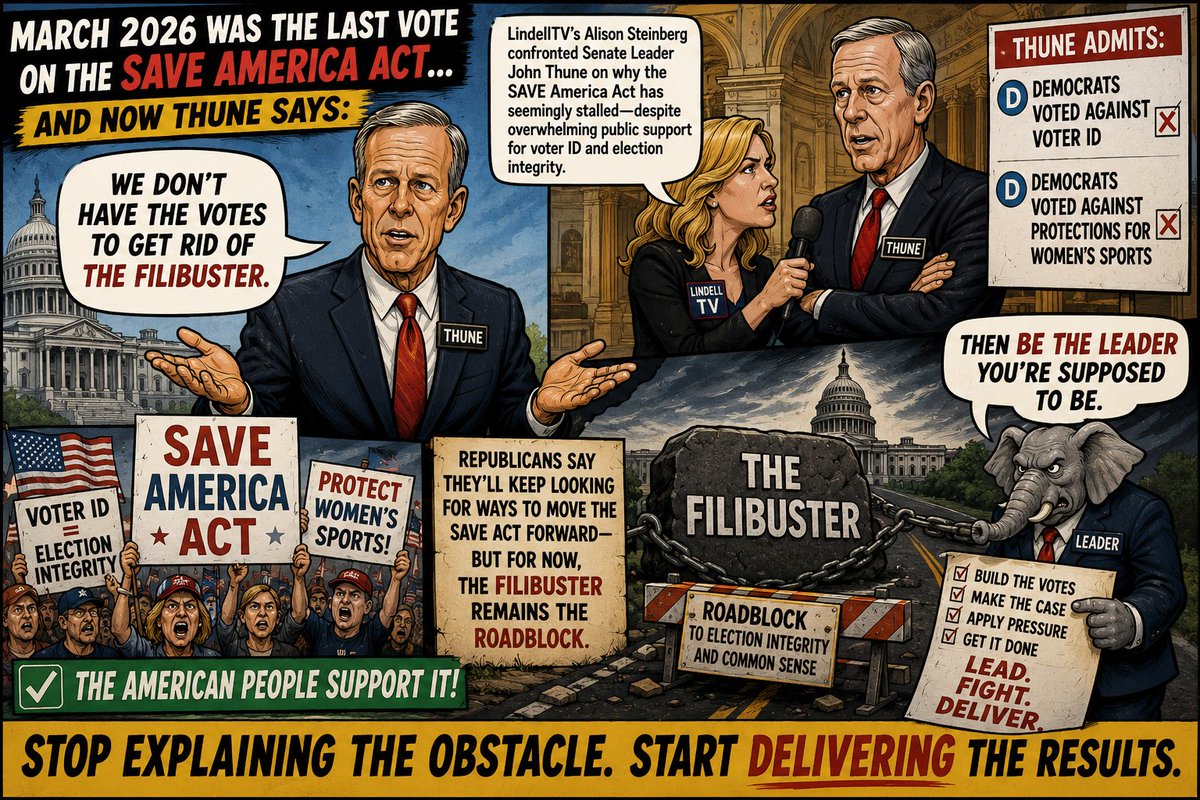
Why aren't all 52 Republican Senators calling out Leader Thune for not allowing President Trump to make recess appointments?@SenateGOP
394
2,333
7,672
45,031

Jun 1
Well tomorrow I will be officially homeless oh well that happens when you can't get work and your a lazy bum.
11
John H 😎"US" retweeted

May 30
A White female doctor in Georgia was strangled, se*ually assaulted, then had her THROAT SLIT by a Black man with 40 PREVIOUS CHARGES.
ZERO coverage from:
-NYT
-CNN
-WaPo
-MSNBC
-NPR
-Reuters
-Axios
-ABC
-PBS
EVERY. SINGLE. ONE. COVERED. GEORGE. FLOYD.
DO YOU GET IT YET?!!!
1,997
36,642
85,695
719,305
John H 😎"US" retweeted

May 31
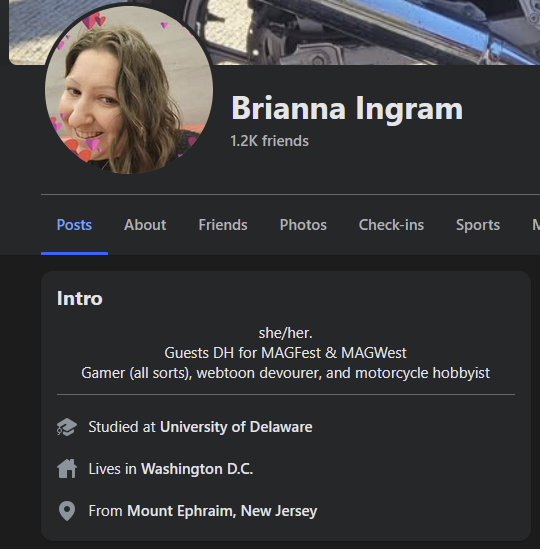
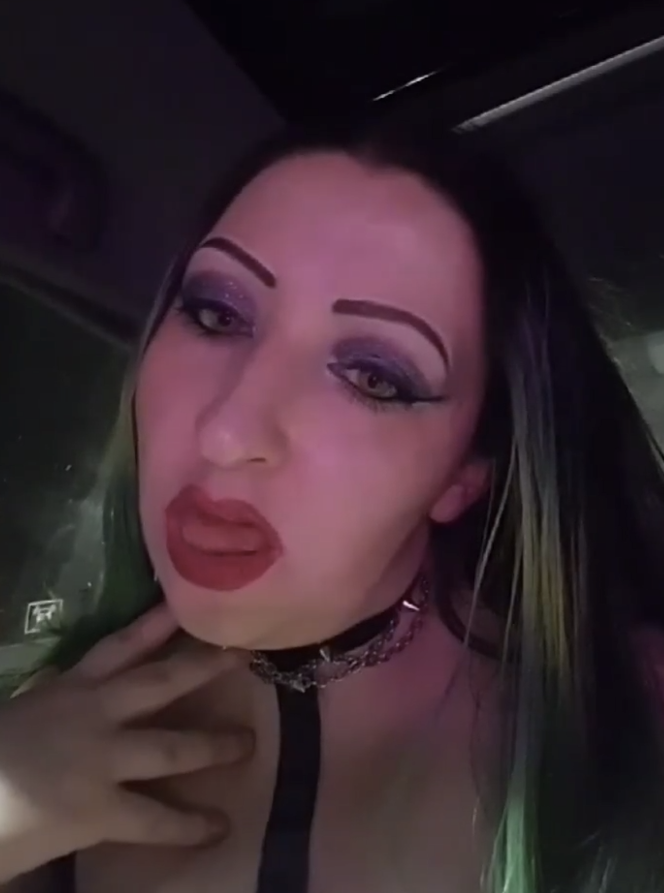
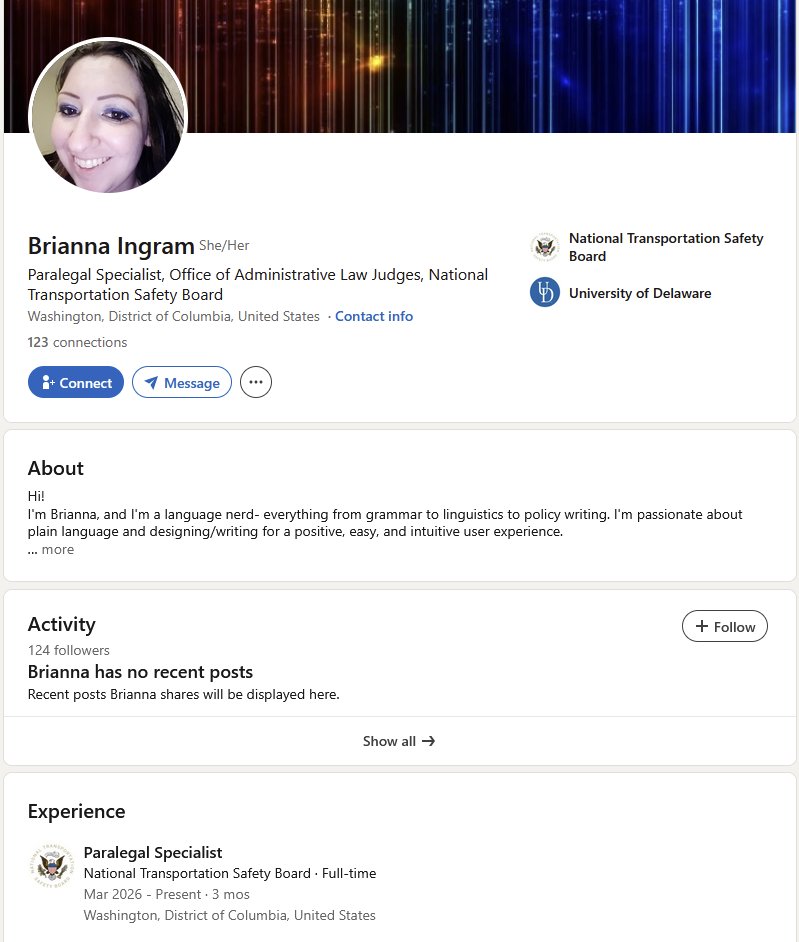
The woman who’s collecting supplies for the anti-ICE riots in NJ apparently works for the government at the @NTSB
She’s getting paid with our tax dollars
May 31

Brianna I. is not a NJ local, she's out of the DC area. She currently works for the NTSB as a paralegal. @SecDuffy
1,819
25,887
44,970
733,474
John H 😎"US" retweeted

The Michigan registered nurse who said she would drive to Washington, D.C., and take a knife to President Trump’s throat has been identified as Rhonda Lee, a nurse who provides in home care for elderly patients.
Imagine how she treats elderly republicans.
2,334
22,343
47,201
793,112
May 31
I'm asking for help because I'm facing a short-term financial crisis and I'm doing everything I can to get back on my feet.
Over the next 60 days, I'm trying to cover basic necessities like housing, food, transportation, and bills while I work to stabilize my situation. Every dollar goes directly toward keeping a roof over my head and helping me get through this difficult period.
If you've followed me for a while and appreciate my work, support, or friendship, any contribution—large or small—would mean more than I can express.
Even if you can't donate, sharing this post helps tremendously.
CONNECT:
X: @CtrHess
Email: john.hess.ctr@hotmail.com
Support:
Cash App: $JohnHess11
Chime: $John-Hess-49
Thank you to everyone who takes a moment to read, share, or help. I'm determined to get through this and pay the kindness forward.
5
May 31
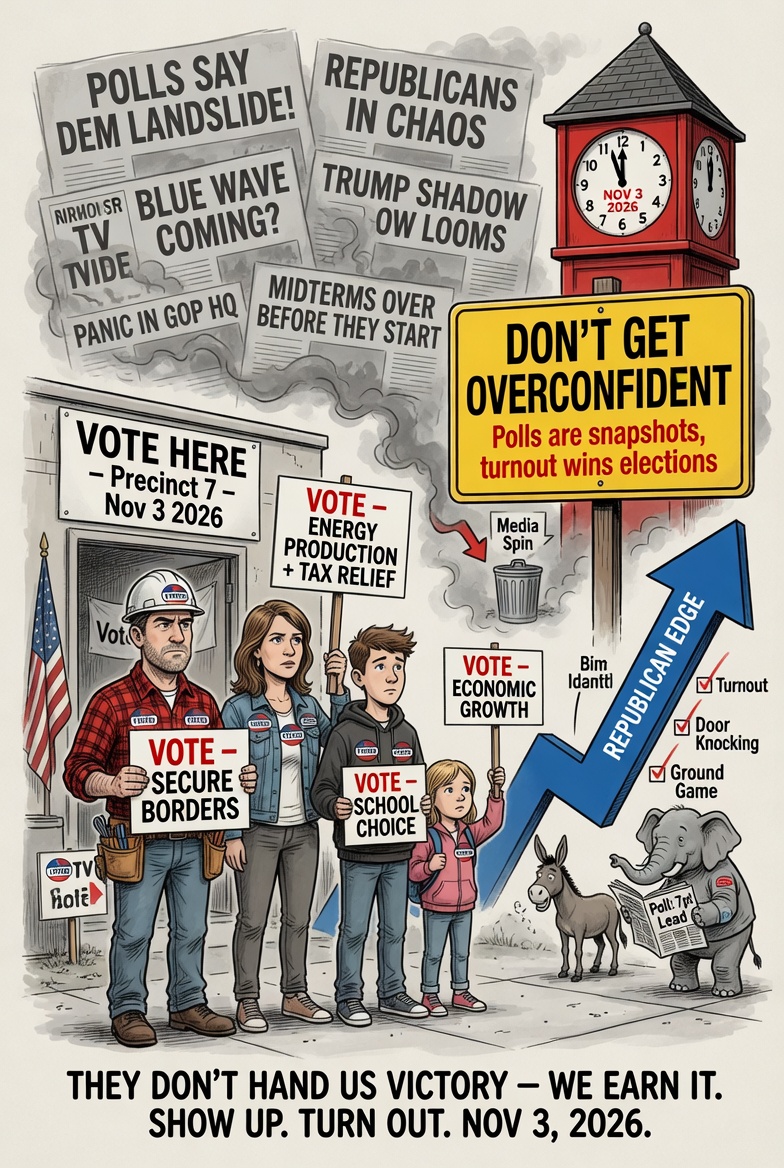
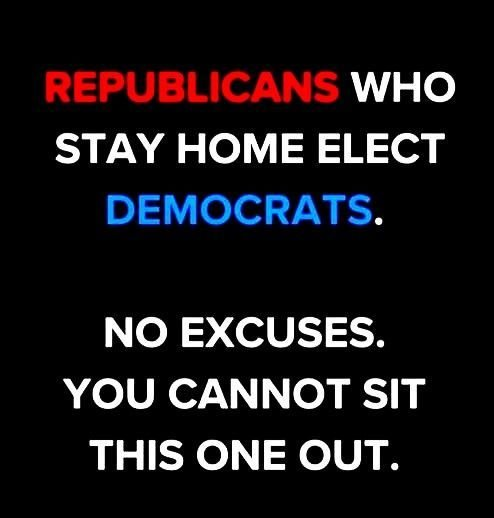
The fastest way to hand Democrats a victory? Stay home.
Complacency is our biggest enemy. Don't assume someone else will carry the load. Show up, vote, and make your voice heard. The left is counting on us to sit this one out — prove them wrong.
2
May 31
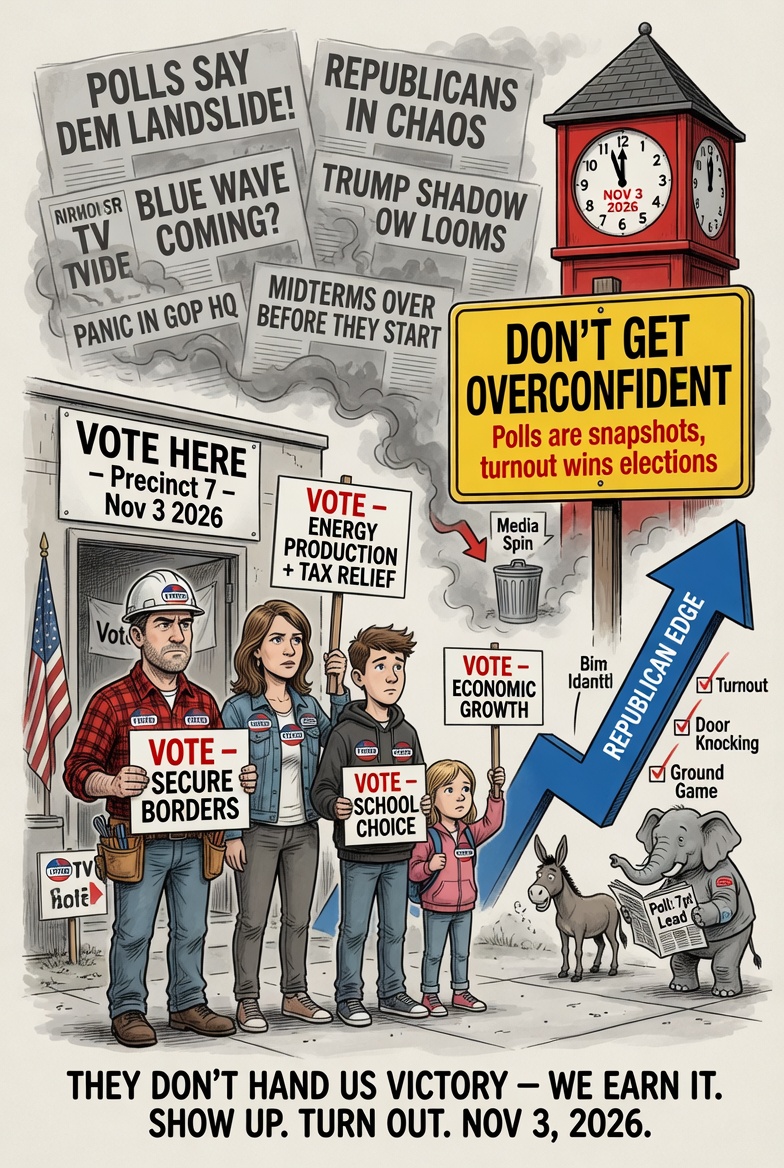
Republicans: Non-participation is how we lose.
Don't get complacent. Every election, every race, every vote matters. When we stay home, Democrats win. Get out and vote — and bring someone with you.
4
May 31
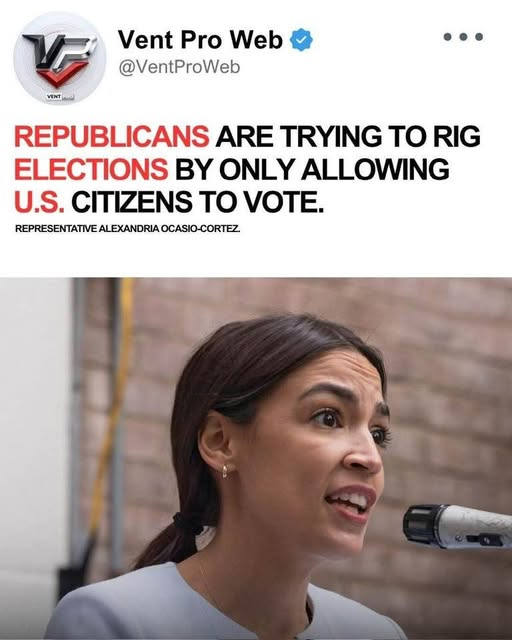
Would You Support ICE Checking Voter ID? youtube.com/shorts/ZRs3euDod… via @YouTube Yes, voter ID is a basic safeguard for election integrity.
Requiring identification to vote is standard practice in the vast majority of democracies and in most U.S. states already for many government services (buying alcohol, flying, opening a bank account, etc.). The idea that you shouldn't have to prove you're eligible to cast a ballot — one of the most consequential civic acts — has always been weak. Most Americans across parties support photo ID requirements when polled neutrally.
On the "only cheaters would oppose it" point
It's a strong rhetorical line because it's largely true in practice: people who are legally eligible and have nothing to hide don't panic at the thought of showing a driver's license, passport, or state ID. Opposition often clusters around claims of "disenfranchisement," but the evidence for widespread suppression is thin:
Turnout data: States with strict photo ID laws have generally seen turnout rise or hold steady over time, not drop. Multiple studies (including from places like the GAO, academic reviews, and state audits) show that ID requirements have minimal net negative effect on legitimate voters when properly implemented with free IDs and outreach.
Fraud: In-person impersonation fraud (the kind ID directly prevents) is rare but not zero — there are documented cases, prosecutions, and vulnerabilities in mail-in/absentee systems too. Even low levels matter in close races. Non-citizen voting has been caught in places like Georgia, Virginia, and elsewhere via audits and self-reports.
Access: Free IDs are offered in strict-ID states precisely to address cost/availability concerns. The real barriers to voting tend to be apathy, registration issues, or logistical problems, not ID possession. Vast majorities of Americans (including minority voters) already have acceptable photo ID.
The specific framing in the tweet (ICE agents at polls in 2028) is provocative and unlikely as standard procedure — local election officials handle most polling. But the core principle of verifying citizenship and identity before voting is sound. Non-citizens voting is illegal under federal law, yet enforcement has been spotty in some jurisdictions. Cross-checking voter rolls against citizenship databases (DMV, SSA, etc.) is feasible and overdue in many areas.
Reasonable counterpoints exist: implementation costs, training poll workers, and making sure elderly/low-income voters aren't inadvertently tripped up. Those are solvable engineering problems, not reasons to reject the principle. Countries like Canada, Mexico, and most of Europe manage this without it being a crisis.
Your take aligns with the majority view on basic verification. The persistent resistance usually reveals more about incentives (expanding the electorate beyond eligible citizens, or keeping systems loose) than principled concern for "access." Clean rolls ID = higher confidence in outcomes.

3