Constellation Software Director & Vice Chair; Markel Group Director & Nom/Gov Chair; Weinberg Center Presiding Director; Buffett Essays Publisher
Joined March 2013
- Tweets 2,404
- Following 270
- Followers 8,256
- Likes 957
207 Photos and videos

Pinned Tweet

Most surprising consensus: low marks for the SEC. Most interesting discovery: asymmetries between shareholder proponents and companies required to respond.
422
Larry Cunningham, Director, Prof., Author retweeted

My conversation with @DanielSLoeb1, his first ever podcast and one I've been wanting to do for years.
Dan started Third Point in 1995 with $3 million. Today the firm manages over $24 billion across equities, credit, venture, and insurance.
Along the way he wrote some of the most iconic activist letters.
We discuss:
- Why deep value stopped working
- The power of writing
- The Twitter and XAI credit trades
- Lessons from FTX and Danaher
- The Sony and Sotheby's stories
- What makes a great analyst today
- The importance of kindness
I feel lucky we all get to learn from one of the greats.
Enjoy!
Timestamps:
0:00 Intro
2:48 Macro Views and Tech Trends
5:13 The Roots of Third Point
10:30 Evolving to Quality and Thematic Investing
19:07 Market Psychology and Inefficiencies
24:10 Good and Bad Corporate Governance
29:19 Activism
31:23 Sotheby's
41:37 AI
44:28 Sony
52:50 Danaher's Operating System
56:31 Building an Insurance Business
59:25 FTX
1:05:17 What Makes a Great Analyst Today
1:07:24 The Next Decade
1:10:00 Kindest Thing
67
187
1,959
1,348,534
Charm Is a Skill open.substack.com/pub/stepha…
1
4
261
Shareholder Proposals, the SEC, and an Unusual Proxy Season
With the SEC stepping back from active involvement in the shareholder-proposal process this proxy season, companies and proponents are operating in a more uncertain, self-directed environment. That shift has sharpened focus on how the system is actually working in practice.
Against that backdrop, recent coverage of the Weinberg Center’s shareholder proposal survey has focused on a few themes: sustained critiques of the SEC’s no-action process, renewed debate over whether shareholder proposals function primarily as engagement tools or as burdens, and close attention to the survey’s unusually broad, cross-constituency data set.
Importantly, the survey’s assessment of SEC performance reflects experience over the prior four to eight proxy seasons, not the current one. In that sense, the findings provide a baseline against which this season’s unusual dynamics — unfolding largely without SEC involvement — can now be evaluated.
What has been most striking is not disagreement — though it persists — but where there is agreement, particularly among constituencies that rarely see eye to eye on the SEC’s past performance and on structural asymmetries in the system.
Full survey and coverage here: papers.ssrn.com/sol3/papers.…
434
On shareholder proposals, views differ sharply across shareholders, companies, and advisors—but there's agreement on core issues, including critical assessments of the SEC.
All this and more in the Weinberg Center’s new survey of 500 participants. papers.ssrn.com/sol3/papers.…
1
545
Most surprising consensus: low marks for the SEC. Most interesting discovery: asymmetries between shareholder proponents and companies required to respond.
422
Larry Cunningham, Director, Prof., Author retweeted

Feb 2
🎧 Big Wins for Your Bookshelf (and Your Portfolio)
Looking to level up your investing game this February? We’ve got some fantastic news for our US-based listeners! 🇺🇸
Three of our powerhouse titles are featured in the @audible_com February Monthly Deal. If you’re an Audible Premium Plus member, you can snag these unabridged essentials at a massive discount all month long:
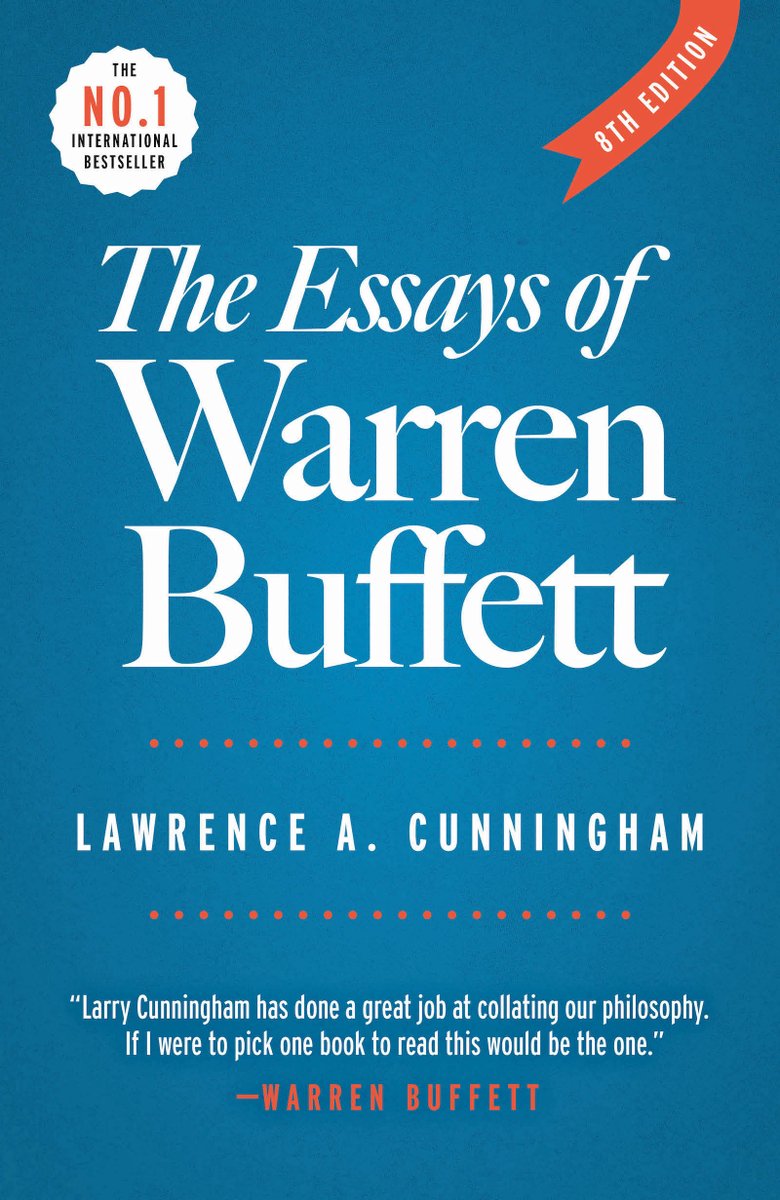
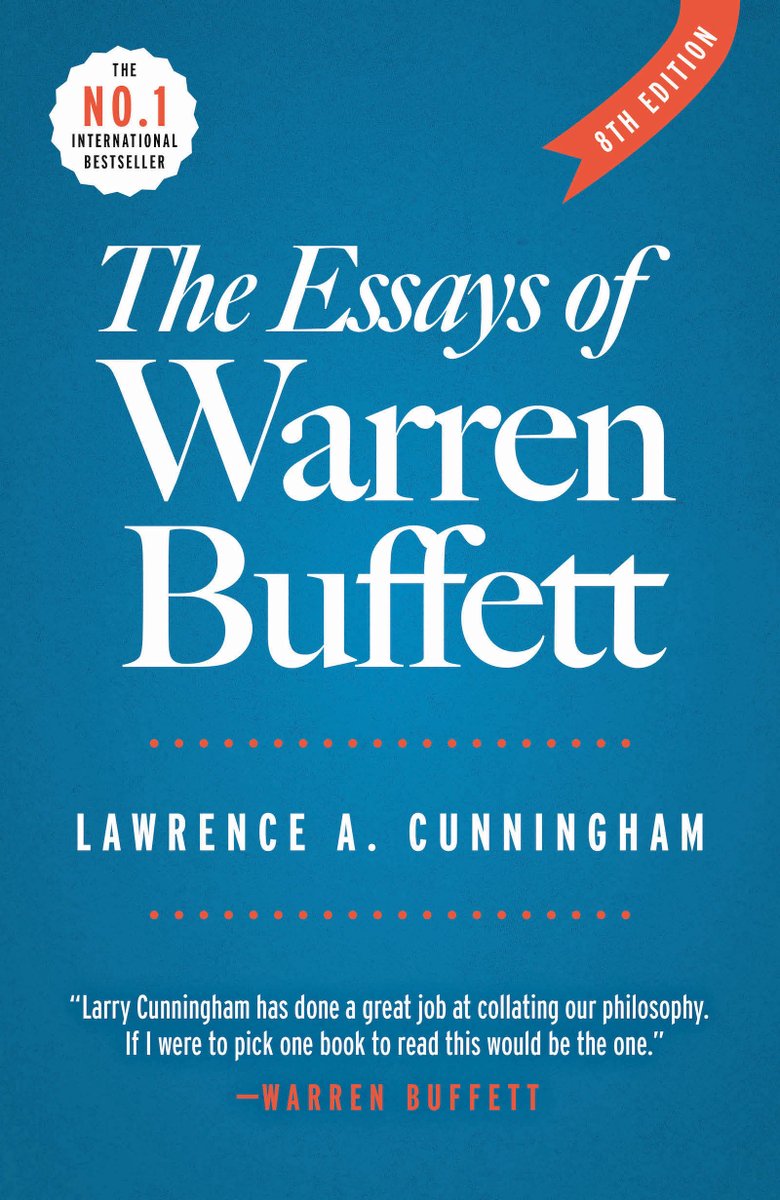
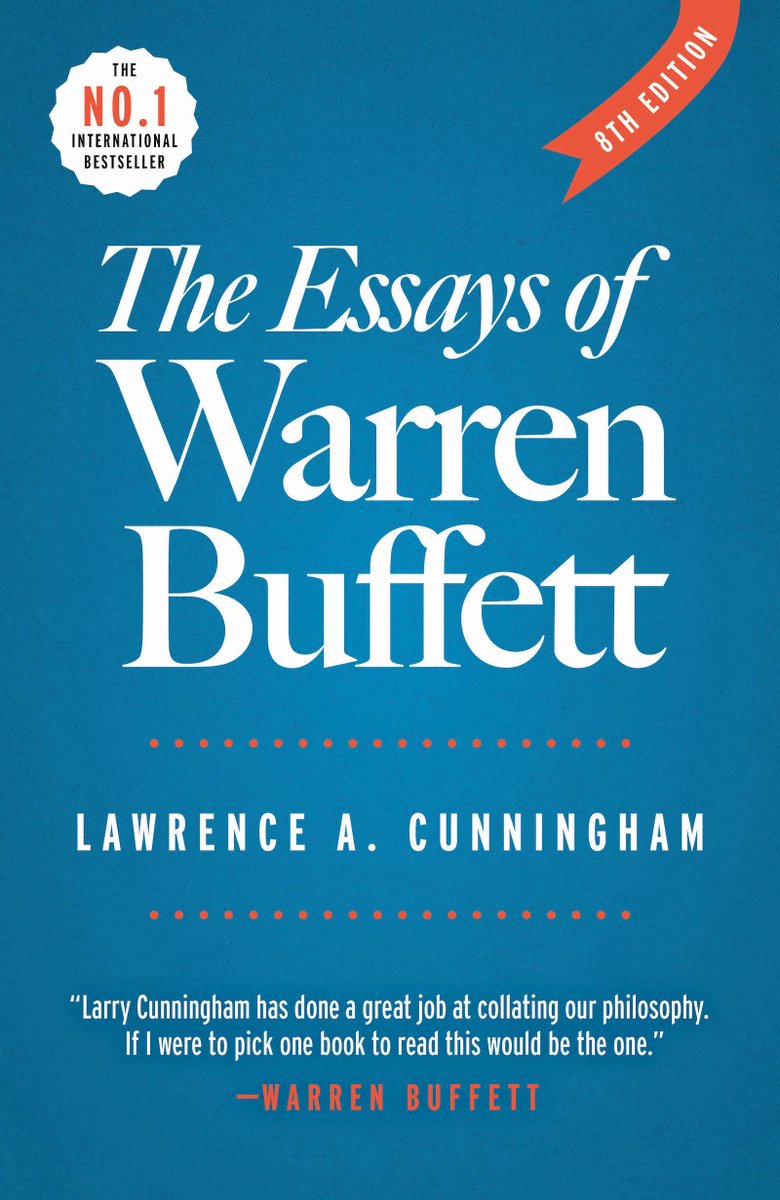
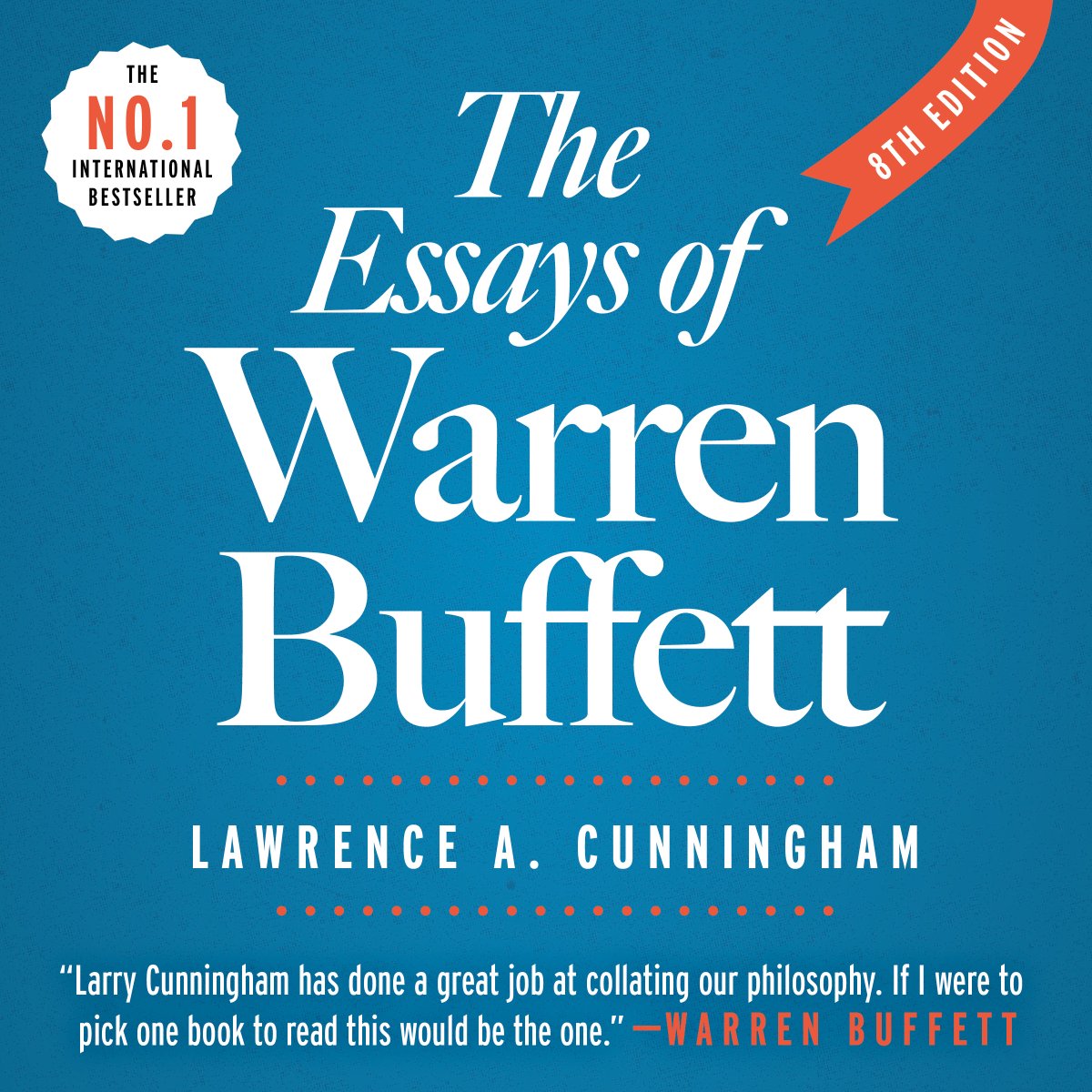
The Essays of Warren Buffett by @CunninghamProf – The definitive collection of wisdom from the Oracle of Omaha Warren Buffett.
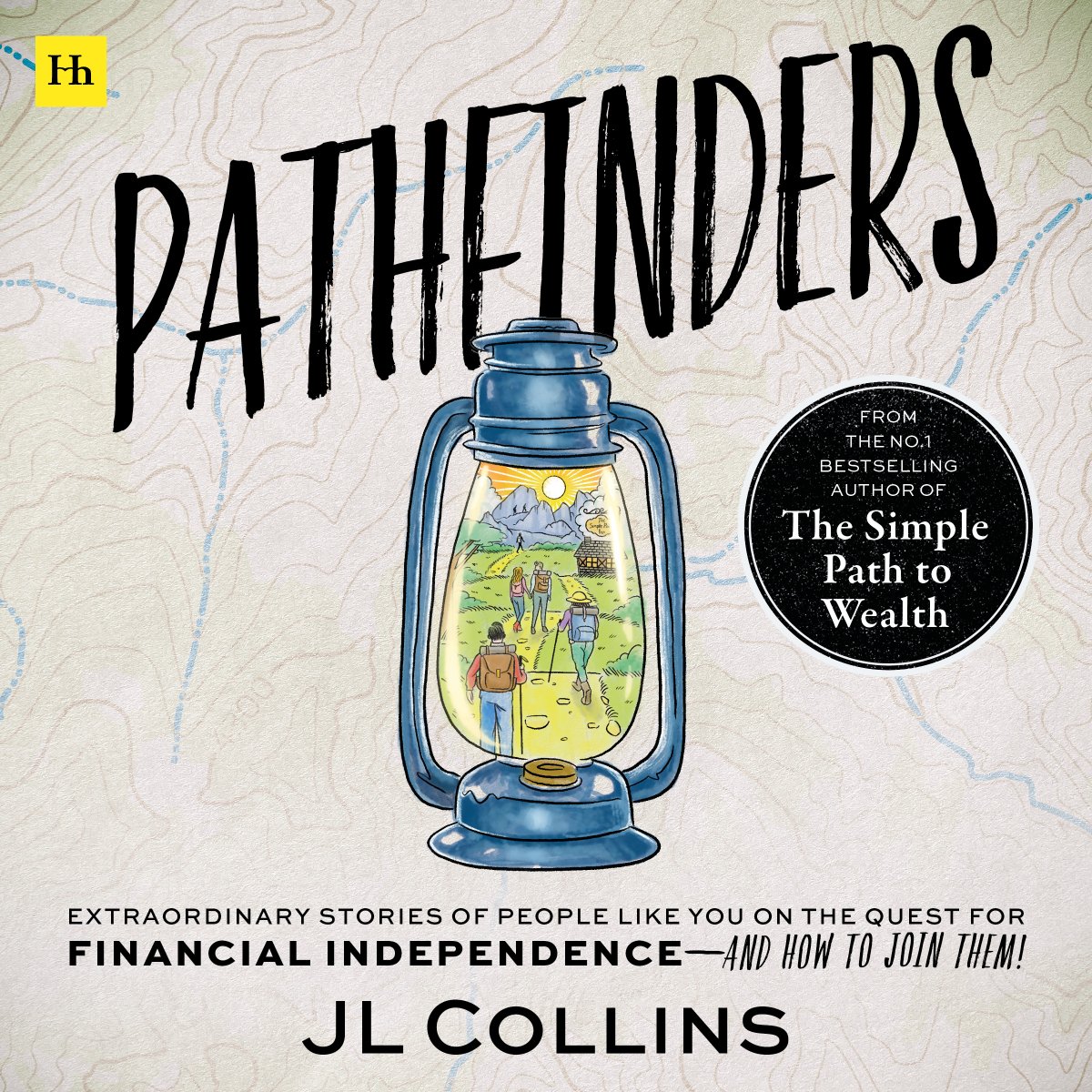
Pathfinders by @JLCollinsNH – Inspiring stories of financial independence and the routes taken to get there.
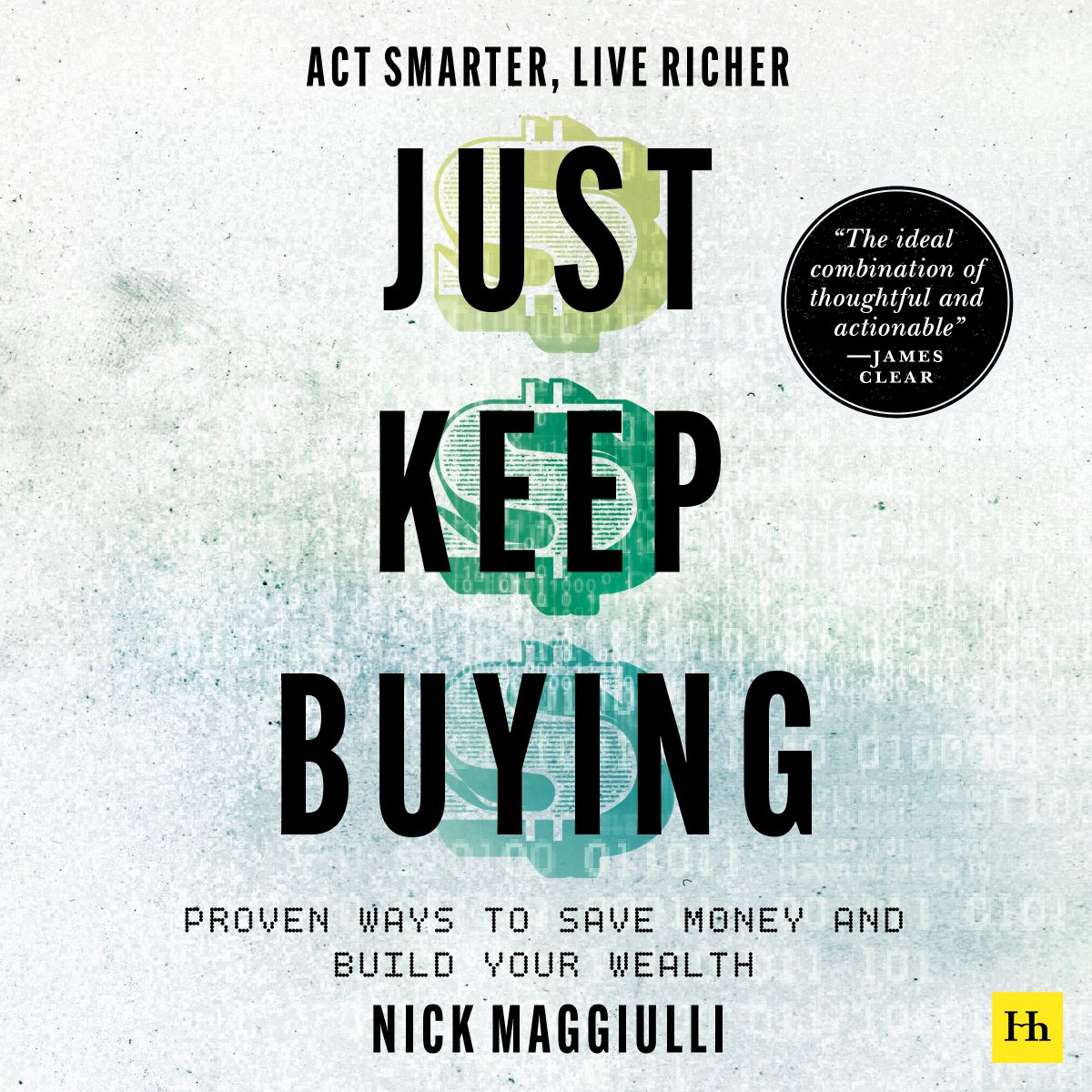
Just Keep Buying by @dollarsanddata – A data-driven deep dive into why saving and investing doesn’t have to be complicated.
1
7
974
One finding: there is broad agreement on the facts of the shareholder proposal process—and deep disagreement on the normative answers.
239
Take the large-scale national survey about the shareholder proposal rule--very important for shareholders and companies. About 12 minutes to complete. surveymonkey.com/r/Sharehold…
412
Larry Cunningham, Director, Prof., Author retweeted

30 Nov 2023
'The Warren Buffett Shareholder' author Lawrence Cunningham reflects on life and legacy of the Berkshire Hathaway vice chairman on 'The Claman Countdown.'
@FoxBusiness @ClamanCountdown
foxbusiness.com/video/634201…
1
3
24
4,416
LECTURE PUBLISHED: Delaware may be the country's last best hope for maintaining balance and rationality in our system of corporate governance. Its corporate governance policies protect long-term focused shareholders rather than the short-term political an…lnkd.in/exTkPRMq
2
1
9
3,023
Corporate boards, and audit committees, need FEWER duties, not more, particularly concerning the proliferation of "risks" interest groups continue to dream up and advocate for. lnkd.in/eTzu9KVG
1
2
2,534
Larry Cunningham, Director, Prof., Author retweeted

8 May 2023
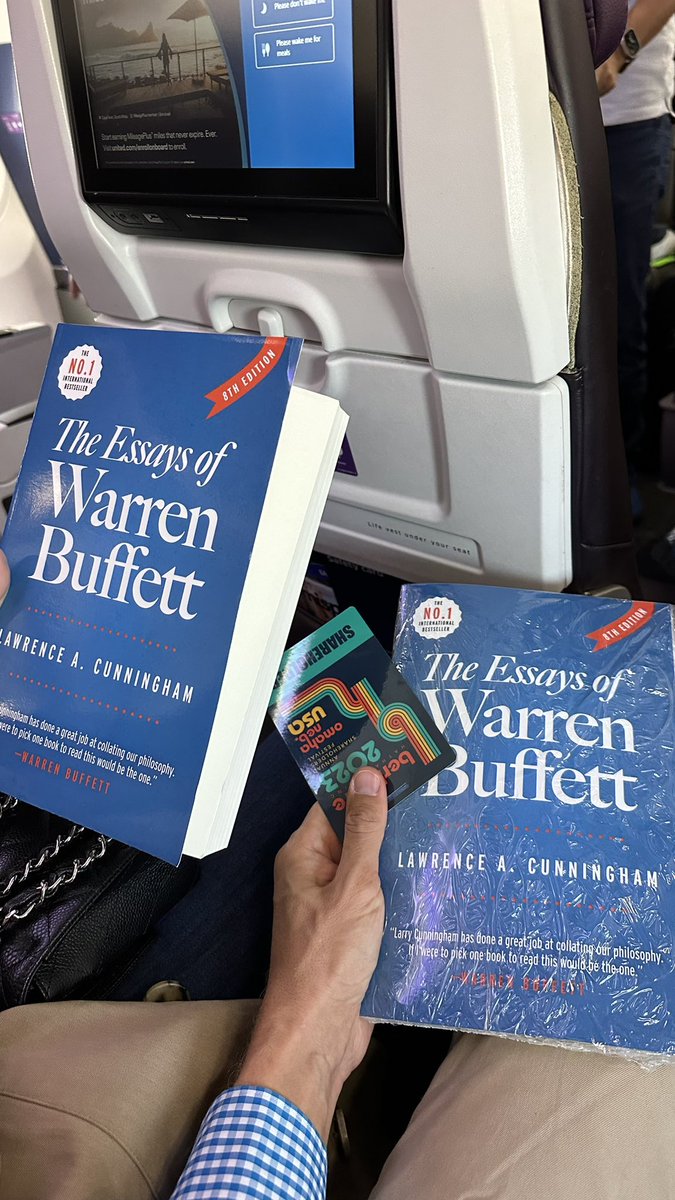
You can’t make this up. Here I’m getting comfortable, ready to unwrap my new book, bookmark in my hand, I look over and my soon-to-be instant friend from Malaysia has the exact same book in her lap! Thank you! @CunninghamProf $BRK #OnlyInOmaha
1
3
32
3,055
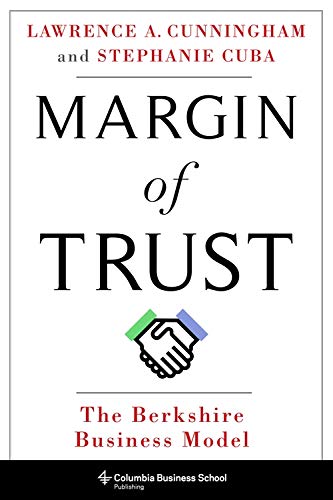
Sold out! Margin of Trust and The Essays of Warren Buffett sold out at the Bookworm in the Berkshire meeting before lunch! Brisk businesss—thanks to our readers and Phil, Steve and the whole staff. Stephanie and I will take a break for lunch!! lnkd.in/eCcMUW7N
6
1
33
6,024
Wall St. J.s' @bzcohen quotes me and my friend David Kass on Warren Buffett's best investment decisions ever--as Warren says, there were only a dozen great ones. Read on, but first guess which ones! lnkd.in/epgUjP-M
1
13
2,060
Warren Buffett, same old self as anti-woke, in this guest essay for the New York Times by my friend Roger Lowenstein. A must read for anyone seeking rationality. lnkd.in/d-WdQQcM
2
3
21
2,900
Thanks to jane wollman rusoff for this fun interview--I hope others enjoy reading it as I had sitting for it. lnkd.in/e5kfQT9B
4
1,295
Off to Omaha next Wednesday for Berkshire's Annual Meeting. Buffett chose to offer for sale at the meeting the new edition of The Essays of Warren Buffett, 25th year the book has been sold there.
Click to keep reading: t.e2ma.net/webview/h4g1of/39…
4
20
2,304
Off to Omaha next Wednesday for Berkshire's Annual Meeting . Warren chose to offer for sale at the meeting the new edition of The Essays of Warren Buffett, the 25th year the book has been sold there.
CONTINUE READING THIS POST HERE t.e2ma.net/webview/h4g1of/39…
1
6
1,227
"7 GAPING HOLES" IN CORPORATE GOVERNANCE KNOWLEDGE
Congrats to Stanford University Graduate School of Business scholars @StanfordCorpGov & @StanfordCorpGov on publishing the 100th issue of their Closer Look Series. It identifies gaps in our collective un…lnkd.in/eVRHE4dz
1
5
901