
Coding agent for building ambitious software
Joined August 2023
- Tweets 461
- Following 38
- Followers 389,367
- Likes 579
225 Photos and videos

Pinned Tweet

Apr 2
We’re introducing Cursor 3. It is simpler, more powerful, and built for a world where all code is written by agents, while keeping the depth of a development environment.
733
907
9,358
2,588,001

Cursor retweeted

Jun 11
We're trying a new experiment at @cursor_ai - interviewing devs we admire.
I chatted with @oneill_c & @part_harry_ from @baseten about how they use coding agents. We discussed their current dev workflows & some predictions for the future.
Check it out below!
31
48
730
107,058
Jun 11
Auto-review is now the default for all new users.
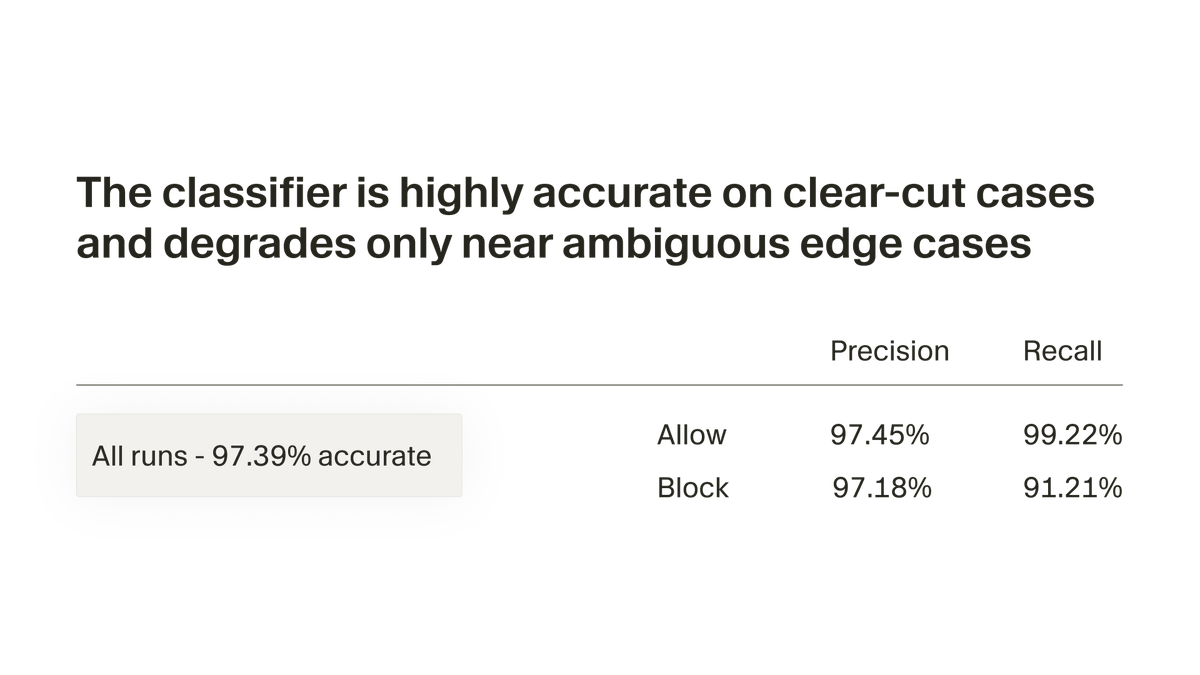
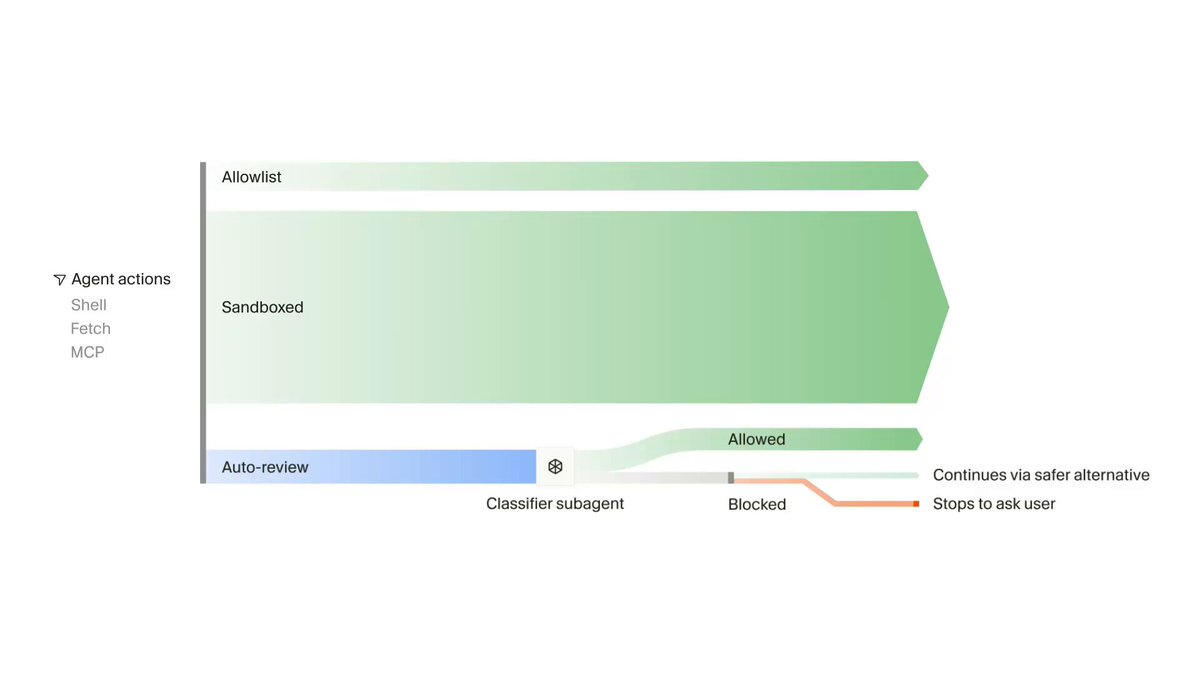
A classifier subagent reviews actions in context before deciding whether to allow, block, or ask for approval.
Our evals show it's 97% accurate, with most misses near ambiguous edges.
52
59
1,210
70,687
Jun 10
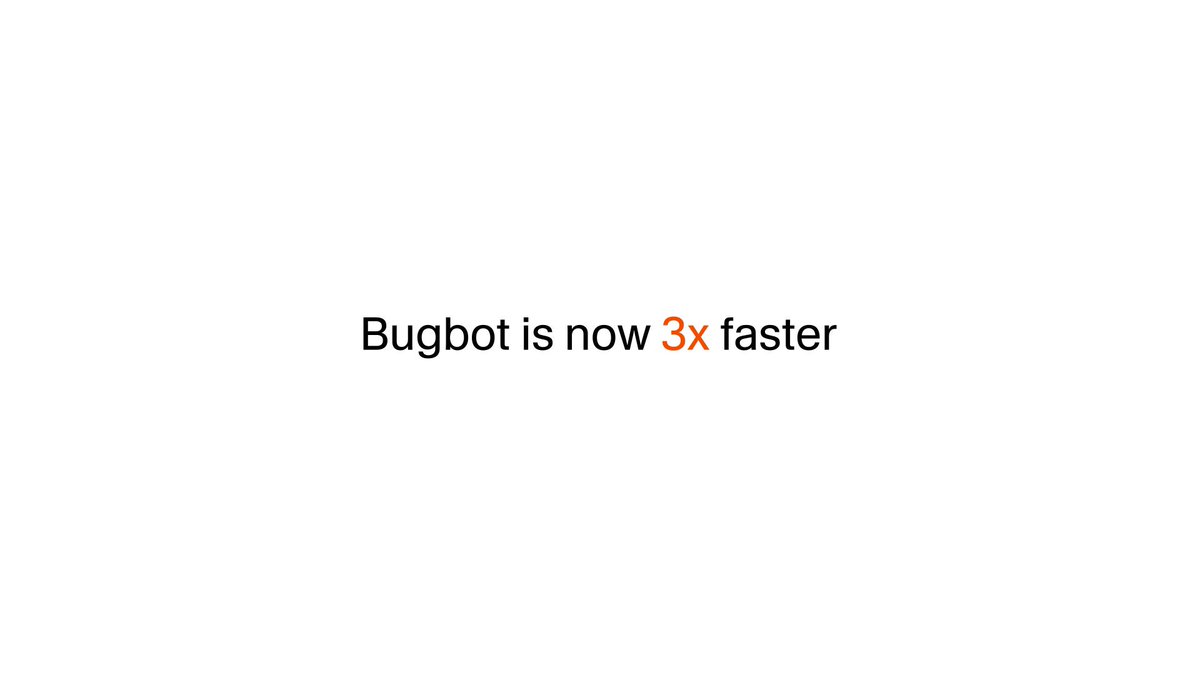
Cursor’s code review agent is now over 3x faster, 22% cheaper, and finds 10% more bugs.
You can also use /review to run Bugbot locally to catch and fix issues before pushing code.
99
138
2,400
166,029
Jun 9
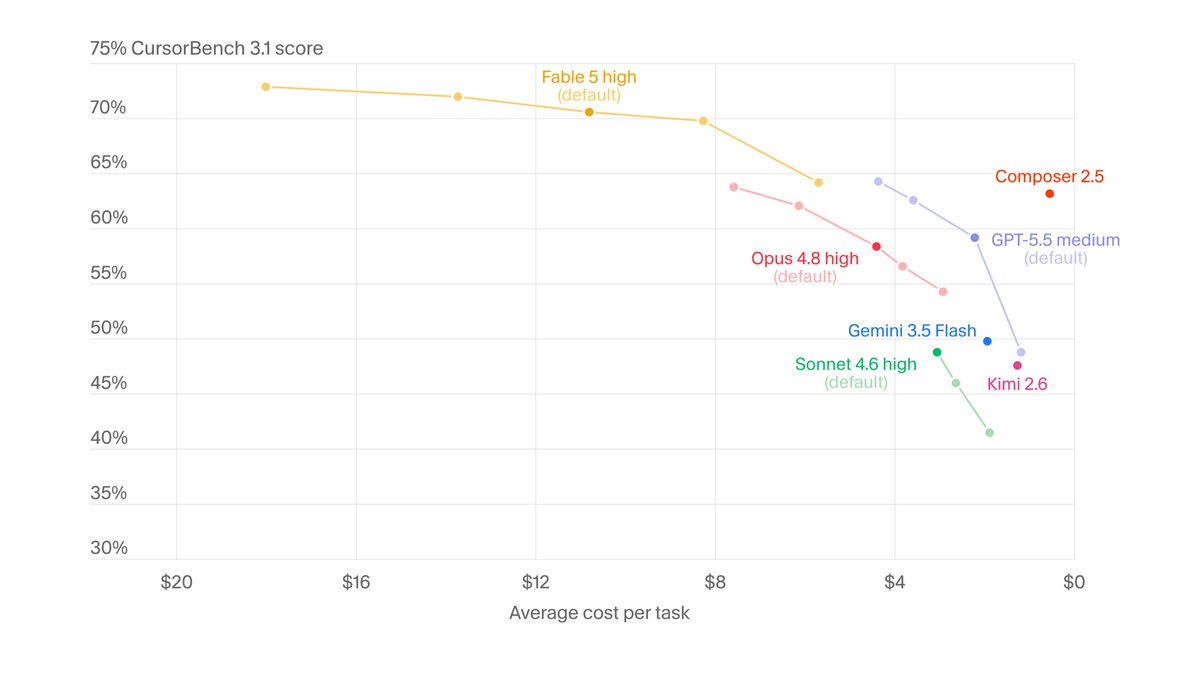
Claude Fable 5 is now available in Cursor.
It sets a new state of the art on CursorBench at 72.9%, 8 points above the previous best.
261
448
6,069
1,173,931
Jun 5
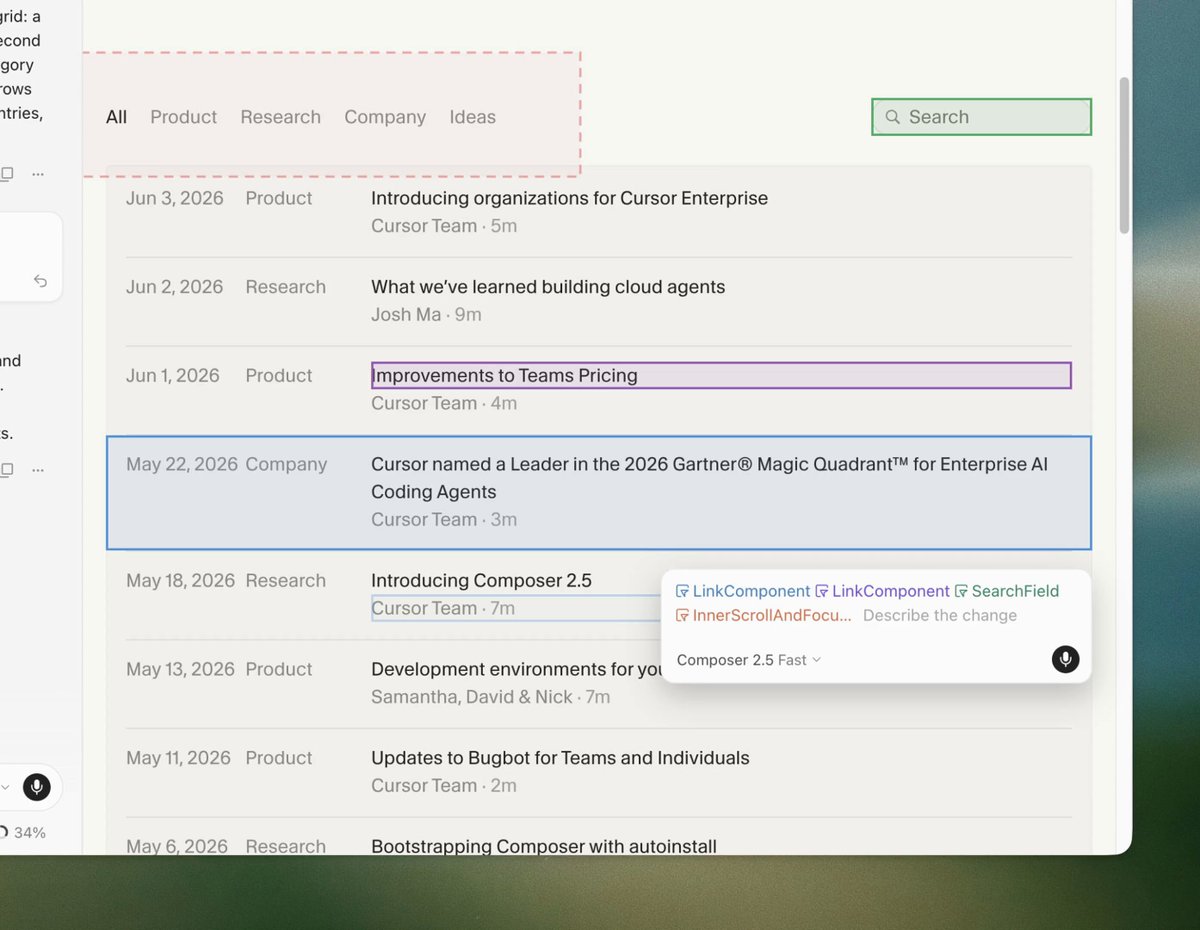
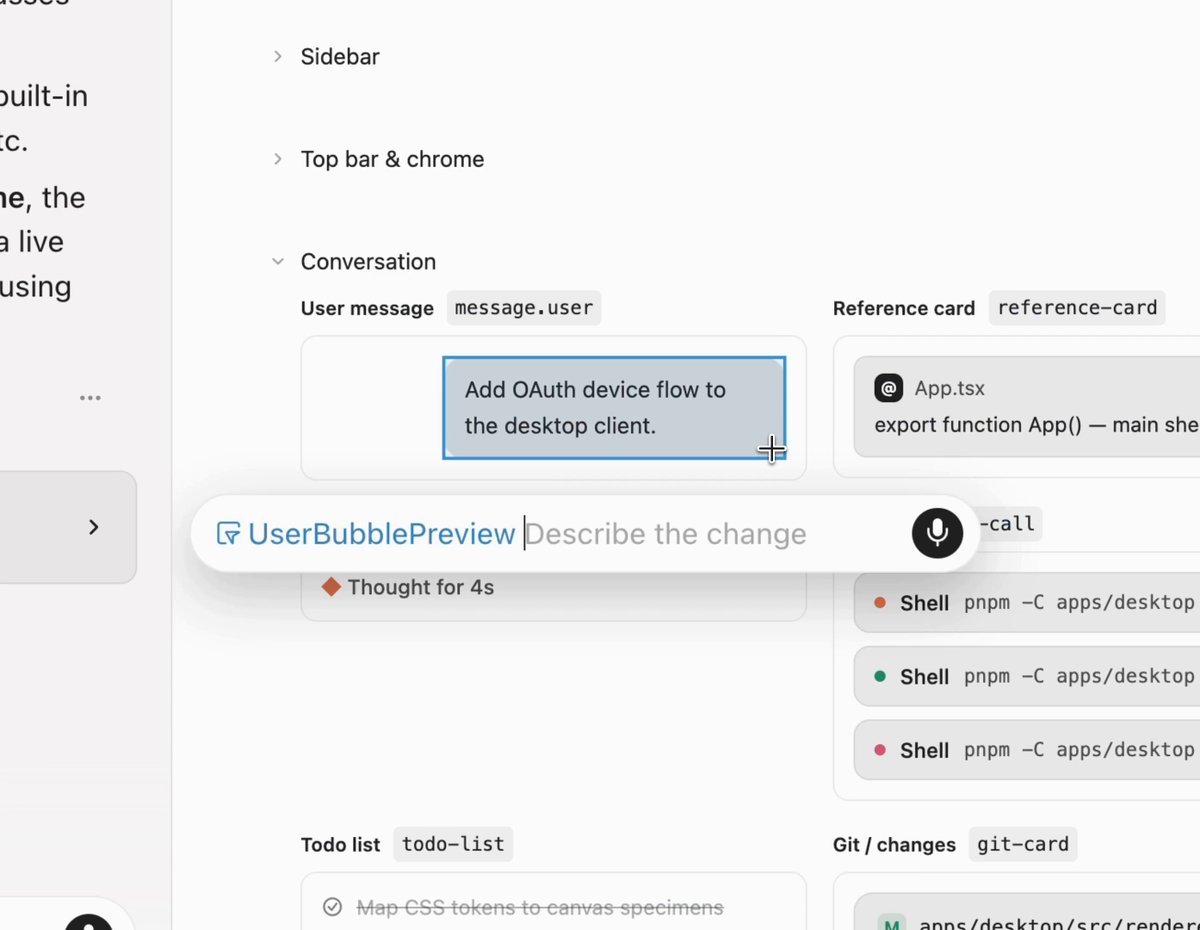
With Design Mode, you can now point, draw, or talk to update your UI.
124
189
2,679
1,458,212
Jun 5
Give Cursor visual prompts to shrink the gap between what you see and what the agent understands.
Learn more: cursor.com/blog/design-mode
7
6
115
22,316
Jun 4
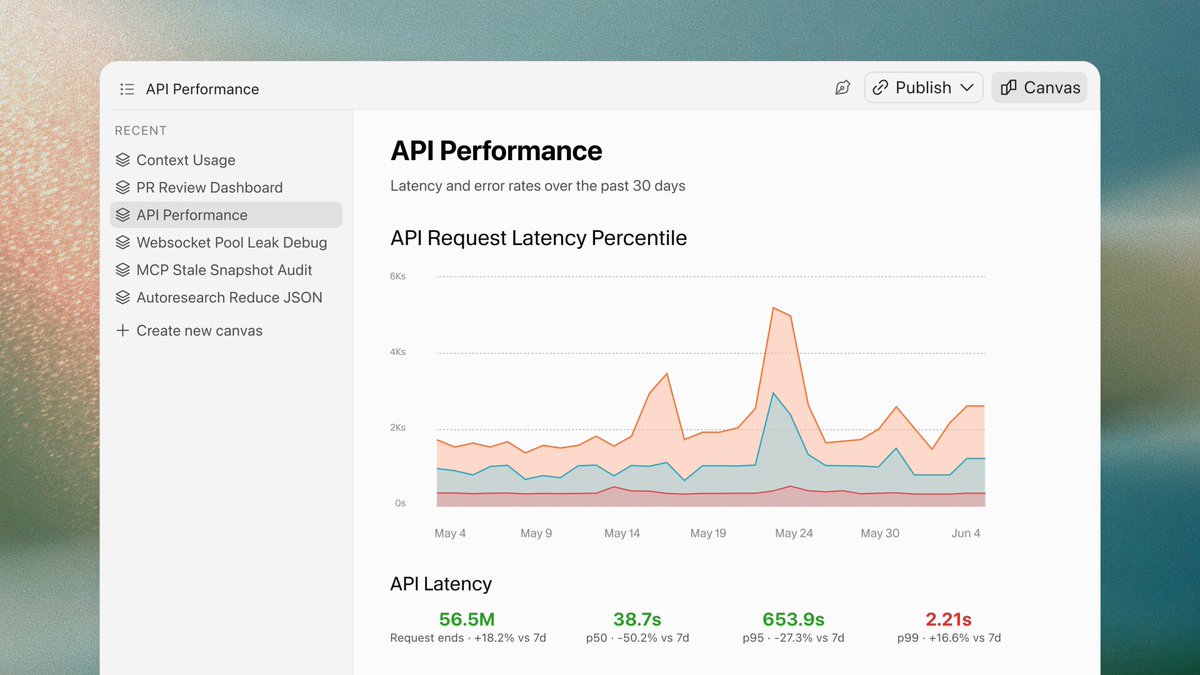
With canvases, Cursor can create apps like dashboards, reports, and internal tools.
Now you can publish a canvas and share it with your team via URL.
98
100
1,971
158,881
Jun 4
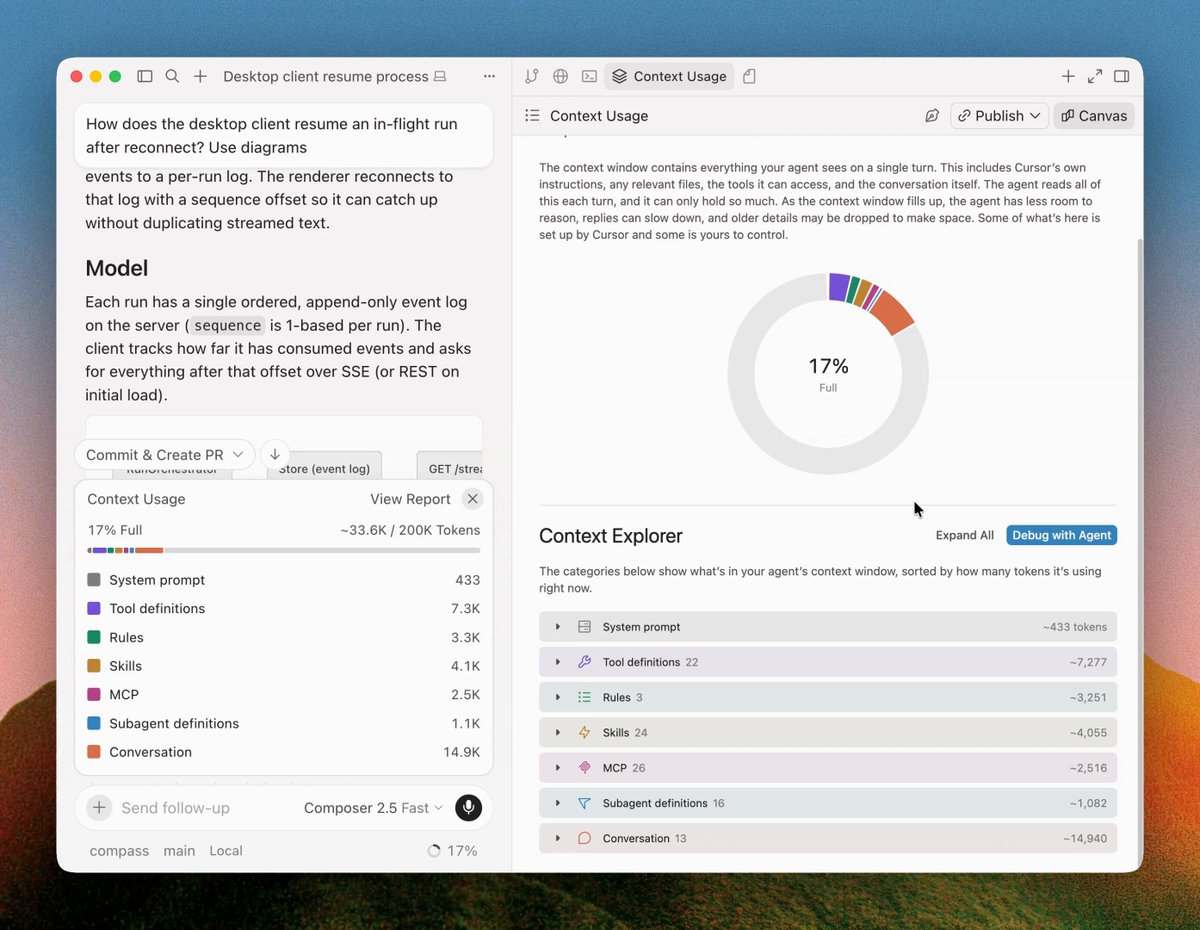
Cursor can now show your agent's context usage as an interactive report in a canvas.
The context explorer breaks down where tokens go across the system prompt, tool definitions, rules, skills, and more.
18
9
220
28,965
Jun 2
A great cloud agent experience involves a lot more than moving a local agent to a server.
We've learned that it requires a durable execution platform, a powerful harness, and the tools and infra to give agents realistic development environments.
cursor.com/blog/cloud-agent-…
54
42
774
101,661
Jun 1
We’re increasing usage limits for every Teams user.
Inspired by the success of our Ultra plan, we're also introducing a Premium team seat that includes 5x usage at only 3x the cost.
86
79
1,921
185,354
May 29
Auto-review mode is now available in Cursor.
It allows agents to run tool calls with fewer approval prompts and safer execution.
87
132
2,023
264,042
May 29
Agent actions that aren't on your allowlist or can't be sandboxed go to a classifier subagent.
This separate agent decides whether to allow the tool call, try a different approach, or ask you for approval.
Learn more: cursor.com/changelog/auto-re…
7
2
104
22,460
May 28
Claude Opus 4.8 is now available in Cursor.
On CursorBench, it's able to work much more efficiently than Opus 4.7. We've also found it to be more persistent on harder tasks.
164
152
3,946
297,733