
I am a law enforcement professional, school safety expert, and author of Parenting in the Digital World - A Step-by-Step Guide to Internet Safety.
Joined December 2013
- Tweets 1,473
- Following 268
- Followers 671
- Likes 231
415 Photos and videos











May 27
🚨 Parents: The digital world moves fast. Keeping up with your child’s messages, apps, and online activity can feel impossible.
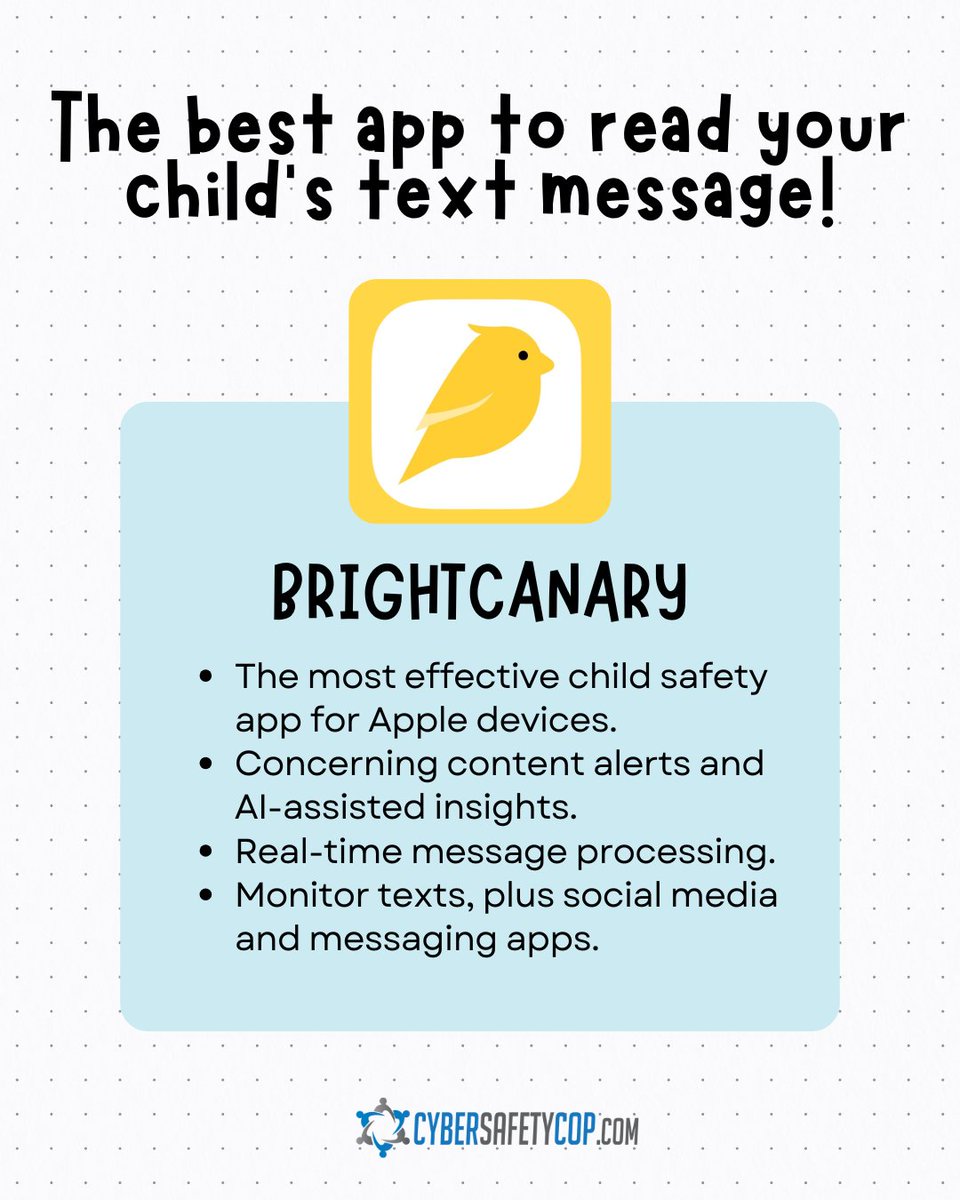
That’s why Cyber Safety Cop proudly recommends BrightCanary — a smarter way to stay informed and protect what matters most. 📱🛡️
BrightCanary helps parents:
✔ Monitor text messages
✔ See activity across apps
✔ Detect concerns early
✔ Create stronger, safer conversations with their kids
This isn’t about spying. It’s about protecting your child before small issues become serious problems.
💥 EXCLUSIVE OFFER 💥
Use code TRUST20 to get 20% OFF your subscription.
🔗 Start your free trial today:
brightcanary.io/
#DigitalParenting #CyberSafetyCop #BrightCanary #OnlineSafety #ParentalControls #ProtectYourKids #TeenSafety #ParentingInTheDigitalAge
9
May 25
For schools, organizations, and families navigating the rapidly evolving digital threat landscape, Cyber Safety Cop Plus provides a comprehensive resource library:
- 150 articles covering online safety, substance abuse, school safety, and AI threats
- Professional training
1
9
May 25
courses for educators, administrators, and parents
- Monthly live sessions with expert guidance and Q&A
- Current app reviews and platform analysis
- Access to a professional community focused on child digital safety
Membership starts at $5/month with a 7-day free trial.
1
9
May 25
Volume pricing available for schools and organizations.
Invest in your community's digital safety literacy.
cybersafetycop.com/membershi…
4
May 22
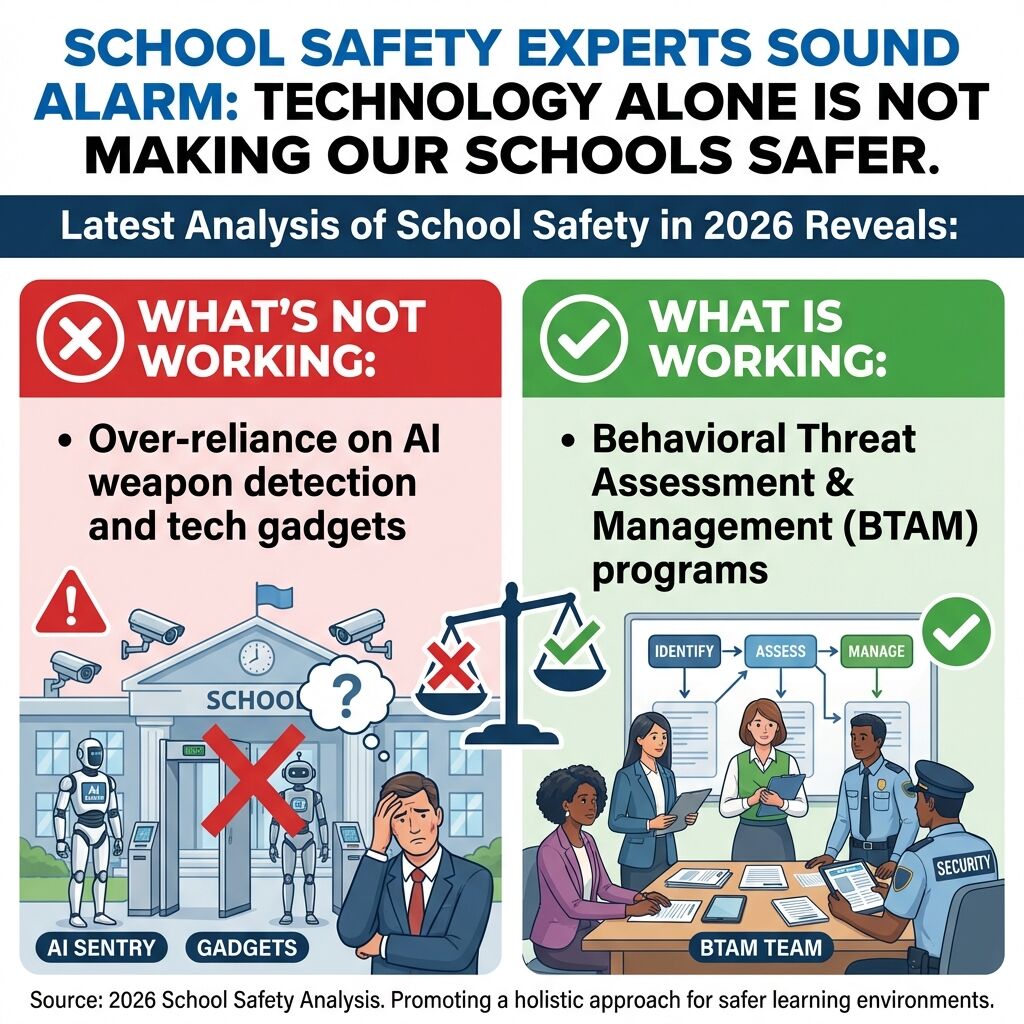
School safety expert Guy Bliesner identifies two key trends shaping K-12 security in 2026: integrating mental health supports with safety measures, and balancing people with technology.
Key insights from recent data:
- 99% of school safety alerts are everyday emergencies (medica
7
May 18
Digital parenting research consistently points to five evidence-based strategies that reduce online risk for children:
1. Pre-configure devices before distribution -- expectations established early are easier to maintain
2.
1
5
May 18
Maintain ongoing dialogue -- single conversations are insufficient; regular check-ins build resilience
For schools distributing devices to students: these same principles apply to your 1:1 programs. Our free resources can help guide your parent communication strategy.
1
1
May 15
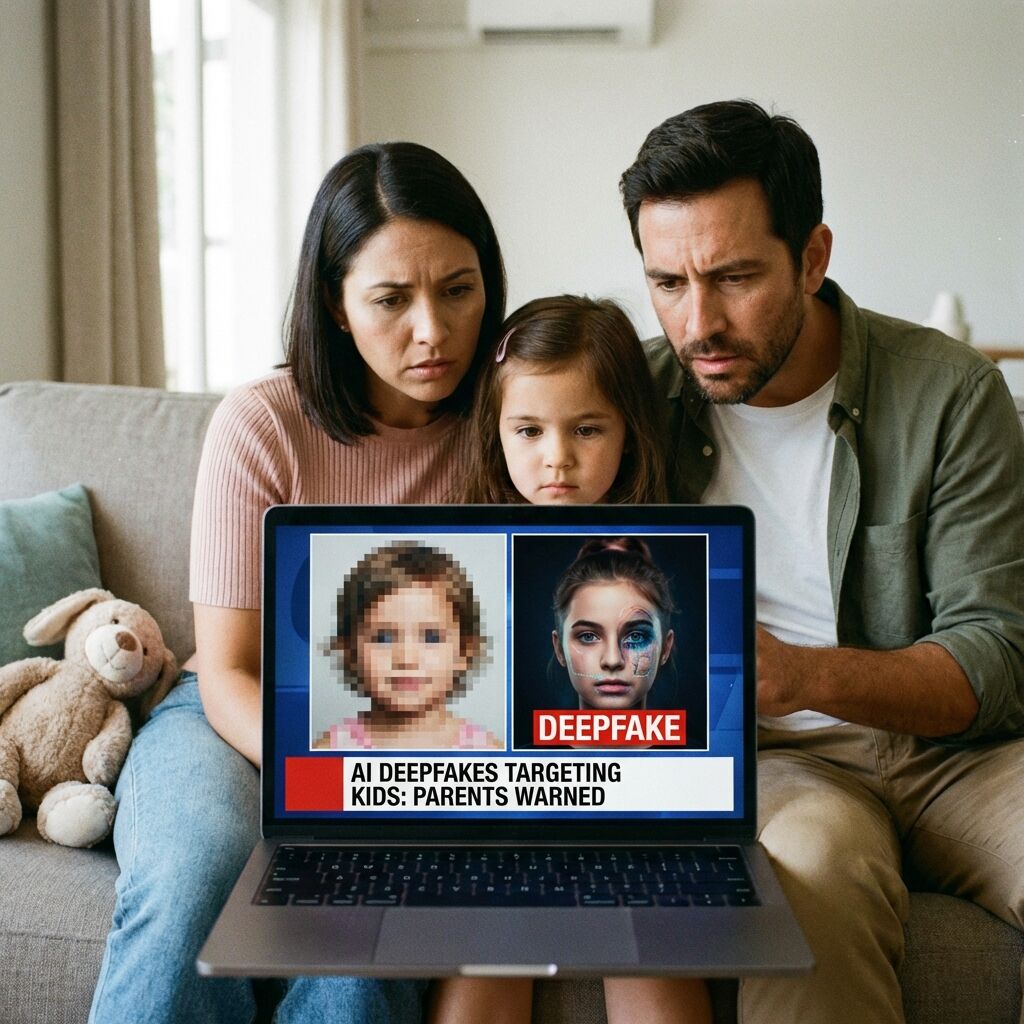
A UNICEF survey across 11 nations found that at least 1.2 million children had their images altered into sexually explicit deepfakes within the past year -- equivalent to 1 in 25 children.
1
9
May 15
cases surging from 4,700 (2023) to 67,000 (2024)
For organizations serving children: understanding AI-enabled exploitation is no longer optional. It requires updated training, policy frameworks, and community education.
1
3
May 15
Our Cyber Safety Seminar for parents addresses these emerging threats with practical, actionable guidance.
cybersafetycop.com/course/cy…
4
May 14
🛡️ Looking for a simple, affordable way to stay informed and protect your child online?
Our Cyber Safety Cop Family Basic Membership was created for busy parents and caregivers who want trusted online safety guidance—without a huge time or financial commitment.
✨ What’s included:
✅ Monthly E-newsletter
✅ Access to 150 curated articles & archived webinars
✅ Monthly live webinars with expert advice
✅ Monthly app reviews to stay ahead of trending platforms and risks
💡 Get practical tips, real-world strategies, and expert insight to help you navigate today’s digital dangers with confidence.
Only $5/month or $60 annually
Because protecting your child online shouldn’t feel overwhelming.
👉 Join today and start building a safer digital future for your family:
cybersafetycop.com/membershi…
#CyberSafetyCop #DigitalParenting #OnlineSafety #ParentingInTheDigitalAge #ProtectOurKids #ScreenTimeBoundaries #FamilySafety #ParentSupport
6
May 11
Schools across the country are confronting a deadly reality: fentanyl-laced vape products on campus.
Recent incidents include a 12-year-old hospitalized in Georgia and multiple emergency Narcan administrations in New York and Washington state schools.
The data is alarming:
- 1.
17
Three months after Australia implemented the world's first social media ban for children under 16, the results offer important lessons for educators and policymakers.
Key findings:
- 4.
1
3
Facebook, Instagram, Snapchat, TikTok, and YouTube for potential violations, with fines up to A$49.5 million.
For schools and organizations: technology restrictions alone are insufficient.
1
15
Effective digital safety requires a combined approach of policy, education, and family engagement.
cybersafetycop.com/course/di…
1