
Official account of the @AtlanticCouncil's Cyber Statecraft Initiative. Working at the nexus of geopolitics & nat sec with cyber. RT≠Endorsement
Joined January 2018
- Tweets 6,060
- Following 171
- Followers 9,032
- Likes 1,271
1,211 Photos and videos


Pinned Tweet

🚨 NEW BRIEF: AI is both a target and a tool for attackers. The cloud infrastructure it runs on doesn’t have the vulnerability management regime to match. New CSI brief on what needs to change. atlanticcouncil.org/in-depth…
1
3
5
754
Russian cybercrime may seem untouchable, but even FSB officers can fall. CSI Fellow Justin Sherman examines the arrest that reveals Moscow's cyber strategy. Full analysis here: 🔗atlanticcouncil.org/content-…
1
1
135
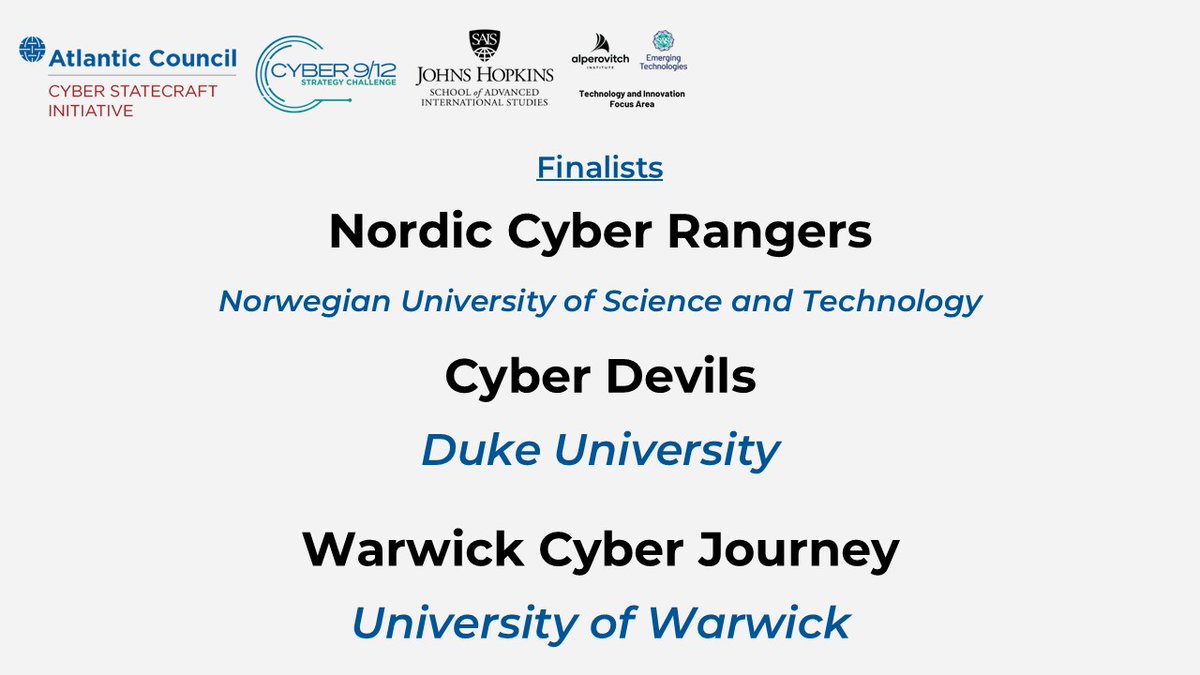
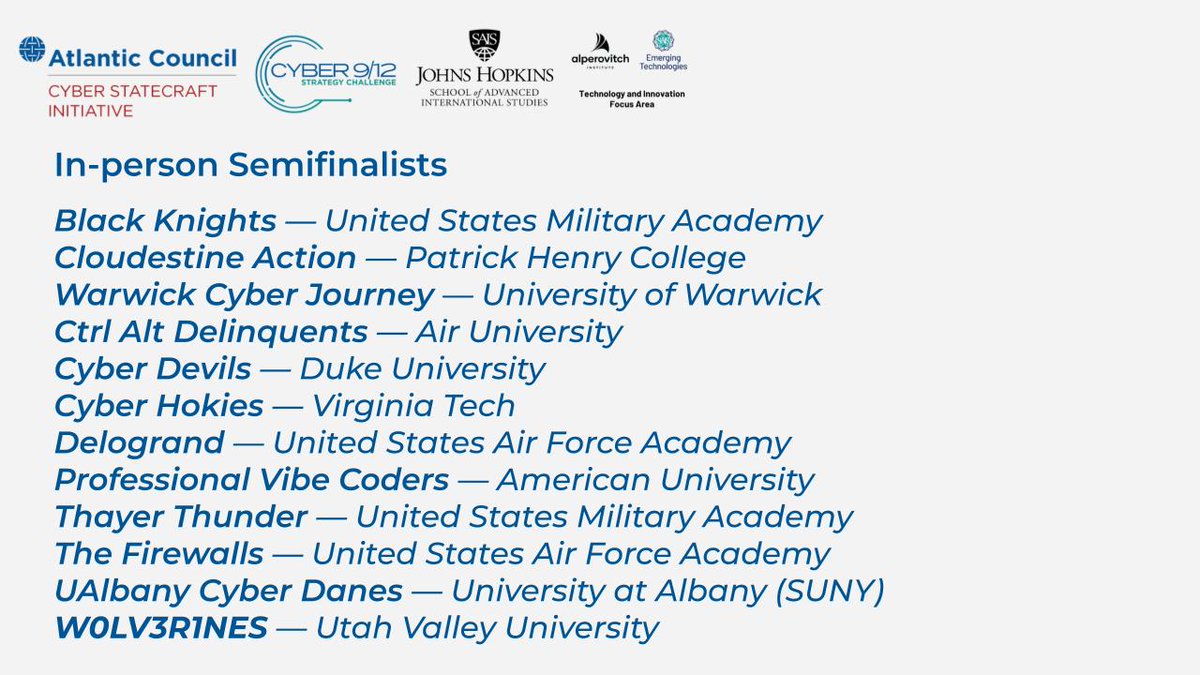
We asked teams about their experience competing in the 2025 Washington, DC #Cyber912 competition and developing policy recommendations in response to a cyber crisis with implications for rural healthcare infrastructure.
Check out their reflections here: atlanticcouncil.org/content-…
66
Have you or someone you love been impacted by unencrypted data, unaddressed commonly known vulnerabilities, a failure to monitor and control networks, or unpatched software? You may be entitled to... check our paper about the FTC! ➡️ atlanticcouncil.org/in-depth…
2
75
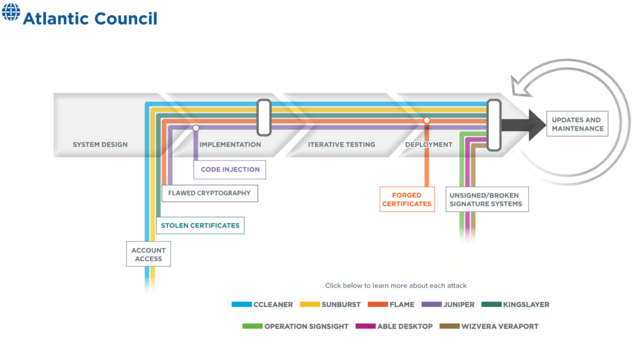
Software supply chain attacks continue to demonstrate that the trust intrinsic to and necessary for software supply chains is easily broken. Unfortunately, future fragmentation of that trust is all but guaranteed. Read our Broken Trust report for more: atlanticcouncil.org/programs…
2
3
145
Current critical infrastructure cybersecurity policy does not address cyber-physical security in a systemic way, failing to reflect the interconnected and interdependent nature of critical infrastructure. Find out why here: atlanticcouncil.org/in-depth…
1
62
US venture capital is fueling the spyware industry. Companies backed by American dollars have enabled surveillance on US officials and allies. More about how the Trump administration can combat this issue in: nationalinterest.org/blog/te…
1
154
Cloud myth #2: Cloud computing is not a supply chain risk.
Fact: Cloud computing, like telecommunications and other software, has its own complex hardware and software supply chains, which face (and create) their own risks.
Learn more here: atlanticcouncil.org/in-depth…
1
75
Digital isolationism is now a reality in Russia. Western sanctions & 100k tech professionals leaving the country fuel the Kremlin’s push for domestic tech solutions and the implications for global tech engagement are vast. Read more here: atlanticcouncil.org/in-depth…
2
1
370
What is one assumption holding back the cyber workforce? Richard Harris thinks “one problematic assumption is that the market, academia, or government alone can solve the problem of cyber workforce shortages.”
Read the full 5x5 on the cyber workforce here: atlanticcouncil.org/content-…
99
As more and more countries develop national cyber strategies, they must look outside traditional 'cybersecurity' issues areas and, for the first time, says Robert Peacock, identify procurement corruption as a cybersecurity risk. atlanticcouncil.org/in-depth…
1
99
What is #AviationCybersecurity? The cybersecurity of aircraft operations—the movement of aircraft, passengers, its products, supply chain, and services.
Learn more about it here:
atlanticcouncil.org/in-depth…
1
122
The US is the largest investor in this sample of the spyware market 💰 The implications for both national security and human rights policy are profound. The report contextualizes this trend: atlanticcouncil.org/in-depth…
5
352
Browsers that allow users to store their passwords directly in the browser offer convenience and efficiency, but also expose users to the risks of information-stealing malware. Learn more about design pressures and systemic cyber risk atlanticcouncil.org/content-…
2
148
When used during times of military crisis, are cyber operations truly de-escalatory crisis offramps, or have they the potential to exacerbate an already accelerated decision making process? Michael Fischerkeller looks at the implications in this piece: atlanticcouncil.org/in-depth…
1
1
176
Ukraine showed what’s possible: faster data fusion = faster decisions. But NATO’s federated structure needs a different model. This report breaks down how cloud-enabled ISR can balance speed, security, and sovereignty. atlanticcouncil.org/in-depth…
1
134
📊 Our report reveals six key trends in the spyware market, including partnerships between spyware and hardware surveillance vendors and cross-border capital flows. Explore our data and policy recommendations to combat these issues. atlanticcouncil.org/in-depth…
2
2
270
Deter This!
Lessons from counter-terrorism hold more value for US policymakers & public-private cooperation on cybersecurity than thinking shaped around nuclear escalation or conventional warfare. See more from Simon Handler, Emma Schroeder & Trey Herr. warontherocks.com/2021/05/cy…
1
175
What do empowering agencies to take up interoperability issues, using procurement to advance interoperable technology, and investing in privacy-preserving digital identity have in common? They're all recs from our interoperability report! atlanticcouncil.org/in-depth…
171
Cybercrime is so appealing for criminals and criminal groups due in large part to the ability to create mass profit with relatively small resource input. Criminal syndicates in Myanmar have used forced labor to conduct global cyberscam operations
atlanticcouncil.org/in-depth…
2
249
We've only been talking about liability for, oh, a few decades now. Need to wrap your head around what software liability means anyway? Curious what the experts have been saying? Learn more here: atlanticcouncil.org/in-depth…
82